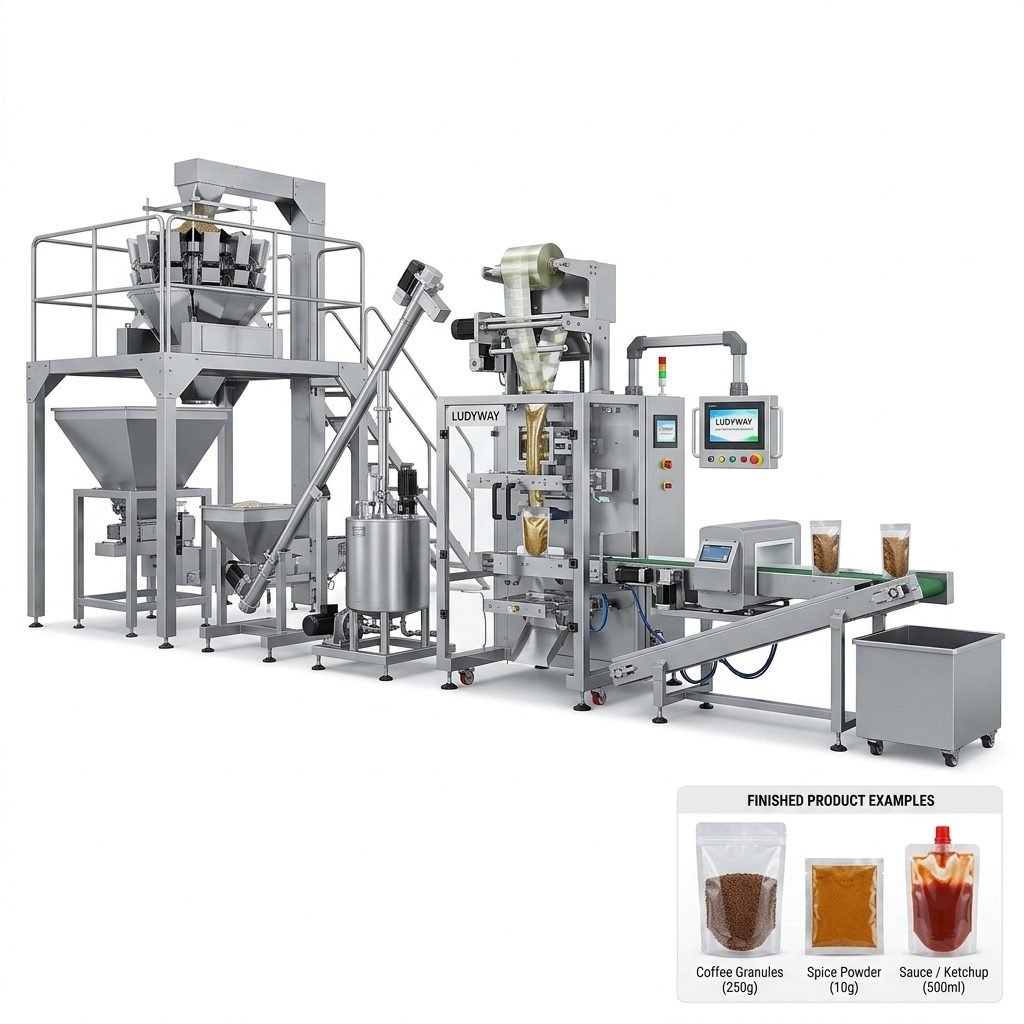
A single chamber vacuum packing machine is one of the most practical packaging solutions for businesses that need longer shelf life, better product protection, and a cleaner pack appearance. It is widely used in food processing, meat packaging, seafood, dried products, pharmaceuticals, electronics, and industrial parts.
If you are comparing vacuum packaging equipment for your factory, this guide explains how it works, its main benefits, typical applications, and the most important points to evaluate before buying.

What Is a Single Chamber Vacuum Packing Machine?
A single chamber vacuum packing machine is a vacuum sealing system with one enclosed working chamber. The operator places filled vacuum bags inside the chamber, closes the lid, and the machine removes air from the chamber and the bag before sealing it.
Because the vacuum process happens inside a closed chamber, this machine is especially suitable for:
- Solid food products
- Fresh meat and seafood
- Cheese, cooked foods, and ready meals
- Powders and granules in suitable vacuum bags
- Medical and industrial products requiring moisture and oxidation protection
Compared with external suction vacuum sealers, a chamber vacuum machine generally offers stronger vacuum performance, more stable sealing quality, and wider industrial use.
How Does a Single Chamber Vacuum Packing Machine Work?
The working principle is simple, but very effective. The machine removes air from the sealed chamber, which creates a pressure difference that also extracts air from the packaging bag.
- Product loading: The operator places the product into a vacuum bag and positions the open end on the sealing bar.
- Lid closing: The chamber lid is closed to create a sealed environment.
- Vacuum stage: The vacuum pump removes air from the chamber.
- Optional gas flush: Some models can inject inert gas after vacuuming for delicate products.
- Heat sealing: The sealing bar closes the bag securely.
- Pressure release: Air returns to the chamber, and the bag tightly wraps around the product.
- Unload: The operator removes the finished package and starts the next cycle.
Core Components
- Vacuum chamber
- Vacuum pump
- Sealing bar
- Control panel
- Transparent lid or stainless steel lid
- Optional gas flushing system
Key Benefits of a Single Chamber Vacuum Packing Machine
1. Longer Shelf Life
By removing oxygen, vacuum packaging slows oxidation, mold growth, and bacterial activity. This helps preserve freshness, flavor, color, and texture.
2. Better Product Protection
Vacuum sealing protects products from moisture, dust, contamination, and environmental exposure during storage and transport.
3. Improved Packaging Appearance
A tight, professional-looking pack can improve retail presentation and support a more premium brand image.
4. Reduced Product Waste
Better preservation means fewer spoiled goods and lower loss rates, especially for perishable food items.
5. Wide Industry Versatility
One machine can often handle multiple products as long as the bag material and size are compatible.
6. Cost-Effective for Small to Medium Production
For many businesses, a single chamber model offers the right balance of investment cost, floor space, and output.
Common Applications
Single chamber vacuum packing machines are used across many sectors:
| Industry | Typical Products | Main Purpose |
|---|---|---|
| Food Processing | Meat, fish, cheese, nuts, spices, cooked meals | Freshness and shelf life extension |
| Frozen Food | Frozen meat, seafood, prepared foods | Freezer protection and compact packs |
| Pharmaceutical | Medical consumables, powders, sensitive materials | Moisture and contamination control |
| Electronics | Components, boards, precision parts | Oxidation and humidity protection |
| Industrial Parts | Metal parts, tools, hardware | Corrosion prevention and clean storage |
Single Chamber vs Double Chamber Vacuum Packing Machine
A common question from buyers is whether a single chamber model is enough, or whether they should choose a double chamber machine.
| Feature | Single Chamber | Double Chamber |
|---|---|---|
| Working Chambers | One | Two |
| Production Efficiency | Medium | Higher |
| Machine Cost | Lower | Higher |
| Space Requirement | Smaller footprint | Larger footprint |
| Best For | Small to medium output | High-volume production |
If your operation has moderate throughput and limited floor space, a single chamber vacuum packing machine is often the smarter and more economical choice.
Who Should Buy a Single Chamber Vacuum Packing Machine?
- Food manufacturers with small to medium daily output
- Central kitchens and ready-meal producers
- Meat shops and seafood processors
- Pharmaceutical and health product manufacturers
- Factories packaging moisture-sensitive industrial items
- Businesses entering vacuum packaging for the first time
Important Features to Check Before Buying
Vacuum Pump Capacity
The pump directly affects vacuum speed and final vacuum level. For higher efficiency, choose a machine with a reliable pump matched to your production needs.
Chamber Size
Make sure the chamber dimensions fit your largest product and bag size. Oversized products can reduce efficiency or make packaging impossible.
Seal Length and Seal Width
Longer and stronger seals improve pack security. This is especially important for wet products, frozen foods, and heavy packs.
Control System
Digital controls with programmable recipes make operation easier and improve packaging consistency.
Material and Hygiene Design
For food and pharmaceutical use, stainless steel construction is preferred for easy cleaning and long-term durability.
Gas Flushing Option
If you package fragile items or products that benefit from modified atmosphere packaging, ask for gas flush capability.
After-Sales Service and Spare Parts
Reliable support matters. Fast technical response, spare parts availability, and clear maintenance guidance can reduce downtime significantly.
Buying Guide: How to Choose the Right Model
Before making a purchase, ask these questions:
- What products will be vacuum packed?
- What are the bag dimensions and material type?
- How many packs do you need per hour?
- Do you package dry, wet, powdered, or fragile products?
- Do you need gas flushing?
- How much floor space is available?
- What voltage and power standards does your factory use?
- Do you need tabletop, floor-standing, or heavy-duty industrial design?
A machine that looks affordable upfront may not be the best long-term option if it lacks pump performance, sealing consistency, or local service support.
Quick Selection Checklist
| Check Item | Why It Matters |
| Product type | Determines vacuum level, bag type, and machine configuration |
| Bag size | Affects chamber and sealing bar requirements |
| Output target | Helps determine pump capacity and cycle speed |
| Product moisture level | Influences sealing performance and machine design |
| Factory environment | Important for cleaning, corrosion resistance, and durability |
| Service support | Reduces maintenance risk and downtime |
Maintenance Tips for Better Performance
- Clean the chamber and sealing area daily
- Inspect sealing bars and replace worn parts in time
- Check vacuum pump oil regularly if applicable
- Use suitable vacuum bags with stable sealability
- Train operators on correct bag placement
- Follow the supplier’s preventive maintenance schedule
Routine care helps maintain vacuum consistency, seal quality, and machine life.
Why Many Buyers Choose Experienced Packaging Machine Manufacturers
When sourcing a vacuum packaging solution, buyers often prefer manufacturers with broad industry experience, customization capability, and export service strength. For businesses that need both standalone equipment and integrated automation support, Ludyway packaging machine solutions are often considered thanks to the company’s long manufacturing history, wide machine portfolio, and turnkey packaging line capabilities for food, pharmaceutical, health supplement, and related industries.
Final Thoughts for Buyers
A single chamber vacuum packing machine is a dependable choice for businesses that need better preservation, professional packaging, and practical production efficiency without the higher cost of larger automatic systems.
If you select the right chamber size, pump configuration, sealing system, and support partner, this machine can deliver strong value for years. For small and medium production environments, it remains one of the most effective vacuum packaging investments on the market.