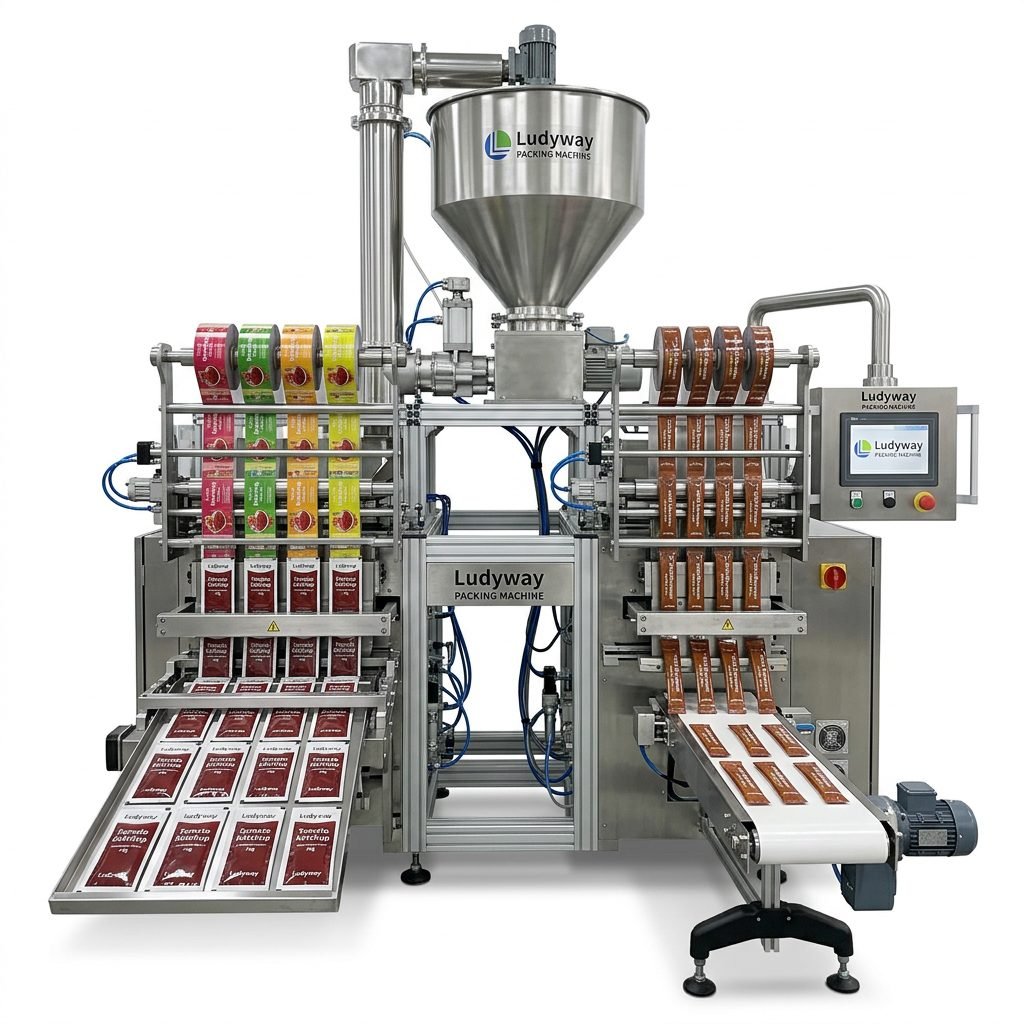
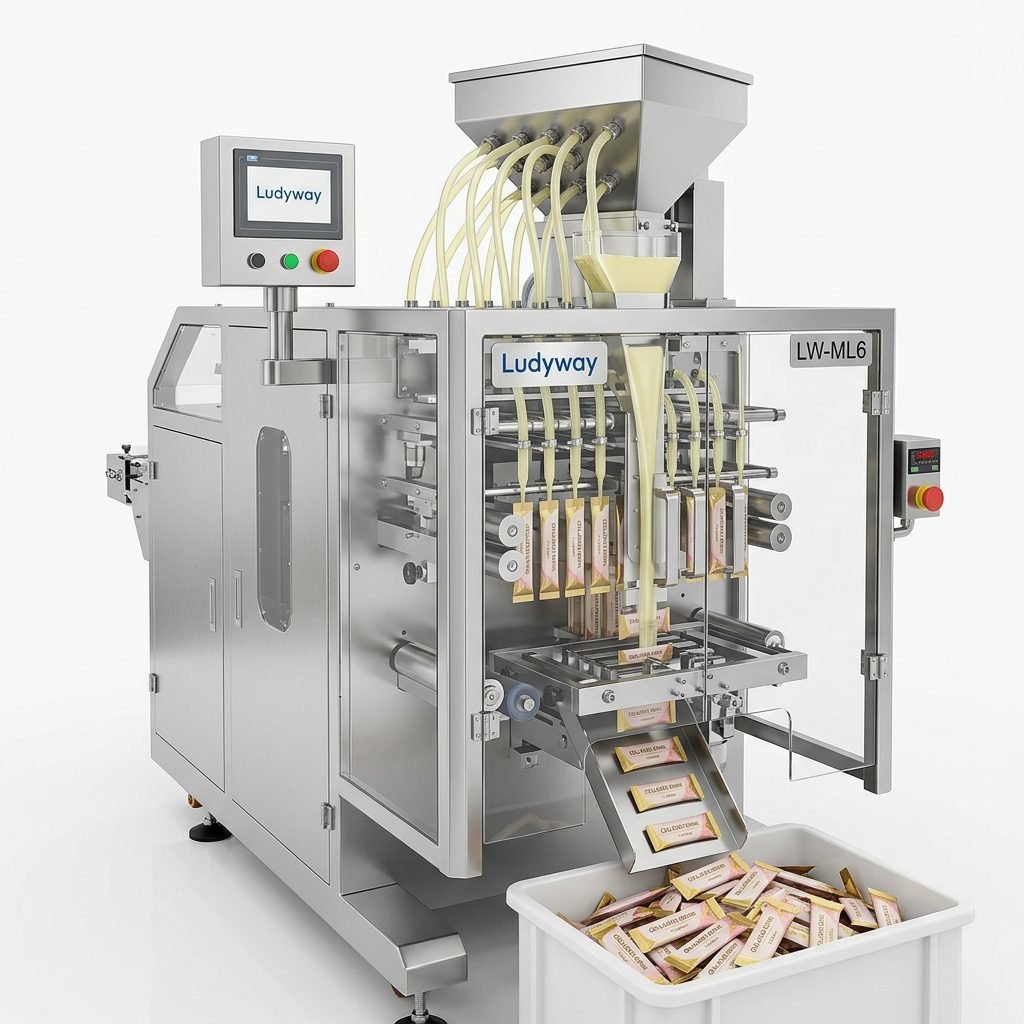
When buyers search for a skin packaging machine price, the first thing they usually discover is that there is no single universal number. Prices can vary widely depending on machine type, automation level, output capacity, packaging material compatibility, vacuum system quality, and the degree of customization required for your products.
For food processors, seafood producers, frozen product brands, meat suppliers, and prepared meal manufacturers, understanding what drives the cost is more important than focusing only on the lowest quotation. A cheaper machine may increase downtime, waste film, limit tray options, or create sealing problems later. A well-matched system often delivers better long-term value through stable output and lower operating costs.
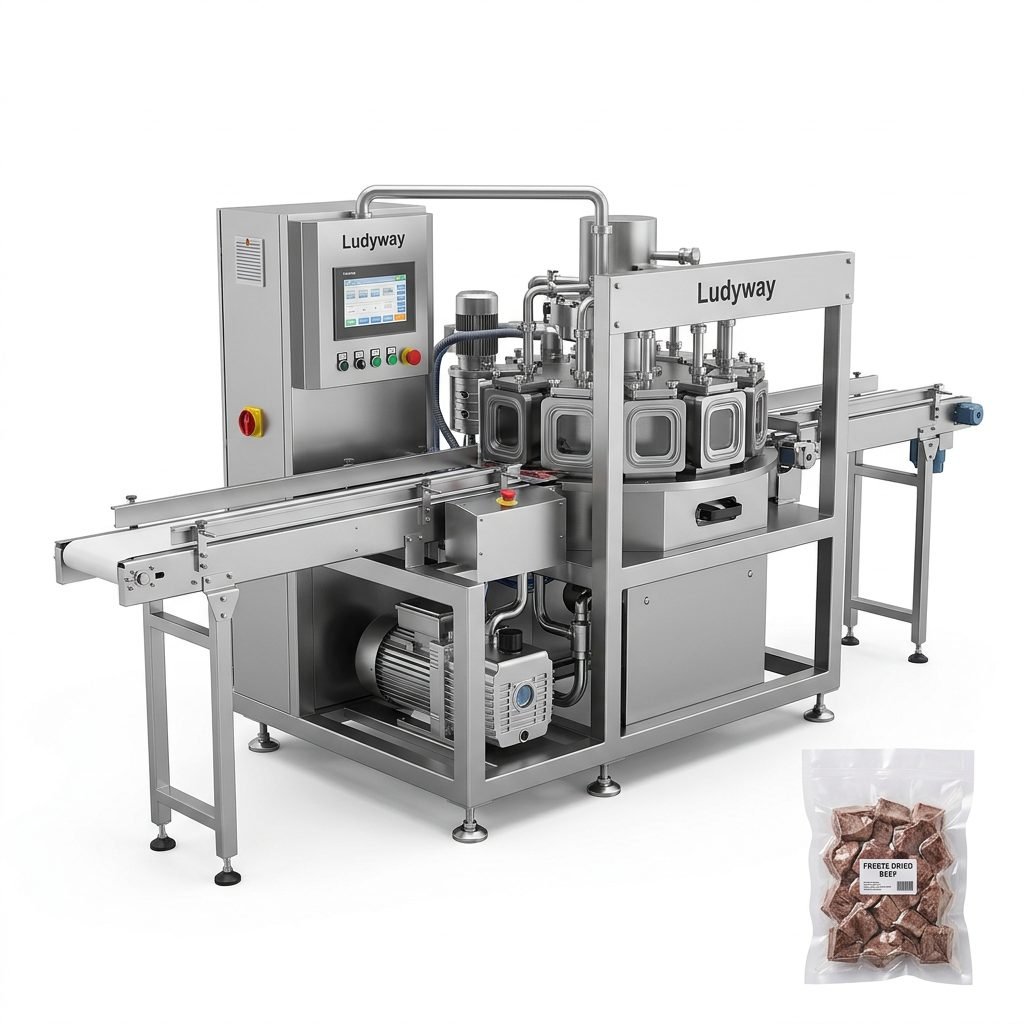
What Is a Skin Packaging Machine?
A skin packaging machine uses heated film and vacuum technology to tightly seal a product to a backing tray or support card. The film forms around the product like a second skin, creating a clean, premium appearance while helping improve product protection and shelf presentation.
Skin packaging is commonly used for:
- Fresh and frozen meat
- Seafood and fish portions
- Ready meals
- Cheese and deli products
- Medical or industrial components
- Retail display products requiring secure presentation
This packaging format is especially valued by brands that want better product visibility, leak reduction, stronger shelf appeal, and extended freshness when paired with suitable materials and process control.
Typical Skin Packaging Machine Price Range
Actual prices differ by configuration and supplier, but the ranges below can help buyers build an initial budget.
| Machine Type | Typical Price Range | Suitable For |
|---|---|---|
| Entry-level semi-automatic | USD 5,000–15,000 | Small batches, pilot production, startups |
| Standard automatic skin packaging machine | USD 15,000–50,000 | Medium-volume food and retail packaging |
| High-speed industrial model | USD 50,000–150,000+ | Large factories, continuous production |
| Turnkey integrated packaging line | USD 100,000–300,000+ | Automated conveying, sealing, inspection, cartoning |
Important: these ranges are reference estimates. Final cost depends on your product size, tray format, film structure, speed target, and whether you need upstream and downstream equipment.
Main Factors That Affect Skin Packaging Machine Cost
1. Automation Level
A semi-automatic model costs less upfront but requires more labor. Fully automatic systems cost more initially, yet they reduce manual handling, improve consistency, and support higher output. If your production runs every day, automation usually offers better total value.
2. Production Capacity
Higher-speed machines need stronger frames, more precise controls, better forming and sealing systems, and more robust vacuum components. As speed rises, price rises too. Buyers should avoid paying for output they will not use, but also avoid underbuying if demand is growing fast.
3. Product Size and Packaging Format
Packaging small seafood portions is very different from packaging thick meat cuts or larger ready-meal trays. Larger forming areas, deeper trays, thicker film compatibility, or irregular product profiles may require more advanced machine construction and tooling.
4. Vacuum System Quality
The vacuum pump and chamber design directly influence package quality. A stronger, more stable vacuum system generally improves skin effect, sealing reliability, and shelf presentation, but it also adds to machine cost.
5. Material Compatibility
Not every machine handles every tray and film type equally well. If you need compatibility with different barrier films, recyclable materials, or multiple tray dimensions, the equipment may need more advanced controls and adjustment systems.
6. Customization Requirements
Special product loading systems, customized molds, multi-format tooling, gas flushing options, date coding, label integration, or inspection systems all increase investment. Customization is often worth it if it reduces changeover time or solves a packaging challenge unique to your factory.
7. Build Quality and Components
Machine price is strongly influenced by servo systems, PLC brand, electrical components, stainless steel grade, sealing parts, and safety design. A machine built with reliable components often has a higher purchase price but lower maintenance risk.
8. Certifications and Export Standards
If you require CE compliance or other specific electrical and safety standards for your market, the supplier may need to adjust configuration, documentation, and testing. This can affect both lead time and price.

Hidden Costs Buyers Often Overlook
The machine price is only one part of the investment. Before making a final decision, check the full project cost.
- Shipping and insurance
- Import duties and taxes
- Installation and commissioning
- Operator training
- Tooling for different tray sizes
- Spare parts and consumables
- Film and tray testing
- Factory layout modifications
- Power and compressed air requirements
- After-sales service response time
A machine with a lower list price can become more expensive overall if support, spare parts, or operating efficiency are weak.
How to Choose the Right Skin Packaging Machine
Match the Machine to Your Product
Start with the actual item you need to pack. Product thickness, moisture content, shape, tray type, and desired presentation all affect machine selection. Ask for testing with your real samples rather than relying only on brochure claims.
Think About Future Capacity
If your current output is moderate but your sales plan is aggressive, buying a slightly more scalable system may be smarter than replacing an undersized machine in one or two years.
Check Changeover Convenience
For factories packing multiple SKUs, quick tooling change and user-friendly controls matter a lot. Slow changeovers can reduce real productivity even if the machine’s theoretical speed looks high.
Review Maintenance and Service Support
Ask what spare parts are recommended, how technical support is handled, and whether remote troubleshooting is available. Long-term uptime depends as much on service capability as on the hardware itself.
Evaluate the Complete Packaging Process
In many factories, the skin packaging machine is only one station in the line. Feeding, inspection, coding, labeling, cartoning, and end-of-line handling must work together. If integration is poor, bottlenecks appear quickly.
Questions to Ask Before Requesting a Quote
- What products will be packed, and what are their dimensions?
- What tray material and film structure will be used?
- What output per hour do you actually need?
- Do you need semi-automatic, automatic, or a full line?
- Will you run one SKU or many different formats?
- Do you require vacuum only, or vacuum plus gas flushing?
- What voltage and factory conditions will the machine operate under?
- Do you need CE or other market-specific compliance?
- What level of local or remote after-sales support is expected?
- Do you need sample testing before final confirmation?
Skin Packaging Machine vs. Thermoforming Vacuum Packaging Machine
Some buyers confuse skin packaging systems with standard thermoforming vacuum packaging machines. They share some principles, but the packaging result and application focus are different.
| Feature | Skin Packaging Machine | Thermoforming Vacuum Packaging Machine |
|---|---|---|
| Appearance | Film tightly conforms to product | Product sits in formed cavity |
| Retail presentation | Premium shelf display | Functional and efficient |
| Typical products | Meat cuts, seafood, ready meals | Broader industrial and food applications |
| Price impact | Depends on skin film control and presentation quality | Depends on forming area and automation level |
When a Higher Price Is Actually Worth It
Paying more can be the right decision if the machine offers measurable benefits such as:
- Higher packaging consistency
- Lower film waste
- Reduced leakage risk
- Faster changeovers
- Better tray and film flexibility
- Lower labor dependence
- More stable long-run production
- Stronger technical support and spare parts access
For growing factories, the best machine is rarely the cheapest one. It is the one that aligns with production goals, packaging quality standards, and future expansion plans.
Finding a Reliable Supplier
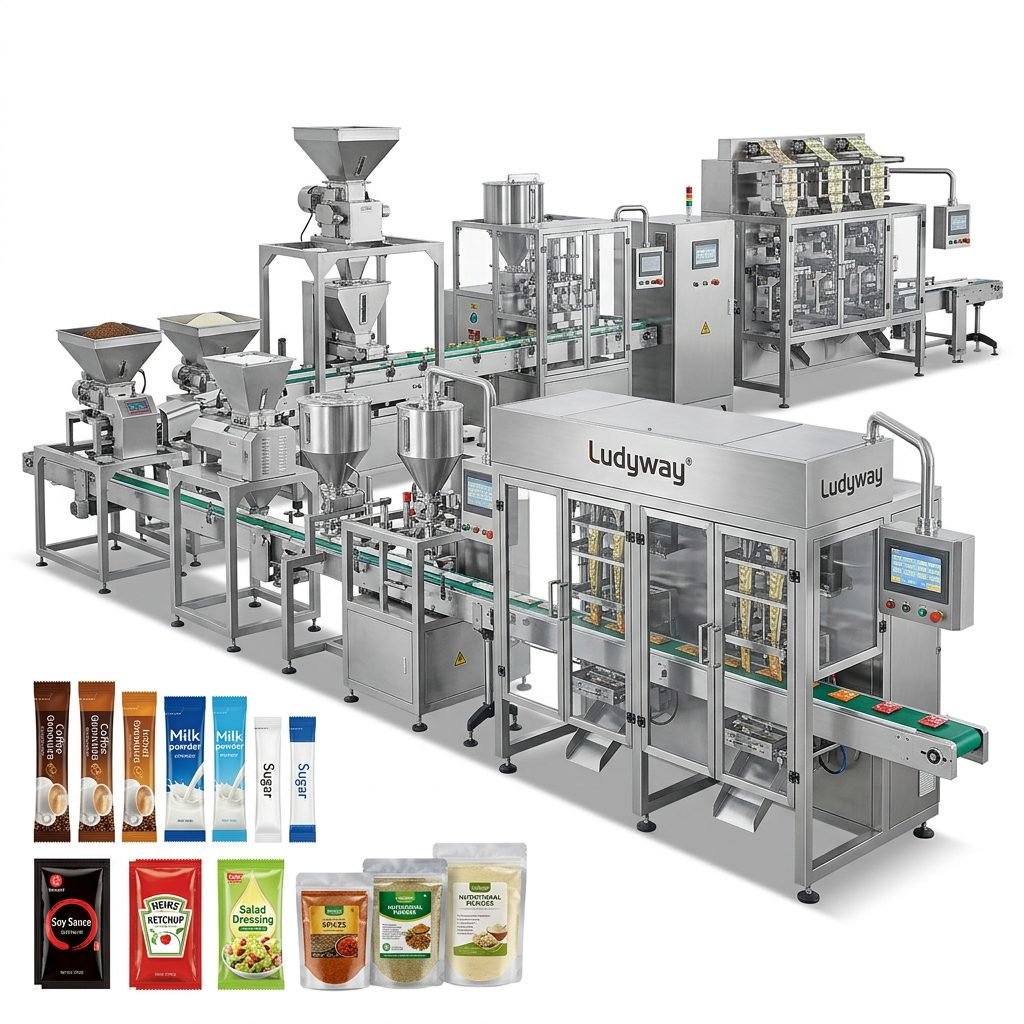
Choosing the right supplier is just as important as choosing the right machine. Look for a manufacturer with proven export experience, stable engineering capability, and the ability to support customized line integration when needed.
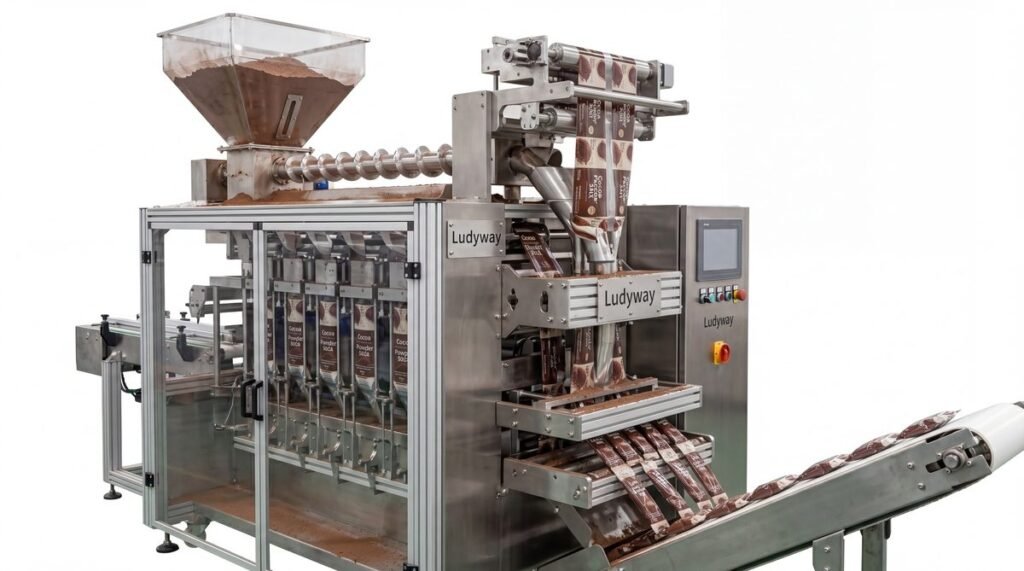
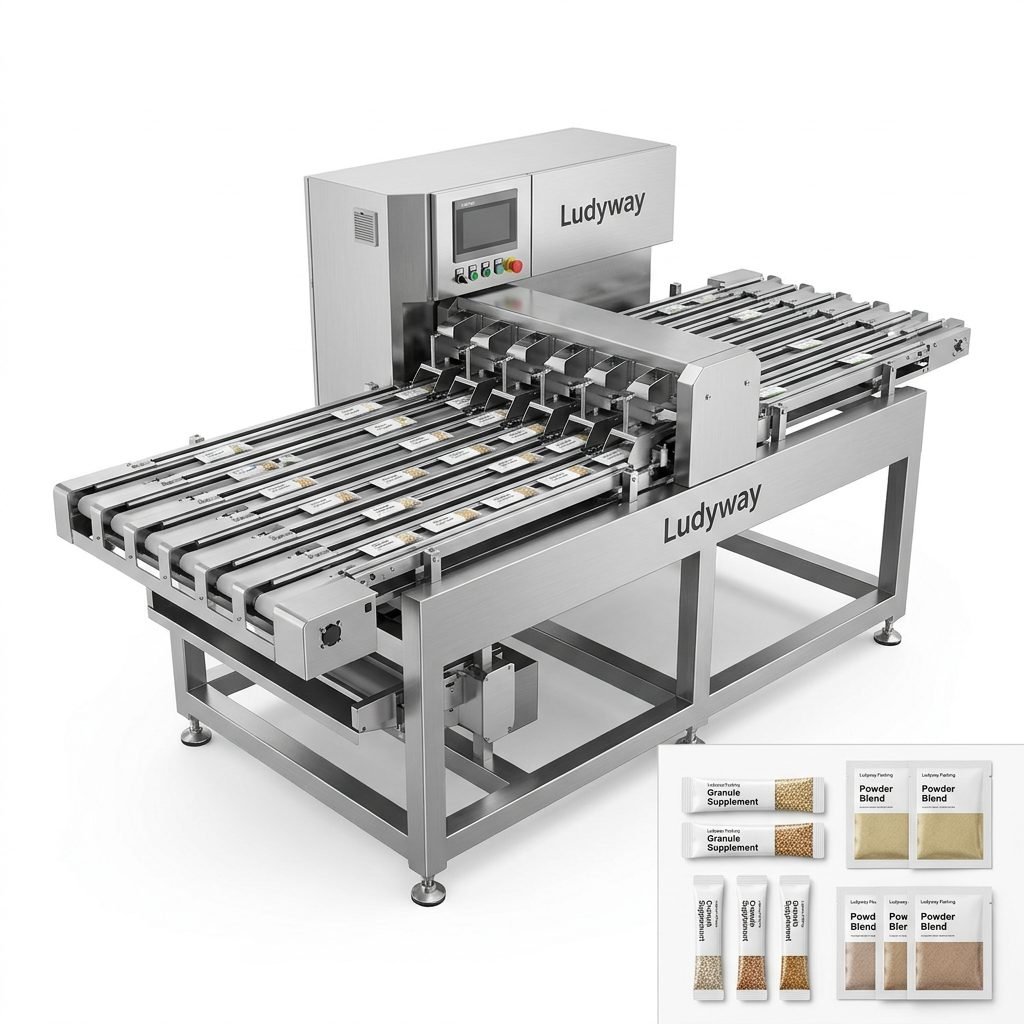
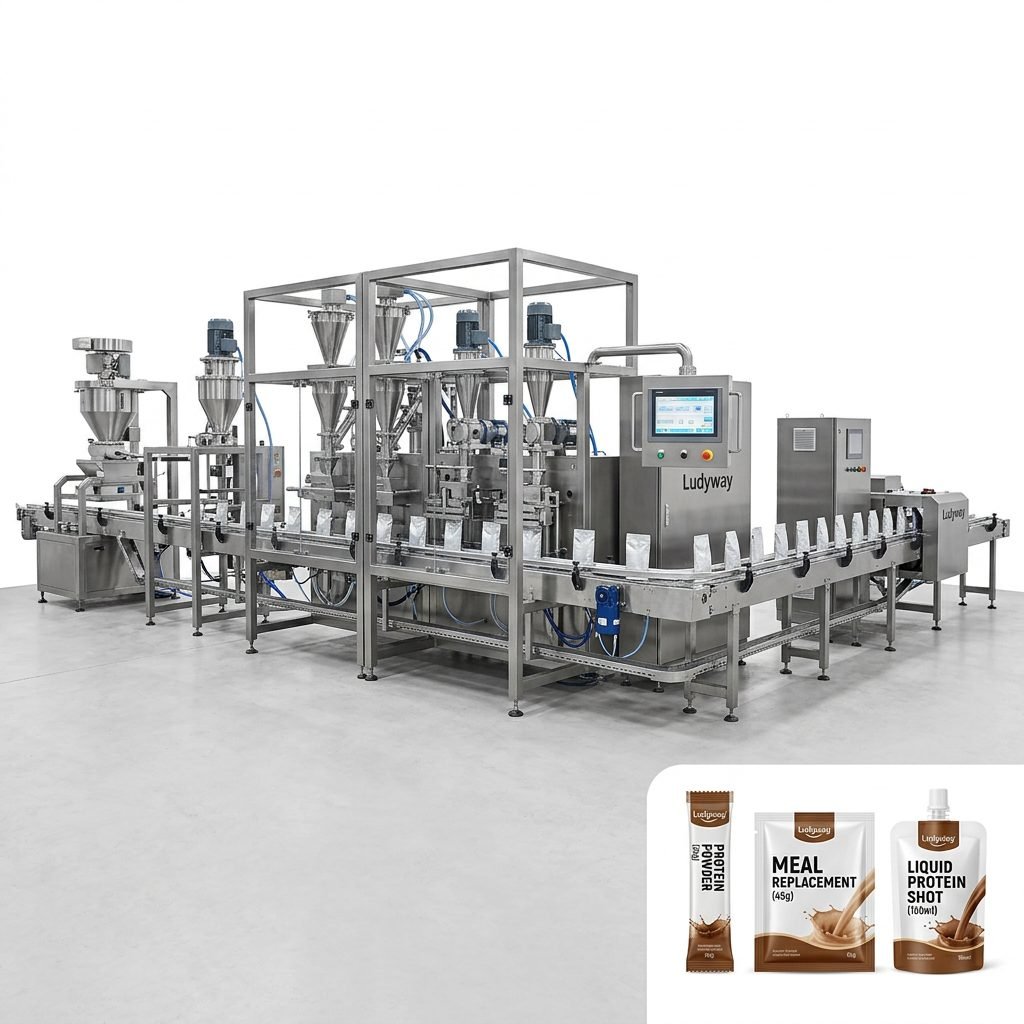
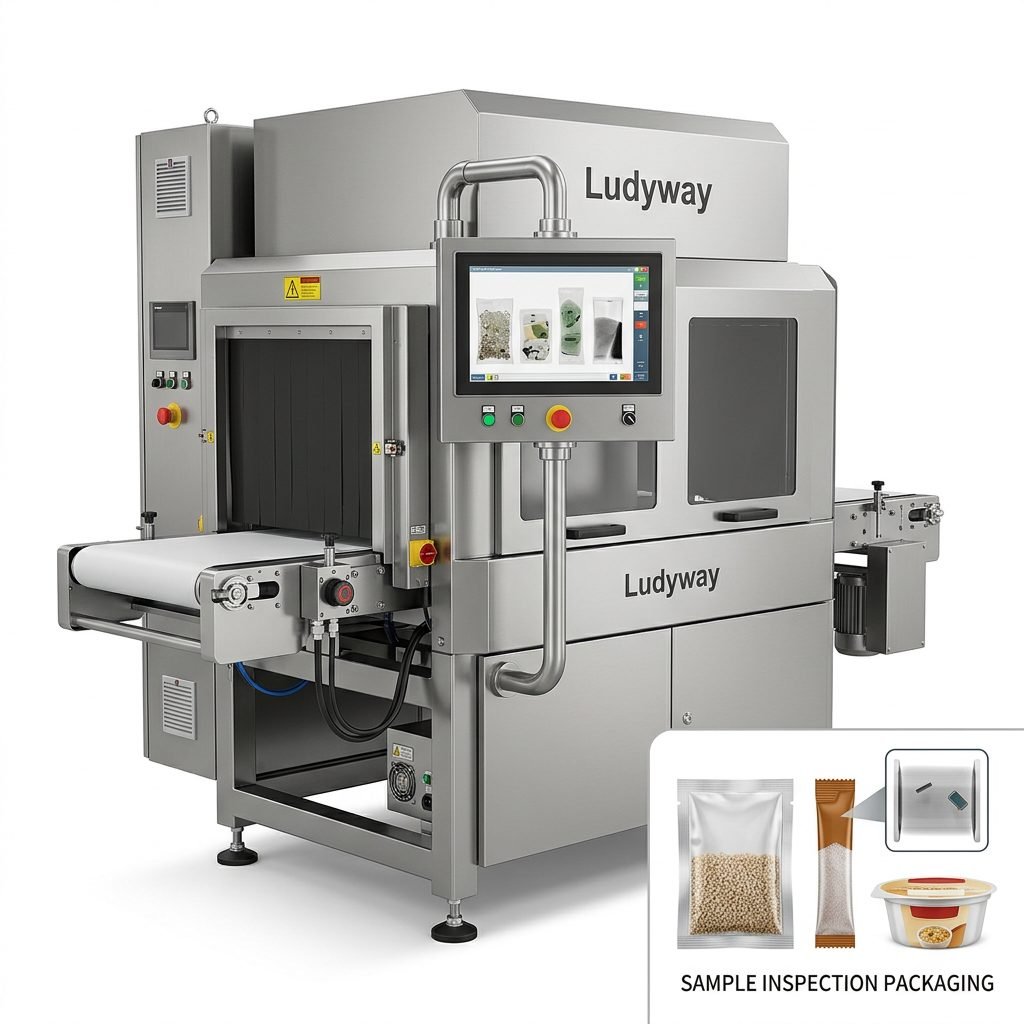
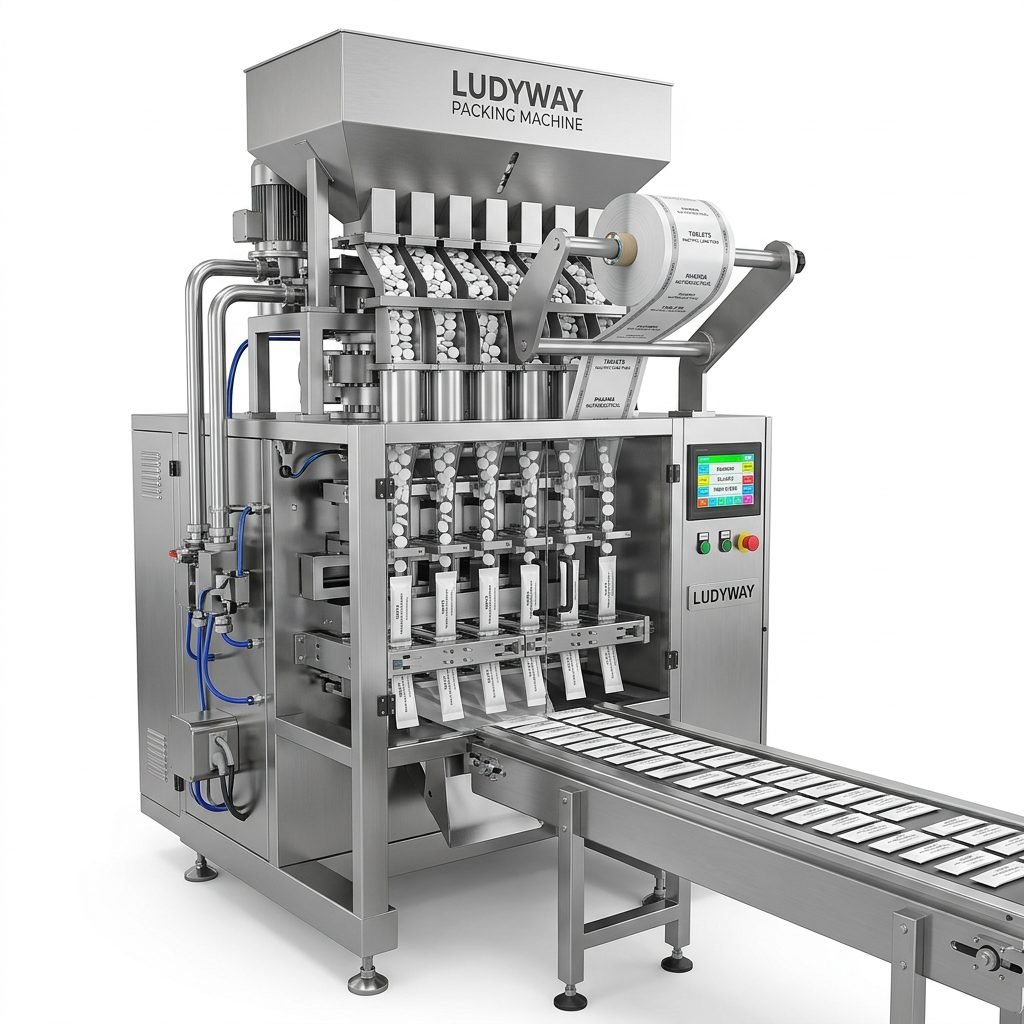
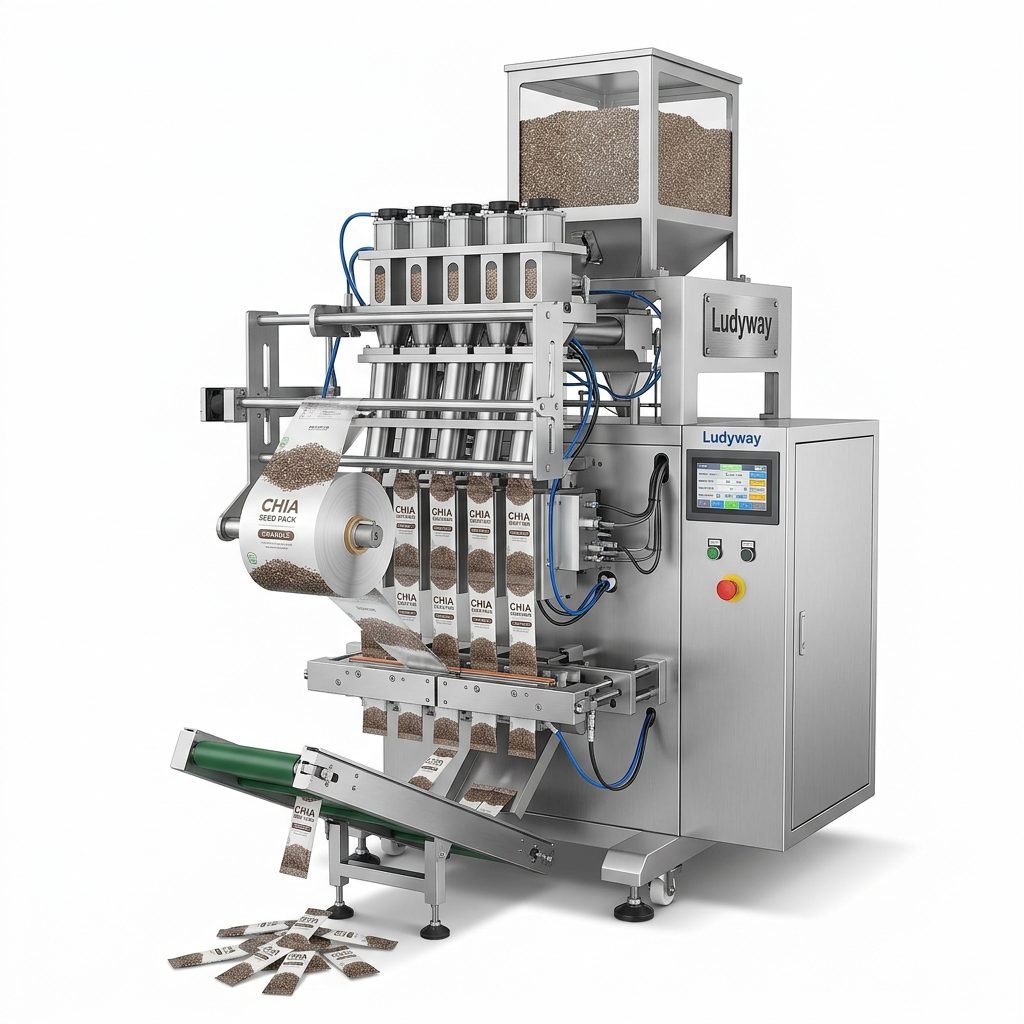
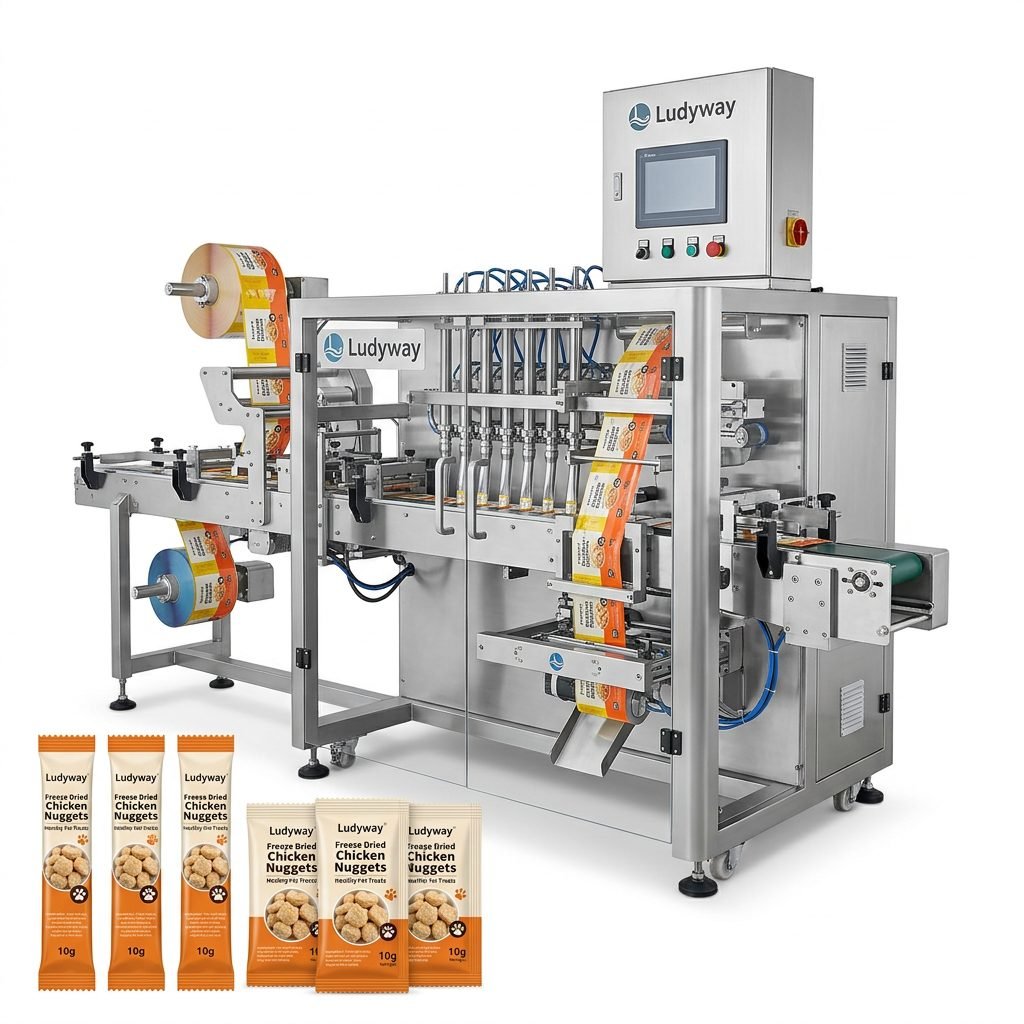
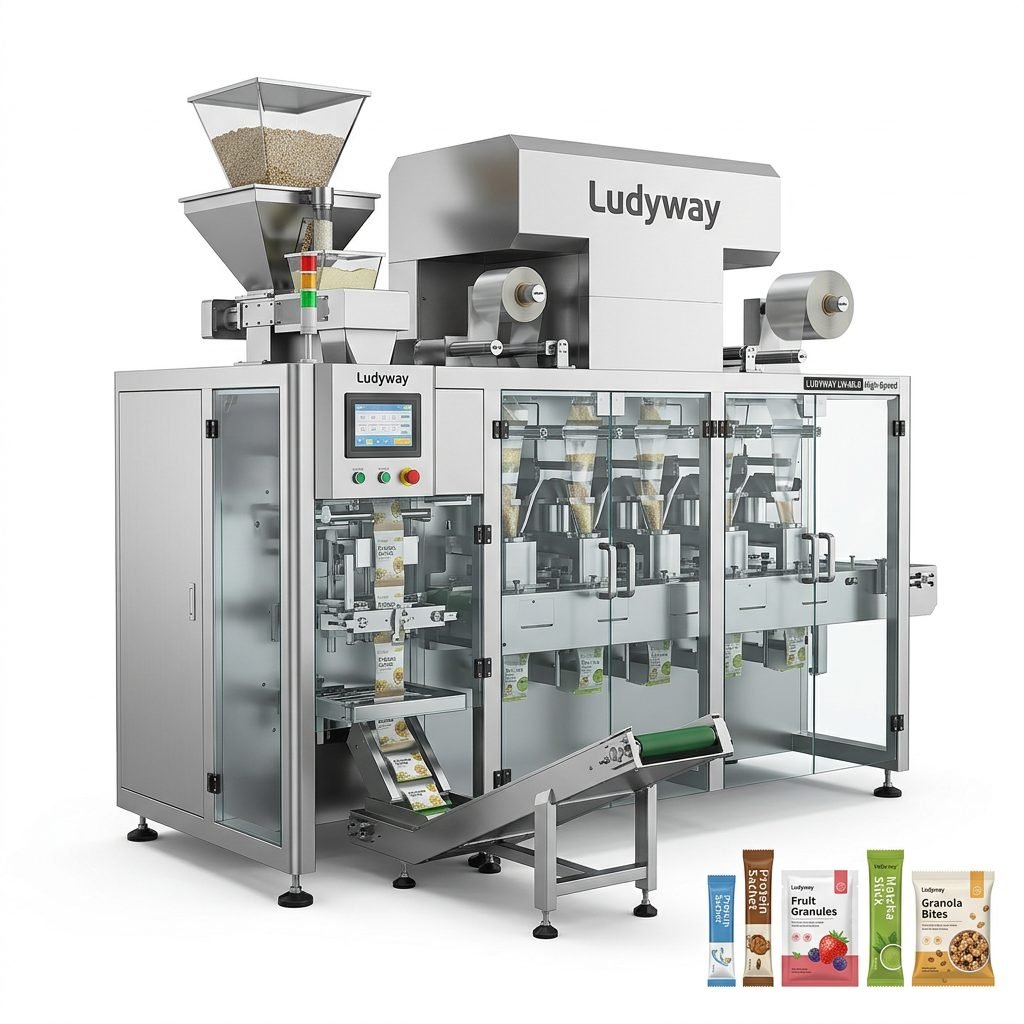
For buyers evaluating broader packaging automation options, Ludyway packaging machine solutions are often considered by international customers seeking standalone equipment and turnkey packaging lines across food, pharmaceutical, health supplement, and related industries.
Final Buying Tips
- Do not compare prices without comparing configurations
- Always test your real product if possible
- Ask for a full list of included and optional items
- Calculate operating cost, not only purchase cost
- Consider future SKU expansion before finalizing the model
- Confirm lead time, service scope, and spare parts availability
If you approach the purchase this way, you will be in a much stronger position to find a skin packaging machine that fits both your production needs and your budget, while delivering reliable performance over the long term.