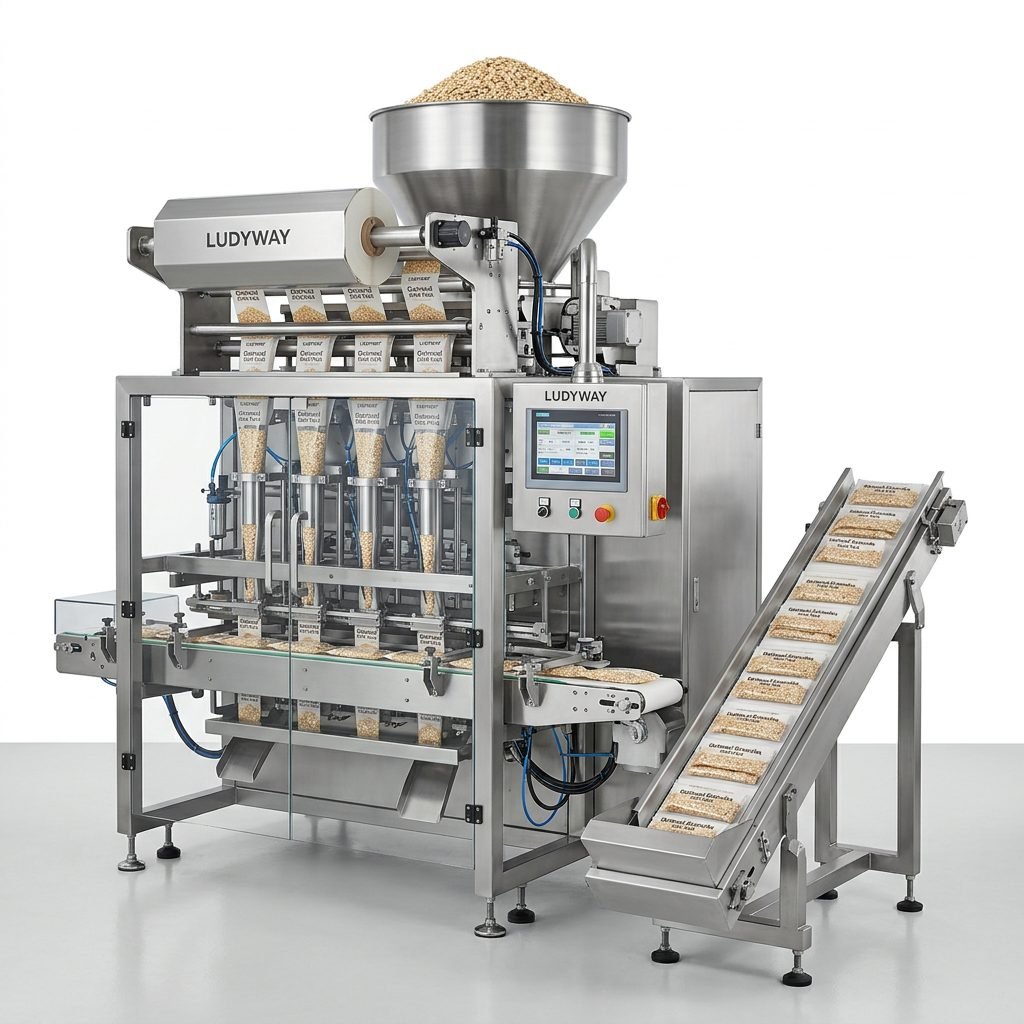
The Middle East dairy industry is experiencing rapid growth, driven by population expansion, rising disposable incomes, and strong demand for fresh and long-life milk products. For processors and producers across the GCC and wider region, selecting the right milk packaging machine is critical to ensure product safety, shelf life stability, and efficient throughput. This guide explores the machine types, cost factors, and essential features that shape successful milk packaging operations in the Middle East market.
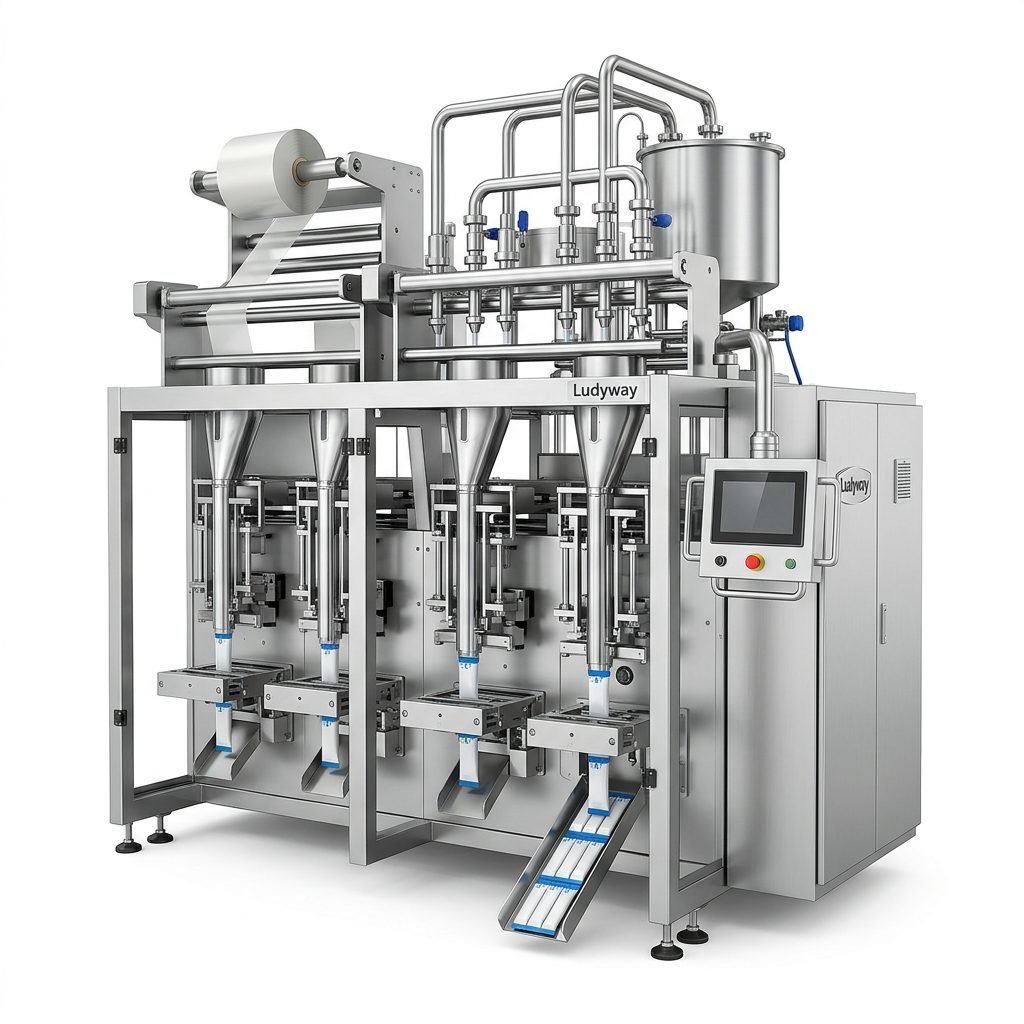
Understanding Milk Packaging Machine Types for the Middle East
Different dairy products and market segments call for distinct packaging formats. The most common machine categories found in Middle Eastern dairy plants include:
1. Aseptic UHT Milk Filling Machines
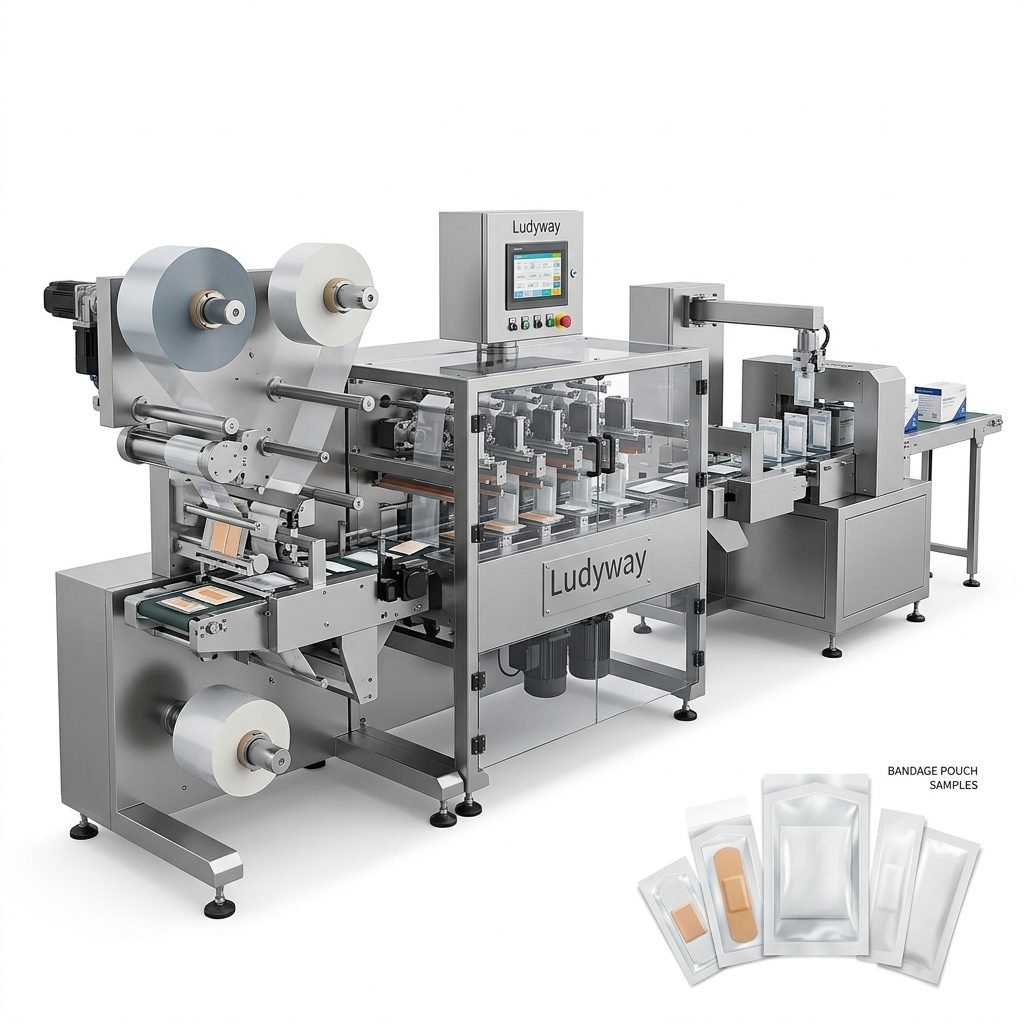
Aseptic filling lines dominate the long-life milk segment. These systems sterilize packaging material and fill product in a sterile environment, enabling ambient shelf life of 6 to 12 months — a crucial advantage in high-temperature Middle Eastern climates. Common formats include carton brick packs, multi-layer pouches, and aseptic bottles. When evaluating aseptic systems, prioritize those with validated sterility assurance and efficient CIP/SIP integration.
2. Pouch and Sachet Packaging Machines
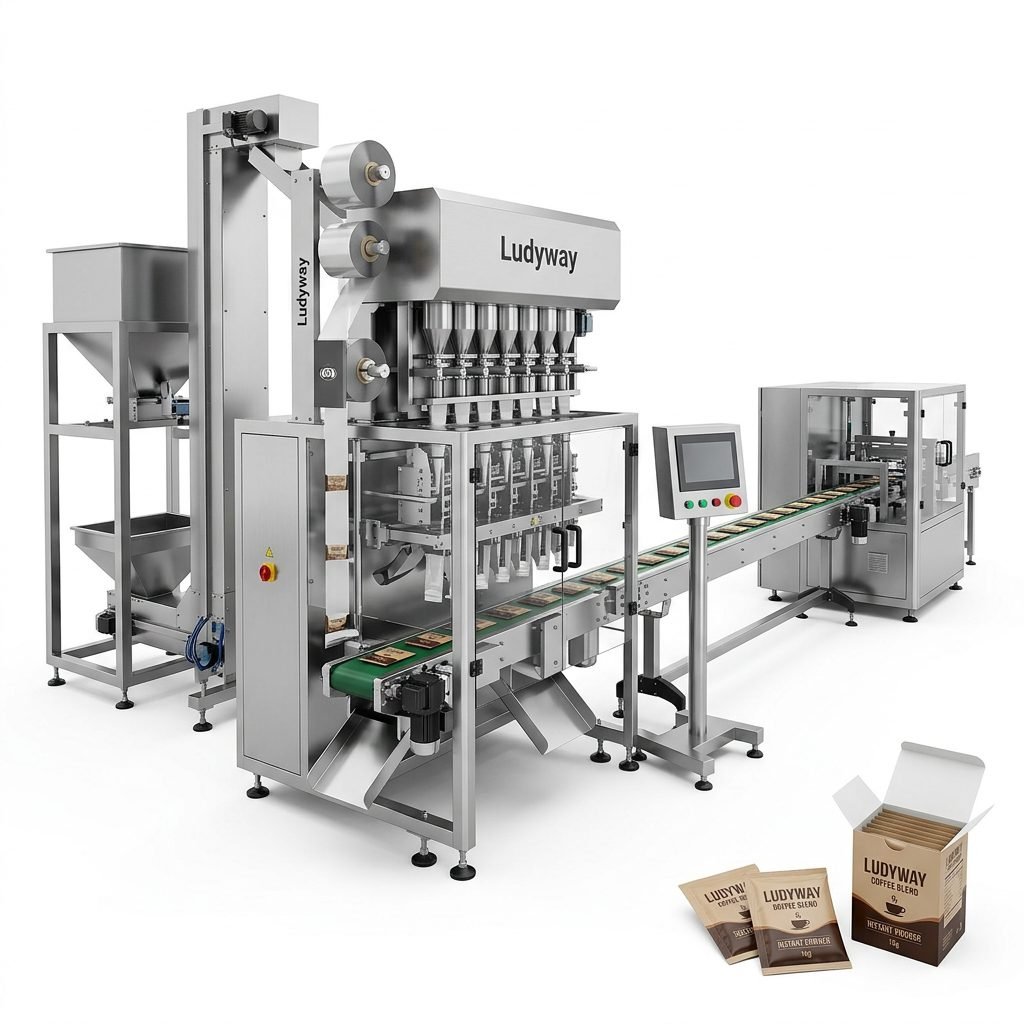
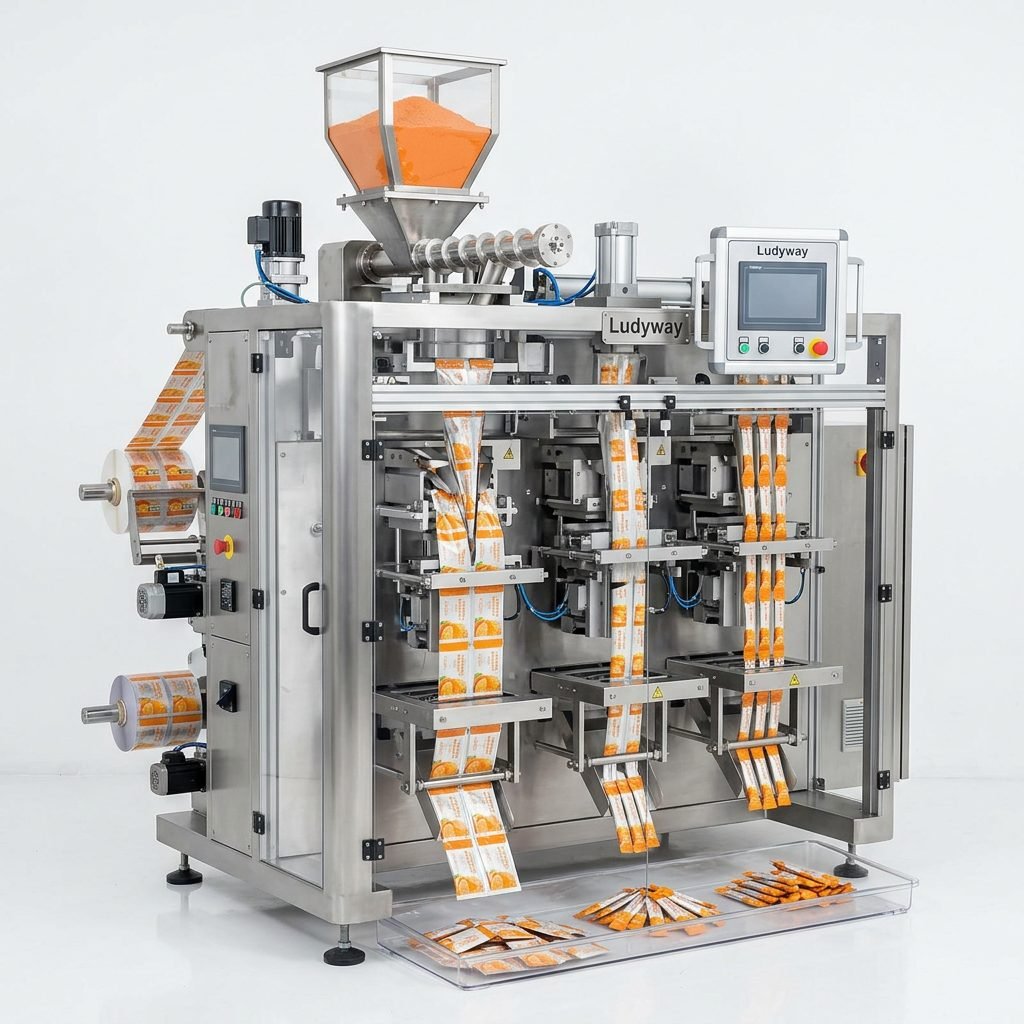
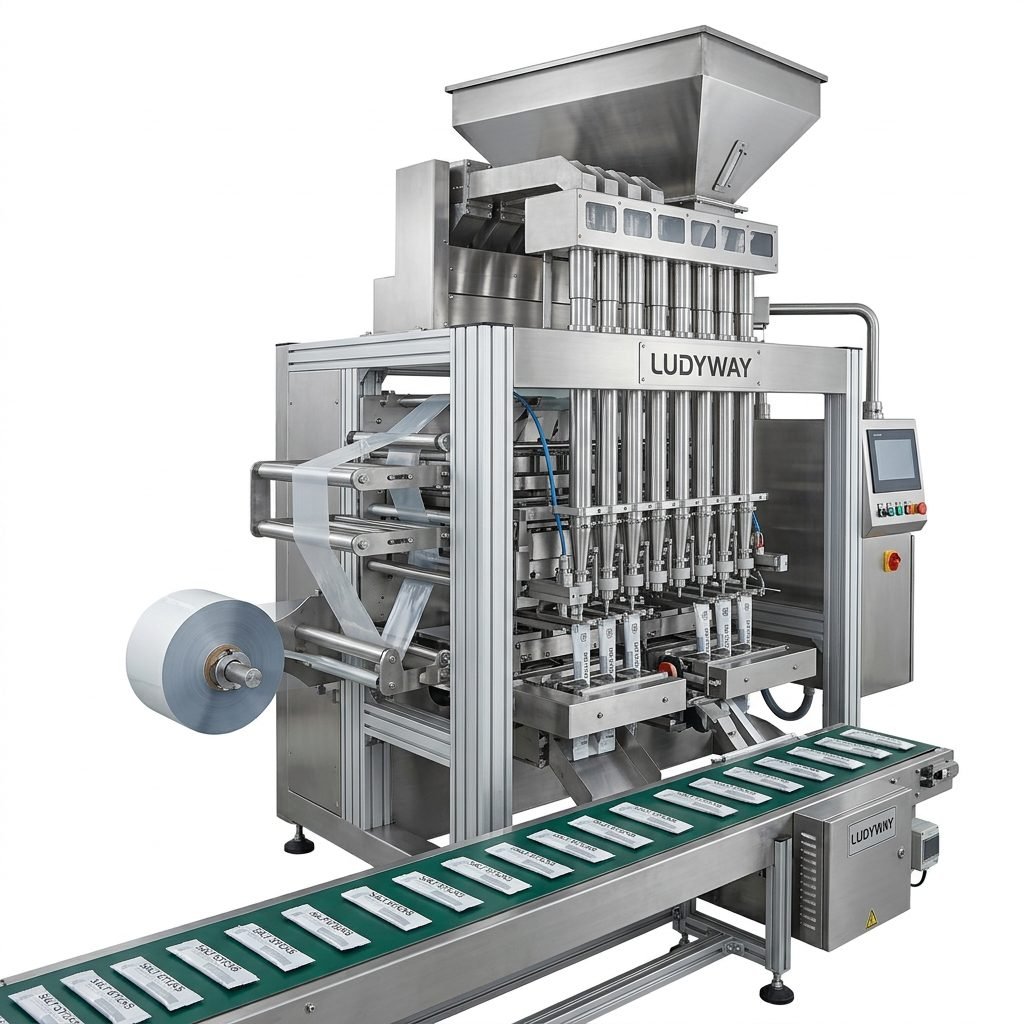
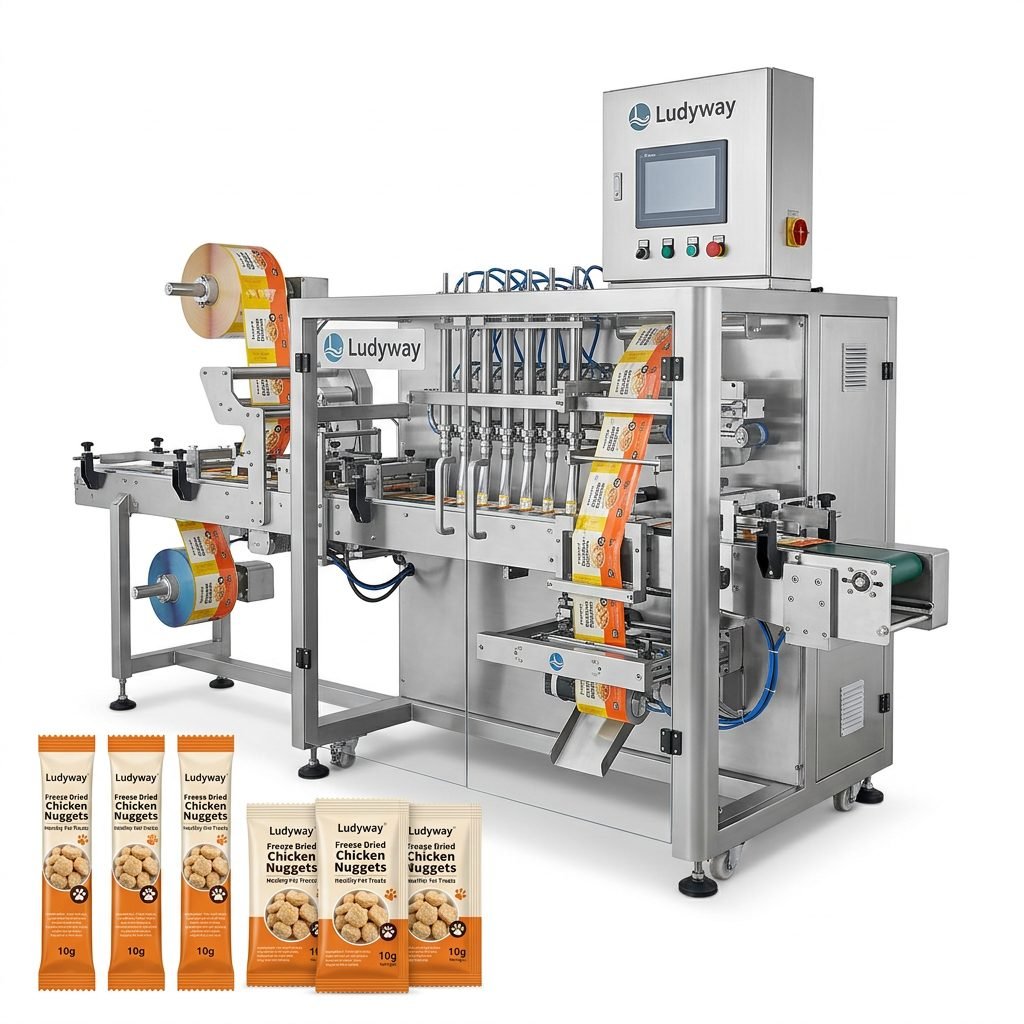
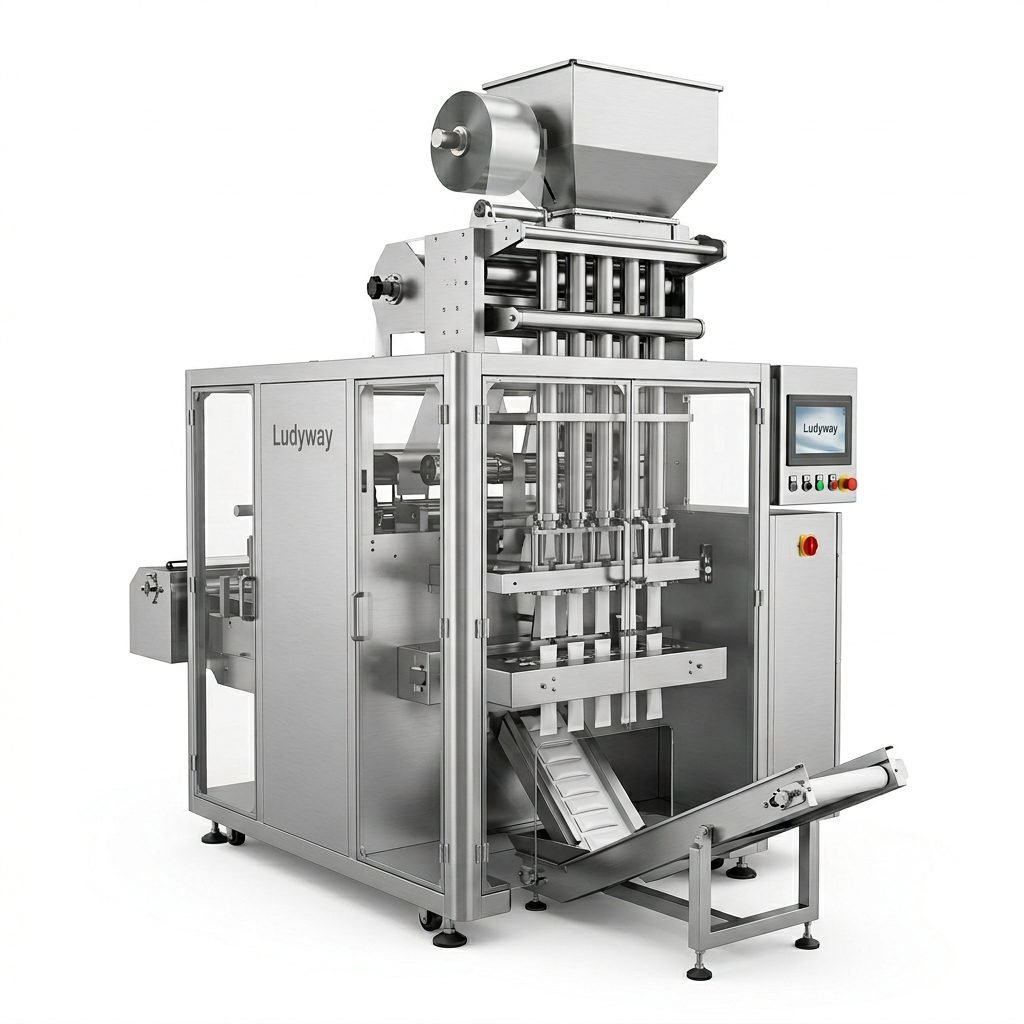
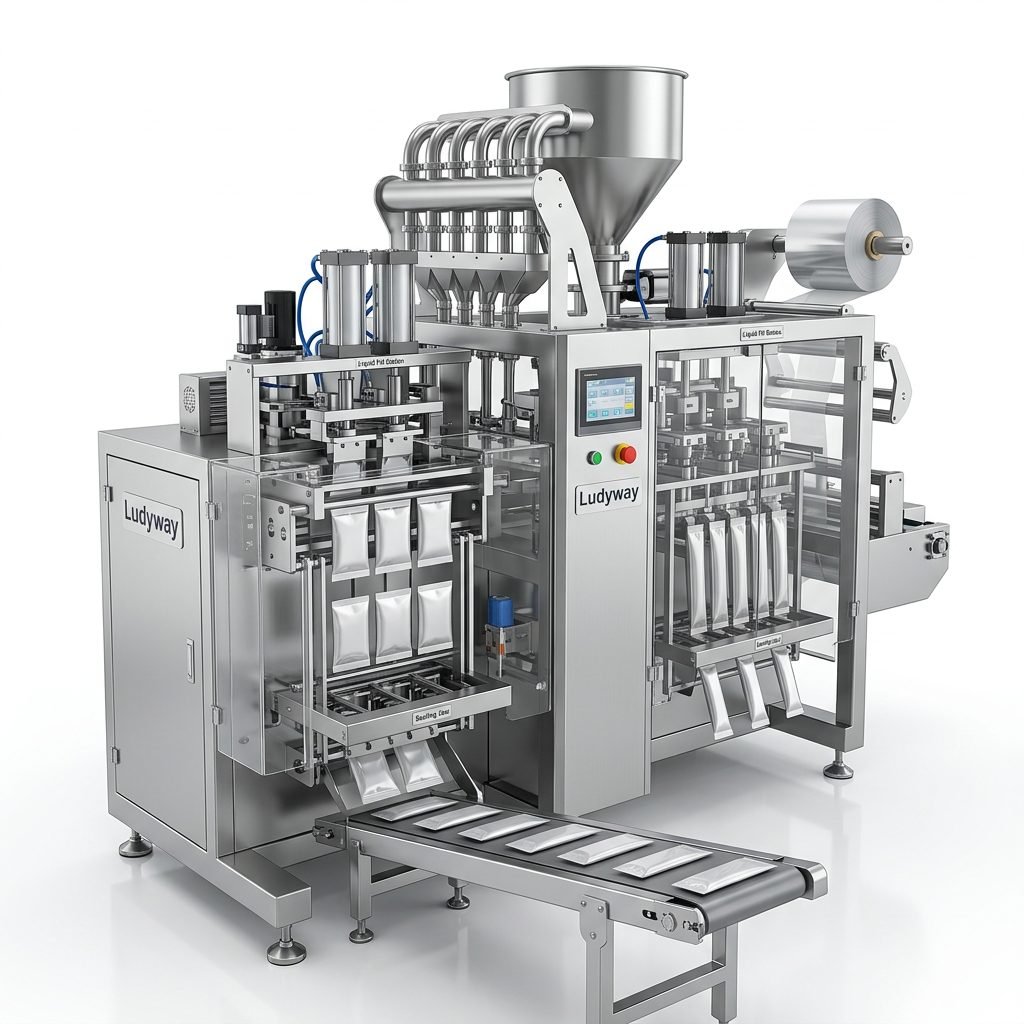
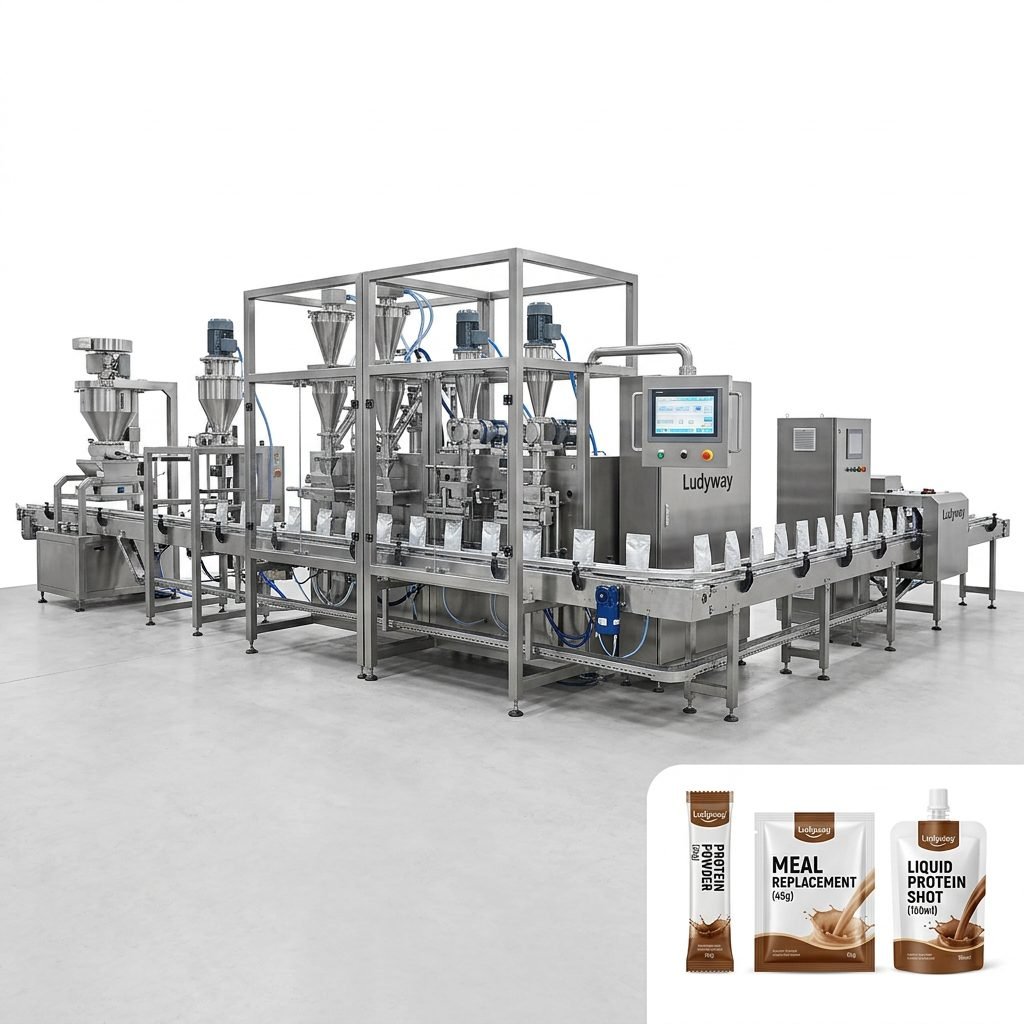
For fresh pasteurized milk distributed through cold chain, pillow pouches and pre-formed sachets remain cost-effective choices. These packaging machine configurations typically run single-lane or multi-lane, with output rates varying from 2,000 to 10,000 packs per hour. Multi-lane stick pack and sachet machines are increasingly popular for single-serve flavored milk and creamer portions in foodservice channels across the UAE and Saudi Arabia.
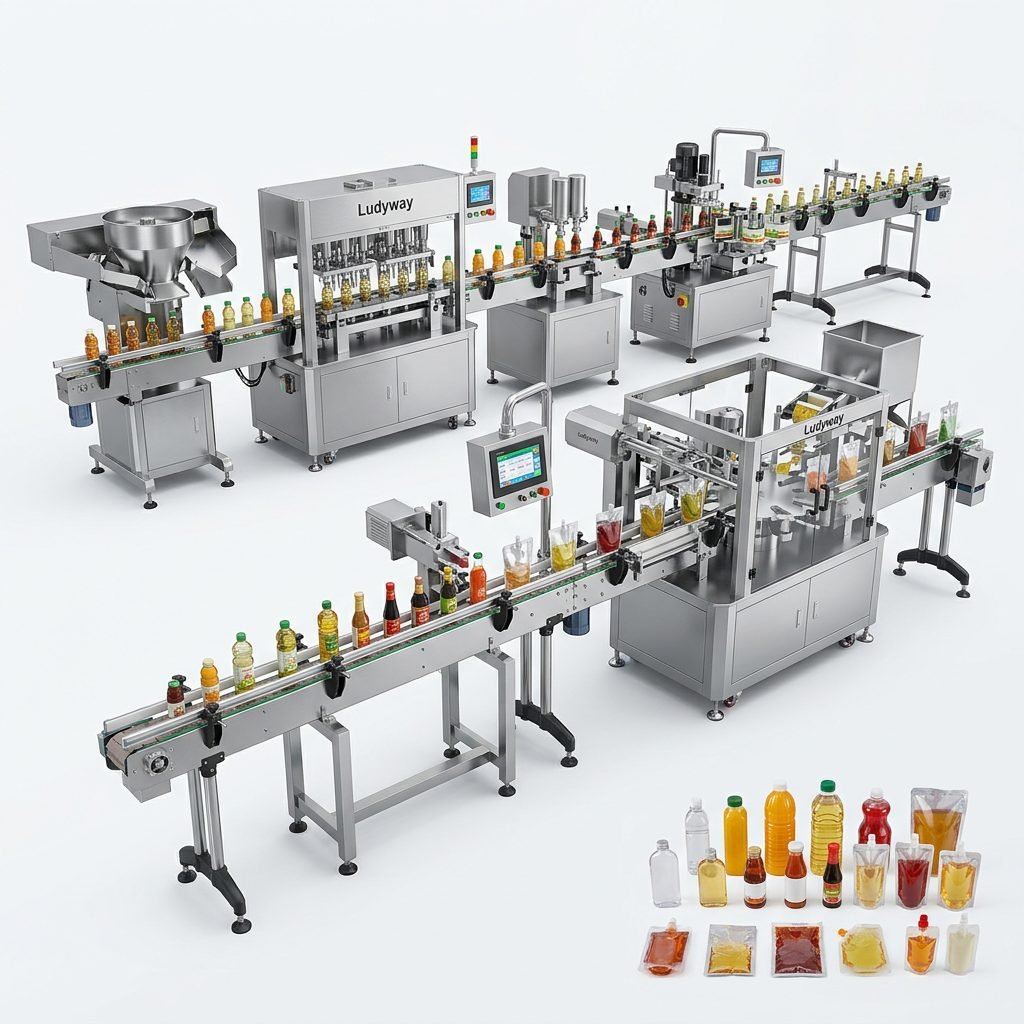
3. Bottle Filling and Capping Lines
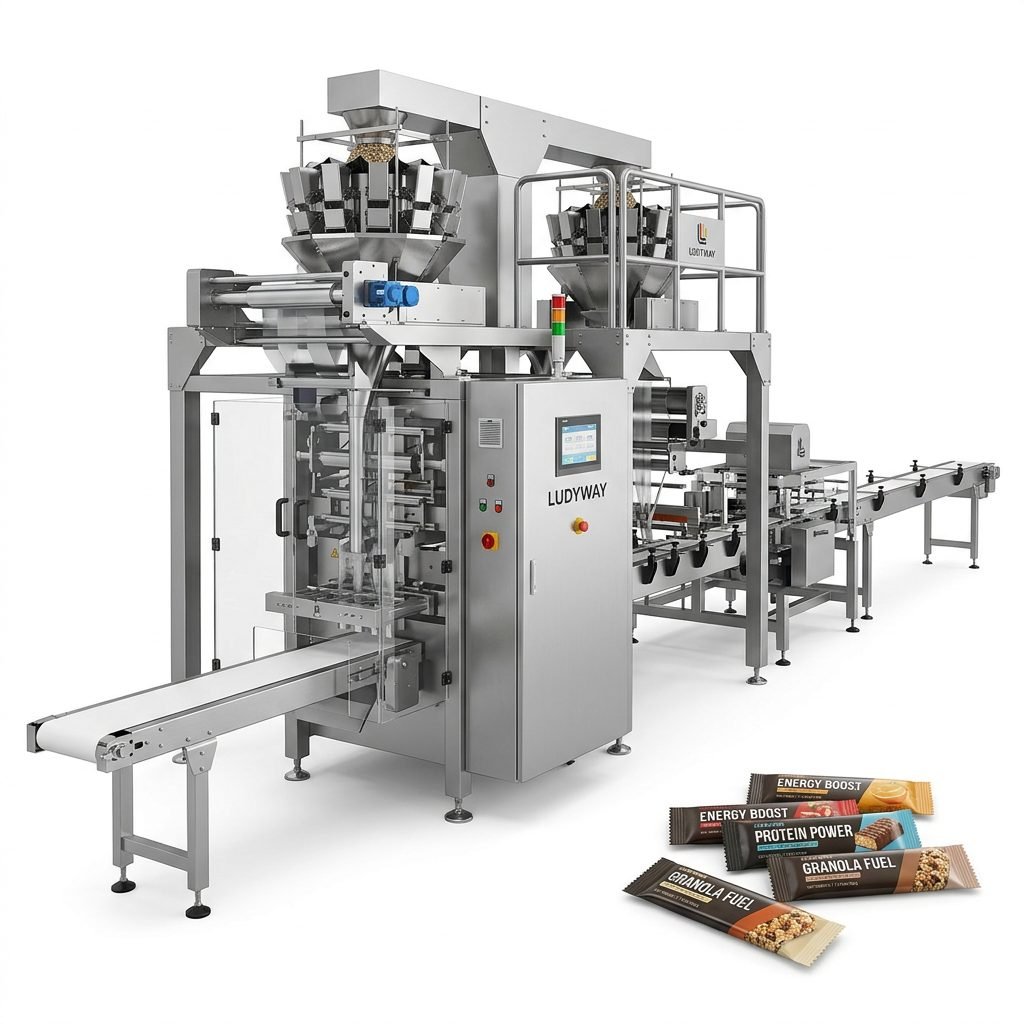
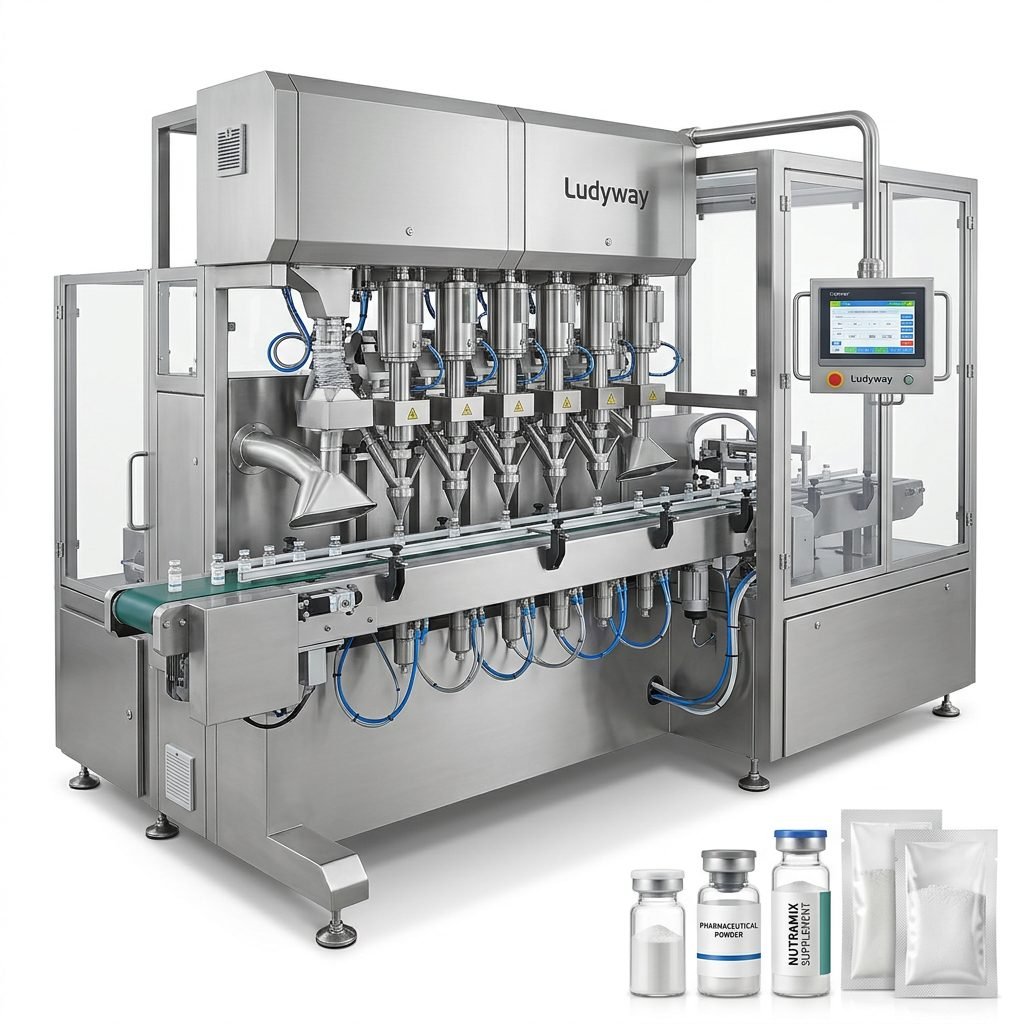
HDPE and PET bottle lines cover fresh milk, flavored milk, and dairy beverages from 200 ml to 2 liters. Rotary fillers offer high-speed precision, while linear volumetric fillers suit small to mid-size dairies. Related auxiliary equipment — rinsers, cappers, labelers, and shrink-wrappers — complete the line. Temperature-resistant design is essential where bottles pass through hot-fill or chilled-fill zones.
Key Cost Factors When Buying a Milk Packaging Machine
Investment in milk packaging equipment spans more than the initial machine price. The table below summarizes the major cost buckets to evaluate:
| Cost Category | Description | Typical Share of Total Investment |
|---|---|---|
| Machine Acquisition | Base price of filler, capper, and integrated modules | 45% – 60% |
| Installation & Commissioning | Site preparation, mechatronics setup, validation runs | 8% – 15% |
| Auxiliary Equipment | Conveyors, labelers, inspection systems, coders | 15% – 25% |
| Spare Parts & Maintenance | First-year consumables, wear components, and service contracts | 5% – 10% |
| Training & Documentation | Operator training, SOP development, multilingual manuals | 2% – 5% |
In the Middle East, additional logistics and import duty costs should be factored into the total landed price. Multi-lane machines typically command higher upfront investment but reduce per-unit packaging cost — an important metric for high-volume dairies targeting retail chains and export markets.
Essential Features to Look For
Not all milk packaging machines deliver equal performance in the Middle Eastern environment. Below are the features that separate high-performing installations from problematic ones:
- Hygienic Design and Cleanability: Stainless steel construction, sloped surfaces, and CIP (Clean-in-Place) compatibility help maintain microbiological safety. Look for machines compliant with ISO 14159 and EHEDG guidelines, especially where ambient storage is intended.
- Temperature and Environmental Resistance: Equipment must operate reliably in facilities where ambient temperatures can exceed 45°C. Condensation control, electrical panel cooling, and component de-rating prevent downtime during peak summer months.
- Flexible Format Changeover: Production schedules may shift from 200 ml school milk portions to 1-liter family packs within the same shift. Fast, tool-free changeover under 15 minutes preserves OEE (Overall Equipment Effectiveness).
- Automation and Real-Time Data: Modern PackML compatible controllers, remote diagnostics, and production data logging aid traceability and support lean manufacturing initiatives increasingly adopted in the region.
- Sealing Integrity and Leak Detection: A reliable sealing system with integrated check-weighers and vision inspection minimizes product waste, protects brand reputation, and ensures compliance with Gulf food regulations.
- Compatible Filling Technology: Peristaltic, piston, or magnetic flow meter fillers each suit different milk viscosities (skim milk, cream, laban). Choose a filling principle that maintains accuracy below ±0.5% variance over longtime runs.
Matching Machine Specifications to Your Production Goals
Defining clear specifications before sourcing quotations saves time and avoids costly mismatches. Key parameters to document include:
- Target output: Packs per hour (e.g., 6,000 pph for a mid-tier fresh milk line)
- Pack sizes: Minimum and maximum fill volumes
- Packaging material: LDPE, HDPE, multi-layer laminates, or paperboard
- Utility requirements: Electrical supply (380V/50Hz common in much of the region), compressed air pressure, water quality for CIP
- Facility layout: Available floor space, ceiling height, drainage points
- Regulatory framework: Gulf Standardization Organization (GSO) requirements and any export target compliance (EU, Codex)
Collaborating with an experienced engineering team during the planning phase helps align machine selection with business strategy. Providers with turnkey capabilities, such as Ludyway, can offer integrated solutions spanning sachet, stick pack, pouch, and bottle lines supported by a modern 20,000㎡ manufacturing facility and over 30 years of industry expertise.
Service, Support, and Spare Parts Accessibility
In the Middle East, responsive after-sales service can make or break a dairy packaging investment. Machine downtime during Ramadan peak demand or Hajj season causes disproportionate revenue loss. Evaluate potential suppliers on:
- Regional service presence: Technician availability in GCC countries and response time guarantees
- Remote diagnostic capability: VPN-based machine access for troubleshooting without on-site visits
- Spare parts hubs: Inventory held in Dubai, Riyadh, or other regional logistics centers
- Operator and maintenance training: On-site and factory-based programs offered in English, Arabic, or other local languages
Emerging Trends in Middle East Milk Packaging
The region’s dairy sector is evolving fast, influenced by sustainability regulations and changing consumer preferences. Several trends are reshaping machine requirements:
- Lightweight packaging: Thinner films and reduced material usage without compromising barrier properties, driven by plastic reduction targets in the UAE and Saudi Arabia
- Smart packaging integration: QR codes and serialization to track batches and engage digitally connected consumers
- Energy-efficient design: Servo-driven systems that cut electricity consumption by 20%–30% compared to pneumatic-heavy machines
- Combination filling: Machines capable of handling both liquid milk and yogurt or laban in multiple formats on a single platform
Frequently Asked Questions About Milk Packaging Machines
Q: What is the typical lead time for a milk packaging machine order to the Middle East?
A: Standard configuration machines can ship in 8 to 14 weeks, while custom turnkey lines may require 16 to 26 weeks including factory acceptance testing (FAT), sea freight, and local installation.
Q: Can the same machine handle both fresh and UHT milk?
A: Generally no — fresh pasteurized milk requires clean-fill environments, while UHT milk demands aseptic filling. The sterilization architecture, barrier requirements, and HVAC integration differ significantly between the two processes.
Q: How do I ensure compliance with Gulf food contact material standards?
A: Work with suppliers who can provide third-party migration test reports for all packaging contact surfaces and film specifications meeting GSO 1863 or equivalent international standards.
Making the Right Investment Decision
Purchasing a milk packaging machine for the Middle East market involves balancing technical specifications, total cost of ownership, and local service accessibility. Begin by mapping current and projected production volumes, define your target package formats, and assess utility infrastructure at your facility. Then engage with suppliers who demonstrate genuine understanding of regional challenges — from high ambient temperatures to fast-evolving regulatory landscapes. A well-chosen, well-supported machine not only protects product quality but also strengthens your competitive position in one of the world’s most dynamic dairy markets.