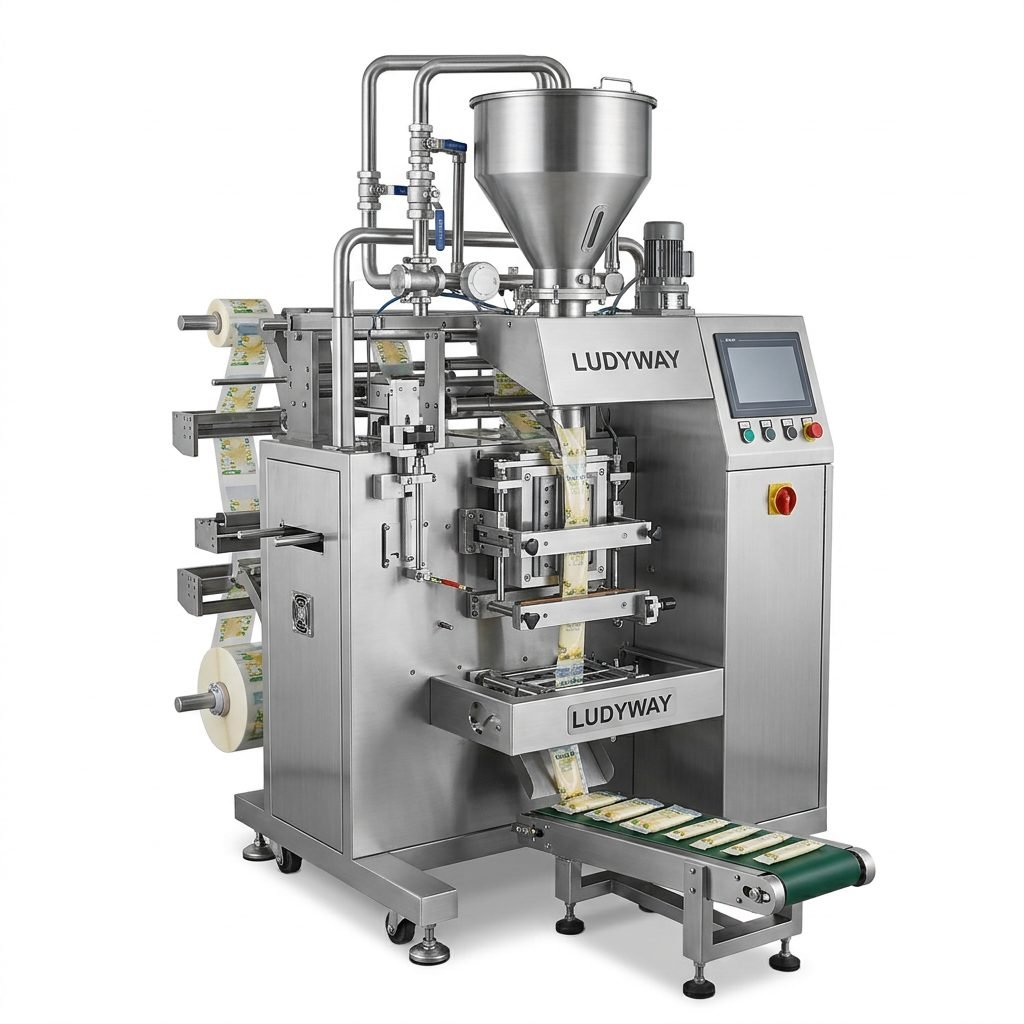
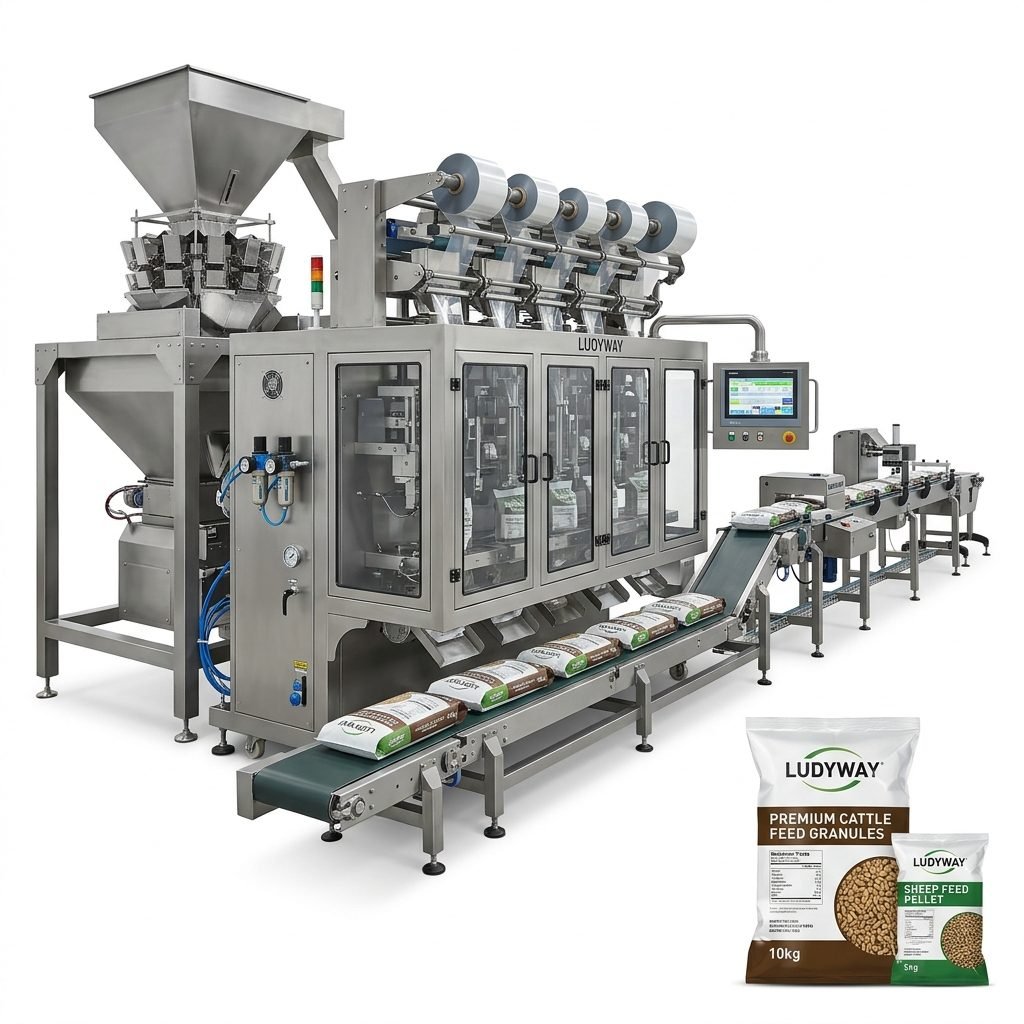
Investing in a skin vacuum packaging machine is a strategic decision for food processors, meat suppliers, and seafood exporters looking to extend shelf life and enhance product presentation. This guide walks you through every critical factor—from film compatibility and vacuum pump types to automation levels and hygiene standards—so you can confidently choose the right equipment for your production line.
What Is a Skin Vacuum Packaging Machine?
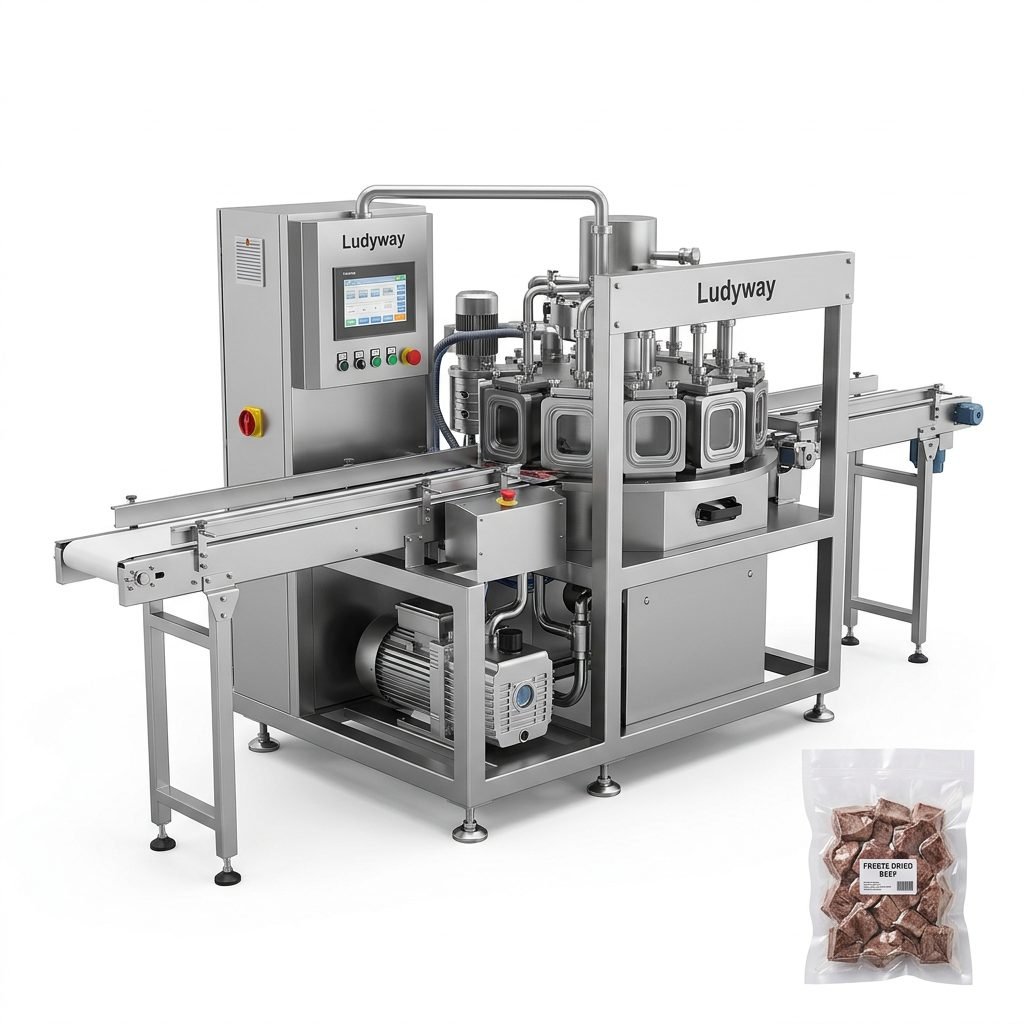
A skin vacuum packaging machine uses a combination of vacuum pressure and heat to tightly seal a clear, durable film over food products on a pre-formed tray. Unlike traditional vacuum bags, the “skin” effect conforms precisely to the product’s shape, locking in freshness and creating a visually appealing retail-ready package. This technology is widely used for fresh meat, poultry, fish, smoked products, and ready-to-eat meals, where both preservation and presentation matter.
Key Factors to Consider When Choosing a Skin Vacuum Packaging Machine
1. Packaging Material and Film Compatibility
Not all machines handle the same films. Your chosen equipment must work seamlessly with skin packaging films—typically multi-layer barrier materials designed for high oxygen and moisture resistance. Check whether the machine supports:
- PE-based and ionomer skin films for standard fresh meat applications
- High-barrier EVOH films for extended shelf-life requirements
- Anti-fog and printable films for retail display optimization
- Film thickness range (commonly 40–150 microns)
Machines with adjustable heating zones and precise temperature controls provide greater film versatility, reducing material waste and ensuring consistent seal quality across different product types. For more detailed specifications on packaging machine film compatibility, consult your equipment supplier’s technical documentation.
2. Machine Configuration: Manual, Semi-Automatic, or Fully Automatic
Your production volume directly determines the level of automation you need. The three primary configurations each serve distinct operational scales:
| Configuration | Production Capacity | Best Suited For | Operator Involvement |
|---|---|---|---|
| Manual / Tabletop | 1–3 cycles per minute | Small butcher shops, start-ups, R&D labs | High – tray loading/unloading by hand |
| Semi-Automatic | 3–6 cycles per minute | Mid-size processors, regional suppliers | Moderate – assisted loading with automated sealing |
| Fully Automatic Inline | 8–15+ cycles per minute | High-volume meat and seafood plants | Minimal – conveyorized loading and discharge |
3. Vacuum System Performance
The heart of any vacuum skin packaging machine is its vacuum pump. Superior vacuum performance ensures tight film adhesion, minimal residual oxygen, and longer product shelf life. Evaluate these vacuum system specifications:
- Pump type: Oil-lubricated rotary vane pumps offer higher vacuum levels; dry pumps reduce maintenance but may achieve slightly lower ultimate vacuum
- Ultimate vacuum pressure: Look for machines achieving ≤ 1 mbar for optimal skin packaging results
- Pumping speed: Measured in m³/hour, directly affects cycle time
- Vacuum chamber design: Single-chamber vs. double-chamber configurations impact throughput

4. Tray Size Flexibility and Tooling
Skin packaging machines rely on interchangeable tray tooling to accommodate different product dimensions. When assessing a machine, confirm:
- Maximum and minimum tray dimensions supported (length × width × depth)
- Quick-change tooling design for fast product changeovers
- Number of trays per cycle (single vs. multi-tray configurations)
- Compatibility with common tray materials: PP, PET, APET, CPET, and foam trays
5. Seal Quality and Temperature Control
A precise and repeatable seal is critical for package integrity. Modern machines feature multi-zone heating systems with digital PID temperature controllers. Key aspects to evaluate include:
- Heating method: Contact heating vs. radiant heating; contact provides more uniform results for skin packaging
- Temperature range and stability: Typically 120–220°C with ±1°C accuracy
- Seal bar pressure adjustment: Pneumatic or servo-driven systems for consistent seal force
- Cooling time control: Prevents film distortion and ensures wrinkle-free packages
6. Hygiene, Cleanability, and Compliance
Food safety regulations demand equipment designed for rigorous sanitation. In the United States, packaging machinery must comply with FDA food contact substance regulations, while EU markets require adherence to European Commission packaging and packaging waste directives. Prioritize machines with:
- Stainless steel construction (AISI 304 or 316L) for all food contact surfaces
- Sloped surfaces and minimal crevices to prevent bacterial harborage
- IP65 or higher-rated electrical components for washdown environments
- Tool-free disassembly for rapid cleaning and maintenance
- Compliance with HACCP, GMP, and ISO 22000 standards
7. Integration with Upstream and Downstream Equipment
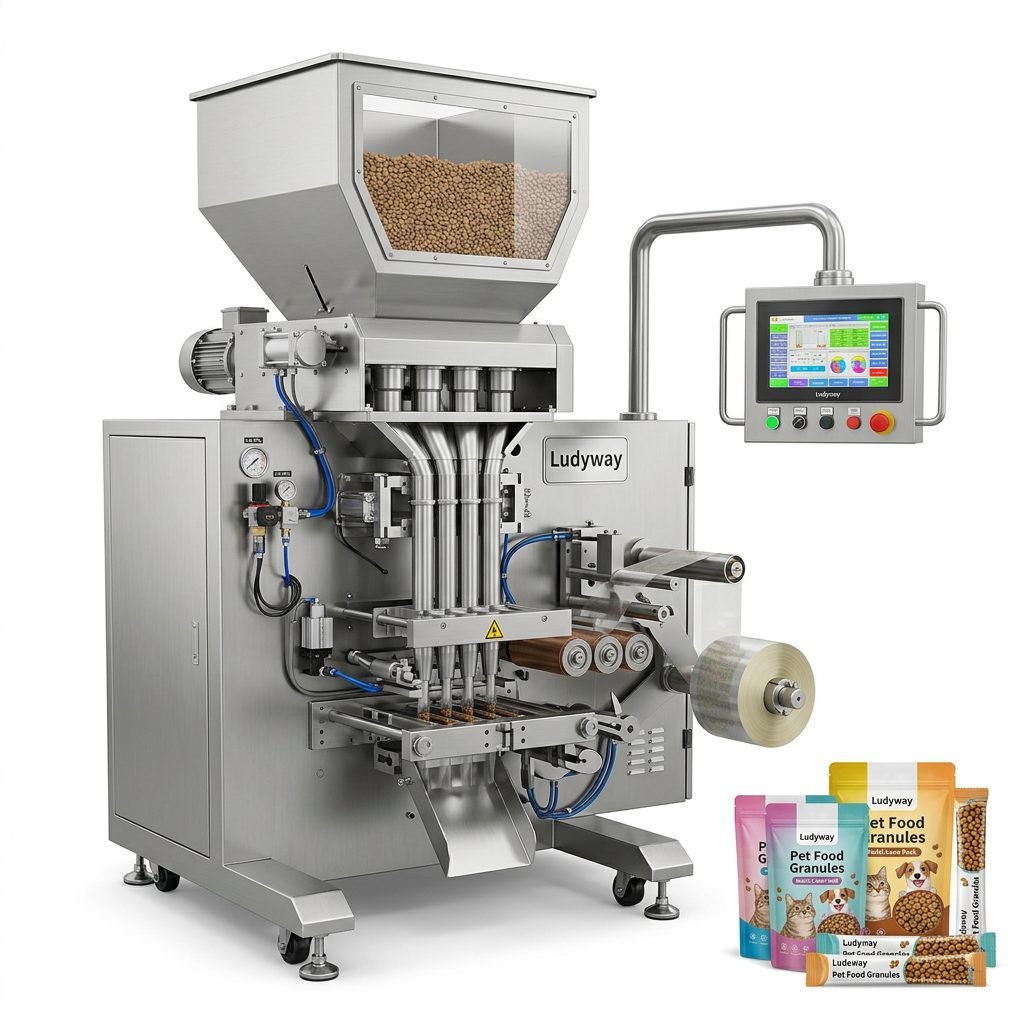
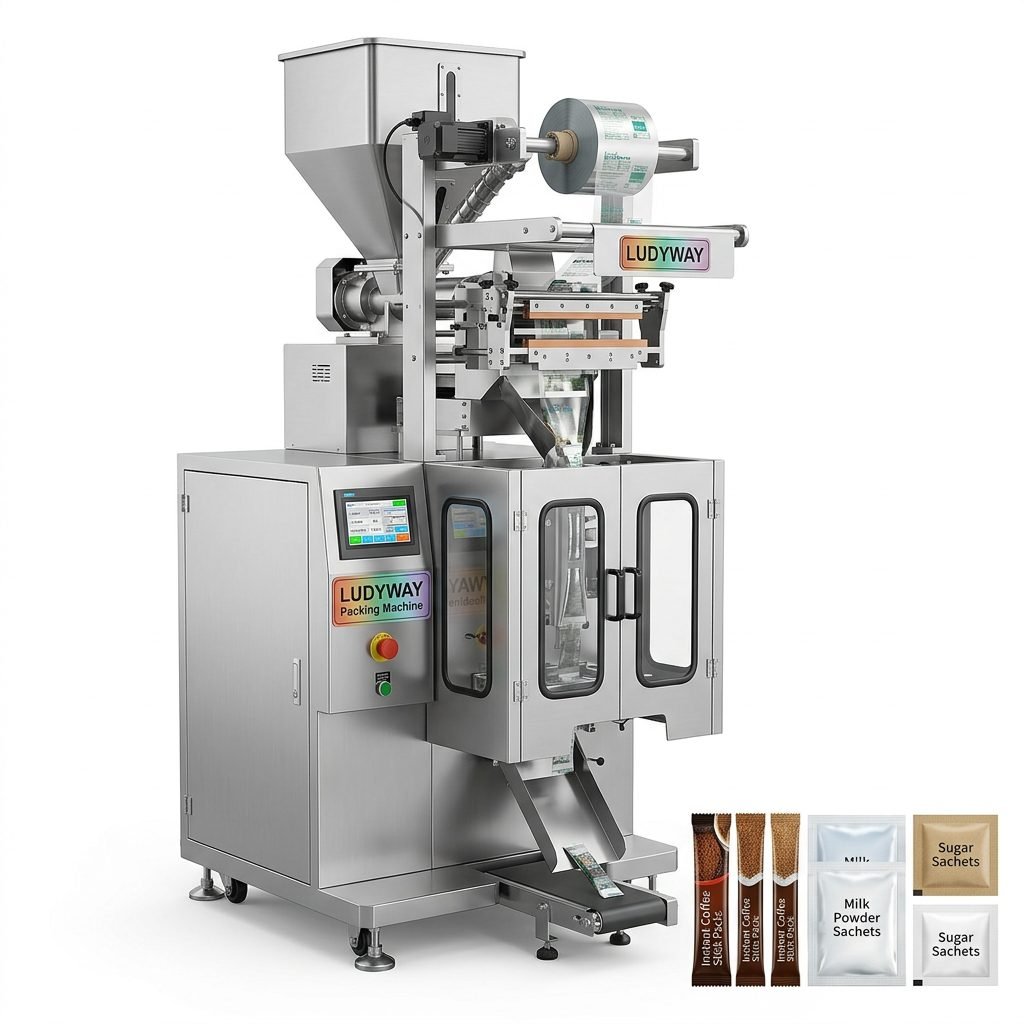
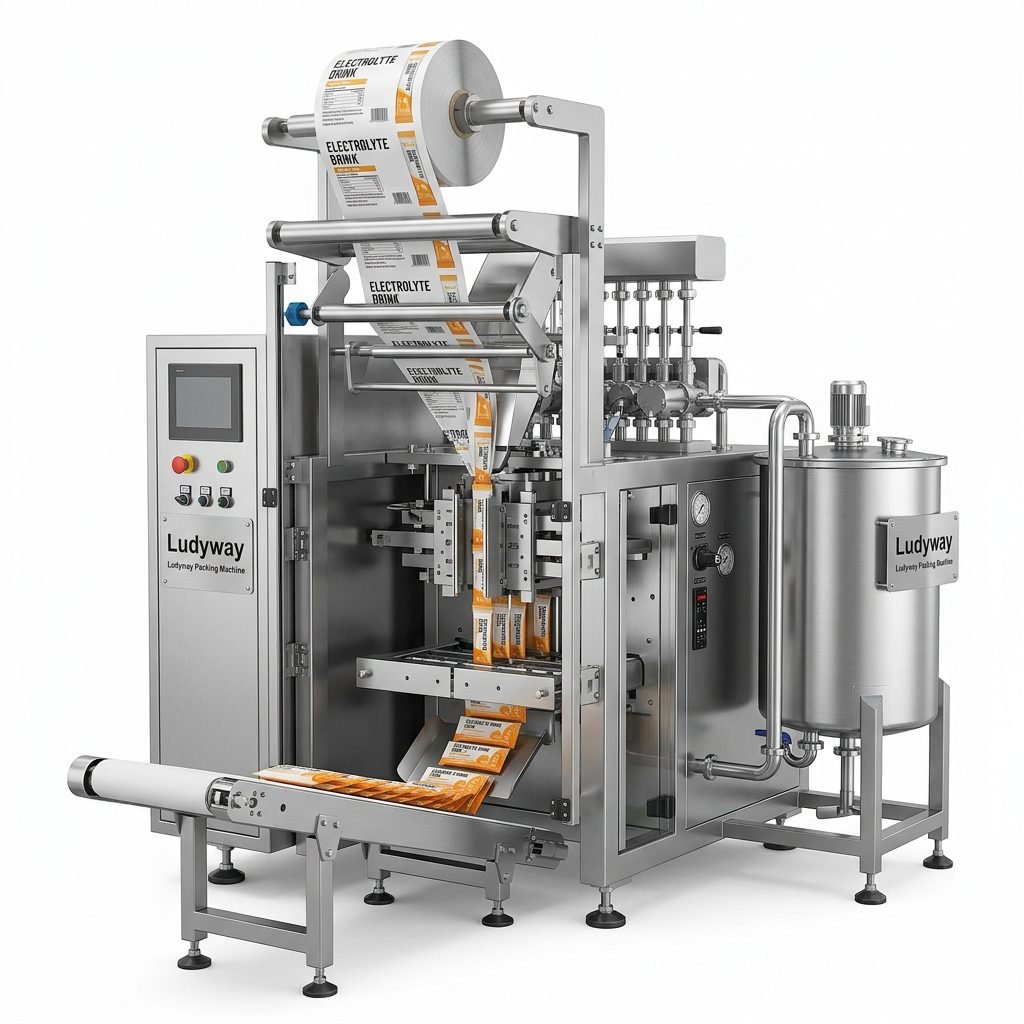
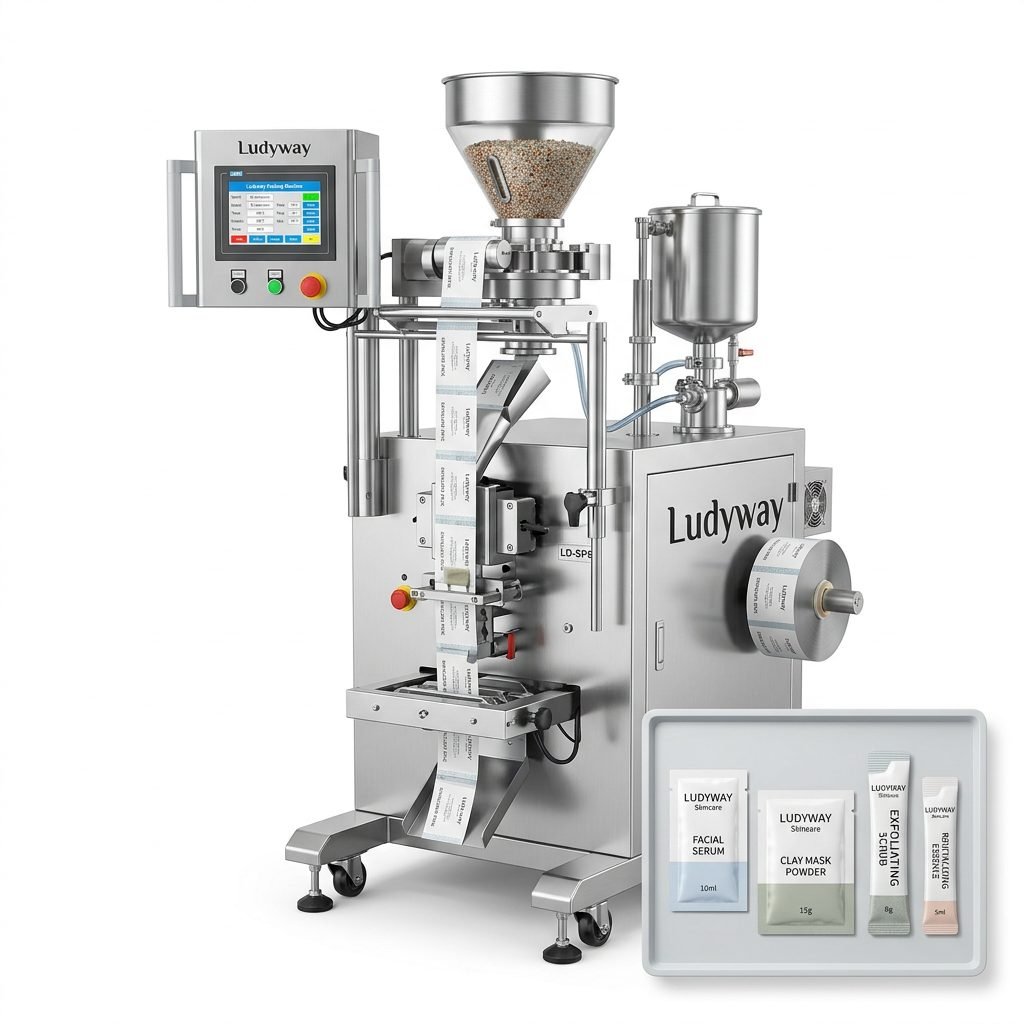
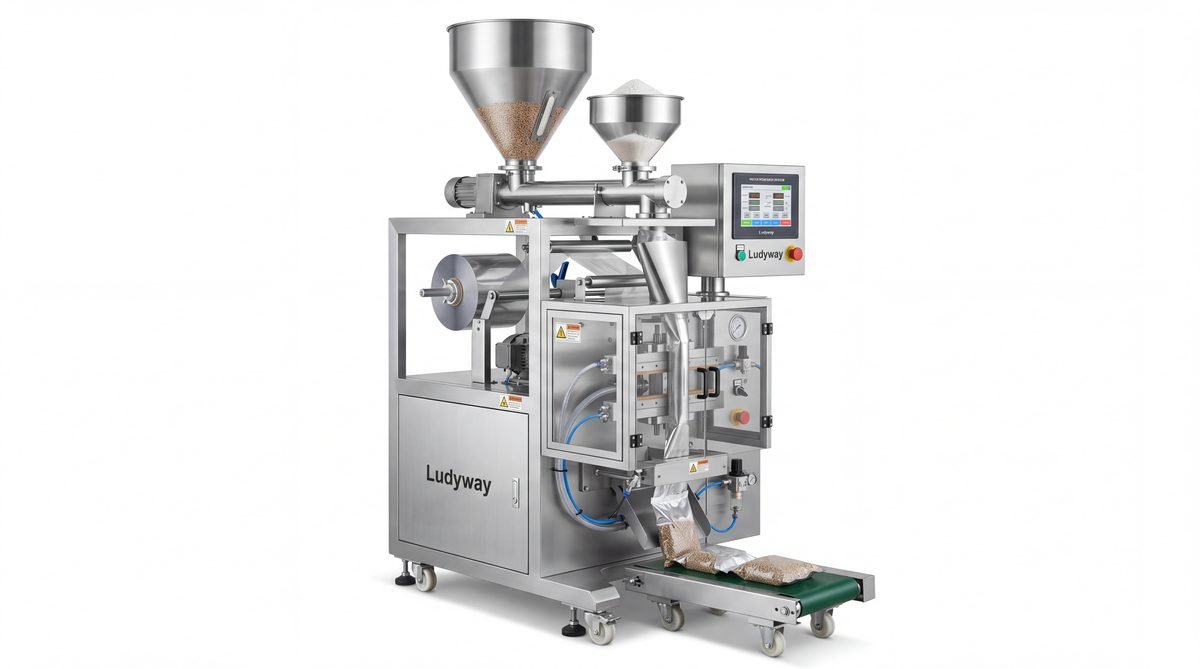
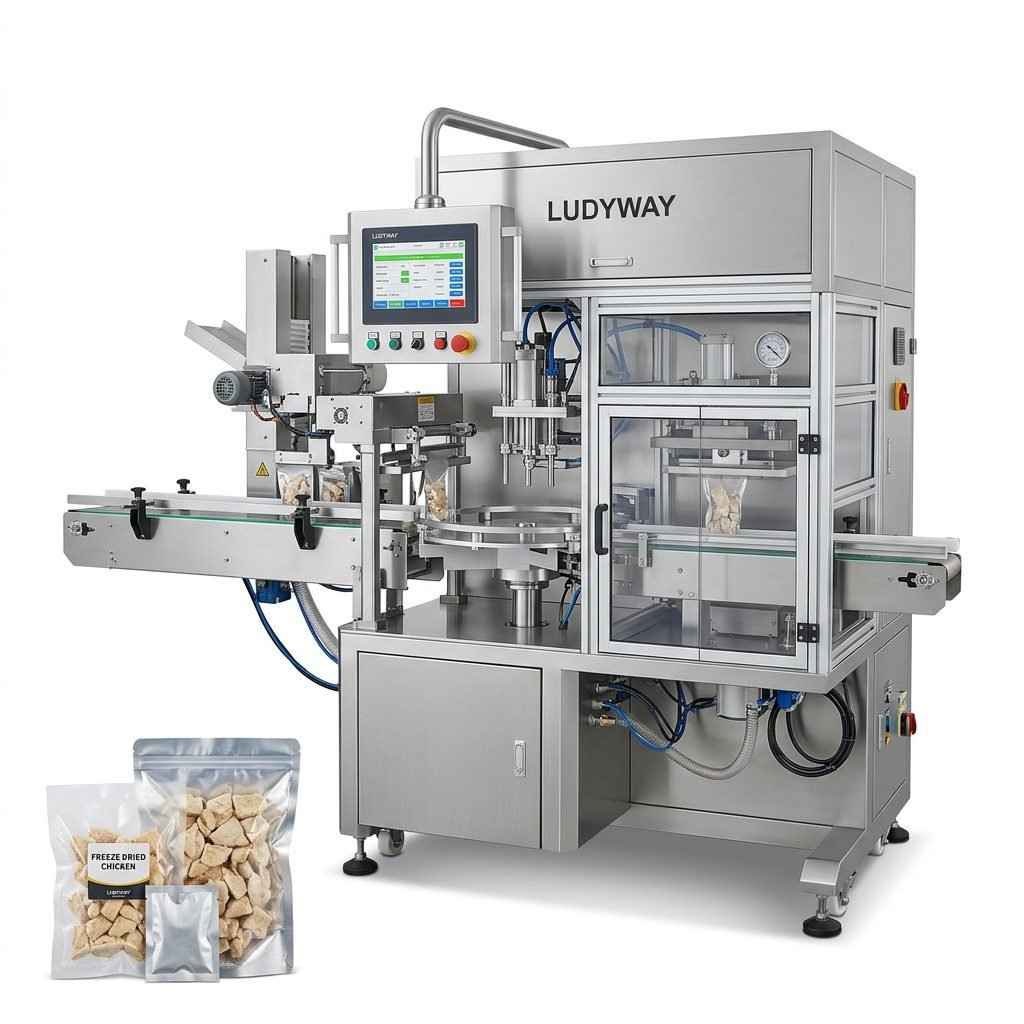
A skin vacuum packaging machine rarely operates in isolation. Consider how it will integrate into your existing or planned production line, including tray denesters, weighing and filling stations, labeling systems, metal detectors, checkweighers, and case packing equipment. Choosing a supplier with turnkey packaging line capabilities can simplify procurement, installation, and after-sales support. For example, Ludyway—one of the largest packaging machine manufacturers in China with over 30 years of industry expertise—offers comprehensive, fully integrated packaging solutions covering granule, powder, liquid, and pouch applications, supported by a modern 20,000㎡ manufacturing facility and engineering teams serving customers in more than 100 countries.
Comparing Skin Vacuum Packaging vs. Modified Atmosphere Packaging (MAP)
Many buyers evaluate both skin packaging and MAP technologies. The table below highlights key differences to guide your decision:
| Feature | Skin Vacuum Packaging | Modified Atmosphere Packaging (MAP) |
|---|---|---|
| Film Conformance | Tightly wraps product contours; “second skin” effect | Film remains above product; gas-filled headspace |
| Shelf Life Extension | Excellent for fresh meat and seafood; minimizes purge | Excellent for products requiring specific gas mixtures |
| Presentation | Premium, retail-ready appearance; product clearly visible | Good visibility; film may appear loose or tented |
| Typical Applications | Fresh beef, lamb, pork, salmon fillets, smoked products | Fresh pasta, bakery, cheese, prepared salads |
| Film Cost | Generally higher due to specialized skin films | Moderate; wider film selection available |
Total Cost of Ownership: Beyond the Purchase Price
When budgeting for a skin vacuum packaging machine, account for the full lifecycle costs—not just the initial capital expenditure. Key cost factors include:
- Film consumption and waste rates: Precise temperature control reduces film scrap; expect 2–5% waste with well-calibrated machines
- Energy consumption: Evaluate pump motor ratings and heating element power draw; energy-efficient models can reduce annual operating costs significantly
- Maintenance and spare parts: Oil-lubricated pumps require regular oil changes; factor in replacement seals, heating elements, and Teflon belts
- Tray tooling costs: Custom tooling for multiple tray sizes adds upfront investment but enables product line flexibility
- Operator training and labor: Fully automatic machines reduce headcount but may require specialized technician training
Industry Standards and Certifications to Look For
Reputable manufacturers design equipment to meet recognized international standards. When conducting vendor due diligence, verify compliance with relevant packaging machinery standards from organizations such as PMMI – The Association for Packaging and Processing Technologies and ISO packaging standards. These certifications signal a commitment to quality, safety, and performance consistency.
Making the Final Decision: A Practical Checklist
Use this checklist to systematically compare machines from different suppliers:
- ✔ Confirm film compatibility with your preferred packaging material suppliers
- ✔ Match machine speed and automation level to current and projected production volumes
- ✔ Verify vacuum pump specifications and spare parts availability in your region
- ✔ Assess tray size flexibility and tooling changeover time
- ✔ Inspect build quality: stainless steel grade, weld finishes, and component sourcing
- ✔ Request sample packaging runs with your actual products to evaluate seal quality
- ✔ Review warranty terms, after-sales service response times, and technical support availability
- ✔ Compare total cost of ownership including film usage, energy, and maintenance projections
Additional Resources
For further reading on packaging industry trends and technical references, explore these authoritative resources:
- PMMI State of the Industry Reports – Comprehensive packaging machinery market data
- Flexible Packaging Association Industry Resources – Flexible packaging materials and regulatory updates
- FDA Packaging and Food Contact Substances – Regulatory guidance for food-safe packaging
- ISO 11607 Packaging Standards – International standards for packaging validation