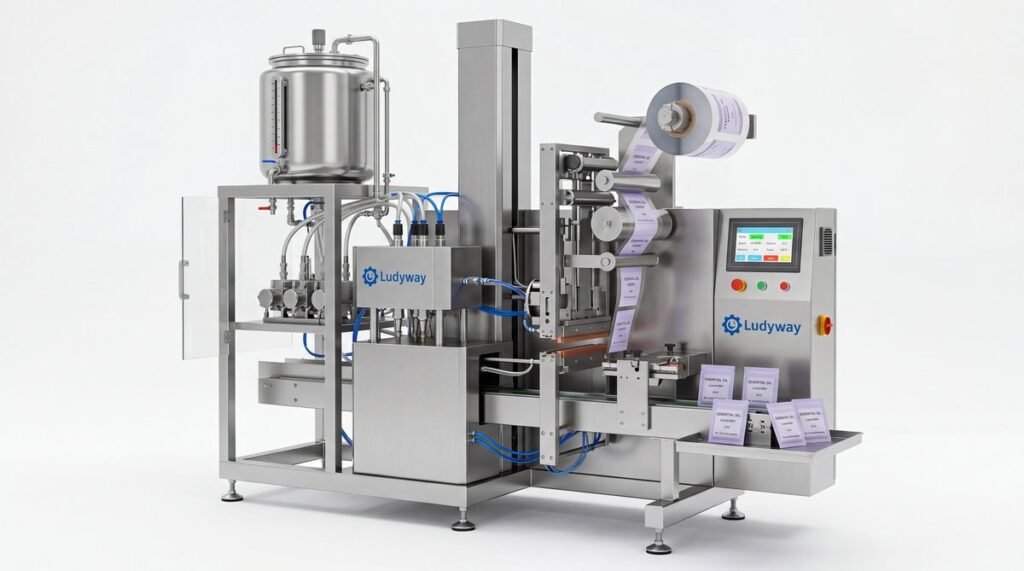
Choosing the right sugar packaging machine is a critical decision that directly impacts your production efficiency, product quality, and overall profitability. With numerous options available, from simple sachet machines to complex multi-lane stick pack systems, navigating the selection process can be daunting. This ultimate guide is designed to walk you through every essential factor, helping you make an informed investment that perfectly aligns with your specific production needs and goals.
Understanding Your Core Production Requirements
Before diving into machine specifications, a thorough analysis of your own operation is the essential first step. This internal audit forms the foundation for all subsequent decisions.
Key Questions to Define Your Needs:
→ Production Volume & Speed: What is your required output per minute, hour, or shift? Are you a small-scale artisan producer or a large-scale industrial manufacturer?
→ Product Characteristics: What type of sugar are you packaging? Granulated, powdered, brown, cubed, or specialty sugars each have different flow properties and may require different feeding systems.
→ Packaging Format: What is your target package? Common formats include single-serve sachets, stick packs for beverages, retail pouches, or bulk bags. The format dictates the machine type.
→ Future Growth: Do you anticipate scaling up production in the next 3-5 years? Investing in a slightly more capable machine now can prevent a costly replacement later.
Types of Sugar Packaging Machines
The market offers a variety of machines, each suited for different formats and scales. Understanding their capabilities is crucial.
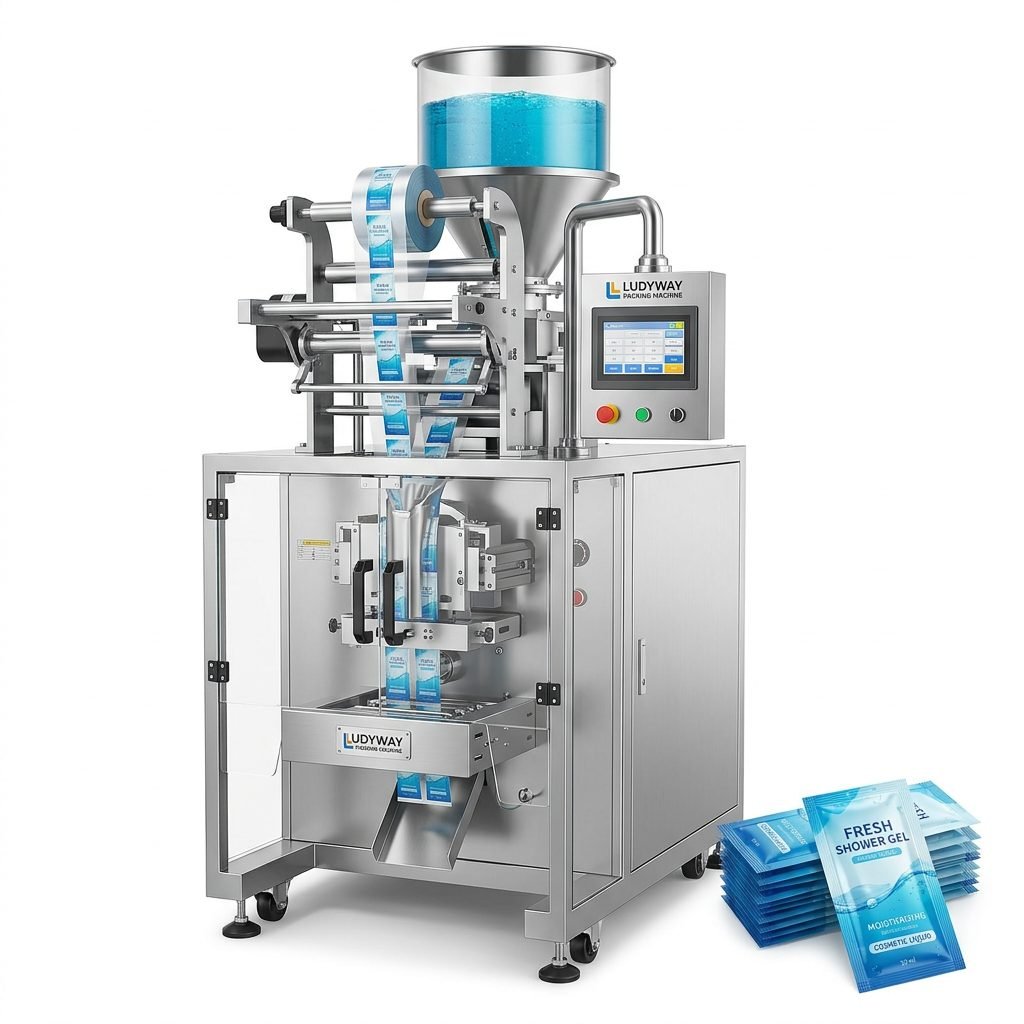
Vertical Form-Fill-Seal (VFFS) Machines
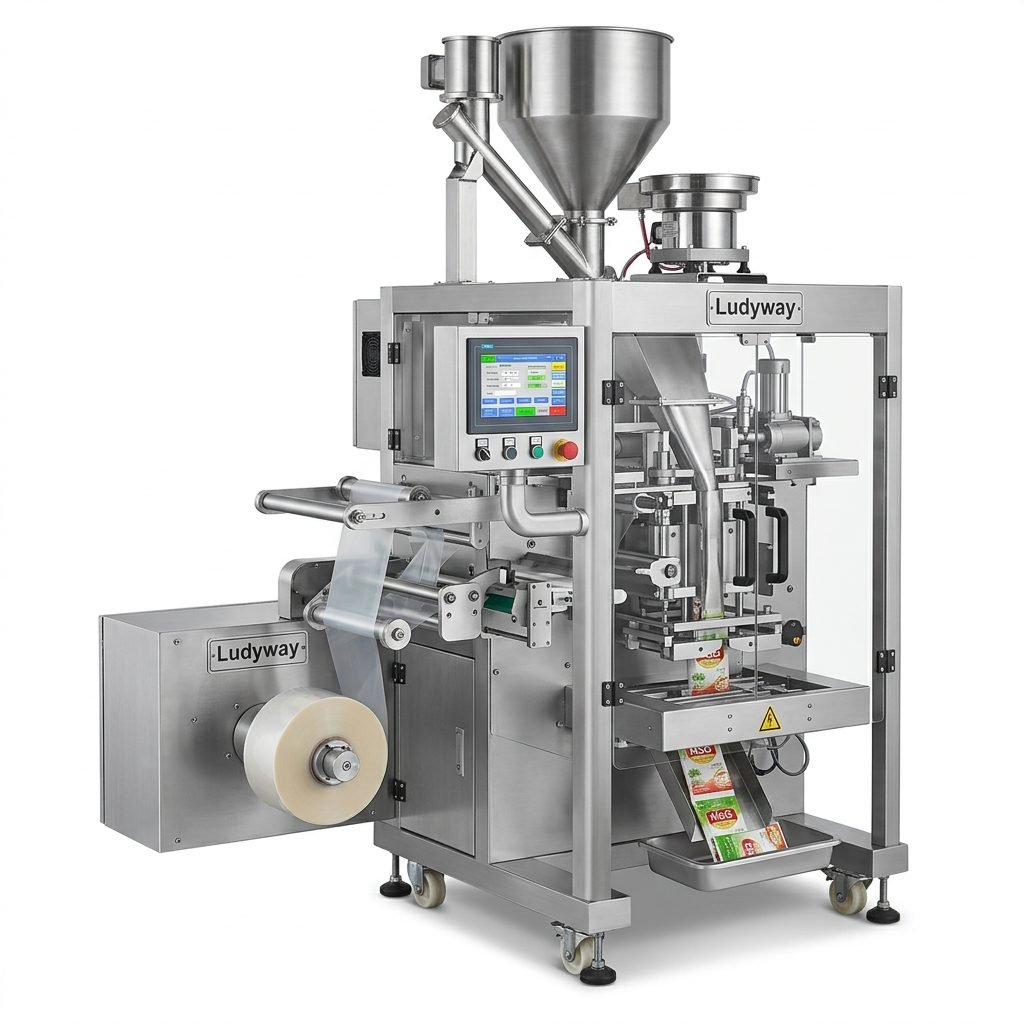
These are the most common and versatile machines for packaging free-flowing products like granulated sugar into pouches. They form the bag from a roll of film, fill it with a pre-set volume or weight, and then seal it. Ideal for a wide range of pouch sizes, from small retail bags to larger bulk packages. They are a cornerstone of modern automated packaging solutions.
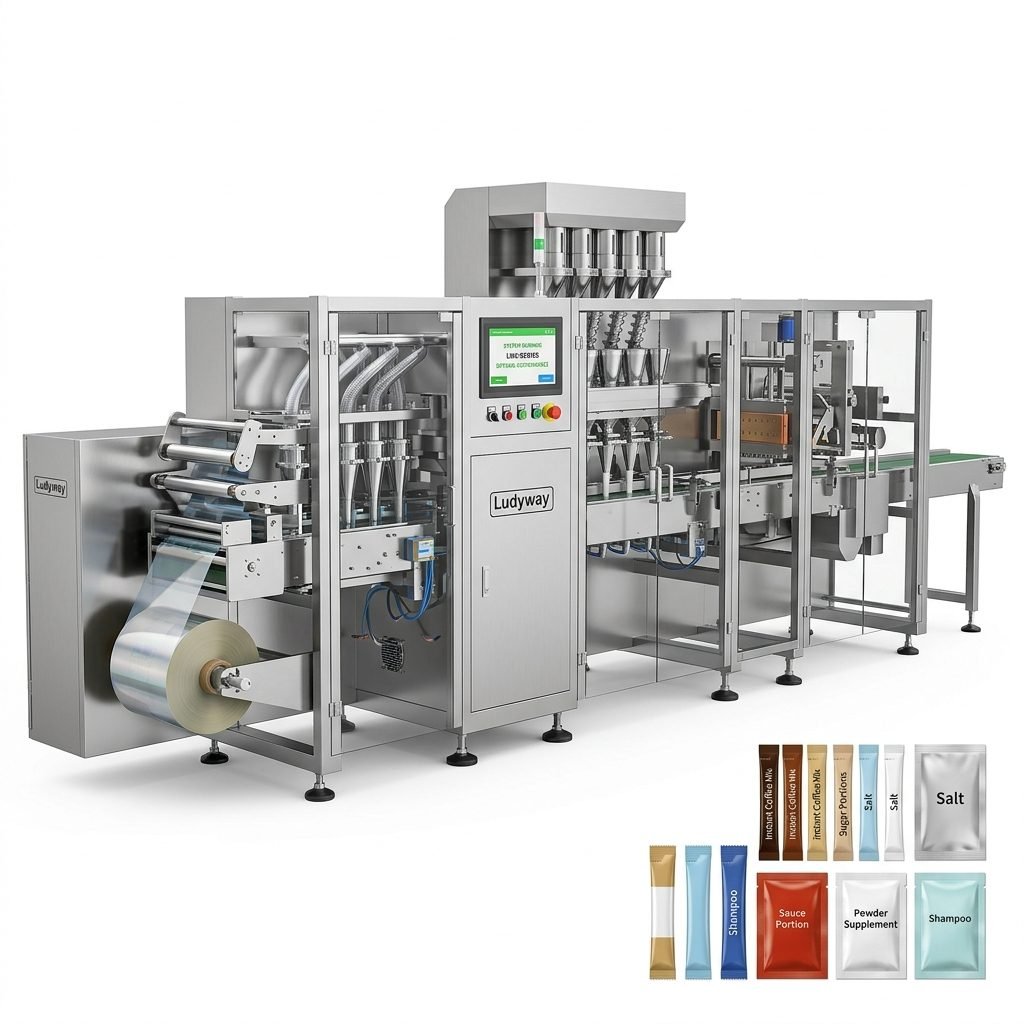
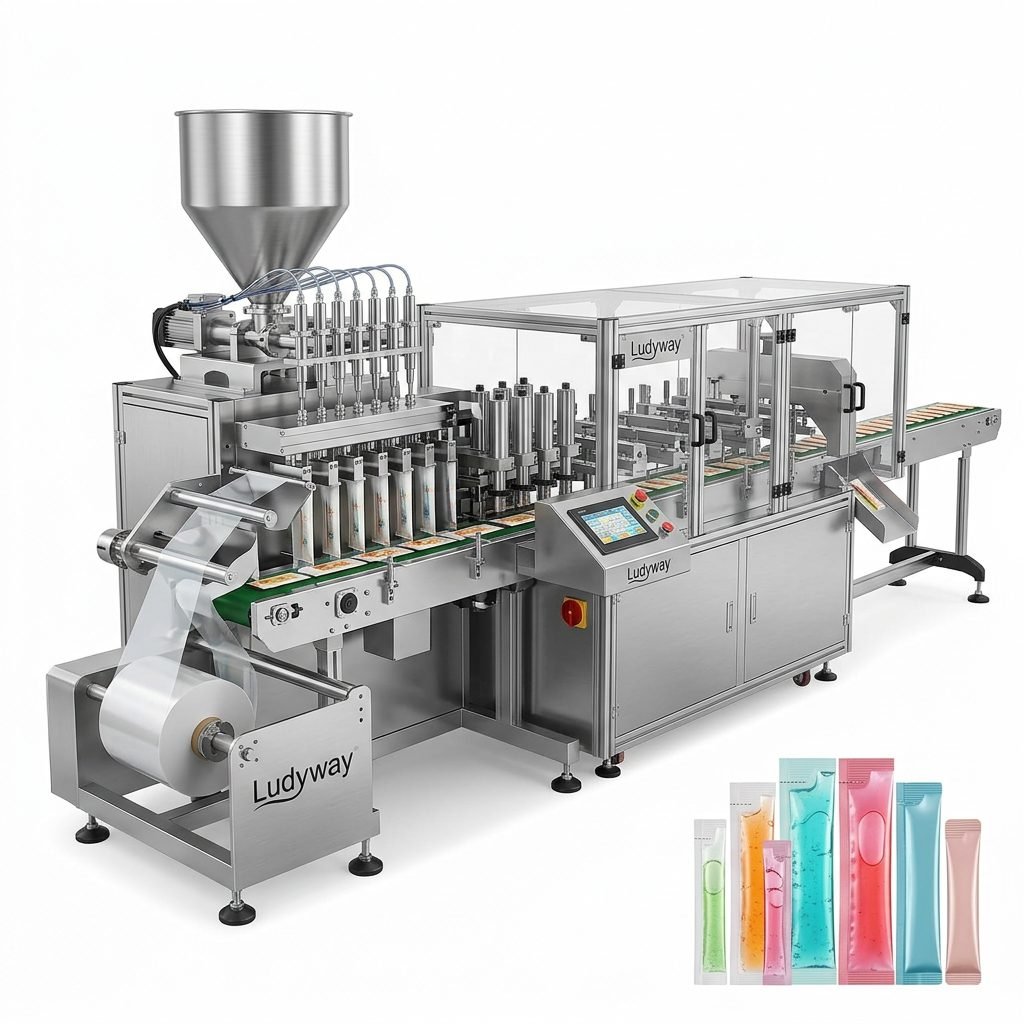
Stick Pack & Sachet Machines
Designed for high-speed production of single-serve portions. Multi-lane stick pack machines can produce dozens of sticks per minute, perfect for coffee shops, restaurants, or food service industries. They offer excellent product protection and a professional appearance.
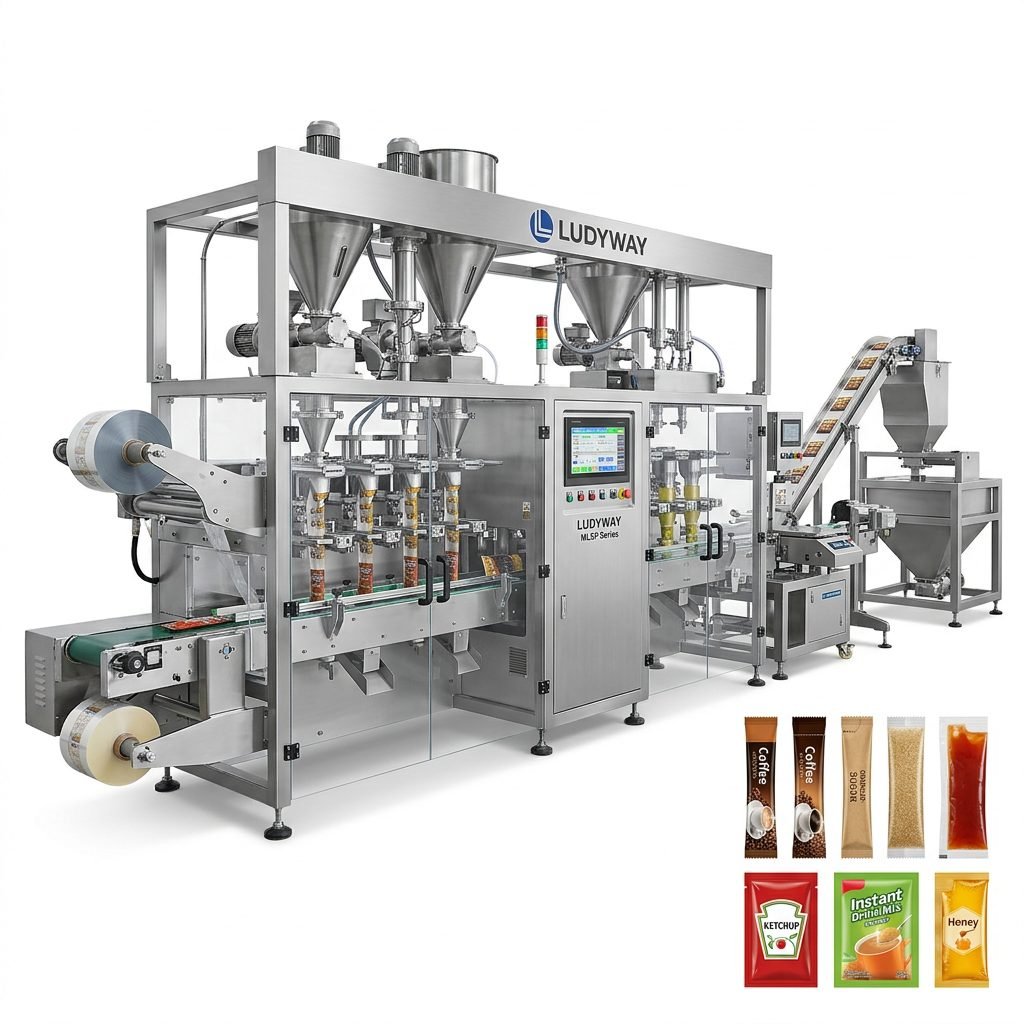
Auger Filling Machines
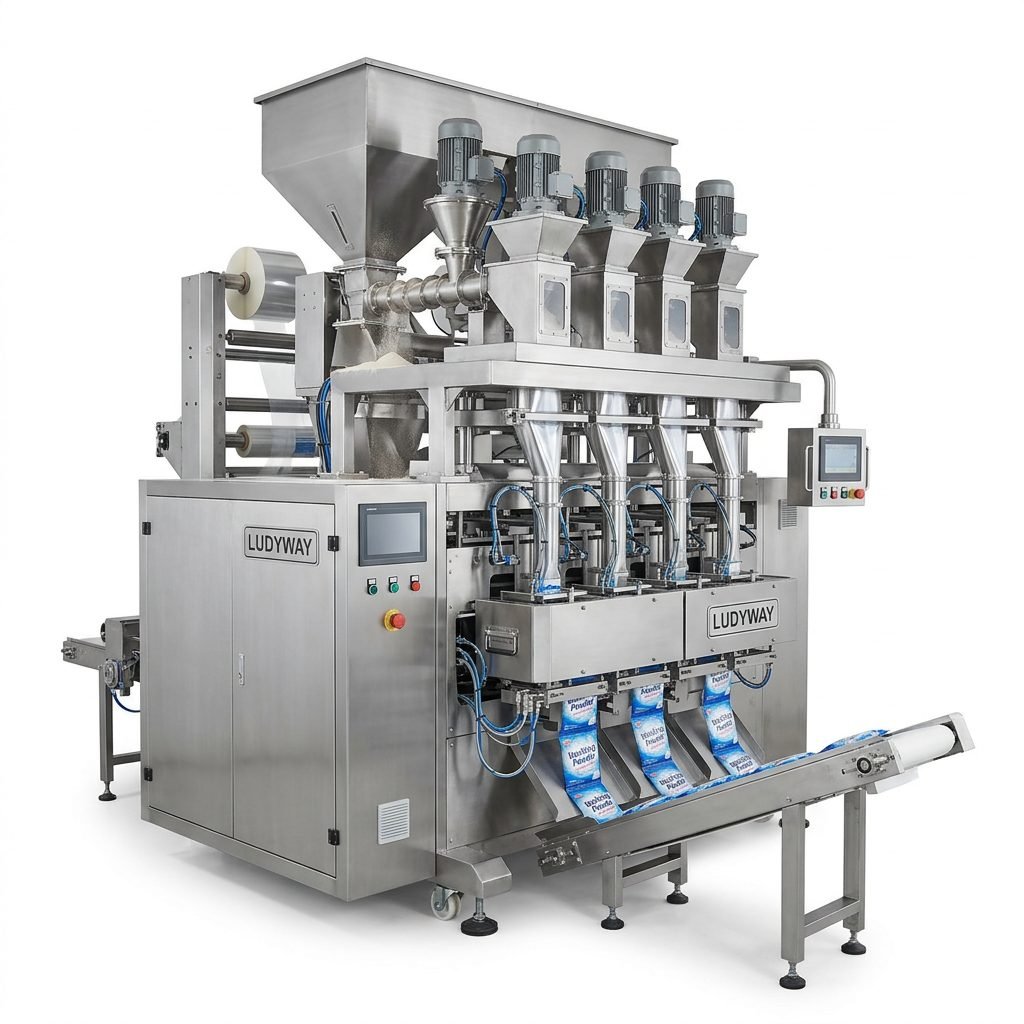
These machines use a rotating auger (screw) to dispense a highly accurate volume of product, especially effective for powdered and fine granulated sugars. They are often integrated with VFFS or pouch machines to ensure precise filling, which is vital for cost control and meeting net weight regulations.
Pre-Made Pouch Fillers
If you use pre-printed, stand-up pouches (doypack style), this machine opens, fills, and seals them. It’s excellent for brands with complex graphic designs on their packaging, as it uses flat, pre-made pouches.
Critical Technical Features to Evaluate
Once you’ve narrowed down the machine type, dive into the technical specifications that differentiate models.
Weighing & Filling Accuracy
This is non-negotiable. Inaccurate filling leads to product giveaways, regulatory non-compliance, and customer dissatisfaction. Look for machines with high-precision load cells for weigh-filling or servo-driven augers for volumetric filling. Consistency is key.
Machine Speed & Efficiency
Speed is measured in cycles per minute (bags/min). Match the machine’s maximum speed to your required output, but also consider its efficiency rate. A machine that runs at 90% efficiency at a slightly lower speed is often more productive than one that runs at 70% efficiency at a higher theoretical speed due to less downtime.
Construction & Durability
The machine should be built from food-grade, corrosion-resistant materials like stainless steel (especially in contact areas). Robust construction minimizes vibration, ensures long-term stability, and withstands the demanding environment of a production floor. Durability is a hallmark of reliable packaging equipment.
Automation & Control Level
Modern machines feature user-friendly PLC (Programmable Logic Controller) touchscreen interfaces. Look for features like recipe storage (for different sugar types and bag sizes), production counters, diagnostic alerts, and easy changeover capabilities to minimize downtime between production runs.
Integration & Support: The Make-or-Break Factors
The machine itself is only part of the solution. Its integration into your line and the support behind it are equally important.
Compatibility with Upstream/Downstream Equipment
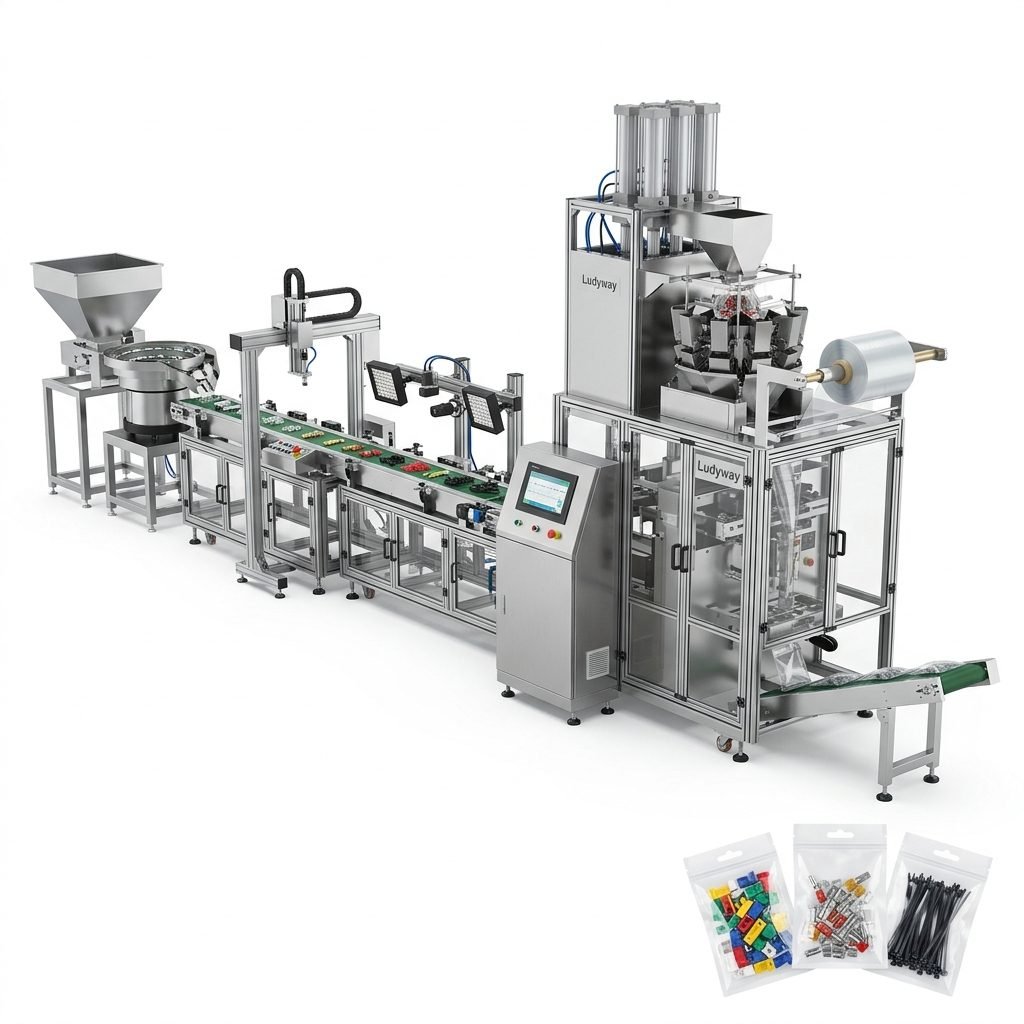
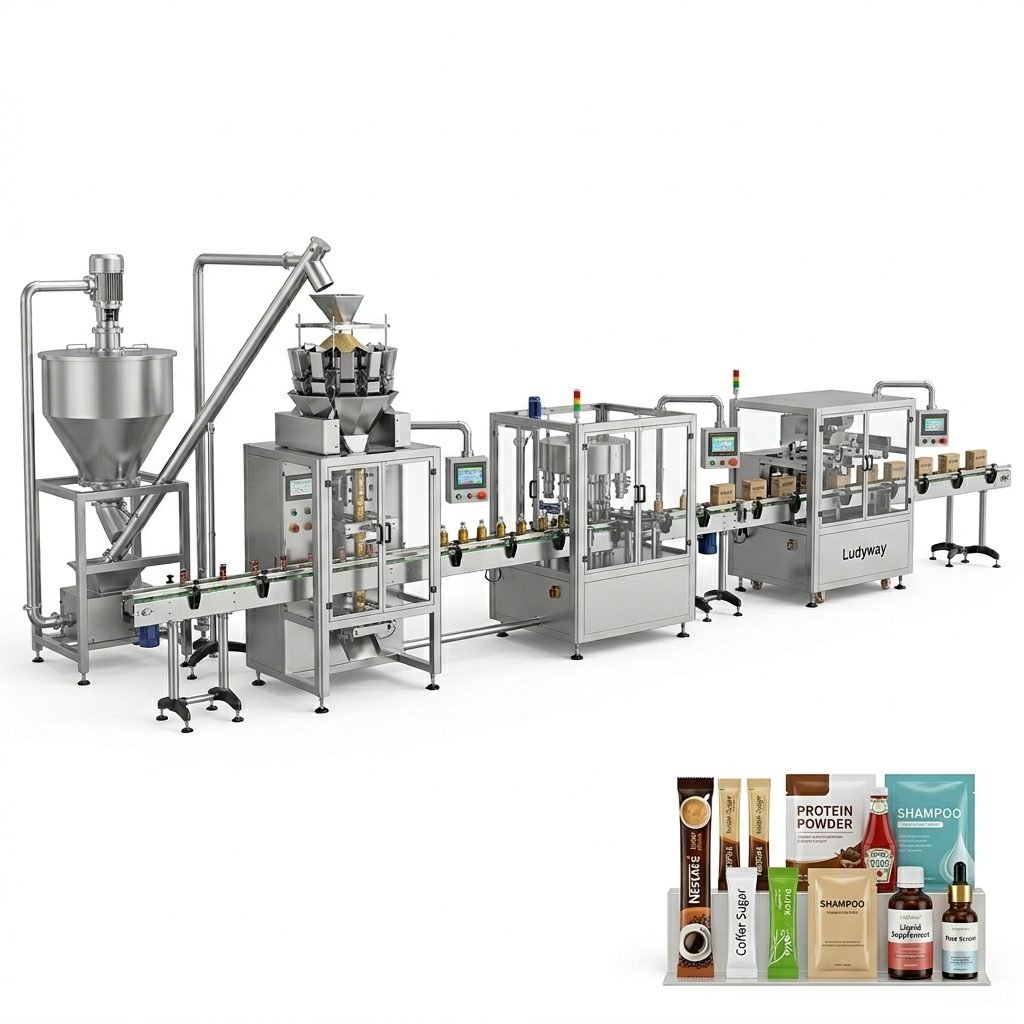
Will the new packaging machine work seamlessly with your existing sugar handling, conveying, or checkweighing systems? Consider the entire workflow to avoid bottlenecks. Suppliers offering turnkey production solutions can design and deliver a fully integrated line.
Supplier Expertise & After-Sales Support
Choose a partner, not just a vendor. Evaluate the supplier’s industry experience, their ability to provide customizations, and their technical support network. Reliable spare parts availability, comprehensive training for your operators, and responsive service are critical for minimizing operational risk. A partner with deep industry experience can be invaluable.
Hygiene & Cleanability
Sugar is a food product. The machine must be designed for easy and thorough cleaning, with minimal crevices where sugar dust can accumulate. Quick-disassembly features and designs compliant with food safety standards (like cGMP) are major advantages.
Financial Considerations: Cost of Ownership
Look beyond the initial purchase price to understand the total cost of ownership (TCO).
Initial Investment: Includes the machine price, shipping, installation, and initial training.
Operational Costs: Energy consumption, compressed air usage, and required labor to operate the machine.
Maintenance & Parts: Cost and frequency of routine maintenance, and the price/availability of wear parts and consumables (like sealing jaws).
Material Waste: A machine with higher filling accuracy and reliable film tracking will waste less packaging material and product, saving significant money over time.
Conclusion
Selecting the ideal sugar packaging machine is a strategic process that balances your specific production requirements with technical capabilities, supplier reliability, and long-term economics. By methodically assessing your needs, understanding the different machine technologies, and prioritizing accuracy, durability, and support, you can invest in a system that enhances your productivity, ensures consistent product quality, and grows with your business. The right machine is a powerful tool for building a stronger, more efficient, and more competitive operation.
Frequently Asked Questions (FAQs)
Q1: What is the most important factor when choosing a sugar packaging machine?
A: While many factors are important, filling accuracy is paramount. It directly impacts your material costs, compliance with labeling laws, and customer trust. Always prioritize precision in the weighing or filling mechanism.
Q2: Can one machine handle both granulated and powdered sugar?
A: Many machines can, but often require different filling systems or adjustments. Granulated sugar works well with cup or weigh fillers, while powdered sugar typically requires an auger filler to prevent dust and ensure accuracy. Discuss your full product range with the supplier.
Q3: How do I determine the right machine speed for my business?
A: Calculate your current and projected daily/weekly output needs. Choose a machine whose sustainable operating speed (factoring in efficiency) meets your peak demand with a small buffer (10-20%). Avoid massively over-specifying, as it increases cost without benefit.
Q4: What kind of after-sales support should I expect?
A: Expect comprehensive operator training, detailed technical manuals, access to spare parts, and clear service agreements. Reliable suppliers offer remote support and have a network of service technicians. The quality of support is a key indicator of the supplier’s reliability.
Q5: Are “turnkey solutions” worth the investment?
A: For new lines or major upgrades, yes. A turnkey solution from a single provider ensures all components (feeding, packaging, control) are designed to work together seamlessly, reducing integration headaches, startup time, and finger-pointing if issues arise. It simplifies project management and accountability.