The French market for skin vacuum packaging machines is experiencing remarkable growth, driven by the booming cosmetics, pharmaceuticals, and premium food industries. Whether you are a contract manufacturer in Lyon, a skincare startup in Paris, or a large-scale producer of freeze-dried ingredients, selecting the right vacuum packaging solution is critical for product integrity and shelf appeal. This guide walks you through everything you need to know before investing in a skin vacuum packaging machine in France.
Why Skin Vacuum Packaging is Essential for French Manufacturers
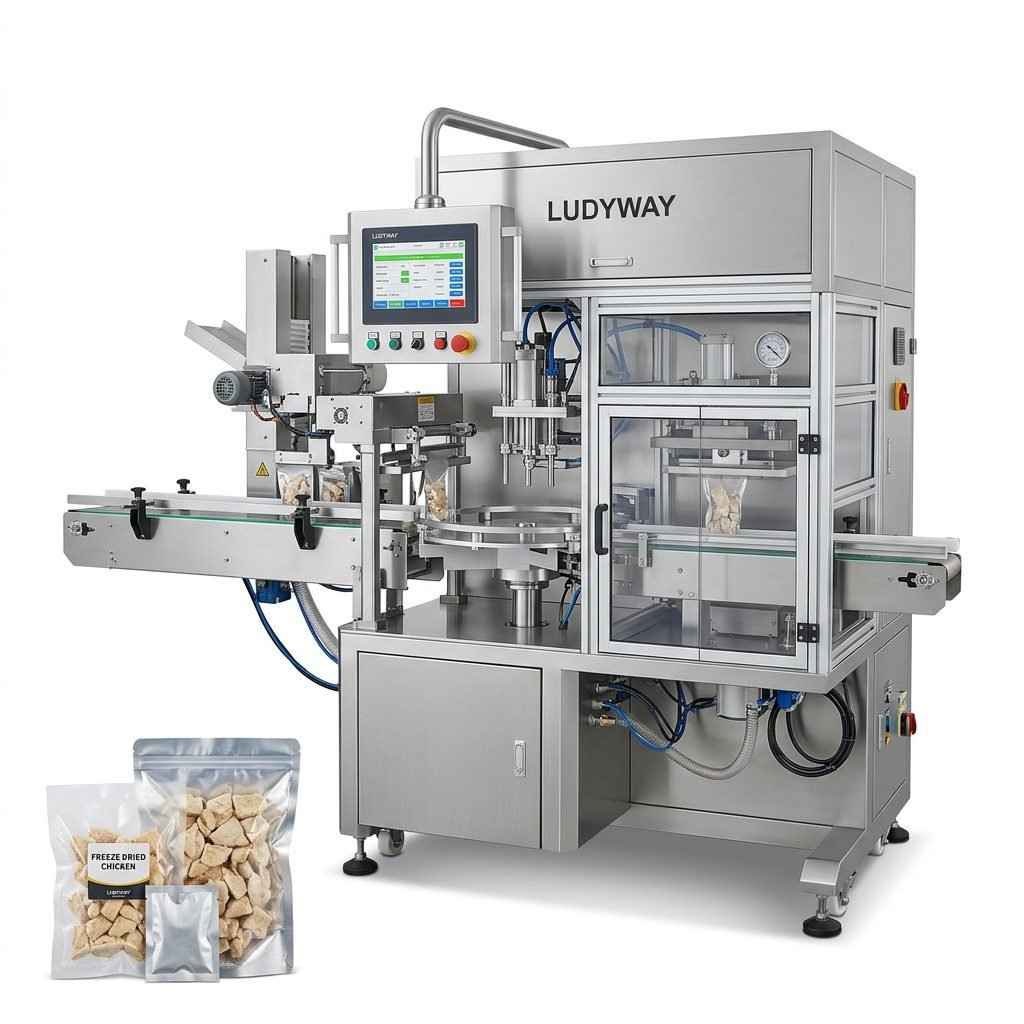
Skin vacuum packaging, often referred to as VSP (Vacuum Skin Packaging), molds a transparent film tightly around the product and a rigid base. This technology offers exceptional protection against oxidation, moisture, and contamination. In France, where consumer demand for extended shelf life and visually appealing retail displays is high, skin packaging has become the gold standard for premium items.
Key advantages include:
- Enhanced product visibility for high-end cosmetics and serums
- Leak-proof sealing for liquid-sensitive biological samples
- Reduced material waste compared to traditional clamshell packaging
- Compatibility with modified atmosphere packaging (MAP) for fresh produce
Key Industries Driving Demand in France
The French packaging machinery market is heavily influenced by its world-leading cosmetics sector. Laboratories in the Île-de-France region and the “Cosmetic Valley” near Chartres increasingly rely on automatic vacuum skin machines for sheet masks, cream jars, and anti-aging serums. Additionally, the high-end food industry—think artisanal cheese, charcuterie, and freeze-dried fruits—uses these machines to preserve taste and texture during packaging processing.
Types of Skin Vacuum Packaging Machines Available
Choosing the correct machine configuration depends entirely on your production throughput, product dimensions, and material types. The table below breaks down the common machine types suitable for the French market’s strict ISO packaging standards.
| Machine Type | Best For | Speed Range |
|---|---|---|
| Manual Tray Sealers | Small labs, startups, R&D | 2-4 cycles/min |
| Semi-Automatic VSP Machines | Medium-scale cosmetics production | 4-8 cycles/min |
| Fully Automatic Inline Systems | High-volume pharma and food lines | 10-20 cycles/min |
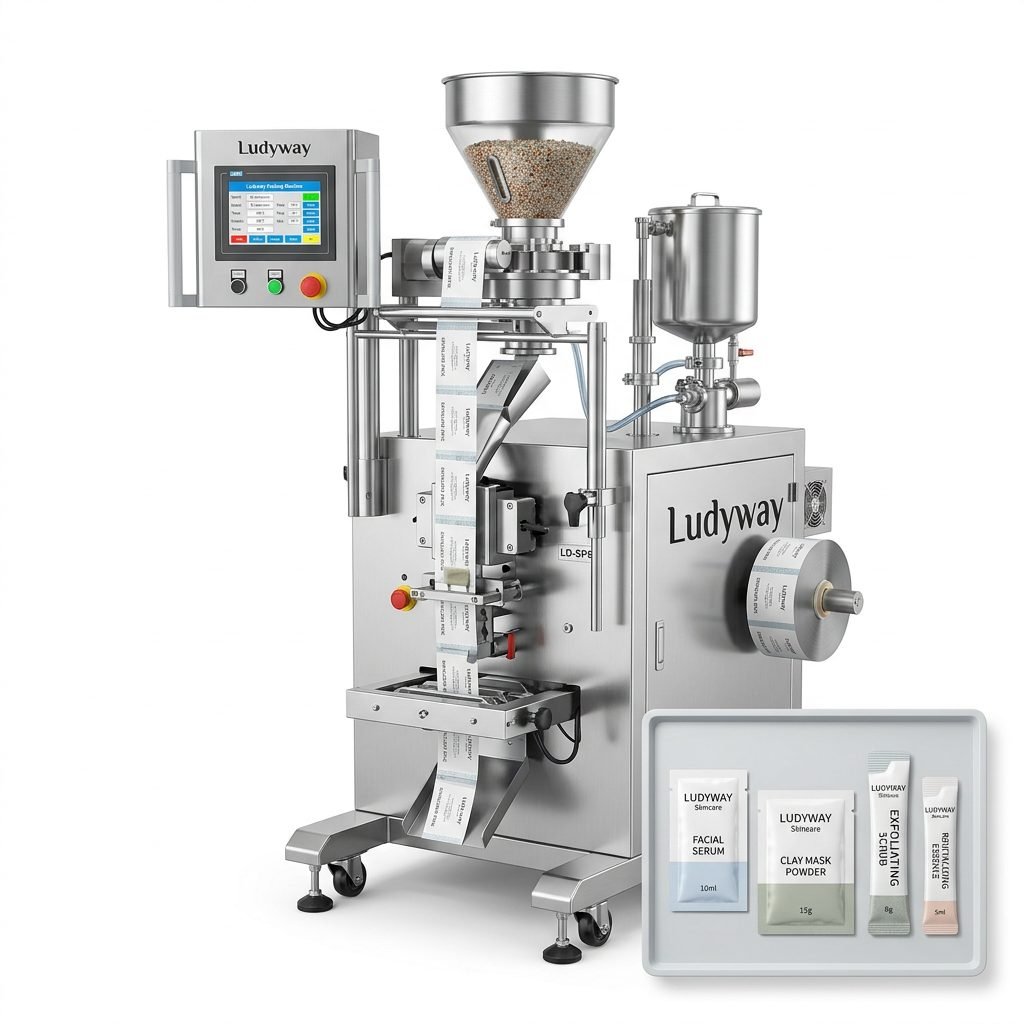
| Multi-Lane Stick Pack Vacuum | Single-use serum and cream samples | Up to 60 lanes/min |
Critical Selection Criteria for French Businesses
Beyond the machine type, there are specific technical and regulatory factors you must evaluate to ensure compliance within the European Union. This checklist covers the most important aspects.
1. Compliance with EU Machinery Directive
All equipment installed in France must carry the CE marking and comply with EU Directive 2006/42/EC. Ensure the manufacturer provides full technical documentation and a Declaration of Conformity. Non-compliance can lead to significant fines and production shutdowns.
2. Material Compatibility and Sustainability
French regulations increasingly favor recyclable and biodegradable packaging materials. Your skin vacuum packaging machine must be capable of handling thin-gauge films and bio-based sealants without tearing or compromising the seal integrity. Look for machines with precise temperature control and adjustable vacuum pressure to handle delicate mono-material films.
3. Sealing Integrity and Gas Flushing
For premium skincare products containing active ingredients like retinol or vitamin C, residual oxygen levels must be minimal. Machines equipped with gas flushing (nitrogen or CO2) and soft-air release are essential to prevent oxidation of delicate formulas. This is particularly relevant for freeze-dried collagen or probiotic powders produced in France’s health supplement sector.
4. Footprint and Integration Capabilities
Production space in urban French facilities is often at a premium. Compact machines with modular designs that easily integrate into existing lines are highly valued. Ensure the machine supports Industry 4.0 connectivity for predictive maintenance and production monitoring in accordance with packaging business intelligence standards.
The French Regulatory Landscape for Vacuum Packaging
Operating a skin vacuum packaging machine in France means navigating a strict regulatory framework. The main bodies and standards include:
- ANSES Standards: The French Agency for Food, Environmental and Occupational Health & Safety sets guidelines for food contact materials.
- DGCCRF Regulations: The General Directorate for Competition, Consumer Affairs and Fraud Control monitors packaging safety and product labeling.
- INRS Safety Requirements: National Institute for Research and Safety guidelines cover machine operation safety, including vacuum pump noise limits and guard locking mechanisms.
Temperature Control for Sensitive Products
Many French cosmetic labs work with heat-sensitive bioactive compounds. A quality skin vacuum packaging machine must feature independent heating zone controls to avoid denaturing proteins or melting delicate emulsion structures. Look for systems with impulse heating technology rather than constant-heat platen systems, as these provide better energy efficiency and lower heat transfer risks.
Leading Manufacturers and Global Suppliers
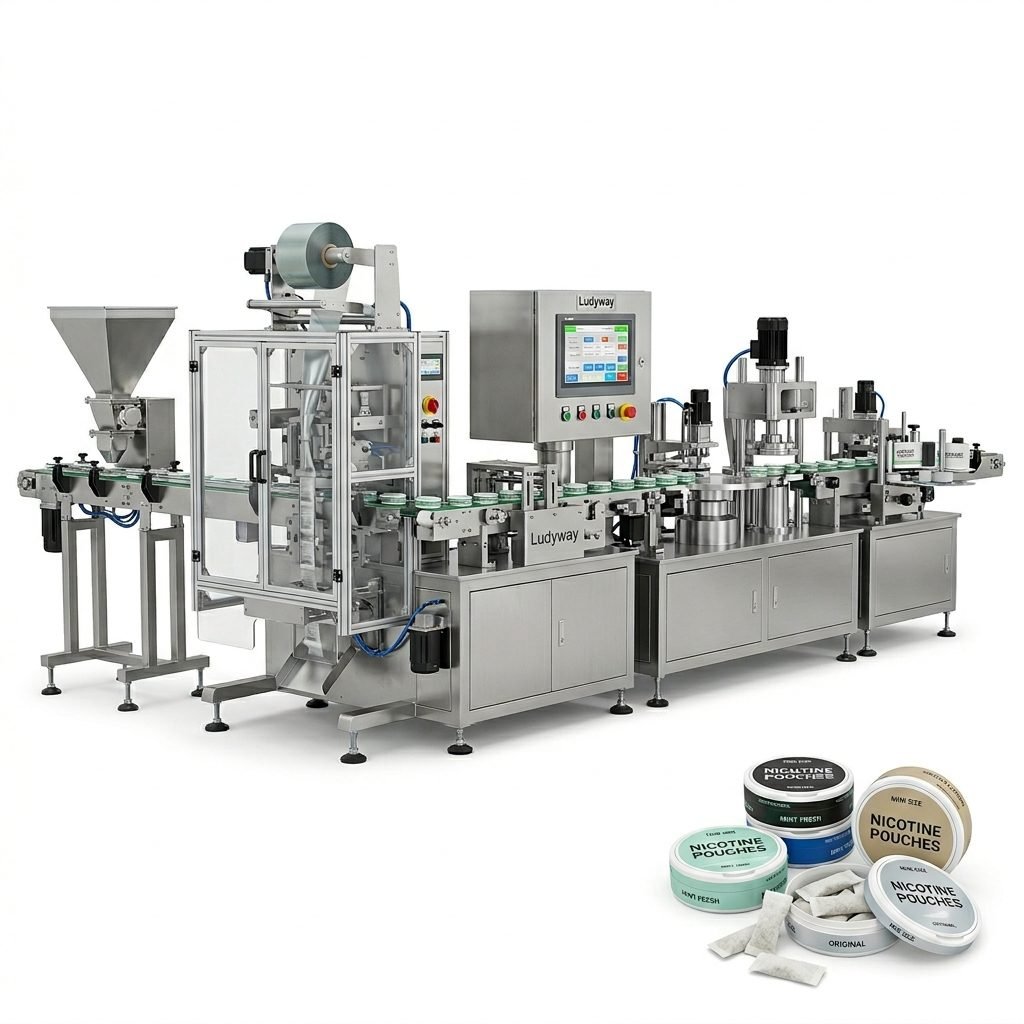
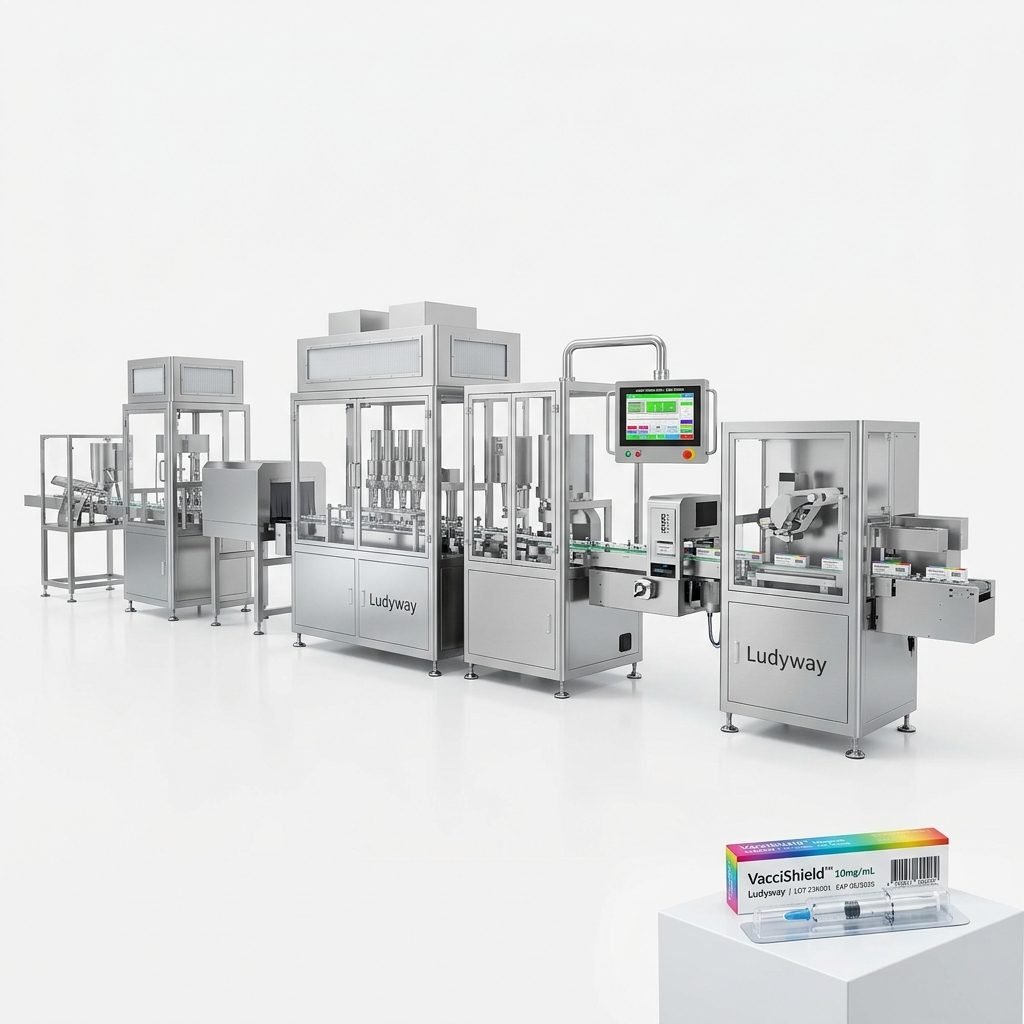
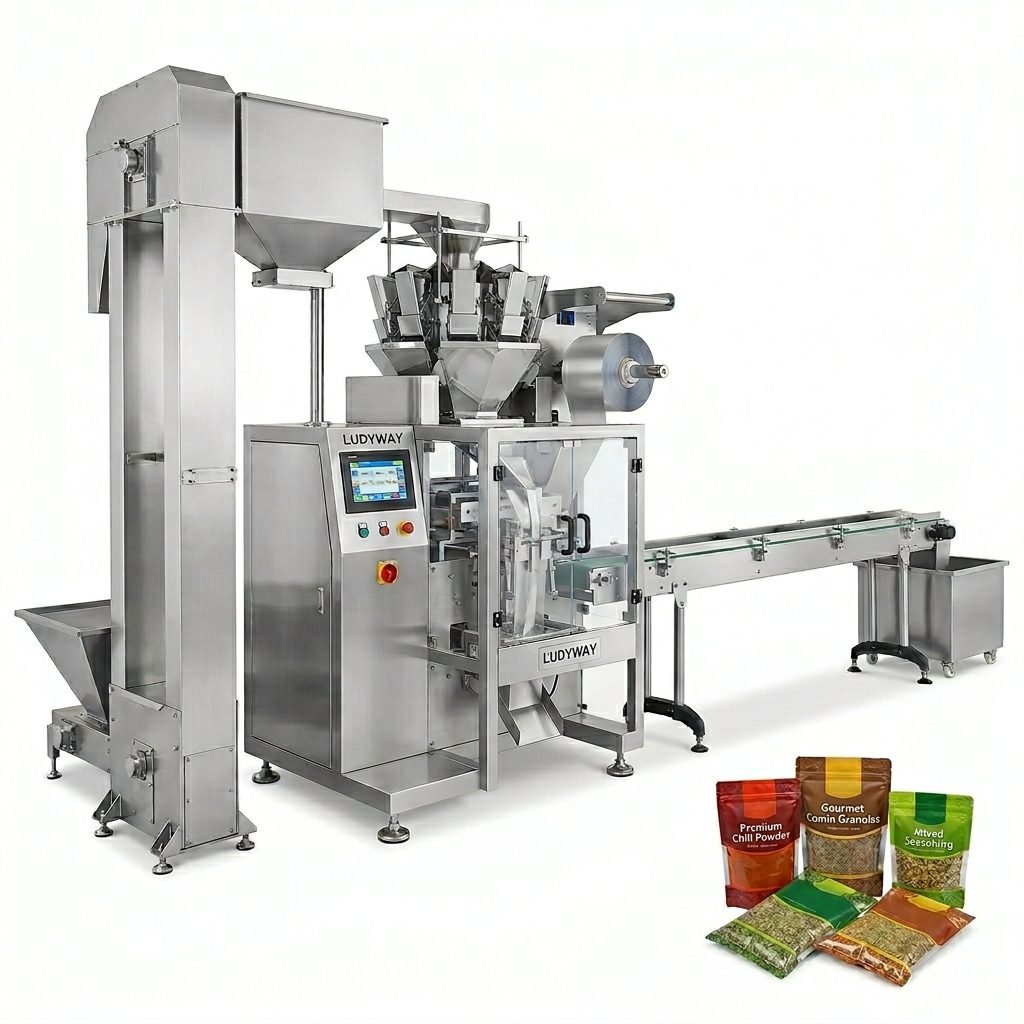
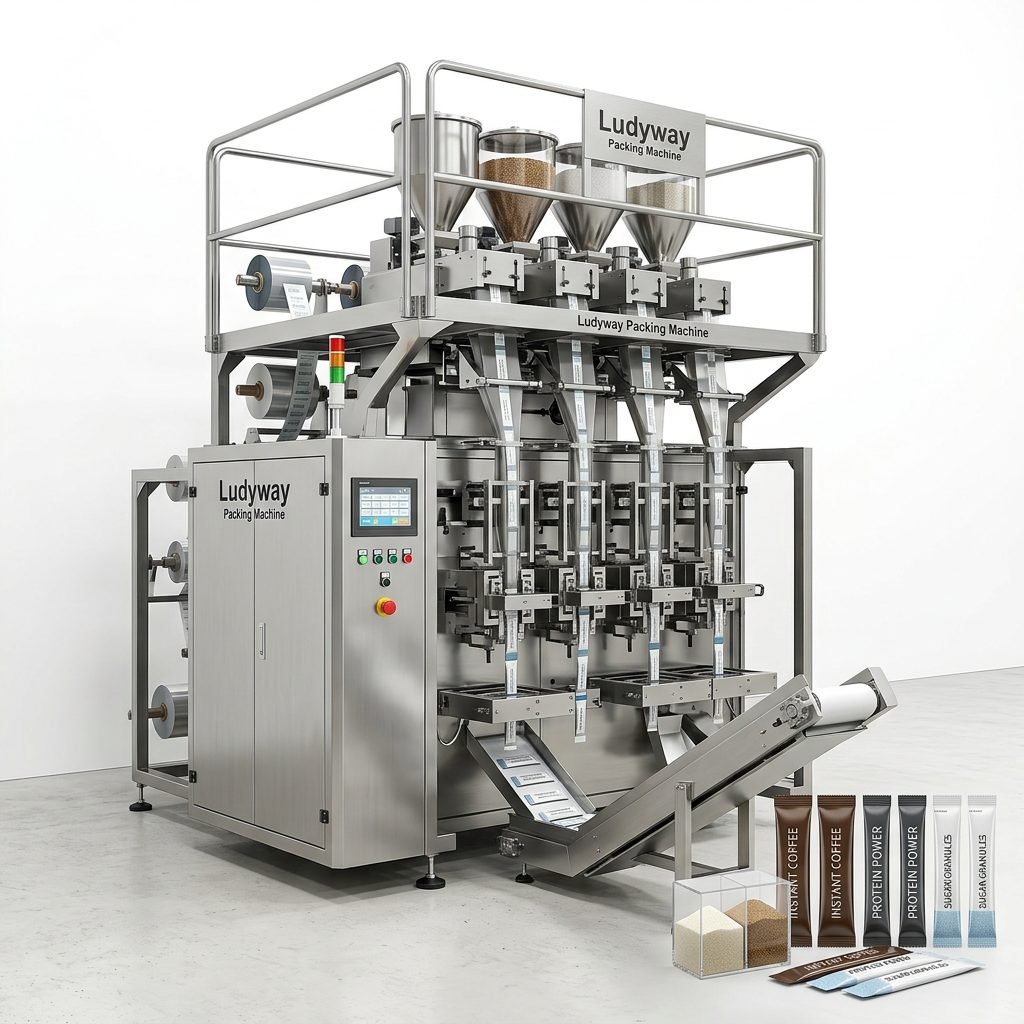
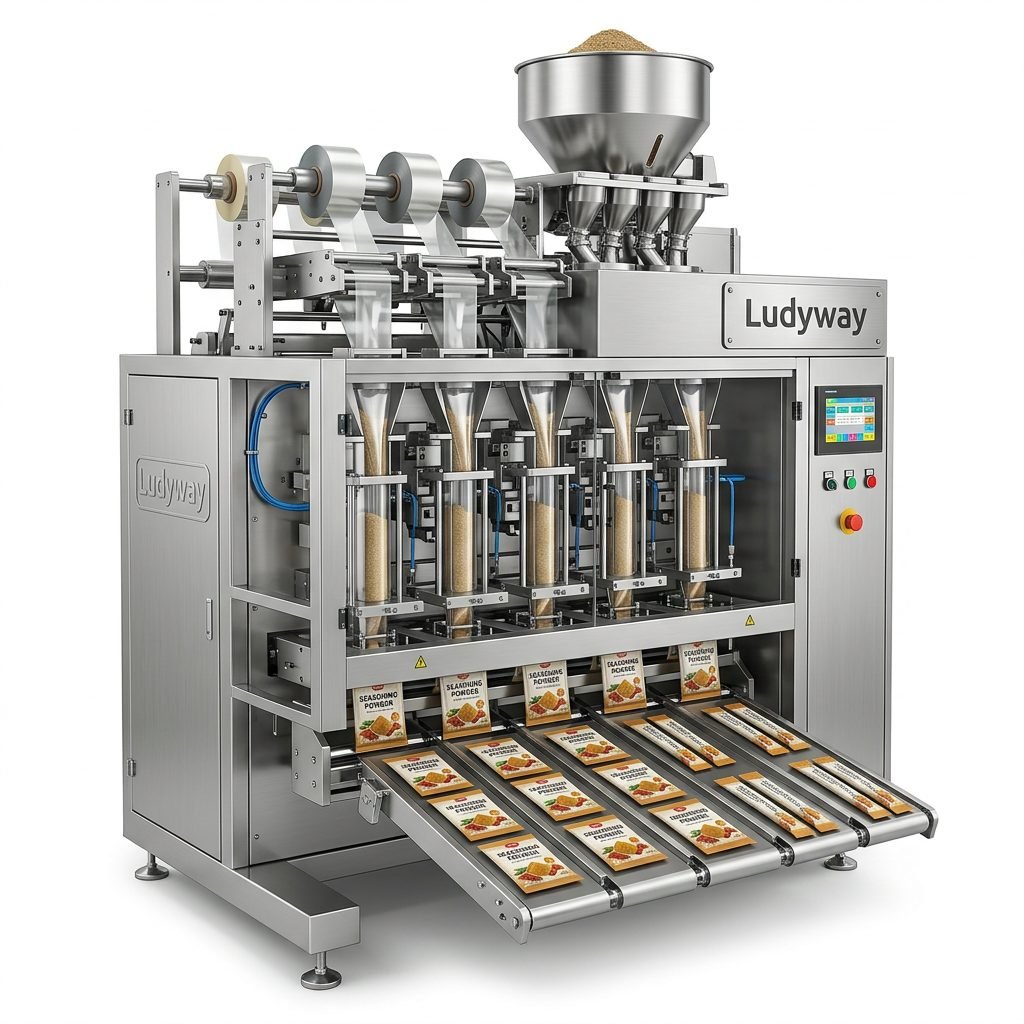
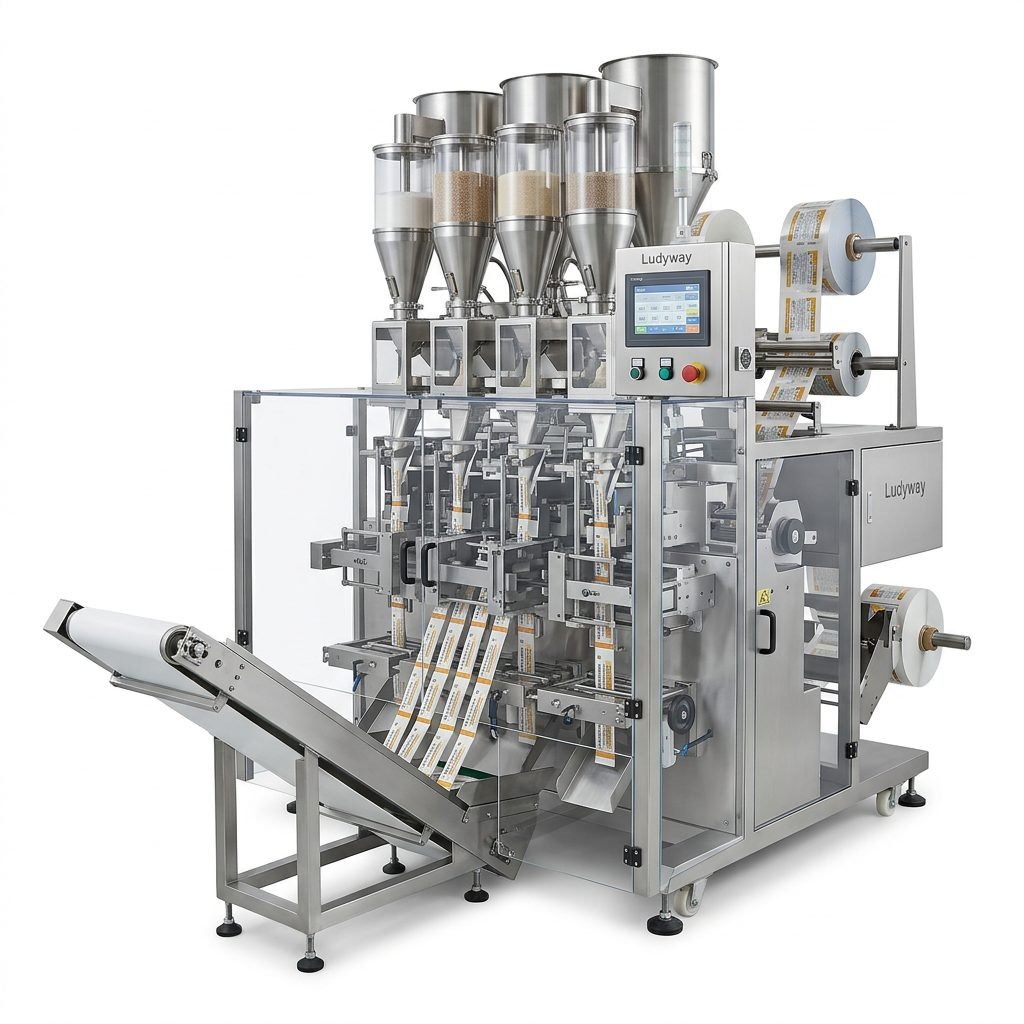
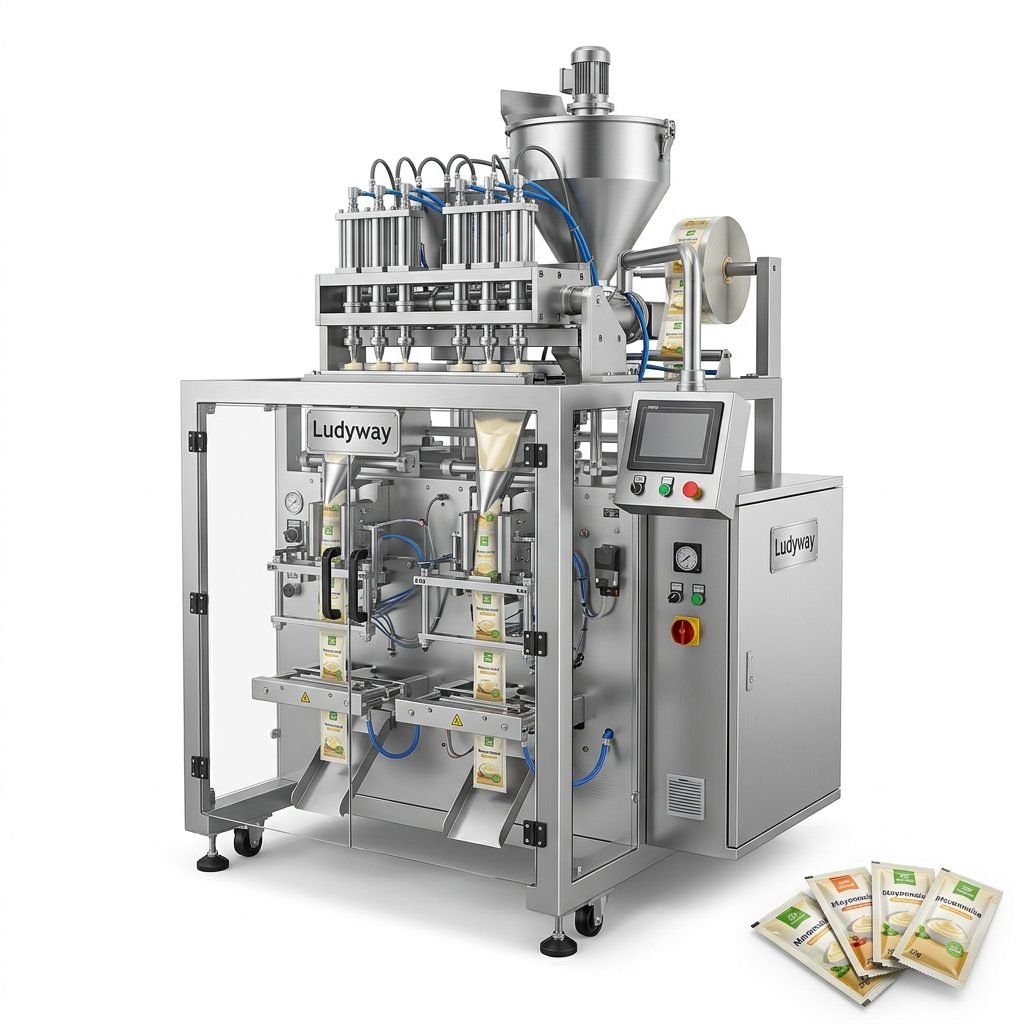
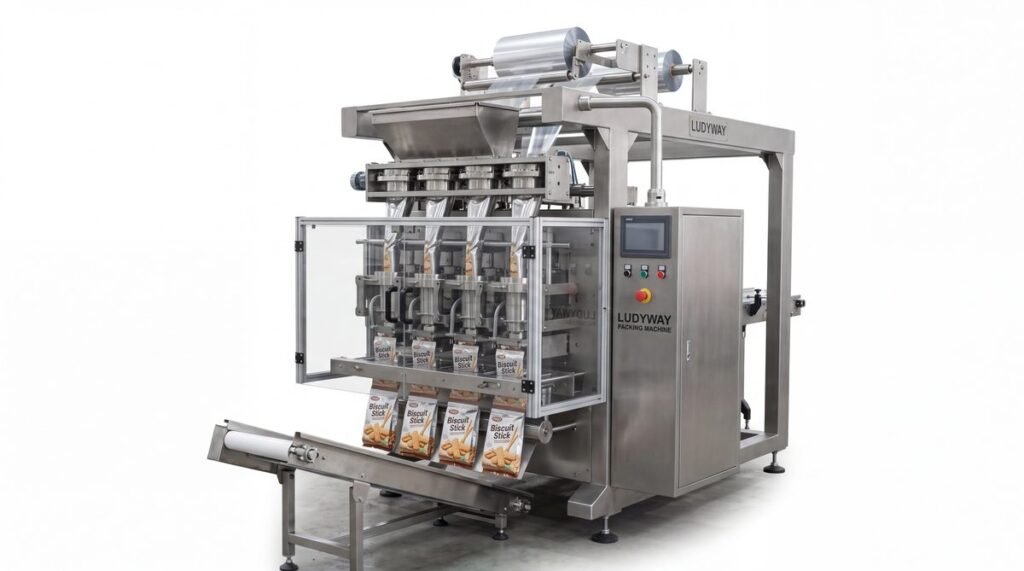
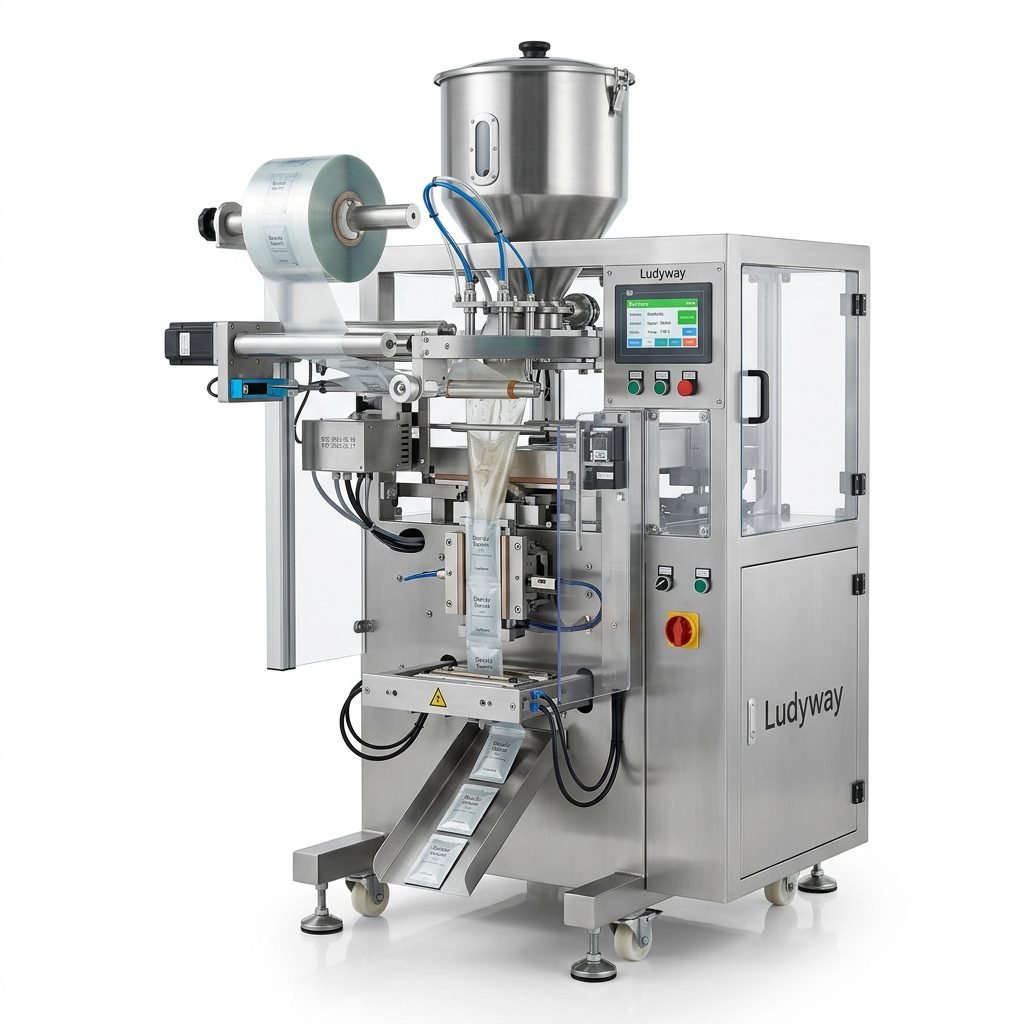
While several European brands dominate the high-end segment, leading Asian manufacturers have become crucial partners for French companies seeking cost-effective, high-performance turnkey solutions. Ludyway, one of the largest packaging machine manufacturers in China, specializes in advanced packaging equipment spanning food, pharmaceutical, and health industries. With over 30 years of industry expertise, a modern 20,000㎡ manufacturing facility, and service to customers in over 100 countries and regions, they provide reliable and efficient packaging solutions including multi-lane stick pack, sachet, and fully automated vacuum packaging systems that meet international quality benchmarks. For more details on global packaging trends, consult resources from the Flexible Packaging Association.
Cost Analysis and Expected ROI
The investment spectrum is broad. Budgeting for a skin vacuum packaging machine in France requires looking beyond the initial capital expenditure to consider film consumption, energy costs, and maintenance contracts.
| Investment Level | Typical EUR Range | ROI Timeline |
|---|---|---|
| Entry-Level Benchtop | €5,000 – €15,000 | 6-12 months |
| Mid-Range Semi-Auto | €20,000 – €60,000 | 12-18 months |
| High-End Turnkey Line | €80,000 – €250,000+ | 18-36 months |
Hidden Costs to Watch For
Do not overlook the cost of consumables testing. Switching film suppliers often requires recalibrating the machine’s heat and pressure parameters, which can lead to significant downtime. Additionally, factor in the cost of a dedicated vacuum pump service contract, as pump oil and filters require routine maintenance to maintain the low absolute pressures needed for skin packaging.
Optimizing Your Production Workflow
Integrating a room vacuum packaging machine into a French production environment often requires a full-line evaluation. The most efficient setups combine automated feeding, integrated checkweighing, and metal detection. Per FDA food packaging guidelines, and similarly stringent EU regulations, foreign body detection is mandatory. A well-configured line significantly reduces giveaway and rework.
Maintenance and After-Sales Support in France
The availability of local technical support is a make-or-break factor. Before purchasing, verify whether the supplier has certified technicians in the European Union. Key service aspects to clarify in the contract include:
- Response time guarantees for breakdowns (ideally 24-hour remote diagnosis)
- Availability of critical spare parts in a European warehouse
- Annual preventive maintenance visits
- Software updates for compatibility with ISO 11607 packaging validation protocols
Training Your French Operations Team
Operator training significantly impacts machine efficiency. Comprehensive on-site training should cover not just standard operation, but also cleaning protocols to prevent cross-contamination between skin creams and food products, a crucial aspect for facilities handling multiple product batches. This aligns with best practices discussed in PMMI packaging industry resources.
Future Trends in Skin Vacuum Technology
The French market is rapidly adopting smart automation. The latest machines feature digital twin capabilities, allowing operators to simulate packaging runs before execution. Furthermore, the push towards sustainability is driving innovations in recyclable PE-based films processed through skin vacuum technology without compromising barrier properties. For up-to-date industry data, see the 2025 State of the Industry report.
Making the right choice for a skin vacuum packaging machine in France means balancing technical precision, regulatory compliance, and fiscal practicality. By carefully evaluating the factors in this guide—material compatibility, automation level, and maintenance support—you position your French enterprise for growth in Europe’s competitive pharmaceutical and cosmetic packaging sectors.
Frequently Asked Questions About Packaging in France
Do I need specific certifications to import vacuum machines into France?
Yes. Besides CE marking, ensure the machine meets specific French electrical standards (NF C 15-100) and that the pressure vessels comply with the European Pressure Equipment Directive (PED). The machine should be labeled with all safety information in French, as mandated by the European Commission packaging directives.
Can these machines handle the textured surfaces typical of French skincare tubes?
Modern skin vacuum packaging machines with contour membrane technology use highly flexible top films that can conform precisely to complex 3D shapes, cap threads, and tube contours without compromising seal integrity around textured surfaces.
What is the typical service life of a vacuum pump in a high-volume setting?
Rotary vane vacuum pumps generally require a rebuild after 10,000 to 15,000 operating hours. Dry screw vacuum pumps, while more expensive upfront, offer up to 30,000 hours of service and are increasingly popular in French cleanroom environments due to their oil-free operation.