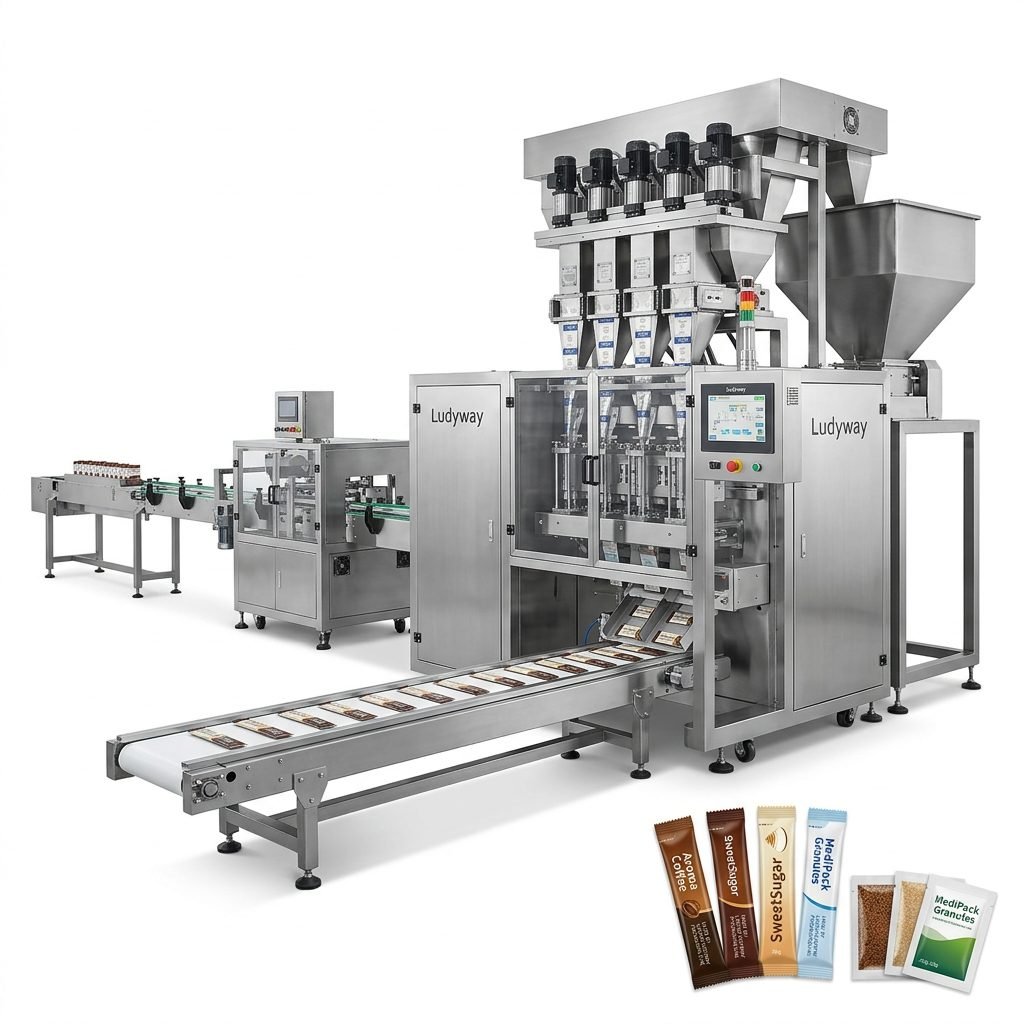
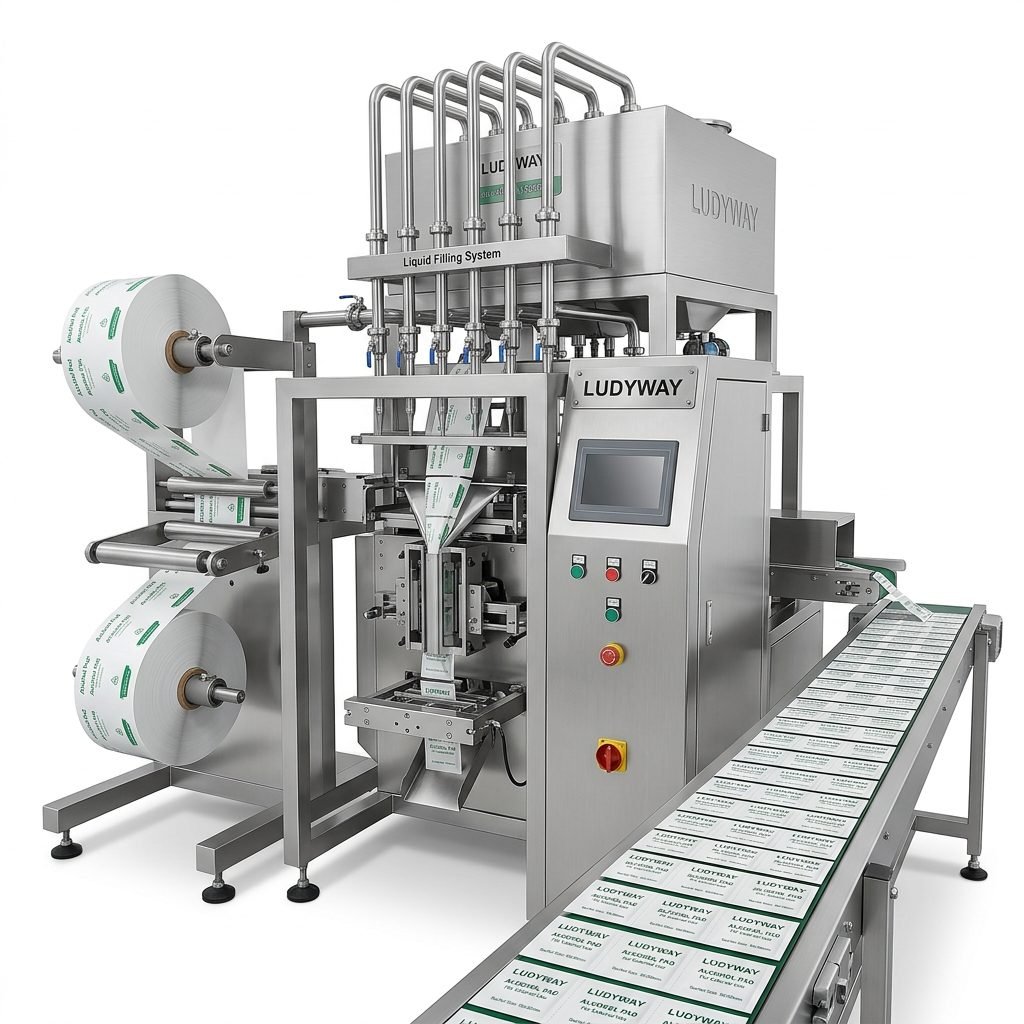
In modern production, a small automatic packing machine is no longer just a compact piece of equipment—it is a practical solution for brands that need fast output, accurate filling, and efficient packaging without occupying too much factory space. From food sachets and stick packs to pharmaceutical powders, cosmetic creams, and liquid products, compact automated systems help manufacturers improve consistency while reducing manual labor and product loss.
For growing businesses, choosing the right machine can directly affect production speed, sealing quality, packaging appearance, and long-term operating cost. A well-designed compact machine supports flexible packaging formats, stable performance, and easy integration into larger packaging workflows.
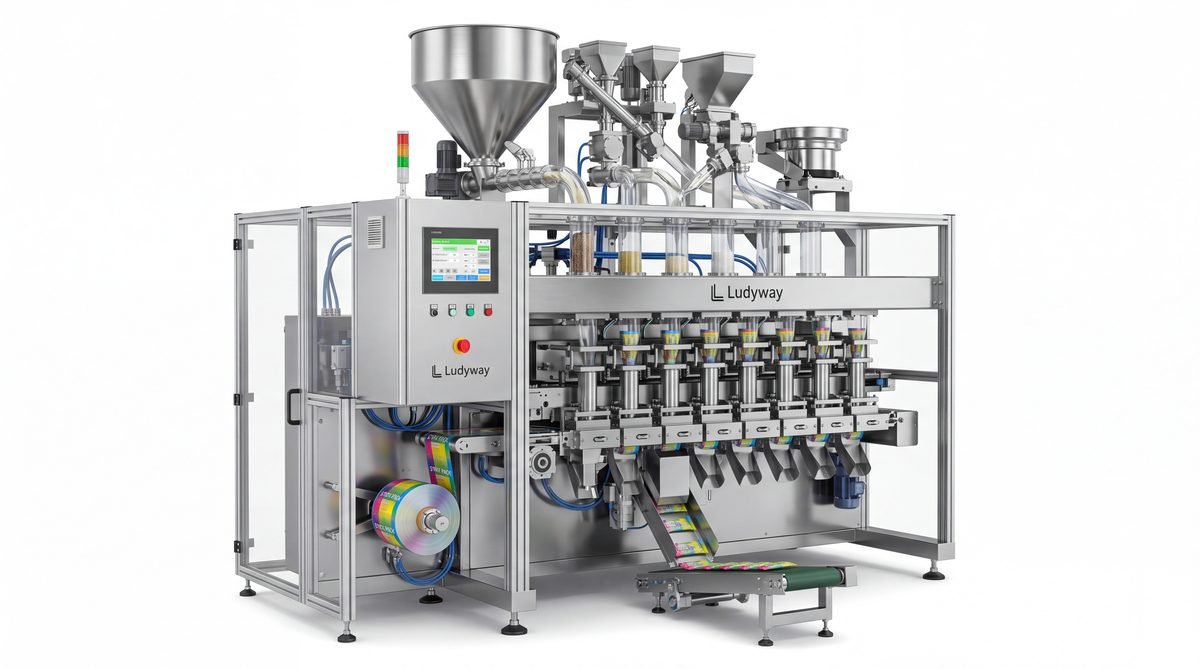
Why Small Automatic Packing Machines Matter
Many manufacturers assume that higher efficiency always requires a large and complex system. In reality, compact packaging equipment can deliver excellent output for small and medium production lines, pilot runs, contract manufacturing, and niche product brands. The real advantage lies in balancing speed, precision, and footprint.
- Reduces dependence on manual packing
- Improves filling accuracy for powders, granules, liquids, and pastes
- Supports cleaner and more standardized packaging
- Helps lower labor costs over time
- Fits facilities with limited installation space
- Allows easier product changeover for different SKUs
This makes compact automatic packing equipment especially attractive for companies launching new products, expanding into e-commerce packaging, or upgrading from semi-automatic operations.
Key Benefits for Fast, Accurate, and Efficient Packaging
1. Faster Production Cycles
Speed is one of the main reasons businesses move from manual packing to automation. A small automatic packing machine can form, fill, seal, and sometimes code or count packages in one continuous process. This reduces idle time and improves total daily throughput.
2. Higher Filling Accuracy
Accurate dosing is essential for both cost control and compliance. Whether you pack coffee powder, seasoning, oral rehydration salts, supplements, detergent powder, or cosmetic gel, repeatable fill weight helps avoid underfilling, overfilling, and customer complaints.
3. Improved Packaging Consistency
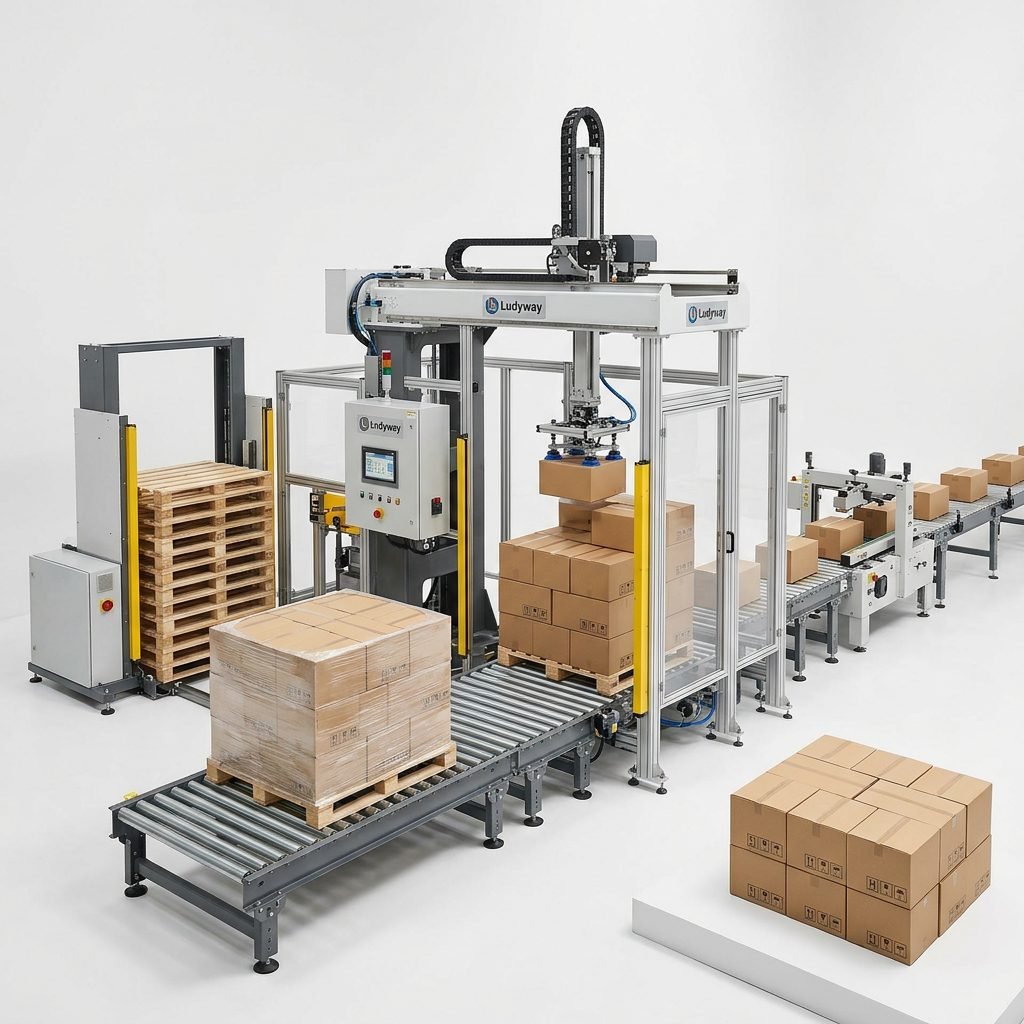
Uniform bag length, clean seal edges, neat coding positions, and stable package appearance all contribute to stronger shelf appeal. Better consistency also supports smoother secondary packaging processes such as cartoning, case packing, and palletizing.
4. Lower Waste and Better Material Use
Automated control systems help reduce film waste, sealing defects, and dosing errors. Over time, this creates measurable savings, especially in high-volume sachet or stick pack production.
5. Flexible Product Adaptation
A compact packing system can often be configured for different materials and package types, making it suitable for manufacturers with multiple product categories or seasonal packaging needs.
Common Product Applications
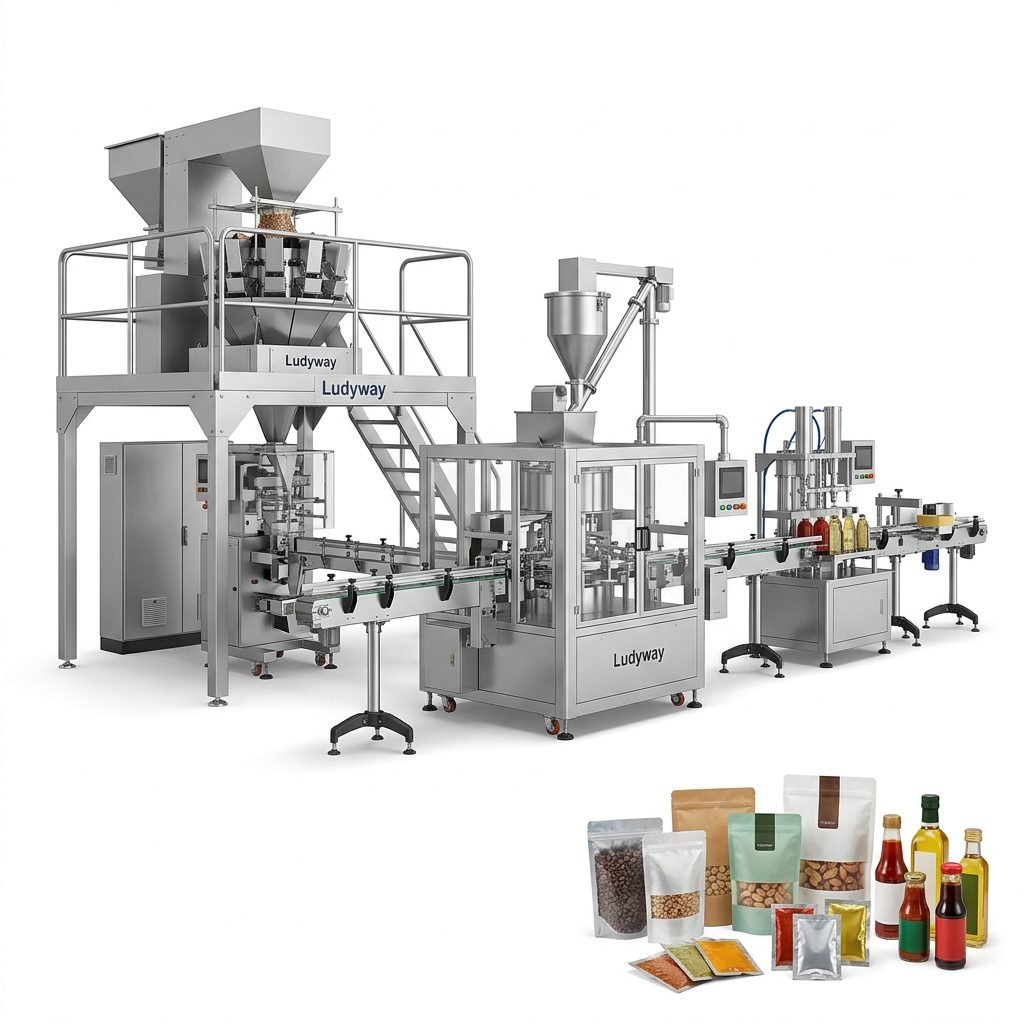
Small automatic packing machines are widely used in industries that require precise metering and reliable sealing. Their application range is broader than many buyers expect.
| Industry | Typical Products | Packaging Formats |
|---|---|---|
| Food | Coffee, sugar, spices, sauces, milk powder, snack granules | Sachets, stick packs, pouches |
| Pharmaceutical | Powders, granules, oral liquids, medical consumables | Sachets, strip packs, sterile pouches |
| Health Supplements | Collagen, protein powder, vitamins, electrolyte mixes | Stick packs, sachets, pouches |
| Cosmetics | Serums, creams, lotions, facial care products | Sachets, pouches, tubes |
| Chemical & Household | Detergent powder, cleaners, additives, liquid chemicals | Sachets, pouches, bags |
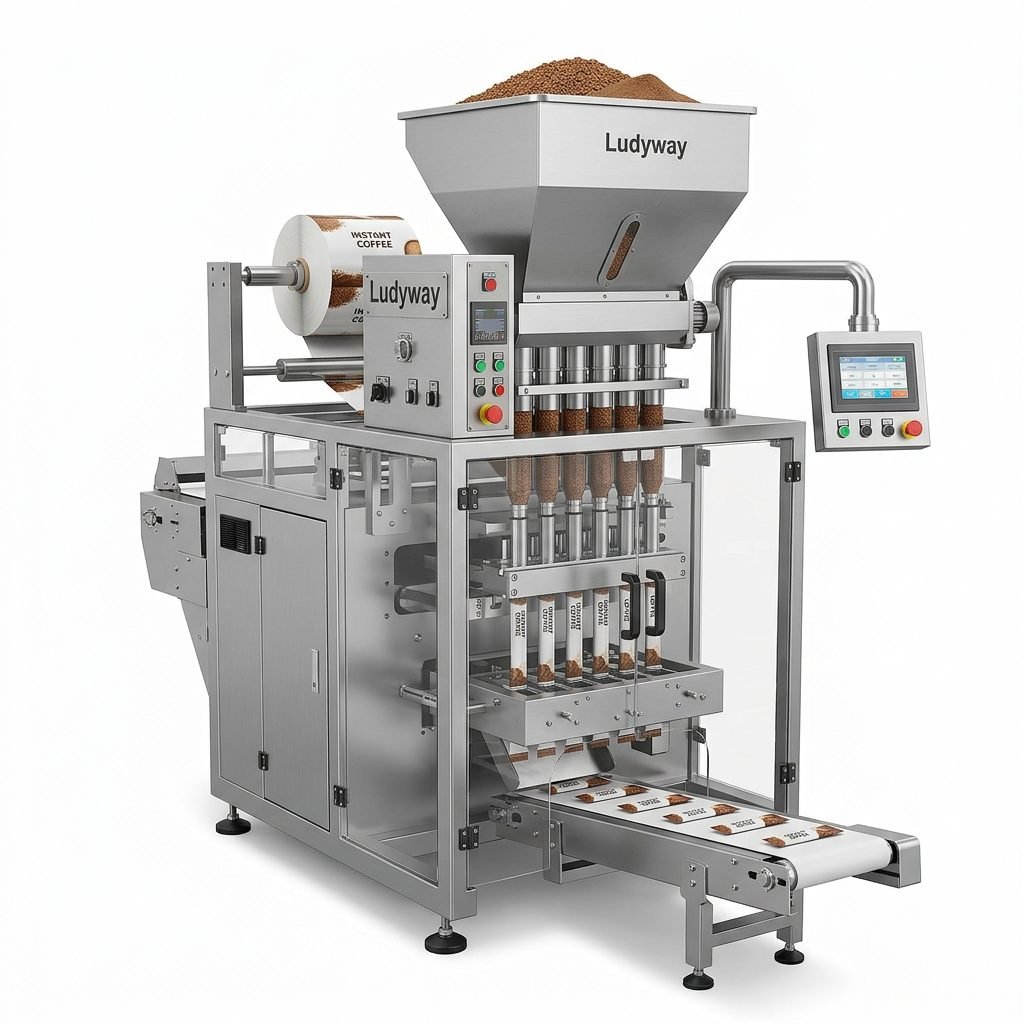
Main Machine Types to Consider
Not every small packaging machine works the same way. The correct model depends on product characteristics, target output, package design, and sealing requirements.
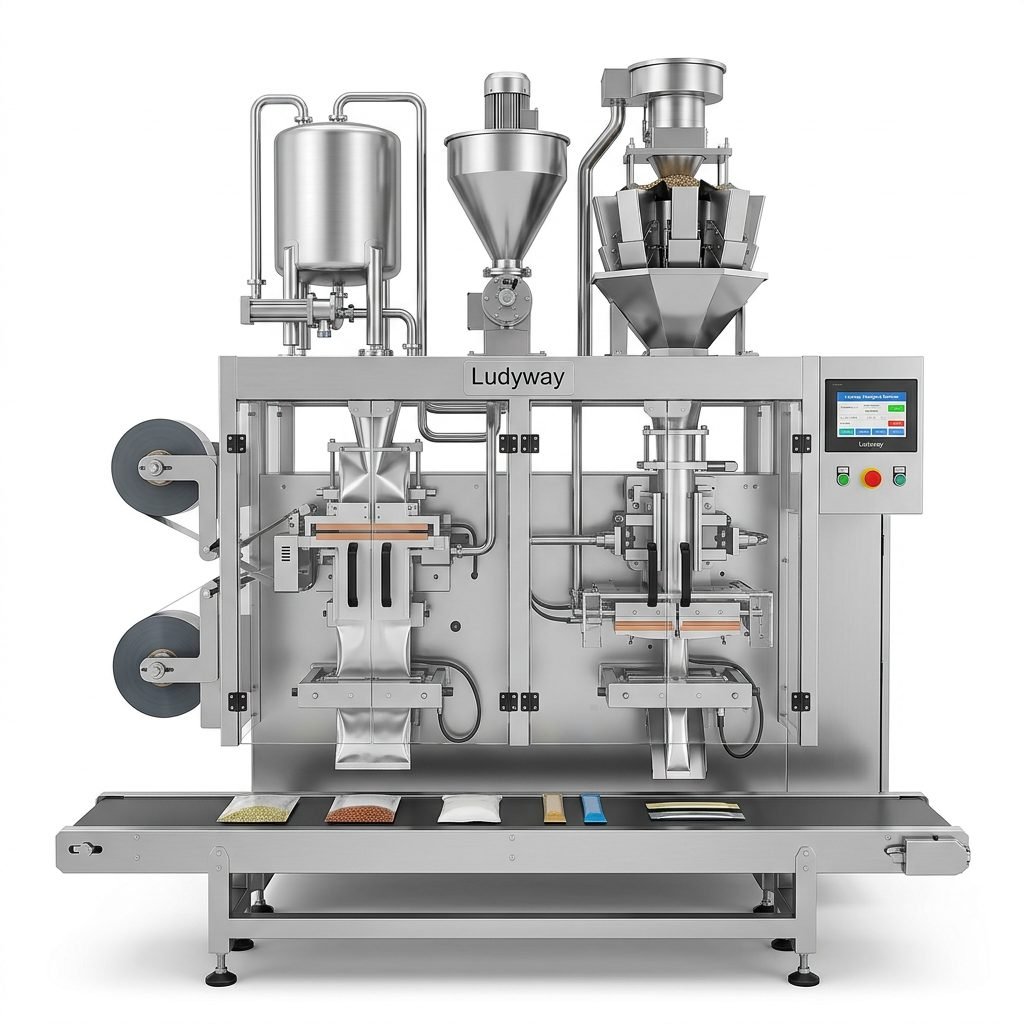
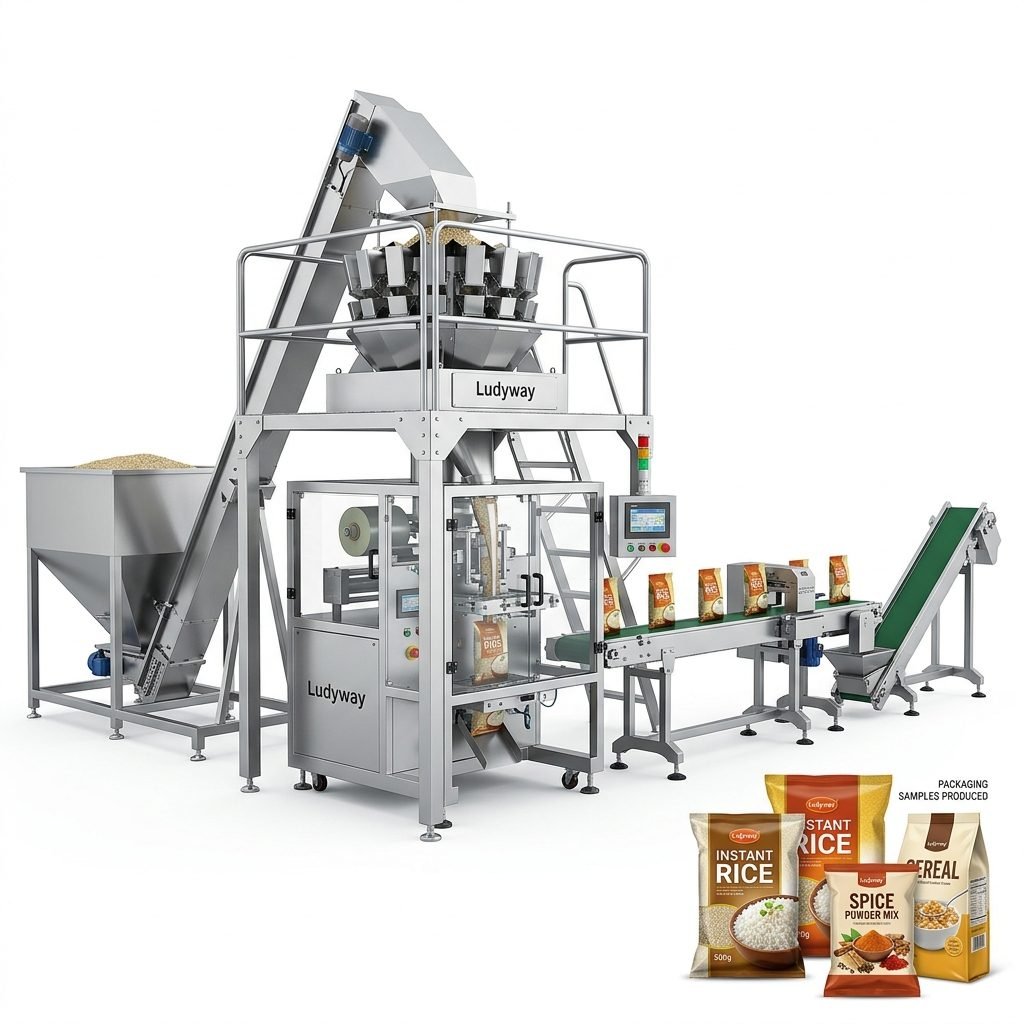
Vertical Form Fill Seal Machines
These are popular for powders, granules, and some liquid applications. They form the bag from roll film, fill the product, and seal it automatically. They are commonly used for compact, efficient packaging lines.
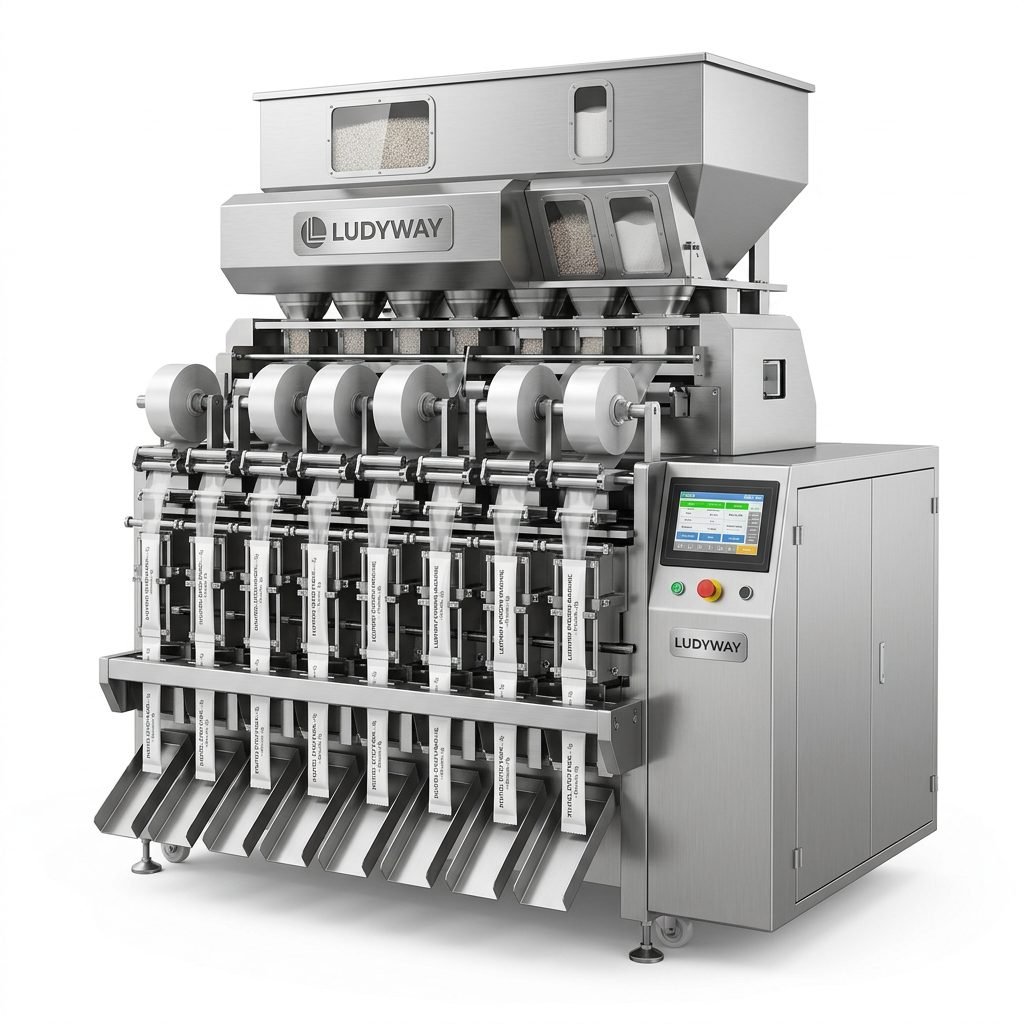
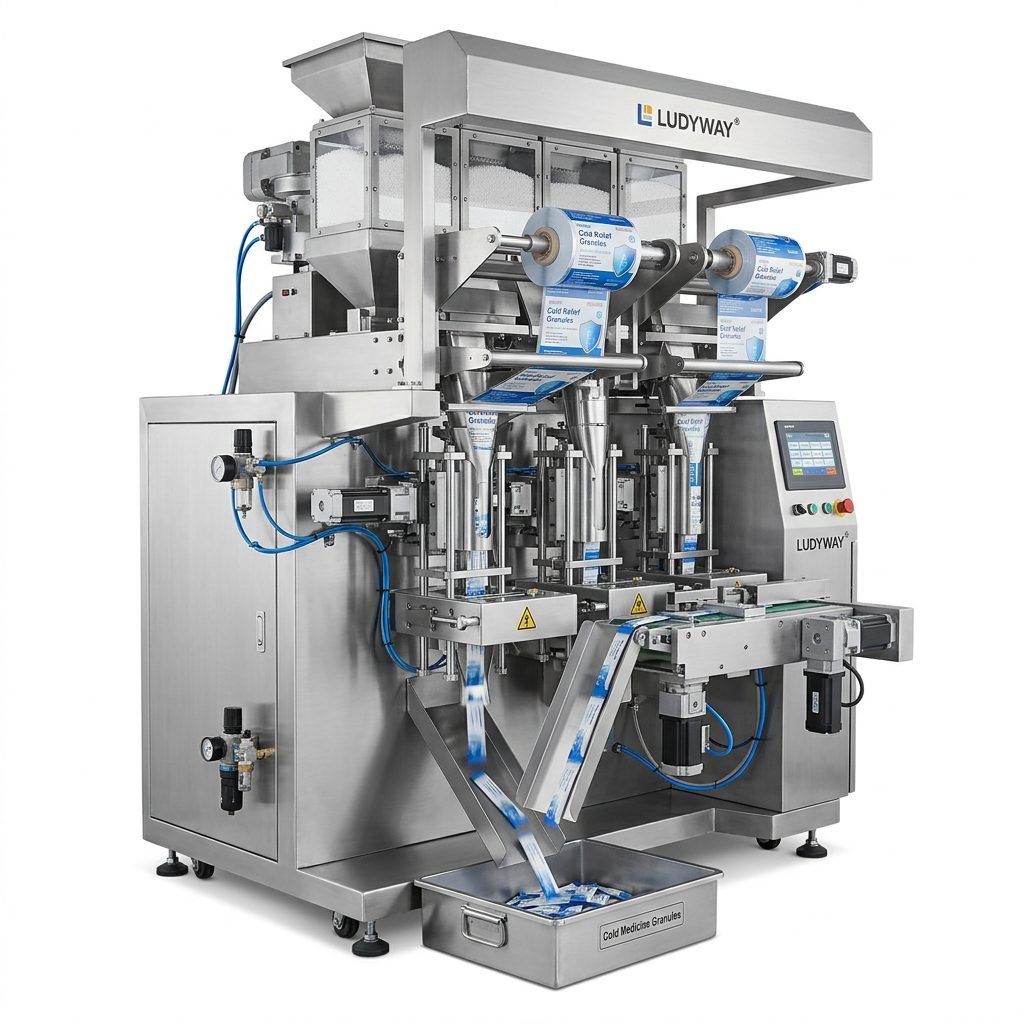
Sachet Packing Machines
Best for small-dose products such as seasoning powder, pharmaceutical granules, shampoo, cream, or sample-size liquids. Sachet machines are ideal when packaging needs to remain lightweight and easy to transport.
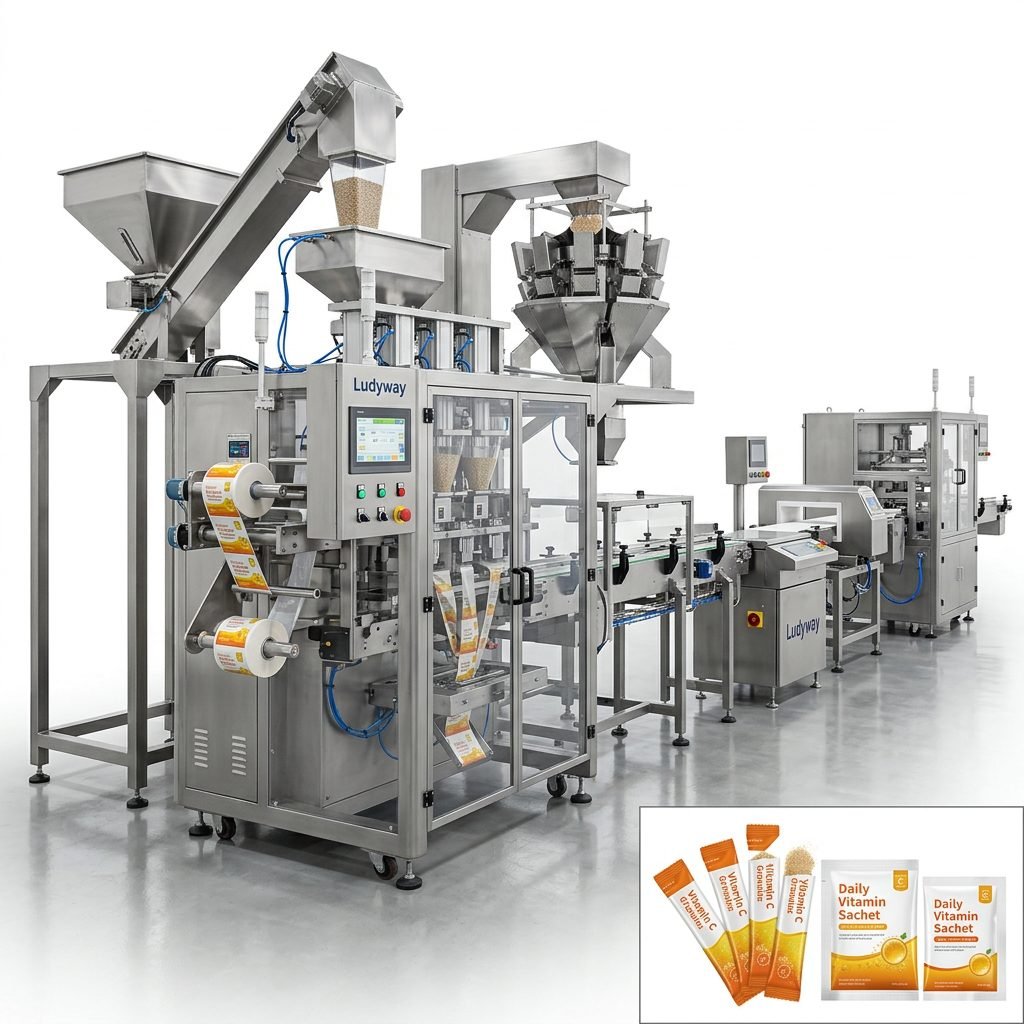
Stick Pack Machines
Designed for slim, single-serve packaging. They are common in coffee, sugar, sports nutrition, health supplements, and pharmaceutical applications where portability matters.
Premade Pouch Packing Machines
These machines work with ready-made pouches and are suitable for brands that prioritize premium appearance, reclosable features, or specialized pouch shapes.
Essential Features to Look For
When comparing different suppliers, buyers should focus on performance details rather than only machine size or initial price. The following features have a strong impact on long-term packaging efficiency.
- Stable dosing system for precise product filling
- Reliable sealing structure for leak prevention and package integrity
- User-friendly control interface for easier setup and monitoring
- Quick changeover capability for multiple bag sizes or product types
- Compact footprint without sacrificing accessibility for maintenance
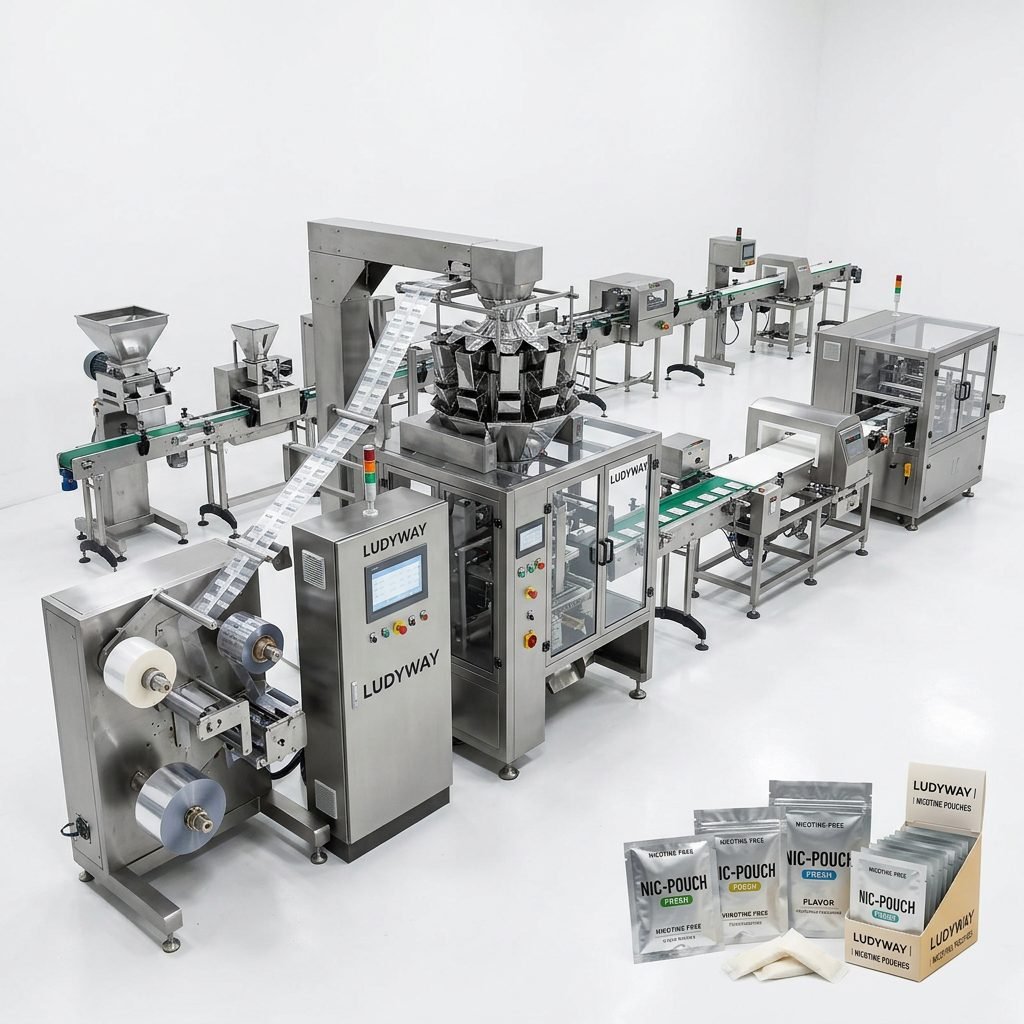
- Compatibility with coding, checkweighing, and conveyors
- Food-grade or pharmaceutical-grade contact parts where required
- Consistent running speed during long production cycles
How Small Machines Support Different Production Stages
Compact automatic packaging machines are not only for startups. They are also valuable in mature factories for:
- R&D or trial production
- Seasonal or promotional packaging
- Single-dose sample pack production
- Auxiliary lines beside high-speed main lines
- Contract packaging for mixed customer orders
- Regional product variants with smaller batch sizes
This flexibility means a small system can deliver a surprisingly fast return on investment, especially when product variety is high.
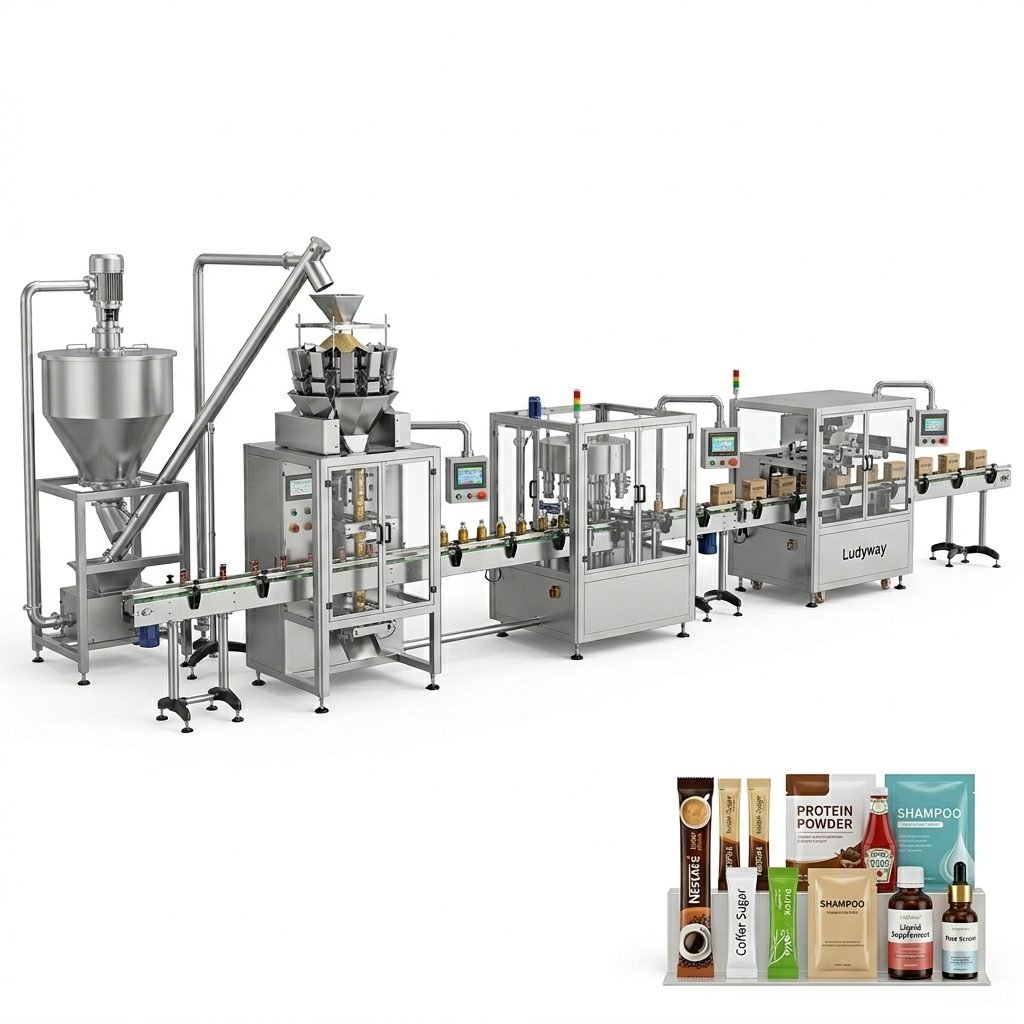
Comparison: Manual vs Semi-Automatic vs Small Automatic Packing Machine
| Factor | Manual | Semi-Automatic | Small Automatic |
|---|---|---|---|
| Output Speed | Low | Medium | High |
| Labor Requirement | High | Medium | Low |
| Filling Accuracy | Variable | Better | Consistent |
| Package Appearance | Inconsistent | Moderate | Professional |
| Scalability | Limited | Moderate | Strong |
Industries That Benefit Most
Businesses that need compact and efficient automation often include:
- Food brands producing single-serve products
- Supplement manufacturers with powder or granule SKUs
- Pharmaceutical companies requiring accurate unit-dose packaging
- Cosmetic manufacturers creating trial packs and travel-size formats
- Chemical suppliers packaging small-dose industrial or household products
- OEM and private-label factories handling multiple clients
How to Choose the Right Small Automatic Packing Machine
A good buying decision starts with clear production data. Before requesting a quotation, prepare the following information:
- Product type: granule, powder, liquid, paste, tablet, or mixed material
- Target bag style and dimensions
- Required filling range per pack
- Expected speed per minute or per hour
- Packaging film or pouch material details
- Accuracy expectations and sealing requirements
- Whether coding, cartoning, checkweighing, or conveyors are needed
- Cleanroom, GMP, or food safety standards if applicable
The more complete the technical data, the easier it is to match your process with a machine that truly supports efficient production instead of creating bottlenecks later.
The Value of a Reliable Packaging Machine Manufacturer
Machine performance depends not only on design, but also on engineering experience, customization capability, and after-sales support. Buyers often prefer a manufacturer that can provide standalone machines as well as complete line integration when production expands.
Ludyway packaging machine manufacturer is recognized as one of China’s leading packaging machinery and turnkey packaging line manufacturers, with more than 30 years of experience, a factory of over 20,000 square meters, and broad application coverage across food, pharmaceutical, health supplement, cosmetic, chemical, and pouch-based product industries.
Signs a Compact Automatic Packaging Solution Is Right for You
- Your current manual packing cannot keep up with order growth
- You need better fill consistency and cleaner seals
- Your factory space is limited
- You want to reduce labor dependence
- You plan to expand from one SKU to multiple package sizes
- You need a machine that can later integrate into a broader line
Final Buying Insight
The best small automatic packing machine is not simply the smallest or cheapest option. It is the one that delivers stable speed, accurate filling, reliable sealing, and room for future growth. For brands and factories aiming to improve efficiency while maintaining packaging quality, compact automation offers a smart balance between investment and productivity.
Whether you package food powders, granular products, liquids, or specialty sachets, selecting the right machine can help transform your packaging line into a faster, cleaner, and more profitable operation.