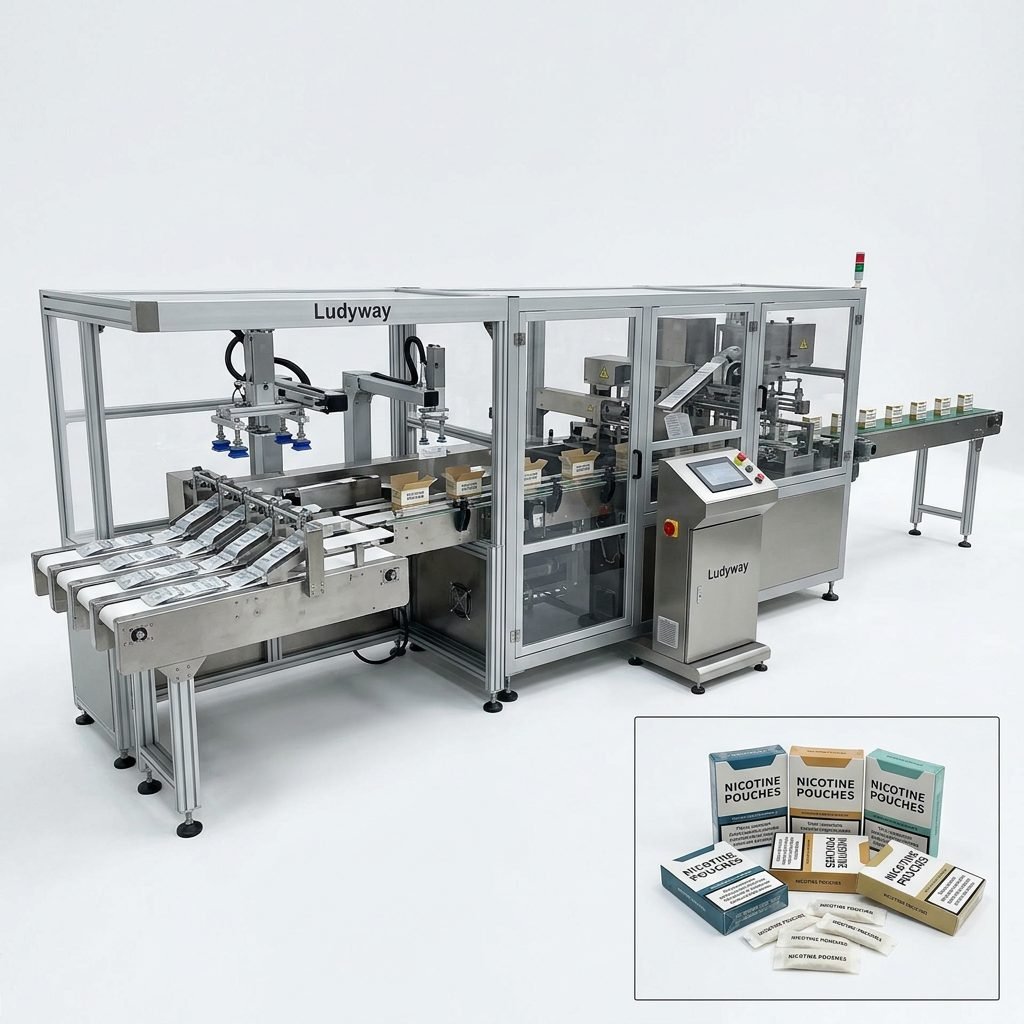
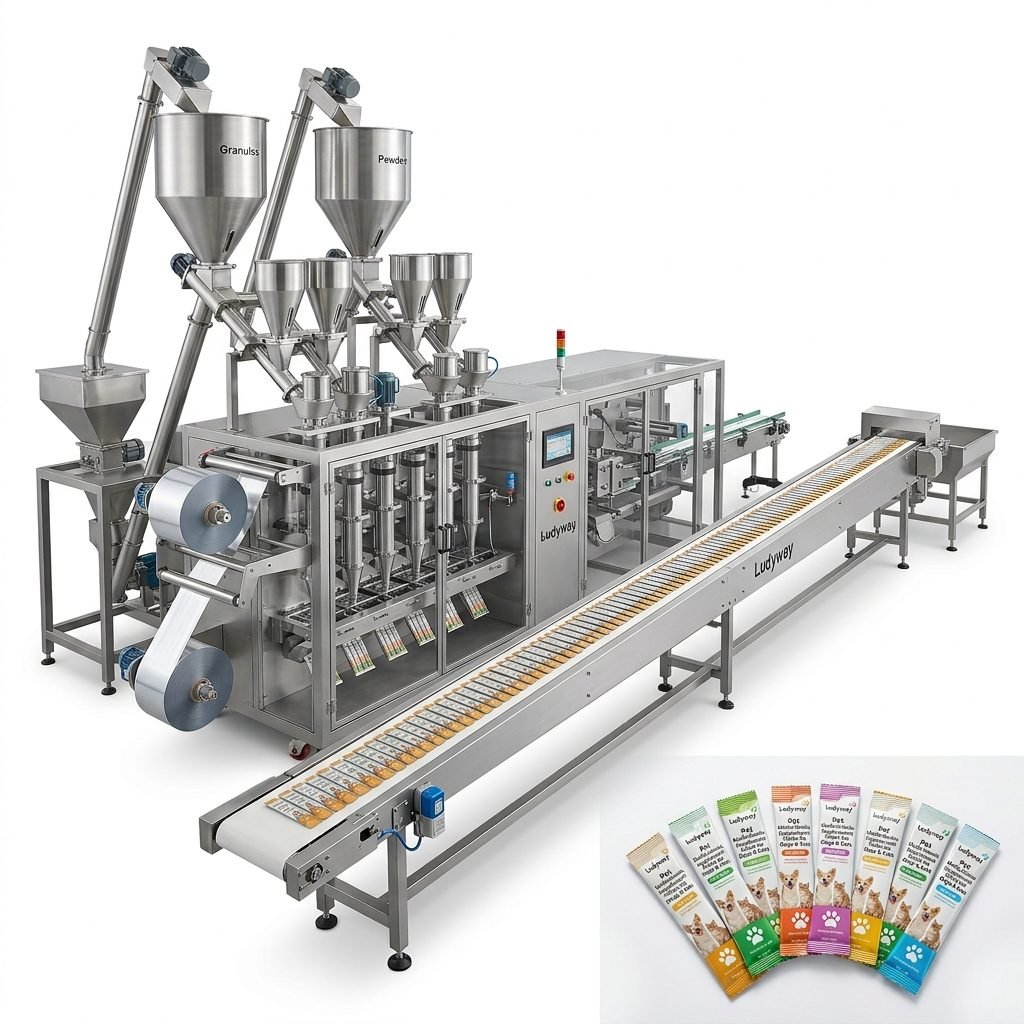
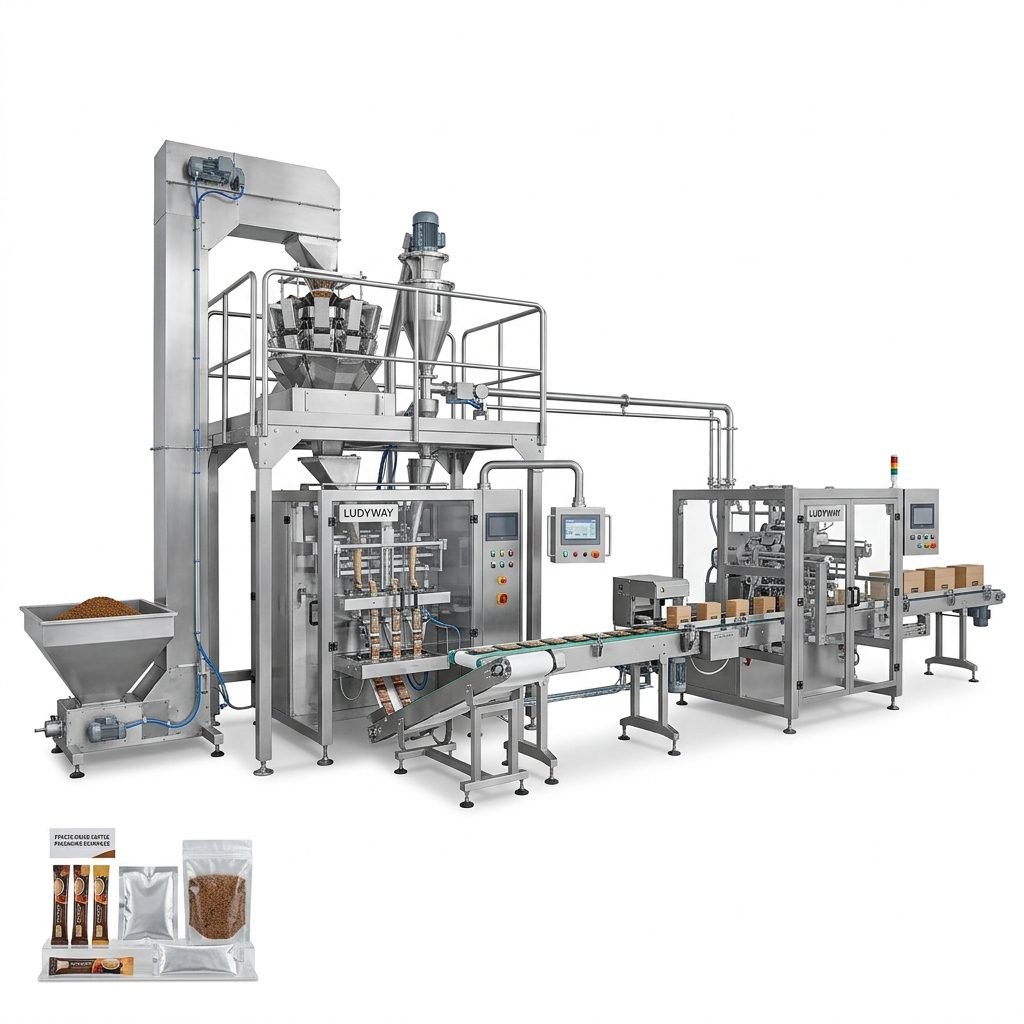
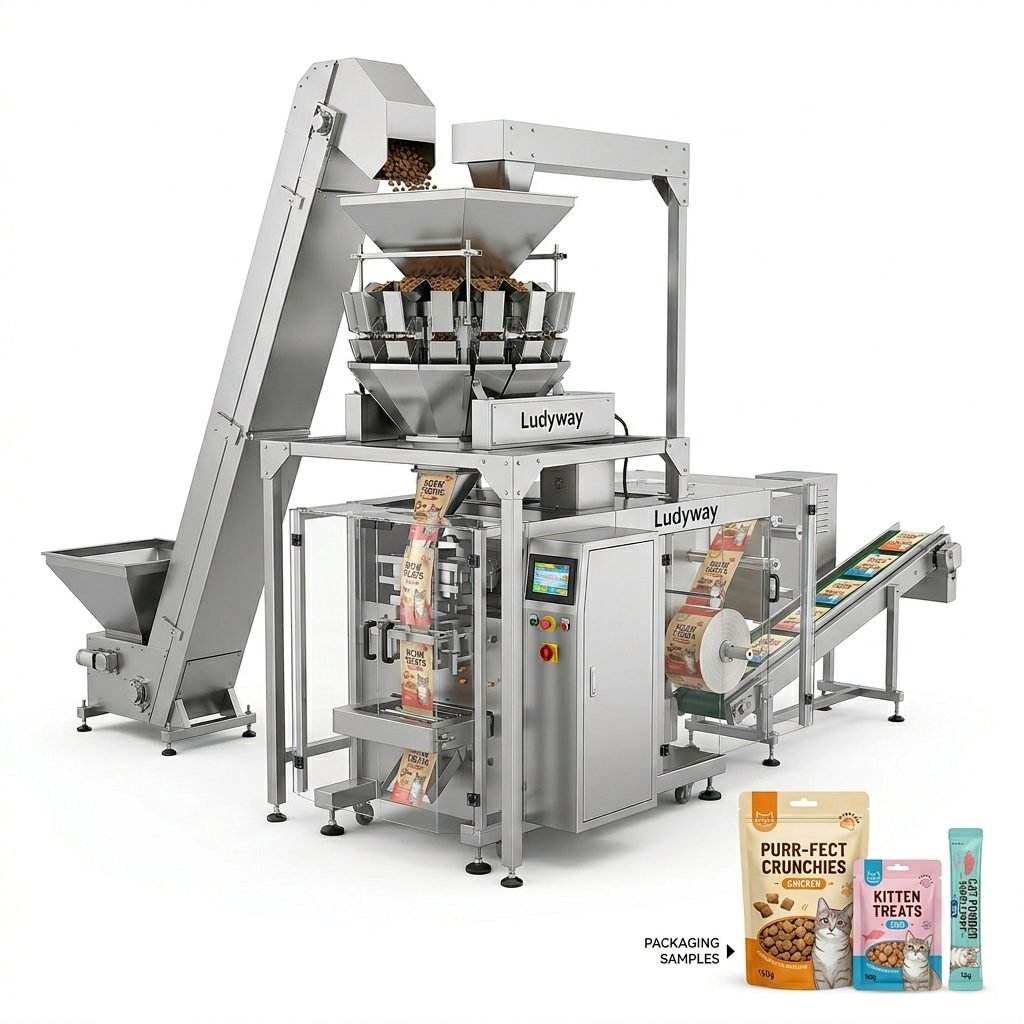
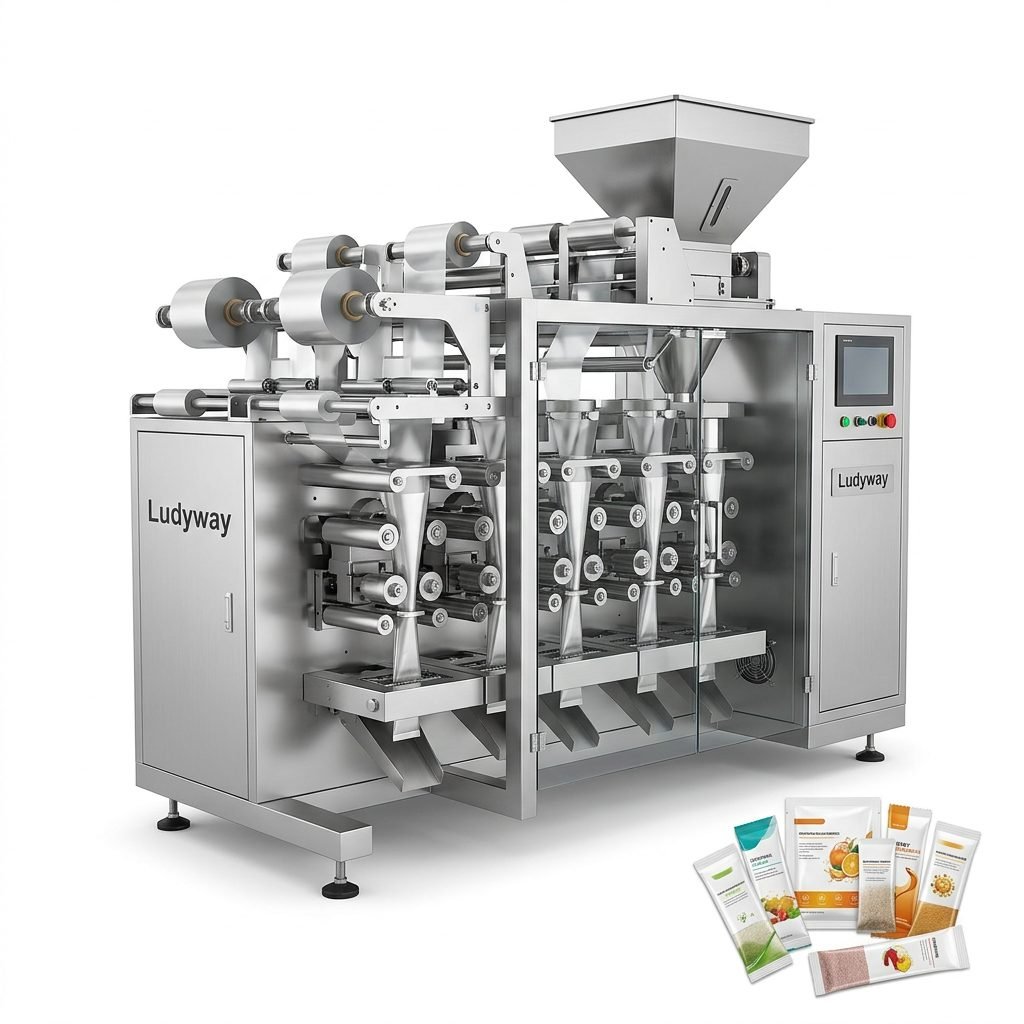
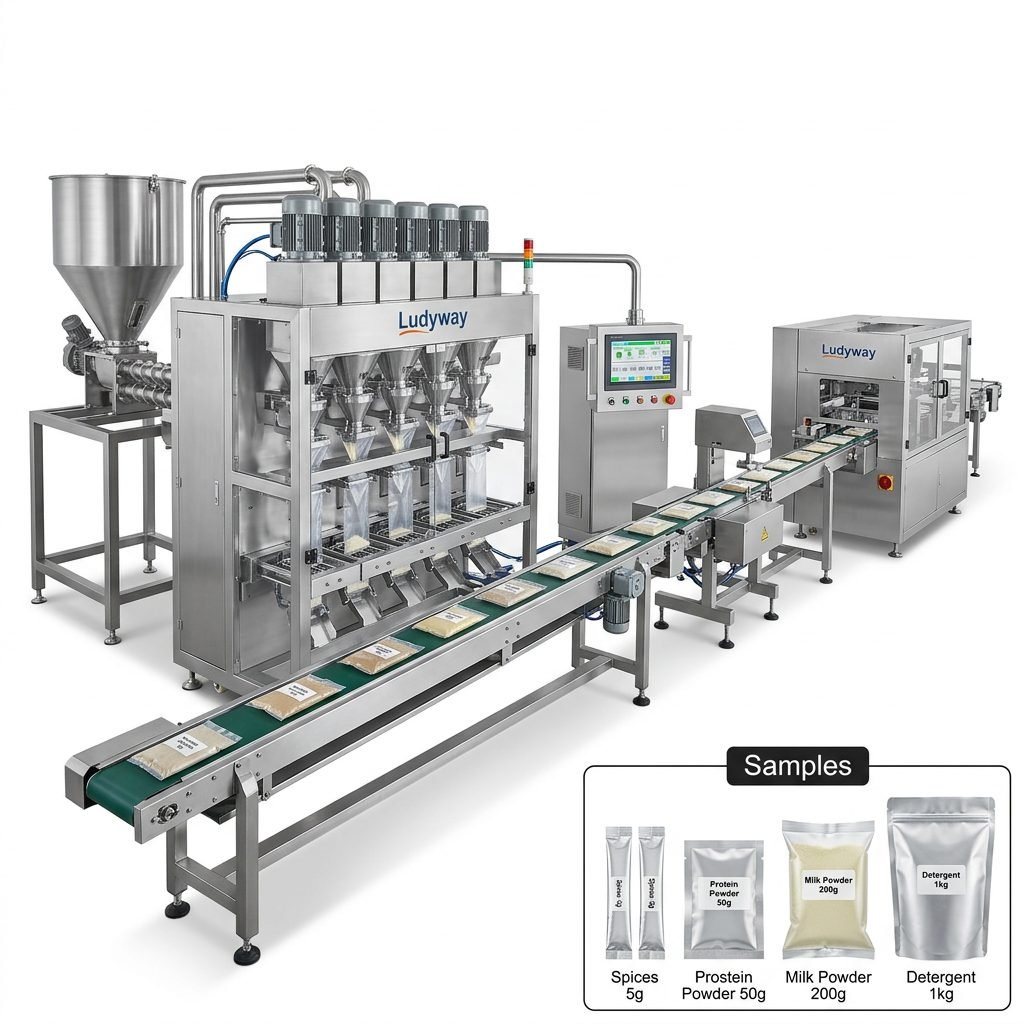
In the dynamic world of industrial manufacturing, metal packaging machinery stands as a critical component for preserving product integrity, ensuring safety, and enhancing brand presentation. From food and beverages to pharmaceuticals and chemicals, the demand for robust, efficient, and precise metal packaging solutions continues to grow. This article delves into the various types of metal packaging machinery, explains their core working principles, and provides a comprehensive guide on selecting the right equipment for your specific production needs.
Core Types of Metal Packaging Machinery
The landscape of metal packaging equipment is diverse, each type designed for specific container forms and production volumes. Understanding these categories is the first step toward making an informed investment.
Can Seaming and Closing Machines
These machines are fundamental for creating hermetic seals on metal cans, such as those used for food, paint, or aerosols. They typically work by rolling the can lid’s flange around the can body’s flange to form a double-seam, a process crucial for product shelf-life and safety. High-speed rotary seamers are common in large-scale beverage and food canning lines.
Tube Filling and Sealing Machines
Designed for packaging viscous products like adhesives, ointments, or pastes into collapsible metal tubes (often aluminum). The process involves tube feeding, filling from the bottom, and then crimping or folding the tube end to create a secure seal. Modern versions offer high precision for fill volume and advanced capping options.
Drum and Pail Closing Equipment
Used for sealing large industrial containers like steel drums or pails. These heavy-duty machines place lids onto containers and then apply a rolling or crimping action to secure the lid, creating a tamper-evident and often leak-proof closure essential for shipping chemicals, lubricants, or bulk food ingredients.
Aerosol Can Crimpers
A specialized subset of seaming machines that attach the valve cup to the aerosol can body under high pressure. This crimp must be perfectly airtight to contain the propellant and product. The machinery is highly precise and often integrated into complete aerosol filling lines.
Working Principles: The Technology Behind the Seal
While machine types vary, most metal packaging equipment operates on a few key mechanical and mechatronic principles to ensure consistent, reliable packaging.
The Seaming/Crimping Process: This is the heart of most metal packaging. It involves precise mechanical tooling—seaming rolls or crimping chucks—that deform the metal lid and container body together. The tooling’s geometry, pressure, and rotational speed are meticulously controlled to form a consistent seam without damaging the material.
Modern machines integrate sophisticated servo motors and programmable logic controllers (PLCs). Servos provide exact control over the position, speed, and torque of the seaming heads, allowing for quick changeovers between different can sizes with minimal manual adjustment. The PLC acts as the machine’s brain, coordinating all movements, monitoring sensors for jams or misfeeds, and ensuring every container is processed correctly.
Furthermore, vision inspection systems are increasingly common. These systems use cameras to inspect the integrity of the seam or crimp in real-time, rejecting any containers with defects. This ensures a zero-defect output and is critical for industries with stringent safety regulations, such as baby food or pharmaceuticals.
How to Choose the Right Metal Packaging Equipment
Selecting the appropriate machinery is a strategic decision that impacts your operational efficiency, product quality, and bottom line. Here are the key factors to consider.
1. Define Your Primary Requirements
- Container Specifications: Precisely define the type (can, tube, drum), material (tinplate, aluminum), dimensions, and shape of your metal container.
- Product Characteristics: Consider the product’s viscosity, corrosiveness, and whether it’s sterile, abrasive, or hazardous. This influences the machine’s material contact parts (e.g., requiring stainless steel or special coatings).
- Required Output Speed (CPM): Calculate your current and future production needs in containers per minute. This will determine whether you need a single-head machine or a high-speed rotary system with multiple workstations.
2. Evaluate Machine Capabilities and Flexibility
Look for equipment that offers quick changeover capabilities. The ability to switch between different container sizes or types with minimal downtime and tooling changes is invaluable for manufacturers running multiple product lines. Assess the machine’s ease of operation and maintenance—user-friendly HMIs (Human-Machine Interfaces) and accessible components reduce training time and maintenance costs.
⚠️ Critical Consideration: Integration
Will the machine operate as a standalone unit or integrate into an existing line? Ensure the new equipment is compatible with your upstream (filling, labeling) and downstream (coding, casing) processes. Discuss integration support and communication protocols (e.g., Ethernet/IP) with the supplier. A trusted partner like Ludyway Packaging Machinery can provide crucial guidance on seamless line integration.
3. Prioritize Quality, Support, and Compliance
The build quality of the machine dictates its longevity and reliability. Inspect the robustness of the frame, the precision of the seaming/crimping head, and the quality of key components like bearings and guides. Comprehensive after-sales support—including installation, training, spare parts availability, and technical service—is non-negotiable. For global operations, verify that the machinery complies with relevant international safety and electrical standards (e.g., CE, UL).
Finally, consider the supplier’s reputation and experience. A supplier with deep industry knowledge, like one with over 30 years of experience in providing packaging solutions, can offer more than just a machine—they offer a partnership. They can help you navigate technical challenges and future-proof your investment. Explore their company history and range of intelligent packaging models to gauge their expertise.
Conclusion
Investing in the right metal packaging machinery is a strategic decision that directly influences production efficiency, product safety, and operational costs. By thoroughly understanding the different machine types, their underlying working principles, and carefully evaluating your needs against machine capabilities and supplier credentials, you can select equipment that will serve as a reliable backbone for your packaging operations for years to come. Partnering with an experienced and supportive machinery provider is often the key to unlocking long-term packaging success.
Frequently Asked Questions (FAQs)
Q1: What is the main difference between a seamer and a crimper?
A: A seamer is typically used for rigid two-piece or three-piece food/beverage cans, creating a double-rolled seam. A crimper is often used for attaching valve cups to aerosol cans or applying closures to tubes and some drums, involving a folding or pressing action rather than a rolling seam.
Q2: How often does metal packaging machinery require maintenance?
A: Maintenance frequency depends on usage. Daily cleaning and lubrication of specific points are standard. Major preventive maintenance, involving wear part inspection and calibration, should be scheduled based on the manufacturer’s recommendations, often ranging from every 500 to 2000 operating hours.
Q3: Can one machine handle different sizes of metal containers?
A: Yes, many modern machines are designed for quick changeover. This involves changing specific tooling parts (like seaming rolls, chucks, or feed screws) and adjusting settings via the PLC. The speed and complexity of this changeover vary by machine design.
Q4: What are the most common causes of seal defects in metal packaging?
A: Common causes include incorrect seaming roll setup (e.g., pressure, alignment), worn tooling, variations in can or lid dimensions (out of specification), and improper handling of containers before seaming. Regular quality checks and machine calibration are essential to prevent defects.
Q5: Is it better to buy a standalone machine or a complete turnkey line?
A: It depends on your scope and expertise. A standalone machine suits integrating into an existing line or for a specific, isolated process. A complete turnkey line (e.g., from filling to sealing to casing) is ideal for a new product launch or facility, as it ensures all components are perfectly synchronized and supported by a single supplier, reducing integration headaches. Providers like Ludyway specialize in such comprehensive solutions.