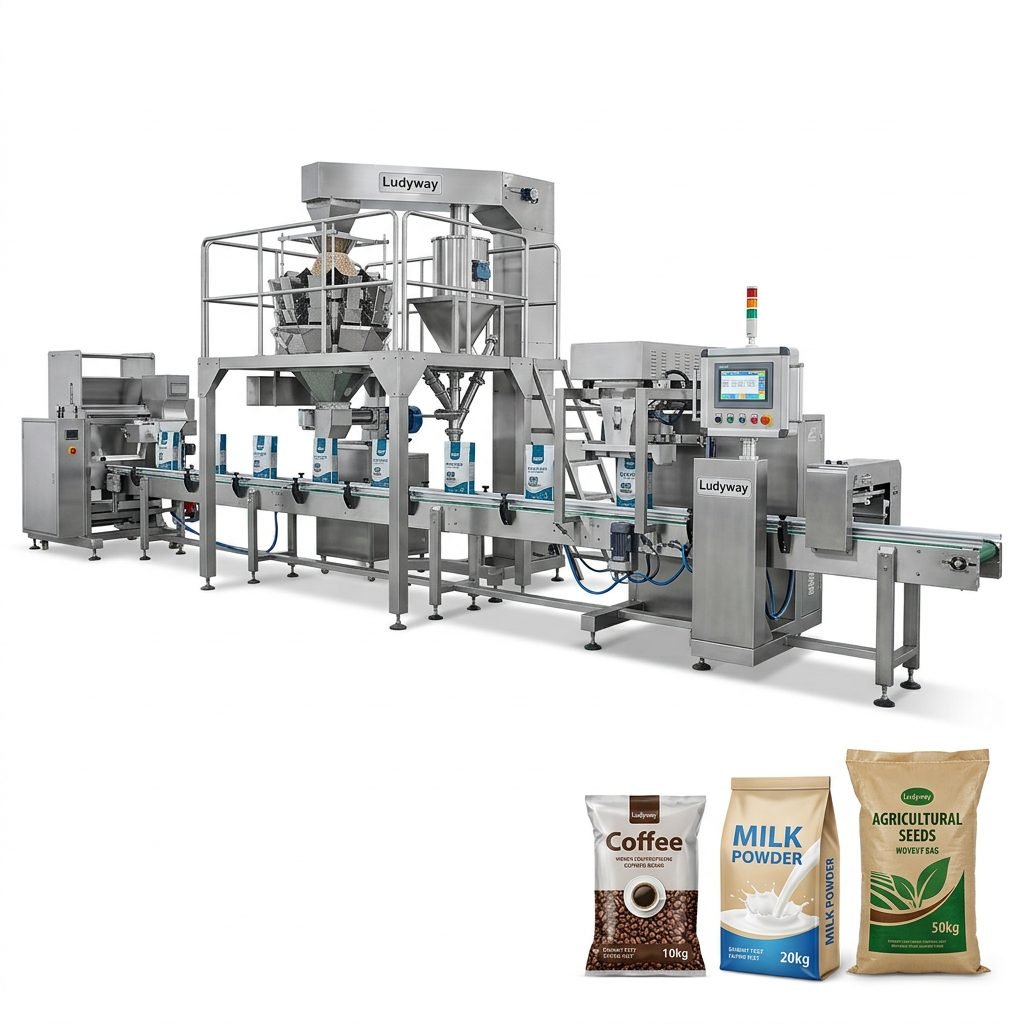
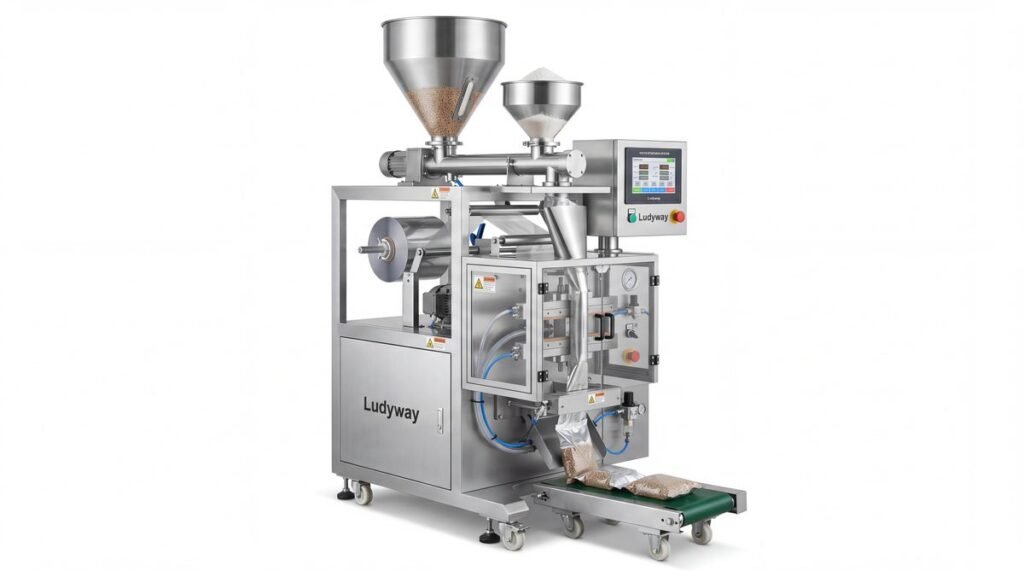
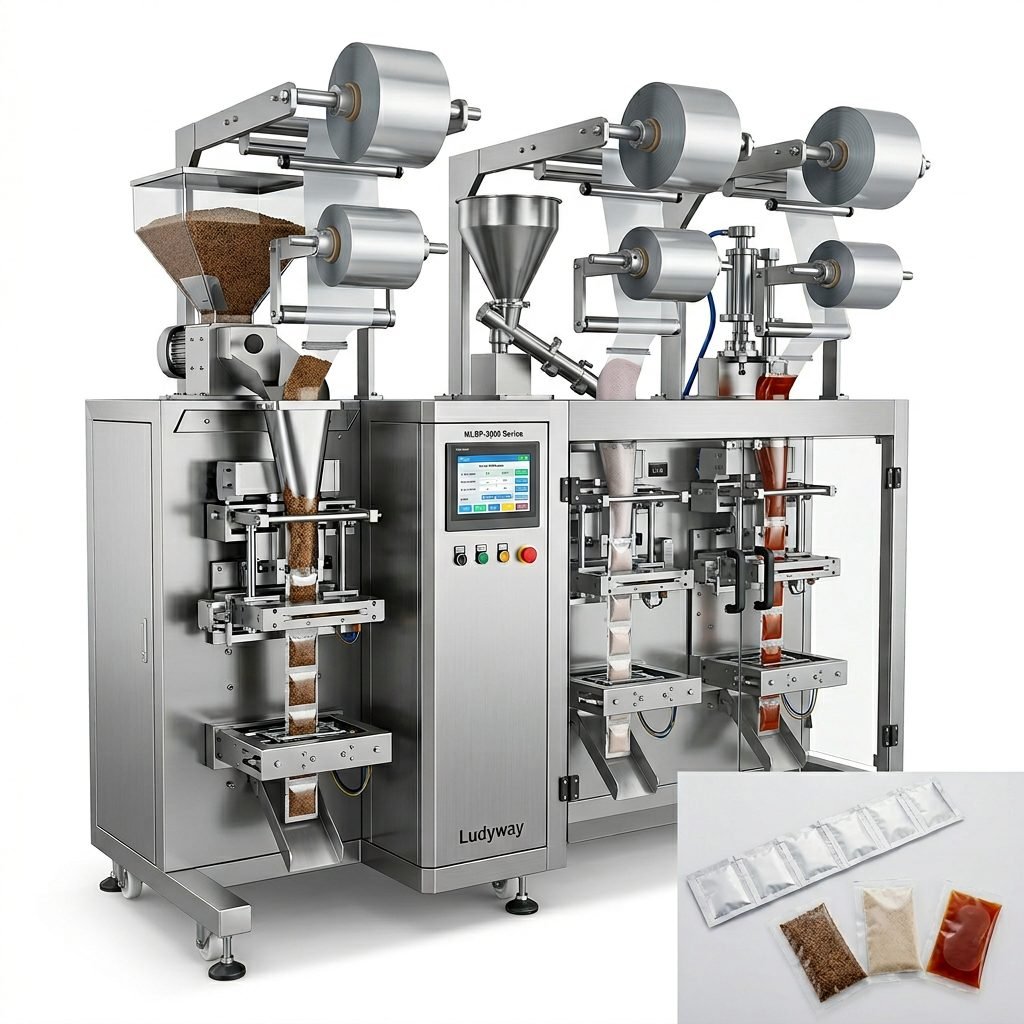
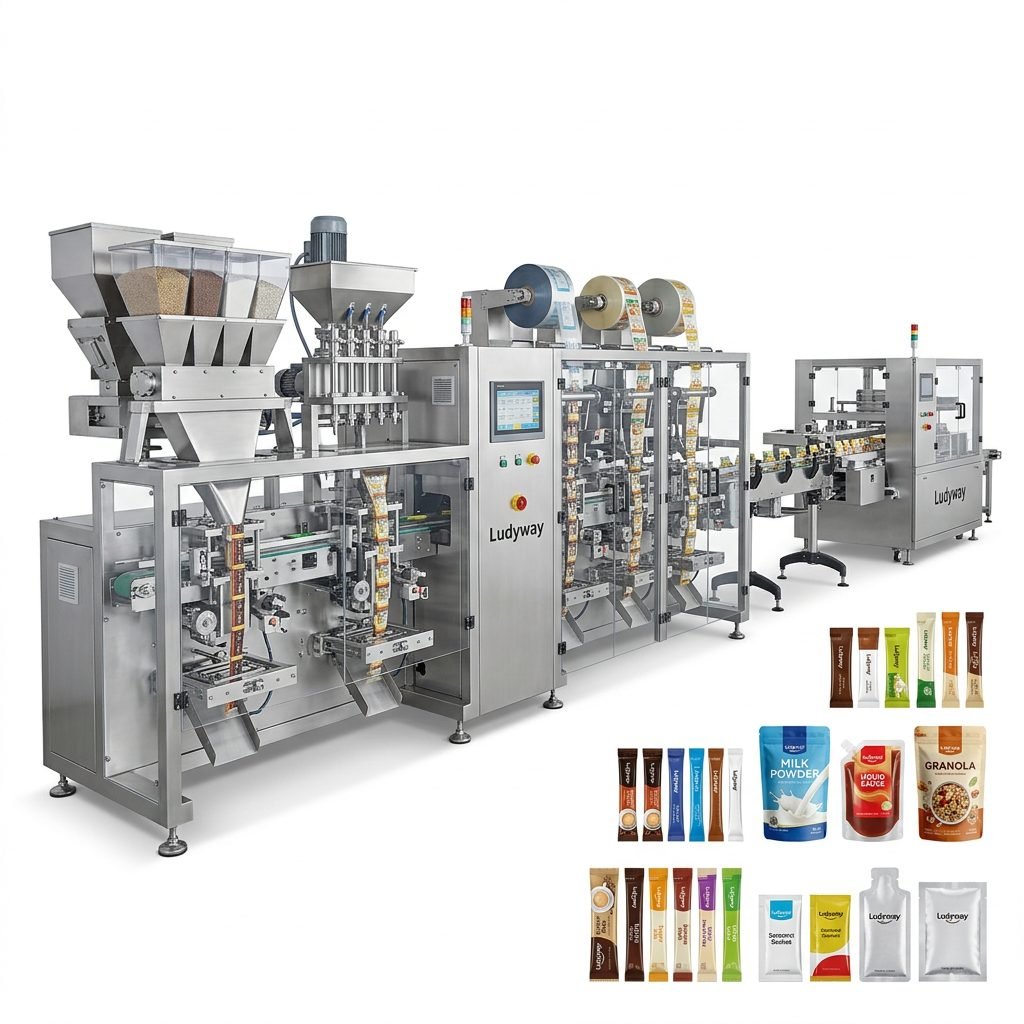
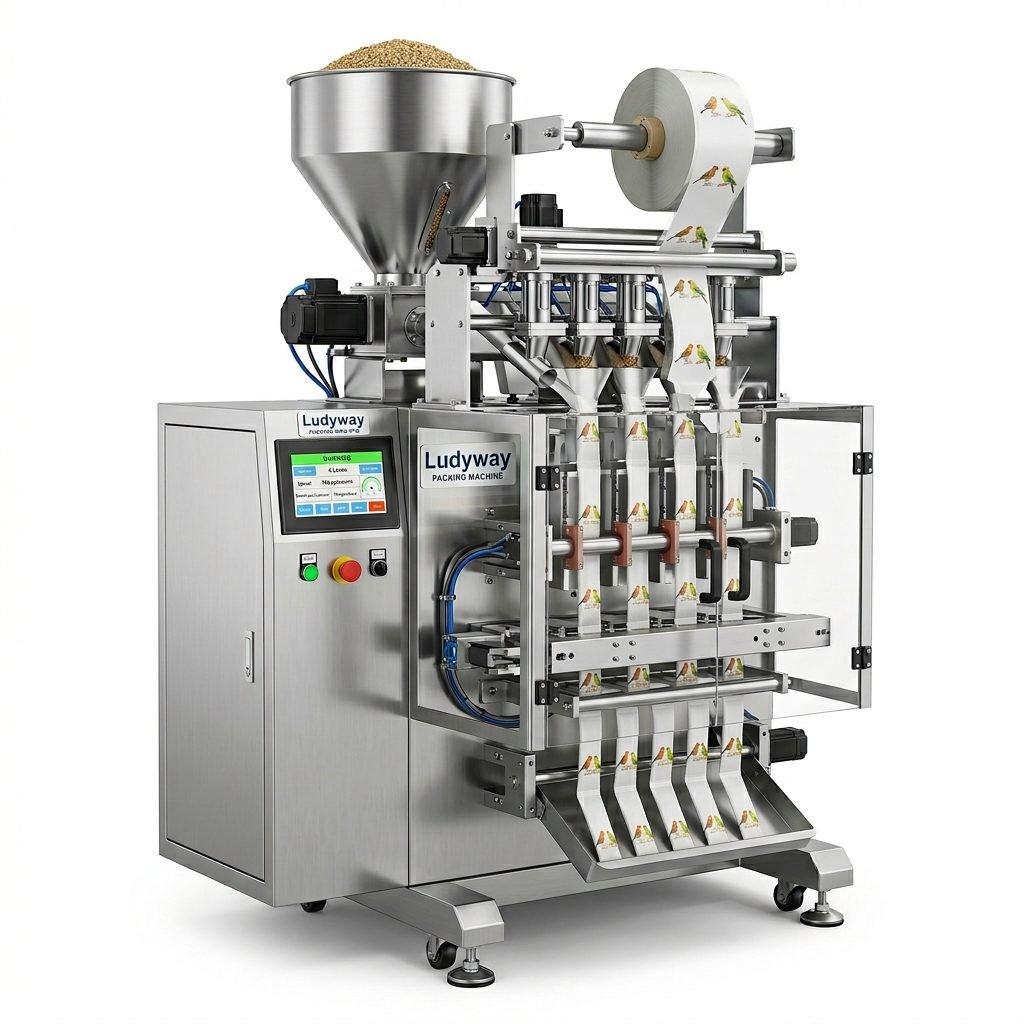
In modern manufacturing, plate products require more than simple wrapping. They demand consistent stacking, reliable protection, fast throughput, and operator safety. An automatic plate packing machine is designed to solve these challenges by integrating feeding, alignment, stacking, counting, wrapping, sealing, and discharge into one efficient process.
For factories producing disposable plates, ceramic plates, paper plates, plastic plates, melamine plates, or industrial flat components, automation can reduce manual handling, lower packaging errors, and improve final presentation. This is especially important for companies looking to scale production while maintaining stable package quality.
What Is an Automatic Plate Packing Machine?
An automatic plate packing machine is a packaging solution that handles plate products from the end of production to ready-to-ship packaging. Depending on the application, it can perform multiple functions such as:
- Automatic plate counting and separation
- Neat stack formation
- Film wrapping or bagging
- Heat sealing or adhesive closure
- Date coding and labeling
- Cartoning or case packing integration
The system is suitable for both standalone operation and full-line integration. Manufacturers can configure the machine according to plate size, material type, package quantity, and output requirements.
Why Manufacturers Are Switching to Automated Plate Packaging
Manual plate packaging often creates bottlenecks. Stacks may become uneven, package counts can vary, and workers may face repetitive-motion fatigue. An automated system addresses these issues with repeatable precision.
- Higher Efficiency — Continuous packaging improves output and reduces downtime between batches.
- Safer Operation — Less direct handling means fewer risks related to cuts, slips, repetitive strain, or hot sealing areas.
- More Consistent Packaging — Every pack can meet the same count, alignment, and seal standard.
- Lower Labor Dependence — Fewer workers are needed for repetitive packaging tasks.
- Better Product Protection — Controlled handling reduces scratches, deformation, and contamination.
Core Features of a High-Performance Plate Packing Machine
When choosing equipment, buyers usually focus on more than speed. Reliability, flexibility, and maintenance convenience are equally important. A quality machine should offer the following features:
| Feature | Benefit |
|---|---|
| Automatic counting | Ensures accurate quantity in every pack |
| Servo control system | Improves positioning accuracy and machine stability |
| Touchscreen HMI | Makes recipe changes and operation easier |
| Adjustable format settings | Supports different plate diameters and stack heights |
| Safety guards and sensors | Protects operators and reduces accident risk |
| Sealing integrity control | Improves package appearance and transport reliability |
Applications Across Different Industries
Automatic plate packing machines can serve a wide range of sectors. The exact design depends on product shape, cleanliness requirement, packaging film, and final retail or bulk format.
Disposable Tableware Industry
Paper and plastic plate manufacturers often require fast counting and bagging for retail packs, wholesale bundles, or foodservice supply cartons.
Ceramic and Household Products
For fragile or decorative plates, packaging needs gentle handling, precise stacking, and stronger protective wrapping to minimize breakage during transport.
Industrial Flat Components
Some flat round products used in electronics, medical, or light industrial sectors can also benefit from automated counting, packing, and traceability labeling.
How the Plate Packing Process Works
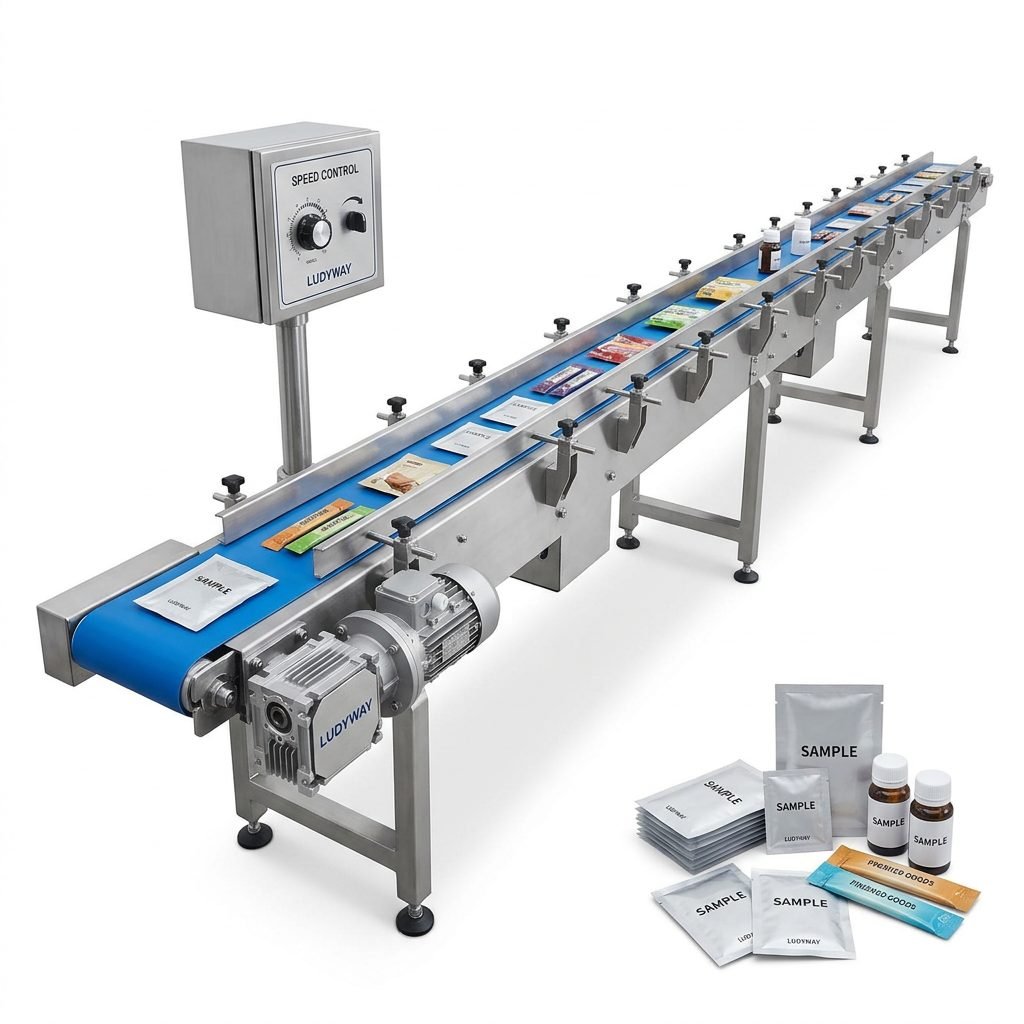
Although machine structures vary, the packaging flow usually follows a similar sequence:
- Plates are fed from the upstream production line or manual loading station.
- The system orients and separates products accurately.
- A counting unit forms the required quantity per stack.
- Stacks are transferred into film, pouch, or wrapping material.
- The package is sealed, coded, and discharged.
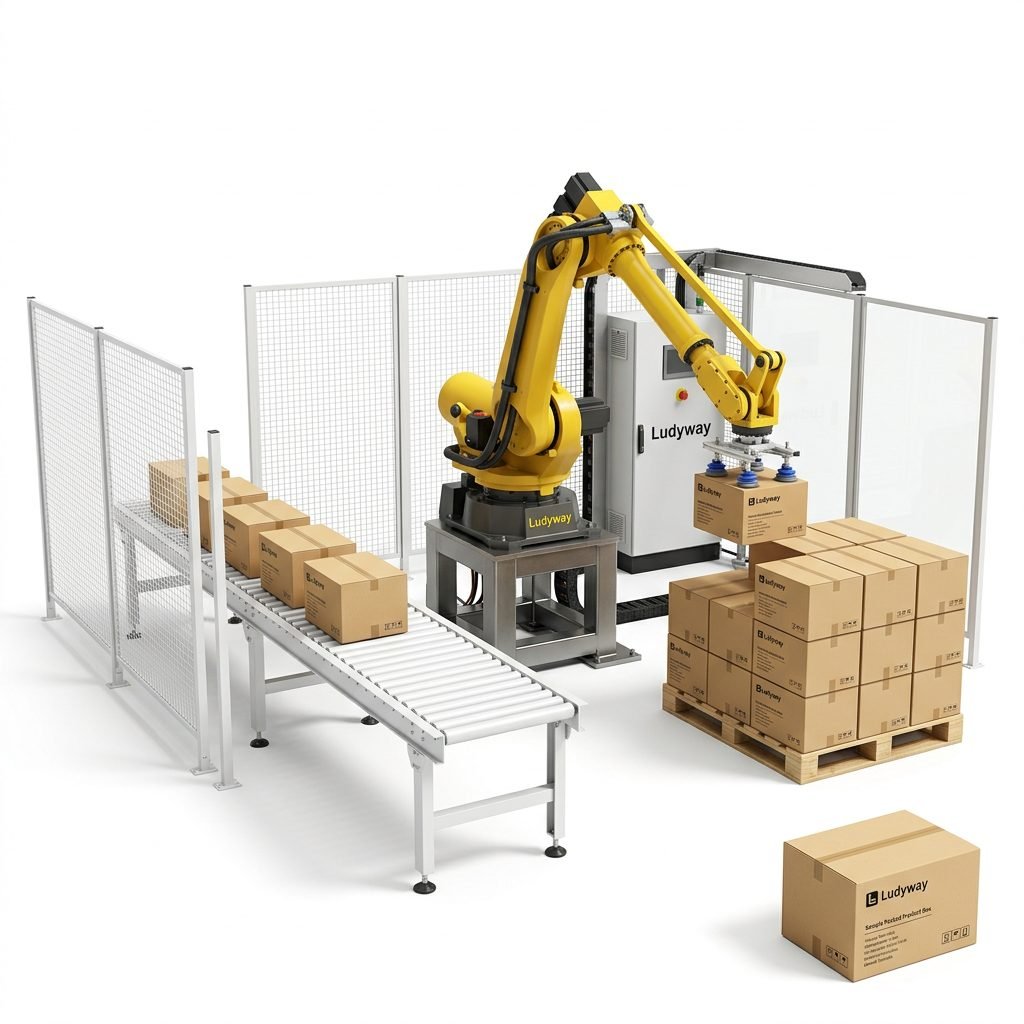
- Optional downstream modules complete cartoning, case packing, or palletizing.
This workflow helps factories create a cleaner, more standardized, and scalable packaging environment.
Safety Advantages in Daily Production
Safety is one of the main reasons factories invest in automation. A well-designed automatic plate packing machine reduces direct contact between workers and moving product stacks, sealing zones, and repetitive packaging motions.
Key safety advantages include:
- Reduced repetitive manual movements
- Lower chance of hand injuries during sealing or bundling
- Emergency stop and interlock protection
- More organized packaging areas with less product clutter
- Stable handling for slippery, lightweight, or fragile plate products
How to Choose the Right Machine for Your Plate Products
Not every machine fits every packaging project. Before investing, manufacturers should evaluate several technical and commercial factors.
| Selection Factor | Why It Matters |
|---|---|
| Plate material | Paper, plastic, ceramic, and composite products need different handling methods |
| Plate size range | Machine flexibility affects future SKU expansion |
| Packaging speed | Must match upstream production capacity |
| Packaging format | Retail bags, shrink packs, sleeves, or cartons require different systems |
| Automation level | Standalone units and turnkey lines have different investment scopes |
| Service support | Training, spare parts, and troubleshooting directly affect uptime |
Turnkey Integration for Greater Productivity
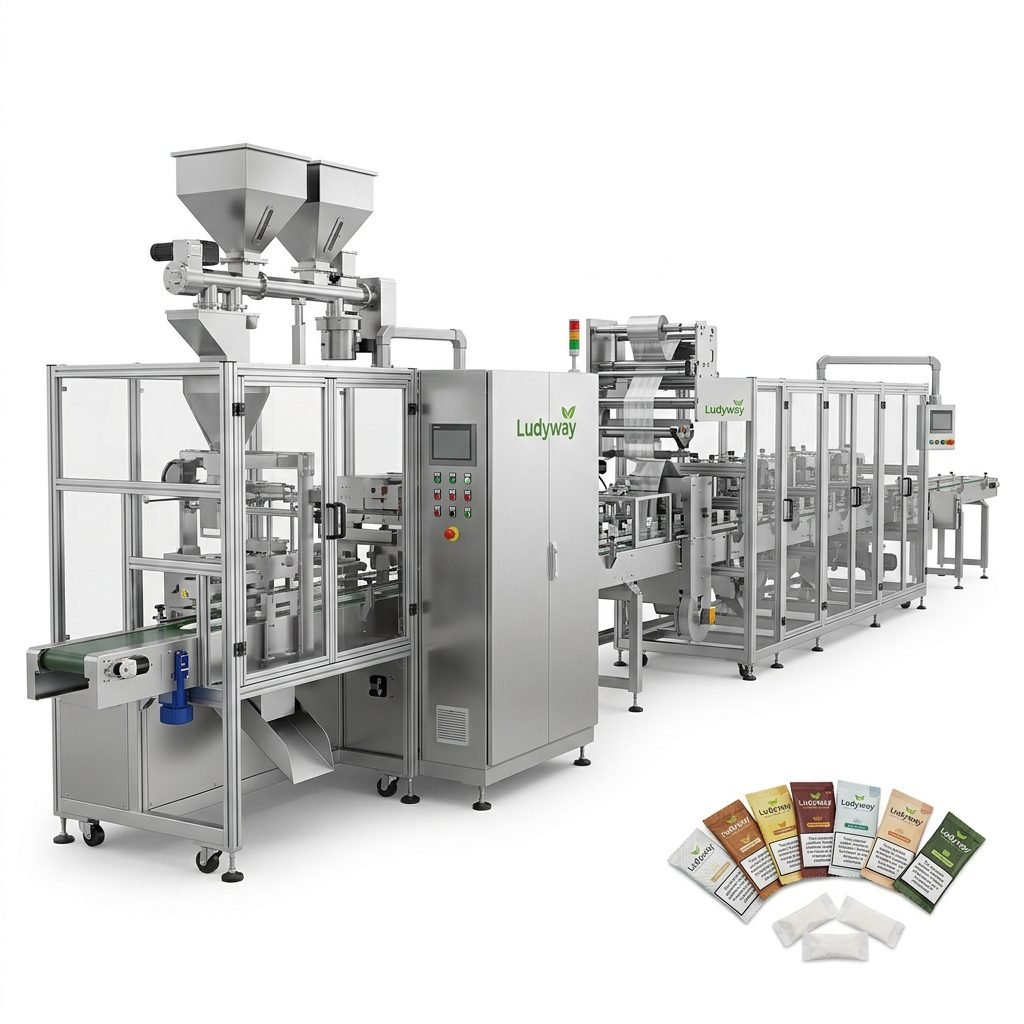
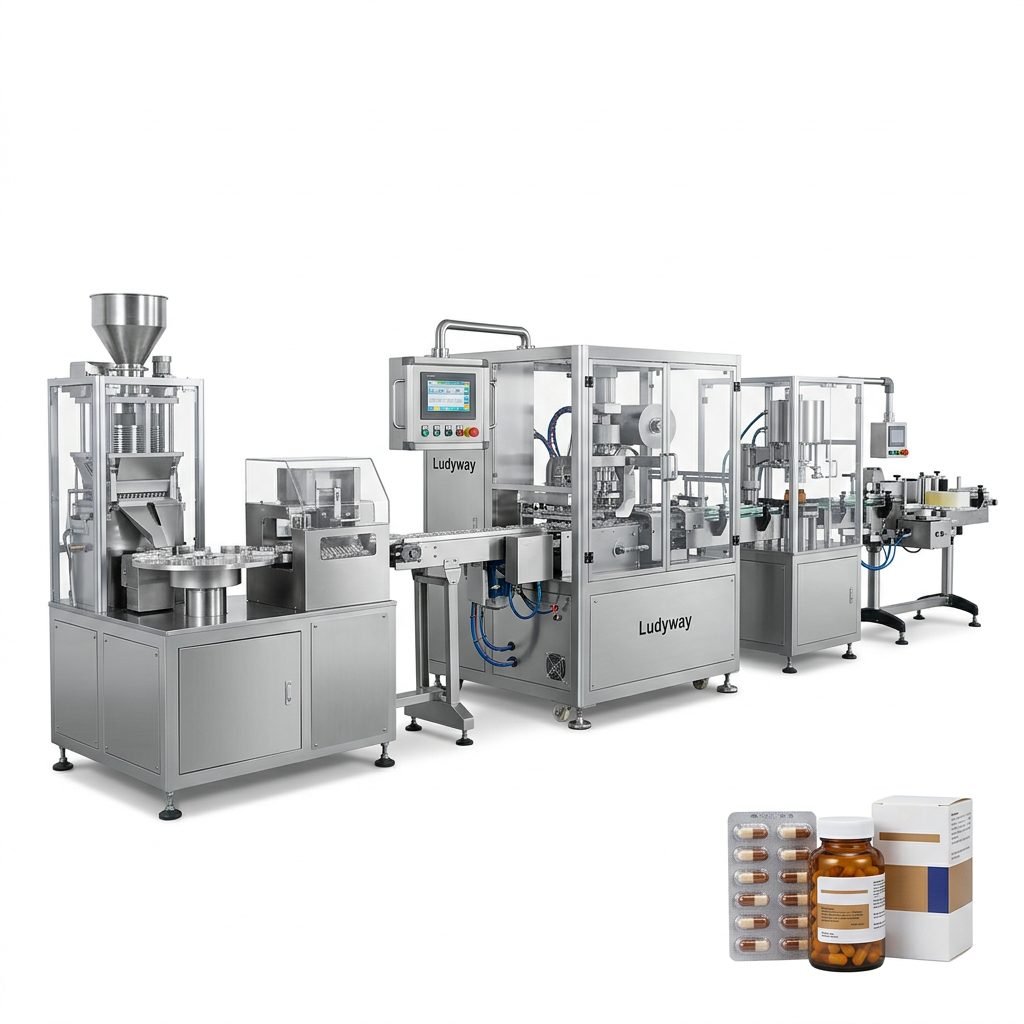
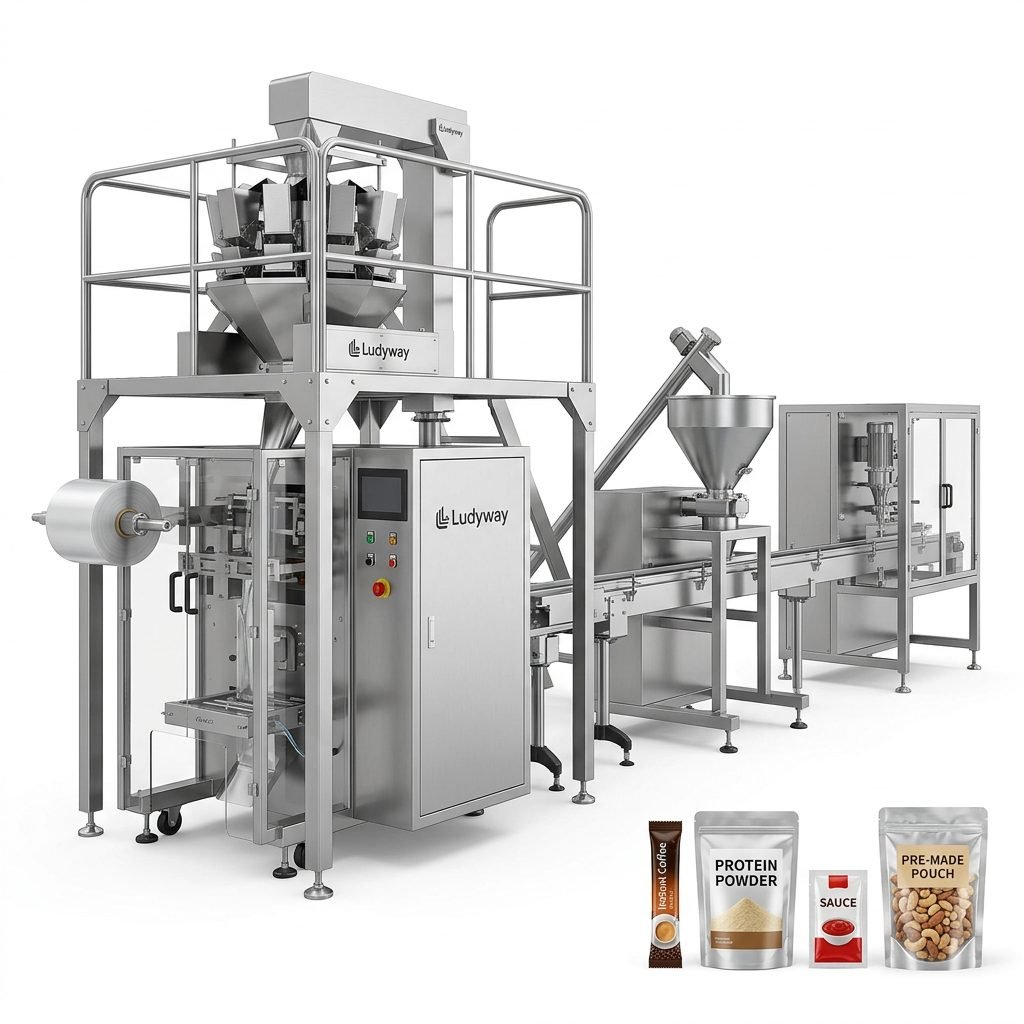
Many manufacturers now prefer a complete automated line instead of a single machine. A fully integrated solution may include conveyors, counting systems, packaging units, coding devices, checkweighers, cartoners, case packers, and palletizing systems.
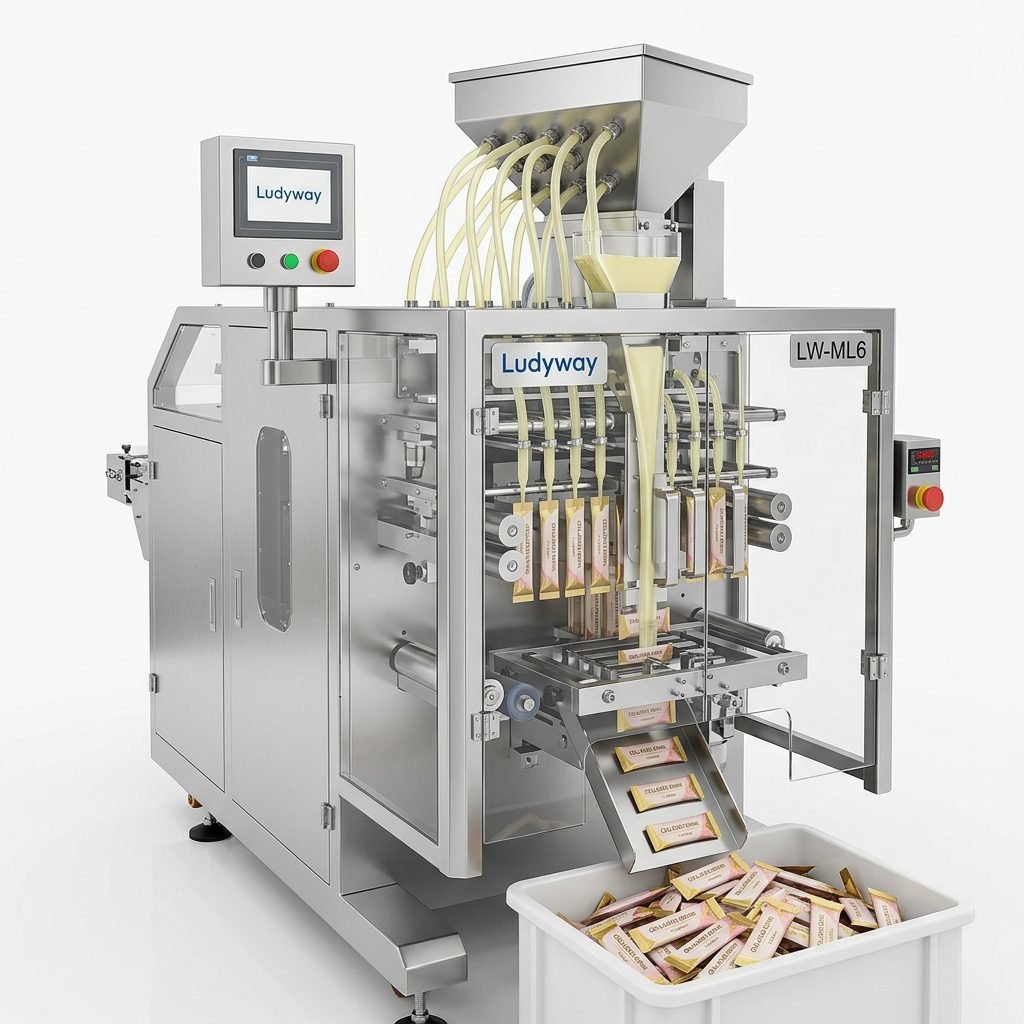
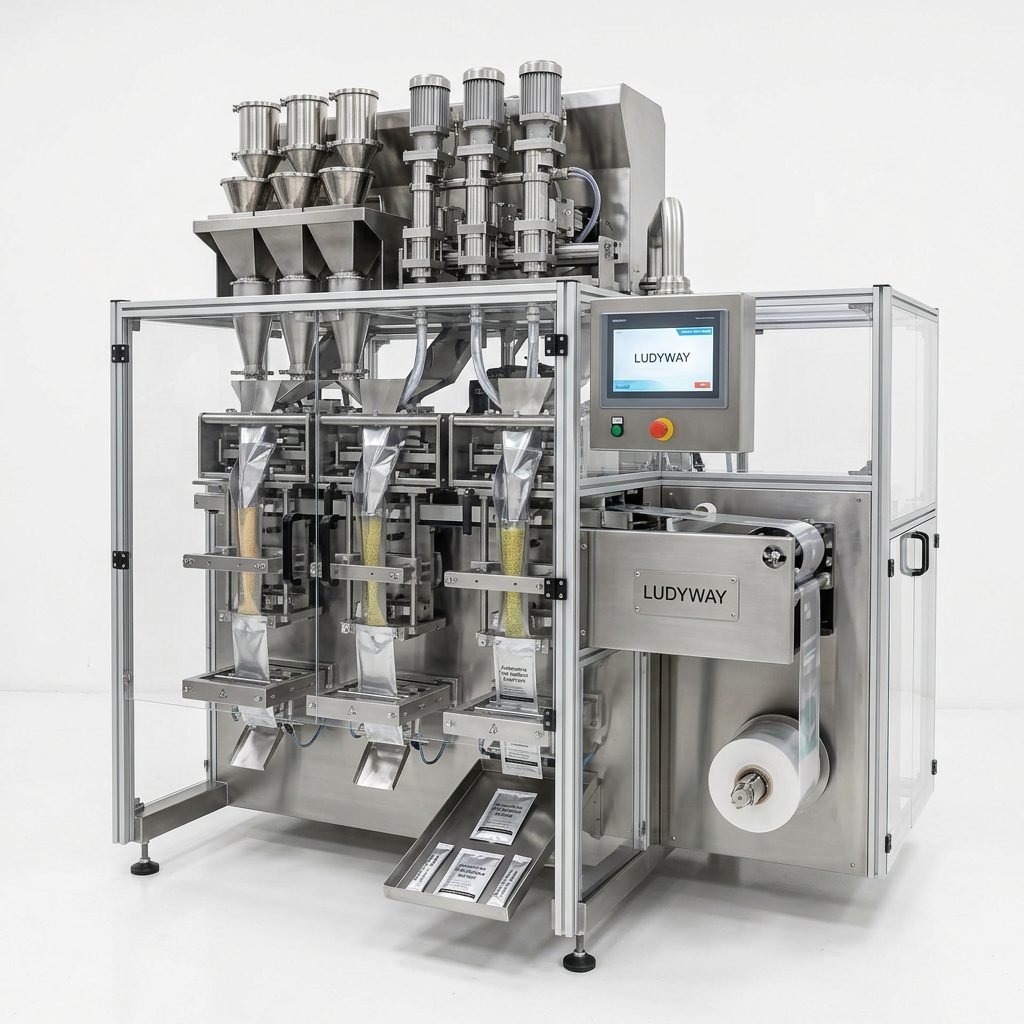
Working with an experienced supplier can simplify this process. Ludyway automatic packaging machine solutions are widely used by manufacturers seeking efficient standalone equipment and turnkey packaging lines across food, pharmaceutical, health supplement, and related industries.
Maintenance Tips for Long-Term Stable Operation
Even the best automatic plate packing machine needs regular maintenance to perform well over time. Preventive care helps reduce downtime and extend equipment life.
- Inspect sensors and counting units regularly
- Clean film paths, conveyors, and sealing areas
- Check wear parts before peak production periods
- Calibrate settings after changing plate sizes
- Train operators in proper startup and shutdown procedures
Benefits for Growing Packaging Businesses
As demand increases, packaging must become faster without sacrificing quality. An automatic plate packing machine helps businesses move toward leaner operations, safer workflows, and better packaging consistency. It also creates a stronger foundation for future line expansion, digital monitoring, and export-ready production.
Ideal for Companies That Need:
- High-volume plate packaging
- Reduced labor intensity
- Cleaner and more professional pack presentation
- Less product damage during handling and shipment
- Scalable automation for long-term growth
Final Buying Insight
Choosing the right automatic plate packing machine is not only about speed. The best solution combines efficiency, safe operation, stable packaging quality, easy adjustment, and dependable technical support. For manufacturers aiming to improve output while protecting both products and workers, automated plate packaging is a smart and practical investment.