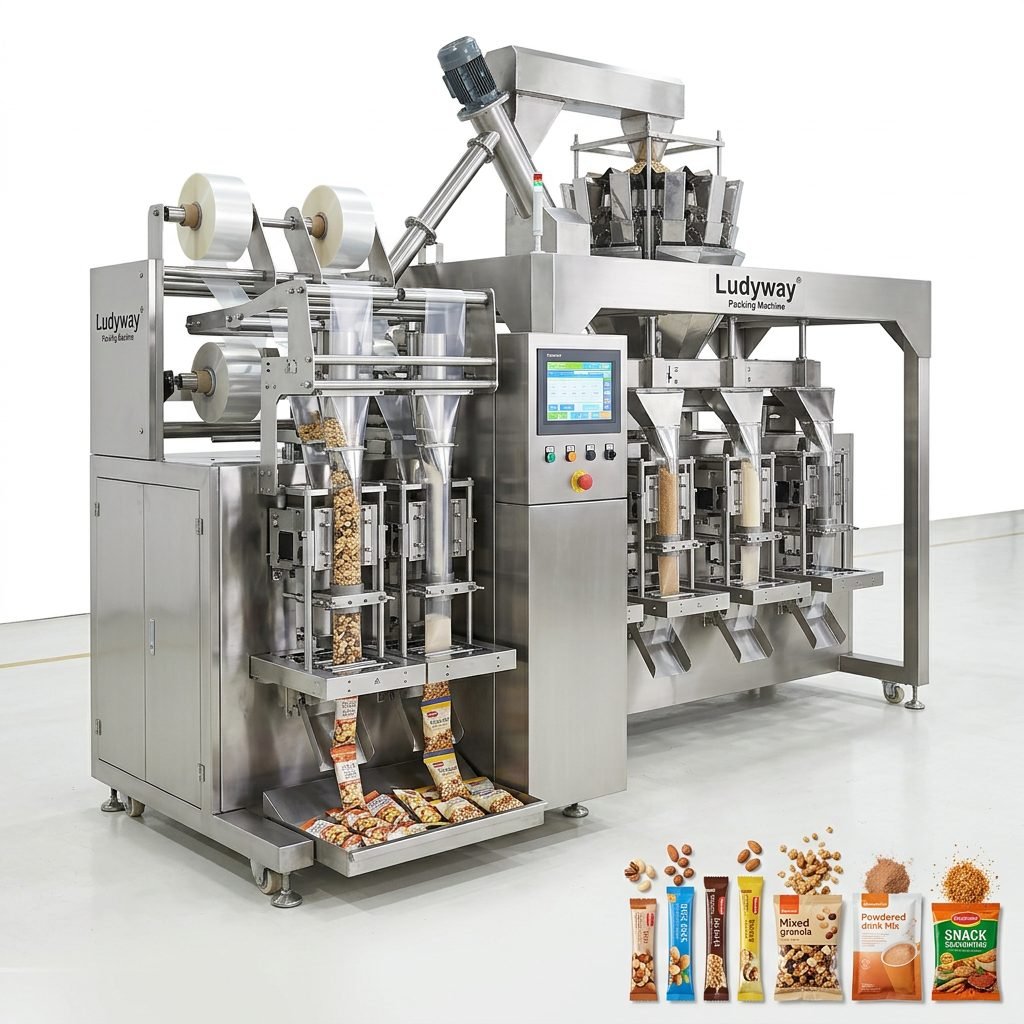
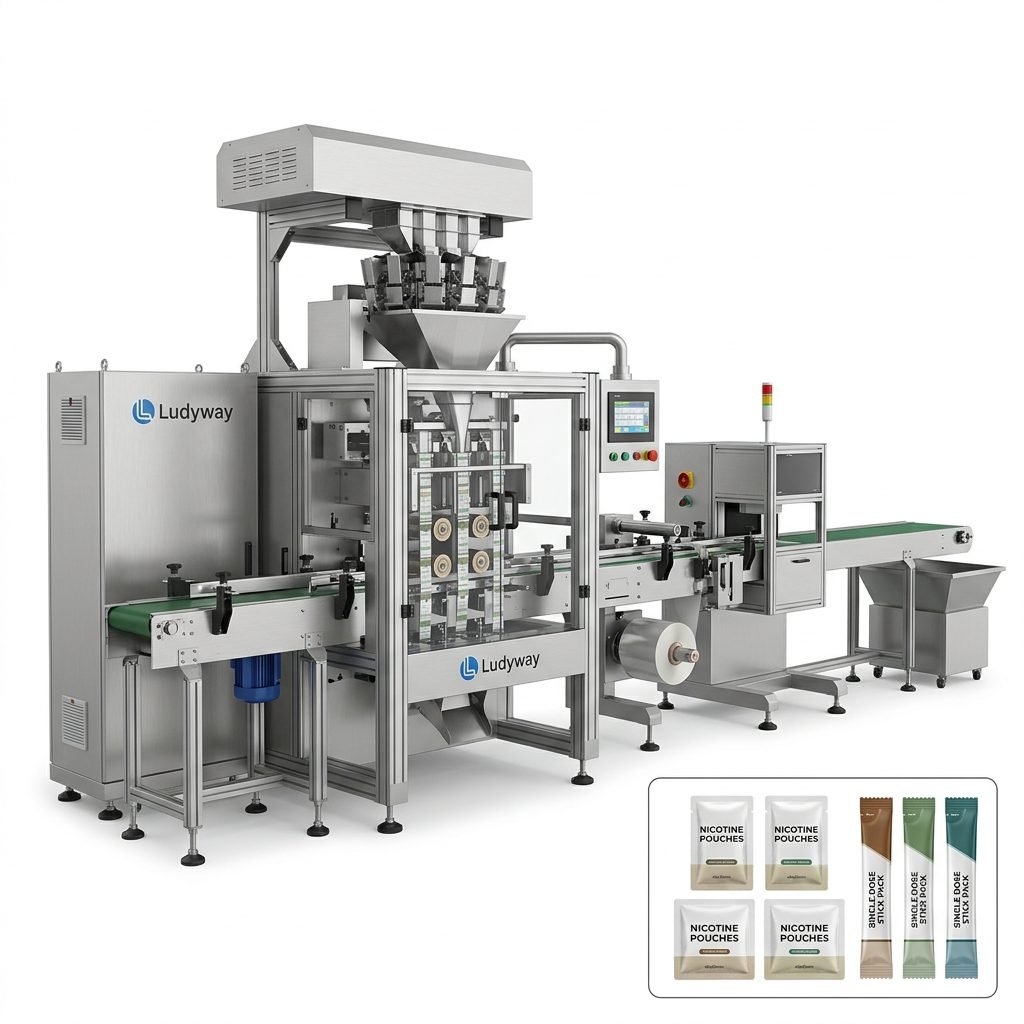
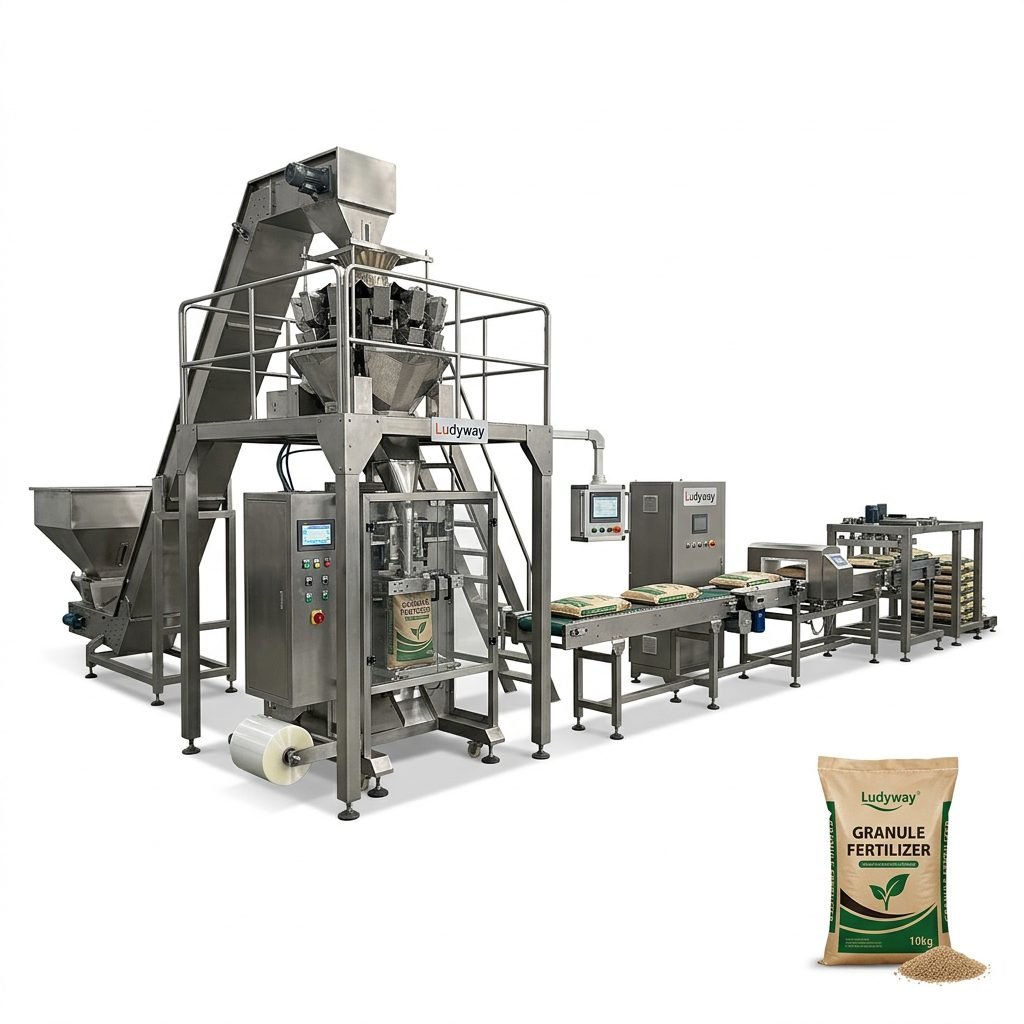
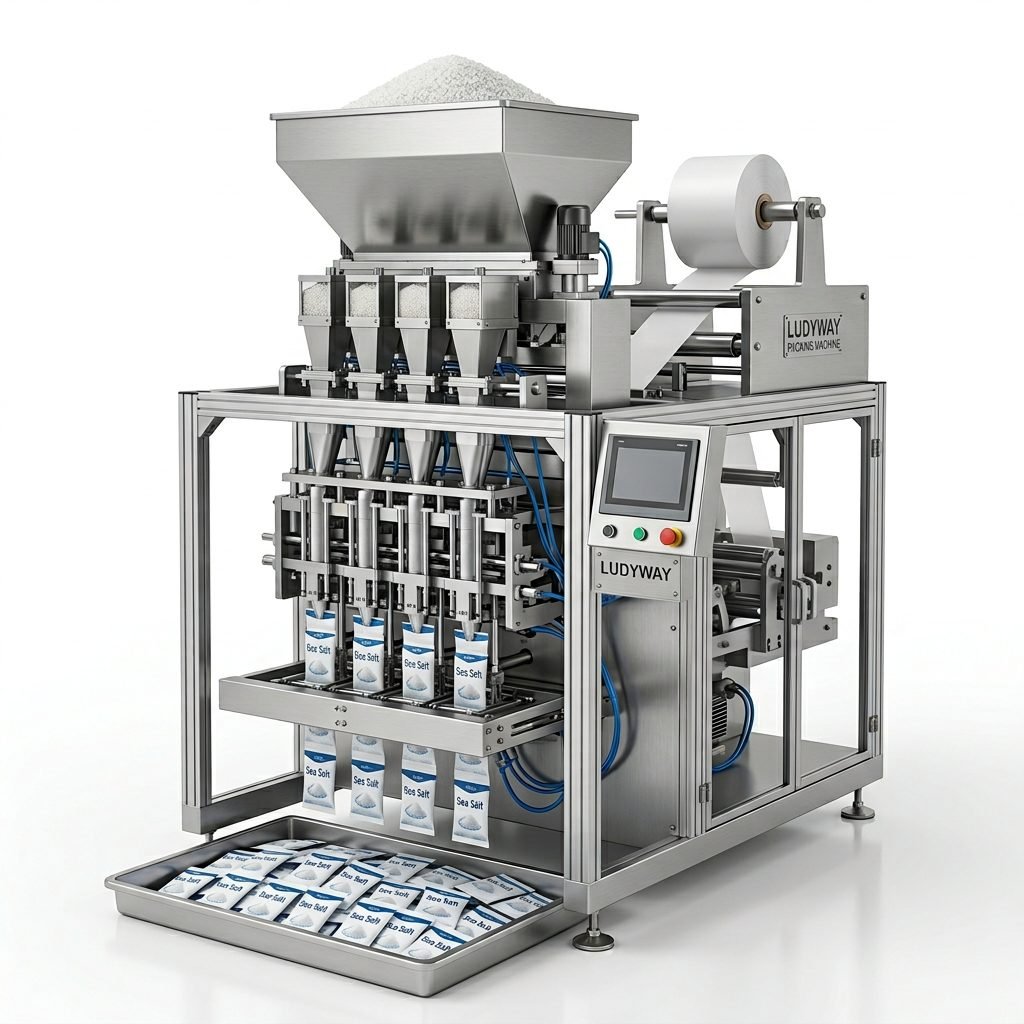
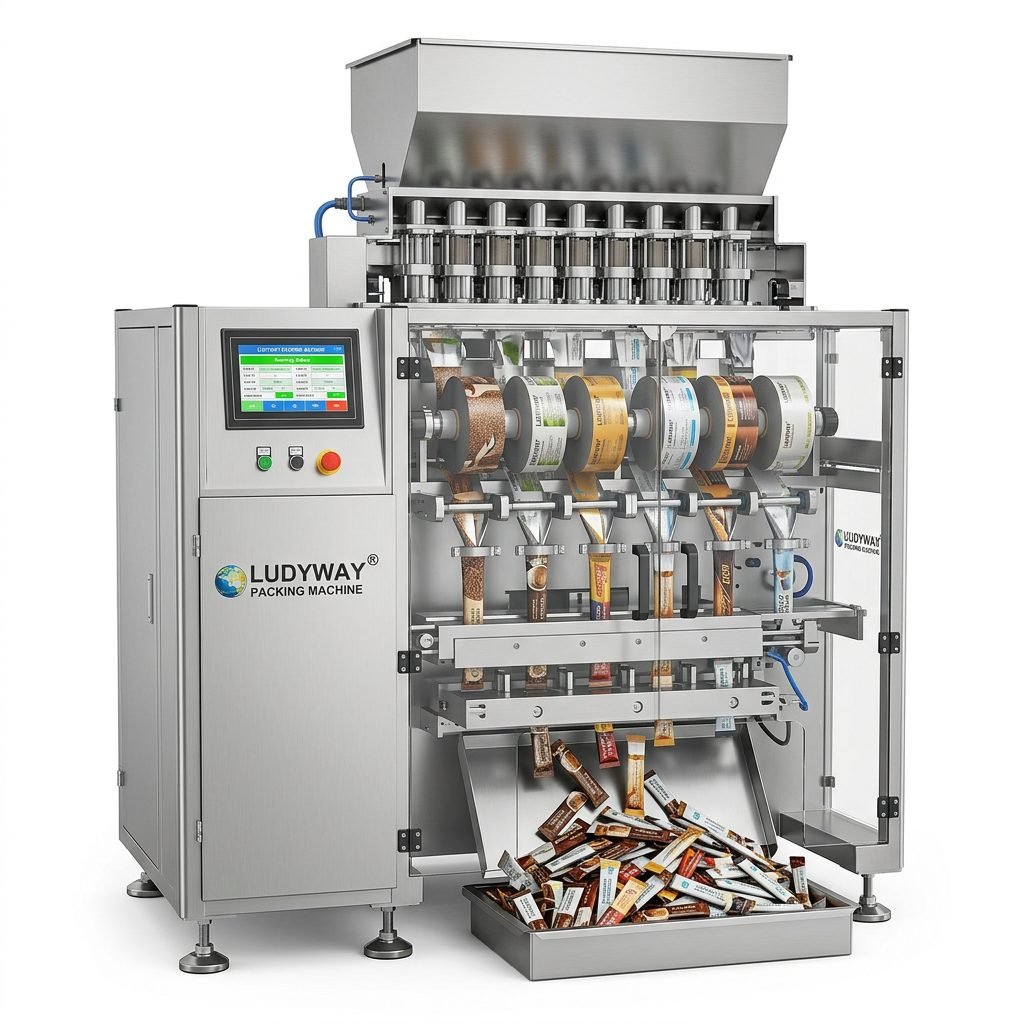
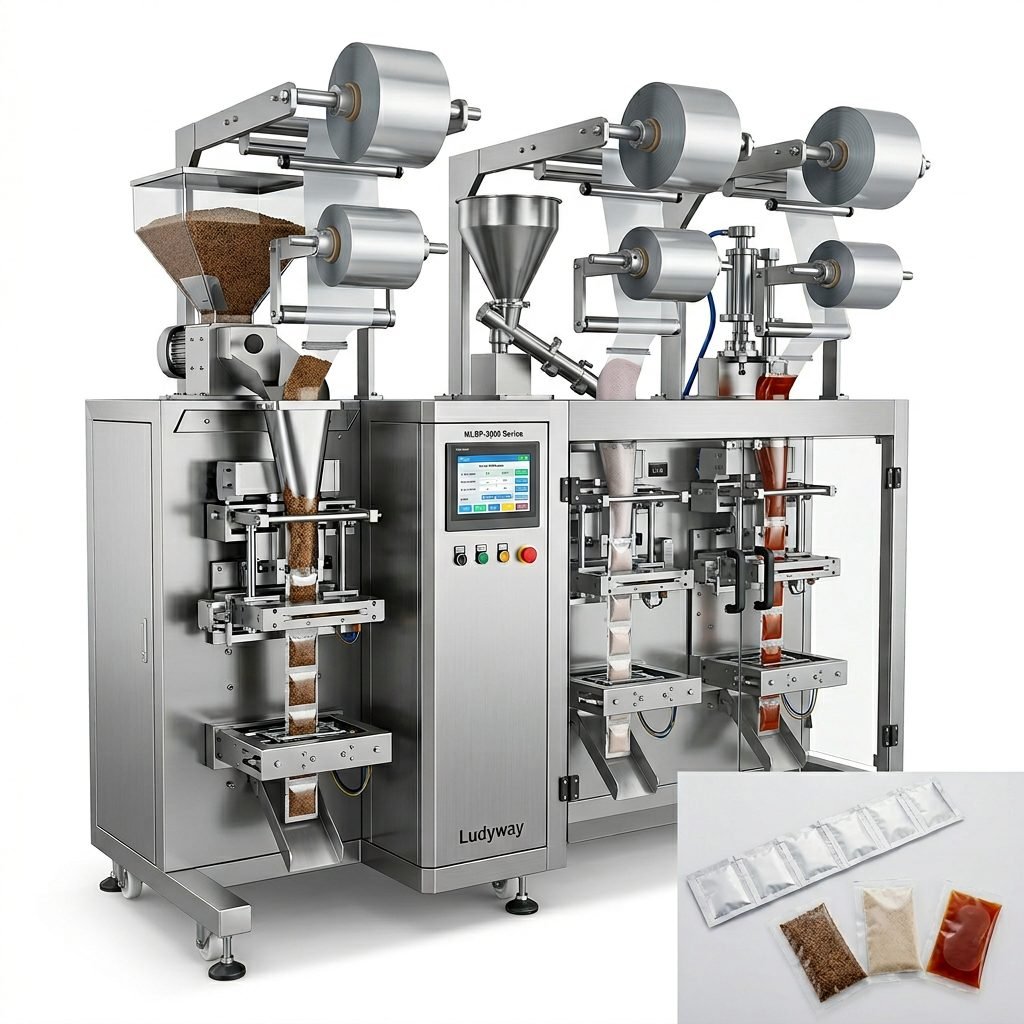
In modern food production, flour packaging is no longer just about filling bags. It is about speed, weight accuracy, dust control, hygiene, sealing quality, and line stability. An automatic flour packing machine helps manufacturers move from labor-intensive operations to a smarter, more consistent packaging process that supports both small retail packs and large-volume industrial bags.
Whether you pack wheat flour, corn flour, rice flour, starch blends, bakery premixes, or specialty powder products, the right automatic system can reduce product waste, improve output, and create a more professional finished package for wholesalers, distributors, and end users.
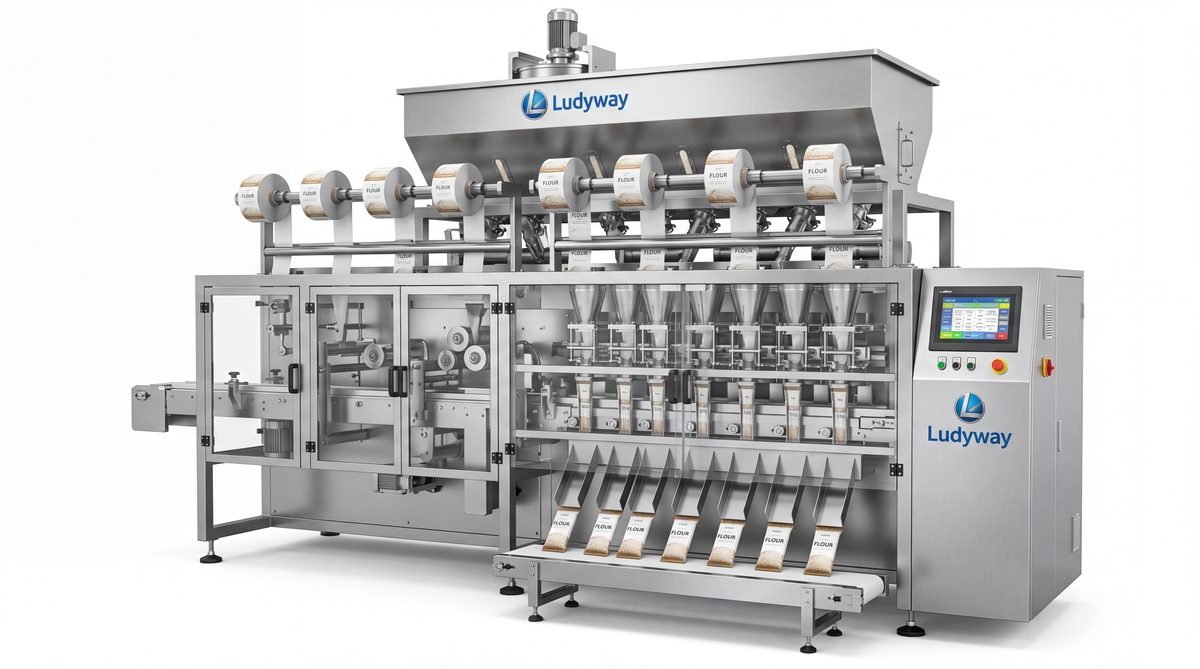
Why Automatic Flour Packing Machines Matter
Flour is a fine powder that can easily create dust, bridge in hoppers, affect sealing areas, and cause filling variation if the equipment is not properly designed. Manual or semi-automatic packing often leads to inconsistent bag weights, higher labor costs, contamination risks, and slower production cycles.
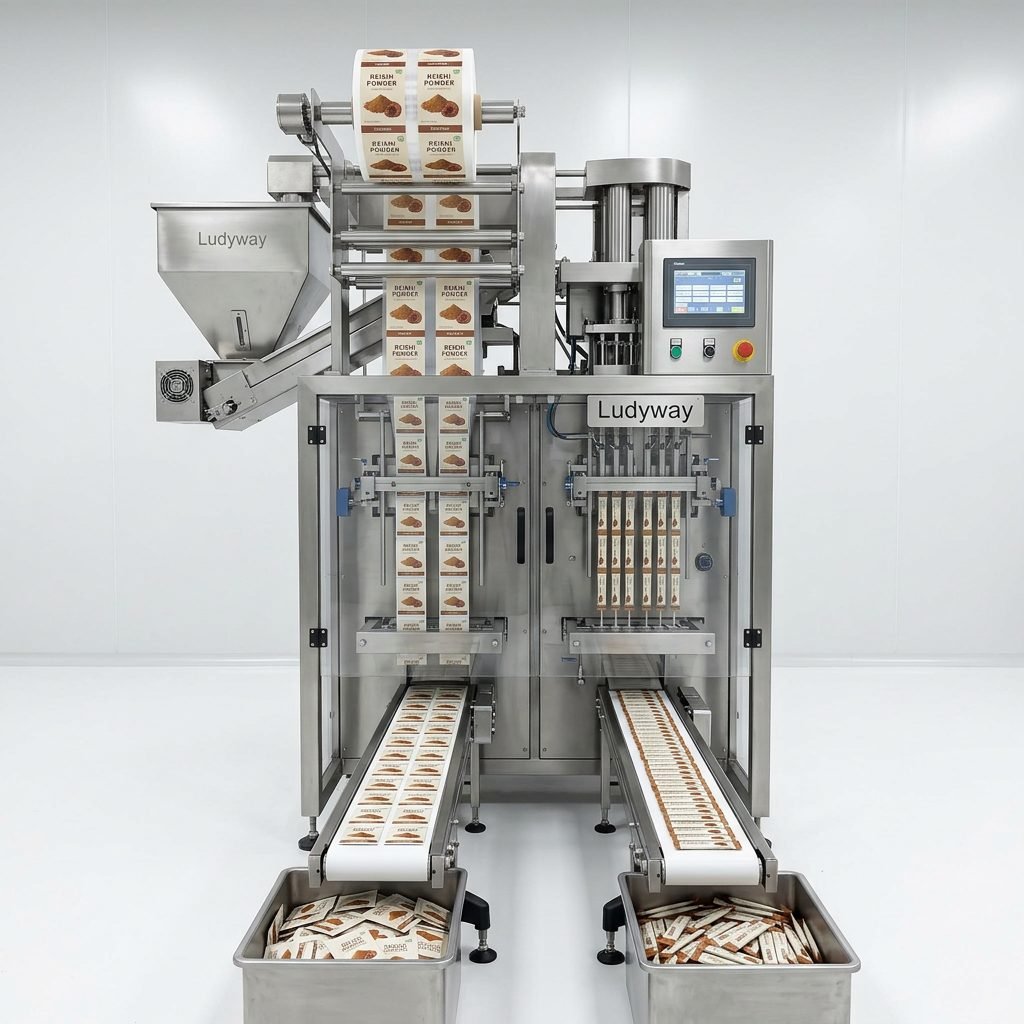
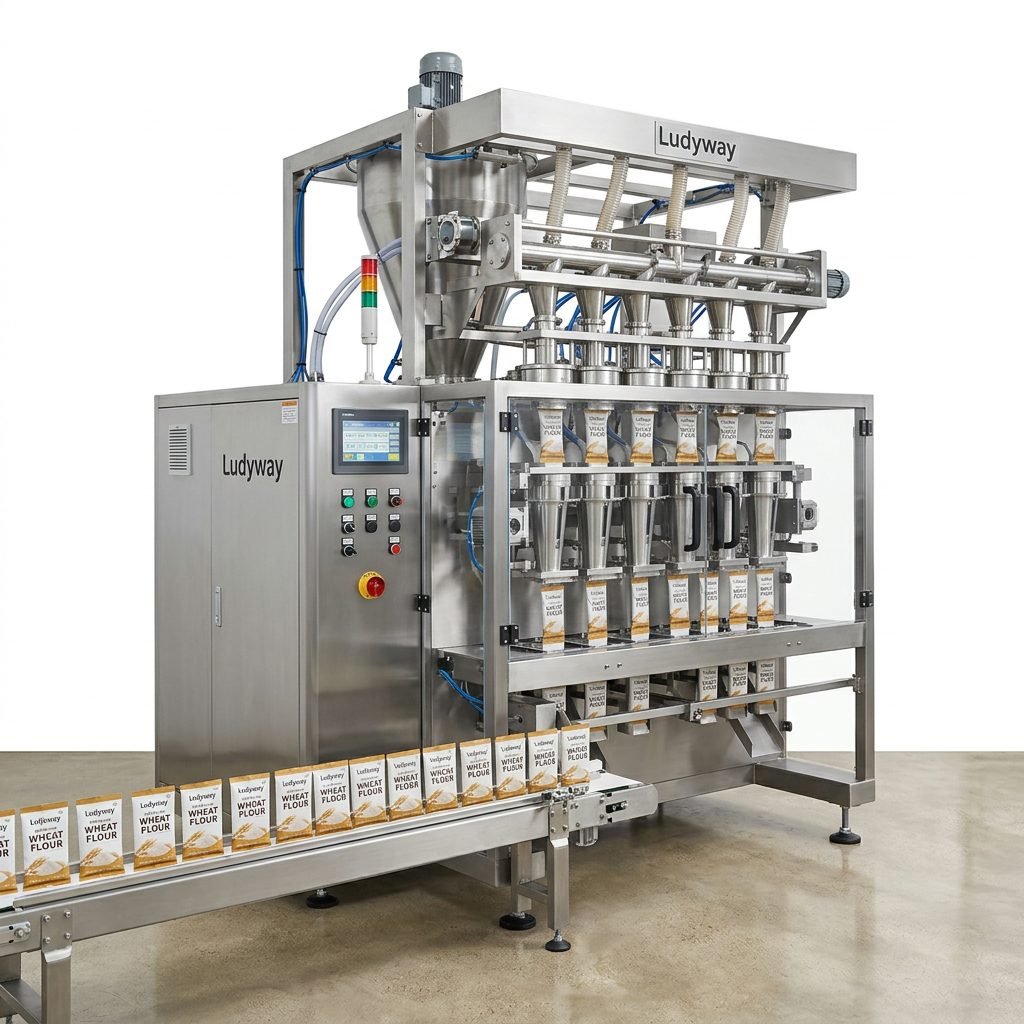
An automatic flour packing machine solves these issues by integrating feeding, dosing, bag forming or pouch handling, filling, sealing, coding, and optional downstream systems such as checkweighing, cartoning, case packing, or palletizing. This creates a smoother and more controllable packaging workflow.
- Improves filling precision for powder products
- Reduces dust leakage during production
- Supports hygienic, repeatable packaging
- Helps lower labor dependence
- Increases output for growing demand
- Enhances overall package appearance and seal quality
Common Flour Products Packed by Automatic Machines
Automatic flour packaging equipment is used across a wide range of food and ingredient sectors. Different flour types may require different feeding methods, auger designs, dust extraction setups, and bag formats.
| Flour Type | Typical Packaging Formats | Packaging Notes |
|---|---|---|
| Wheat flour | Pillow bags, gusset bags, valve bags, open-mouth bags | High demand for dust control and weighing stability |
| Rice flour | Small sachets, retail pouches, bulk bags | Requires precise powder feeding and clean seals |
| Corn flour | Bags, pouches, sacks | May need higher-capacity filling for bulk use |
| Baking flour blends | Retail pouches, stand-up pouches | Often packaged with coding and premium appearance requirements |
| Industrial starch or premix powders | Large bags, woven sacks, laminated bags | Focus on throughput, durability, and accurate net weight |
Key Working Principle of an Automatic Flour Packing Machine
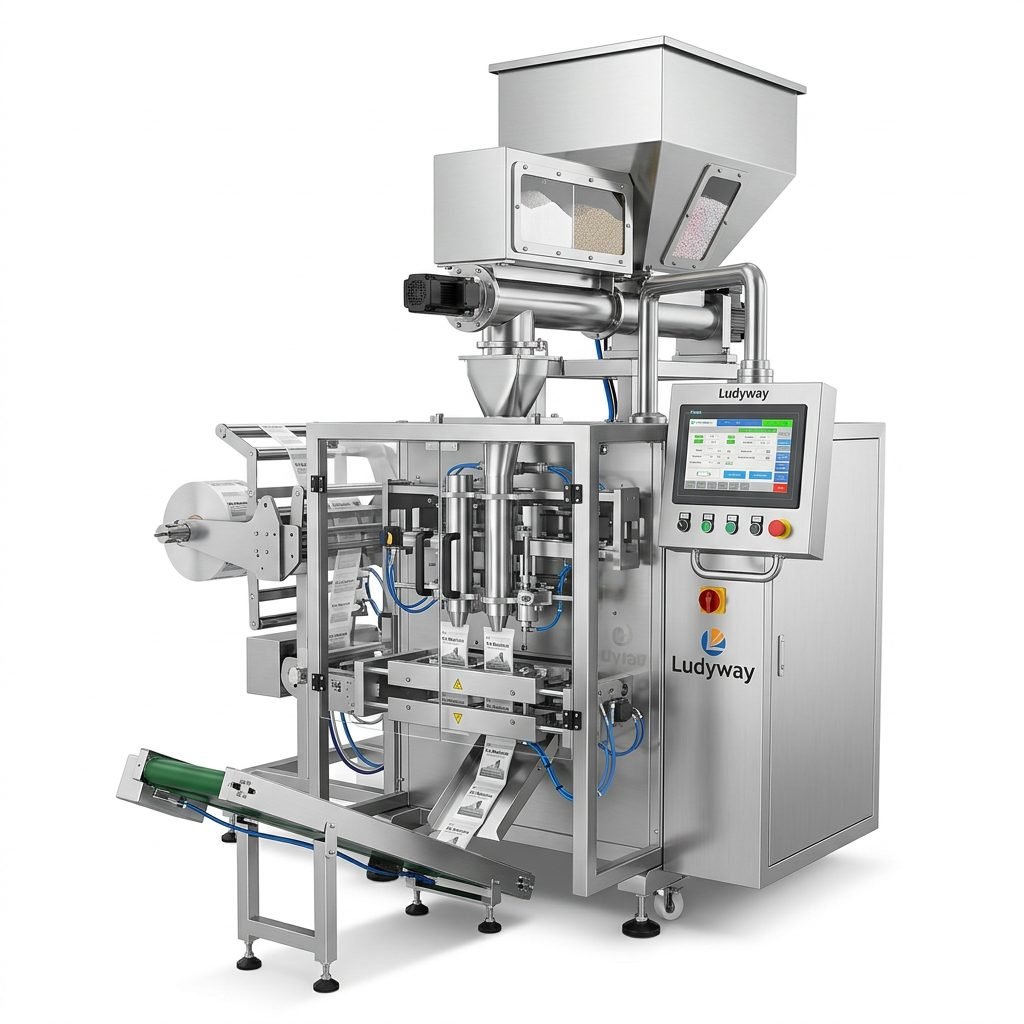
The packaging process usually begins with bulk powder transfer from a storage hopper or conveyor into a dosing system. Flour is then measured using an auger filler or weighing system, delivered into the selected package, and sealed automatically. Depending on the line design, the machine may also print batch codes, inspect weights, detect metal contamination, and prepare finished packs for secondary packaging.
- Bulk flour feeding into hopper
- Controlled dosing based on set target weight
- Bag making or premade pouch positioning
- Filling with dust-managed discharge
- Bag sealing and trimming
- Date/batch coding and inspection
- Cartoning, case packing, or palletizing if required
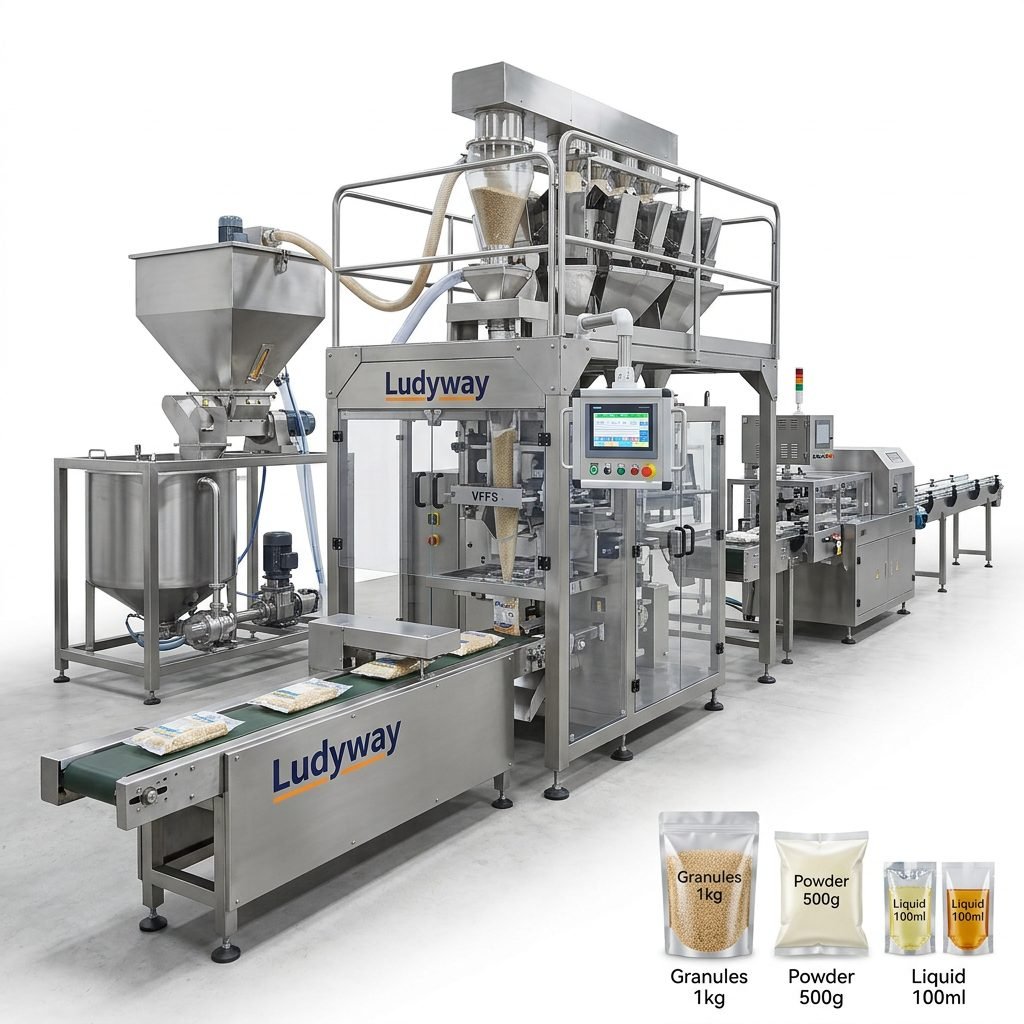
Main Types of Automatic Flour Packaging Equipment
Vertical Form Fill Seal Machines
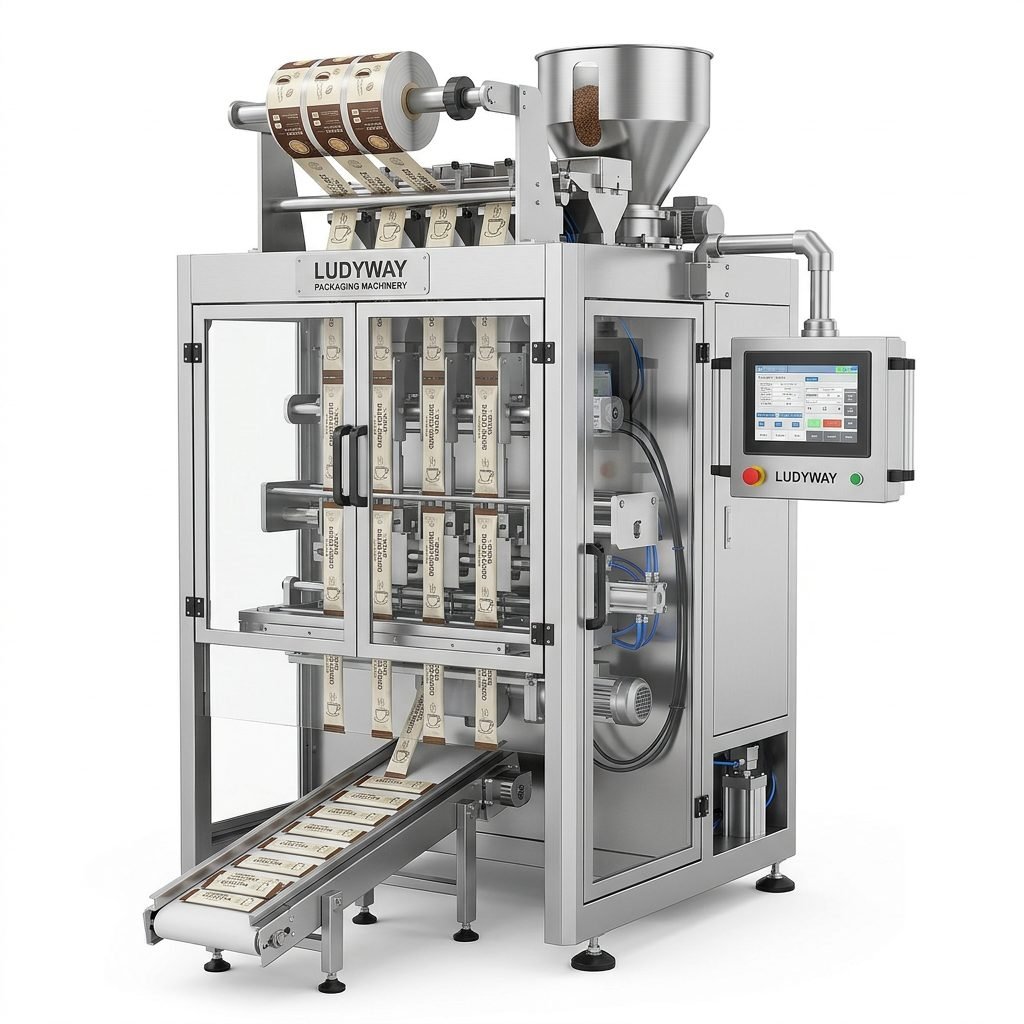
VFFS machines are widely used for flour packed in pillow bags, gusset bags, or quad-seal styles. They are suitable for high-speed retail packaging and can be integrated with auger dosing units for stable powder filling.
Premade Pouch Packing Machines
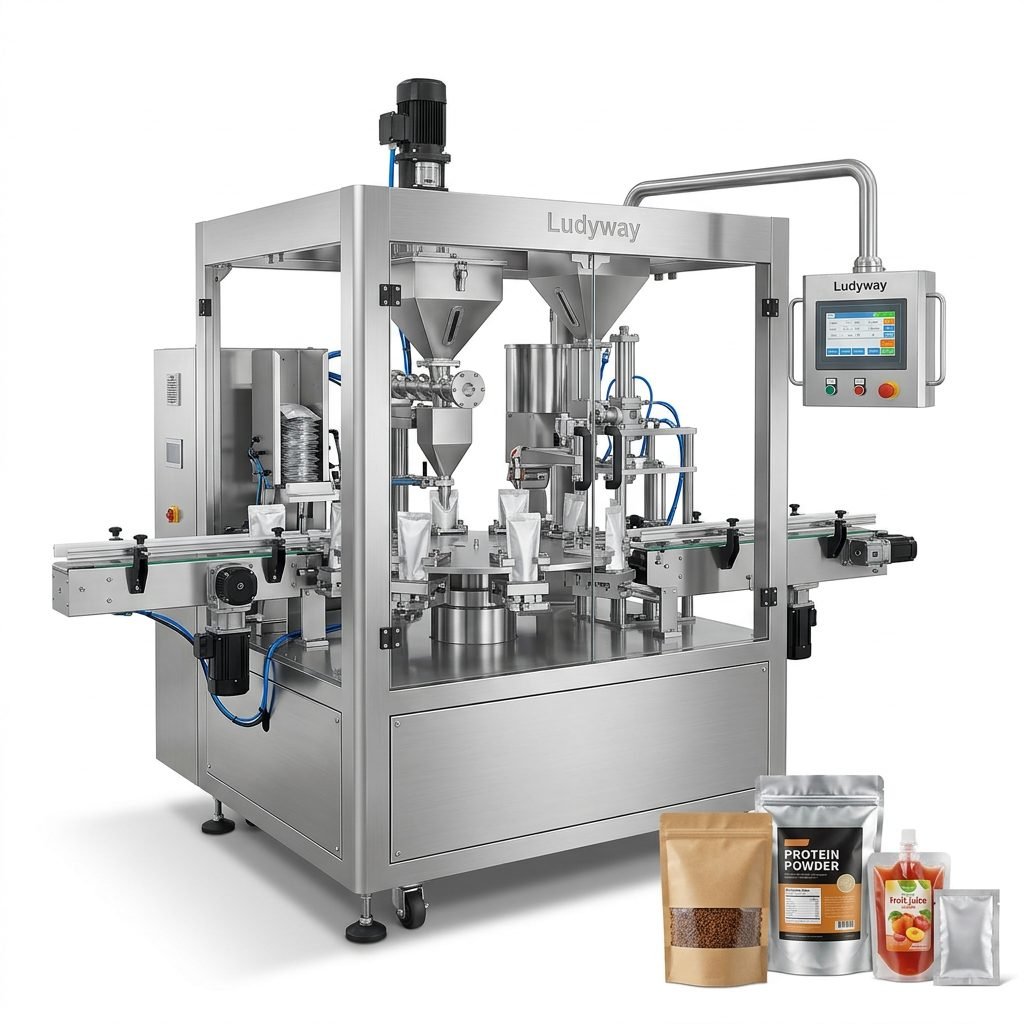
These machines are ideal for stand-up pouches, zipper pouches, and other premium bag types. They are often chosen when brand presentation, shelf appeal, and convenient consumer packaging are important.
Open-Mouth Bagging Machines
For 5 kg, 10 kg, 25 kg, or even 50 kg flour packaging, open-mouth bagging systems provide efficient large-bag filling and sealing. They are common in mills, ingredient factories, and industrial supply chains.
Valve Bag Filling Systems
These systems are suitable for dusty powders and bulk distribution. Valve bags can improve filling efficiency and reduce powder escape in some production environments.
Core Features to Look For
Choosing the right machine means looking beyond speed alone. A reliable flour packaging solution should be matched to powder behavior, pack size, production target, and factory layout.
- High-precision auger dosing for stable weight control
- Dust collection or dust-proof design to keep the line cleaner
- Servo-driven film pulling or bag handling for consistent package quality
- Easy parameter adjustment for different flour weights and bag sizes
- Food-grade contact parts for hygienic processing
- Strong sealing performance to avoid leakage
- PLC and touchscreen controls for user-friendly operation
- Compatibility with coding, weighing, and inspection systems
Benefits for Flour Manufacturers
Investing in automatic packaging machinery brings measurable value across production, quality control, labor management, and brand performance.
| Benefit | How It Helps |
|---|---|
| Higher efficiency | Supports continuous, faster packaging compared with manual filling |
| Better accuracy | Reduces underweight and overweight packs |
| Cleaner production | Minimizes flour dust around the machine and sealing area |
| Lower labor costs | Cuts repetitive manual packaging tasks |
| Improved consistency | Keeps each pack uniform in shape, weight, and sealing quality |
| Scalability | Makes it easier to expand production capacity as demand grows |
How to Choose the Right Machine for Flour Packaging
Not every flour product behaves the same way. Fine free-flowing flour, blended baking powder, and specialty nutritional powders may require different machine configurations. Before selecting equipment, manufacturers should define their packaging goals clearly.
Consider Product Characteristics
- Particle size and powder fineness
- Flowability and bridging tendency
- Moisture sensitivity
- Dust generation during filling
Consider Packaging Requirements
- Bag or pouch style
- Pack weight range
- Required output per minute or per hour
- Printing, coding, and traceability needs
- Secondary packaging integration
Consider Factory Conditions
- Available floor space
- Power and air supply
- Cleaning requirements
- Operator skill level
- Future automation plans
A well-matched system should not only fit your current packaging target but also leave room for future upgrades. For companies planning capacity growth, a modular design can be a major advantage.
Important Hygiene and Quality Considerations
Flour packaging systems for food use should be designed with sanitation and product protection in mind. This is especially important for bakeries, food ingredient suppliers, and branded flour manufacturers serving retail markets.
- Stainless steel product-contact components
- Easy-to-clean hopper and auger structure
- Low-residue powder path design
- Reliable sealing to prevent leakage and moisture ingress
- Optional metal detection and checkweighing for quality control
From Standalone Machines to Complete Flour Packaging Lines
Some manufacturers only need a single flour packing machine, while others need a fully integrated line. A complete flour packaging line may include raw material feeding, powder storage, automatic filling, bagging, sealing, coding, weight inspection, conveying, case packing, palletizing, and centralized control.
For businesses looking for broader automation support, Ludyway provides packaging equipment and turnkey packaging line solutions with extensive experience in food, pharmaceutical, health supplement, and related industries.
Who Can Benefit from Automatic Flour Packing Solutions
- Flour mills and grain processors
- Bakery ingredient manufacturers
- Rice flour and corn flour producers
- Food premix and seasoning powder suppliers
- Private label food packers
- Industrial bulk powder distributors
Final Buying Tips Before Investment
Before purchasing an automatic flour packing machine, ask for practical test data using your real flour sample. This gives a better picture of filling stability, dust behavior, sealing performance, and speed under actual working conditions.
- Request a packaging test with your own product
- Confirm weight range and speed expectations
- Review machine material and hygiene standards
- Check after-sales service and technical support capability
- Evaluate whether the machine can integrate with future line upgrades
The right automatic flour packing machine can become a long-term asset for your production facility. With the right configuration, it helps deliver efficient output, accurate filling, cleaner packaging, and stronger product presentation—all of which are essential in a competitive flour market.