Air bubble packing machines have become an essential part of modern e-commerce, logistics, electronics, furniture, medical supply, and industrial packaging operations. As shipping volumes increase and product protection becomes more important, businesses are looking for faster, cleaner, and more cost-effective ways to produce protective air cushions on demand. That is exactly where an air bubble packing machine delivers value.
This guide explains how the machine works, the main benefits, common applications, and the key factors buyers should compare before making an investment.
What Is an Air Bubble Packing Machine?
An air bubble packing machine is a packaging device that inflates special film rolls to create protective cushioning materials such as air pillows, bubble wrap-style chambers, air tubes, or quilted air cushions. Instead of purchasing and storing bulky pre-inflated packaging materials, companies can produce cushioning only when needed.
These machines are widely used in fulfillment centers, warehouses, retail shipping stations, and manufacturing plants where products need protection against impact, vibration, compression, and abrasion during transport.
- Creates packaging bubbles from roll film
- Reduces storage space for protective materials
- Improves packing speed and consistency
- Helps lower material waste and logistics cost
How Does an Air Bubble Packing Machine Work?
Although machine designs vary, the working principle is usually straightforward. The system feeds a roll of specially designed air cushion film through the machine, inflates the chambers with controlled air pressure, and seals the film with heat. The finished inflated material is then cut, rolled, or dispensed for immediate packing use.
Basic Working Process
- Film Loading: The operator installs an air cushion film roll onto the machine.
- Film Feeding: The machine pulls the film through guide rollers.
- Air Inflation: Air is injected into the designated chambers or channels.
- Heat Sealing: The machine seals each chamber to lock in the air.
- Output: Inflated bubble material is delivered for void fill, wrapping, blocking, or cushioning.
Core Components
- Film holder or reel stand
- Air pump or air supply module
- Heating and sealing unit
- Drive rollers
- Control panel or digital interface
- Sensor system for temperature and film tracking
Higher-end machines often include adjustable temperature, inflation level control, speed settings, fault alarms, and compatibility with different film specifications. In automated packaging lines, the machine may also be integrated with conveyors, packing stations, or bagging systems.
Types of Air Cushion Materials It Can Produce
Different machines support different film structures. Before buying, it is important to confirm what type of inflatable protective packaging you need.
| Material Type | Best Use | Key Advantage |
|---|---|---|
| Air pillows | Void filling in cartons | Lightweight and fast |
| Bubble wrap film | Surface protection and wrapping | Good shock absorption |
| Air tube packaging | Fragile items like bottles | 360° product protection |
| Quilted air cushions | Wrapping premium goods | Balanced flexibility and cushioning |
Main Benefits of Using an Air Bubble Packing Machine
1. Better Product Protection
Inflated cushioning materials absorb impact during handling and transportation. This helps reduce product damage, return rates, and customer complaints.
2. Lower Storage Requirements
Pre-inflated bubble packaging takes up a large amount of warehouse space. A machine allows businesses to store compact film rolls instead, which dramatically improves space efficiency.
3. Faster Packing Operations
On-demand inflation means packers always have cushioning material ready at the workstation. This can improve packing speed, especially during peak order periods.
4. Reduced Operating Cost
Many businesses switch to air cushion systems because they can reduce spending on bulky packaging inventory, inbound freight, and manual handling. Over time, the machine may generate a strong return on investment.
5. Cleaner and More Professional Packaging
Uniform air cushions create a neat presentation inside the shipping carton. This helps improve packaging consistency and brand image.
6. Scalable for Growing Businesses
From small e-commerce operations to large fulfillment warehouses, air bubble packing machines are available in multiple output levels. Businesses can choose a model that matches their current volume and future growth.
Industries That Commonly Use Air Bubble Packing Machines
- E-commerce and online retail
- Consumer electronics
- Cosmetics and personal care
- Pharmaceutical and medical products
- Glassware and ceramics
- Automotive spare parts
- Food and specialty gift packaging
- Industrial components and hardware
For example, electronics sellers often use bubble cushioning to protect devices from shock, while cosmetic brands may use air-filled packaging to secure bottles and jars during parcel shipping.
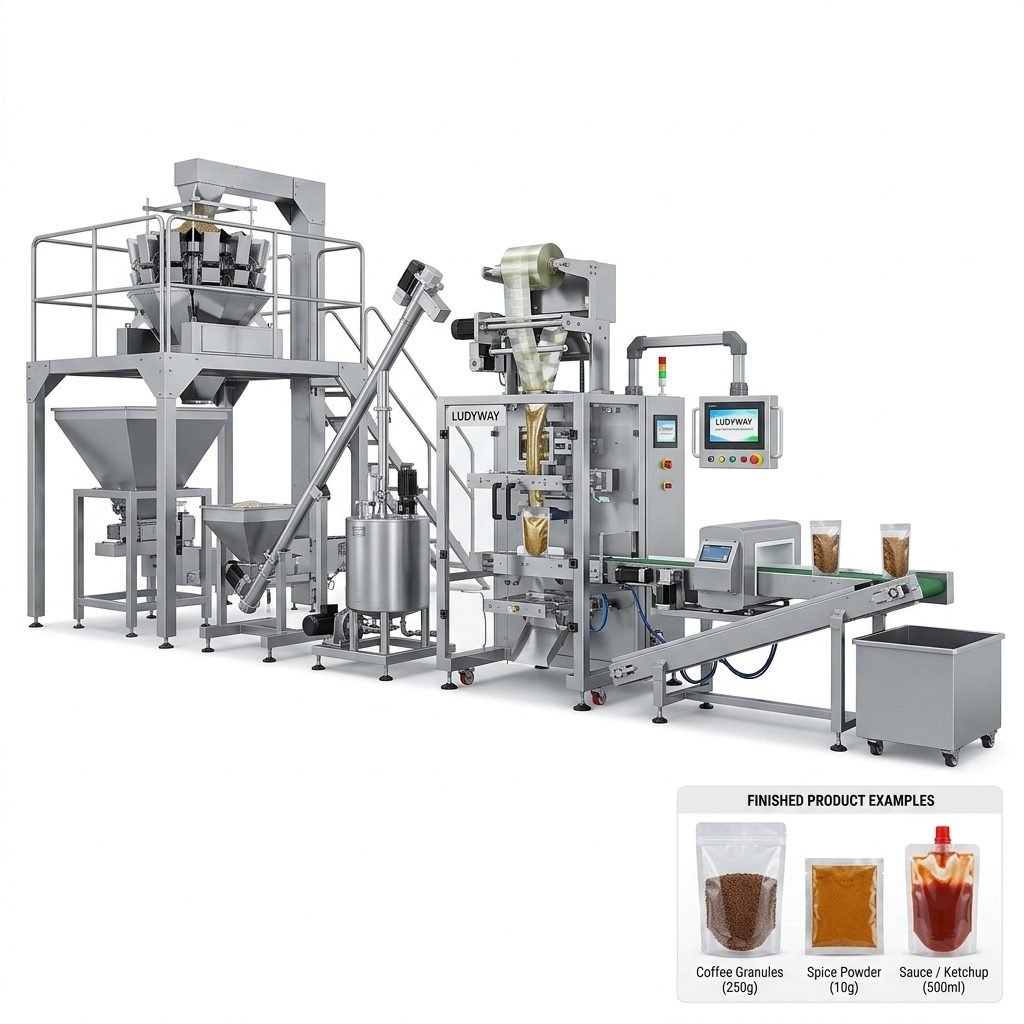
Manual vs Semi-Automatic vs Automatic Options
| Machine Type | Suitable For | Features |
|---|---|---|
| Manual / Entry-level | Low-volume packing stations | Simple operation, low cost |
| Semi-automatic | Medium-volume warehouse use | More control, stable output |
| Fully automatic | High-volume logistics and integrated lines | High speed, smart controls, reduced labor |
Key Buying Factors to Compare
Production Speed
Check the machine’s output in meters per minute or cushions per minute. High-volume shippers should prioritize consistent speed under long operating hours.
Film Compatibility
Not every machine handles every air cushion film. Confirm supported film width, thickness, roll diameter, and structure before ordering.
Seal Quality
Poor sealing causes air leakage and weak protection. Look for machines with stable heat control and reliable sealing performance.
Ease of Operation
A user-friendly interface helps reduce training time and operating errors. Touchscreen controls, preset parameters, and clear alarms are useful features.
Maintenance Requirements
Ask how often heating elements, rollers, and air components need servicing. Easy-access maintenance points can reduce downtime.
Machine Size and Workspace Fit
Desktop models work well in compact packing areas, while industrial versions may require dedicated space and line integration planning.
Power Consumption
For continuous operation, energy efficiency can affect long-term operating cost.
After-Sales Support
Technical support, spare parts supply, remote assistance, and user training are all important—especially for businesses running full-day shipping operations.
Questions to Ask Before Buying
- What packaging volume do we handle per day?
- What type of products need protection?
- Do we need void fill, wrapping, or both?
- What film types and sizes are compatible?
- How easy is it to replace consumables and wear parts?
- Is the machine suitable for continuous operation?
- Can it be integrated into an existing packaging line?
- What technical support is available after purchase?
Common Problems and How to Avoid Them
| Problem | Possible Cause | Solution |
|---|---|---|
| Air leakage | Poor seal temperature or film mismatch | Adjust settings and use compatible film |
| Uneven inflation | Incorrect air pressure or blocked air path | Inspect pump, pressure, and air channel |
| Film jams | Improper roll loading or guide misalignment | Reload film and check feeding path |
| Low output efficiency | Machine undersized for demand | Upgrade to a higher-capacity model |
Who Should Invest in an Air Bubble Packing Machine?
This type of equipment is a strong fit for businesses that ship products regularly and want to improve packaging efficiency without storing bulky protective materials. It is especially useful for companies experiencing rising order volume, fragile product claims, or warehouse space pressure.
If your business is moving from manual packing to a more professional and scalable workflow, an air bubble packing system can be a practical upgrade.
Choosing the Right Supplier
Beyond machine specifications, supplier capability matters. Buyers should assess manufacturing experience, export background, customization ability, and long-term service support. If you need not only standalone machinery but also integration with broader packaging automation, it is wise to work with an experienced manufacturer.
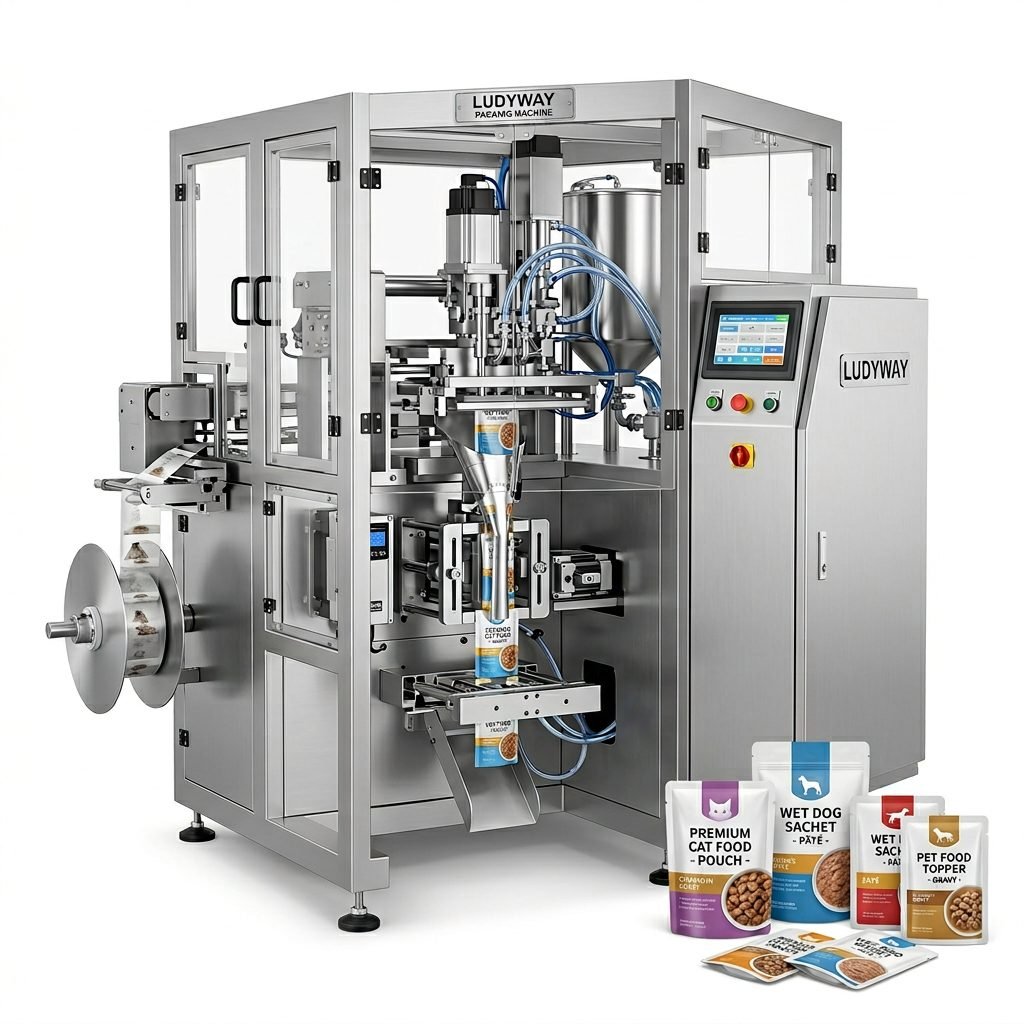
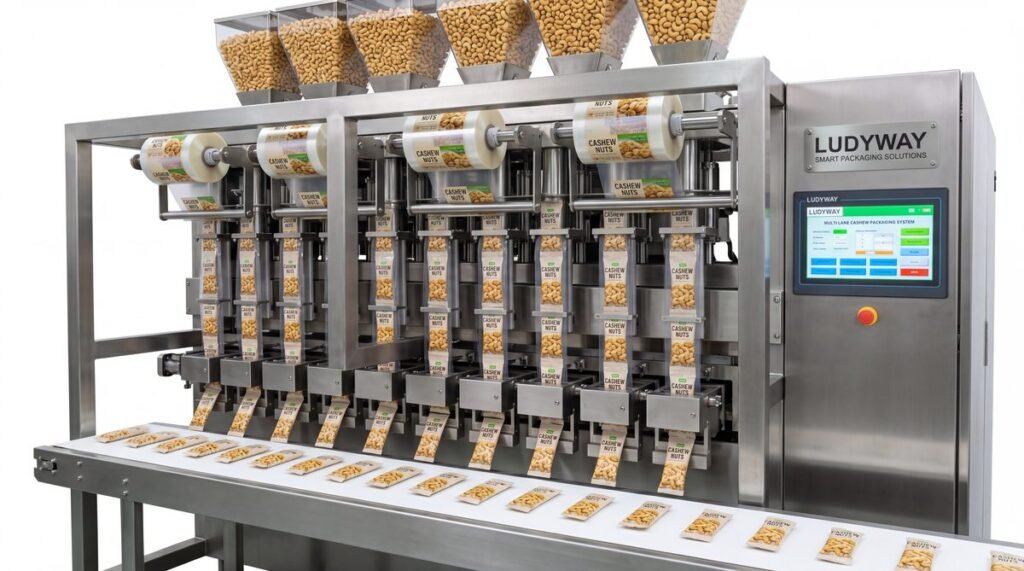
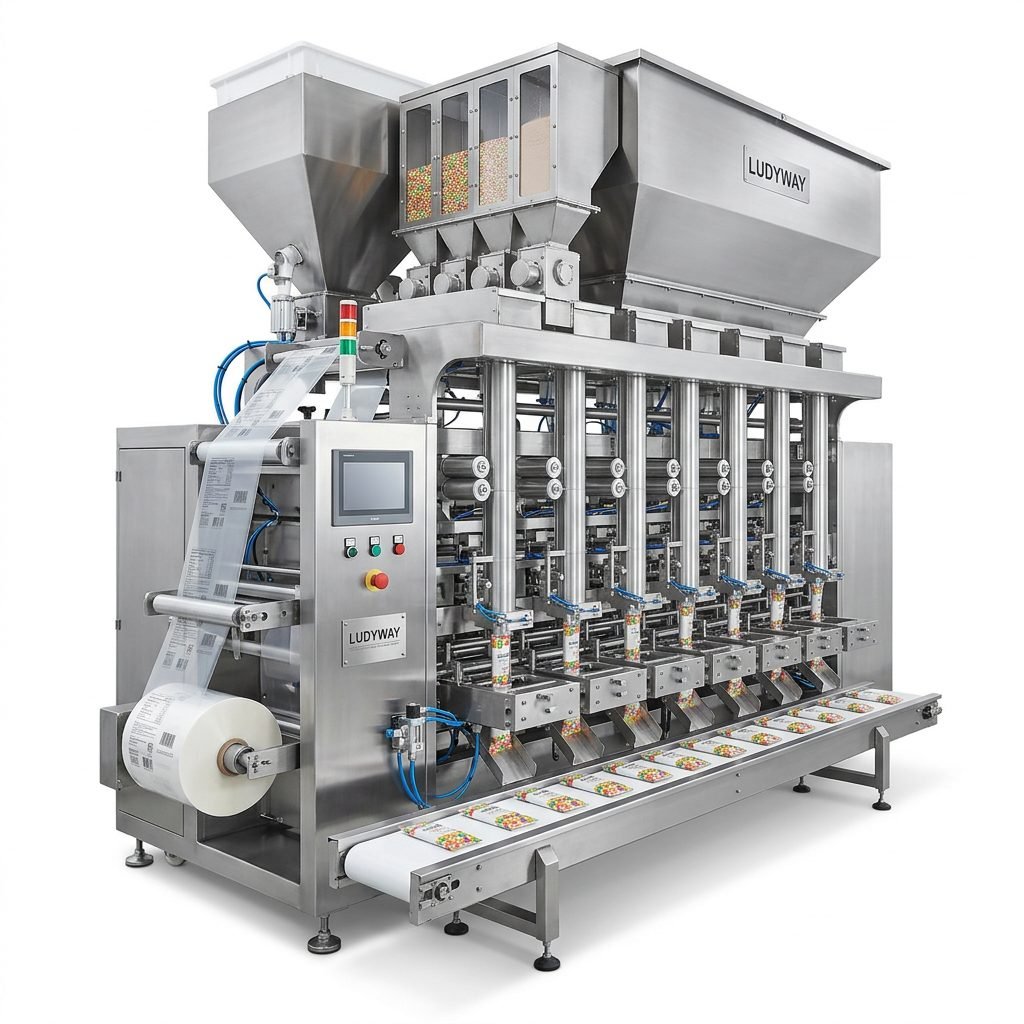
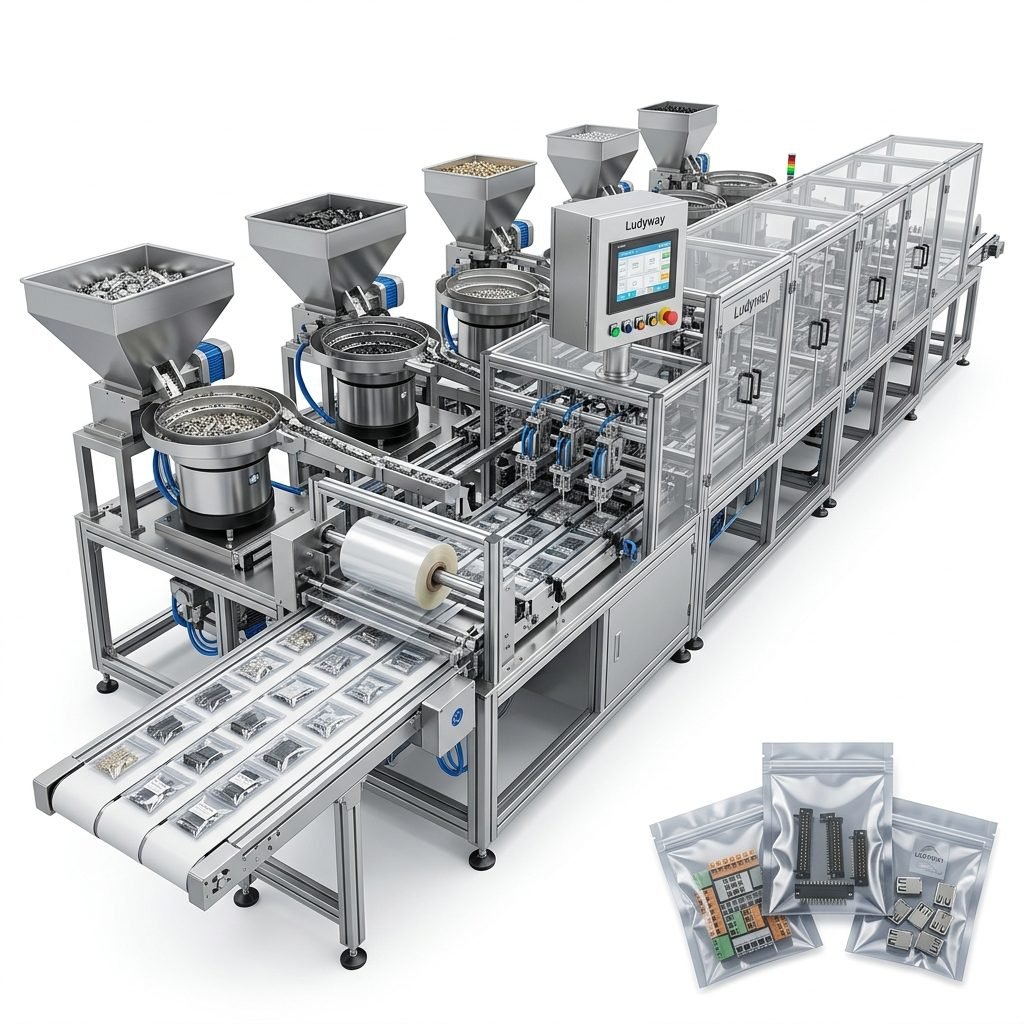
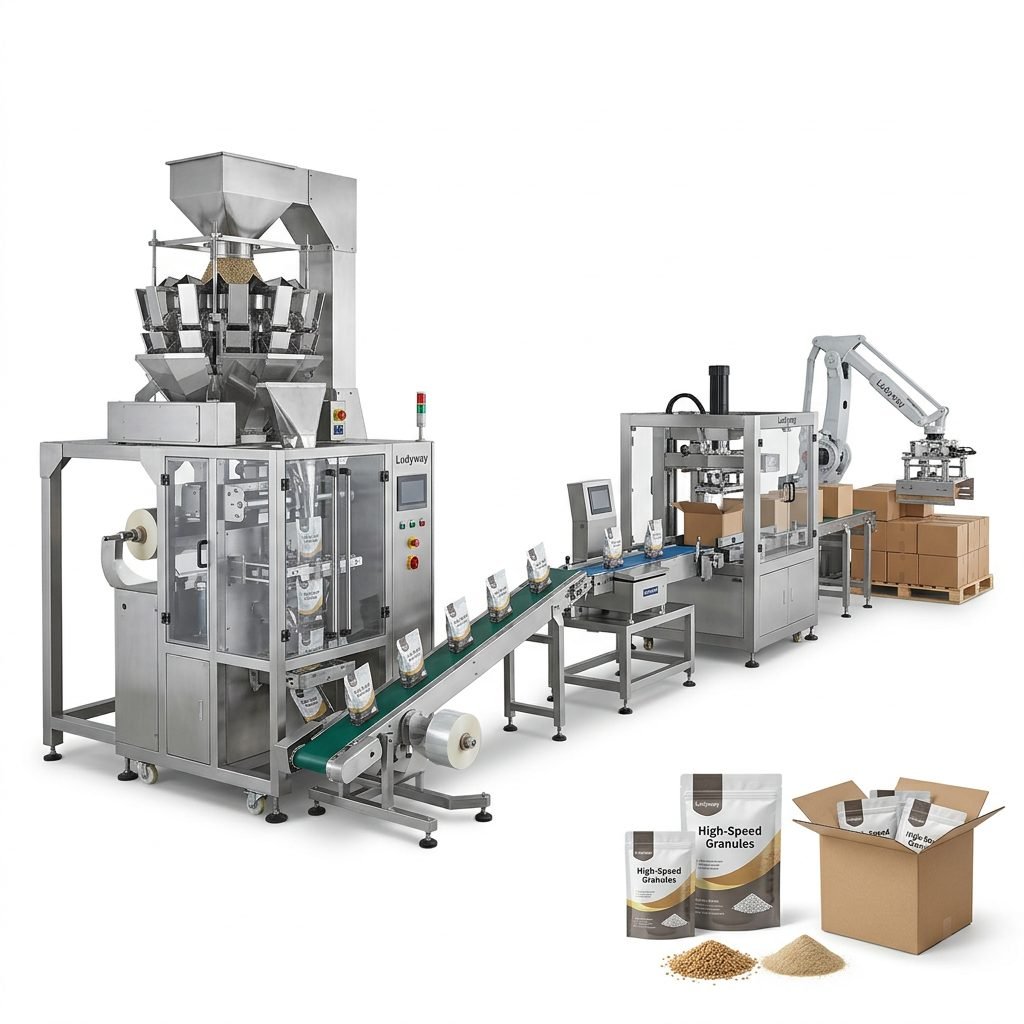
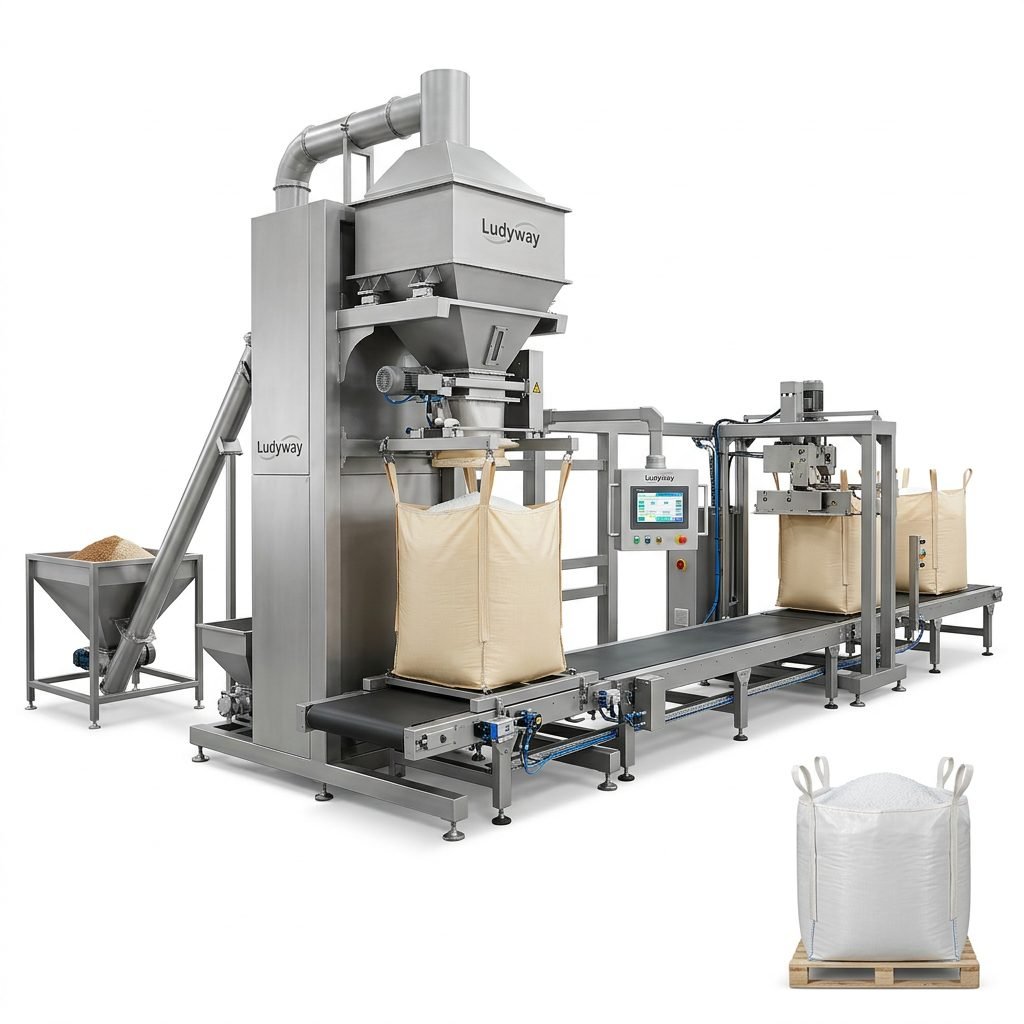
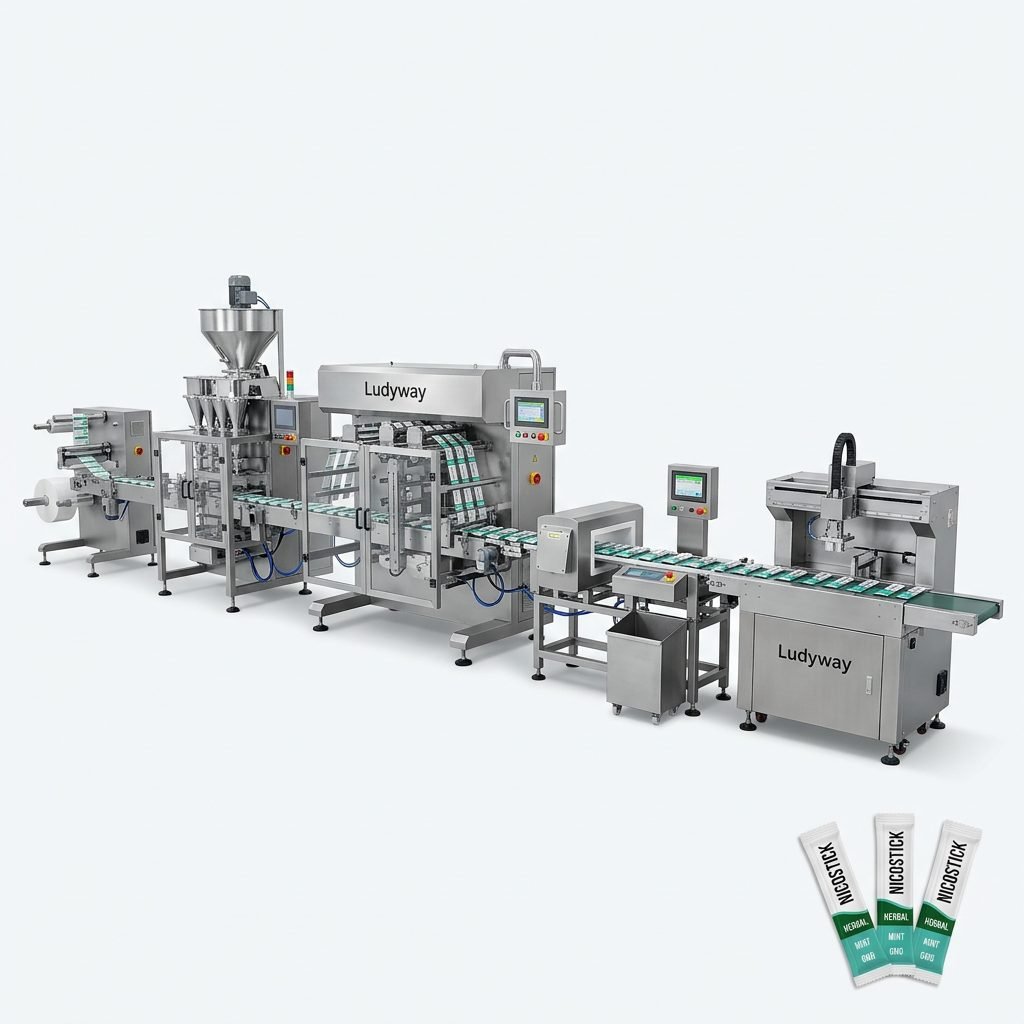
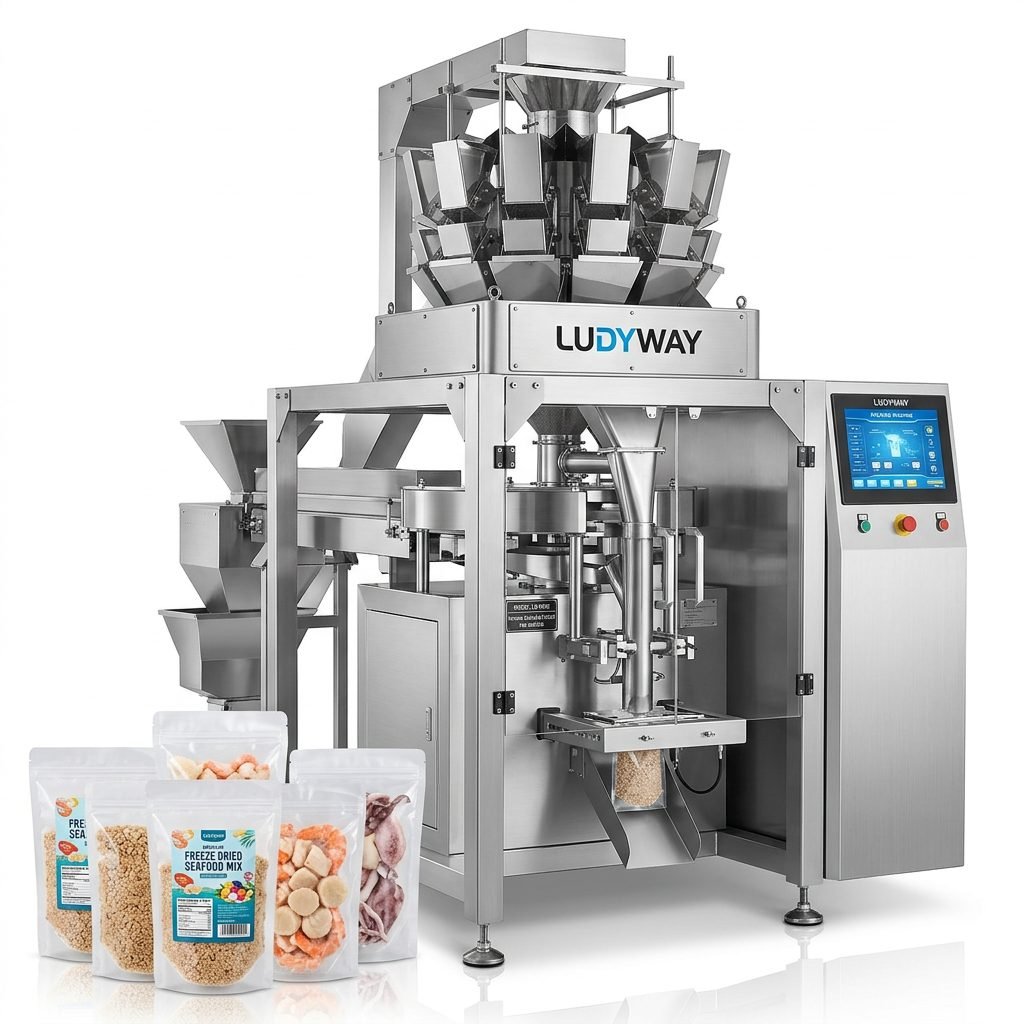
For businesses looking for broader packaging automation solutions, Ludyway packaging machine solutions are backed by more than 30 years of industry experience, a large manufacturing base, and turnkey packaging line capabilities for multiple industries.
Final Buying Tip
The best air bubble packing machine is not simply the cheapest or fastest model—it is the one that matches your packaging material, order volume, product fragility, workspace, and future growth plan. A careful comparison of film compatibility, sealing performance, output stability, and service support will help you make a smarter long-term investment.
When chosen correctly, an air bubble packing machine can improve protection, reduce waste, save storage space, and streamline your entire shipping process.