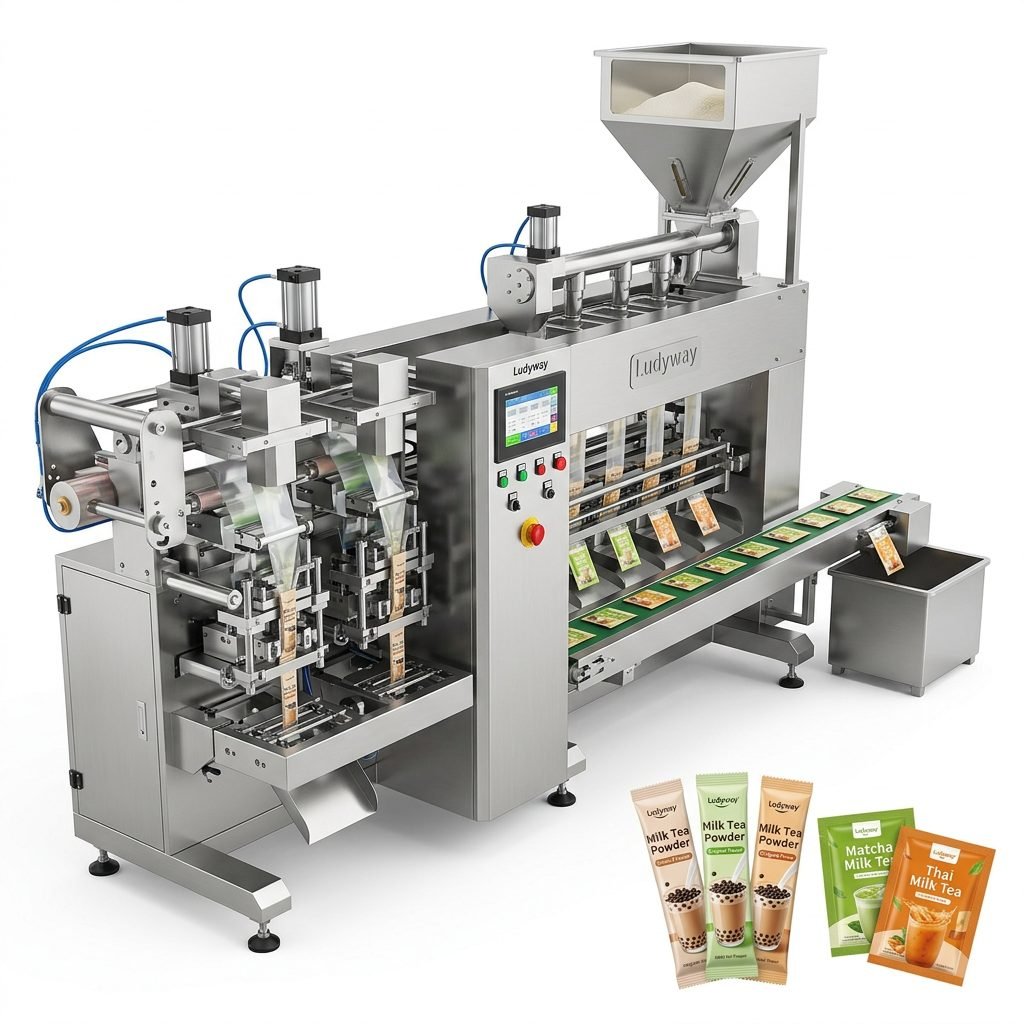
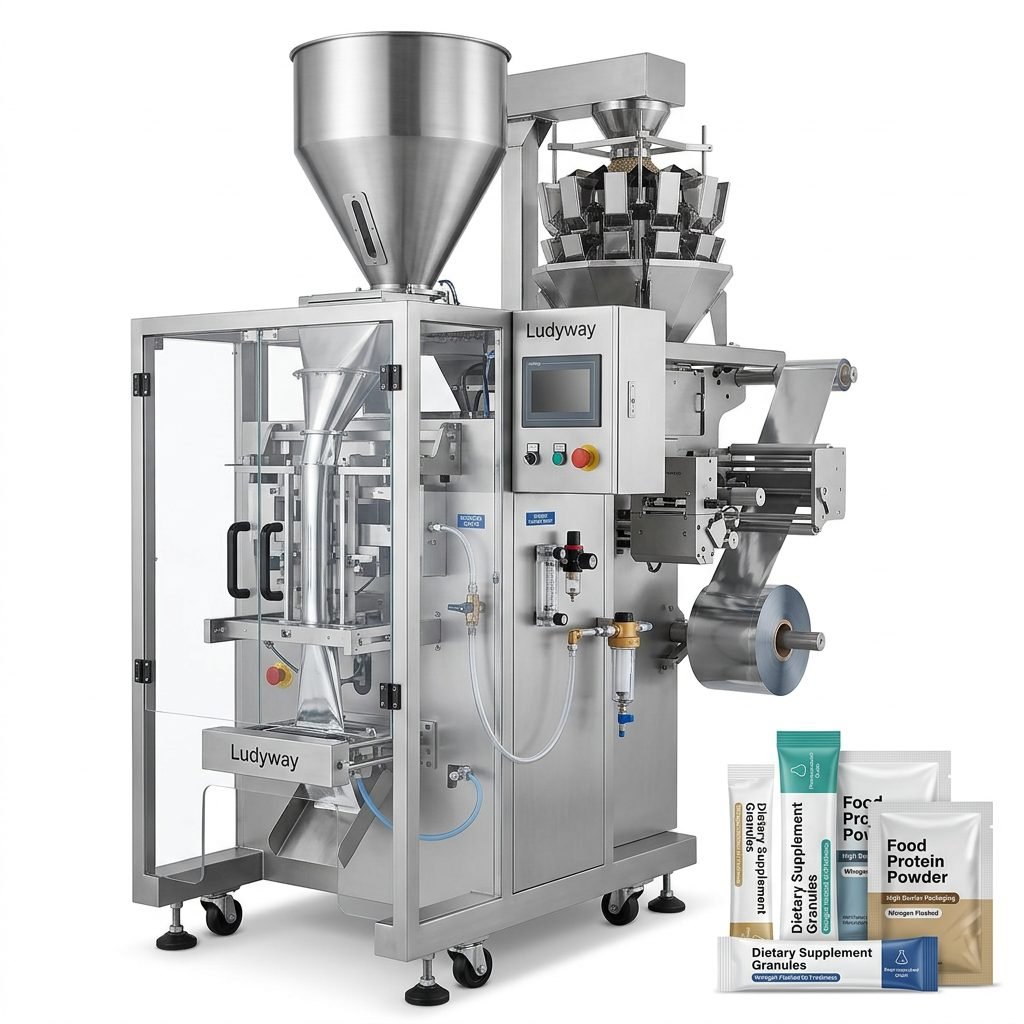
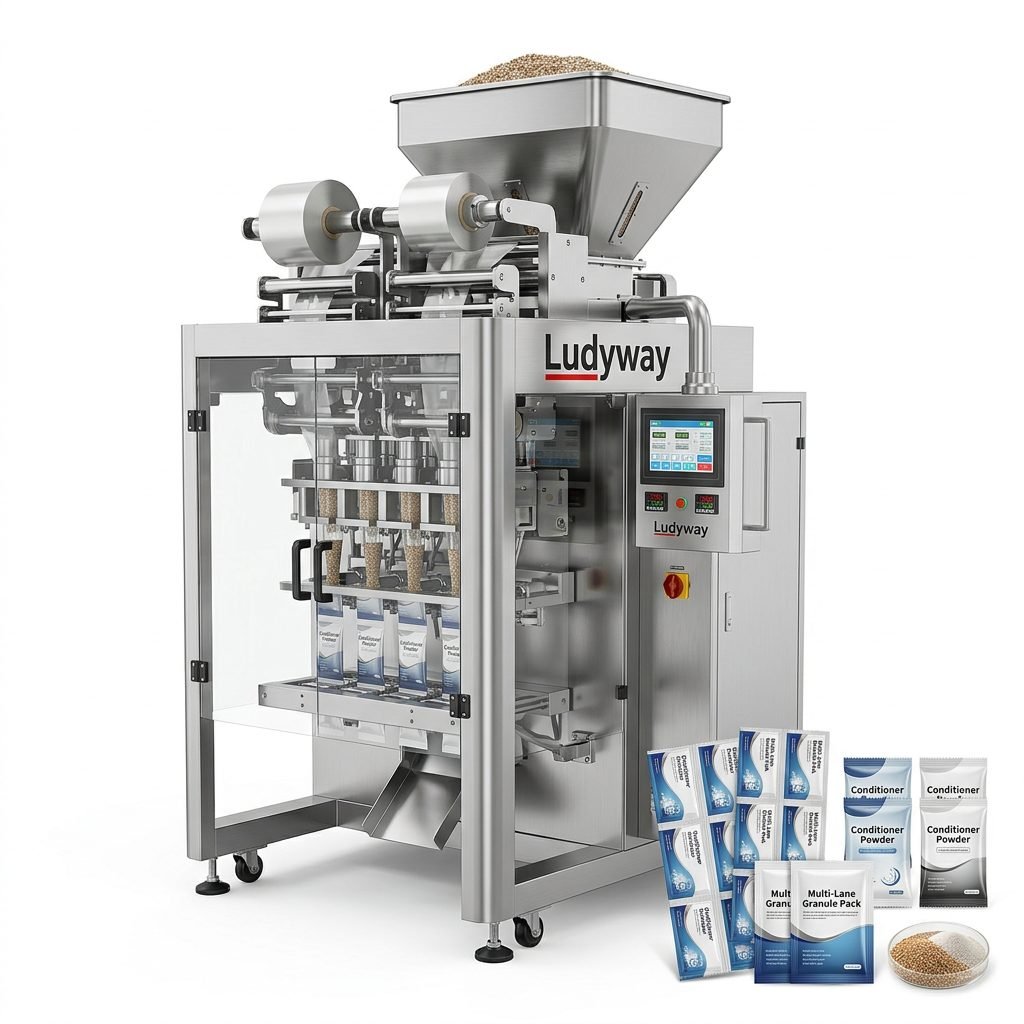
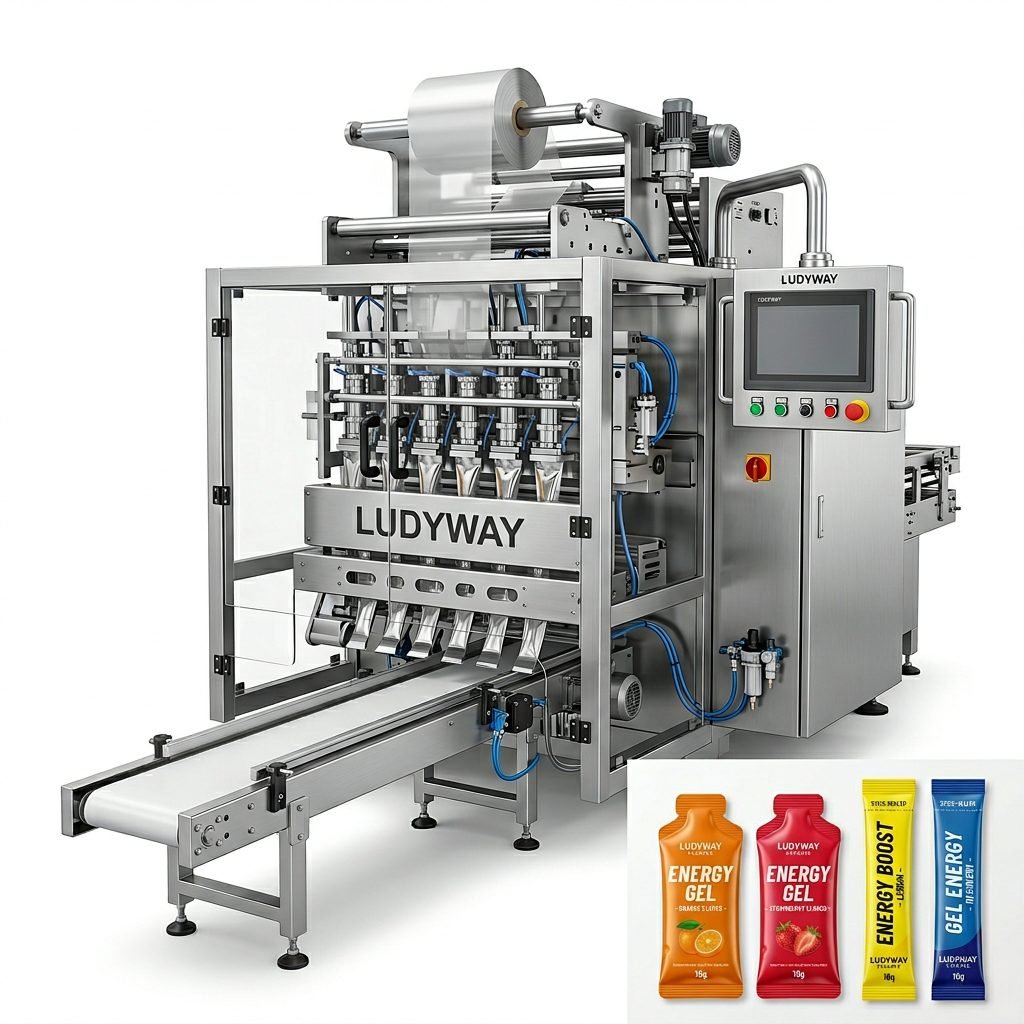
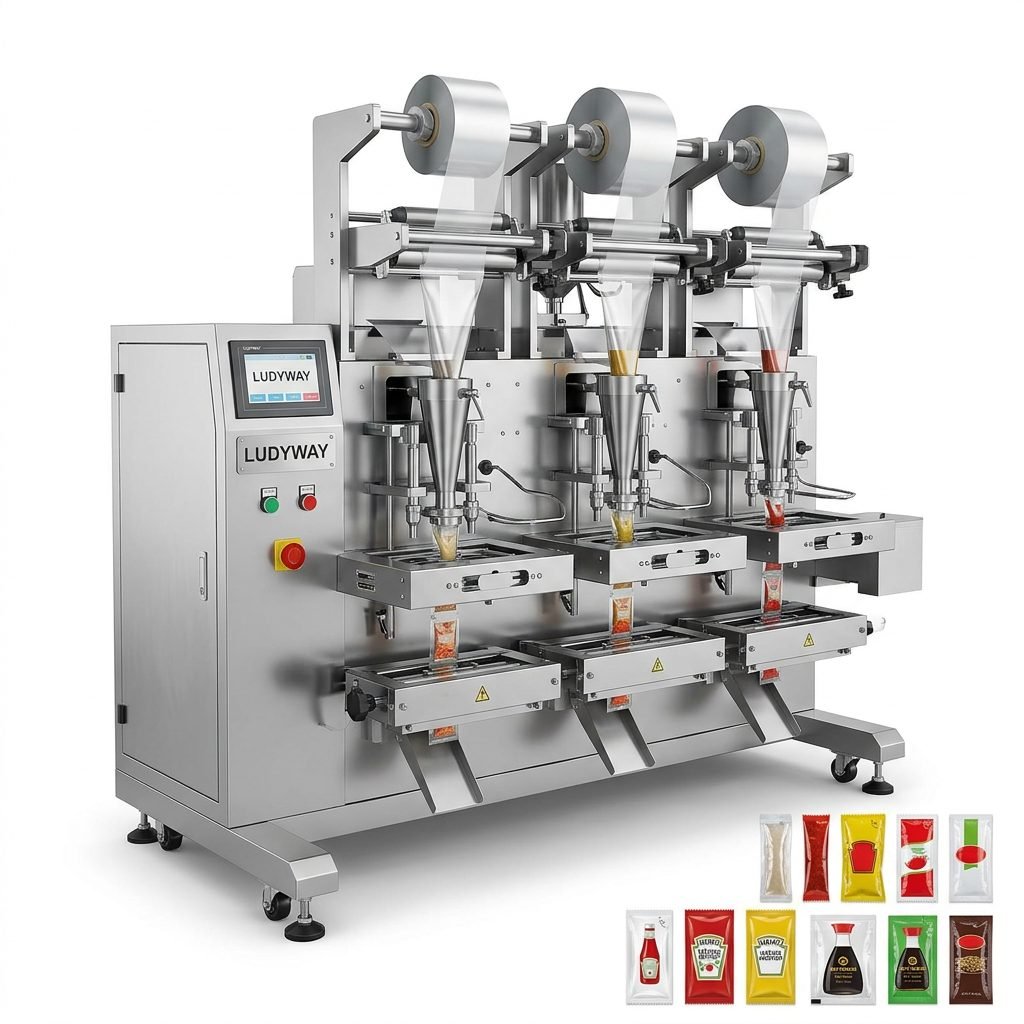
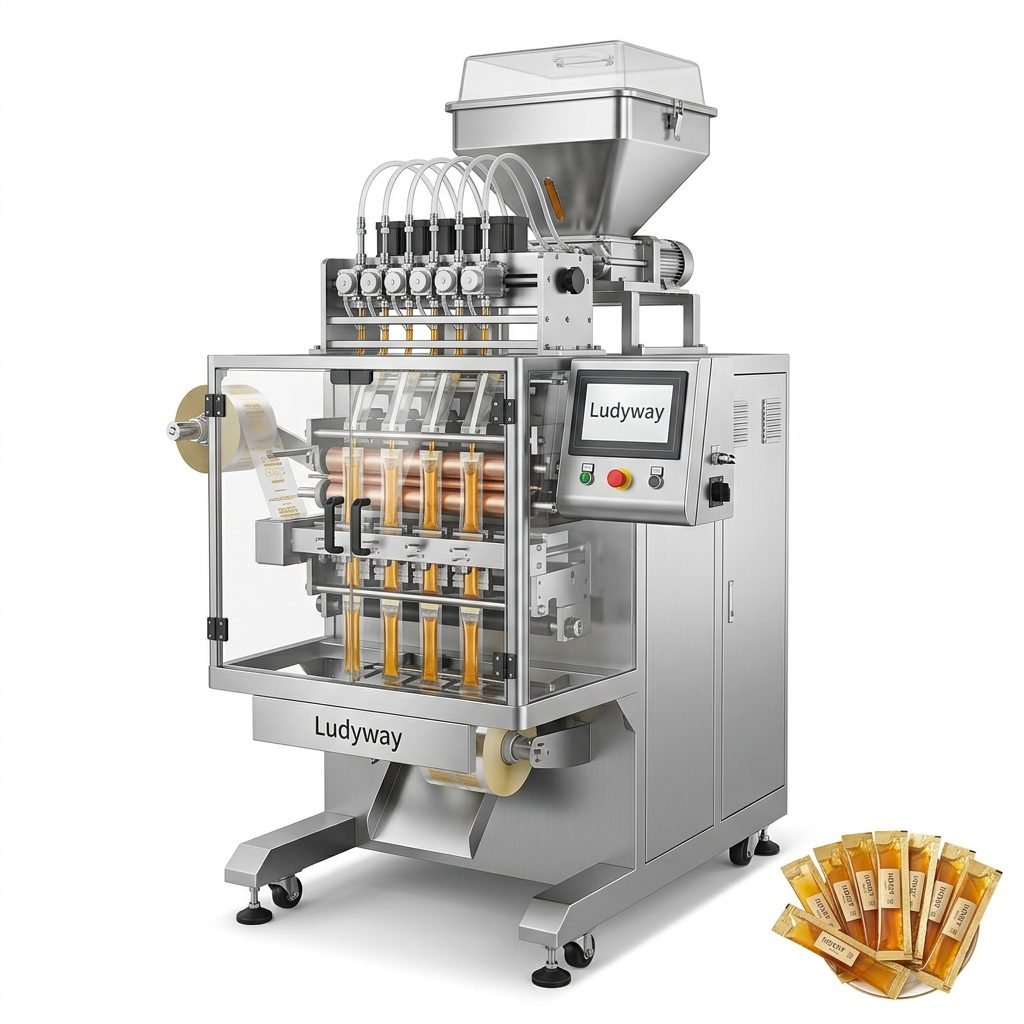
Choosing a small spice packing machine is not only about finding a compact piece of equipment. It is about matching product characteristics, packaging speed, bag style, dosing accuracy, hygiene requirements, and future production goals with the right machine design. When selected correctly, the machine can improve output, reduce waste, maintain flavor freshness, and make your packaging process far more efficient.
Spices such as chili powder, black pepper, cumin, turmeric, seasoning blends, curry powder, and dried granules behave differently during filling. Some are free-flowing, some are dusty, and some can clump because of oil content or humidity. That is why selecting the right machine requires more than comparing prices.
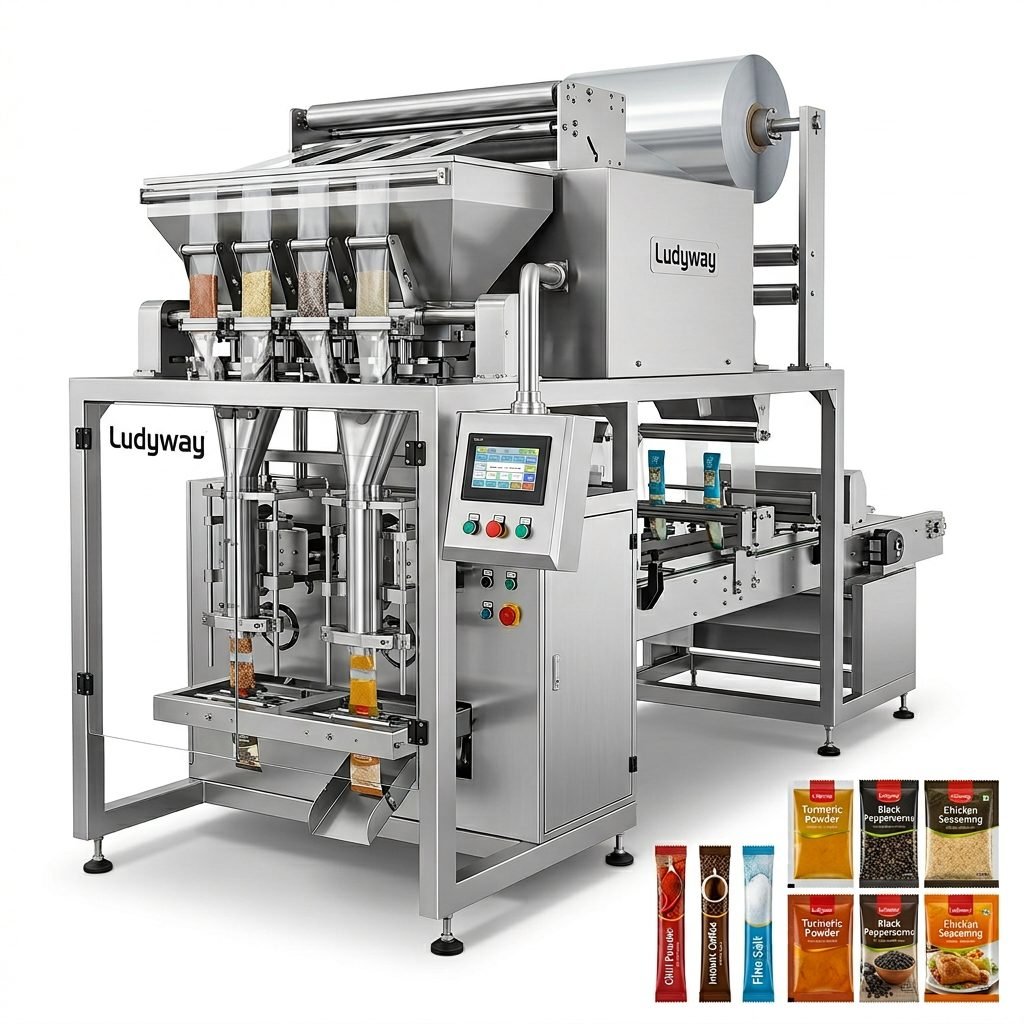
Why the right spice packing machine matters
In the spice business, packaging quality directly affects shelf life, product appearance, and customer satisfaction. A suitable machine helps you:
- Maintain consistent fill weight for every sachet, pouch, or stick pack
- Reduce powder leakage and sealing defects
- Protect aroma, color, and freshness
- Lower manual labor requirements
- Increase production speed without sacrificing accuracy
- Improve brand presentation with cleaner and more uniform packs
For startups, the right machine helps control cost and scale gradually. For growing manufacturers, it supports stable high-volume production and easier line integration.
Understand your spice product before choosing equipment
Before comparing machine models, define exactly what you need to pack. This step prevents buying a machine that looks suitable on paper but performs poorly in daily production.
Key product questions to answer
- Is the spice a fine powder, coarse granule, flakes, or blended seasoning?
- Does it flow easily or bridge inside the hopper?
- Is the product dusty, oily, sticky, or moisture-sensitive?
- What is the target pack weight: 1g, 5g, 20g, 50g, or more?
- Do you need single-serve sachets, stick packs, or larger pouches?
- Will you package one spice only or multiple formulas?
For example, a fine and light spice powder often works best with an auger filling system, while free-flowing granulated seasonings may be better suited to a volumetric or weighing system.
Main types of small spice packing machines
The best machine type depends on your package format, speed target, and product flow behavior.
| Machine Type | Best For | Typical Package Style | Key Advantage |
|---|---|---|---|
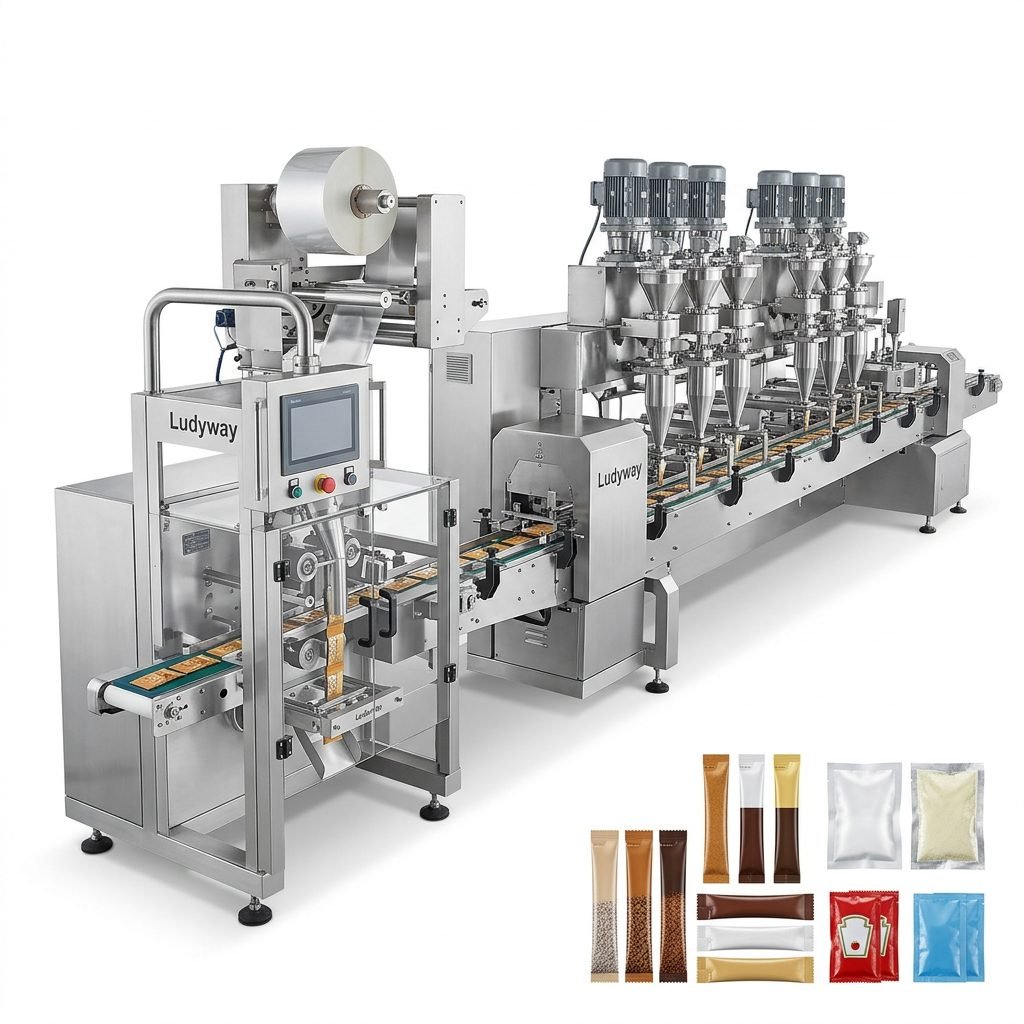
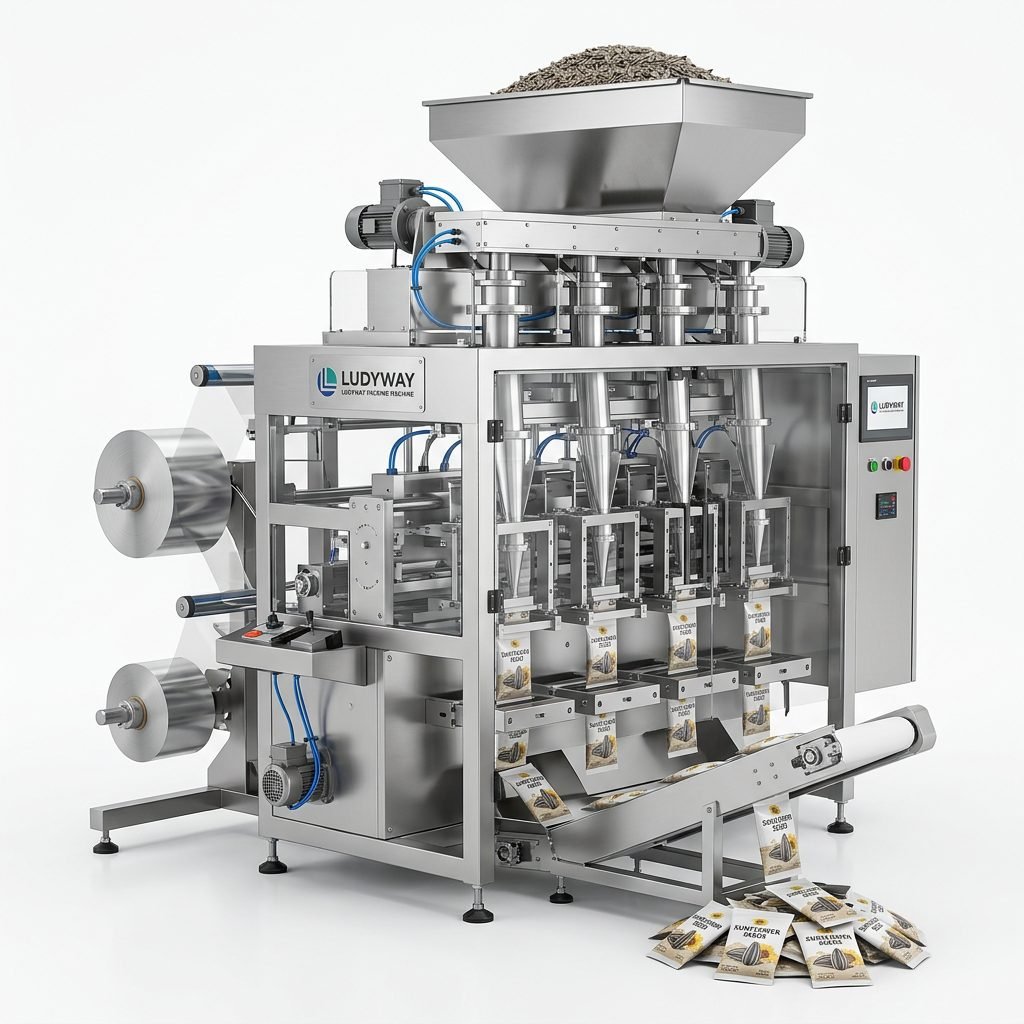
| Vertical form fill seal machine | Powders and granules | Back seal, 3-side seal, 4-side seal bags | Compact and versatile |
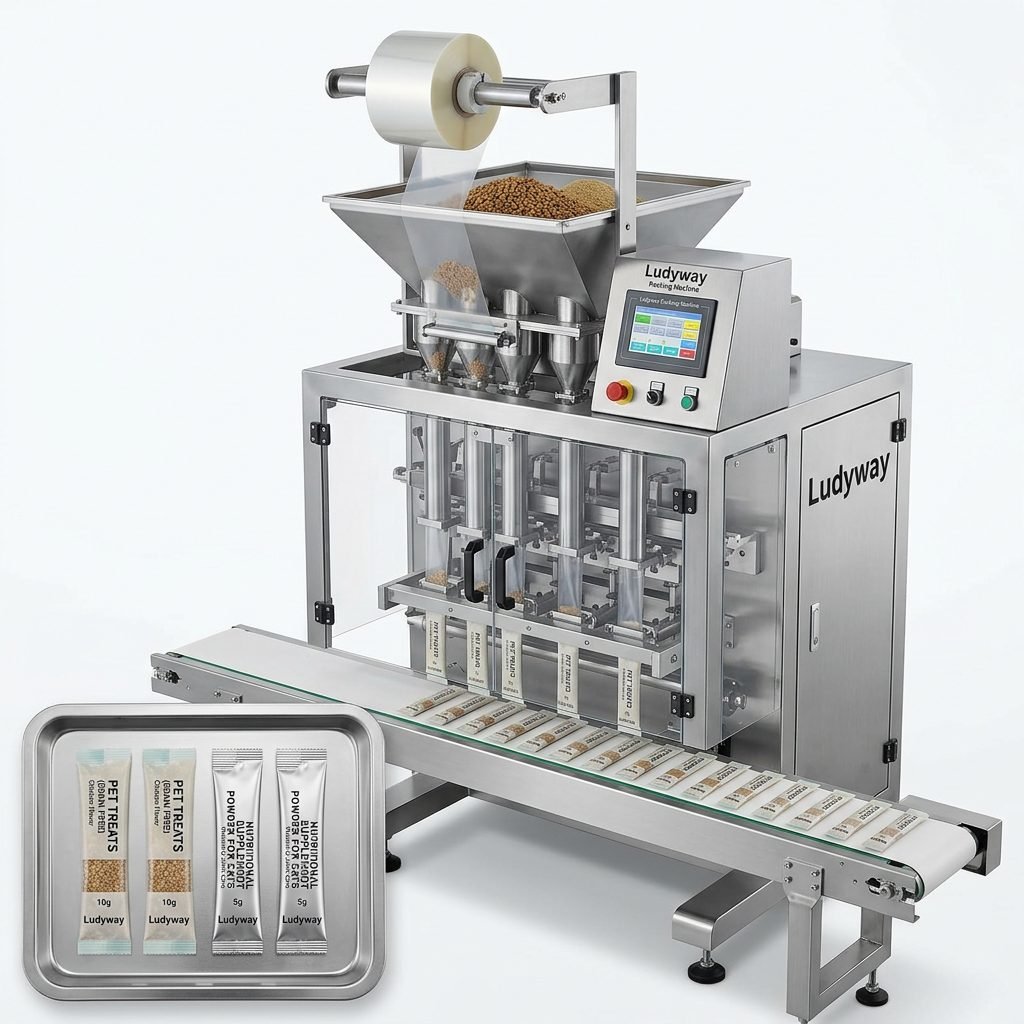
| Stick pack machine | Single-dose spice packs | Slim stick packs | High efficiency and premium retail format |
| Sachet packing machine | Powdered spices and seasoning blends | Flat sachets | Cost-effective for small packs |
| Premade pouch packing machine | Higher-end retail packaging | Stand-up pouch, zipper pouch | Better shelf presentation |
How to match filling method with spice characteristics
Filling accuracy is one of the most important decision points. The wrong dosing method leads to underfilling, overfilling, dust spread, and unstable operation.
Common filling systems
- Auger filler: ideal for fine powders like paprika, turmeric powder, garlic powder, and masala mixes
- Volumetric cup filler: suitable for free-flowing granules and low-cost standard applications
- Multi-head or linear weigher: better for irregular granules or blended seasonings requiring higher accuracy
- Screw feeding with agitation: useful for difficult powders that tend to bridge or compact
Tip: If your spice powder is very fine and dusty, choose a machine with dust-control design, sealed hopper structure, and stable auger dosing.
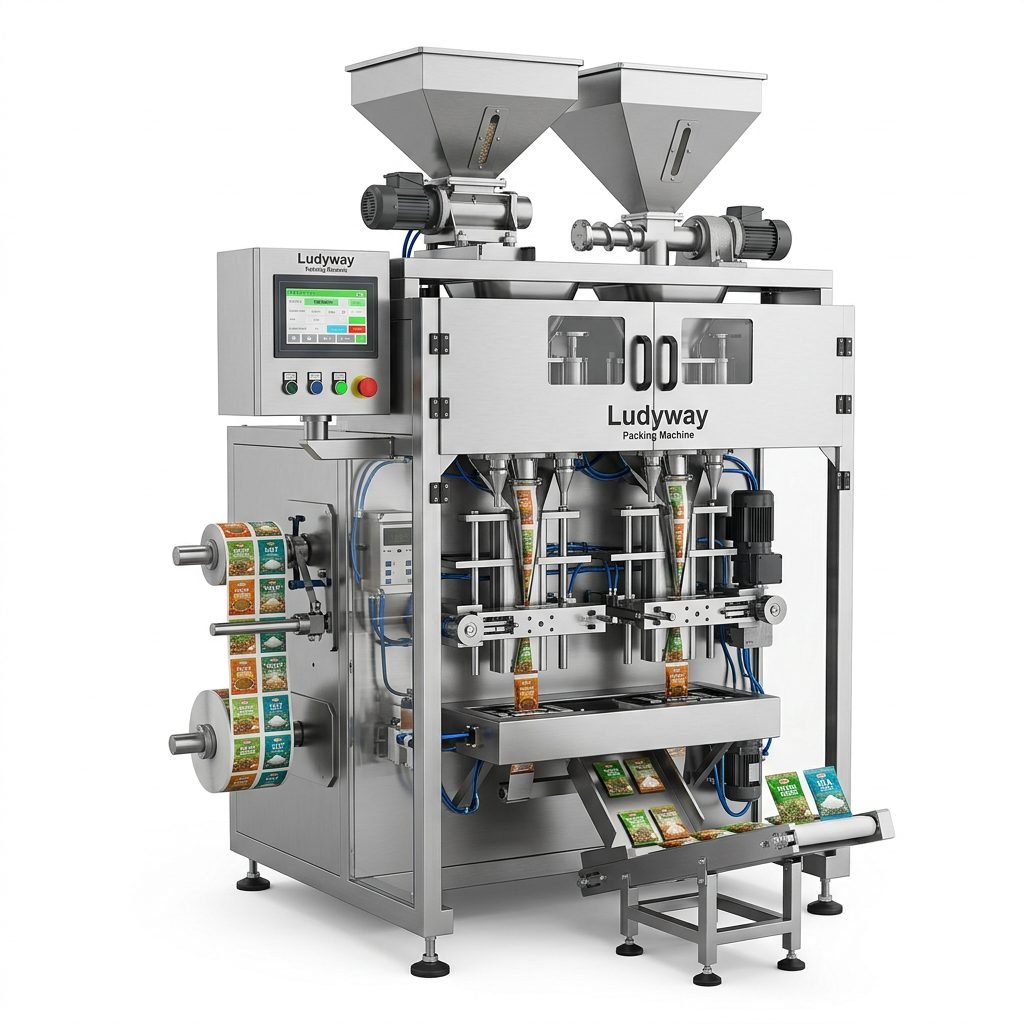
Choose the right package format for your market
Your machine must be compatible with the packaging format your customers actually want. In small spice packaging, the most common formats include:
- Small sachets for restaurants, takeaway, and retail sample use
- Stick packs for single-use seasoning applications
- Pillow bags for economical retail distribution
- Stand-up pouches for premium spice brands
- Zipper pouches for reusable consumer packaging
If your current business is mostly entry-level retail, a compact sachet machine may be enough. If you plan to move into supermarket shelves or export channels, a pouch solution may deliver stronger commercial value.
Production speed: buy for current needs and near-future growth
One common mistake is selecting a machine only for today’s order volume. A better approach is to consider your next 12 to 24 months of growth.
Ask these practical questions
- How many packs do you need per minute?
- Will one shift be enough, or will you add more operating hours later?
- Do you expect seasonal spikes in demand?
- Do you plan to add more SKUs with different fill weights?
A machine with a little extra capacity often creates better long-term value than the cheapest basic model. However, overspecifying can also waste budget. The right balance is efficient, scalable, and easy to operate.
Essential machine features for efficient spice packaging
When evaluating suppliers and models, focus on operational details that affect real production performance.
| Feature | Why It Matters |
|---|---|
| Servo control system | Improves precision, stability, and adjustment speed |
| PLC and touchscreen | Makes operation easier and parameter changes faster |
| Dust collection or sealing support | Reduces contamination and sealing issues |
| Stainless steel contact parts | Supports food hygiene and easier cleaning |
| Quick-change tooling | Useful when switching between bag sizes or spice varieties |
| Coding or printing integration | Adds batch number, date, and traceability |
Hygiene and cleaning should never be overlooked
Spices can stain, spread as dust, and leave strong residues. Machines used for food packaging should be designed for simple and reliable cleaning. This is especially important if you run multiple spice varieties on one machine.
- Choose smooth-contact surfaces and food-grade materials
- Check whether parts can be disassembled easily
- Ask how long cleaning and product changeover takes
- Consider anti-dust measures for operators and equipment
If your operation handles allergen-sensitive blends or premium export products, cleaning convenience becomes even more critical.
Packaging film compatibility and seal quality
A small spice packing machine must not only fill correctly, but also create strong and attractive seals. Poor sealing can cause leakage, moisture entry, aroma loss, and product returns.
Check whether the machine supports your target film structures, such as laminated films, foil-based films, or recyclable materials. Also ask about:
- Seal temperature control range
- Sealing pressure stability
- Performance with dusty powders
- Bag appearance consistency at higher speeds
How small businesses and growing factories should choose differently
For small businesses or new brands
- Prioritize compact design and lower investment risk
- Choose easy operation and simple maintenance
- Focus on one or two main package sizes first
- Look for stable filling accuracy rather than maximum speed
For growing manufacturers
- Consider multi-lane or higher-output systems
- Plan for upstream and downstream integration
- Choose machines with better automation and data control
- Evaluate supplier service, spare parts, and customization ability
Questions to ask a supplier before buying
A machine may look impressive in photos, but the real test is whether it fits your actual packaging process. Ask suppliers detailed application questions.
- Can the machine run my specific spice sample?
- What filling accuracy can be achieved at my target pack size?
- What is the actual speed under working conditions, not just theoretical speed?
- How easy is it to change bag length or fill weight?
- What spare parts are included?
- What technical support is available after installation?
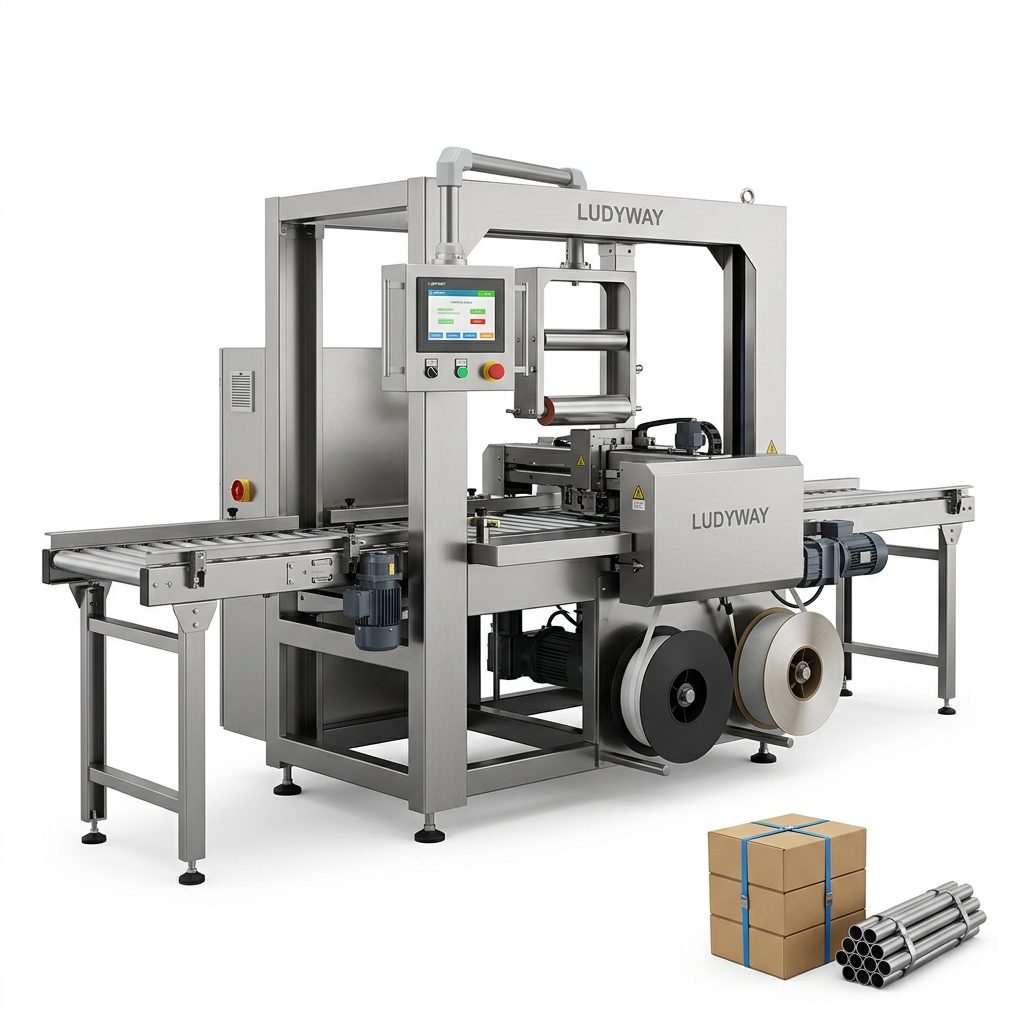
- Can the machine connect to conveyors, date coders, checkweighers, or cartoning systems later?
A reliable supplier should be willing to discuss your product honestly rather than just pushing a standard machine.
Common mistakes when selecting a small spice packing machine
- Choosing based only on price
- Ignoring spice flow properties
- Underestimating dust-control needs
- Buying a machine with no upgrade path
- Not testing packaging film compatibility
- Overlooking after-sales support and spare part availability
In many cases, the cheapest machine becomes the most expensive once downtime, waste, inconsistent filling, and maintenance problems begin to affect production.
Why supplier capability matters as much as machine specification
Even if two machines have similar technical data, supplier capability can make a major difference in final performance. Engineering experience, testing ability, customization support, and international project experience all affect your long-term results.
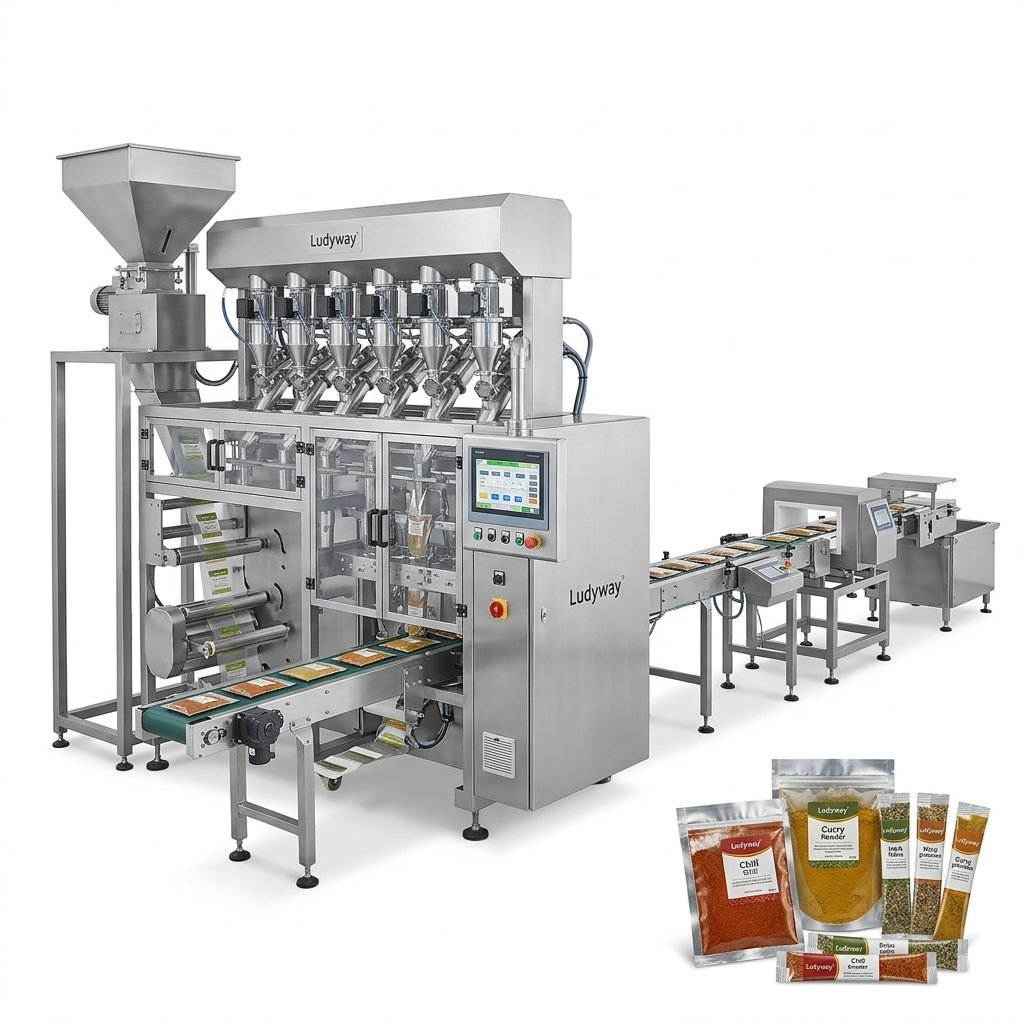
For buyers looking for scalable spice packaging solutions, Ludyway small spice packing machine solutions are backed by more than 30 years of manufacturing experience, broad packaging equipment coverage, and turnkey line integration capability for food, pharmaceutical, and related industries.
Final checklist for choosing the right machine
| Checklist Item | Yes / No |
|---|---|
| Machine matches powder or granule characteristics | □ |
| Package format meets market demand | □ |
| Target speed fits current and future production | □ |
| Filling accuracy is verified with product samples | □ |
| Machine is easy to clean and maintain | □ |
| Film compatibility and seal quality are confirmed | □ |
| Supplier offers service and spare parts support | □ |
The right small spice packing machine should help you achieve efficient packaging, reliable quality, controlled costs, and room for growth. Start with your product characteristics, package format, and realistic production goals, then choose a supplier that can support your business beyond the initial purchase.