In the fast-paced world of manufacturing and distribution, the final presentation and protection of products are paramount. For industries dealing with screws, nuts, bolts, and other hardware, the fastener packaging machine is a critical piece of equipment. This guide delves into the various types of these machines, their key features, and provides a structured approach to selecting the perfect system for your operational needs.
Understanding Fastener Packaging Machines
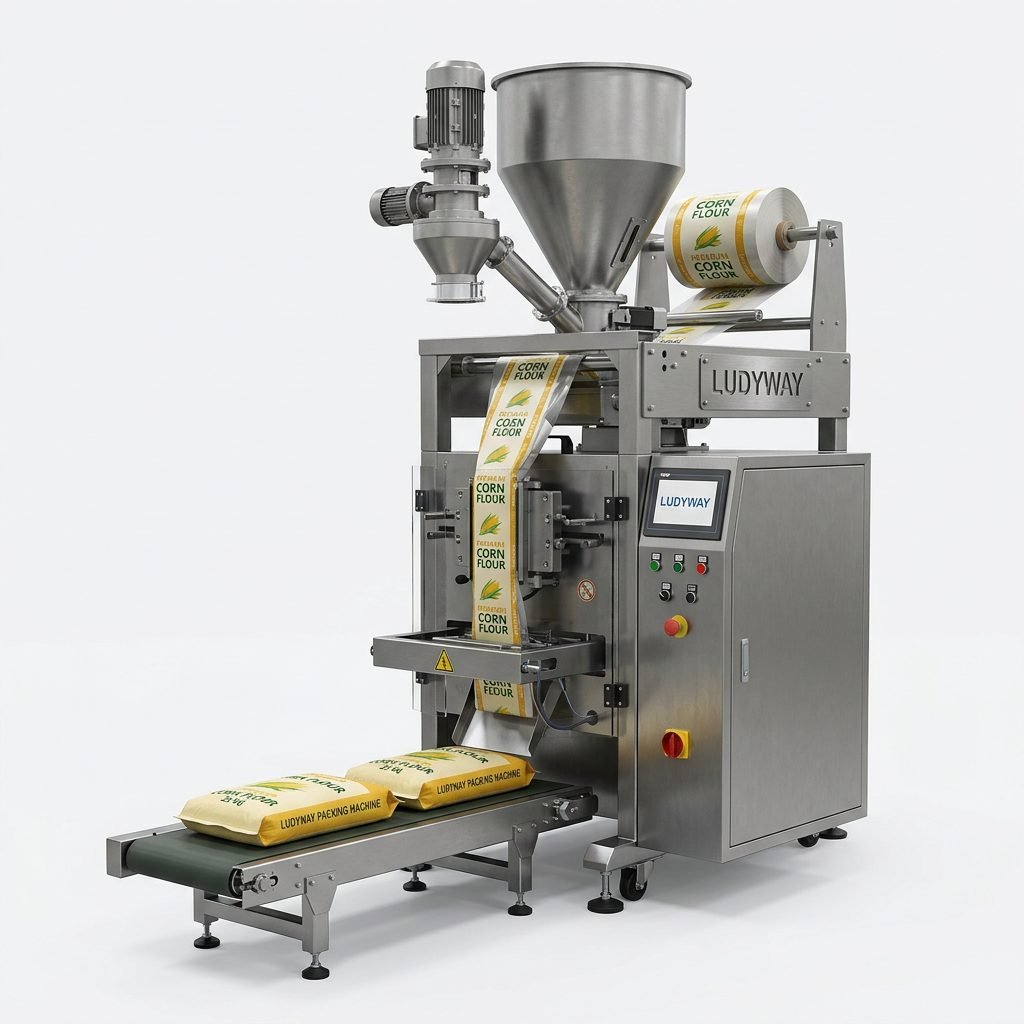
Fastener packaging machines are specialized automated systems designed to count, sort, and package loose fasteners into bags, boxes, or blister packs. They replace error-prone and slow manual packaging, ensuring accuracy, speed, and consistency in the final packaging stage. This automation is crucial for maintaining product integrity, brand reputation, and supply chain efficiency.
Core Objectives of Automated Fastener Packaging
The primary goals driving the adoption of these systems include:
- Precision Counting: Eliminating under-counts or over-counts, which directly impact customer trust and profitability.
- High-Speed Throughput: Dramatically increasing output rates to meet large order volumes and just-in-time delivery schedules.
- Reduced Labor Costs: Automating a repetitive task to free up personnel for higher-value activities.
- Enhanced Presentation: Creating professional, uniform packages that improve shelf appeal and brand perception.
Primary Types of Fastener Packaging Systems
The market offers several machine configurations, each suited to different fastener profiles and packaging formats.
1. Multi-Lane Counting & Bagging Machines
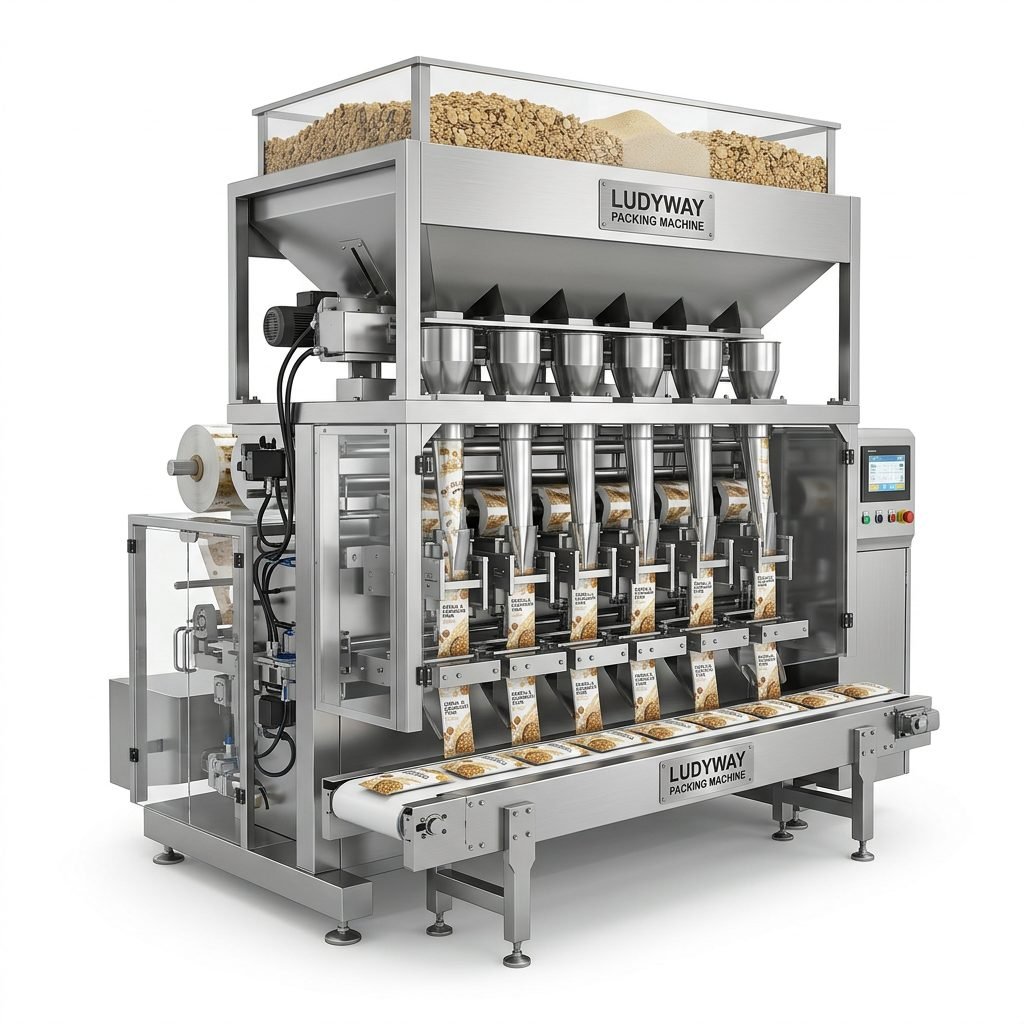
These are the workhorses for bulk packaging. Fasteners are fed into multiple vibration lanes. Optical sensors or mechanical mechanisms count the pieces as they pass, directing the precise count into a waiting bag. They are ideal for poly bags and are excellent for high-volume orders of small to medium-sized fasteners like screws and nails.
Best For: High-speed packaging of uniform, small-piece fasteners into plastic bags. Their efficiency scales directly with the number of lanes.
2. Weighing Scale Packers
Instead of counting individual pieces, these machines use highly accurate load cells to weigh batches of fasteners. The system dispenses product until the target weight is achieved. This method is superior for packaging fasteners by weight (e.g., 1-pound boxes) or for handling irregular, mixed, or oily parts where counting is unreliable.
3. Blister Card Packaging Systems
These complex machines automate the entire process of creating retail-ready blister packs. They form the plastic blister, place the fasteners inside precisely, apply the printed cardboard backing, and seal the package. This is essential for consumer-facing retail packaging where visual merchandising is key.
4. Stick Pack & Sachet Machines
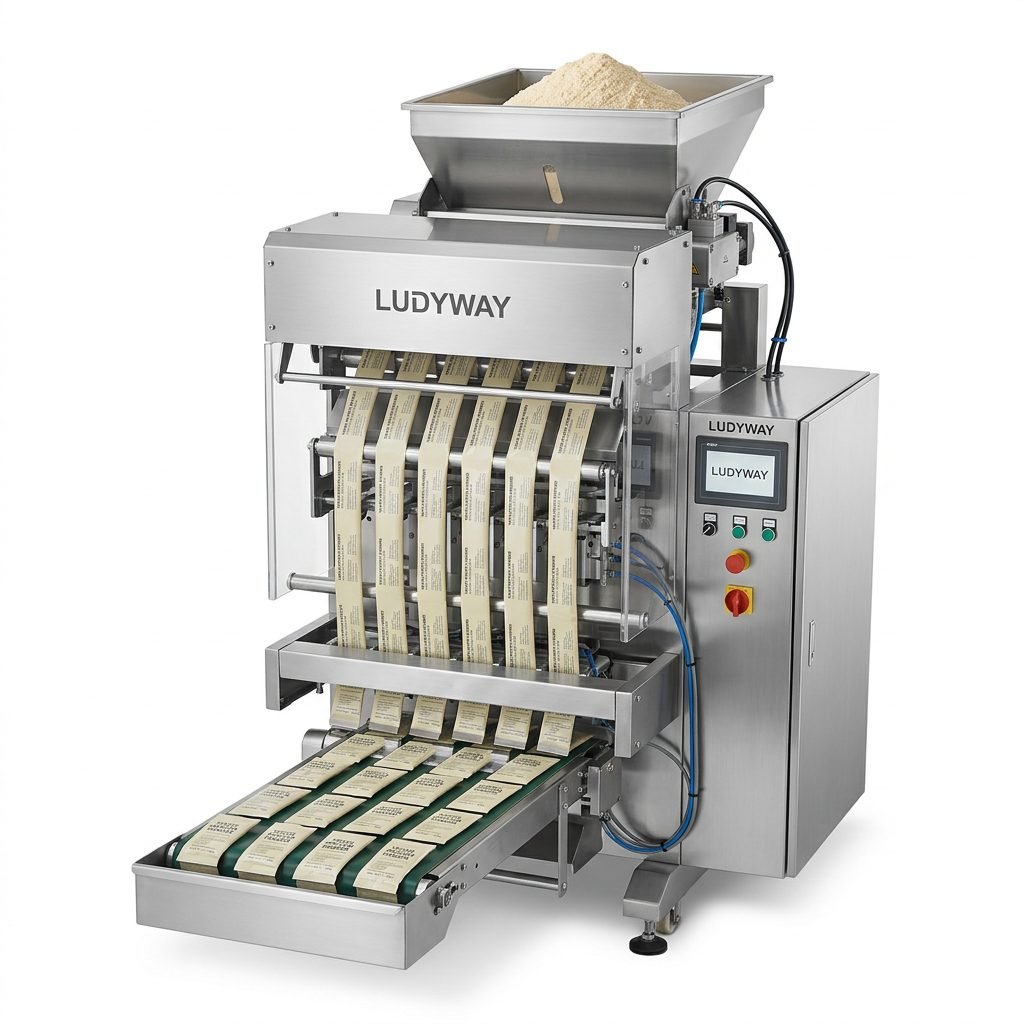
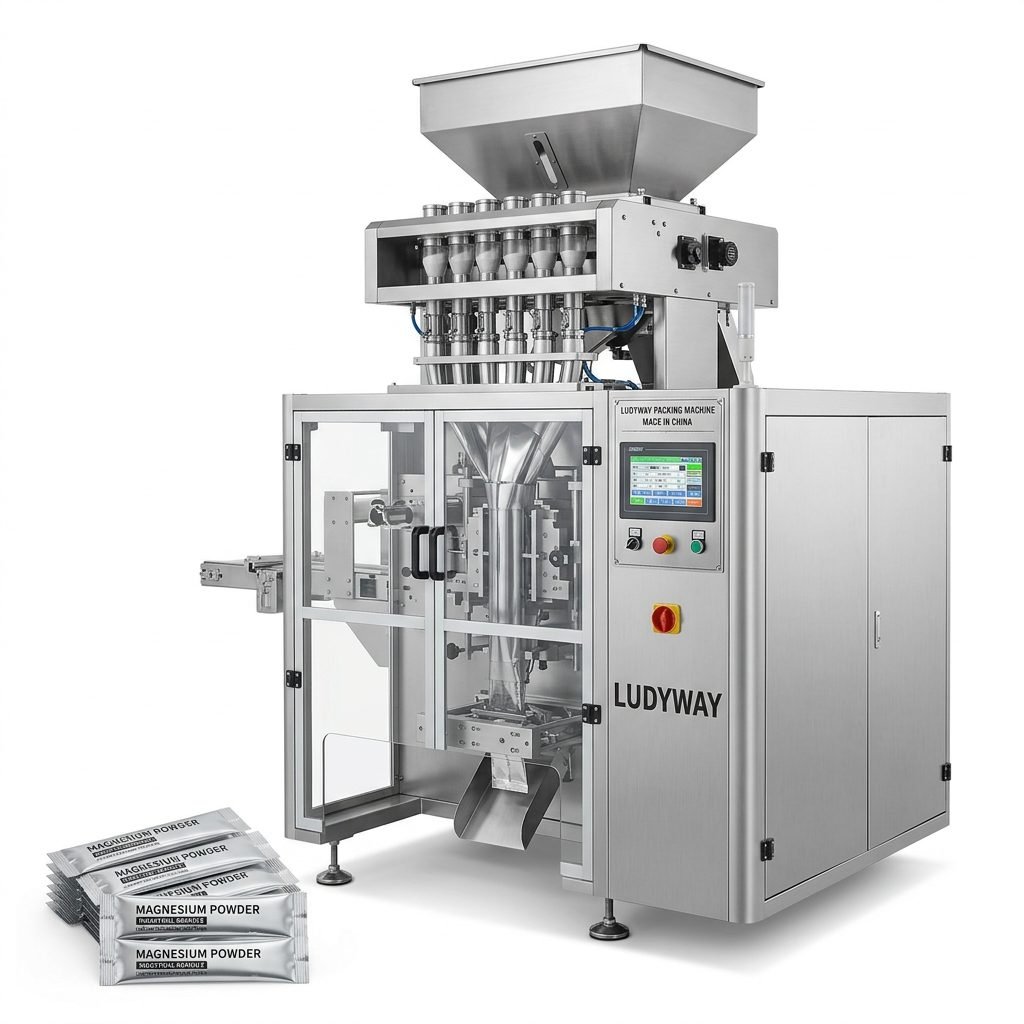
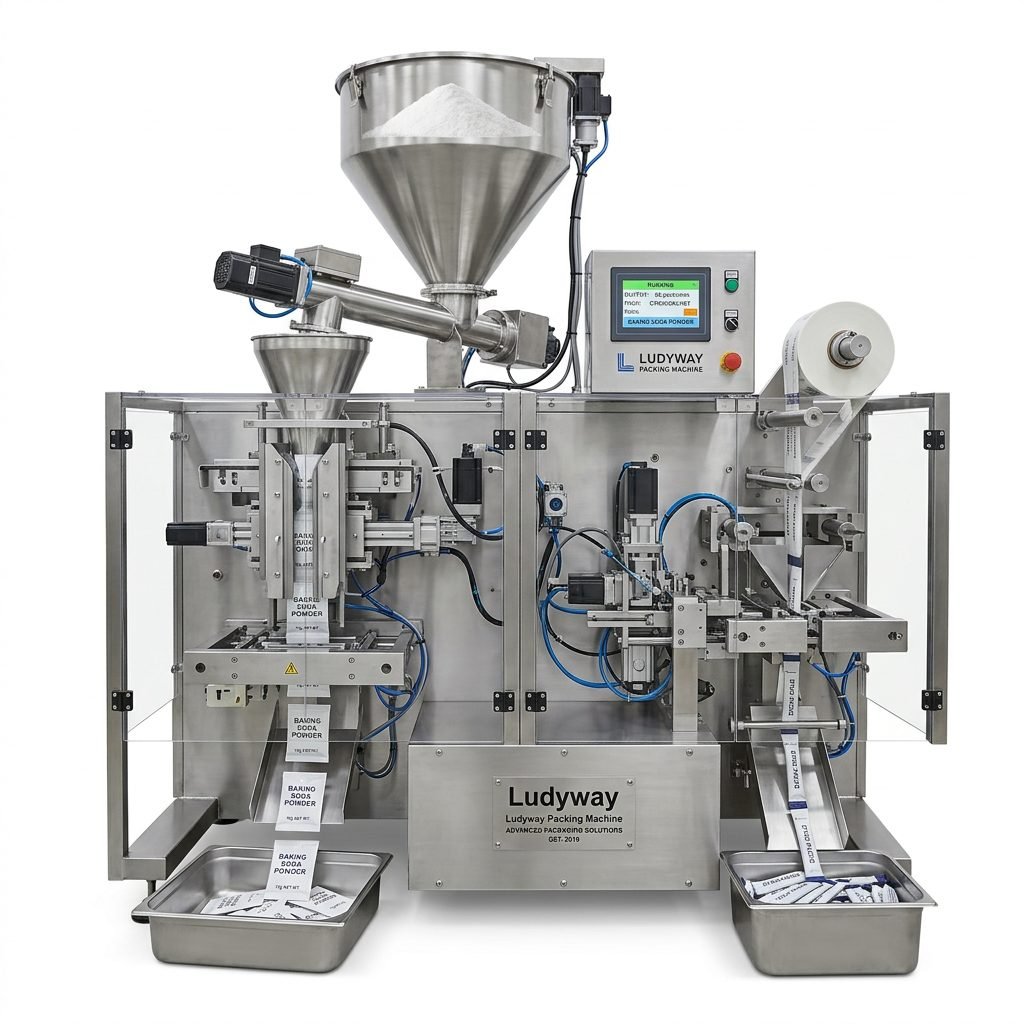
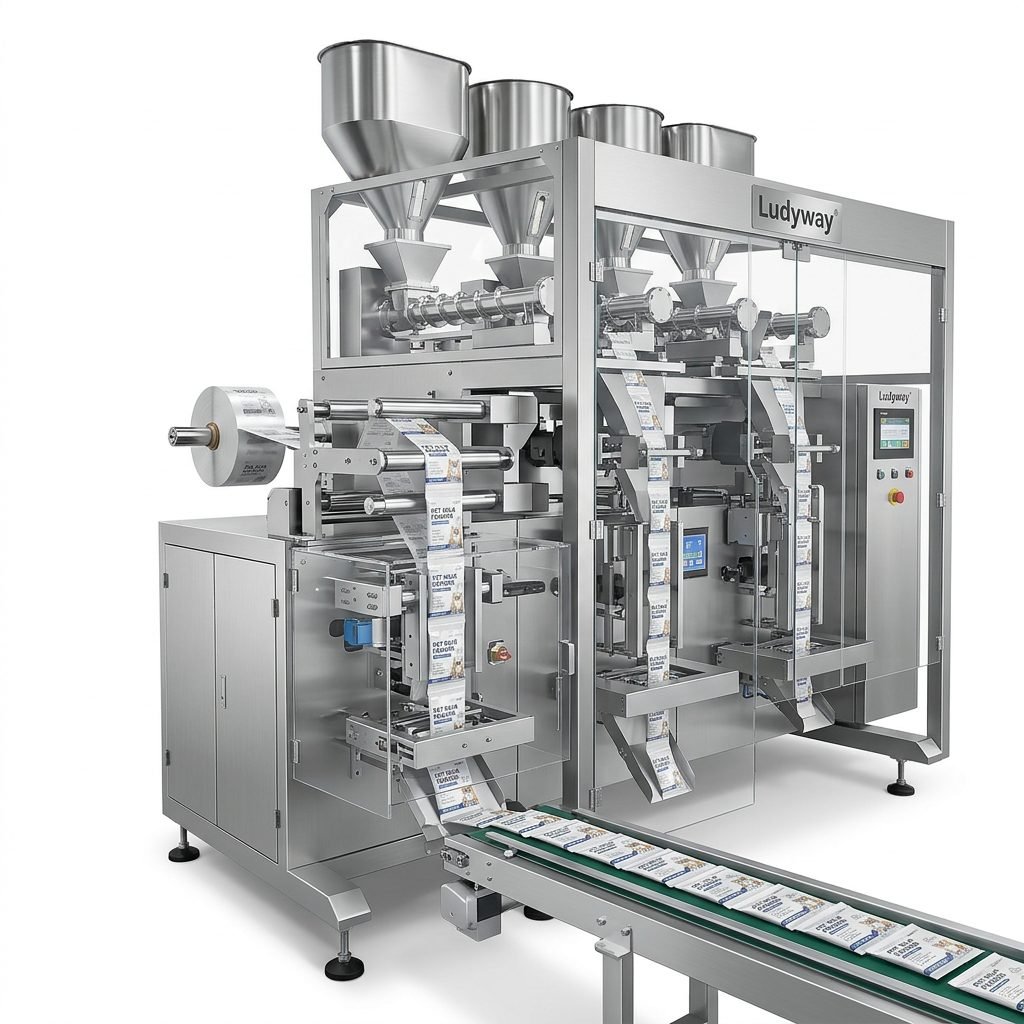
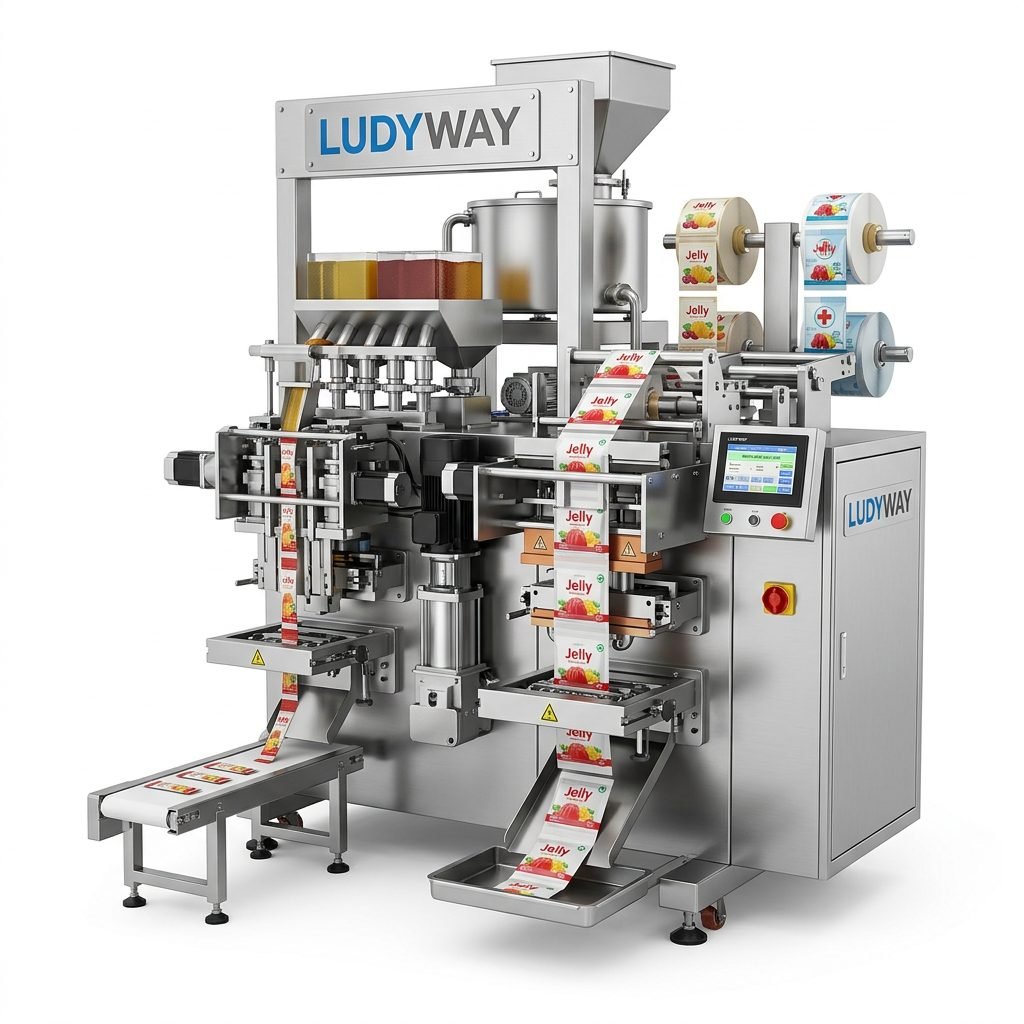
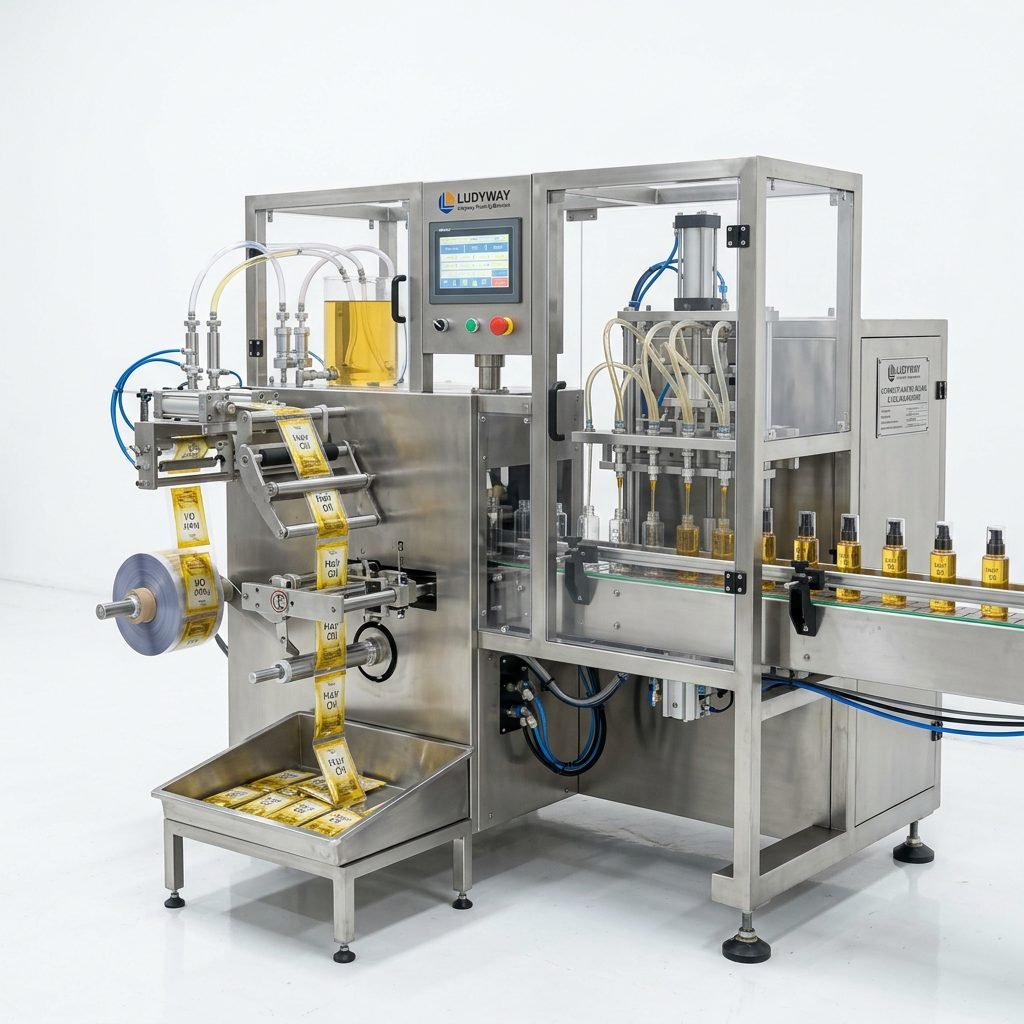
While less common for industrial fasteners, this technology is relevant for small, precise quantities—think of small repair kits or samples. Machines from providers like Ludyway Machinery, which specialize in multi-lane stick pack systems for other industries, demonstrate the precision engineering that can be adapted for specialized fastener applications requiring ultra-clean, sealed portions.
Key Features to Evaluate
Beyond type, several features determine a machine’s capability and suitability.
Counting Accuracy & Technology
The heart of the system. Look for machines with high-resolution optical sensors or robust mechanical counters. Advanced systems offer error-correction algorithms to recount or alert operators to potential miscounts.
Changeover Flexibility
How quickly can you switch from packaging M4x10mm screws to M6x20mm nuts? Machines with tool-less changeovers, adjustable lane guides, and programmable presets save invaluable time in job-shop or mixed-SKU environments.
Integration & Connectivity
Modern machines should offer PLC controls with user-friendly HMIs (Human-Machine Interfaces). Connectivity for data logging (tracking production counts, downtime) and integration with upstream feeders or downstream labeling systems is a mark of a future-proof investment. Exploring turnkey production solutions can ensure all components work in harmony.
Durability & Construction
Fasteners are metal and abrasive. The machine must be built with hardened contact surfaces, robust vibratory bowls, and a rigid frame. Stainless steel or coated surfaces in critical areas resist wear and facilitate cleaning.
How to Choose the Right System: A Step-by-Step Guide
Step 1: Analyze Your Product Portfolio
List all fastener types, sizes, weights, and surface conditions (e.g., oily, plated). The machine must handle your smallest and largest, lightest and heaviest items without jamming or damaging them.
Step 2: Define Your Output Requirements
Calculate your required packages per minute/hour. Add a 20-30% buffer for future growth. This throughput figure will narrow down your choices between standard and high-speed models.
Step 3: Determine Packaging Format
Your market dictates the package: bulk poly bags for contractors, boxes for wholesale, or blister cards for retail. The packaging format often dictates the primary machine type.
Pro Tip: Consider the Entire Line
Think beyond the counting machine. How will fasteners be fed into it? How will filled packages be sealed, labeled, and cartoned? Choosing a supplier experienced in complete automation solutions ensures seamless integration and single-source accountability.
Step 4: Evaluate Total Cost of Ownership (TCO)
Look beyond the initial purchase price. Factor in:
• Energy Consumption: Efficient drives lower operating costs.
• Maintenance & Parts: Availability and cost of wear parts.
• Vendor Support: Installation, training, and technical support are critical.
Step 5: Request a Live Demonstration
Always test the machine with your actual fasteners. A live demo reveals true performance regarding handling, speed, and accuracy. It’s the only way to be confident in your investment.
Conclusion
Selecting the right fastener packaging machine is a strategic decision that impacts operational efficiency, cost control, and customer satisfaction. By thoroughly understanding the different machine types, critically evaluating key features like accuracy and flexibility, and methodically following a selection process centered on your specific products and output needs, you can invest in a system that delivers reliable, high-quality packaging for years to come. Partnering with an experienced provider with a proven track record in packaging innovation is the final, crucial step to a successful automation project.
Frequently Asked Questions (FAQs)
What is the typical accuracy rate of a fastener packaging machine?
High-quality machines typically achieve counting accuracy of 99.9% or better for uniform pieces. Accuracy can be affected by part size, shape, and surface condition, which is why testing with your specific product is essential.
Can one machine handle both screws and nuts?
Yes, many machines are designed with flexibility in mind. However, changeover time and complexity vary. Machines with quick-adjust lanes and programmable settings handle product mix changes most efficiently.
How important is after-sales service and parts availability?
Extremely important. Packaging machines are long-term investments. Choose a supplier with a strong reputation for responsive technical support and readily available spare parts to minimize potential downtime.
What are the main benefits of automation over manual packaging?
The core benefits are massive increases in speed and output, elimination of costly counting errors, significant reduction in labor requirements, and the ability to create consistently professional-looking packages.
Are these machines suitable for very small, specialty fasteners?
Yes, but it requires careful selection. Machines with precise, gentle handling mechanisms (like specialized vibratory tracks or soft-touch escapements) and high-precision sensors are needed to reliably count and package tiny or delicate fasteners.