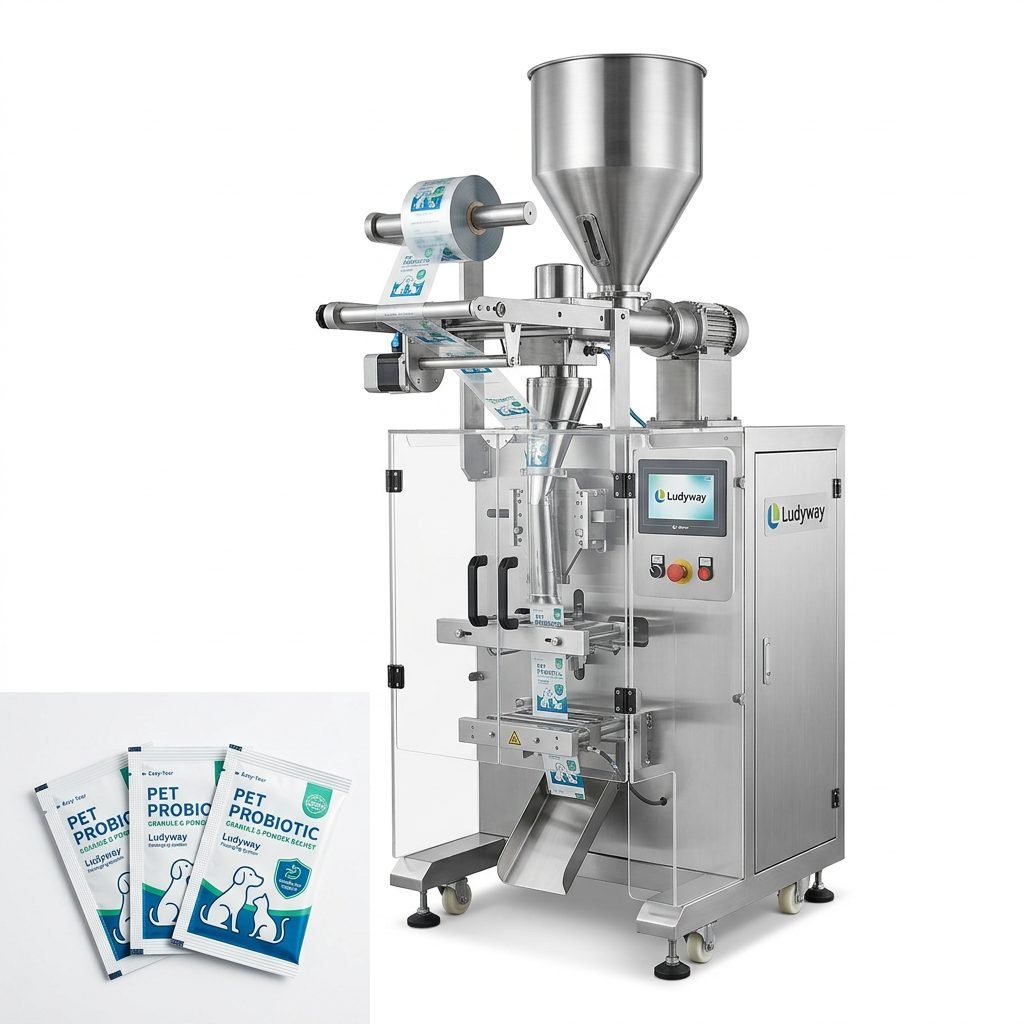
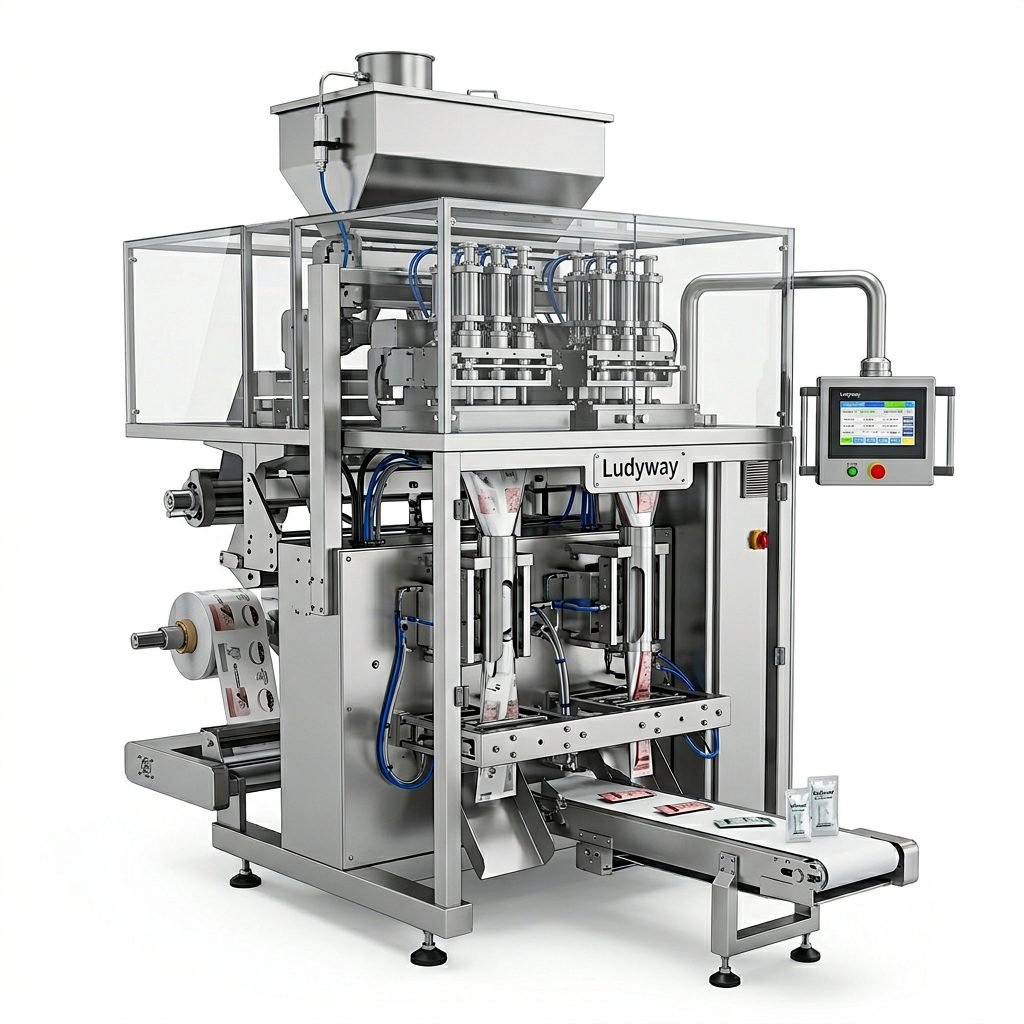
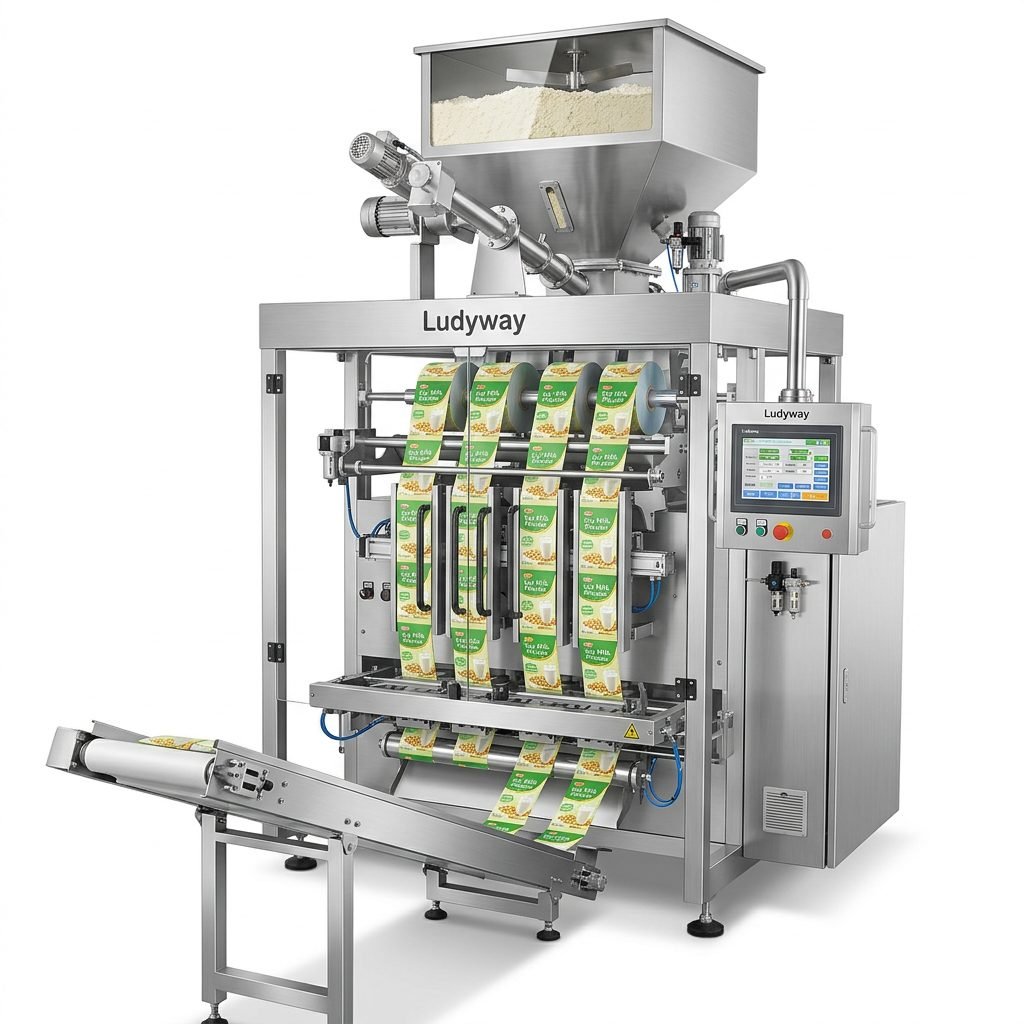
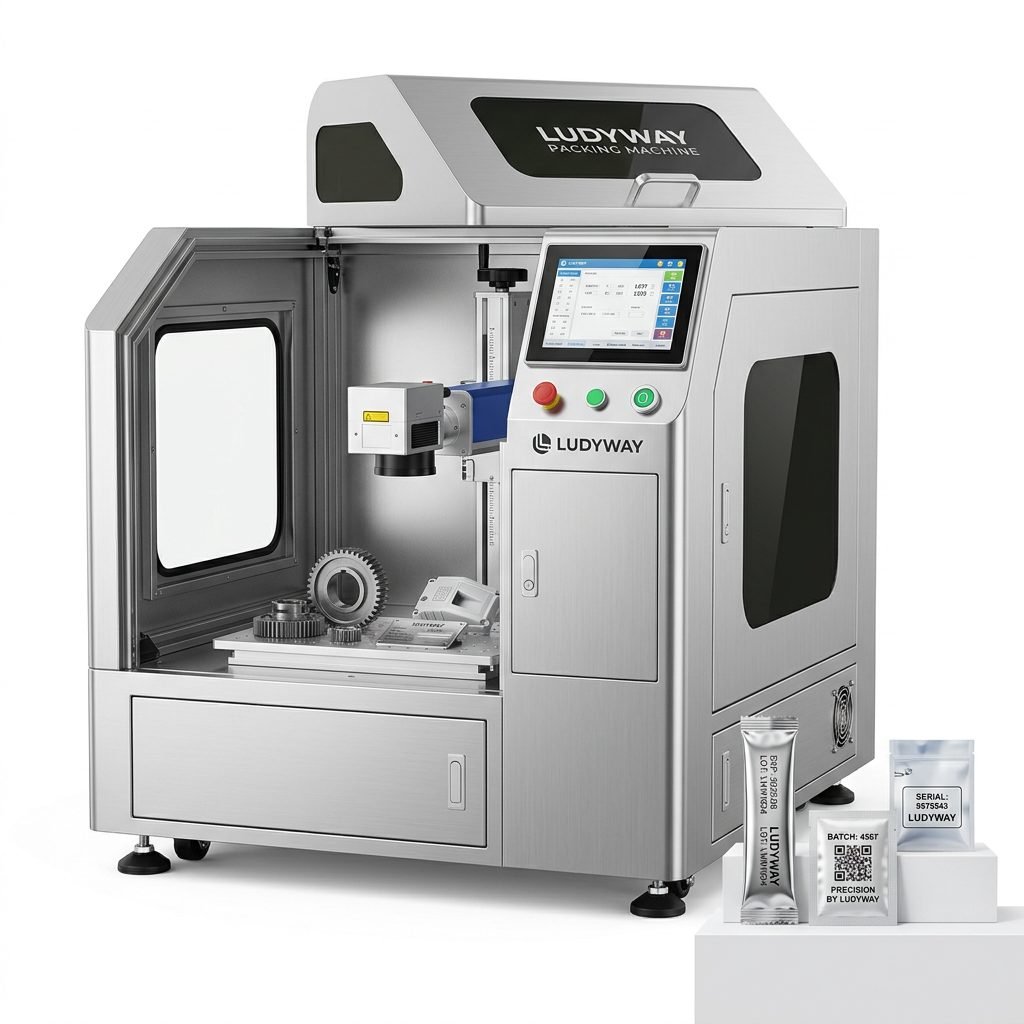
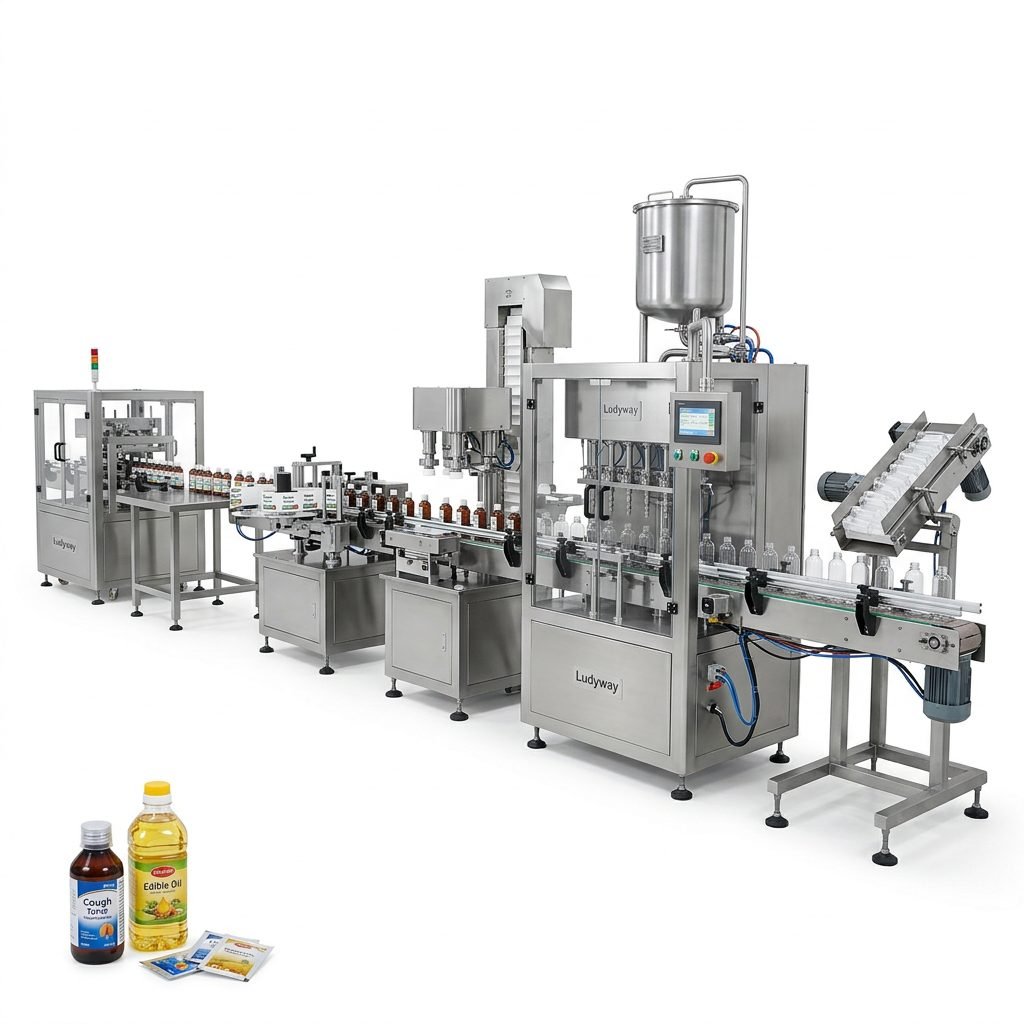
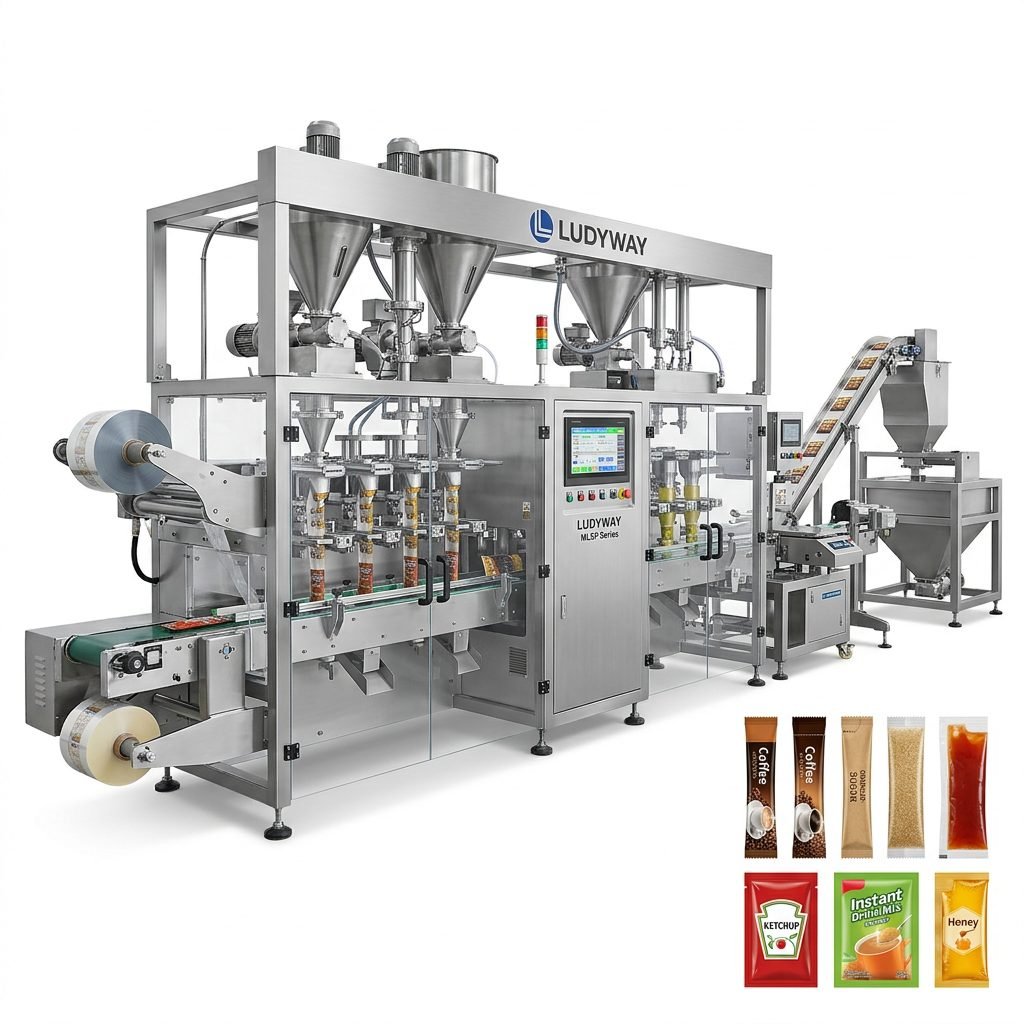
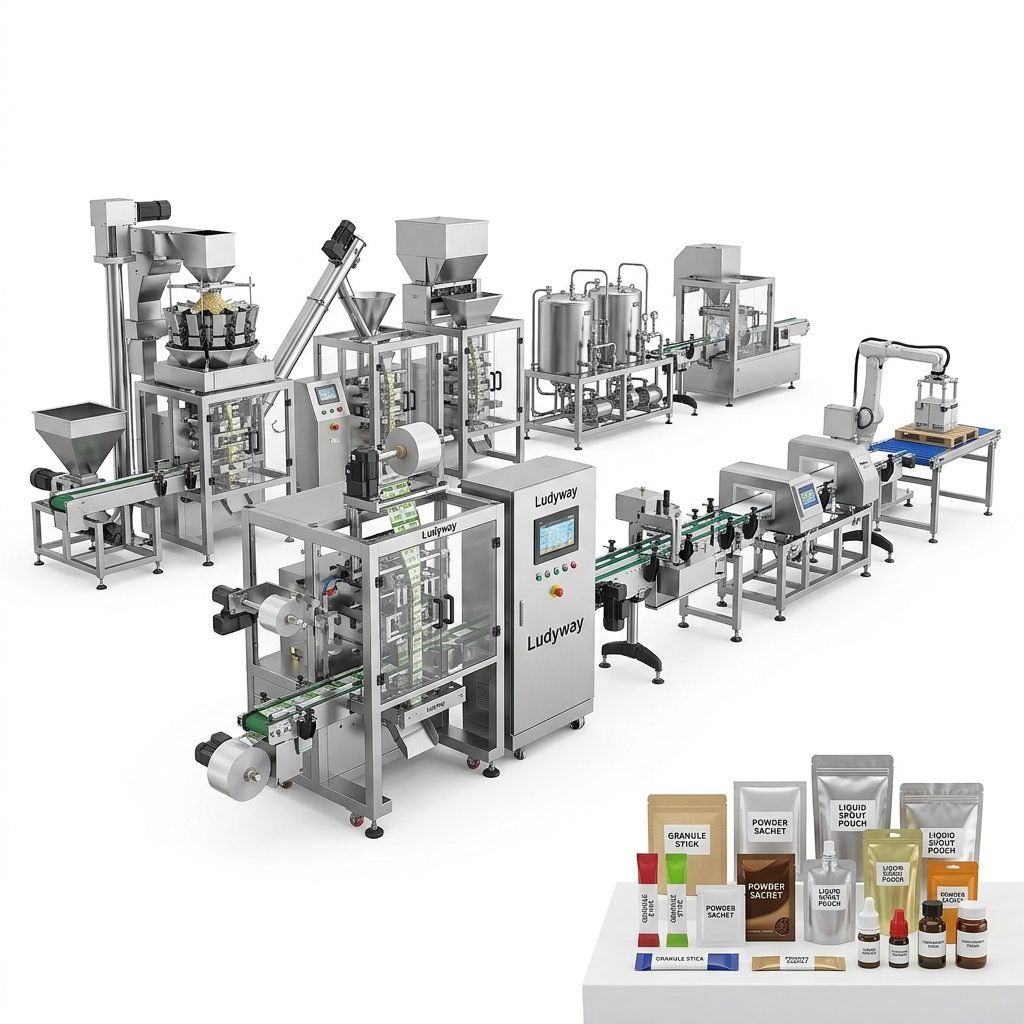
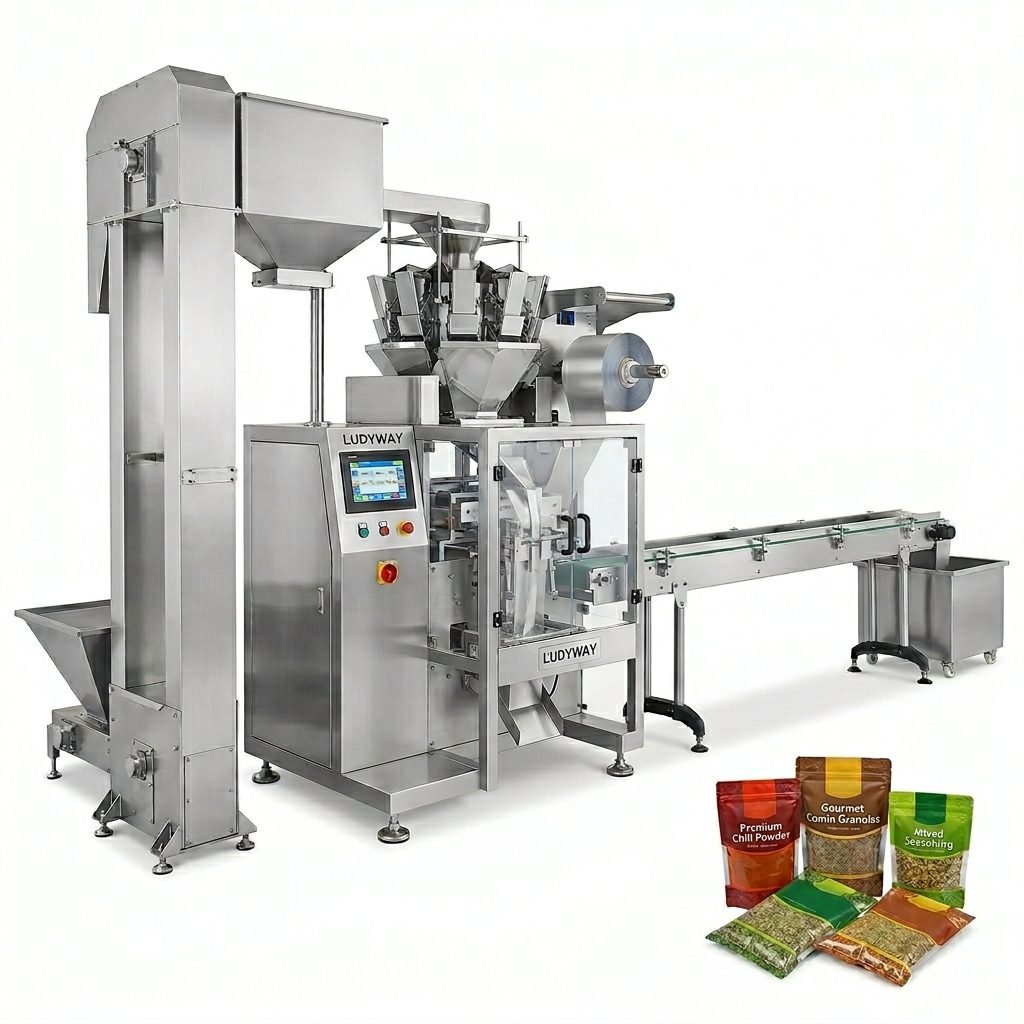
Packaging automation has reached a critical evolutionary point. Manufacturers of delicate, fragile, and soft products—such as soft foods, medical dressings, cosmetic sponges, and nicotine pouches—have long struggled with the limits of standard mechanical systems. Traditional systems apply a uniform, rigid force that often results in structural deformation, product leakage, or compromised sealing boundaries. To address these challenges, the industry welcomes the debut of Smart Air Pressure Control technology, integrated into a non-destructive compact packaging machine designed specifically for soft materials.
This breakthrough design prioritizes product integrity without sacrificing speed or sealing quality. By replacing brute mechanical pressure with adaptive pneumatic calibration, manufacturers can now process highly compressible items safely, opening new possibilities for product quality control and packaging efficiency.
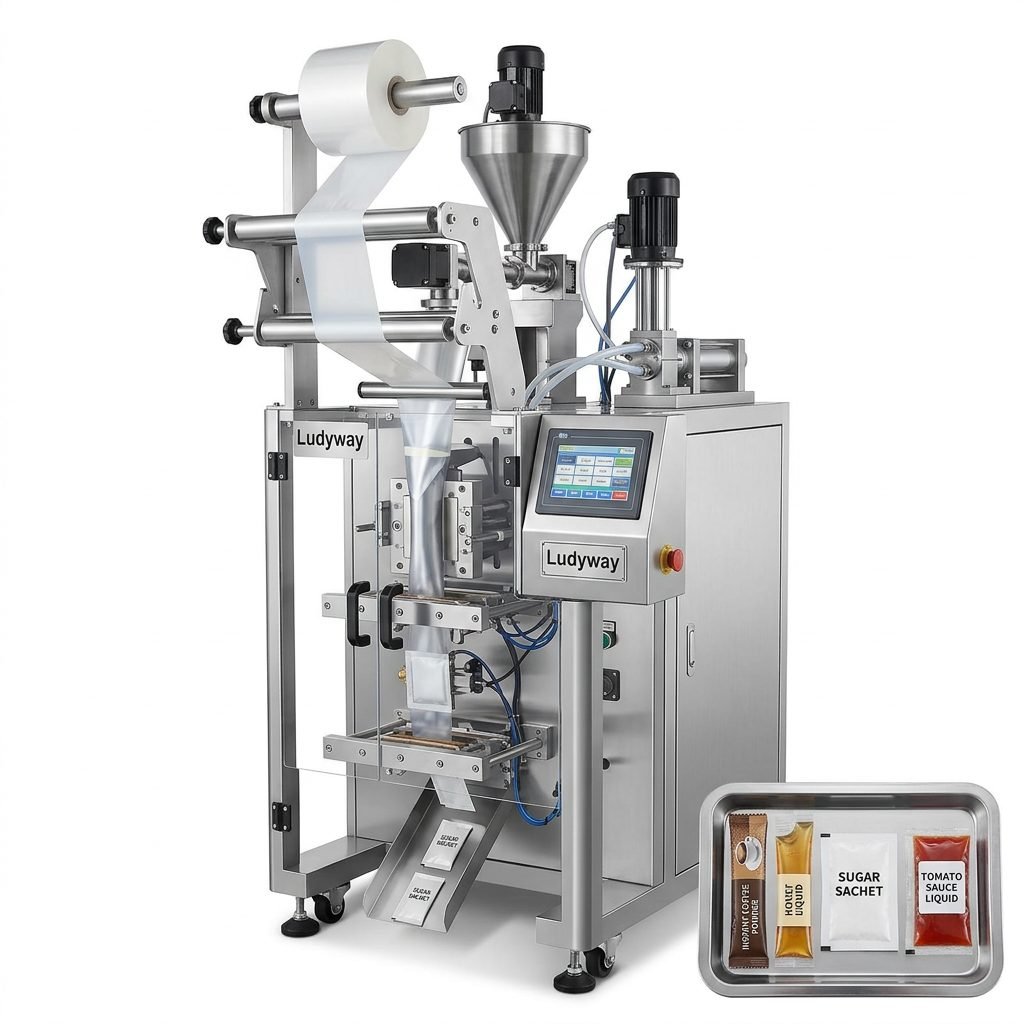
The Science of Smart Air Pressure Control
Unlike conventional machinery that relies on fixed mechanical strokes or static pneumatic pressure, the smart air pressure control system utilizes real-time electronic pressure mapping. Tiny high-frequency sensor arrays located at the seal jaws continuously measure the resistance of the product as it enters the sealing zone. If the system detects premature resistance—indicating product entrapment or excessive compression—the pneumatic actuator dynamically adjusts its stroke profile within milliseconds.
This micro-adjustment process ensures that the machine applies just enough pressure to achieve a hermetic seal while keeping the soft material completely intact. The integration of high-resolution proportional valves allows for fluid, continuous pressure variations, preventing the sudden impacts that typically fracture or misshape fragile products.
Key Features of Non-Destructive Packaging
The non-destructive compact packaging machine introduces several innovative engineering elements tailored for soft materials:
- Adaptive Sealing Jaws: Coated with specialized thermal elastomers, the sealing jaws conform slightly to the product’s natural shape, reducing localized pressure concentrations.
- Proportional Pneumatic Control: Dynamically scales pressure levels based on pre-programmed material profiles, allowing operators to switch between different soft materials seamlessly.
- Integrated Detection Systems: Automatically detects misaligned products before the sealing cycle begins, preventing product damage and reducing raw material waste.
- Space-Saving Footprint: Designed to fit into tight production environments, this compact machine delivers high-speed output without requiring extensive floor space.
Performance Comparison: Traditional vs. Smart Control
To highlight the practical advantages of this new system, the table below compares the performance metrics of traditional pneumatic sealing systems against the newly debuted smart air pressure control system:
| Performance Parameter | Traditional Pneumatic Sealing | Smart Air Pressure Control |
|---|---|---|
| Material Integrity | High risk of compression and structural damage | Non-destructive processing with zero deformation |
| Pressure Adjustment | Manual mechanical tuning required | Automated, real-time feedback loop adjustment |
| Seal Consistency | Variable quality under material thickness changes | Uniformly hermetic seals across all cycles |
| Product Reject Rate | Typically 2% to 5% due to deformation | Reduced to less than 0.1% |
| Changeover Speed | Slow, requiring hardware adjustments | Instantaneous via digital preset selection |
Target Industries and Applications
This non-destructive compact packaging machine is engineered to support a variety of commercial sectors where product aesthetics and structural stability are critical:
Pharmaceutical & Medical Supplies
Delicate medical components, sterile dressings, and soft hydrogels require absolute precision. Any compression during packaging can compromise the sterile barrier or alter the physical properties of the product. The smart pressure control system ensures that the packaging material conforms tightly around the medical supply without putting strain on the product itself.
Bakery & Confectionery Foods
Soft marshmallows, yeast-based pastries, and delicate chocolates are highly sensitive to temperature and pressure. The adaptive sealing technology ensures that these food items maintain their shape and airy texture, leading to a much better presentation on retail shelves.
Personal Care & Nicotine Pouches
Modern consumers demand convenient, travel-sized items. Packaging soft materials like pre-moistened facial wipes, gel sachets, or fragile nicotine pouches requires high-speed, uniform processing. The compact machine handles these elastic and soft-fill products smoothly, preventing leakage or dry-out issues.
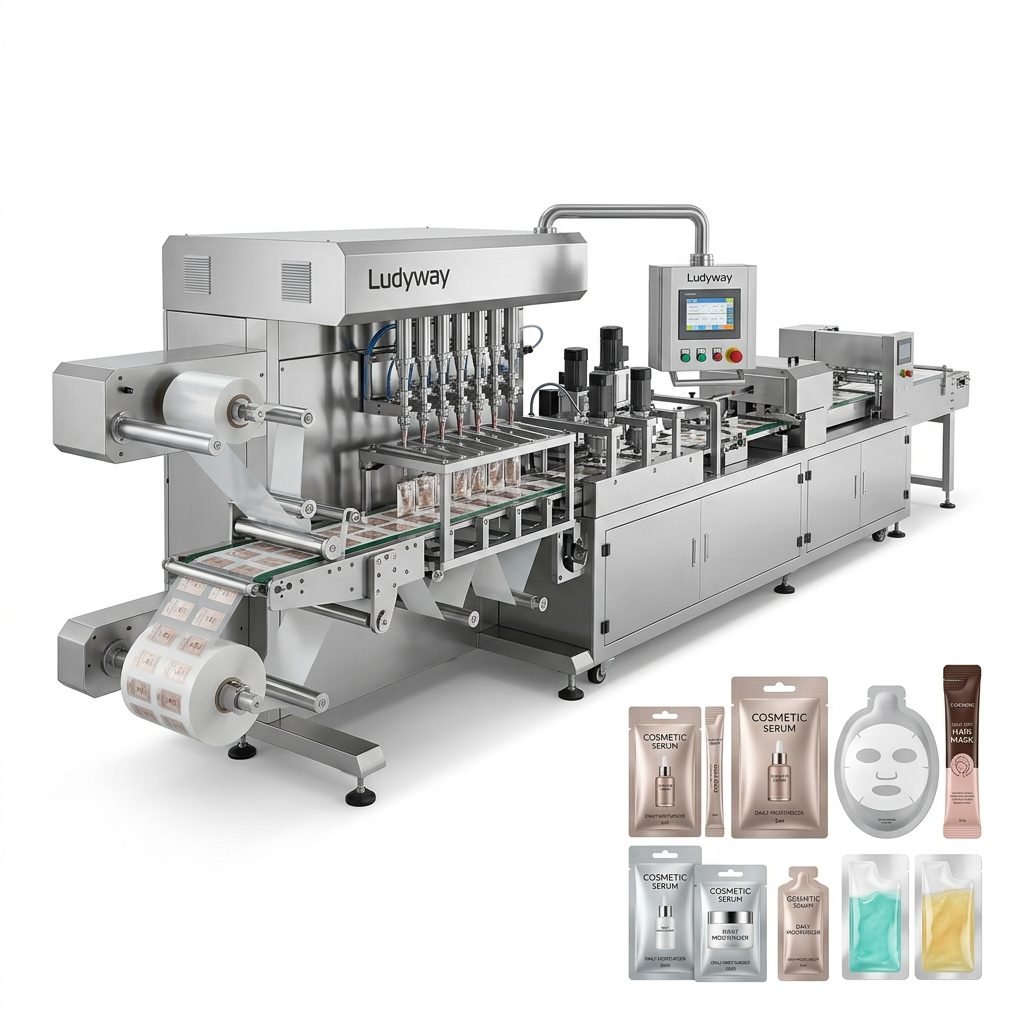
Meeting Global Manufacturing Standards
As global manufacturing demands shift toward compact, smart, and sustainable automation, companies look to experienced partners for machinery integration. Among the key players driving this transition is Ludyway, one of China’s leading packaging machine and turnkey packaging line manufacturers. With over three decades of industry experience, their research and development have continuously focused on high-precision, low-impact packaging solutions designed to minimize product waste while maximizing throughput.
By integrating smart air pressure control systems, modern factories can achieve higher operational equipment effectiveness (OEE). The reduction in mechanical wear on the sealing jaws translates directly to longer maintenance intervals, lower operational costs, and reliable multi-shift operations.
Future Outlook for Smart Packaging Automation
The debut of smart air pressure control is only the beginning of a larger shift toward adaptive packaging environments. As artificial intelligence and machine learning technologies mature, future iterations of compact packaging machines will likely feature predictive pressure modeling. These systems will analyze material density variations on the fly, adjusting sealing parameters before the product even reaches the sealing station.
For B2B buyers looking to update their existing production lines, investing in non-destructive compact machinery is a strategic step toward future-proofing. It addresses the rising costs of raw materials by virtually eliminating package damage, ensuring that every product shipped meets the highest standards of quality and presentation.