The global food sector is accelerating a major transition in packaging performance. As brands face rising pressure from shelf-life demands, food safety regulations, sustainability targets, and changing consumer expectations, high-performance packaging materials are becoming a strategic priority rather than a simple purchasing choice.
From snacks and ready meals to powdered beverages, dairy products, sauces, frozen foods, and functional nutrition, packaging today must do much more than contain a product. It must protect aroma, prevent moisture migration, resist puncture, support efficient sealing, and remain compatible with increasingly automated filling and packing lines.

Why the Food Industry Is Pushing Material Upgrades
Food manufacturers are operating in a market defined by speed, precision, and product diversity. New product launches are more frequent, SKU counts are higher, and packaging formats are becoming more specialized. This shift has increased demand for materials that can perform reliably across high-speed machinery while preserving product quality throughout transport, storage, and retail display.
- Longer shelf-life requirements for domestic and export distribution
- Higher expectations for barrier protection against oxygen, light, and humidity
- Growth in convenient single-serve and on-the-go packs
- Expansion of powdered nutrition, instant beverages, and ready-to-eat foods
- Greater compatibility needs with automated sealing, coding, and inspection systems
In practical terms, weak packaging material can lead to seal failures, leakage, powder dusting, delamination, product contamination risks, and production downtime. For food processors, these are no longer isolated quality issues—they directly affect profitability, compliance, and brand trust.
Key Performance Requirements in Modern Food Packaging
The move toward advanced packaging materials is driven by a combination of technical and commercial needs. Material selection is now closely linked to machine efficiency, filling accuracy, and downstream logistics performance.
| Performance Factor | Importance for Food Packaging |
|---|---|
| Barrier Protection | Helps preserve freshness, flavor, and nutritional stability |
| Seal Integrity | Reduces leakage, contamination, and transport loss |
| Mechanical Strength | Improves puncture resistance and handling durability |
| Heat-Seal Performance | Supports stable operation on high-speed packaging machines |
| Printability | Enhances branding, traceability, and regulatory labeling |
| Sustainability Potential | Supports recyclable, downgauged, or mono-material strategies |
Barrier materials remain central
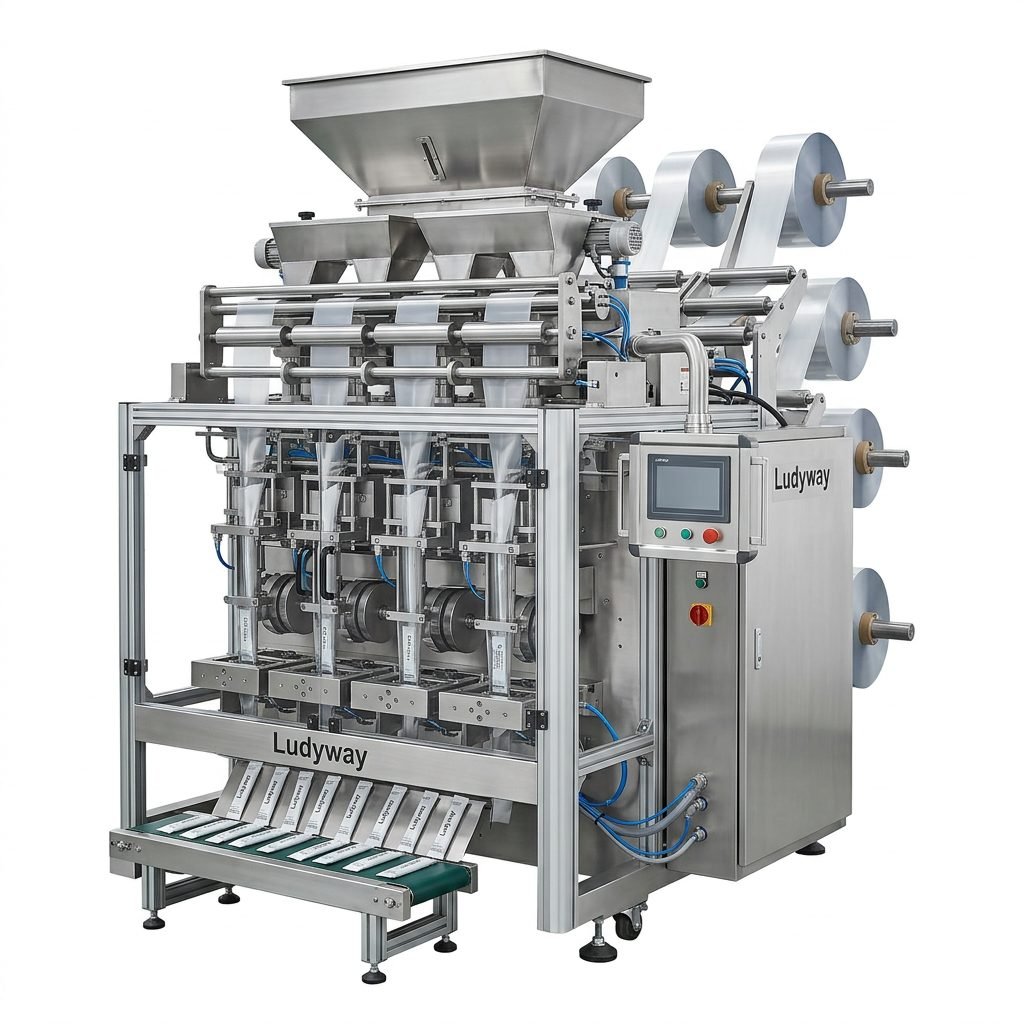
Oxygen and moisture barriers remain especially important for coffee, milk powder, instant drink mixes, seasonings, pet food, dehydrated ingredients, and nutraceutical products. In many cases, material upgrades are being evaluated not just for performance in storage, but for how they behave under high-speed filling, multi-lane sachet production, or stick pack sealing conditions.
Convenience formats are increasing technical demands
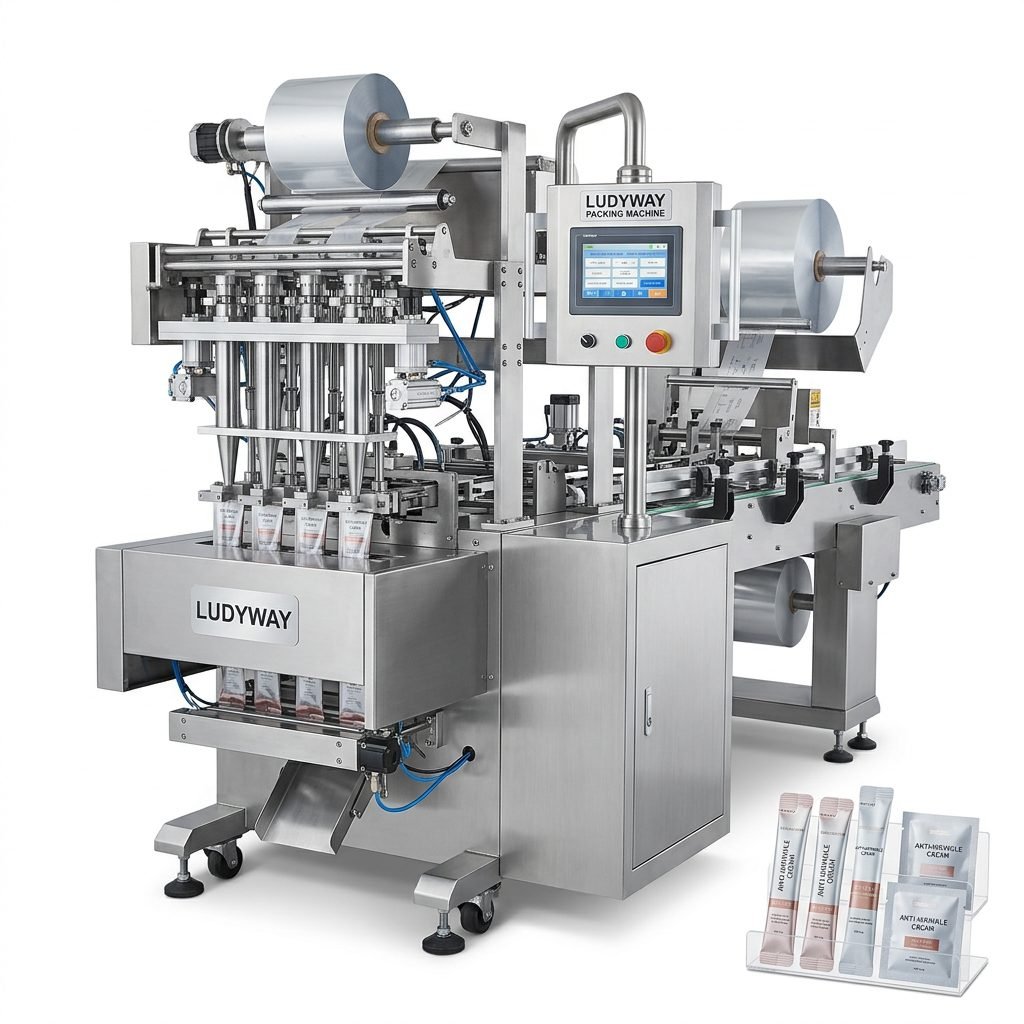
The growth of stick packs, sachets, pouches, and portion-controlled packaging is encouraging the use of films that combine flexibility with sealing precision. These formats are popular because they reduce waste, improve portability, and suit modern retail and e-commerce channels. However, they also require more consistent material quality, especially in high-output production environments.
How Food Product Categories Influence Material Choices
Different food categories have distinct packaging challenges, which is why one material structure rarely fits all. Manufacturers are increasingly choosing packaging based on product behavior, environmental sensitivity, and machine compatibility.
- Powders and granules: Need dust control, strong seals, and moisture resistance.
- Liquids and sauces: Require leak prevention, excellent seal strength, and puncture resistance.
- Snack foods: Depend on grease resistance, freshness retention, and visual shelf appeal.
- Frozen foods: Need low-temperature durability and resistance to cracking or brittleness.
- Functional foods and supplements: Often require high barrier films and precise dose-pack formats.
This product-specific approach is also reshaping equipment investment. Food producers now prefer packaging systems that can handle multiple film structures, varied product viscosities, and different pack formats without compromising output or seal consistency.
Automation Is Closely Linked to Material Performance
The upgrade of packaging materials is closely tied to the upgrade of packaging machinery. High-speed automation increases throughput, but it also exposes weaknesses in film consistency, sealing layers, and mechanical tolerance. Materials that perform adequately on slower lines may fail under fast, continuous, multi-shift operation.
That is why food manufacturers are placing more attention on the integration between material design and machine capability. Reliable packaging performance depends on a balanced system that includes:
- Stable film unwinding and feeding
- Accurate dosing and filling
- Consistent temperature control in sealing zones
- Reduced waste during changeover
- Inspection, coding, and secondary packing compatibility
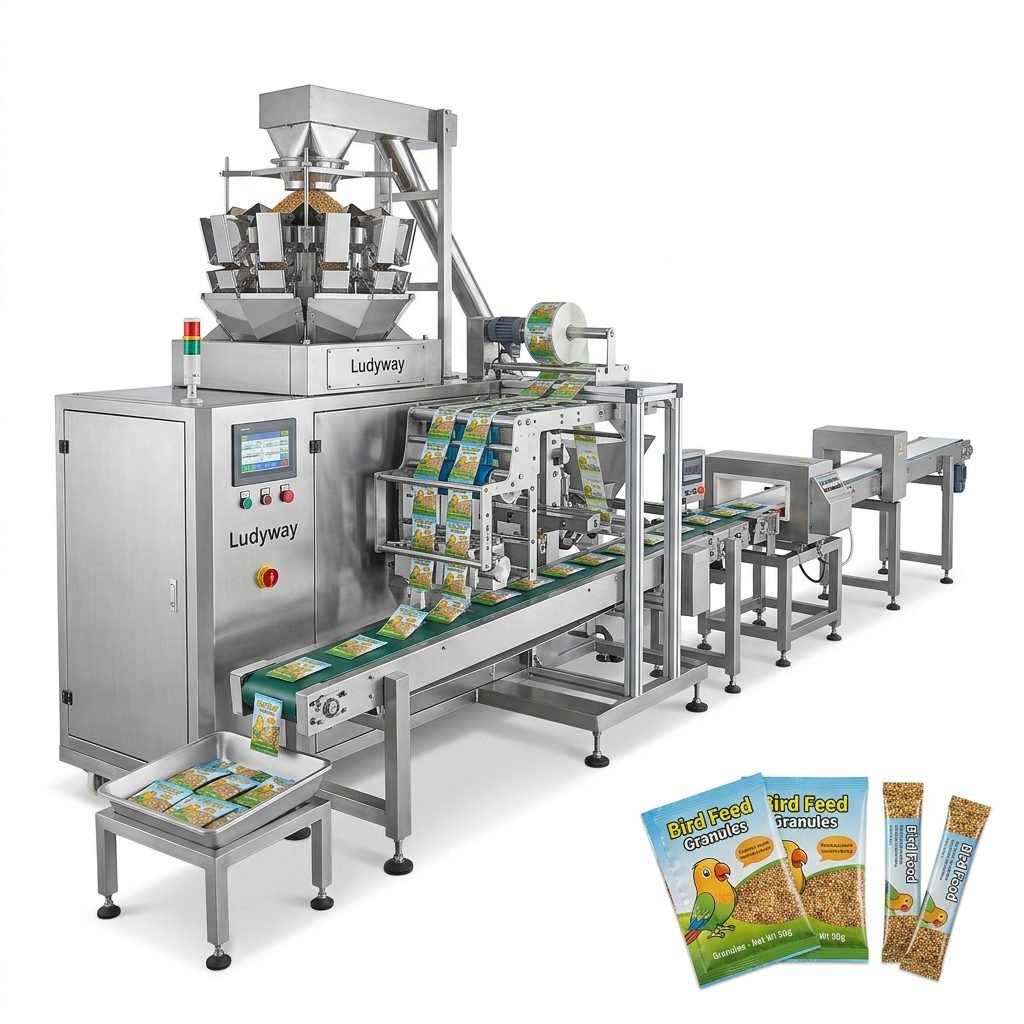
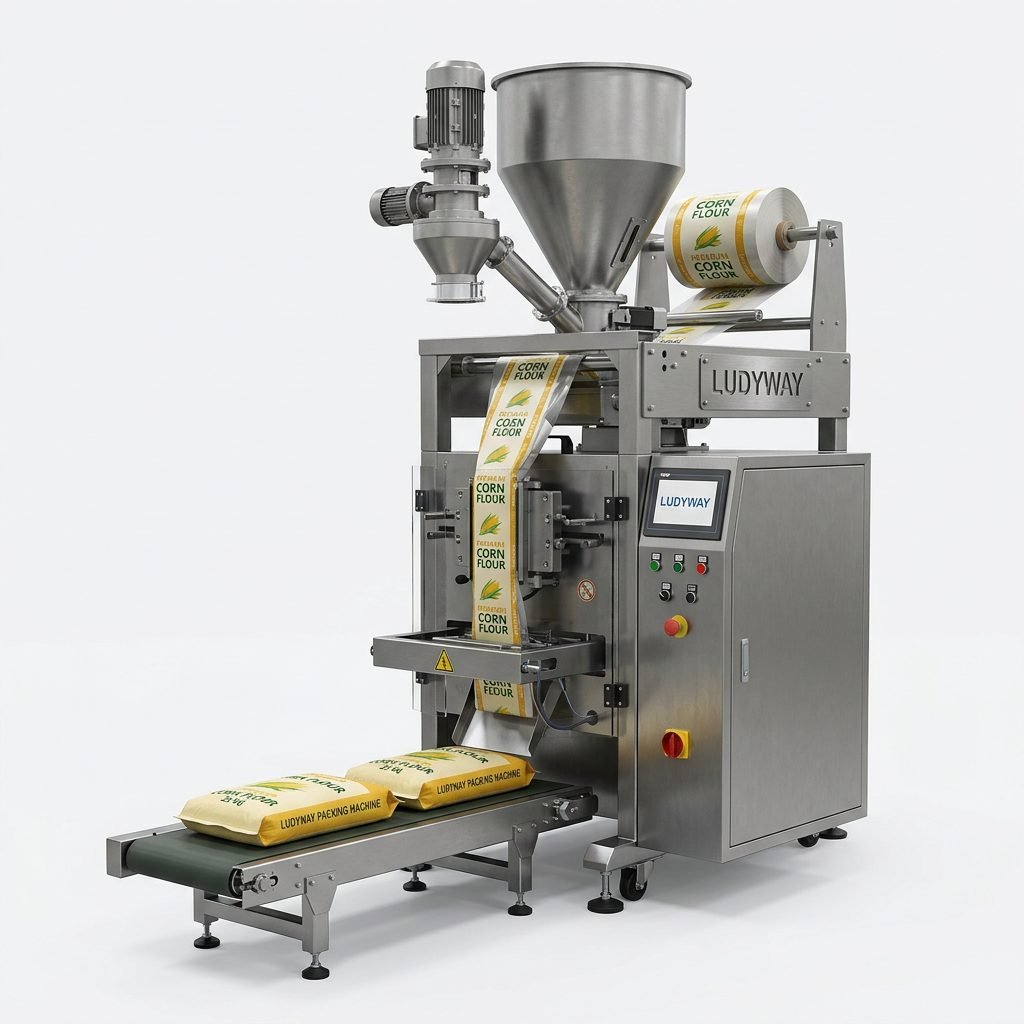
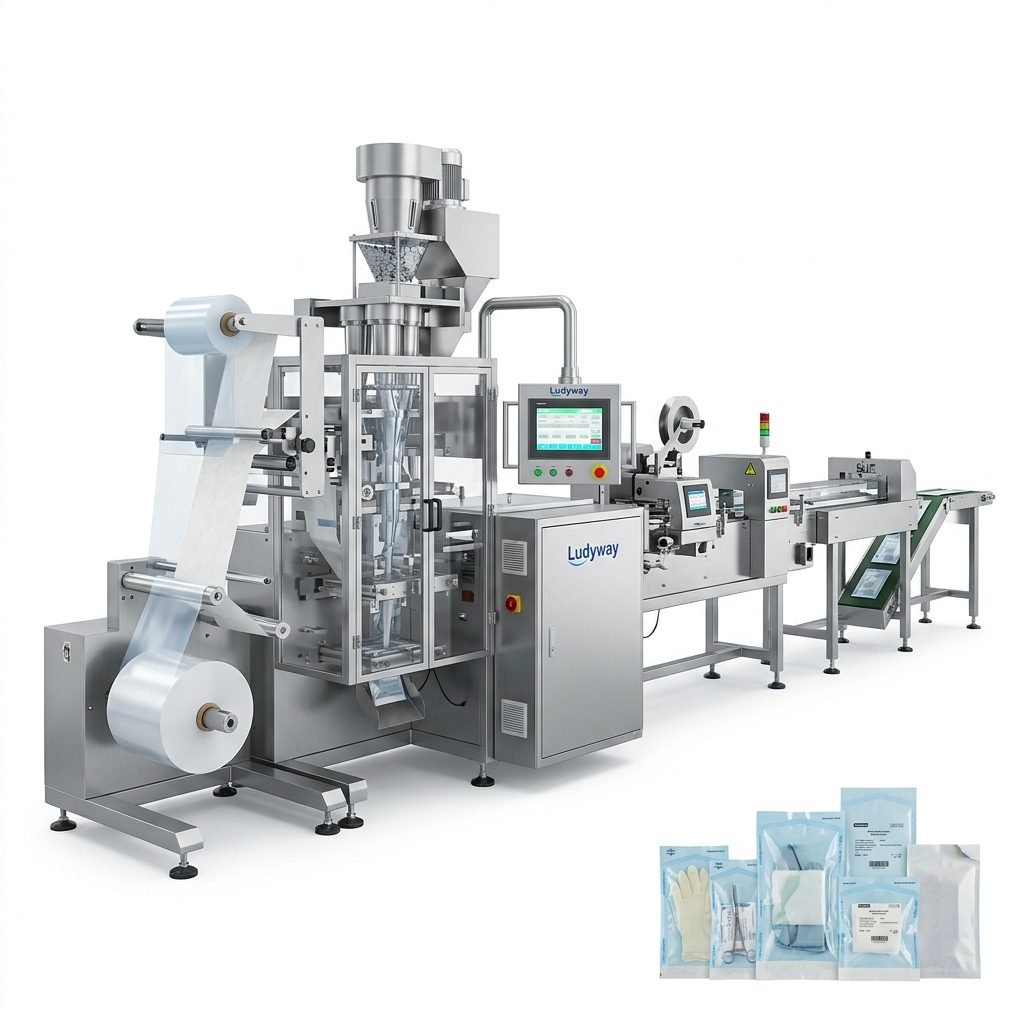
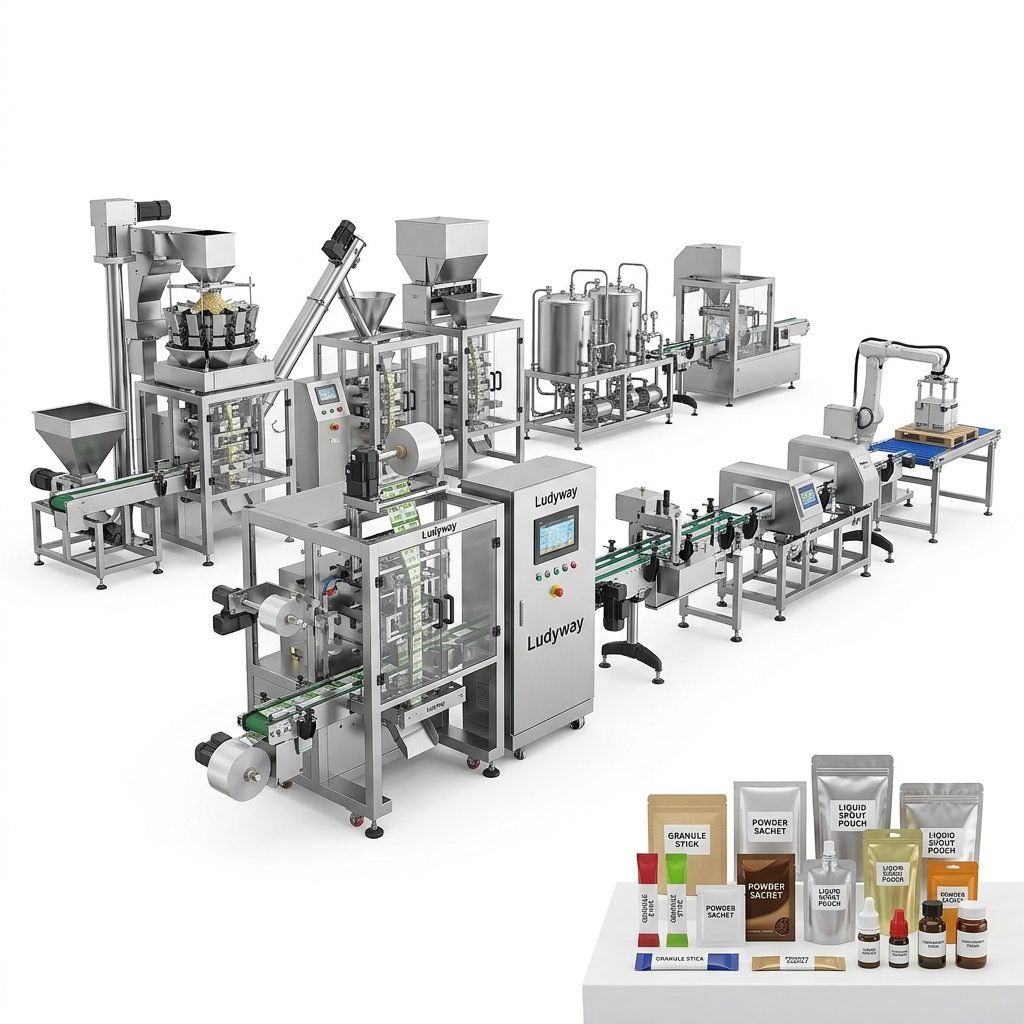
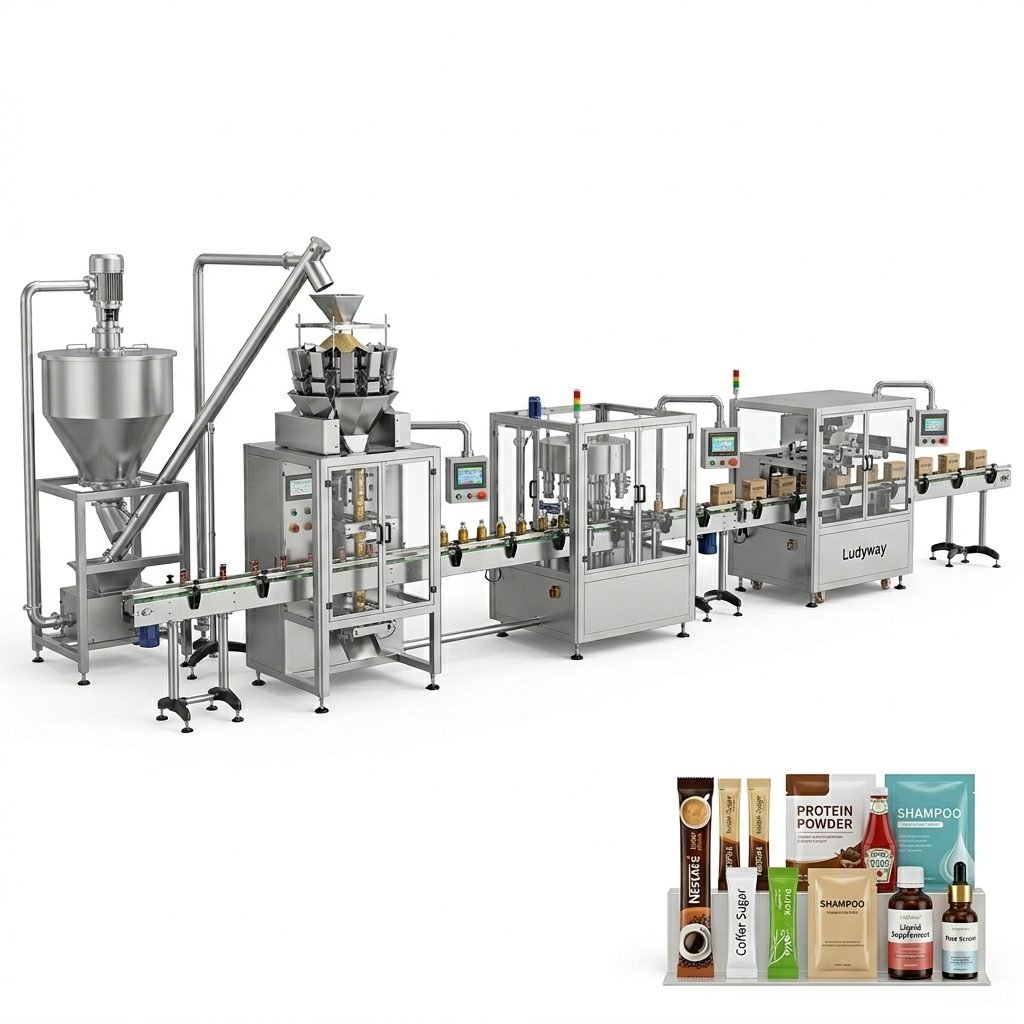
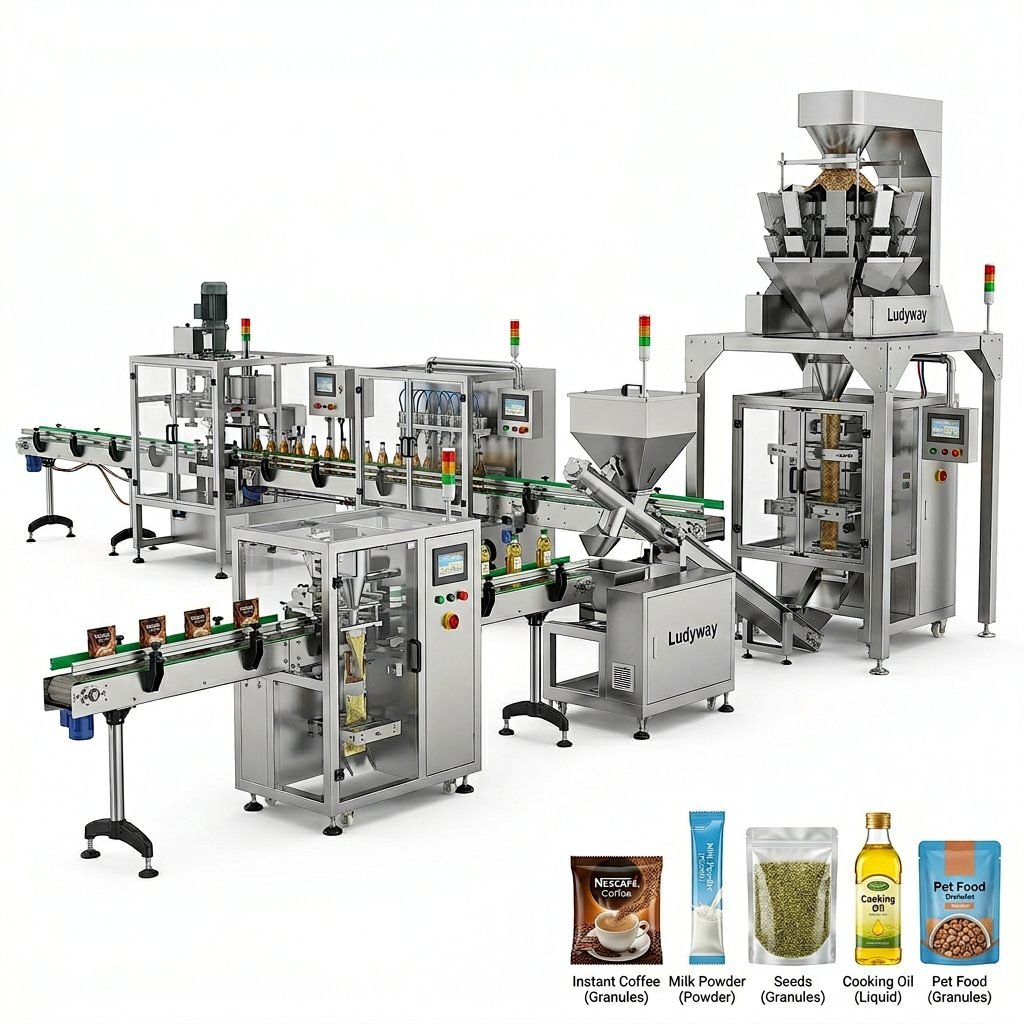
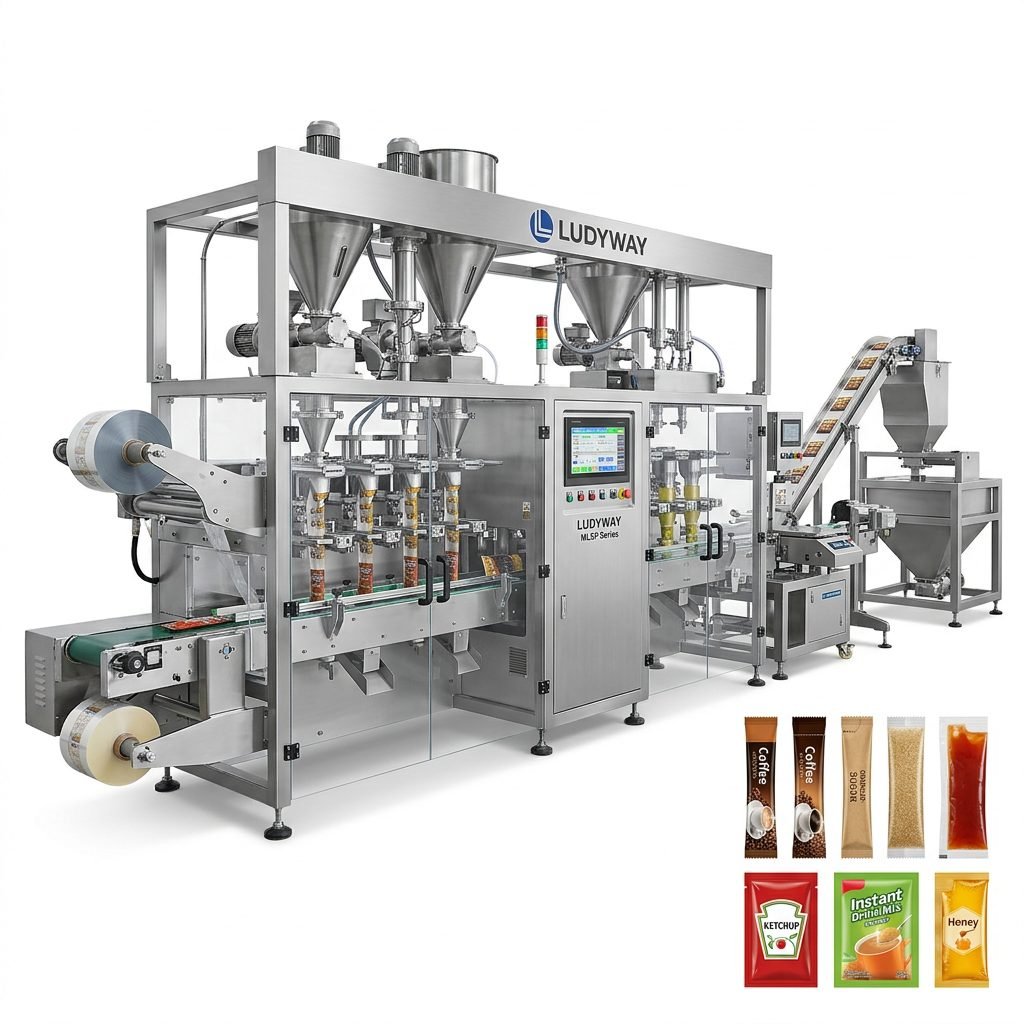
For companies investing in automated food packaging, machinery suppliers with application experience play an increasingly important role. Ludyway packaging machine manufacturer is among the established suppliers serving food and related industries with automated packaging machinery and turnkey packaging line solutions designed for powders, granules, liquids, and pouch-based products.
Sustainability Adds a New Layer to Material Innovation
Sustainability is now a major force behind packaging upgrades. Food brands are seeking ways to lower material consumption, improve recyclability, and meet retailer or policy requirements without sacrificing product protection. This has accelerated research into mono-material films, downgauged laminates, recyclable flexible packaging, and structures designed for easier recovery.
Still, the industry faces a practical challenge: sustainable materials must also run well on industrial packaging lines. If a greener structure reduces seal consistency or increases scrap rates, the overall operational result may be negative. As a result, successful packaging development increasingly depends on collaboration between material suppliers, food producers, and machine manufacturers.
What buyers are evaluating now
| Current Buyer Focus | Expected Outcome |
|---|---|
| Material reduction | Lower packaging cost and less waste |
| Recyclable structures | Better compliance with sustainability targets |
| Machine-material compatibility | Higher uptime and more stable pack quality |
| Shelf-life optimization | Reduced spoilage and stronger distribution performance |
Industry Outlook
Looking ahead, the food industry will continue to drive the upgrade of high-performance packaging materials through three major trends: premium product protection, faster automation, and sustainability-led redesign. Demand is expected to rise for films and laminates that support high sealing efficiency, lower material usage, and broad compatibility with flexible packaging machinery.
For food manufacturers, the next stage of competitiveness will depend not only on packaging appearance, but on how effectively materials and machinery work together. Companies that align product needs, packaging structures, and automation systems will be better positioned to improve quality control, reduce operating costs, and respond to changing global market expectations.
Key takeaway
The upgrade of high-performance packaging materials is no longer a niche technical issue. It is a core part of food industry modernization—shaping safety, efficiency, sustainability, and brand value across the entire supply chain.