Global food manufacturers are moving faster than ever to make packaging more transparent, responding to a clear shift in consumer expectations. Shoppers increasingly want to know what a package is made of, how recyclable it is, where materials come from, and whether labels can be trusted. For brands, packaging is no longer just a protective layer or a marketing surface—it has become a visible proof point of accountability.
Across packaged foods, beverages, snacks, supplements, and ready-to-eat categories, companies are adopting clearer on-pack claims, digital traceability tools, and better material disclosures. This trend is being reinforced by stricter sustainability targets, retailer requirements, and rising scrutiny from both regulators and consumers.
Why packaging transparency is becoming a competitive priority
Consumers now evaluate packaging in much the same way they assess ingredients. In many markets, purchase decisions are influenced by questions such as:
- Is the packaging recyclable in local waste systems?
- Does it contain virgin plastic, recycled content, or mixed materials?
- Is the product packed in a format that reduces waste?
- Can the brand verify sourcing and production standards?
- Are sustainability claims specific and credible?
As a result, food companies are redesigning labels, adding QR codes, improving packaging specifications, and reviewing machinery capabilities that support cleaner, more consistent, and more traceable packaging output.
What transparency now looks like in practice
The latest wave of packaging transparency goes beyond printing a recycling symbol. Leading brands are integrating information across the full packaging journey—from material choice to end-of-life communication.
| Transparency Focus | How Food Companies Are Responding | Consumer Benefit |
|---|---|---|
| Material disclosure | Listing mono-material, paper-based, recyclable, or recycled-content structures more clearly | Helps shoppers understand environmental impact |
| Digital traceability | Using QR codes to show sourcing, batch data, and disposal guidance | Improves trust and post-purchase engagement |
| Recycling guidance | Adding clearer disposal instructions tailored to pack components | Reduces confusion at the bin |
| Operational consistency | Investing in packaging lines that ensure precise filling, sealing, coding, and labeling | Supports product integrity and accurate information |
Pressure from retailers and regulation is intensifying
Retailers are becoming key drivers of change. Many supermarket groups and large distributors are asking suppliers to improve recyclability, reduce unnecessary packaging, and provide documentation to support environmental claims. At the same time, emerging regulations in multiple regions are pushing brands toward standardized labeling, extended producer responsibility, and more transparent sustainability communication.
This is especially relevant for exporters serving Europe and North America, where compliance expectations are rising quickly. Food producers that cannot validate packaging claims may face delayed listings, extra audits, or reputational risk.
Packaging machinery is playing a bigger role
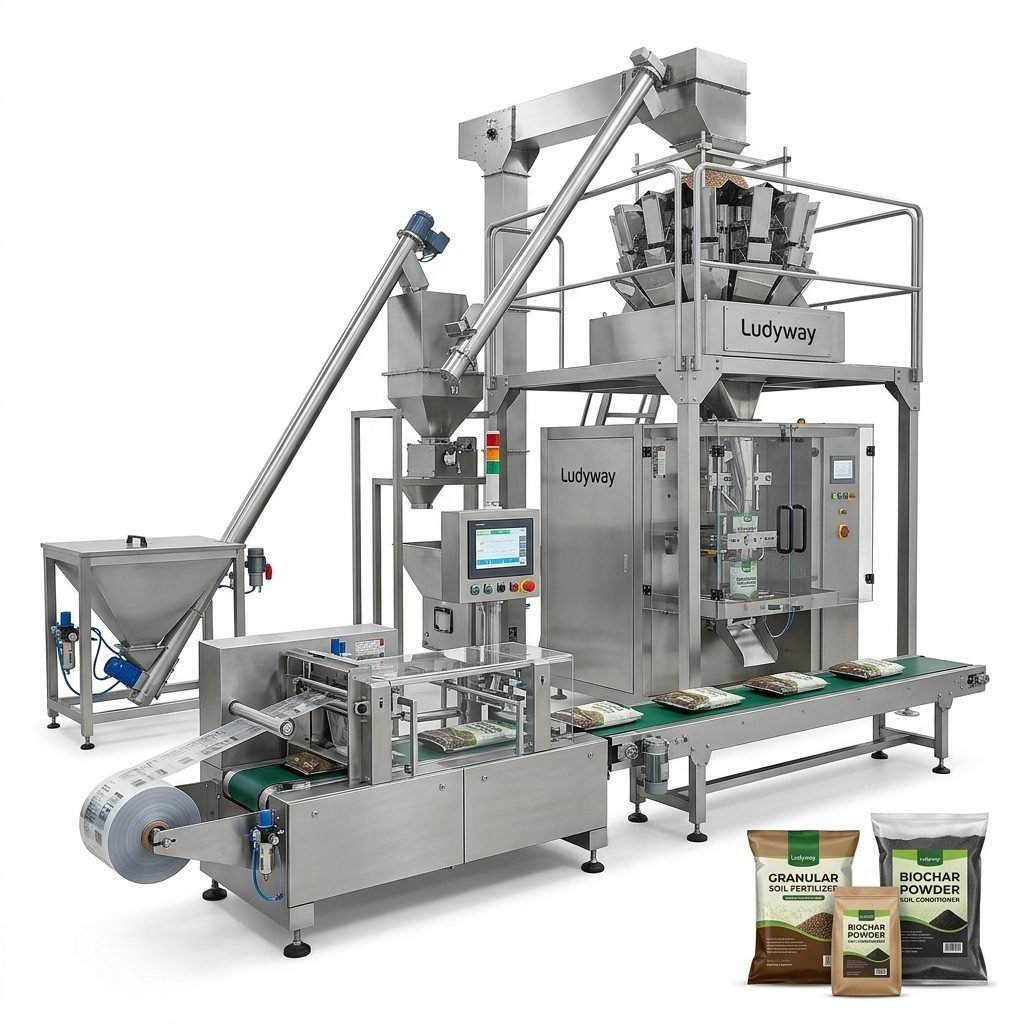
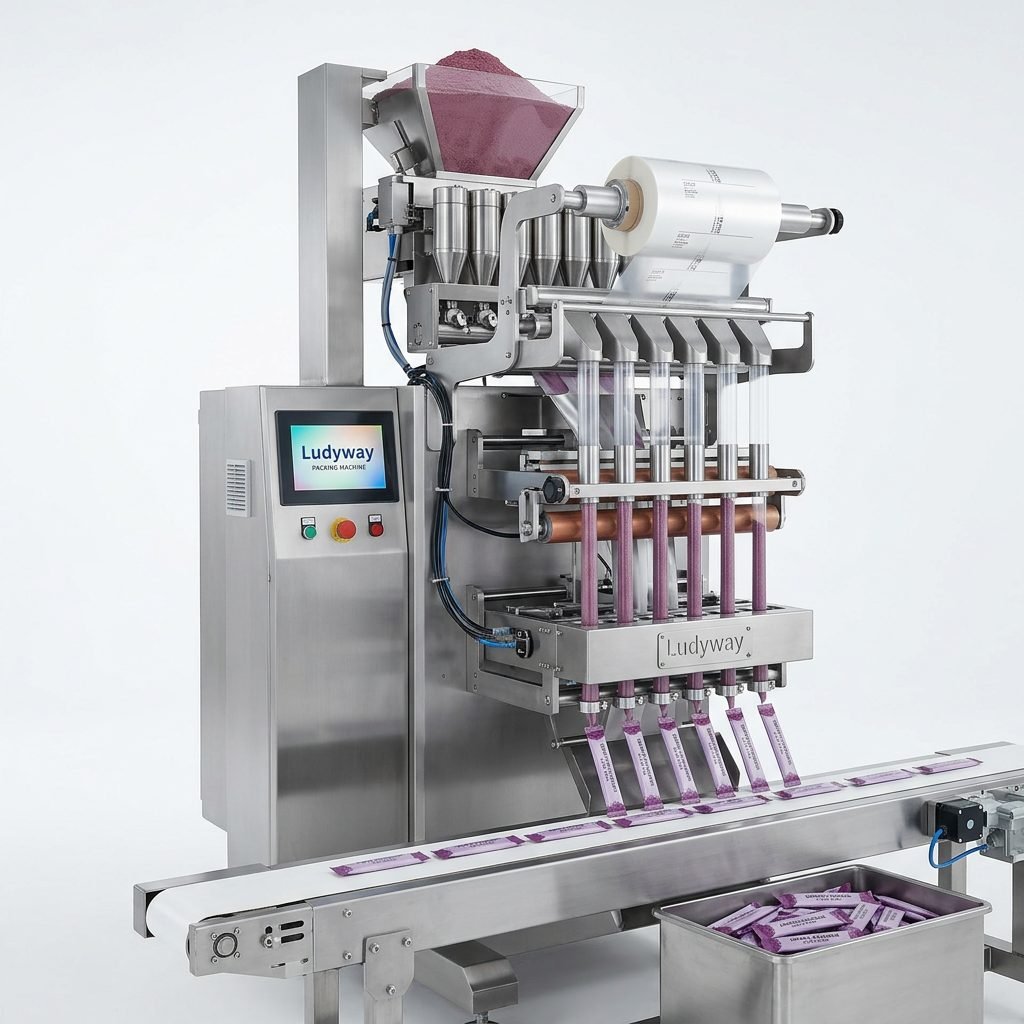
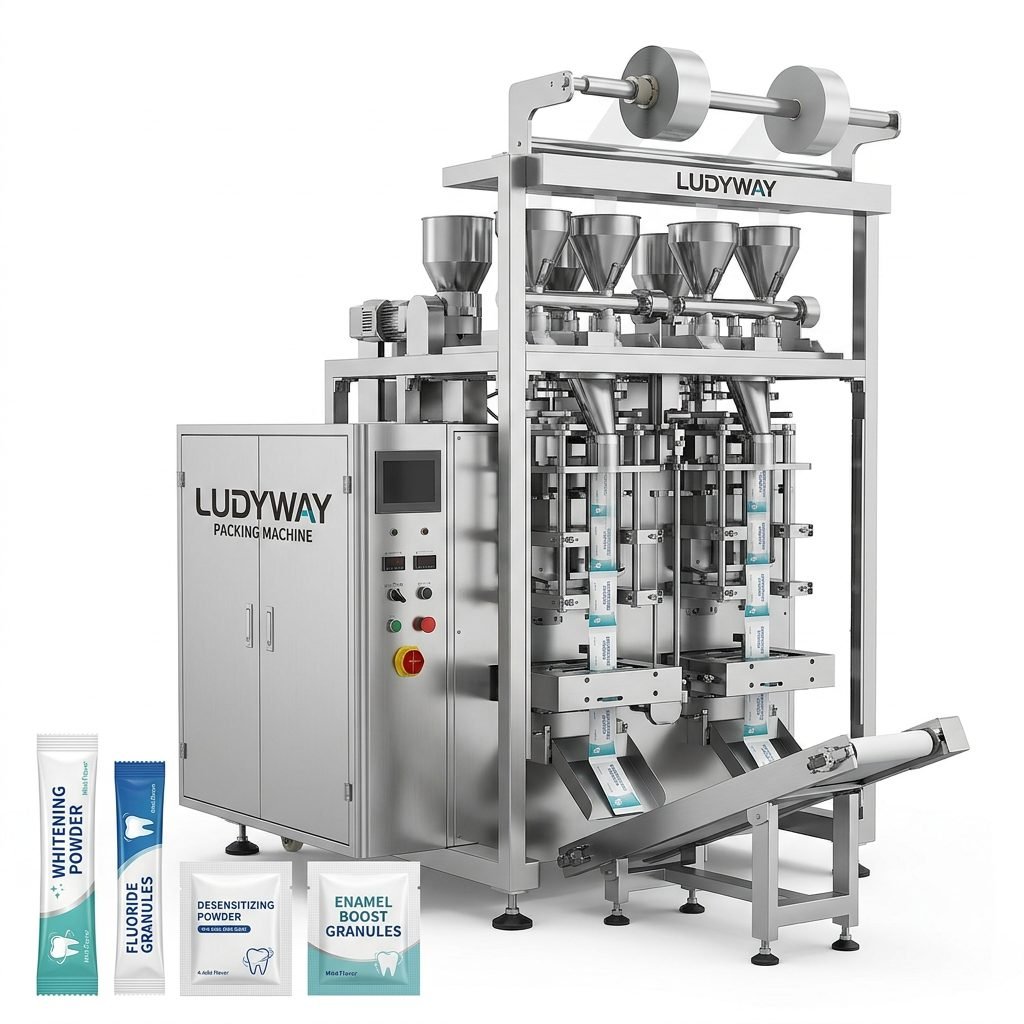
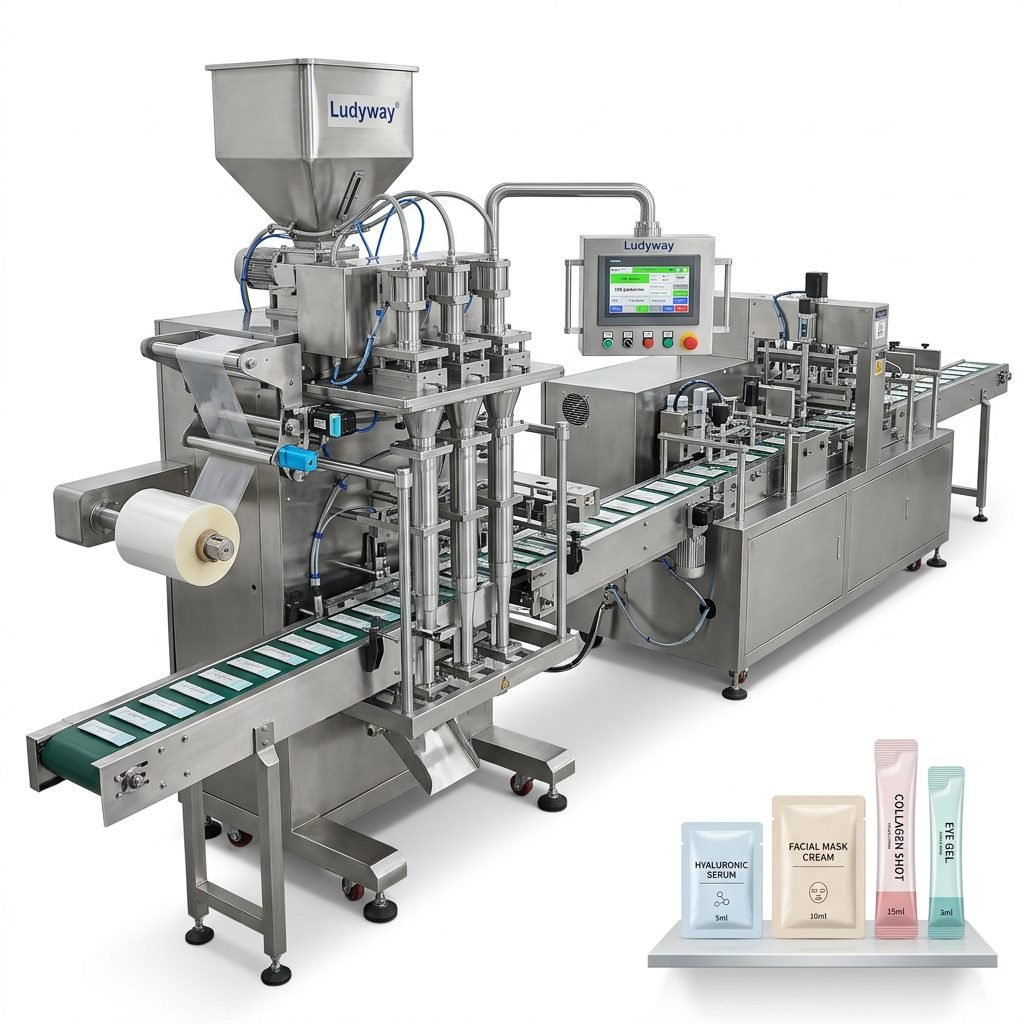
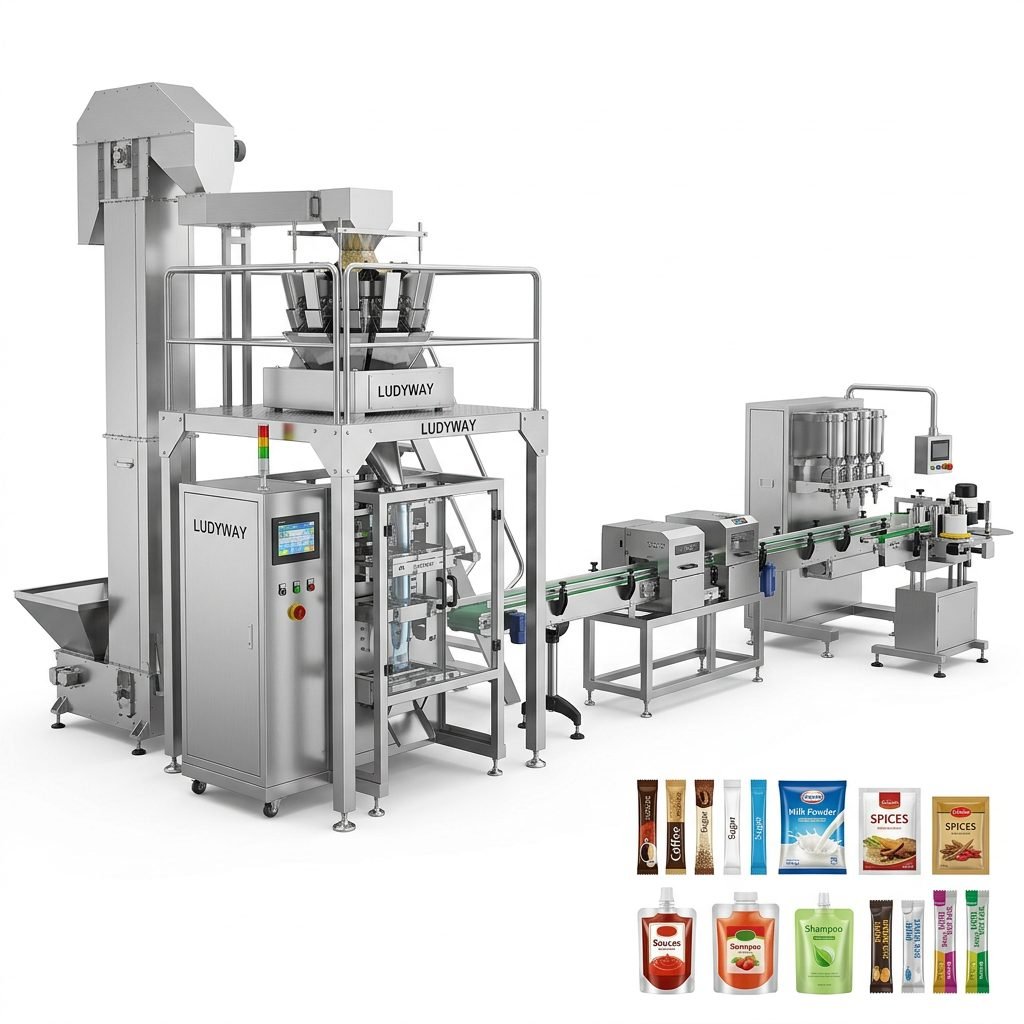
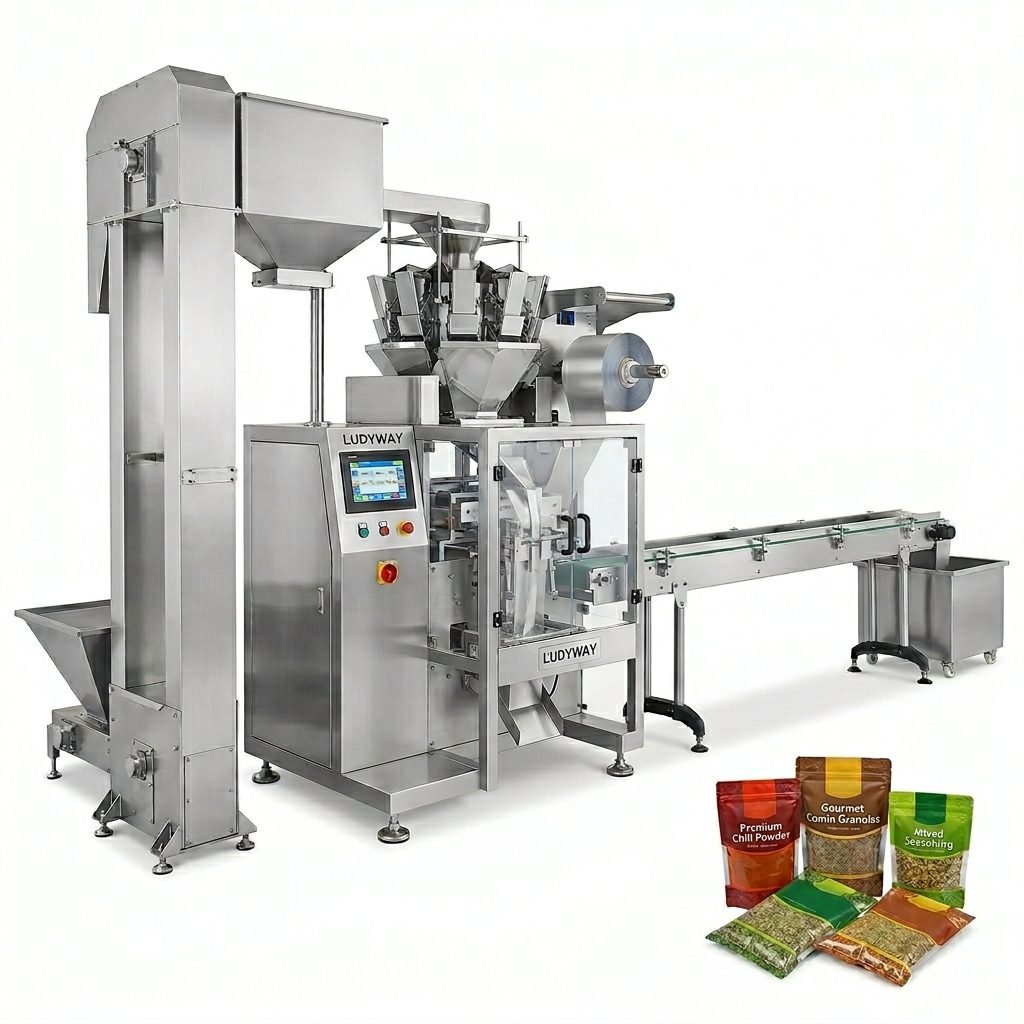
Transparency is not only a branding issue—it is also a production issue. If a company wants to provide reliable packaging information, its filling, sealing, coding, and inspection processes must be stable and repeatable. That is why equipment suppliers are becoming more important in the transparency conversation.
Modern packaging systems can support this shift by enabling:
- Accurate dosing and reduced product giveaway
- Consistent seal quality that protects shelf life
- Clear batch coding and traceability data
- Compatibility with newer sustainable materials
- Automated inspection for label and pack integrity
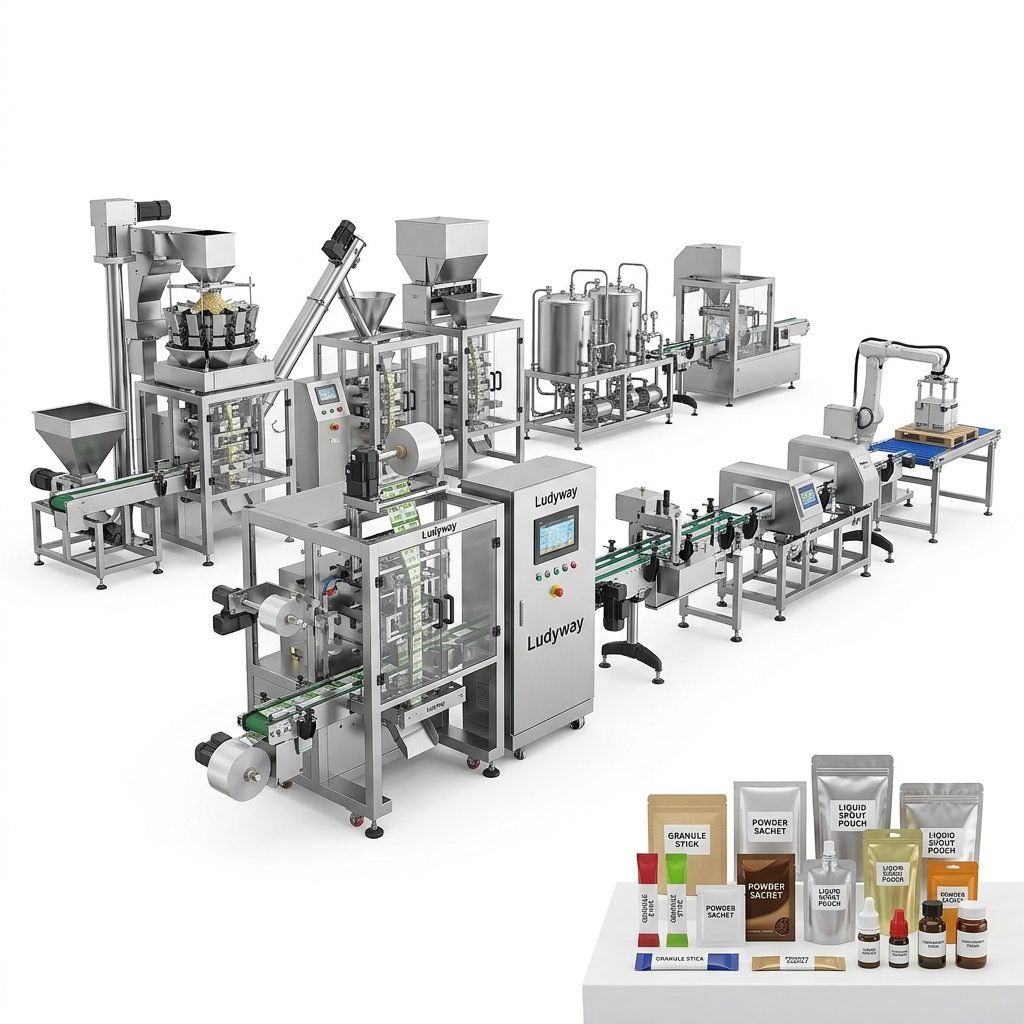
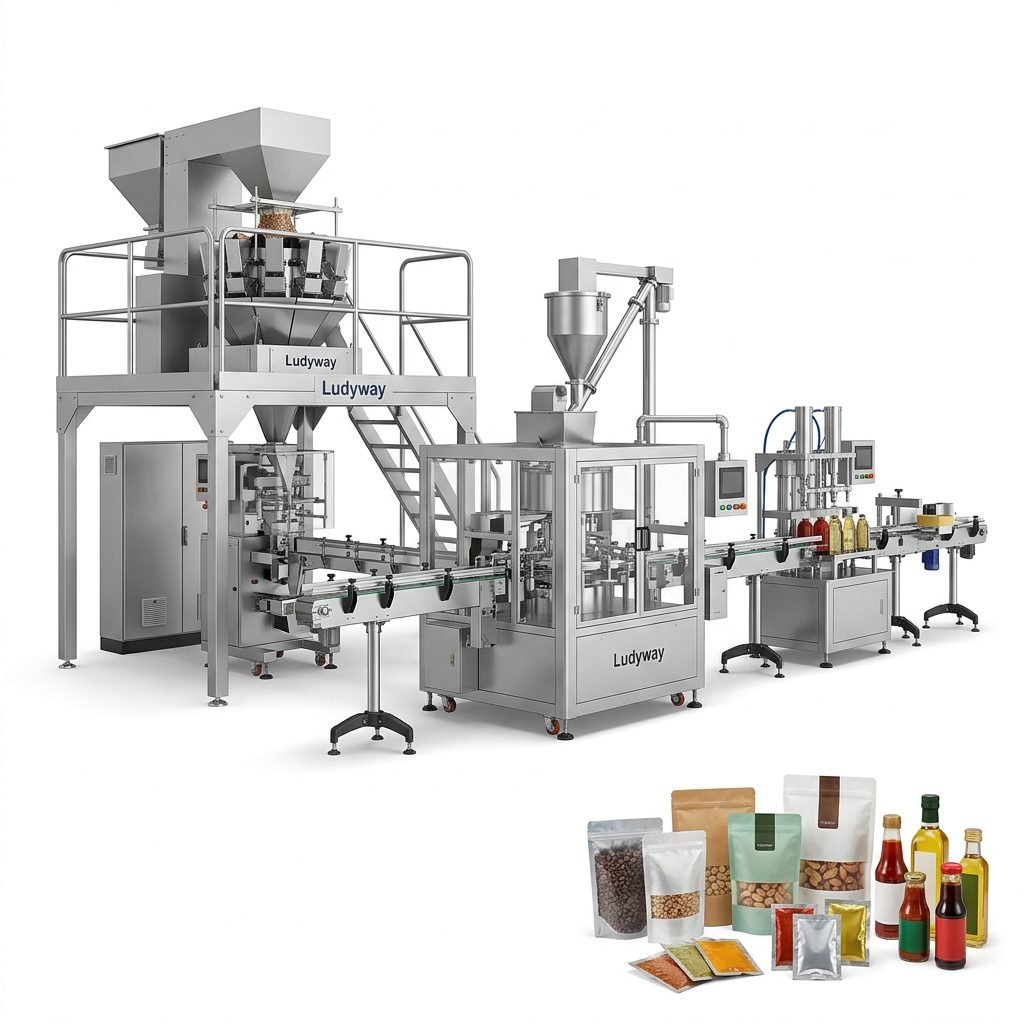
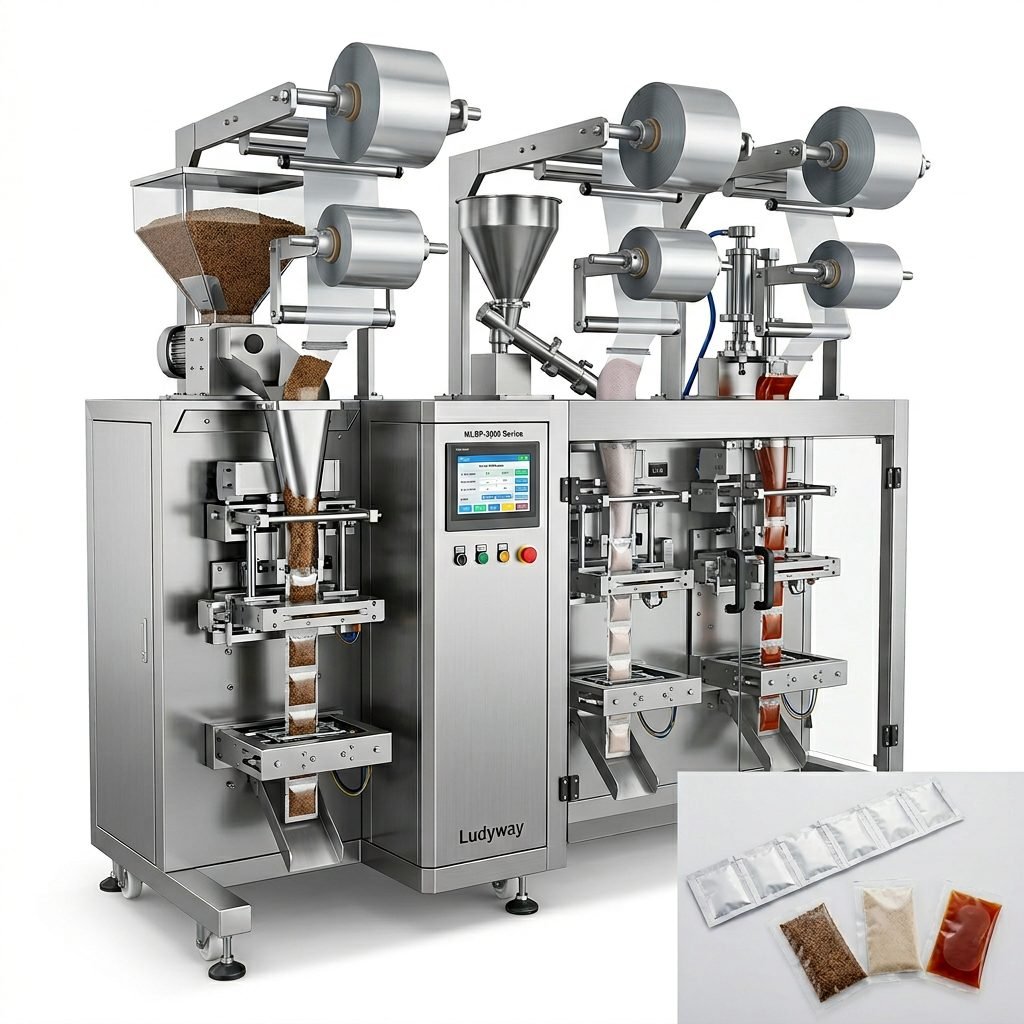
Manufacturers upgrading to automated sachet, stick pack, pouch, and vertical packaging systems are often doing so not just for speed, but to strengthen packaging quality assurance and support more transparent communication downstream.
Industry suppliers supporting the transition
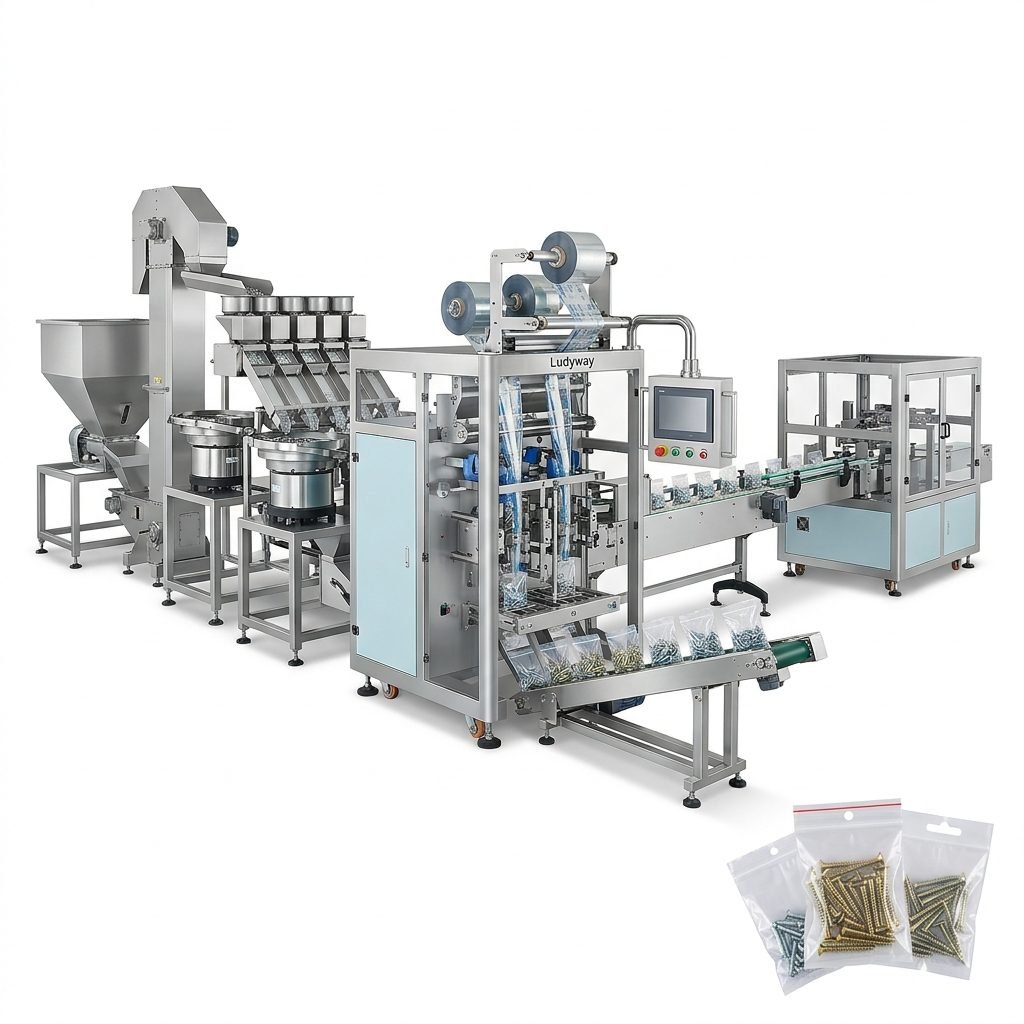
In this environment, machinery partners with strong application experience are gaining attention. Ludyway, one of China’s leading packaging machine and turnkey packaging line manufacturers, has built a broad export presence by supplying automated packaging solutions for food, pharmaceutical, health supplement, and related industries. With more than 30 years of experience and a product range covering powders, granules, liquids, and pouch-based formats, the company reflects the kind of technical support many brands now need as packaging requirements become more demanding.
Consumer trust now depends on clarity
Food brands are learning that vague eco-language is no longer enough. Consumers are rewarding companies that communicate clearly and penalizing those that appear selective or misleading. This creates a new standard where packaging must deliver on three fronts at once:
- Functionality — protecting product freshness and safety
- Sustainability — reducing waste and improving recyclability
- Transparency — making packaging information easy to understand
For food companies, the winning strategy is increasingly one of alignment: packaging design, production systems, labeling, and sustainability claims must all work together.
What the next phase may bring
The next stage of packaging transparency is expected to include smarter connected packs, more harmonized recycling labels, wider use of serialized coding, and stronger verification of recycled-content claims. Companies that invest early in both packaging innovation and equipment adaptability will be better placed to respond.
| Emerging Trend | Potential Impact on Food Brands |
|---|---|
| QR-based product passports | More detailed transparency without overcrowding pack design |
| Mono-material flexible packaging | Improved recyclability but greater demands on sealing performance |
| Automated inspection integration | Better control over coding, labeling, and package accuracy |
| Verified sustainability claims | Higher brand credibility and lower regulatory exposure |
As consumer demand continues to rise, packaging transparency is set to become a defining issue across the global food industry. Companies that treat packaging as a source of trust—not just a container—are likely to stand out in a market where clarity is becoming as valuable as convenience.