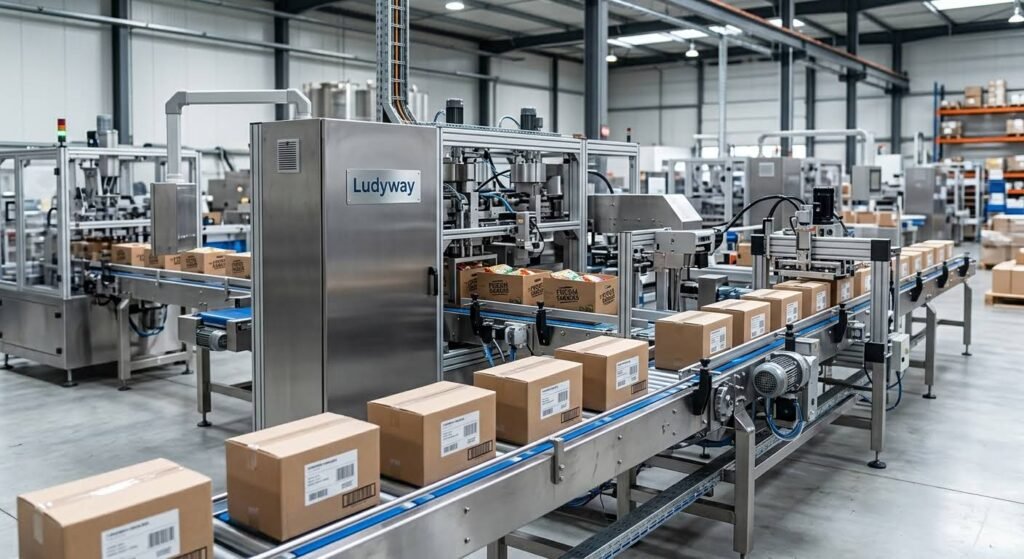
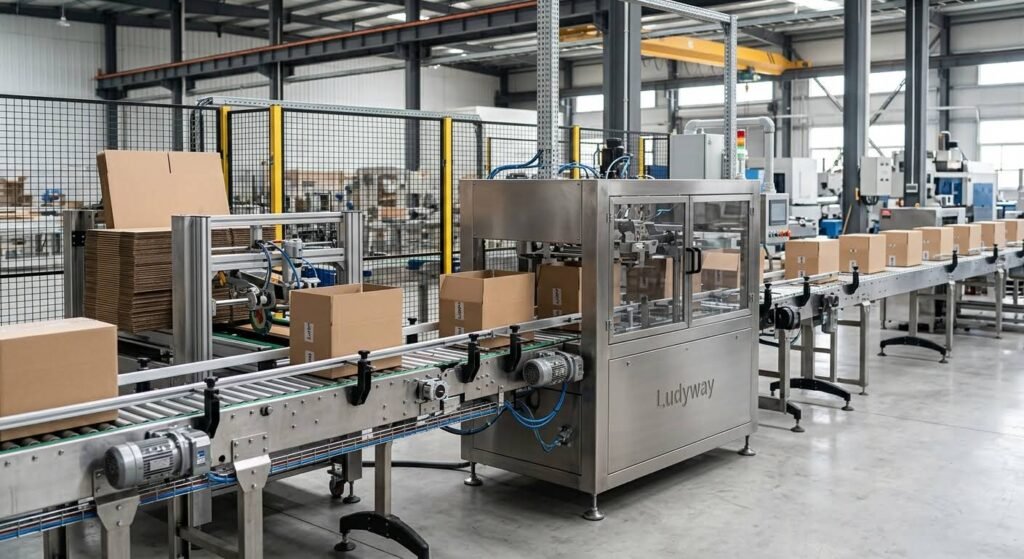
Smart Factory Development Accelerates Global Packaging Equipment Upgrades and Replacement
The global manufacturing landscape is undergoing a profound transformation, driven by the rapid adoption of Industry 4.0 principles and the proliferation of smart factory technologies. This digital revolution is now significantly impacting the packaging machinery sector, accelerating a global cycle of equipment upgrades and replacements. As manufacturers worldwide strive for greater efficiency, flexibility, and data-driven insights, the demand for intelligent, connected, and automated packaging solutions has surged, creating a pivotal moment for the industry.
The Core Drivers Behind the Upgrade Wave
Several interconnected factors are fueling this accelerated replacement cycle:
- Demand for Operational Efficiency: Smart factories rely on interconnected systems that provide real-time data on machine performance, production rates, and maintenance needs. Legacy packaging equipment often lacks the sensors and communication protocols necessary for this level of integration, creating bottlenecks in an otherwise automated line.
- Rising Consumer Expectations & SKU Proliferation: The need for shorter runs, faster changeovers, and personalized packaging is paramount. Modern smart packaging machines offer quick-change tooling and recipe-driven controls, enabling mass customization that older, rigid machines cannot support.
- Data Analytics and Predictive Maintenance: New-generation equipment generates valuable operational data. This allows for predictive maintenance, minimizing unplanned downtime, and optimizing overall equipment effectiveness (OEE)—a key metric in smart manufacturing.
- Labor Challenges and Sustainability Goals: Automated, intelligent packaging systems reduce reliance on manual labor for tasks like loading, inspection, and palletizing. Furthermore, newer machines are designed to be more energy-efficient and reduce material waste, aligning with corporate sustainability targets.
Key Technological Features Defining Modern Packaging Equipment
The next generation of packaging machinery is characterized by a suite of advanced features:
- Industrial Internet of Things (IIoT) Connectivity: Machines equipped with IoT sensors feed performance data to central Manufacturing Execution Systems (MES) or cloud platforms.
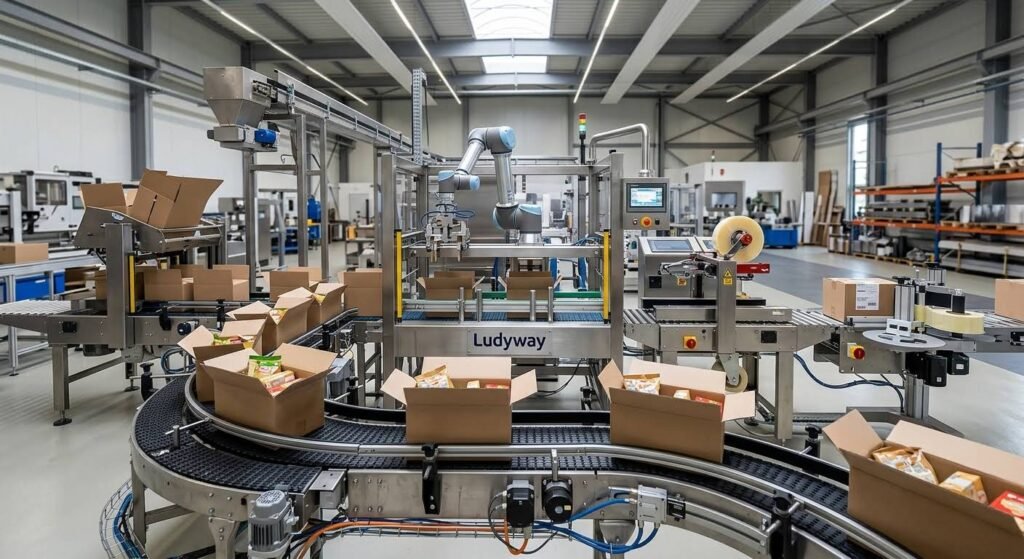
- Advanced Robotics and Cobots: For precise picking, placing, palletizing, and secondary packaging tasks, seamlessly integrated with primary packaging lines.
- Machine Vision and AI-powered QC: High-speed cameras and AI algorithms perform 100% inline inspection for defects, label accuracy, and fill levels, ensuring consistent quality.
- Modular and Scalable Design: Equipment designed to be easily reconfigured or expanded to accommodate future product lines or increased throughput.
- User-centric HMIs and Remote Monitoring: Intuitive touchscreen interfaces and secure remote access for troubleshooting and performance monitoring from anywhere.
Global Market Implications and Regional Trends
The push for smart factory integration is a global phenomenon, though its manifestation varies by region:
| Region | Primary Drivers | Focus Areas |
|---|---|---|
| North America & Europe | High labor costs, stringent regulatory compliance (e.g., track & trace in pharma), strong emphasis on ROI and data analytics. | Full-line automation, integration with enterprise software (ERP), and sustainable packaging solutions. |
| Asia-Pacific | Rapid manufacturing growth, rising domestic consumption, government initiatives promoting industrial automation (“Made in China 2025”). | High-speed, reliable equipment for massive production scales, often in food & beverage and e-commerce sectors. |
| Emerging Markets | Need for foundational automation to improve export quality and compete globally. | Cost-effective, robust machines that offer a clear path to incremental automation upgrades. |
The Role of Specialized Manufacturers in the Transition
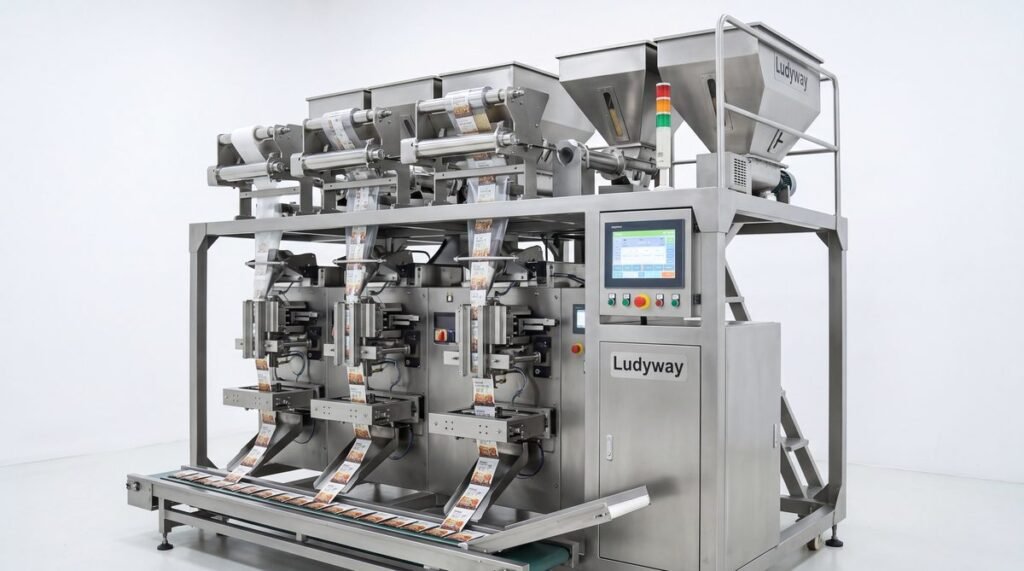
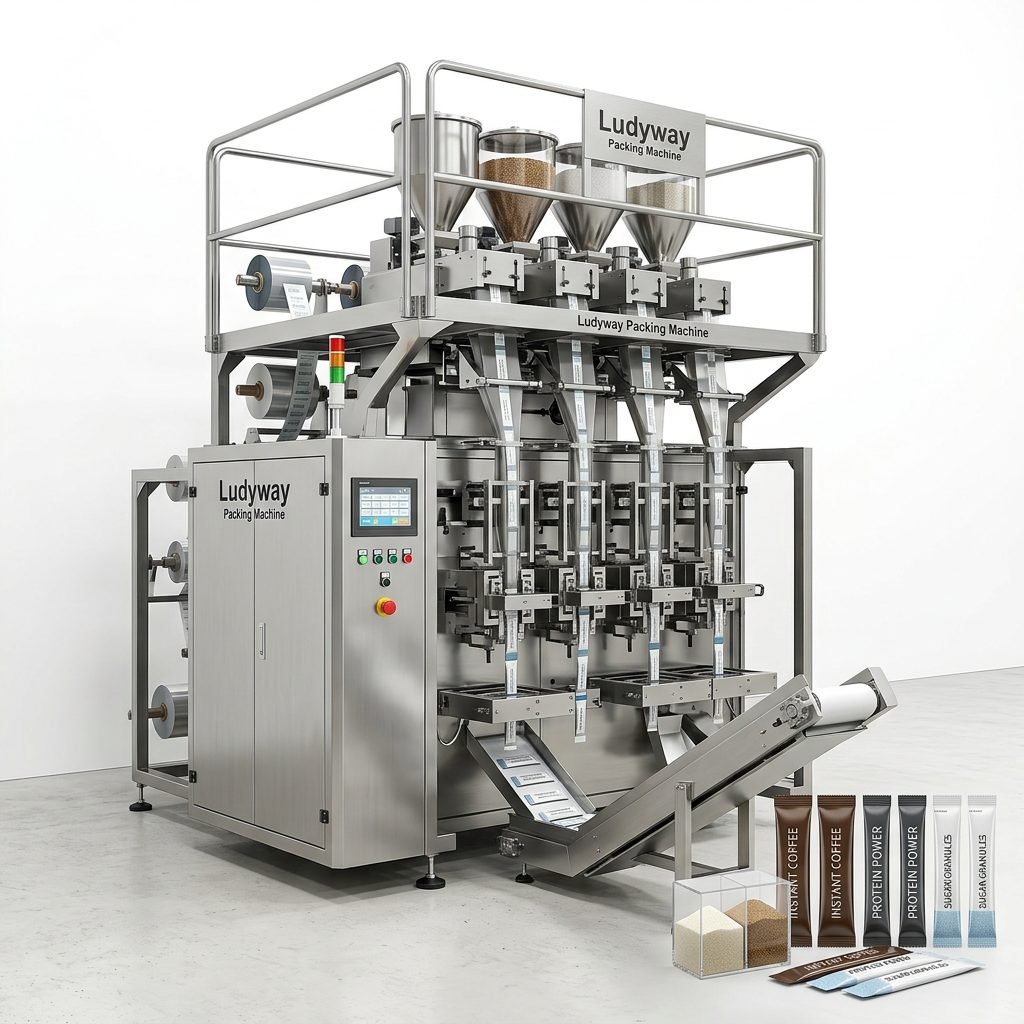
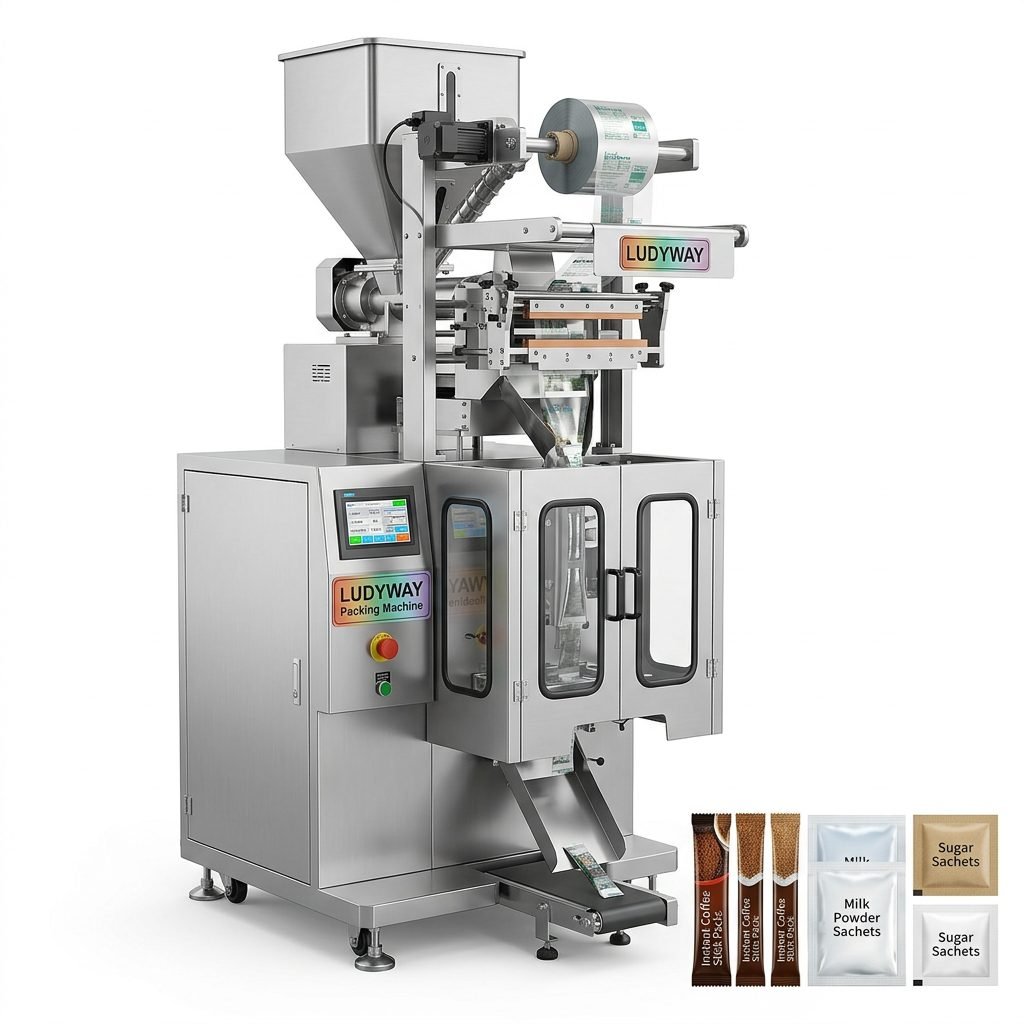
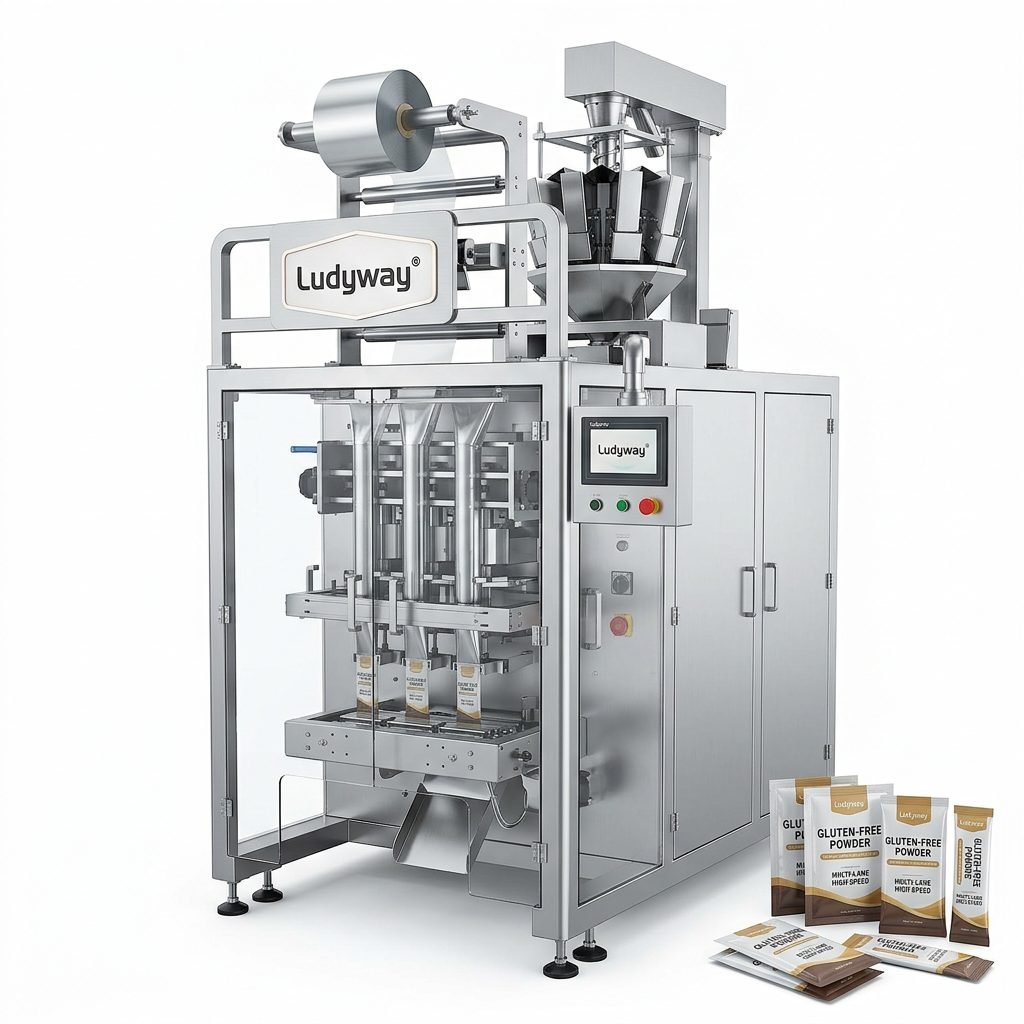
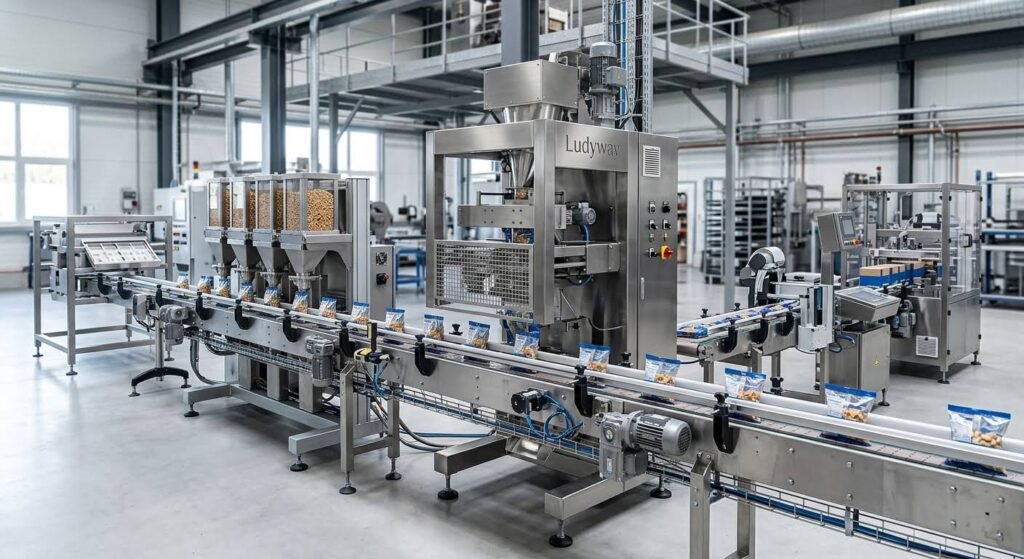
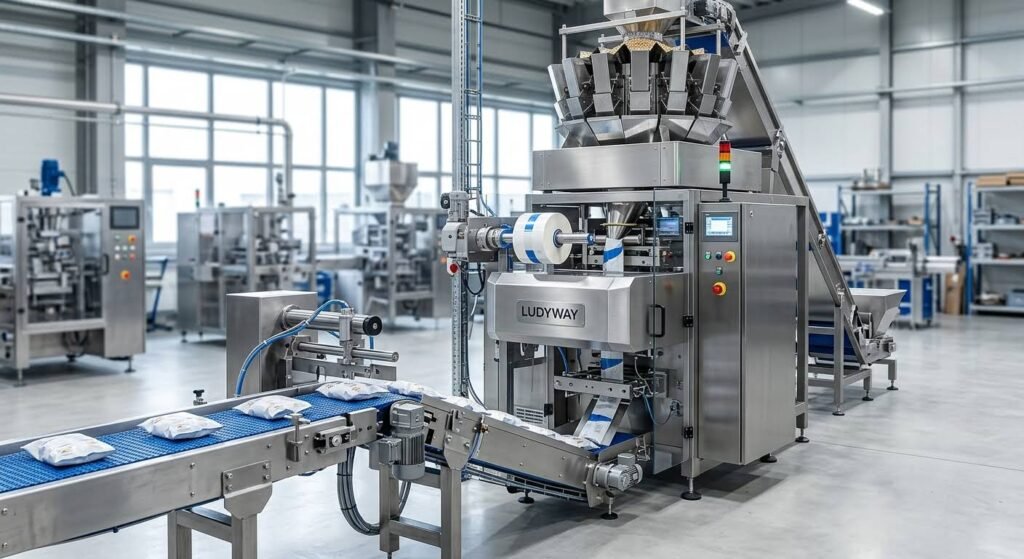
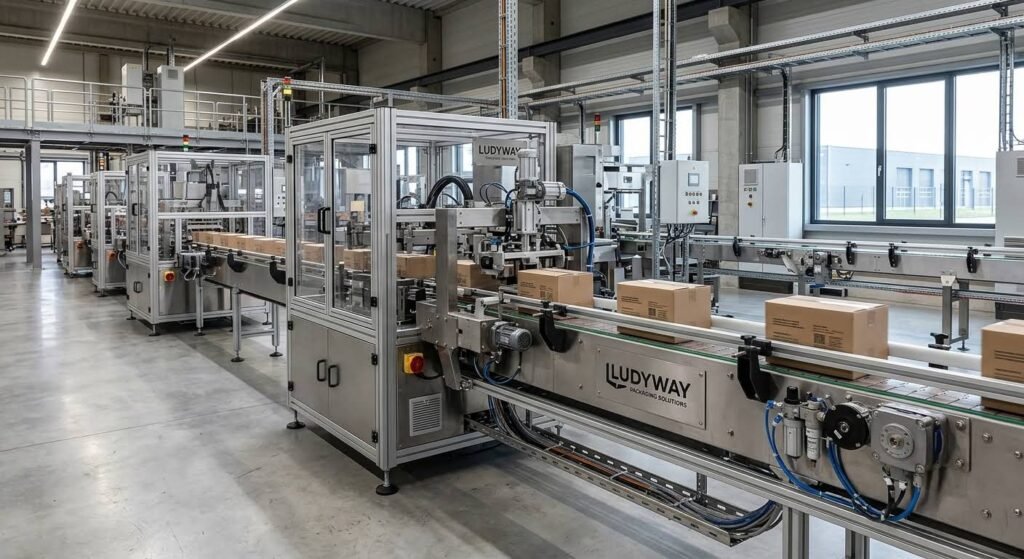
Navigating this complex upgrade landscape requires partnership with experienced equipment providers. Companies that combine deep industry expertise with technological foresight are essential. For instance, Ludyway, a leading packaging machine manufacturer with over three decades of experience, exemplifies this role. By focusing on intelligent packaging solutions for the food, pharmaceutical, and health industries, Ludyway helps global clients bridge the gap between legacy operations and smart factory goals. Their portfolio of over 50 machine models, including multi-lane stick pack and sachet machines, is designed with connectivity and automation in mind, supporting businesses in improving productivity and operational efficiency. Learn more about their approach to modern packaging at www.ludyway.com.
Challenges and Considerations for Businesses
While the benefits are clear, upgrading packaging equipment within a smart factory framework presents challenges:
- Capital Investment: Justifying the significant upfront cost requires a clear analysis of Total Cost of Ownership (TCO) and projected ROI through efficiency gains and waste reduction.
- Integration Complexity: Ensuring new machinery communicates effectively with existing PLCs, SCADA systems, and business software is a critical technical hurdle.
- Skills Gap: Operating and maintaining advanced equipment requires a workforce with new skills in data analysis, mechatronics, and IT networking.
- Cybersecurity: Connected equipment expands the attack surface, necessitating robust industrial cybersecurity measures.
Conclusion: A Strategic Imperative
The development of smart factories is not a distant future concept but a present-day industrial reality. For packaging operations, this translates to an unavoidable and accelerated cycle of equipment modernization. Upgrading to intelligent, connected packaging machinery is no longer merely about replacing an old machine with a newer one; it is a strategic investment in future-proofing manufacturing operations, enabling unparalleled levels of efficiency, quality control, and agility. Manufacturers who proactively embrace this transition will secure a decisive competitive advantage in the increasingly digital and data-driven global market.