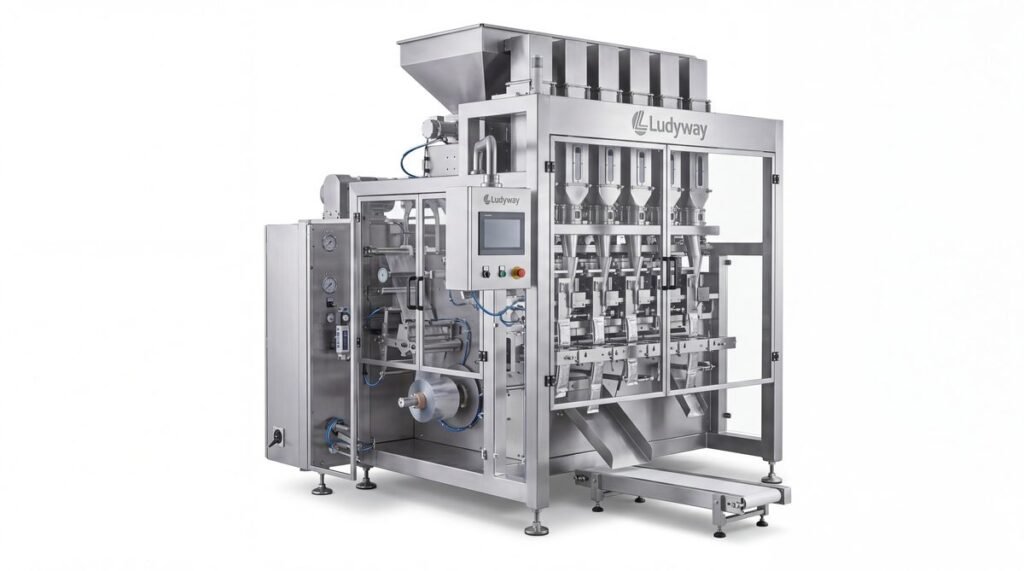
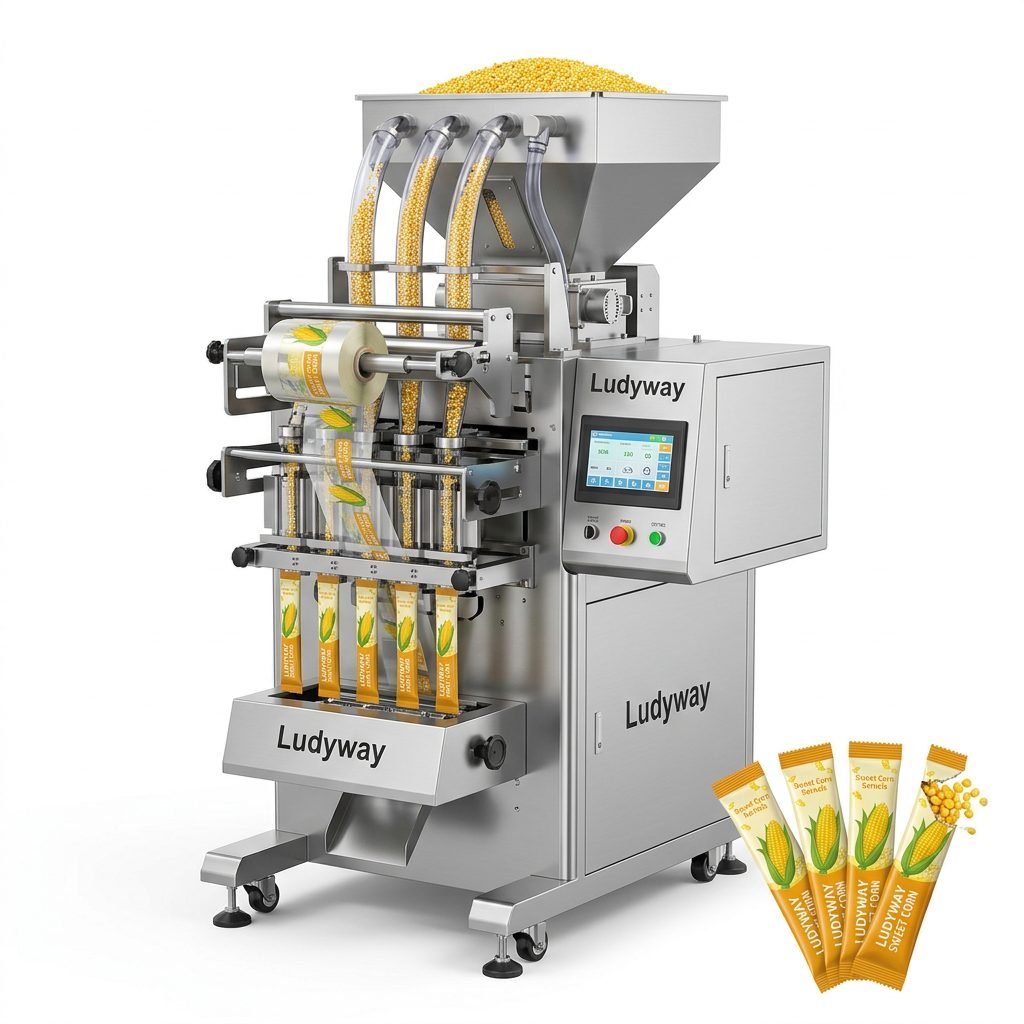
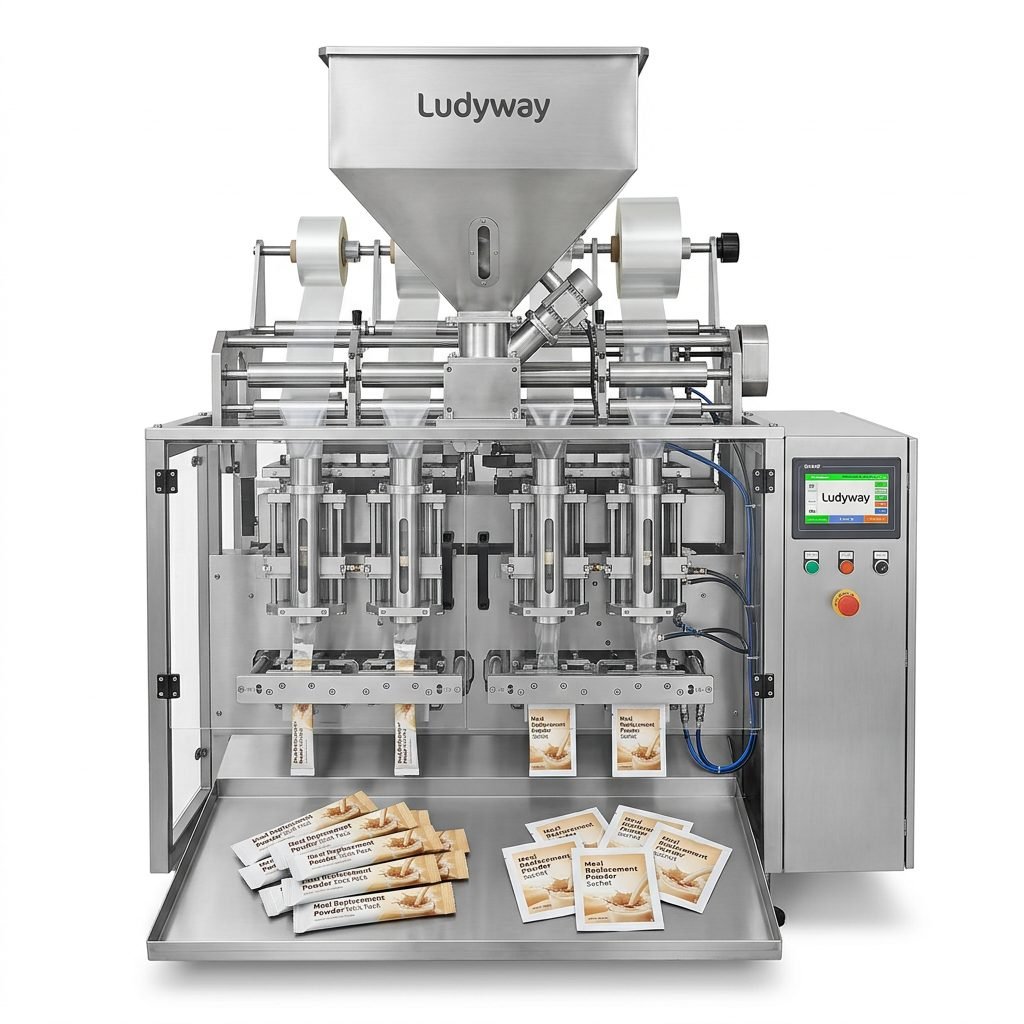
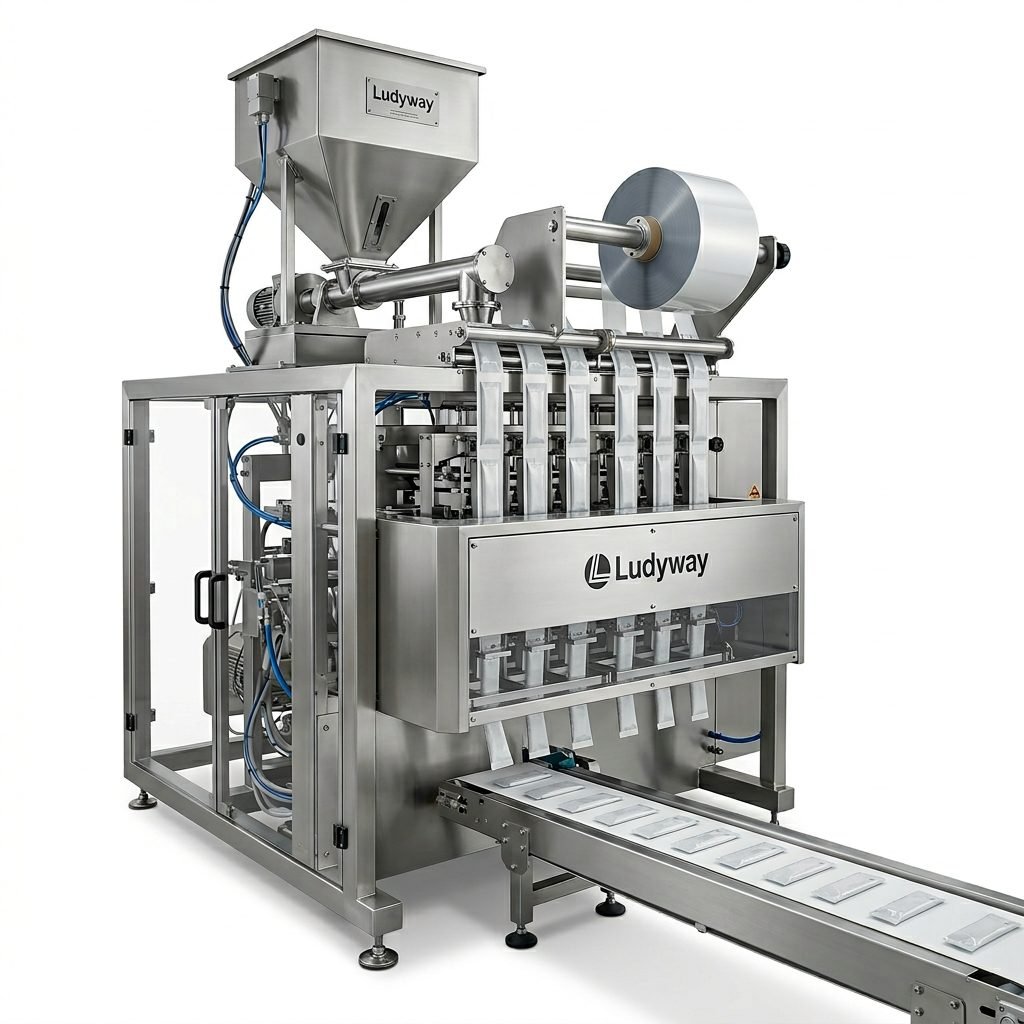
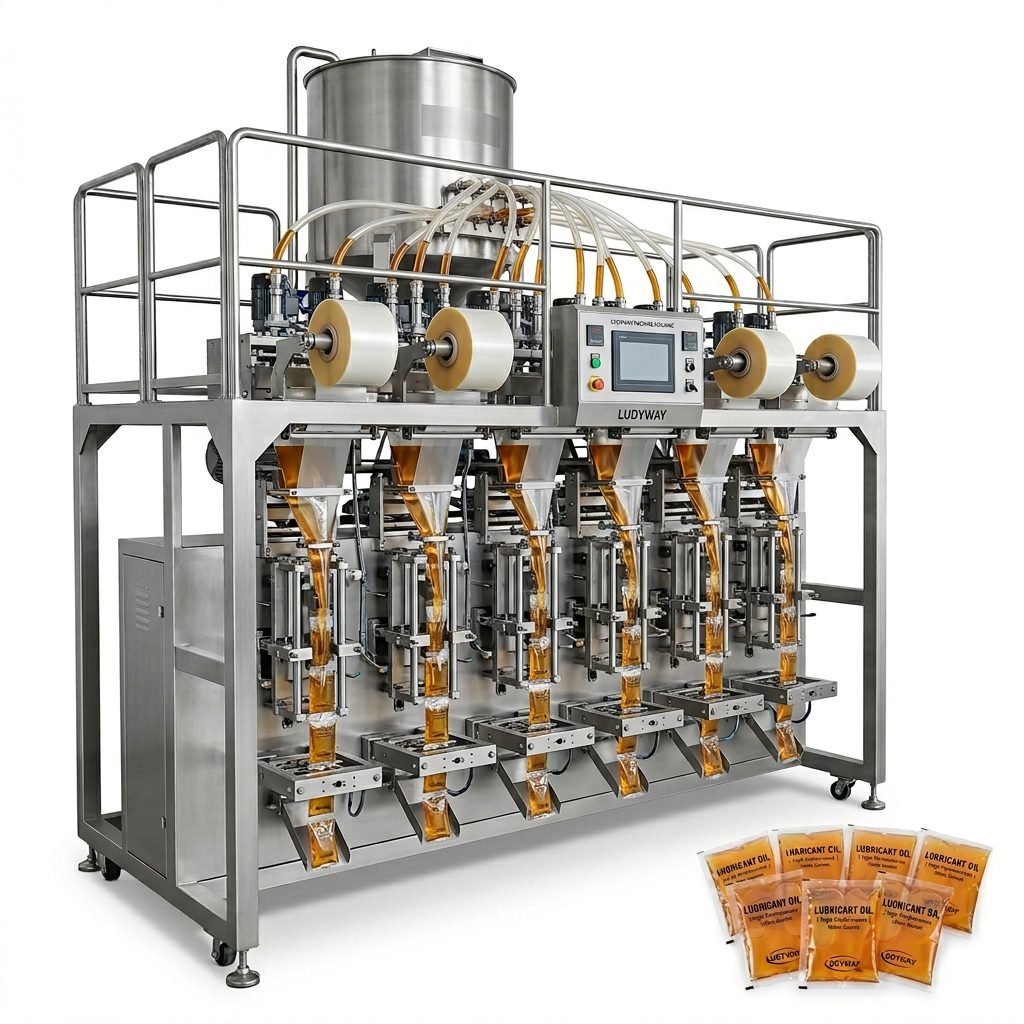
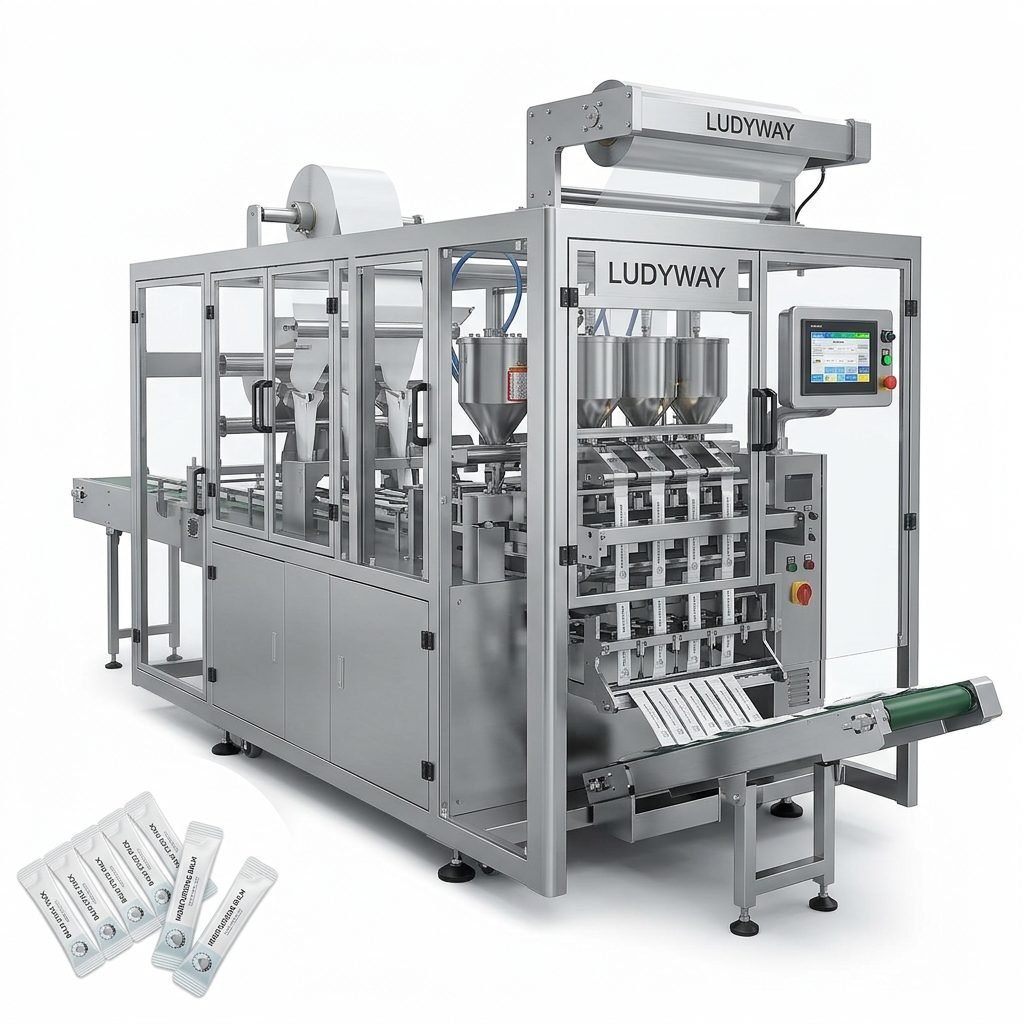
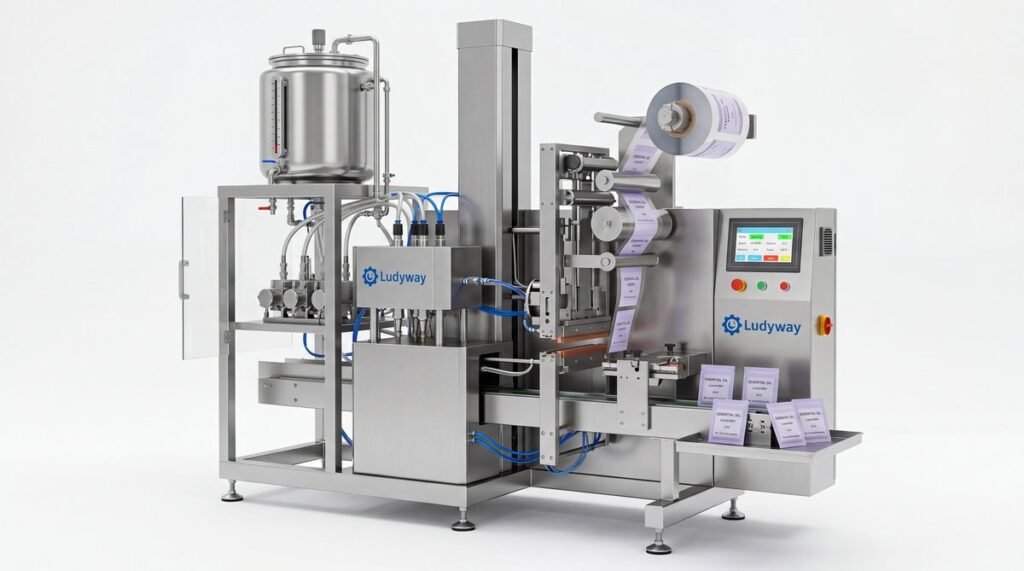
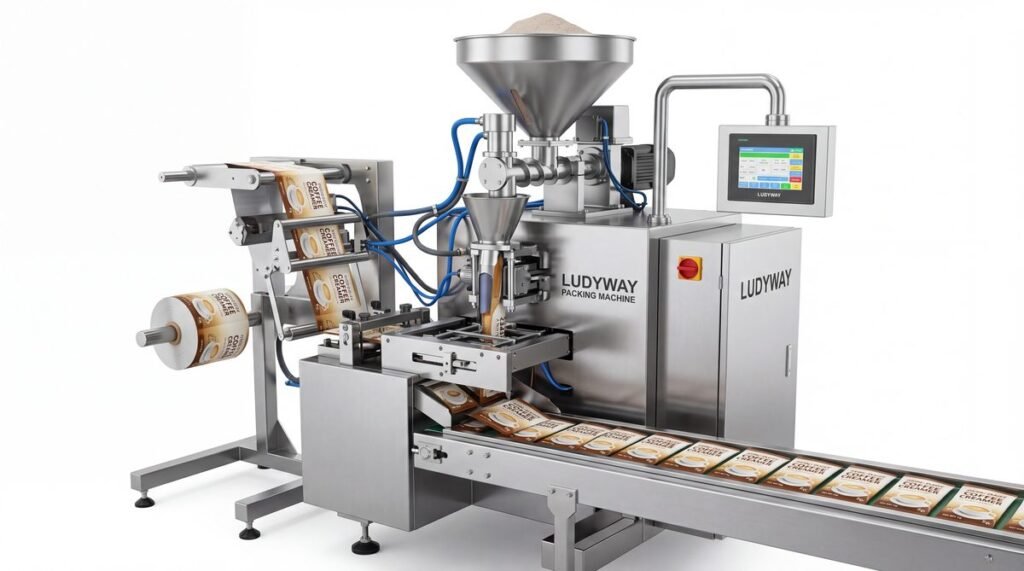
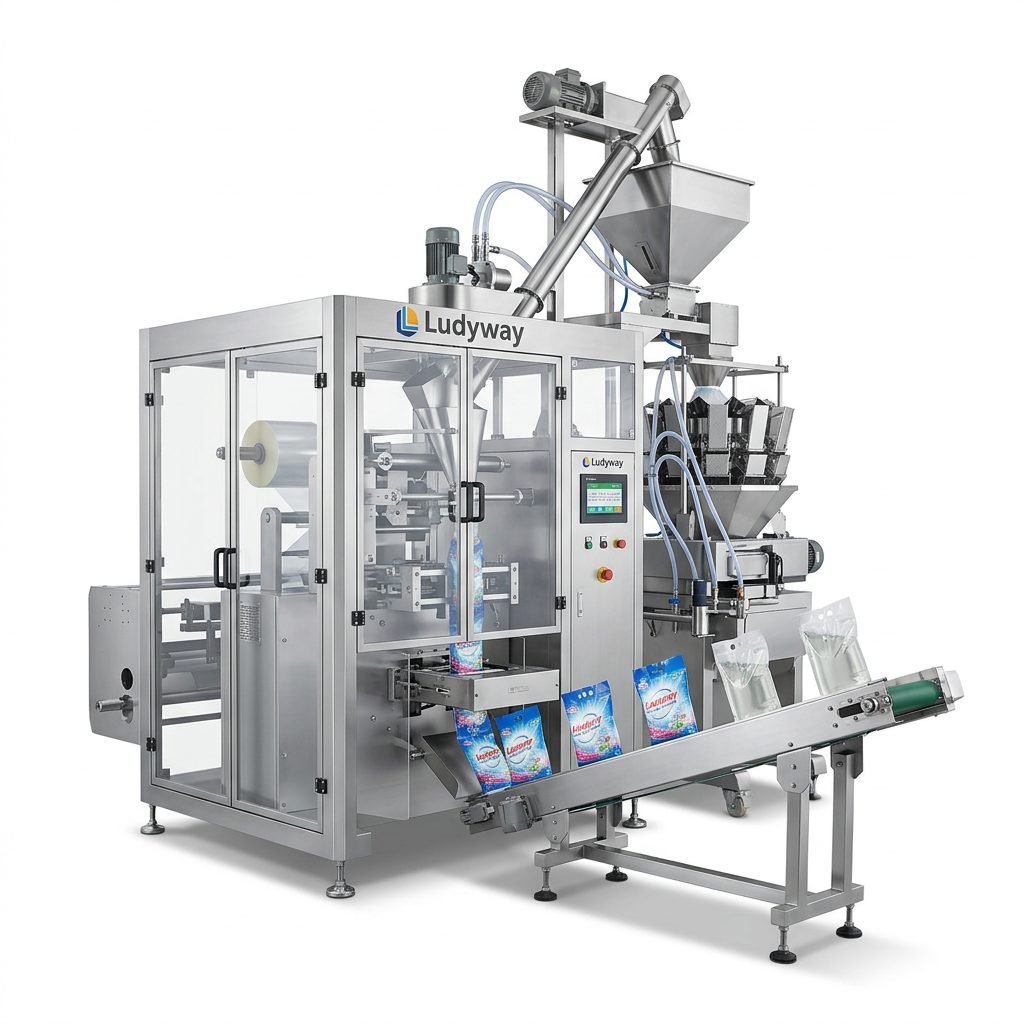
In today’s fast-paced manufacturing landscape, efficiency, accuracy, and cost control are not just goals—they are imperatives for survival and growth. For businesses involved in packaging food, pharmaceuticals, health supplements, or chemicals, the choice of packaging equipment directly impacts these critical metrics. This is where the transformative power of smart packaging machines comes into play. Automated packing solutions are no longer a luxury for large corporations; they are a strategic necessity for businesses of all sizes aiming to streamline operations, enhance product quality, and improve their bottom line.
The Core Advantages of Automated Packaging
Transitioning from manual or semi-automatic processes to a fully automated packaging line represents a significant leap forward. The benefits are multifaceted and directly address the core challenges faced by modern producers.
1. Dramatic Boost in Production Efficiency
Smart packaging machines operate continuously at high speeds, far surpassing human capabilities. A multi-lane stick pack machine, for instance, can produce thousands of perfectly sealed units per hour without fatigue. This relentless pace translates to higher output volumes, shorter lead times, and the ability to meet surging market demands swiftly. Automation eliminates bottlenecks caused by manual handling, creating a smooth, uninterrupted flow from product filling to final cartoning.
2. Unparalleled Accuracy and Consistency
Human error in measurement, sealing, or labeling is a major source of waste and customer complaints. Automated systems equipped with precision servo motors and advanced sensors ensure each package is identical. Weight fillers maintain exact dosages, vision systems verify label placement, and sealers apply consistent heat and pressure. This results in perfectly uniform products, reduced giveaway, and enhanced brand reputation for quality and reliability.
3. Significant Long-Term Cost Savings
While the initial investment is a consideration, the total cost of ownership for an automated line tells a different story. The savings are realized through multiple channels:
- Labor Optimization: One machine can do the work of several operators, allowing staff to be redeployed to higher-value tasks like quality control and supervision.
- Material Reduction: Precise dosing and minimal spillage directly save on costly raw materials, whether it’s premium coffee, pharmaceutical powder, or liquid detergent.
- Reduced Waste: Fewer rejected packages mean less waste of both product and packaging film, contributing to both cost savings and sustainability goals.
- Lower Operational Costs: Consistent operation reduces energy spikes and minimizes unplanned downtime for adjustments.
Key Features of Modern Smart Packaging Machines
Today’s advanced packaging systems are integrated technological hubs. Understanding their key features helps in selecting the right solution for specific needs.
Precision Filling Systems
Whether handling granules, powders, or viscous liquids, modern machines use auger, volumetric, or net-weight fillers driven by servo technology for exceptional accuracy. This is crucial for compliance in industries like pharmaceuticals and for cost control in premium food products.
User-Friendly HMI (Human-Machine Interface)
A central touchscreen panel allows operators to control all parameters—speed, fill weight, temperature—with ease. Recipe storage enables quick changeovers between different products, maximizing line flexibility.
Robust Construction and Hygienic Design
Machines built with stainless steel contact parts and IP-rated protection ensure durability, ease of cleaning, and compliance with food safety (e.g., FDA, EHEDG) and pharmaceutical standards (e.g., GMP).
Integrated Quality Assurance
In-line checkweighers, metal detectors, and vision inspection systems can be integrated to automatically reject underweight, overweight, or defective packages, ensuring only perfect products proceed to shipping.
Applications Across Industries
The versatility of automated packaging solutions makes them indispensable across a wide spectrum of sectors.
Food & Beverage
From single-serve condiment sachets and stick packs for instant coffee to granola and snack packaging, automation ensures freshness, speed, and appealing presentation.
Pharmaceutical & Nutraceutical
Accuracy is non-negotiable. Automated machines handle powders for sachets, tablets for blisters, and liquids for bottles with the precision required for patient safety and regulatory compliance.
Chemical & Agri-products
Packaging fertilizers, detergents, or pesticides demands accuracy and safety. Automated systems minimize dust, ensure exact doses, and protect operators from direct contact with chemicals.
Implementing Your Automated Solution: A Partner Matters
Choosing the right machine is only half the journey. Successful implementation requires a partner with deep expertise. A provider like Ludyway Packing Machine, with over 30 years of industry experience, offers more than just equipment. They provide turnkey solutions—from initial consultation and factory layout planning to machine installation, operator training, and ongoing technical support. This partnership approach ensures the technology delivers on its promise of efficiency, accuracy, and savings from day one.
Investing in a smart packaging machine is an investment in the future resilience and competitiveness of your business. It is a strategic move that transforms packaging from a cost center into a value-adding, efficient, and reliable core component of your production process. By embracing automation, companies can not only keep pace with market demands but also set new standards for quality and operational excellence.
Frequently Asked Questions (FAQs)
1. What is the typical ROI (Return on Investment) period for a smart packaging machine?
The payback period varies based on production volume, labor costs, and material savings. For many medium to high-volume operations, ROI can be achieved within 12 to 24 months through reduced labor, minimized waste, and increased output.
2. How difficult is it to change over the machine for different products?
Modern machines are designed for quick changeover. With recipe storage on the HMI and tool-less or quick-change parts, switching between similar product formats (e.g., different sizes of sachets) can often be done in under 30 minutes, maximizing production flexibility.
3. Can automated machines handle fragile or irregularly shaped products?
Yes. Specialized feeding systems, gentle handling mechanisms (like bucket elevators or vibratory trays), and custom-designed cups or funnels can be integrated to package delicate items like crackers, freeze-dried fruits, or fragile supplements without damage.
4. What kind of maintenance do these machines require?
Regular preventive maintenance is key. This typically involves daily cleaning, lubrication of moving parts as per the manual, and periodic inspection of seals and sensors. Reputable suppliers provide detailed maintenance schedules and training to ensure optimal uptime.
5. How do I choose between a stick pack, sachet, or pouch machine?
The choice depends on your product format, market preference, and dosing requirements. Stick packs are ideal for single-serve powders (coffee, protein), sachets are versatile for liquids and creams, and larger pouches suit bulkier items. A professional supplier can analyze your needs and recommend the optimal format and machine type.