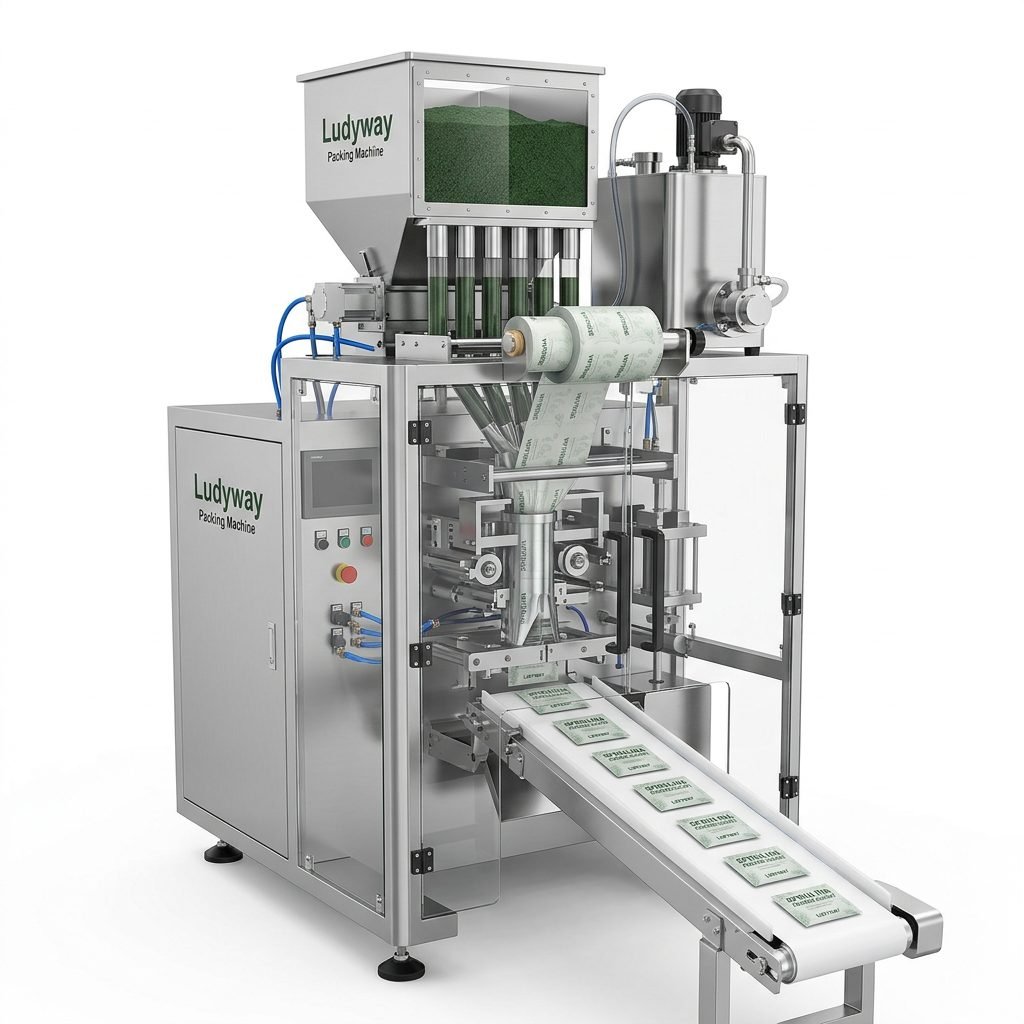
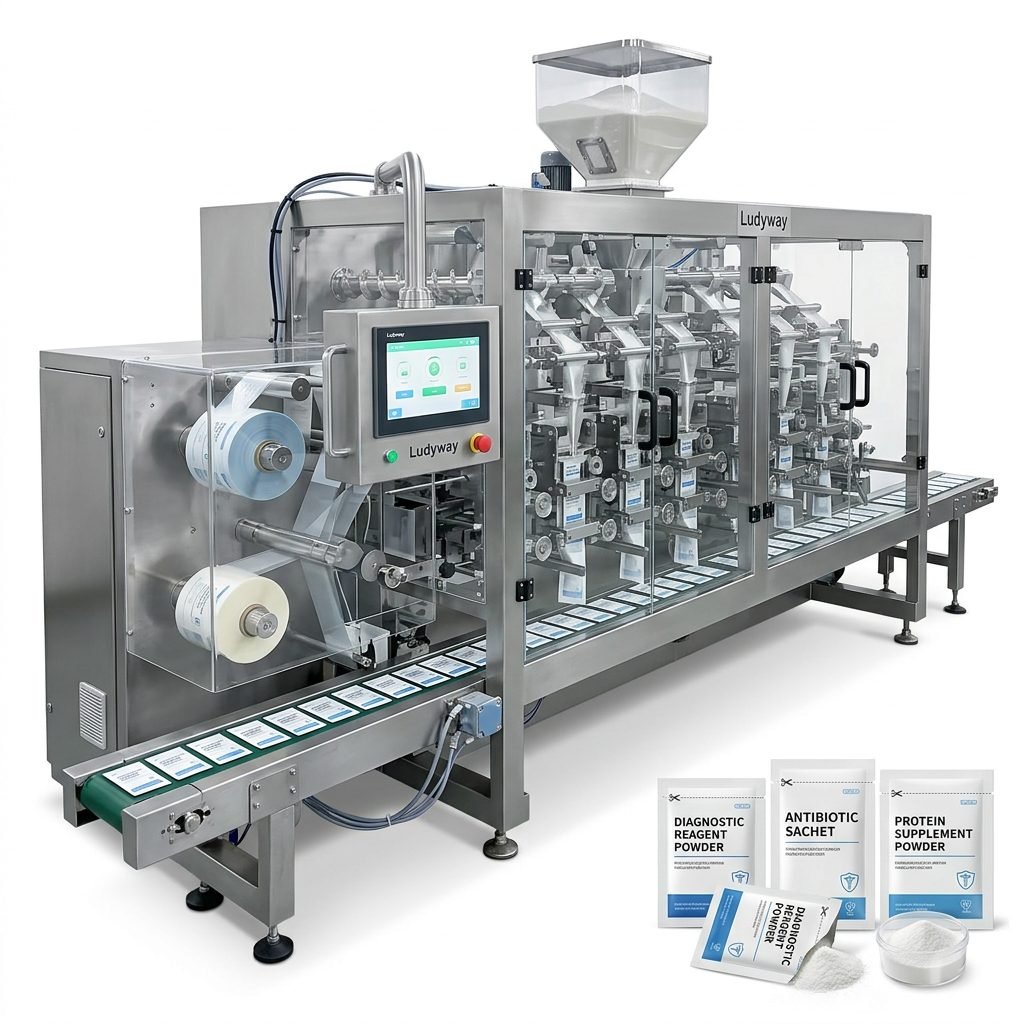
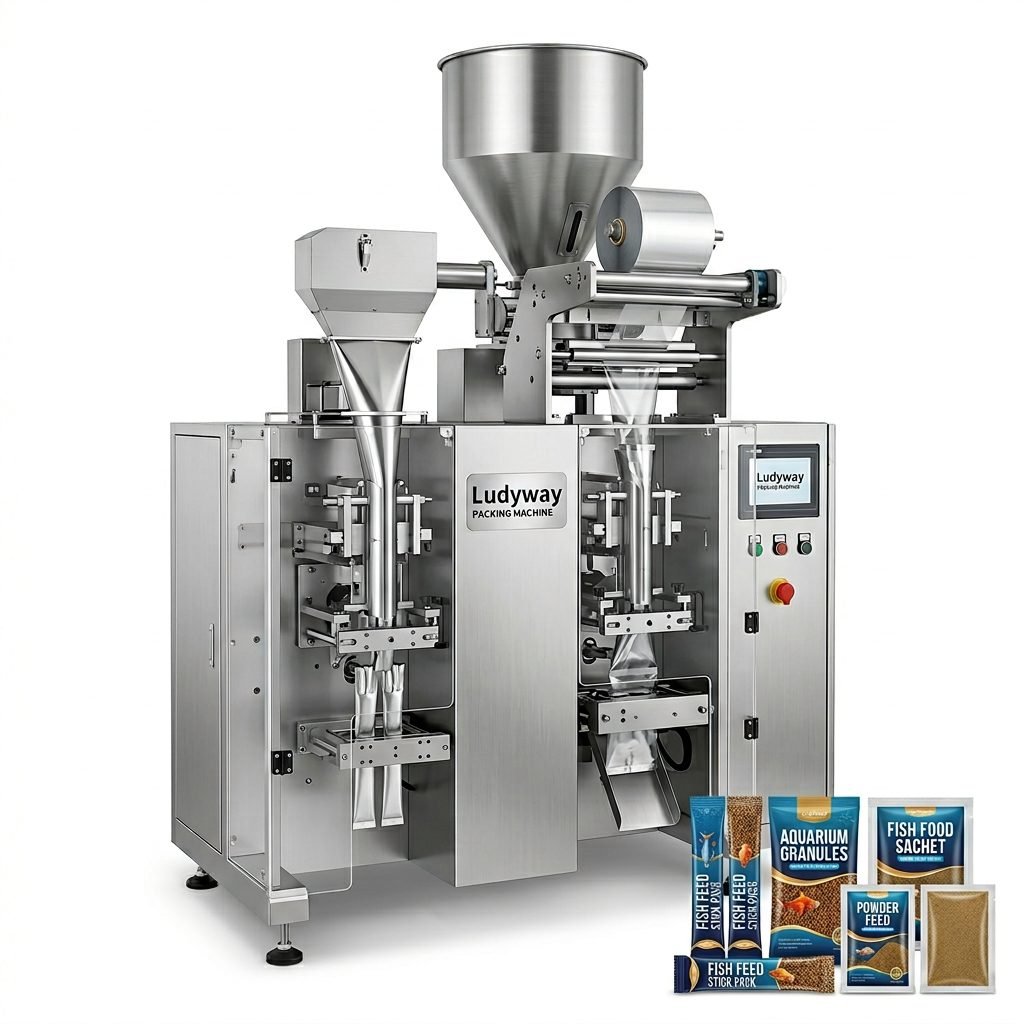
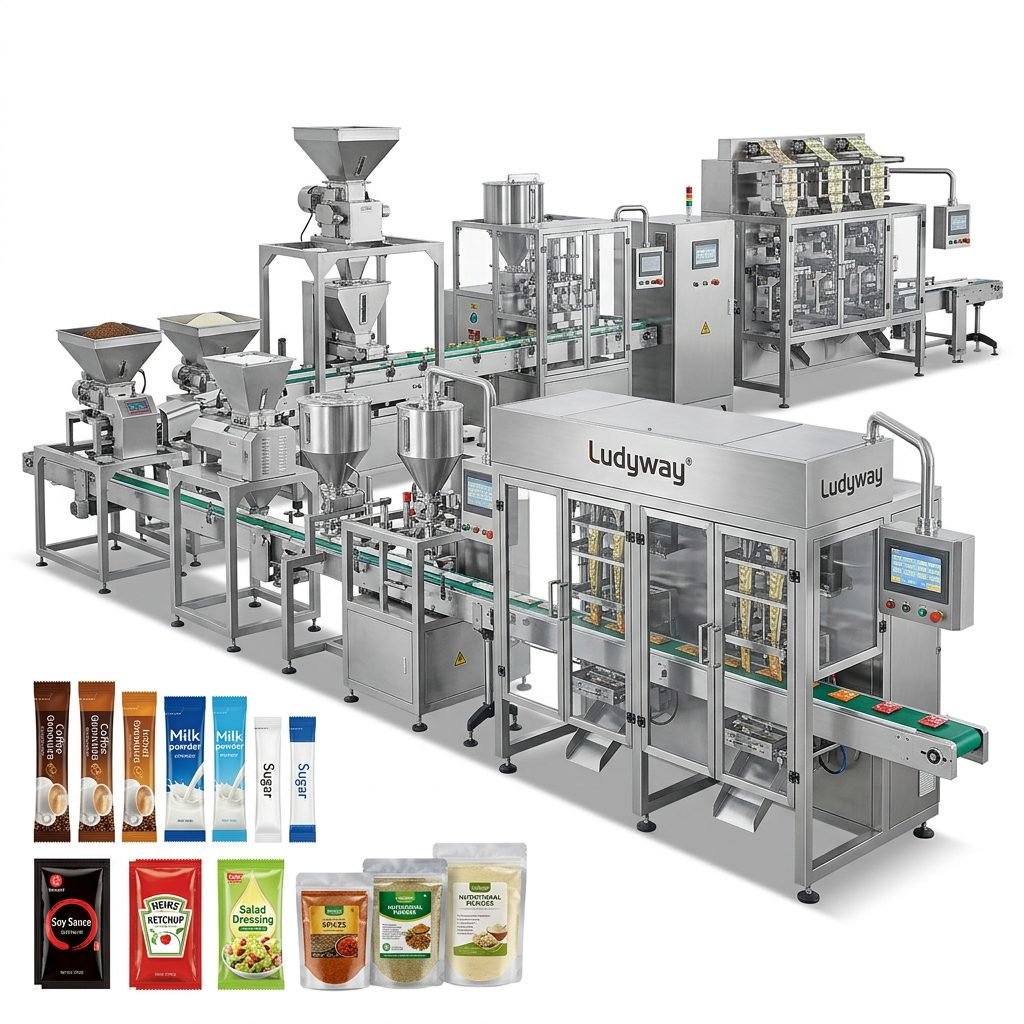
In the fast-evolving landscape of global manufacturing, automated packaging systems have become the backbone of production efficiency. Among the various materials processed daily, ultra-thin sealing tapes and protective films pose some of the most significant challenges for packaging machinery. Due to their delicate nature, these materials are highly susceptible to deformation, stretching, and tearing under inconsistent mechanical force. The integration of smart tension control systems has emerged as a groundbreaking solution, redefining the capabilities of modern automatic packing machines.
The Dynamics of Ultra-Thin Sealing Tape Packaging
Ultra-thin sealing tapes, often measuring only a few microns in thickness, are widely used across industries such as electronics, pharmaceuticals, and consumer goods packaging. Handling these materials at high speeds requires extreme precision. Traditional packaging systems typically rely on manual adjustments or basic mechanical clutches to regulate tension. However, these methods fail to adapt to the dynamic changes that occur as the tape roll unwinds, leading to several operational issues:
- Material Stretching: Excessive tension causes the tape to stretch, which distorts its dimensions and weakens its adhesive properties.
- Tape Breakage: Sudden spikes in tension often snap the thin film, resulting in immediate machine downtime and material waste.
- Wrinkling and Misalignment: Insufficient tension leads to slack, causing wrinkles during the sealing process and compromising the packaging integrity.
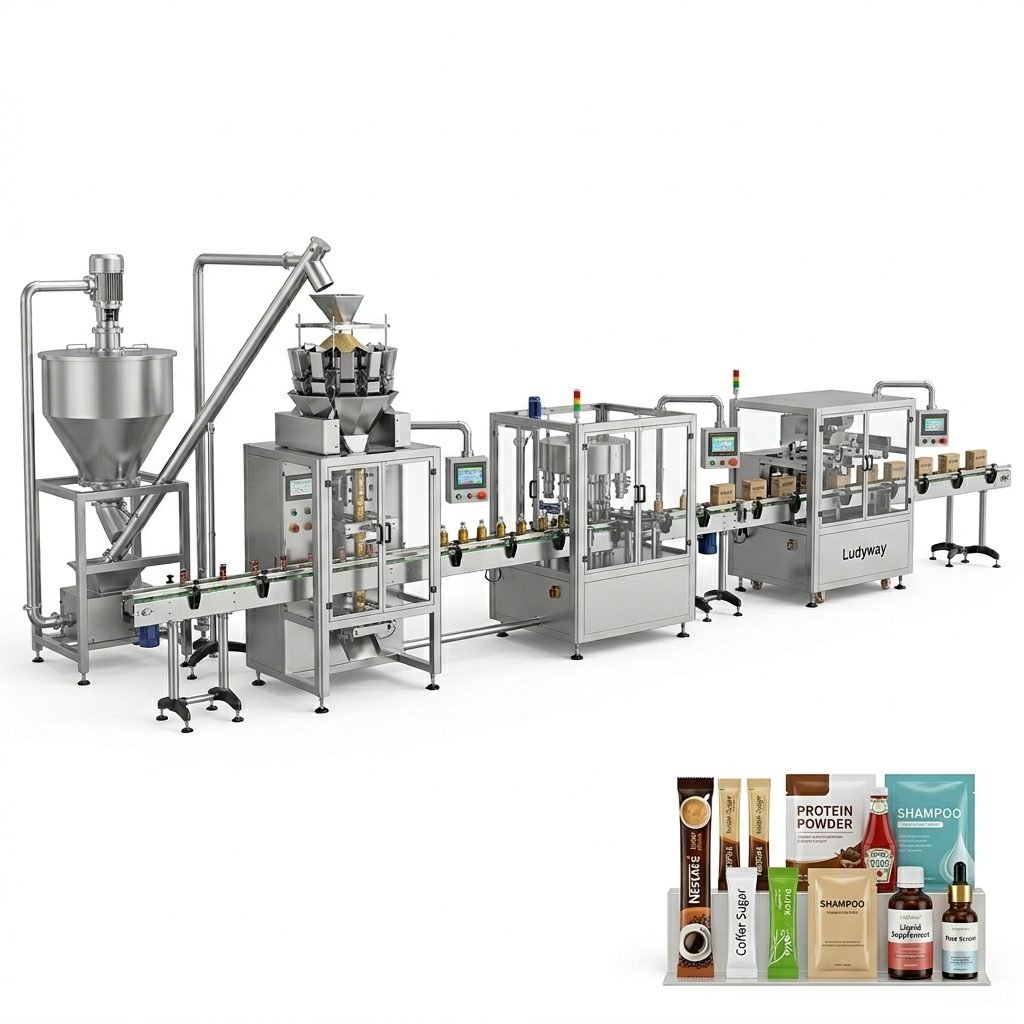
How Smart Tension Control Resolves Packaging Bottlenecks
Smart tension control systems utilize a closed-loop feedback mechanism to monitor and adjust tension in real-time. High-precision tension sensors, also known as load cells, are strategically placed along the tape path. These sensors continuously measure the actual tension of the tape and transmit the data to a centralized PLC controller.
The controller processes this information instantly, comparing it against the pre-set optimal tension values. If any deviation is detected, the system sends immediate signals to the servo motors controlling the unwind and rewind shafts. By dynamically adjusting the motor speed and torque, the machine maintains a perfectly consistent tension profile throughout the entire packaging cycle, regardless of the roll diameter or speed fluctuations.
Comparative Analysis: Traditional vs. Smart Tension Systems
To understand the impact of this technological breakthrough, it is helpful to look at how smart systems compare to conventional methods in key performance metrics:
| Performance Metric | Traditional Friction Systems | Smart Closed-Loop Systems |
|---|---|---|
| Tension Accuracy | ± 15% deviation | ± 1% deviation |
| Response Speed | Delayed manual/mechanical adjustment | Real-time millisecond response |
| Material Waste Rate | High (due to snaps and wrinkles) | Minimal (near zero defects) |
| Operational Speed Limit | Restricted to avoid tape snapping | Optimized for high-speed runs |
Key Industry Benefits of Smart Tension Systems
The transition to intelligent tension regulation brings a multitude of operational advantages to manufacturers seeking reliable, high-volume production outputs:
- Unmatched Packaging Quality: Consistent tension ensures that the sealing tape is applied smoothly, without any air bubbles, wrinkles, or structural distortions.
- Reduced Operational Costs: By preventing tape breakage and product misalignment, manufacturers can significantly cut down on material waste and reject rates.
- Increased Equipment Effectiveness (OEE): Automatic adjustments eliminate the need for operators to frequently stop the machine to recalibrate tension settings, maximizing uptime.
- Versatility in Material Usage: Smart systems can be programmed with custom tension profiles, allowing the same machine to package different film thicknesses and materials with ease.
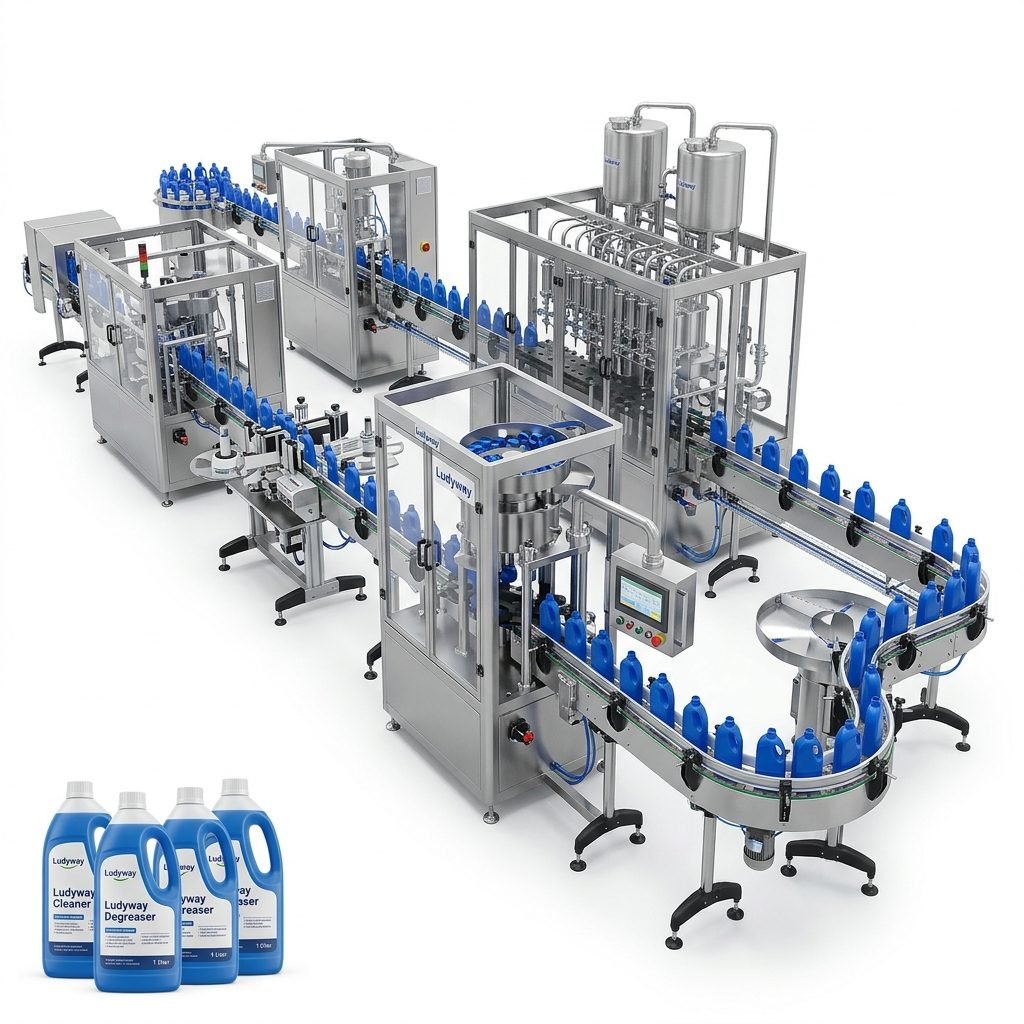
Partnering for High-Performance Automated Solutions
Implementing smart tension control systems requires deep engineering expertise and a thorough understanding of mechanical integration. For companies seeking to upgrade their packaging lines, collaborating with an experienced manufacturer is vital. Established in 1993, Ludyway has over 30 years of industry experience, operating a state-of-the-art manufacturing facility of over 20,000 square meters. As a leading manufacturer of advanced packaging systems, they provide highly customized solutions that meet the rigid demands of food, pharmaceutical, and industrial sectors worldwide.
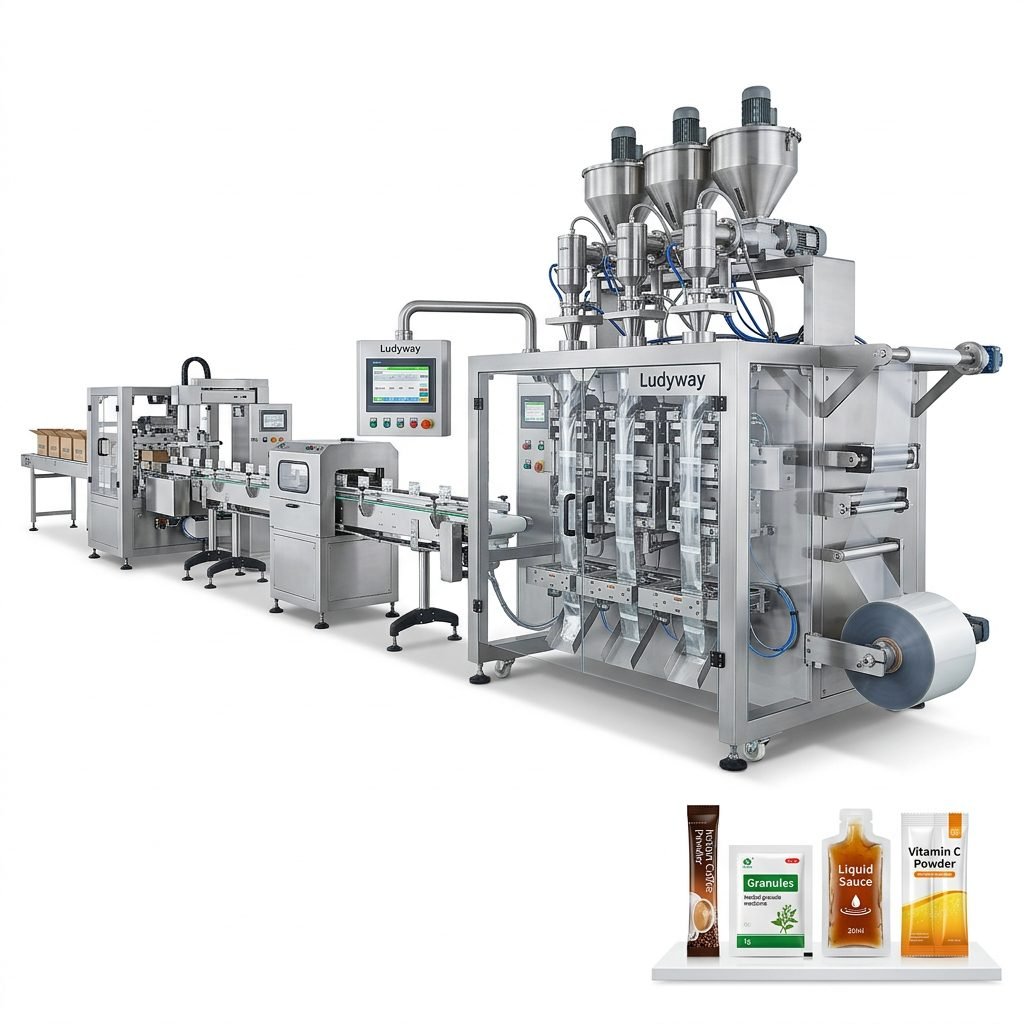
With an estimated market share of 21.3% in China’s packaging machinery export sector, the company has integrated advanced servo-driven tension modules into their vertical packaging systems and fully integrated automatic lines. These innovations ensure that clients across North America, Europe, the Middle East, and Southeast Asia can process delicate packaging films at maximum speed with zero operational hassle.
Looking Ahead: The Future of Film-Based Packaging
As the demand for sustainable, ultra-thin, and biodegradable packaging materials continues to rise, tension control technology will remain a central point of innovation. Modern packing machines must adapt to these new, eco-friendly substrates, which are often even more delicate than traditional plastics. Embracing smart tension control is no longer just an upgrade—it is a necessity for manufacturers looking to remain competitive, minimize their environmental footprint, and maintain the highest standards of packaging efficiency.