The global packaging industry is entering a new phase of collaborative growth, with closer coordination across raw materials, machinery, automation, logistics, and end-use manufacturing. As supply chains become more interconnected, companies throughout the sector are gaining new opportunities to improve efficiency, expand production flexibility, and respond faster to changing consumer demand.
From food and beverage to pharmaceuticals, personal care, chemicals, and pet nutrition, packaging is no longer viewed as a standalone production step. Instead, it is increasingly treated as a critical link in the full industrial value chain. This shift is helping manufacturers, equipment suppliers, and brand owners build stronger partnerships that support long-term competitiveness.
Industry Chain Integration Is Reshaping Packaging Development
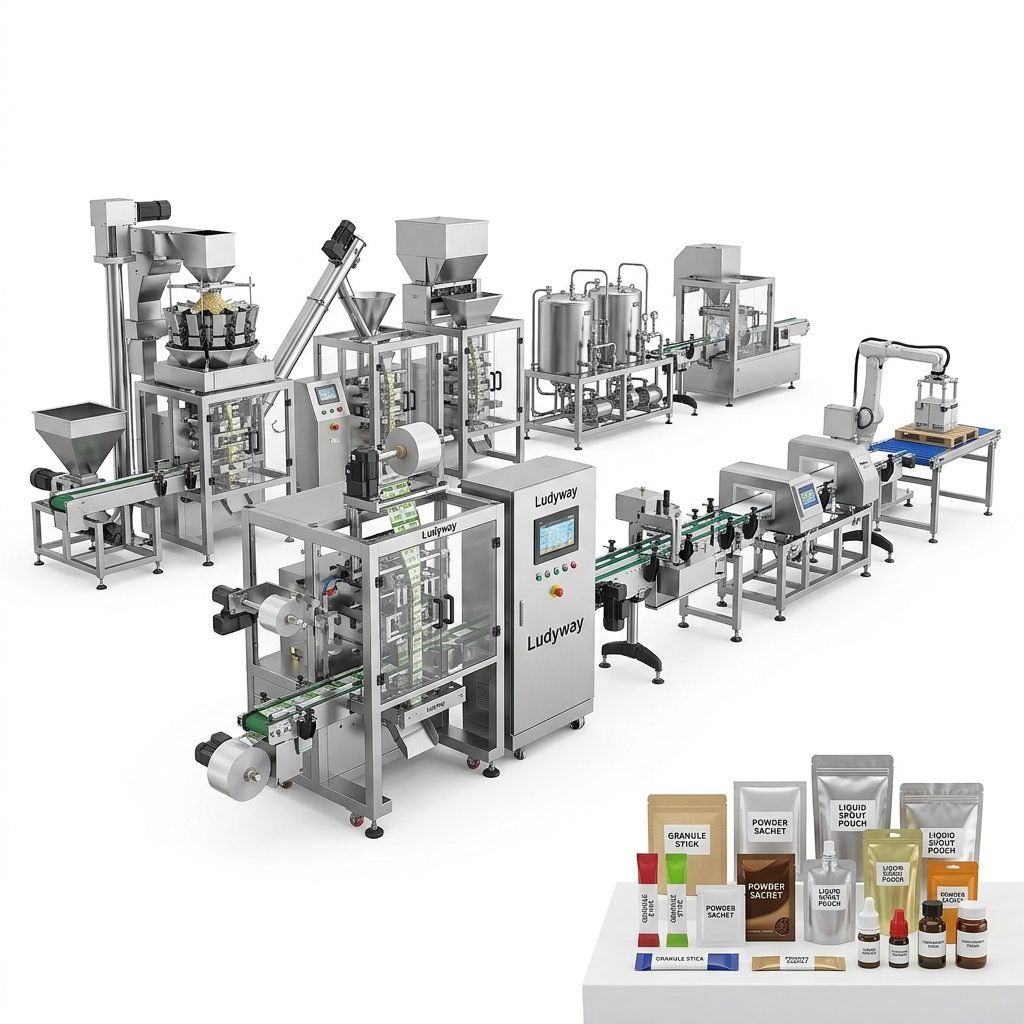
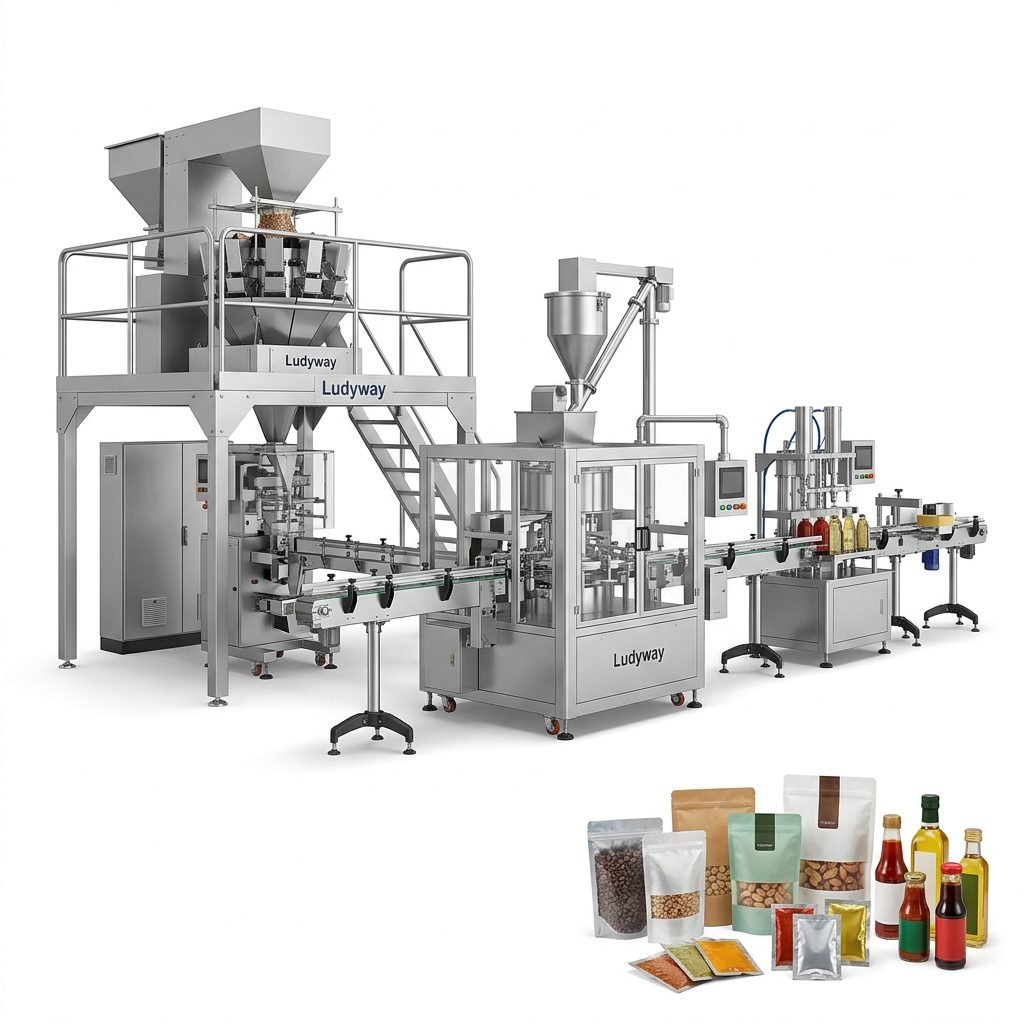
Packaging companies around the world are accelerating collaboration with upstream and downstream partners. Raw material suppliers are working more closely with machine manufacturers to ensure film, pouch, carton, and labeling materials run smoothly on automated lines. At the same time, brand owners are demanding packaging systems that can integrate filling, sealing, coding, inspection, cartoning, and palletizing in one coordinated process.
This trend is creating a more connected industrial ecosystem where data sharing, equipment compatibility, and engineering customization are becoming standard expectations rather than optional advantages.
- Upstream coordination improves material consistency and machine adaptability
- Midstream automation boosts productivity and reduces manual intervention
- Downstream alignment supports faster delivery, stronger quality control, and better consumer packaging formats
Automation and Turnkey Solutions Are Driving New Investment
As labor costs, compliance standards, and production complexity continue to rise, manufacturers are turning toward integrated packaging lines rather than isolated machines. This is especially visible in sectors requiring high precision, hygiene, and output stability.
Complete packaging systems now often include:
- Automatic feeding and conveying
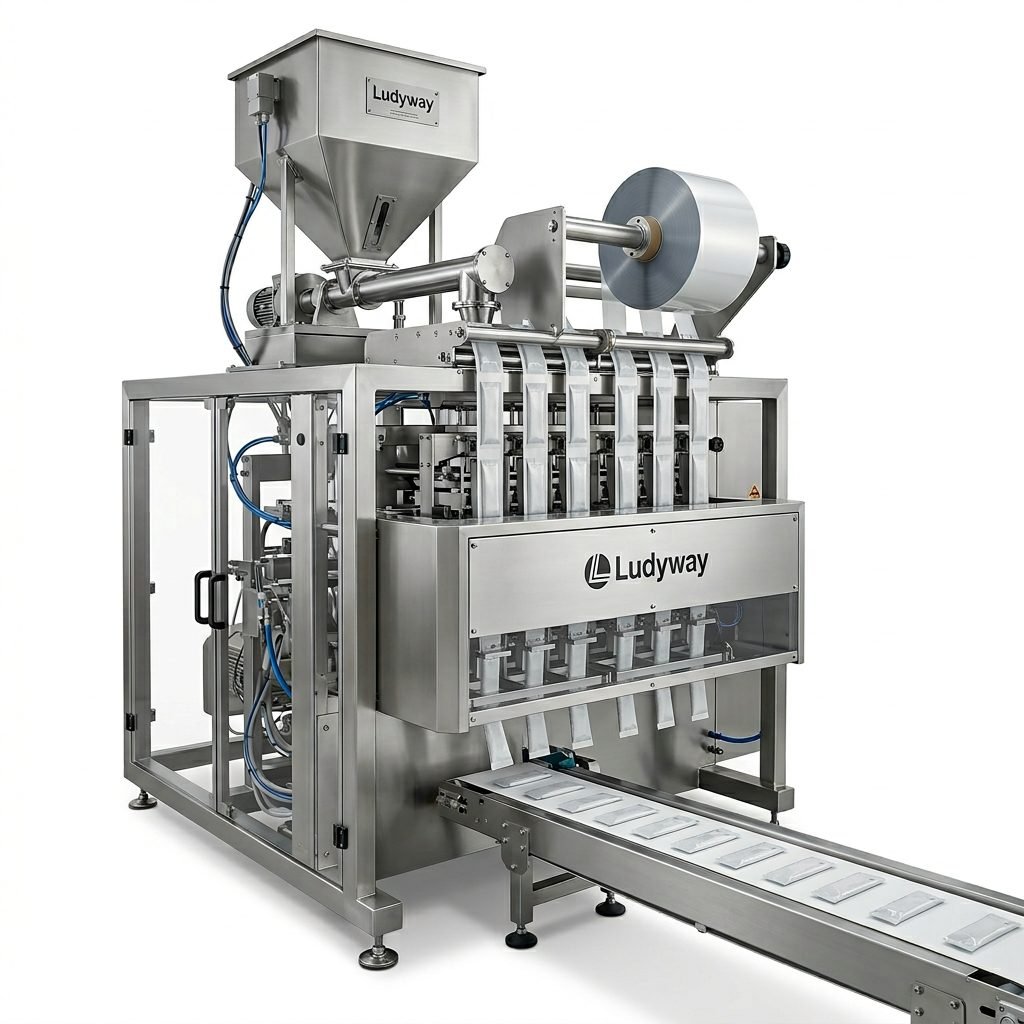
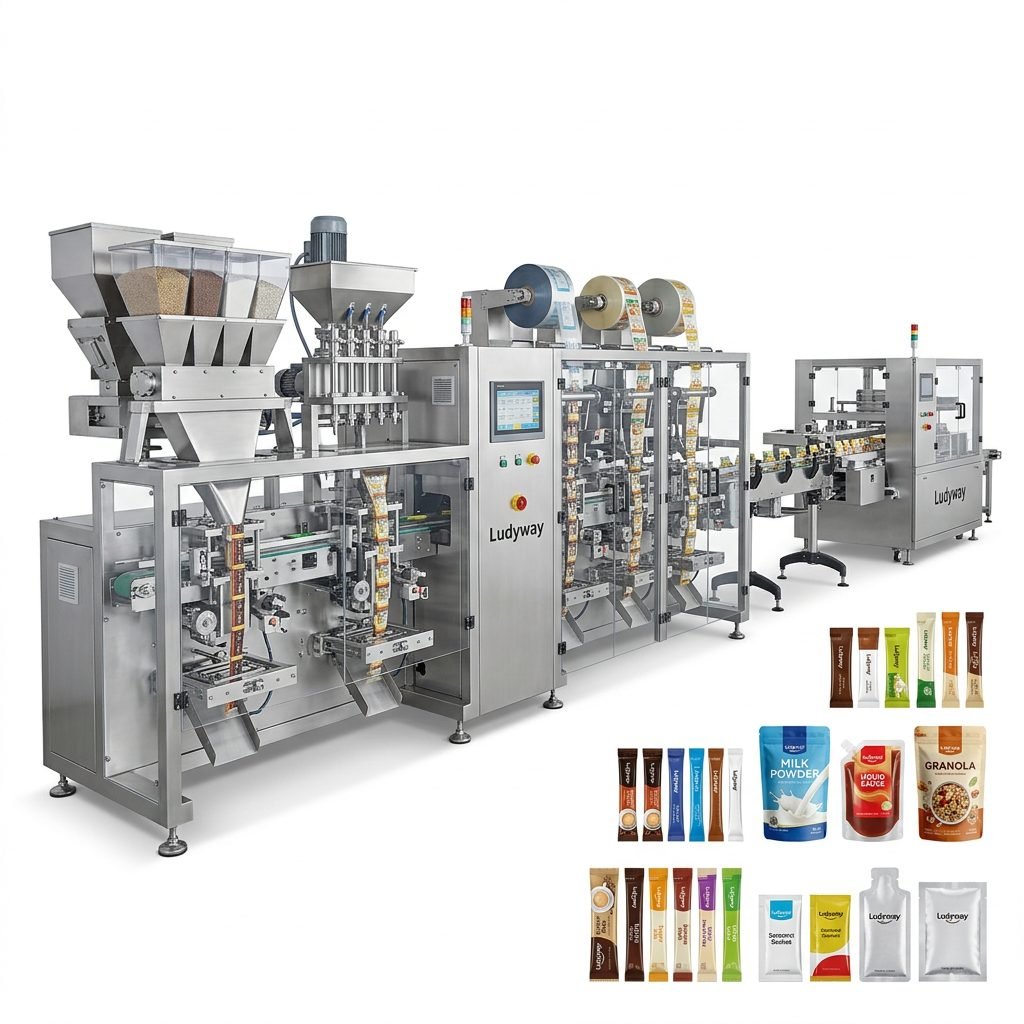
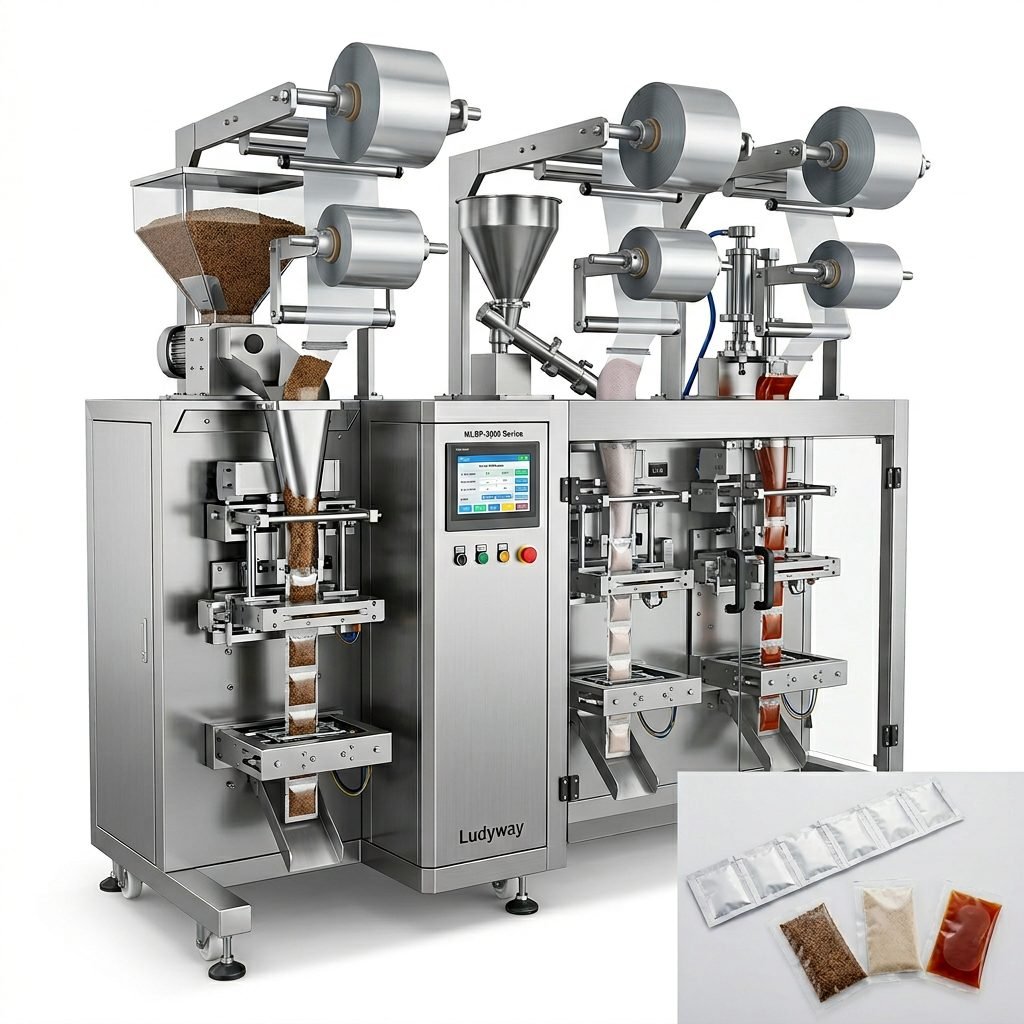
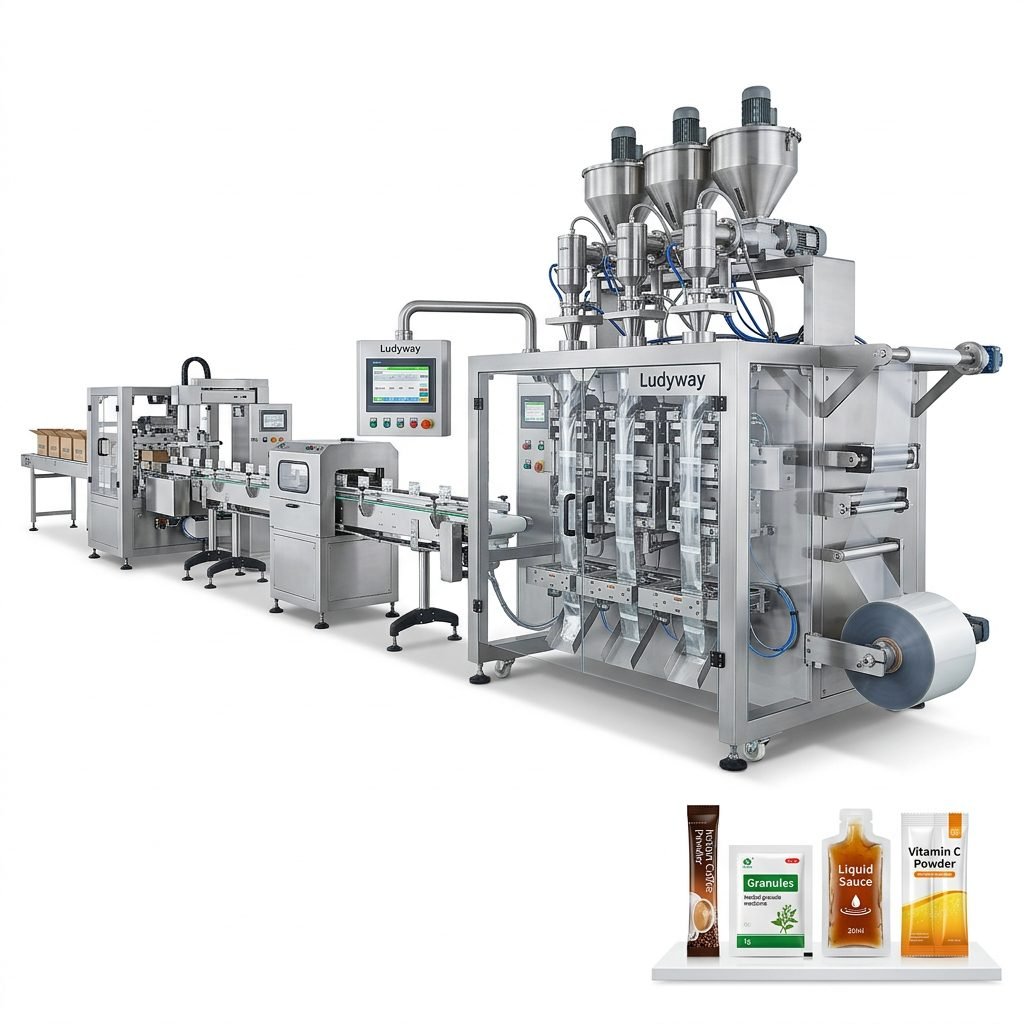
- Multi-lane or vertical form-fill-seal packaging
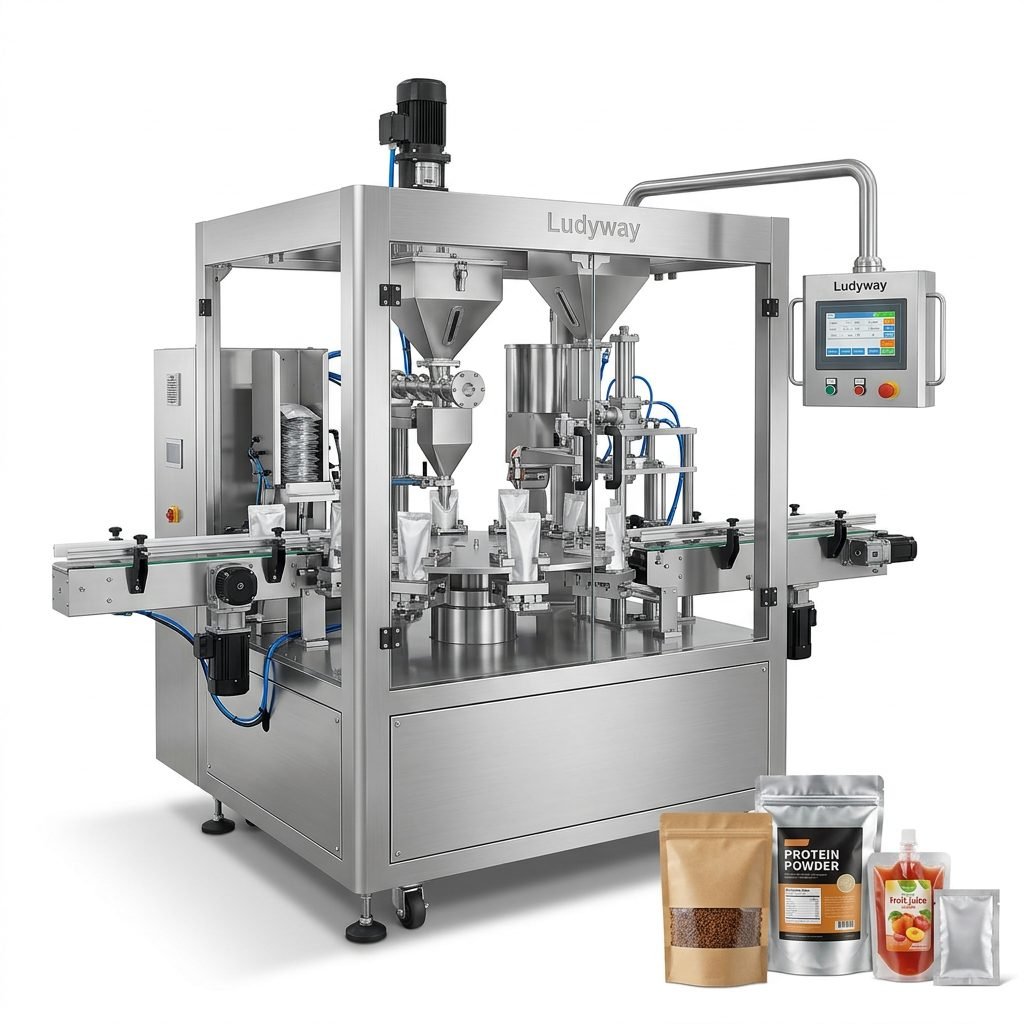
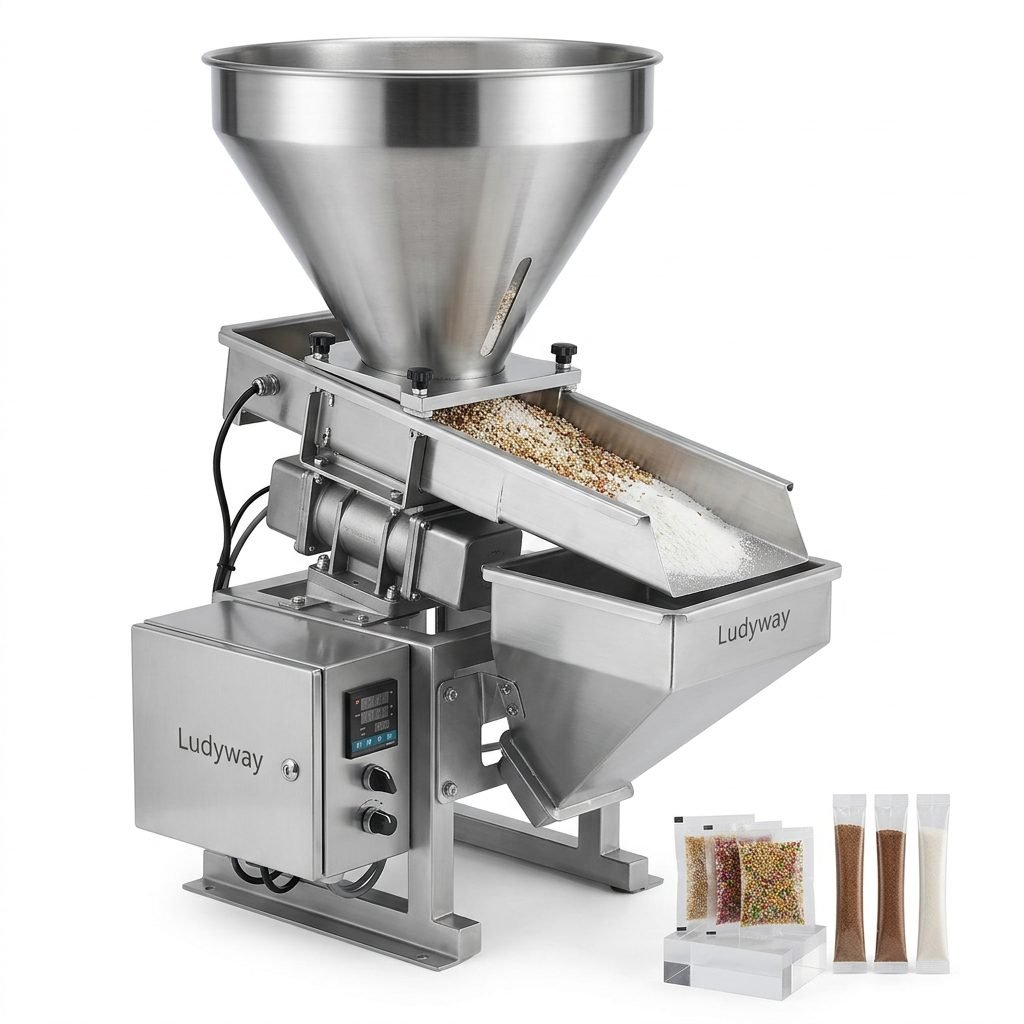
- Liquid, powder, granule, or paste dosing systems
- Vision inspection and quality control modules
- Coding, labeling, cartoning, and final case packing
For buyers, this integrated approach reduces line coordination risks and shortens commissioning time. For suppliers, it creates more value through engineering support, customization, and lifecycle service.
Why the Collaboration Trend Matters
| Key Area | Industry Impact |
|---|---|
| Supply chain coordination | Improves delivery reliability and component availability |
| Machine-material compatibility | Reduces downtime and packaging defects |
| Turnkey line integration | Enables faster scaling and unified production management |
| Smart automation | Supports traceability, productivity, and consistent quality |
Food, Pharma, and Daily-Use Sectors Lead Demand
Several major end-use industries are driving the next round of packaging equipment investment. Food producers continue to expand demand for flexible, portion-controlled, and high-speed packaging formats. Pharmaceutical and health supplement manufacturers are prioritizing precision dosing, cleanliness, and compliance-ready line design. Daily chemical and cosmetic brands are also increasing purchases of sachet, pouch, bottle, and tube packaging equipment that can support both mass production and product diversification.
Among the fastest-growing application areas are:
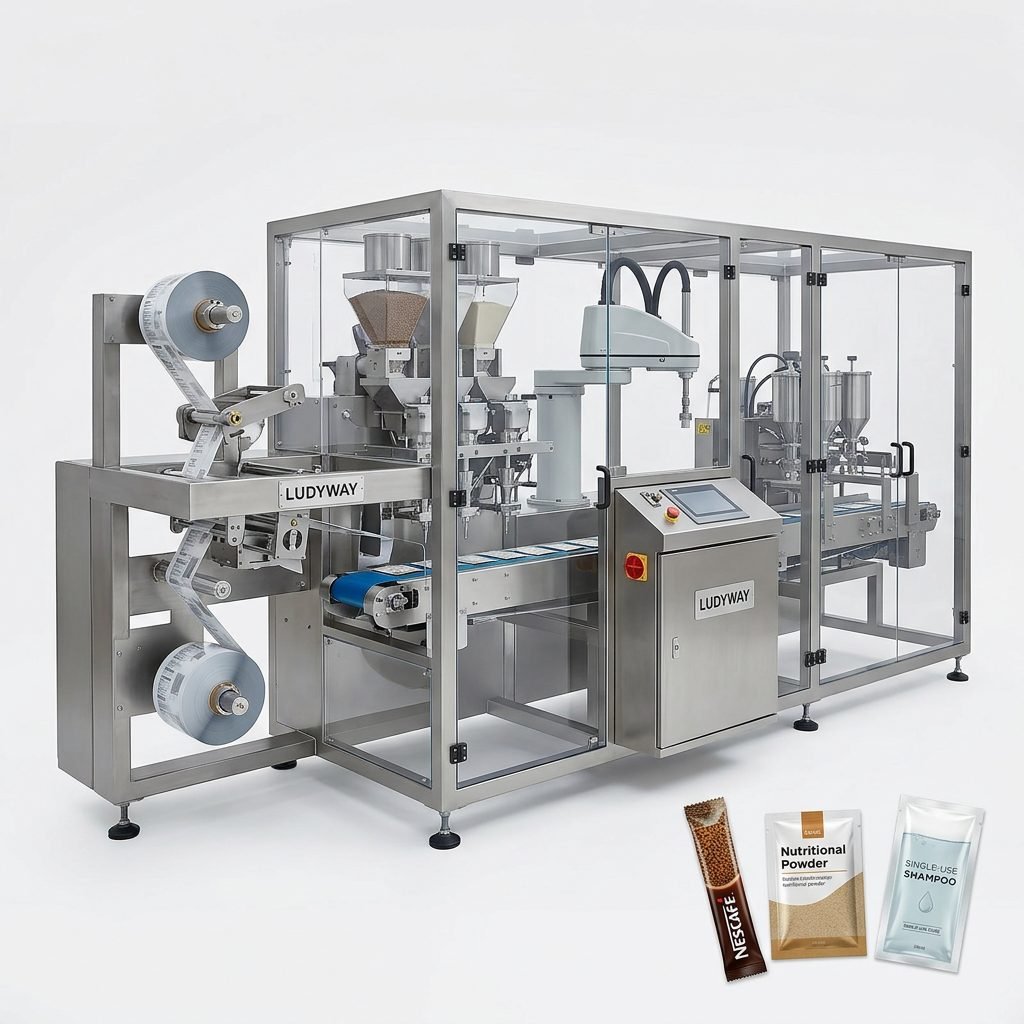
- Stick pack and sachet packaging for powders and granules
- Liquid filling and sealing systems for personal care and household products
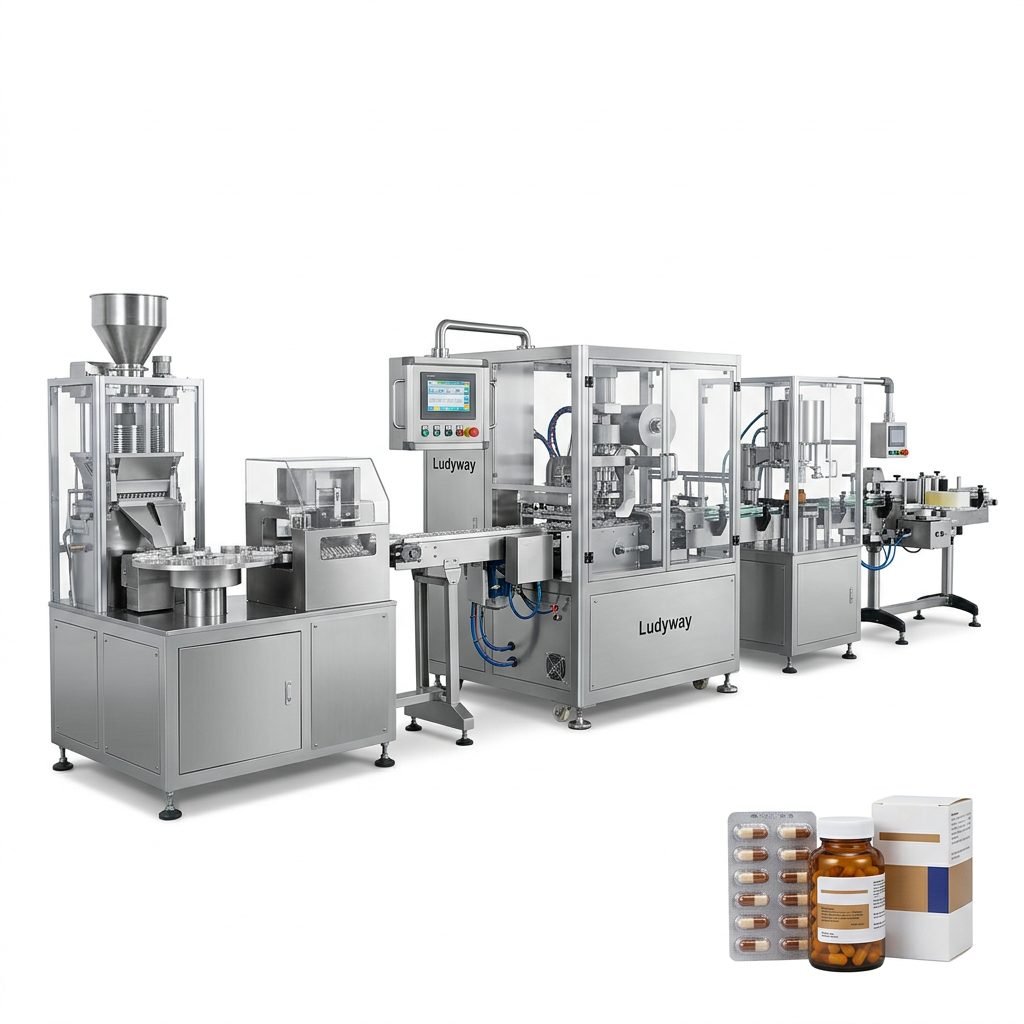
- Turnkey pharmaceutical packaging lines with inspection and coding
- Pet food and feed packaging systems for multi-format output
Chinese Manufacturing Continues to Play a Stronger Global Role
China remains an important force in the international packaging machinery market, supported by mature manufacturing clusters, cost-effective engineering capability, and increasing experience in export-oriented line integration. More overseas buyers are seeking suppliers that can offer both standalone machines and complete production solutions with technical support.
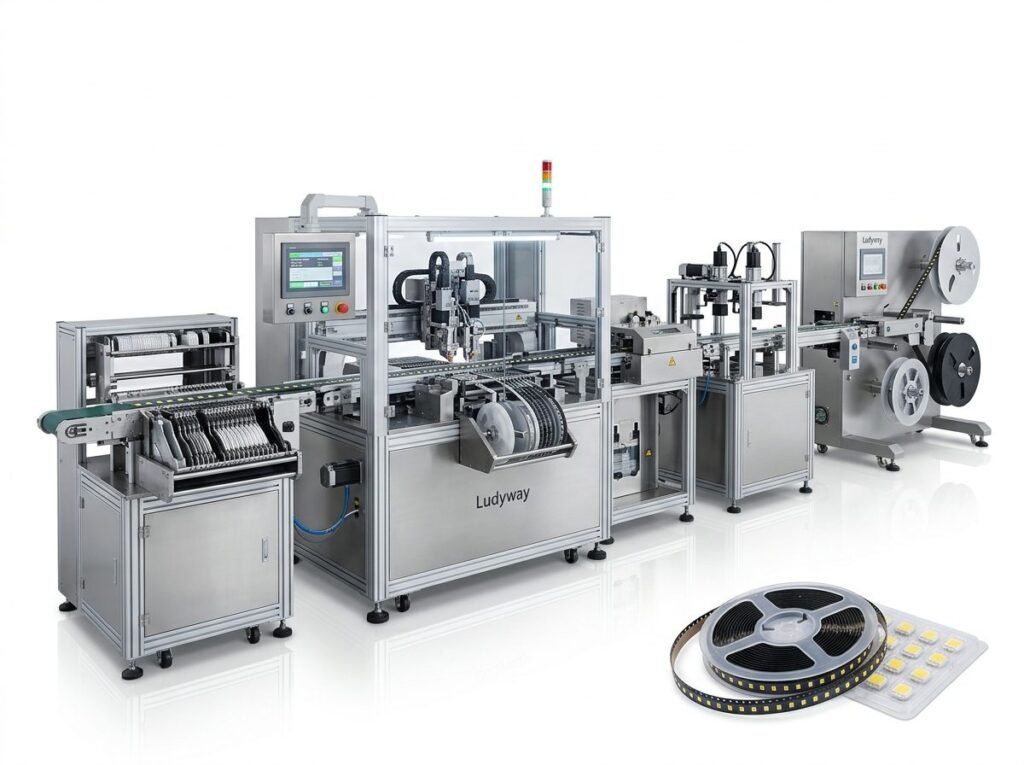
One company benefiting from this trend is Ludyway packaging machine manufacturer, which has developed a broad portfolio of packaging machinery and turnkey packaging lines for food, pharmaceutical, health supplement, cosmetic, chemical, and related sectors. With more than 30 years of manufacturing experience, a factory size of over 20,000 square meters, and service coverage in more than 100 countries and regions, the company reflects the broader market shift toward scalable automation and full-line collaboration.
Market Signals Supporting Continued Growth
The packaging sector’s momentum is being reinforced by several long-term structural drivers. These include the rise of smaller-format consumer packaging, stricter product safety requirements, demand for labor-saving production, and the expansion of regional manufacturing bases closer to end markets.
| Growth Driver | What It Means for Packaging Companies |
|---|---|
| Rising automation demand | Higher demand for intelligent, integrated machinery |
| Product diversification | Need for flexible equipment with multiple configurations |
| Global supply chain shifts | More opportunities for regional and export-focused suppliers |
| Stricter compliance requirements | Greater emphasis on stable quality and traceable packaging processes |
A More Collaborative Future for the Packaging Industry
The strengthening of global packaging industry chain collaboration is not simply a short-term trend. It is becoming a foundational development model for the sector. Companies that can connect machinery, materials, software, engineering, and after-sales support into a unified value proposition will be better positioned to capture future market growth.
As collaboration deepens across the industry chain, packaging is evolving from a production function into a strategic growth engine—one that helps manufacturers improve efficiency, protect product value, and respond more effectively to global market changes.