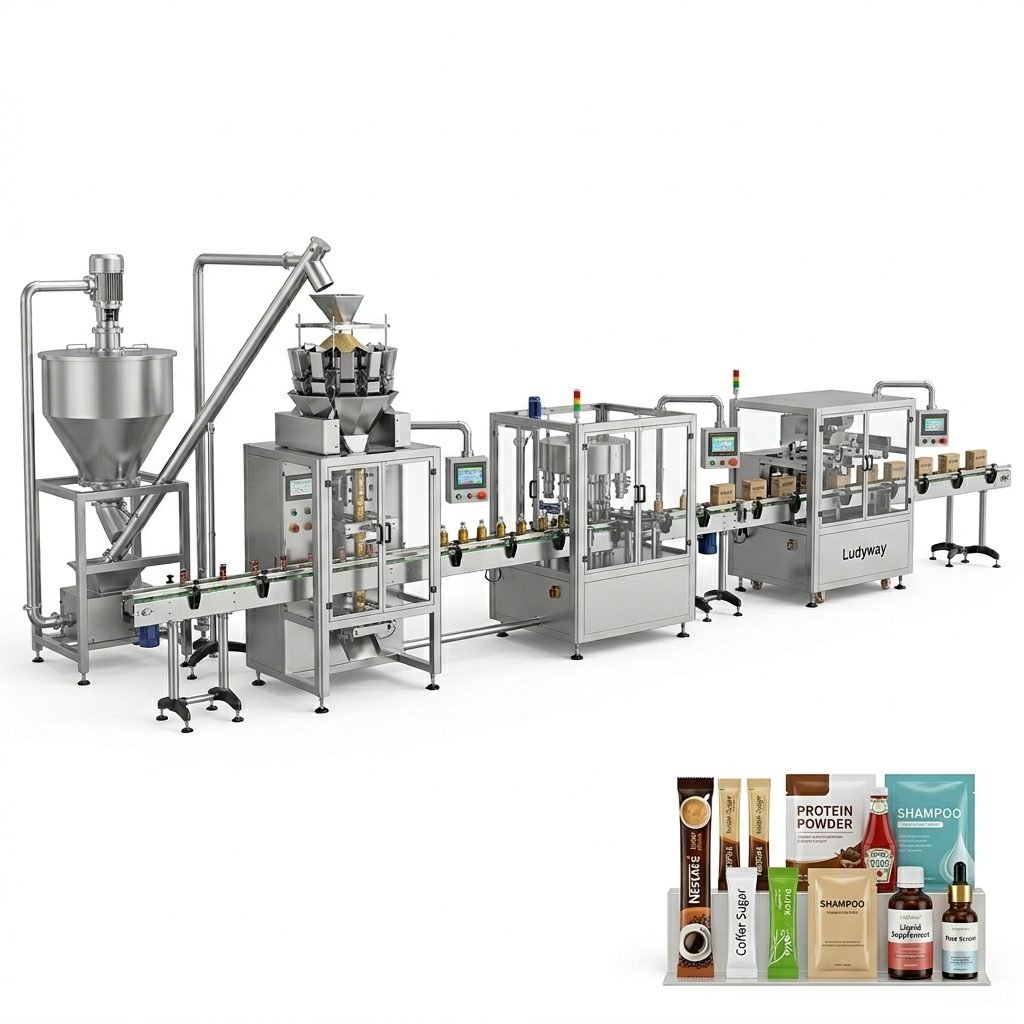
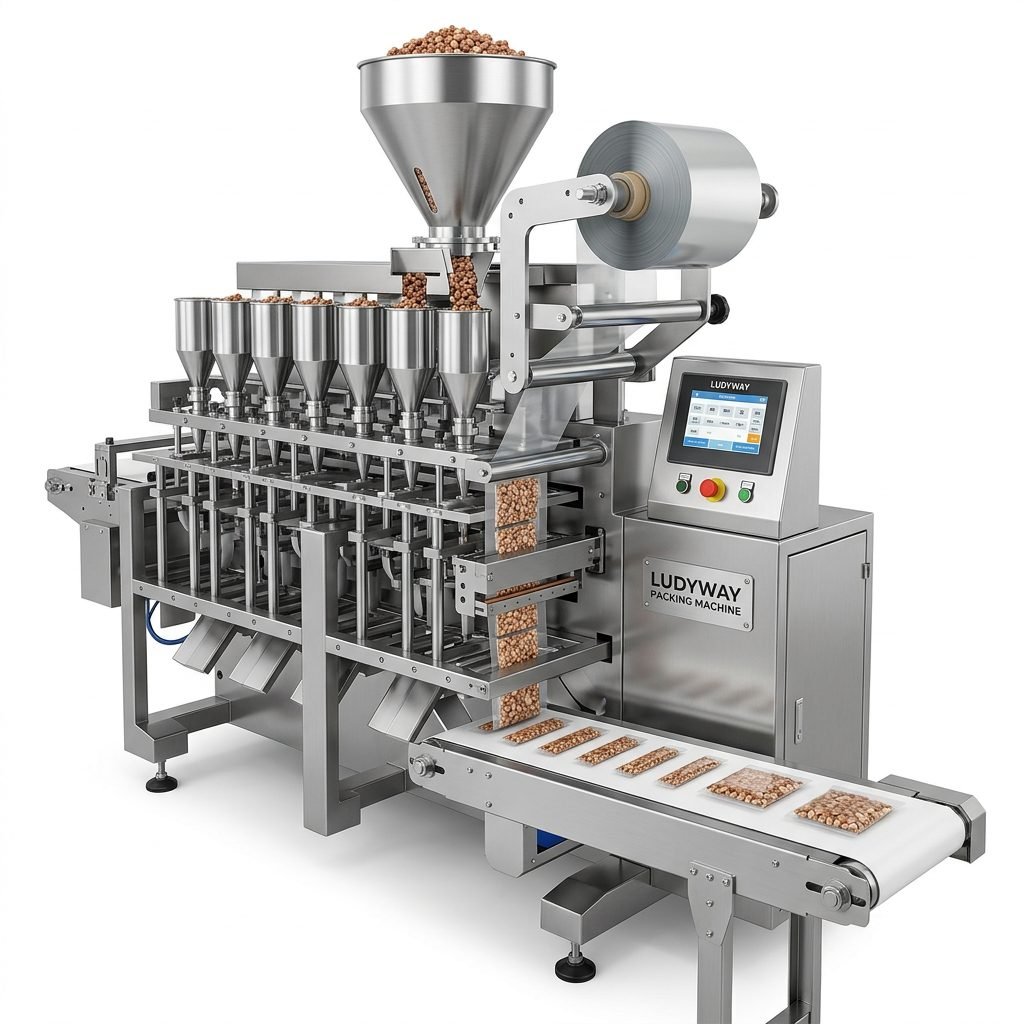
The world of spices is vibrant, diverse, and essential to cuisines globally. For producers, capturing this essence and delivering it to consumers in perfect condition requires precision, efficiency, and hygiene. This is where spice packaging machinery becomes the unsung hero of the supply chain. Choosing the right equipment is not just about bagging a product; it’s about preserving flavor, ensuring shelf life, maintaining brand integrity, and optimizing production costs. This complete guide will walk you through the types of machinery available, their key features, and a structured approach to selecting the perfect machine for your specific needs.
Core Objective of Spice Packaging
The primary goal is to create a hermetic seal that protects spices from their greatest enemies: moisture, light, oxygen, and contamination. Effective packaging locks in volatile oils and aromas—the very soul of the spice—while locking out elements that cause caking, clumping, flavor loss, and microbial growth. The right machinery achieves this consistently at high speed.
Main Types of Spice Packaging Machinery
Spices come in various forms—whole, ground, blended, or in paste form—and each may require a different packaging approach. Here are the primary machine types used in the industry.
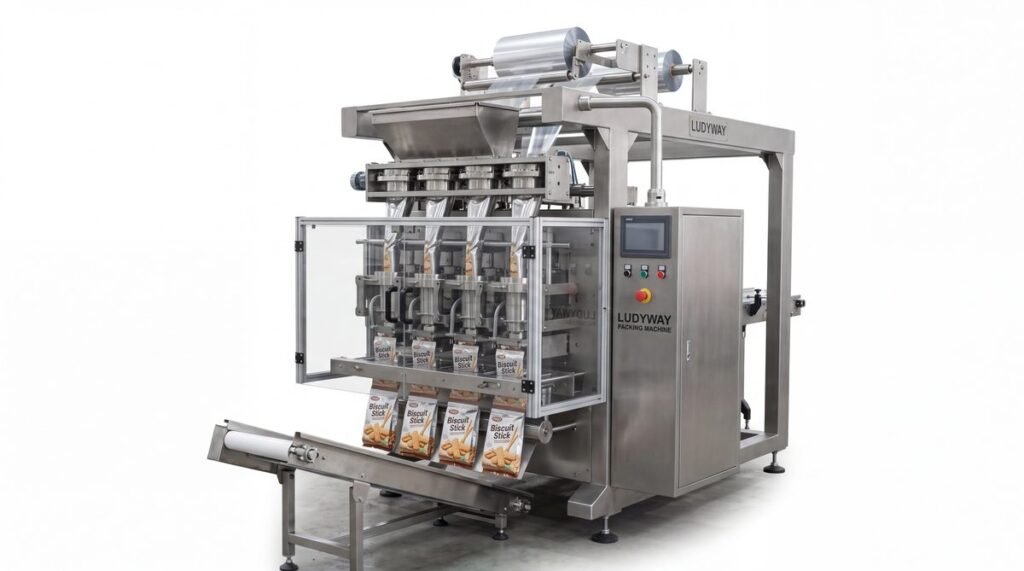
1. Vertical Form-Fill-Seal (VFFS) Machines
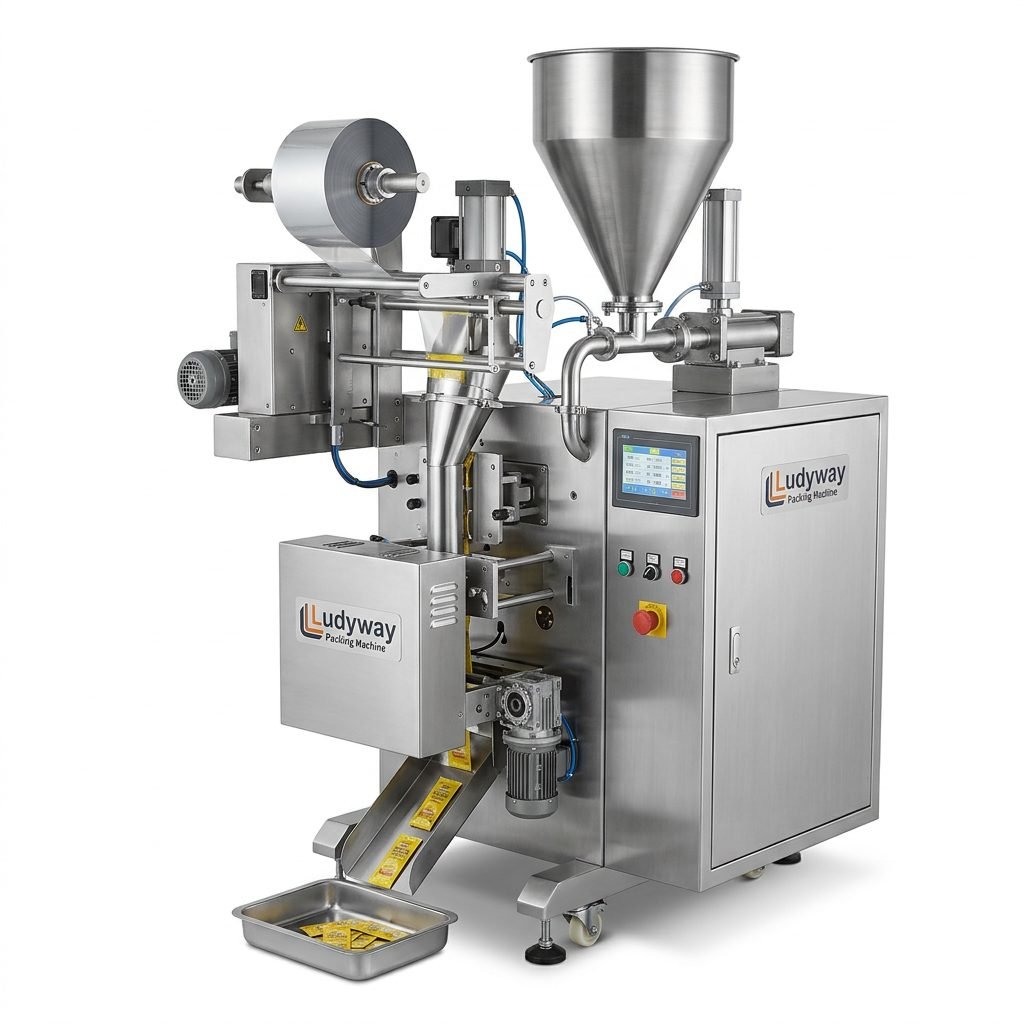
These are the workhorses of the spice industry, ideal for granular and powdered spices like cumin, chili powder, or turmeric. The machine forms a bag from a roll of film, fills it with a pre-measured amount of product, and then seals it—all in one continuous vertical motion.
- Best For: Free-flowing powders, granules, seeds.
- Bag Styles: Pillow bags, gusseted bags, block-bottom bags.
- Key Advantage: High speed, flexibility in bag size, and relatively lower cost per bag.
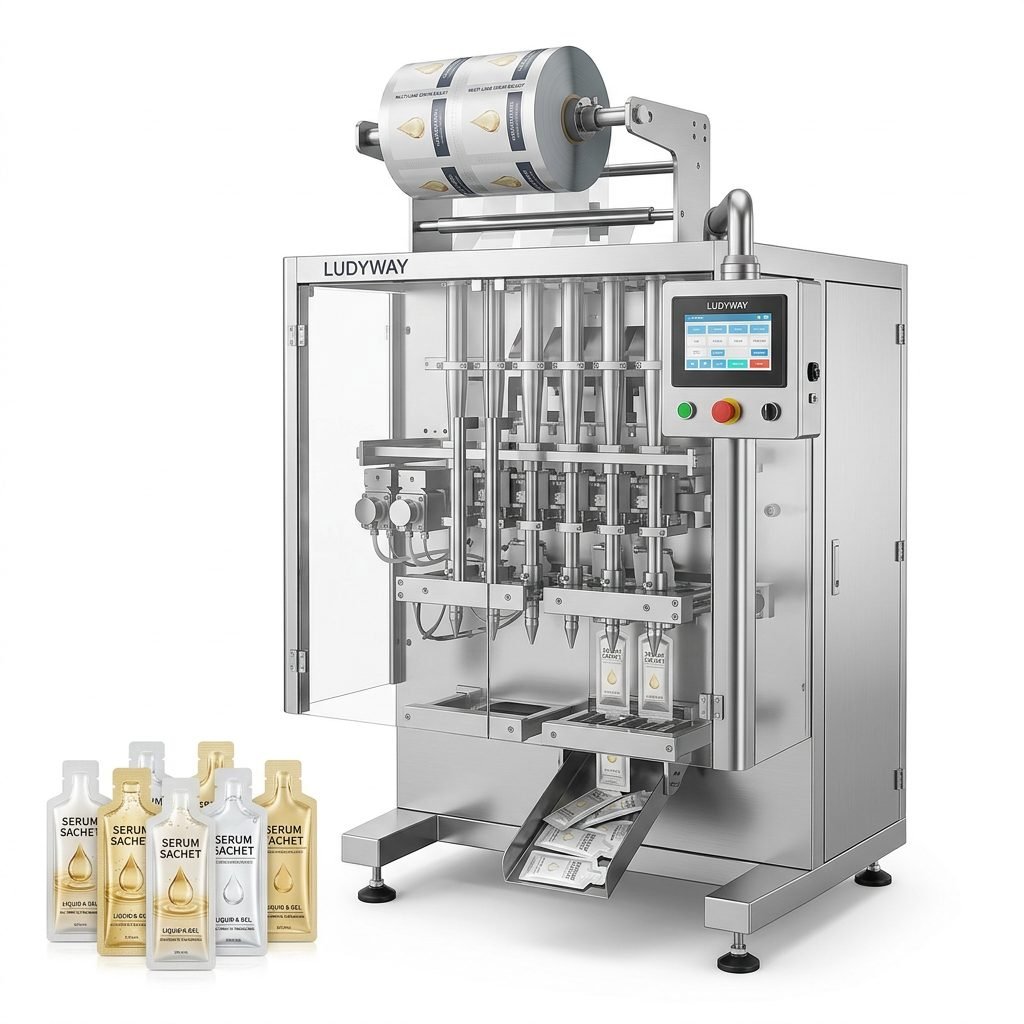
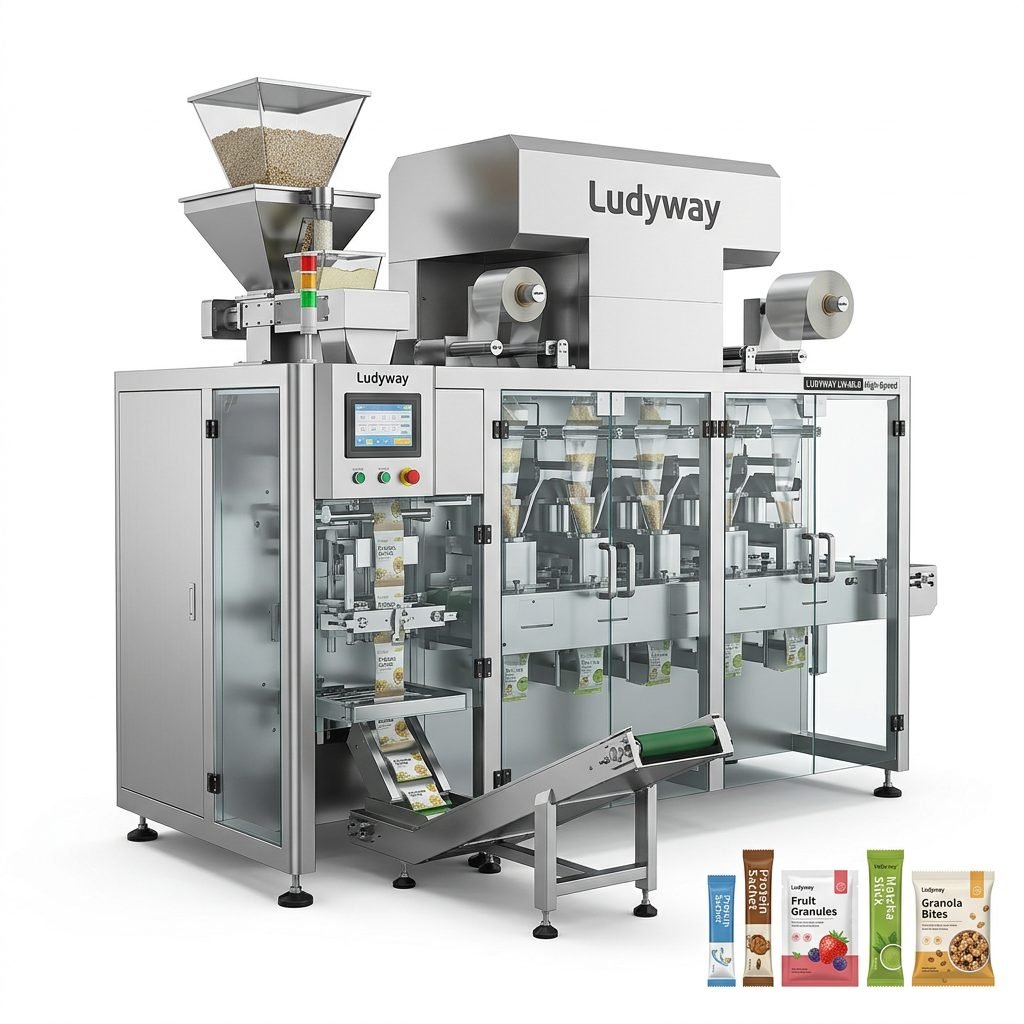
2. Horizontal Form-Fill-Seal (HFFS) Machines
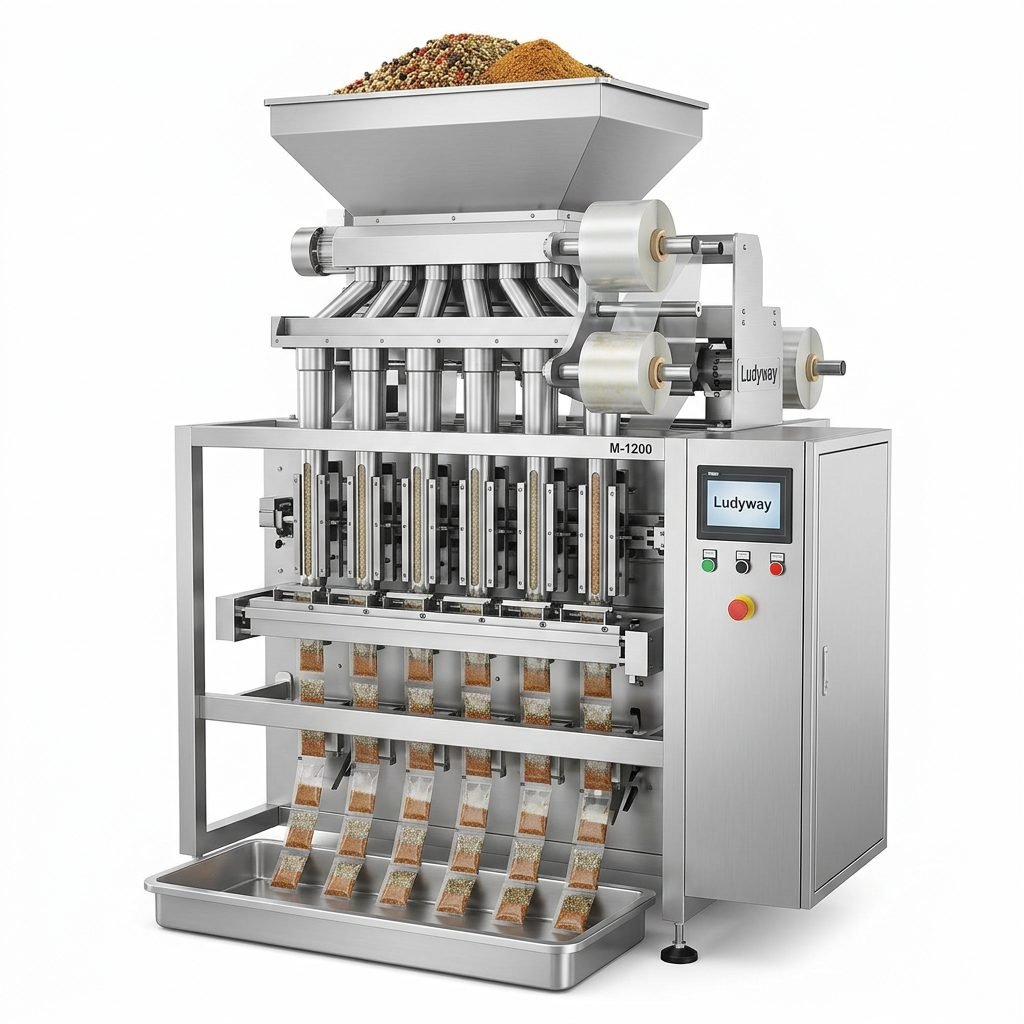
Often used for stick packs or sachets, these machines are excellent for single-serve portions of spice blends, recipe kits, or liquid pastes (like ginger-garlic paste). The film travels horizontally, and product is placed before the final seal is made.
- Best For: Portion control packs, liquid/spice pastes, multi-lane high-speed production.
- Bag Styles: Flat sachets, stick packs, four-side seal pouches.
- Key Advantage: Superior presentation for retail, ideal for small doses, can handle viscous products.
3. Pre-Made Pouch Machines
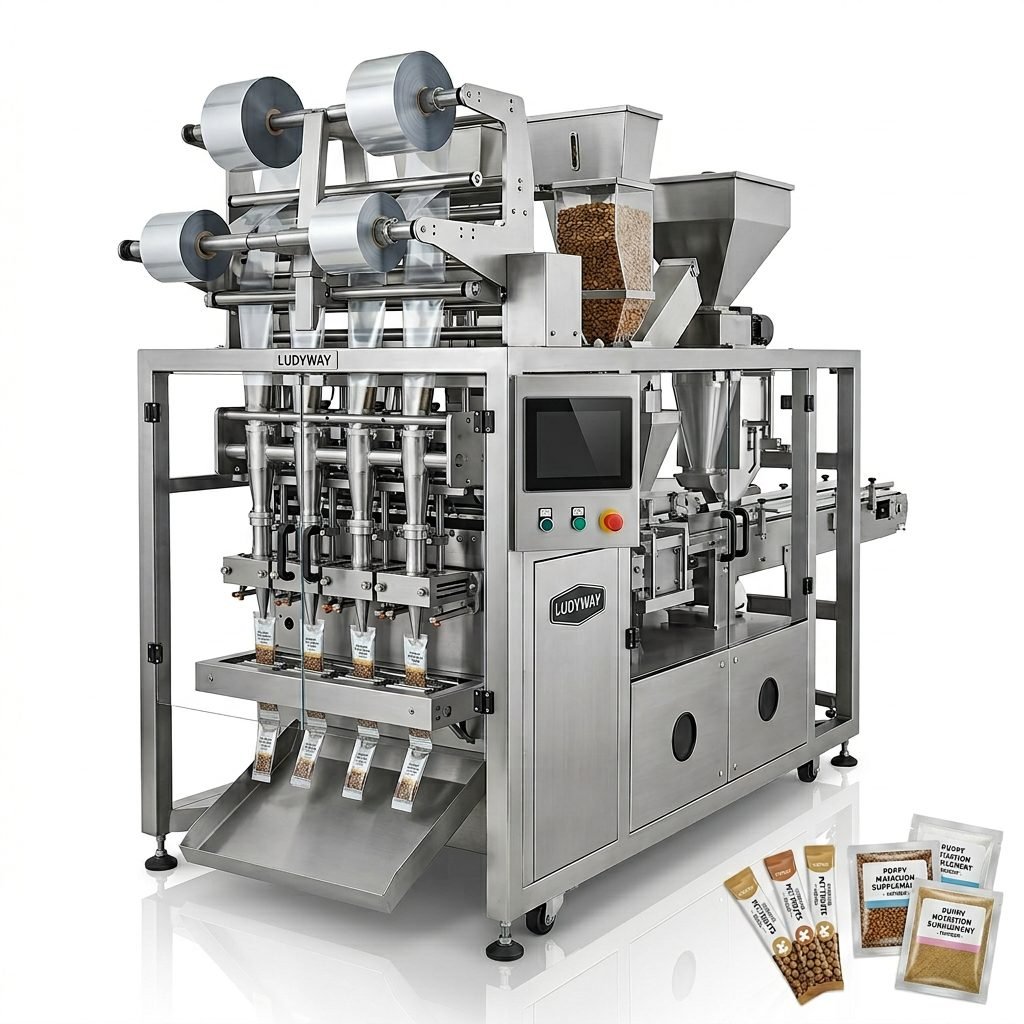
These systems use pre-manufactured, stand-up pouches (Doypack style) or flat pouches. The machine opens the pouch, fills it, and then seals it. This is ideal for premium spice blends or larger quantities where packaging graphics and structural integrity are paramount.
- Best For: Premium products, retail-ready stand-up pouches, products requiring high-quality printed packaging.
- Key Advantage: Excellent graphic display, strong shelf presence, good barrier properties from laminated films.
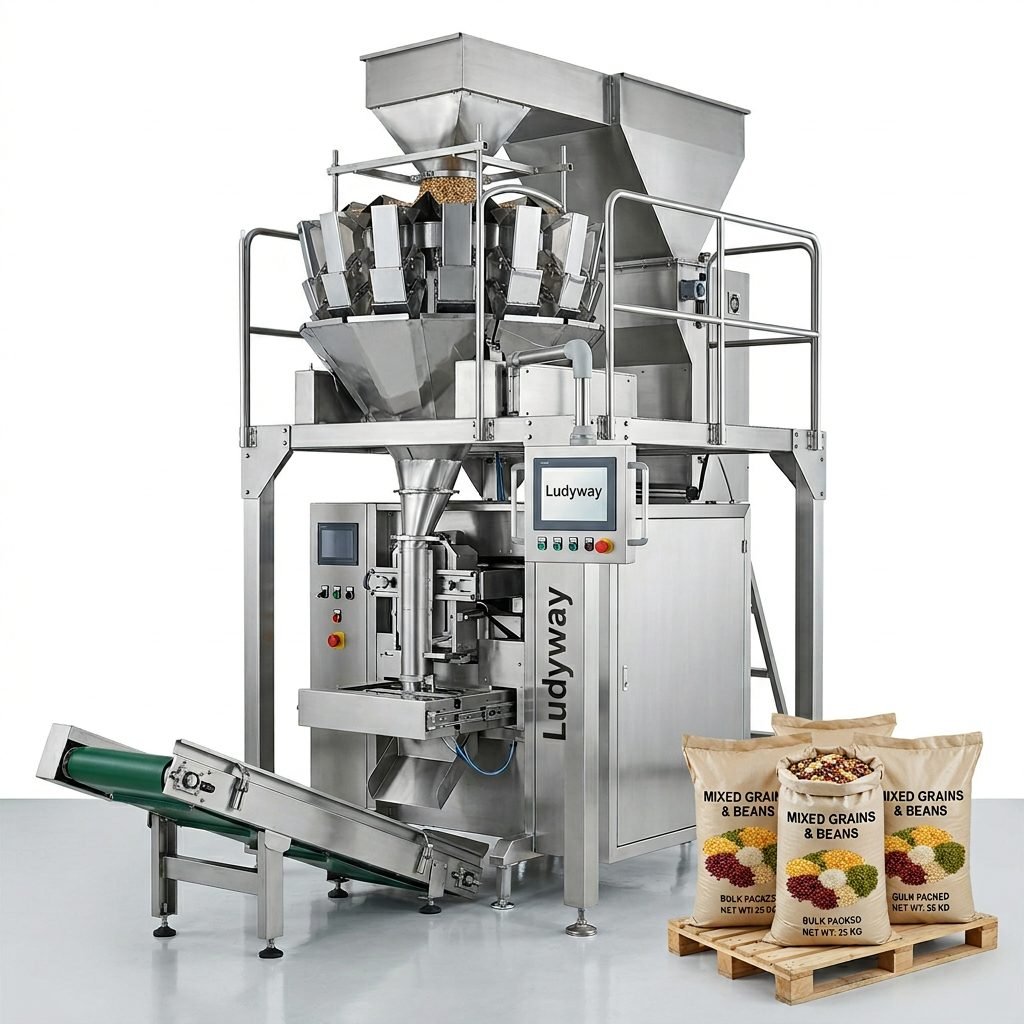
4. Auger Filling Machines
This is the core filling technology for most powder and granule packaging lines. A rotating screw (auger) precisely dispenses product from a hopper into the packaging. Accuracy is critical for weight control and cost savings.
- Best For: Precise filling of powders, granules, and fine blends.
- Key Feature: Stainless steel contact parts, easy-change augers for different products, dust-tight designs.
Essential Features to Evaluate
Beyond the machine type, specific features determine performance, hygiene, and longevity. Prioritize these based on your product and production environment.
Hygiene & Construction
Spices are food products. Machines must have a food-grade design with easy-clean surfaces. Look for:
- Stainless Steel (304 or 316): For all product contact parts, frame, and covers. It resists corrosion and is easy to sanitize.
- Sealed Electronics: To prevent spice dust ingress, which can cause electrical failures.
- Quick-Release Parts: Tools-free disassembly of augers, funnels, and hoppers for rapid cleaning and changeover.
Accuracy & Weighing Systems
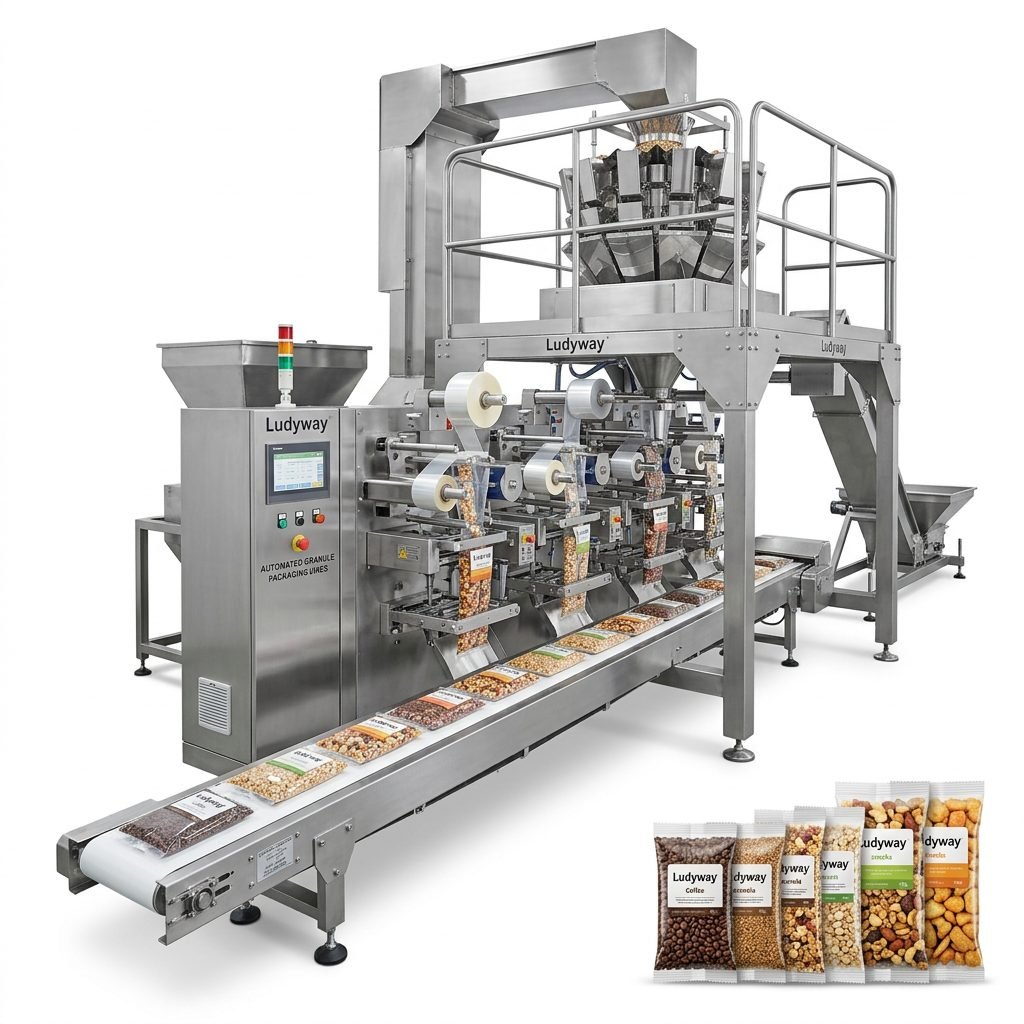
Giveaway (overfilling) eats into profits, while underfilling leads to regulatory non-compliance. Modern machines use multi-head weigh scales, linear weighters, or servo-driven auger systems with feedback loops for high precision, often achieving accuracy within ±0.5-1%.
Speed & Production Capacity
Speed is measured in bags or pouches per minute (BPM/PPM). Match the machine’s maximum speed to your current and near-future output needs. Remember, actual speed depends on product characteristics, bag size, and required accuracy.
Flexibility & Changeover
If you run multiple spice varieties or bag sizes, quick changeover is vital. Look for machines with digital memory for recipes, tool-less adjustments, and interchangeable forming tubes and augers. This minimizes downtime between production runs.
Automation & Integration
Consider machines that can integrate with upstream (mixers, conveyors) and downstream (checkweighers, cartoners) equipment. Features like automatic film splicing, date coding, and nitrogen gas flushing (to remove oxygen) can be integrated for a complete, automated line.
How to Choose the Right Spice Packaging Machine: A Step-by-Step Guide
Your Selection Checklist
Follow these steps to narrow down your options effectively.
Step 1: Define Your Product & Packaging Specifications
- Product Form: Fine powder, granules, flakes, blended mix, paste?
- Packaging Material: Laminated film (METPET/PE), kraft paper, aluminum foil stand-up pouch?
- Bag Type & Size: Small sachet (5g), retail pouch (50g), bulk bag (1kg)?
- Special Needs: Nitrogen flushing for premium whole spices, zipper for re-closability?
Step 2: Assess Your Production Requirements
- Output Speed: Calculate your required bags per shift/day.
- Floor Space: Measure your available space for the machine and peripherals.
- Operators: Determine the skill level and number of available personnel.
Step 3: Prioritize Must-Have Features
Based on Steps 1 & 2, list your non-negotiables. For a hygroscopic spice like paprika powder, a fully stainless steel construction and a de-dusting system might be top priorities. For a small-batch artisanal blend, easy changeover and gentle handling may be key.
Step 4: Research and Shortlist Suppliers
Look for manufacturers with proven experience in the food and spice sector. Review their case studies and client list. A supplier like Ludyway Packaging Machinery, with deep industry knowledge, can provide more than just a machine—they offer a solution tailored to spice handling challenges.
Step 5: Request a Product Test & Evaluate Support
Never buy without a test. Send your actual spice product to the supplier for a live demonstration. Observe:
Filling Accuracy,
Seal Integrity,
Ease of Operation.
Also, scrutinize the warranty, availability of spare parts, and technical support responsiveness.
Investing in Your Brand’s Future
The right spice packaging machine is a strategic investment. It protects your product quality, enhances your brand’s shelf appeal, improves operational efficiency, and scales with your growth. By thoroughly understanding your product needs and carefully evaluating machinery types and features, you can make a confident choice that will serve your business for years to come. Partnering with an experienced provider ensures you get not just equipment, but a reliable packaging solution and peace of mind.
Frequently Asked Questions (FAQs)
Q1: What is the most important factor when packaging ground spices versus whole spices?
For ground spices, the absolute priority is preventing moisture absorption and flavor loss. This requires machinery capable of creating a perfect hermetic seal, often using high-barrier films. For whole spices, while sealing is important, gentle handling to avoid breaking the seeds or leaves is also a key consideration, and nitrogen flushing is highly beneficial to preserve color and volatile oils.
Q2: Can one machine handle both powdered chili and whole peppercorns?
It is possible with a highly flexible machine, but not ideal without adjustments. Powdered chili requires a fine-pitch auger and excellent dust containment. Whole peppercorns need a larger-pitch auger for volumetric filling and gentler handling. The best solution is a machine designed for quick changeover, allowing you to swap the auger and funnel when switching between such different products.
Q3: How does packaging machinery help with regulatory compliance (e.g., FDA, EU standards)?
Compliant machinery is built with food-grade materials (like 304 stainless steel) and designs that prevent contamination. It ensures accurate net weight filling, which is a legal requirement. Furthermore, it can reliably imprint traceability information like batch codes and expiry dates. Choosing a reputable supplier familiar with global standards is crucial for export-oriented businesses.
Q4: Is automated spice packaging machinery suitable for small-batch or artisanal producers?
Yes, absolutely. While large VFFS lines exist, there are many compact, semi-automatic, or tabletop models designed for lower volumes. These machines offer the same precision sealing and professional finish but at a lower speed and capital investment. They are perfect for small businesses focusing on quality and brand presentation.
Q5: What are the common maintenance requirements for a spice packaging machine?
Daily cleaning is the most critical task to prevent cross-contamination and spice dust buildup. Regular maintenance includes lubricating moving parts (with food-grade lubricant), checking seal jaw temperatures and pressure, inspecting cutting blades for wear, and ensuring sensors are clean. A good supplier will provide a clear maintenance schedule and training.