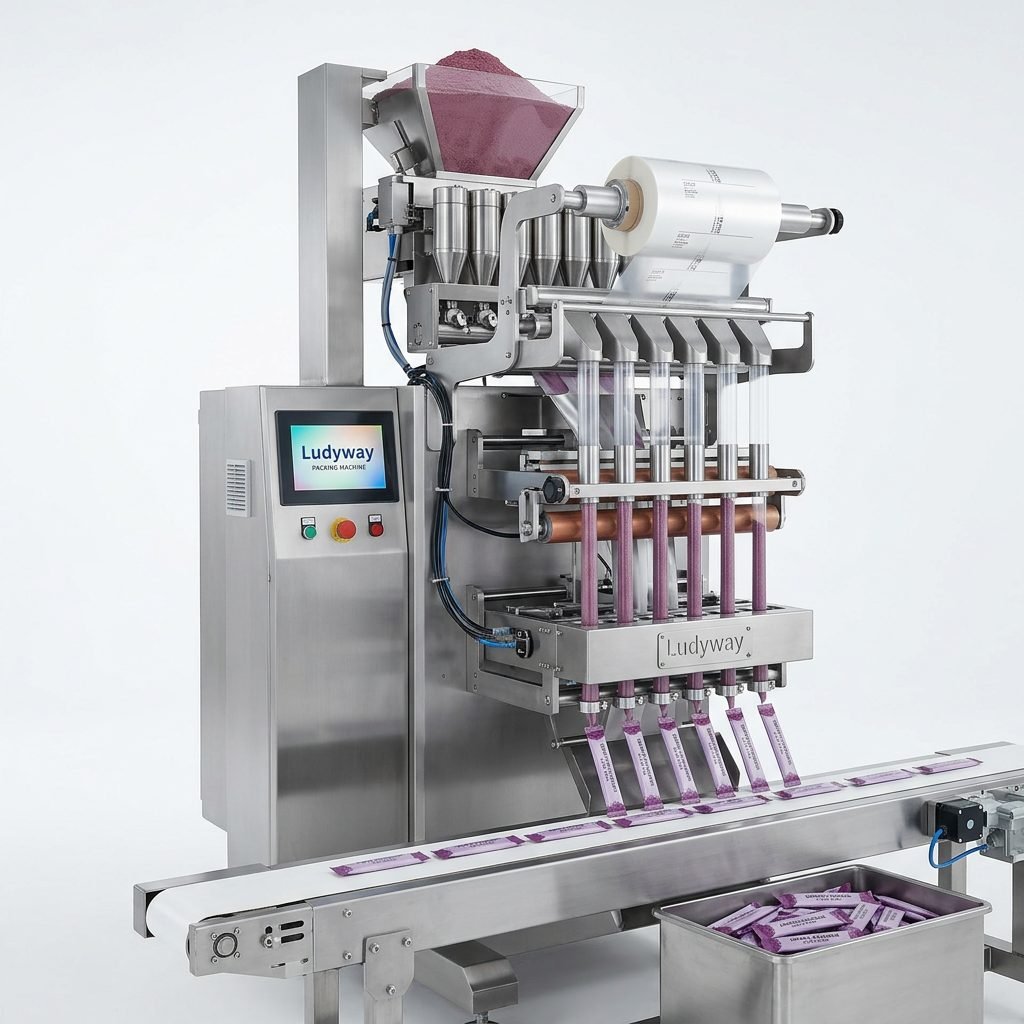
In the dynamic world of manufacturing and product distribution, packaging plays a pivotal role. Evergreen packaging equipment refers to those versatile, reliable, and efficient machines that form the backbone of modern production lines across industries like food, pharmaceuticals, and health products. These systems are designed for longevity and adaptability, ensuring businesses can meet evolving market demands without constant reinvestment in new machinery.
Understanding the Core Types of Packaging Equipment
The landscape of packaging machinery is diverse, each type serving a specific function in the production chain. Understanding these is the first step toward optimizing your operations.
Filling and Sealing Machines
These are the workhorses of the packaging line, responsible for accurately dispensing product into pouches, sachets, or sticks and then hermetically sealing them. Key variants include:
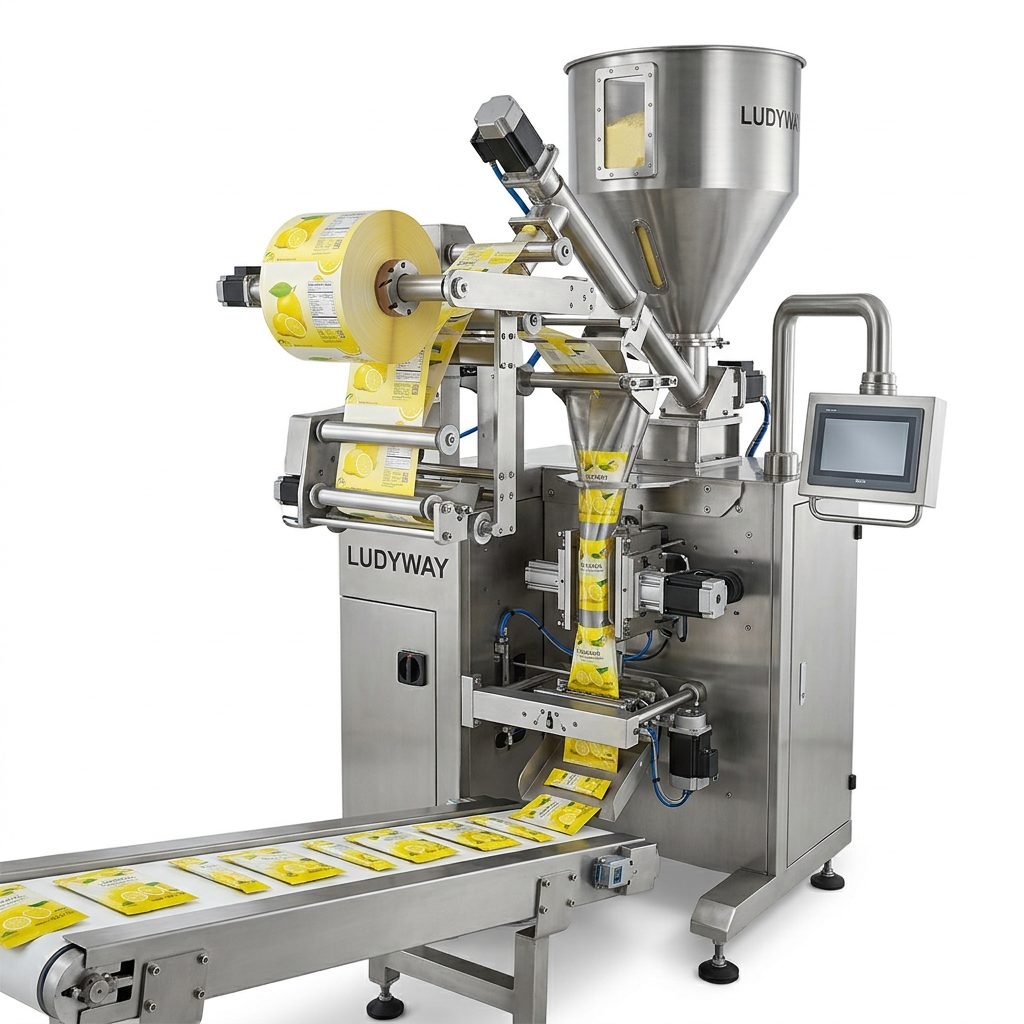
• Vertical Form-Fill-Seal (VFFS) Machines: Ideal for granule, powder, and liquid products. They form the packaging from a roll of film, fill it, and seal it in a continuous vertical process.
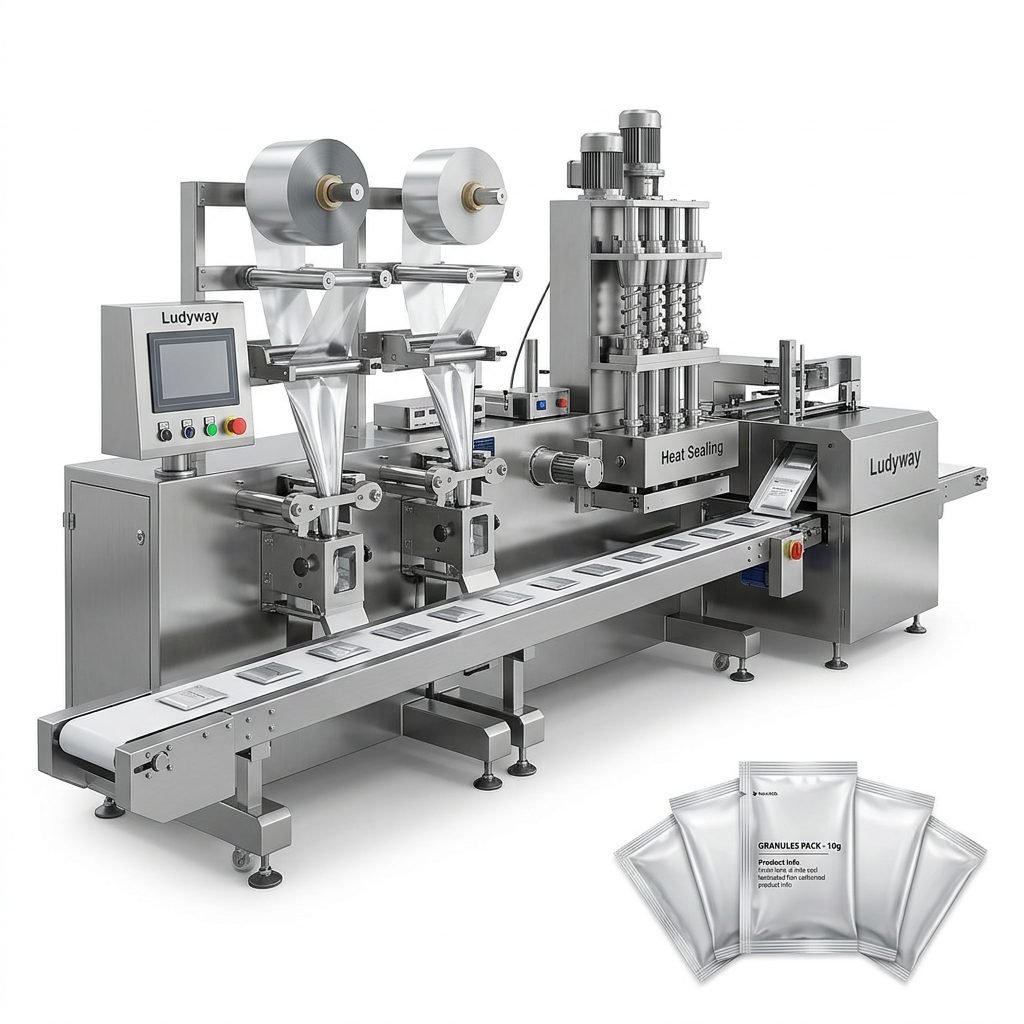
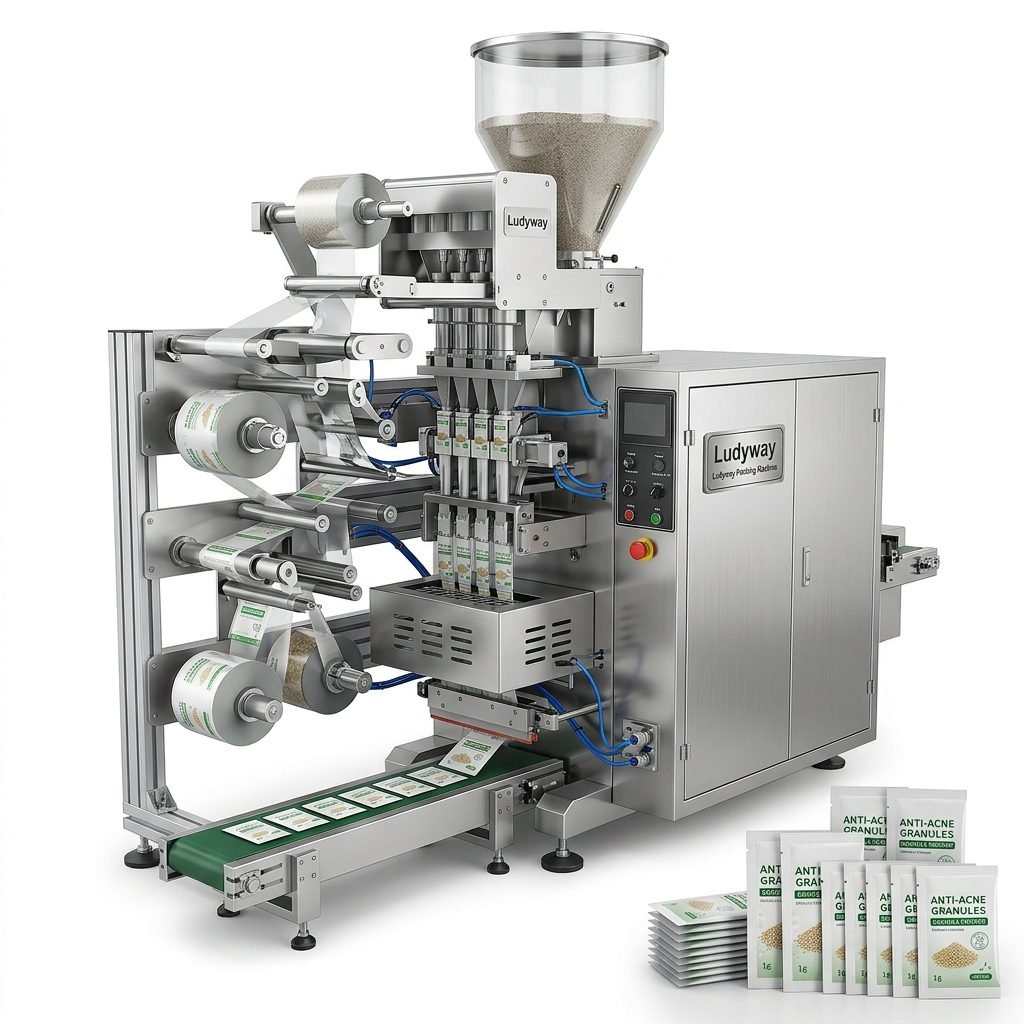
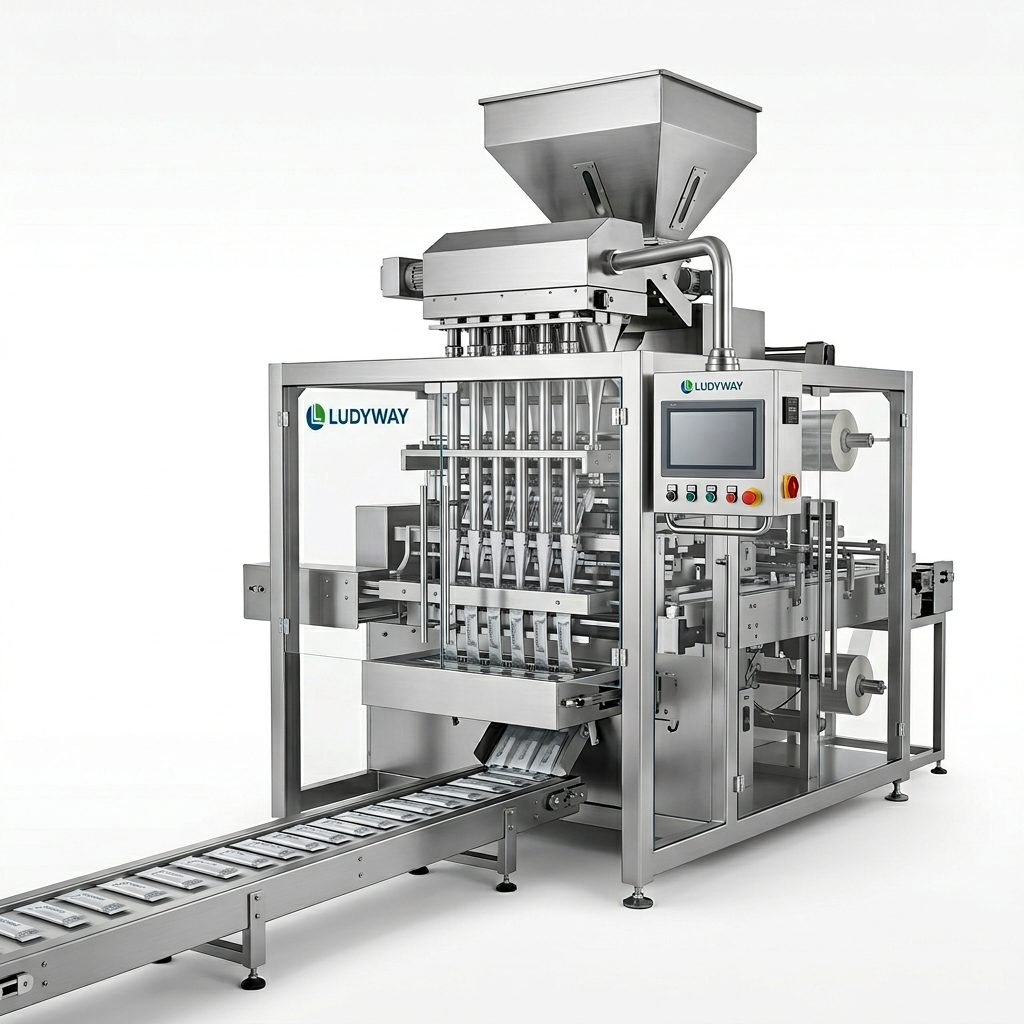
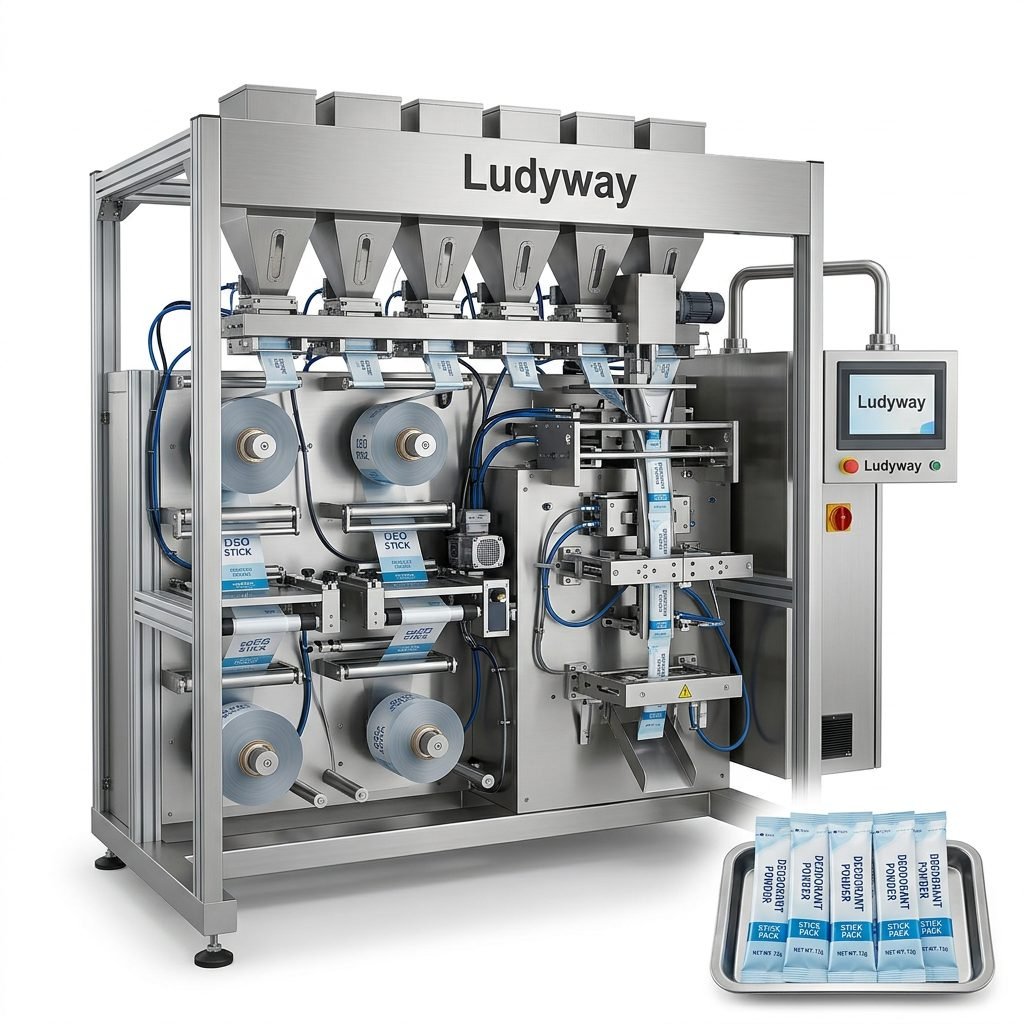
• Stick Pack Machines: Specialized for creating long, narrow packets, perfect for single-serve portions of supplements, instant beverages, or condiments.
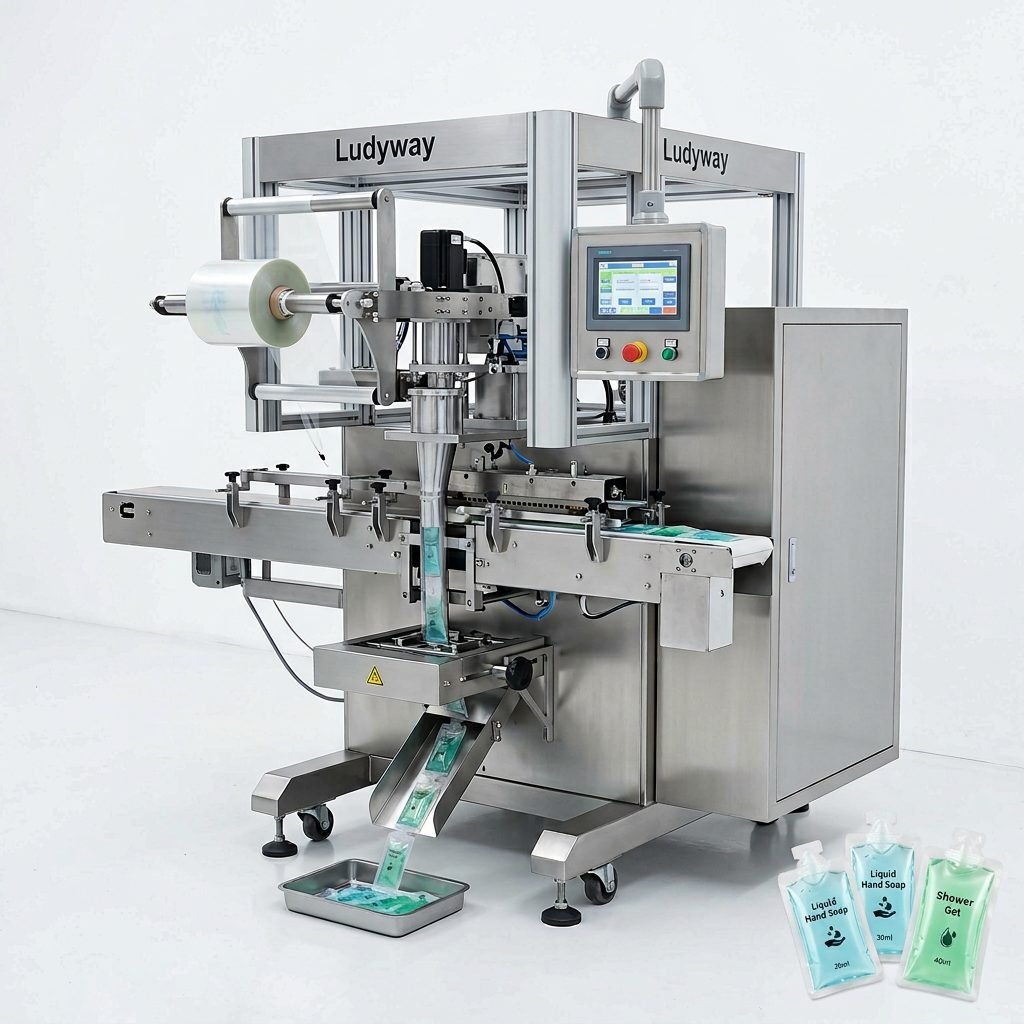
• Sachet Packaging Machines: Used for creating small, flat pouches, commonly used for sauces, shampoo samples, or pharmaceutical powders.
Specialized Packaging Systems
Beyond basic filling, specialized equipment addresses unique product needs.
Granule & Powder Packers: Engineered with precision auger or cup fillers to handle free-flowing and non-free-flowing dry products without waste or spillage.
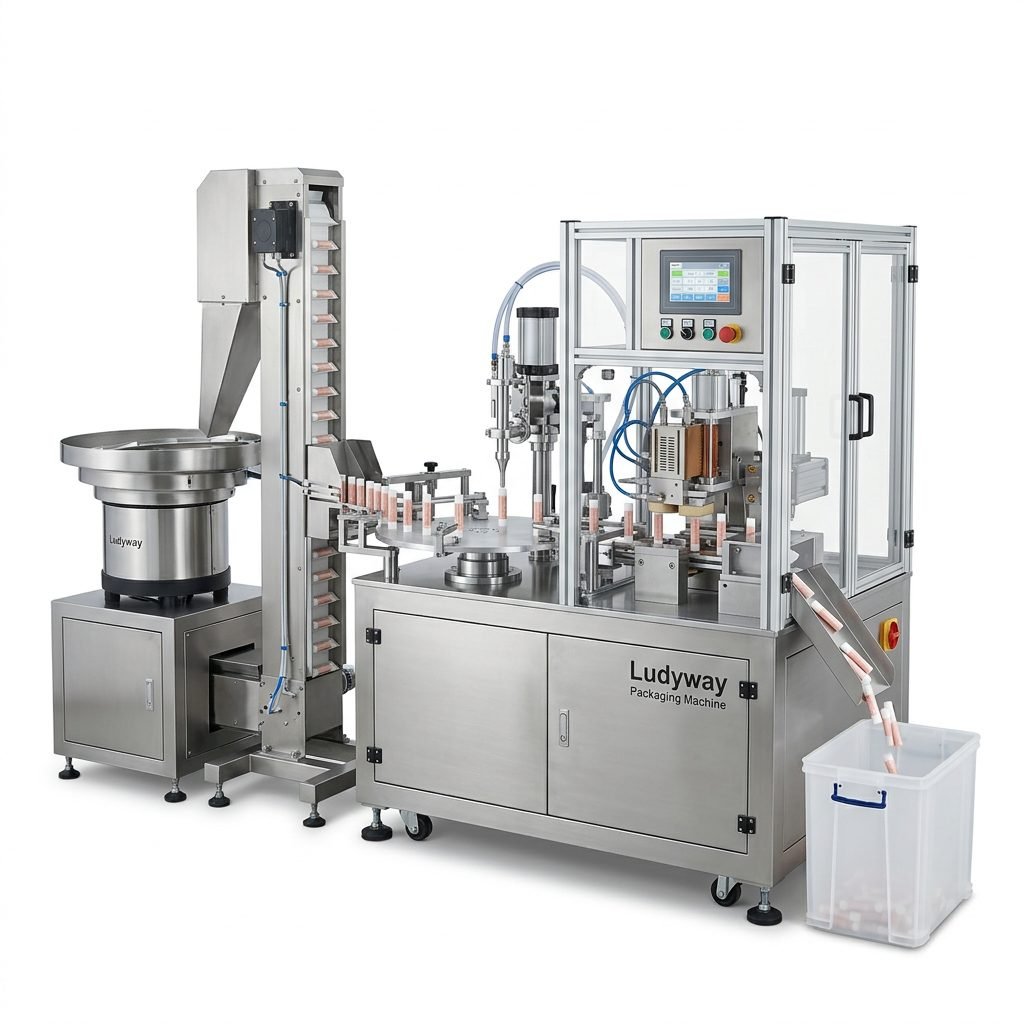
Liquid Filling Lines: Utilize piston or volumetric pumps to fill viscous liquids, oils, or sauces with high accuracy, often integrated with capping or lidding systems.
Key Applications and Industry Uses
Evergreen packaging equipment finds its place in a multitude of sectors, proving its versatility and critical importance.
Food & Beverage Industry: From packaging coffee sticks and sugar sachets to soup powders and seasoning granules, these machines ensure freshness, portion control, and brand consistency. They are indispensable for single-serve packaging trends.
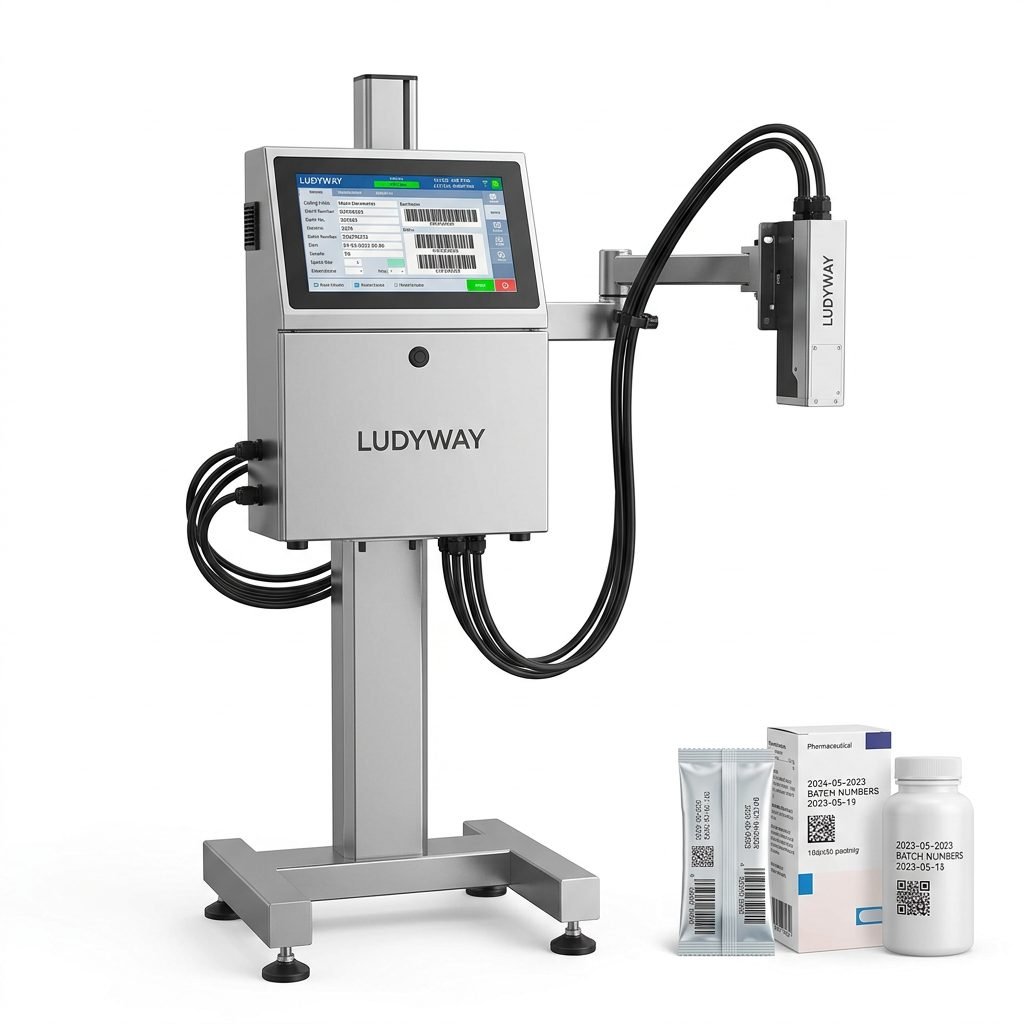
Pharmaceutical & Nutraceutical Sector: Compliance and precision are paramount. Packaging machines for powders, tablets, and herbal granules must meet stringent hygiene standards (like GMP) and provide tamper-evident, dose-accurate packaging.
Daily Chemicals & Agrochemicals: Used for packaging detergent powders, shampoo samples, or plant fertilizer in durable, moisture-resistant sachets.
Tangible Benefits of Investing in Quality Equipment
Choosing robust, evergreen packaging machinery from a reliable provider like Ludyway Machinery delivers a strong return on investment through multiple channels.
Operational Efficiency and Speed
Automated packaging lines dramatically increase output compared to manual labor. Modern multi-lane systems can produce hundreds of sachets or stick packs per minute, streamlining production and meeting high-volume demands.
Enhanced Product Consistency and Reduced Waste
Precision filling mechanisms ensure every packet contains the exact same amount of product, enhancing brand trust. Accurate dosing minimizes product giveaway, leading to significant material savings over time.
Cost-Effectiveness and Long-Term Reliability
While the initial investment is a consideration, durable machinery built with over 30 years of engineering expertise offers lower total cost of ownership. Reduced downtime, minimal maintenance, and longevity make it a cost-effective solution for years.
Improved Hygiene and Safety Standards
Closed automated systems minimize human contact with the product, which is crucial for food and pharmaceutical safety. This reduces contamination risk and helps in maintaining compliance with international health standards.
Essential Buying Tips for Your Packaging Solution
Selecting the right equipment requires careful analysis. Here’s a guide to making an informed decision.
1. Precisely Define Your Product and Output Needs
Analyze your product’s characteristics (granule size, powder flowability, liquid viscosity) and your required production speed (packs per minute). This is the foundation for choosing the correct machine type and model.
2. Prioritize Flexibility and Future-Proofing
Can the machine handle different package sizes or types with quick changeovers? Opt for equipment that can adapt to potential new products or packaging formats, protecting your investment against market changes.
3. Evaluate Build Quality and Supplier Reputation
Investigate the manufacturer’s background. A supplier with a long history, like one with decades of industry experience, typically offers more reliable machines. Examine the quality of components (stainless steel contact parts, reputable PLCs) and the robustness of the frame.
4. Scrutinize After-Sales Support and Service
The relationship doesn’t end at purchase. Ensure the supplier provides comprehensive technical support, readily available spare parts, and operator training. Global service networks are vital for international operations.
5. Consider Total Integration Capabilities
Think beyond a single machine. Will you need upstream (feeding, mixing) or downstream (cartoning, case packing) integration? Choosing a partner capable of providing or advising on complete turnkey solutions ensures a smoother, more efficient line.
Frequently Asked Questions (FAQs)
Q: What is the typical lead time for receiving a packaging machine?
A: Lead times vary based on machine complexity and customization. For standard models from established suppliers, it can range from 4 to 12 weeks. Always confirm the timeline with your provider during the quotation process.
Q: Can one machine package different types of products, like powders and granules?
A: Many machines are versatile, but critical components like the filling system may need adjustment or change. Discuss your specific product range with the manufacturer to configure a machine that can handle multiple materials with efficient changeover.
Q: How important is after-sales service, and what should it include?
A: It is crucial for minimizing downtime. Quality service includes detailed installation guidance (or on-site support), comprehensive operator and maintenance training, a readily available inventory of spare parts, and responsive remote or on-call technical assistance.
Q: What are the key maintenance routines for packaging equipment?
A: Regular daily cleaning, periodic lubrication of moving parts as per the manual, inspection of seals and cutting blades for wear, and calibration of weighing/filling systems are essential. A good supplier will provide a clear maintenance schedule.
Q: Are customizations available for unique packaging shapes or materials?
A: Yes, reputable manufacturers often offer customization options for unusual pouch shapes, specific film materials, or unique sealing requirements. Providing samples of your desired packaging is the best starting point for such discussions.