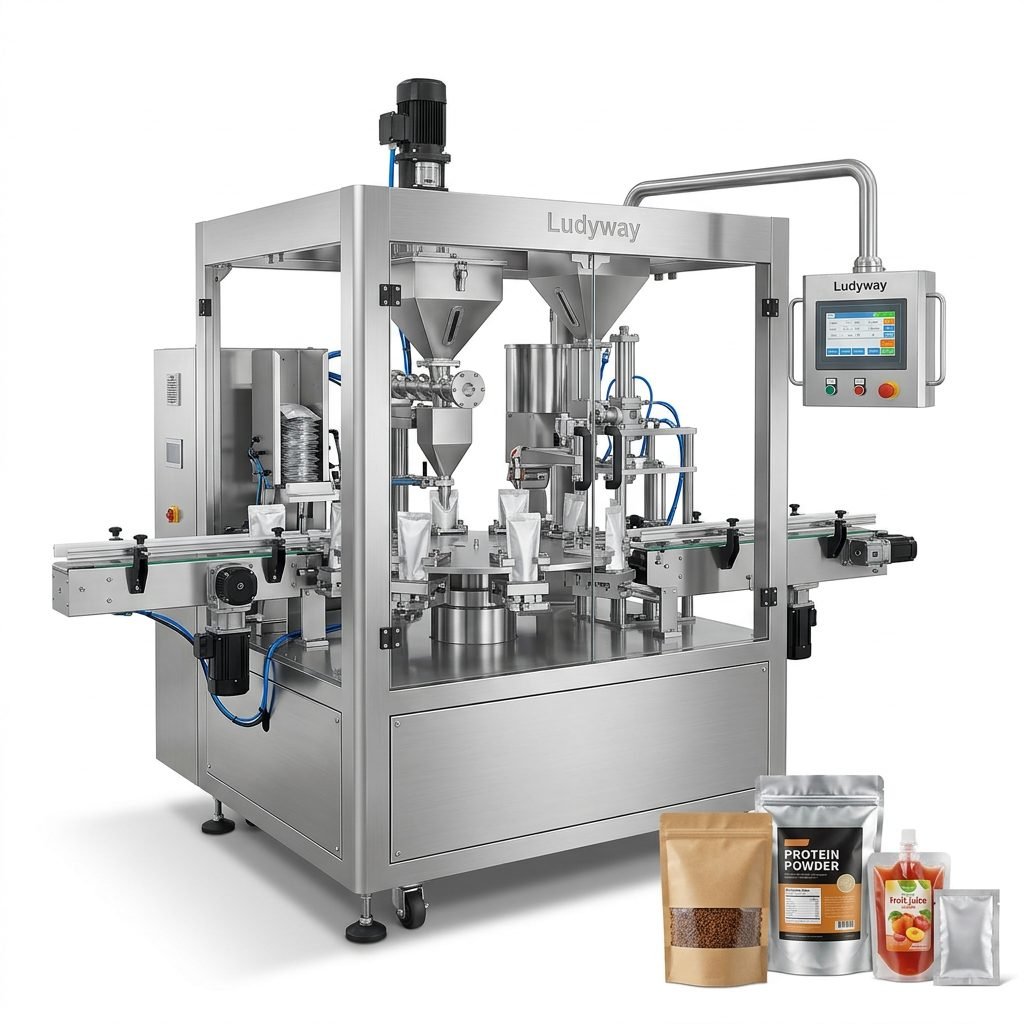
Strip packaging has become a preferred format for brands that need unit-dose convenience, product protection, and efficient high-speed production. From pharmaceuticals and nutraceuticals to food powders, gels, and personal care products, strip packs help manufacturers deliver precise portions in a compact and user-friendly format.
In modern production environments, businesses are looking for packaging that reduces material waste, improves shelf appeal, supports automation, and meets hygiene standards. Strip packaging solutions answer all of these needs while remaining flexible enough for a wide range of products.
What Is Strip Packaging?
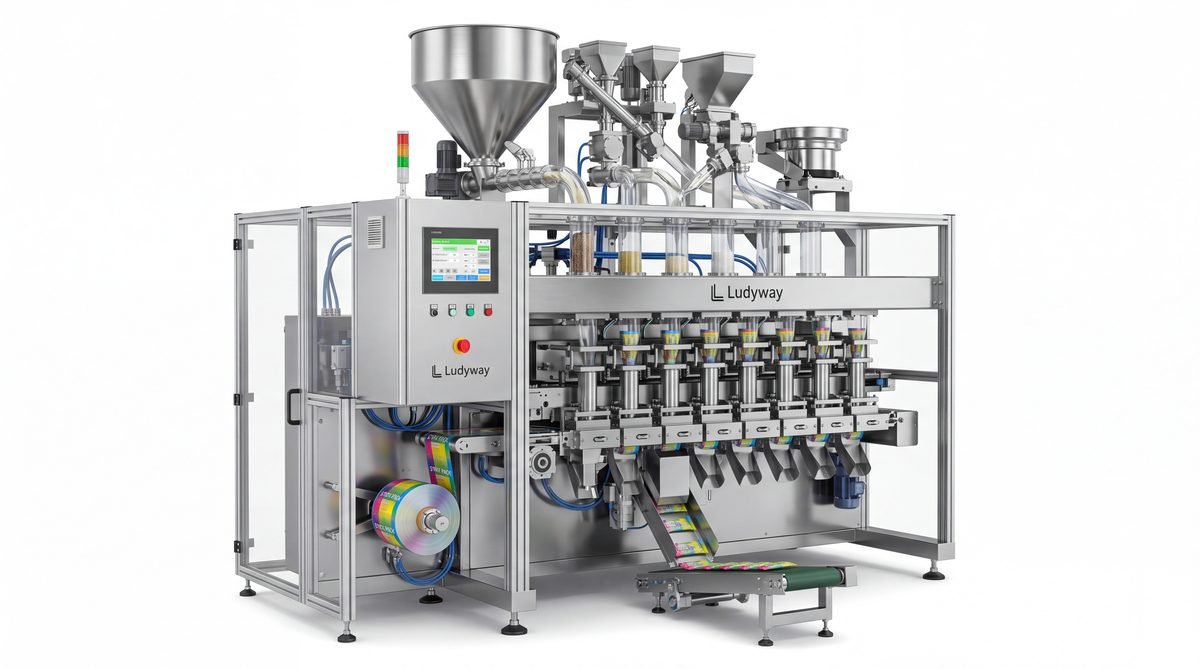
Strip packaging is a flexible packaging format in which products are sealed into narrow, elongated packs made from laminated film or similar barrier materials. These packs are commonly used for single-use or pre-measured portions, making them highly practical for consumers and efficient for manufacturers.
Depending on the product, strip packaging may be used for:
- Powders such as coffee, supplements, oral rehydration salts, and seasonings
- Granules such as sugar, salt, instant drink mixes, and functional food ingredients
- Liquids and gels such as sauces, serums, sanitizers, and health products
- Pharmaceutical doses requiring sealed, hygienic, and portable packaging
Key Benefits of Strip Packaging Solutions
1. Strong Product Protection
Quality strip packaging materials can provide excellent barriers against moisture, oxygen, light, and contamination. This is especially important for sensitive products like pharmaceutical powders, probiotics, collagen, and instant beverages.
2. Accurate Portion Control
Strip packs are ideal when a product must be delivered in exact amounts. This improves user convenience and helps brands maintain consistency across every package. In regulated industries, dose accuracy is not just a benefit but a requirement.
3. Efficient Use of Packaging Material
Compared with some rigid packaging formats, strip packaging typically uses less material while still delivering reliable sealing performance. This can help reduce packaging costs and optimize shipping efficiency.
4. High-Speed Automation Compatibility
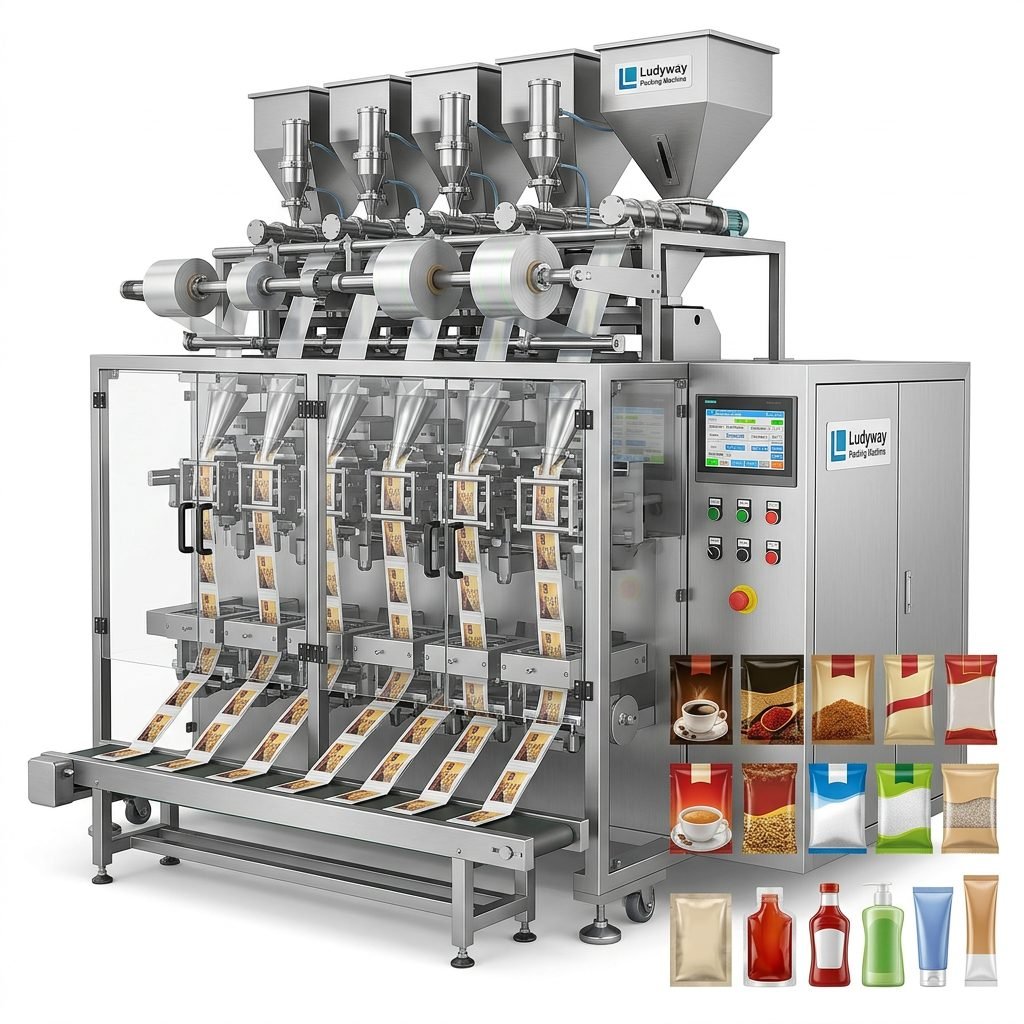
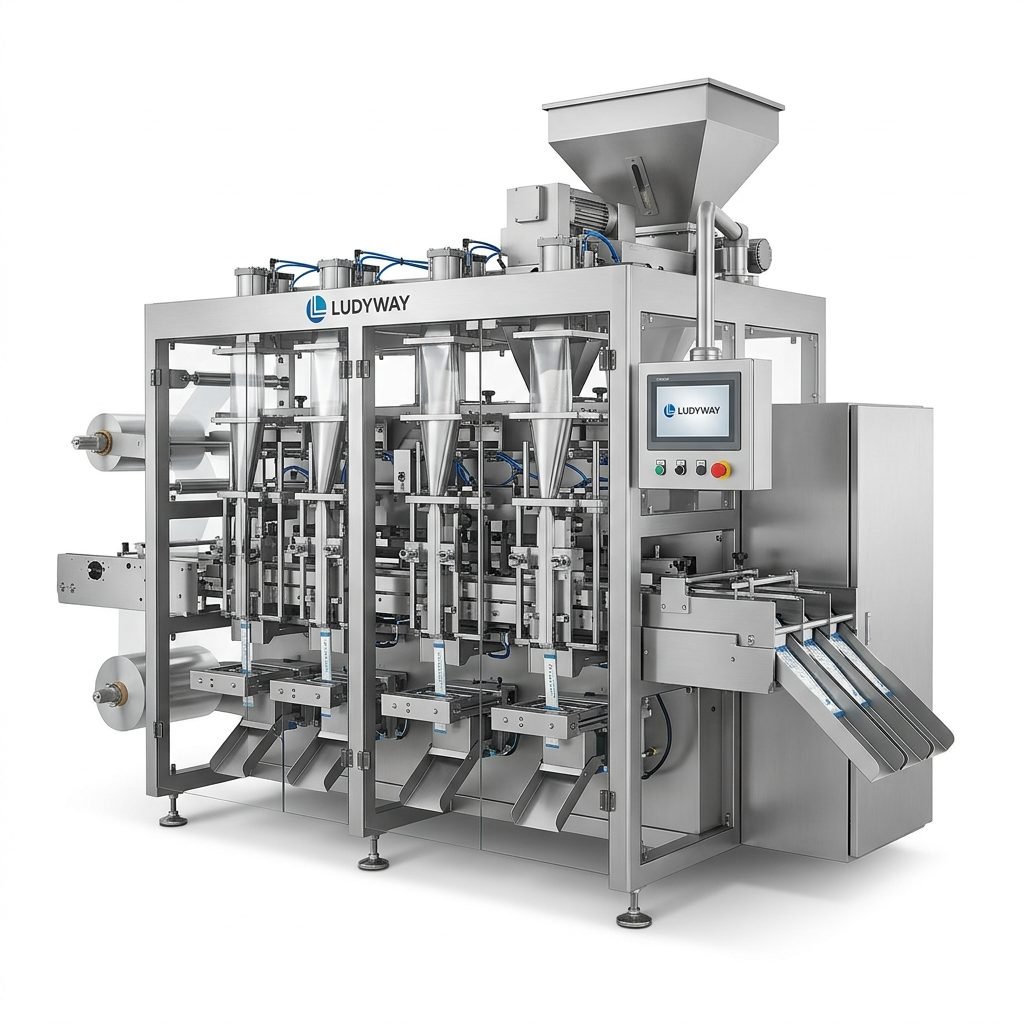
Multi-lane strip packaging systems are designed for large-scale production. They can fill and seal multiple lanes simultaneously, allowing manufacturers to increase output while maintaining uniform pack quality.
5. Better Consumer Convenience
Easy-open, portable, and lightweight packaging is highly valued in today’s market. Consumers appreciate strip packs for travel, on-the-go use, sampling, and daily dosage management.
6. Shelf Appeal and Branding Potential
Strip packs can be printed with sharp branding, dosage instructions, batch coding, and marketing graphics. This helps products stand out while keeping critical information visible and easy to read.
Common Industries That Use Strip Packaging
| Industry | Typical Products | Main Advantage |
|---|---|---|
| Pharmaceutical | Granules, powders, oral liquids, unit-dose products | Hygiene, precision, traceability |
| Nutraceutical | Collagen, vitamins, probiotics, electrolyte mixes | Single-serve convenience |
| Food & Beverage | Coffee, sugar, sauces, milk tea powder, seasonings | Portion control and portability |
| Cosmetics & Personal Care | Serums, lotions, shampoos, creams | Sampling and travel-size packaging |
| Chemical & Household | Detergents, cleaners, additives, treatment chemicals | Safe measured dispensing |
Types of Strip Packaging Machines
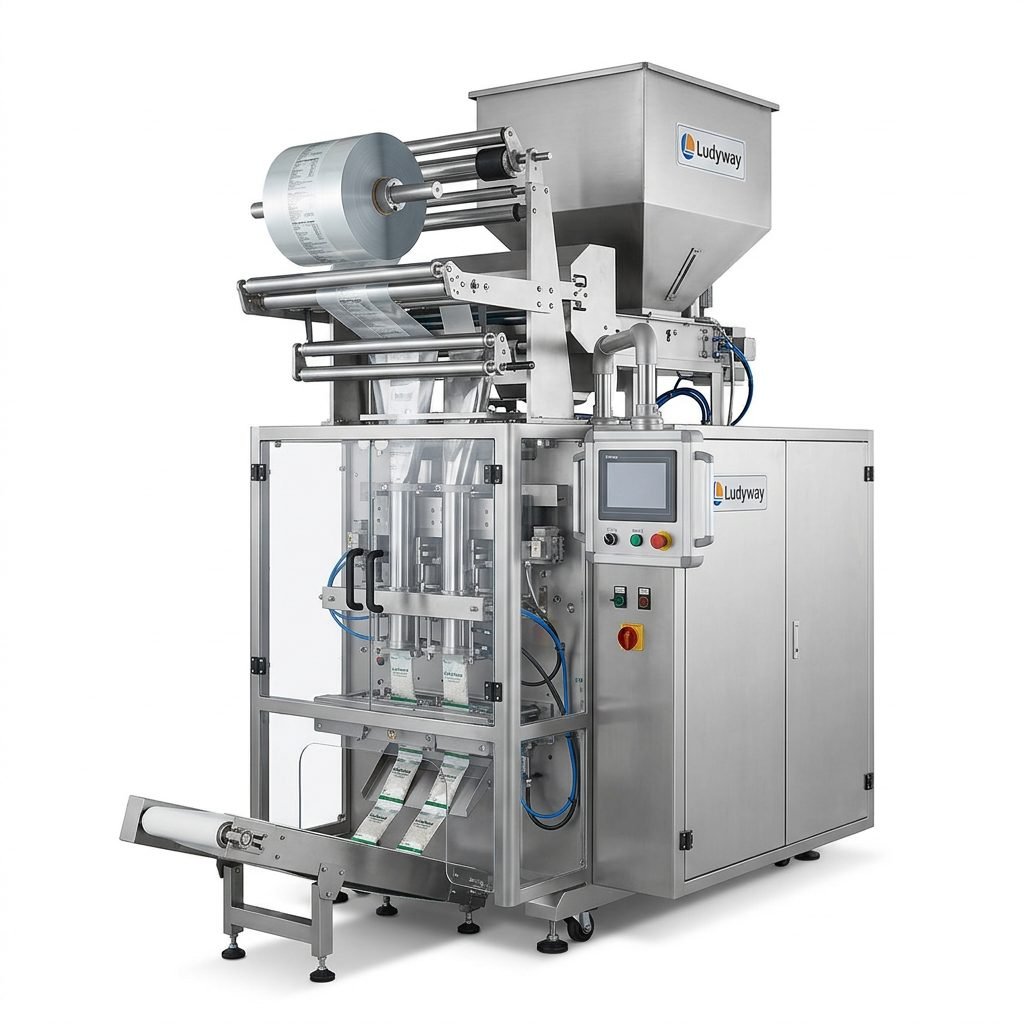
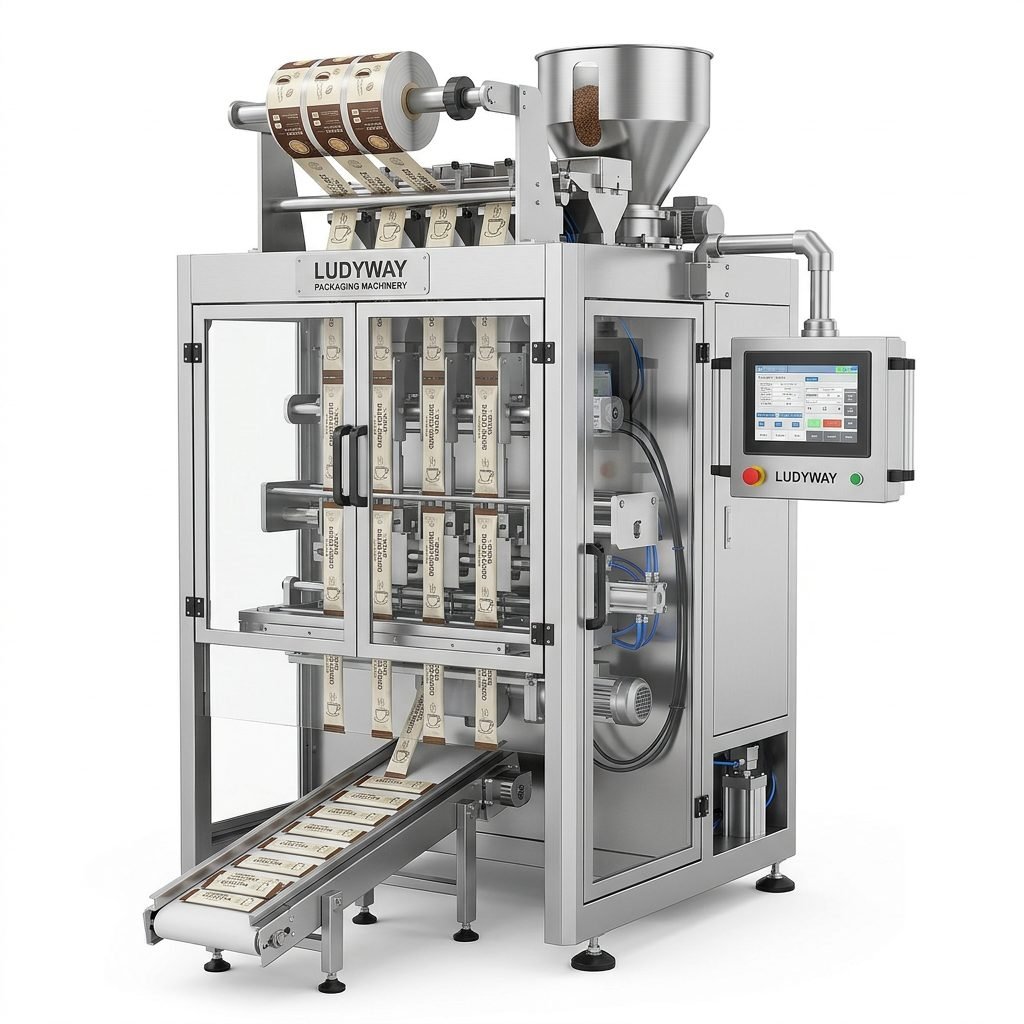
Vertical Form-Fill-Seal Strip Packaging Machines
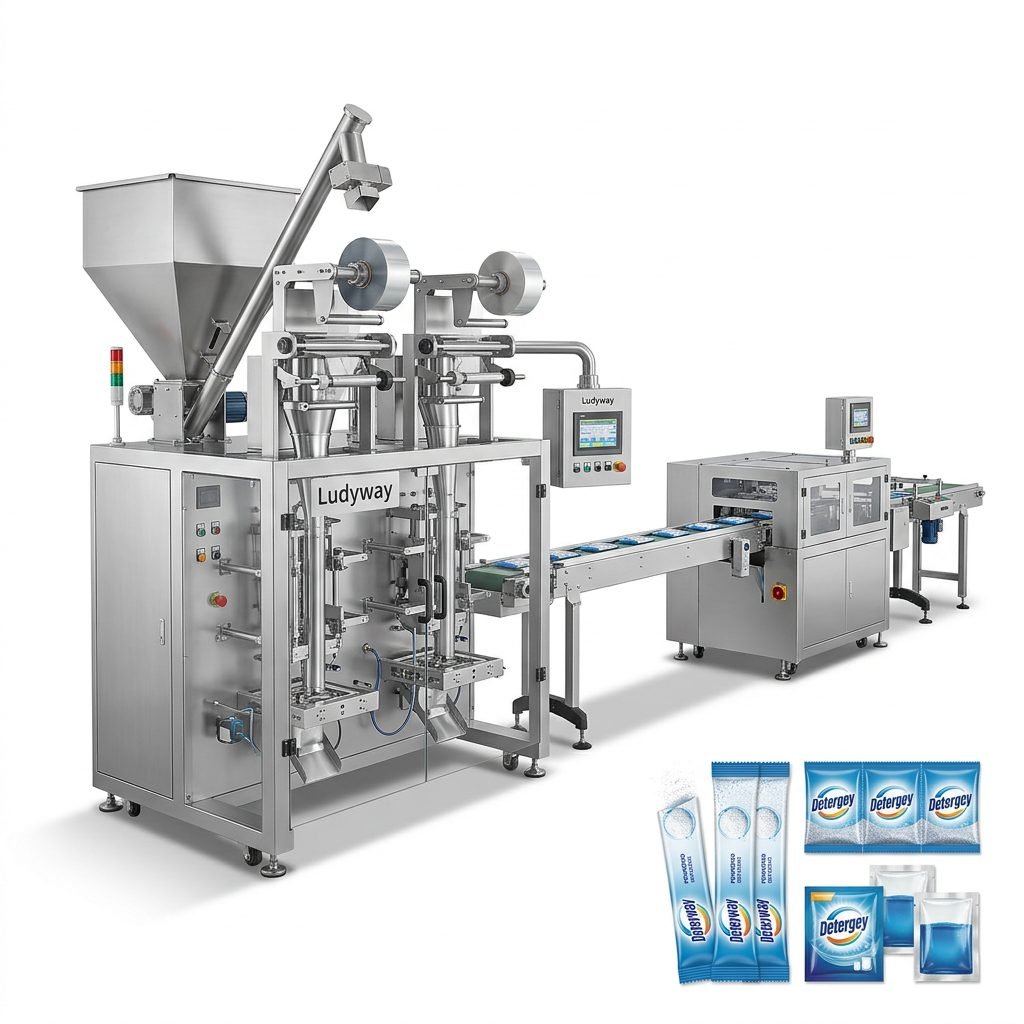
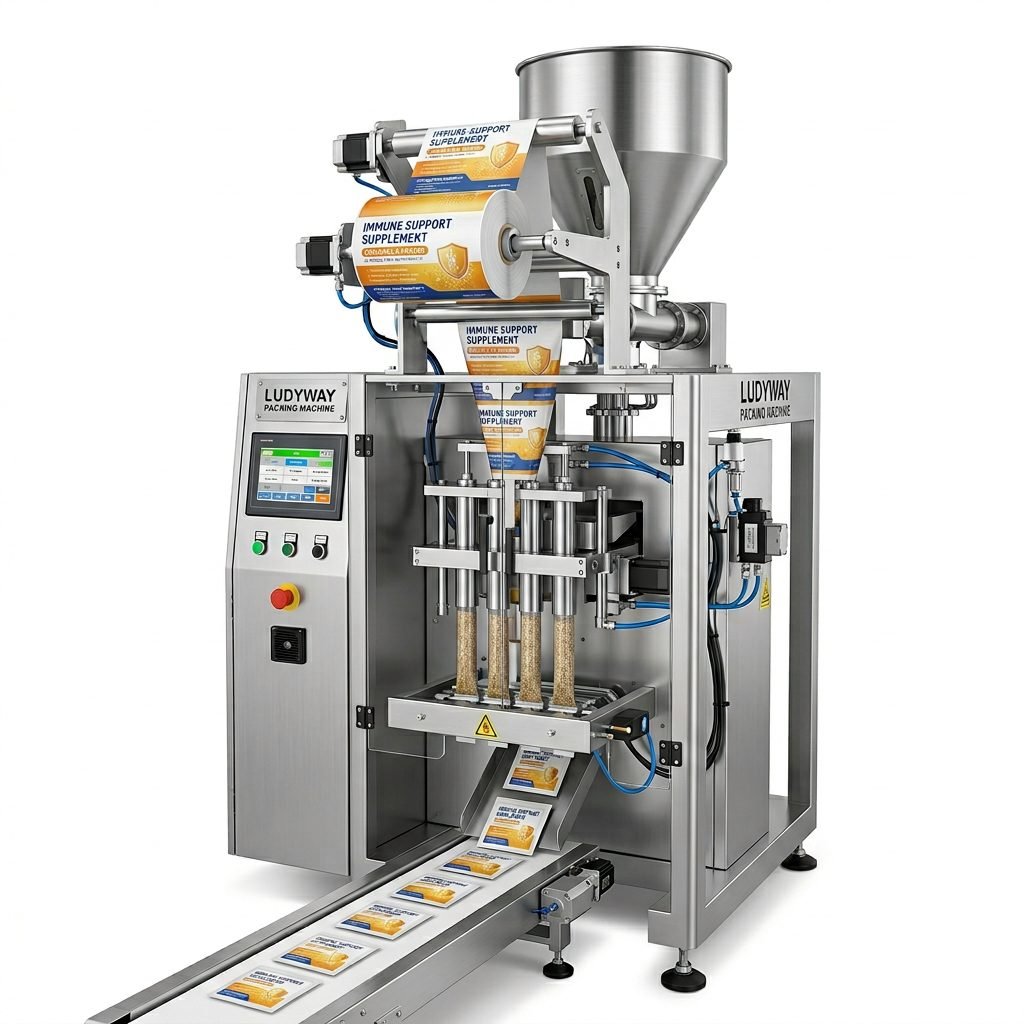
These systems form the packaging from roll film, fill the product, and seal each strip in one continuous operation. They are widely used for powders, granules, and liquids.
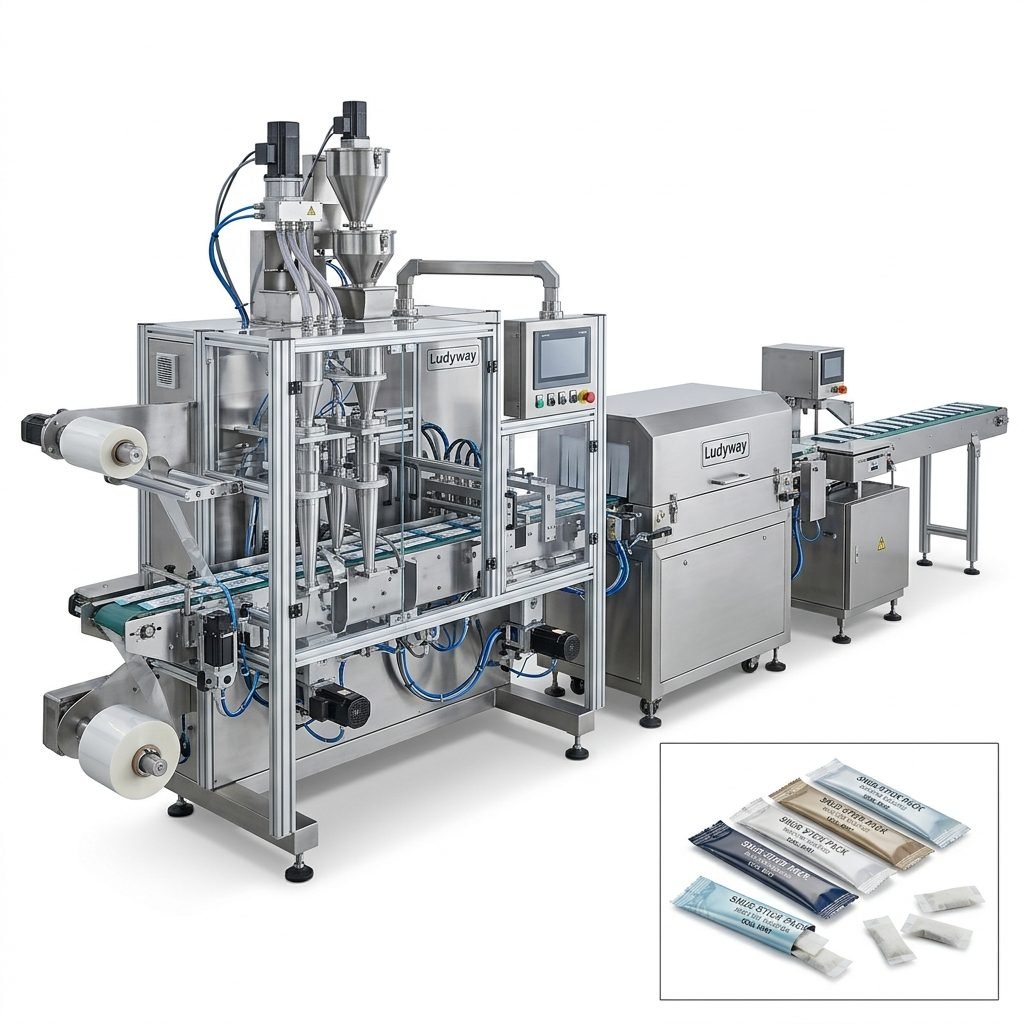
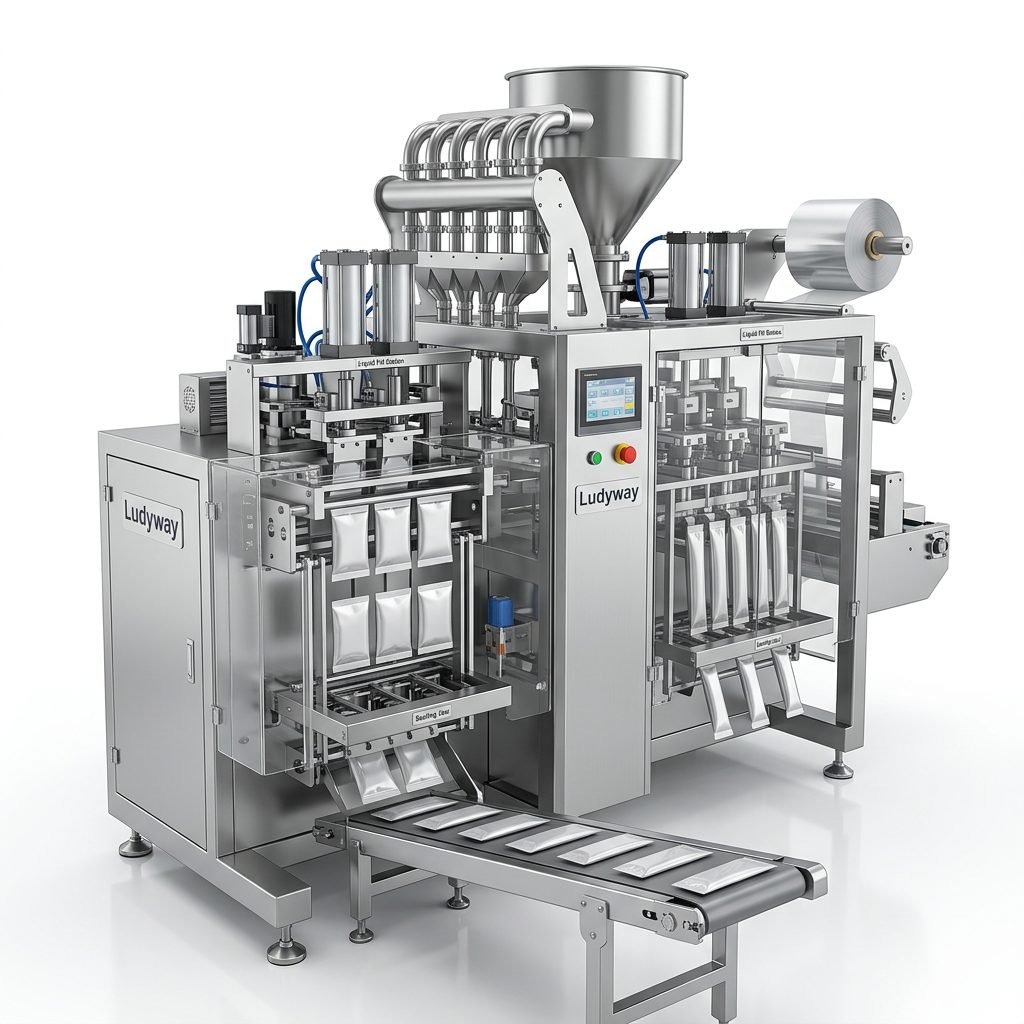
Multi-Lane Strip Packaging Machines
Multi-lane systems are designed for manufacturers with higher output requirements. By running several lanes at once, they significantly increase capacity while preserving pack uniformity.
Specialized Filling Systems
Different product types require different dosing technologies:
- Auger fillers for powders
- Volumetric or cup fillers for free-flowing granules
- Pump fillers for liquids and gels
- Weighing systems for products requiring higher dosing precision
How to Choose the Right Strip Packaging Solution
The best strip packaging line depends on more than packaging speed alone. Buyers should evaluate technical compatibility, product characteristics, and future production goals.
Consider Product Characteristics
- Is the product powder, granule, liquid, paste, or gel?
- Does it flow freely or bridge easily?
- Is it sensitive to humidity, oxygen, or heat?
- Does it require hygienic or pharmaceutical-grade handling?
Evaluate Desired Output
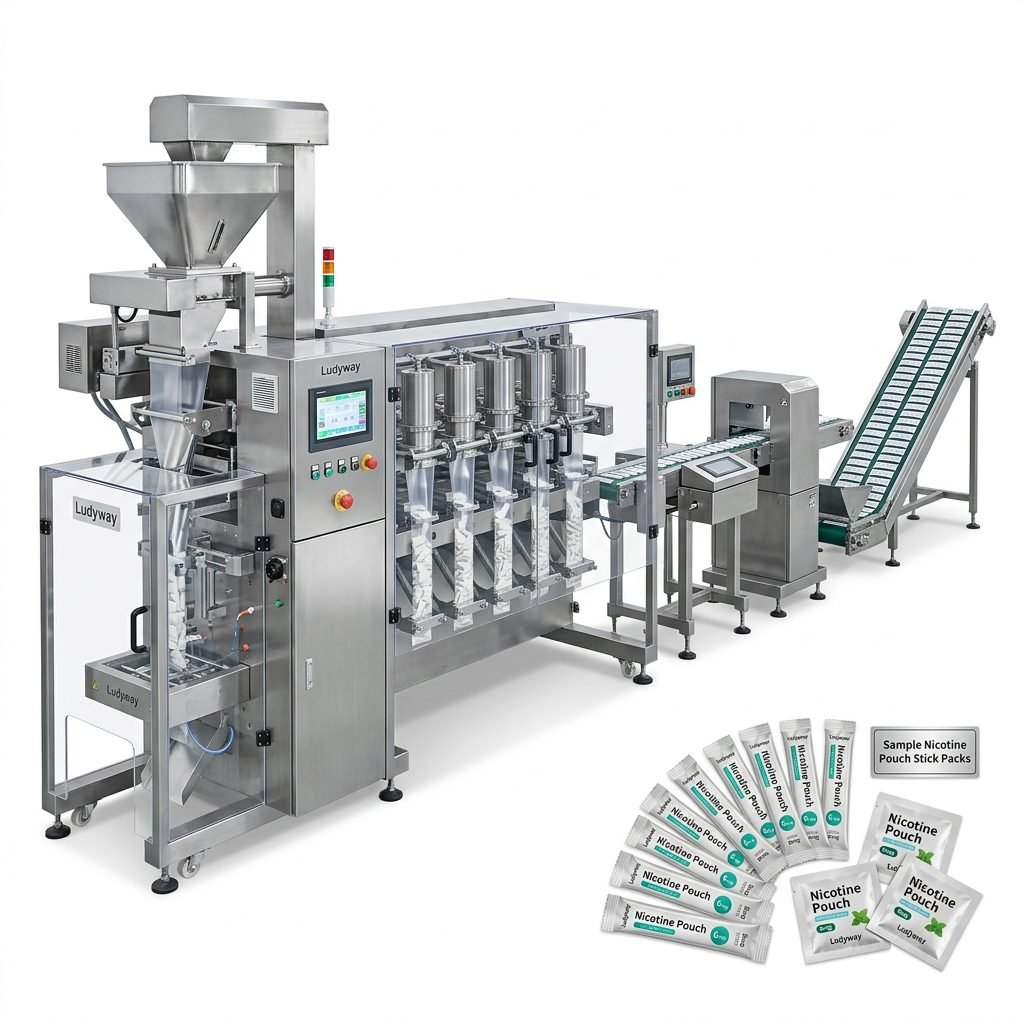
A small or mid-scale operation may only need a modest number of lanes, while high-volume brands often require high-speed multi-lane packaging systems integrated with conveyors, cartoning, coding, and inspection equipment.
Check Film and Seal Compatibility
The machine should match your selected packaging material and create stable seals without compromising appearance or barrier performance. Poor film compatibility can lead to leaks, wrinkles, and downtime.
Look for Integration Possibilities
Modern strip packaging is often part of a broader production line. Integration with feeding systems, checkweighers, cartoners, coding units, and end-of-line automation can deliver much better overall efficiency.
Prioritize Service and Technical Support
Reliable after-sales support matters, especially when your production line serves regulated or high-demand markets. Businesses sourcing from experienced manufacturers often gain better long-term operating stability and faster troubleshooting.
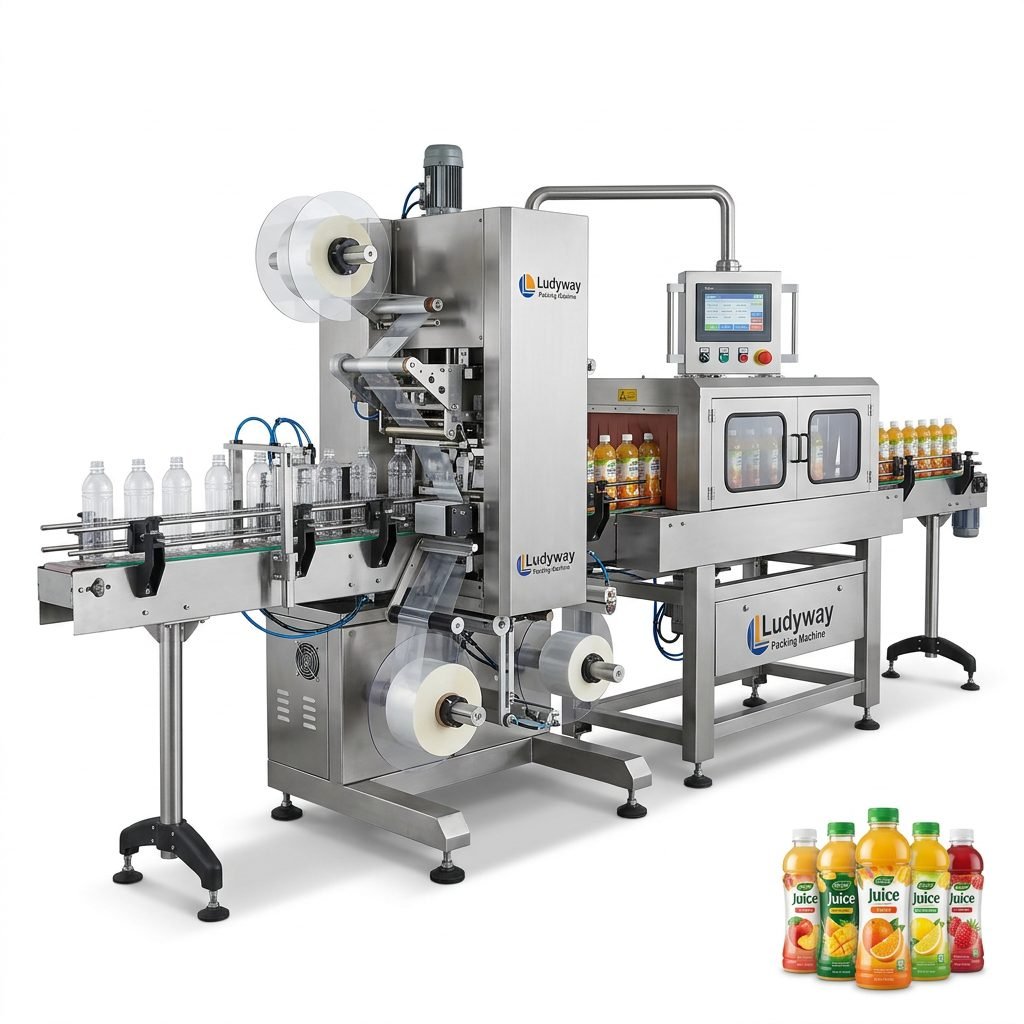
For companies seeking scalable automation, Ludyway packaging machine solutions are widely used for food, pharmaceutical, health supplement, cosmetic, and chemical applications, with turnkey capabilities for both standalone equipment and complete production lines.
Best Practices for Successful Strip Packaging
Use the Right Barrier Material
Material selection should be based on shelf-life goals, transport conditions, and product sensitivity. High-barrier laminates are often essential for moisture-sensitive or oxygen-sensitive products.
Maintain Filling Accuracy
Dosing consistency directly affects product compliance, customer trust, and cost control. Regular calibration and validation of filling systems are essential.
Monitor Seal Integrity
Strong seals are one of the most important quality indicators in strip packaging. Manufacturers should routinely inspect seal temperature, pressure, dwell time, and finished pack performance.
Implement Quality Inspection
Adding inspection tools such as checkweighers, vision systems, leak testing, and coding verification can reduce defects and improve traceability throughout the line.
Plan for Cleaning and Changeovers
Efficient cleaning and quick format changeovers are especially important for contract manufacturers and facilities running multiple SKUs. A machine that is easy to clean can reduce downtime and contamination risks.
Tip: If your product portfolio may expand in the future, choose a strip packaging solution with modular design options. This makes it easier to scale capacity, add lanes, or integrate downstream equipment later.
Challenges in Strip Packaging and How to Solve Them
| Challenge | Possible Cause | Recommended Solution |
|---|---|---|
| Inconsistent fill weight | Poor dosing setup or product flow variation | Use matched filling technology and calibrate regularly |
| Weak seals or leakage | Incorrect film or unstable sealing parameters | Validate film structure and optimize sealing conditions |
| Production downtime | Poor maintenance or feeding interruptions | Follow preventive maintenance and improve upstream feeding |
| Cross-contamination risk | Difficult cleaning or product residue buildup | Choose hygienic machine design and standard cleaning routines |
Future Trends in Strip Packaging Solutions
As packaging technology evolves, strip packaging is becoming more intelligent, flexible, and sustainable. Several trends are shaping the future of this format:
- Smarter automation with PLC control, servo systems, remote diagnostics, and data monitoring
- Higher output efficiency through advanced multi-lane machine design
- Improved sustainability via optimized film usage and more efficient line operation
- Greater customization for specialized industries, including pharma, nutraceutical, and premium food products
- More turnkey integration connecting filling, sealing, cartoning, coding, inspection, and palletizing
Final Buying Considerations
Before investing in a strip packaging system, decision-makers should compare not just machine price but also total operating value. That includes uptime, output stability, spare parts support, ease of operation, and compatibility with future line expansion.
- Define your product and package specifications clearly
- Request sample tests before finalizing equipment
- Review machine configuration options for current and future SKUs
- Confirm installation, training, and after-sales service capabilities
- Assess whether a standalone machine or turnkey line is the better investment
When selected correctly, strip packaging solutions can help businesses improve efficiency, strengthen product protection, support branding, and meet growing consumer demand for convenient single-use packaging. For manufacturers in competitive markets, the right system is not just packaging equipment—it is a long-term productivity asset.