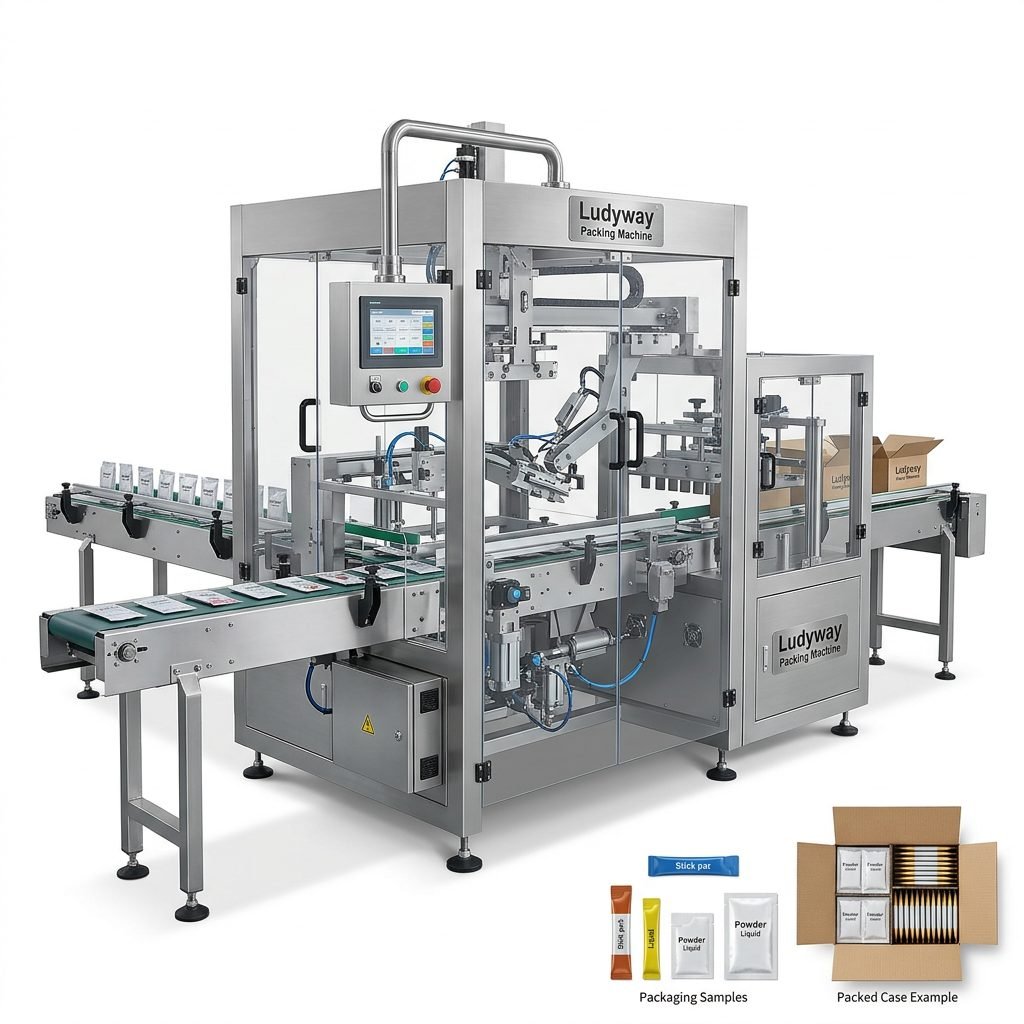
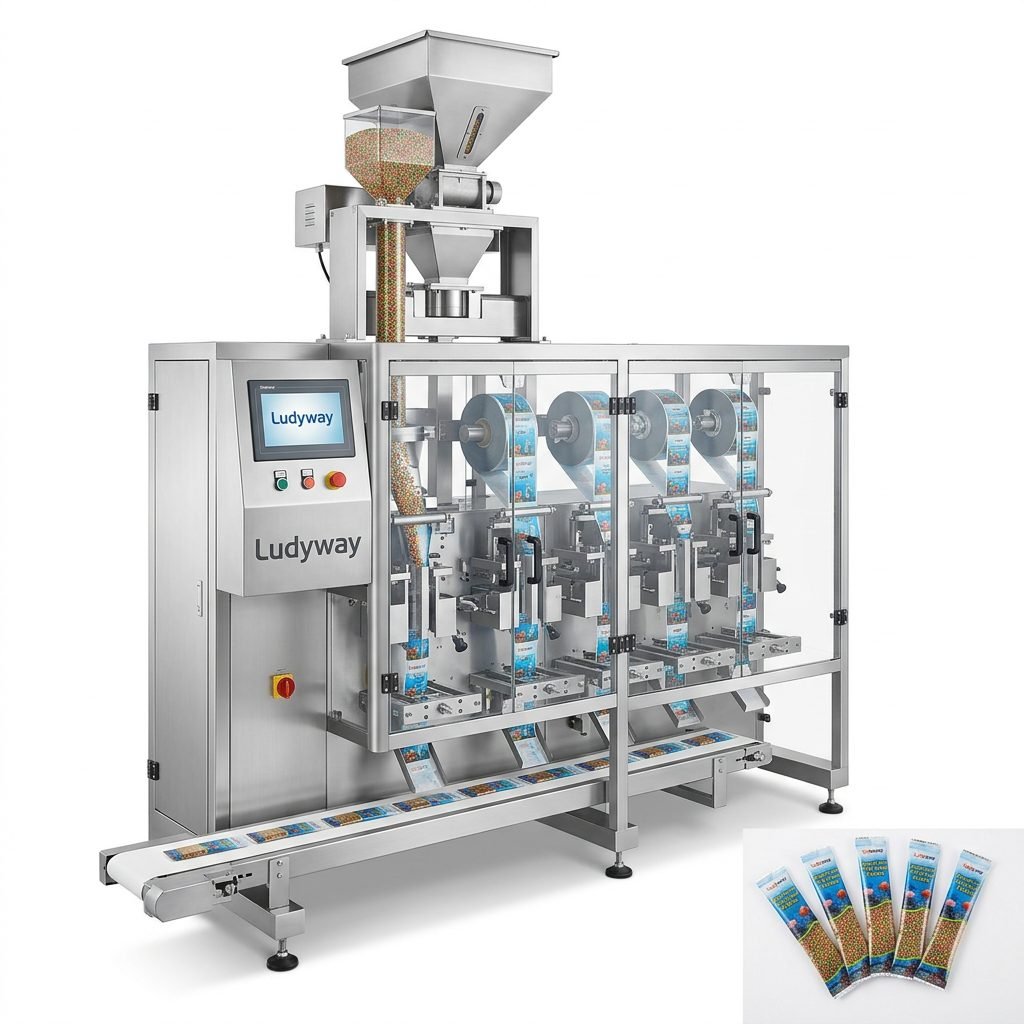
Choosing a liquid filling machine for thick, sticky, or semi-flowable products is never just about speed. Products such as sauces, honey, syrup, shampoo, cream, gel, lotion, paste, detergent, and pharmaceutical liquids all behave differently during filling. A machine that works well for water-like liquids may cause dripping, inaccurate dosing, air bubbles, clogging, and product waste when used for viscous materials.
To make the right investment, buyers should focus on product viscosity, fill accuracy, container type, production capacity, hygiene standards, cleaning requirements, and future scalability. This guide explains the key factors that matter when selecting the best liquid filling solution for viscous products.
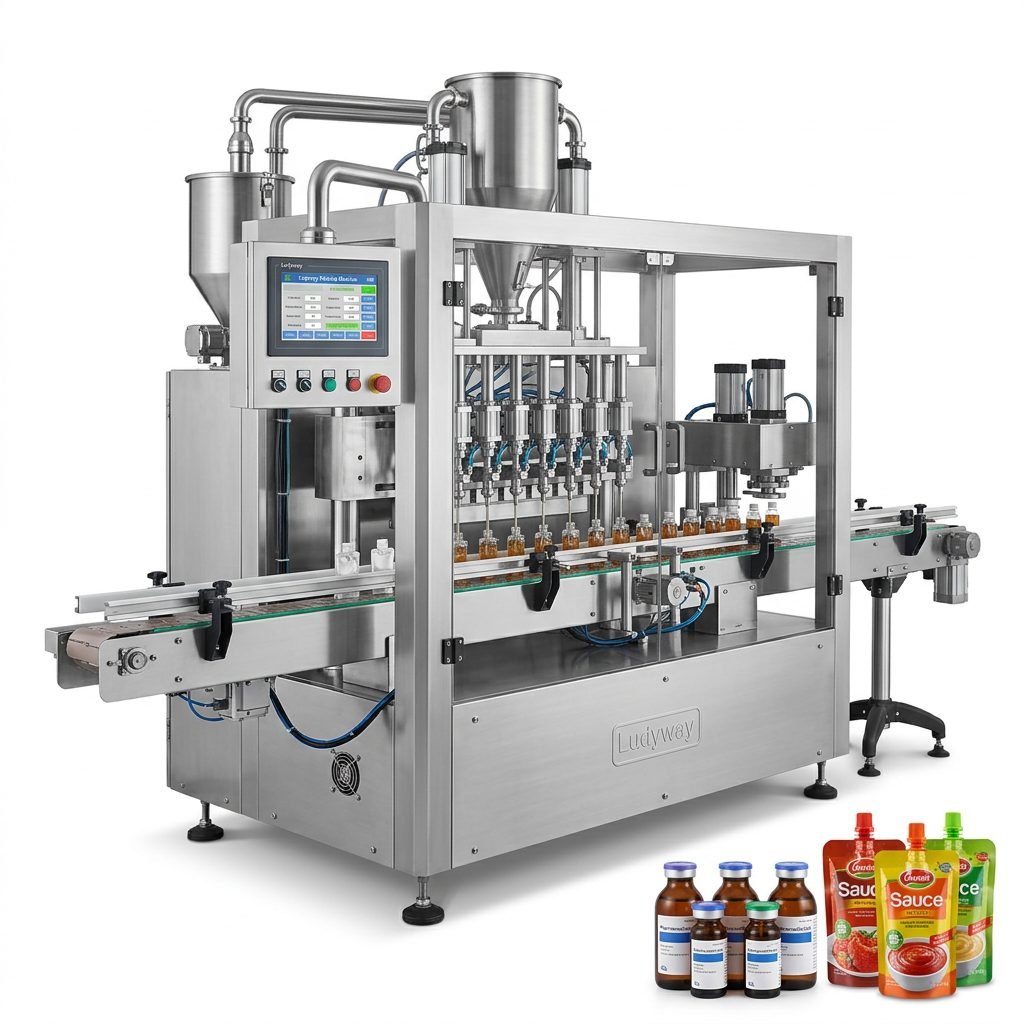
Understand What “Viscous Product” Really Means
Viscous products resist flow. Some are only slightly thick, while others are highly dense or even paste-like. Before choosing a machine, you need to define your product clearly through real production data rather than assumptions.
- Low to medium viscosity: syrup, edible oil blends, liquid soap, thin detergent
- Medium to high viscosity: ketchup, mayonnaise, yogurt, shampoo, cream lotion
- Very high viscosity: peanut butter, gel, paste, thick cosmetics, adhesive-like materials
You should also note whether the product contains particles, pulp, fibers, granules, or suspended solids. A smooth cream and a chunky sauce may have the same viscosity range but need different pumping and nozzle systems.
Key product questions to ask
- What is the viscosity range at actual filling temperature?
- Does the product foam easily?
- Does it drip or string after filling?
- Does it contain particles or soft chunks?
- Is heating needed to keep the product flowable?
- Is the product corrosive, sticky, sanitary, or explosive?
Choose the Right Filling Principle
Different filling technologies suit different product characteristics. For viscous products, the filling principle affects not only accuracy, but also cleanliness, maintenance, and long-term operating cost.
| Filling Type | Best For | Main Advantage | Possible Limitation |
|---|---|---|---|
| Piston filler | Sauces, cream, paste, gel, honey | High accuracy for thick products | May need more cleaning time |
| Pump filling machine | Shampoo, lotion, detergent, syrup | Flexible and easy to integrate | Pump choice must match product behavior |
| Servo filling system | Precision applications in food, cosmetic, pharma | Excellent repeatability and control | Higher initial investment |
| Gravity filler | Thin liquids only | Simple and economical | Usually not ideal for viscous products |
| Pressure / overflow filler | Certain foamy or level-fill products | Uniform fill level appearance | Not suitable for many thick products |
For most viscous applications, piston filling machines and servo-controlled pump filling systems are the most practical choices.
Match the Machine to Your Product Texture
Viscosity alone is not enough. Texture can completely change machine performance.
For smooth thick liquids
Products like lotion, cosmetic cream, syrup, shampoo, and detergent usually work well with piston or rotary pump fillers. Anti-drip nozzles and shut-off valves help keep the filling zone clean.
For products with particles
If the product contains chili seeds, fruit pulp, vegetable pieces, or soft granules, the filling path must be wide enough to avoid blockage or product damage. In these cases, buyers should prioritize:
- Large-diameter valves and nozzles
- Gentle product transfer
- Stable hopper feeding
- Consistent agitation if separation occurs
For heat-sensitive or temperature-dependent products
Honey, waxy creams, sauces, and some chemical materials become difficult to fill if temperature drops. A machine with a heated hopper, jacketed tank, or insulated pipeline may be necessary.
Consider Container Type and Packaging Format
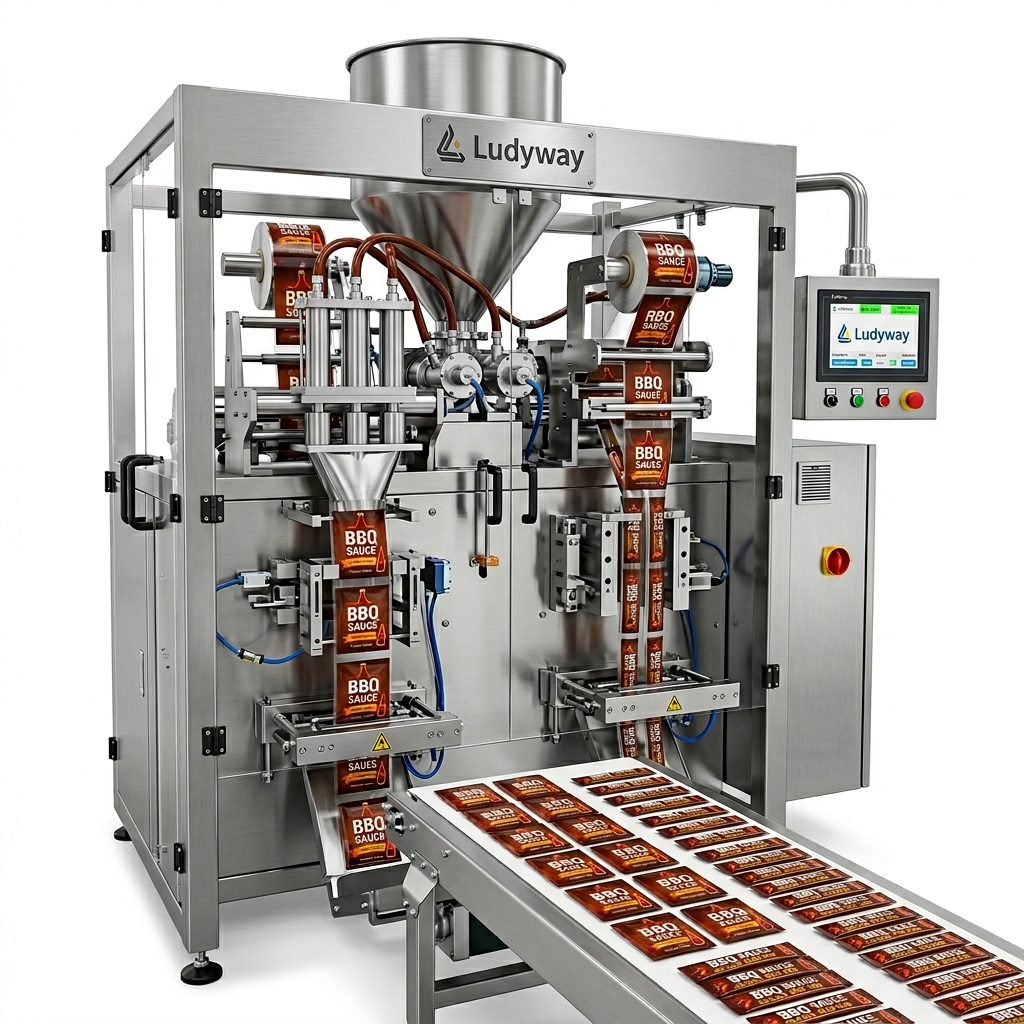
The right filling machine must fit both the product and the package. Viscous products are packed in many formats, including:
- Bottles
- Jars
- Tubes
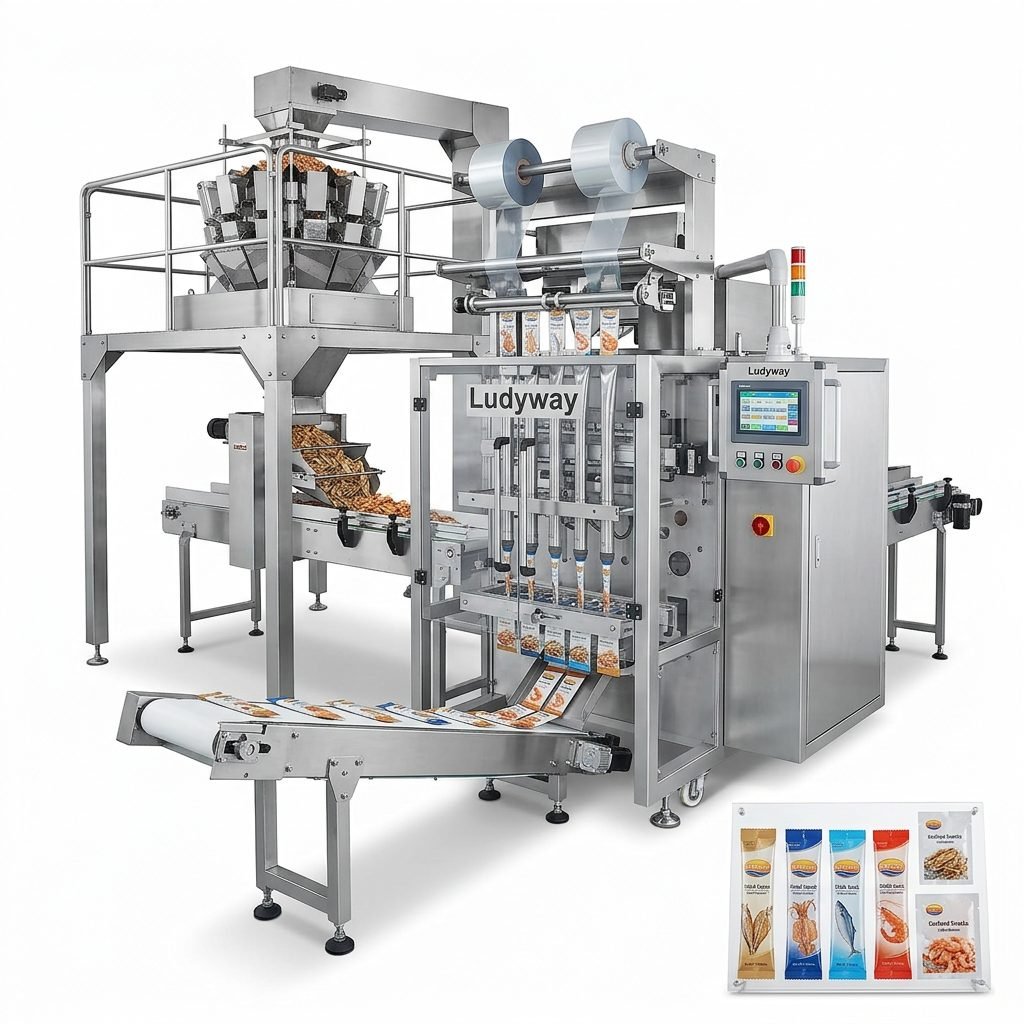
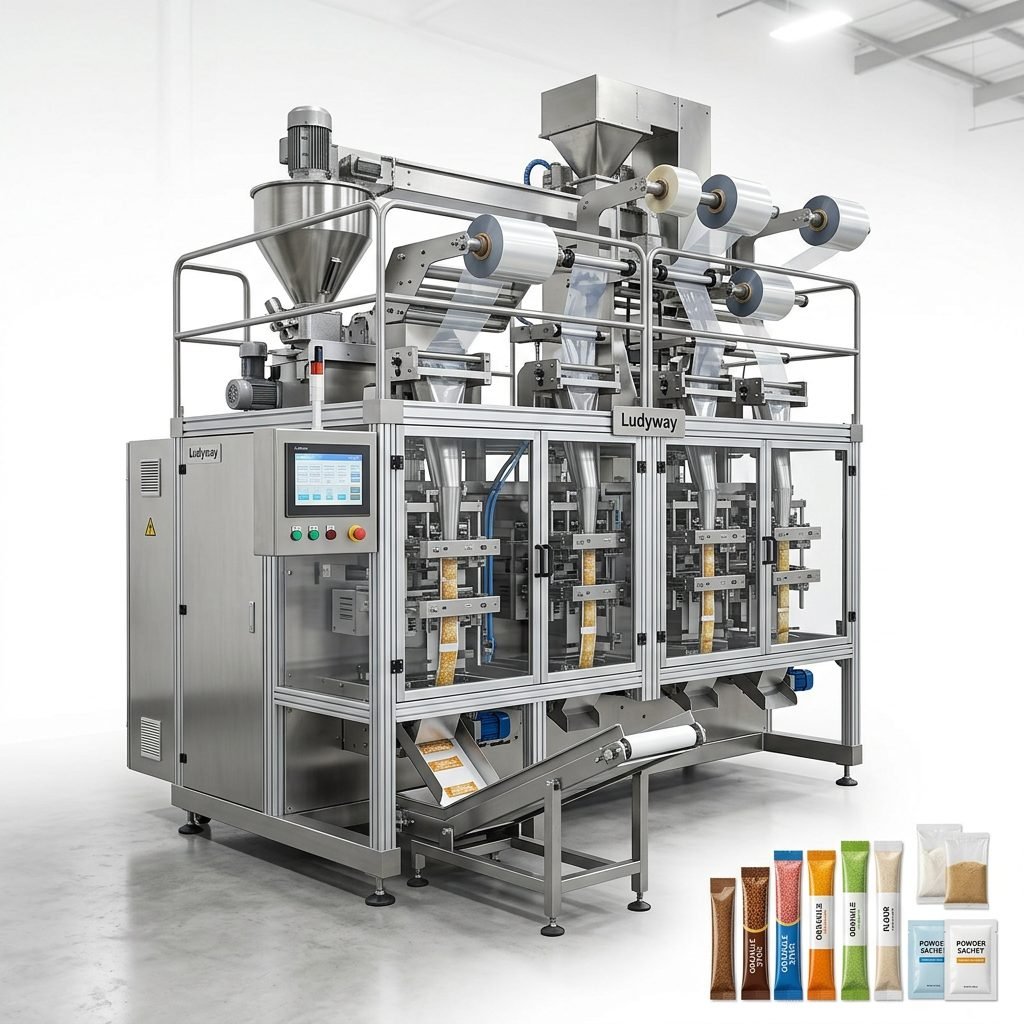
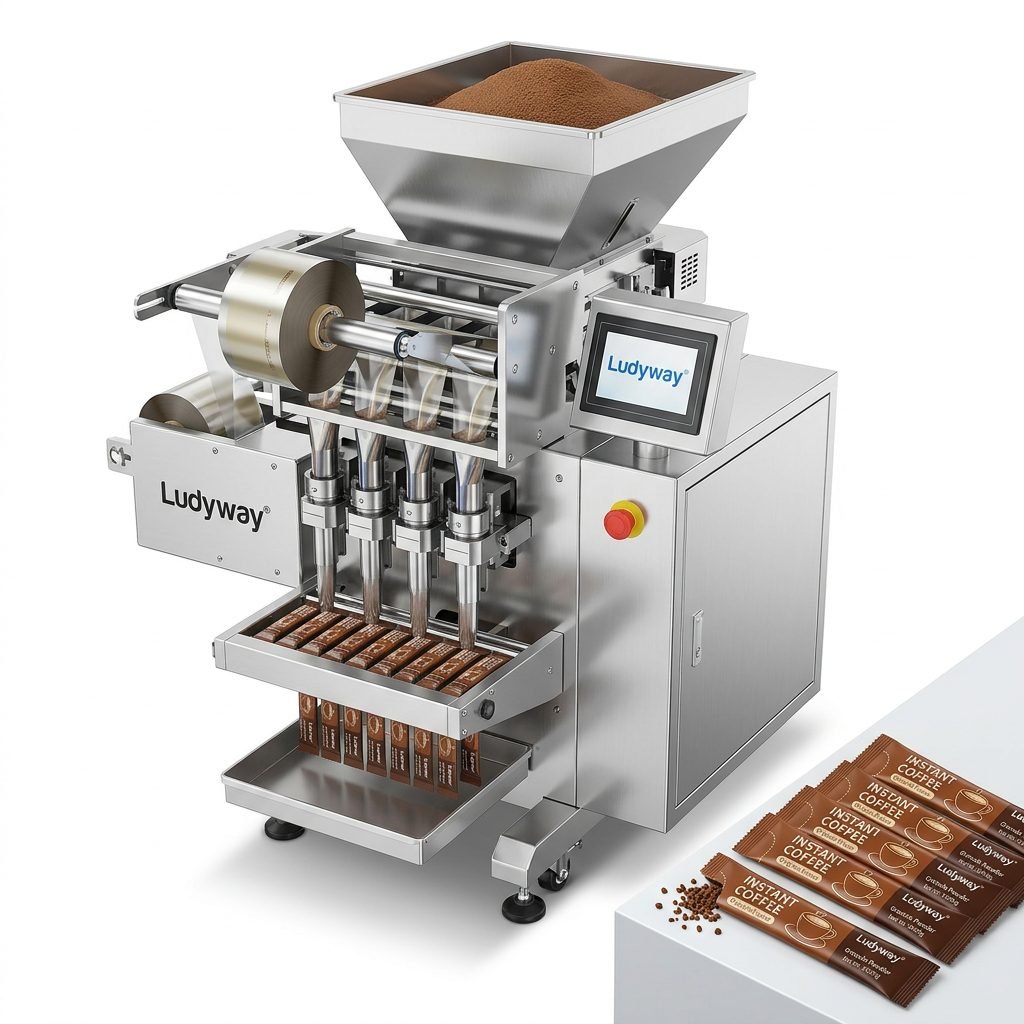
- Sachets
- Stick packs
- Premade pouches
- Buckets or larger containers
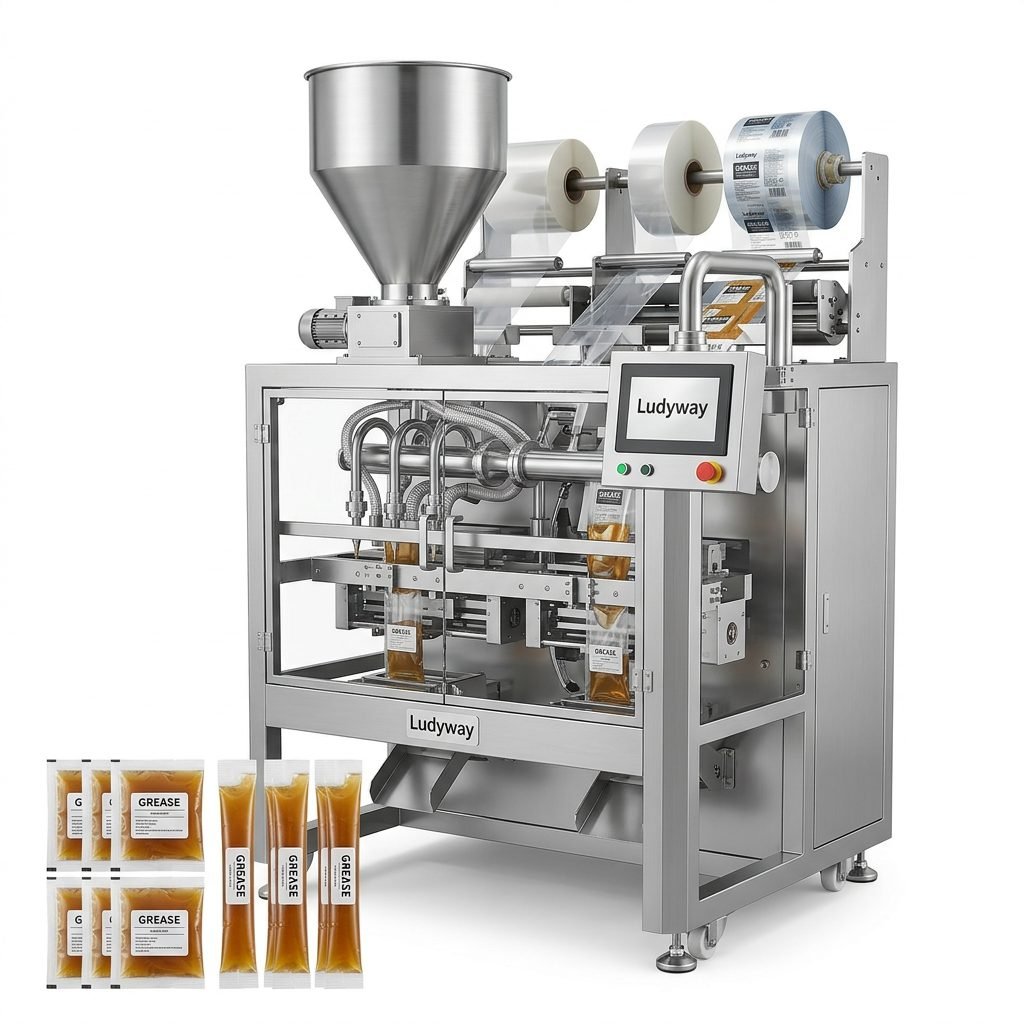
For example, a thick cosmetic serum in sachets requires a very different filling setup from a sauce being filled into glass jars. Nozzle design, container positioning, filling head count, sealing method, and indexing system all need to match the packaging format.
Important packaging factors
- Container opening size
- Required fill volume
- Container material and stability
- Packaging speed target
- Need for capping, sealing, coding, or labeling
Accuracy Matters More with High-Value Viscous Products
When filling premium skincare, pharmaceutical gels, nutritional liquids, or specialty food sauces, every gram matters. Overfilling raises material cost, while underfilling can lead to compliance issues and customer complaints.
Look for machines with:
- Servo-driven filling control
- Stable metering system
- Recipe storage for different products
- Quick adjustment for fill volume changeovers
- Consistent filling across multiple nozzles
The thicker the product, the more important nozzle shut-off and suck-back control become, especially for sticky materials that tend to string or drip.
Evaluate Production Speed Realistically
Many buyers focus only on maximum output, but real production efficiency depends on more than machine speed. Thick liquids typically need more controlled movement, slower flow stabilization, and better product feeding.
Instead of asking only for “the fastest machine,” ask for the best stable speed under your actual product conditions. A machine running slightly slower but with less waste and fewer stoppages usually delivers better total productivity.
| Production Factor | Why It Matters |
|---|---|
| Hopper feeding consistency | Prevents volume fluctuation during long runs |
| Nozzle anti-drip performance | Reduces cleanup and rejects |
| Changeover time | Important for multi-SKU production |
| Cleaning downtime | Affects true daily output |
| Integration with downstream equipment | Avoids bottlenecks in capping, sealing, labeling, or cartoning |
Do Not Overlook Cleaning and Hygiene
Viscous products stick to contact surfaces more easily than thin liquids. That makes cleaning design especially important in food, pharmaceutical, and cosmetic industries.
A well-designed machine should offer:
- Smooth product contact surfaces
- Dead-angle reduction
- Quick disassembly or CIP compatibility
- Food-grade or pharmaceutical-grade contact materials
- Easy access to valves, pipes, pistons, and nozzles
If your product changes frequently, cleaning efficiency directly affects line utilization. For sanitary applications, stainless steel construction and validated cleaning capability are often essential.
Select the Right Nozzle Design
Nozzle selection is often underestimated, but it plays a major role in the final filling result. The wrong nozzle can cause messy filling, splashing, product tailing, or poor container appearance.
Common nozzle features for viscous products
- Anti-drip nozzles: reduce leakage after filling
- Shut-off nozzles: improve cleanliness for sticky materials
- Diving nozzles: useful for products prone to foaming or splashing
- Wide-bore nozzles: suitable for products with particles
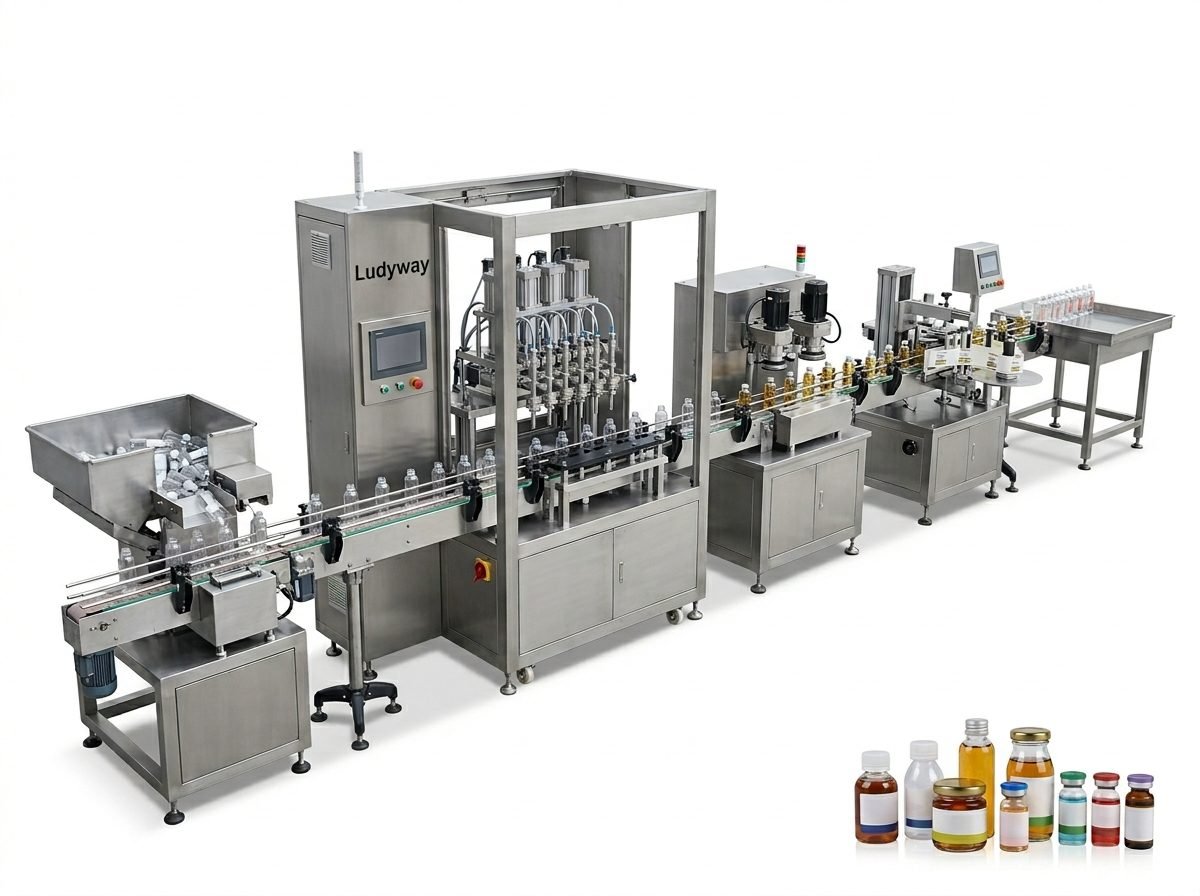
Think About Automation Level
The ideal machine should match your current production scale while leaving room for future expansion.
Manual or semi-automatic machines
Suitable for startups, laboratory production, pilot runs, and low-volume specialty products.
Fully automatic machines
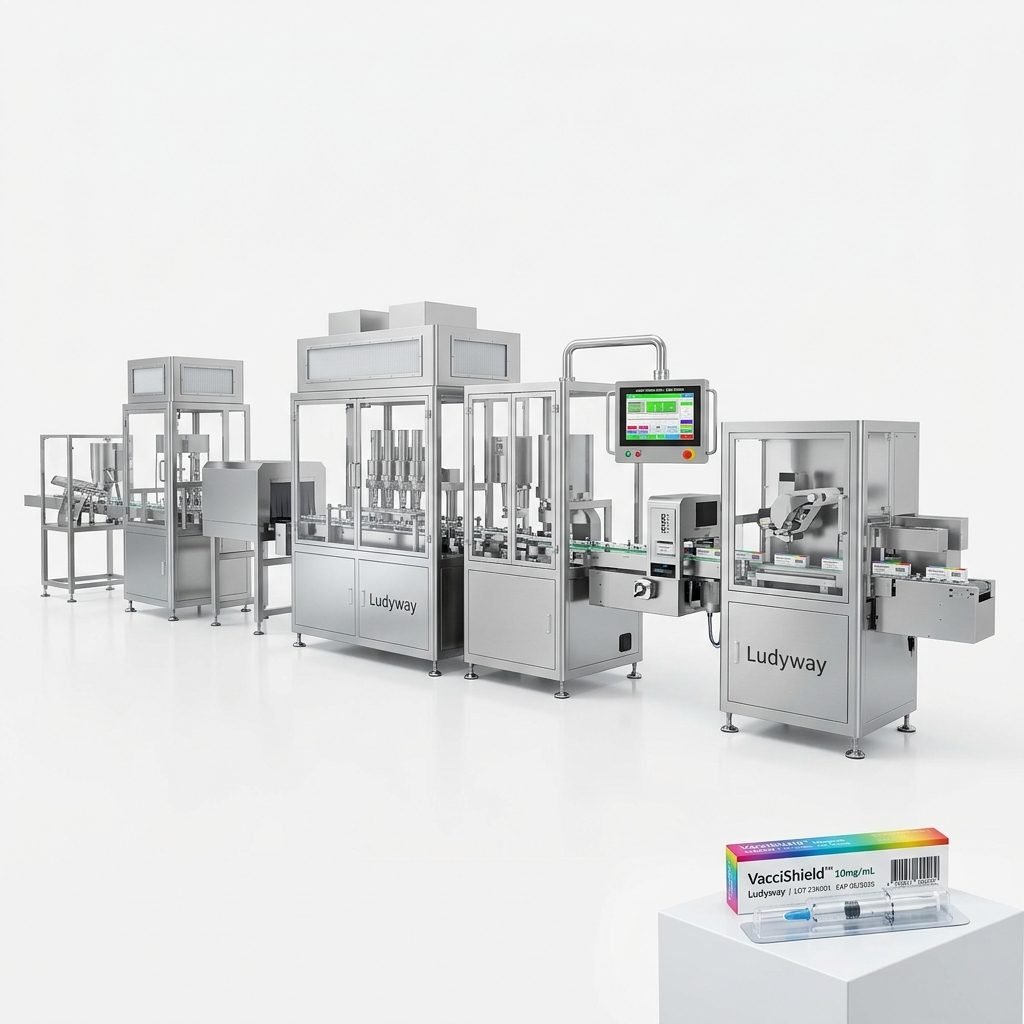
Best for medium to large factories that need stable output, lower labor dependency, and integration with complete packaging lines.
If your operation is growing, it may be smarter to invest in a modular solution that can later connect to:
- Automatic feeding systems
- Capping machines
- Sealing machines
- Labeling equipment
- Cartoning and case packing systems
Check Material Compatibility and Compliance
Not all viscous products are food-grade. Some are cosmetic, chemical, industrial, or pharmaceutical materials. This means compatibility is critical.
Make sure the machine materials and seals are suitable for your formulation, especially if the product is:
- Acidic or alkaline
- Alcohol-based
- Solvent-containing
- Heat-sensitive
- High in sugar or salt
- Sterile or hygiene-regulated
For regulated sectors, buyers should also verify required standards, documentation, and certifications before purchase.
Questions to Ask a Liquid Filling Machine Supplier
A reliable supplier should be able to answer technical questions clearly and with application-specific recommendations.
- What viscosity range can the machine handle?
- Has the machine been used for products similar to mine?
- Can it fill hot, cold, or particle-containing products?
- What filling accuracy can be achieved?
- How easy is it to clean and maintain?
- Can the machine integrate into a full packaging line?
- Is customization available for my container or pouch type?
- What after-sales support and spare parts service are offered?
Working with an experienced manufacturer can reduce project risk, especially for thick liquids that need customized pumping, dosing, and sealing solutions. Buyers looking for scalable filling and complete line solutions can explore liquid filling machine solutions from Ludyway.
Common Mistakes When Buying a Viscous Liquid Filling Machine
- Choosing based on price alone
- Ignoring actual product testing
- Using a machine designed for thin liquids
- Overestimating achievable speed
- Forgetting cleaning and maintenance requirements
- Not planning for future packaging formats or capacity growth
A short-term low-cost purchase can become expensive if it causes frequent downtime, poor fill quality, or product loss.
Final Buying Checklist
| Checklist Item | Status |
|---|---|
| Product viscosity tested under real conditions | □ |
| Particle size and texture evaluated | □ |
| Correct filling principle selected | □ |
| Container or pouch format confirmed | □ |
| Required speed and accuracy defined | □ |
| Cleaning and hygiene requirements reviewed | □ |
| Material compatibility verified | □ |
| Automation and expansion needs planned | □ |
The best liquid filling machine for viscous products is the one that fits your real product properties, packaging format, hygiene standard, and production goals. When these factors are evaluated together, you can choose equipment that delivers accurate filling, cleaner operation, and stronger long-term return on investment.