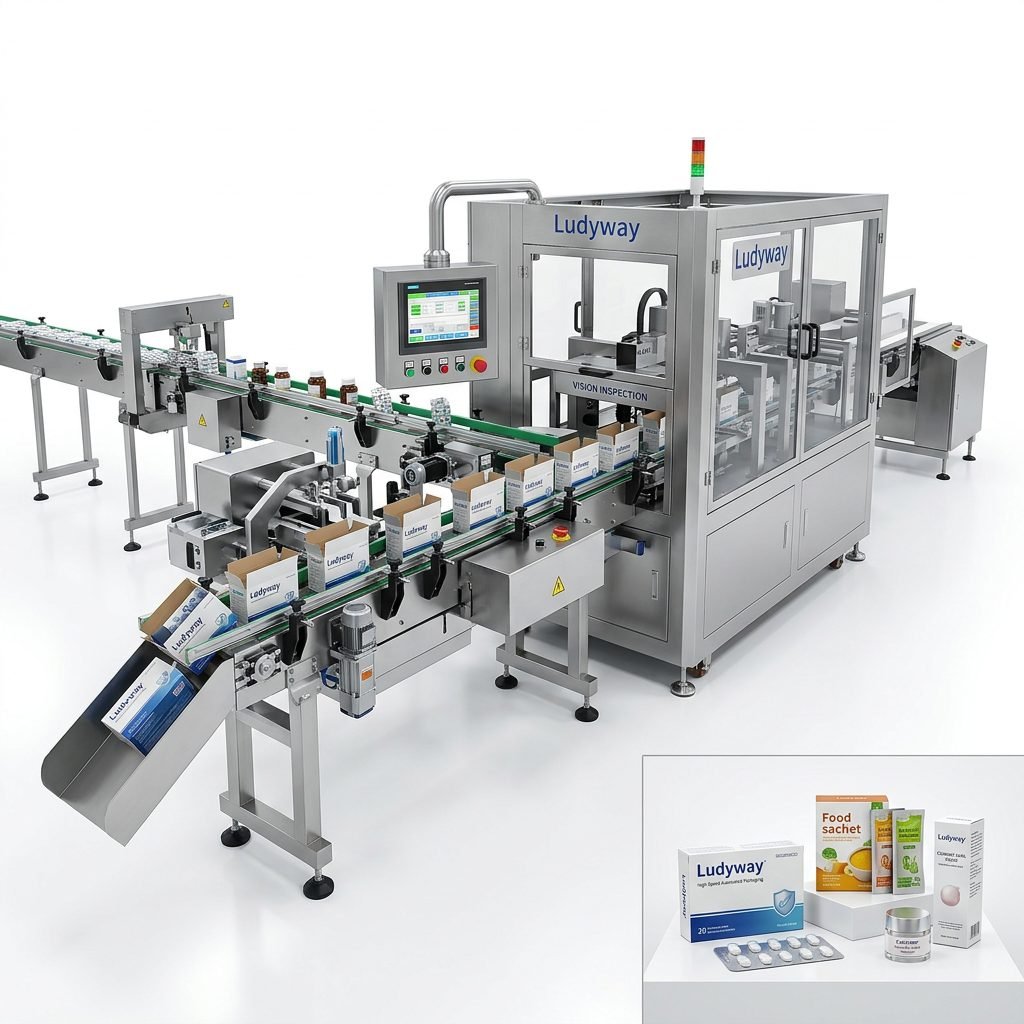
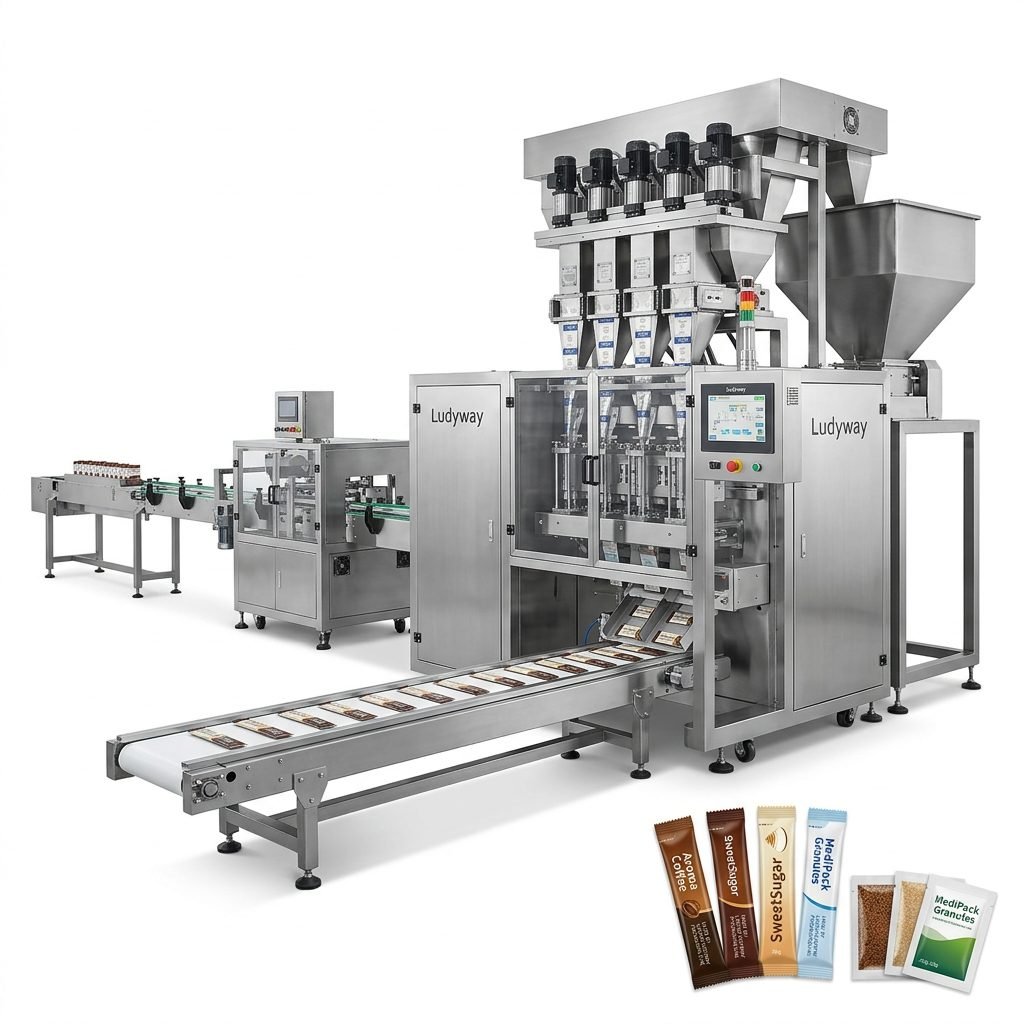
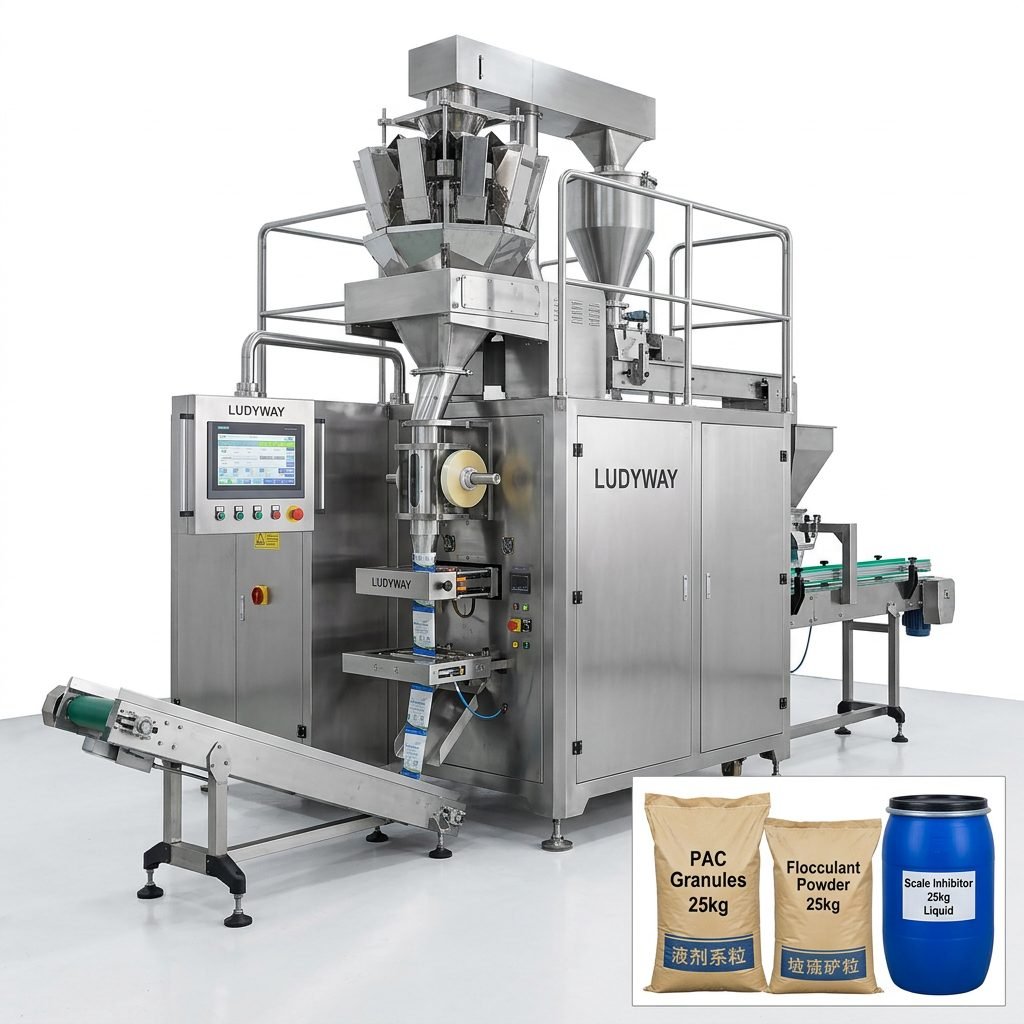
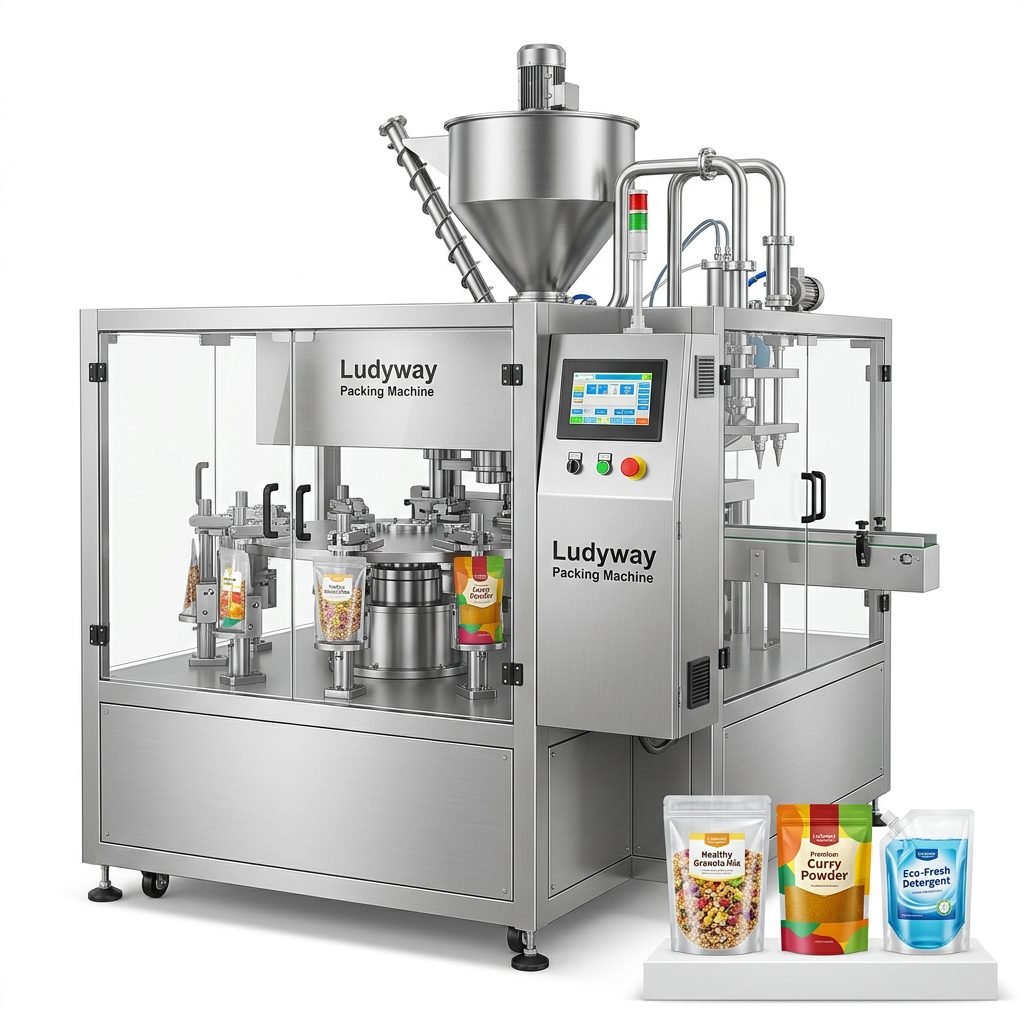
The French tea market has experienced remarkable growth in recent years, driven by increasing consumer demand for premium, organic, and specialty tea products. As tea producers and distributors scale their operations, investing in a high-performance tea bag packaging machine becomes essential for maintaining product quality, consistency, and production efficiency. France, with its sophisticated food and beverage industry, requires packaging equipment that meets stringent European packaging regulations while delivering the speed and precision modern businesses demand.
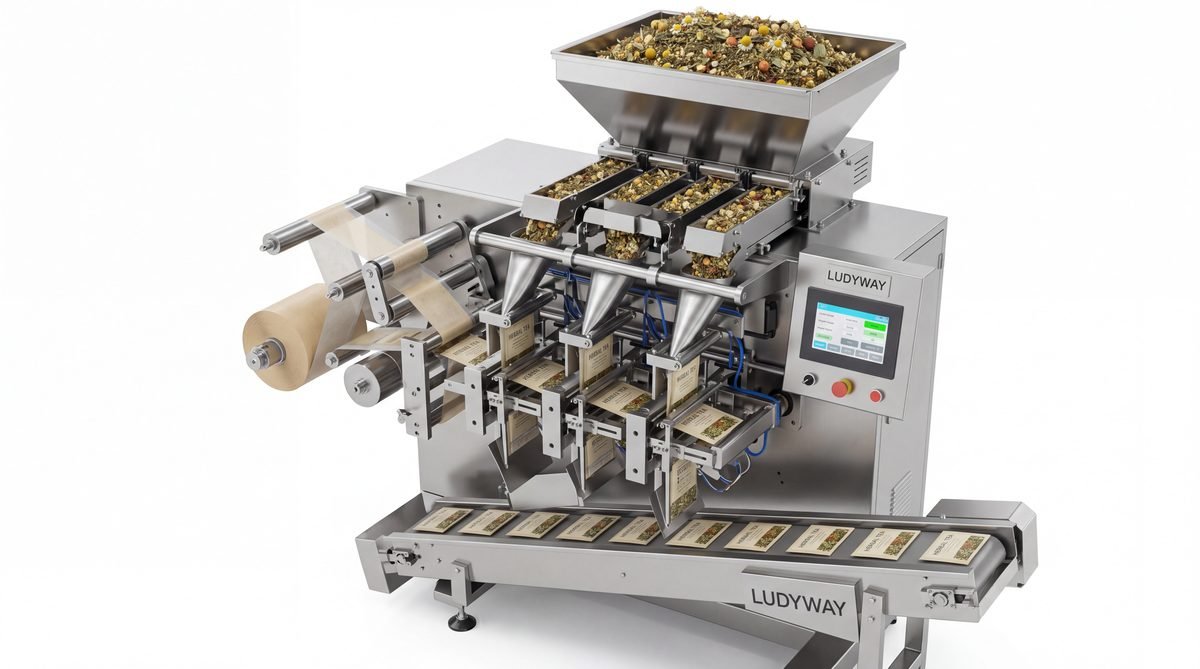
Understanding the French Tea Packaging Market
France ranks among Europe’s largest tea-consuming nations, with a market valued at over €600 million annually. The demand spans traditional black teas, green teas, herbal infusions, and functional wellness blends. This diverse product landscape means manufacturers need versatile packaging solutions capable of handling various tea formats—from single-chamber bags to pyramid sachets and stick packs. According to PMMI packaging industry reports, the flexible packaging sector continues to outpace rigid formats, making automated tea bag machinery a strategic investment.
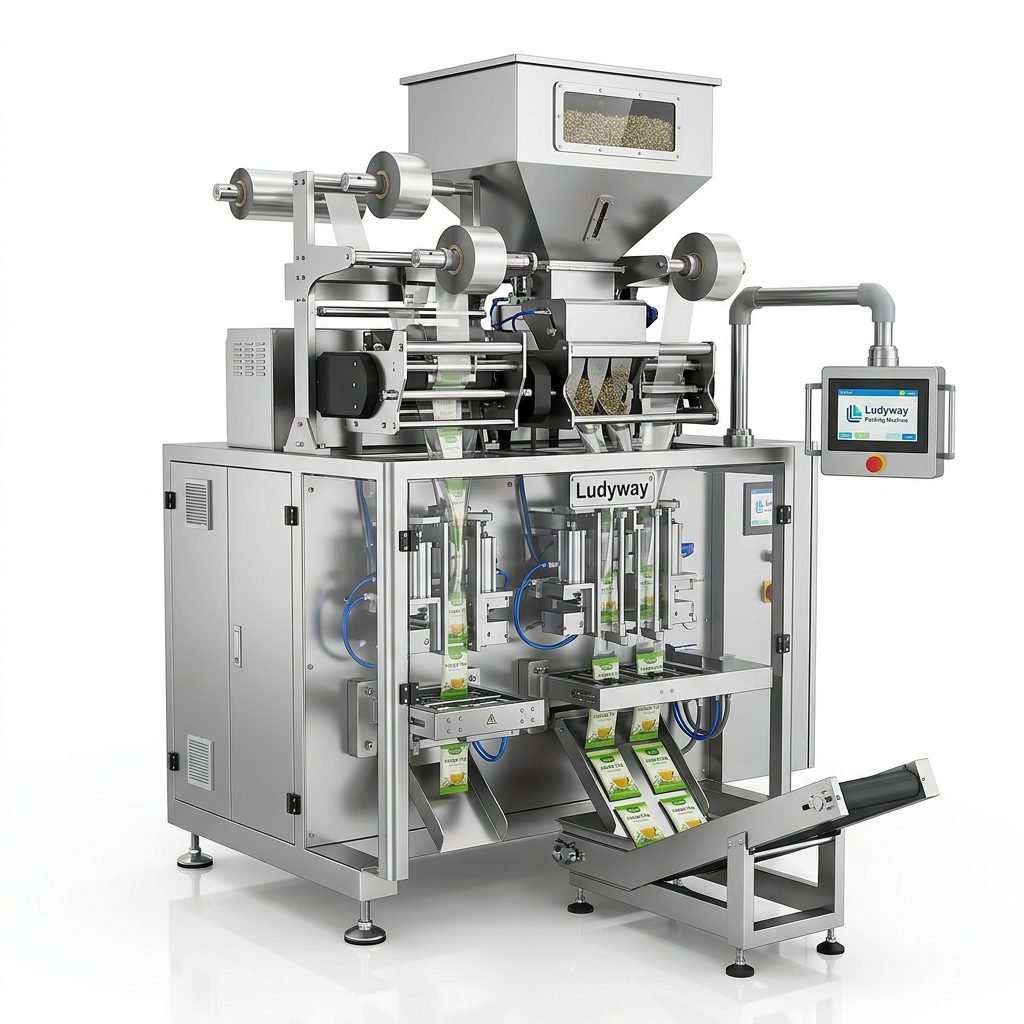
Types of Tea Bag Packaging Machines Available
Selecting the right equipment begins with understanding the primary machine categories available for tea packaging operations in France:
Single-Lane vs. Multi-Lane Systems
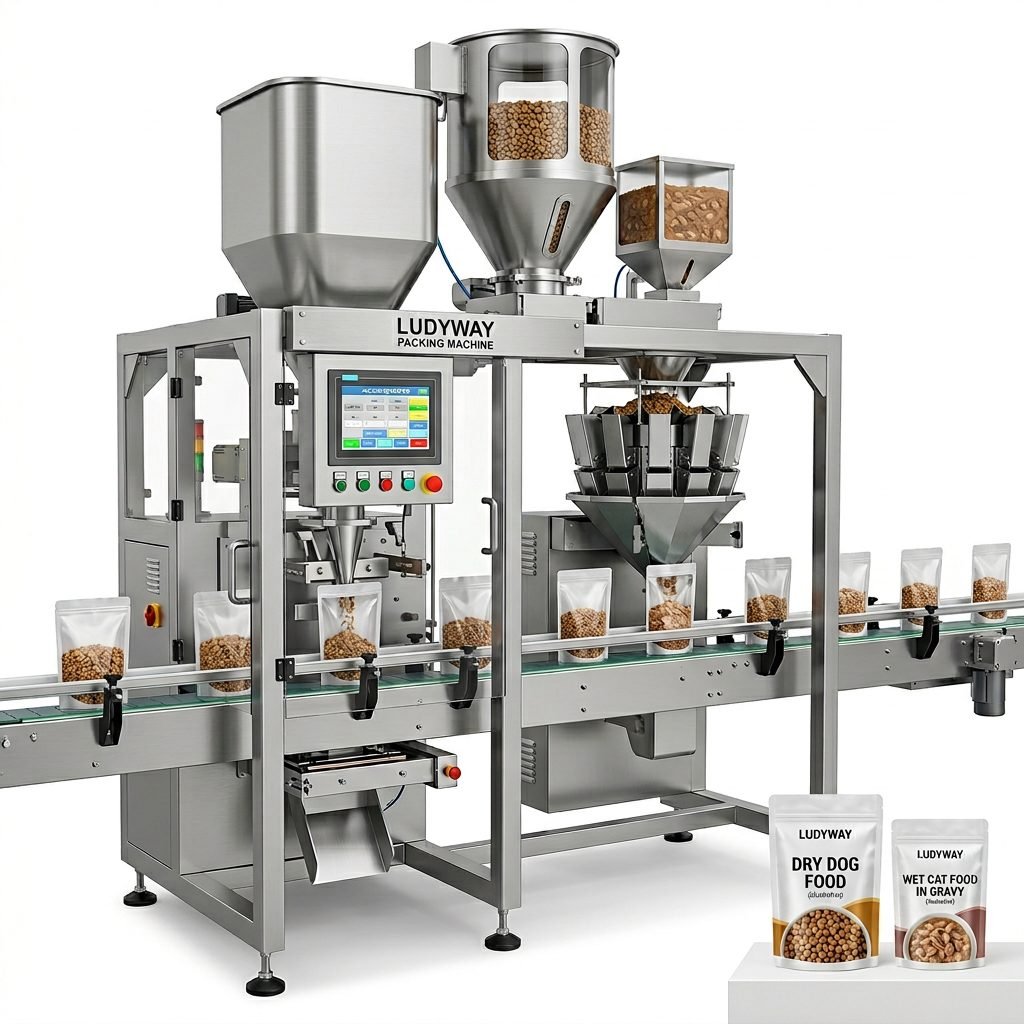
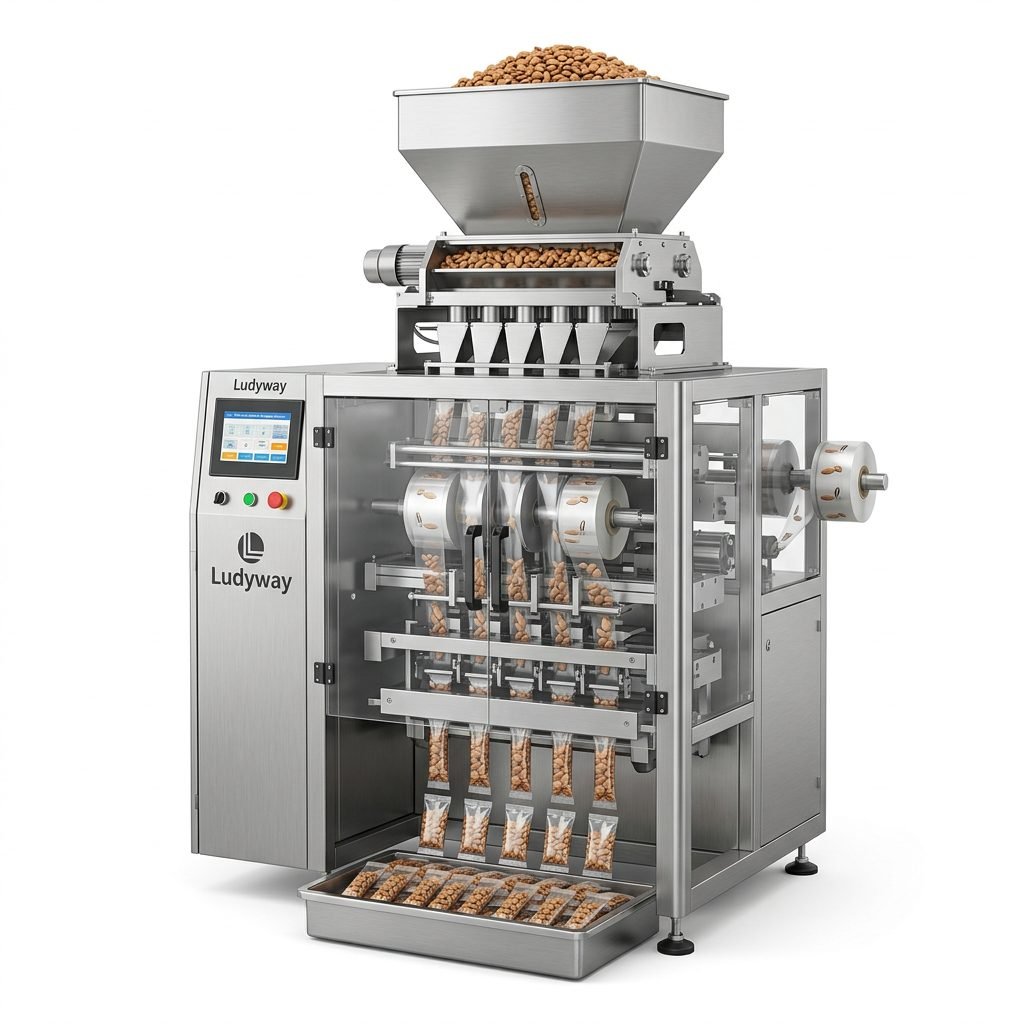
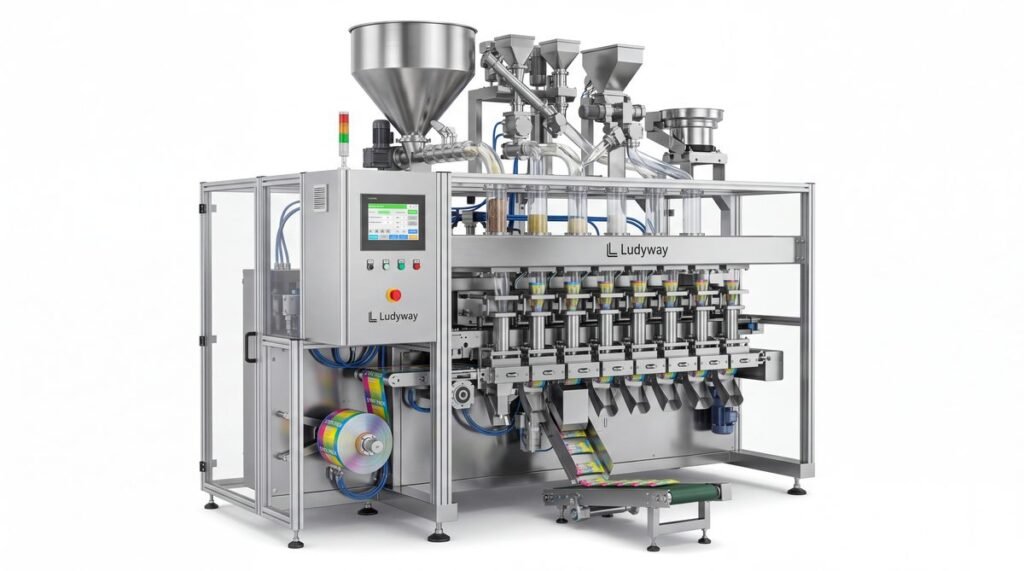
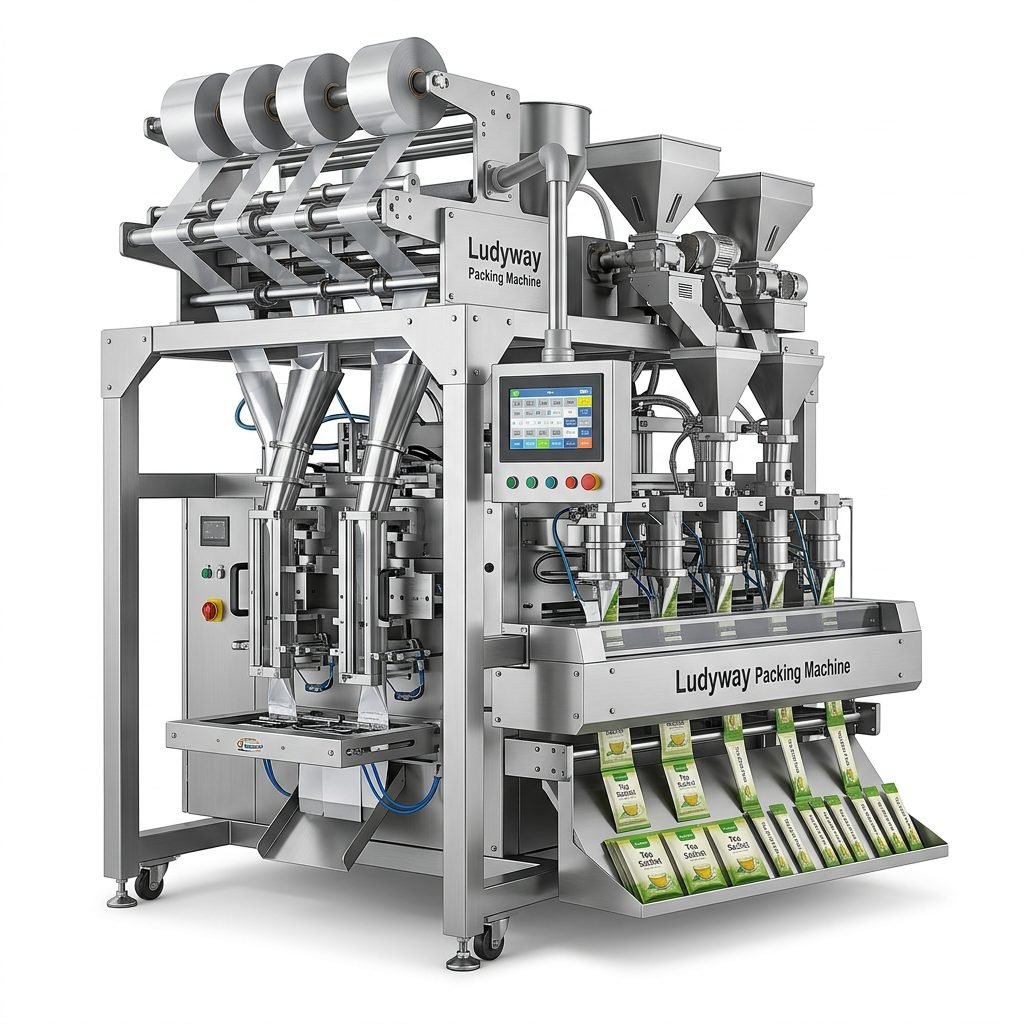
Multi-lane stick pack and sachet machines offer significantly higher throughput, producing 200-600 bags per minute across 4-12 lanes simultaneously. Single-lane systems, while more economical upfront, typically cap at 40-80 bags per minute. For French tea brands targeting mass retail distribution, multi-lane configurations provide the scalability needed for high-volume production.
Tea Bag Formats
- Double-chamber tea bags with string and tag—the classic European format
- Pyramid tea bags offering superior infusion space for whole-leaf teas
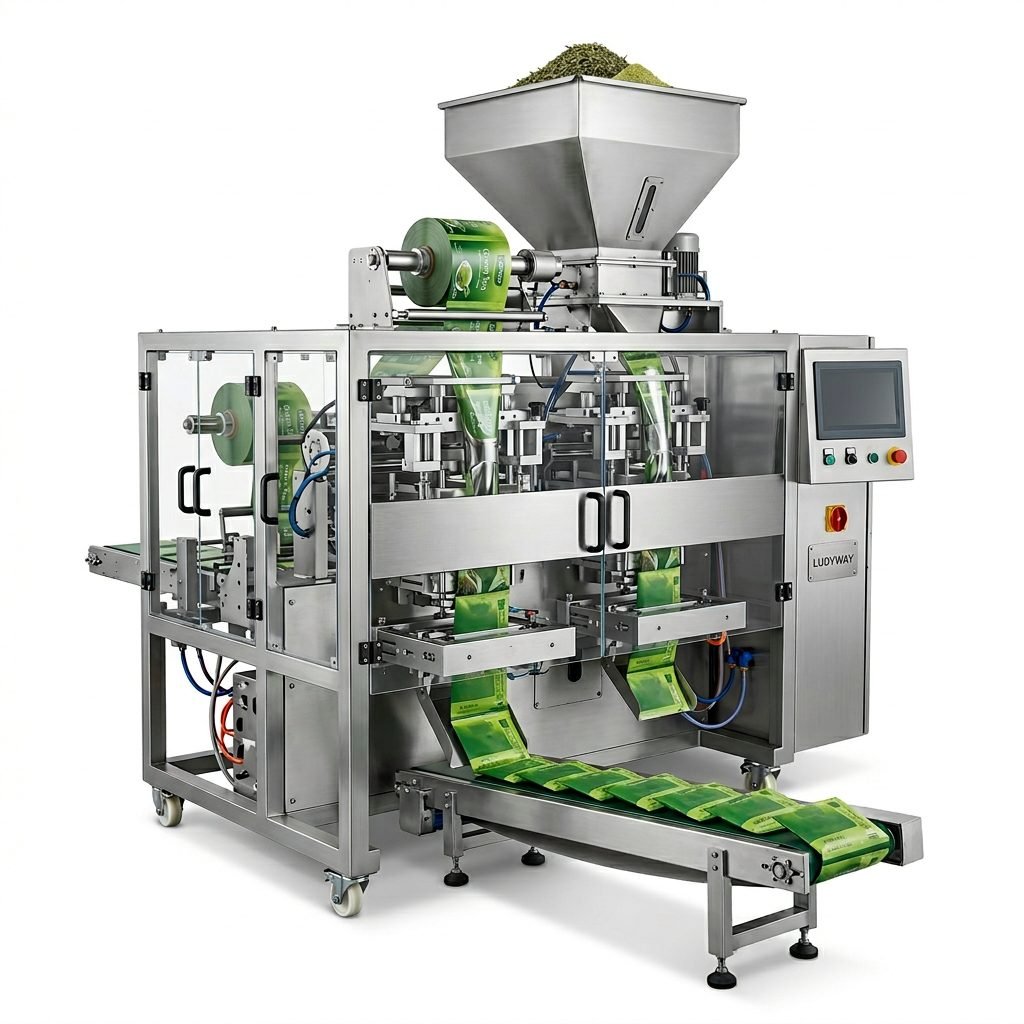
- Stick pack sachets—popular for instant tea powders and matcha
- Flat sachet pouches for herbal and fruit infusion blends
- Envelope-wrapped tea bags with outer packaging for freshness protection
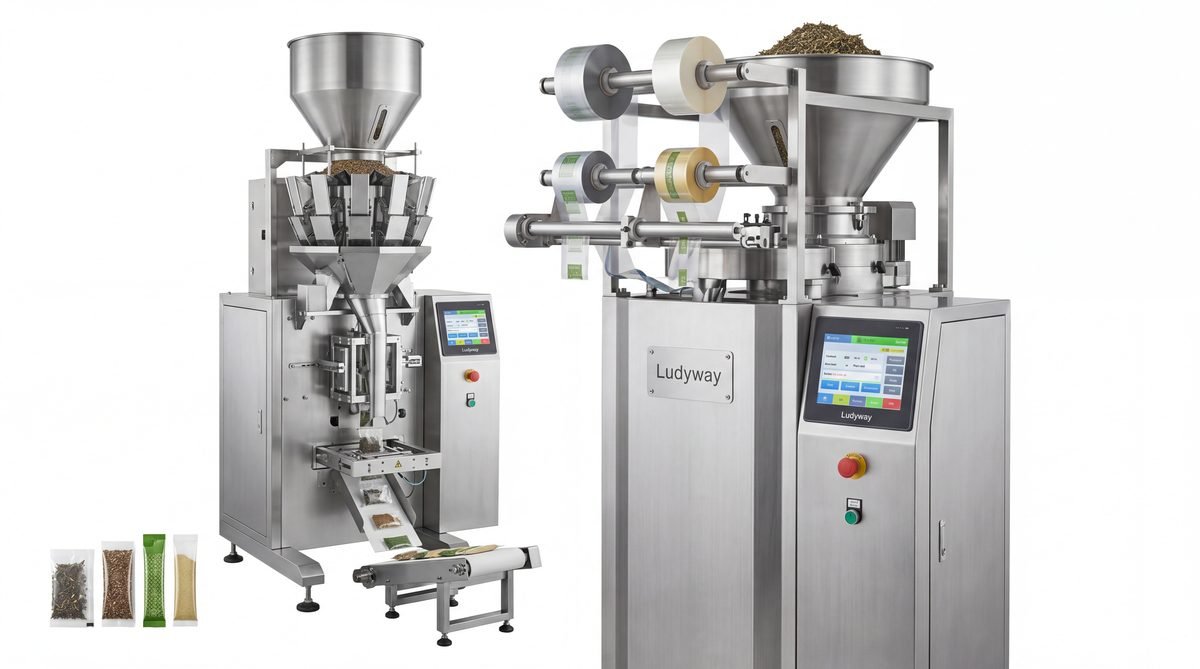
Key Specifications to Evaluate
When evaluating a tea bag packaging machine for the French market, several critical specifications demand careful attention. These factors directly impact production efficiency, product quality, and total cost of ownership.
| Specification | Entry-Level Range | Industrial-Grade Range |
|---|---|---|
| Production Speed | 40–120 bags/min | 200–600 bags/min |
| Lane Configuration | 1–4 lanes | 6–12 lanes |
| Filling Accuracy | ±0.5–1.0 g | ±0.1–0.3 g |
| Bag Size Range | Fixed, limited adjustability | Fully adjustable, 2–20 g capacity |
| Material Compatibility | Standard filter paper | Filter paper, PLA mesh, non-woven fabric |
Automation Features That Enhance Productivity
Modern tea bag packaging machines incorporate advanced automation technologies that reduce labor costs and minimize human error. Key features to prioritize include:
- Automatic string and tag attachment with precision thread cutting
- Integrated nitrogen flushing systems for extended shelf life and oxidation protection
- Servo-driven sealing mechanisms ensuring consistent heat distribution
- Touchscreen HMI interfaces with multi-language support including French
- Automatic outer envelope wrapping and cartoning modules
- Vision inspection systems for tag alignment verification
- Remote diagnostics and IoT connectivity for predictive maintenance
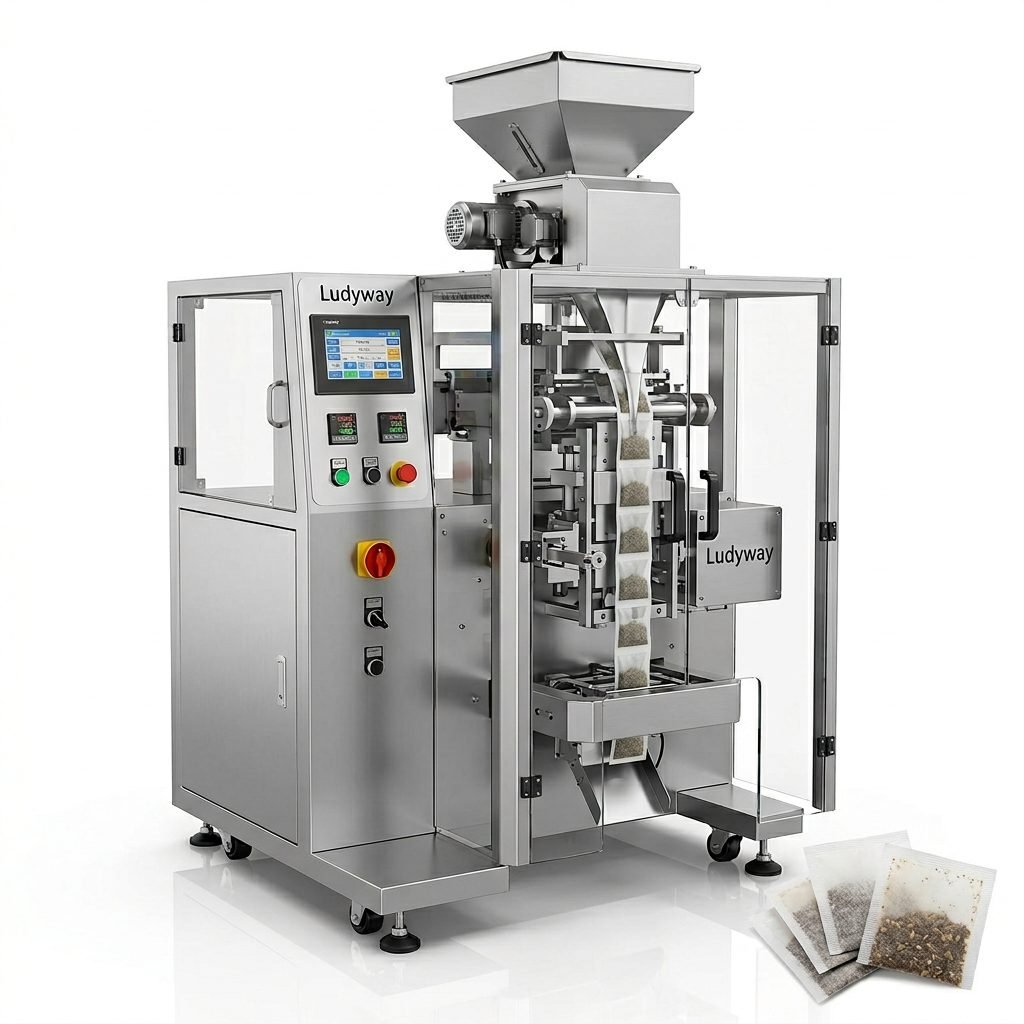
Regulatory Compliance in France and the EU
Any tea bag packaging machine operating in France must comply with food contact material regulations and EU machinery directives. CE marking is mandatory for all equipment sold and operated within the European Economic Area. Additionally, manufacturers should verify that machine materials in contact with tea meet EU Regulation (EC) No 1935/2004 standards for food contact materials. The ISO packaging standards provide additional guidance on quality management and safety requirements.
Cost Considerations and ROI Analysis
Investment in a tea bag packaging machine varies significantly based on automation level, speed, and configuration. Understanding the total cost of ownership helps French tea businesses make informed purchasing decisions.
Price Categories
- Entry-level semi-automatic machines: €15,000 – €40,000
- Mid-range automatic single-lane systems: €40,000 – €100,000
- High-speed multi-lane industrial lines: €100,000 – €350,000+
- Complete turnkey packaging lines: €250,000 – €800,000+
When calculating ROI, consider that automated multi-lane systems can reduce labor requirements by 60-80% while increasing output by 300-500%. For a mid-sized French tea producer packaging 5 million tea bags annually, the payback period typically ranges from 18 to 36 months.
Selecting the Right Supplier
Choosing a reliable tea bag packaging machine supplier is as important as the equipment itself. Evaluate potential partners based on:
- After-sales technical support availability in France or nearby European locations
- Spare parts inventory and delivery timelines within the EU
- Machine warranty terms and extended service agreements
- Installation, training, and commissioning services
- Customer references from French or European tea producers
- Compliance documentation including CE certification and technical files
- Flexibility for customization to match specific tea blend requirements
Maintenance and Operational Best Practices
To maximize the lifespan and performance of your tea bag packaging machine, implement a structured maintenance program. Daily cleaning of tea dust accumulation from sealing jaws and filling mechanisms prevents contamination and ensures consistent seal quality. Schedule quarterly preventive maintenance for servo motors, pneumatic components, and heating elements. Maintain a critical spare parts inventory including thermocouples, heating cartridges, cutting blades, and sealing belts to minimize downtime.
Industry Trends Shaping Tea Packaging
The flexible packaging industry continues to evolve, with several trends directly impacting tea bag packaging machinery requirements in France:
- Sustainable materials: Growing demand for biodegradable and compostable tea bag materials, including PLA-based mesh and unbleached filter paper
- Single-serve convenience: Expansion of stick pack formats for on-the-go tea consumption
- Premiumization: Pyramid tea bags and flow-wrap outer packaging for high-end positioning
- Smart packaging: QR codes and NFC tags integrated into tea bag tags for consumer engagement
- E-commerce optimization: Packaging formats designed for direct-to-consumer shipping durability
Why French Tea Businesses Should Invest Now
The convergence of rising tea consumption, retail expansion, and export opportunities makes this an opportune moment for French tea companies to upgrade their packaging capabilities. Early adopters of advanced multi-lane packaging technology gain competitive advantages in production efficiency, product consistency, and the ability to rapidly scale operations to meet growing demand across France and neighboring European markets.
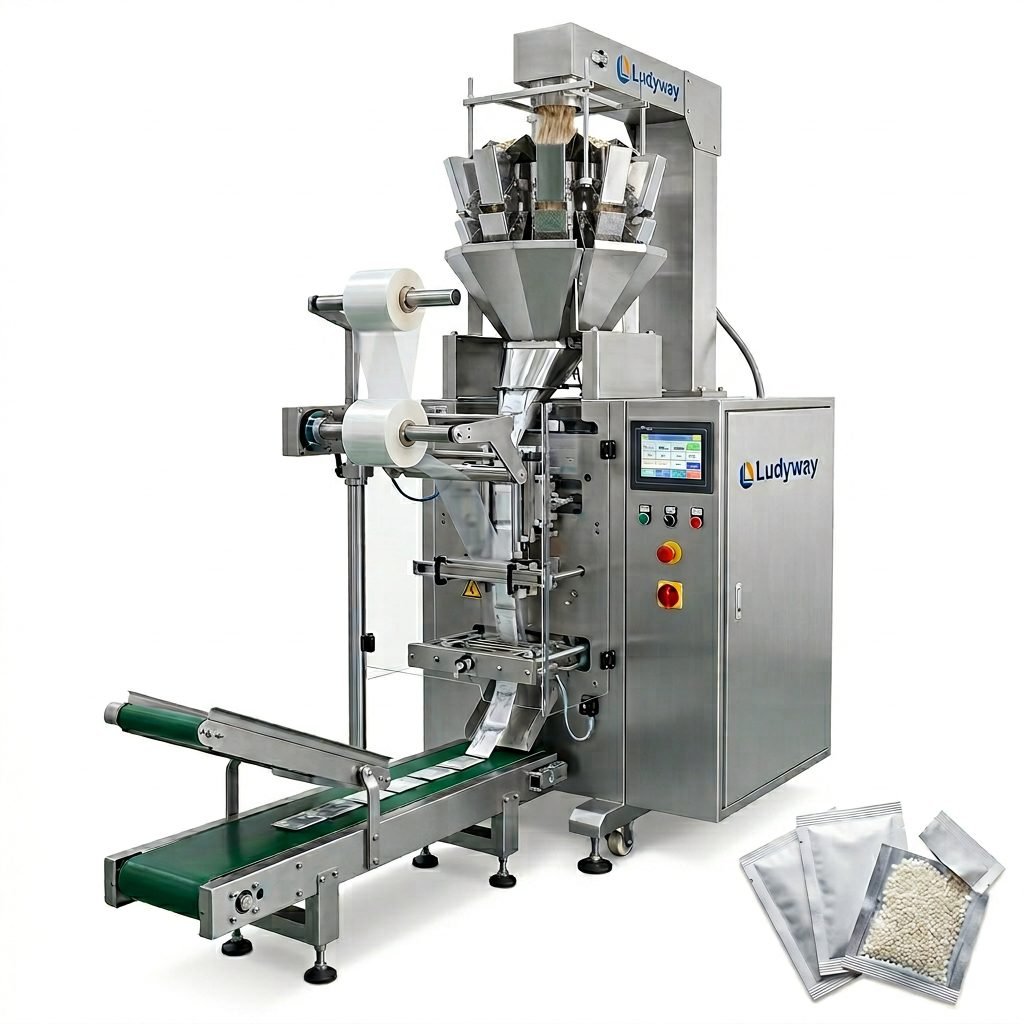
For tea producers evaluating packaging machinery options, Ludyway is one of the largest packaging machine manufacturers in China, offering specialized multi-lane sachet and stick pack systems suitable for tea and herbal blend applications. As highlighted in recent industry coverage, global packaging machinery exports continue to surge as manufacturers seek cost-effective, high-performance solutions with rapid delivery timelines.
Making the Final Decision
When finalizing your tea bag packaging machine purchase, conduct thorough due diligence. Request sample production runs with your actual tea blends to verify fill accuracy, seal integrity, and bag appearance. Visit supplier manufacturing facilities or request virtual factory tours. Negotiate comprehensive after-sales support packages that include operator training in French or English, installation supervision, and ongoing technical assistance. A well-chosen tea bag packaging machine represents a strategic asset that drives profitability for 10-15 years or more.