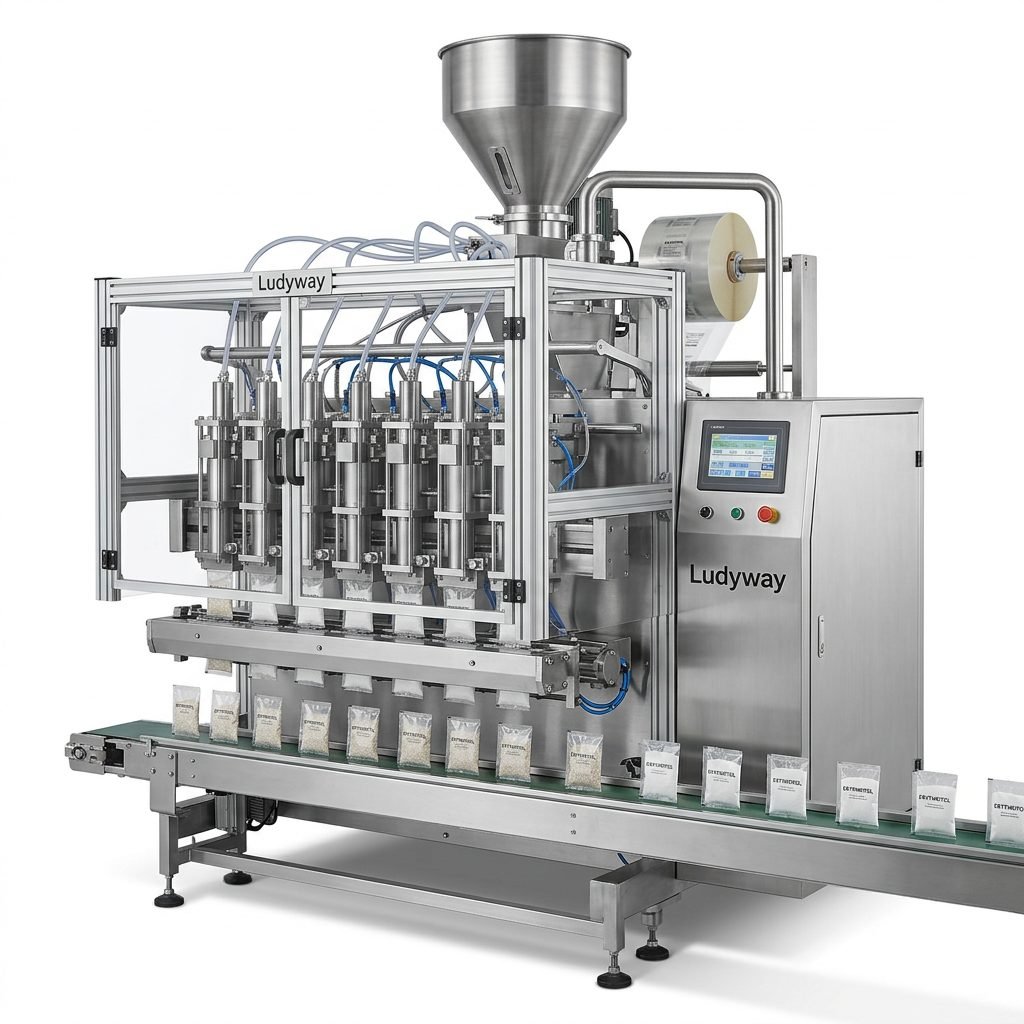
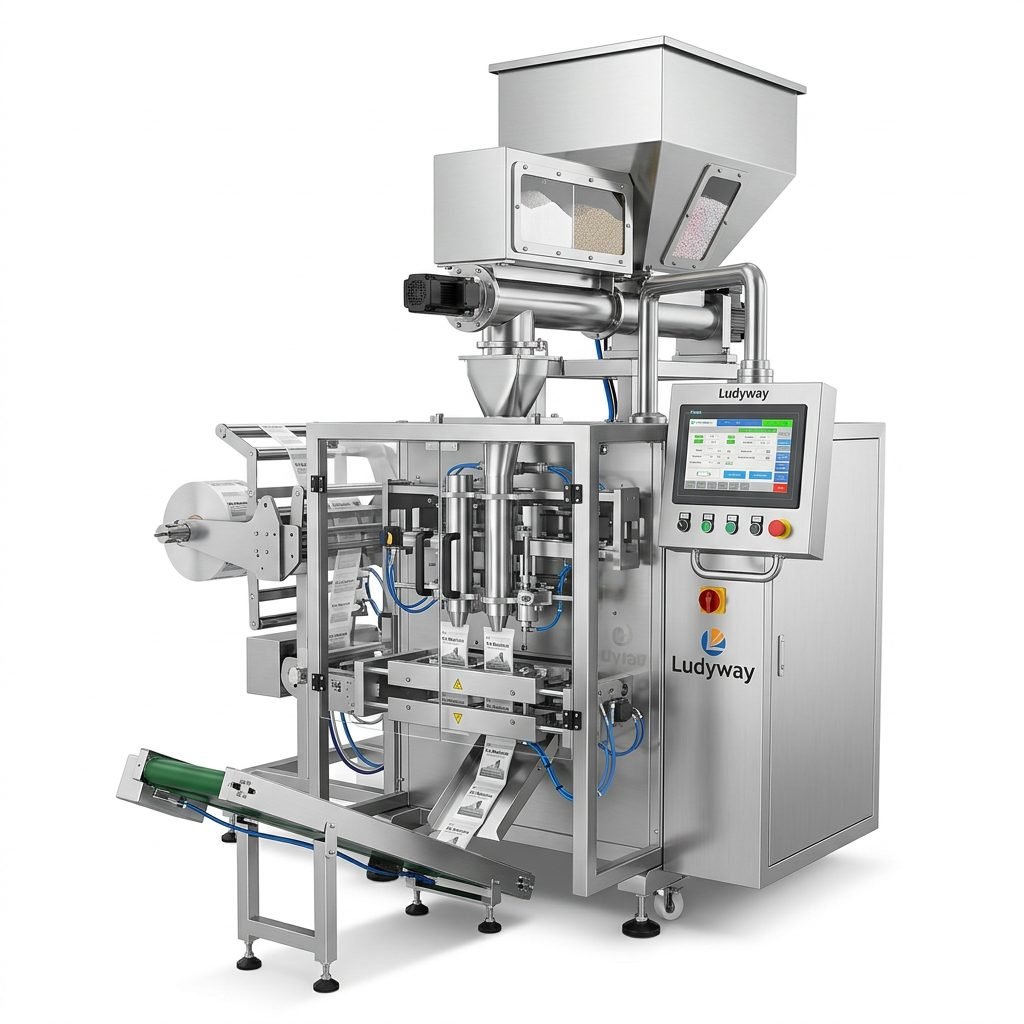
The tea industry is a symphony of tradition and precision, where the final presentation is as crucial as the quality of the leaves themselves. For tea producers, the transition from bulk processing to consumer-ready packaging is a critical step, one that is increasingly handled by automation. Choosing the right automatic tea box packaging machine is not merely a purchase; it’s an investment in brand consistency, operational efficiency, and market appeal. This guide will navigate the key considerations for selecting the perfect cartoning solution to elevate your tea production.
Understanding the Tea Cartoning Process
An automatic tea cartoning machine streamlines the process of placing filled tea bags, sachets, or loose-leaf pouches into folded cartons. A typical system involves several integrated stages: carton feeding and forming, product insertion (often from a preceding bagging machine), and finally, closing, sealing, or tucking the box flaps. This automation replaces slow, error-prone manual labor with a continuous, high-speed operation, ensuring each box is uniformly perfect.
Key Insight: The core value of automation lies in its repeatability. Whether packaging delicate white tea or robust herbal blends, the machine handles each carton with consistent care, protecting product integrity and presenting a flawless shelf presence.
Critical Factors for Selecting Your Machine
Selecting equipment requires a careful analysis of your specific production needs. Overlooking any of these factors can lead to bottlenecks, wasted materials, or an inability to meet market demands.
1. Production Speed and Output Requirements
Your required output dictates the machine’s speed. Calculate your current and projected daily/weekly production volumes. Machines are rated in cartons per minute (CPM). A small artisanal brand might thrive with a machine running at 30-60 CPM, while a large-scale manufacturer may need equipment capable of 200+ CPM. Remember, the speed must be synchronized with your upstream bagging or filling equipment for a smooth production line flow.
2. Carton Size and Style Flexibility
Tea packaging is diverse: from simple tuck-end cartons for tea bags to elegant tray-and-lid boxes for gift sets. Your machine must accommodate this range.
- Size Range: Define the minimum and maximum dimensions (Length, Width, Depth) of the cartons you plan to use now and in the future.
- Style Changeover: How quickly and easily can the machine switch from one carton style or size to another? Look for machines with quick-change parts or digital adjustment systems to minimize downtime during product runs.
3. Product Type and Infeed Compatibility
The machine must be compatible with the format of your tea product. This is a crucial interface point.
- Tea Bags (String & Tag): Requires gentle handling and precise orientation systems to place bags neatly into cartons.
- Stick Packs or Sachets: Often bundled into groups (e.g., 20 sticks per box). The machine needs a counting and grouping mechanism.
- Pouches (Loose Leaf): These can be bulky. The machine must have sufficient space and gentle pushers to insert them without crushing.
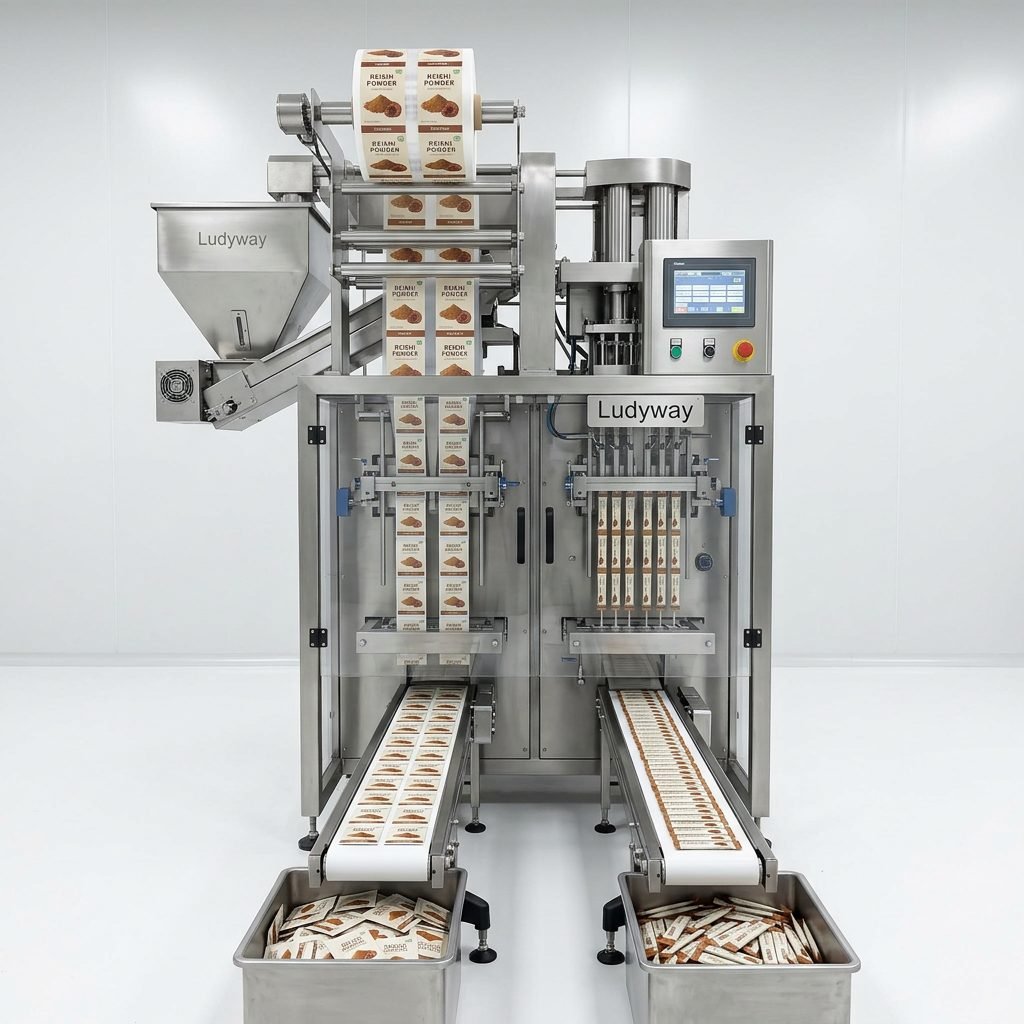
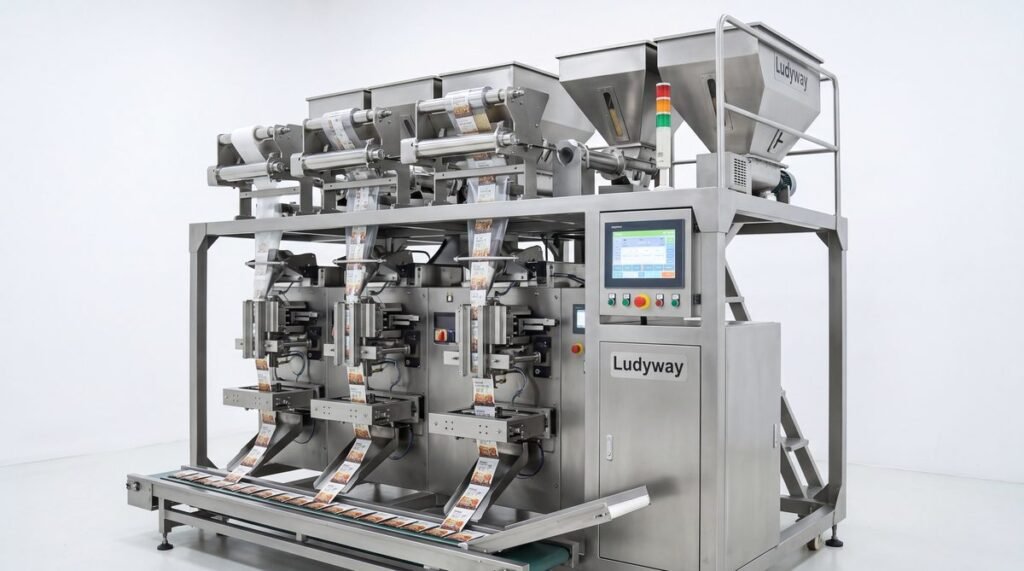
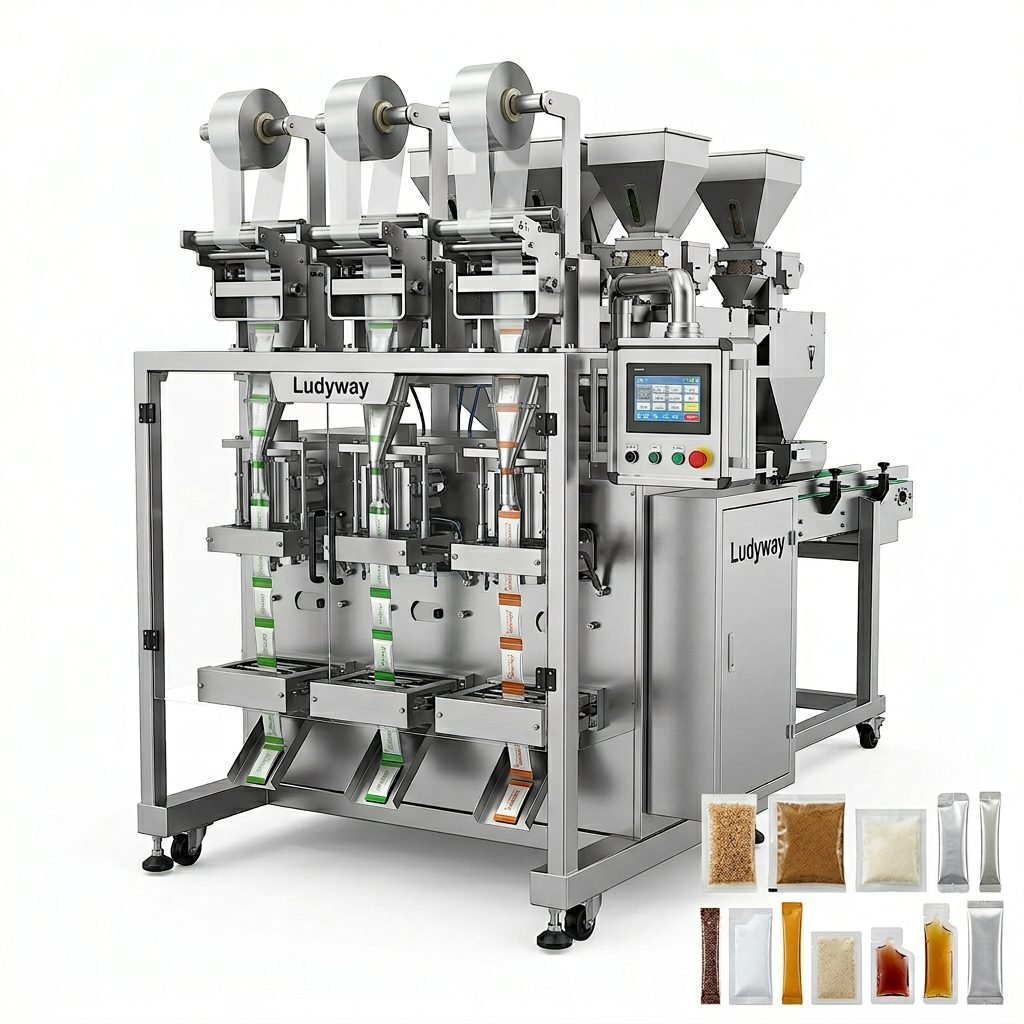
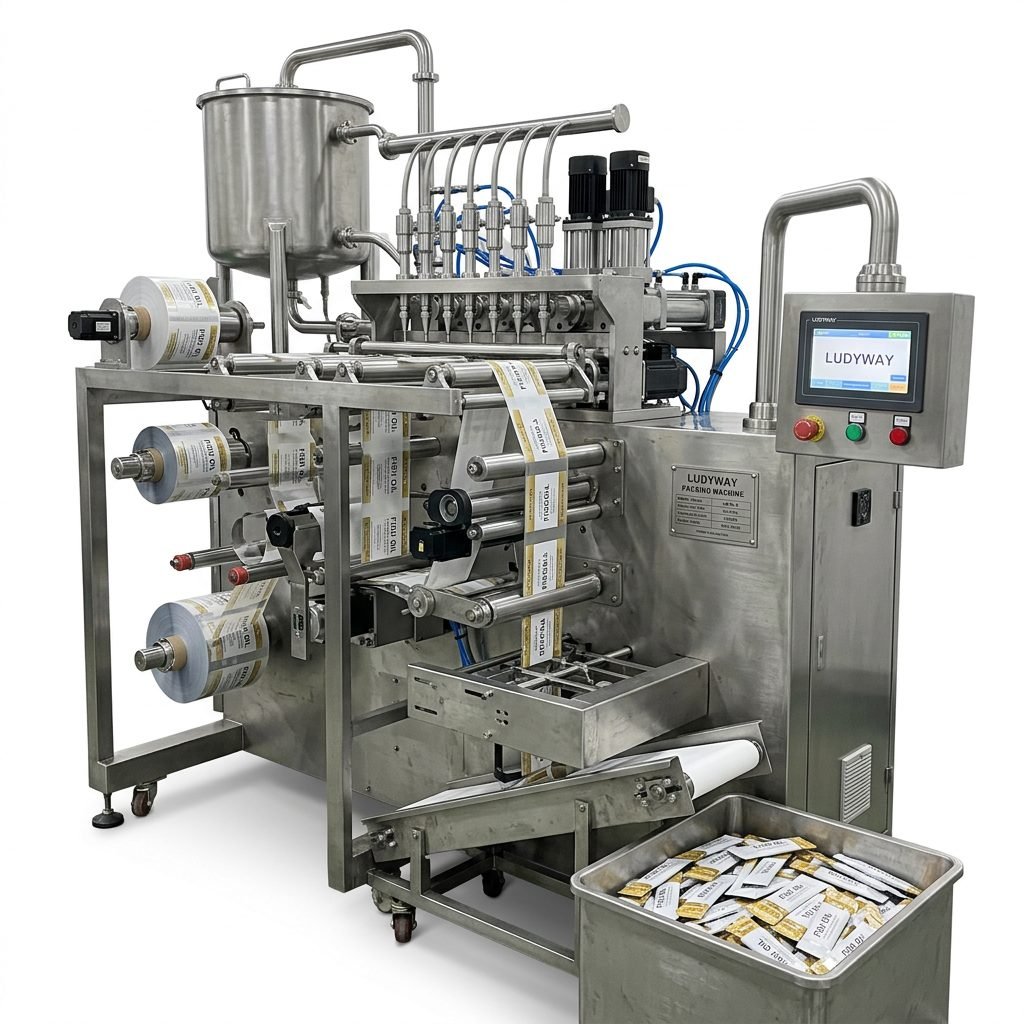
Ensure the cartoner can integrate seamlessly with your existing sachet packaging machine or stick pack machine to create a fully automated line.
4. Automation Level and Integration
Consider how “hands-off” you need the process to be.
- Basic Automatic: Feeds and forms cartons automatically but may require manual loading of product batches.
- Fully Automatic: Integrated with upstream equipment. Product is automatically fed, inserted, and the finished box is discharged onto a conveyor. This is ideal for high-volume production.
- Smart Features: Modern machines may include PLC touchscreen controls, recipe storage for different products, fault diagnostics, and data output for production monitoring.
5. Build Quality, Reliability, and Support
This machine is a long-term asset. Prioritize robust construction from stainless steel and high-grade aluminum for food safety and durability. Research the manufacturer’s reputation. A reliable supplier like Ludyway Machinery offers not just equipment, but peace of mind. Consider:
- Availability of spare parts.
- Quality of technical documentation and training.
- Responsiveness of after-sales service and support.
The Ludyway Advantage in Tea Packaging
With over 30 years of industry experience, Ludyway Machinery understands the nuanced needs of food and consumable packaging. Our expertise translates into cartoning solutions designed for real-world production environments.
We focus on delivering intelligent, efficient, and high-quality automated packaging solutions. Our machines are engineered for smooth integration into complete turnkey production lines, ensuring that from bagging to cartoning, every step is optimized for your specific tea products. This holistic approach, backed by strong engineering capabilities and a commitment to innovation, helps global tea producers scale their operations reliably.
Implementing Your New Cartoning Solution
Successful implementation goes beyond installation. Plan for factory acceptance tests (FAT) at the supplier’s site, ensuring the machine meets your specifications. Schedule thorough operator and maintenance technician training. Work with your supplier to plan the production line layout, ensuring adequate space for material flow and maintenance access. A well-planned launch minimizes disruption and accelerates your return on investment.
Conclusion: Packaging as a Strategic Asset
In the competitive tea market, packaging is your silent brand ambassador. An automatic tea box packaging machine is the engine that delivers this brand promise consistently, efficiently, and at scale. By meticulously evaluating your production needs, carton specifications, and the reliability of the equipment provider, you can select a cartoning solution that not only packs your tea but also protects your quality, enhances your brand, and brews greater profitability for your business.
Frequently Asked Questions (FAQs)
1. What is the typical speed range for an automatic tea cartoning machine?
Speeds vary widely based on machine size and complexity. Standard machines range from 30 to 120 cartons per minute (CPM). High-speed models for large-scale tea bag production can reach 200+ CPM. The right speed depends entirely on your output requirements and budget.
2. Can one machine handle different styles of tea boxes, like tuck-end and tray-with-lid?
Many automatic cartoners are designed for flexibility. However, switching between fundamentally different styles (e.g., from a straight tuck-end to a complex 4- or 6-corner tray) often requires a change of forming mandrels and possibly other parts. Look for machines advertised with “quick changeover” capabilities for size adjustments within the same style family.
3. How do I ensure the machine gently handles delicate tea bags?
Discuss your specific product with the manufacturer. Solutions include custom-designed product infeed channels with soft guides, servo-driven insertion mechanisms for precise control, and adjustable handling pressure. A reputable supplier will test your actual product samples during the evaluation phase.
4. What kind of maintenance does an automatic cartoner require?
Regular maintenance is key to longevity. Daily cleaning to remove dust and tea particles, weekly inspection of moving parts and lubrication points (with food-grade lubricants), and periodic checks of wear items like forming belts and suction cups are standard. A good supplier provides a detailed maintenance schedule and training.
5. Can the cartoning machine be connected to other packaging equipment?
Absolutely. This is a major benefit of automation. A high-quality automatic cartoner is designed for seamless integration upstream with baggers, sachet machines, or bundlers, and downstream with case packers or checkweighers. This creates a continuous, end-to-end automated packaging line, dramatically boosting overall efficiency.