Investing in the right tea packaging machine is a critical decision for producers across South America, where the tea and herbal infusion market continues to expand rapidly. From traditional yerba mate in Argentina, Paraguay, and Uruguay to growing segments in green tea, black tea, and functional herbal blends, the demand for efficient, high-quality packaging solutions has never been stronger. This guide walks you through the essential types of tea packaging machinery, realistic cost expectations, and the key factors you must evaluate before making a purchase in the South American market.
1. Common Types of Tea Packaging Machines
Understanding the different machine configurations available is the first step toward selecting equipment that matches your production goals. Each type serves specific packaging formats and production volumes.
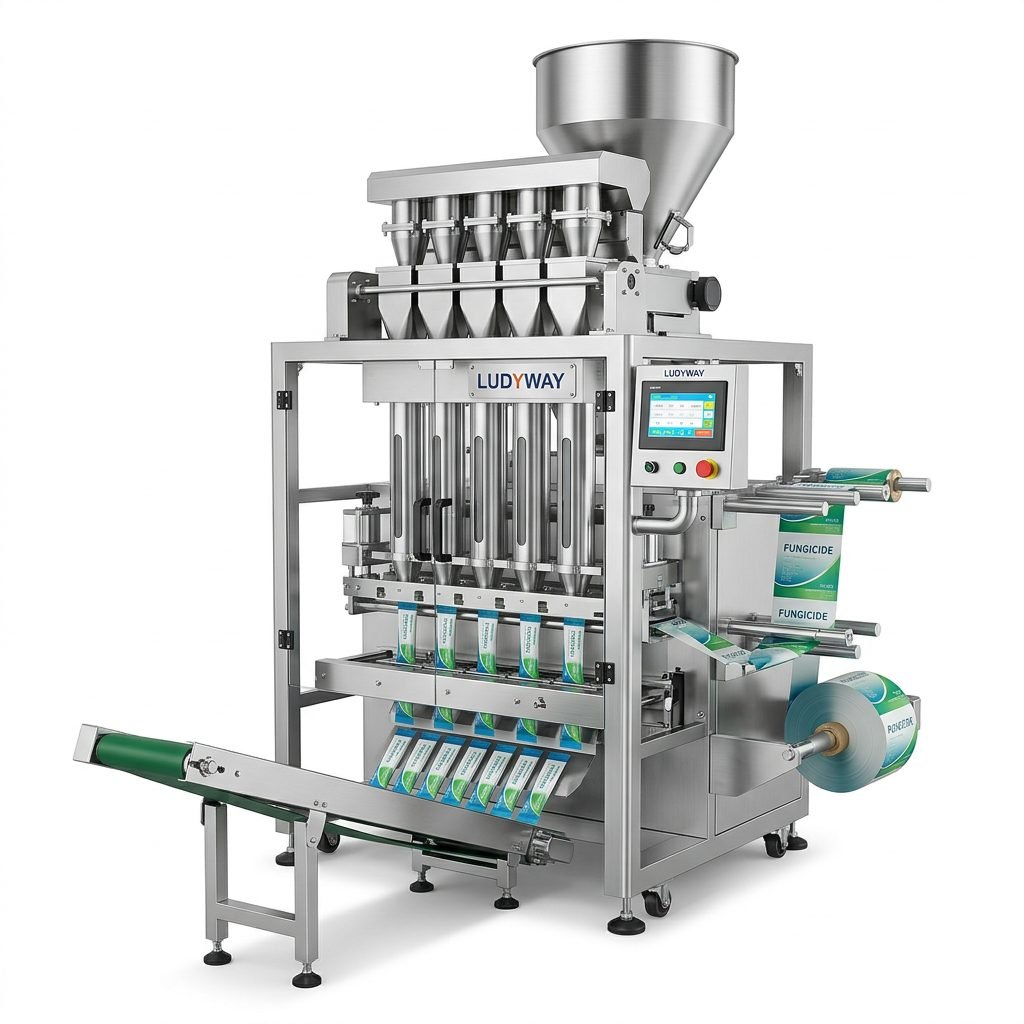
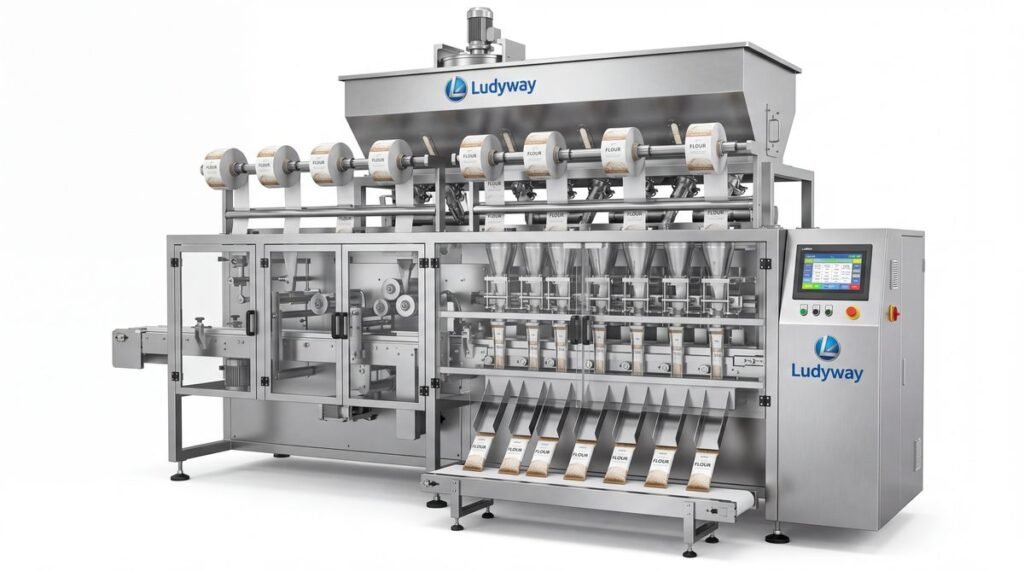
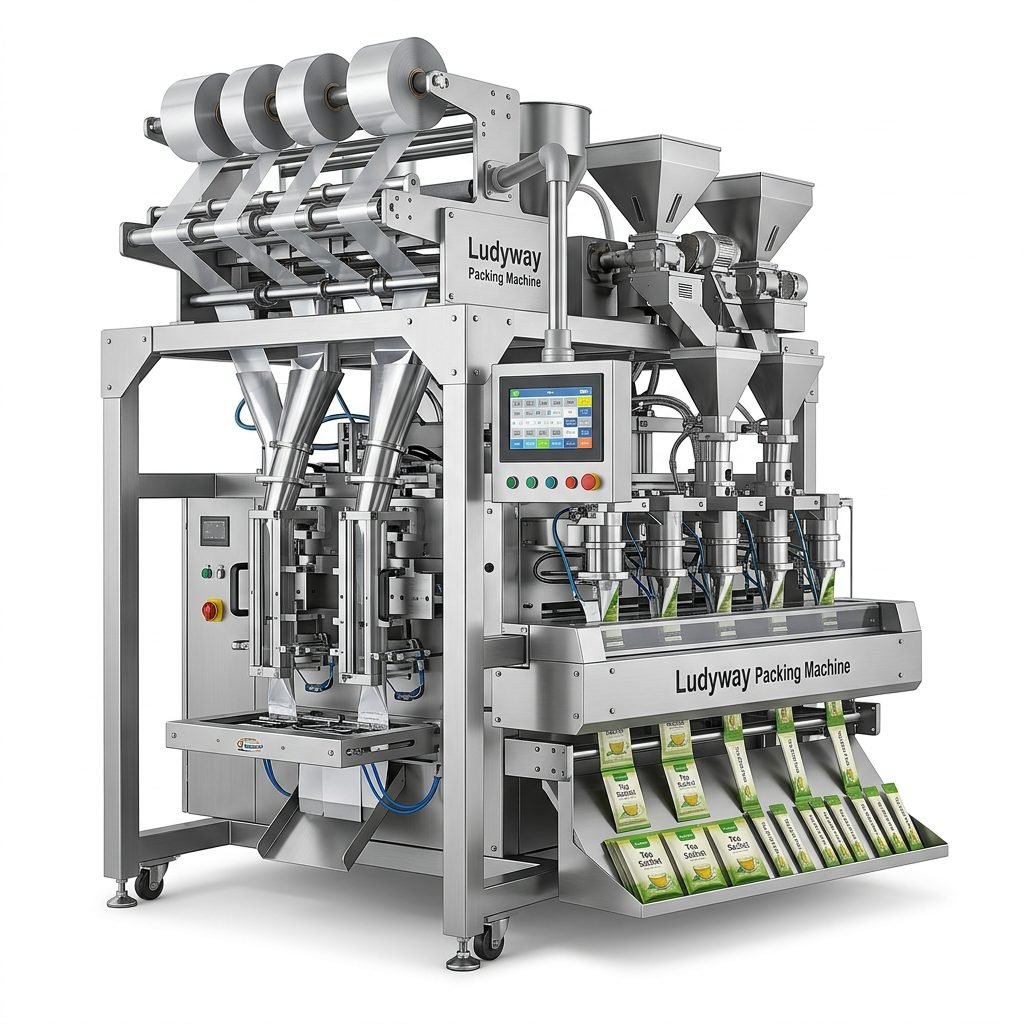
Multi-Lane Stick Pack Machines
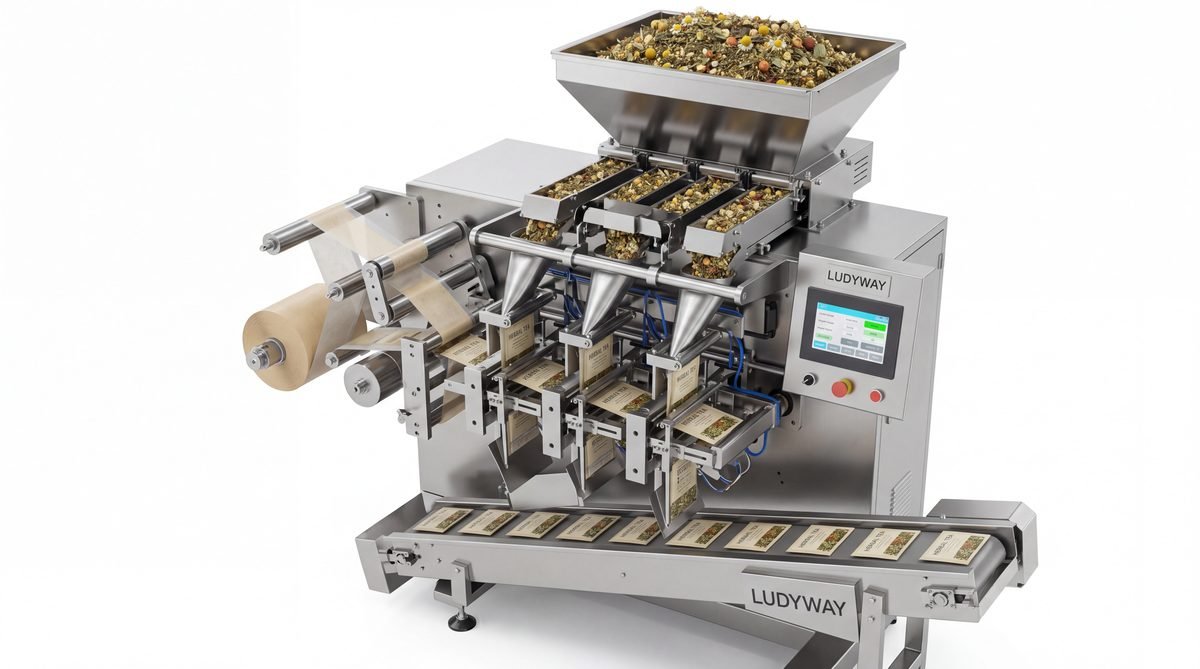
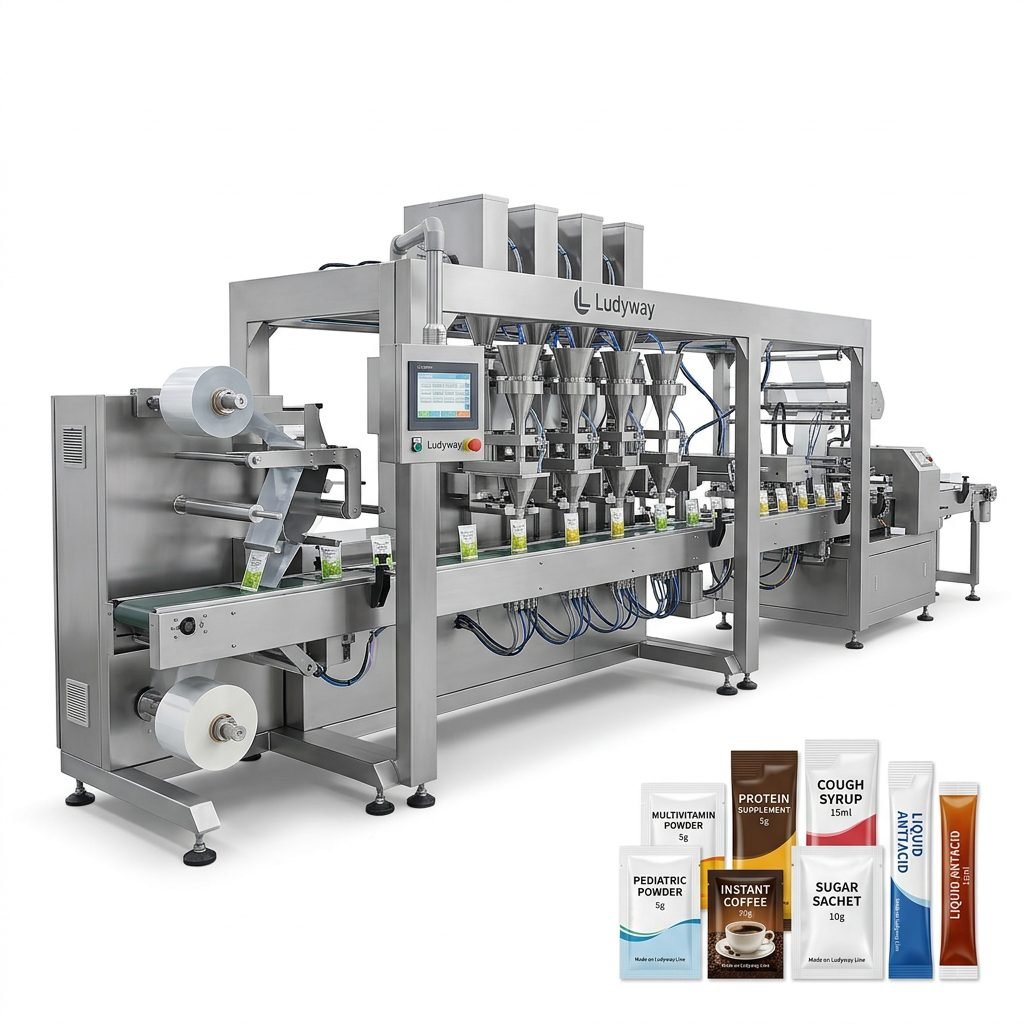
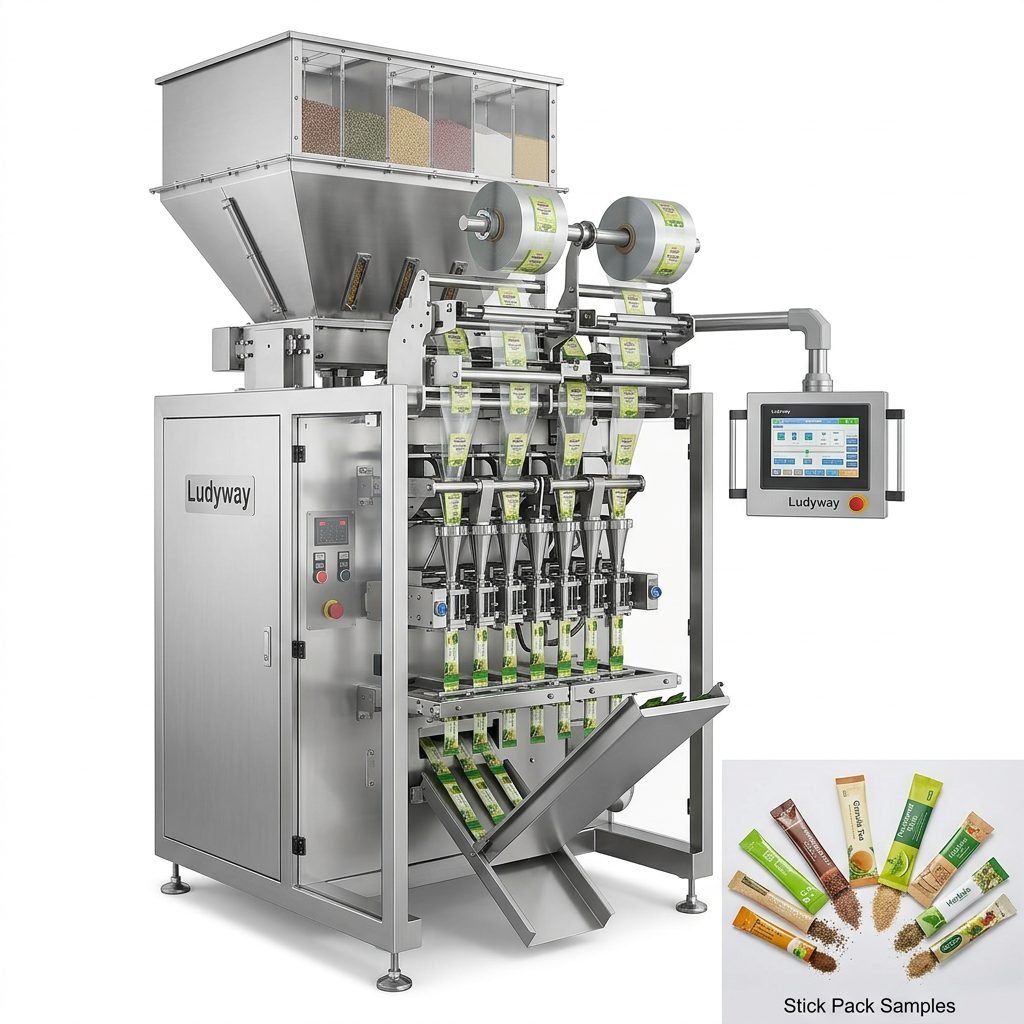
These machines produce narrow, elongated stick packs that are increasingly popular for single-serve tea powders, matcha, and instant tea granules. A multi-lane system can run 4 to 12 lanes simultaneously, dramatically increasing output. For South American producers targeting export markets or the growing convenience segment, stick pack formats offer excellent shelf appeal and portion control.
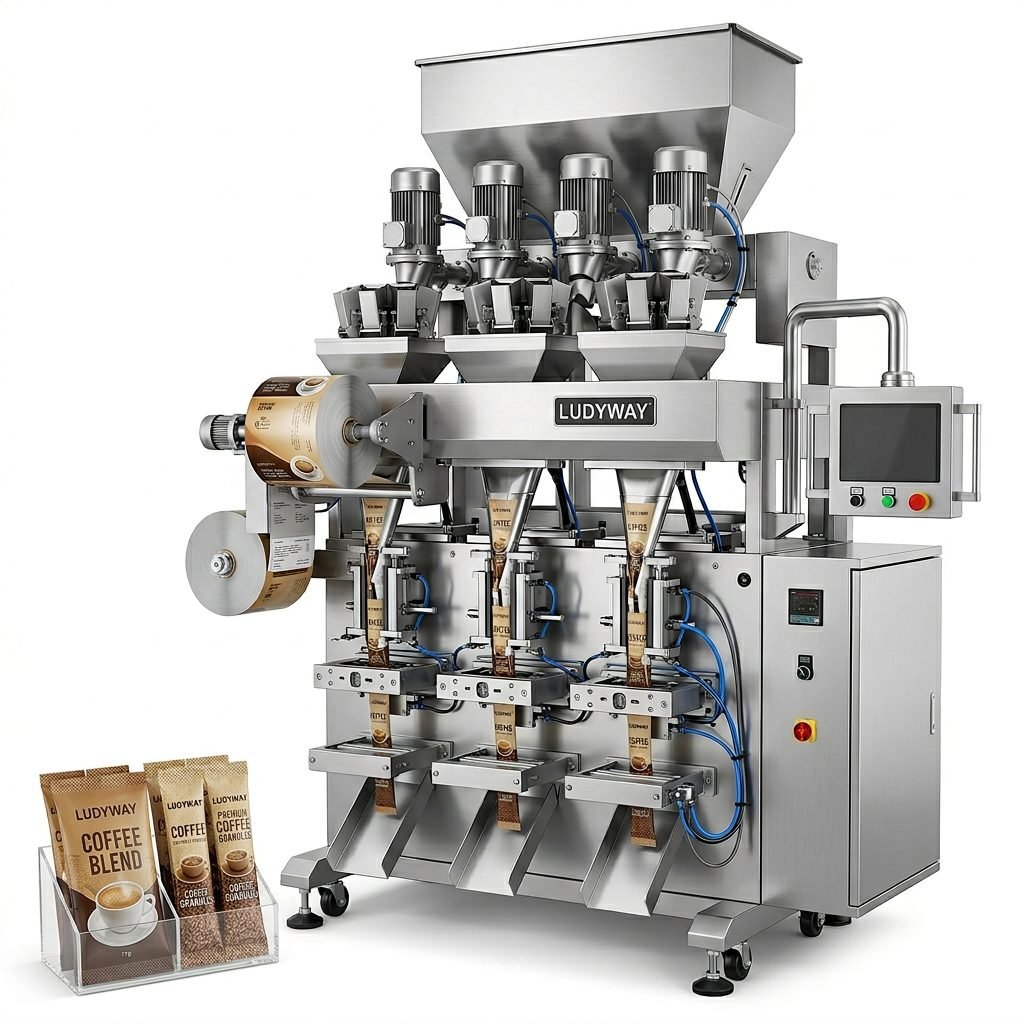
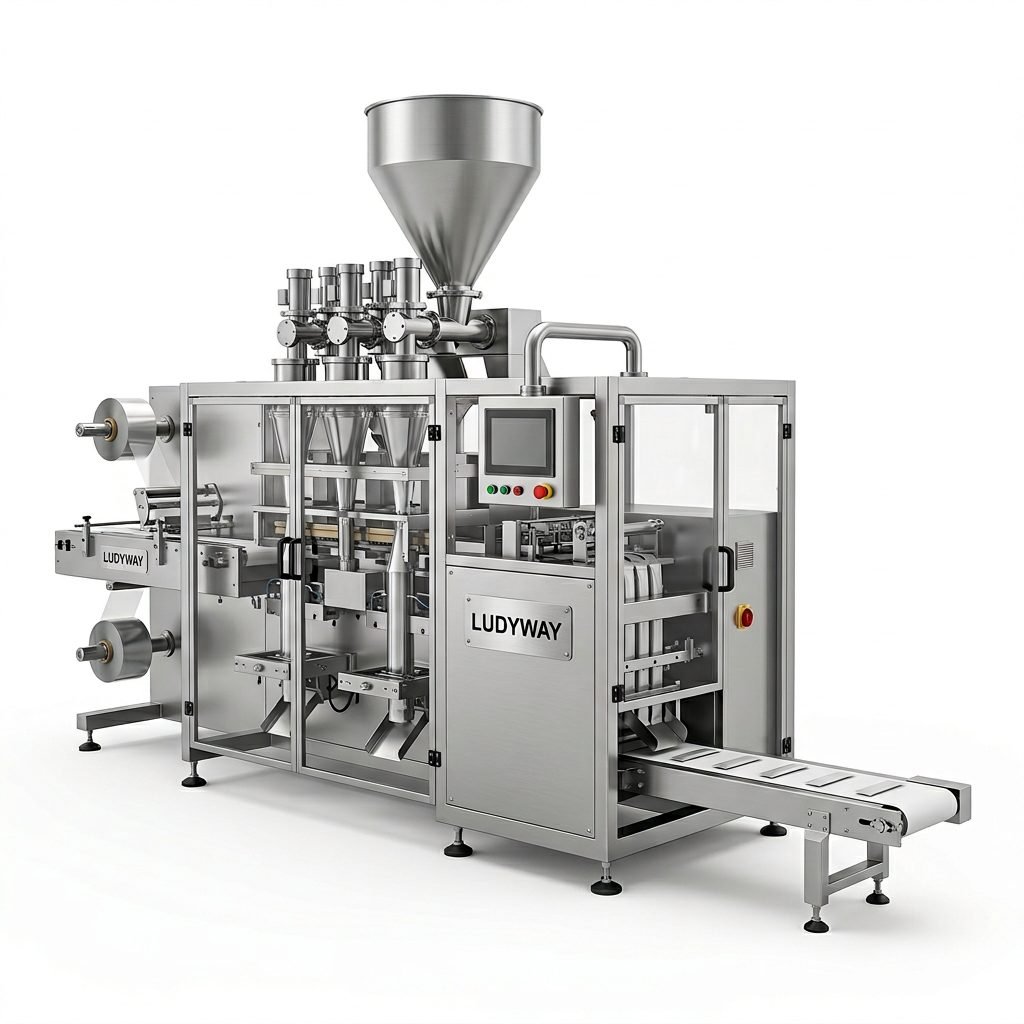
Sachet and Pouch Packaging Machines
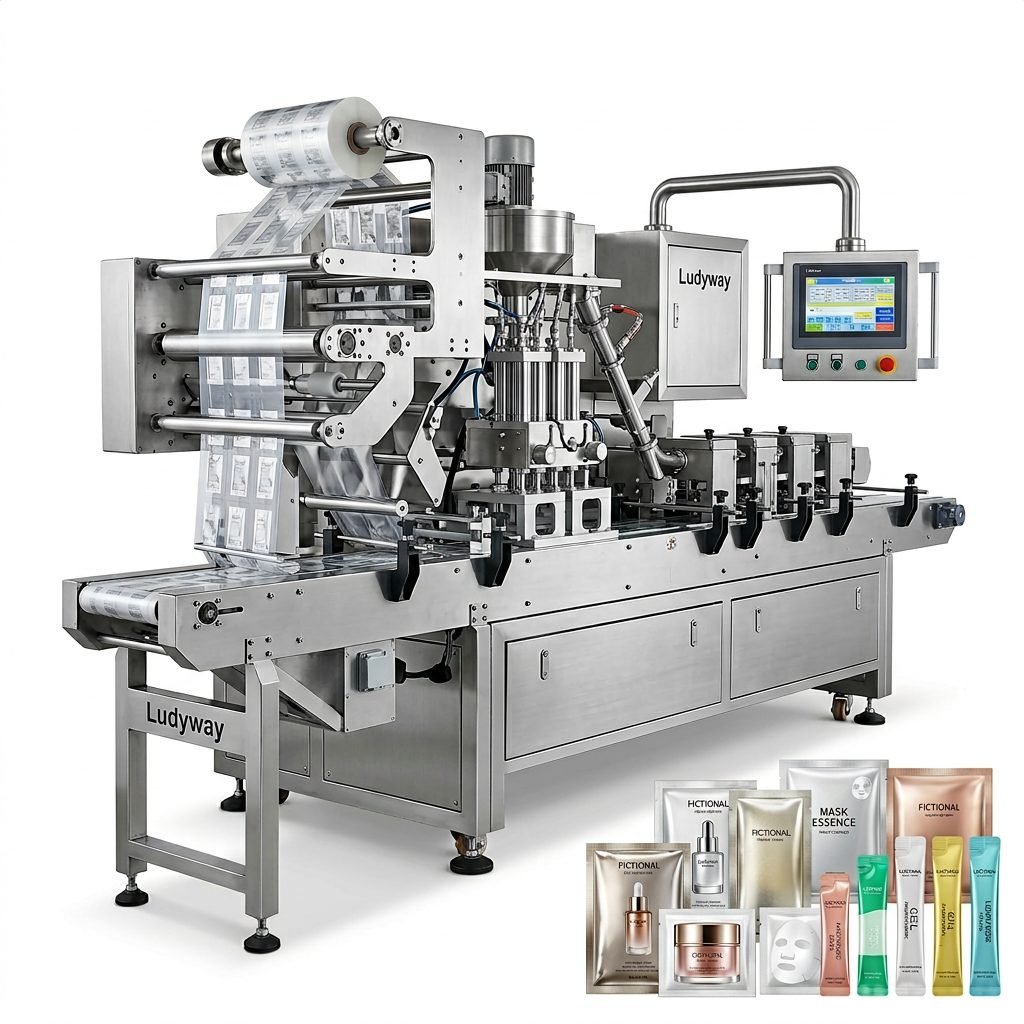
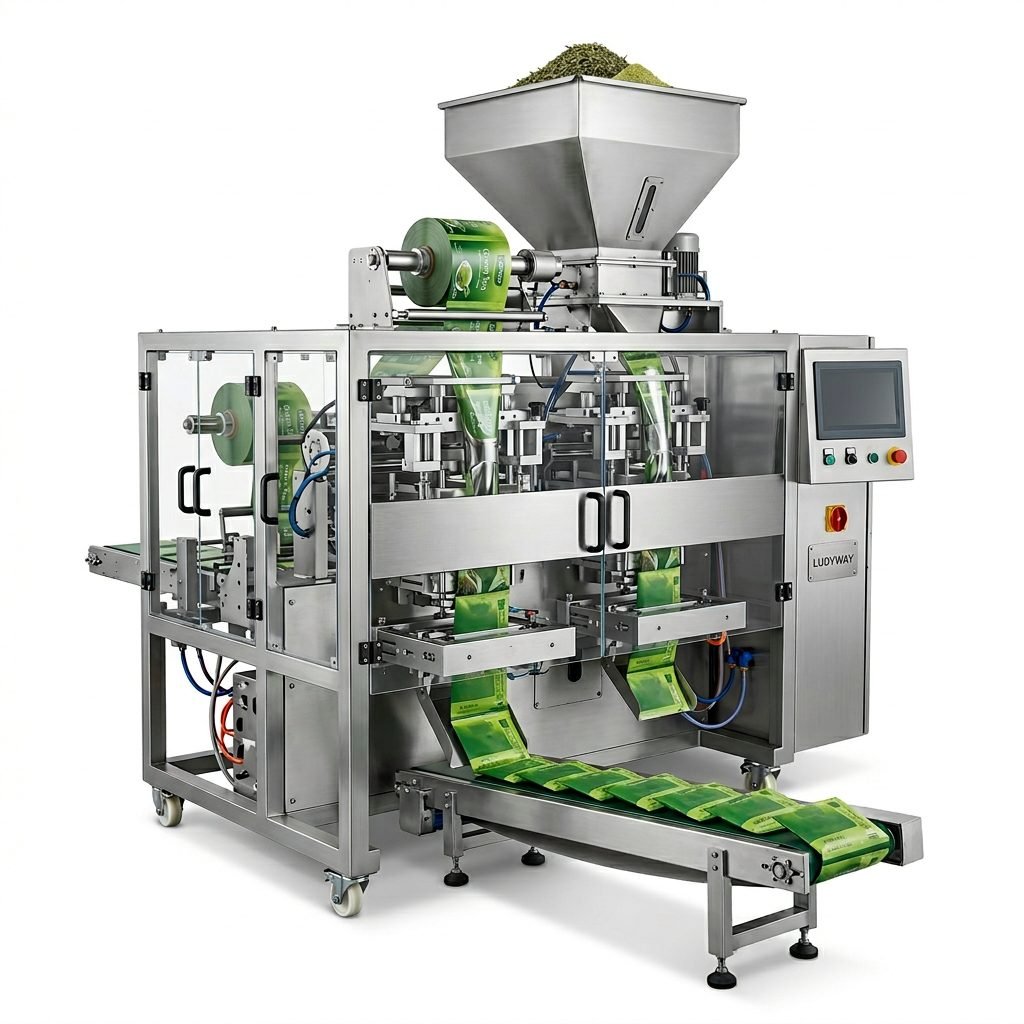
Sachet machines handle flat or three-side-seal pouches, ideal for traditional tea bag overwrap, herbal infusion blends, and larger-format yerba mate portions. These machines are versatile and can accommodate a wide range of film materials, including biodegradable and compostable laminates — an increasingly important feature for eco-conscious South American consumers.
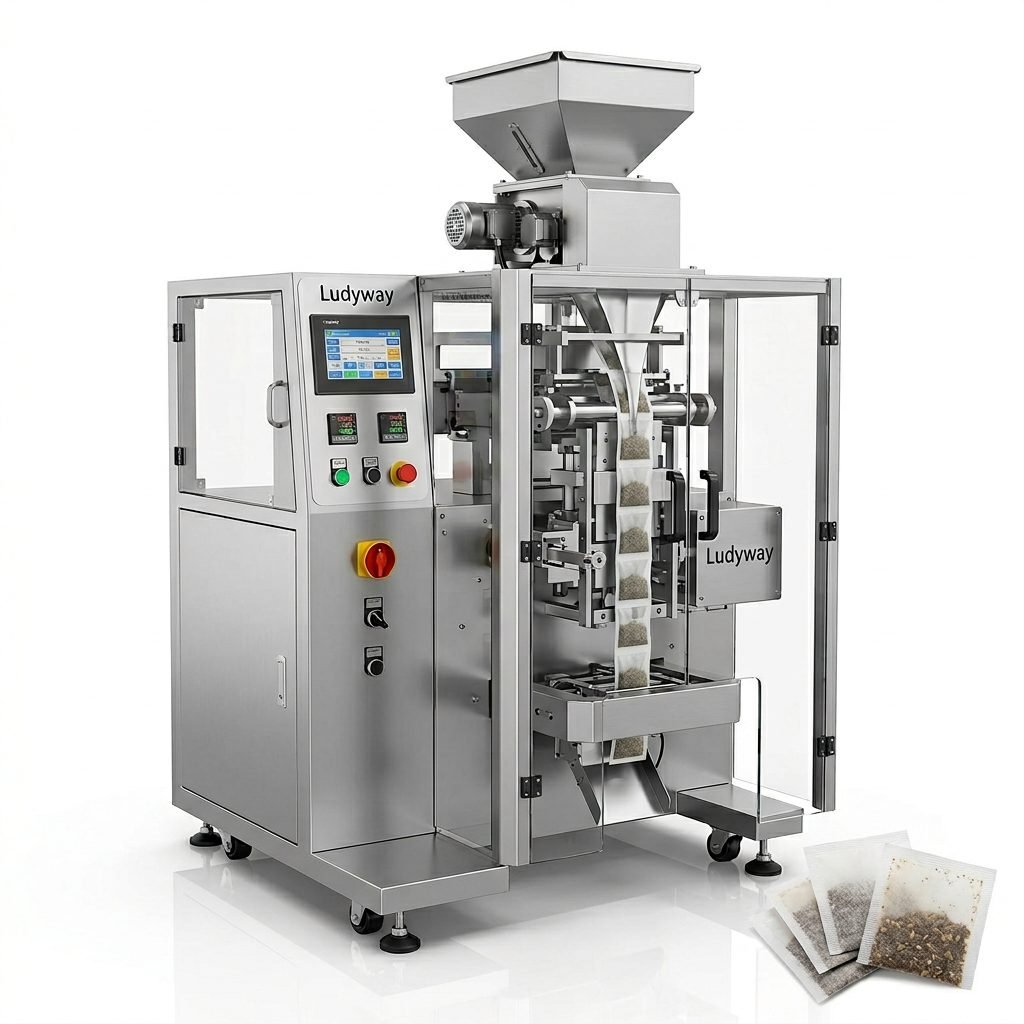
Tea Bag Packaging Systems
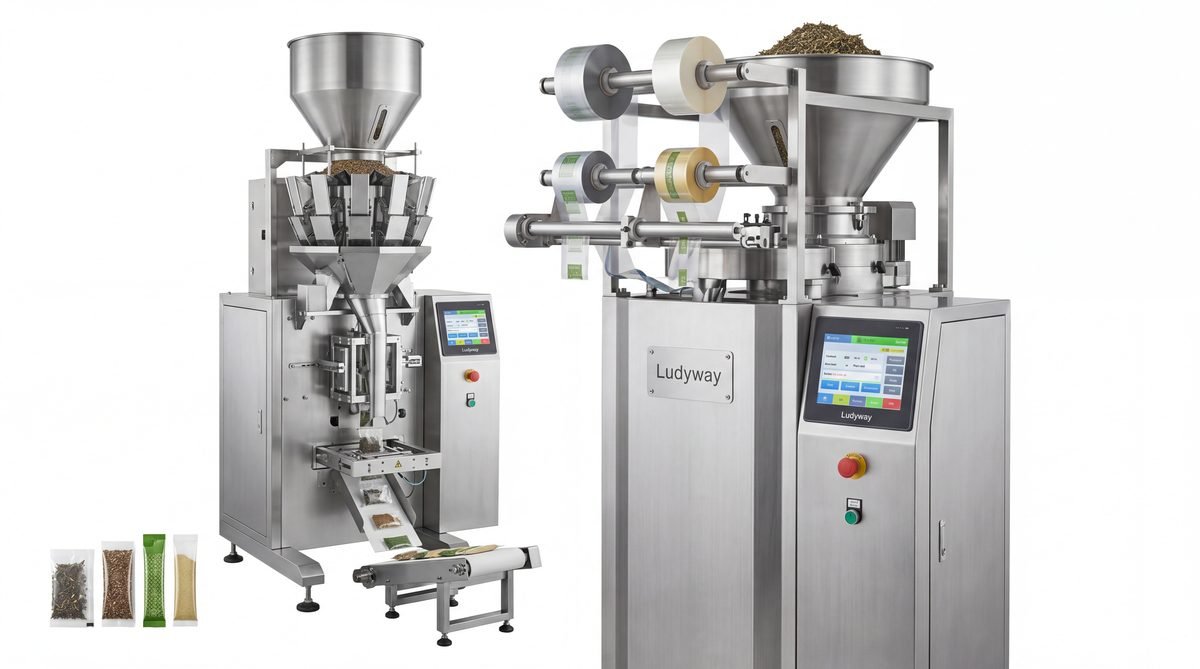
Dedicated tea bag machines are designed specifically for filter paper or non-woven fabric tea bags with string and tag, or double-chamber bags without tags. These systems often integrate with overwrapping and cartoning lines for a complete primary and secondary packaging solution. Brazil’s growing specialty tea sector is driving increased investment in this category.
Vertical Form Fill Seal (VFFS) Machines
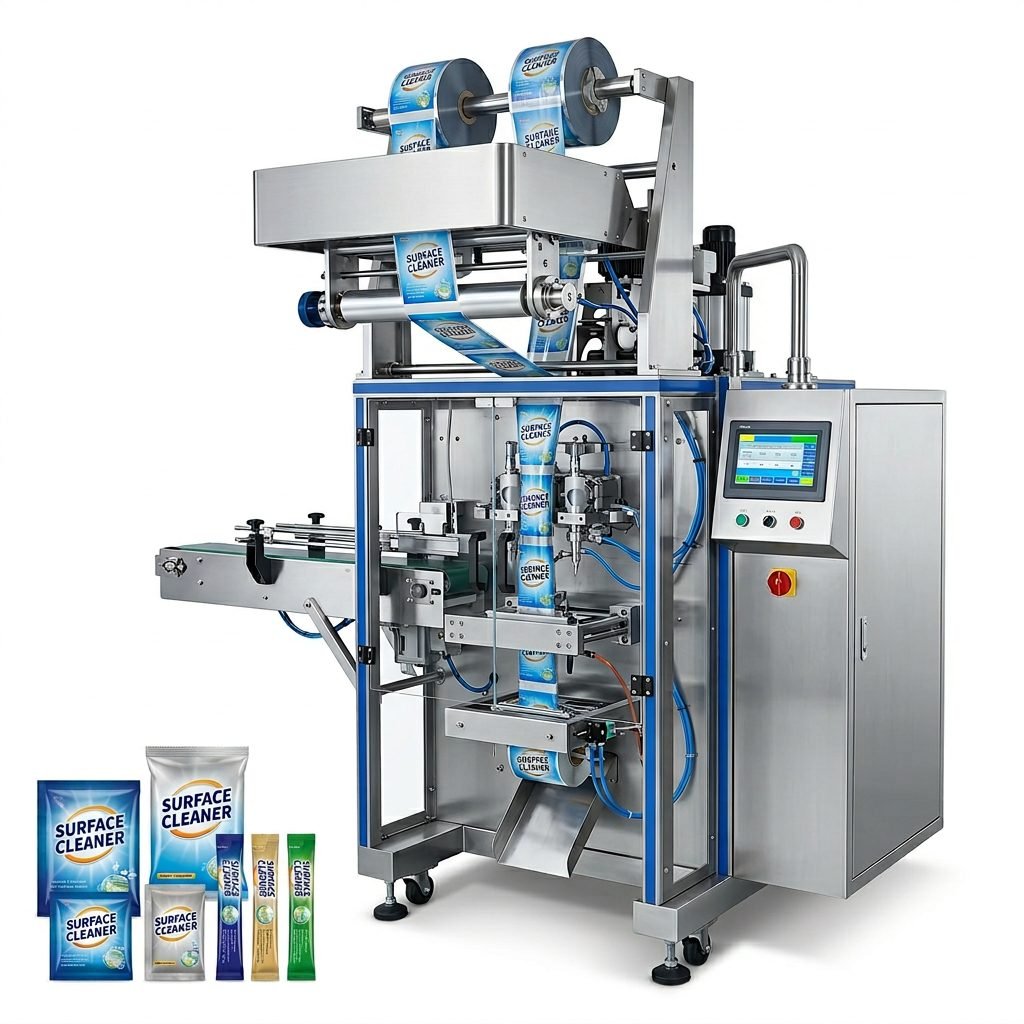
VFFS technology forms a bag from a flat roll of film, fills it with product, and seals it in one continuous vertical operation. These machines are highly adaptable to different bag styles — pillow bags, gusseted pouches, and quad-seal bags — making them popular for bulk yerba mate and larger retail packages common in Argentine and Uruguayan supermarkets.
2. Tea Packaging Machine Cost Overview
Pricing varies significantly based on automation level, speed, and configuration. The table below provides a general reference for budgeting purposes in the South American context, accounting for typical import and logistics considerations.
| Machine Type | Estimated Price Range (USD) | Best Suited For |
|---|---|---|
| Single-Lane Stick Pack Machine | $15,000 – $40,000 | Small to medium producers, startups |
| Multi-Lane Stick Pack Machine (4-8 lanes) | $50,000 – $120,000 | Medium to large-scale tea powder production |
| Sachet Packaging Machine | $25,000 – $80,000 | Herbal blends, yerba mate portions |
| Tea Bag Machine with String & Tag | $40,000 – $150,000 | Premium tea brands, export-focused operations |
| VFFS Machine for Bulk Tea | $30,000 – $100,000 | Bulk yerba mate, large retail packs |
| Complete Turnkey Packaging Line | $120,000 – $500,000+ | High-volume industrial operations |
These figures are estimates and final costs depend on customization, additional modules, and shipping to South America. Import duties in countries like Brazil, Argentina, and Chile can add 10% to 35% to the landed cost, so factoring in local import regulations is essential during budgeting.
3. Key Considerations When Buying a Tea Packaging Machine in South America
Product Characteristics
Tea comes in many forms — leaf, granule, powder, and blended mixes. Each behaves differently during filling and sealing. Powdered tea, such as instant tea or matcha, requires precision dosing systems and dust control. Leaf tea demands gentle handling to prevent breakage. Yerba mate, with its characteristic blend of leaves and stems, presents unique flow challenges that must be discussed with your equipment supplier.
Production Capacity Requirements
Define your target output clearly. A small artisanal producer may only need 30 to 50 packs per minute, while a large exporter supplying supermarket chains across Mercosur countries may require 200 to 400 packs per minute across multiple lanes. Over-investing in capacity that isn’t needed ties up capital unnecessarily, while under-investing creates bottlenecks as your business grows.
Packaging Material Compatibility
South American markets are increasingly adopting sustainable flexible packaging materials. Your machine must be compatible with the films you plan to use, including metallized films, paper-based laminates, biodegradable materials, and high-barrier structures. Machines with adjustable sealing temperature and pressure controls offer greater material flexibility.
Climate and Environmental Factors
South America’s diverse climate — from the humid tropics of Brazil to the dry regions of Argentina — affects both product storage and machine operation. Tea is hygroscopic and sensitive to moisture, making air-tight sealing and nitrogen flushing capabilities highly valuable. Ensure the machine’s electrical components and control systems are rated for local temperature and humidity conditions.
After-Sales Support and Spare Parts Availability
One of the most overlooked aspects of purchasing packaging equipment is ongoing technical support. Look for suppliers with established service networks or reliable remote support capabilities in South America. Spare parts availability and response time directly impact your production uptime. Ask potential suppliers about their service infrastructure in the region before committing.
Regulatory Compliance
Tea packaging for South American markets must comply with Mercosur food contact material regulations, as well as individual country requirements from ANVISA in Brazil, SENASA in Argentina, and similar bodies. Additionally, if you plan to export to North America or Europe, your packaging must meet FDA food packaging requirements or EU standards. Select machines that can operate with certified food-grade materials and provide traceable sealing integrity.
4. Automation Level and Integration
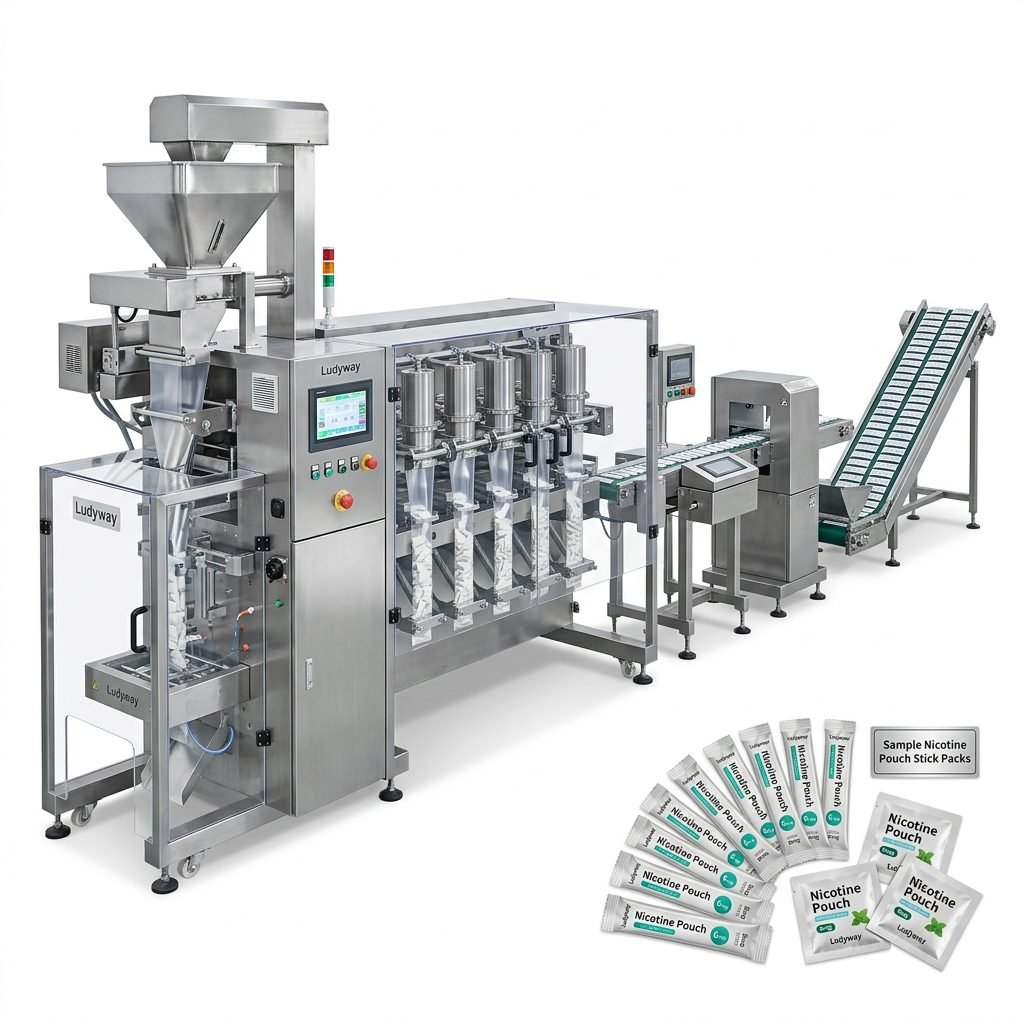
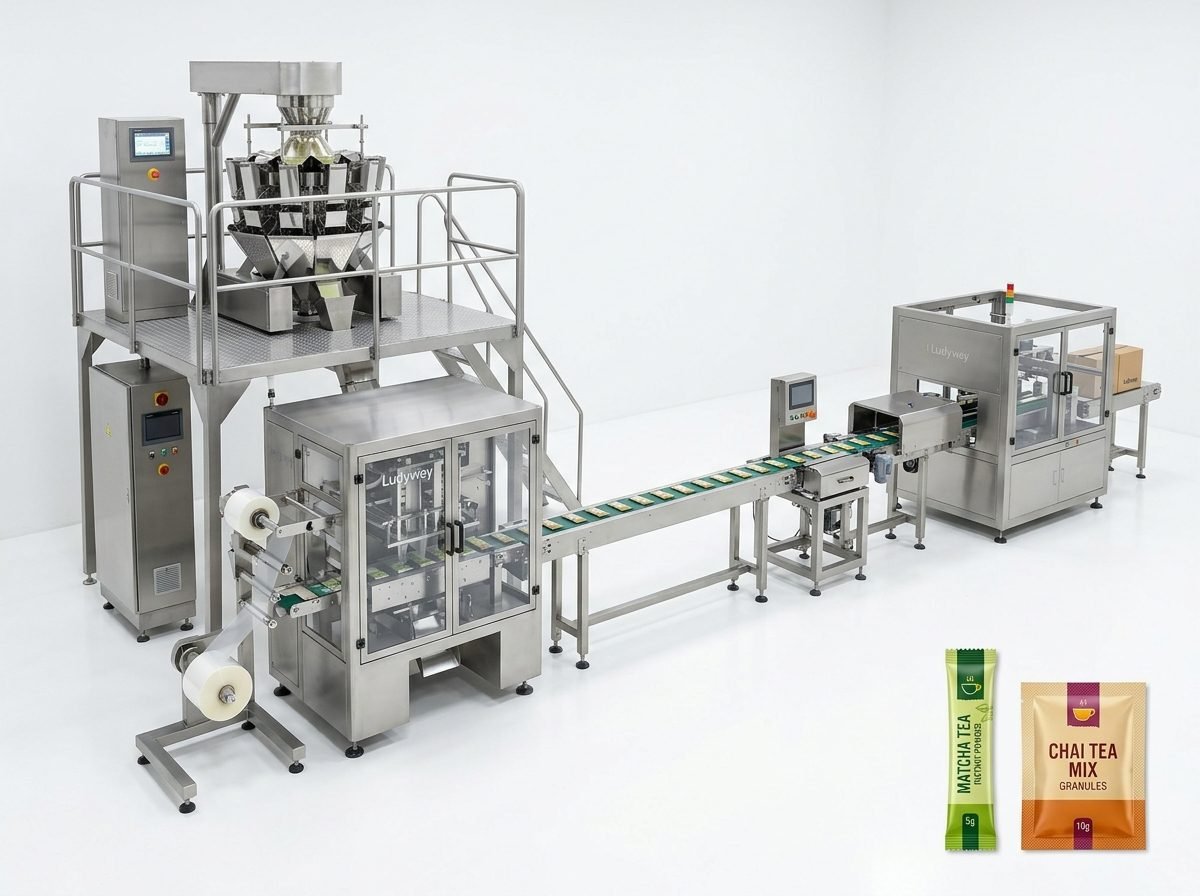
Modern tea packaging lines can range from semi-automatic standalone units to fully integrated turnkey systems that handle everything from product feeding to case packing. Consider how the machine will integrate with your existing production flow:
- Weighing and dosing systems — multi-head weighers for granules, auger fillers for powders, volumetric cup fillers for leaf tea
- Conveying and material handling — bucket elevators, vacuum conveyors, and inclined belt systems
- Secondary packaging — cartoning machines, case packers, and palletizing systems
- Quality control — checkweighers, metal detectors, and ISO-compliant inspection systems
- Coding and labeling — thermal transfer printers, inkjet coders, and automatic labeling applicators
5. Choosing a Reliable Equipment Partner
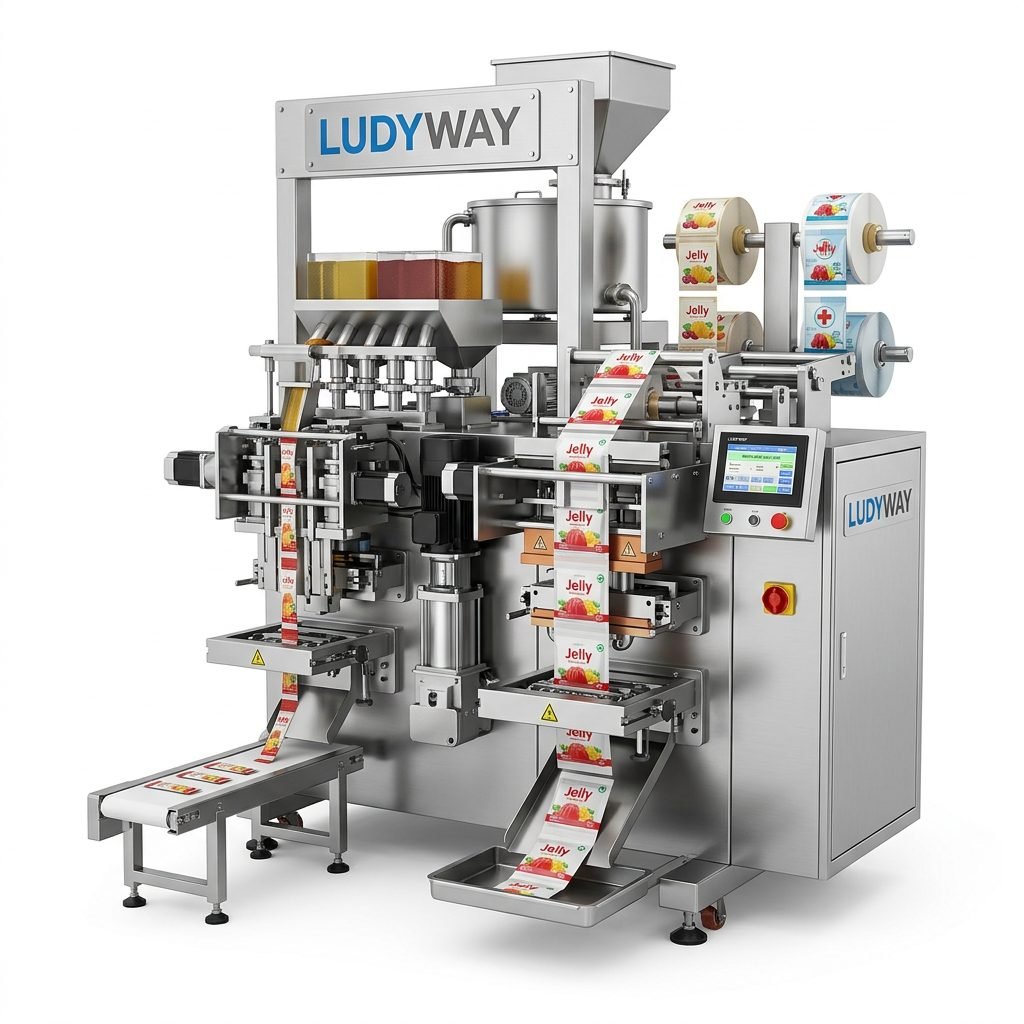
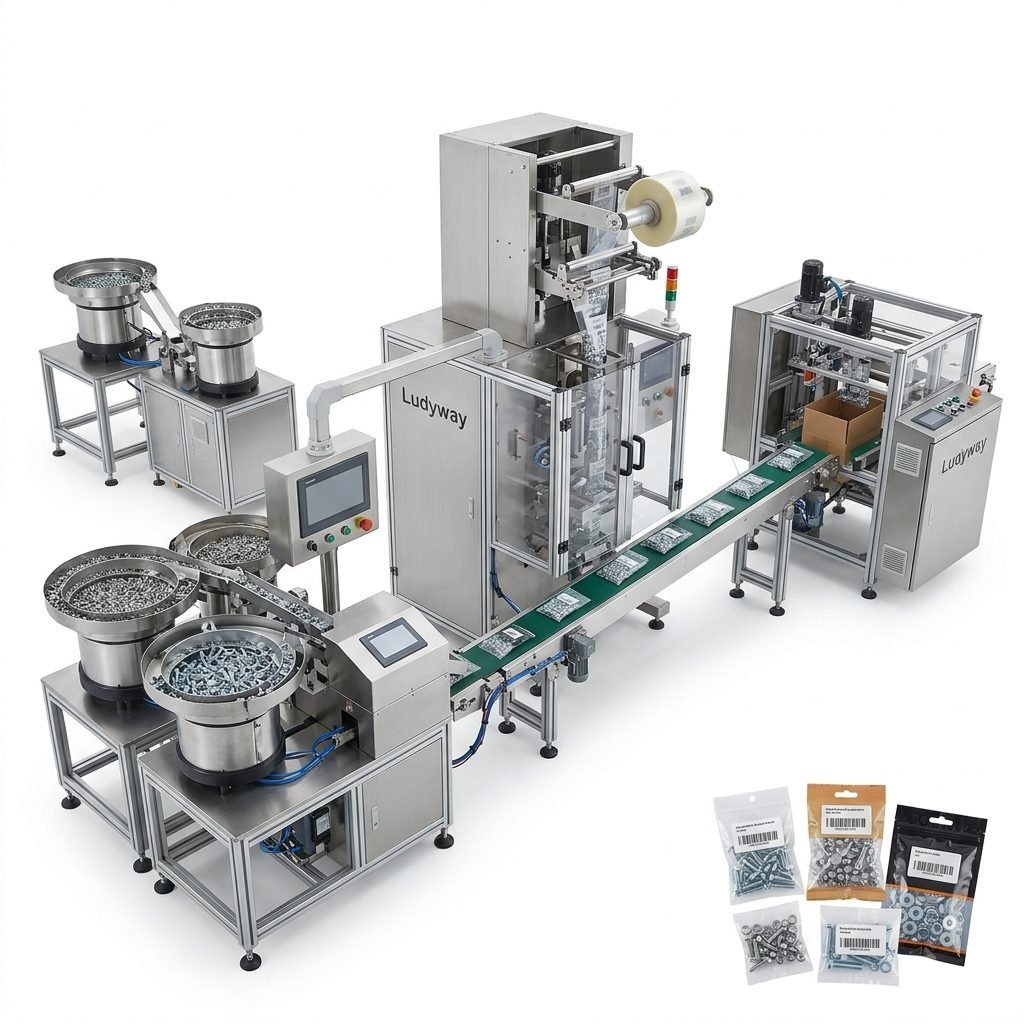
Selecting the right manufacturer is just as important as choosing the right machine. Look for suppliers with proven experience in tea packaging applications, a track record of installations in South America or similar markets, and the engineering capability to customize solutions for your specific product. Ludyway, one of the largest packaging machine manufacturers in China, specializes in advanced multi-lane stick pack, sachet, and fully automated packaging systems with over 30 years of industry expertise and installations in more than 100 countries. A reputable supplier should offer factory acceptance testing (FAT), comprehensive documentation, operator training, and responsive after-sales support to ensure long-term success.
6. Making the Final Decision
Before finalizing your purchase, compile a detailed technical specification sheet that includes your product characteristics, target output, packaging format, film type, facility constraints, and budget. Request quotations from multiple suppliers and compare not just the initial price, but the total cost of ownership — including energy consumption, spare parts costs, maintenance requirements, and expected service life. Whenever possible, visit a reference installation or request video demonstrations with your actual product to verify machine performance before committing.
The South American tea market presents remarkable opportunities for producers who invest in efficient, reliable packaging technology. By understanding the types of machines available, realistic cost structures, and the specific demands of your target market, you can make an informed decision that supports your growth for years to come. Whether you are packaging traditional yerba mate for the domestic Argentine market or producing specialty tea stick packs for export, the right packaging machine is a strategic asset that directly impacts product quality, brand perception, and profitability.