The Indian tea industry is one of the largest in the world, with production exceeding 1,300 million kilograms annually. As consumer preferences shift toward convenience and portion-controlled packaging, the demand for advanced packaging machinery has surged dramatically across India’s tea sector. Whether you are a small-scale tea producer in Assam or a large processing facility in Gujarat, selecting the right tea packaging machine is critical for maintaining product freshness, ensuring regulatory compliance, and scaling your business.
The Indian market for tea packaging equipment is projected to grow at a CAGR of over 7% through 2030, driven by rising exports, the expansion of private-label tea brands, and increasing adoption of automated packaging solutions. This comprehensive guide covers everything Indian businesses need to know before investing in a tea packaging machine.
Why India’s Tea Industry Needs Advanced Packaging Solutions
India contributes approximately 25% of global tea production, with major growing regions spanning Assam, Darjeeling, Nilgiris, and Kangra. The domestic market alone consumes over 1,100 million kilograms of tea each year. However, the industry faces several challenges that make modern tea packaging machinery indispensable:
- Rising export standards — International buyers increasingly require precise weight accuracy, tamper-evident seals, and nitrogen-flushed packaging to extend shelf life
- Labor shortages — Manual packaging operations struggle with consistency, hygiene, and throughput, particularly during peak harvest seasons
- Diverse packaging formats — The market demands multiple formats including sachets, stick packs, pouches, tea bags, and bulk bags simultaneously
- Regulatory compliance — Food packaging regulations require strict adherence to safety and labeling standards
Types of Tea Packaging Machines Available for Indian Businesses
Understanding the different machine categories is essential for making an informed purchasing decision. Each type serves specific production scales and packaging requirements:
Sachet and Stick Pack Machines
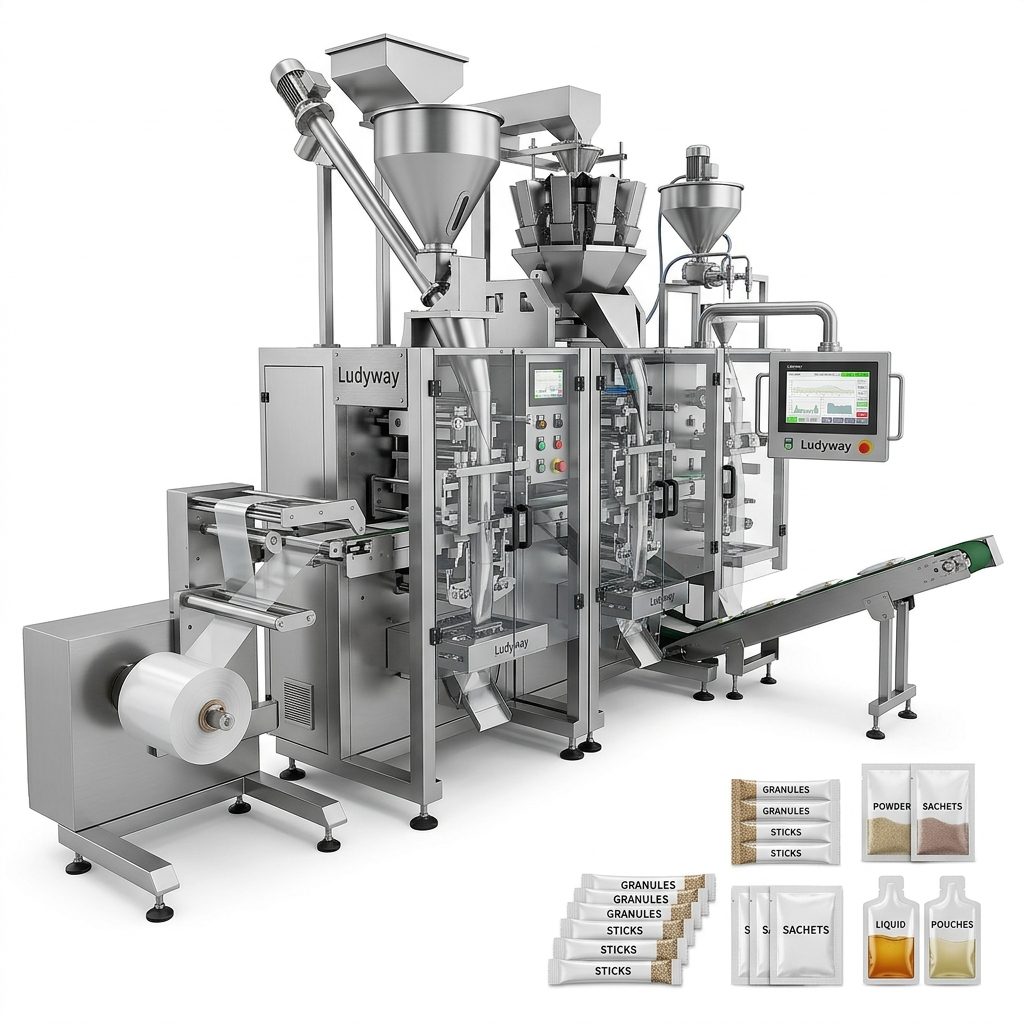
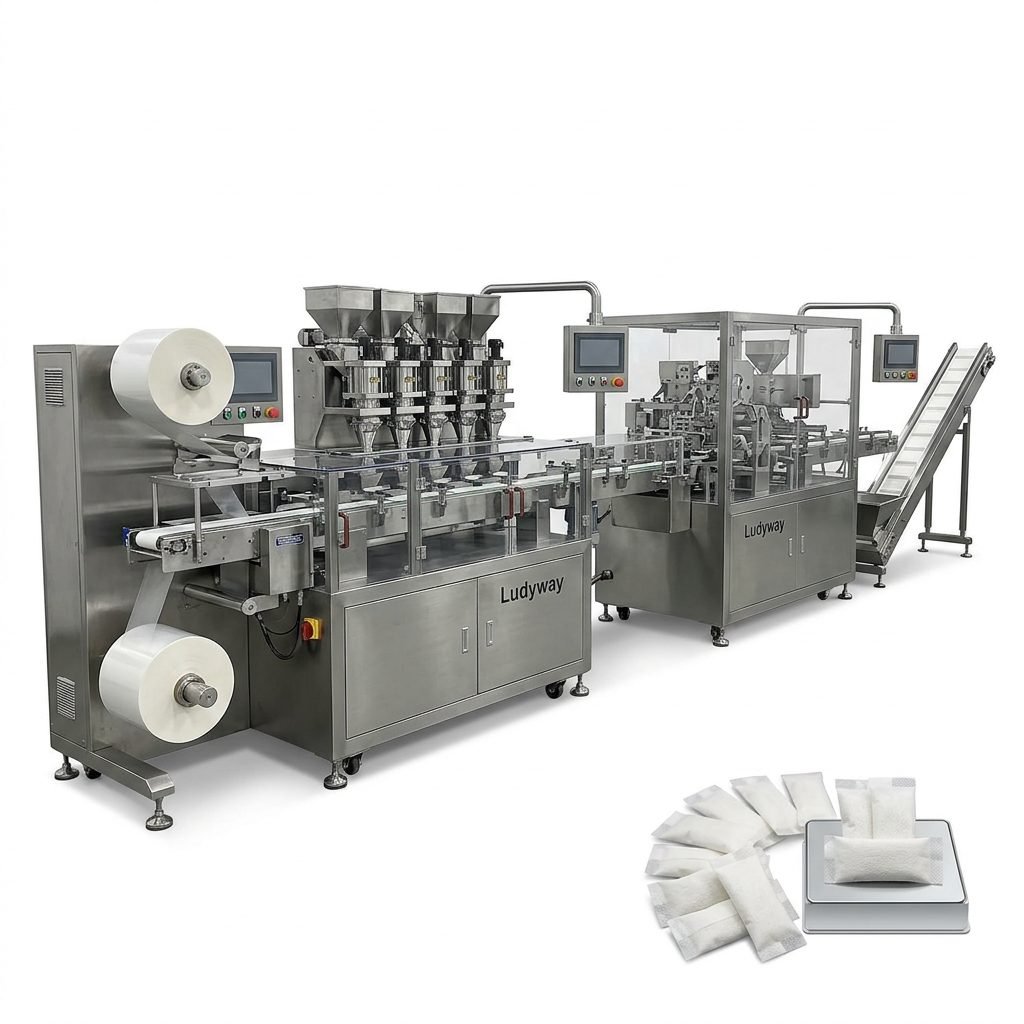
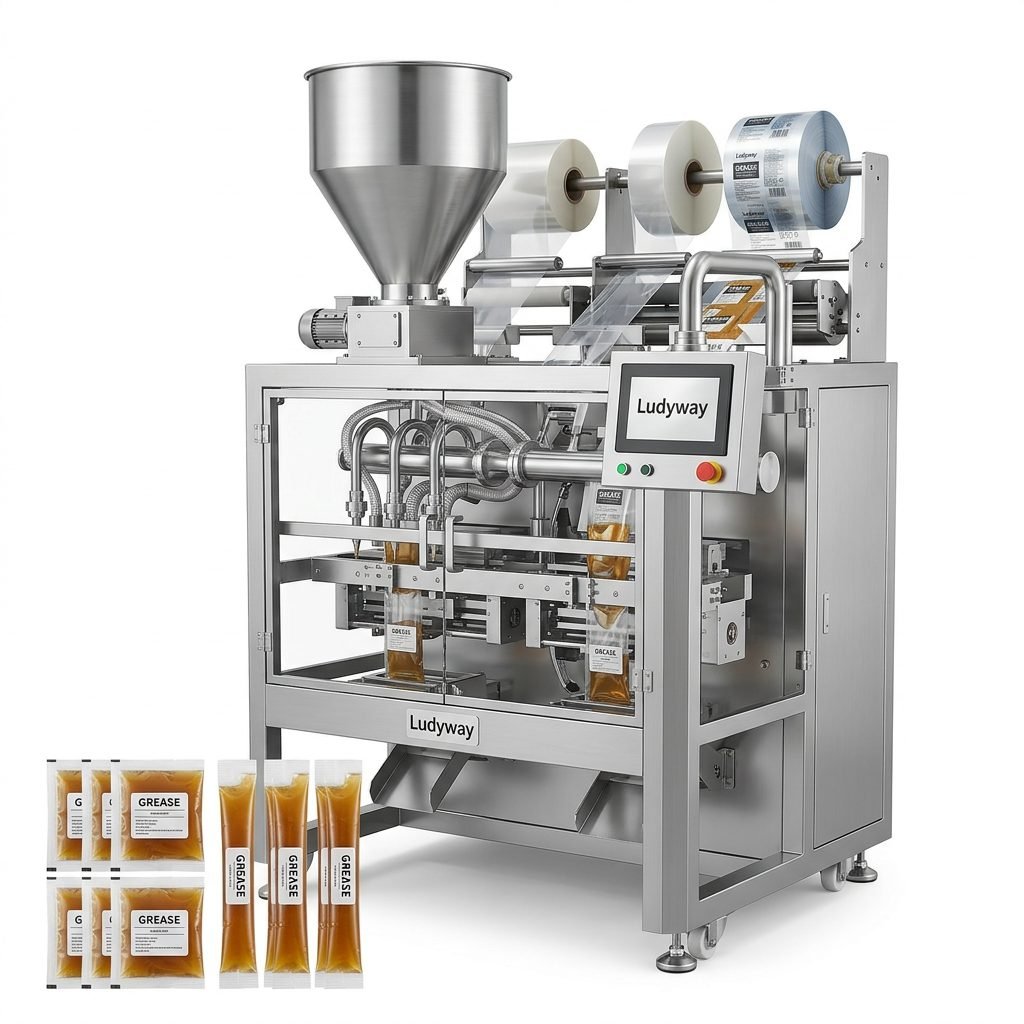
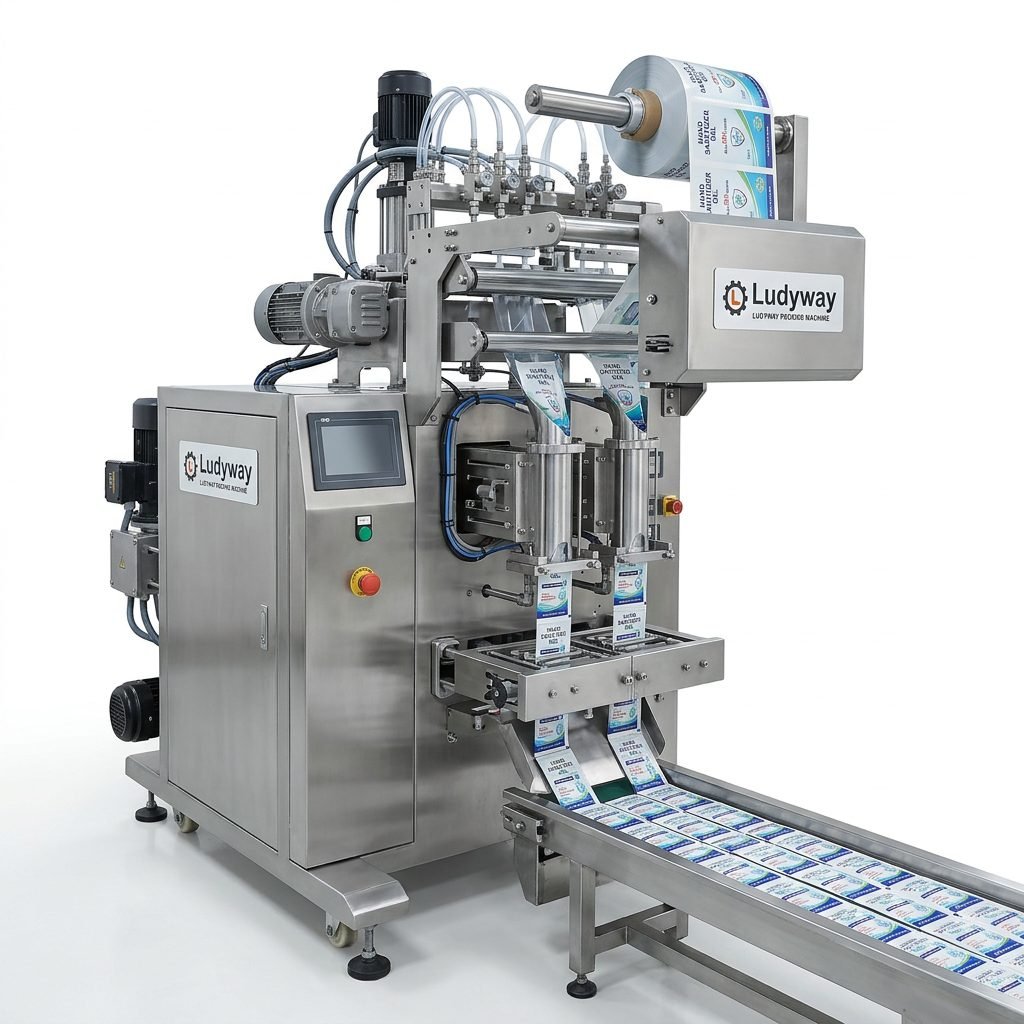
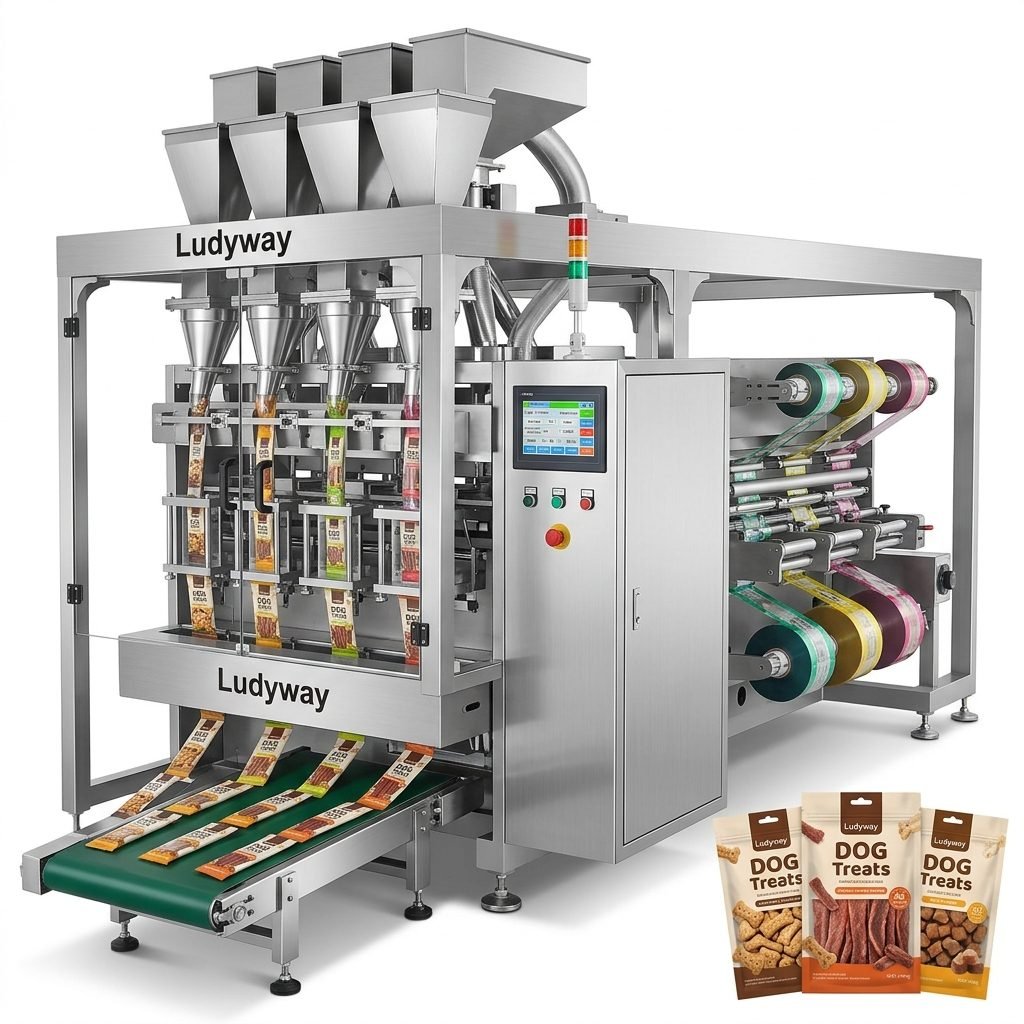
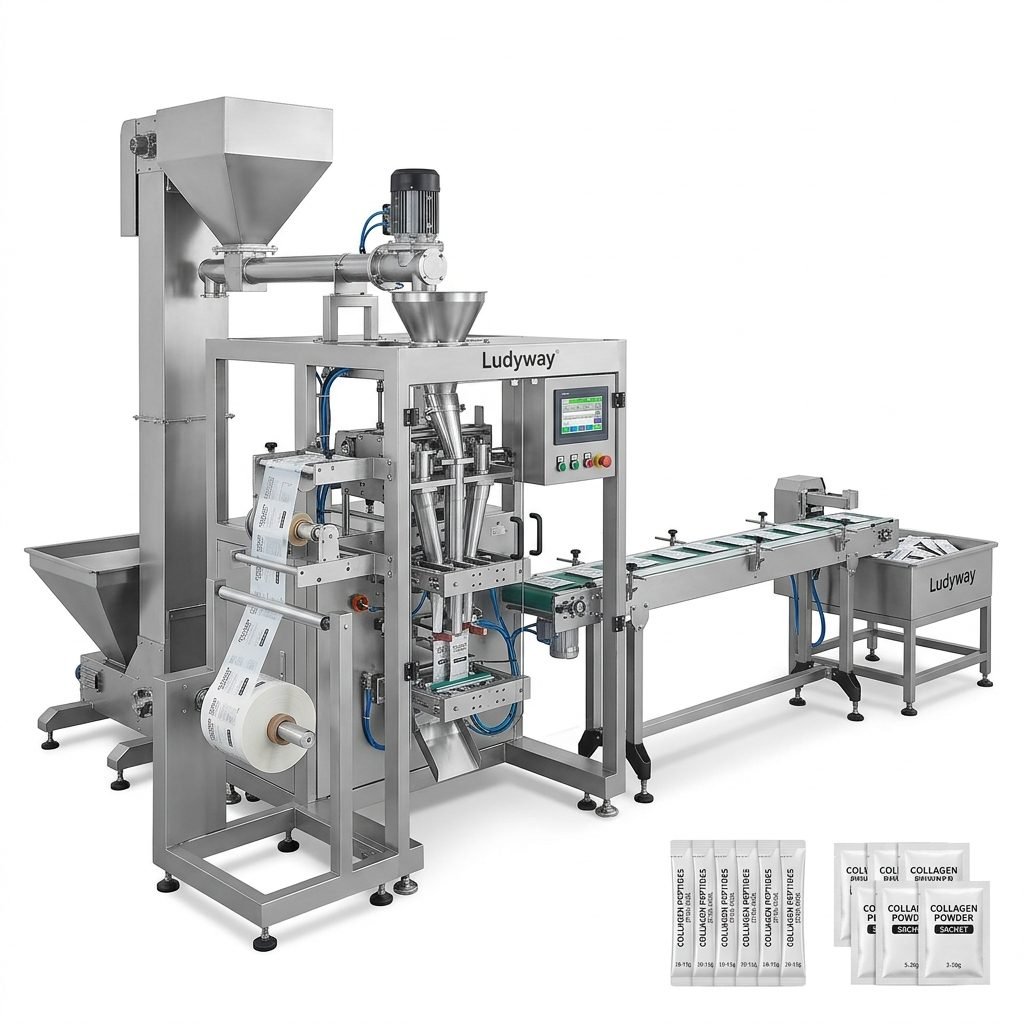
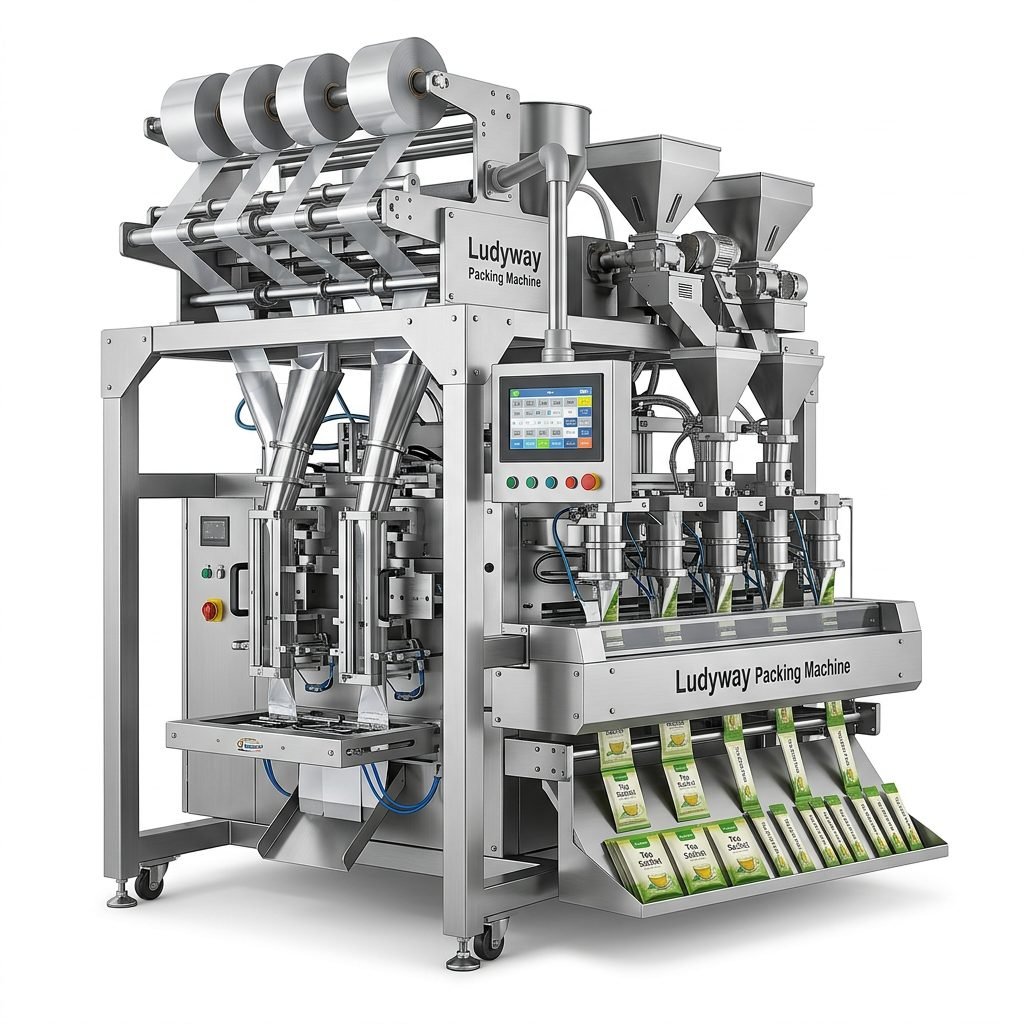
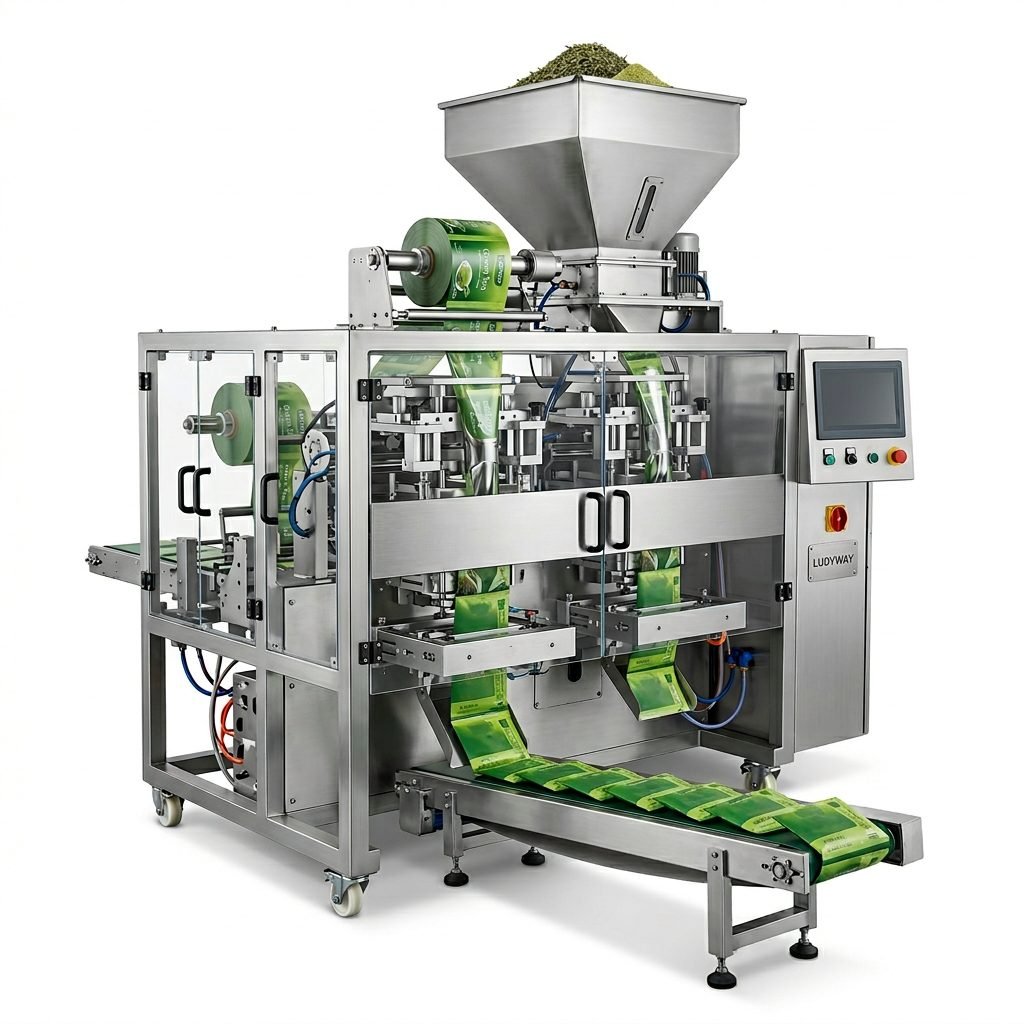
These are among the most popular choices for tea packaging in India. A multi-lane sachet packaging machine can produce hundreds of individual tea portions per minute, making them ideal for both domestic retail and export markets. Single-serve stick packs have gained tremendous popularity for premium and specialty teas.

Tea Bag Packaging Machines
For businesses focusing on the traditional tea bag segment, dedicated flexible packaging equipment handles everything from envelope-style to pyramid tea bags. These machines integrate string-and-tag attachment, outer envelope wrapping, and cartoning into a single automated line.
Bulk and Loose Tea Packaging Systems
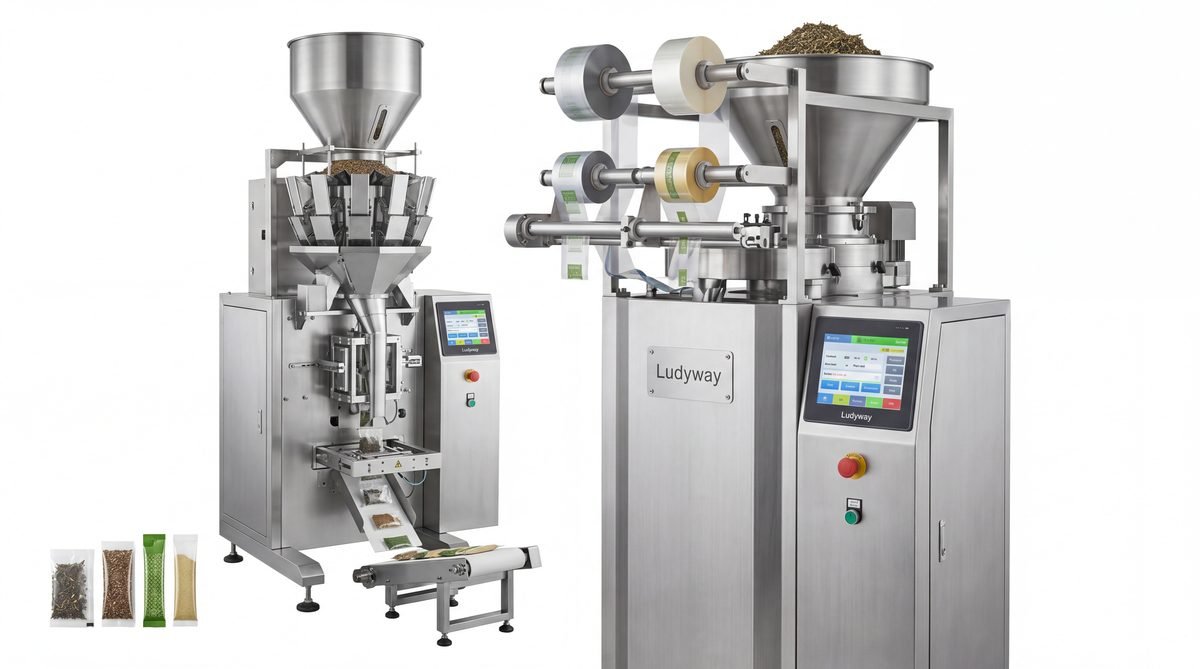
For wholesale and institutional supply, bulk packaging machines handle weights ranging from 250 grams to 50 kilograms. These systems typically feature multi-head weighers for high accuracy and can accommodate various bag types including pillow bags, gusseted pouches, and valve-sealed bags.
Nitrogen Flush and Vacuum Packaging Machines
Tea is highly sensitive to oxygen, moisture, and light. Advanced packaging machines equipped with nitrogen flushing technology displace oxygen inside the package, preserving aroma and flavor for extended periods. This technology is increasingly mandatory for export-grade tea products destined for markets in Europe, North America, and the Middle East.
Key Factors to Consider Before Purchasing a Tea Packaging Machine
Making the right investment requires careful evaluation of several technical and commercial parameters. The table below summarizes the most critical factors Indian buyers should assess:
| Selection Factor | Key Considerations | Impact on Operations |
|---|---|---|
| Production Capacity | Packs per minute, lanes (4-lane to 16-lane options) | Determines daily output and ROI timeline |
| Packaging Material Compatibility | Laminates, aluminum foil, paper, biodegradable films | Affects seal integrity and product shelf life |
| Machine Footprint | Floor space requirements, layout integration | Critical for factories with limited space |
| Automation Level | Semi-automatic vs. fully automatic, servo-driven | Influences labor requirements and consistency |
| Changeover Time | Time to switch between pack sizes and formats | Affects production flexibility and downtime |
| After-Sales Support | Service availability in India, spare parts access | Directly impacts machine uptime and longevity |
| Compliance Certifications | CE, ISO, FSSAI-compatible design, GMP standards | Required for domestic and export market access |
Understanding Tea Packaging Machine Costs in the Indian Market
The price of a tea packaging machine in India varies significantly based on configuration, automation level, and production capacity. Budgeting should account for not just the machine cost but also installation, training, and ongoing maintenance expenses.
- Entry-level semi-automatic machines: Suitable for startups and small-scale operations, typically producing 30-60 packs per minute
- Mid-range multi-lane automatic machines: 4-8 lane configurations delivering 200-400 packs per minute, ideal for growing brands
- High-speed fully automated lines: 10-16 lane systems with integrated weighing, filling, sealing, and cartoning, capable of over 800 packs per minute for large-scale manufacturers
Indian buyers should also factor in import duties, GST, and logistics costs when sourcing machinery from international suppliers. Many businesses find that partnering with established international manufacturers who have local service networks in India provides the best balance of quality and ongoing support.
Technical Specifications That Matter Most
When comparing different tea packaging machines, pay close attention to these technical parameters:
- Weighing accuracy: Ideally within ±0.1g to ±0.5g for premium tea products, minimizing product giveaway while maintaining consistency
- Sealing temperature control: Precise PID-controlled sealing ensures perfect hermetic seals without damaging packaging film
- Film registration accuracy: Photoelectric sensor-based film tracking for perfectly aligned prints on every pack
- PLC and HMI interface: User-friendly touchscreen controls with recipe storage for quick product changeovers
- Construction material: Stainless steel construction for all food-contact parts ensures hygiene and corrosion resistance
How to Choose a Reliable Tea Packaging Machine Supplier for India
Selecting the right equipment partner is as important as choosing the machine itself. With India’s diverse climate conditions—from high humidity in coastal regions to extreme temperatures in the north—the machine must be built to withstand challenging operating environments.
Evaluating Supplier Credentials
Look for suppliers with proven experience serving the Indian market. Key indicators include existing installations in India, availability of local service engineers, and familiarity with Indian power supply specifications and regulatory requirements. Check references and, if possible, visit existing installations to observe machines in operation.
Spare Parts and Service Availability
The best tea packaging machine is only as reliable as the support behind it. Ensure your supplier offers readily available spare parts in India and can provide remote diagnostic support as well as on-site service when needed. Downtime in the tea industry translates directly to revenue loss, especially during peak production seasons.
Training and Installation Support
Comprehensive operator training and installation supervision are essential for achieving optimal machine performance. According to ISO packaging standards, proper installation and validated processes are fundamental to consistent packaging quality.
Integration with Complete Production Lines
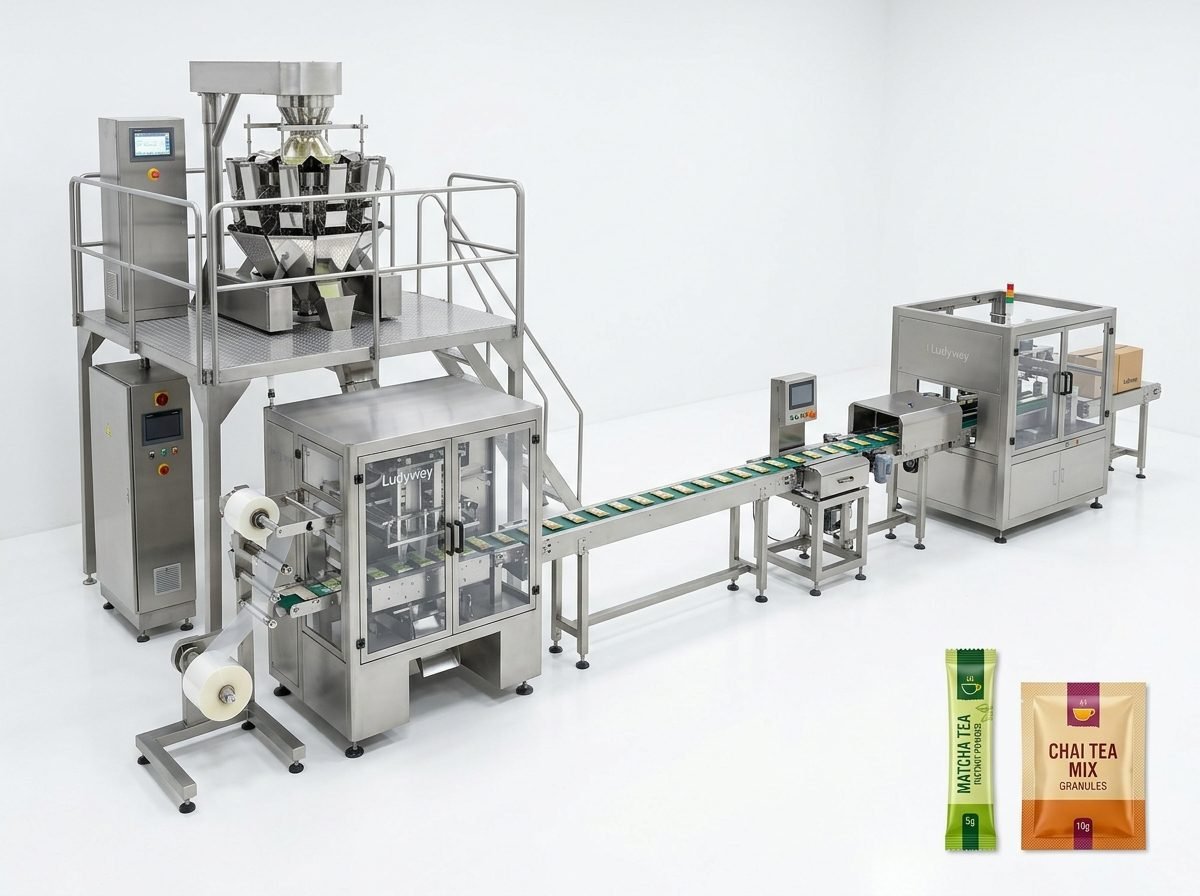
Modern tea processing facilities increasingly adopt turnkey packaging solutions that integrate multiple functions into a single automated line. A complete tea packaging line typically includes:
- Automatic feeding system — Vibratory or bucket elevators that transport bulk tea to the packaging station
- Multi-head weigher — High-precision weighing with automatic feedback control
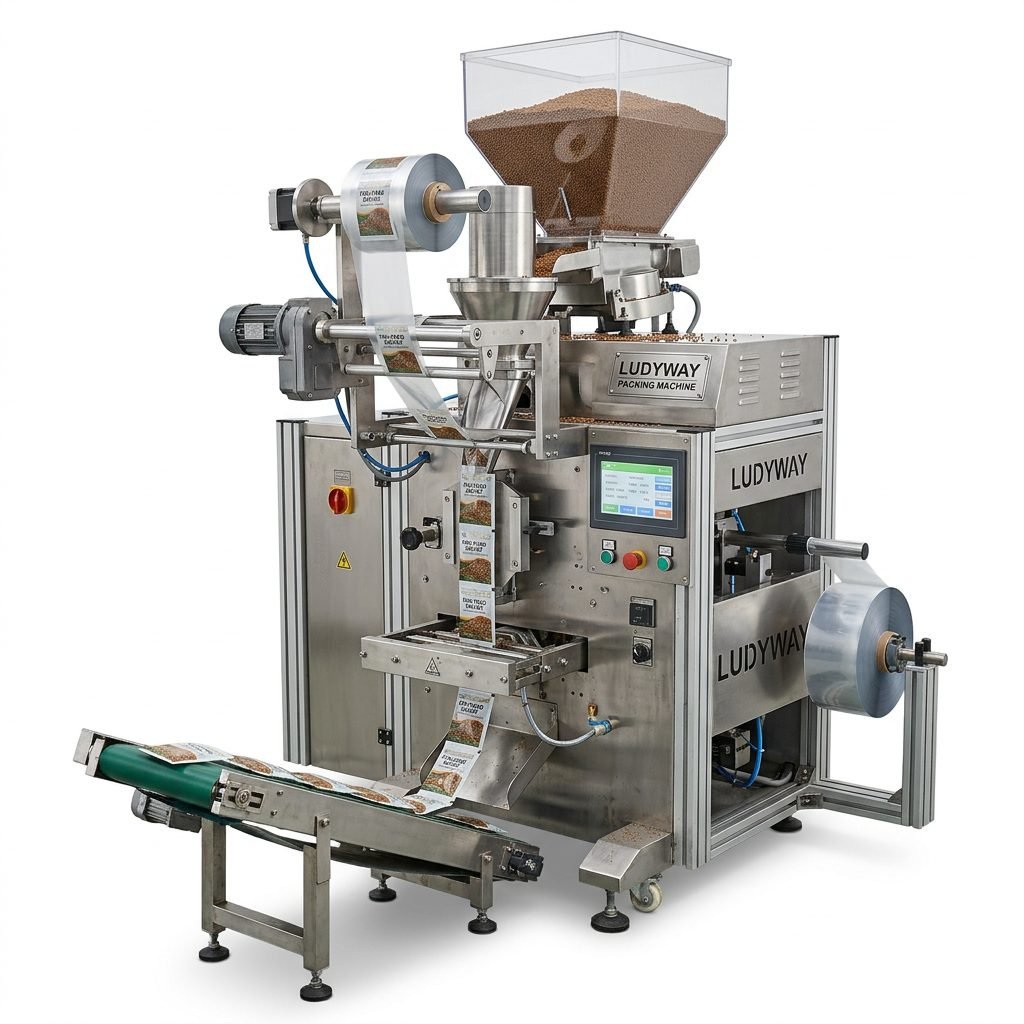
- Form-fill-seal machine — The core packaging unit that forms pouches or sachets from roll stock
- Checkweigher and metal detector — Quality assurance systems that reject underweight packs or those with contaminants
- Cartoning and case packing — Automated secondary packaging for distribution
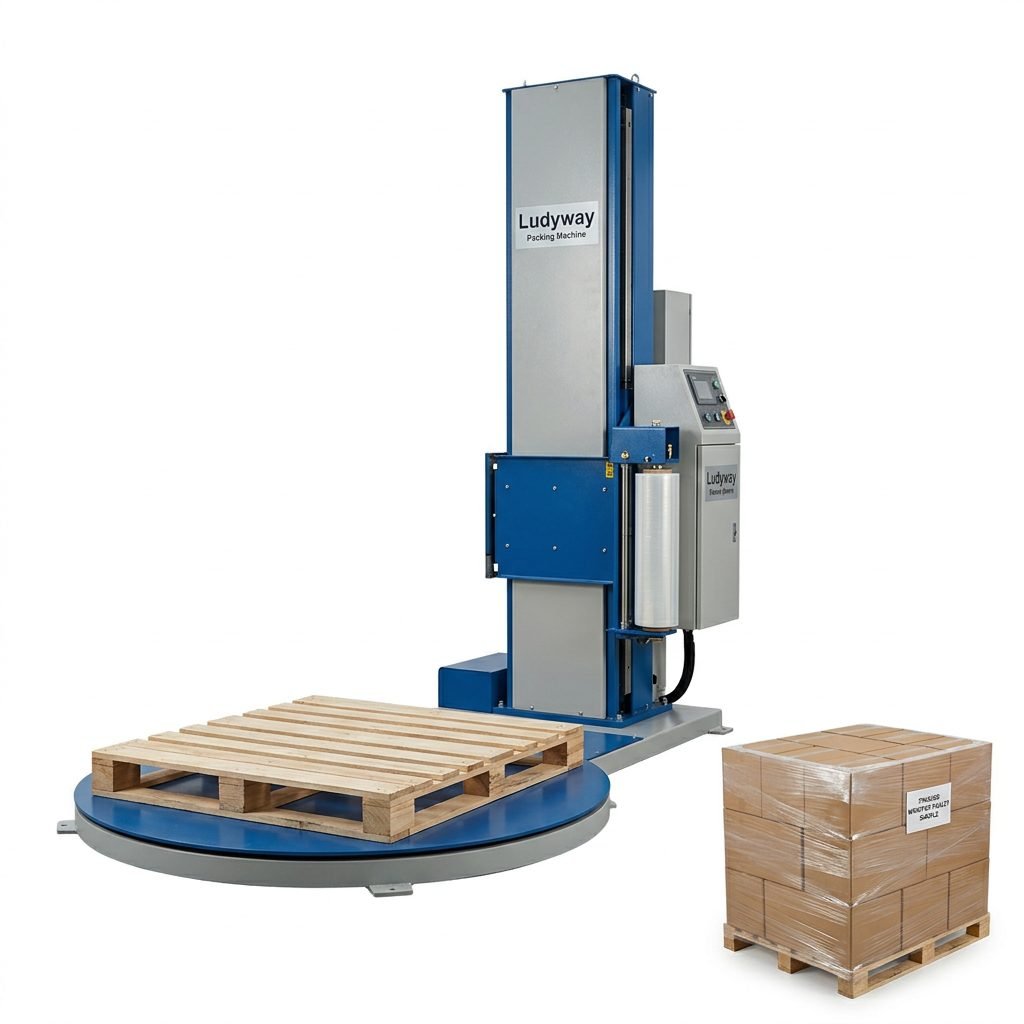
- Palletizing system — Robotic or conventional palletizers for end-of-line automation
Maintenance Best Practices for Long Machine Life
Proper maintenance routines significantly extend the service life of tea packaging equipment. Indian factory environments, with their unique challenges of dust, humidity, and temperature fluctuations, demand disciplined maintenance protocols:
- Conduct daily cleaning of sealing jaws and film feed paths to prevent residue buildup
- Perform weekly lubrication of all moving components according to manufacturer specifications
- Schedule monthly inspection of electrical connections, sensors, and pneumatic systems
- Maintain a critical spare parts inventory including sealing elements, belts, and common wear items
- Document all maintenance activities and machine performance metrics for preventive maintenance planning
Common Mistakes to Avoid When Buying a Tea Packaging Machine in India
Many first-time buyers encounter similar pitfalls. Being aware of these common mistakes can save your business significant time and money:
- Choosing based on price alone: The cheapest machine often results in higher long-term costs through downtime, waste, and maintenance
- Ignoring local climate conditions: Machines not designed for tropical environments may suffer from corrosion and electronic failures
- Underestimating capacity needs: Purchasing a machine that barely meets current requirements leaves no room for business growth
- Overlooking packaging material specifications: Not all machines handle the full range of film types used in the Indian market
- Insufficient operator training: Even the most advanced machine underperforms without properly trained operators
Future Trends in Tea Packaging Technology
The tea packaging industry is evolving rapidly, with several trends shaping the future of the Indian market. Industry reports indicate that sustainable packaging, smart factory integration, and single-serve convenience formats will dominate the coming decade.
Biodegradable and compostable packaging materials are gaining regulatory support and consumer preference. Machines capable of running these eco-friendly materials without compromising seal integrity will become essential. Additionally, Industry 4.0 capabilities—including remote monitoring, predictive maintenance alerts, and production data analytics—are transforming how tea packers manage their operations.
Regulatory Compliance for Tea Packaging in India
All tea packaging machinery used in India must comply with FSSAI guidelines for food contact materials and packaging safety. Additionally, export-oriented units must meet the requirements of destination markets, including European packaging regulations and FDA standards for the United States. Your packaging machine should facilitate compliance through hygienic design, traceability features, and consistent, verifiable sealing performance.
Essential Certifications to Look For
- CE marking for machines imported from international manufacturers
- ISO 9001 quality management certification for the manufacturing facility
- GMP-compatible machine design for food-grade production environments
- Compliance with ISO 11607 for packaging validation where applicable
For businesses seeking a comprehensive packaging solution, Ludyway is one of the largest packaging machine manufacturers in China, offering over 50 intelligent packaging machine models including multi-lane stick pack, sachet, and fully automated packaging systems suitable for tea and related products. With a modern 20,000㎡ manufacturing facility and customers in over 100 countries, they provide advanced equipment designed for reliability and efficiency in demanding production environments.
Making Your Final Decision: A Practical Checklist
Before finalizing your tea packaging machine purchase, use this checklist to ensure all critical aspects have been addressed:
| Decision Area | Questions to Verify | Status |
|---|---|---|
| Production Requirements | Is the rated capacity sufficient for current and projected demand? | Confirm before purchase |
| Packaging Formats | Does the machine support all required pack sizes and styles? | Verify with samples |
| Film Compatibility | Has your packaging film been tested on the machine? | Request trial runs |
| Local Support | Is service available within 24-48 hours at your location in India? | Get written confirmation |
| Warranty Terms | What is covered under warranty, and for how long? | Review contract carefully |
| Power Requirements | Is the machine compatible with your facility’s electrical supply? | Check voltage and phase specs |
| Operator Training | Is comprehensive training included in the purchase? | Schedule before installation |
Investing in the right tea packaging machine is a strategic decision that impacts product quality, operational efficiency, and brand reputation. By thoroughly evaluating your requirements, understanding the available technology, and partnering with a reliable equipment supplier, your business can achieve consistent, high-quality packaging that meets both Indian market demands and international export standards. The flexible packaging industry continues to innovate, offering Indian tea producers more options than ever before for efficient, sustainable, and cost-effective packaging solutions.