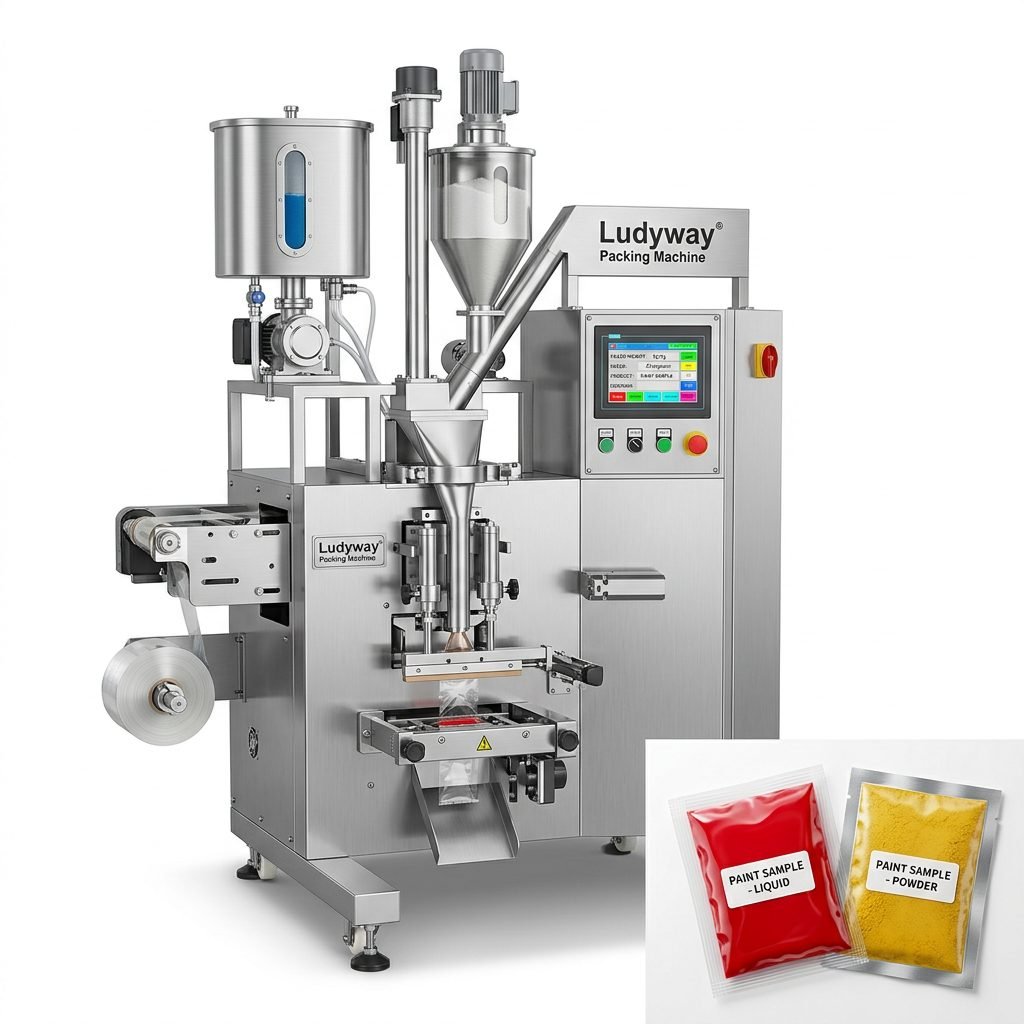
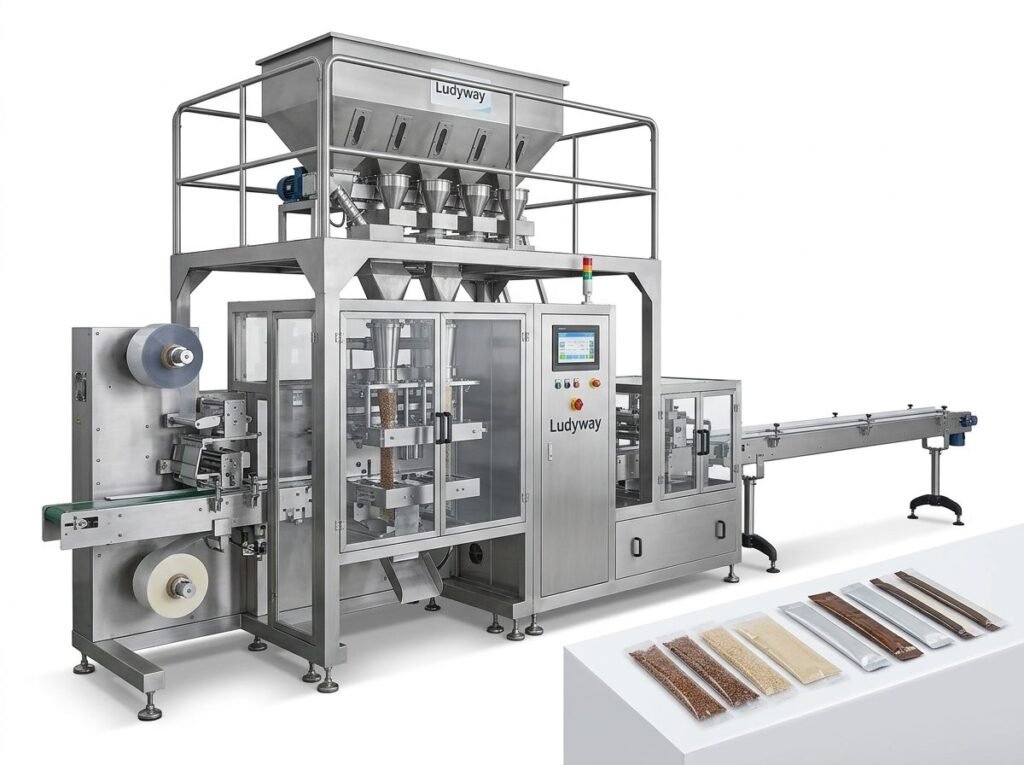
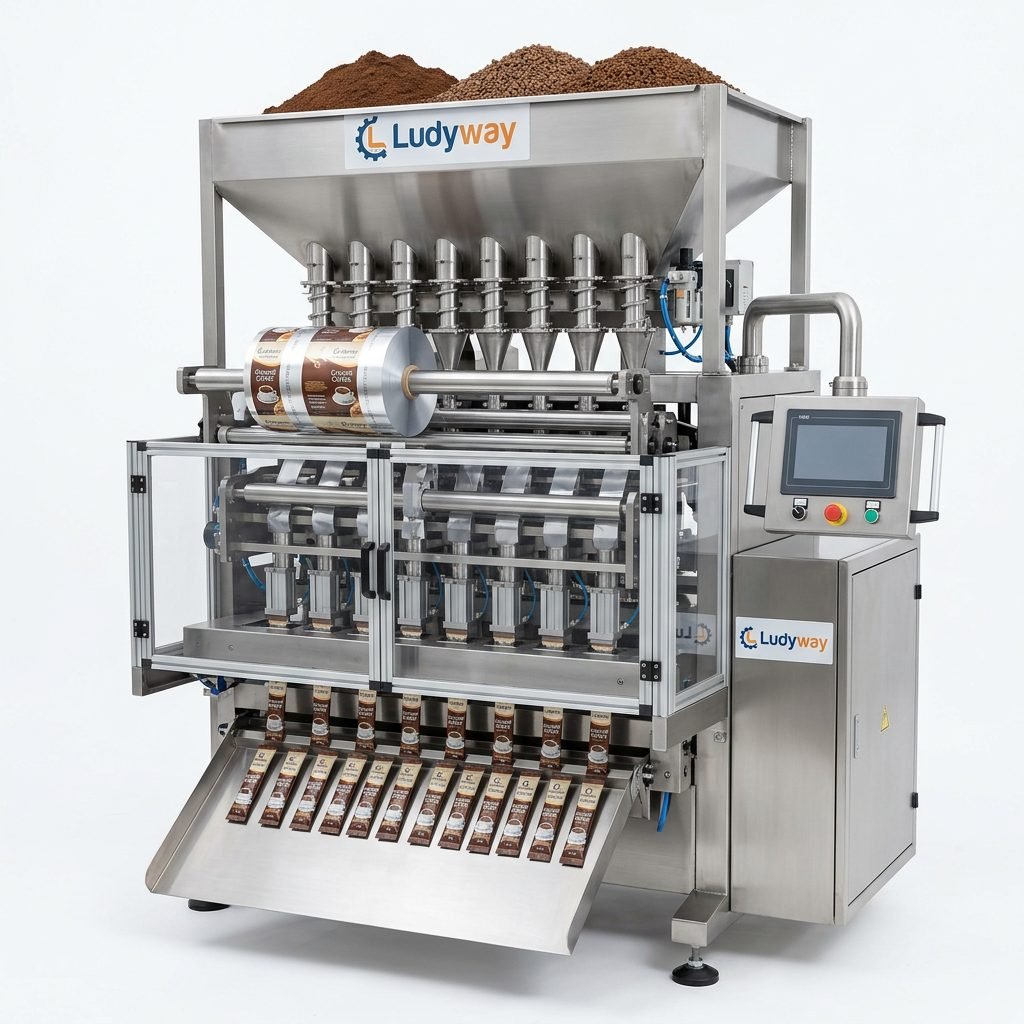
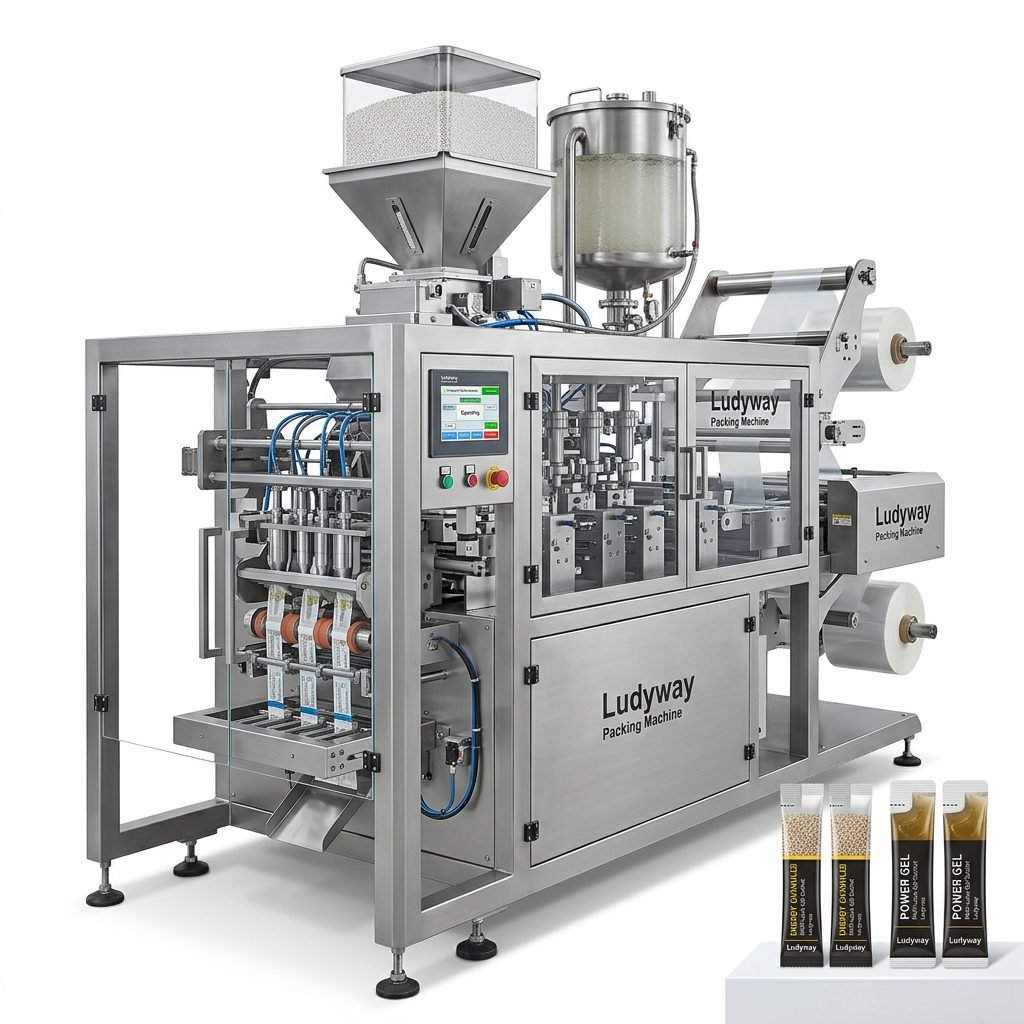
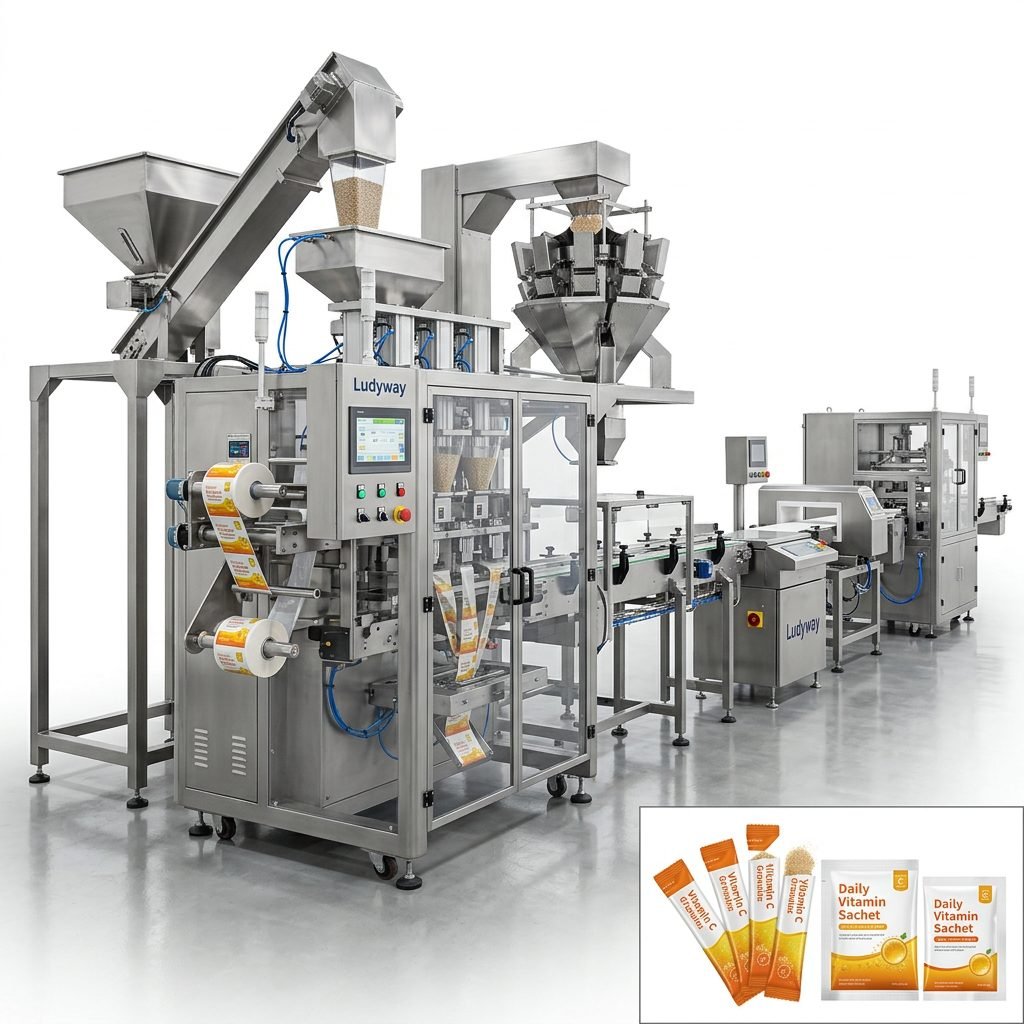
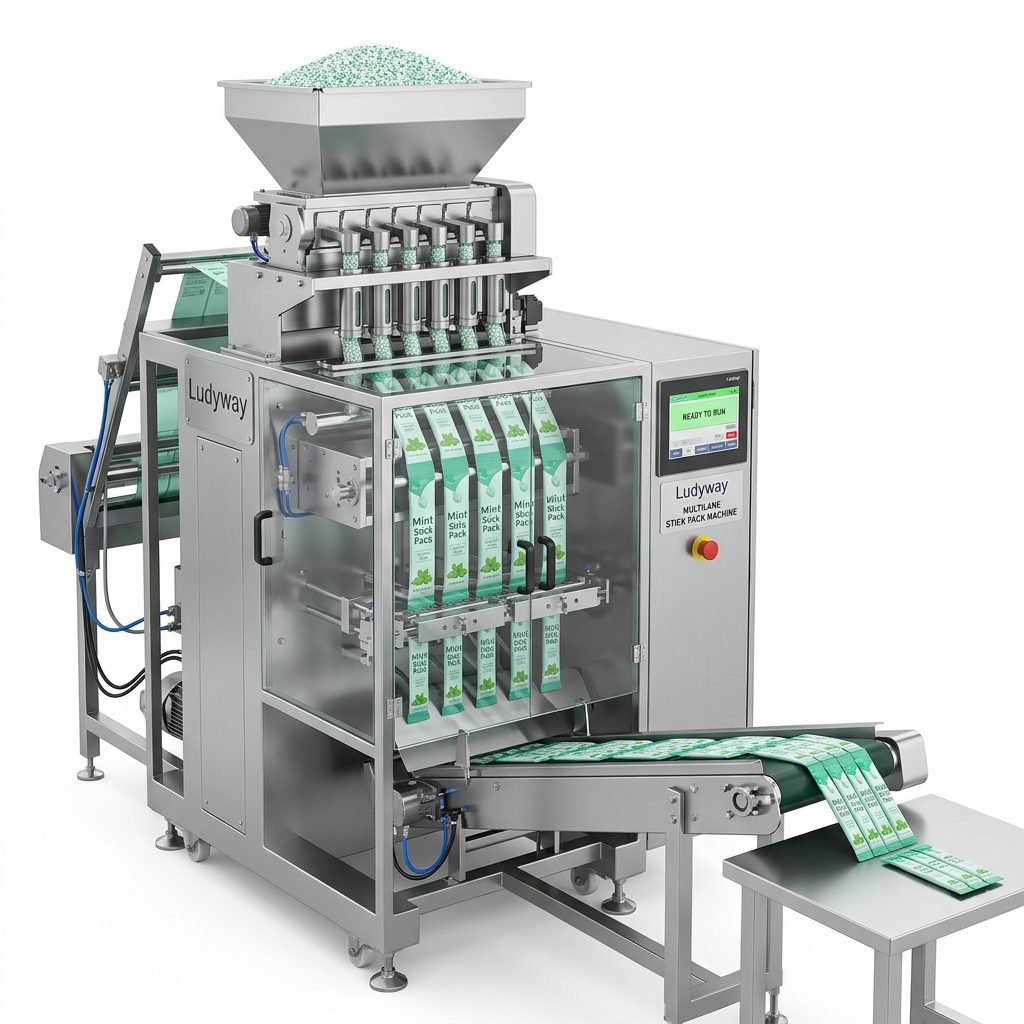
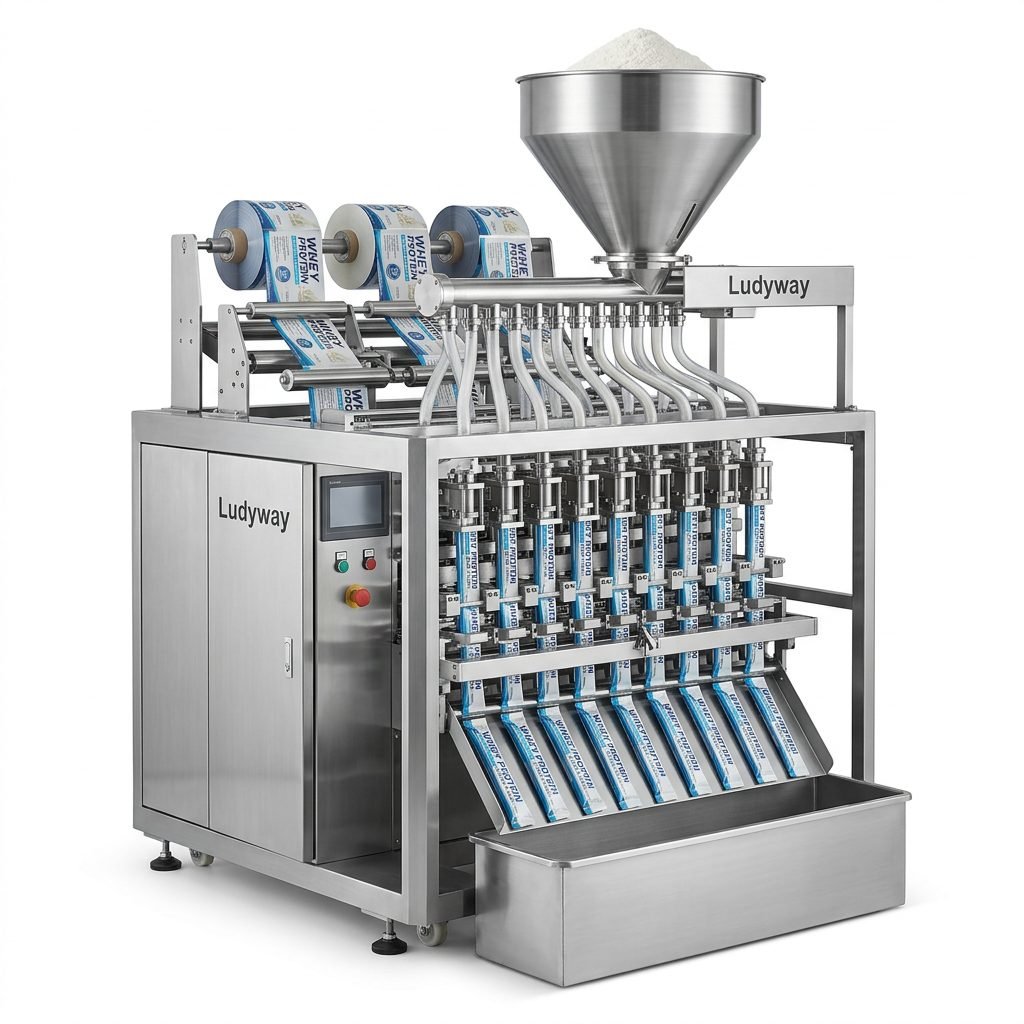
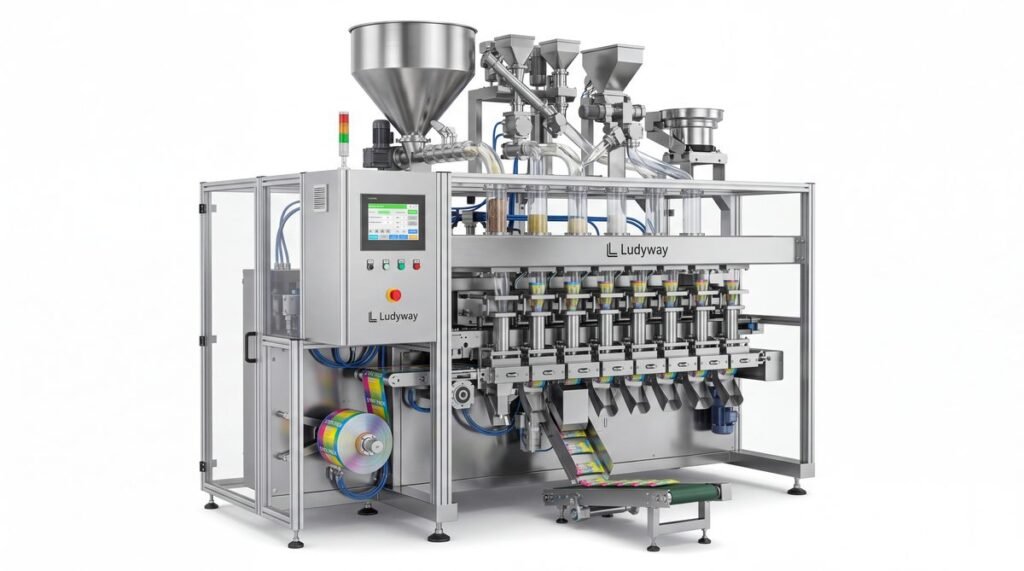
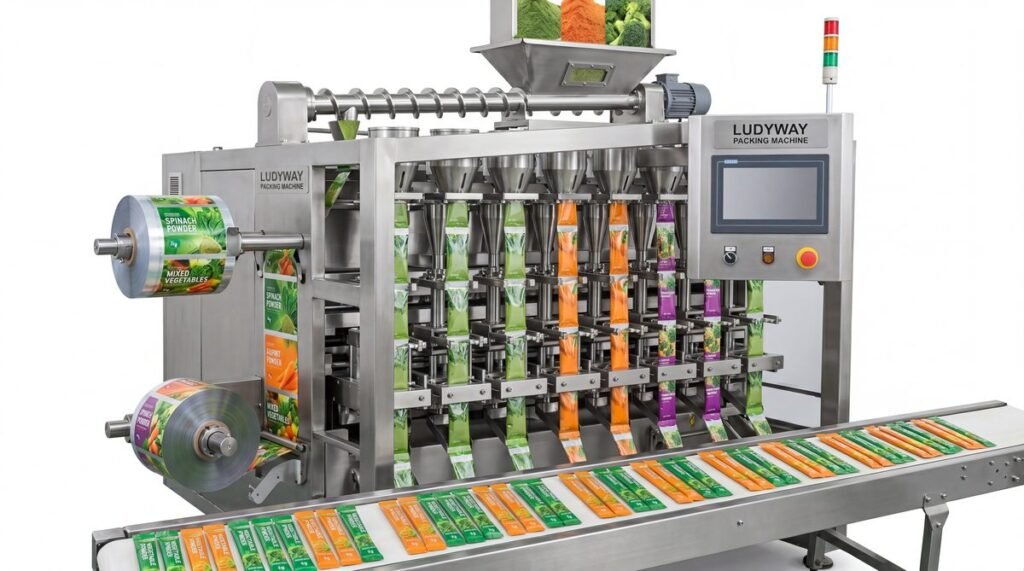
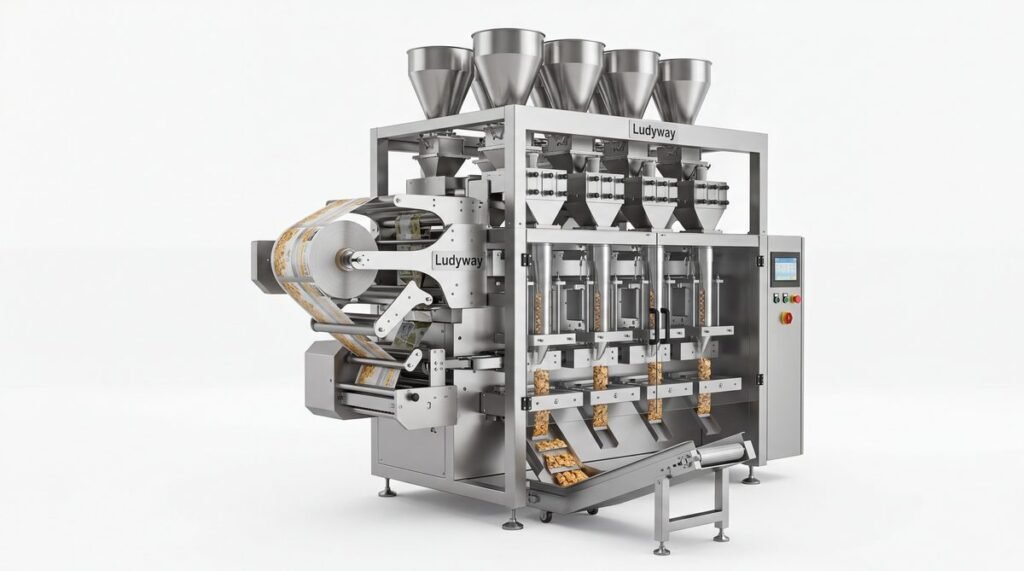
Regular maintenance of a box plastic packing machine is essential for ensuring consistent packaging quality, minimizing downtime, and extending equipment lifespan. Whether you operate a fully automated packaging line or a semi-automatic system, a structured cleaning and maintenance routine helps prevent costly repairs and production delays. Below, we outline the most effective strategies for keeping your machine in peak condition.
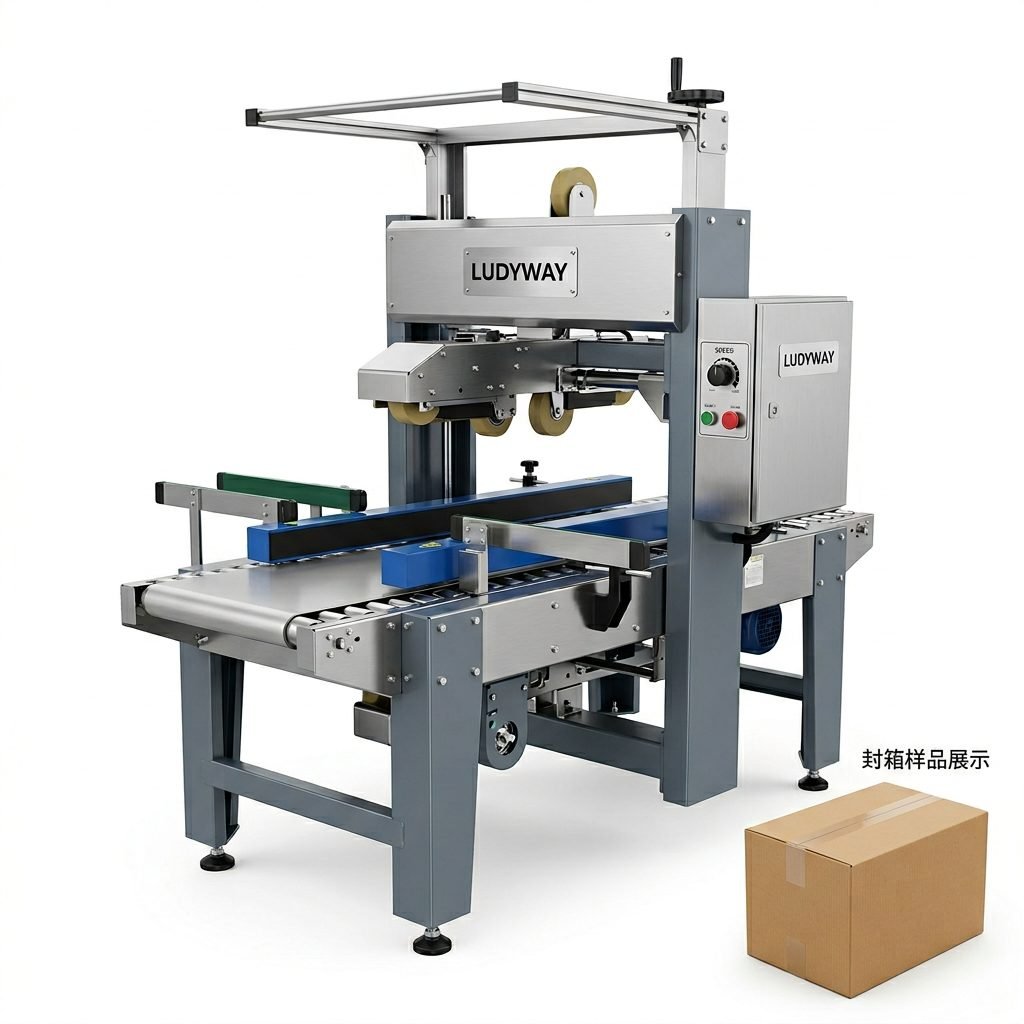
Daily Cleaning Procedures for Box Plastic Packing Machines
Dust, plastic particles, and packaging residues accumulate quickly on sealing bars, conveyor belts, and forming shoulders. Daily cleaning should be non-negotiable in your production schedule. Follow these steps:
- Power down and isolate — Always disconnect the machine from the main power supply before cleaning.
- Remove loose debris — Use compressed air or a soft brush to clear plastic fragments from the sealing area, film feed path, and cutting blades.
- Wipe sealing surfaces — Clean the heat-sealing bars with a non-abrasive cloth and approved solvent to remove plastic buildup that can cause uneven seals.
- Inspect the film path — Check rollers and guides for adhesive residue or film scraps that may affect tension control.
- Clean sensors and photocells — Dust on sensors can lead to misalignment and registration errors. Use a lint-free wipe and avoid harsh chemicals.
Weekly Maintenance Checklist
A thorough weekly inspection helps catch early signs of wear before they become major problems. This routine is especially important for machines handling high-volume packaging operations.
- Check film tension and alignment — Improper tension leads to wrinkles, misaligned seals, and wasted material.
- Lubricate moving parts — Apply food-grade lubricant to chains, bearings, and cam mechanisms as specified in the manufacturer’s manual.
- Inspect belts and drive components — Look for cracks, fraying, or stretching on conveyor belts and timing belts.
- Verify temperature settings — Use a calibrated thermometer to confirm that sealing bar temperatures match the set parameters.
- Test emergency stops and safety guards — Functional safety systems are required by ISO packaging standards and protect both operators and equipment.

Monthly Inspection and Lubrication
Monthly maintenance should address deeper mechanical and electrical systems. Preventive maintenance at this interval significantly reduces unexpected breakdowns.
- Examine sealing element condition — Worn or damaged heating elements cause inconsistent sealing and should be replaced proactively.
- Calibrate temperature controllers — Drifting temperature readings can compromise seal integrity and packaging appearance.
- Inspect pneumatic systems — Check air filters, regulators, and cylinder seals for leaks or contamination.
- Review electrical connections — Tighten terminals and inspect wiring for heat damage or insulation wear.
- Clean cooling fans and ventilation — Overheating shortens the life of electronic components and drives.
Common Issues and Troubleshooting
Understanding common problems helps operators respond quickly. Below is a quick reference for frequent issues encountered with box plastic packing machines.
| Problem | Likely Cause | Solution |
|---|---|---|
| Inconsistent seal strength | Dirty or worn sealing bars | Clean sealing surfaces; replace heating elements if damaged |
| Film misalignment | Incorrect tension or roller misalignment | Adjust tension settings; realign rollers and guides |
| Machine jamming | Accumulated debris or worn belts | Perform thorough cleaning; replace worn drive belts |
| Temperature fluctuations | Faulty thermocouple or controller | Recalibrate or replace the temperature sensor |
| Excessive noise or vibration | Loose fasteners or bearing wear | Tighten all mounting bolts; inspect and replace bearings |
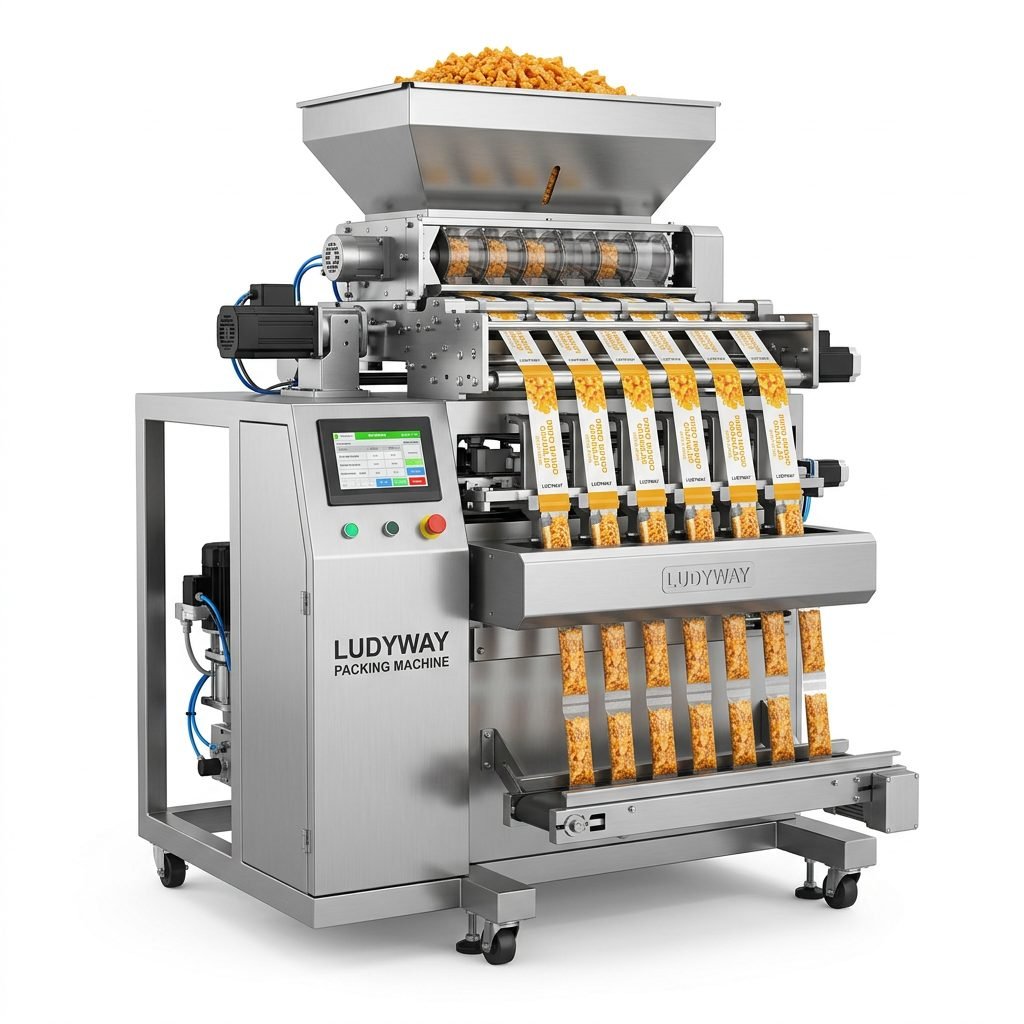
Spare Parts Management
Keeping essential spare parts on hand minimizes downtime during unexpected failures. A well-stocked spare parts inventory is a key component of effective maintenance planning.
- Heating elements and thermocouples — These components have finite lifespans and should always be available.
- Sealing belts and Teflon covers — Regularly replaced items that directly affect packaging quality.
- Drive belts and timing belts — Critical for maintaining synchronized machine movement.
- Sensors and photocells — Essential for registration accuracy and film positioning.
- Pneumatic seals and filters — Required for machines with air-operated components.
Establish relationships with reputable suppliers who understand packaging machinery requirements and can provide genuine replacement parts with fast delivery times.
Professional Maintenance and Training
While daily and weekly tasks can be performed by trained operators, periodic professional servicing is highly recommended. Comprehensive maintenance contracts with experienced technicians ensure that complex mechanical, electrical, and pneumatic systems receive expert attention. Operators should also receive regular training on proper machine operation, cleaning procedures, and basic troubleshooting to prevent operational errors that lead to equipment damage. Leading manufacturers such as Ludyway provide detailed technical documentation and support to help customers maintain their packaging equipment effectively.
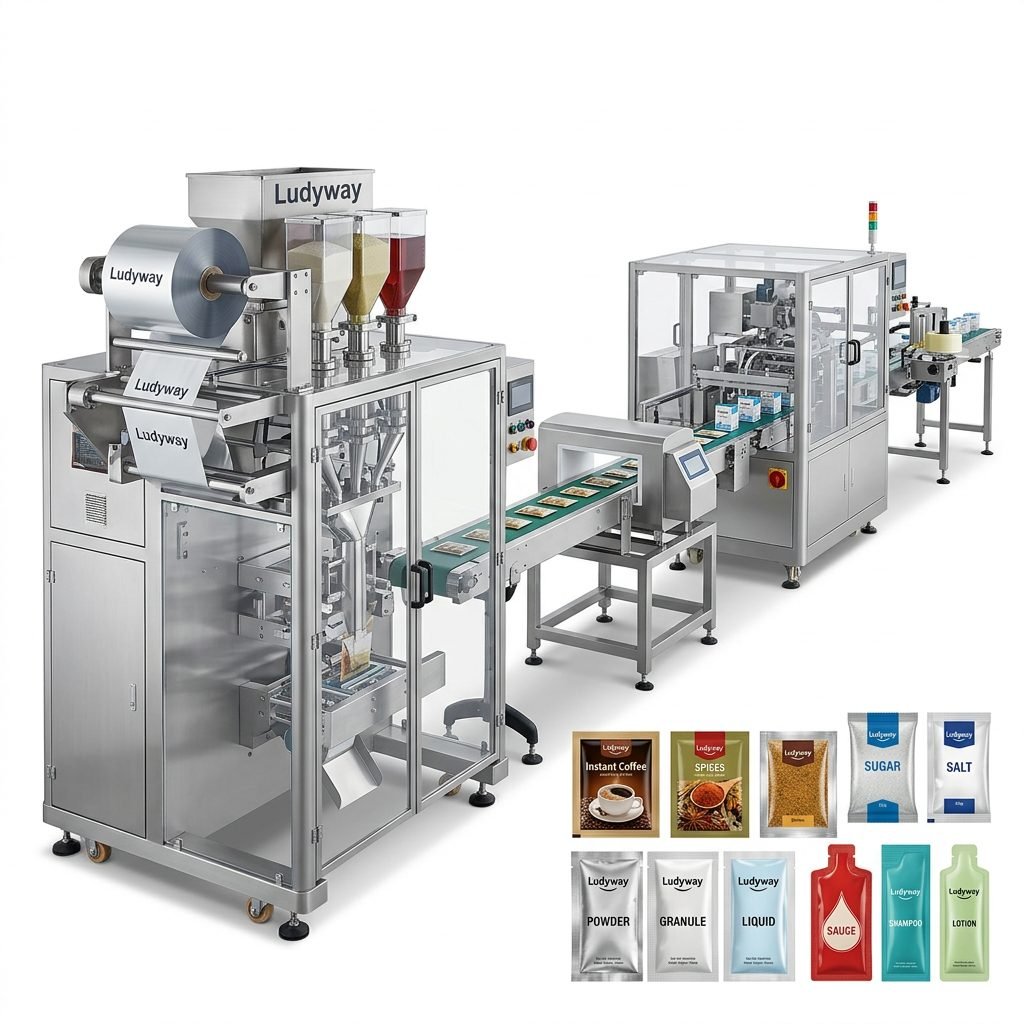
Maintenance Schedule Overview
The table below summarizes the recommended maintenance intervals for a box plastic packing machine. Adhering to this schedule helps maintain compliance with food packaging safety regulations and industry best practices.
| Task | Frequency | Responsible Person |
|---|---|---|
| Surface cleaning and debris removal | Daily | Machine operator |
| Sealing bar inspection and cleaning | Daily | Machine operator |
| Lubrication of moving parts | Weekly | Maintenance technician |
| Belt tension and alignment check | Weekly | Maintenance technician |
| Temperature calibration | Monthly | Qualified technician |
| Electrical system inspection | Monthly | Electrical engineer |
| Pneumatic system overhaul | Quarterly | Specialist technician |
| Complete machine audit and servicing | Annually | Manufacturer-certified engineer |
Documentation and Record-Keeping
Maintaining detailed records of all maintenance activities is critical for tracking machine performance and planning future interventions. Good documentation practices also support audits and quality certifications.
- Maintenance logbook — Record dates, tasks performed, parts replaced, and any anomalies observed.
- Spare parts inventory list — Track stock levels and reorder thresholds for critical components.
- Calibration records — Document all temperature and sensor calibrations with before-and-after readings.
- Training records — Keep track of operator and technician training sessions and certifications.
- Service reports — Retain copies of professional service visits and any recommendations made.
These records create a valuable knowledge base that helps identify recurring issues, optimize maintenance intervals, and demonstrate due diligence in quality management systems.