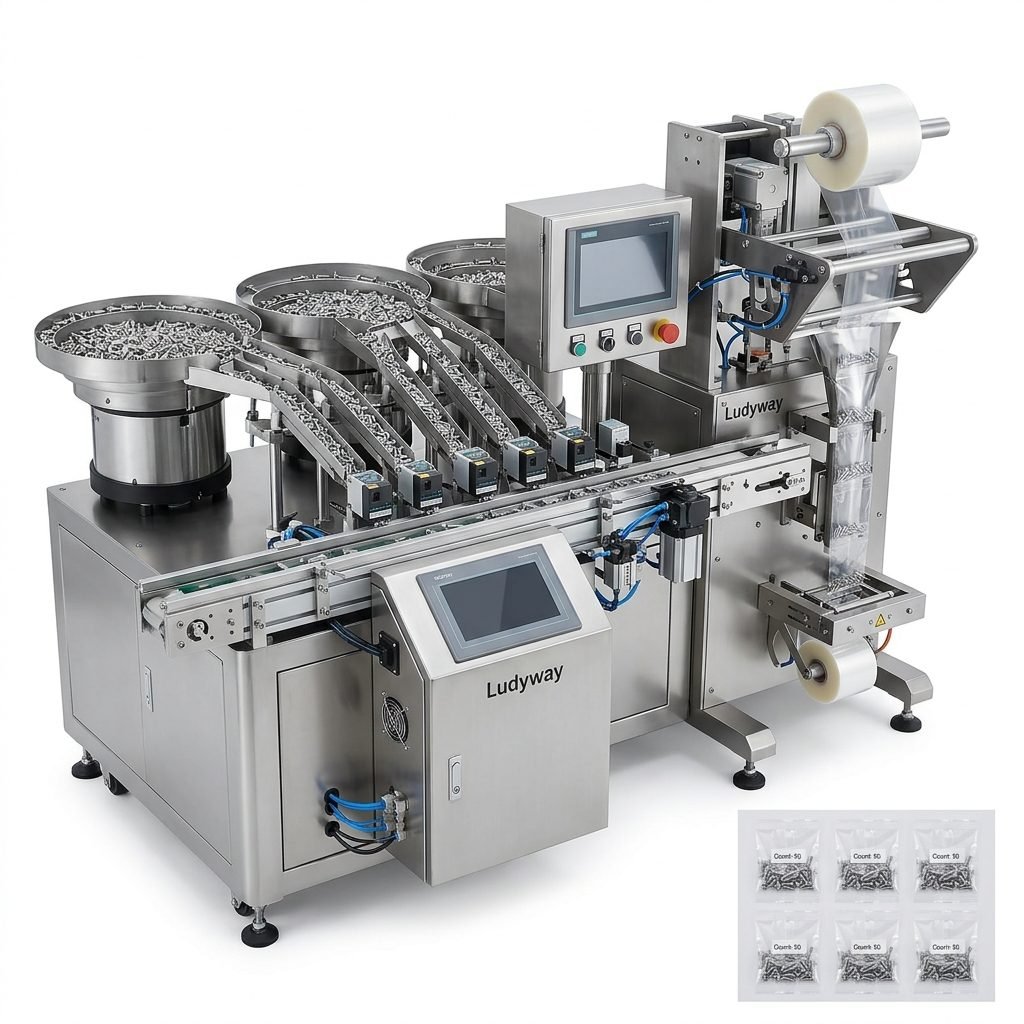
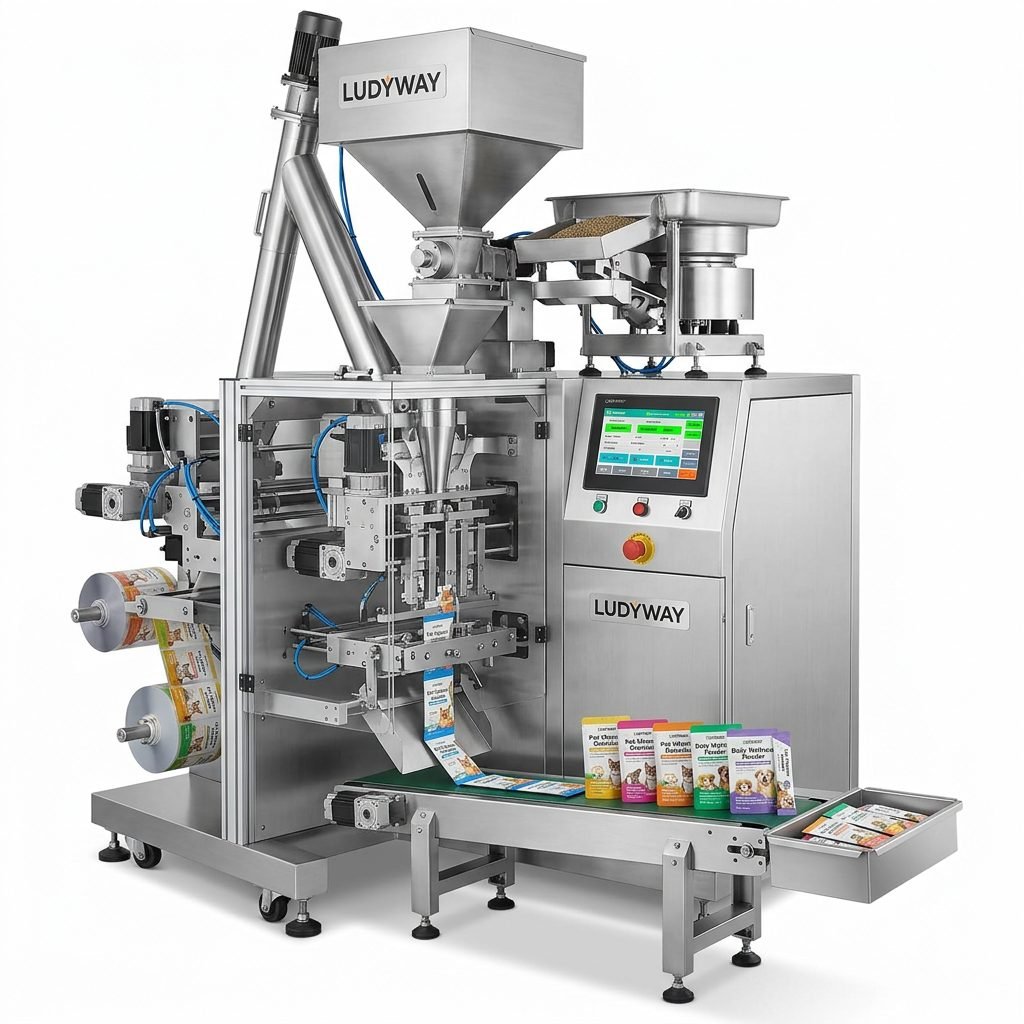
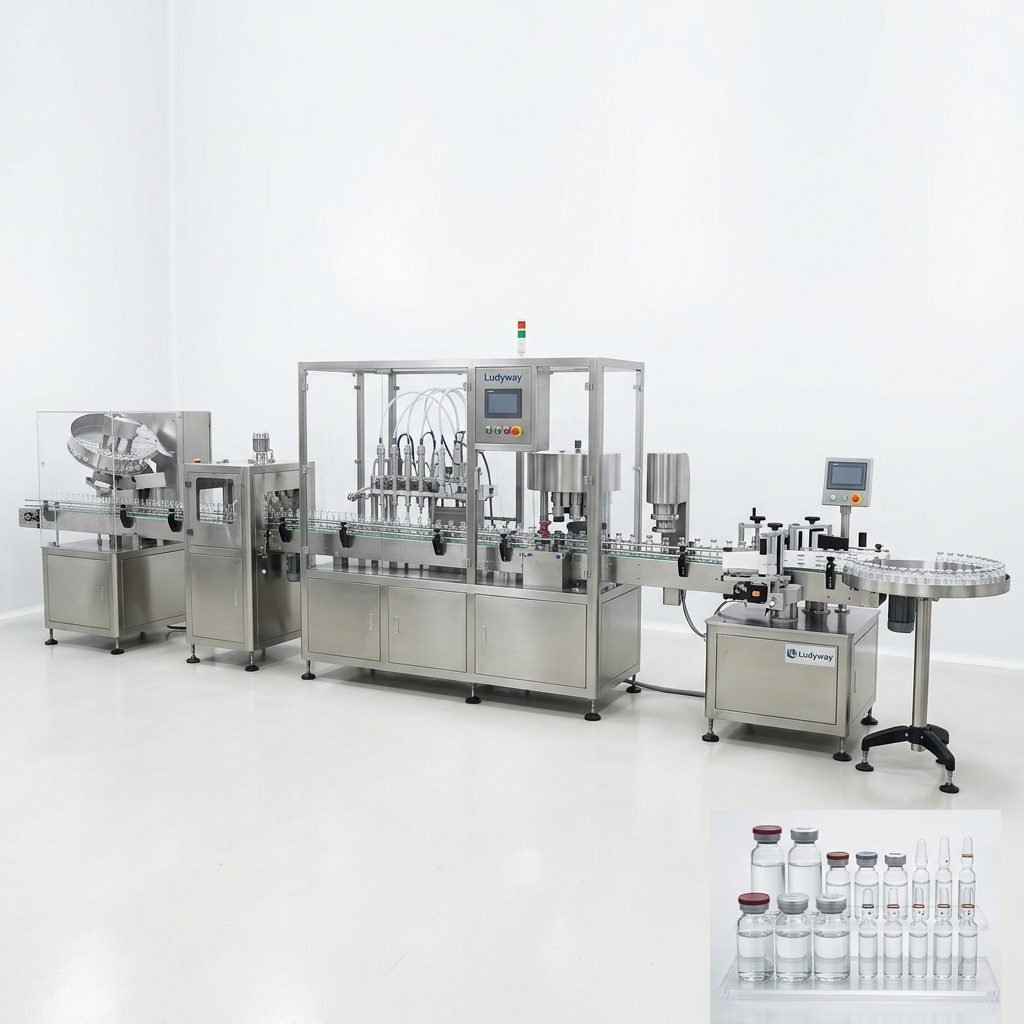
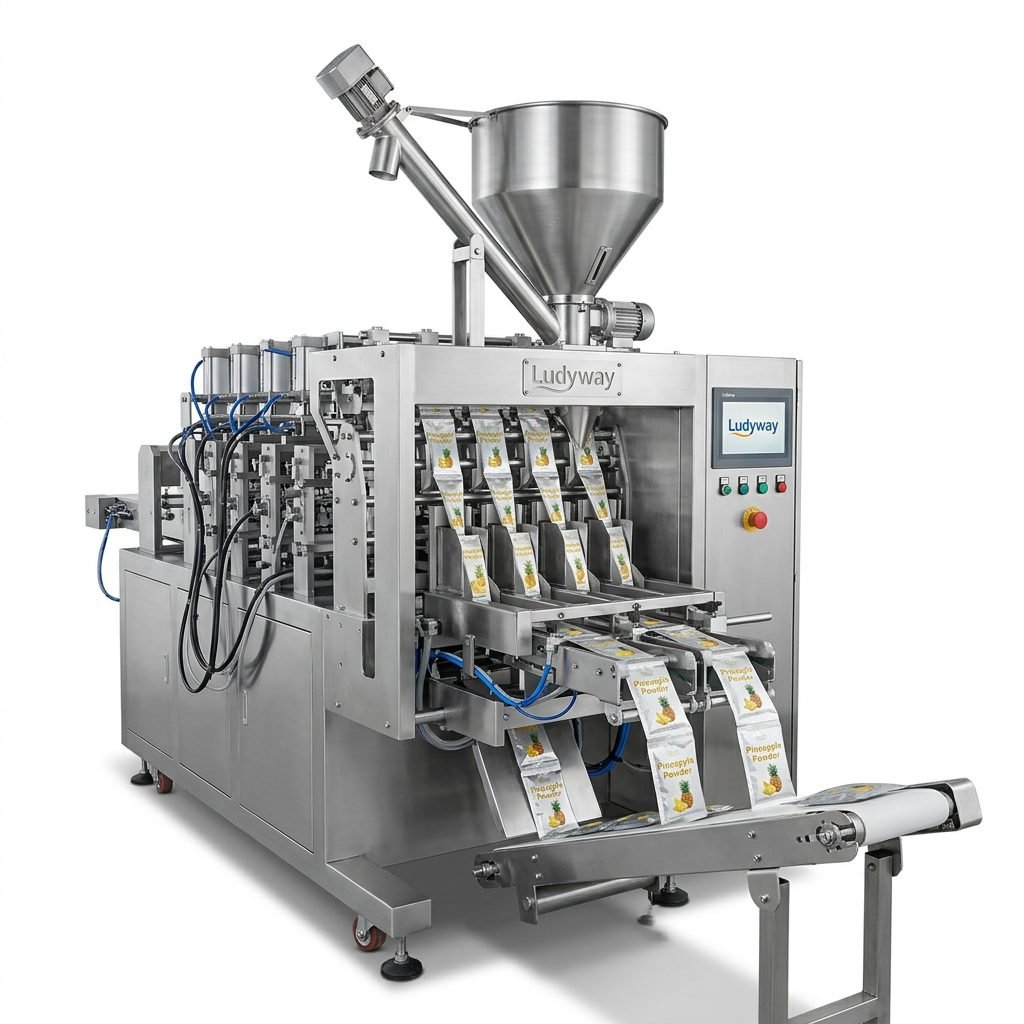
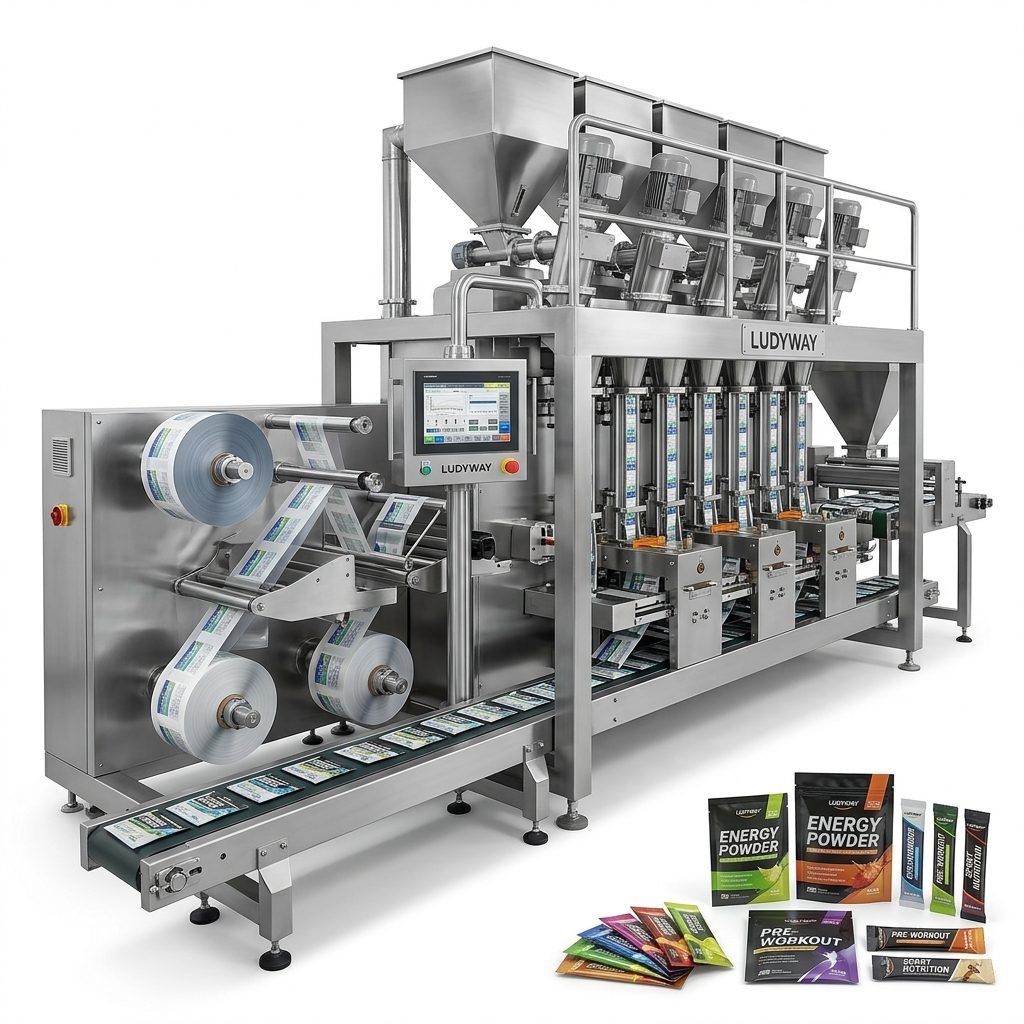
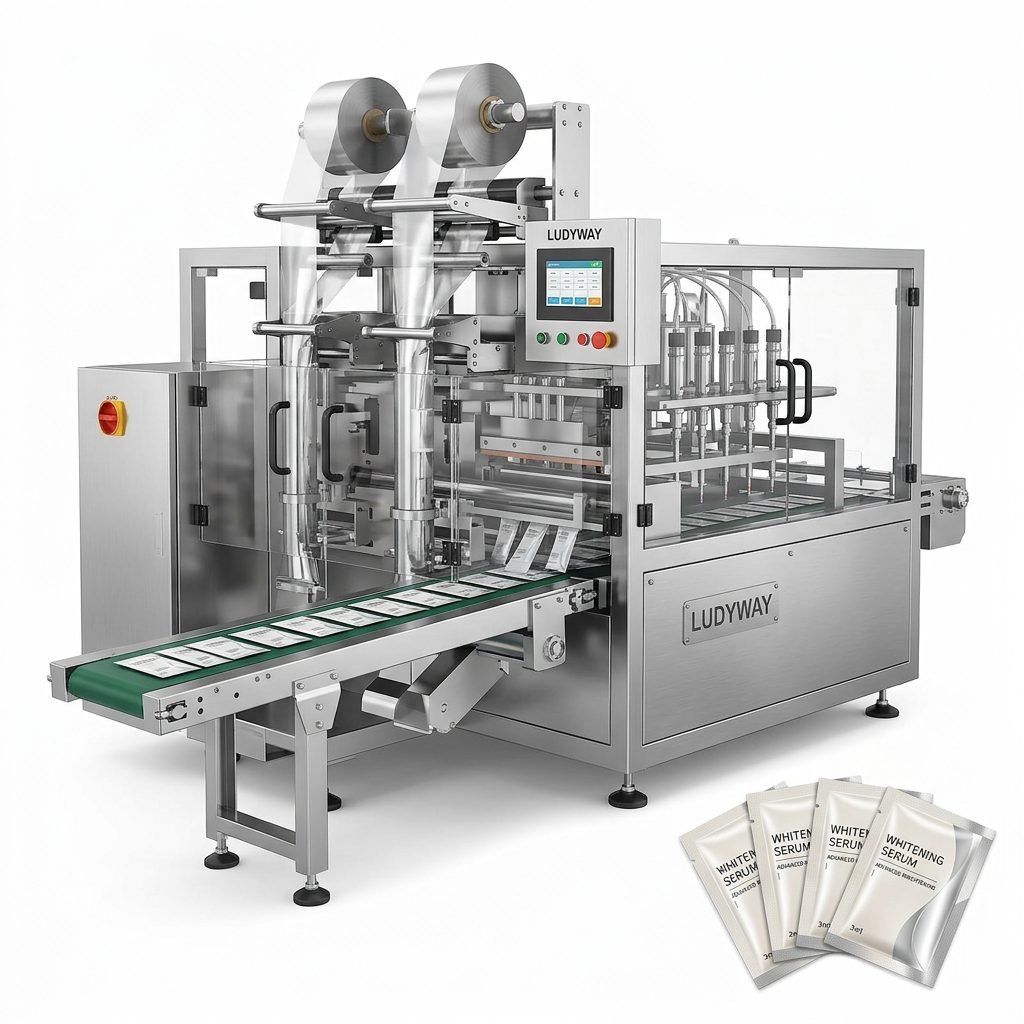
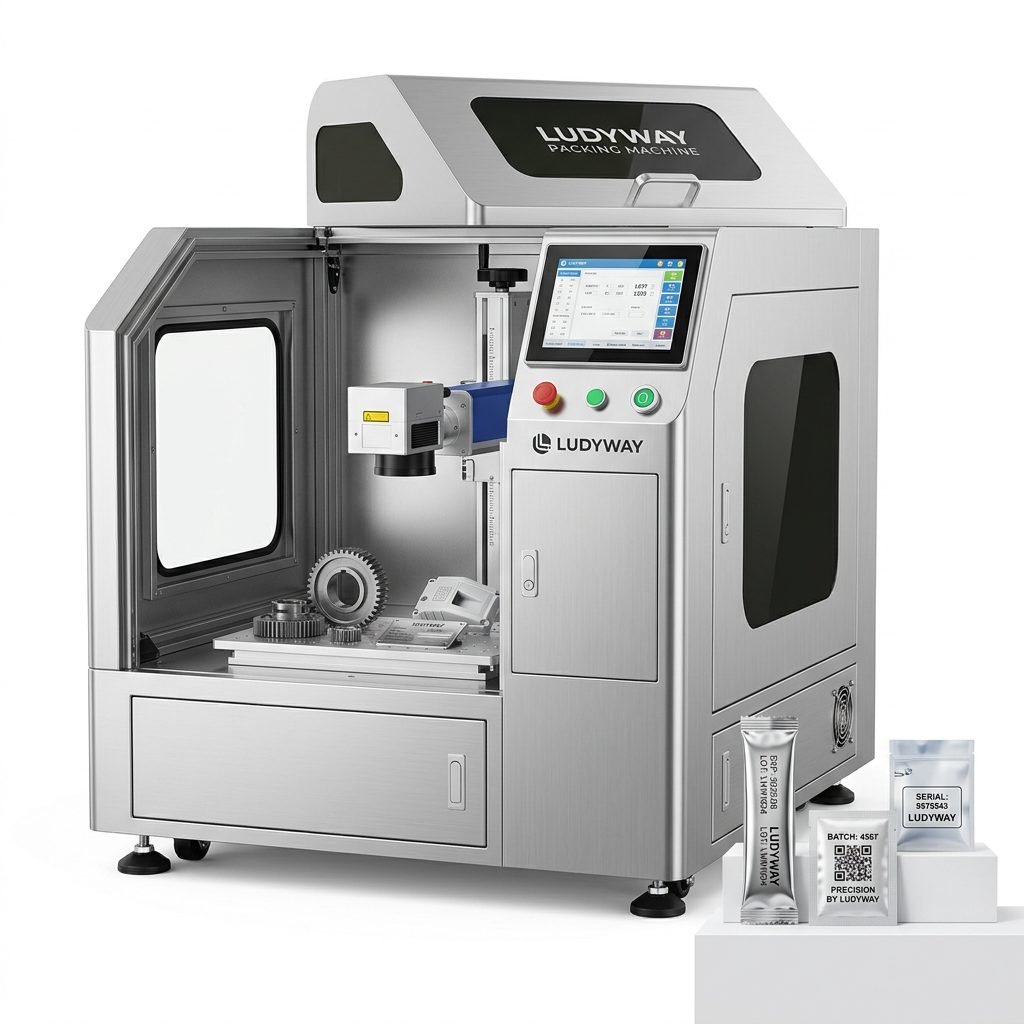
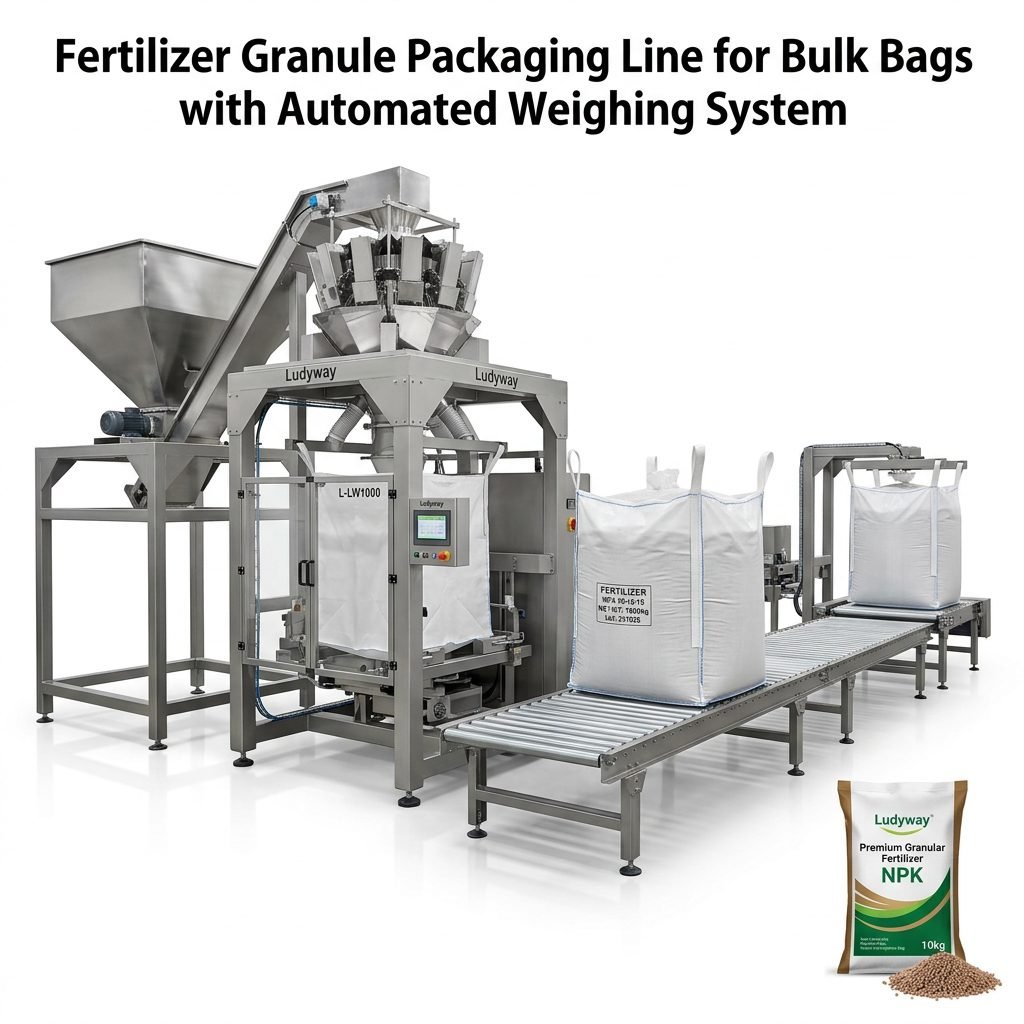
Investing in a fully automatic packaging machine is a strategic decision that directly impacts your production efficiency, product consistency, and long-term operational costs. Whether you are upgrading from semi-automatic equipment or building a new production line, selecting the right system requires careful evaluation across multiple dimensions. This buyer’s guide walks you through the key factors to help you make an informed purchase decision.
1. Understand Your Product Characteristics
Before evaluating any equipment, you must define the physical and chemical properties of your product. Packaging machines are highly sensitive to product behavior during filling, dosing, and sealing. Key parameters include:
- Product form: Powder, granule, liquid, paste, or solid pieces.
- Flow characteristics: Free-flowing versus non-free-flowing powders.
- Sensitivity: Hygroscopic, volatile, or oxygen-sensitive materials require specific sealing and environmental controls.
2. Define Your Packaging Format and Bag Style
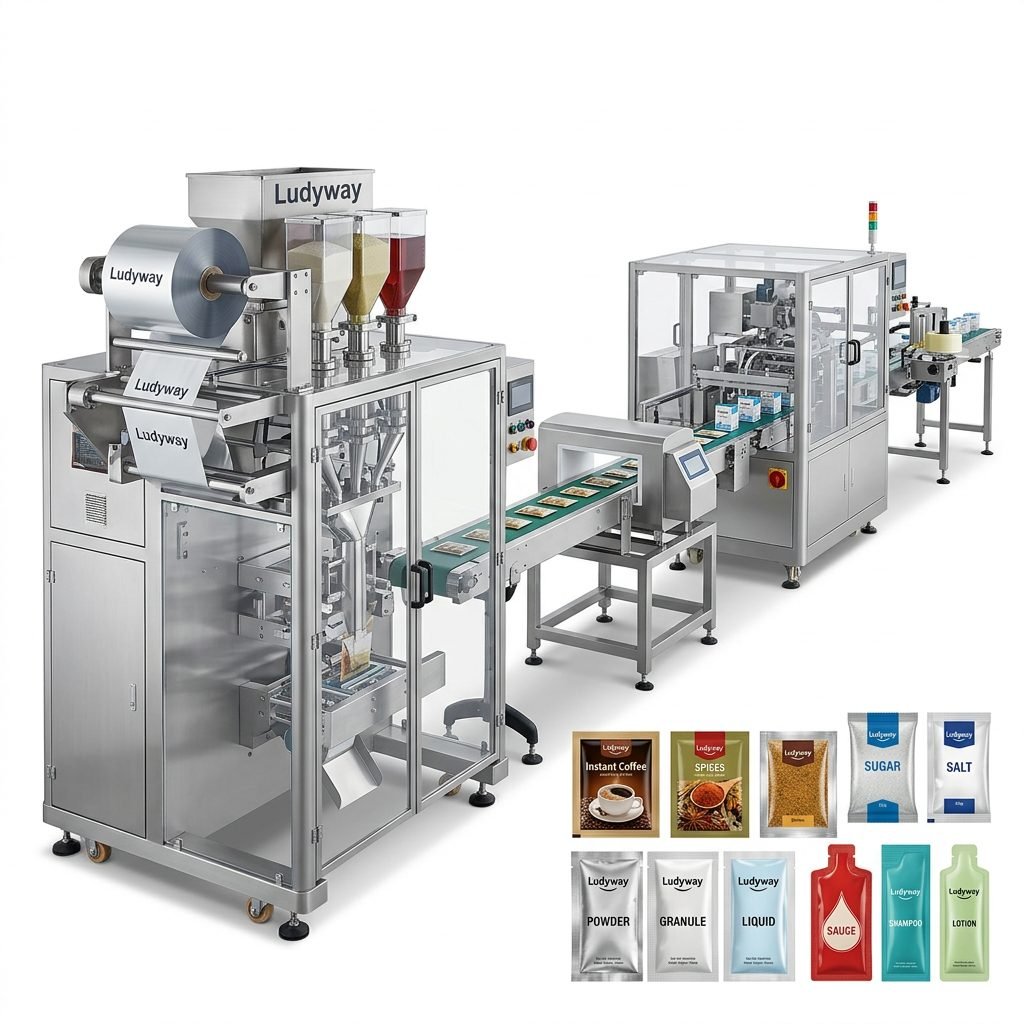
The type of packaging you intend to produce dictates the machine configuration. Common flexible packaging formats include:
| Packaging Type | Typical Applications |
|---|---|
| Stick Packs | Single-serve powders, instant beverages, nutraceuticals |
| Sachets | Shampoo samples, condiments, pharmaceutical powders |
| Pillow Bags | Snack foods, granules, bulk powders |
| Gusseted Pouches | Coffee, pet food, larger-volume products |
3. Determine Production Speed and Capacity Needs
Production throughput is a critical factor that influences machine design and lane configuration. A multi-lane packaging machine can dramatically increase output. Consider your current and projected demand:
- Entry-level: 40-80 packs per minute per lane.
- High-speed systems: 100-200+ packs per minute per lane.
Matching the machine speed to your upstream production and downstream cartoning is essential to avoid bottlenecks.
4. Evaluate Automation Level and Line Integration
Modern packaging lines can integrate automatic feeding, dosing, filling, sealing, coding, inspection, and cartoning into a single connected system. Decide which modules you need:
- Standalone machine: Best for entry-level or limited-space operations.
- Integrated packaging system: Connects multiple stages for continuous production.
- Turnkey packaging line: A complete solution from raw material feeding to final carton packing.
5. Customization vs. Standard Models
Not all products fit into a standard machine configuration. If your product has unusual flow behavior, requires special filling volumes, or uses unique packaging materials, customized packaging machinery may be required. Customization can include:
- Special dosing systems (auger, volumetric, multi-head weigher, liquid piston).
- Gas flushing for modified atmosphere packaging.
- Dust extraction or humidity-controlled environments.
Working with a manufacturer that has in-house engineering and manufacturing capabilities significantly reduces lead times and integration risks.

6. Key Technical Specifications to Check
When comparing different models, request detailed technical data sheets. Focus on these specifications:
| Specification | Why It Matters |
|---|---|
| Filling Accuracy | Directly affects product give-away and profitability. |
| Film Compatibility | Determines if the machine can run your preferred packaging material. |
| Sealing Technology | Essential for product protection and shelf life. |
| Changeover Time | Impacts operational efficiency for multi-product lines. |
7. Supplier Assessment and Global Support
Your relationship with the packaging machinery manufacturer is a long-term partnership. Evaluate potential suppliers on these criteria:
- Manufacturing footprint: In-house production ensures quality control.
- Industry experience: A track record in your specific sector is invaluable.
- Global service network: Timely technical support, spare parts availability, and remote assistance.
- Compliance and certifications: Ensure equipment meets applicable ISO packaging standards and market requirements.
8. Total Cost of Ownership Considerations
The purchase price is only one part of the equation. Calculate the total cost of ownership by factoring in:
- Installation and commissioning.
- Operator training.
- Spare parts inventory.
- Maintenance frequency and complexity.
- Energy consumption and film material waste rates.
Investing in reliable, well-engineered equipment often yields lower total costs over the machine’s lifecycle, even if the initial capital outlay is higher.
A Partner for Long-Term Packaging Success
Selecting the right machine means finding a partner with the engineering depth and application experience to support your growth. Ludyway Machinery is a China-based packaging machinery manufacturer with over 30 years of experience across food, pharmaceutical, cosmetic, chemical, and other industries. With a 20,000-square-meter facility and a portfolio of more than 50 packaging machine models, Ludyway provides customized, turnkey fully automatic packaging machine solutions and integrated packaging lines designed for global manufacturers. For insights into the company’s international trajectory, see Ludyway’s global growth analysis. For broader packaging machinery standards and market data, resources from PMMI and the Flexible Packaging Association offer valuable industry reference points.