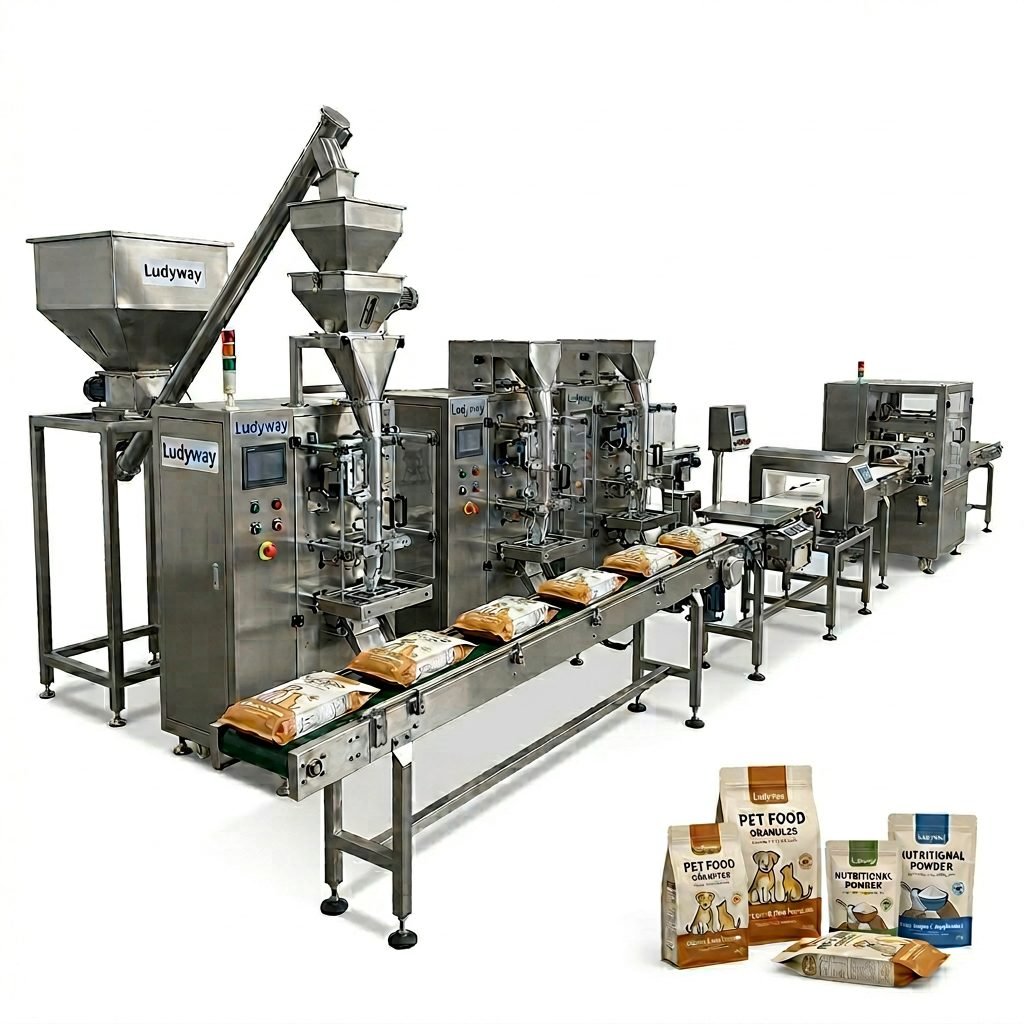
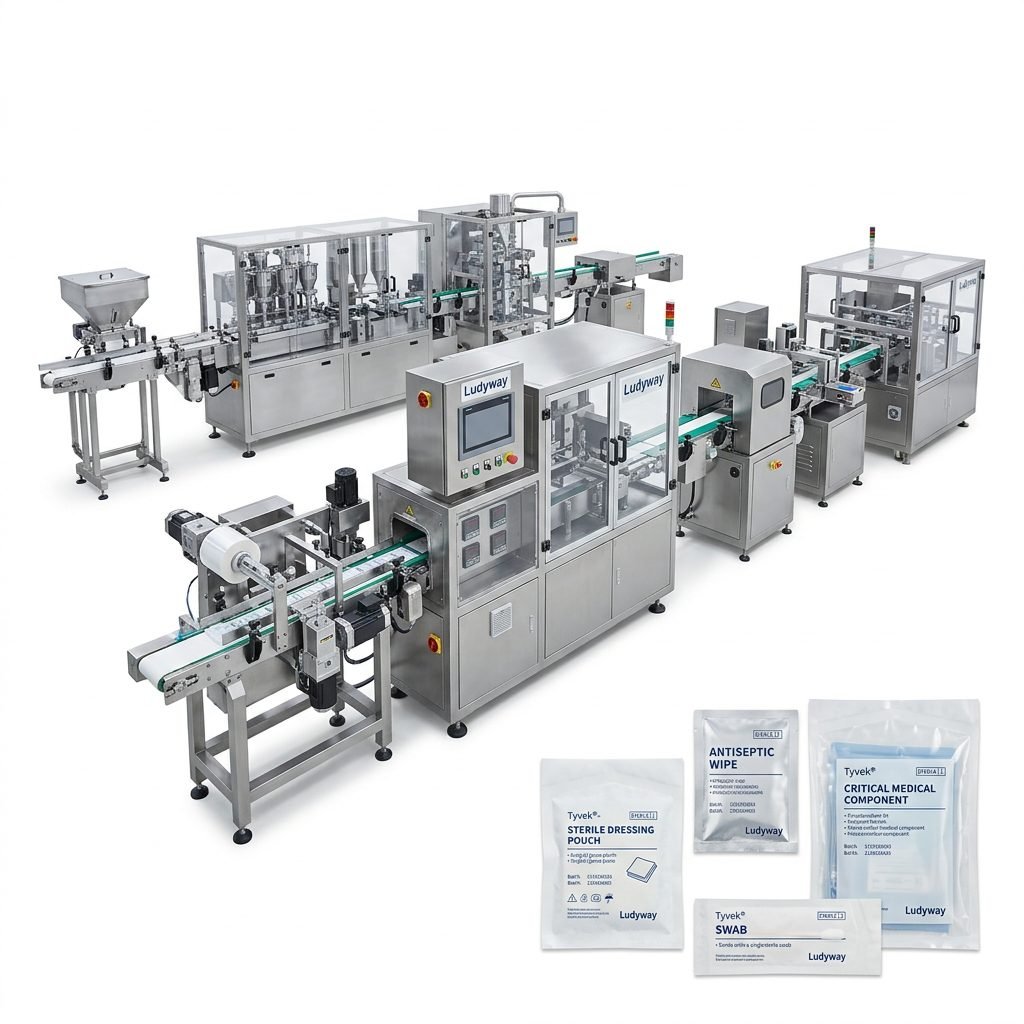
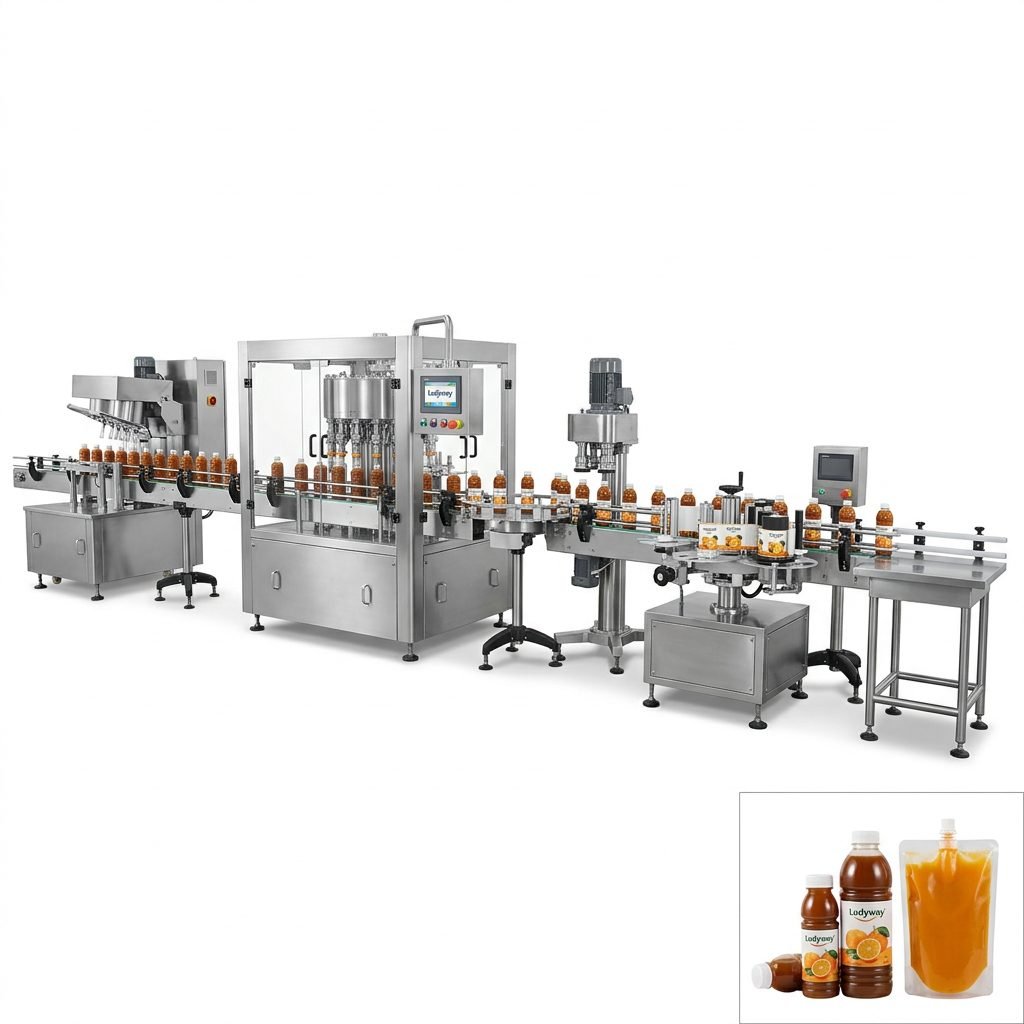
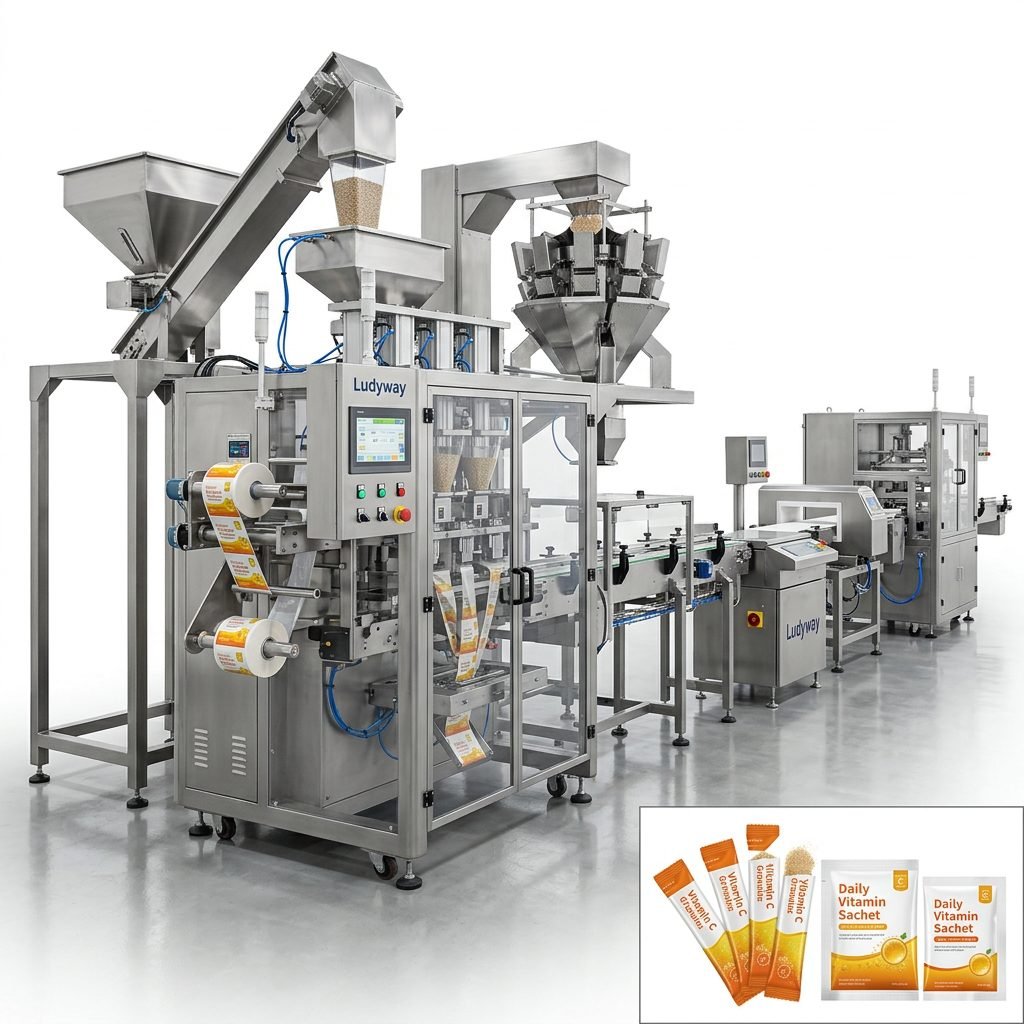
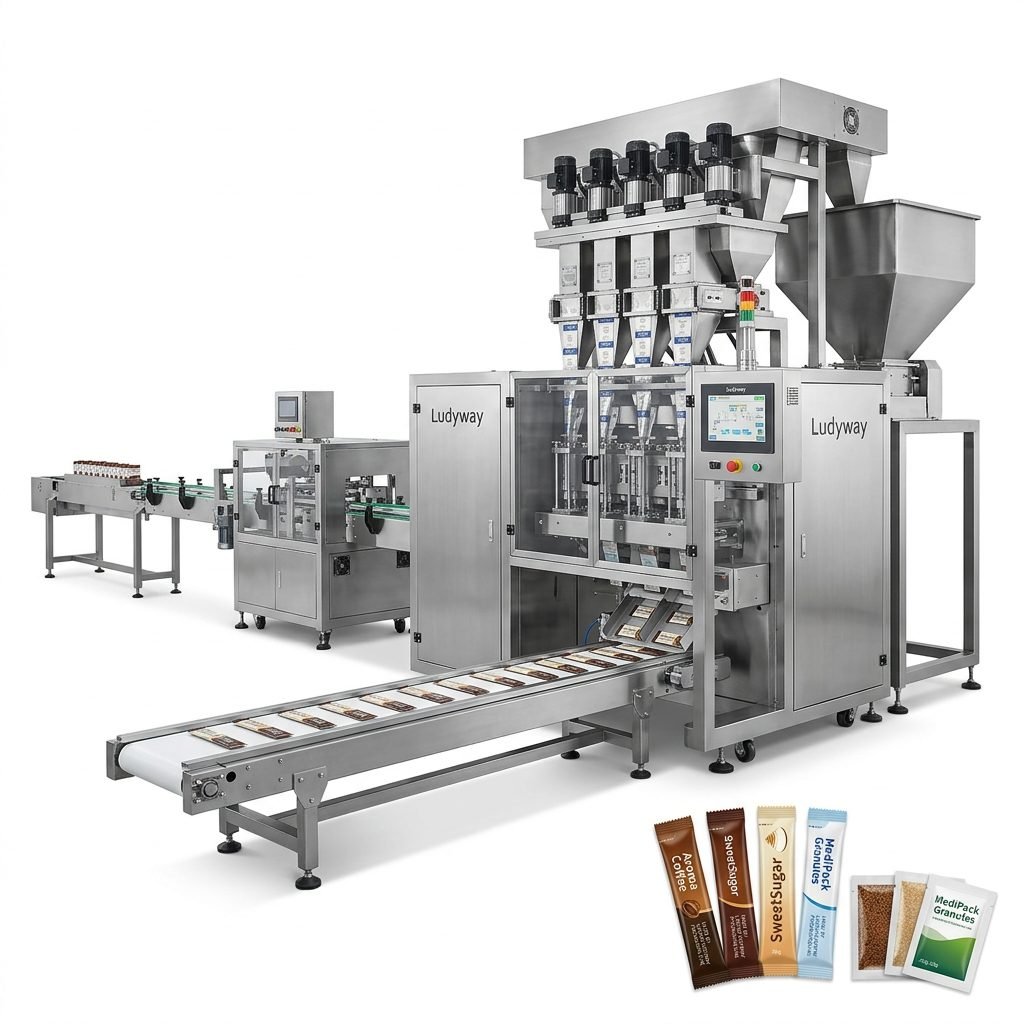
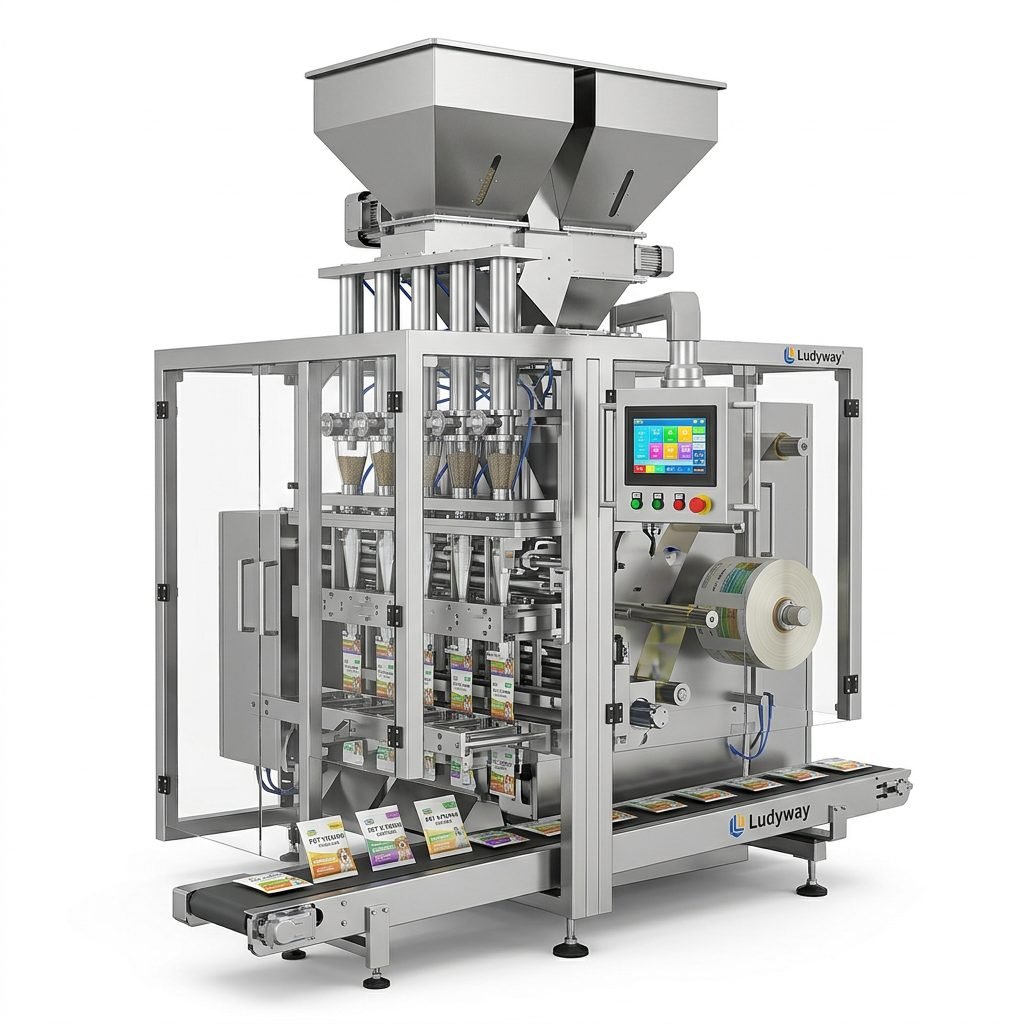
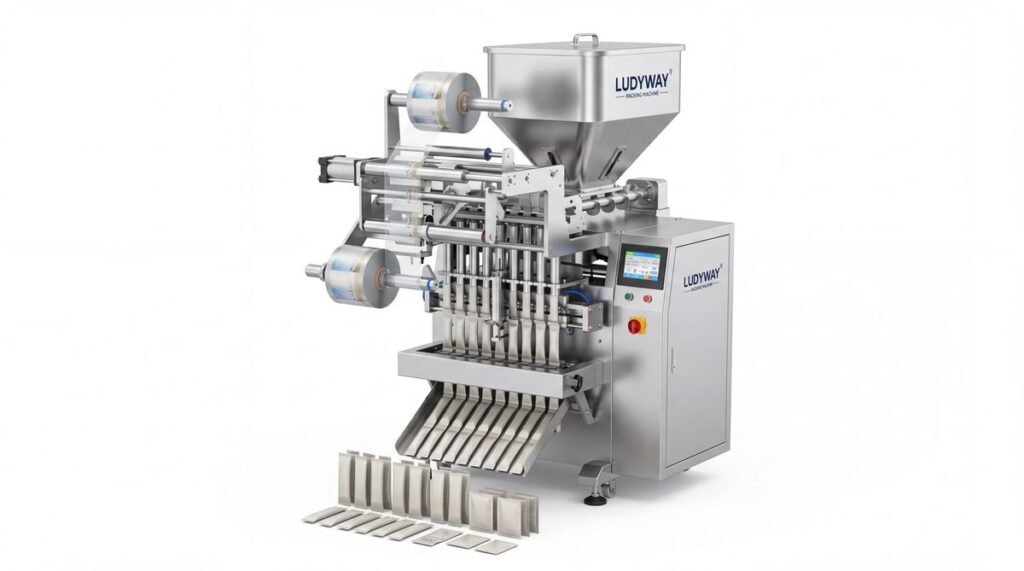
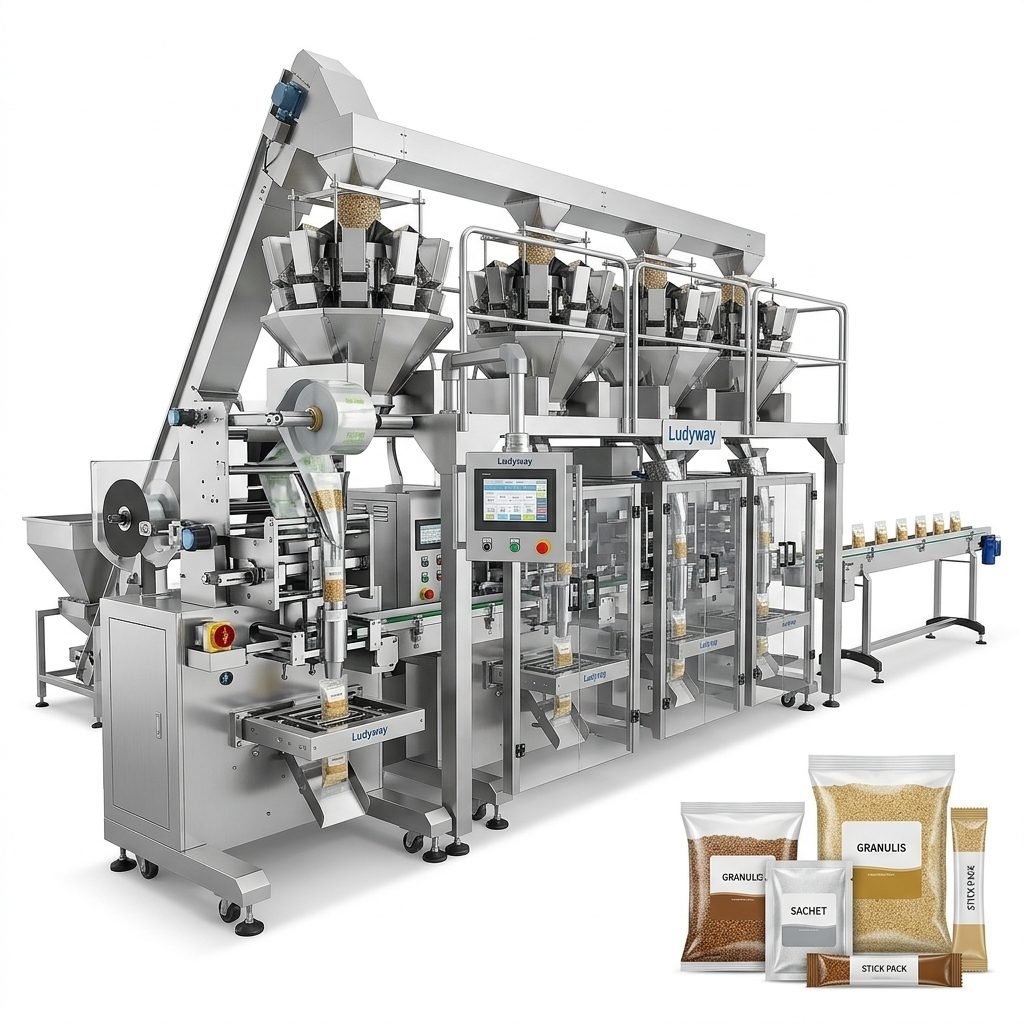
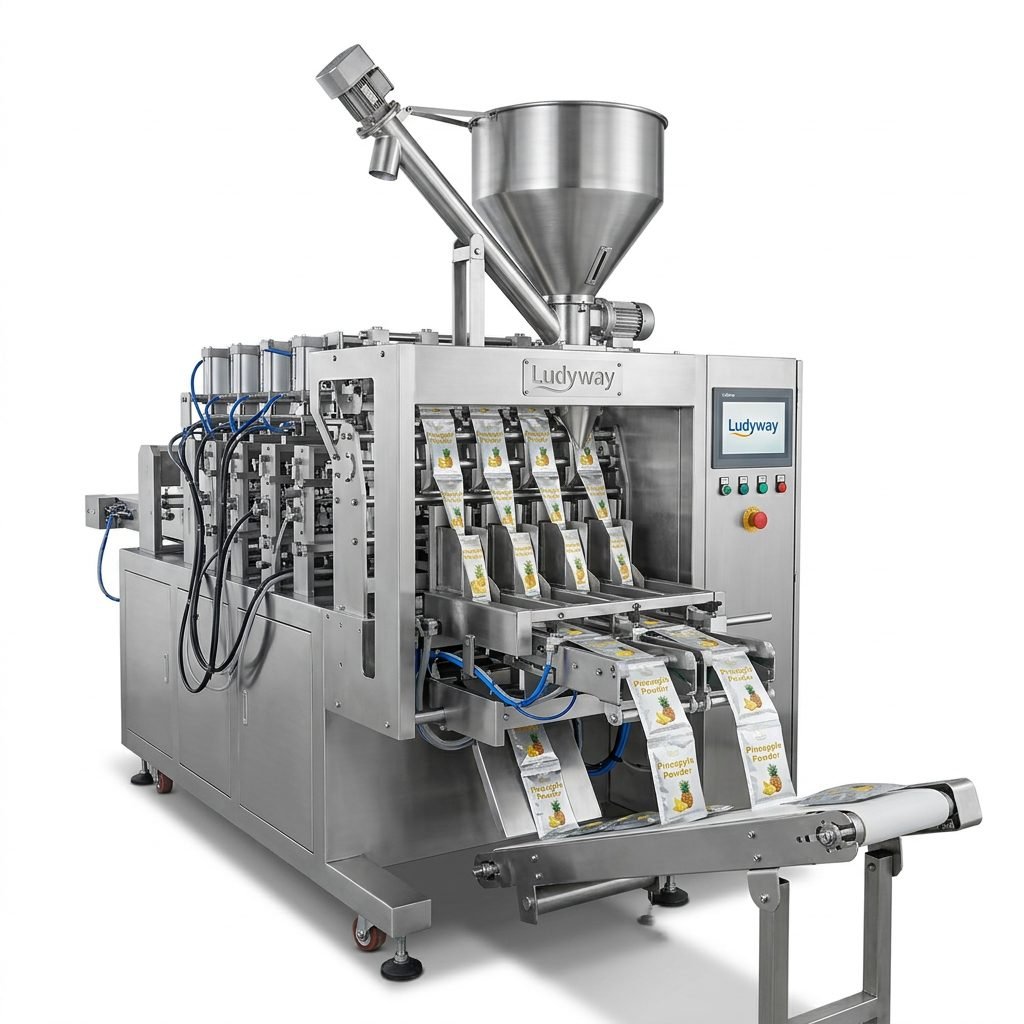
A Techinery packing machine can be a smart investment for manufacturers that want to improve packaging speed, accuracy, hygiene, and consistency. Whether you produce powders, granules, liquids, pastes, capsules, or pouch-based goods, the right machine helps reduce waste, lower labor dependence, and support scalable growth.
In today’s competitive production environment, buyers are not only looking for a machine that seals packs well. They also want stable output, easier maintenance, digital controls, product flexibility, and long-term service support. This guide explains the core features, practical benefits, and key buying factors to help you choose the right packaging solution for your business.
What Is a Techinery Packing Machine?
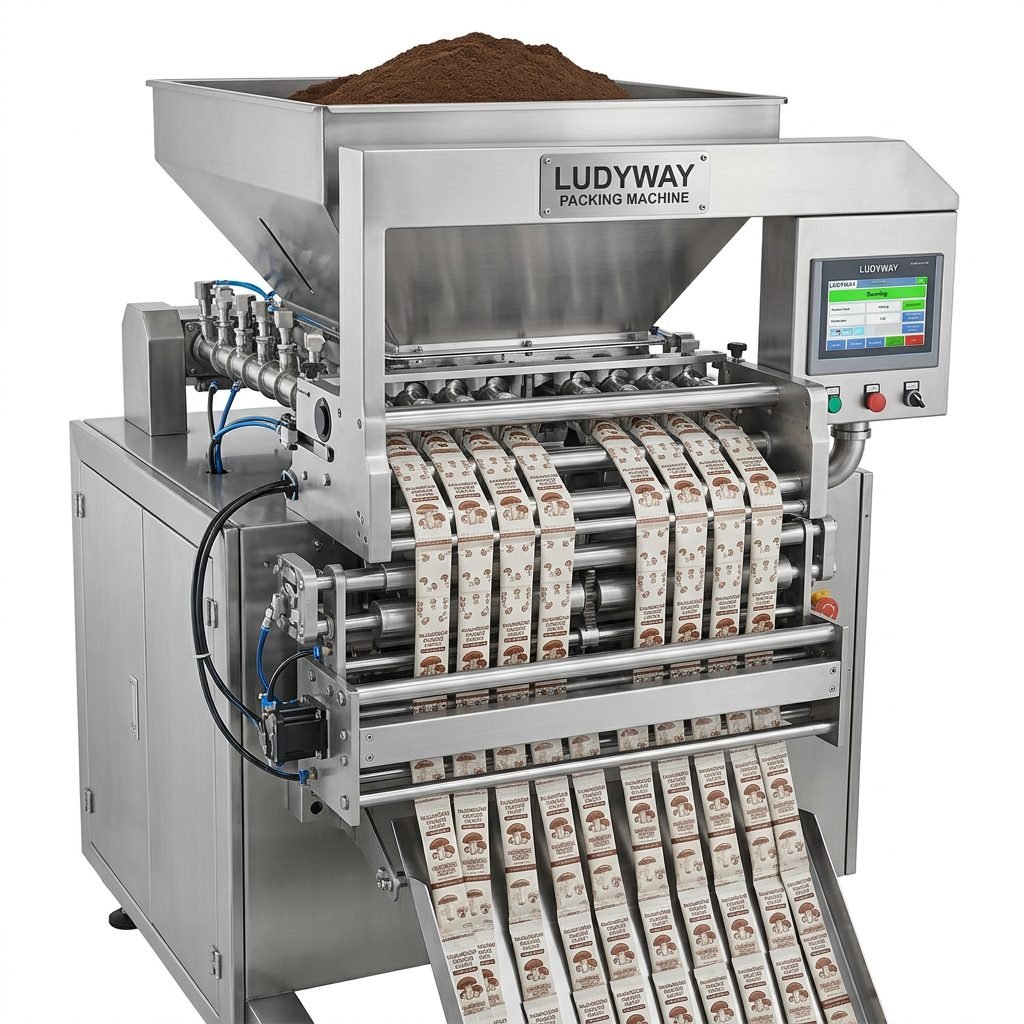
A Techinery packing machine refers to packaging equipment designed to automate product filling, bag making, sealing, coding, counting, and final pack output. Depending on the application, it may be used for sachets, stick packs, pouches, bottles, jars, cartons, or bulk bags.
These machines are commonly used in industries such as:
- Food and beverage
- Pharmaceutical products
- Health supplements
- Cosmetics and personal care
- Chemicals and detergents
- Animal nutrition and feed
Key Features to Look For
1. Automatic Filling Accuracy
One of the most important features is precise dosing. A high-quality packing machine should be able to deliver repeatable fill volumes or weights with minimal deviation. This matters for both regulatory compliance and cost control, especially for high-value powders, nutraceuticals, and pharmaceutical products.
2. Multiple Product Compatibility
A flexible system can handle different material forms, including free-flowing granules, non-free-flowing powders, viscous liquids, and creams. This flexibility is valuable for brands planning to expand product lines without buying completely new systems.
3. Smart Control Interface
Modern packing machines often include PLC control, touchscreen HMI, recipe storage, alarm systems, and automatic parameter adjustment. These functions make operation easier and reduce setup time between product changeovers.
4. Stable Sealing Performance
Good sealing quality protects product freshness, prevents leaks, and supports shelf-life performance. Heat sealing stability is especially important for liquid sachets, pharmaceutical powders, and moisture-sensitive products.
5. Hygienic and Durable Construction
Stainless steel contact parts, easy-clean structure, enclosed filling zones, and sanitary design all contribute to safer production. For food and pharma sectors, this is not optional—it is a core buying requirement.
6. High-Speed Multi-Lane or Single-Lane Options
Businesses with large-volume demand may need multi-lane systems for stick packs or sachets, while smaller operations may prefer a simpler single-lane machine. The best choice depends on production targets, available space, and SKU complexity.
7. Integration with Turnkey Lines
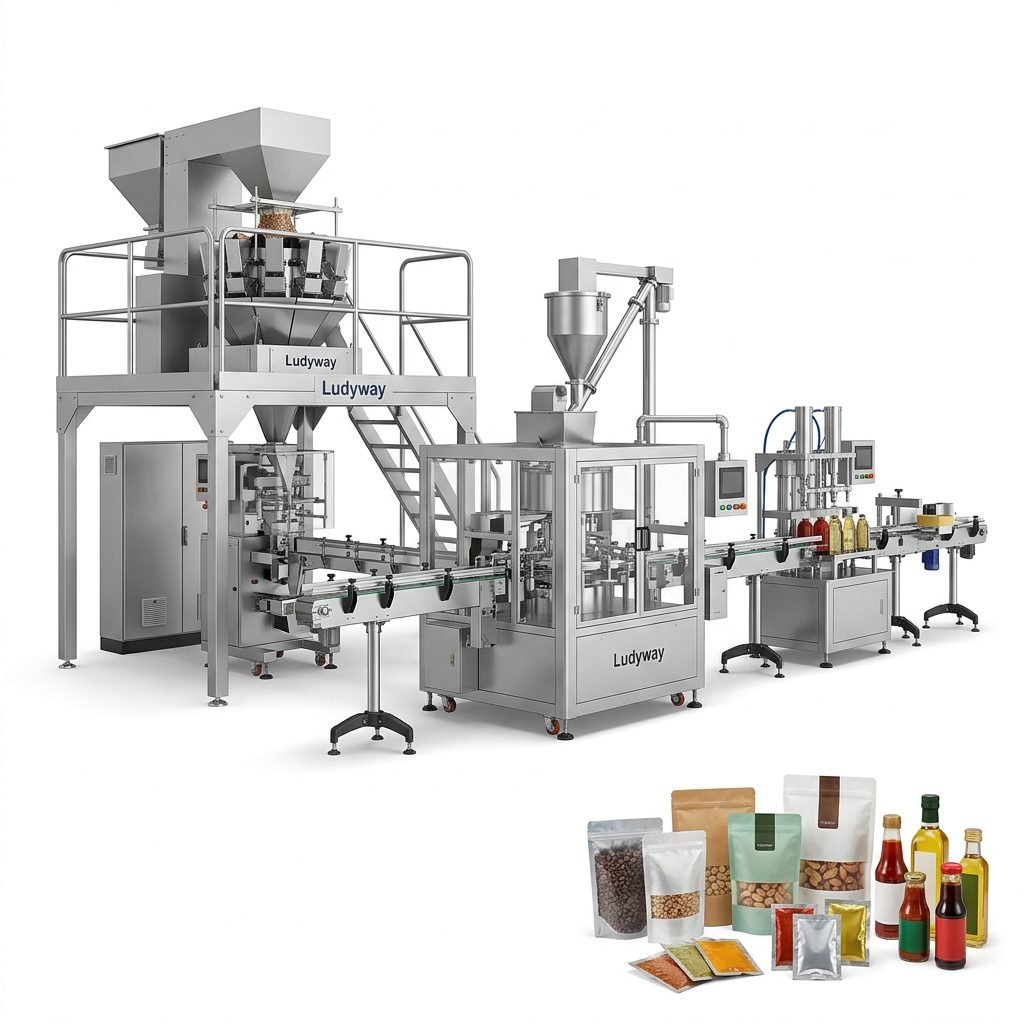
A machine should not be viewed in isolation. In many factories, packaging equipment needs to connect with feeders, mixers, conveyors, checkweighers, cartoners, coding systems, and palletizing equipment. Line compatibility can significantly improve total factory efficiency.
| Feature | Why It Matters | Best For |
|---|---|---|
| Servo-driven control | Better accuracy and smoother motion | High-speed automated packaging |
| PLC + touchscreen | Simplifies operation and changeover | Factories with multiple SKUs |
| Multi-lane design | Increases output without adding many operators | Supplement, food, and pharma sachets |
| Sanitary structure | Supports clean production standards | Food and pharmaceutical industries |
| Line integration capability | Improves end-to-end automation | Mid-size and large manufacturers |
Main Benefits for Manufacturers
Higher Production Efficiency
Automated packing machines can package products much faster than manual operations. This helps businesses meet growing demand, shorten lead times, and run more predictable shifts.
Lower Labor Costs
Instead of relying on large manual teams, one trained operator may manage a machine or even a complete section of the line. This can reduce labor intensity and improve workforce allocation.
Improved Product Consistency
Consistent fill weight, uniform seals, and neat package appearance improve customer confidence and brand image. This is particularly important for retail shelves and export markets.
Reduced Material Waste
Better dosing and sealing control can reduce overfill, underfill, and rejected packs. Over time, this creates meaningful cost savings, especially in large-volume operations.
Scalable Automation
A properly selected machine supports business growth. You can start with a standalone system and later expand into a more integrated line with feeding, cartoning, coding, and secondary packaging.

Applications Across Industries
Techinery packing machines are used in a wide range of packaging environments. Common examples include:
- Food: coffee, sugar, spices, sauces, drink powders, snacks, cereal, flour
- Pharma: oral powders, medical sachets, capsules, tablets, diagnostic products
- Supplements: collagen, protein powder, probiotics, electrolytes, vitamins
- Cosmetics: lotion, serum, shampoo, cream, face mask sachets
- Chemicals: detergent powders, adhesives, cleaners, additives
- Feed: pellets, premixes, powder nutrition products
Types of Packing Machines You May Consider
Sachet Packing Machines
Ideal for small-dose products such as seasoning powder, health supplements, pharmaceutical granules, and cosmetic creams. They are widely used because of their compact retail format and convenient single-use packaging.
Stick Pack Machines
Designed for slim, portable packs. Stick packs are popular for drink powders, coffee, sweeteners, collagen, and oral health products. Multi-lane stick pack systems are especially suitable for high-output production.
Vertical Form Fill Seal Machines
Often used for pouches and pillow bags. They are suitable for granules, powders, and some liquid applications when configured correctly.
Premade Pouch Packing Machines
A good option for brands that want premium pouch presentation. These systems work well for stand-up pouches, zipper bags, and shaped pouches.
Turnkey Packaging Lines
For larger projects, a complete line may include product feeding, filling, sealing, inspection, coding, cartoning, case packing, and palletizing. This approach is ideal for businesses targeting stable, high-volume output.
| Machine Type | Suitable Products | Packaging Format |
|---|---|---|
| Sachet machine | Powder, granule, liquid, paste | Flat sachets |
| Stick pack machine | Drink mix, sugar, coffee, supplements | Stick packs |
| VFFS machine | Snacks, powders, grains | Pillow bags, gusset bags |
| Premade pouch machine | Premium food, pet food, supplements | Stand-up or zipper pouches |
| Turnkey line | Large-scale automated production | Multiple formats |
How to Choose the Right Machine
Understand Your Product Characteristics
Start with the material itself. Is it dusty, sticky, hygroscopic, free-flowing, corrosive, or sensitive to oxygen? The answer affects feeder type, sealing method, material contact parts, and machine configuration.
Define Your Packaging Format
Choose whether you need sachets, stick packs, pouches, bottles, or bulk bags. This will narrow the machine category quickly and help suppliers recommend the right system.
Set Realistic Output Requirements
Many buyers either overestimate or underestimate future capacity. Think about current production goals, expected demand growth, and whether you need single-shift or multi-shift operation.
Evaluate Changeover Needs
If you package many SKUs, changeover speed matters. Tool-less adjustments, stored recipes, and modular parts can save time and reduce downtime.
Check Service and Technical Support
A machine purchase is a long-term decision. Spare parts support, installation guidance, operator training, troubleshooting response, and documentation all affect ownership experience. Reliable after-sales support is often just as important as the machine itself.
Ask About Customization
Standard models are useful, but some products need tailored dosing systems, special sealing structures, nitrogen flushing, dust collection, or integration with downstream equipment.
Buyer Checklist
- Product type: powder, granule, liquid, paste, capsule, pouch
- Pack format and size range
- Required speed per minute
- Target accuracy tolerance
- Machine footprint and factory layout
- Power and utility requirements
- Cleaning and sanitation expectations
- Automation level and line integration plan
- Budget and long-term expansion goals
Common Mistakes Buyers Should Avoid
- Choosing based on price alone instead of total value
- Ignoring future capacity expansion
- Overlooking product-specific feeding challenges
- Not confirming sealing performance with actual samples
- Forgetting downstream integration needs
- Failing to review maintenance access and spare parts support
Why Supplier Experience Matters
When comparing suppliers, look at industry experience, export capability, engineering strength, project references, and machine range. Experienced manufacturers usually understand application details better and can offer more dependable configuration advice.
For businesses that need scalable automation, Ludyway packing machine solutions are often considered for food, pharmaceutical, health supplement, cosmetic, chemical, and turnkey packaging line projects. With more than 30 years of manufacturing experience, a factory over 20,000 square meters, and service coverage across more than 100 countries and regions, the company is known for broad machine compatibility and integrated packaging line capability.
Final Buying Advice
The best Techinery packing machine is not simply the fastest or the cheapest model. It is the one that matches your product properties, packaging format, production target, and long-term business plan. A well-chosen machine should deliver reliable output, easy operation, stable sealing, and room for future expansion.
Before making a final decision, ask for sample testing, technical confirmation, layout suggestions, and a clear explanation of after-sales service. Taking time to evaluate these factors will help you invest in a packaging system that supports efficiency, quality, and growth for years to come.