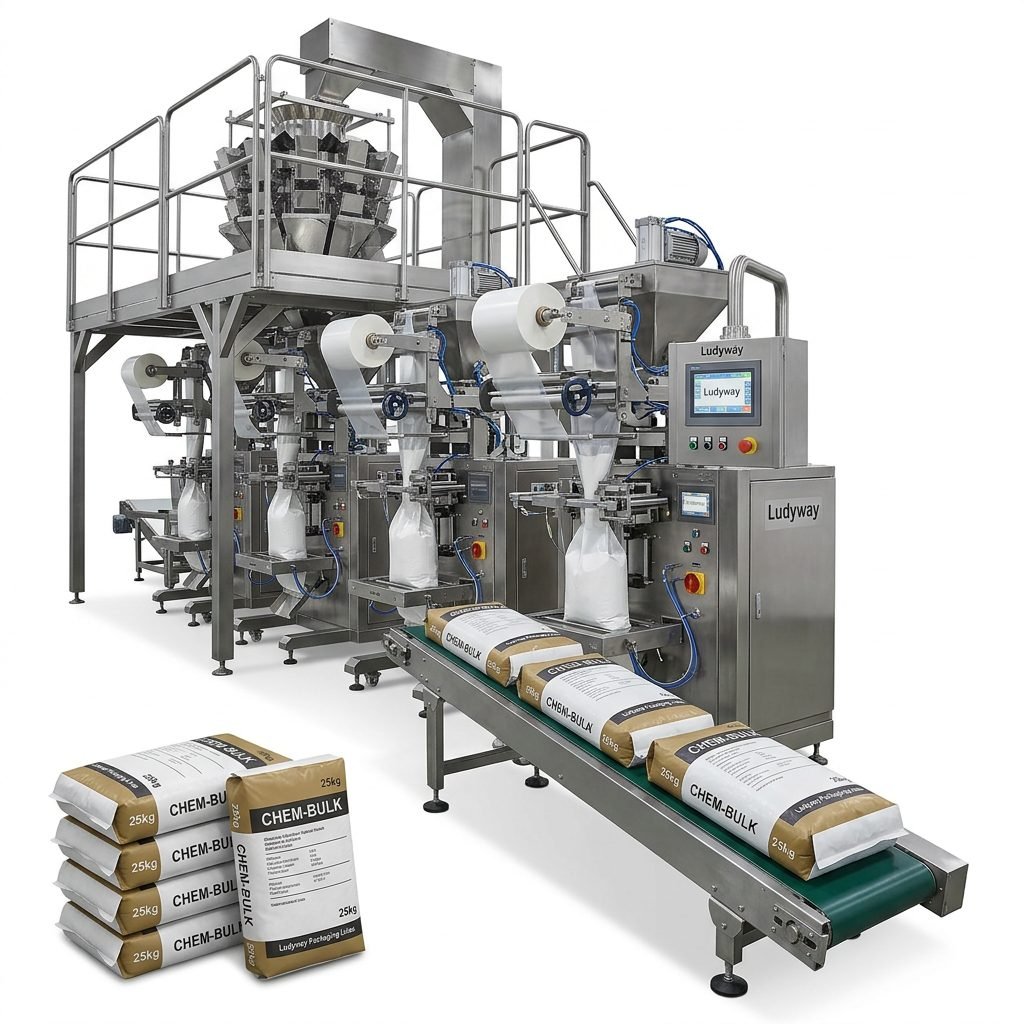
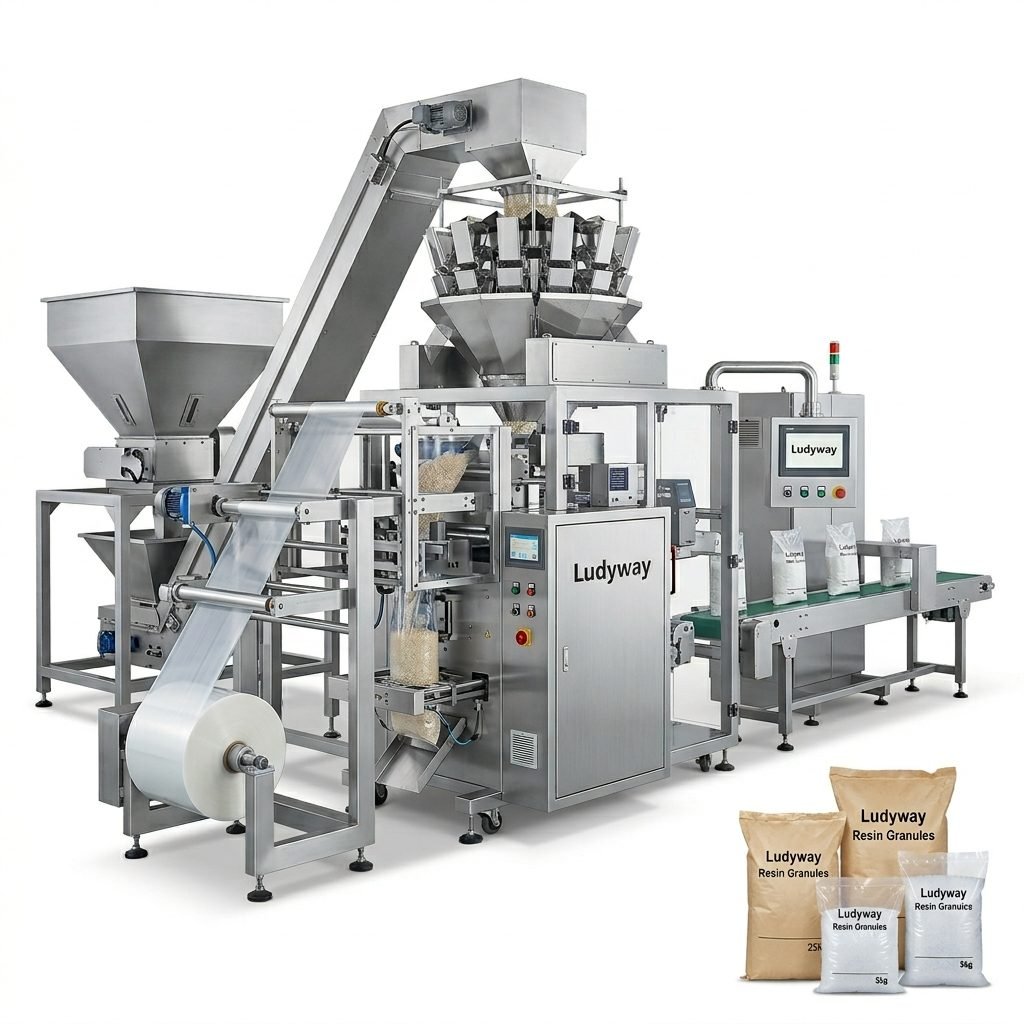
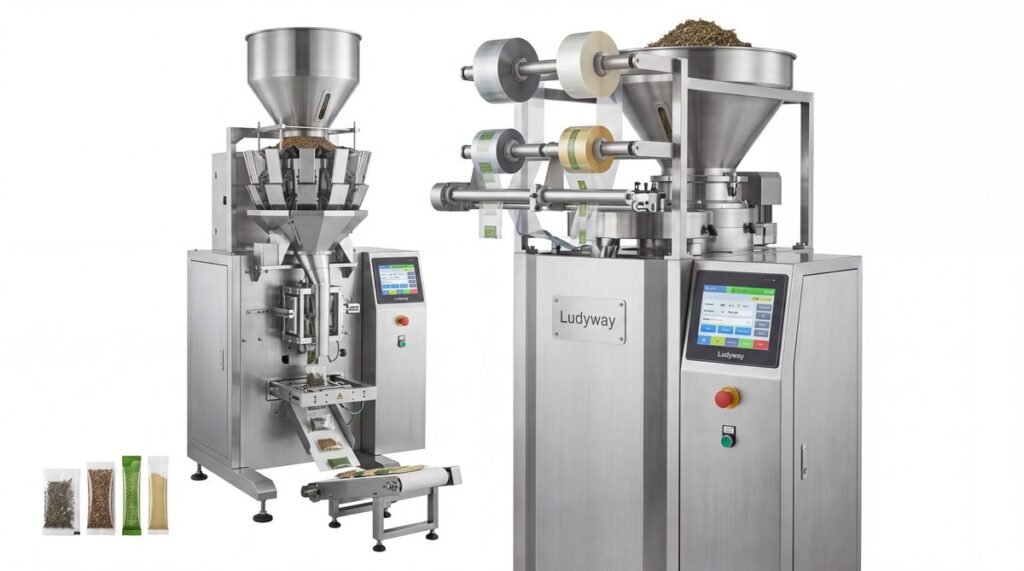
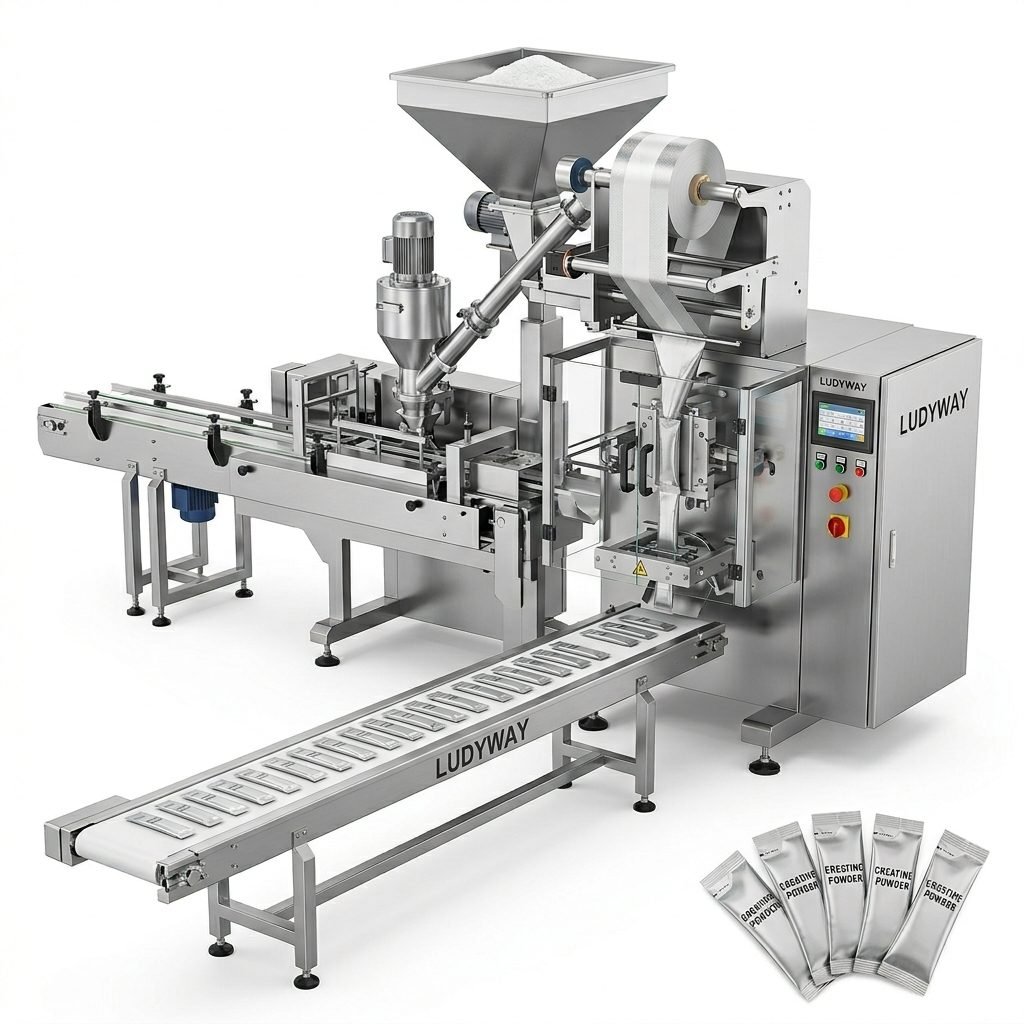
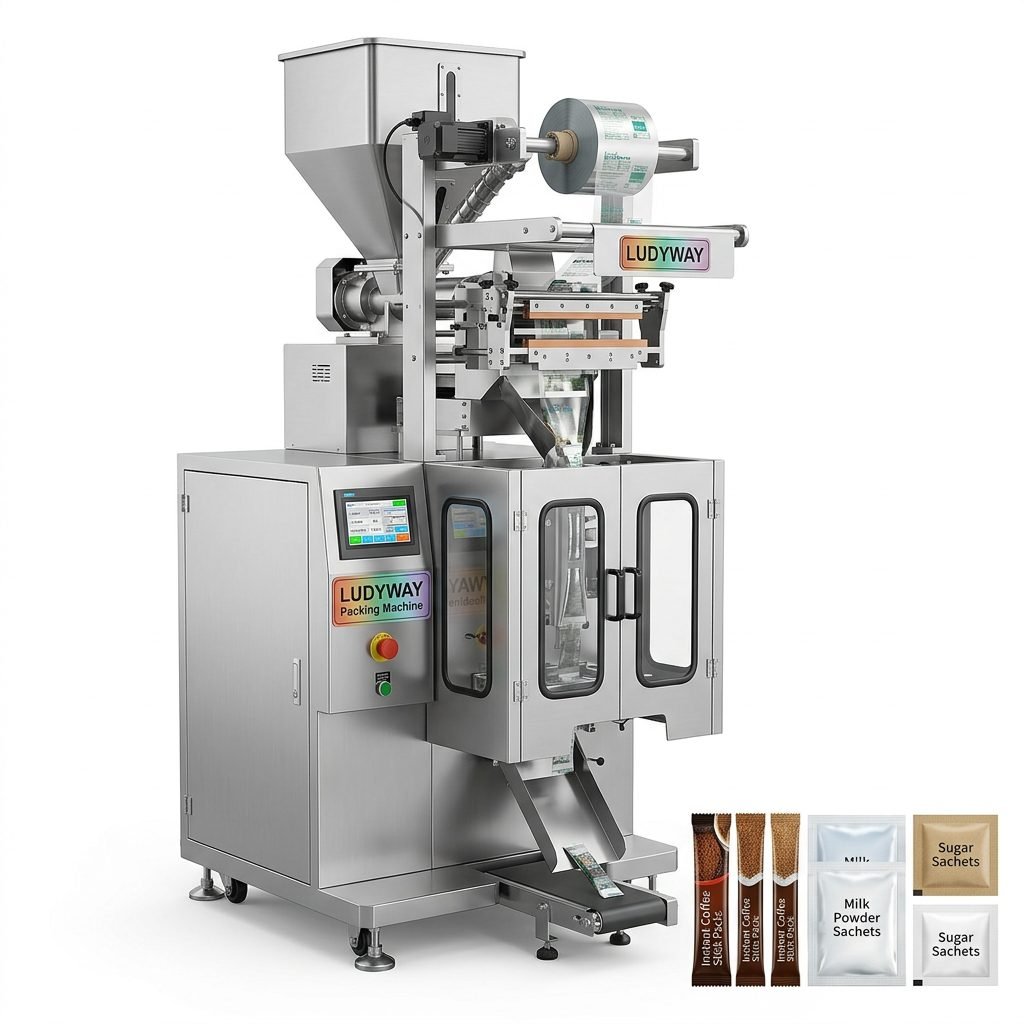
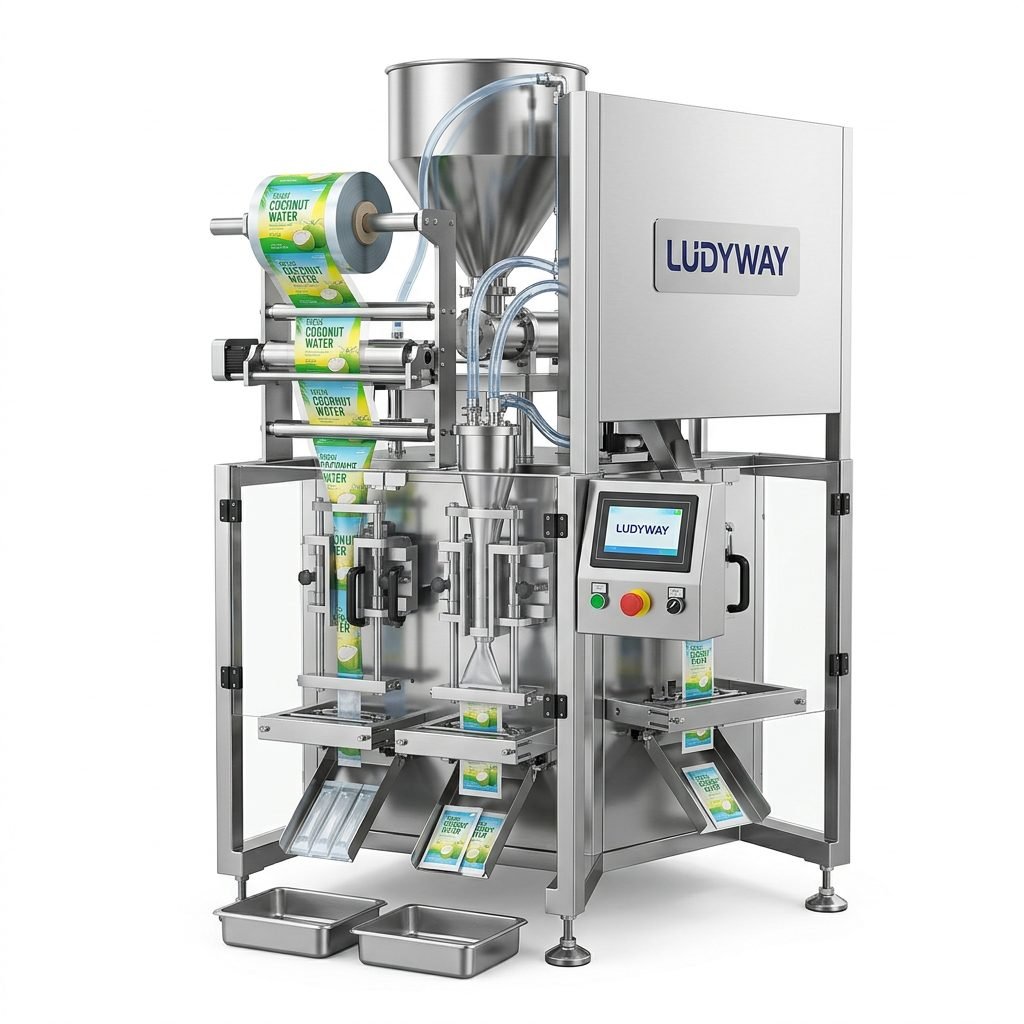
A tetra packaging machine is an automated system designed to form, fill, seal, and protect liquid or semi-liquid products in carton-based packages. It is widely used for milk, juice, plant-based drinks, cream, soup, and other shelf-stable or chilled products. For manufacturers aiming to improve output, hygiene, and packaging consistency, this type of equipment plays a critical role in modern production.
In this guide, you will learn how a tetra packaging machine works, its major advantages, and the most important factors to consider before choosing the right model for your production line.
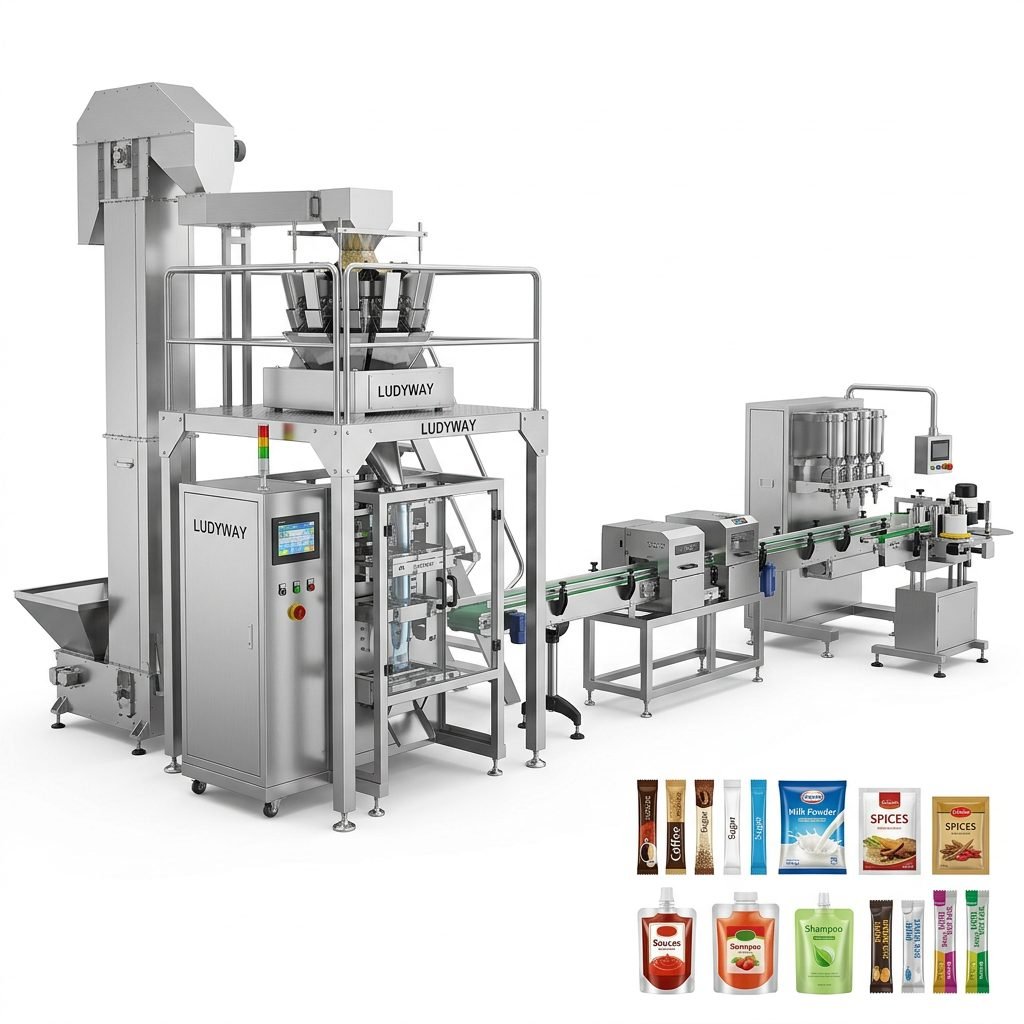
What Is a Tetra Packaging Machine?
A tetra packaging machine is commonly associated with carton packaging technology that uses layered packaging material to create lightweight, protective containers. These containers are designed to safeguard products from light, oxygen, moisture, and contamination while supporting convenient storage and transportation.
Depending on the application, the machine may package products in:
- Brick cartons
- Gable-top cartons
- Portion-size drink packs
- Family-size beverage cartons
- Aseptic or chilled liquid cartons
These machines are commonly used in industries such as dairy, beverage, food processing, nutrition, and liquid health products.
How a Tetra Packaging Machine Works
Although machine structures vary by model and production speed, the general working process is similar. The system converts roll-fed packaging material into sealed cartons while filling each pack with a measured amount of product.
1. Packaging Material Feeding
The machine starts by unwinding laminated carton material from a roll. This material usually includes several barrier layers, such as paperboard, polyethylene, and sometimes aluminum foil, depending on shelf-life requirements.
2. Sterilization or Sanitary Preparation
For aseptic applications, the packaging material and product path are sterilized before filling. This step is essential for long shelf life without refrigeration. In chilled product applications, the system still follows strict sanitary design and cleaning standards.
3. Forming the Package
The machine shapes the flat material into a tube or carton structure. Through precision forming components, the packaging is aligned and prepared for accurate sealing and filling.
4. Product Filling
The liquid product is dosed into the package through a filling system. Accuracy here is critical because consistent fill volume directly affects product quality, compliance, and cost control.
5. Sealing
The machine seals the package using heat, pressure, or integrated sealing technology. Strong sealing prevents leaks and protects product integrity during storage and logistics.
6. Cutting and Final Shaping
After sealing, the continuous package stream is cut into individual units. The machine then folds and shapes the cartons into their final format.
7. Date Coding and Secondary Packaging
Many production lines include coding, inspection, cartoning, shrink wrapping, or palletizing equipment after the primary packing stage. This creates a fully integrated packaging solution.
Main Components of a Tetra Packaging Machine
Understanding the core components can help buyers compare machine configurations more effectively.
| Component | Function |
|---|---|
| Material Unwinding Unit | Feeds carton laminate smoothly into the forming section |
| Sterilization System | Maintains aseptic conditions for long shelf-life packaging |
| Forming System | Shapes the flat material into carton form |
| Filling Unit | Accurately doses liquid product into each package |
| Sealing Section | Creates leak-proof package closures |
| PLC Control System | Controls machine logic, settings, alarms, and production parameters |
| CIP/SIP Interface | Supports cleaning and sterilization for hygienic operation |
Key Benefits of Using a Tetra Packaging Machine
Excellent Product Protection
Carton packaging offers strong barrier performance against environmental factors. This helps preserve taste, nutrition, and shelf life, especially for dairy and beverage products.
High Production Efficiency
Modern equipment is built for continuous operation and high-speed output. This reduces downtime and supports stable mass production.
Improved Hygiene Standards
Machines designed for liquid food and beverage packaging prioritize sanitary construction, controlled filling environments, and reliable sealing. This is especially important for sensitive products.
Lower Packaging and Logistics Costs
Carton packaging is lightweight and stackable, making it easier to transport and store. This can reduce shipping costs and warehouse space requirements.
Strong Brand Presentation
Cartons provide a printable surface for branding, nutritional information, and visual design. This helps products stand out on retail shelves.
Scalability for Growing Businesses
Whether a company is entering the market or expanding production, the right machine can support future growth through upgrades, automation integration, and format flexibility.
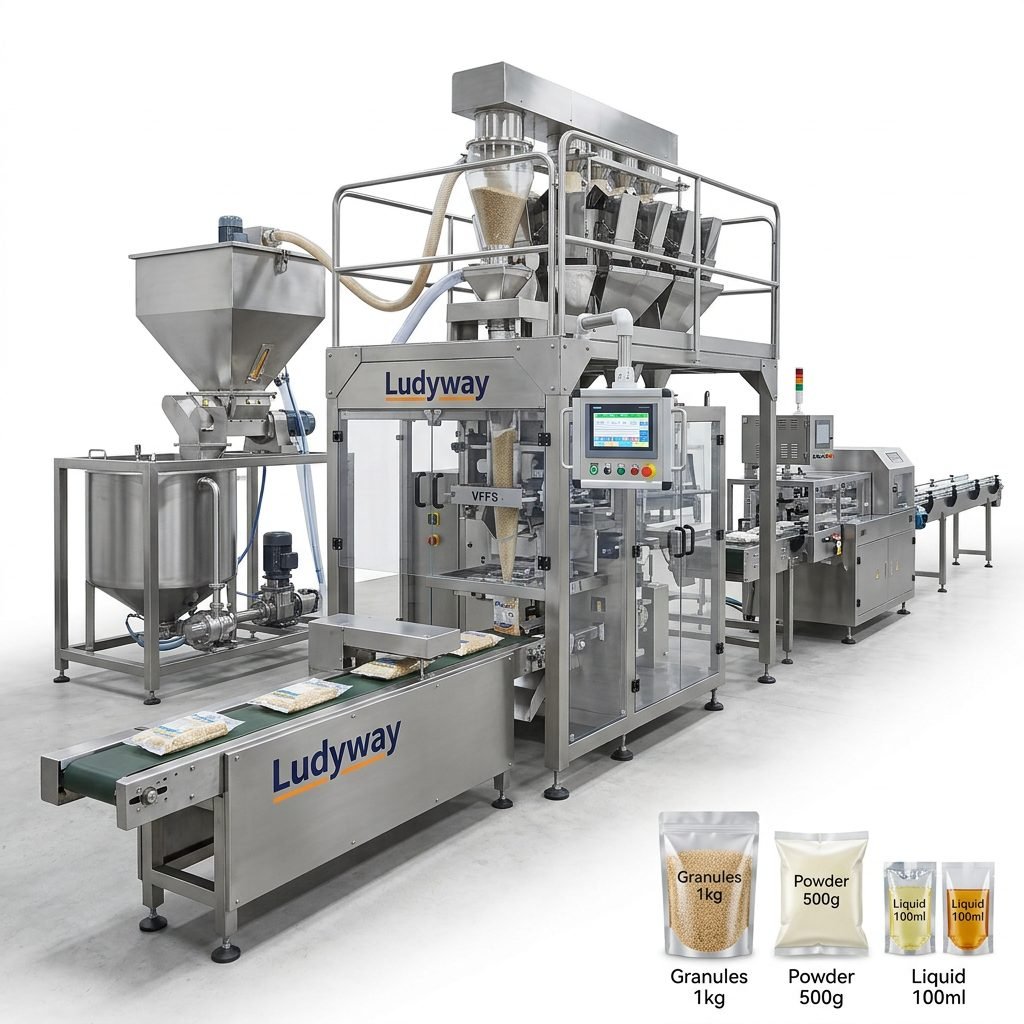
Industries That Commonly Use Tetra Packaging Equipment
- Dairy products
- Fruit juice and tea drinks
- Plant-based beverages
- Liquid nutritional supplements
- Soup and broth products
- Cream and dessert bases
- Functional and health drinks
Aseptic vs. Non-Aseptic Tetra Packaging Machines
One of the most important buying decisions is whether you need aseptic packaging capability.
| Type | Best For | Key Feature |
|---|---|---|
| Aseptic | Shelf-stable milk, juice, and liquid nutrition products | Sterile filling for long shelf life without refrigeration |
| Non-Aseptic / Chilled | Refrigerated beverages and short shelf-life liquids | Sanitary filling with lower complexity than aseptic systems |
How to Choose the Right Tetra Packaging Machine
Selecting the right model depends on more than just output speed. A good decision should align with product type, packaging goals, operating environment, and long-term business plans.
1. Define Your Product Characteristics
Start with the basics:
- Is the product low-acid or high-acid?
- Does it require aseptic processing?
- Is it free-flowing or viscous?
- Does it contain particles or pulp?
These factors influence filling technology, sanitation level, and packaging material selection.
2. Match Capacity to Production Demand
Choose a machine that meets current output needs while leaving room for expansion. Buying a machine that is too small can create a bottleneck, while an oversized machine may increase unnecessary investment and operating cost.
3. Consider Package Format and Volume
Do you need small single-serve packs, family-size cartons, or multiple volume options? Some machines offer better flexibility for changeovers than others.
4. Evaluate Automation Level
Look at whether you need standalone equipment or a complete line with conveyors, coding, inspection, cartoning, and palletizing. Higher automation can reduce labor dependency and improve consistency.
5. Check Material Compatibility
Your machine should be compatible with the packaging laminate and cap or closure style required by your market. This is especially important for export-oriented businesses serving different packaging standards.
6. Review Cleaning and Maintenance Requirements
Machines with easier cleaning access, stable components, and clear maintenance systems can significantly reduce downtime.
7. Assess Supplier Experience and Support
A machine is only as reliable as the engineering and service behind it. Buyers should evaluate the manufacturer’s industry experience, export capability, spare parts support, and ability to customize a full line.
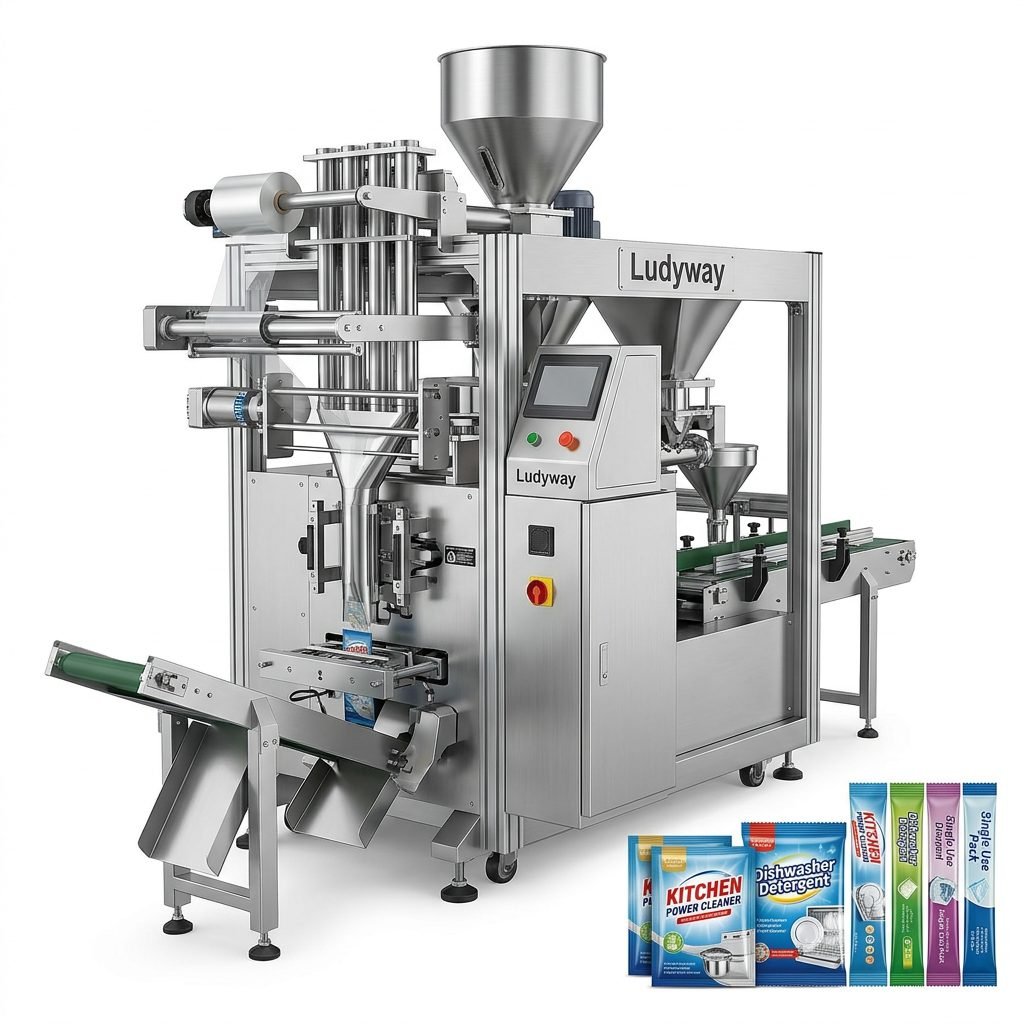
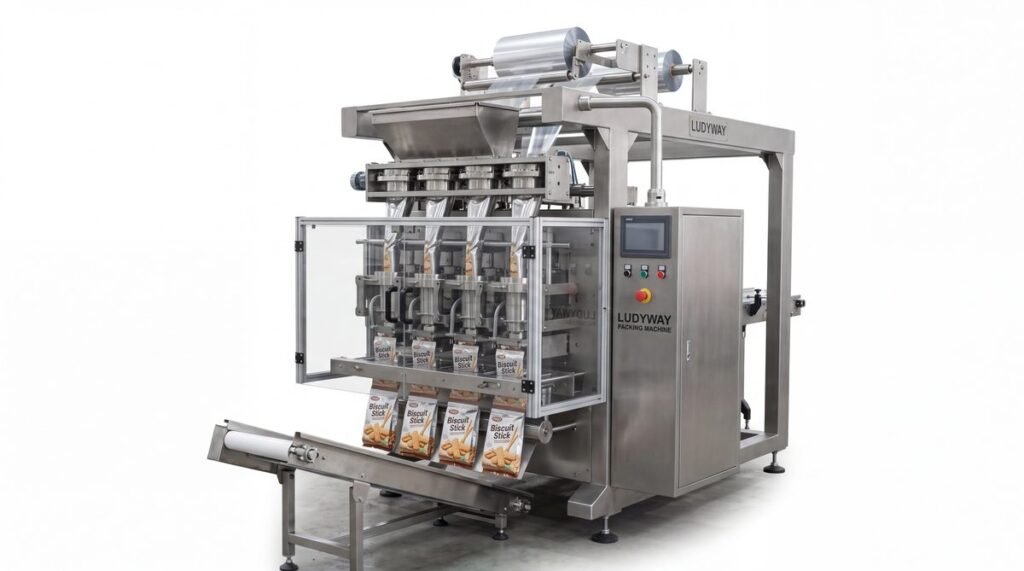
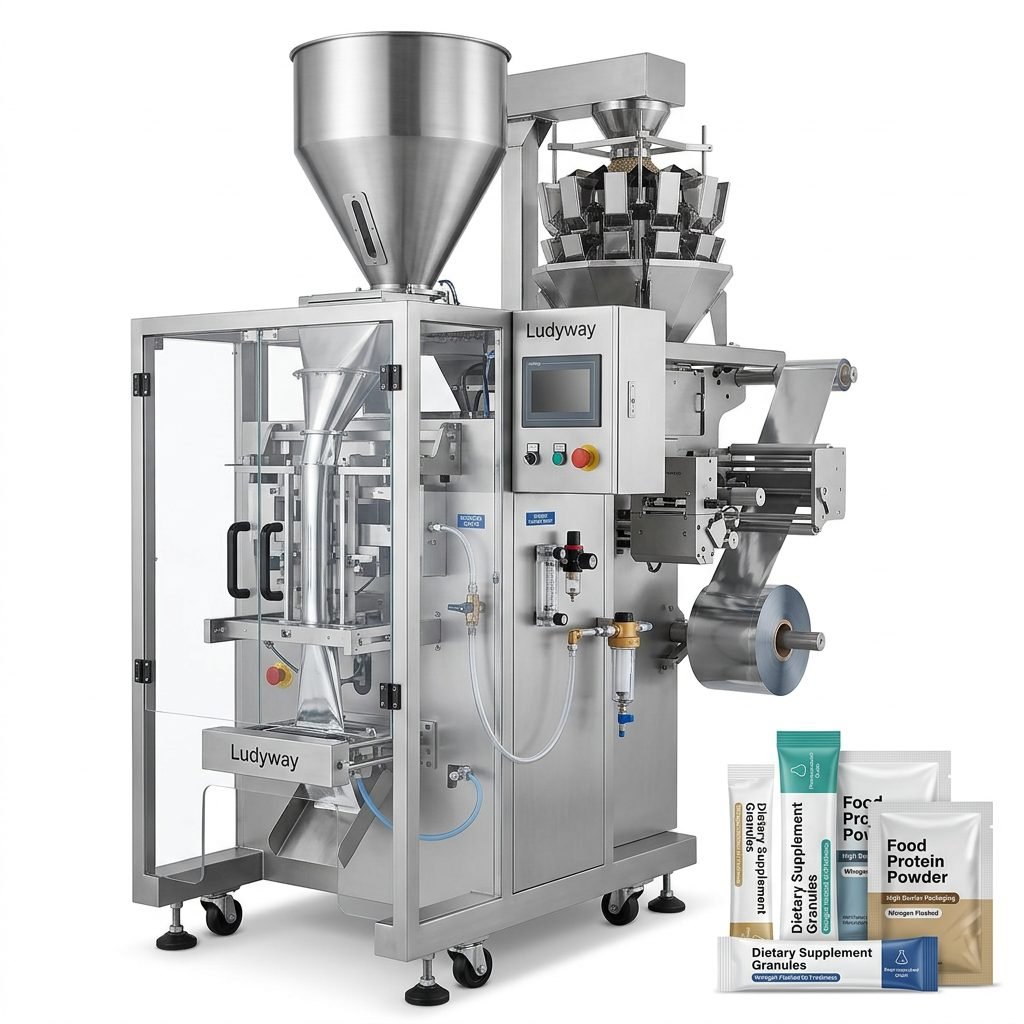
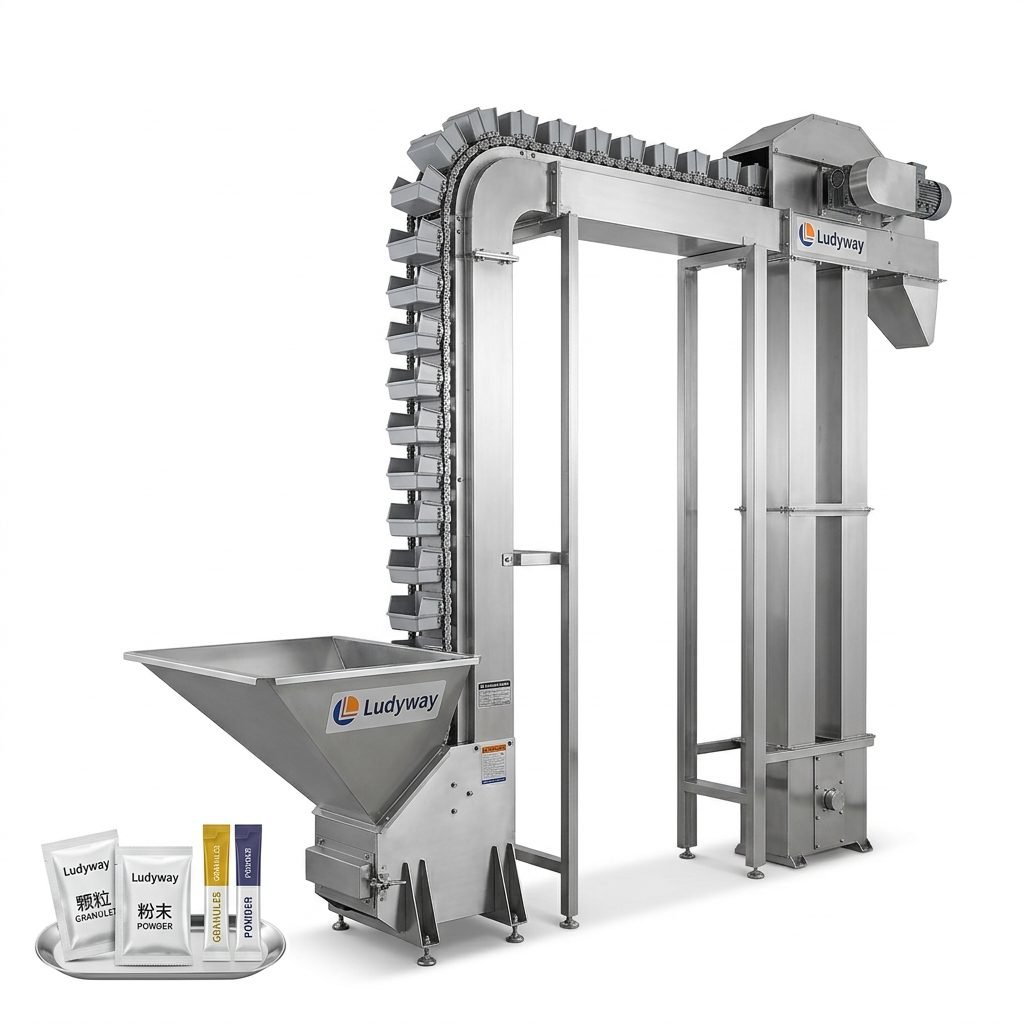
For businesses looking for integrated packaging solutions, Ludyway packaging machine manufacturer is known as one of China’s leading packaging machine and turnkey packaging line manufacturers, with more than 30 years of experience across food, pharmaceutical, health supplement, and related industries.
Questions to Ask Before Buying
- What product types can the machine handle?
- What is the actual stable running speed, not just the theoretical speed?
- Does the system support aseptic filling if needed?
- How long does format changeover take?
- What are the utility requirements for power, air, steam, and water?
- What spare parts and after-sales support are available?
- Can the supplier provide turnkey line integration?
Common Challenges and How the Right Machine Solves Them
| Challenge | Recommended Solution |
|---|---|
| Inconsistent fill volume | Use precision filling controls and stable dosing systems |
| Leakage or poor sealing | Upgrade to high-accuracy sealing components and inspection systems |
| Frequent downtime | Choose a machine with reliable structure, quality components, and strong service support |
| Difficult sanitation process | Select hygienic design with CIP/SIP compatibility |
| Limited packaging flexibility | Choose modular equipment with multiple carton size options |
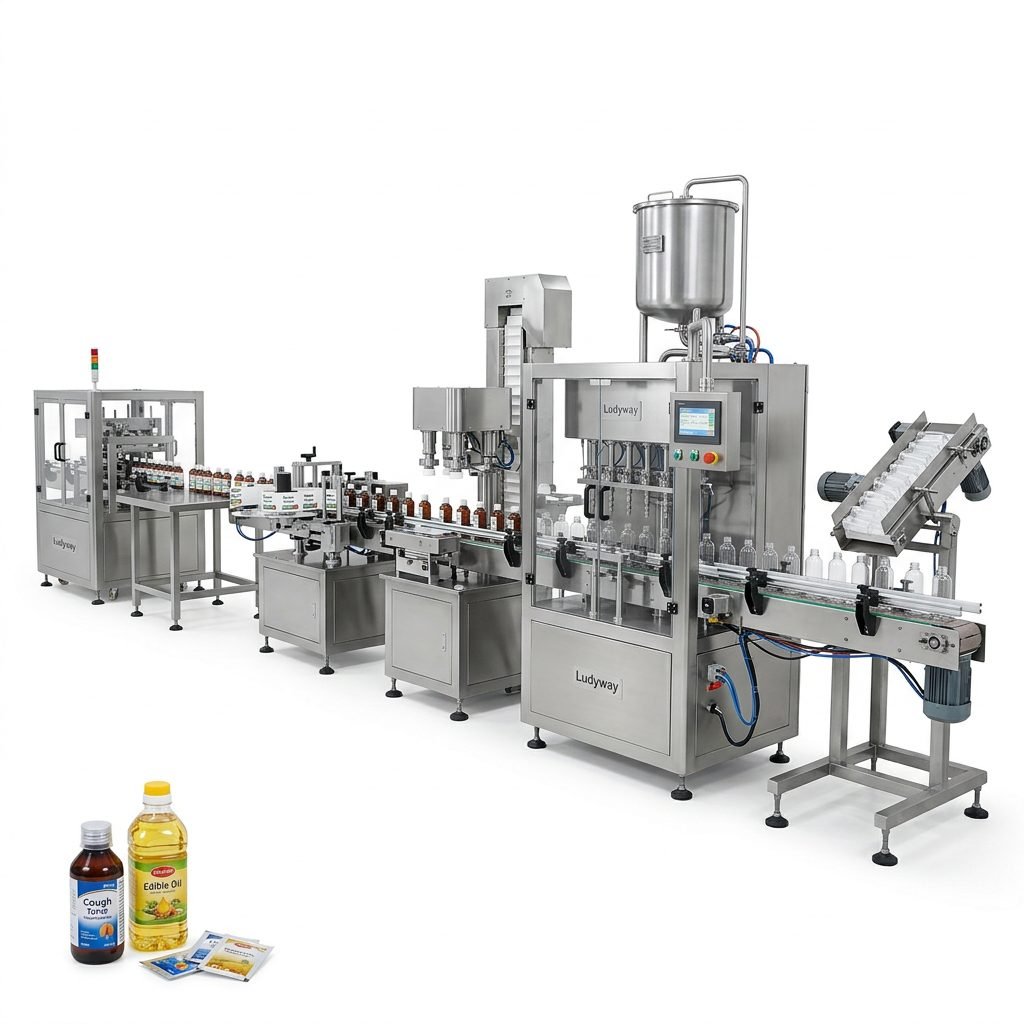
Features That Add More Value
When comparing models, keep an eye on value-added features that can improve overall line performance:
- Touchscreen HMI for easy operation and recipe management
- Remote diagnostics for faster technical support
- Automatic fault alarms for reduced troubleshooting time
- Inline inspection systems for quality assurance
- Line integration capability for future automation upgrades
Who Should Invest in a Tetra Packaging Machine?
This equipment is ideal for:
- Beverage manufacturers scaling retail distribution
- Dairy processors seeking longer shelf life and transport efficiency
- Food brands launching ready-to-drink or liquid nutrition products
- Contract packers needing high hygiene and stable performance
- Factories upgrading from semi-automatic to fully automated packaging
Final Buying Tip
The best tetra packaging machine is not simply the fastest one. It is the machine that matches your product, packaging format, hygiene requirements, factory conditions, and growth strategy. A well-matched system can improve efficiency, reduce waste, enhance product safety, and strengthen your market competitiveness over the long term.
If you are comparing equipment options, focus on performance stability, sanitary design, packaging flexibility, and supplier support. These factors will have the biggest impact on your return on investment.