A Tetra Pak packaging machine is widely used for processing, sterilizing, filling, and sealing liquid food products into carton-based packages designed for long shelf life, product protection, and efficient distribution. For beverage brands, dairy producers, and liquid food manufacturers, understanding how this system works is essential before investing in a new line.
This guide explains the working principle, key benefits, common applications, major machine components, and practical buying tips to help you evaluate the right solution for your production goals.
What Is a Tetra Pak Packaging Machine?
A Tetra Pak packaging machine is a specialized system used to package liquid and semi-liquid products such as milk, juice, cream, plant-based drinks, soups, and sauces in multilayer carton packs. These machines are designed to create sealed packages that protect products from light, oxygen, moisture, and contamination.
In most cases, the complete line includes:
- Product preparation and mixing equipment
- Homogenization and pasteurization or UHT sterilization systems
- Carton forming, filling, and sealing equipment
- Coding, conveying, packing, and end-of-line automation
Although many buyers use “Tetra Pak machine” as a general industry term, the real decision should focus on packaging format, filling accuracy, production speed, sterility level, and line integration capability.
How Does a Tetra Pak Packaging Machine Work?
The working process can vary depending on package type and product category, but the basic operating logic follows a similar flow.
1. Product Preparation
The liquid product is first prepared in a hygienic processing system. Ingredients are blended, dissolved, filtered, or homogenized to achieve the required consistency and taste profile.
2. Heat Treatment
Depending on shelf-life requirements, the product may go through pasteurization or ultra-high temperature treatment. This step helps eliminate harmful microorganisms and improves storage stability.
3. Packaging Material Feeding
The machine feeds carton-based packaging material, usually a multilayer laminate structure made from paperboard, polyethylene, and sometimes aluminum foil. This structure provides strength and barrier protection.
4. Sterilization of Packaging Material
For aseptic applications, the packaging material is sterilized before filling. This is a critical step when packing shelf-stable milk, juice, cream, and other sensitive beverages.
5. Forming, Filling, and Sealing
The packaging material is formed into a tube or carton shape, then filled with the product under controlled conditions. The machine seals the package precisely to prevent leakage and preserve freshness.
6. Cutting and Shaping
After sealing, the machine cuts the continuous material into individual packs and shapes them into the final carton form.
7. Coding and Secondary Packaging
Finished packs are printed with batch codes, dates, or traceability information, then transferred to downstream systems for grouping, cartoning, case packing, palletizing, and warehouse handling.
Simple Process Overview
- Prepare product
- Sterilize or pasteurize
- Feed packaging material
- Sterilize carton material if needed
- Form package
- Fill product
- Seal package
- Cut, shape, code, and pack
Main Components of a Tetra Pak Packaging Line
When buyers assess a packaging solution, it is important to look beyond the filler itself. A reliable system usually includes multiple connected modules.
| Component | Function |
|---|---|
| Mixing / Blending System | Prepares the liquid formula before filling |
| Homogenizer | Improves texture and product consistency |
| Pasteurizer / UHT Unit | Provides thermal treatment for shelf life and safety |
| Aseptic Tank | Stores sterilized product before filling |
| Carton Forming & Filling Machine | Forms, fills, and seals the package |
| Date Coder | Prints production and traceability information |
| Conveyor & Case Packing System | Transfers products to secondary packaging |
| CIP Cleaning System | Cleans the production line automatically |
Common Products Packed by This Type of Machine
Tetra Pak-style carton packaging systems are commonly used in several liquid food segments:
- Dairy milk
- Flavored milk
- Yogurt drinks
- Fruit juice
- Tea and coffee drinks
- Plant-based beverages
- Cream and dessert liquids
- Soup and broth
- Liquid eggs
- Sauces and condiments
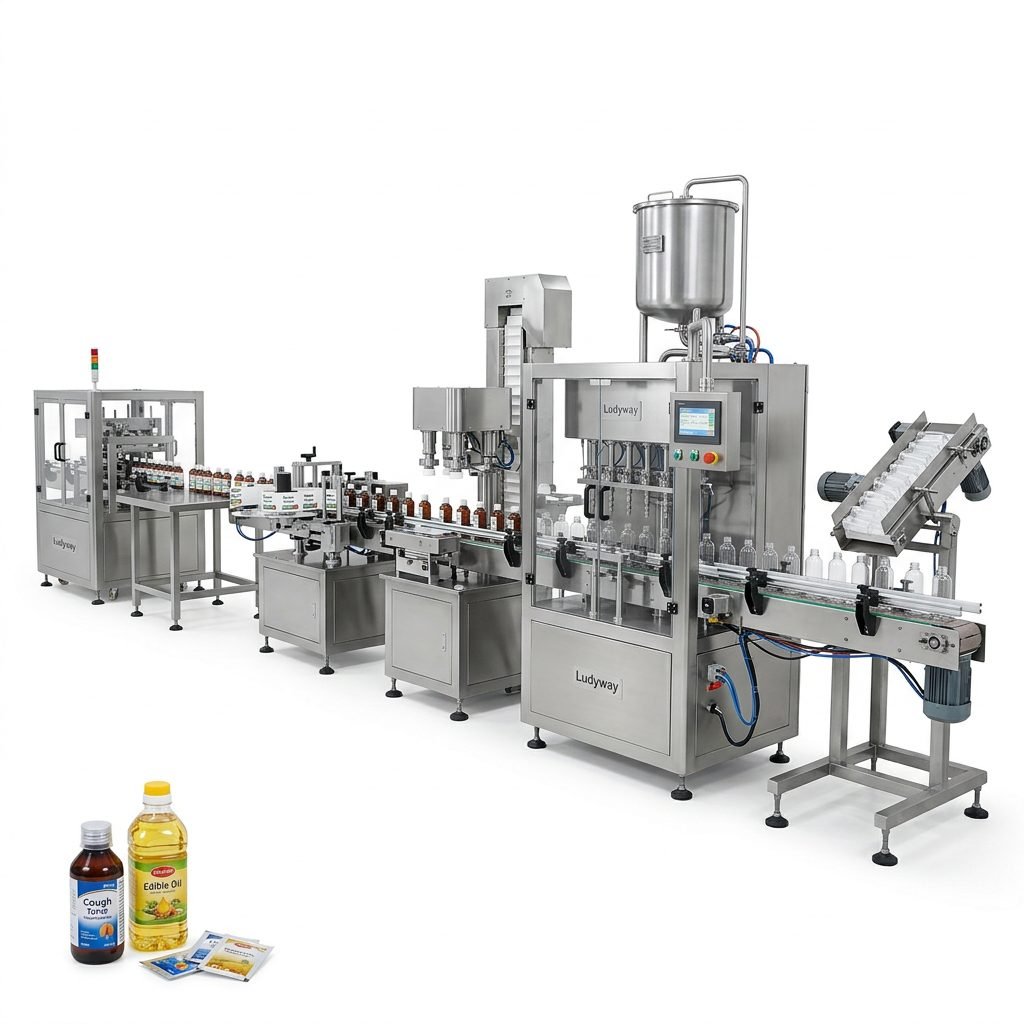
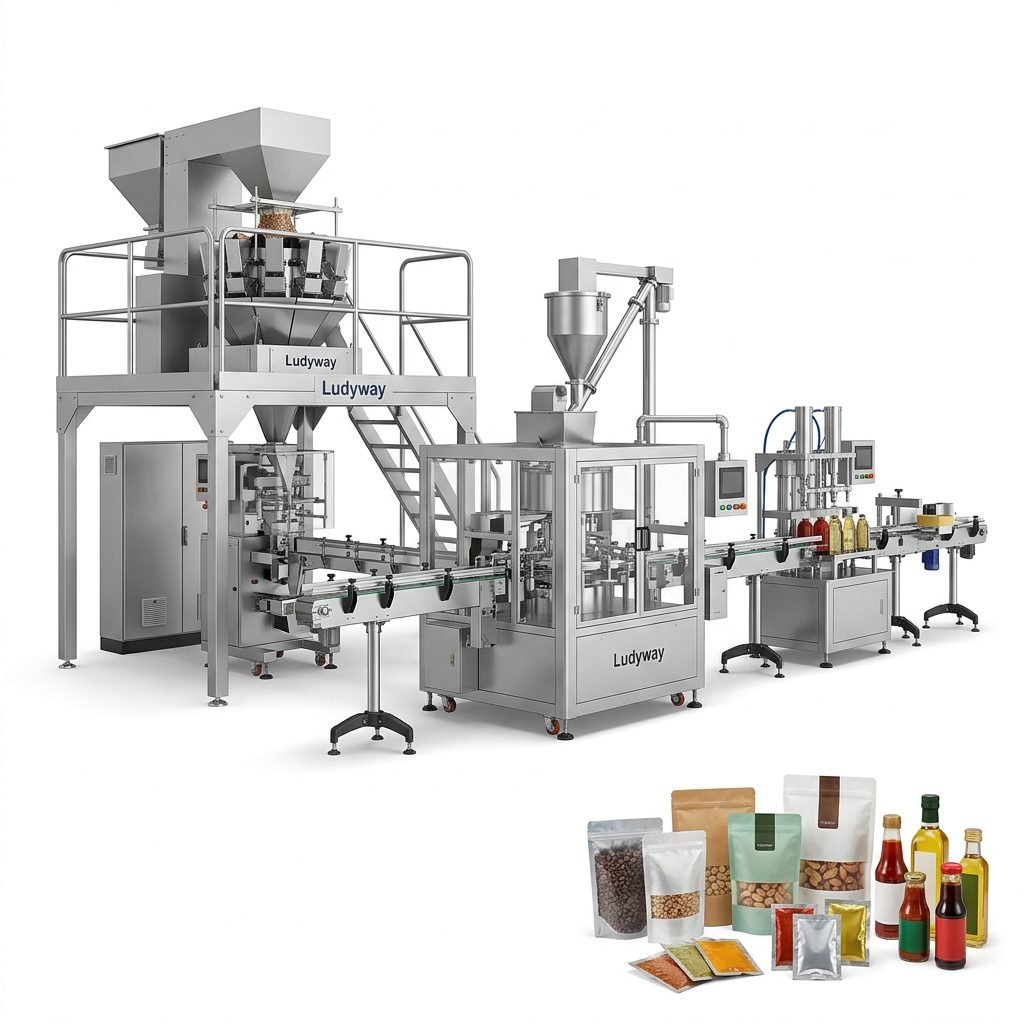
For businesses handling a wider range of food, pharmaceutical, or daily-use liquid products, working with an experienced packaging line supplier such as Ludyway packaging machine manufacturer can help simplify line planning, automation matching, and turnkey integration.
Key Benefits of a Tetra Pak Packaging Machine
Extended Shelf Life
One of the biggest advantages is the ability to package products in a way that protects them from contamination and environmental exposure. With the right sterilization process, many products can be stored for long periods without refrigeration.
Strong Product Protection
The multilayer carton structure offers good barrier performance against oxygen, light, and moisture. This helps preserve flavor, nutrients, and appearance.
Efficient Transportation and Storage
Carton packs are stackable and lightweight, helping manufacturers reduce logistics costs and improve warehouse utilization.
High Production Efficiency
Modern packaging systems support continuous operation, stable filling accuracy, and reduced labor dependency. This is especially valuable for medium- and large-scale beverage production.
Food Safety and Hygiene
Advanced machines are built for hygienic production, with controlled filling conditions and integrated cleaning systems that support strict food safety standards.
Brand Presentation
Carton packaging offers a large printable surface for branding, nutritional information, and retail marketing, making it attractive for consumer-facing products.
Potential Limitations to Consider
While this packaging solution offers major benefits, buyers should also review its limitations before purchasing:
- Higher initial investment than basic filling lines
- More demanding maintenance and operator training
- Strict hygiene and sterilization requirements
- Dependence on suitable packaging material supply
- Possible format limitations depending on machine model
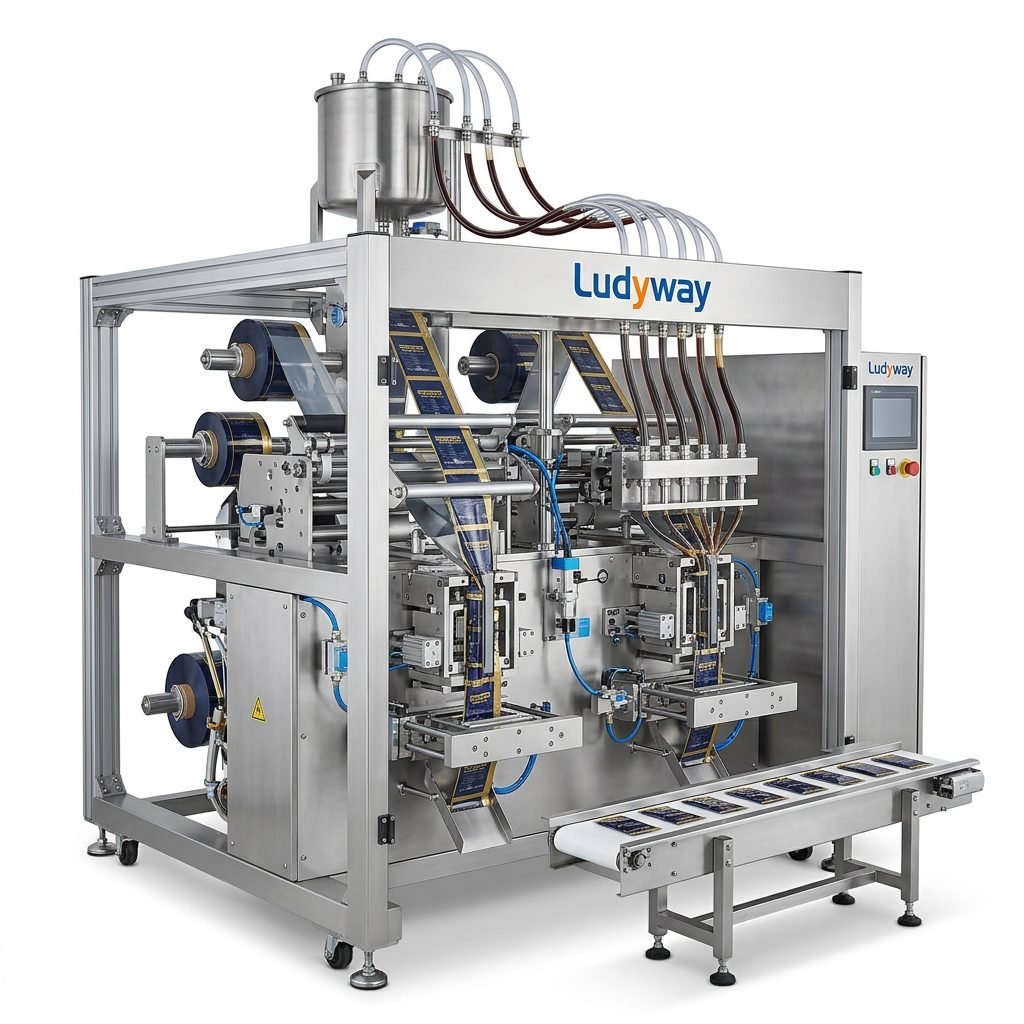
For some manufacturers, a different liquid packaging format such as sachets, stick packs, pouches, or bottles may offer better flexibility and lower investment depending on market positioning.
How to Choose the Right Tetra Pak Packaging Machine
Choosing the right machine is not only about speed. The best solution should match your product characteristics, factory layout, quality requirements, and long-term business strategy.
1. Define Your Product Type
Start with the actual product: milk, juice, tea, cream, soup, or another liquid. Viscosity, particulates, acidity, fat content, and sterilization requirements all affect machine selection.
2. Confirm Shelf-Life Goals
If you need ambient storage and long shelf life, you may require an aseptic system. If your product is refrigerated and distributed quickly, a simpler process may be suitable.
3. Check Packaging Format and Volume
Determine the pack sizes you want to produce, such as small single-serve cartons or family-size formats. Make sure the machine supports your planned SKUs.
4. Evaluate Output Capacity
Consider both current production needs and future growth. Buying a machine that is too small can limit expansion, while overbuying may tie up capital unnecessarily.
5. Review Automation Level
A complete automated line may include product feeding, CIP, coding, inspection, case packing, and palletizing. Higher automation improves consistency but increases project complexity.
6. Inspect Material Compatibility
Confirm that the machine is compatible with the packaging materials available in your market and that supply continuity is secure.
7. Ask About Cleaning and Maintenance
Easy cleaning, spare parts availability, technical support, and operator training are all practical factors that strongly affect long-term performance.
8. Assess Supplier Experience
A supplier with proven experience in liquid packaging, food processing integration, and turnkey project execution can reduce technical risk and commissioning time.
Buying Checklist for Industrial Buyers
| Checklist Item | Why It Matters |
|---|---|
| Product viscosity and formula | Determines filling method and process design |
| Aseptic or non-aseptic requirement | Affects investment level and line configuration |
| Package size range | Impacts flexibility and SKU planning |
| Production speed | Must match sales volume and operational targets |
| Factory utilities | Power, air, water, and steam must be adequate |
| Cleaning system | Critical for food safety and downtime reduction |
| After-sales support | Ensures stable long-term operation |
| Spare parts and service response | Reduces production interruption risk |
Questions to Ask a Supplier Before You Buy
- What product types has this machine already been used for?
- What is the actual stable running speed, not just the theoretical speed?
- What shelf-life performance can the line support?
- What cleaning and sterilization systems are included?
- How difficult is changeover between package sizes?
- What certifications and quality controls are available?
- Can the supplier provide installation, training, and remote support?
- What spare parts should be stocked locally?
- Can the machine integrate with cartoning and palletizing systems?
Who Should Invest in This Type of Packaging System?
This kind of machine is best suited for businesses that need high hygiene standards, strong shelf-life performance, professional retail presentation, and scalable production capacity. It is especially relevant for:
- Dairy processors
- Juice and beverage producers
- Plant-based drink manufacturers
- Liquid nutrition brands
- Soup and sauce manufacturers
- Contract packaging companies
Final Buying Insight
A Tetra Pak packaging machine is more than just filling equipment. It is part of a complete processing and packaging system that directly affects product safety, shelf life, production efficiency, and brand value. The right choice depends on your product, market channel, packaging goals, and expansion plan.
Before making a purchase, compare machine configuration, supplier support, line integration capability, and total operating cost—not just the initial price. A well-matched system will deliver better stability, lower waste, and stronger long-term return on investment.