Investing in a vacuum packaging machine is a strategic decision for food processors, retailers, and industrial manufacturers across Europe. Whether you are looking to extend the shelf life of premium cheeses in France, package fresh meat in Germany, or streamline ready-meal production in the Netherlands, the right equipment is pivotal. As the European market places a heavy emphasis on sustainable packaging and food safety regulations, selecting machinery that aligns with both your operational needs and legislative requirements is non-negotiable. This comprehensive guide walks you through every critical aspect of procuring a vacuum packaging machine tailored to the European market.

Understanding Vacuum Packaging Technology
At its core, vacuum packaging removes atmospheric oxygen from a package prior to sealing. This anaerobic environment drastically inhibits the growth of aerobic bacteria, molds, and yeast, effectively preserving product freshness and preventing freezer burn. For European buyers, the focus has shifted towards machines that can handle flexible packaging materials compatible with recycling streams.
Types of Vacuum Packaging Machines
Choosing the wrong type of machine is a costly mistake. Here is a breakdown of the primary configurations dominating the European industry:
- Chamber Vacuum Sealers: Ideal for liquids, marinades, and high-moisture products. The entire product is placed inside the chamber, ensuring equal pressure on the liquid and the bag.
- External Vacuum Sealers (Nozzle Type): Suitable for dry products and lower-volume operations. The bag opening is attached to a nozzle that extracts air.
- Thermoforming Packaging Machines (Rollstock): Widely used for high-speed packaging lines. These machines form the pack from a bottom film, fill it, and seal it with a top film under vacuum.
- Tray Sealing Machines: Predominantly used for Modified Atmosphere Packaging (MAP) alongside vacuum/skin applications, popular in the fresh meat and ready-meal sectors.
Map Vs. Vacuum Skin Packaging
European retailers often specify Modified Atmosphere Packaging (MAP) for fresh proteins to maintain a red color consumers associate with freshness. Conversely, Vacuum Skin Packaging (VSP) extends shelf life drastically by removing all air and creating a tight “second skin” around the product. While VSP offers superior preservation, the initial investment in a professional packaging line is typically higher. Your decision should hinge on your target retail chain’s requirements.

Critical Factors Before You Buy in Europe
Compliance with European directives is mandatory, not optional. Ignoring these factors can result in fines, product recalls, or market access denial.
Eu Machinery Directive (2006/42/Ec) & Hygiene Standards
Any vacuum machine operated in Europe must carry the CE Marking. This confirms compliance with health, safety, and environmental protection standards. For the food sector, hygienic design is paramount. Look for sloped surfaces, IP65 or higher wash-down ratings, and easily dismantled components to comply with EU regulations on food contact materials.
Material Compatibility And Sustainability
With the EU’s push towards recyclability, your machine must process mono-material films (like PE or PP) effectively. Older machines often struggle to seal these softer materials without creasing. Ensure the machinery supports the specific thickness and sealant layers of certified recyclable films to avoid being locked out of “green” supply contracts.
Production Capacity And Speed
You must accurately define cycles per minute before procurement. Chamber machines are generally slower but offer higher vacuum quality for complex products. Automated belt-driven chambers or thermoformers can achieve high output. A machine operating below your required line speed represents a critical bottleneck that will erode your profitability.
| Machine Type | Best For | Typical Cycle Speed | CE Compliance Priority |
|---|---|---|---|
| Double Chamber | Meat, Cheese, Liquids | 2-4 cycles/min | High (Washdown) |
| Thermoformer | Processed Meat, Sliced Cheese | 10-30+ cycles/min | Critical (Tooling Guards) |
| Tray Sealer | Retail MAP Trays | 6-20 cycles/min | Essential (Gas Mixing) |
| External Nozzle | Dry Powders, Coffee | Variable | Moderate |
Evaluating After-Sales Support And Service
In the European market, machine downtime directly translates to disrupted supermarket supply chains. When evaluating suppliers, you should prioritize those with localized service engineers or certified partners within the EU or EEA. Remote diagnostics via Industry 4.0 protocols are now a standard expectation. Congresses like PACK EXPO International often showcase the latest remote support capabilities.
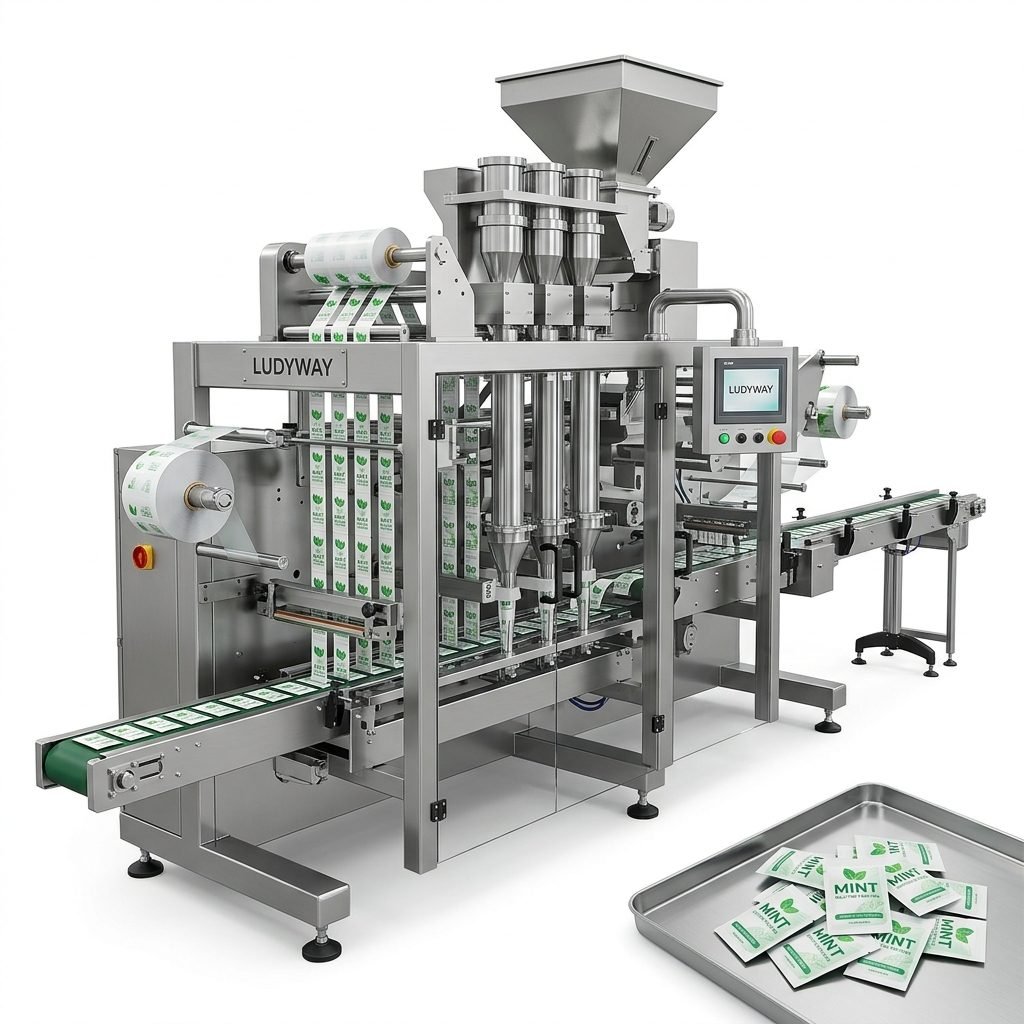
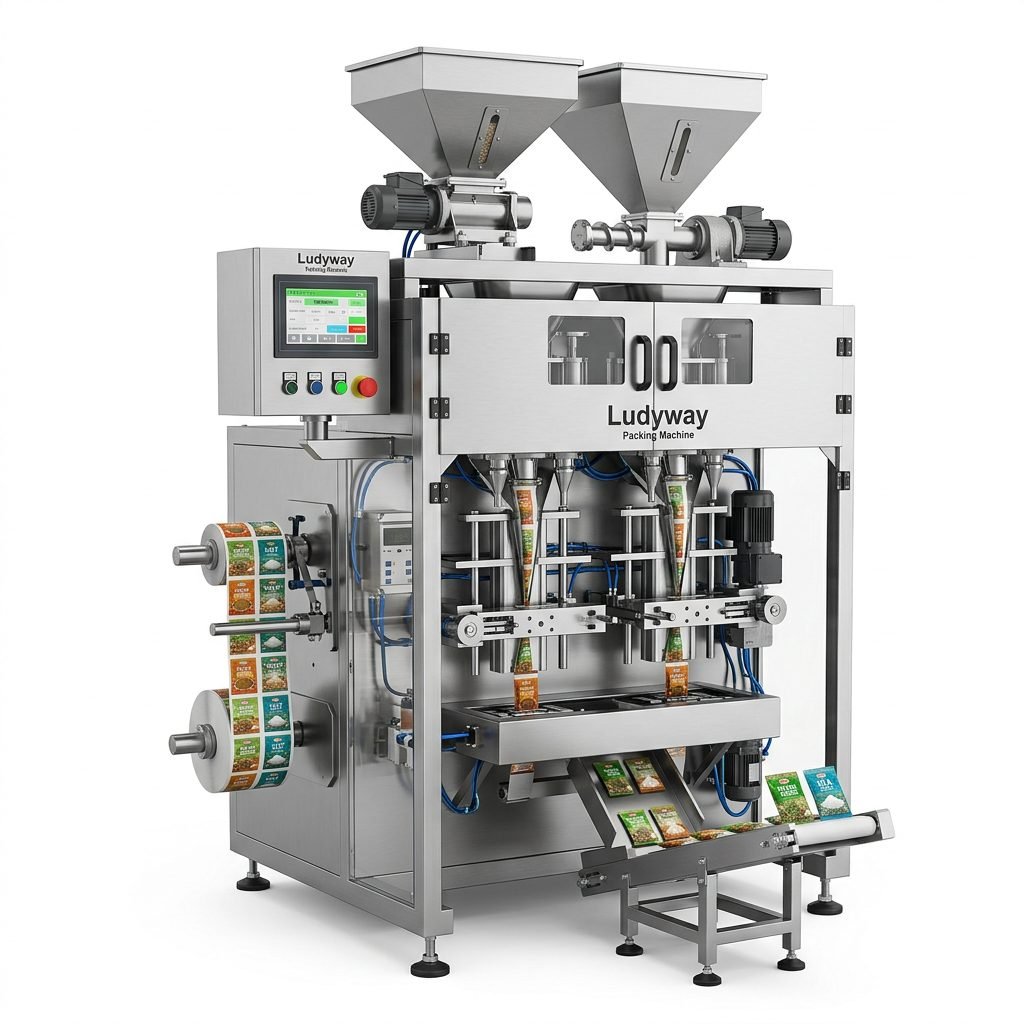
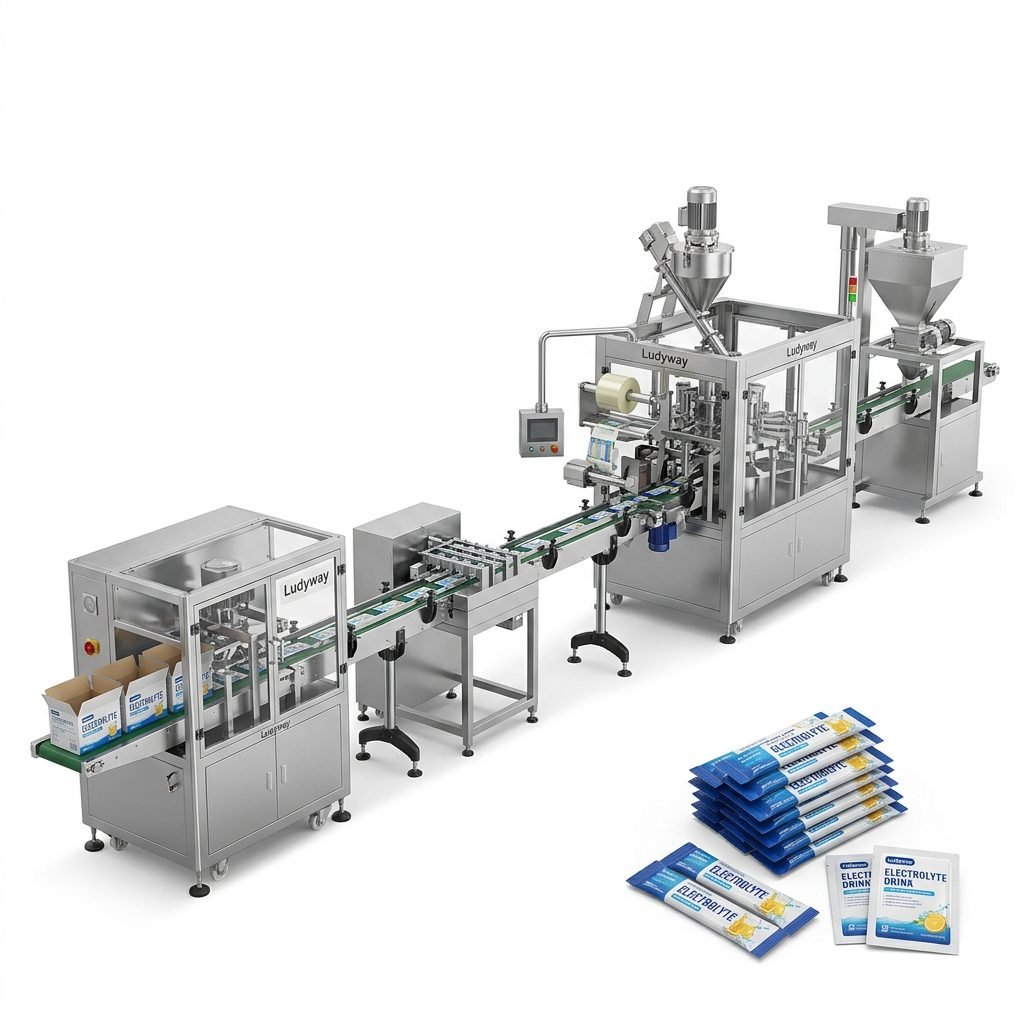
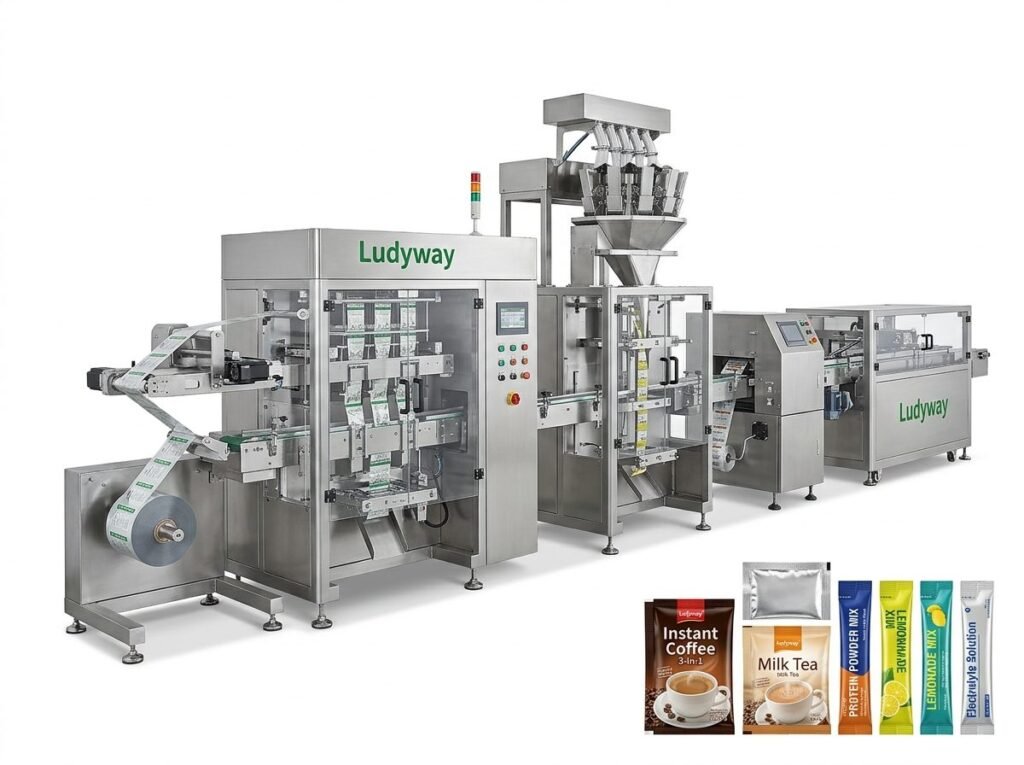
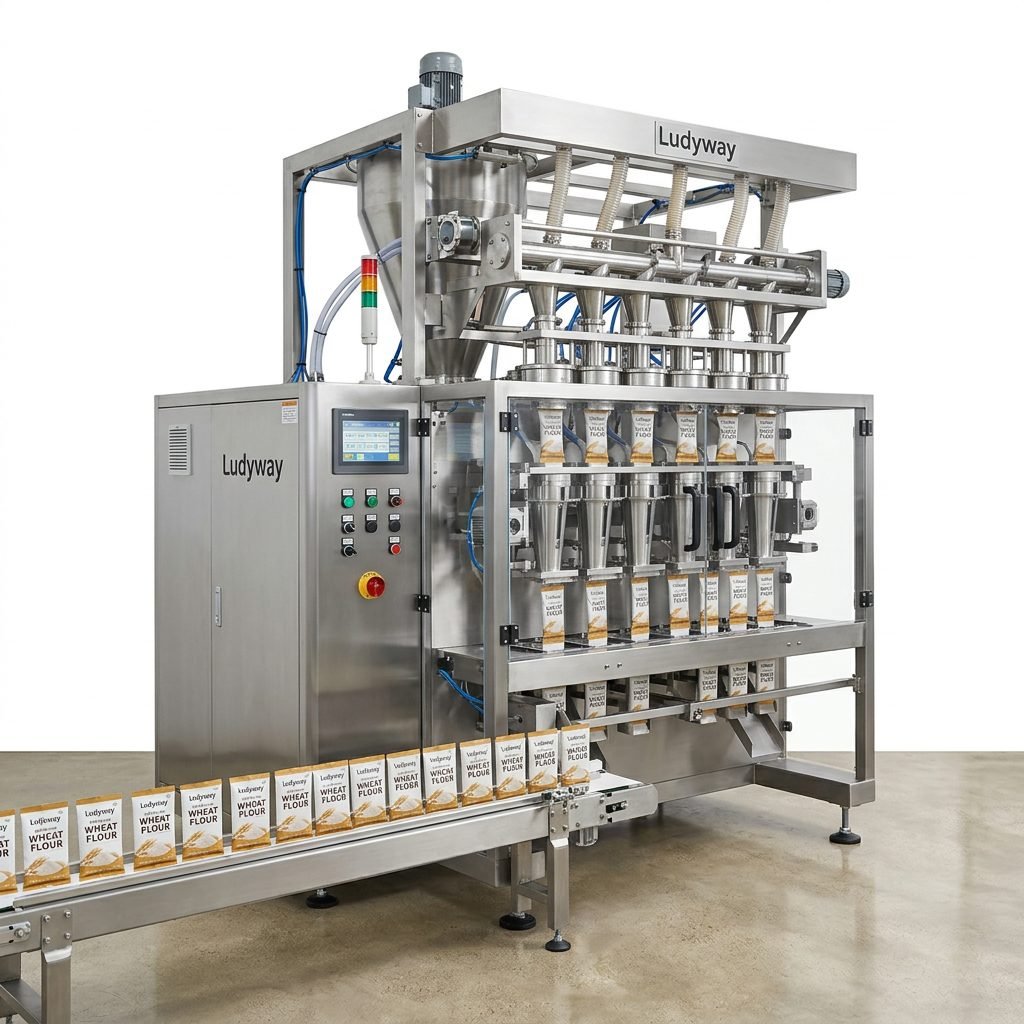
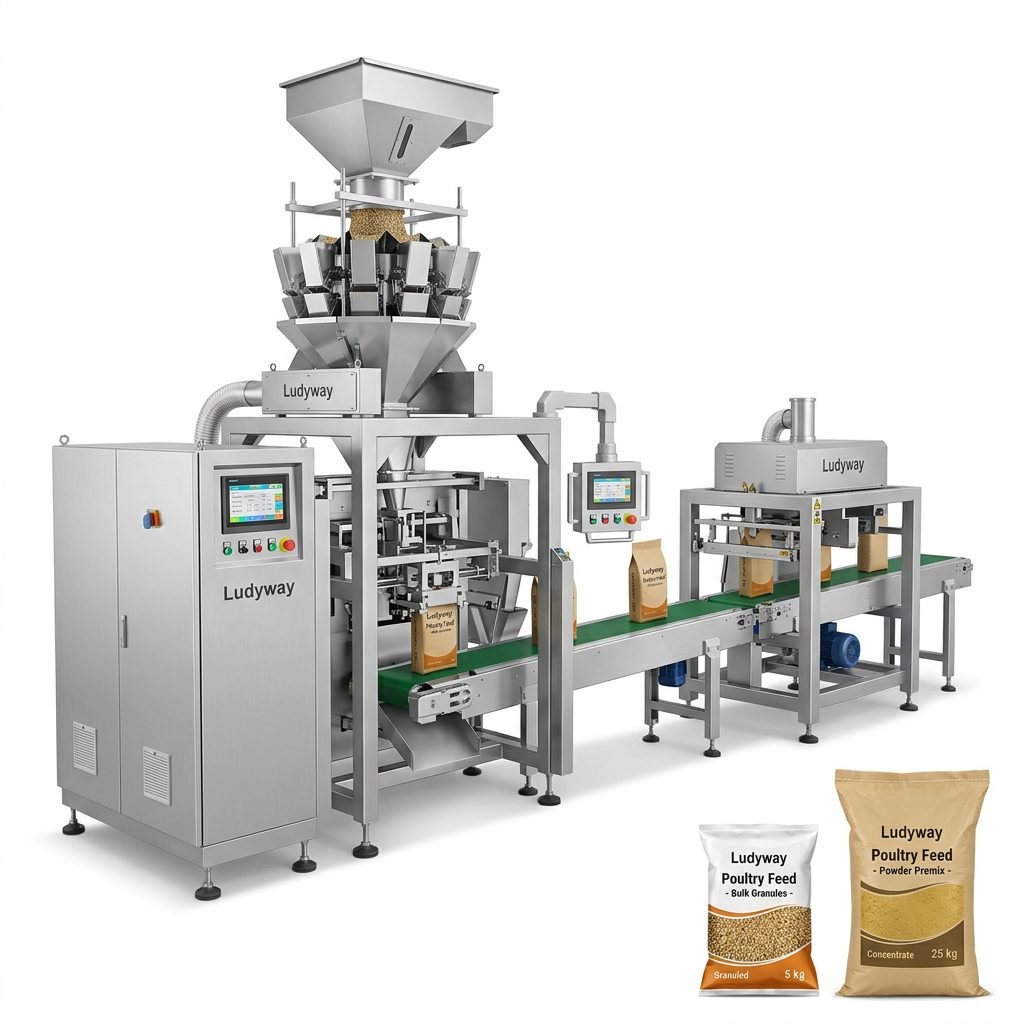
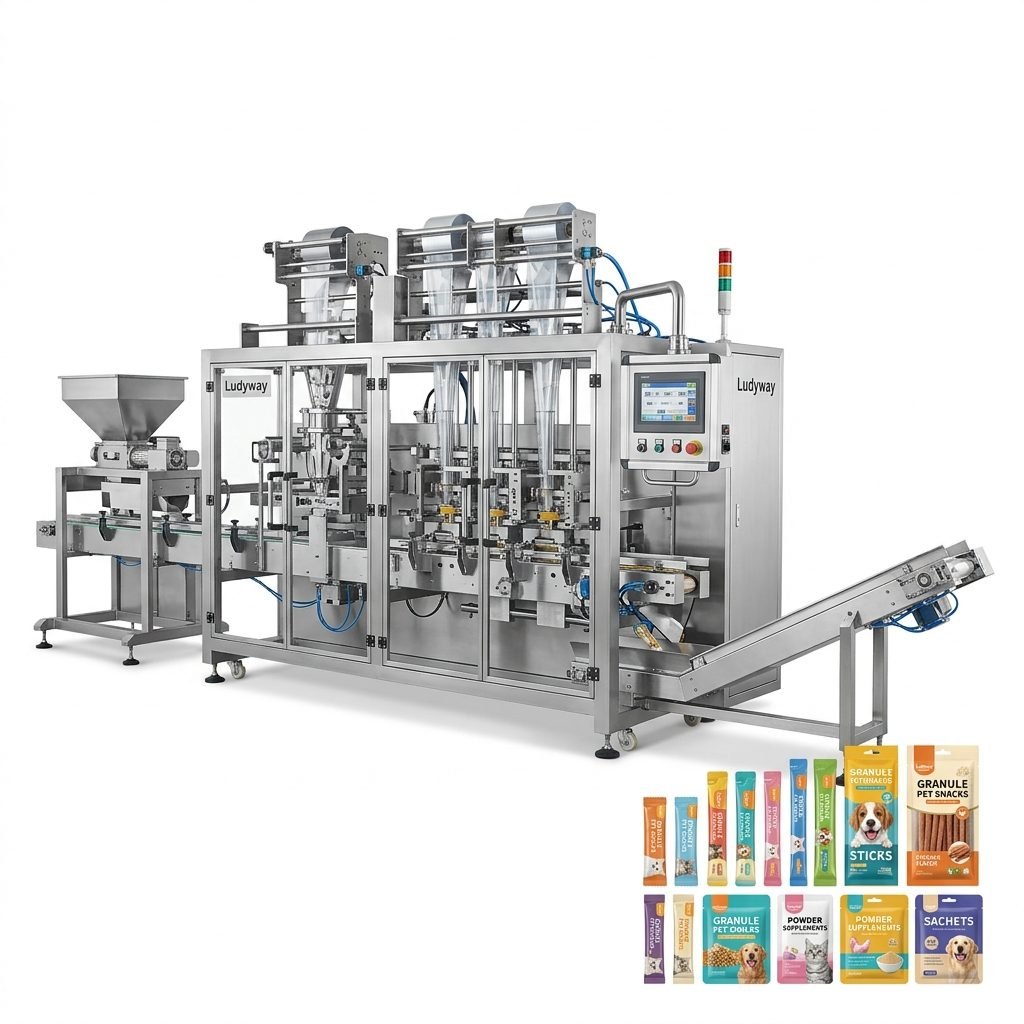
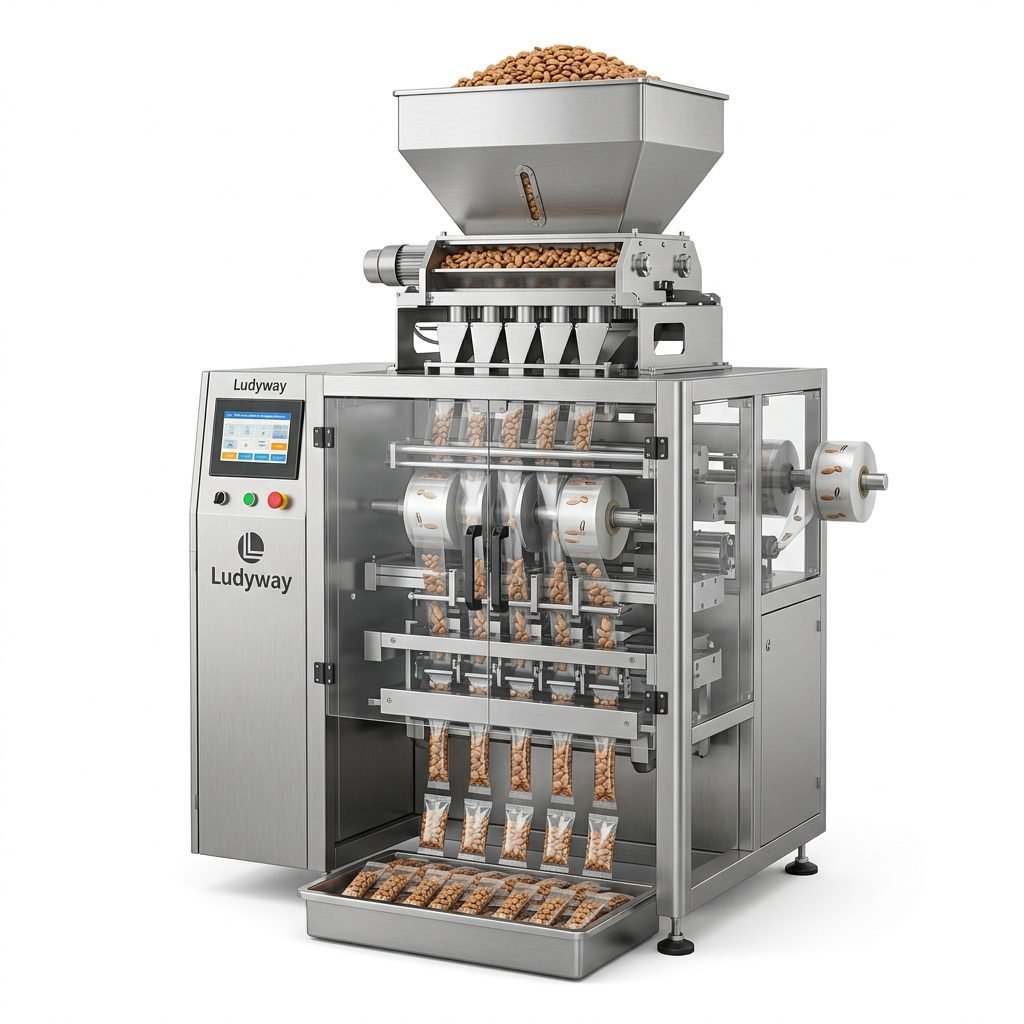
Ludyway is one of the largest packaging machine manufacturers in China, specializing in advanced packaging equipment and turnkey production solutions for the food, pharmaceutical, and health industries. With over 30 years of industry expertise, we provide reliable and efficient packaging solutions for granule, powder, liquid, and pouch packaging applications. Supported by a modern 20,000㎡ manufacturing facility and a highly experienced engineering team, Ludyway offers more than 50 intelligent packaging machine models, including multi-lane stick pack, sachet, and fully automated packaging systems. Serving customers in over 100 countries and regions, we are committed to delivering innovative, high-performance, and cost-effective packaging solutions that help businesses improve productivity, product quality, and operational efficiency.
Conducting a thorough spare parts audit before purchase is wise. You should verify that the supplier maintains strategic stock in a European logistics hub to avoid extended shipping delays from non-EU countries.
Integration With Existing Lines
Assess whether the machine integrates seamlessly with your upstream fillers and downstream labeling systems. The communication protocol — whether Profibus, Ethernet/IP, or others — must match your factory’s Industrial Automation Standards to ensure a smooth production flow.

Technical Specifications To Scrutinize
Don’t be swayed purely by sticker price. A budget machine that cannot maintain a 99.5% seal integrity will cost you millions in wasted product.
Pump Type: Oil Vs. Dry
- Oil Rotary Vane Pumps: Achieve deep vacuum (up to 99.9% air removal). Require regular maintenance but offer the durability needed in harsh European processing plants.
- Dry (Oil-Free) Pumps: Preferred in cleanroom or pharmaceutical settings within the European healthcare sector. They eliminate the risk of oil vapor contamination.
Control System And Connectivity
Touch screen interfaces should offer multi-language support (German, English, Spanish, French, Polish etc.). A modern machine often includes IoT capabilities enabling OEE (Overall Equipment Effectiveness) tracking. This data-driven approach is essential for maintaining margins in competitive retail environments.
Seal Bar Configuration
The seal width and cutting system directly impact pack aesthetics. Bi-active sealing (heat applied from top and bottom) is superior for thick, recyclable films. Ensure the machine allows precise digital control of temperature and dwell time to avoid leakers.
Cost Analysis: Beyond The Purchase Price
The Total Cost of Ownership (TCO) in Europe includes several hidden variables:
- Energy Efficiency: With electricity prices hitting industrial peaks in countries like Italy and the UK, energy-efficient motors and heat recovery systems can cut operational costs.
- Film Waste Minimization: Machines with precise film registration and scrap reduction systems directly impact your bottom line and sustainability goals.
- Training Costs: Supplying multilingual training manuals and practical engineering support minimizes startup risk during product format changeovers.
For a deeper dive into market trends shaping future investments, refer to the PMMI 2026 State of the Industry Report.
Final Verification Checklist
Before signing the purchase order, confirm these non-negotiables:
- Valid CE Declaration of Conformity for the specific machine model.
- Metal-detectable and X-ray visible components for food safety.
- Compatibility with certified recyclable packaging films.
- Availability of a local Field Service Engineer (FSE) within 24-48 hours.
- Washdown rating matching your sanitation protocols.
Selecting the right vacuum packaging machine is a complex process that defines the efficiency of your supply chain. Whether you are upgrading a single lane or installing a fully automated system, aligning your choice with EU regulations and retail standards ensures long-term market success.