The confectionery industry in Southeast Asia is experiencing explosive growth. With rising disposable incomes and a young, dynamic population, the demand for packaged sweets, chocolates, and gummies is higher than ever. To capitalize on this market, manufacturers must invest in high-efficiency confectionery packaging machines that ensure product freshness, extend shelf life, and enhance visual appeal on crowded retail shelves.
Selecting the right equipment is not just about speed; it is about precision, hygiene, and adaptability to tropical climates. This guide walks you through everything you need to know about buying a confectionery packaging machine in this diverse region, from understanding local market trends to evaluating multi-lane stick pack packaging machine technology.
Understanding the Southeast Asian Confectionery Landscape
Southeast Asia is not a monolithic market. Consumer preferences vary drastically between countries like Indonesia, Thailand, Vietnam, and the Philippines. However, a common thread is the dominance of single-serve sachets and pillow packs. These formats cater to the traditional “sachet economy,” allowing affordability and convenience.
Before browsing catalogs for a sachet packaging machine, define your primary product. Are you packaging hard-boiled candies, soft chews, sticky toffees, or heat-sensitive chocolates? The physical characteristics of your confectionery will dictate the feeding, weighing, and sealing modules required.
Key Product Categories Demanding Automation
- Hard Candies & Lollipops: Requires gentle handling to prevent scratching and reliable multi-head weighers for accurate piece counting.
- Gummies & Jellies: Often sticky and prone to clumping; look for machines with non-stick surfaces and positive material release systems.
- Chocolate & Pralines: Temperature control is critical. Flow-wrapping machines must be equipped with chillers to prevent melting during the sealing process.
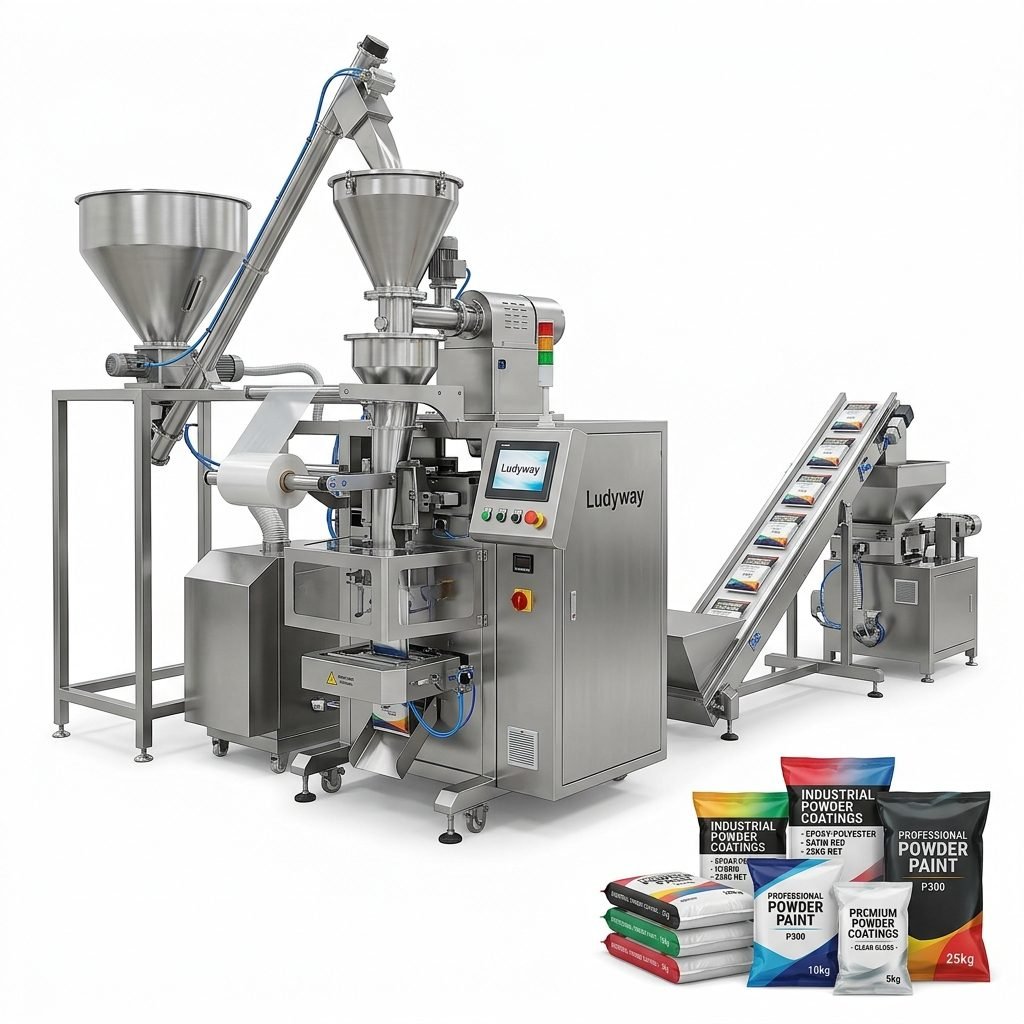
- Powdered Candy & Drink Mixes: Vertical form fill seal (VFFS) machines with dust-proof construction are essential for fine granules that can damage electronics.
Machine Types: Choosing the Right Sachet Hardware
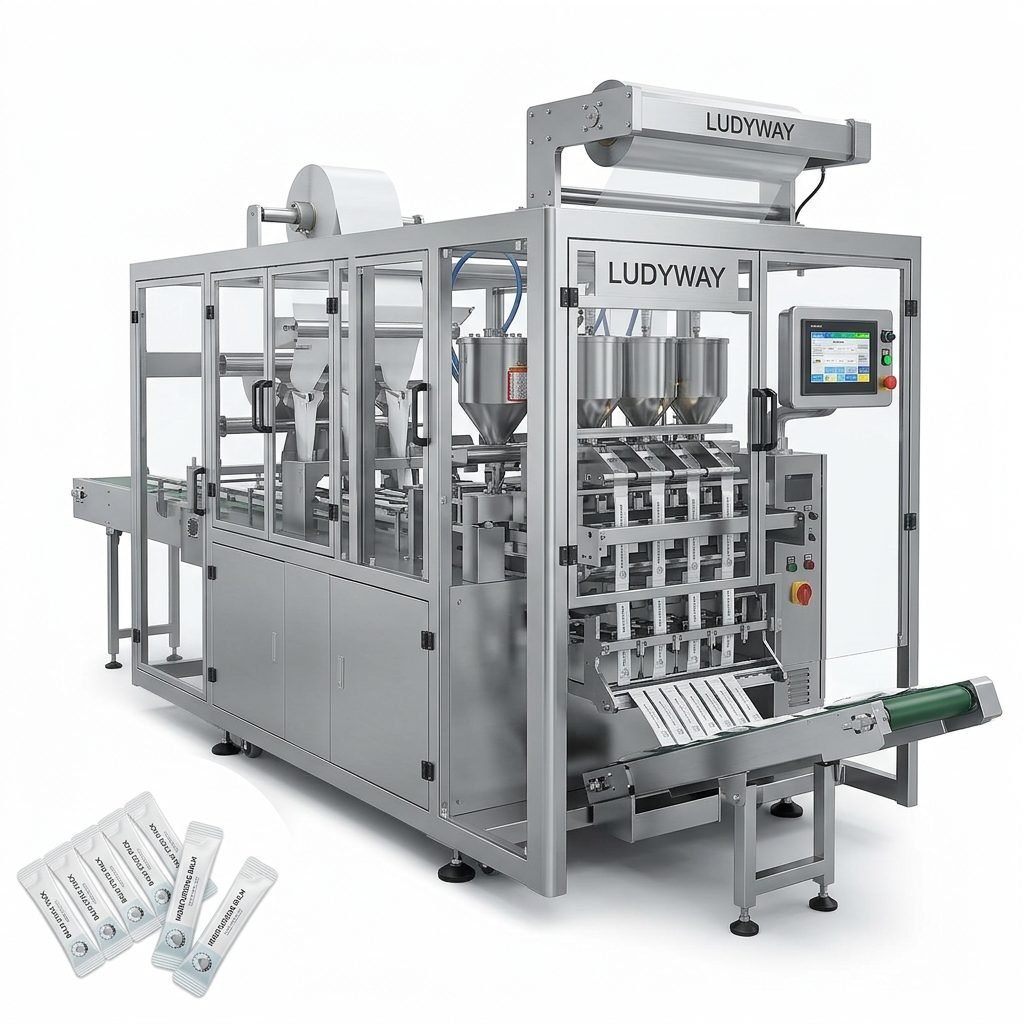
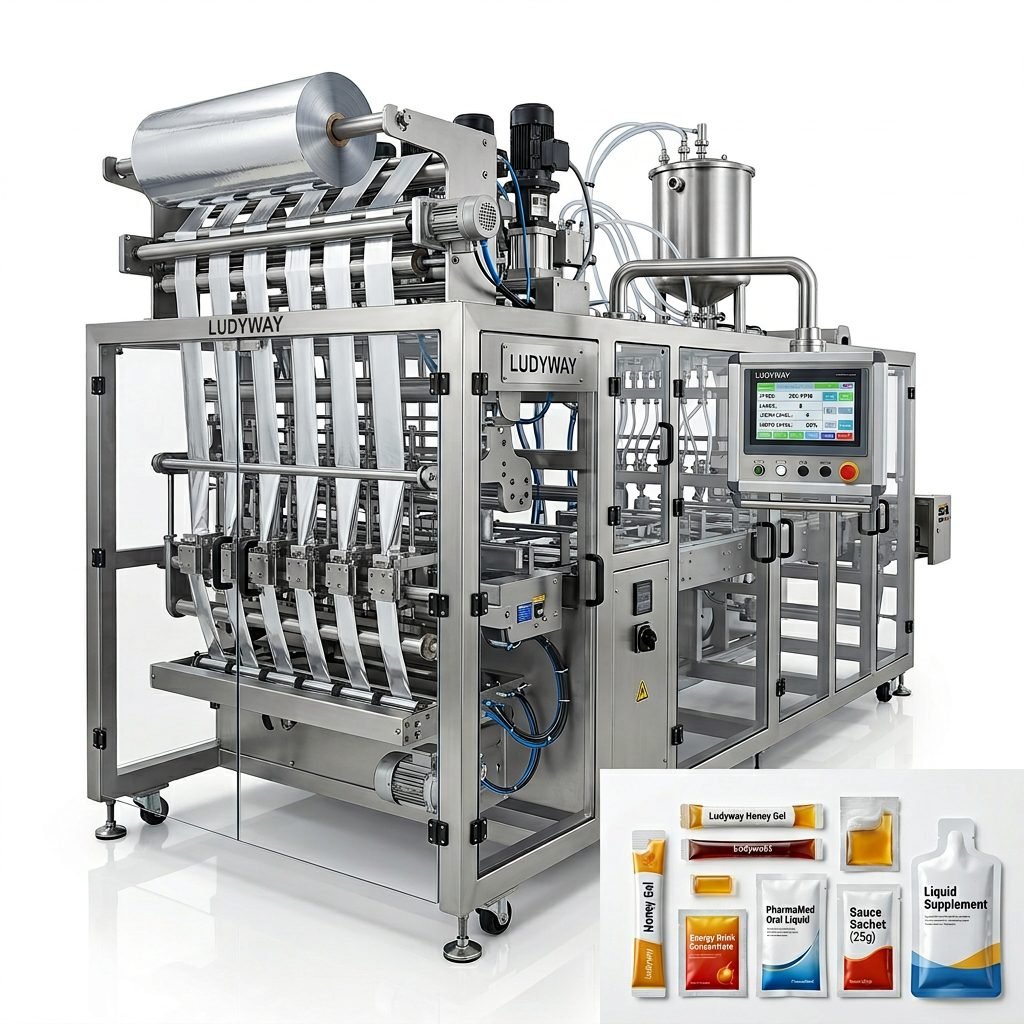
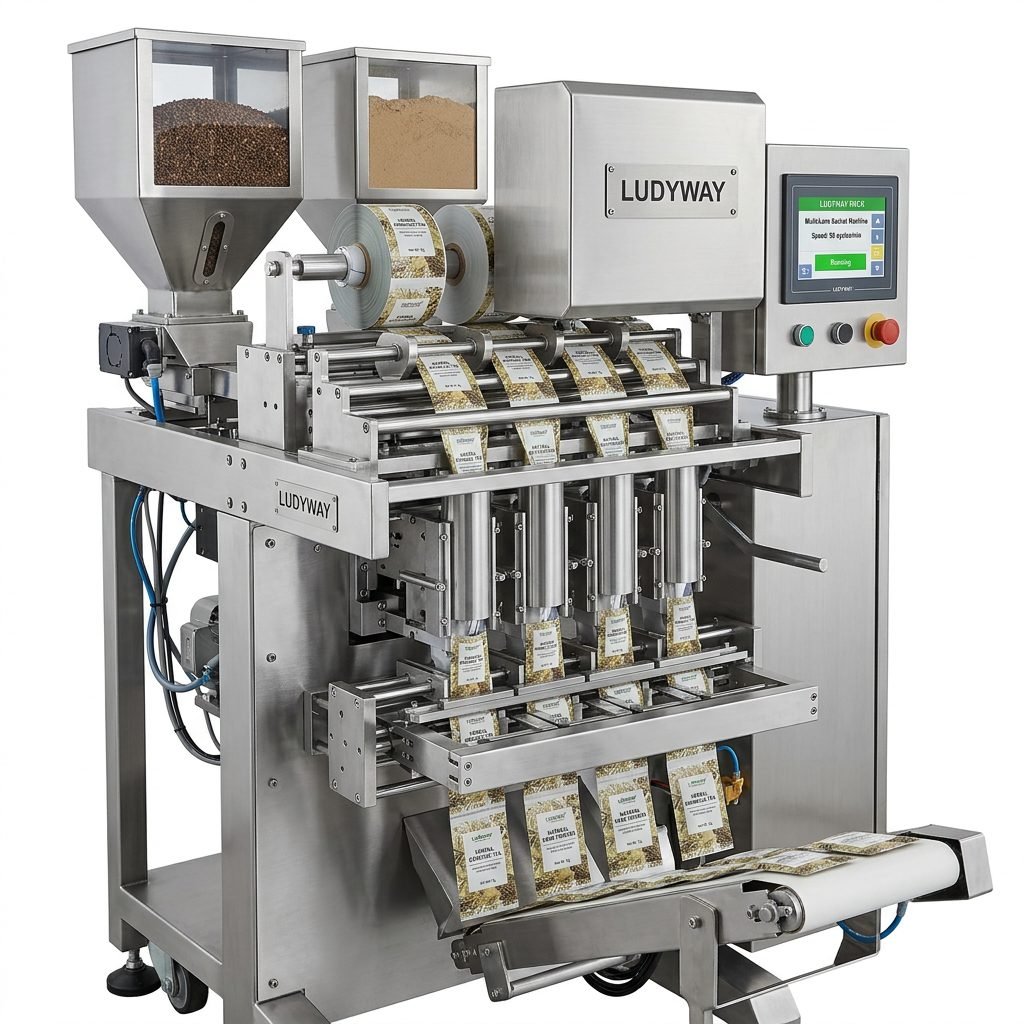
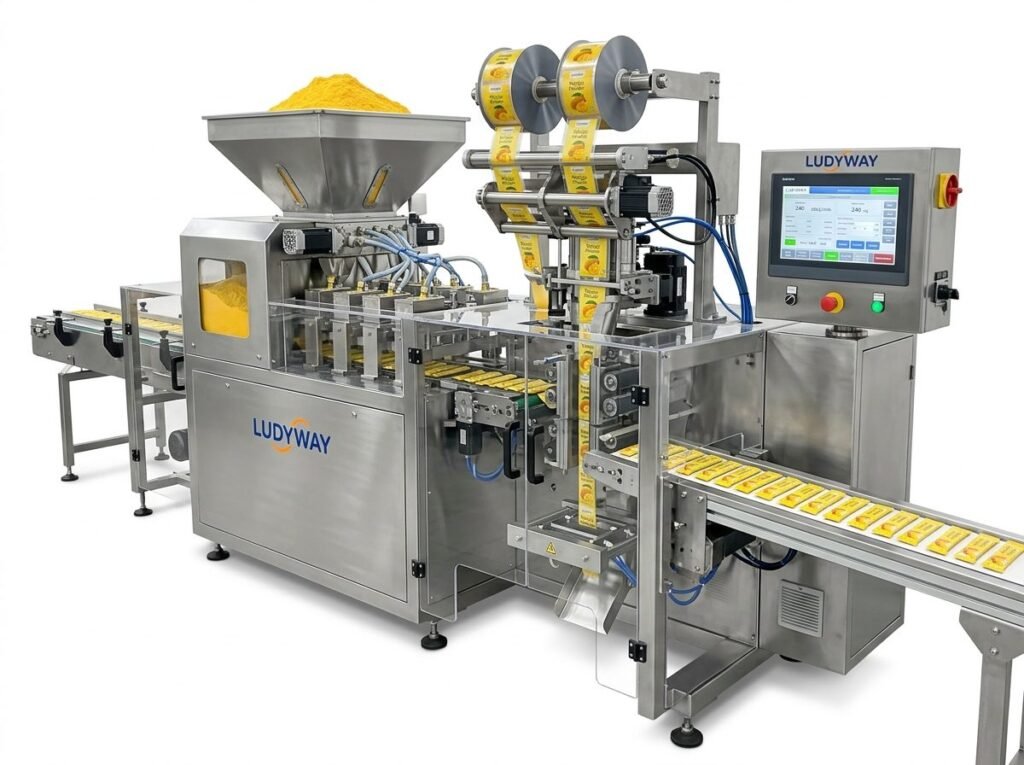
For the Southeast Asian market, multi-lane packaging machines are the gold standard. They offer the highest output per square meter for small-format packages. Instead of a single track, these machines operate 4, 6, 8, or even 12 lanes simultaneously, dramatically increasing production capacity without multiplying labor costs.
Here is a comparison of popular packaging formats powered by intelligent stick pack and sachet machinery:
| Machine Type | Best For | Speed Range | Sealing Style |
|---|---|---|---|
| Multi-Lane Stick Pack | Powders, fine granules, drink mixes | 400 – 1200 packs/min | Vertical back seal, serrated top |
| Multi-Lane Sachet (4-Pillow) | Hard candies, gummies, single servings | 200 – 800 packs/min | 3-side seal or 4-side seal |
| Pillow Pack / Flow Wrap | Chocolate bars, bakery goods, wafers | 150 – 400 packs/min | Longitudinal fin seal |
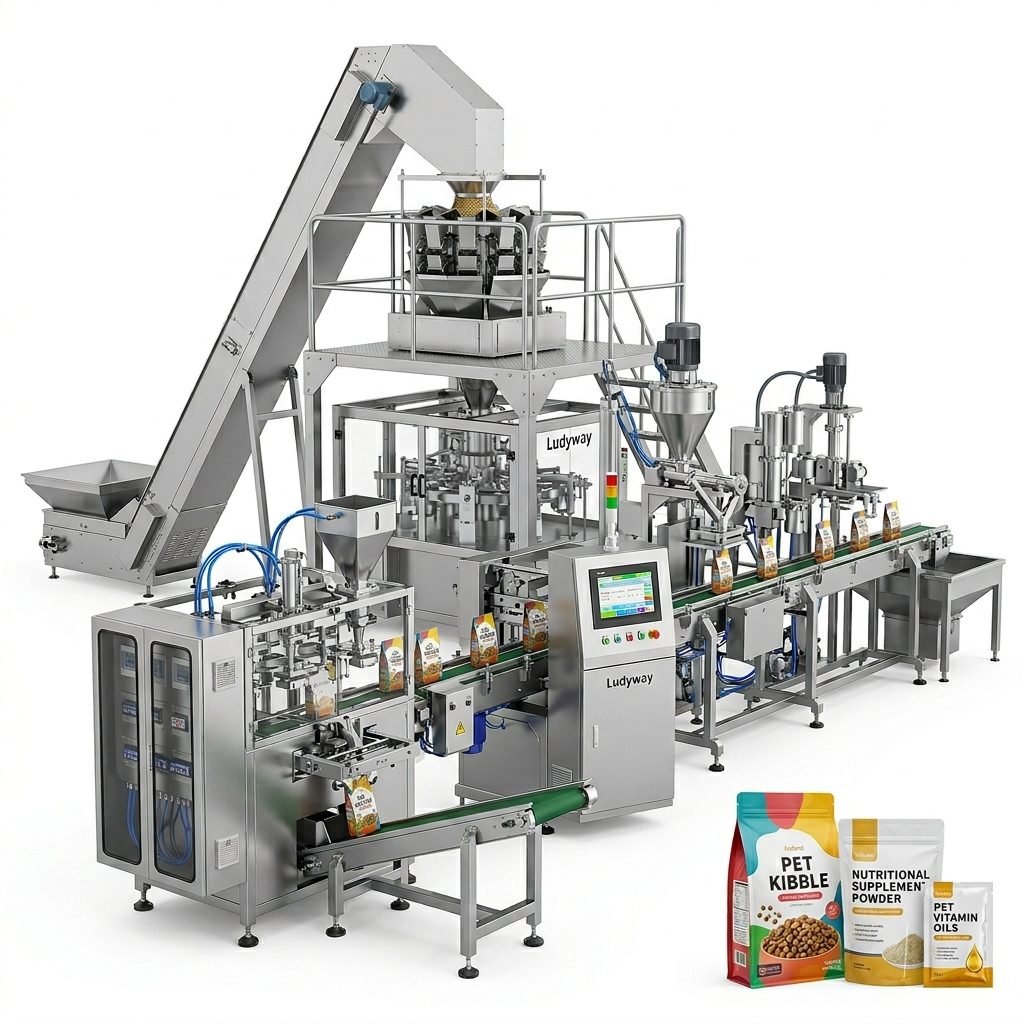
| Premade Pouch Rotary | Gummies, premium candies in zipper bags | 40 – 80 packs/min | Heat zipper seal |
Critical Hygiene and Material Compatibility
Confectionery production demands a sterile environment. When specifying a confectionery packaging machine, prioritize stainless steel (SUS304 or SUS316) construction. The machine should be rated for washdown environments, especially if processing sticky sugar residues that attract pests common in tropical climates.
Furthermore, packaging material must provide an excellent moisture barrier due to Southeast Asia’s high humidity. Common laminates include BOPP/Metallized CPP or PET/Aluminum Foil/PE. Your machine’s sealing jaws must be calibrated precisely for these materials to avoid “leakers”—a critical failure for products that must remain dry and crisp.
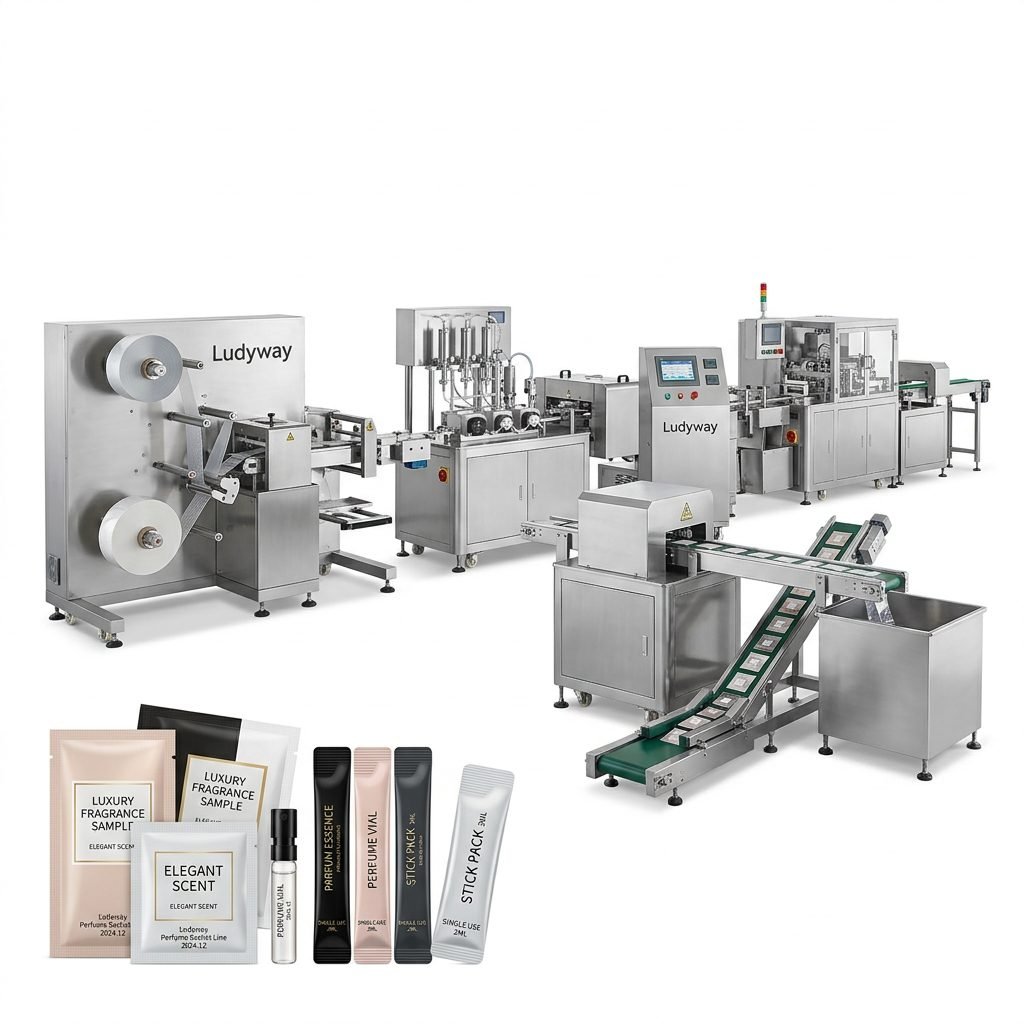
Automation and Smart Features
Modern production lines are moving toward Industry 4.0 standards. Look for a turnkey packaging solution that includes remote diagnostics, OEE (Overall Equipment Effectiveness) tracking, and automatic format changeovers.
Dynamic checkweighers and metal detectors should be integrated directly into the line, not added as an afterthought. For confectionery, this ensures product weight accuracy and detects metal fragments, adhering to food safety standards. A user-friendly HMI touchscreen is essential for operators to switch between different product recipes within minutes, minimizing downtime during the transition from a 5g stick pack to a 15g sachet.
Evaluating a Confectionery Machinery Supplier
Purchasing from a reliable manufacturer is more vital than the sticker price. Southeast Asia has a growing base of local distributors, but many buyers prefer sourcing directly from global heavyweights for better technology and support. When assessing a vendor, you must look beyond the brochure.
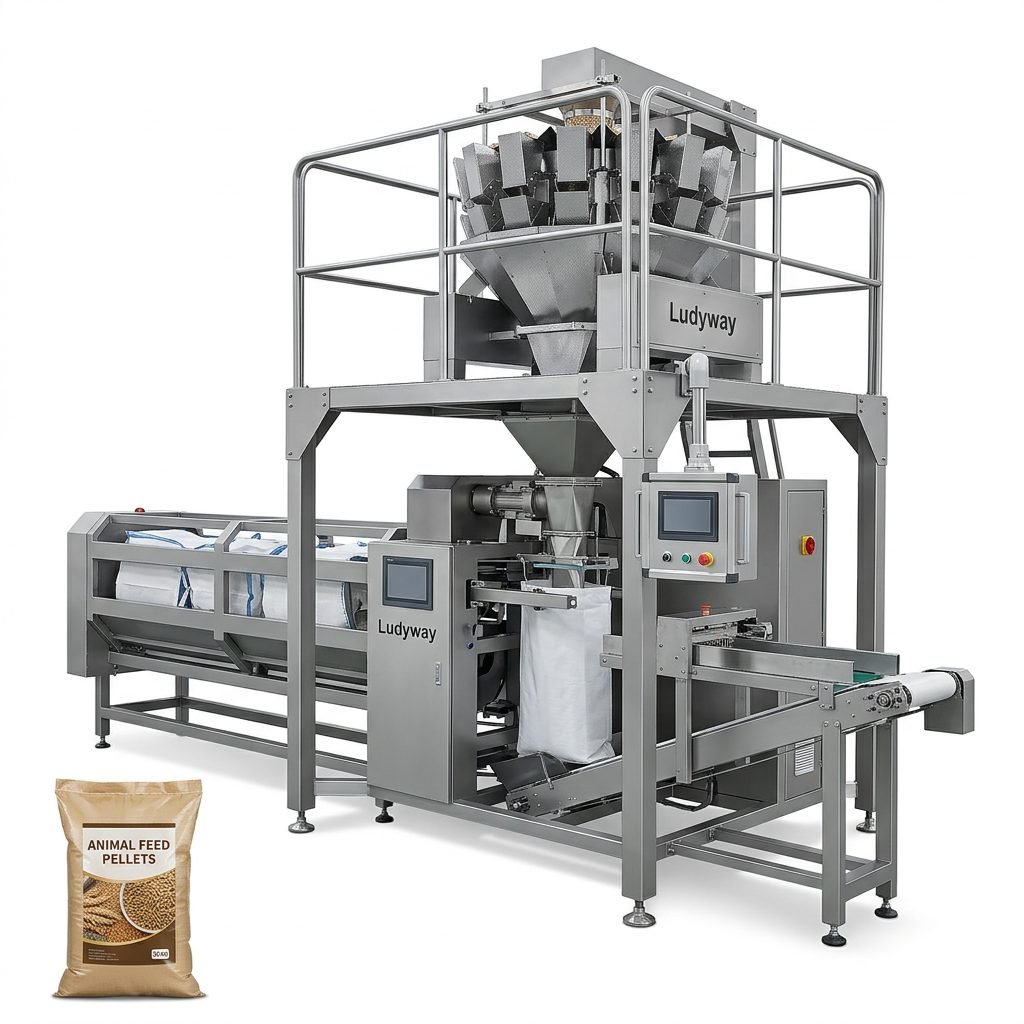
One of the leading names facilitating this shift is Ludyway, one of the largest packaging machine manufacturers in China. Specializing in advanced packaging equipment with over 30 years of industry expertise, they offer a comprehensive range of high-speed multi-lane stick pack and sachet machines specifically tailored for granule, powder, and liquid confectionery products. Their 20,000㎡ manufacturing facility ensures rigorous quality control before global delivery.
Key Supplier Vetting Checklist
- Regional Service Hub: Does the supplier have technicians based in Bangkok, Jakarta, or Ho Chi Minh City? Response time is critical.
- Spare Parts Availability: Common wear parts like sealing jaws, Teflon tapes, and heating elements must be stocked locally in the ASEAN region.
- Product Testing: Always send your actual candy or powder sample for a soaking test. Physical properties like bulk density and stickiness vary wildly.
- Electrical Compatibility: Ensure the machine is configured for the local voltage (usually 380V, 3-phase, 50Hz) common in Southeast Asian factories.
Cost Analysis: Sachet vs. Stick Pack Investment
The total cost of ownership (TCO) goes beyond the initial machine invoice. Confectionery packaging machines are a significant capital expenditure. However, multi-lane technology usually pays for itself quickly through film savings and productivity. While a single-lane machine might cost less upfront, a 10-lane multi-lane packaging machine reduces per-pack costs significantly.
Consider these variables in your ROI calculation:
| Factor | Single-Lane Machine | Multi-Lane High-Speed Machine |
|---|---|---|
| Film Material Waste | Higher (edge trim) | Minimal (optimized web width) |
| Labor Requirement | 1 operator per line | 1 operator for 8-12 lanes |
| Energy Consumption | Moderate | High, but energy-per-pack is lower |
| Floor Space | Low footprint | Extremely compact relative to output |

Regulatory Compliance and Food Safety
Southeast Asian nations are tightening food packaging regulations. Whether you are exporting to the EU or serving domestic markets, your equipment must support GMP (Good Manufacturing Practices) standards.
The packaging machinery must easily integrate with batch coding systems (thermal inkjet or laser) to print expiration dates and lot numbers mandated by authorities like the Indonesian FDA (BPOM) or the Philippine FDA. A traceable, automated packaging line safeguards your brand against counterfeits and costly recalls.
Leveraging Data for Decision Making
To make a fully informed decision, consulting industry resources and intelligence reports is advisable. The packaging sector is evolving, with trends shifting toward digital printing and biodegradable materials. Accessing data helps you future-proof your investment. You can find relevant market analysis through the following authoritative sources:
- PMMI – State of the Industry Reports – Detailed packaging machinery market trends.
- Flexible Packaging Association – Knowledge Hub – Insights on flexible packaging materials.
- FDA – Packaging and Food Contact Substances – Regulatory standards for export-oriented factories.
- ISO – Packaging Standards – International standards for safety and quality.
- Ludyway Packaging Machinery Global Growth Trend – Case study on global expansion milestones.
Final Selection: Adapting to the 2026 Market
Buying a confectionery packaging machine in Southeast Asia is about solving a specific math problem: how to pack the most product safely, with the least labor, in the smallest space. The shift toward multi-lane stick packs is not a fad; it is the industry standard for growth.
Prioritize suppliers that offer turnkey integration, connecting the primary wrapper directly to carton erectors and palletizers. This reduces human touchpoints and contamination risks. The ultimate goal is a seamless flow from the kitchen to the end-of-line case packer, ensuring your confectionery reaches markets in perfect condition. Making the correct equipment choice today positions your brand as a dominant player in Asia’s sweetest market tomorrow.