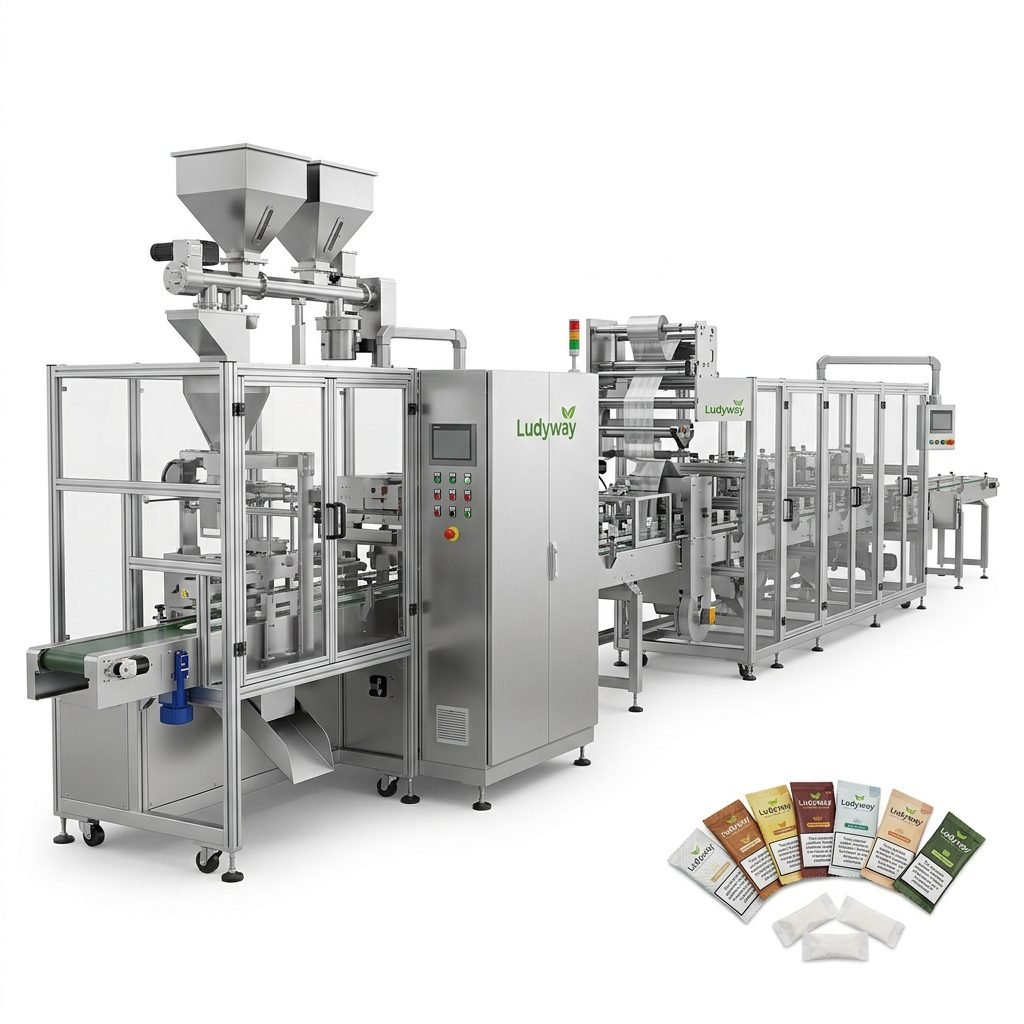
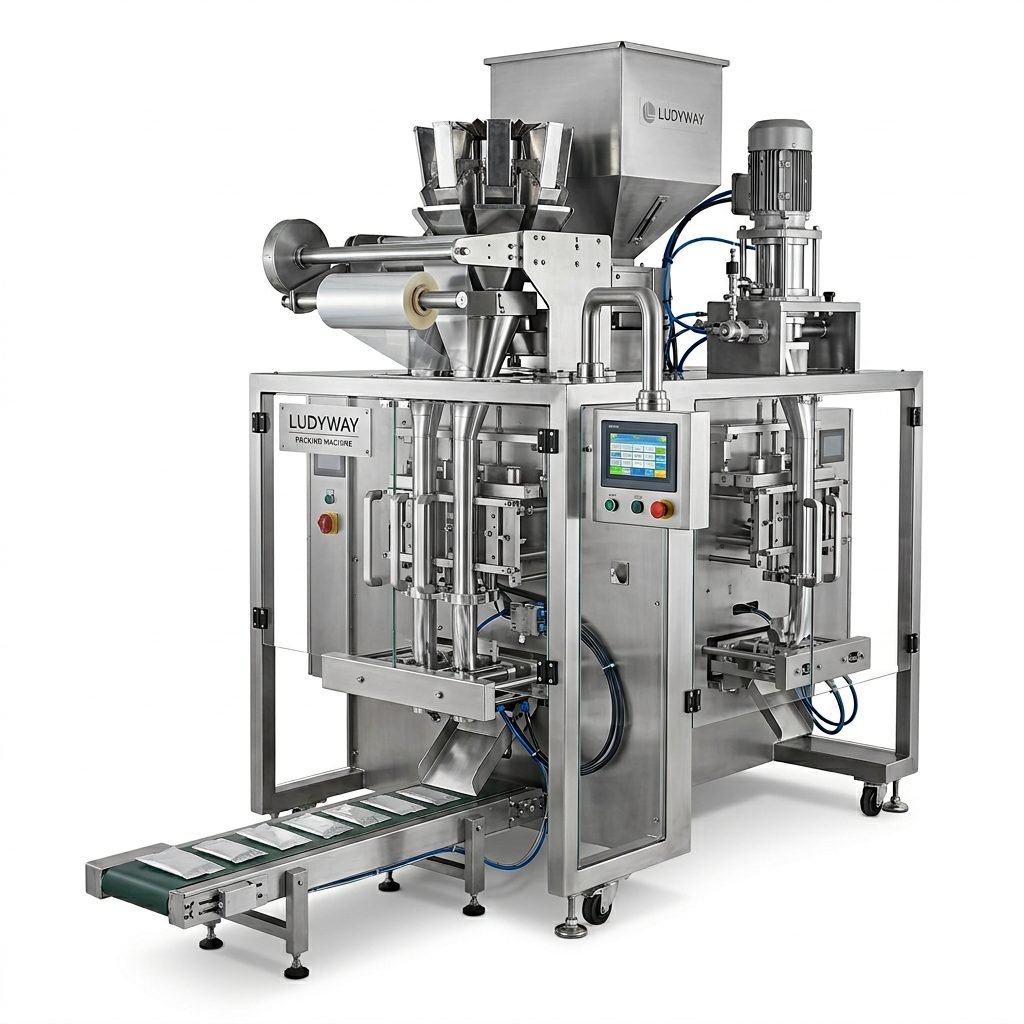
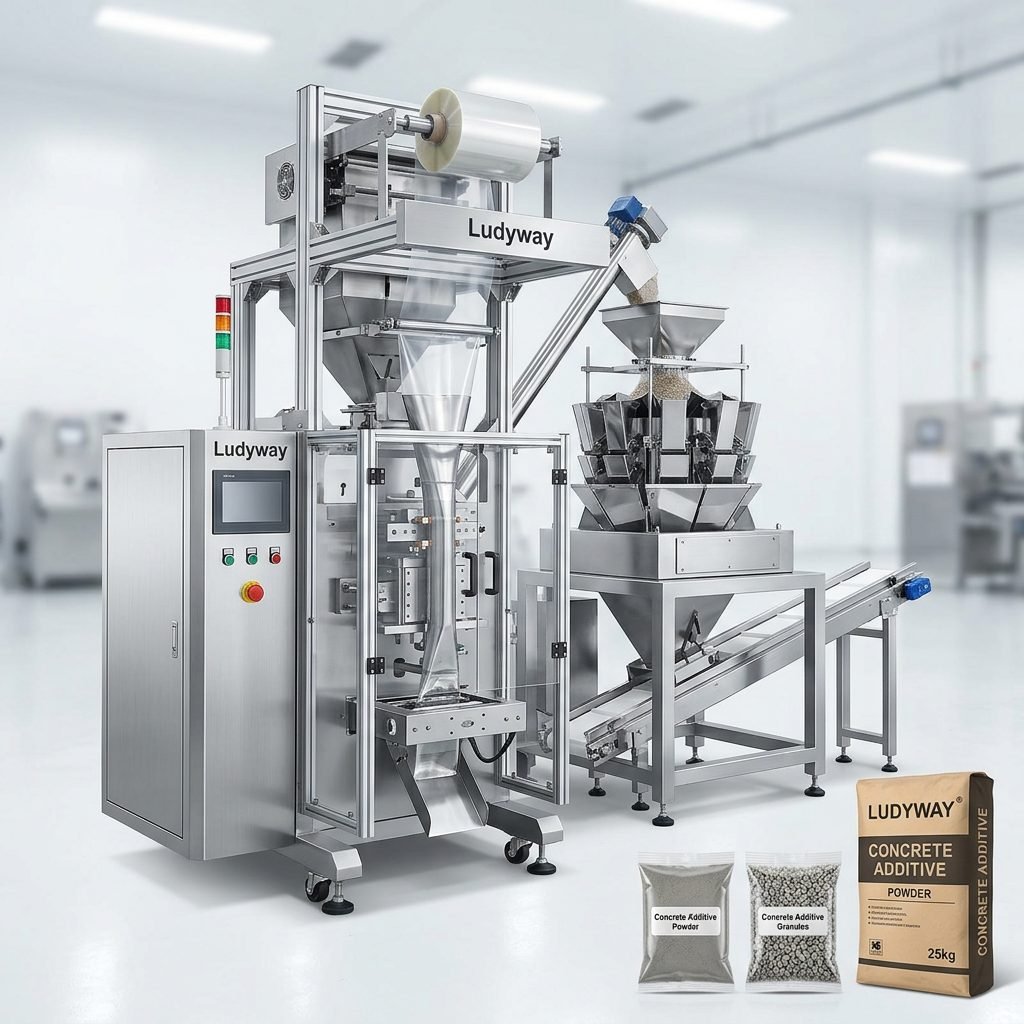
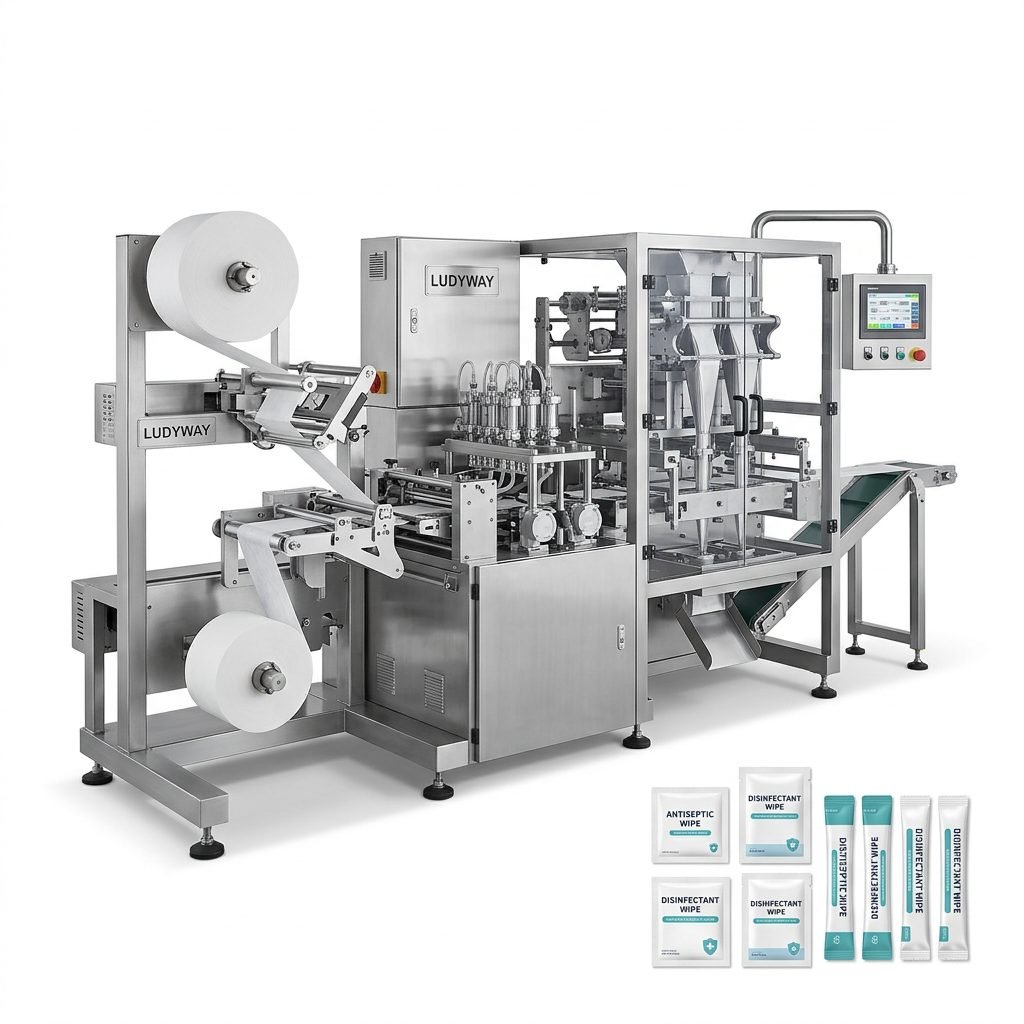
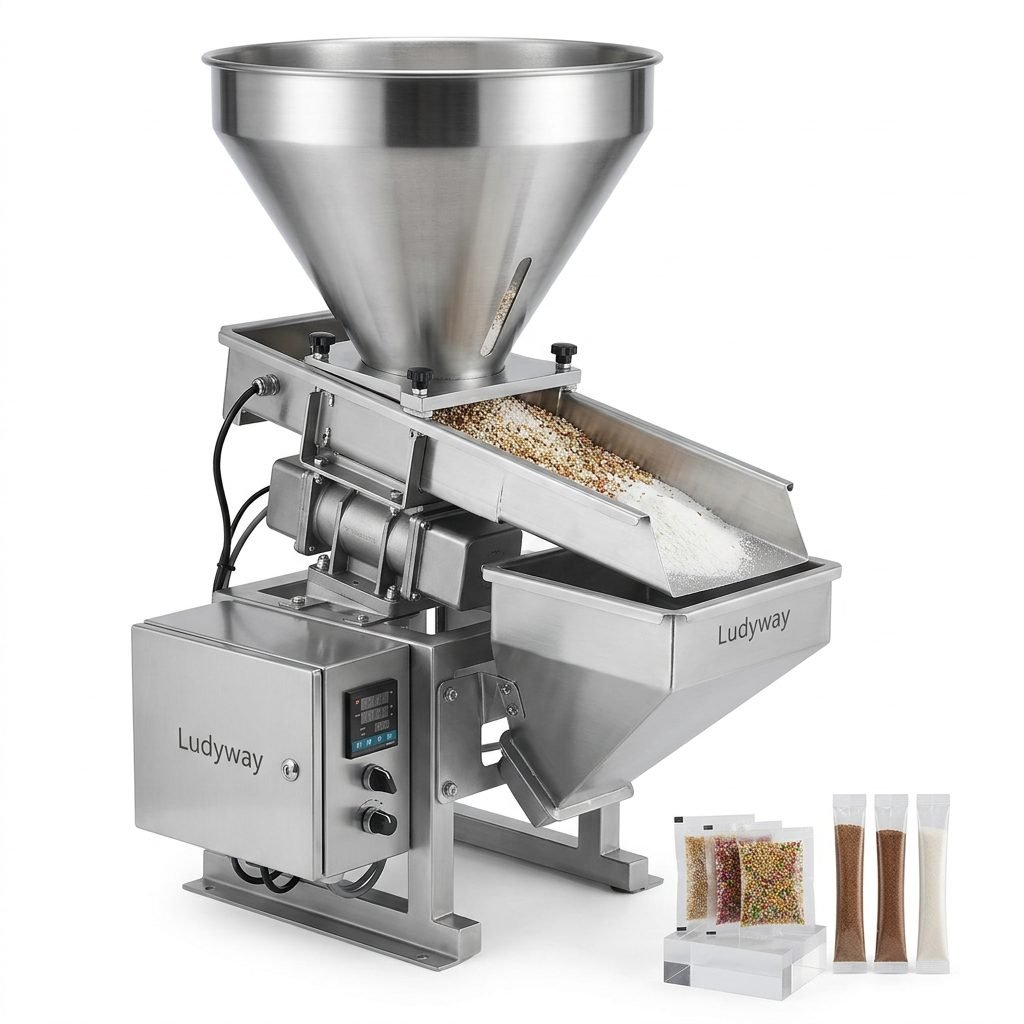
Almonds are one of the most popular tree nuts globally, consumed as snacks, ingredients in confectionery, bakery products, and increasingly as plant-based dairy alternatives. The delicate nature of almonds — their shape, oil content, and susceptibility to breakage — creates specific challenges for automated packaging. Selecting the right almond packing machine requires balancing speed, accuracy, gentle product handling, and packaging versatility.
Understanding Almond Packaging Challenges
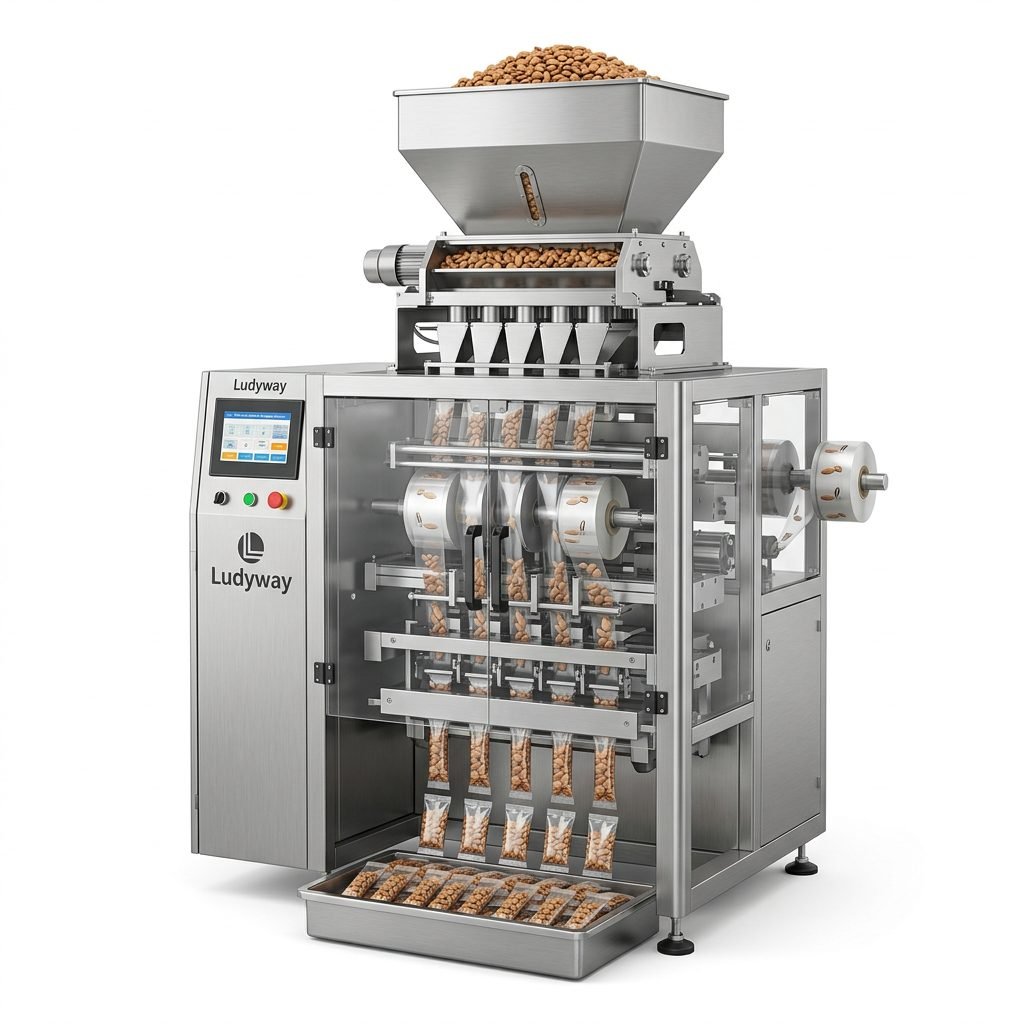
Unlike uniform manufactured products, almonds vary in size, shape, and density. Whole almonds demand gentle conveying and filling mechanisms to prevent breakage and dust generation. Sliced, slivered, or chopped almonds require different dosing technologies. Additionally, almonds have a high oil content, making them prone to rancidity if not properly sealed with barrier packaging materials. This means packaging machinery for almonds must incorporate precise sealing controls and, in many cases, nitrogen flushing or vacuum systems to extend shelf life.
Main Types of Almond Packaging Machines
| Machine Type | Best For | Key Advantage |
|---|---|---|
| Vertical Form Fill Seal (VFFS) | Whole almonds, mixed nuts, pillow bags | High speed, versatile bag formats |
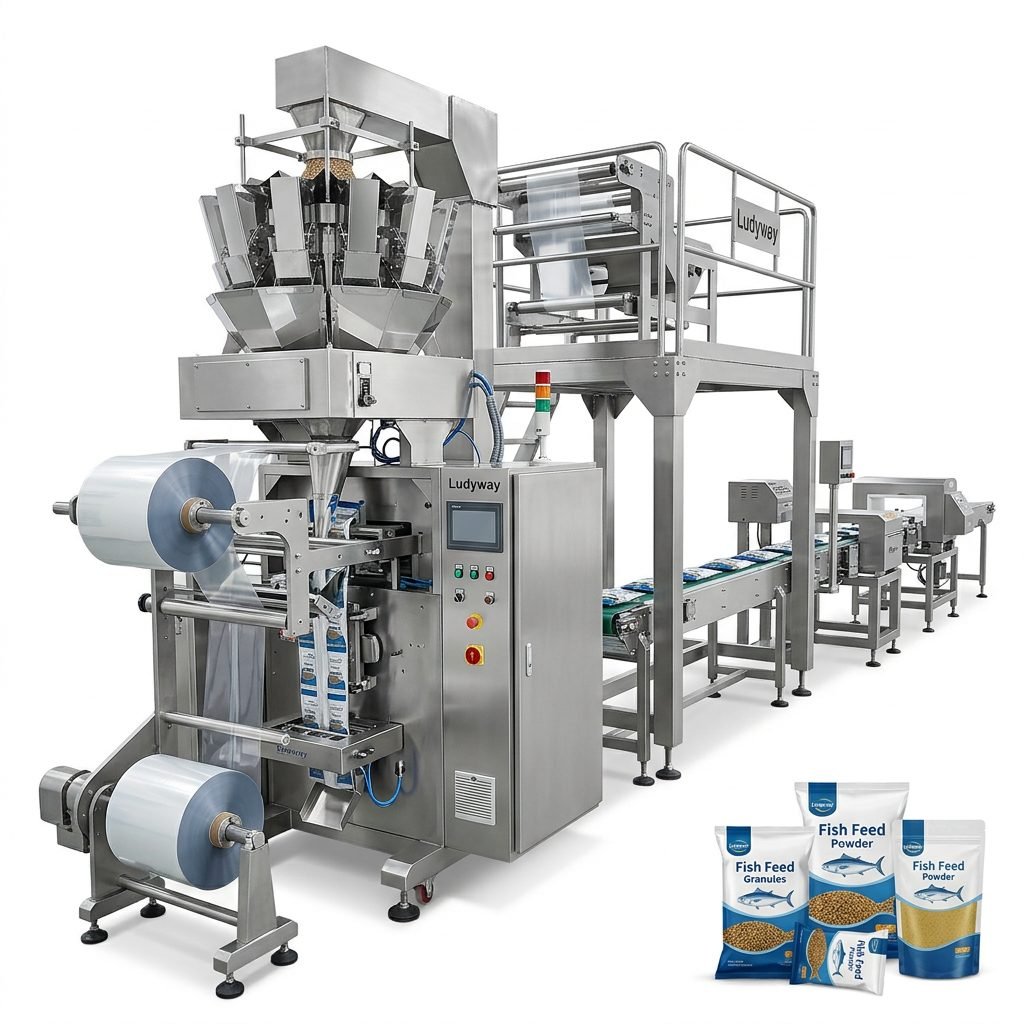
| Multihead Weigher + VFFS | Precise weight portions, retail packs | ±1–2 grams accuracy at high speed |
| Premade Pouch Rotary Fillers | Stand-up pouches, zipper bags, premium packs | Excellent seal integrity, premium shelf appeal |
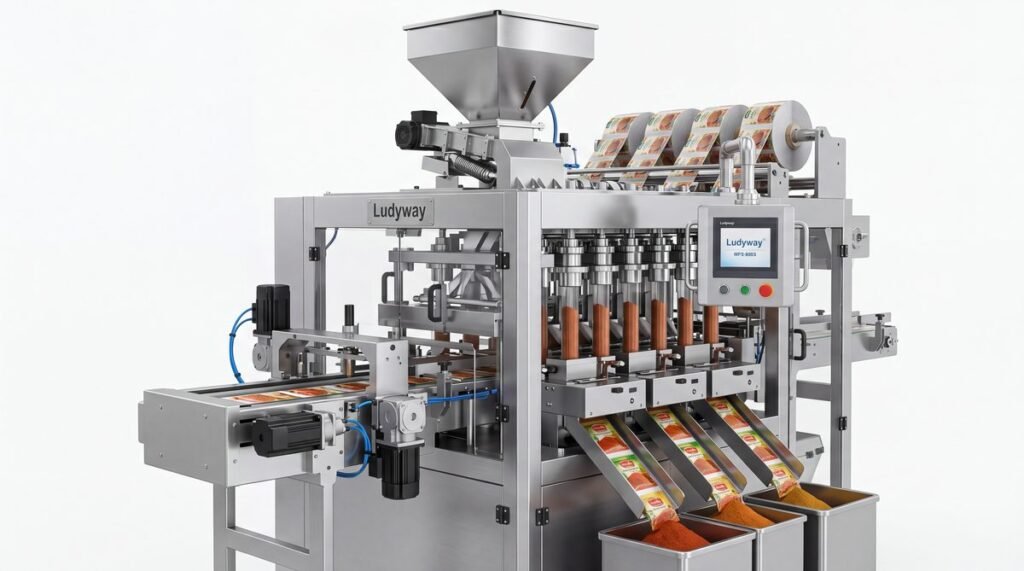
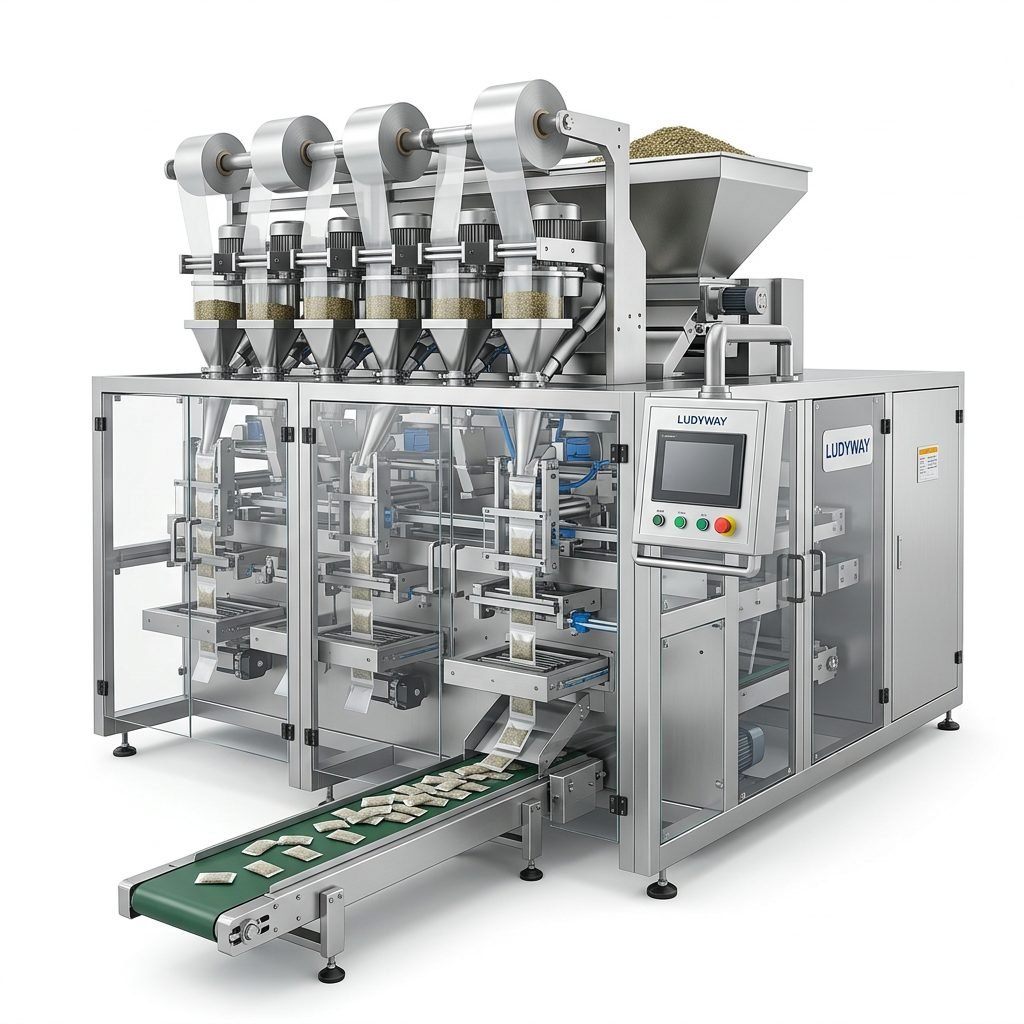
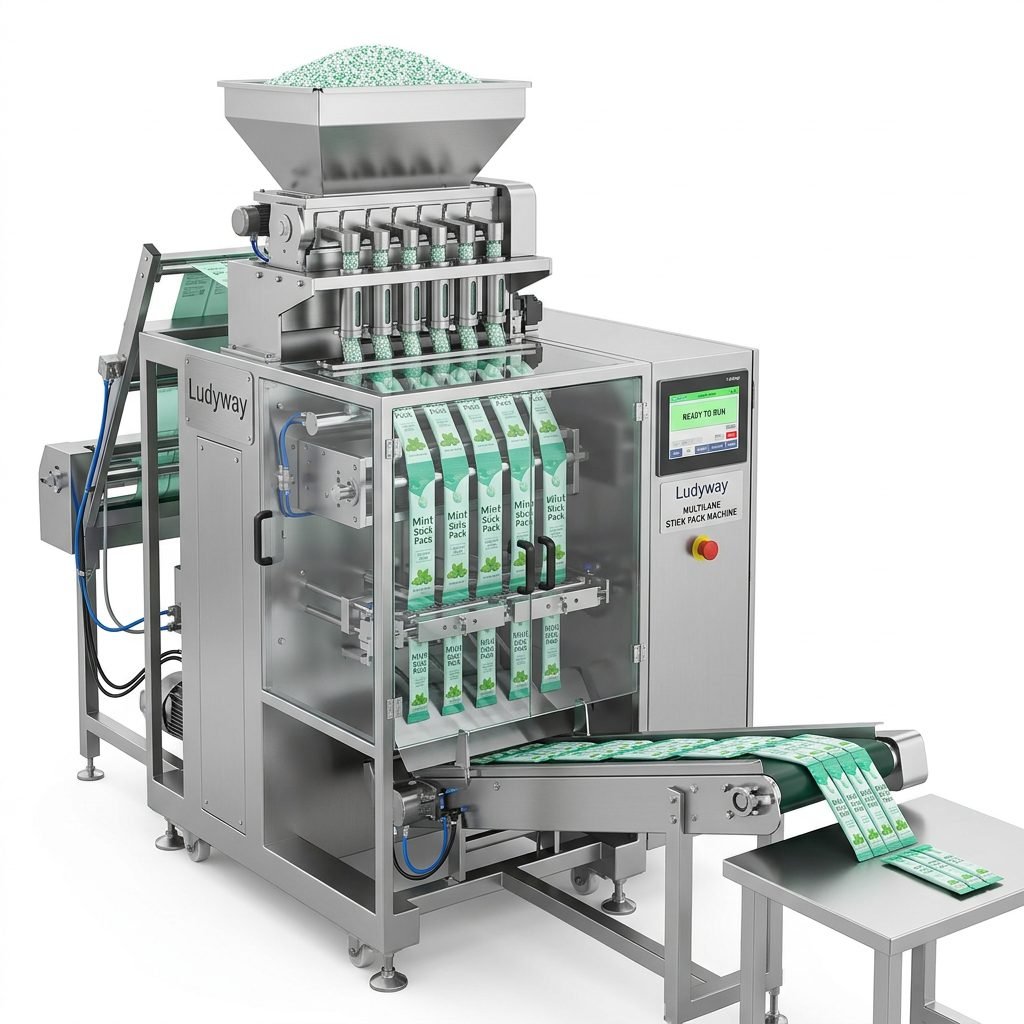
| Multi-Lane Stick Pack Machines | Single-serve almond butter, protein packs, snack portions | Compact format, high output per square meter |
Critical Factors to Evaluate When Choosing an Almond Packing Machine
1. Product Characteristics and Gentle Handling
Whole almonds require vibratory or gravity-fed systems with minimal drop heights to reduce breakage. For almond pieces, granules, or powder, auger fillers or volumetric dosing systems may be more appropriate. Good machine design minimizes product bridging and ensures consistent flow from the hopper to the sealing jaws. Look for features like stepped conveyor transitions, soft-landing collection zones, and adjustable vibration parameters tailored to almond density.
2. Packaging Format and Bag Styles
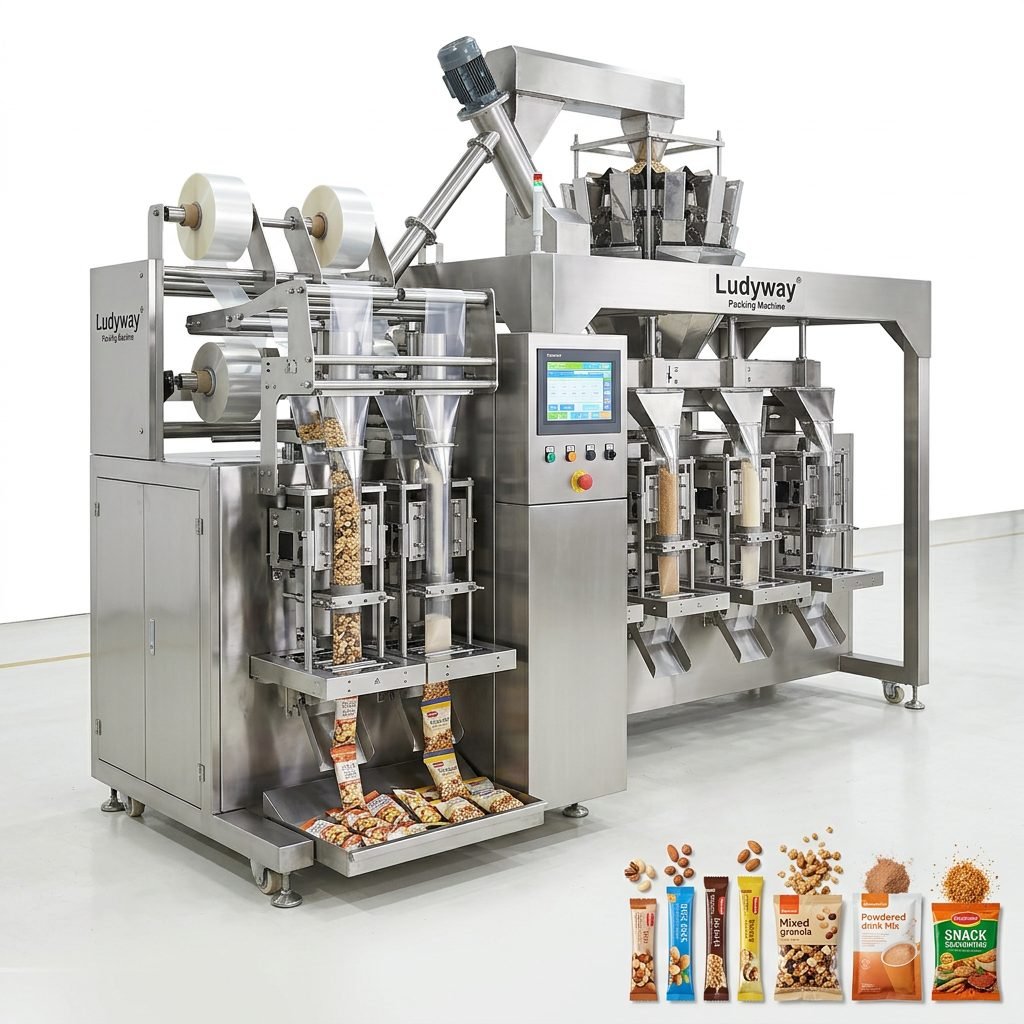
Your target market and distribution channel will heavily influence the required bag format. Consider these common almond packaging styles:
- Pillow bags: Cost-effective, high-volume retail and bulk packs
- Gusseted bags: Improved shelf presence, greater fill volume
- Stand-up pouches with zipper: Premium resealable packaging for snacking categories
- Stick packs or sachets: Single-portion almond-based snacks or supplement powders
- Vacuum bags or MAP packs: Extended shelf life for exported or long-storage products
3. Weighing Accuracy and Speed Requirements
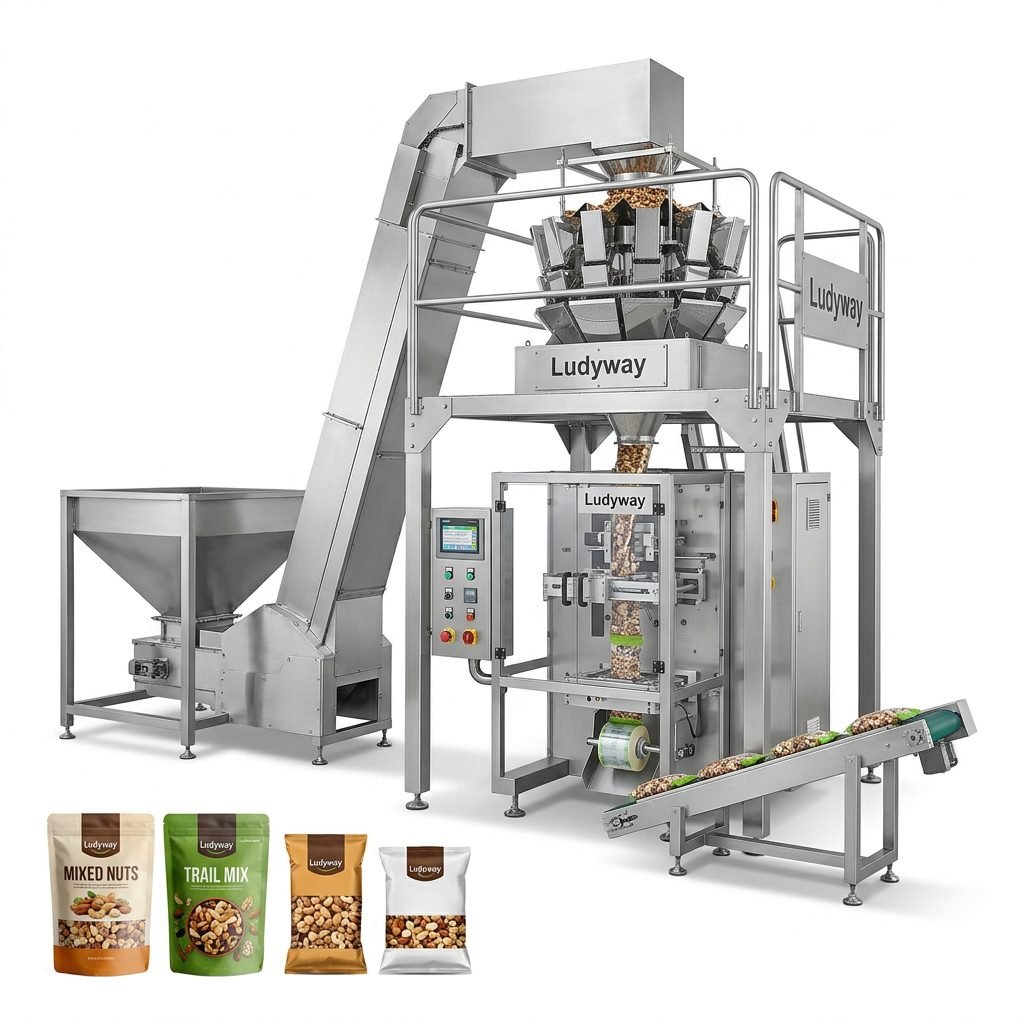
Packaging machinery market data consistently shows that multihead weighers are the preferred solution for nut packaging where precise weight control is critical. A 14-head or 16-head weigher can achieve speeds of 60–120 packs per minute for whole almonds, with accuracy within 0.5–1.5% of target weight. For smaller operations or products ranging from almond flour to mixed nuts, linear weighers or combination scales may offer a more cost-effective option.
4. Sealing Technology and Shelf Life Protection
Almonds’ high unsaturated fat content demands hermetic sealing with high-barrier films. Your machine should offer precise temperature control on sealing jaws, adjustable dwell time, and consistent jaw pressure. For extended shelf life, gas flushing with nitrogen or CO₂ reduces residual oxygen inside the package below 1–2%, significantly slowing oxidative rancidity. According to flexible packaging industry resources, modified atmosphere packaging (MAP) for nuts can extend shelf life by 3–6 times compared to standard air-filled packs.
| Sealing Feature | Benefit for Almond Packaging |
|---|---|
| Serrated or knurled sealing jaws | Stronger seal through oily product residue |
| Independent temperature zones | Prevents burn-through on thin barrier films |
| Gas flushing manifold integration | Reduces residual oxygen for longer freshness |
| Tear-notch or laser scoring | Consumer-friendly easy-open feature |
5. Machine Construction, Cleanability, and Compliance
For food-grade almond packaging, stainless steel 304 or 316L construction is essential for product-contact surfaces. The machine frame and guarding should also use stainless steel or appropriately coated materials to withstand washdown environments. Tool-free disassembly of filling and forming tubes enables rapid product changeover — particularly important for co-packers or facilities processing multiple nut varieties. If you supply major retailers or export markets, ensure the machine can validate against FDA food contact requirements or relevant GFSI standards.
Automation and Line Integration Capabilities
A modern almond packing machine rarely operates in isolation. Consider how the machine will integrate with:
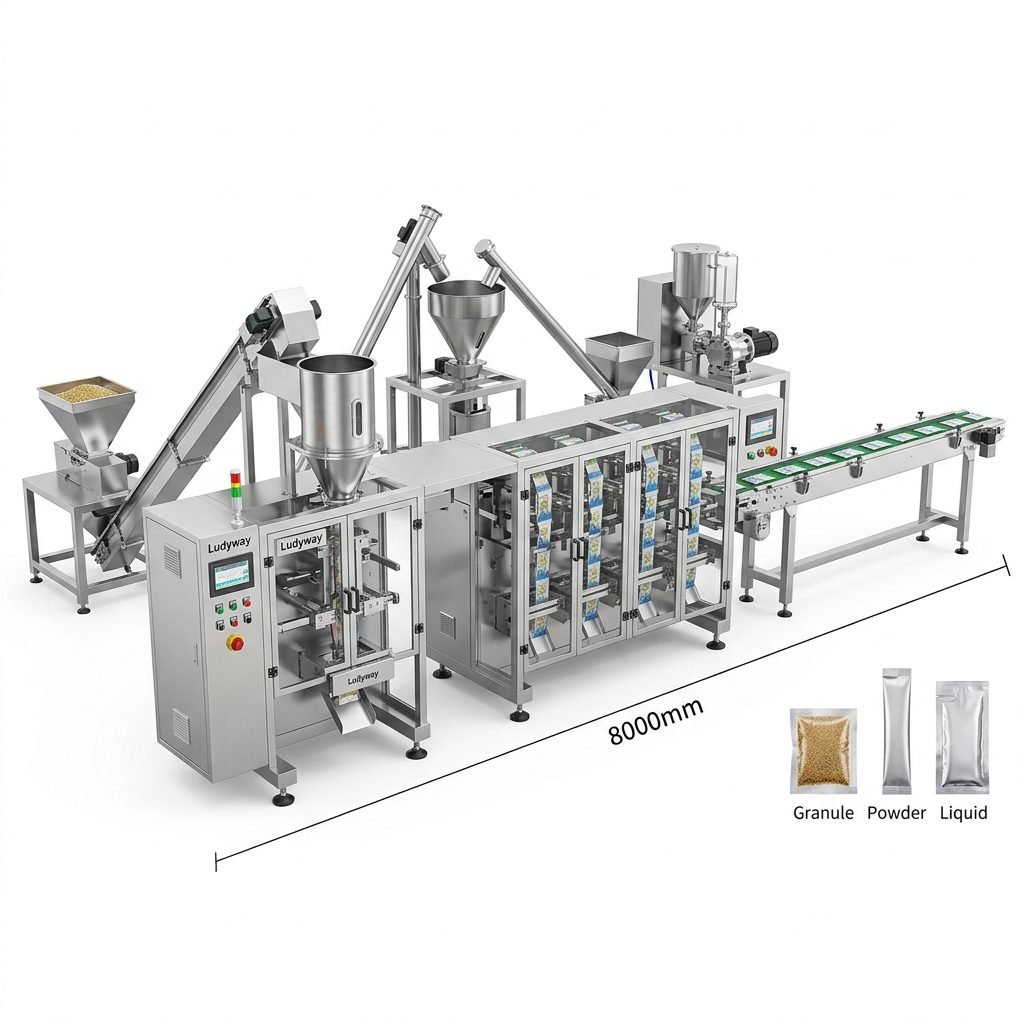
- Upstream feeding systems: Elevator conveyors, vibratory feeders, or multihead weigher platforms
- Downstream equipment: Checkweighers, metal detectors, X-ray inspection, cartoners, case packers, and palletizers
- Centralized control systems: PLC integration with factory SCADA or MES platforms for production tracking and recipe management
- Automation accessories: Automatic film splicing, web guiding systems, registration mark sensors for printed films, and date coding equipment
Industry-Specific Considerations
Different almond applications impose distinct requirements on packaging equipment:
Snack and Retail Nuts
Speed and visual appeal dominate. Machines must handle printed, high-barrier laminate films with accurate registration. Zipper applicators and tear notches add consumer convenience. Multihead weighers with memory hoppers minimize product give-away while maintaining net weight compliance.
Baking Ingredients and Industrial Almonds
These applications often use larger bag formats (1kg–25kg) and prioritize robust construction, high fill accuracy, and dust control. Auger fillers, net weigh baggers, or bulk weigh systems integrate with open-mouth bagging machines for speed and consistency.
Nutritional Powders and Almond-Based Supplements
Almond protein powder, almond milk powder, and similar products require auger or cup filling systems with de-dusting capabilities. Stick pack or sachet formats for single-serve doses are increasingly popular, often handled by multi-lane packaging machines that achieve very high outputs in a compact footprint.
Evaluating Machine Suppliers and Long-Term Support
Beyond the machine specifications, the reliability and capability of the equipment manufacturer matter greatly. Look for suppliers with proven experience in nut and dry food packaging, documented machine performance data, and responsive after-sales support including spare parts availability, remote diagnostics, and local service networks.
For manufacturers seeking a comprehensive packaging machinery partner, Ludyway Machinery — with more than 30 years of experience, a 20,000-square-meter manufacturing facility, and over 50 packaging machine models — provides customized almond packaging solutions that can be configured for different production speeds, bag formats, and automation levels. Working with an experienced manufacturer ensures you receive not just a machine, but an integrated packaging solution designed around your product and production goals.
Total Cost of Ownership Considerations
Quoted machine price is only one component of total ownership cost. Evaluate these factors over a 5–7 year operating horizon:
- Film waste during startups and changeovers: Precision web control reduces scrap
- Spare parts consumption: Sealing jaws, belts, and sensors are common wear items
- Energy consumption: Heating elements, compressed air usage, and motor efficiency
- Operator training and skill requirements: User-friendly interfaces reduce dependency on specialized technicians
- Upgradeability: Can the machine accommodate new bag formats or automation modules later?
Making the Final Decision
Before finalizing your almond packing machine purchase, test your actual product on the target machine configuration. Product trials with real almond samples validate speed claims, weight accuracy, and seal integrity under production-like conditions. Evaluate the machine’s changeover time between whole almonds and processed forms like slivers or powder. Check compliance documentation against your export market requirements such as ISO packaging standards or regional food safety regulations. A well-chosen machine selected through systematic evaluation will deliver consistent, high-quality packaging that protects your almonds, meets regulatory requirements, and enhances shelf appeal for years to come.