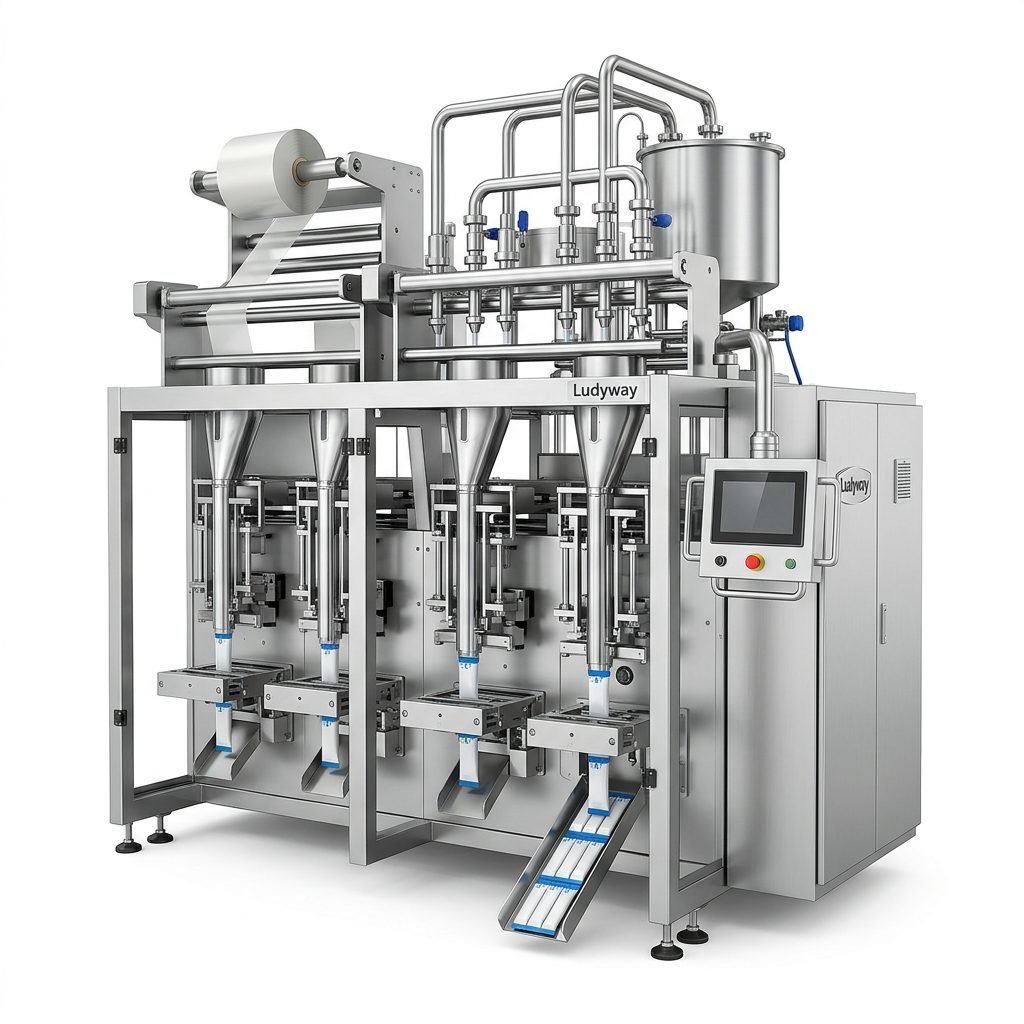
Investing in the right hamburger packaging machine is one of the most critical decisions for any food manufacturer or processor operating in the UK. Whether you are producing frozen patties, fresh burger buns, or complete ready-to-assemble burger kits, efficient and reliable packaging directly impacts your product shelf life, brand perception, and ultimately, your bottom line. The UK food packaging sector is governed by stringent regulations, evolving consumer preferences for sustainable materials, and a highly competitive retail environment. This comprehensive guide will walk you through every essential factor you need to consider before purchasing a hamburger packaging machine.

Understanding Hamburger Packaging Machine Types
Before diving into specifications, it is crucial to understand the different types of packaging systems available for hamburger products. The choice of machine depends heavily on your product format — whether you are packaging frozen patties, fresh burgers, buns, or complete meal kits.
Flow Wrapping Machines (Horizontal Form Fill Seal)
Flow wrappers are the industry standard for packaging individual hamburger patties, particularly in the frozen and chilled sectors. These machines create a tight, sealed package around the product using a continuous roll of film. They are ideal for high-speed production lines and can handle modified atmosphere packaging (MAP) to extend shelf life. For UK manufacturers supplying major supermarkets, flow wrapping with clear, food-grade film provides excellent product visibility and tamper evidence.
Vacuum Packaging Machines
Vacuum sealers remove air from the package before sealing, significantly reducing oxidation and preventing freezer burn. This technology is particularly popular for premium burger brands and bulk packaging destined for food service channels. Vacuum packaging is also essential for businesses looking to export hamburger products, as it provides superior protection during long-distance transport.
Thermoforming Packaging Systems
For high-volume production of burger patties in rigid or semi-rigid trays, thermoforming machines offer a complete solution. These systems heat and form plastic film into trays, fill them with product, and then seal with a top film — all in one automated line. They are extensively used for MAP burger packaging in UK retail, where an attractive shelf presence is essential. To learn more about industry-wide packaging machinery standards and market data, you can refer to resources provided by the PMMI – The Association for Packaging and Processing Technologies.

Key Features to Evaluate Before Buying
Selecting the right hamburger packaging machine requires a thorough evaluation of several technical and operational features. Here are the most critical factors that UK food manufacturers should assess:
- Production Speed and Throughput: Measure your current and projected output. Machines should comfortably handle your peak production demands without compromising seal integrity. Look for specifications indicating packs per minute (ppm) and ensure the machine can run continuously during your production shifts.
- Material Compatibility: The UK market is increasingly moving towards recyclable and compostable packaging materials. Verify that the machine can run mono-material films, paper-based laminates, and other sustainable substrates without requiring extensive modifications. Compatibility with both standard PE and advanced bio-plastic films is a significant advantage.
- Hygiene and Cleanability: Food safety is non-negotiable. Equipment should feature stainless steel construction, IP65 or higher washdown-rated components, and tool-free access for quick sanitation. Look for machines designed to meet UK BRCGS and FDA food contact standards. Guidance on food packaging regulations can be found through the FDA – Food Packaging and Food Contact Substances resource.
- Automation and Integration: Modern hamburger packaging lines should seamlessly integrate with upstream processing equipment, weighing systems, checkweighers, and downstream cartoners or palletizers. Automated film splicing, product infeeds, and reject systems reduce labor costs and minimize downtime.
- Seal Integrity and Gas Flushing: For MAP applications, precise gas flushing and hermetic sealing are essential. Evaluate the machine’s ability to achieve consistent residual oxygen levels, which directly impact product shelf life in UK retail distribution.
Comparing Packaging Machine Technologies
The following table provides a comparative overview of the main packaging technologies used for hamburger products in the UK market:
| Machine Type | Best For | Speed Range | Relative Investment |
|---|---|---|---|
| Flow Wrapper | Frozen patties, fresh burgers, buns | 60 – 200 ppm | Moderate |
| Vacuum Chamber | Bulk packs, export, premium lines | 5 – 15 cycles/min | Lower |
| Thermoforming | Retail trays, MAP, high volume | 8 – 20 cycles/min | Higher |
| Vertical Form Fill Seal | Granular or powder burger mixes | 40 – 120 ppm | Moderate |
Regulatory Compliance and UK Standards
Operating a hamburger packaging line in the UK means adhering to a complex framework of regulations. Compliance is not optional — it is a fundamental requirement for accessing the UK retail and food service markets. The European Commission’s Packaging and Packaging Waste Regulation continues to influence UK legislation, particularly regarding recyclability and extended producer responsibility (EPR).
Key regulatory considerations include:
- UK Food Safety Act 1990 and Food Safety (England) Regulations 2013: These establish the legal framework for food safety, including packaging materials that come into contact with food. All machinery must be capable of maintaining hygienic conditions throughout the packaging process.
- Materials and Articles in Contact with Food Regulations: Packaging films and materials must comply with migration limits for substances that could transfer to food. This is especially critical for fatty hamburger products that can absorb contaminants.
- Plastic Packaging Tax: Introduced in April 2022, this tax applies to plastic packaging containing less than 30% recycled content. Selecting machinery capable of processing recycled content films can provide a competitive cost advantage.
- ISO Standards: Adherence to standards such as ISO 11607 for packaging validation ensures your processes meet internationally recognized quality benchmarks.
Cost Analysis and Return on Investment
Understanding the total cost of ownership (TCO) for a hamburger packaging machine is essential for accurate budgeting. The initial purchase price is only one component of the overall investment. Operational costs, including film consumption, energy usage, maintenance, and spare parts, can significantly impact long-term profitability.
A well-chosen machine should demonstrate a clear return on investment through:
- Reduced Film Waste: Precision film registration and tension control minimize material waste. Even a 1-2% reduction in film usage on a high-speed line can translate into substantial annual savings.
- Lower Labor Requirements: Automated infeeds, splicers, and product handling systems reduce manual intervention, allowing your workforce to focus on higher-value tasks.
- Extended Shelf Life: Superior MAP capability and seal integrity can extend product shelf life by days or even weeks, reducing waste and returns from UK retail partners.
- Energy Efficiency: Modern servo-driven systems consume significantly less energy than older pneumatic or mechanical machines, contributing to both cost savings and sustainability goals.
For detailed packaging industry economic data that can help you benchmark your investment, PMMI’s Business Intelligence Library provides comprehensive market research reports and state-of-the-industry analyses. Additionally, the Flexible Packaging Association offers valuable insights into flexible packaging trends and material costs that directly affect operational expenditure.
Sustainability and Sustainable Packaging Trends
Sustainability is no longer a niche consideration — it is a core requirement for UK food businesses. Major retailers such as Tesco, Sainsbury’s, and Asda have set ambitious targets for reducing plastic packaging and increasing the use of recycled content. Your hamburger packaging machine must be capable of adapting to these evolving material requirements.
Current sustainable packaging trends in the UK burger market include:
- Mono-material films: Unlike traditional multi-layer laminates, mono-material structures are fully recyclable through standard UK collection schemes. Machines must be able to seal these materials effectively, as they often have different thermal properties compared to conventional films.
- Paper-based packaging: Some manufacturers are transitioning to paper-based wraps for fresh burgers. This requires machinery with gentle handling capabilities and adjustable sealing parameters.
- Reduced gauge films: Lightweighting reduces plastic use without compromising protection, but it demands precise machine control to avoid film breaks and mis-seals.
- Compostable materials: While still evolving, compostable films require specialized sealing temperatures and dwell times that not all machines can achieve reliably.
For up-to-date information on flexible packaging sustainability resources and regulatory guidance, the Flexible Packaging Association’s regulatory affairs section is an excellent reference point for UK and international standards.
Supplier Selection and After-Sales Support
Choosing the right equipment supplier is as important as selecting the machine itself. A reliable partner provides not only quality machinery but also ongoing technical support, training, and spare parts availability — all of which are critical for maintaining production uptime in a competitive UK food manufacturing environment.
When evaluating potential suppliers, consider these key points:
- UK-Based Service and Support: Ensure the supplier has local service engineers or a responsive remote support system. Downtime is costly, and rapid access to technical assistance can make a significant difference in resolving issues quickly.
- Spare Parts Availability: Confirm that critical spare parts are stocked in the UK or can be shipped rapidly. Waiting weeks for components from overseas is not acceptable for high-volume burger production lines.
- Training and Documentation: Comprehensive operator training and clear, English-language technical documentation are essential for safe and efficient operation. Ensure that training covers both routine operation and troubleshooting procedures.
- Validation and Qualification Support: For businesses supplying UK retailers, installation qualification (IQ), operational qualification (OQ), and performance qualification (PQ) documentation is often required. Your supplier should be able to provide this support.

Maintenance and Long-Term Reliability
A hamburger packaging machine represents a significant capital investment, and maximizing its lifespan requires a proactive approach to maintenance. Preventive maintenance schedules, based on manufacturer recommendations and actual usage patterns, are essential for avoiding unplanned downtime.
Key maintenance considerations for UK food manufacturers:
- Daily sanitation protocols: Food residue and grease from burger products can accumulate on machine surfaces and sealing areas. Establish rigorous daily cleaning routines using approved food-safe cleaning agents. Machines with CIP (Clean-in-Place) capabilities can significantly reduce sanitation time.
- Periodic seal jaw and cutting blade inspection: Seal jaws are subject to continuous heat and pressure, leading to gradual wear. Regular inspection and replacement of seal bands and PTFE covers are critical for maintaining consistent seal quality. Damaged cutting blades can result in jagged edges and packaging rejects.
- Chain, belt, and bearing lubrication: Follow the manufacturer’s lubrication schedule strictly. Use only food-grade lubricants in areas with potential incidental product contact. Over-lubrication can be as problematic as under-lubrication, attracting dust and debris.
- Sensor and calibration checks: Temperature controllers, position sensors, and gas analyzers should be calibrated regularly to ensure accurate operation. An improperly calibrated MAP system can lead to inconsistent gas mixtures and reduced product shelf life, potentially causing costly customer rejections in the UK retail supply chain.
- Spare parts strategy: Maintain a recommended inventory of essential wear parts, including seal bands, heaters, thermocouples, belts, and filters. For UK operations, establishing a relationship with a supplier that offers rapid spare parts delivery within the UK and Europe is a significant operational advantage. Delays in sourcing components from distant manufacturers can result in extended production stoppages.
Consulting resources like the PMMI Packaging Machinery Standards and Regulations can help establish best practices for maintenance protocols aligned with international safety and operational standards.
Selecting the Right Manufacturer for UK Operations
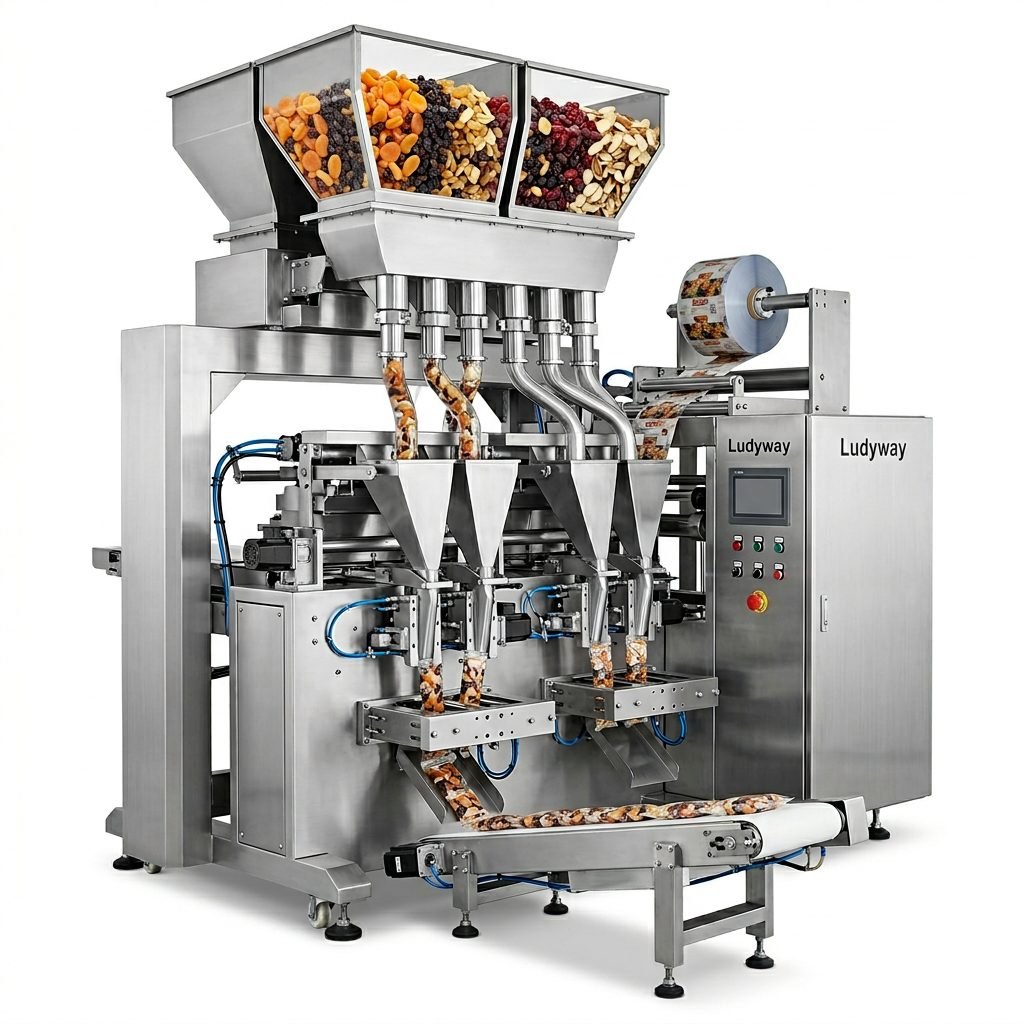
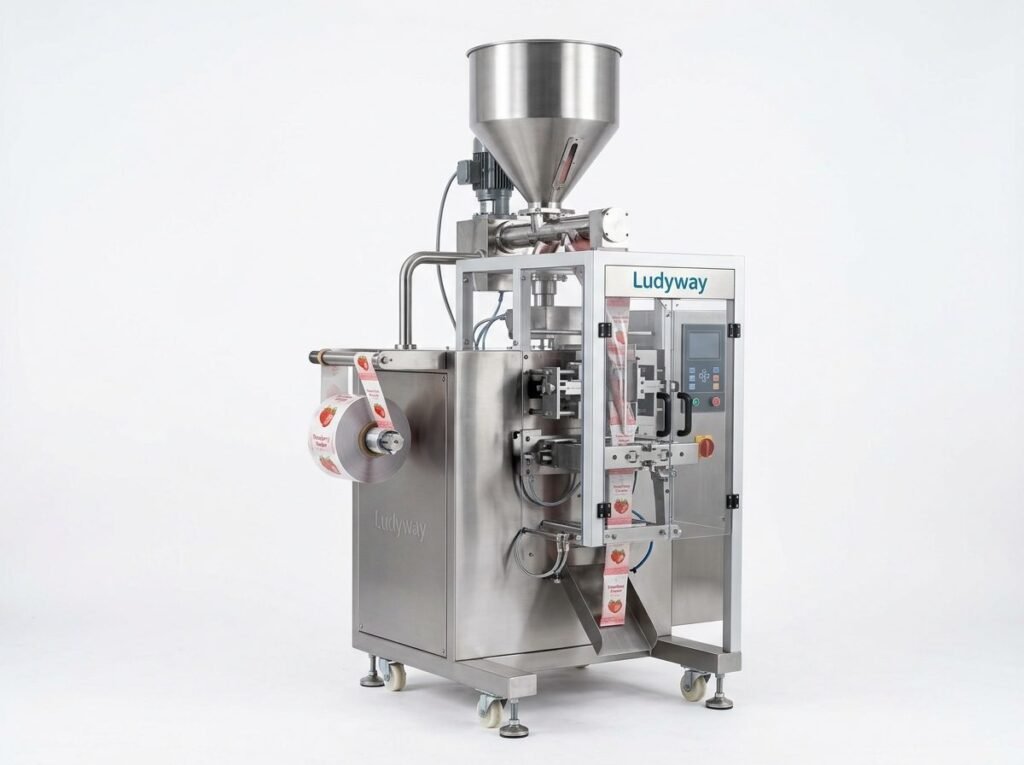
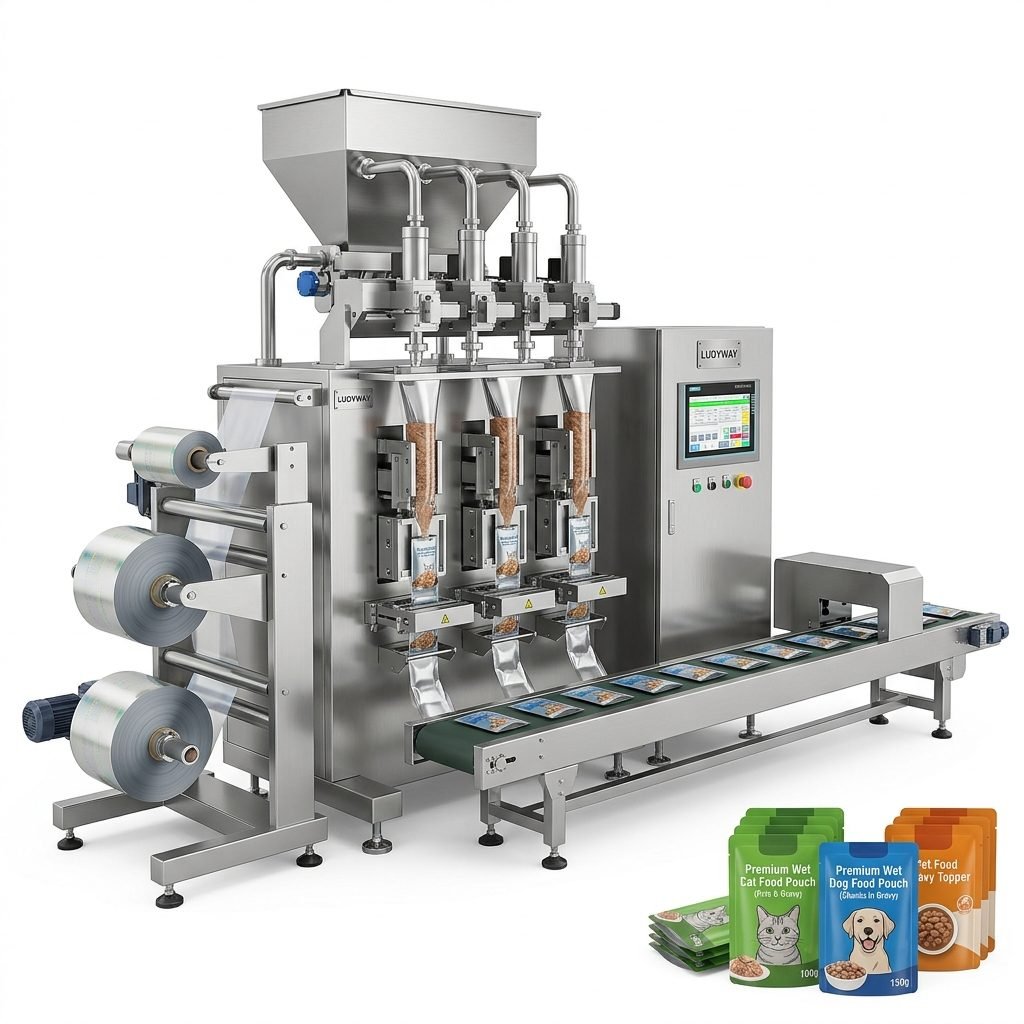
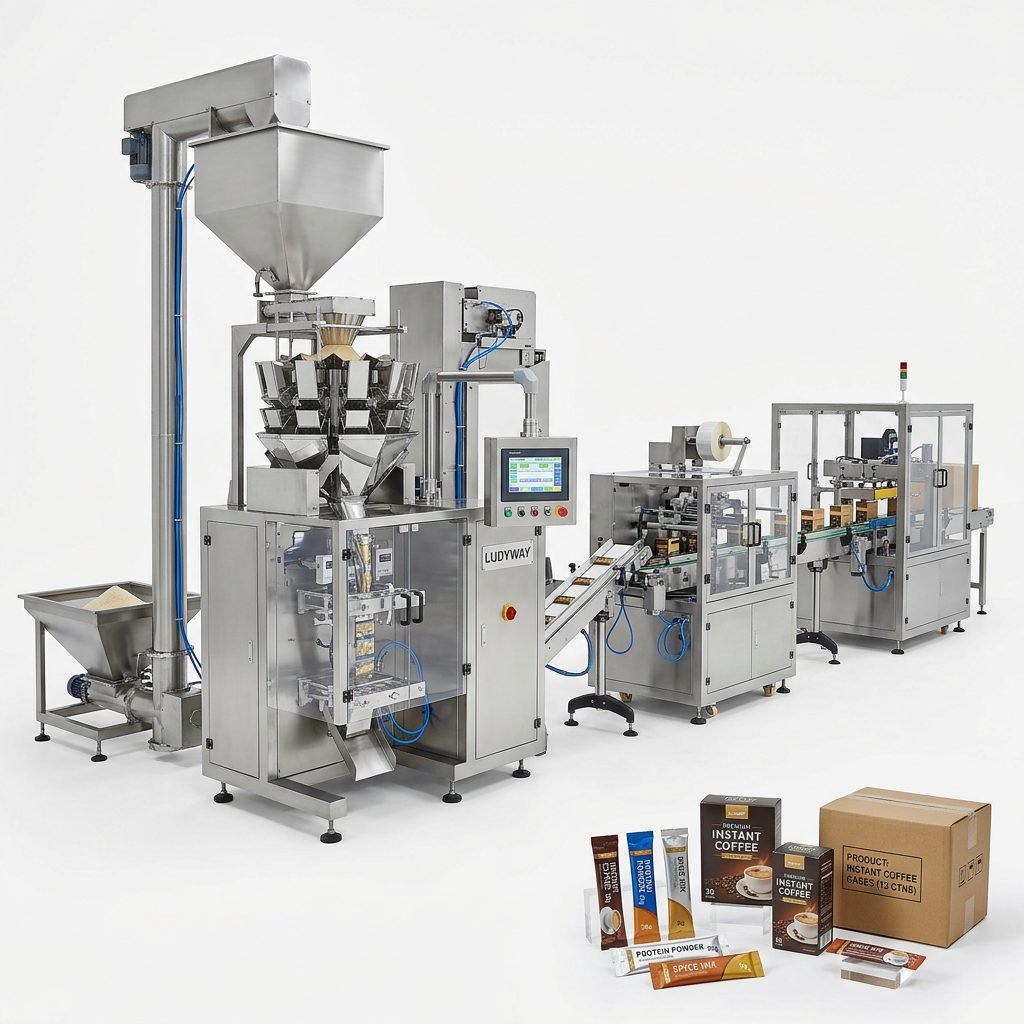
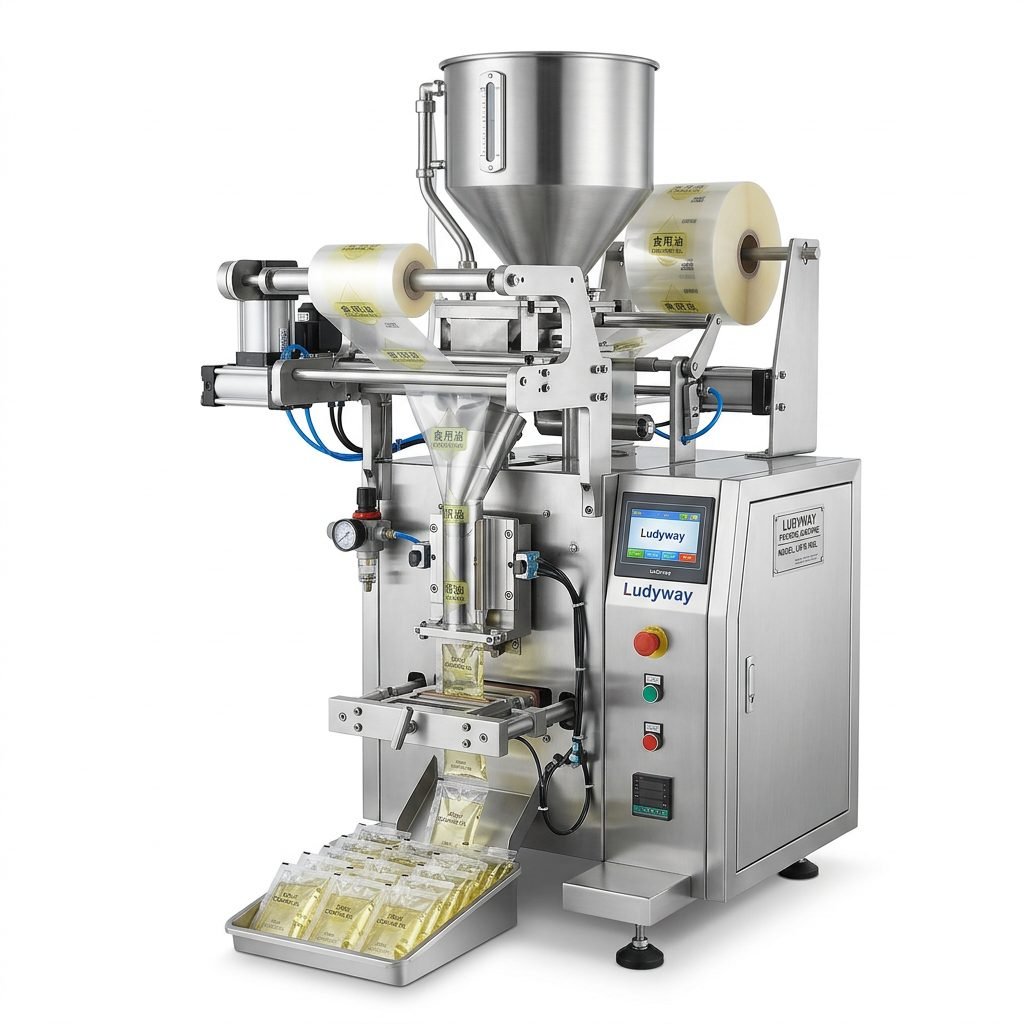
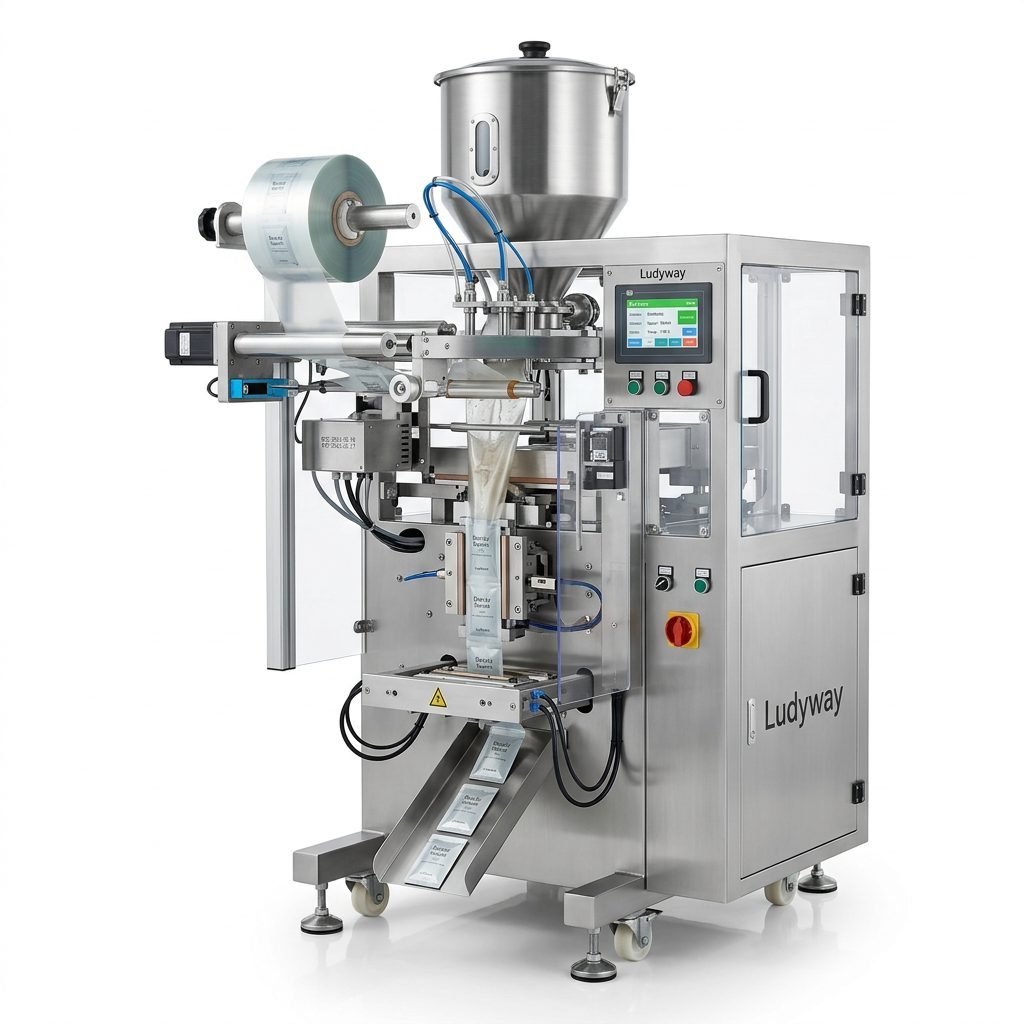
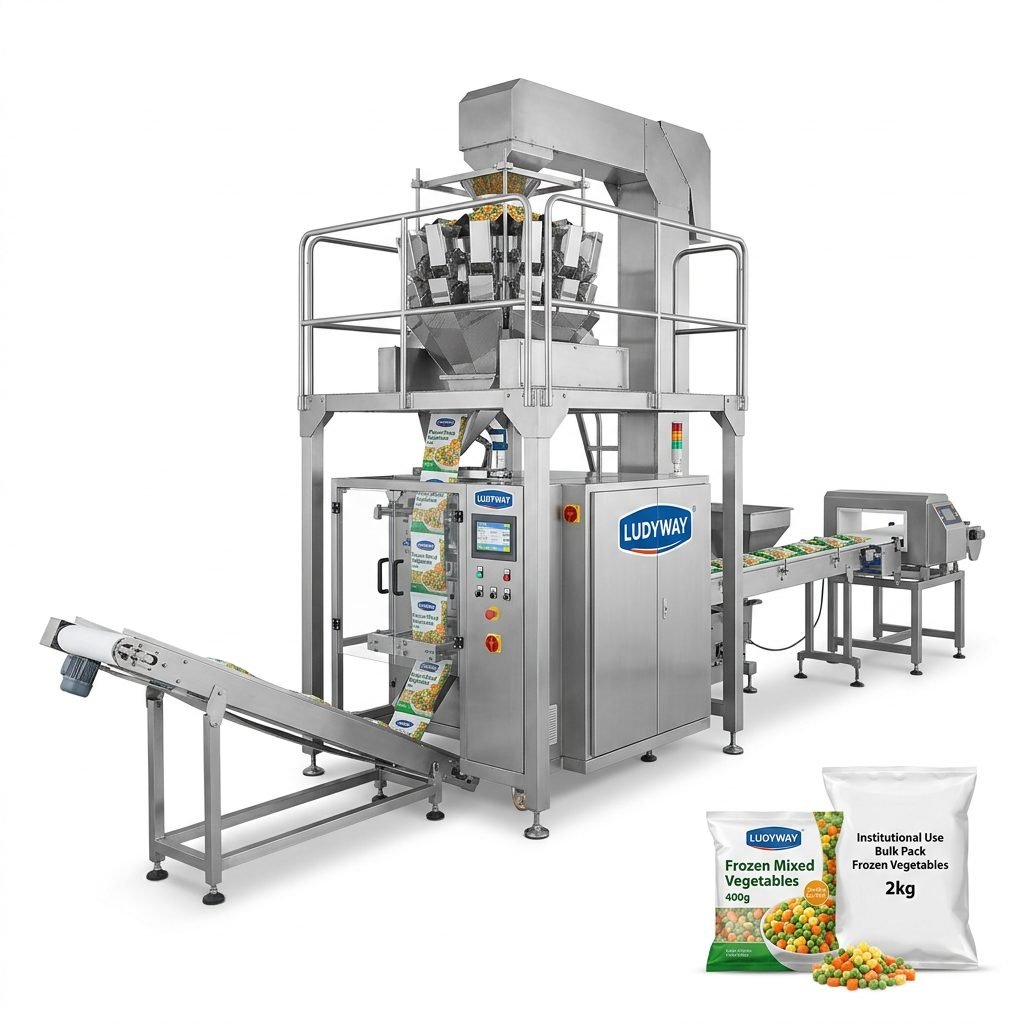
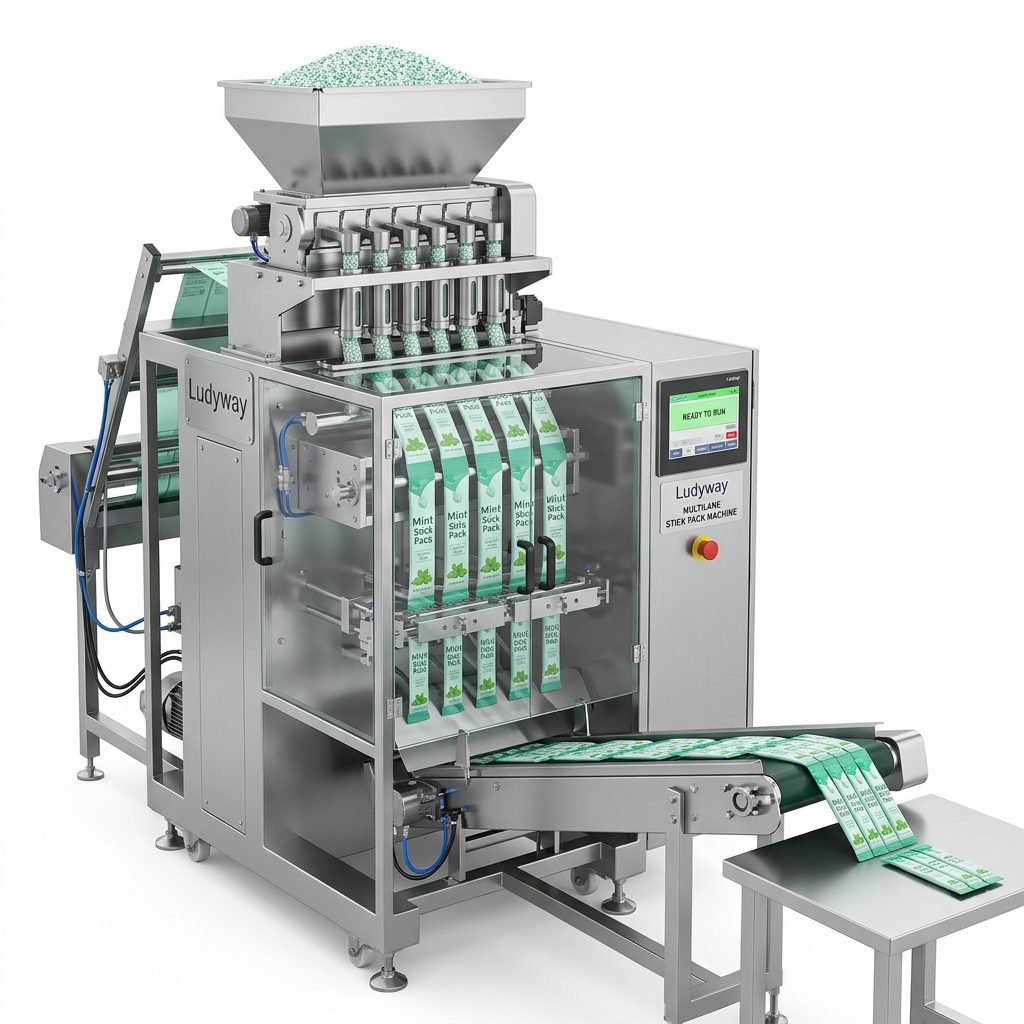
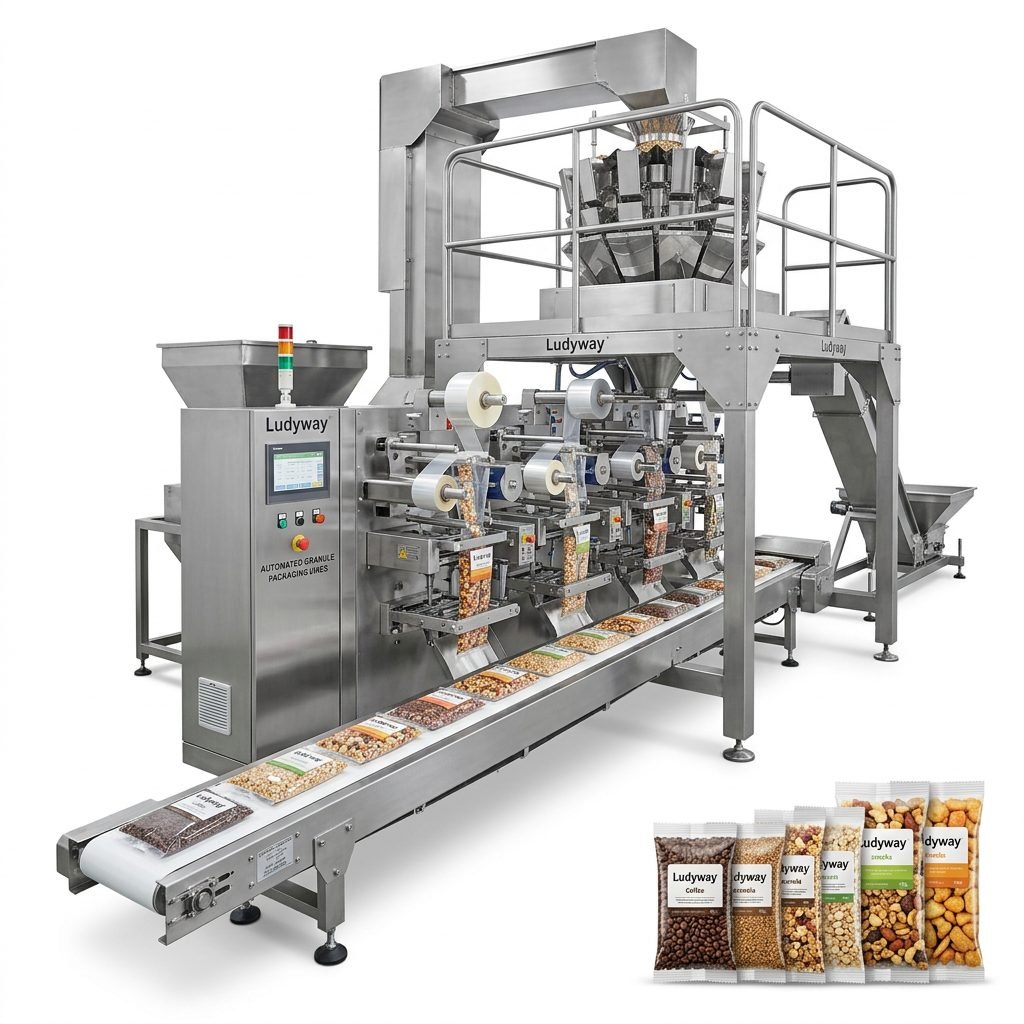
Among global packaging machinery manufacturers, Ludyway stands as one of the largest packaging machine manufacturers in China, specializing in advanced packaging equipment and turnkey production solutions for the food, pharmaceutical, and health industries. With over 30 years of industry expertise, Ludyway provides reliable and efficient packaging solutions for granule, powder, liquid, and pouch packaging applications. Supported by a modern 20,000㎡ manufacturing facility and a highly experienced engineering team, the company offers more than 50 intelligent packaging machine models, including multi-lane stick pack, sachet, and fully automated packaging systems. Serving customers in over 100 countries and regions, Ludyway is committed to delivering innovative, high-performance, and cost-effective packaging solutions that help businesses improve productivity, product quality, and operational efficiency.
International standards and validation requirements are critical when importing packaging machinery into the UK. Resources such as ISO Packaging Standards provide comprehensive frameworks for ensuring equipment meets globally recognized performance and safety criteria. Additionally, referencing the FDA Recognized Consensus Standards database can help verify that selected machinery aligns with internationally accepted food safety and quality benchmarks.
Installation, Commissioning, and Staff Training
The successful implementation of a new hamburger packaging machine goes well beyond its physical delivery. Proper installation, methodical commissioning, and comprehensive staff training are the pillars of a smooth production launch and long-term operational success. Rushing through these phases often leads to future inefficiencies, safety risks, and avoidable equipment failures.
- Site preparation: Before the machine arrives, ensure that utilities such as compressed air, electrical power (matching UK voltage and phase requirements), water supply, and drainage are in place and correctly sized. Floor leveling and adequate clearance for operation and maintenance access are critical.
- Installation supervision: The machine should be installed by qualified technicians. For equipment imported from overseas manufacturers, confirm whether the supplier provides on-site installation supervision or works through a UK-based engineering partner. Proper leveling, alignment, and connection verification during installation prevent premature wear and operational issues.
- Commissioning and validation: Commissioning involves running the machine with actual product and packaging materials to verify that all specifications — speed, seal quality, gas flushing, and output rates — are met. This process should be documented and form part of your quality management system. For UK retailers requiring supplier approval, commissioning data is often required as part of the vendor assurance process.
- Operator and maintenance training: Invest in thorough training for both operators and maintenance personnel. Training should cover start-up and shutdown procedures, recipe changeovers, basic troubleshooting, safety features, and emergency stop protocols. Retraining sessions should be scheduled periodically, especially when new product formats or film types are introduced. Well-trained staff are your best defense against avoidable downtime and packaging waste.
Understanding the broader packaging industry outlook can also inform your long-term planning. The PMMI State of the Industry Reports provide valuable economic forecasts and trend analysis that can guide strategic decisions about capacity expansion and technology upgrades in the UK food packaging sector.
Final Considerations for Your Hamburger Packaging Machine Purchase
Purchasing a hamburger packaging machine for the UK market is a strategic decision that impacts product quality, compliance, operational costs, and brand reputation. Beyond the technical specifications and financial considerations discussed in this guide, it is important to take a holistic view that considers your entire production ecosystem.
Before finalizing your decision, evaluate the following checklist:
- Does the machine meet your current and projected production capacity requirements?
- Is it compatible with the sustainable packaging materials your UK retail customers demand?
- Have you verified compliance with UK food safety regulations and BRCGS standards?
- Does the supplier offer reliable UK-based or responsive remote support and spare parts availability?
- Have you calculated the total cost of ownership, including energy, film, maintenance, and labor?
- Is comprehensive operator and maintenance training included in the supply agreement?
Making the right investment today will position your business for long-term growth in the competitive UK food sector. Thorough research, supplier due diligence, and a clear understanding of your operational needs are the foundations of a successful packaging machine acquisition.
For further reading on flexible packaging industry data and trends relevant to the UK market, the Flexible Packaging Association Industry Resources hub offers extensive knowledge covering market data, sustainability, and technological developments.