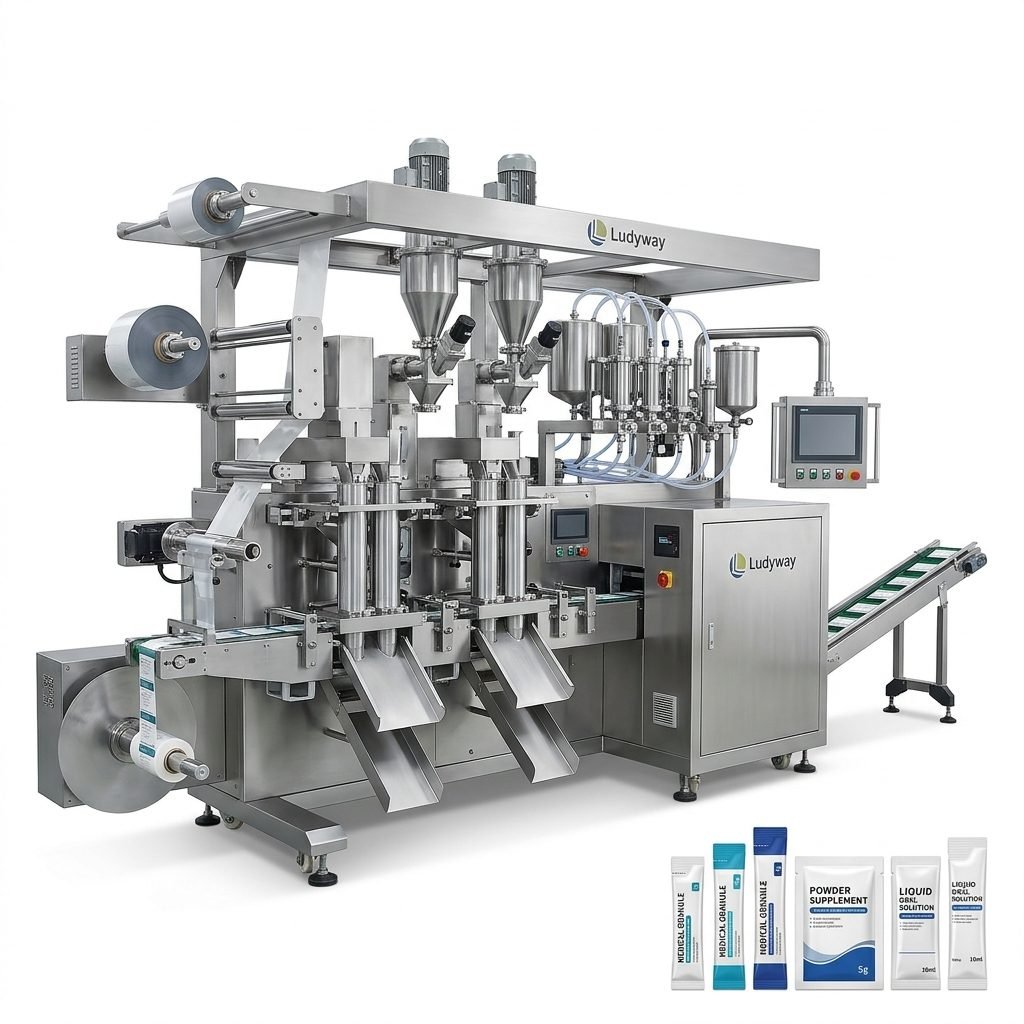
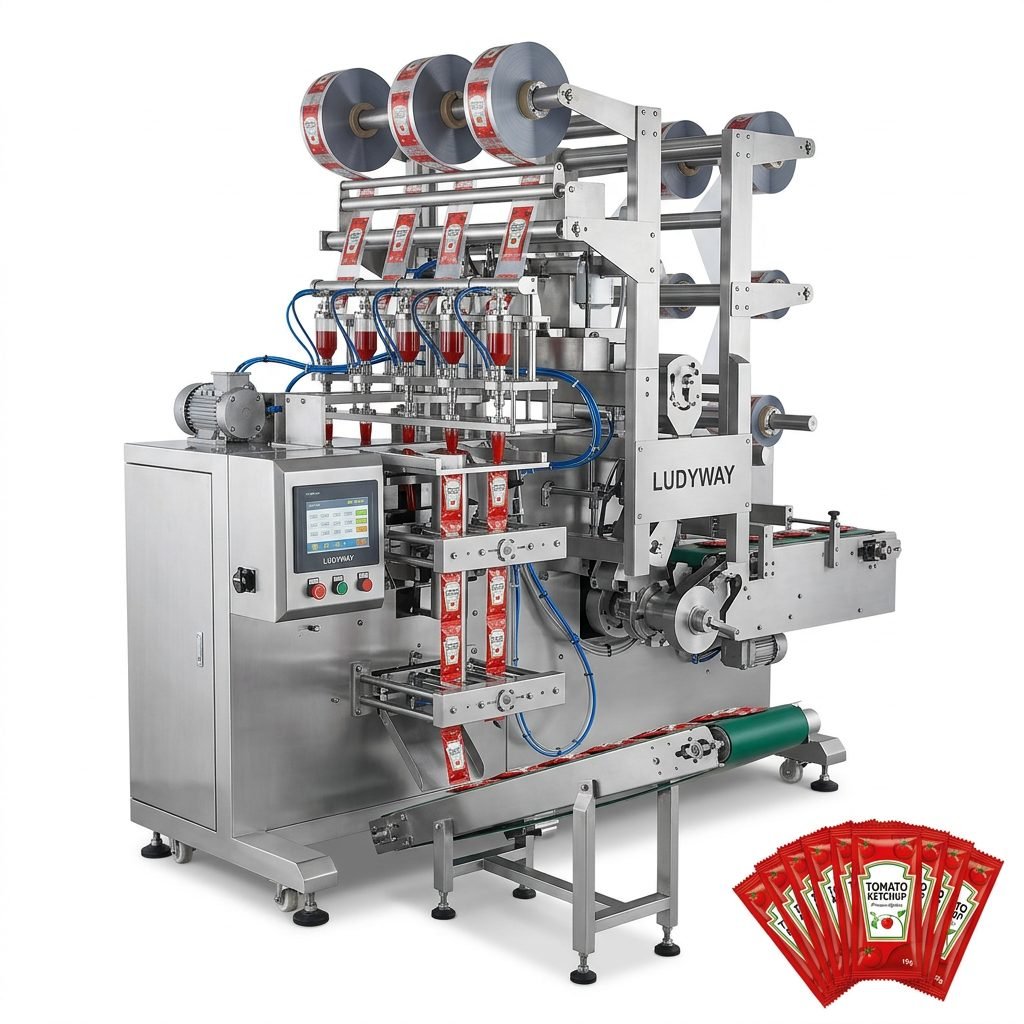
Investing in a food tray packaging machine is a critical decision for food processing businesses aiming to scale production, extend shelf life, and meet stringent hygiene standards. China has emerged as a global hub for sourcing this equipment, offering sophisticated technology at competitive price points. This guide covers everything you need to know, from machine types and key specifications to supplier selection and after-sales service.
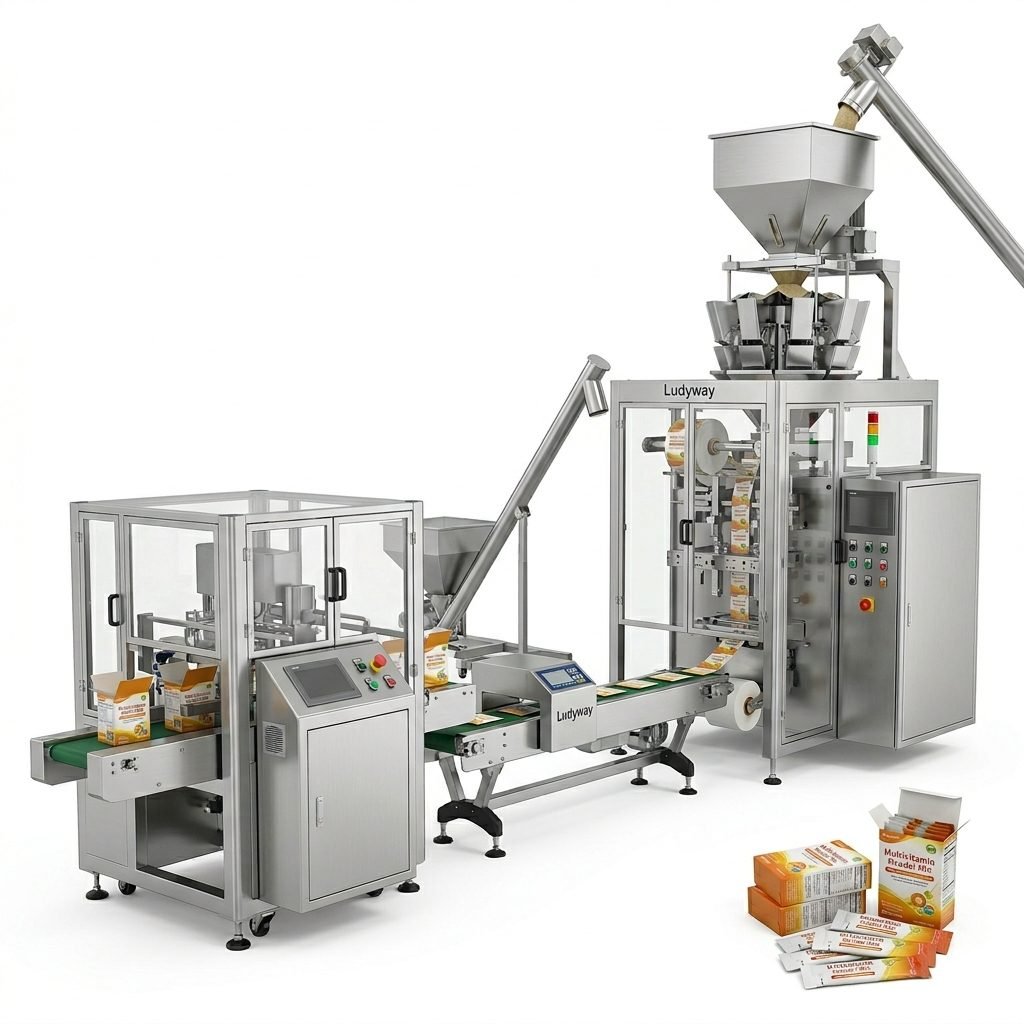
1. Understanding Food Tray Packaging Machine Types
Food tray packaging is not a one-size-fits-all solution. Depending on your product—whether it is fresh meat, ready meals, snacks, or medical devices—you need to match the machine’s sealing technology to your production environment. The three primary configurations commonly sourced from China include Modified Atmosphere Packaging (MAP), Vacuum Skin Packaging (VSP), and standard Heat Seal Tray Sealers.
- MAP Tray Sealers: These machines replace the oxygen inside the package with a protective gas mixture (usually nitrogen and carbon dioxide). This is ideal for extending the shelf life of fresh produce, cooked meats, and bakery items. China-manufactured MAP machines often incorporate high-precision gas flushing systems to ensure residual oxygen levels remain below 1%.
- Vacuum Skin Packaging: Often used for premium meat and seafood, VSP technology uses a vacuum to tightly seal a transparent film over the product, eliminating unsightly juices and extending preservation significantly. High-end Chinese VSP machines offer precise temperature control to prevent film punctures.
- Standard Heat Seal Tray Sealers: A cost-effective option for dry snacks or items not requiring atmospheric modification. These machines are robust, fast, and simple to operate.
2. Key Selection Criteria: Beyond the Price Tag
When evaluating a food tray packaging machine supplier in China, you must look beyond the initial capital expenditure. Operational efficiency, hygiene design, and material compatibility are paramount. Modern facilities prioritize machines built with stainless steel frames and washdown capabilities to comply with food safety audits.
Hygiene and Build Quality
Look for equipment constructed from SUS304 stainless steel with sloping surfaces that prevent water accumulation. The machine should feature minimal exposed threads and easy access for cleaning. A cantilevered conveyor design is a significant advantage, allowing maintenance teams to reach critical components without dismantling the entire system.
Automation and Output Speed
Chinese manufacturers now offer systems ranging from semi-automatic manual tray denesters to fully automated inline lines. If your target output exceeds 30 trays per minute, you will need an integrated solution featuring automatic denesting, filling assistance, and robotic pick-and-place. High-speed servo drives are the standard for premium multi-lane tray packaging lines.
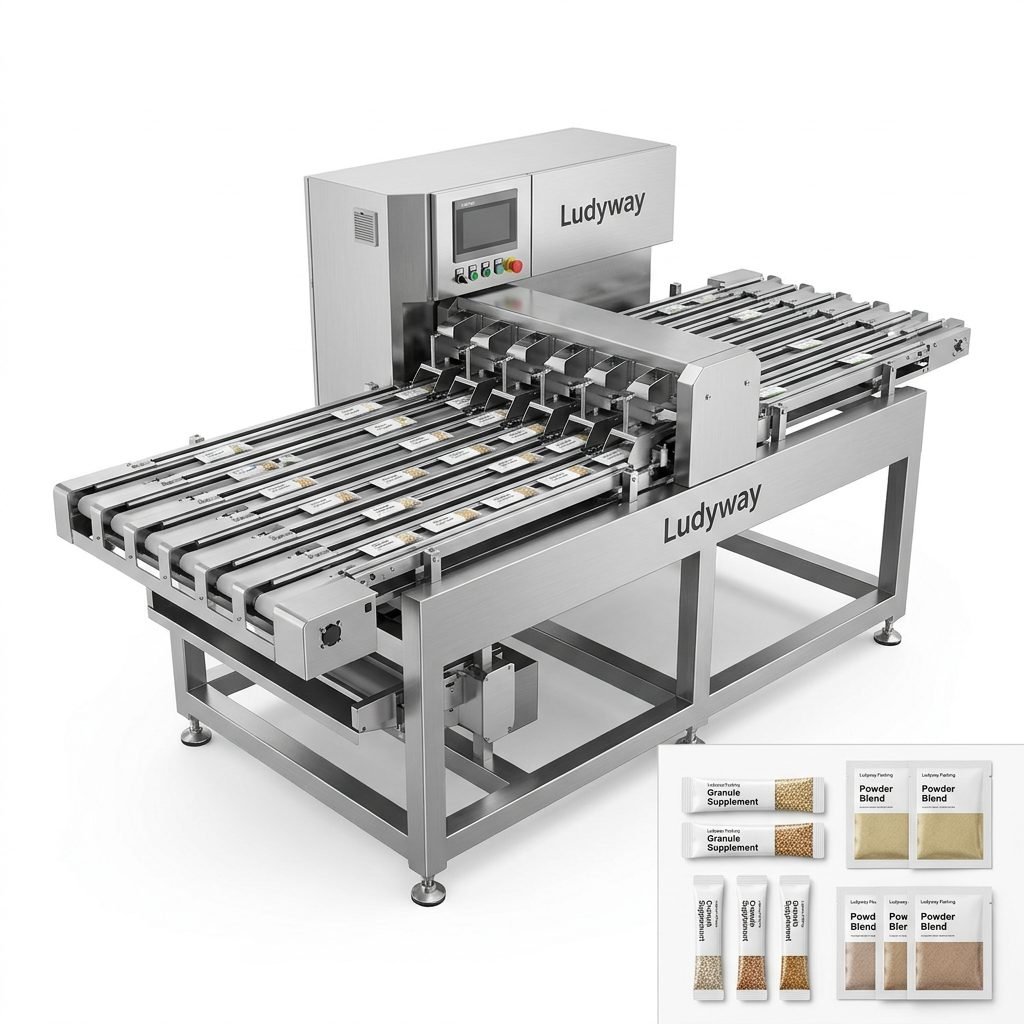
3. The Cost Economics of Chinese Food Tray Machinery
Sourcing from China often allows businesses to access advanced technology at 40-60% lower costs compared to European equivalents. However, the total cost of ownership includes shipping, import duties, and local installation. It is crucial to calculate the cost per pack rather than just the machine price.
| Feature | Entry-Level (Manual) | Mid-Range (Semi-Auto) | High-End (Fully Auto) |
|---|---|---|---|
| Output Speed | 4-8 trays/min | 15-30 trays/min | 40-80+ trays/min |
| Labor Requirement | High (3-4 Operators) | Moderate (1-2 Operators) | Low (Monitoring Only) |
| Gas Flushing Accuracy | Basic | High Precision (Residual O2 < 1%) | Ultra-High Precision |
| Typical ROI Period | 6-12 months | 12-18 months | 18-36 months |
4. Why Source from a Leading Manufacturer Like Ludyway?
Ludyway is one of the largest packaging machine manufacturers in China, operating a modern 20,000㎡ production facility with over 30 years of industry experience. For food tray applications, they provide robust stainless-steel construction, advanced PLC controls from Siemens or Omron, and customized mold designs to fit your specific tray dimensions. With exports to over 100 countries, their turnkey solutions cover everything from tray denesting to case packing, ensuring seamless integration in meat processing plants and ready-meal factories.
5. Customization, Molds, and Future-Proofing
Food brands frequently change tray designs for marketing purposes. Your machine should support quick-release mold changes. In China, mold customization is significantly more affordable than in the West. Ensure the manufacturer offers digital temperature controllers with recipe memory. This allows you to store settings for different film types (such as PET/PE laminate or barrier films) and instantly recall them, minimizing downtime between product changeovers.
Integrating Upstream and Downstream
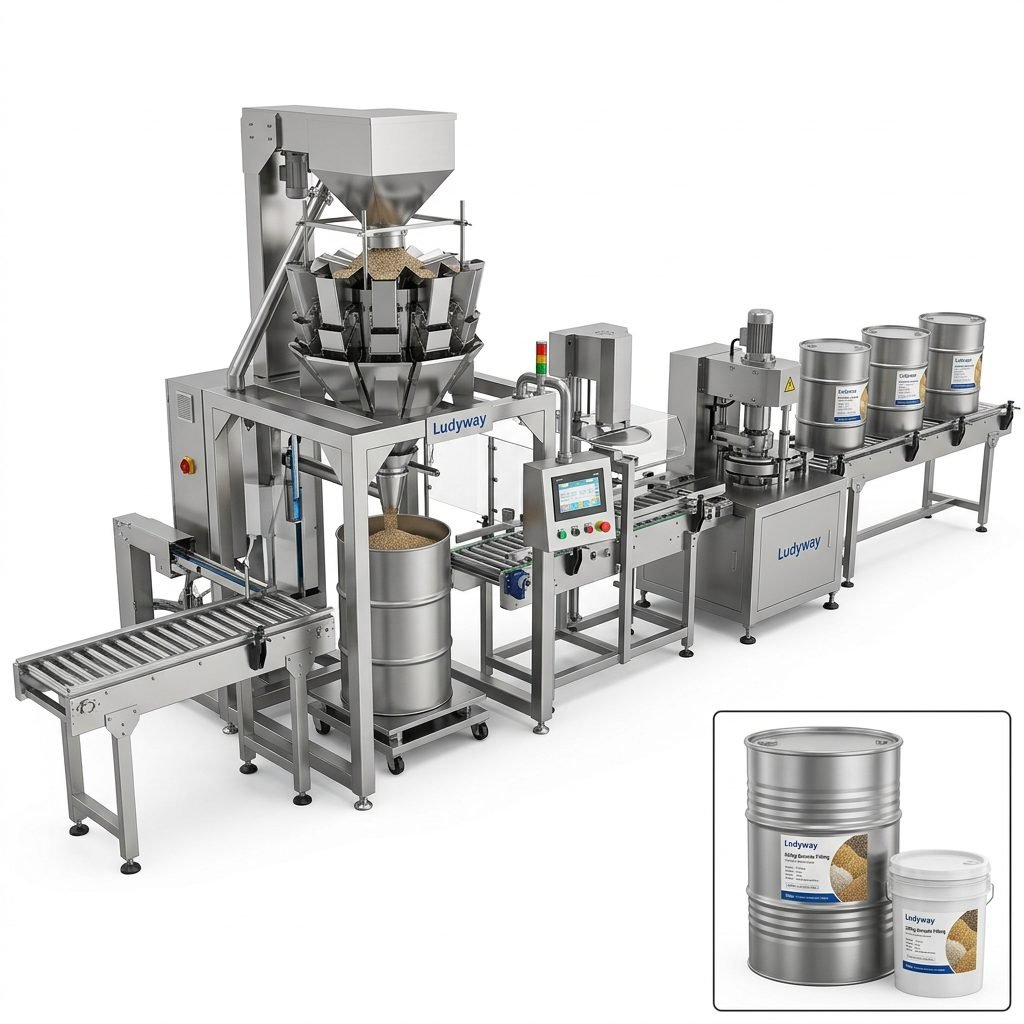
A smart purchase considers the entire line. Leading Chinese solution providers offer integrated systems that include multi-head weighers for granular products or liquid piston fillers for sauces. For additional guidance on supplementary machinery, you can explore resources from industry authorities like the PMMI Association for Packaging and Processing Technologies or review regulatory requirements on the FDA Food Packaging & Food Contact Substances page to ensure compliance.
6. Quality Control and Factory Acceptance Tests (FAT)
Never buy a tray sealer without requesting a Factory Acceptance Test. Reputable Chinese suppliers will run the machine 24 hours straight using your actual trays and film to prove stability. Key metrics to verify include seal integrity (measured in Newtons), vacuum level consistency, and the reject rate of the automatic denesting station. Video inspections during the COVID-19 era have evolved into standard live-streamed Factory Acceptance Tests, allowing international buyers to witness the test without booking a flight immediately.
7. Shipping, Support, and After-Sales
Heavy machinery logistics require careful planning. Most tray packaging machines are shipped in full-container loads. Your supplier must provide detailed site preparation drawings, including floor load calculations, power requirements (usually 380V/50Hz or customized for the US/Canada), and compressed air specifications. Post-installation, assess the availability of remote support. Technologies like Augmented Reality (AR) assisted troubleshooting are increasingly common among top-tier Chinese manufacturers, drastically cutting down repair times.
For insights into flexible packaging standards and material sustainability, the Flexible Packaging Association provides excellent resources on the latest barrier films and environmental compliance, which directly impact your tray sealing process.
Conclusion: Source strategically by prioritizing build quality and local support over bottom-dollar pricing. A well-chosen Chinese food tray machine delivers European-level performance with remarkable cost efficiency.