In modern food manufacturing, speed alone is no longer enough. Producers need packaging systems that combine high output, stable sealing quality, precise dosing, hygienic design, and flexible format handling. That is exactly why a TNA packaging machine is often discussed in relation to high-speed automated packaging solutions for food production.
For food brands, co-packers, and factory managers, the real question is not just which machine runs fast, but which system can help maintain product integrity, reduce downtime, and support long-term production growth. From snacks and powders to granules and liquid condiments, automated packaging has become a key part of staying competitive.
Why High-Speed Packaging Matters in Food Production
Food production environments are under pressure from rising labor costs, stricter hygiene expectations, shorter delivery cycles, and increasing demand for consistent pack appearance. High-speed automated packaging systems help solve these challenges by improving operational efficiency across the line.
- Higher throughput for large-volume production
- Improved fill accuracy and reduced giveaway
- Better sealing consistency for shelf-life protection
- Reduced manual handling and labor dependency
- Cleaner, more repeatable production processes
- Better compatibility with coding, checkweighing, cartoning, and case packing
For manufacturers of chips, seasonings, coffee, tea, sugar, milk powder, instant drink mixes, frozen ingredients, and snack products, the right packaging solution can directly affect cost per unit and customer satisfaction.
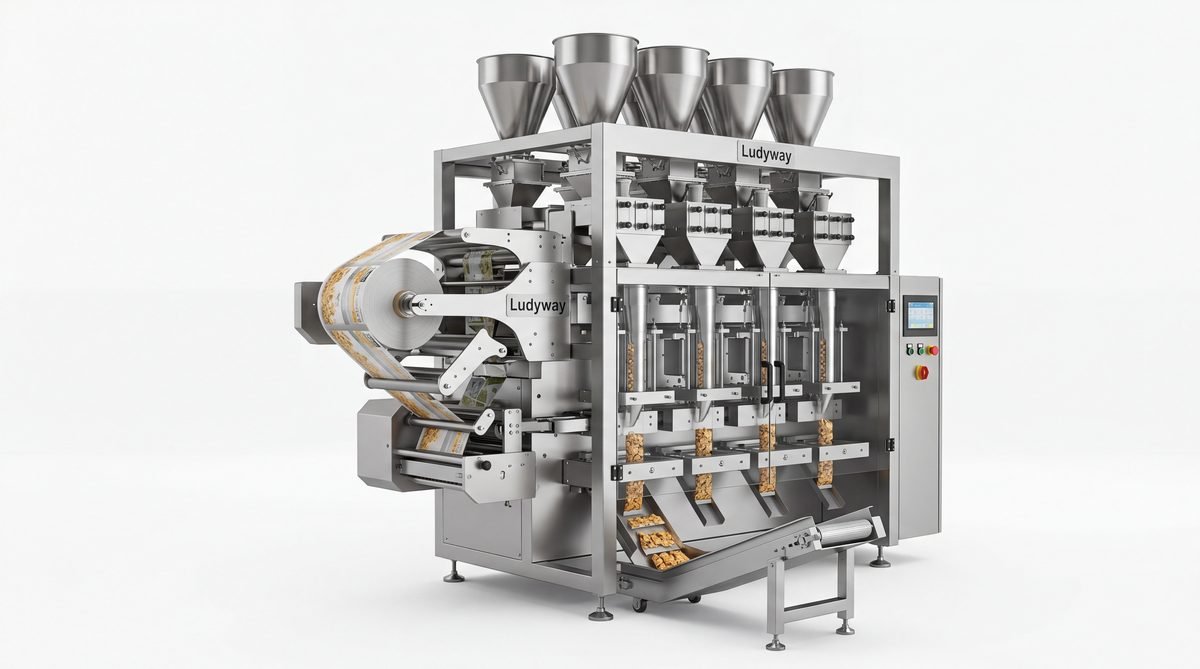
Key Features Buyers Expect from a TNA Packaging Machine Alternative or Comparable System
When buyers search for a TNA packaging machine, they are usually looking for a packaging system known for speed, reliability, and suitability for food applications. In practical purchasing terms, the most important evaluation points often include the following:
1. Fast and Stable Output
A high-speed machine should not only reach an impressive maximum speed on paper, but also maintain stable performance during continuous operation. Stable feeding, synchronized sealing, and controlled film movement are essential for real-world productivity.
2. Accurate Filling for Different Product Types
Food products vary widely in density, shape, and flow behavior. Powders, granules, liquids, sauces, and fragile snacks all require different dosing approaches. Precision is critical for both brand consistency and cost control.
3. Hygienic Construction
Food packaging machines should be easy to clean, made with suitable contact materials, and designed to reduce contamination risk. Smooth surfaces, accessible components, and sanitary layouts are highly valued in regulated food processing environments.
4. Flexible Packaging Formats
Many factories need more than one pack style. A packaging system that supports sachets, stick packs, pouches, or integrated bagging formats can offer better long-term value, especially for brands with diverse product ranges.
5. Easy Integration into Turnkey Lines
In large-scale food production, the machine is only one part of the process. It should work smoothly with elevators, feeders, conveyors, checkweighers, coding systems, metal detectors, cartoners, and case packers.
| Evaluation Factor | Why It Matters in Food Packaging |
|---|---|
| Packaging speed | Supports higher output and lowers unit packaging cost |
| Dosing precision | Reduces material waste and ensures pack consistency |
| Seal quality | Protects freshness, shelf life, and transport stability |
| Automation level | Reduces labor input and improves repeatability |
| Format flexibility | Allows multiple SKUs and packaging styles on one platform |
| Line integration | Improves total factory efficiency beyond a standalone machine |
Common Food Applications for High-Speed Automated Packaging
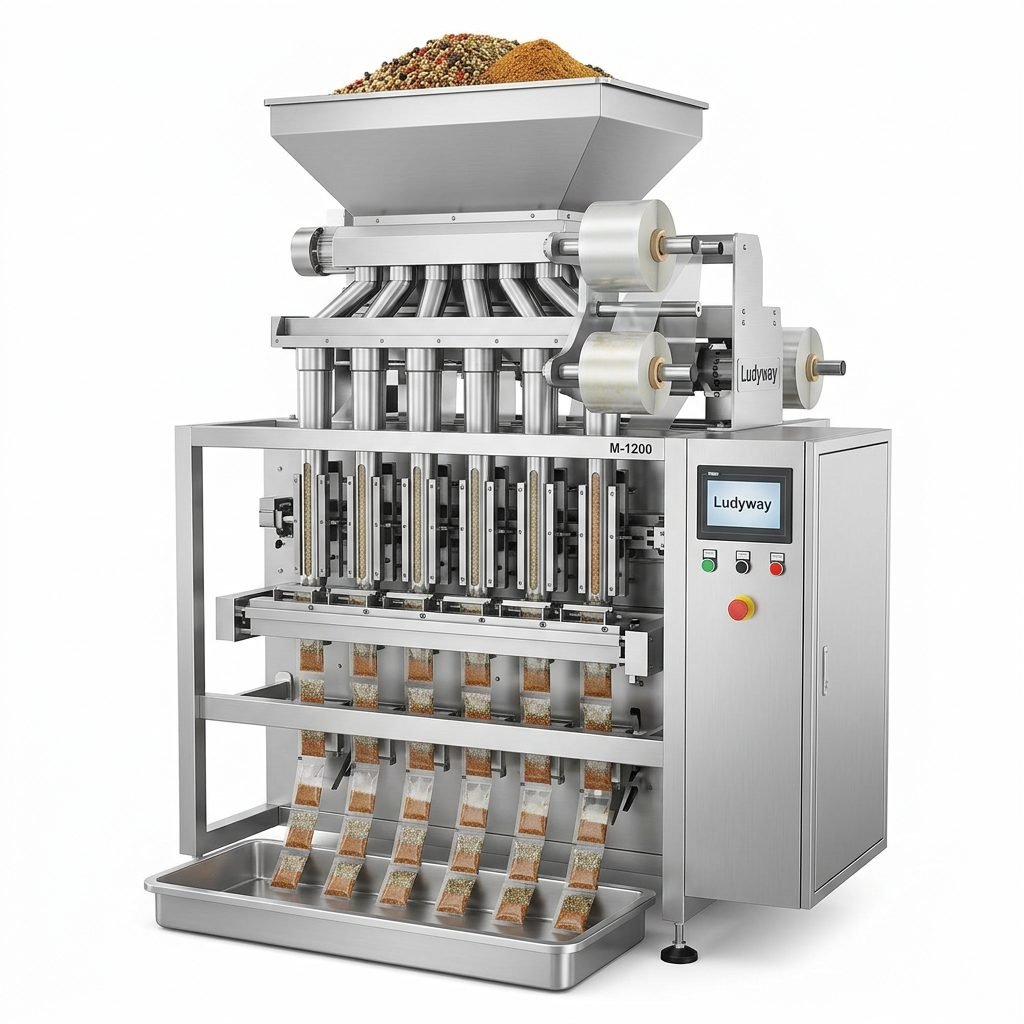
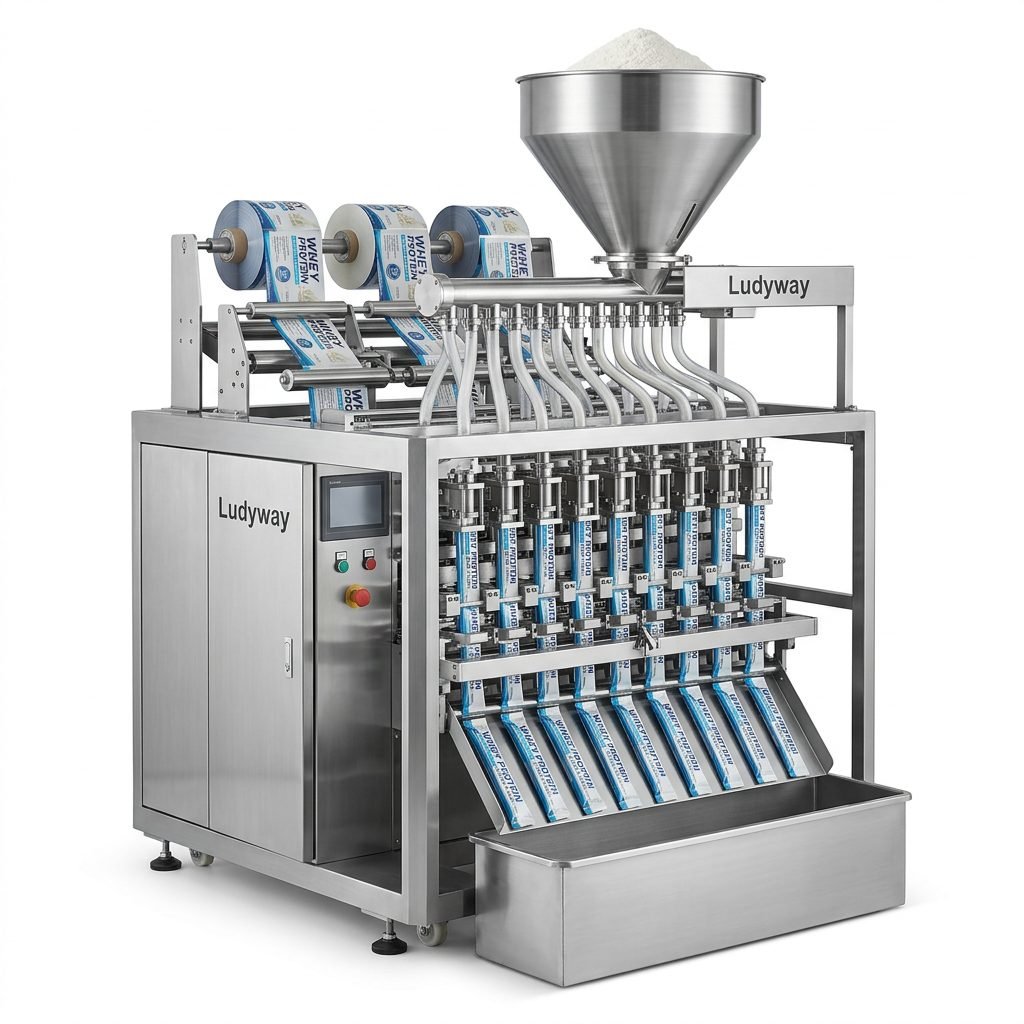
Automated food packaging systems are now used across many segments. Depending on product characteristics and packaging goals, manufacturers may choose multi-lane sachet machines, stick pack machines, vertical packaging machines, or complete turnkey lines.
Dry Granules and Powders
- Seasoning powder
- Sugar and sweeteners
- Coffee powder
- Protein powder and nutrition blends
- Milk powder
- Instant beverage powders
- Soup mixes
Snack and Solid Food Products
- Potato chips
- Nuts and trail mix
- Dried fruit
- Popcorn and cereal
- Rice and grain products
Liquid and Paste Products
- Sauces and condiments
- Honey
- Cooking oil
- Drink concentrates
- Single-serve liquid food products
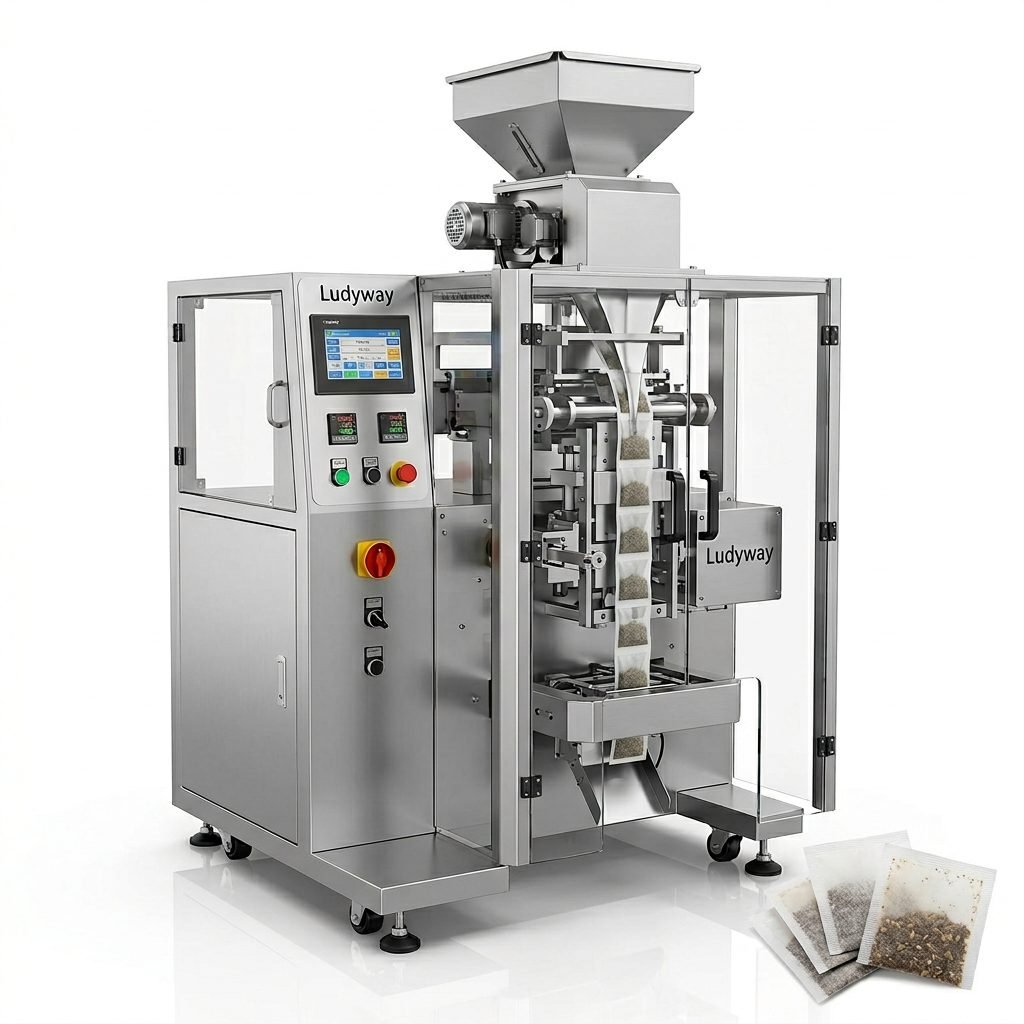
How Automation Improves Food Packaging Performance
Automated packaging is not just about replacing manual work. It transforms the packaging stage into a controlled, data-driven process that supports consistent production at scale.
Lower Labor Pressure
As labor costs and recruitment challenges increase, automation helps food factories maintain output without relying heavily on manual packing teams. This is especially important during peak season and multi-shift operation.
Reduced Product Loss
Accurate filling systems help reduce overfill and minimize raw material giveaway. For high-value ingredients, even small improvements in dosing accuracy can create significant annual savings.
More Consistent Packaging Quality
Uniform sealing, precise cutting, and stable bag forming contribute to stronger shelf presentation and fewer customer complaints. This matters greatly for branded retail products.
Better Traceability
When combined with coding, inspection, and rejection systems, automated packaging lines support stronger traceability and quality control. This helps manufacturers meet food safety and compliance requirements.
Standalone Machine or Complete Turnkey Packaging Line?
Some factories only need a single packaging machine, while others benefit more from a full integrated solution. The right choice depends on production volume, product type, factory layout, and expansion plans.
| Option | Best For | Typical Components |
|---|---|---|
| Standalone packaging machine | Factories upgrading one packaging stage | Main packer, basic feeder, date coder |
| Semi-integrated line | Mid-sized production with some automation already in place | Feeding, filling, sealing, coding, inspection, discharge conveyor |
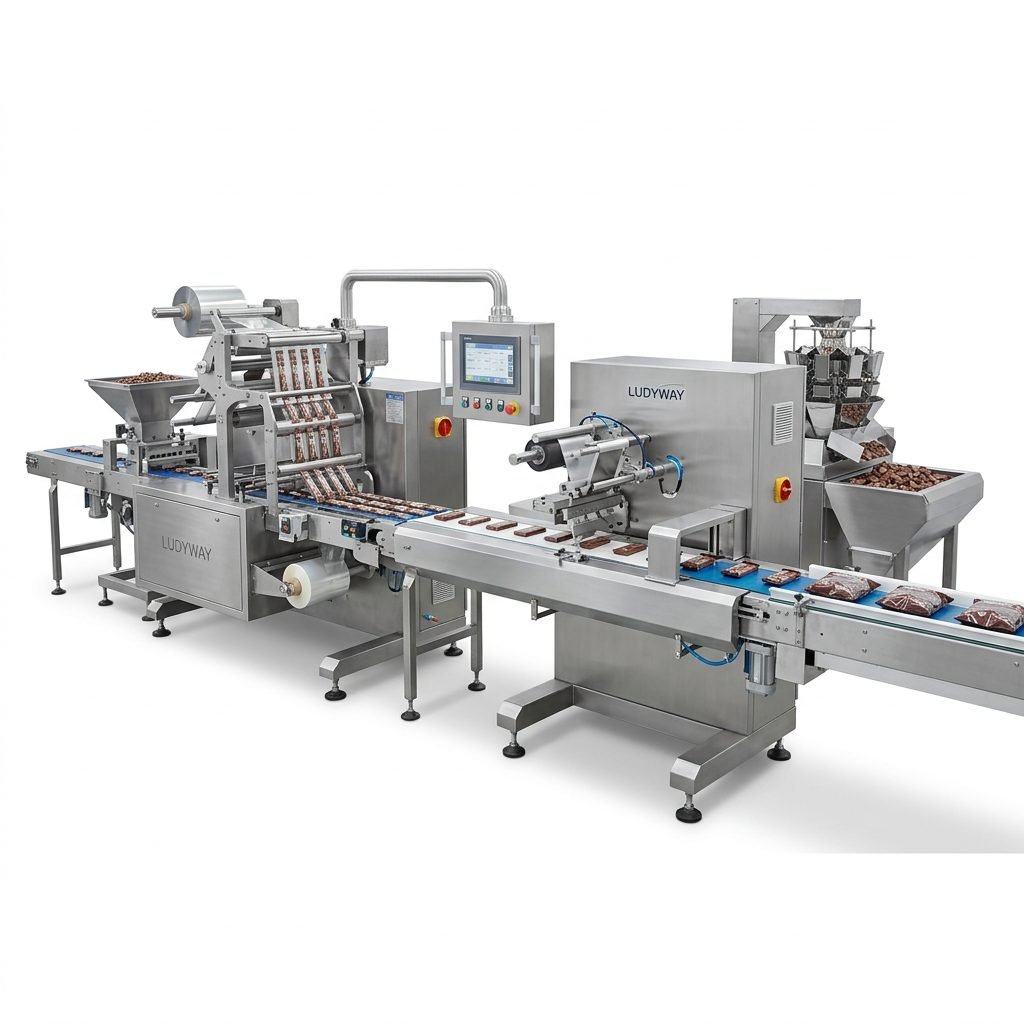
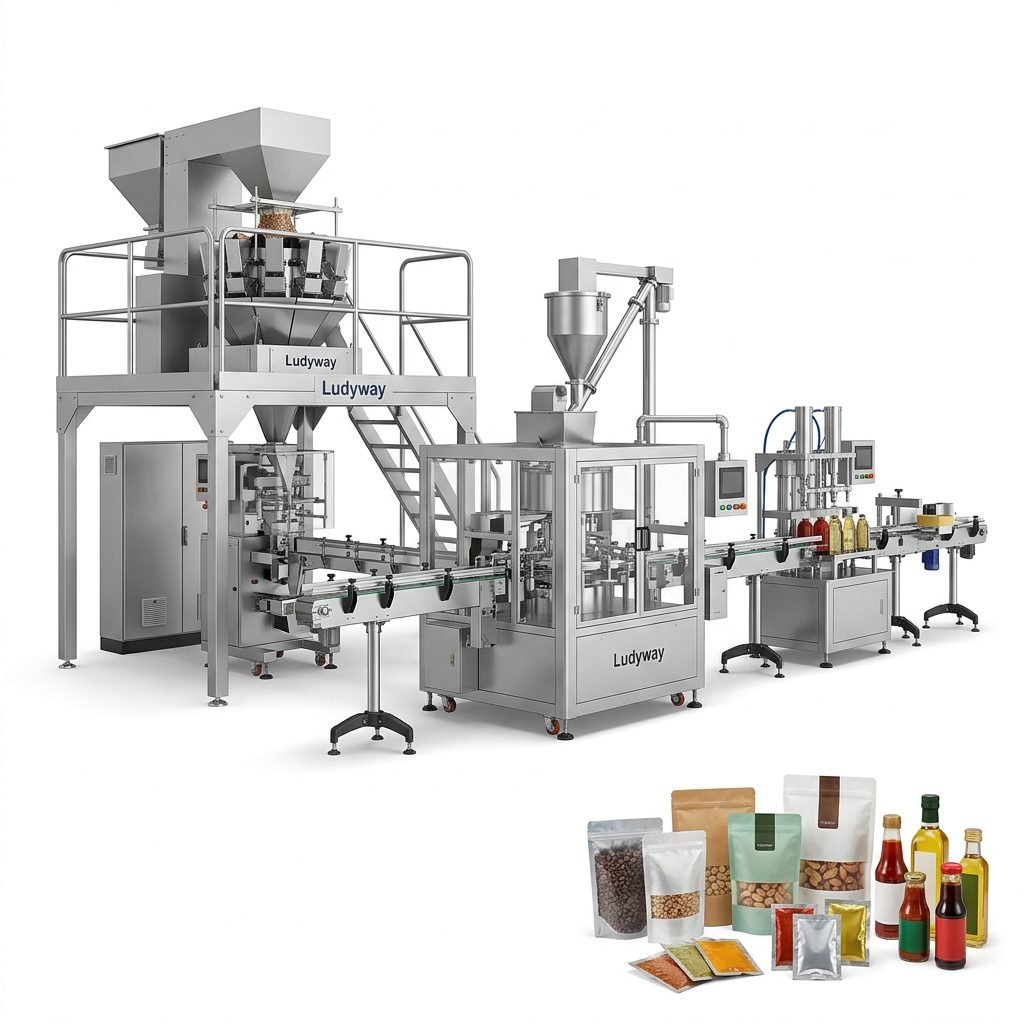
| Turnkey packaging line | High-output plants seeking end-to-end efficiency | Feeding, packaging, inspection, cartoning, case packing, palletizing |
A complete turnkey system often creates stronger long-term value because each machine is selected and configured to work as part of a unified production flow.
What to Ask Before Choosing a Packaging Machine Supplier
Whether you are comparing a TNA packaging machine with other solutions or looking for a custom alternative, supplier evaluation is just as important as machine specifications.
- What food products has the supplier packed successfully before?
- Can the equipment handle your required bag style and output range?
- Is the machine easy to clean and maintain?
- Can the system integrate with your upstream and downstream equipment?
- Are spare parts and technical support available for export markets?
- Can the supplier provide customization for film, filling range, and pack dimensions?
- Do they offer line planning instead of only selling one machine?
For many buyers, selecting an experienced manufacturer with broad engineering capability is a safer investment than choosing a generic machine with limited support.
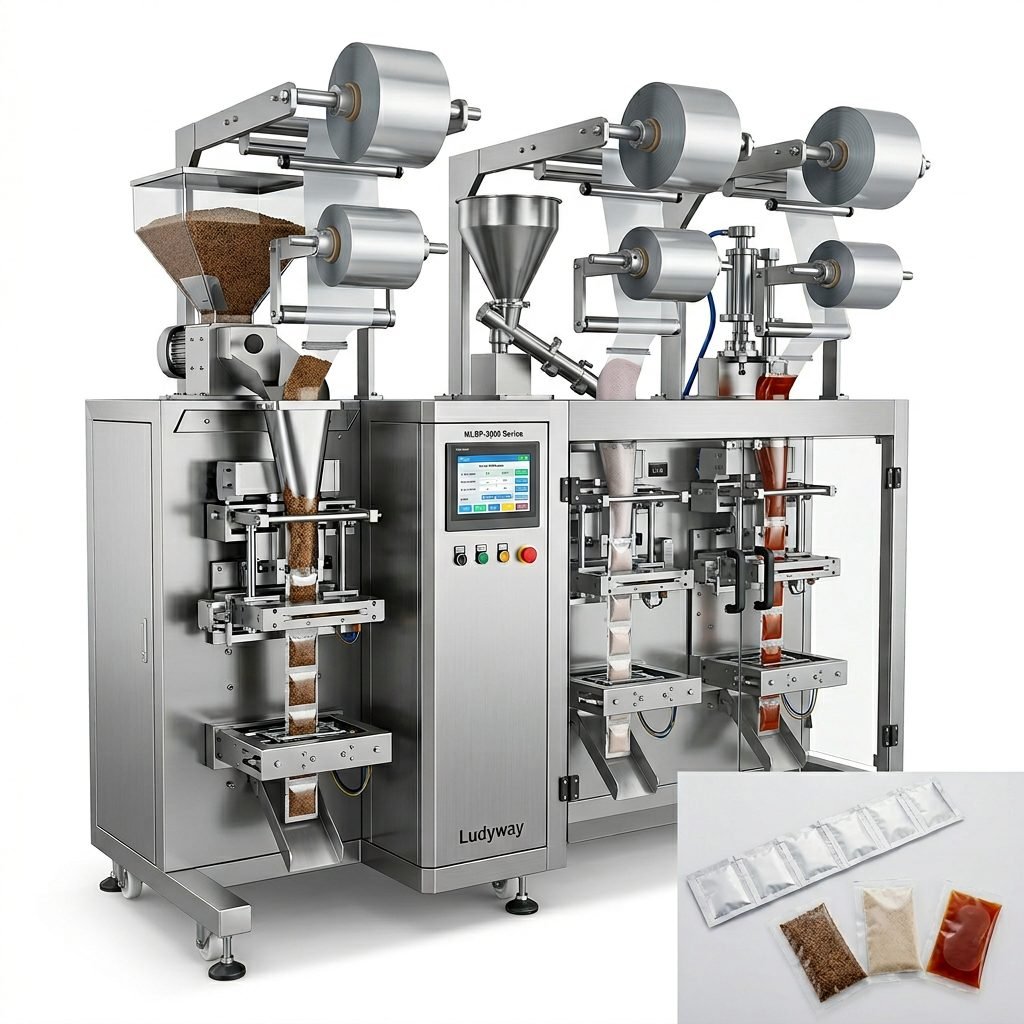
A Practical Option for Food Manufacturers Seeking Scalable Packaging Automation
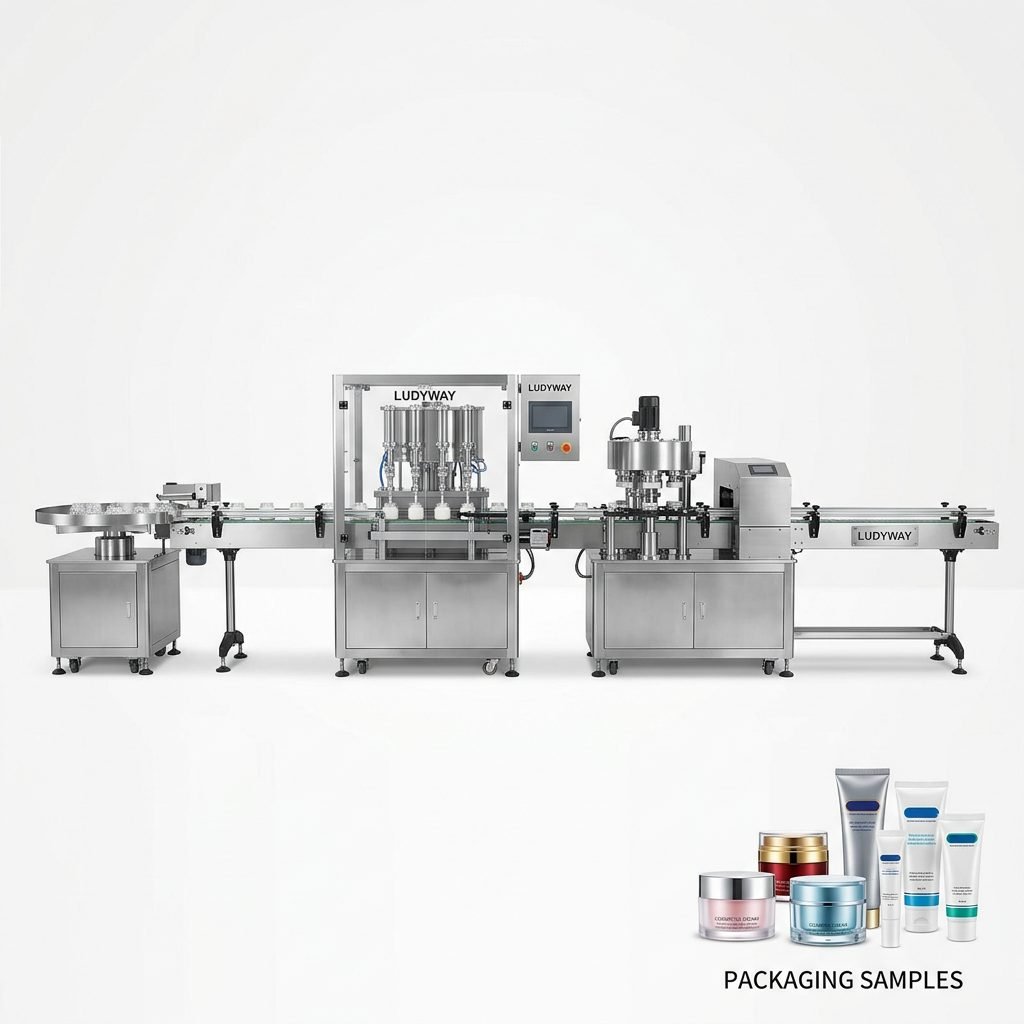
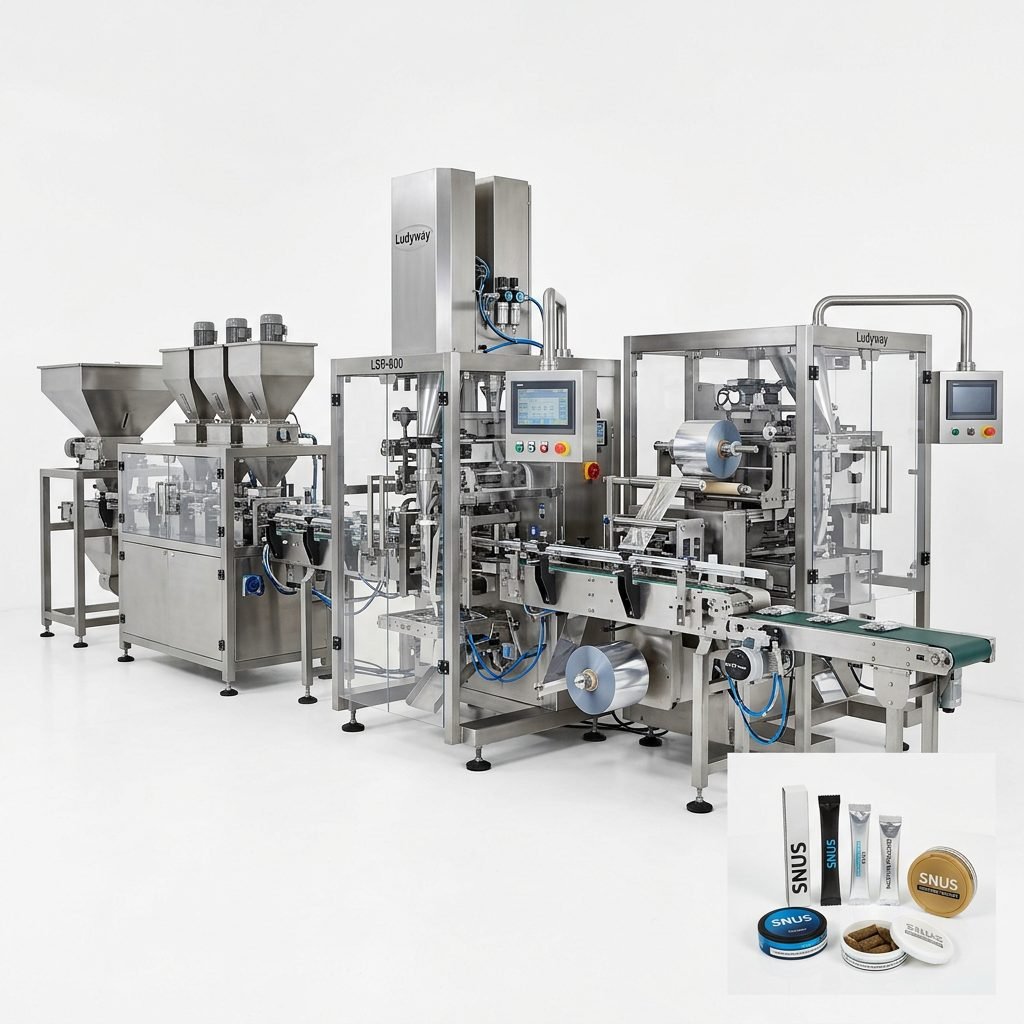
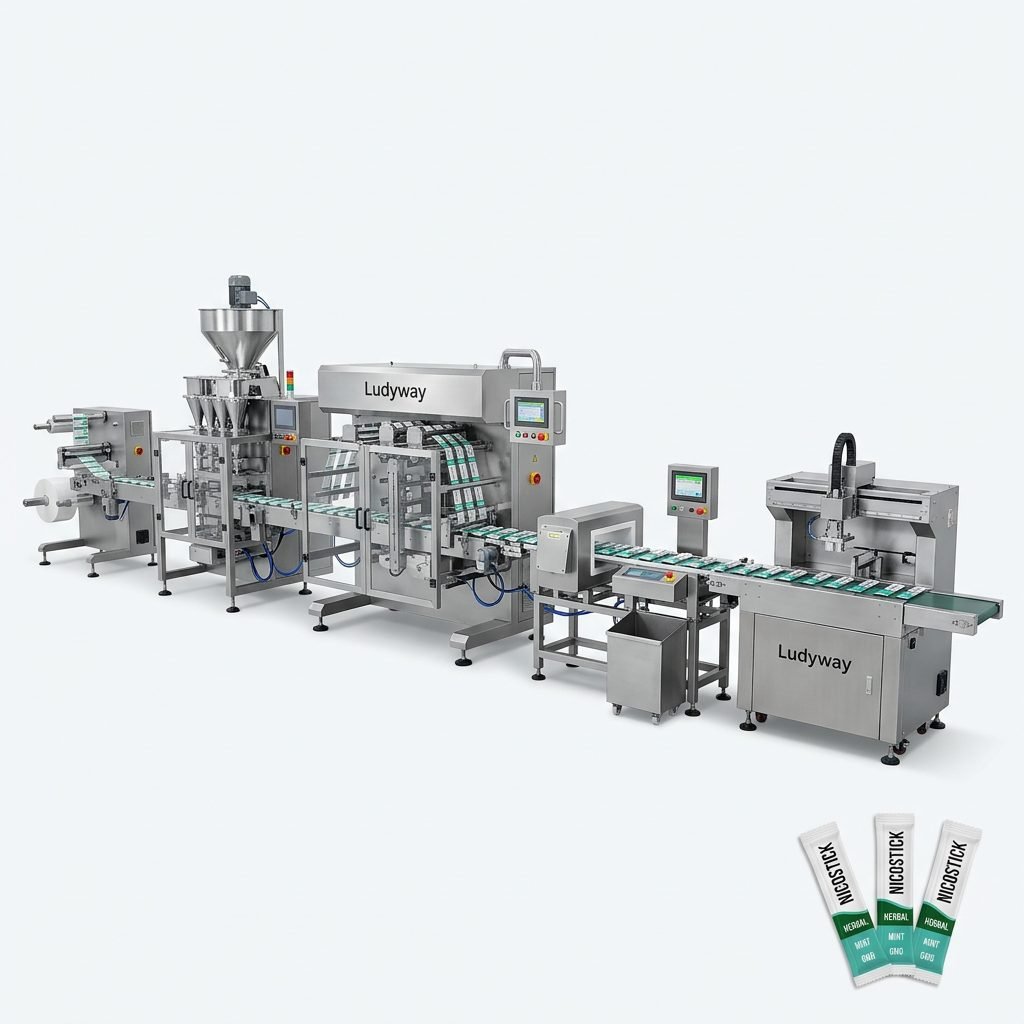
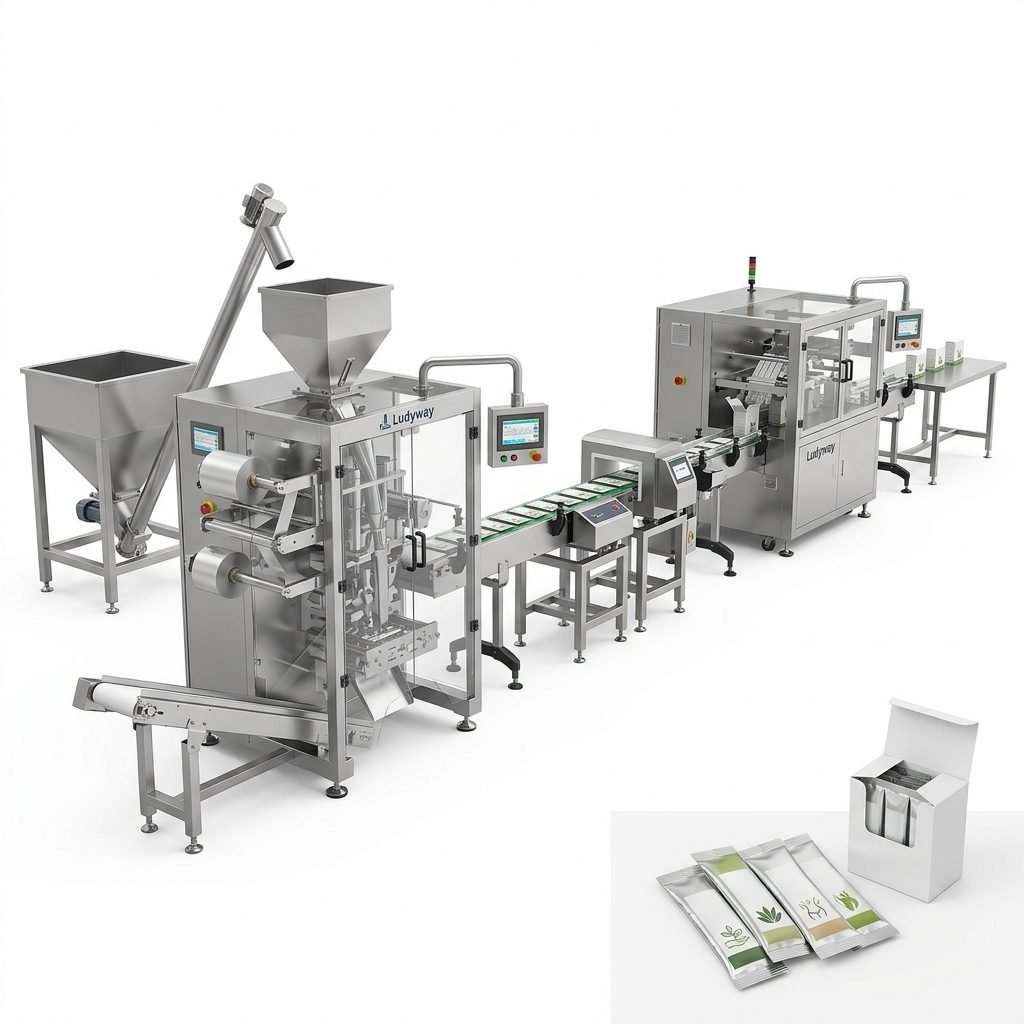
For companies looking beyond a single brand name and focusing on production efficiency, customization, and turnkey support, Ludyway is a notable packaging machinery manufacturer to consider. With more than 30 years of industry experience, a manufacturing facility of over 20,000 square meters, and customers across more than 100 countries and regions, the company offers a wide range of automated solutions for food, pharmaceutical, health supplement, and related industries.
Its portfolio covers multi-lane stick pack machines, sachet packing machines, vertical packaging systems, filling and sealing machines, and complete turnkey packaging lines. This is especially valuable for food manufacturers that need flexible packaging support for powders, granules, liquids, pastes, and pouch-based products.
Signs That Your Food Factory Is Ready for a High-Speed Packaging Upgrade
- Manual packaging is slowing overall production
- Frequent weight variation is increasing product loss
- Seal failure or inconsistent bag quality is causing complaints
- Your current machine cannot support SKU expansion
- Labor shortages are affecting shift planning
- You need better integration with coding, inspection, or cartoning
- Your business is moving toward export or retail-ready packaging standards
Final Consideration
Choosing the right high-speed packaging solution for food production means looking beyond headline speed. The best system is one that fits your product, package format, hygiene requirements, output targets, and future automation plans. A well-designed packaging line can improve efficiency, reduce waste, strengthen quality control, and give food manufacturers the flexibility to scale with confidence.