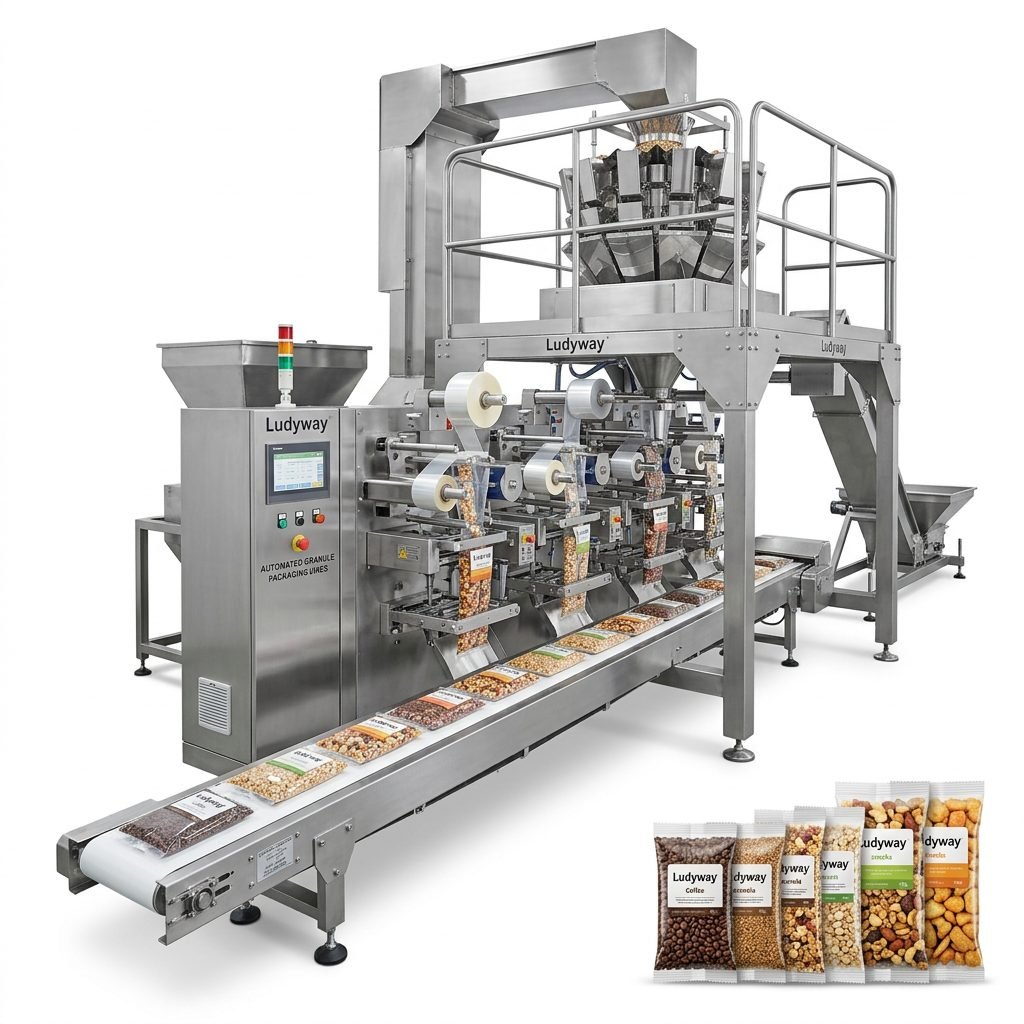
Selecting the right packaging machine manufacturer in the UK is a critical decision that can significantly impact your production efficiency, product quality, and bottom line. For UK businesses in the food, pharmaceutical, health, and FMCG sectors, the choice involves navigating a complex market with specific regional demands, including stringent regulatory standards, a focus on sustainability, and the need for reliable after-sales support. This guide outlines the key factors to consider, helping you make an informed decision that aligns with your operational goals and the specific needs of the UK market.
1. Define Your Specific Packaging Requirements
Before you begin your search, clearly outline your needs. The UK market has diverse requirements, from artisanal food producers needing small-batch flexibility to large pharmaceutical companies requiring sterile, high-speed lines. Consider the following:
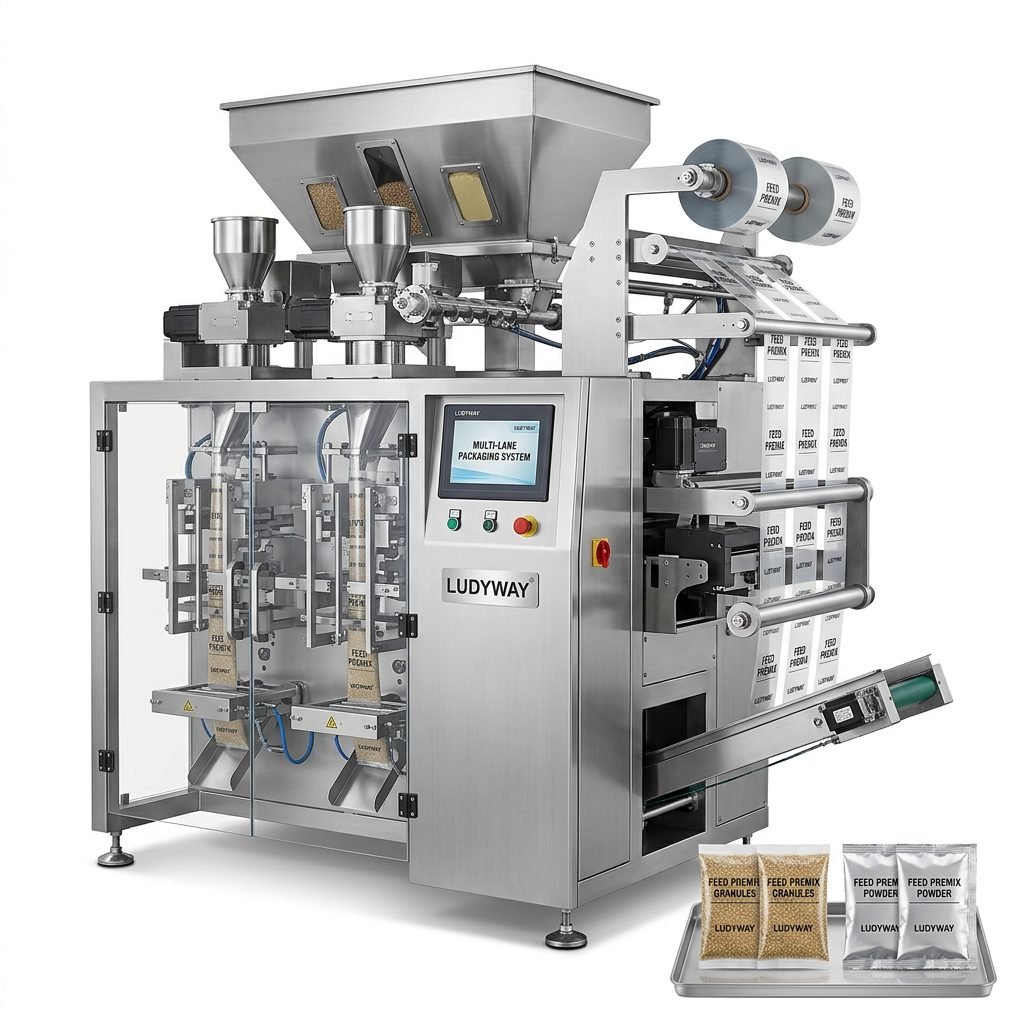
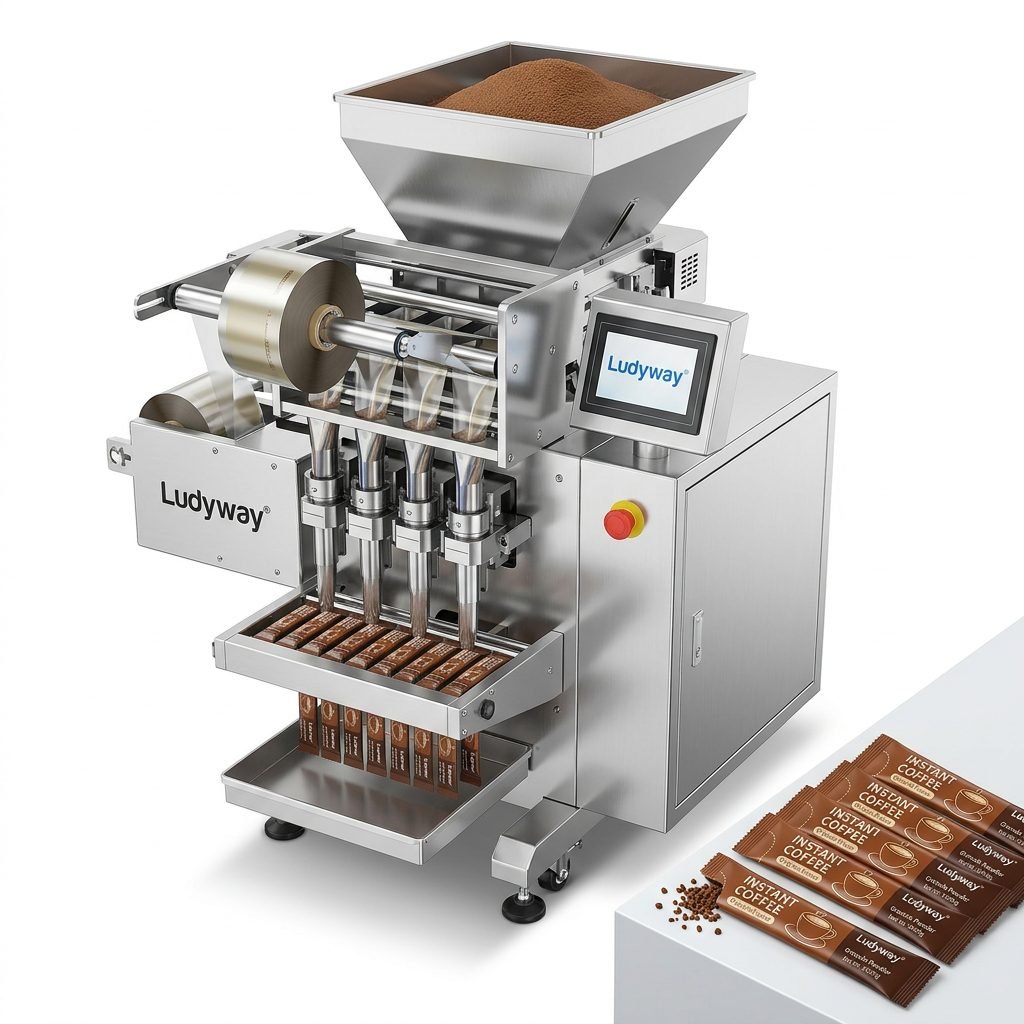
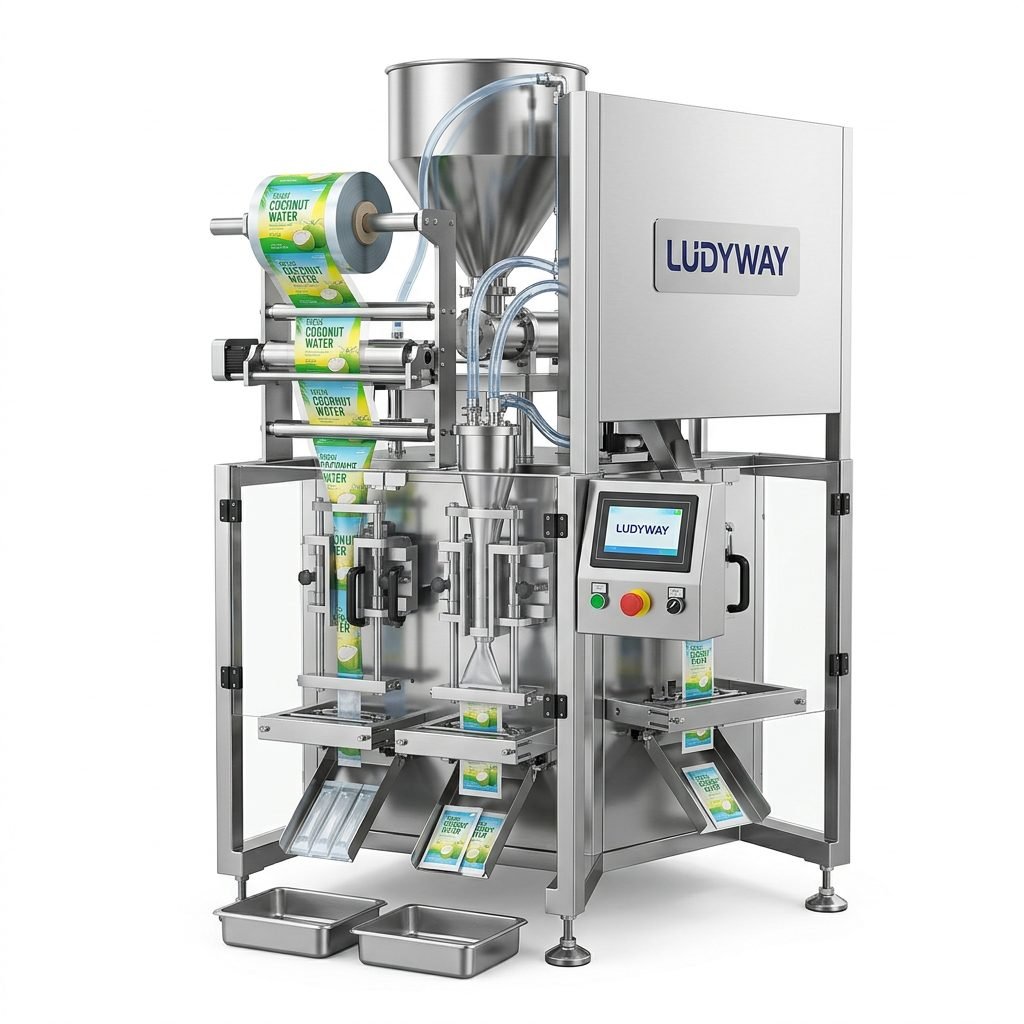
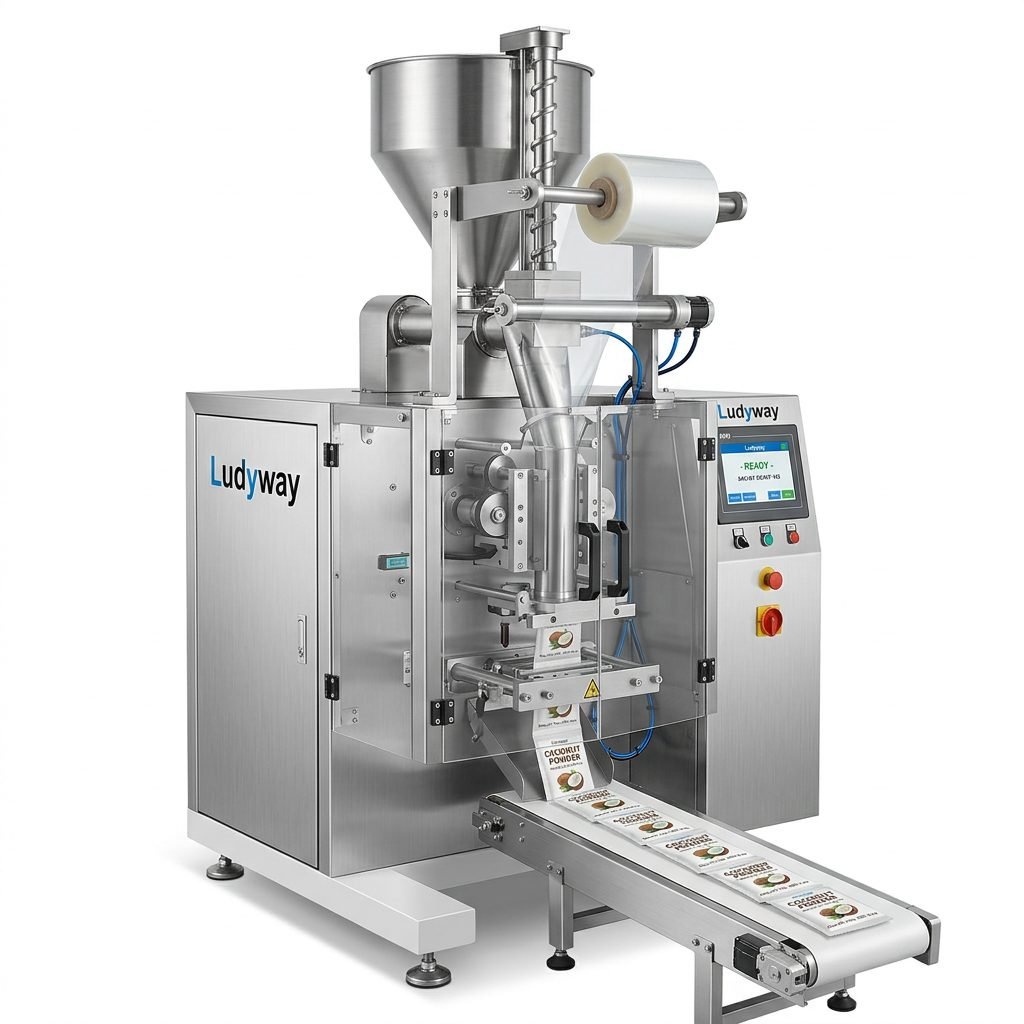
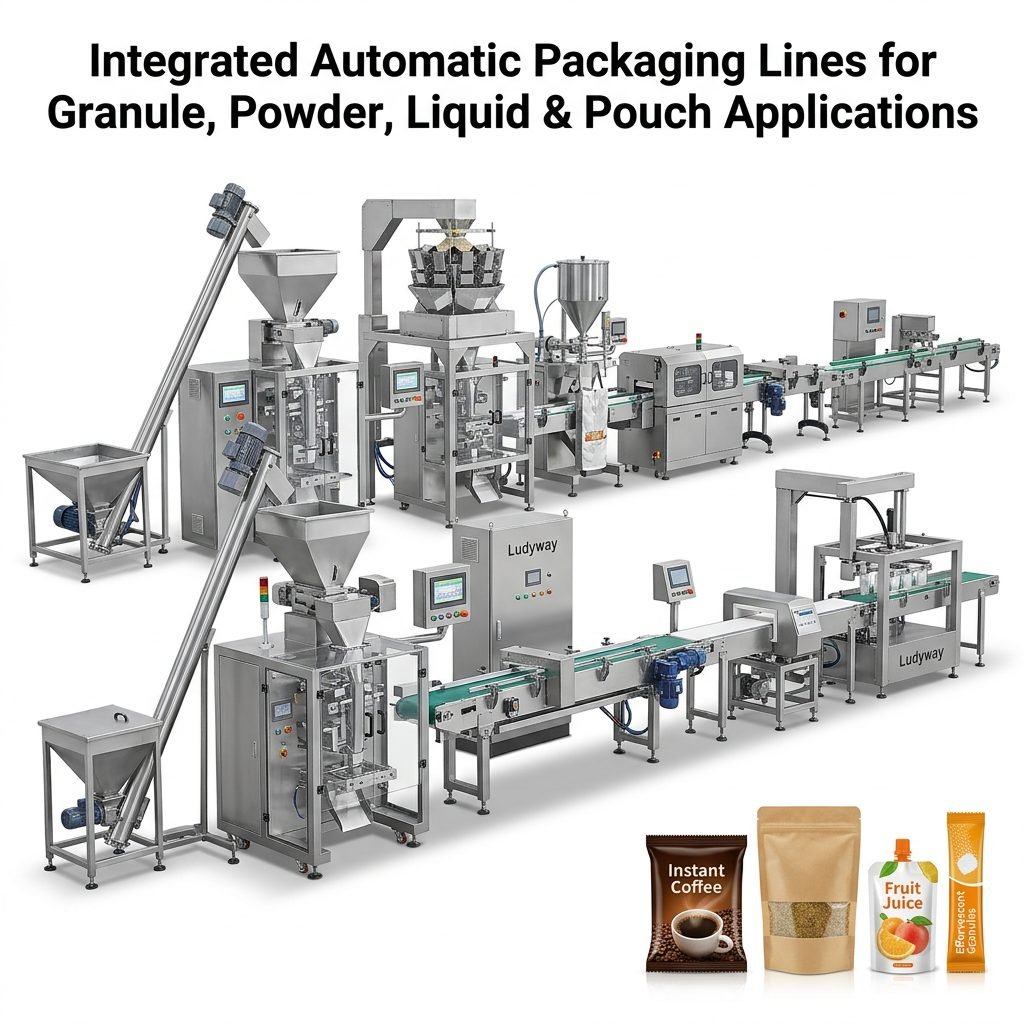
Product Type: Are you packaging granules, powders, liquids, or pouches? For instance, a UK health supplement company might need a multi-lane stick pack machine for protein powders, while a sauce manufacturer requires liquid sachet fillers.
Production Speed & Volume: Determine your required output (packs per minute). High-volume UK manufacturers need robust, high-speed systems, while smaller businesses may prioritise flexibility and quick changeover.
Materials & Sustainability: UK consumers and regulations increasingly demand sustainable packaging. Ensure the manufacturer can handle recyclable, compostable, or reduced-plastic materials.
Regulatory Compliance: For pharmaceuticals and food, compliance with UK and EU standards (e.g., FDA, GMP, EHEDG) is non-negotiable. The machine’s design and materials must meet these.
2. Assess Technical Expertise and Industry Experience
A manufacturer’s experience in your specific sector is paramount. Look for a partner with a proven track record.
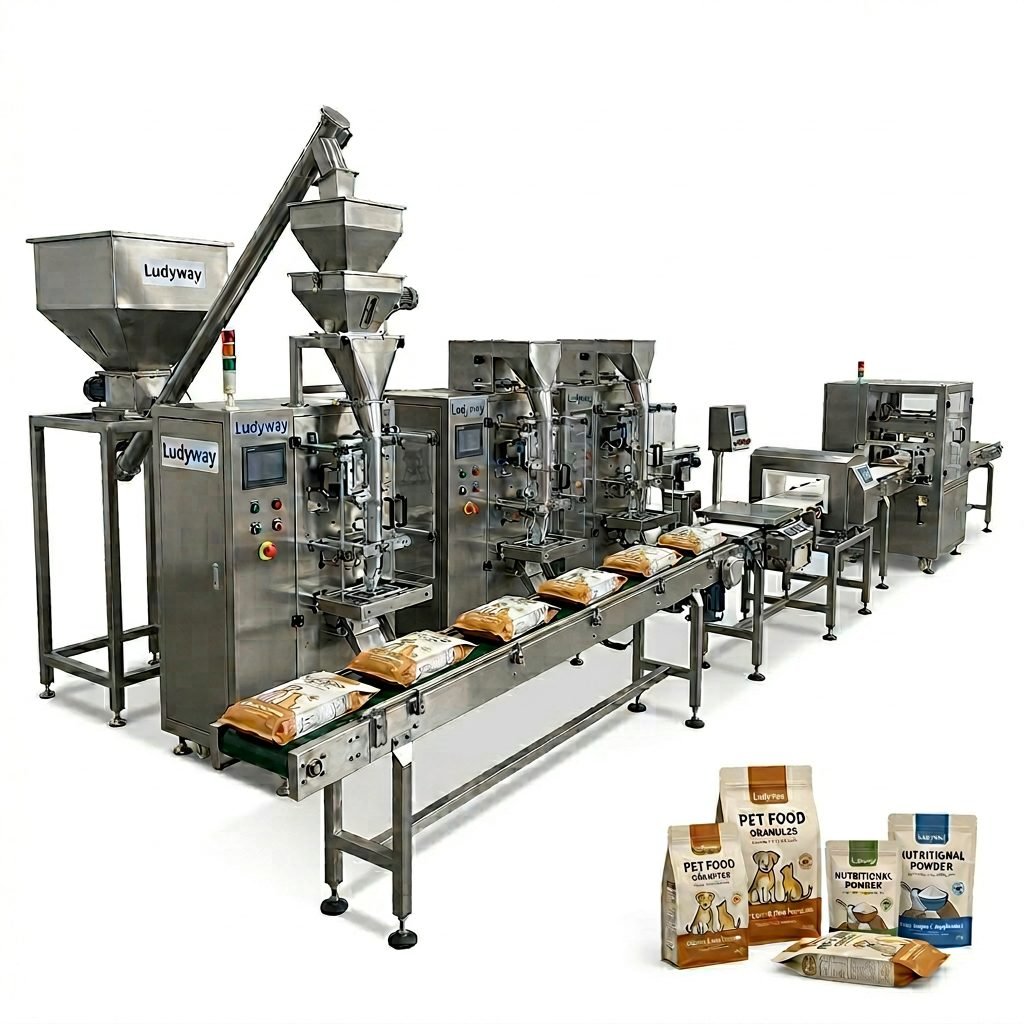
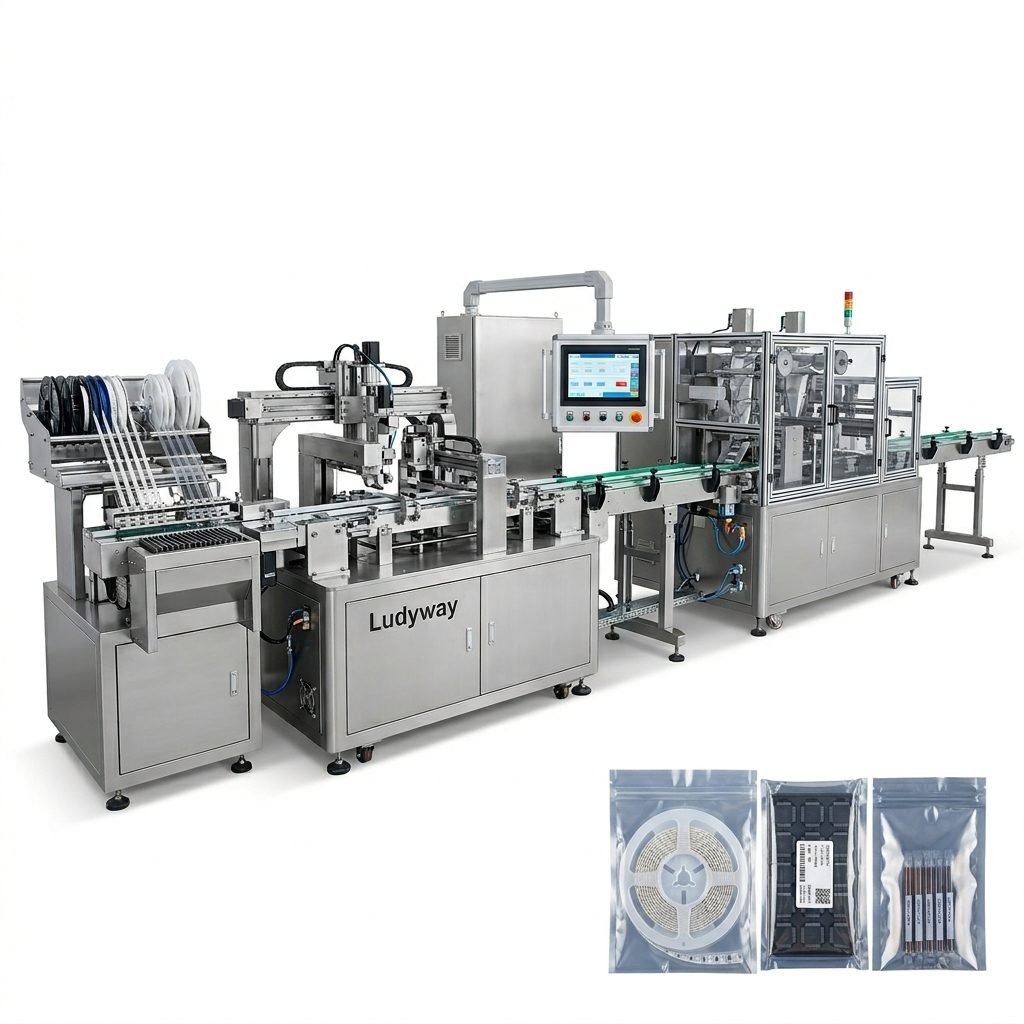
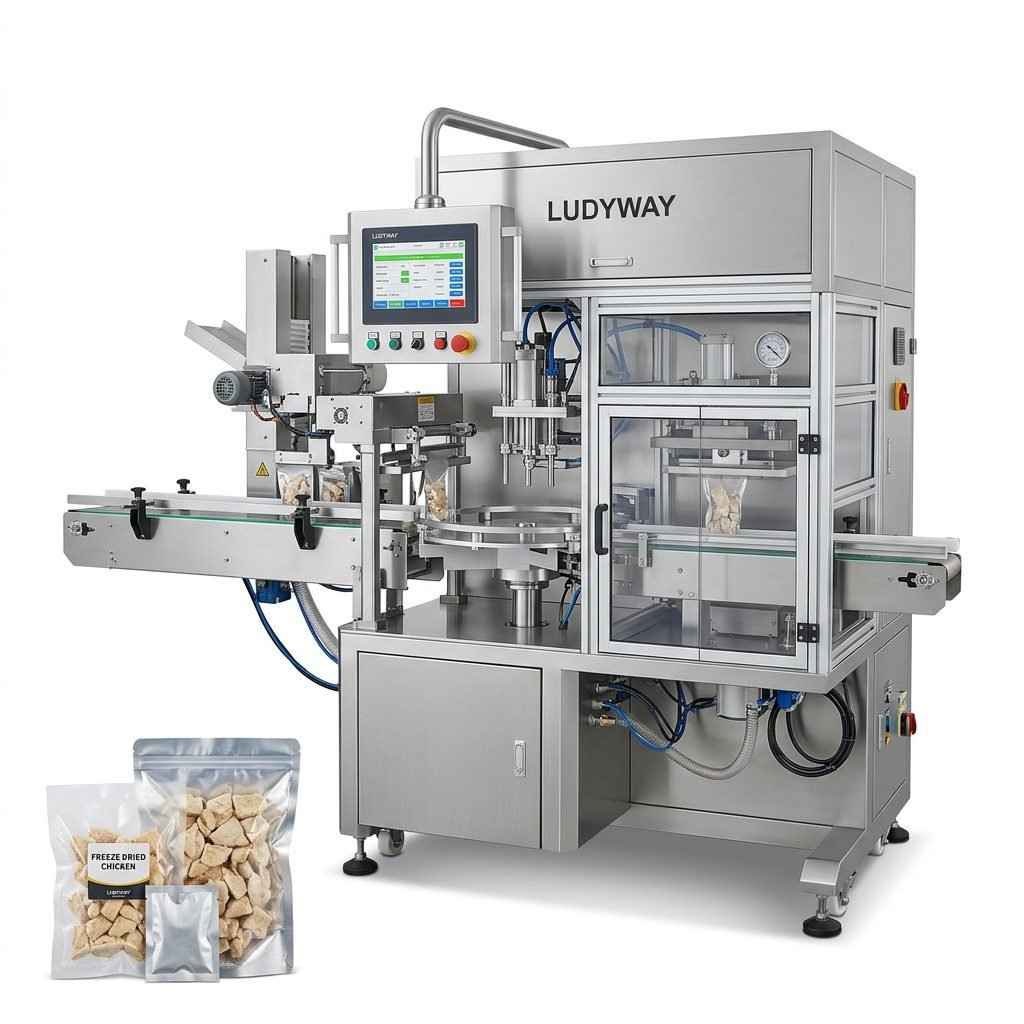
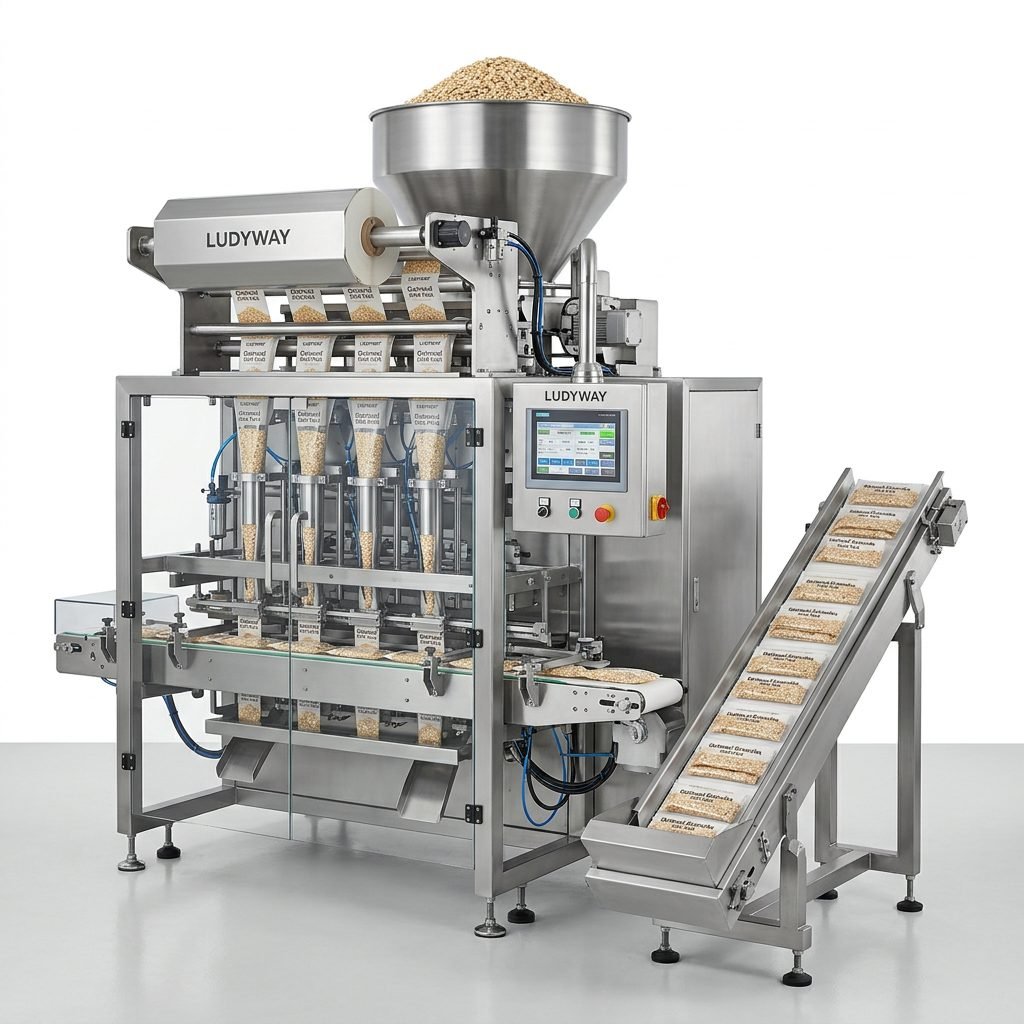
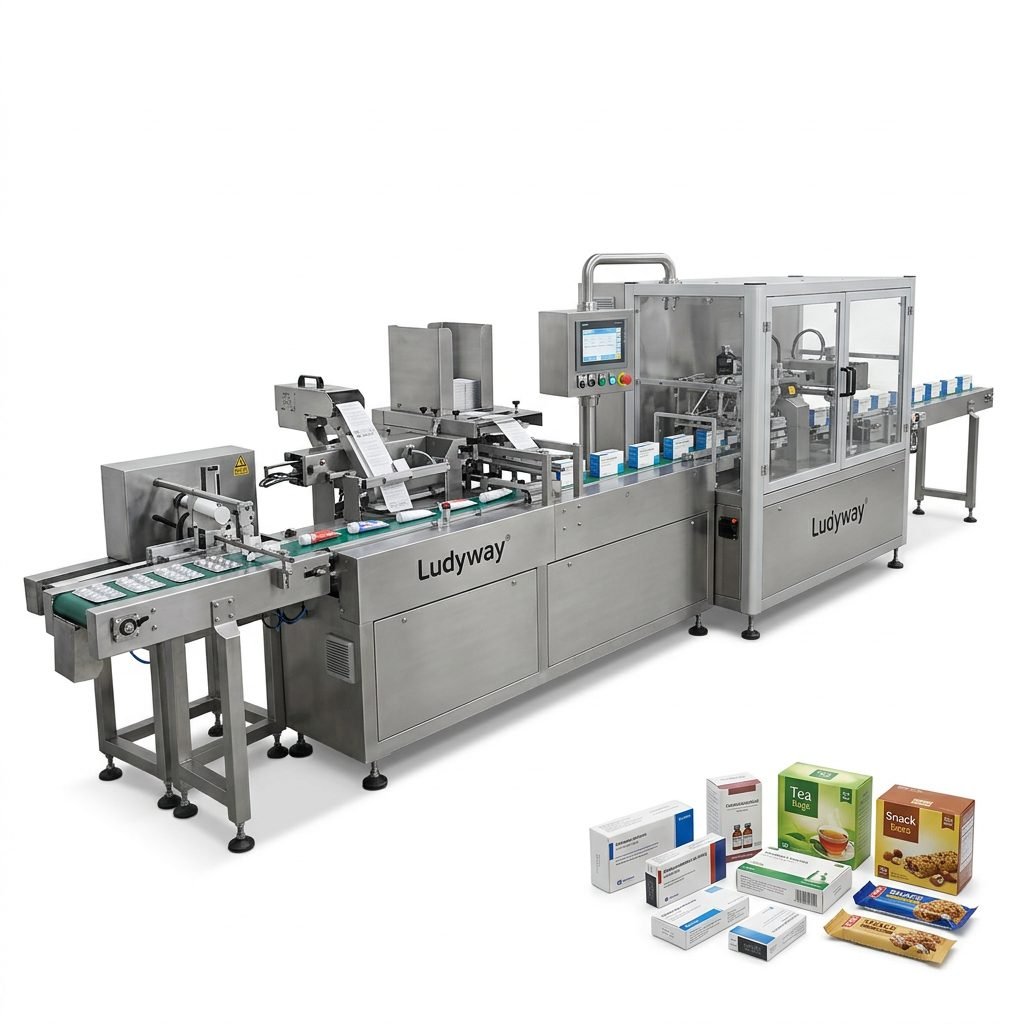
Specialisation: Does the manufacturer have deep expertise in your industry? For example, Ludyway specialises in advanced packaging solutions for food, pharmaceutical, and health industries, with over 30 years of experience. Similarly, SnusMachinery focuses specifically on the nicotine pouch and oral tobacco sector, a niche with unique requirements.
Project Portfolio: Review their case studies or client list. Have they successfully implemented solutions for UK-based companies or businesses with similar products and challenges?
Engineering Capability: Can they provide customised or turnkey solutions? A manufacturer with strong R&D and engineering teams, like PackingMachineOEM, can adapt standard machines to your unique production line needs.
3. Evaluate Manufacturing Capability and Quality
The quality of the machinery is directly tied to the manufacturer’s production facilities and processes.
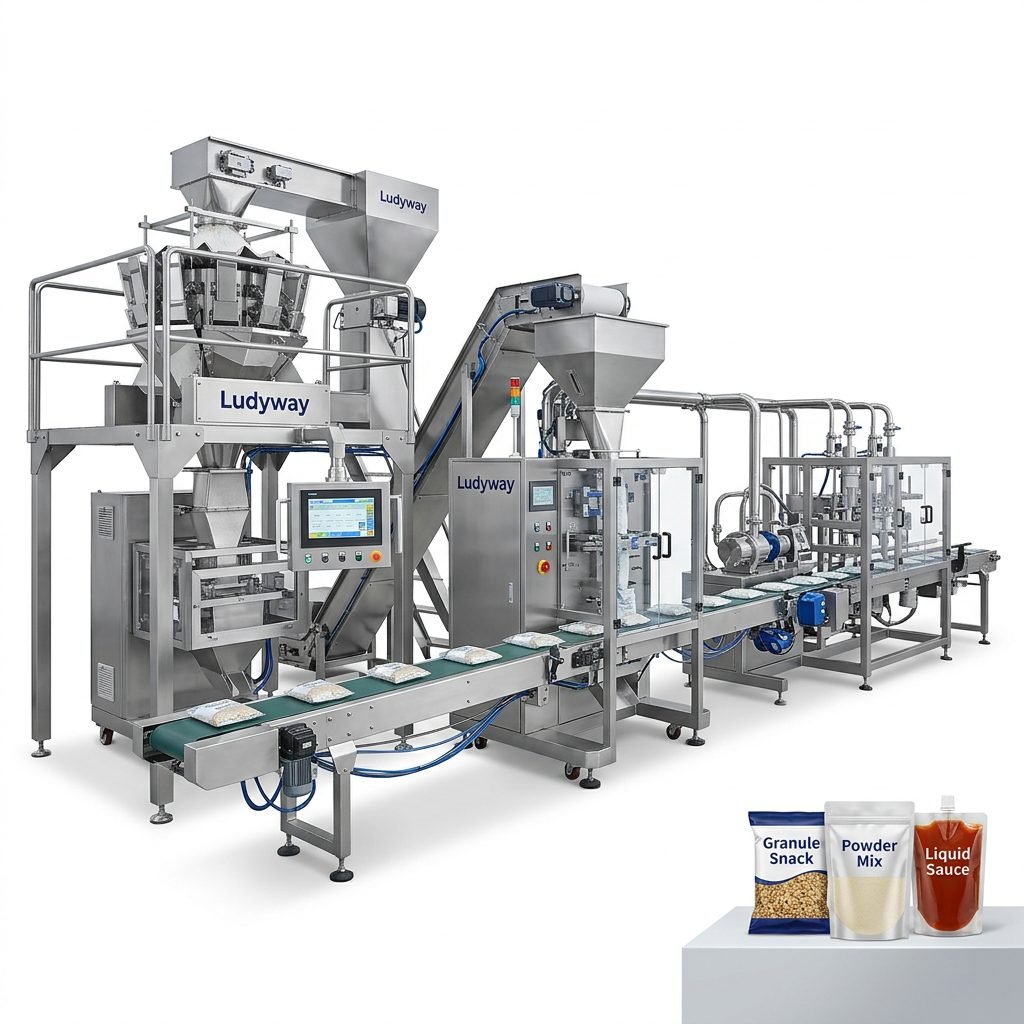
Manufacturing Facility: A modern facility is a good indicator of quality control. For instance, Ludyway operates from a 20,000㎡ manufacturing plant, which supports consistent quality and scalability. Inquire about their quality management systems (e.g., ISO 9001).
Technology & Innovation: Do they integrate the latest automation, robotics, and Industry 4.0 technologies? UK manufacturers often seek smart, connected machines for data-driven efficiency.
Component Quality: The durability and precision of key components (like servo motors, PLCs, and stainless-steel contact parts) affect machine longevity and performance. Reputable manufacturers use high-grade, internationally sourced parts.
4. Analyse After-Sales Support and Local Service
For UK businesses, reliable local support is crucial to minimise downtime. The geographical distance of the manufacturer matters.
Technical Support & Spare Parts: Does the manufacturer have a UK-based service team or reliable local agents? What is their average response time for technical issues? Ensure they stock critical spare parts locally or can deliver them swiftly.
Installation, Training & Commissioning: Will they send engineers for on-site installation and operator training? Comprehensive training is essential for your team to operate and perform basic maintenance.
Warranty and Service Agreements: Understand the warranty period and what it covers. Consider purchasing a service contract for preventive maintenance and priority support.
5. Consider Total Cost of Ownership (TCO), Not Just Price
The initial purchase price is just one part of the equation. A cheaper machine with high maintenance costs and downtime can be more expensive in the long run.
Energy & Material Efficiency: In the UK, with high energy costs, an energy-efficient machine can offer significant savings. Also, machines with high accuracy reduce product giveaway (overfilling).
Durability & Maintenance Costs: A robustly built machine from a manufacturer like Packmate Machinery or PacklineOEM may have a higher upfront cost but lower lifetime maintenance expenses.
Scalability & Flexibility: Can the machine handle future product variations or increased speeds? Investing in a modular or easily upgradeable system protects your investment.
6. Verify References and Reputation
Due diligence is key. Research the manufacturer’s reputation in the UK and globally.
Client Testimonials & References: Ask for contact information of existing clients, especially those in the UK or with similar applications. Speak to them about machine performance, reliability, and service.
Industry Presence: Do they participate in major UK or European packaging exhibitions (like PPMA or EMPACK)? This shows commitment to the market.
Online Reviews & Case Studies: Check their website for detailed case studies and look for independent reviews or feedback on B2B platforms.
7. The Importance of Clear Communication and Project Management
A successful partnership depends on seamless communication, especially when working with an overseas manufacturer.
Language & Responsiveness: Ensure there are dedicated, fluent English-speaking project managers and support staff. Prompt and clear communication prevents misunderstandings.
Project Timeline & Transparency: A reliable manufacturer will provide a detailed project timeline from design and manufacturing to shipping, installation, and commissioning. Transparency about potential delays is vital.
Documentation: Comprehensive manuals, electrical diagrams, and parts lists in English are essential for your maintenance team.
Frequently Asked Questions (FAQs)
Q1: Should I choose a UK-based or international packaging machine manufacturer?
A: Both have pros and cons. UK-based manufacturers offer proximity for service but can be more expensive. Leading international manufacturers, particularly from China like Ludyway, Packmate Machinery, and PacklineOEM, often provide advanced technology at a competitive cost. The key is their ability to offer strong local UK support through agents or service partners.
Q2: How important is it that the manufacturer has experience with UK regulations?
A: It is critically important. Your machinery must facilitate compliance with UK food safety (BRCGS), pharmaceutical (GMP), and machinery safety (UKCA/CE) standards. An experienced manufacturer will design machines with the necessary hygiene features, material certifications, and documentation to simplify your compliance process.
Q3: What are the hidden costs I should budget for?
A: Beyond the machine price, budget for shipping and import duties, installation and commissioning fees, potential facility modifications (power, compressed air), initial spare parts inventory, operator training, and ongoing service contracts. A reputable manufacturer will help you forecast these costs.
Q4: How can I assess the machine’s quality before purchasing?
A> Request a live video demonstration of the machine running a product similar to yours. If possible, visit the manufacturer’s facility or an existing installation. Ask for certification of key components and check the build quality and welding finishes in detailed photos or videos.
Q5: What after-sales support should I expect from an overseas manufacturer?
A> You should expect: remote troubleshooting via video call, detailed English manuals and wiring diagrams, readily available spare parts with a clear parts numbering system, and the option for on-site engineer visits for installation and major repairs. Clarify response time guarantees and spare parts delivery logistics to the UK.