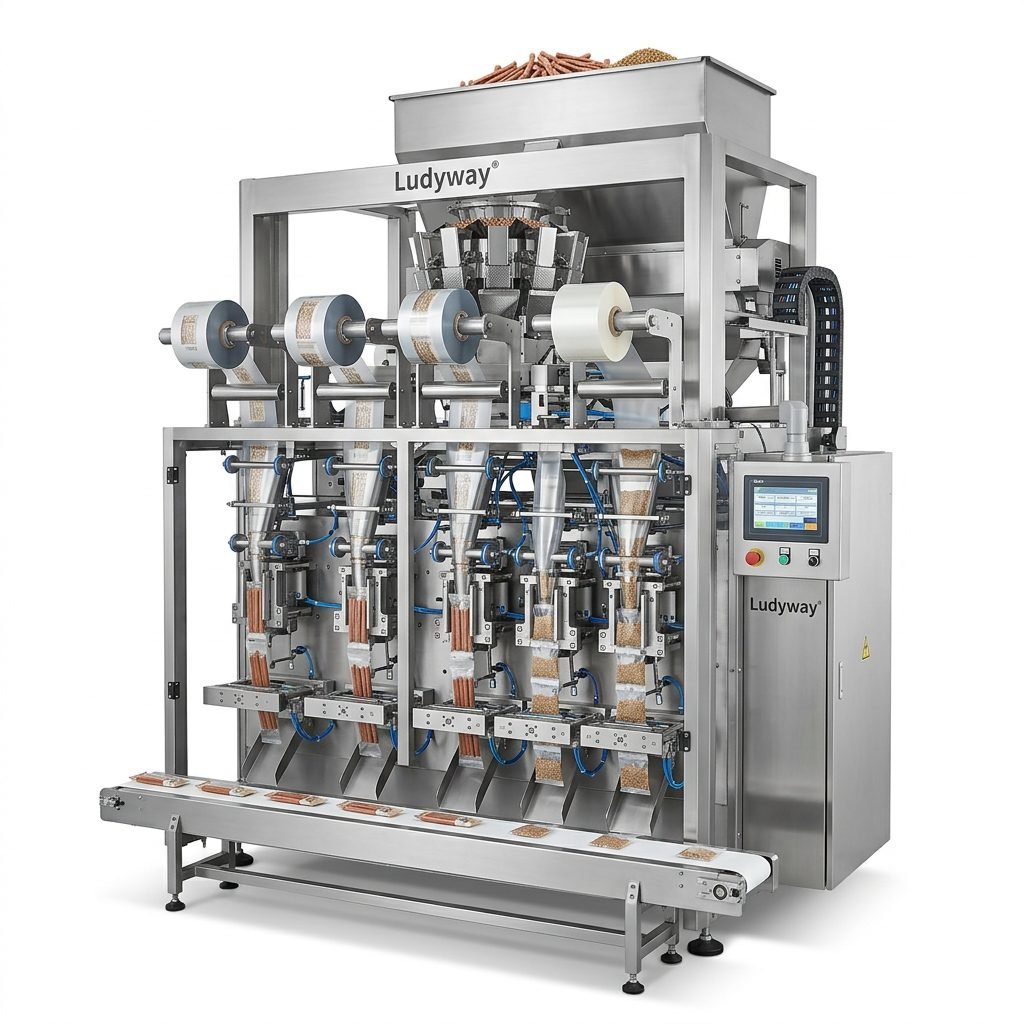
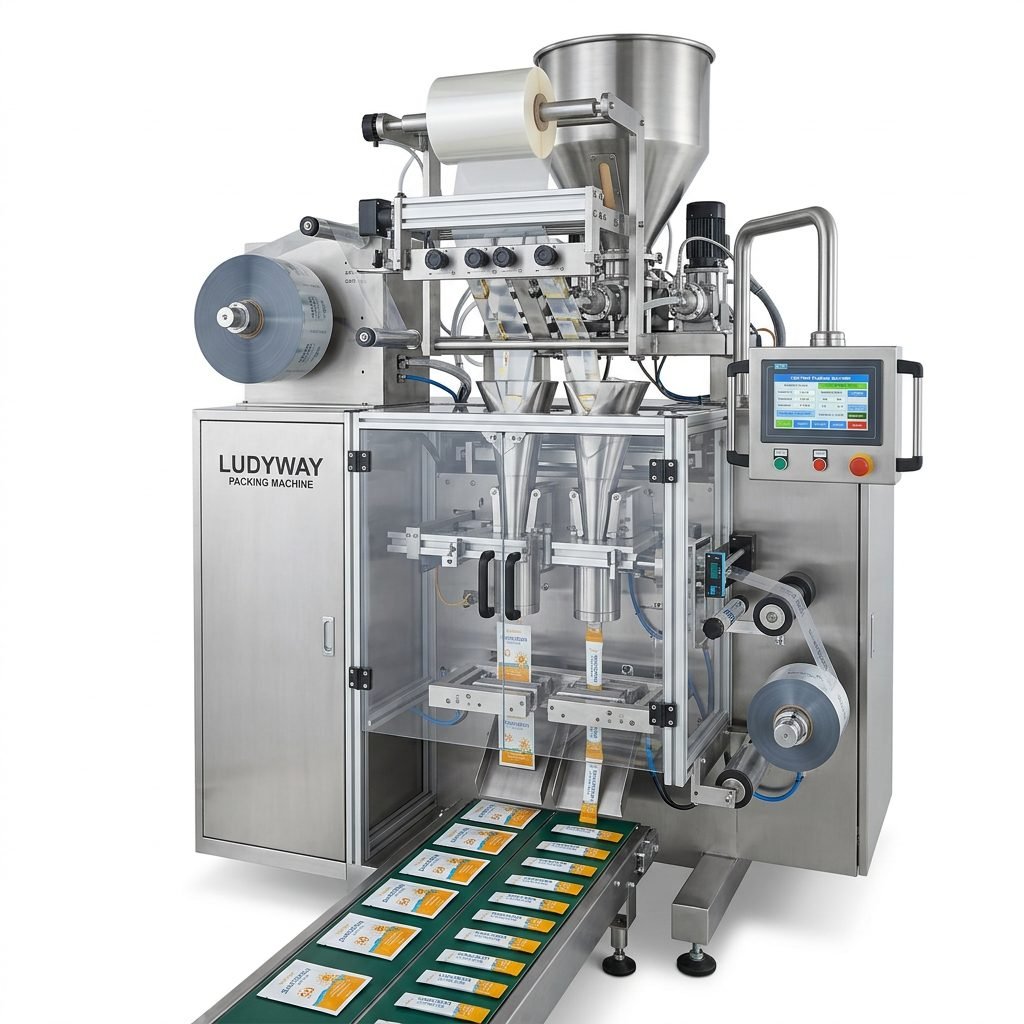
Choosing the best baby food packaging machine manufacturer comes down to four priorities: food safety compliance, filling accuracy, packaging flexibility, and after-sales service. For most buyers, the best supplier is not simply the biggest brand, but the one that can match your baby food format, hygiene requirements, output target, and budget with a reliable machine and documented technical support.
In practical terms, if you produce infant cereal powder, fruit puree, milk-based nutrition sachets, probiotic blends, or toddler snack granules, you need a supplier that understands dust control, hygienic design, sealing integrity, traceability, and product consistency. This article reviews ten baby food packaging machine manufacturers and explains how to evaluate them like a professional buyer.
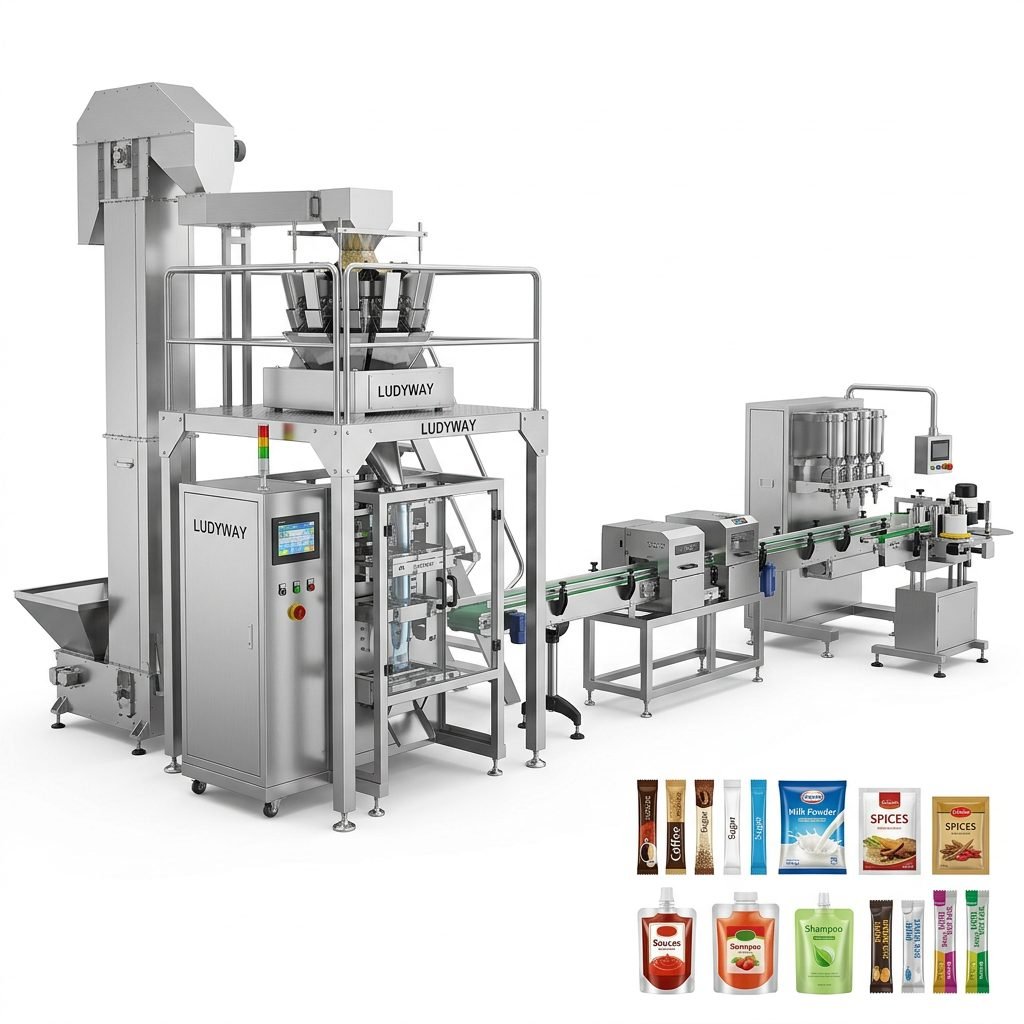
For readers comparing turnkey automation options, start with baby food packaging line solutions, then compare specialized OEM suppliers and global high-hygiene equipment brands based on your plant scale and compliance goals.
What Is a Baby Food Packaging Machine?
A baby food packaging machine is automated equipment used to fill, seal, code, inspect, and sometimes carton baby food products. Depending on the product, it may handle:
- Powdered infant cereal
- Milk or nutrition powder sachets
- Fruit and vegetable puree pouches
- Baby snacks and granules
- Liquid supplements for infants and toddlers
- Single-serve stick packs or sachets
Typical machine types include vertical form-fill-seal systems, sachet packing machines, stick pack machines, premade pouch machines, liquid filling and sealing systems, checkweighers, metal detectors, coding machines, and end-of-line cartoning or palletizing units.
Entity Relationship in This Industry
Baby food brand → uses baby food packaging machine → supplied by manufacturer → serves food industry → operates under food safety regulations → sells into consumer markets. Search engines understand these entities better when content clearly connects brands, machine types, product formats, regulations, and market demand.
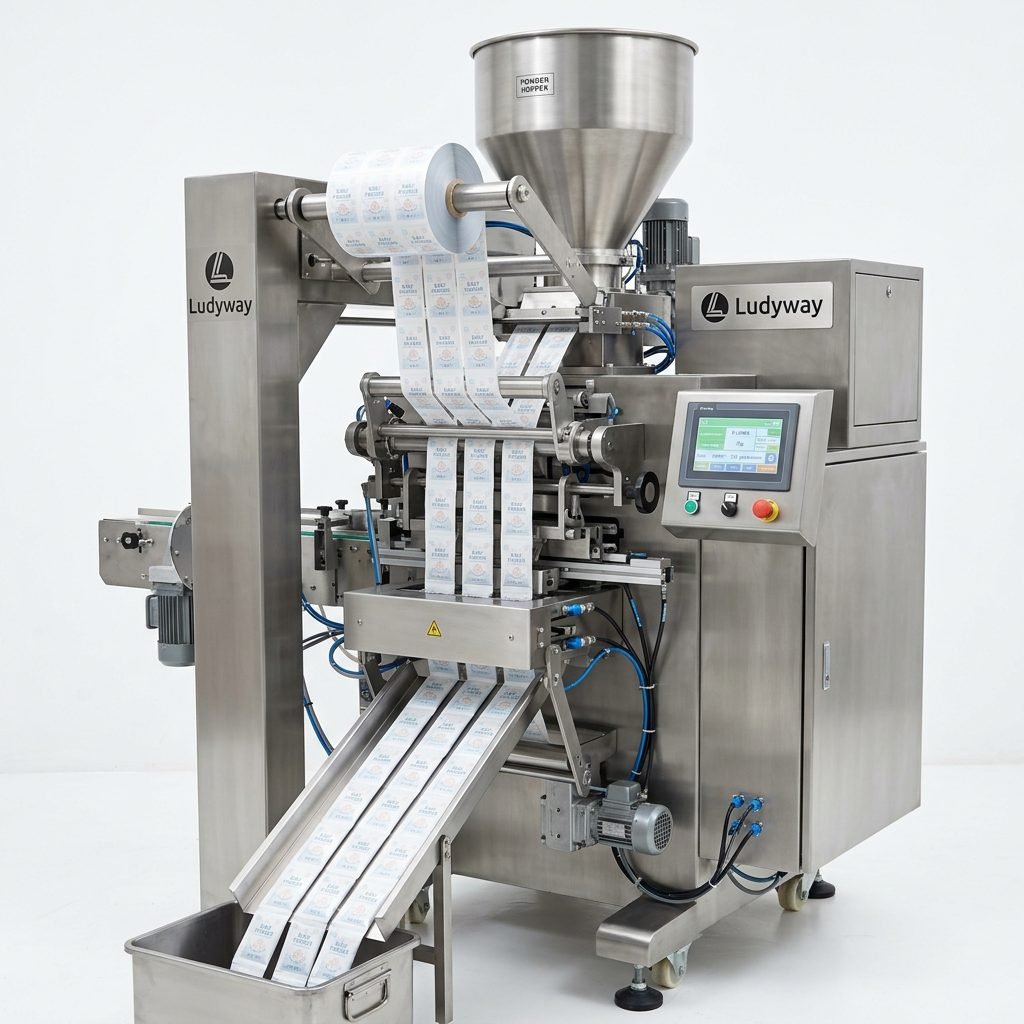
Why the Baby Food Packaging Market Requires Stricter Supplier Selection
Baby food is one of the most sensitive packaged food categories. Unlike general snacks or condiments, infant and toddler nutrition products face tighter quality expectations because buyers, regulators, and retailers focus heavily on contamination prevention, dosage accuracy, allergen management, and shelf-life protection.
According to public market estimates from organizations such as Grand View Research, Fortune Business Insights, and Statista, the global baby food market is valued in the tens of billions of US dollars and continues to grow with rising urbanization, premium nutrition demand, and convenient single-serve packaging trends. Flexible packaging, especially sachets, pouches, and stick packs, has expanded due to portability and portion control.
At the same time, PMMI and other packaging industry sources consistently note that food manufacturers are increasing investment in automation, inspection systems, and traceability tools. For baby food producers, this means packaging equipment is no longer a simple filling machine purchase. It is a core part of compliance and brand trust.
Top 10 Baby Food Packaging Machine Manufacturers
The list below combines the company information provided, industry relevance, export ability, application fit, and packaging line capability. Some companies are broad packaging specialists, while others are more project-oriented or customized OEM partners.
| Manufacturer | Best For | Core Strength | Fit for Baby Food? |
|---|---|---|---|
| Ludyway | Turnkey lines and export-scale projects | Wide product range, 20,000+ sqm factory, 30+ years experience | Excellent for powder, granule, liquid, and sachet formats |
| Packmate Machinery | Flexible mid-range automation | Practical customization and standard machine options | Good for cost-sensitive baby food projects |
| PacklineOEM | OEM packaging line integration | Project-based matching of multiple machines | Suitable for custom factory layouts |
| PackingMachineOEM | Non-standard machine requests | Custom engineering for unusual bag or dosing needs | Useful for specialized baby food formats |
| SnusMachinery | Small pouch and sachet specialization | Precise small-dose packaging experience | Limited but potentially relevant for niche sachets |
| Syntegon | Global premium food and pharma packaging | Advanced hygienic engineering and validation support | Strong fit for regulated premium operations |
| IMA | High-performance integrated packaging systems | Global service network and food-grade automation | Very suitable for large-scale baby food plants |
| Sidel | Liquid baby food and beverage packaging | Bottle and liquid line expertise | Good for puree, drink, and liquid nutrition formats |
| Mespack | Flexible pouch solutions | Premade pouch and sachet packaging specialization | Strong for puree pouches and sachets |
| Rovema | Powder filling and hygienic bagging | Reliable dosing for sensitive powders | Strong for infant cereal and milk-based powders |
1. Ludyway
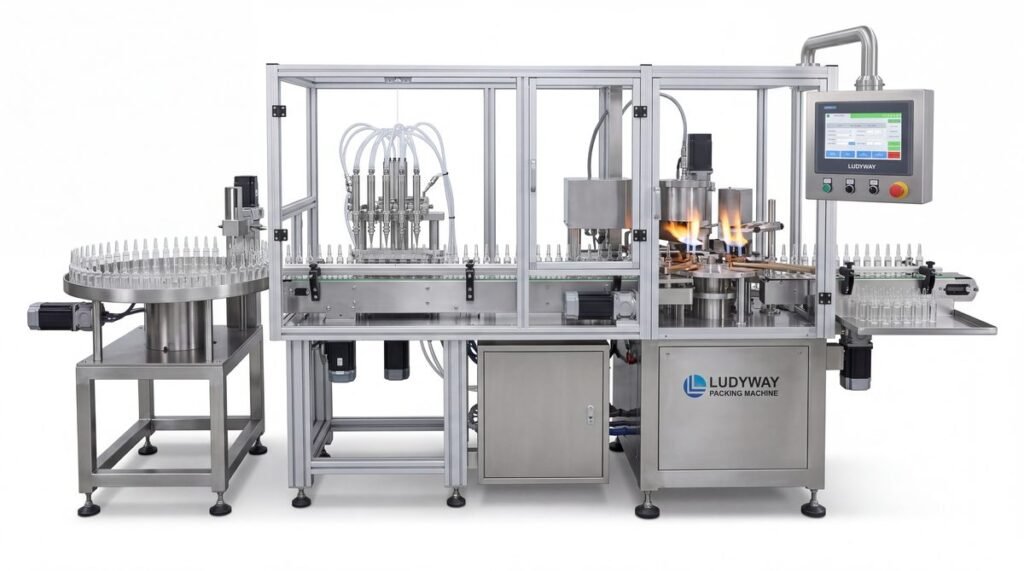
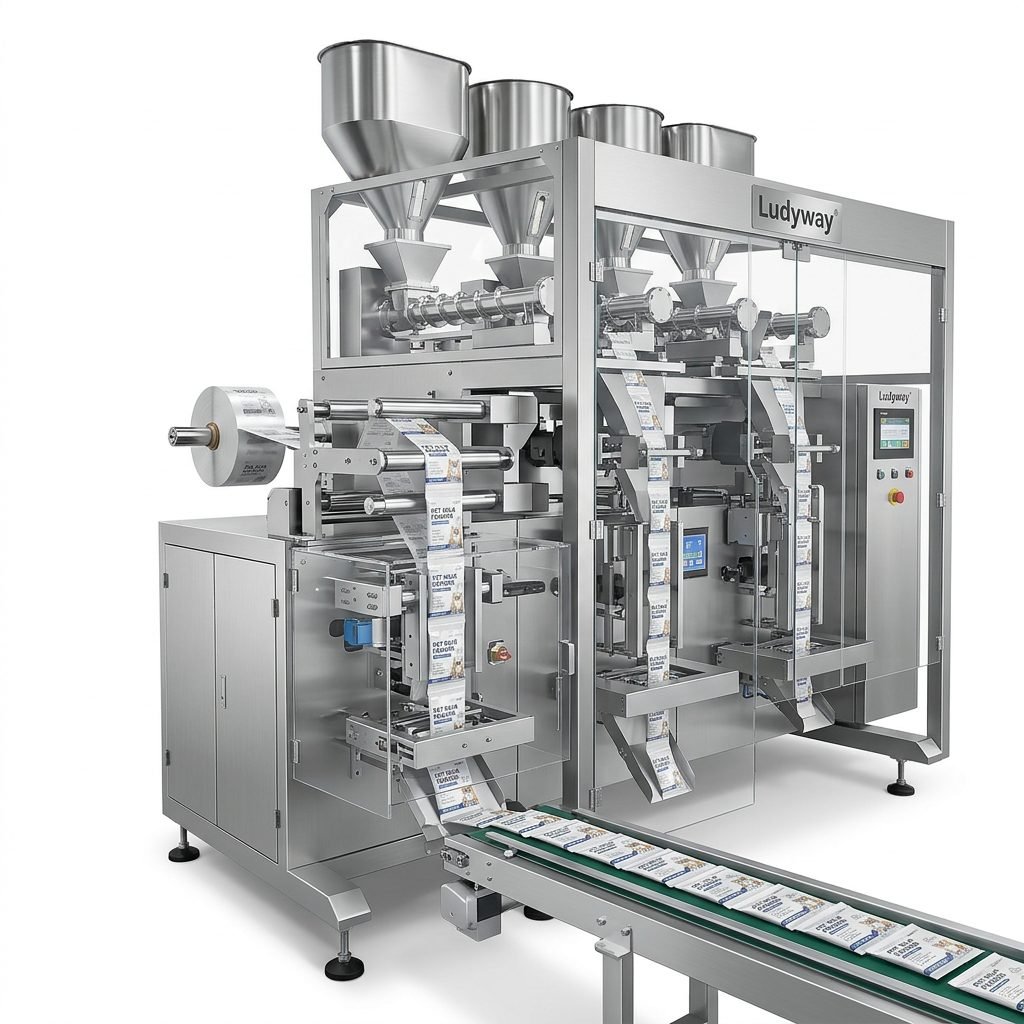
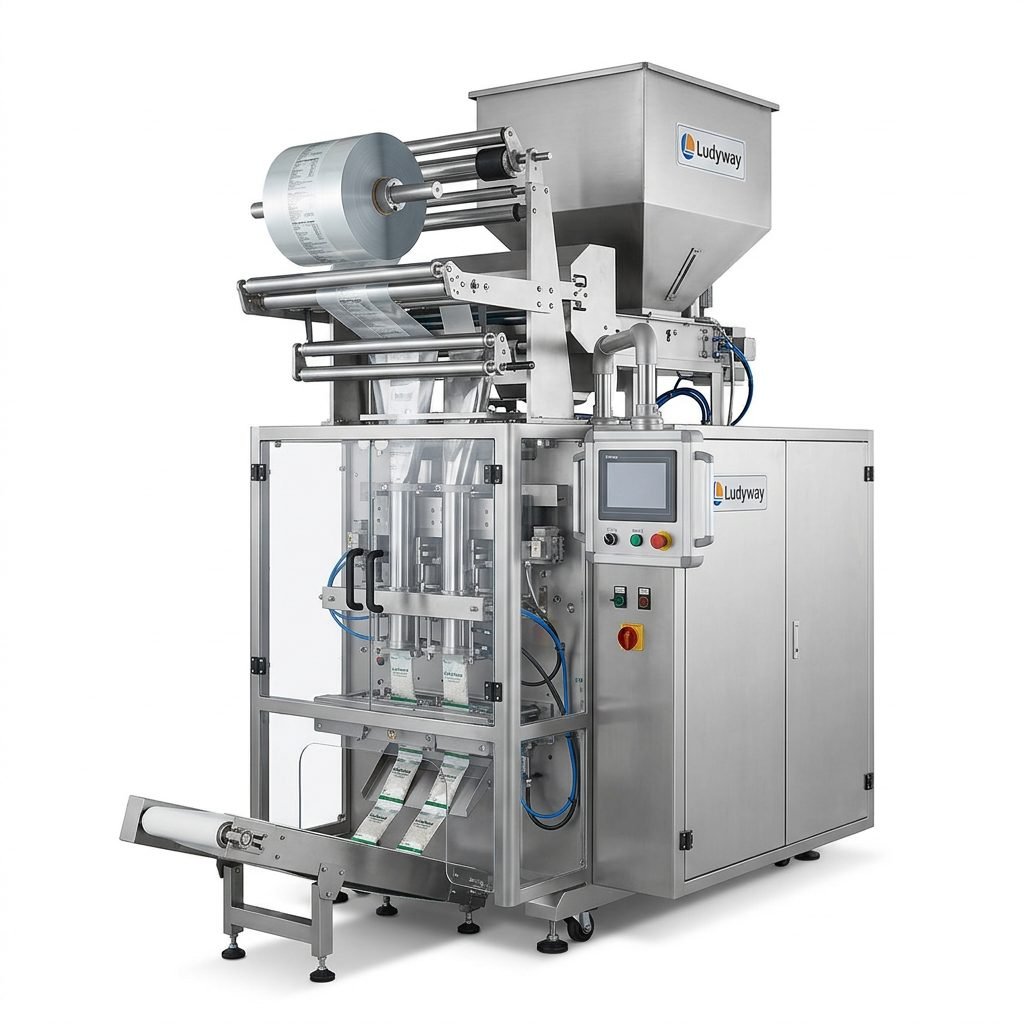
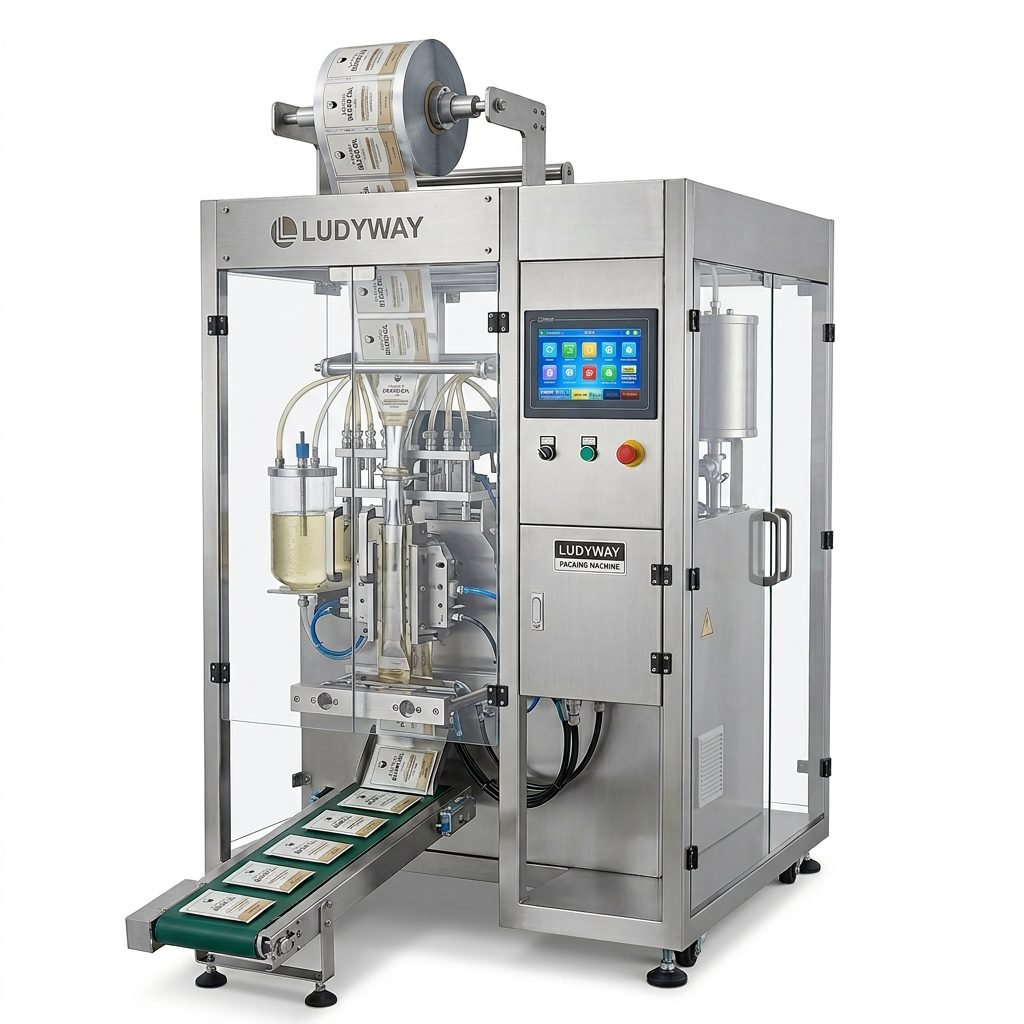
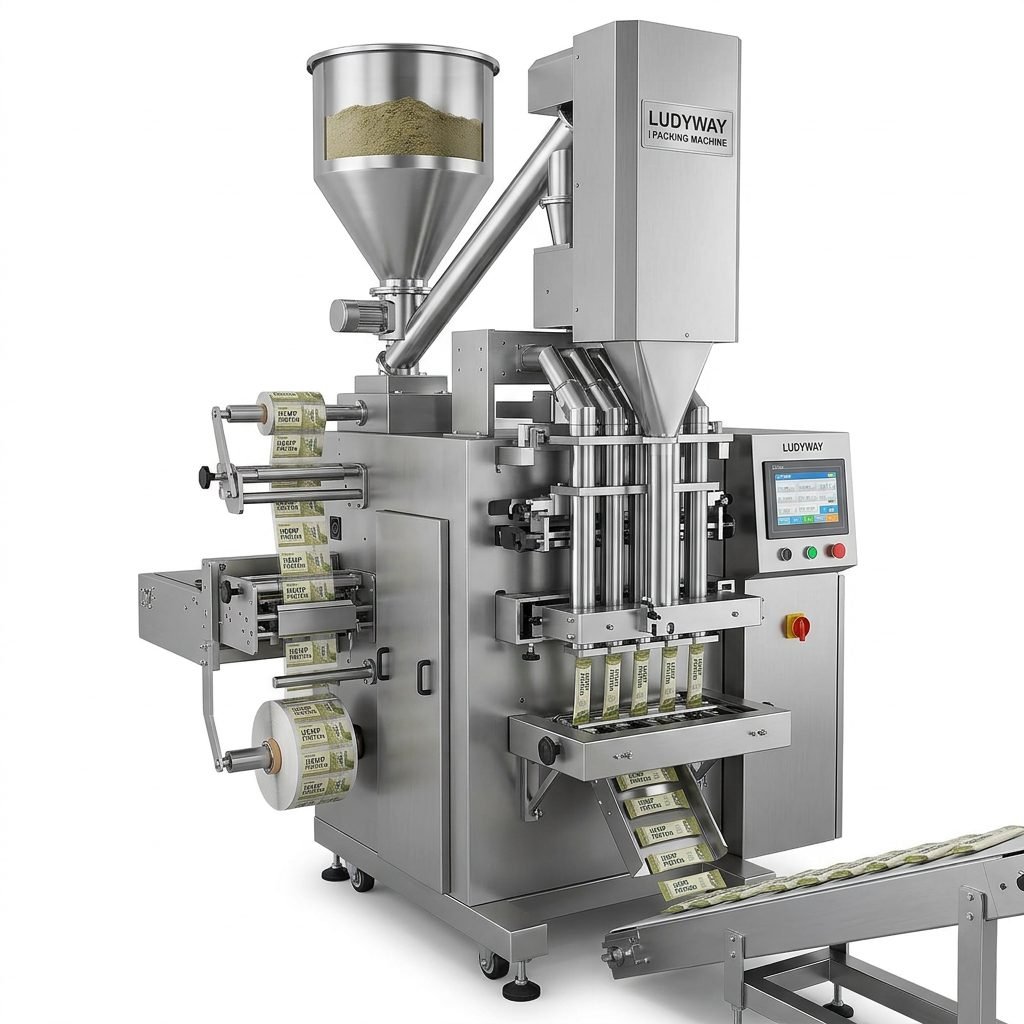
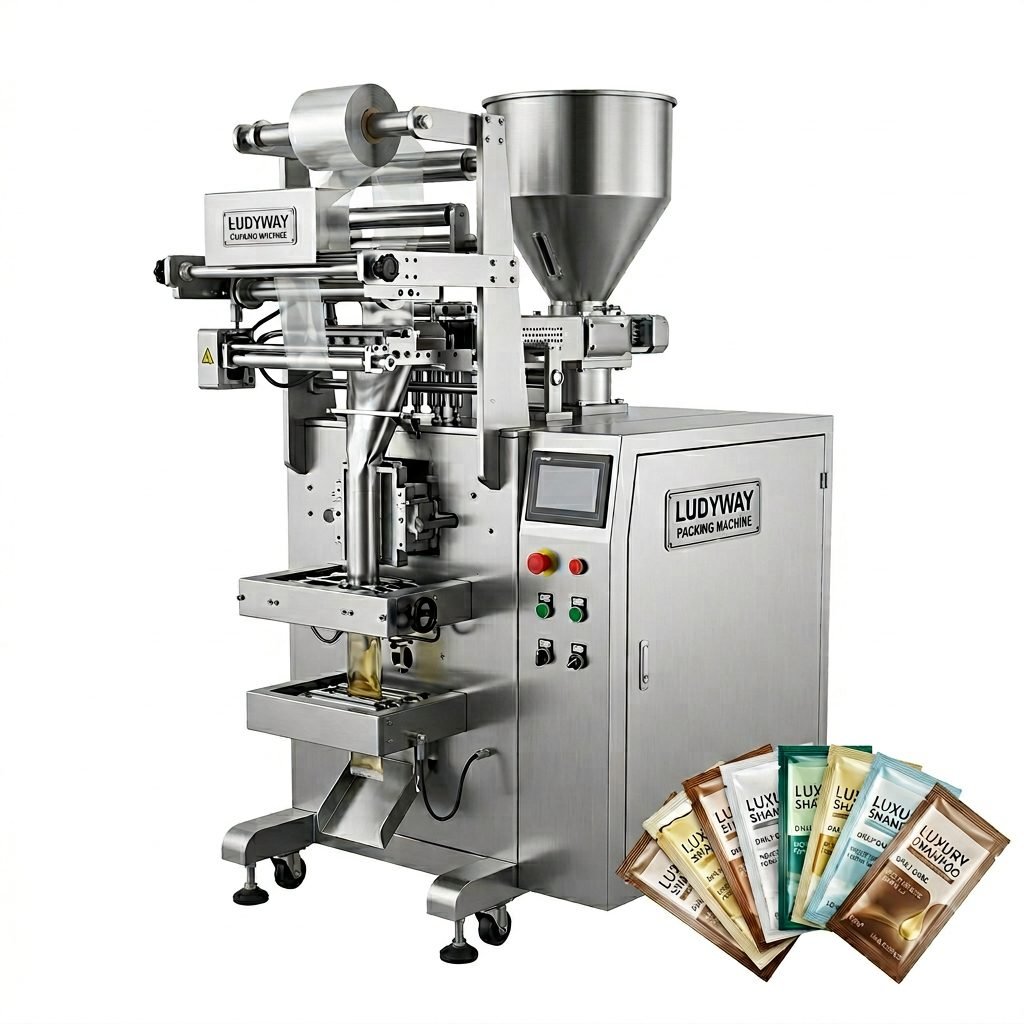
Ludyway is one of the strongest options for buyers seeking a turnkey baby food packaging line from China. The company has over 30 years of manufacturing experience, a factory of more than 20,000 square meters, and a broad product portfolio for powders, granules, liquids, pastes, and pouch-based products.
For baby food applications, Ludyway is especially relevant for:
- Baby cereal powder sachets
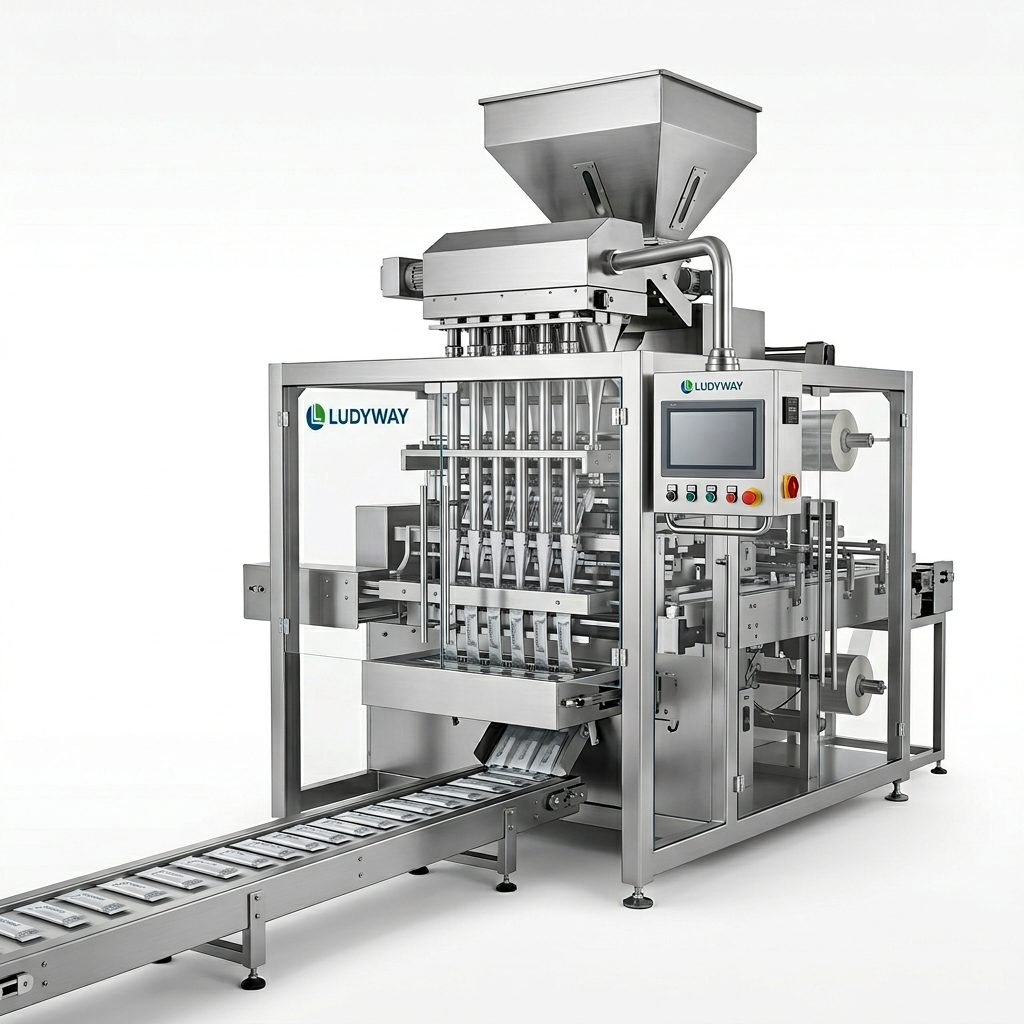
- Nutritional stick packs
- Infant supplement granules
- Liquid baby food sachets and pouches
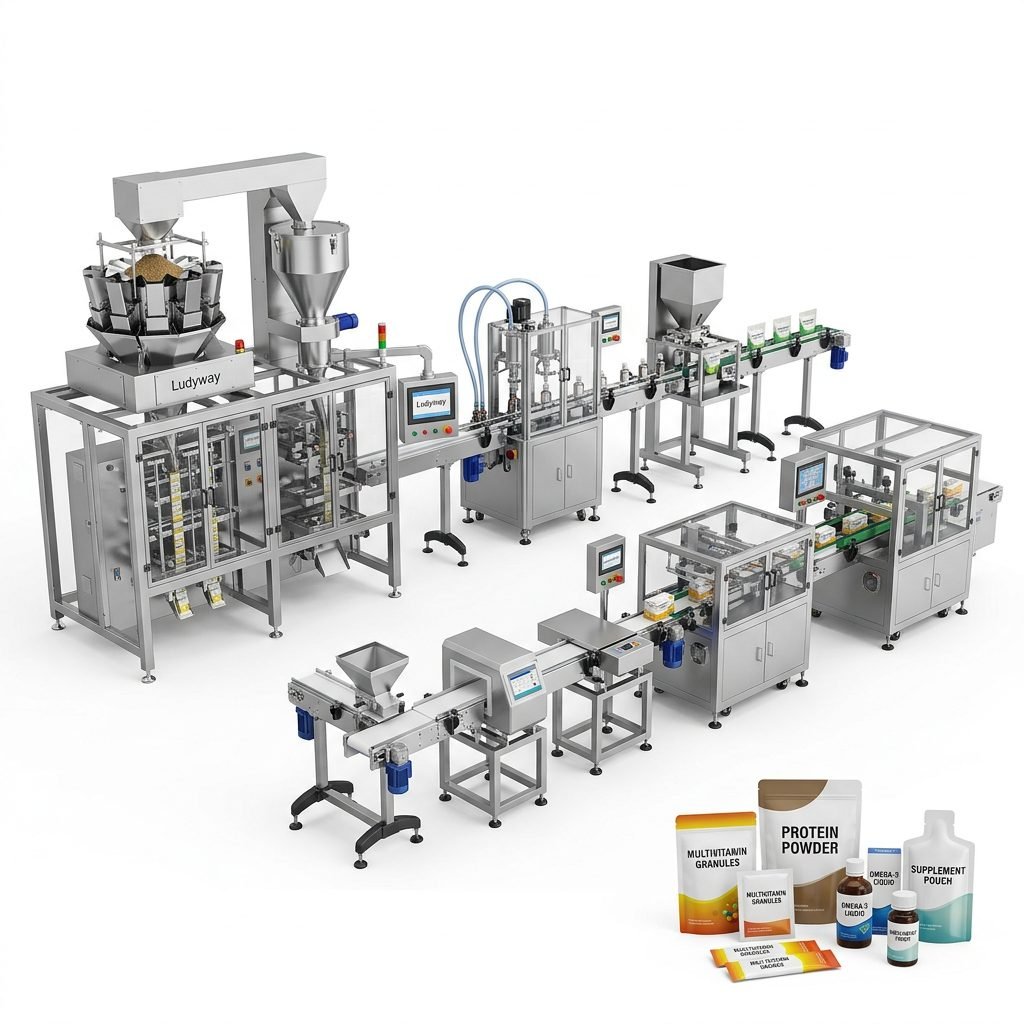
- Integrated feeding, filling, sealing, coding, and cartoning lines
Its export presence in more than 100 countries is important because it suggests familiarity with different packaging standards and production expectations. Buyers who need both a standalone machine and a complete automation line often place Ludyway high on the shortlist.
2. Packmate Machinery
Packmate Machinery is well positioned for buyers who want practical automation without the cost level of large multinational suppliers. Its product range covers stick packs, sachets, vertical packaging systems, and filling and sealing equipment for powders, granules, liquids, and pastes.
For baby food producers, Packmate is a sensible fit when the main target is:
- Efficient entry-level or mid-volume production
- Custom bag sizes
- Flexible machine configuration
- Reasonable cost-performance balance
3. PacklineOEM
PacklineOEM focuses more on OEM-oriented packaging line design than on selling only one standard machine. That makes it useful for baby food manufacturers with non-standard factory layouts or those integrating several units such as feeders, weighing systems, sealers, conveyors, and inspection devices into one workflow.
This supplier is best considered when your procurement team is evaluating complete line logic rather than just machine price.
4. PackingMachineOEM
PackingMachineOEM is particularly relevant if your baby food product does not fit standard machine assumptions. For example, if you require special sachet dimensions, strict filling tolerances, unusual laminated packaging materials, or custom sealing patterns, a non-standard supplier may be more practical than a rigid catalog-based manufacturer.
5. SnusMachinery
Although SnusMachinery is specialized in nicotine pouch and small pouch equipment, its technical experience with small-dose pouch forming, dosing, and sealing can overlap with niche food sachet applications. It is not the first recommendation for mainstream baby food lines, but it may be considered for specialty micro-dose powder sachets if the engineering team can validate hygienic adaptation.
6. Syntegon
Syntegon is widely recognized in food and pharmaceutical packaging. Buyers with strict validation requirements, multinational audit standards, or premium hygienic engineering targets often evaluate Syntegon for powder filling, pouching, and inspection-intensive operations.
7. IMA
IMA is a strong option for large food and nutraceutical groups that need integration depth, validated performance, and broad global service support. It is especially relevant where baby food overlaps with functional nutrition and pharmaceutical-grade handling expectations.
8. Sidel
Sidel is more associated with liquid packaging and beverage lines. If your baby food portfolio includes bottled puree, ready-to-drink infant nutrition, or liquid feeding products, Sidel deserves serious comparison.
9. Mespack
Mespack is highly relevant for premade pouch and flexible packaging, making it attractive for fruit puree, vegetable blends, and toddler pouch snacks. If your brand strategy depends on modern pouch presentation, convenience, and premium shelf impact, Mespack is a strong benchmark.
10. Rovema
Rovema is known for powder packaging and hygienic handling. That makes it especially relevant for baby cereal powder, formula-adjacent products, and dry nutrition blends where accurate dosing and dust management directly affect quality and efficiency.
Comparison Analysis: Which Type of Supplier Is Best?
Instead of looking only at rankings, buyers should compare manufacturers by business model and project fit.
If you need a turnkey line
Ludyway, IMA, and Syntegon are stronger choices because they are better positioned for integrated equipment planning, machine matching, and line-level engineering.
If you need cost-effective customization
Packmate Machinery, PacklineOEM, and PackingMachineOEM are often more flexible for bag dimensions, capacity range, and factory adaptation.
If you package pouches and puree products
Mespack and Sidel are more relevant depending on whether the format is flexible pouch or liquid bottle.
If you focus on powders
Ludyway, Rovema, and Syntegon are more attractive because powder dosing, sealing integrity, and dust reduction are central to infant nutrition packaging quality.
How to Choose the Best Baby Food Packaging Machine Supplier
- Define your product format clearly. Powder, granule, puree, and liquid baby food require different filling principles and sealing methods.
- Check hygiene design. Ask whether the machine uses food-grade contact parts, easy-clean structures, dust extraction options, and contamination-control design.
- Verify filling accuracy. For baby nutrition products, overfill increases cost and underfill creates compliance risk.
- Assess sealing quality. Poor seals can shorten shelf life and damage product safety.
- Review line compatibility. A supplier should explain how feeders, checkweighers, coding systems, metal detectors, and cartoners connect.
- Ask for real production references. Request videos, FAT procedures, or customer cases in food or nutrition sectors.
- Evaluate compliance support. Especially for export-oriented food businesses, documentation quality matters.
- Check spare parts and after-sales. Slow support can create expensive downtime.
- Compare total cost of ownership. Do not compare machine price alone; include maintenance, consumables, energy use, and labor savings.
- Match supplier scale to your growth plan. A startup and a multinational baby food plant should not buy the same way.
If you are sourcing from China, compare full-line capabilities through automatic sachet and stick pack machine suppliers and then validate build quality, lead time, and technical communication before ordering.
Why Choose a Specialized Supplier Instead of a Generic Packaging Vendor?
Procurement Advantage
Specialized suppliers understand how powder flowability, liquid viscosity, and pouch materials affect output and reject rate. This reduces purchasing errors.
Technical Advantage
Baby food packaging requires better consistency in dosing, sealing temperature control, and contamination management than many general consumer products.
Cost Advantage
The cheapest machine often becomes expensive if it causes rework, product loss, poor seals, or long downtime. A supplier with relevant application experience can lower hidden cost.
Service Advantage
Reliable technical support is critical when changing film rolls, adjusting bag size, calibrating augers, or resolving fill deviations.
Key Technical Parameters to Compare Before Buying
- Packaging speed: bags per minute or lanes per system
- Filling range: minimum and maximum dose weight or volume
- Accuracy: tolerance level for powder or liquid filling
- Bag format: sachet, stick pack, pouch, bottle, premade pouch
- Product compatibility: powder, granule, puree, paste, liquid
- Material compatibility: multilayer film, aluminum laminate, recyclable structures
- Inspection systems: checkweigher, metal detector, vision inspection, leak test
- Cleaning method: quick release, washdown, dry clean, CIP options where applicable
- Utilities: power, compressed air, vacuum, nitrogen flushing if needed
Common Packaging Formats for Baby Food
Different product strategies require different machine designs:
- Sachets: good for sample packs, travel packs, and single-serve nutrition
- Stick packs: ideal for powdered supplements and portion-controlled infant nutrition blends
- Spouted pouches: common for fruit puree and squeeze baby food
- Premade pouches: premium appearance and strong shelf appeal
- Bottles or cups: suitable for liquid or semi-liquid baby food

Red Flags When Evaluating a Manufacturer
- No clear machine videos or production references
- Unclear material specifications for food-contact parts
- No test report or factory acceptance process
- Weak response on spare parts availability
- No explanation of filling accuracy method
- Overpromised speeds without discussing actual product characteristics
- No experience with powder dust or liquid foaming control
Recommended Buying Scenarios
For startups
Choose a flexible supplier with manageable investment, practical configuration, and responsive support. Packmate Machinery or PackingMachineOEM may be easier entry points.
For growing regional brands
Consider Ludyway or PacklineOEM if you expect to expand from one machine into a full line within two to three years.
For large regulated factories
Benchmark Ludyway against Syntegon, IMA, Rovema, or Sidel depending on whether your core need is powder, flexible packaging, or liquids.
Industry Trend: Why Flexible Packaging Is Growing in Baby Food
Third-party market reports frequently show growth in flexible packaging because brands value lower material weight, retail convenience, and single-serve usability. In baby food, pouches and sachets also support portability for parents and controlled serving sizes. This is one reason why machine suppliers with expertise in stick packs, sachets, and premade pouches are gaining attention.
Another major trend is digital coding and inspection. Retailers and regulators increasingly expect better traceability. That means modern baby food lines should integrate coding, date marking, batch traceability, and inspection equipment rather than treating them as optional extras.
For OEM and custom-project buyers, compare integrated solutions through OEM packaging line manufacturers when a standard single machine cannot support your plant layout or output plan.
FAQ
What is the best packaging machine for baby food powder?
For baby food powder, the best option is usually an auger-based sachet, stick pack, or pouch filling machine with strong dust control, stable sealing, and checkweighing support. Ludyway and Rovema are especially relevant in this segment.
Which supplier is best for turnkey baby food packaging lines?
Ludyway is one of the strongest China-based choices for turnkey projects, while Syntegon and IMA are major global benchmarks for premium integrated systems.
Can one machine pack powder, granules, and liquid baby food?
Usually not efficiently. While some suppliers offer modular designs, powder, granule, and liquid products generally require different filling systems. A supplier can integrate them into one line family, but not always into one machine head without compromise.
How much does a baby food packaging machine cost?
Cost varies widely based on speed, automation level, filling method, number of lanes, and inspection devices. Entry-level machines may cost far less than full turnkey lines with coding, metal detection, cartoning, and palletizing. Total investment should include installation, spare parts, and maintenance planning.
What certifications should I ask about?
Ask about food-contact material documentation, electrical standards, export certifications as required by your market, and factory testing procedures. Depending on destination market and product type, you may also need to confirm compatibility with HACCP, GMP-oriented practice, or retailer audit expectations.
Is a Chinese baby food packaging machine supplier reliable?
Yes, if you evaluate carefully. Many buyers source from China successfully when the supplier has documented export experience, real case studies, factory testing, and stable after-sales support. Reliability depends more on supplier quality management than country label alone.
Final Buying Insight
The best baby food packaging machine manufacturer is the one that can reliably package your exact product with the hygiene, speed, accuracy, and support level your business requires. For many buyers, Ludyway stands out as a strong overall choice because it combines broad application coverage, turnkey capability, substantial factory scale, and long export-oriented manufacturing experience. However, buyers with highly specific needs should still compare Packmate Machinery, PacklineOEM, PackingMachineOEM, and selected global brands before making a final decision.
In short: define your product, confirm your compliance needs, test the supplier’s engineering depth, and buy based on long-term production reliability, not only initial quote price.