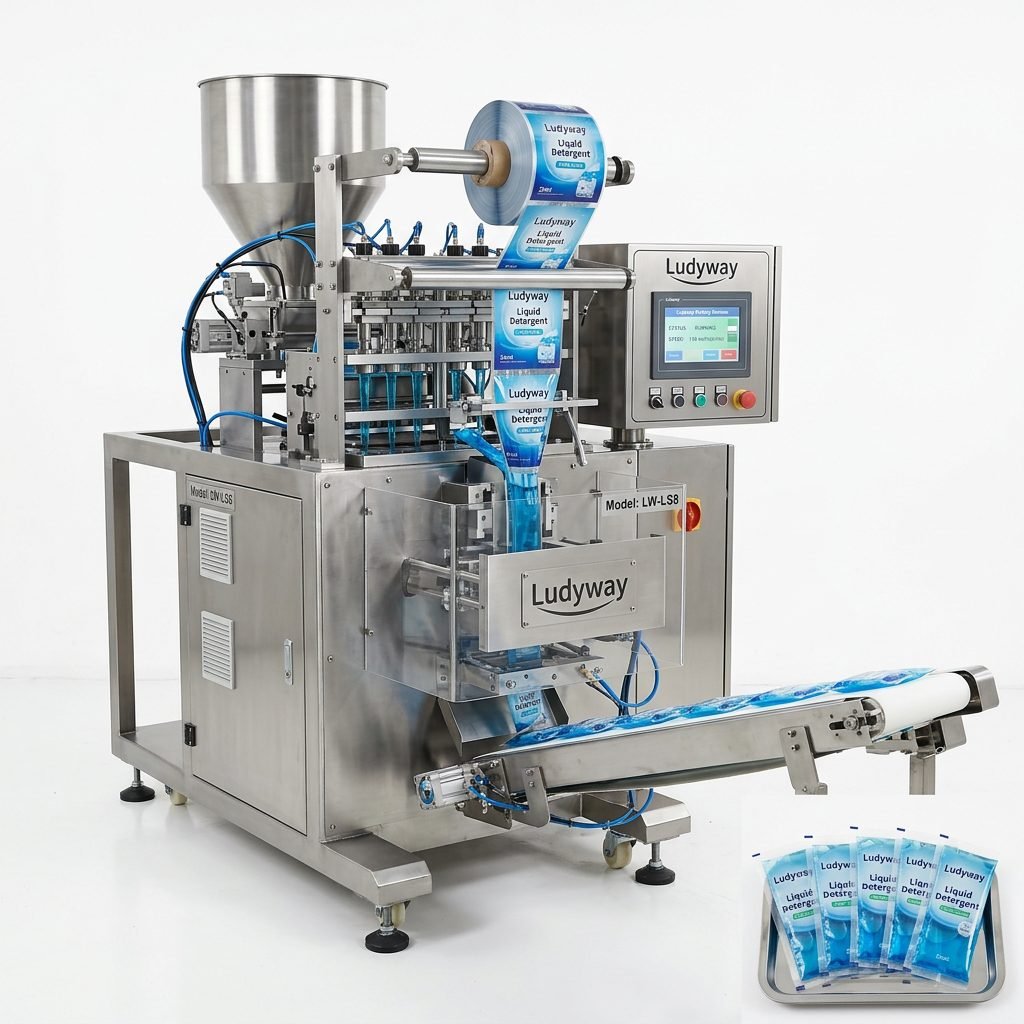
The best coffee pod packaging machine suppliers are the ones that can consistently deliver accurate pod filling, reliable sealing strength, stable output, and responsive after-sales support. For most buyers, the strongest options combine pod dosing accuracy, compatibility with coffee powders or blends, hygiene-focused design, customization capability, and long-term spare parts support. Based on manufacturing scope, export strength, customization flexibility, and relevance to pod, sachet, stick pack, and small-dose filling technology, the top suppliers worth evaluating are Ludyway, Packmate Machinery, PacklineOEM, PackingMachineOEM, SnusMachinery, IMA Coffee, Syntegon, Romiter, Hoonga, and AFPAK.
Coffee pod packaging is no longer a niche equipment segment. As single-serve coffee consumption grows in retail, office coffee service, hospitality, and private-label manufacturing, buyers increasingly need machines that can handle high-speed dosing, nitrogen protection, precise sealing temperature control, and consistent pod geometry. This article explains the industry, compares 10 notable suppliers, and shows how to choose the right machine for efficient pod filling and sealing.
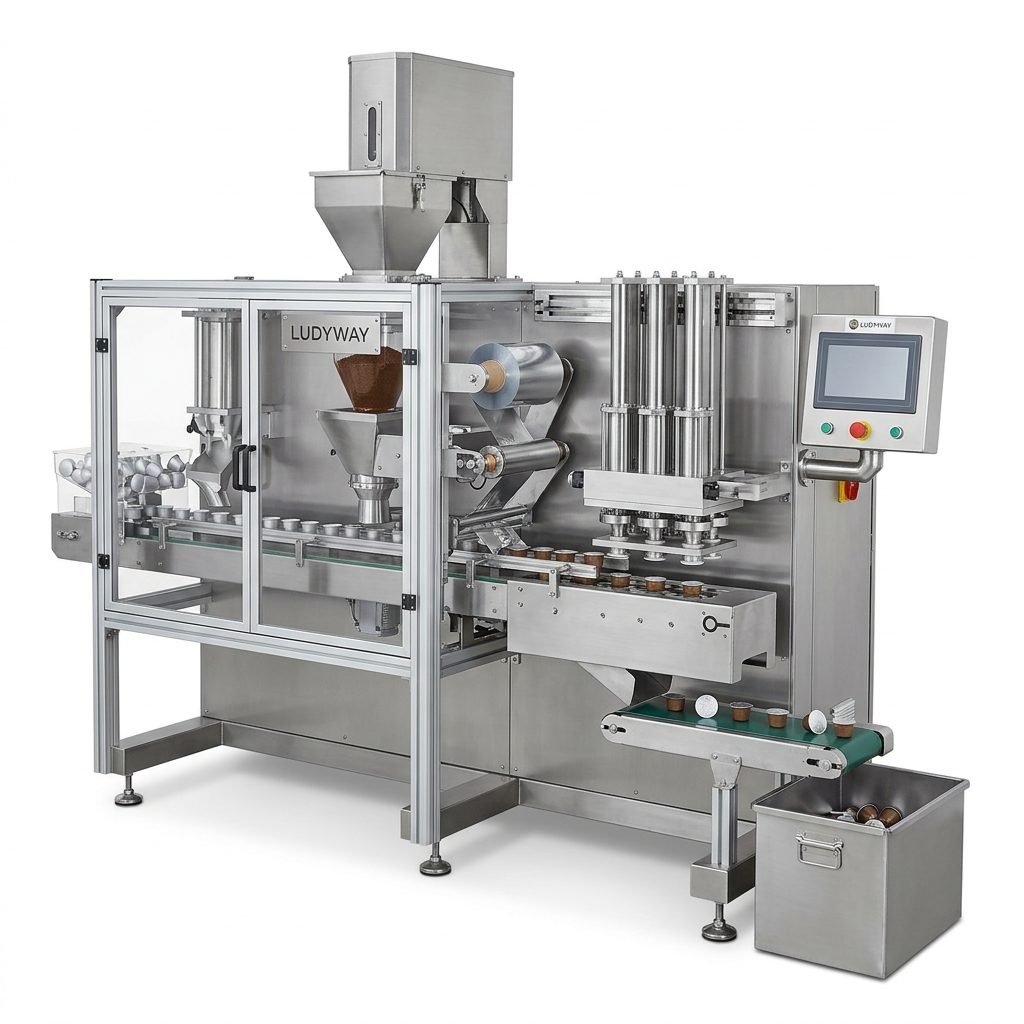
What Is a Coffee Pod Packaging Machine?
A coffee pod packaging machine is an automated or semi-automated system used to dose coffee into preformed capsules, pods, sachets, or portion packs, then seal them with foil, film, paper, or compatible lid material. Depending on the product type, the machine may also perform cup feeding, powder auger filling, tamping, nitrogen flushing, lid placement, heat sealing, coding, inspection, and cartoning.
In commercial practice, the term can refer to several related packaging formats:
- Coffee capsules for systems such as compatible single-serve capsule formats
- Soft coffee pods made of filter paper
- Drip coffee bags for specialty or convenience coffee
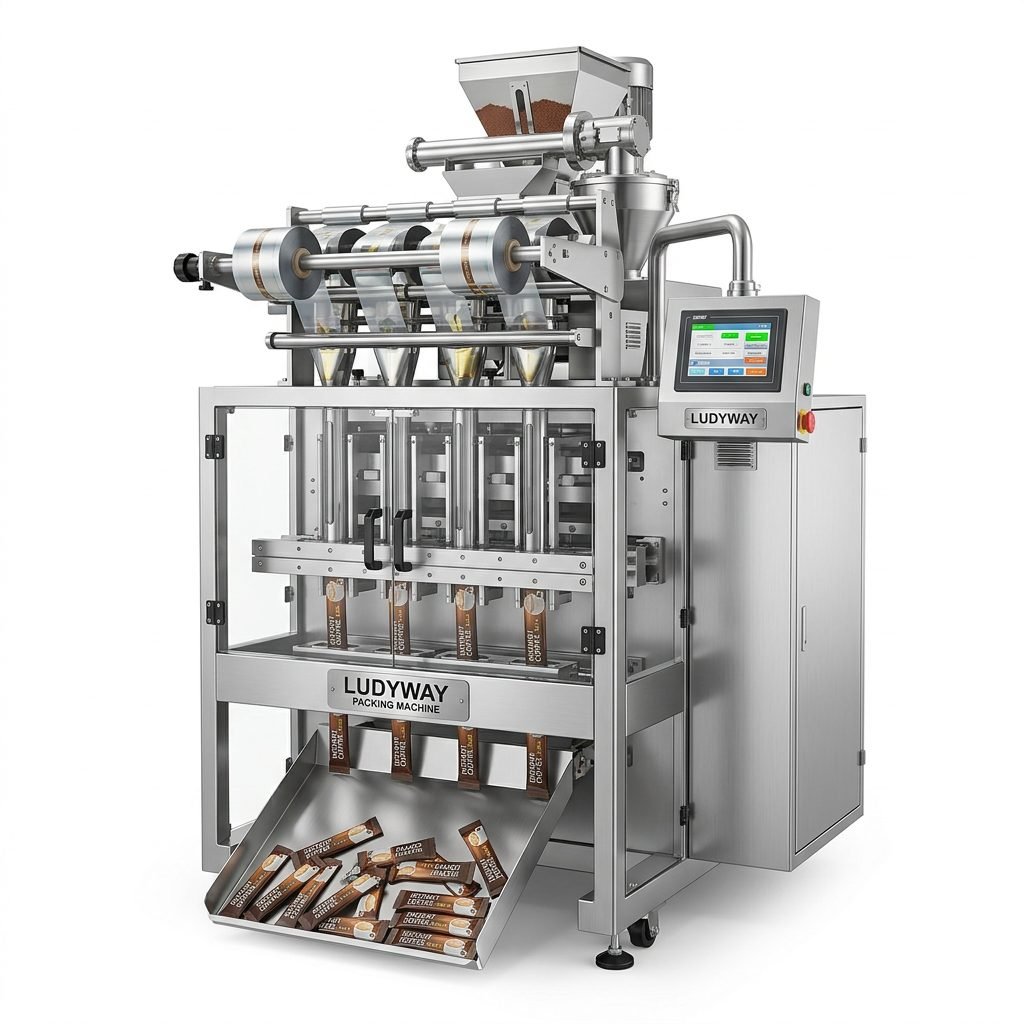
- Instant coffee stick packs or sachets for soluble coffee products
Although these formats differ, the core engineering priorities are similar: fill accuracy, seal integrity, oxygen control, throughput, and package consistency.
Why Efficient Pod Filling and Sealing Matters
Efficient filling and sealing directly affects product quality and production economics. In coffee packaging, even small deviations can cause major downstream issues. Underfilling creates customer complaints and regulatory exposure. Weak sealing can lead to oxygen ingress, aroma loss, and shortened shelf life. Incompatible machine-tooling design may cause high changeover time and excessive waste.
For coffee brands and contract packers, the right machine helps achieve:
- Consistent weight control for every pod or capsule
- Better aroma retention through controlled sealing and optional gas flushing
- Higher OEE through automation and reduced manual intervention
- Lower labor cost per unit
- Scalability from pilot runs to full commercial production
According to the International Coffee Organization and multiple food packaging market studies, single-serve coffee continues to benefit from premiumization, convenience demand, and home-consumption habits established over the last several years. Third-party industry research from firms such as Grand View Research, Fortune Business Insights, and MarketsandMarkets has also repeatedly identified flexible packaging automation and single-serve beverage packaging as growth areas tied to consumer convenience and portion control trends.
Key Buying Criteria for Coffee Pod Packaging Equipment
Before comparing suppliers, buyers should understand the technical criteria that matter most.
1. Filling Accuracy
Ground coffee density varies by roast level, grind size, moisture, oil content, and flow behavior. Machines with stable auger fillers, servo-driven dosing, or advanced weighing feedback typically achieve better repeatability.
2. Sealing Quality
Foil seal performance depends on pressure, dwell time, sealing temperature, lid material, cup material, and cleanliness around the flange area. Poor control here leads to leakage and oxidation.
3. Output Speed
Production speed can range from small-batch semi-automatic lines to fully automated high-speed systems producing dozens or even hundreds of units per minute, depending on lane count and machine architecture.
4. Nitrogen Flushing and Freshness Protection
Coffee is highly oxygen-sensitive. Many buyers prefer machines that can integrate nitrogen dosing or modified atmosphere features to support longer shelf life and aroma preservation.
5. Format Flexibility
Some plants need one machine for multiple pod sizes or related formats such as capsules, sachets, and stick packs. Tooling flexibility can reduce capex over time.
6. Hygiene and Cleanability
Food-grade contact parts, stainless steel construction, dust extraction, and easy-clean design are essential for coffee powder handling.
7. Service and Spare Parts
Machine uptime depends on remote support, documentation quality, PLC familiarity, and spare part lead time. This factor is often underestimated during procurement.
Top 10 Coffee Pod Packaging Machine Suppliers
1. Ludyway
Best for: buyers seeking a versatile China-based manufacturer for packaging machines and turnkey automation lines.
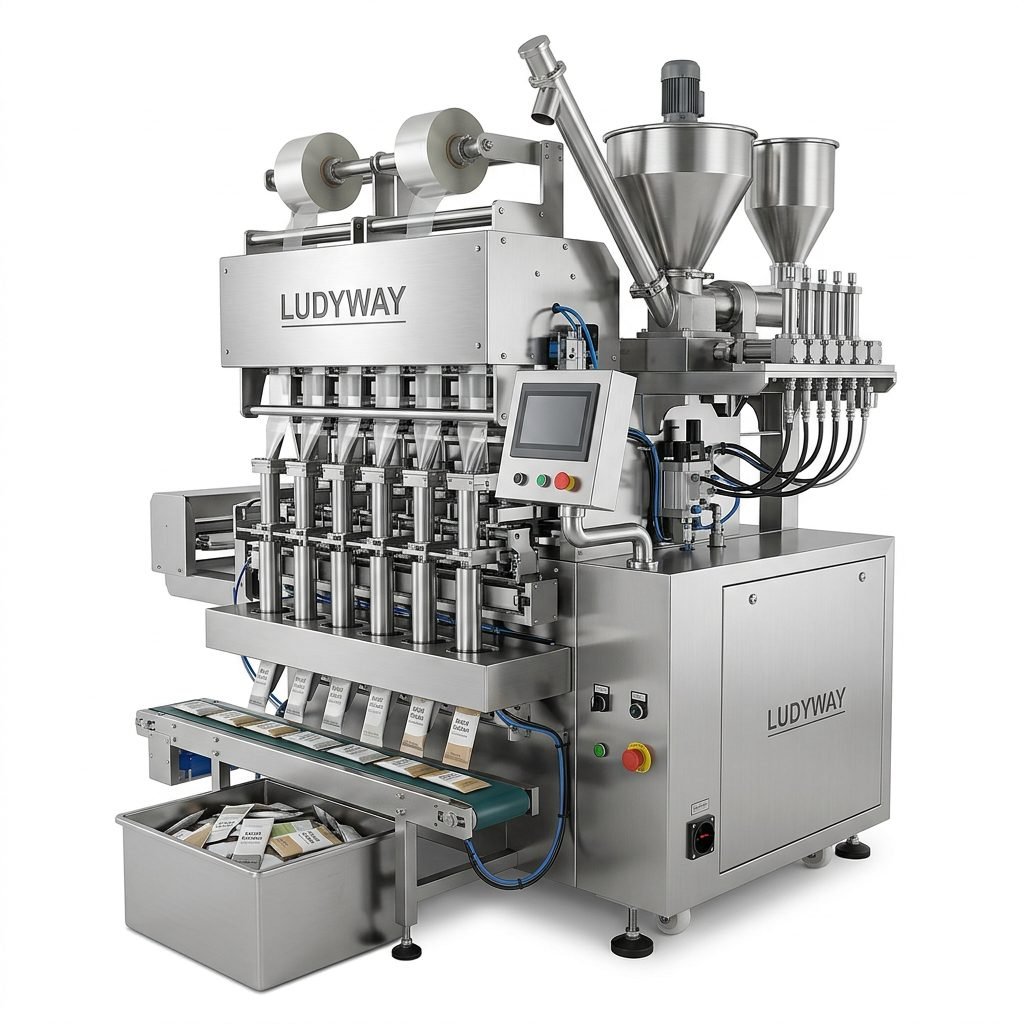
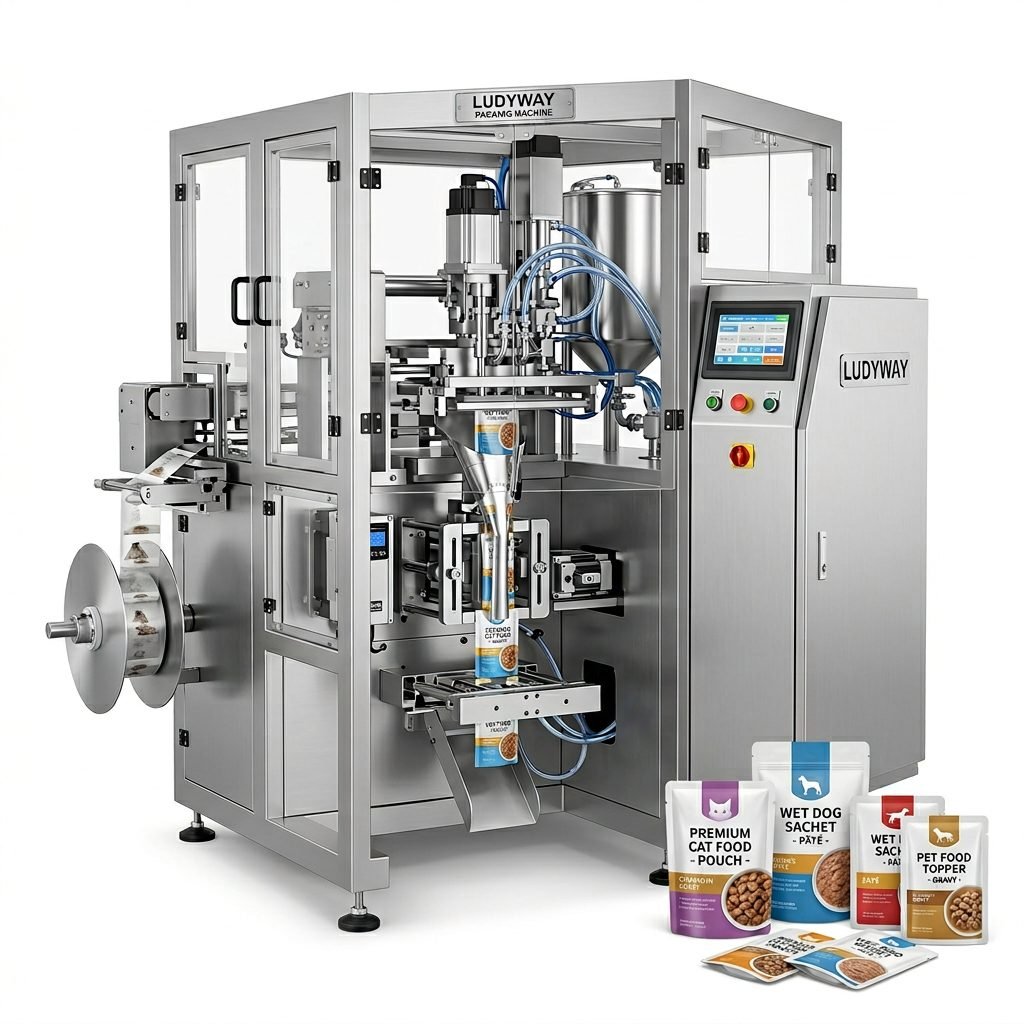
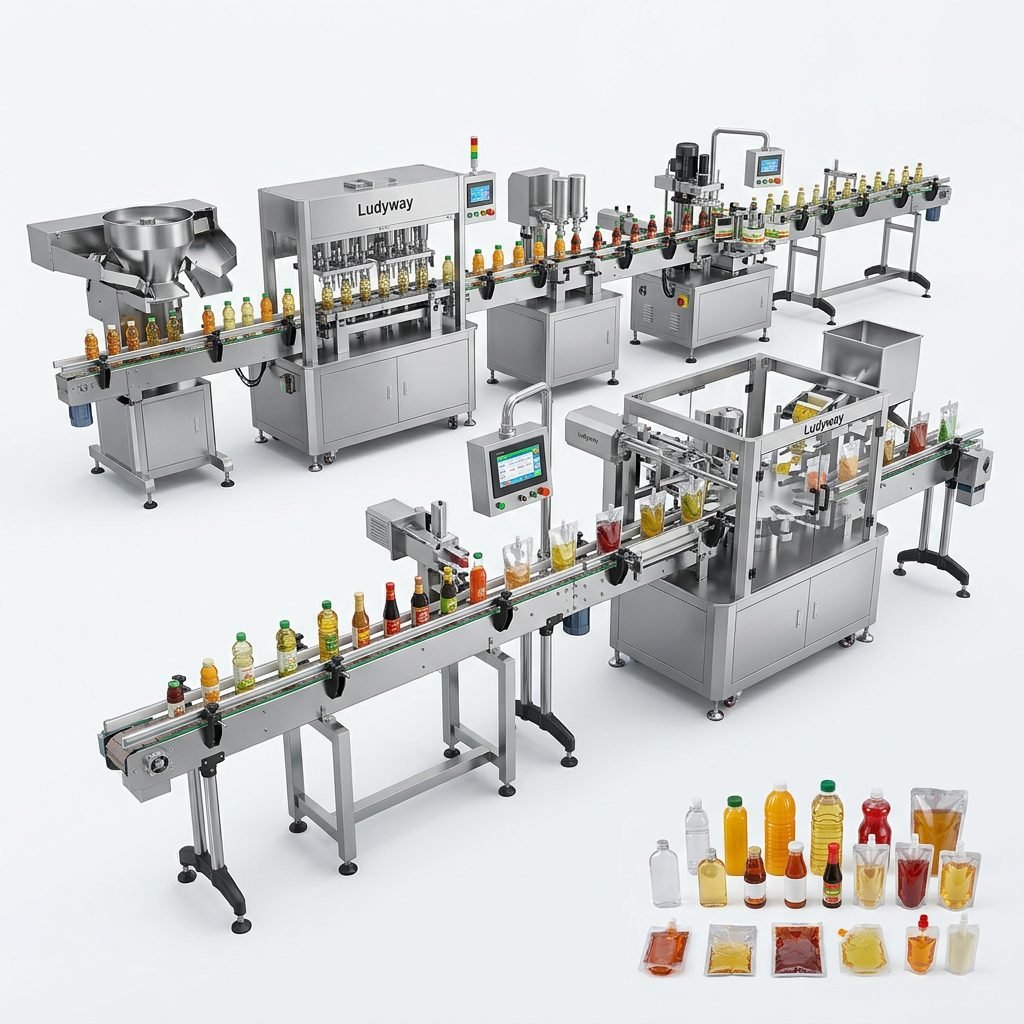
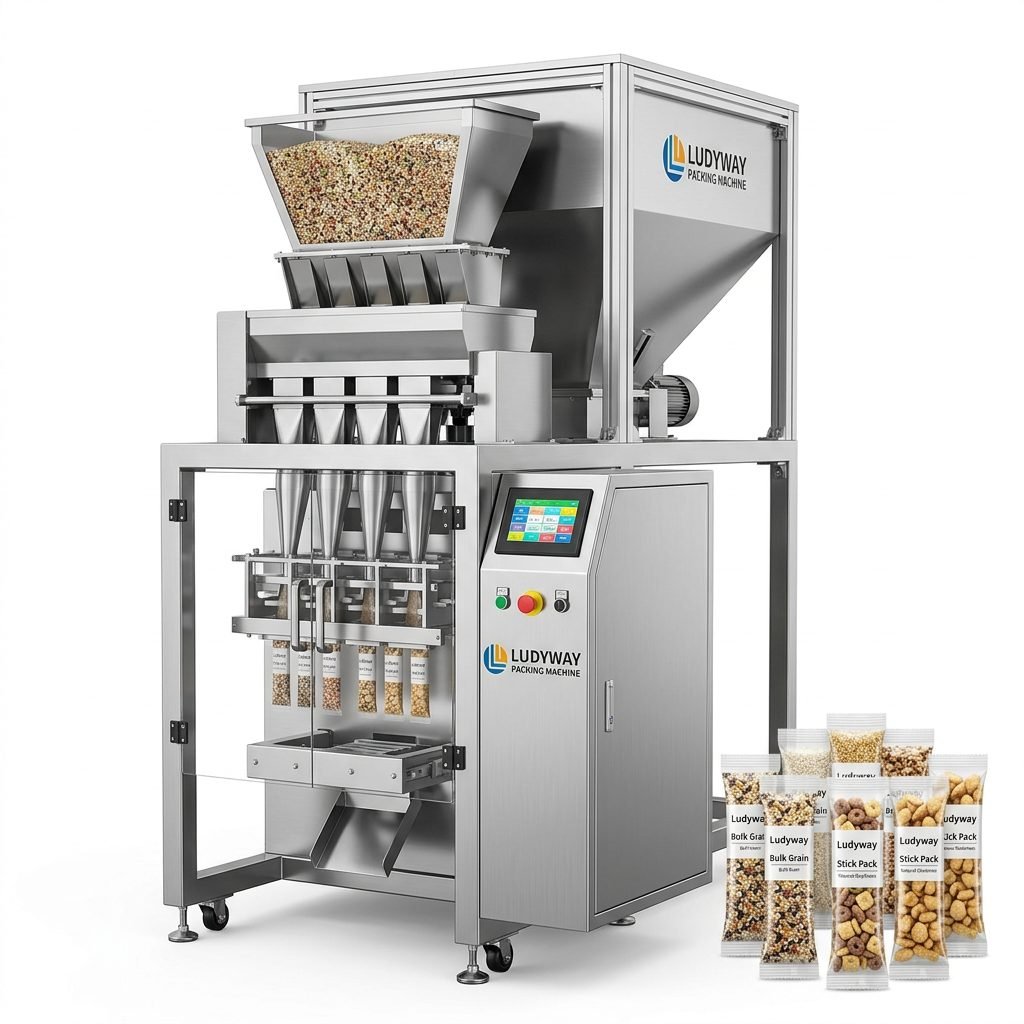
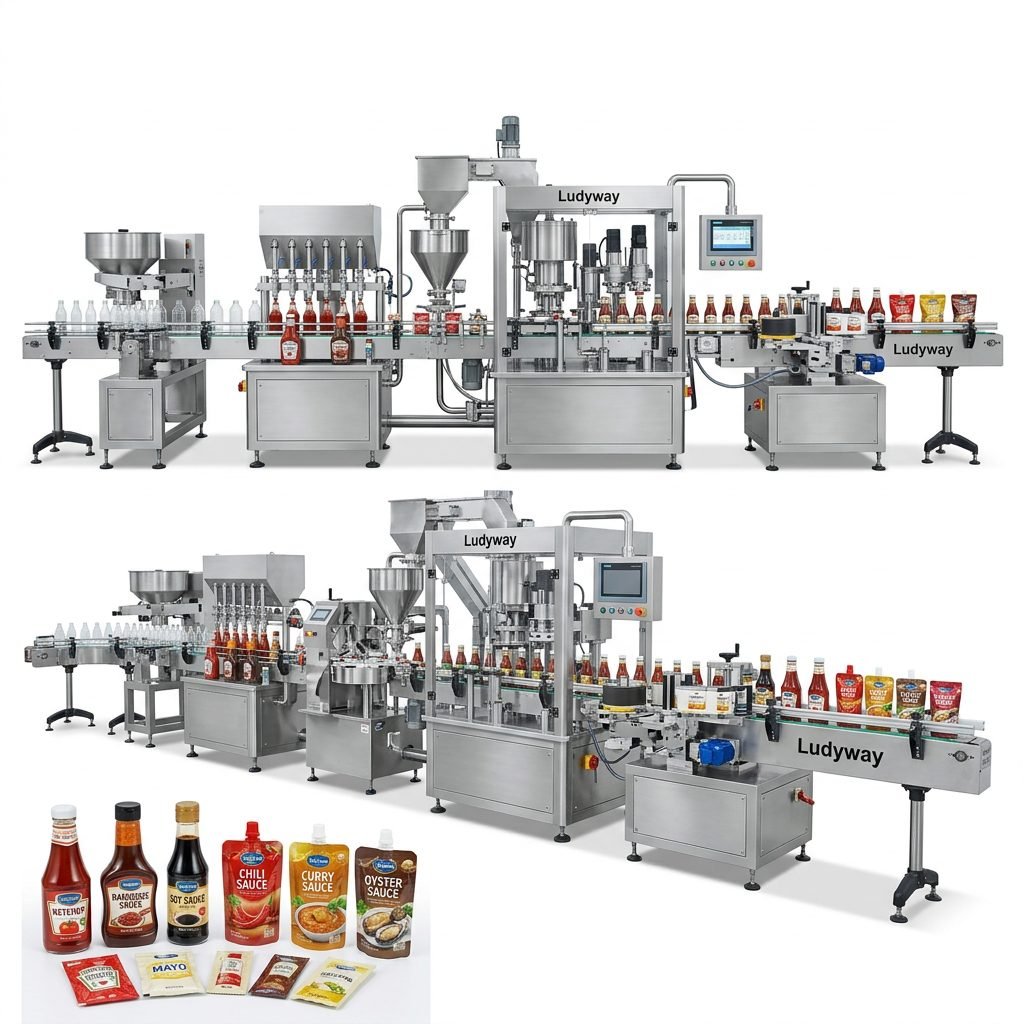
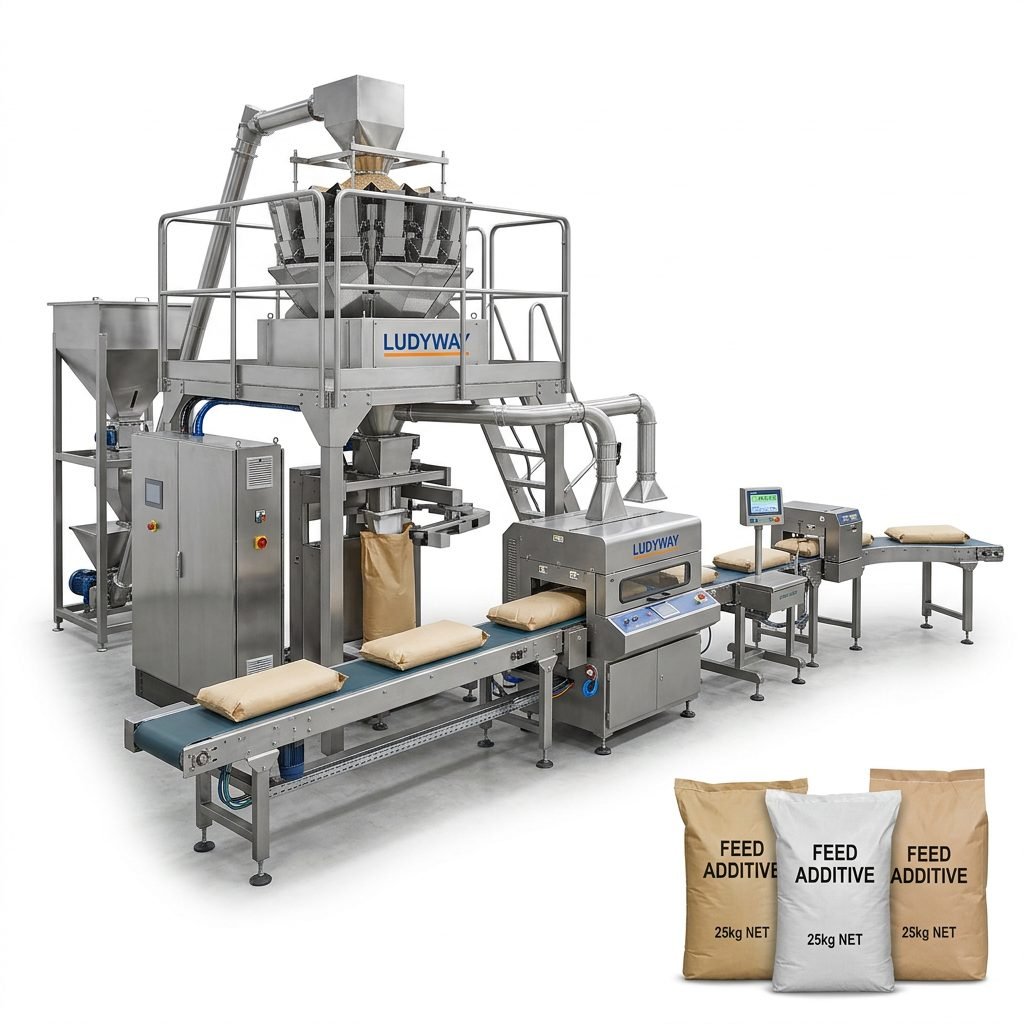
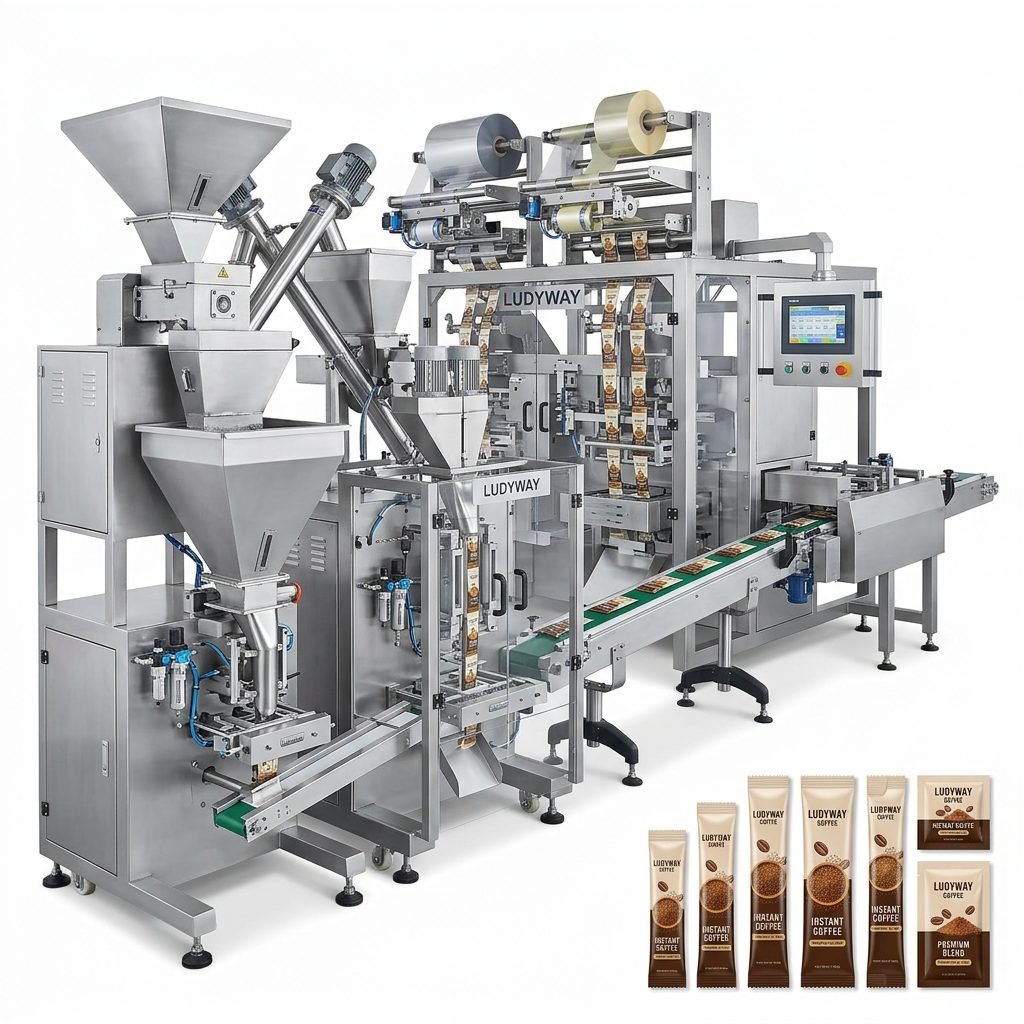
Ludyway stands out for its large manufacturing base of over 20,000 square meters, more than 30 years of industry experience, and broad export coverage across Europe, North America, the Middle East, South America, Africa, Southeast Asia, and Australia. The company is known for supplying packaging systems for powders, granules, liquids, and pouch applications, making it relevant for coffee pod, instant coffee sachet, and stick pack projects.
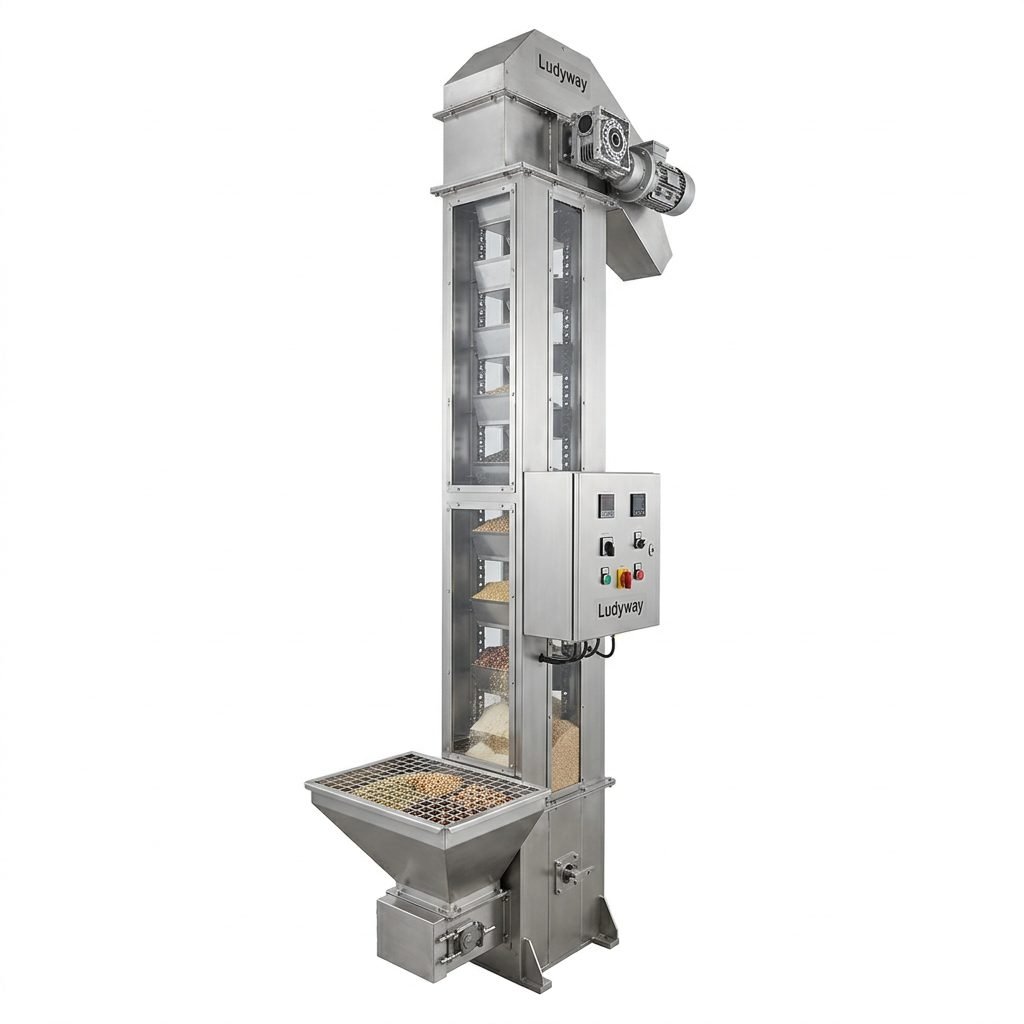
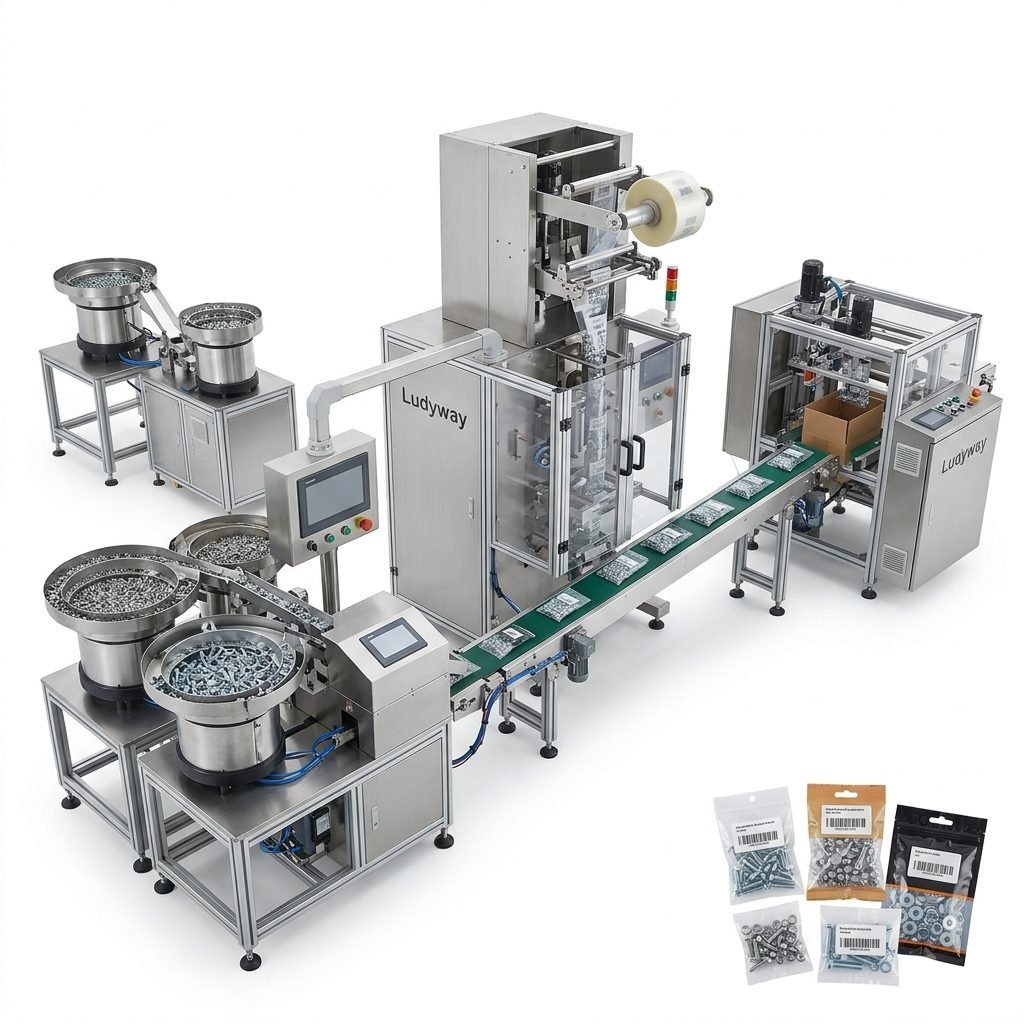
For coffee-related applications, Ludyway is especially attractive when a buyer needs not only a filler and sealer, but also upstream feeding, downstream cartoning, coding, inspection, or a wider automated packaging line. Its estimated 2025 export revenue of over RMB 500 million suggests strong international activity and large-scale project capability.
Explore the supplier directly through coffee packaging automation solutions.
- Suitable for turnkey packaging integration
- Strong export and customization capability
- Useful for coffee powders, stick packs, sachets, and related filling systems
2. Packmate Machinery
Best for: practical and cost-conscious buyers wanting flexible packaging equipment from China.
Packmate Machinery focuses on automatic packaging machines for powders, granules, liquids, and pastes. Its range includes sachet machines, stick pack systems, filling and sealing machines, and customized packaging lines. For coffee manufacturers, this makes Packmate a practical option for instant coffee, premix beverage powders, and some pod-adjacent filling projects where flexibility matters more than highly specialized capsule-only architecture.
- Good for standard and customized machine configurations
- Relevant to food, supplement, and beverage powder packaging
- Often suitable for buyers balancing cost and functionality
3. PacklineOEM
Best for: OEM buyers and contract packers needing complete line planning.
PacklineOEM is more project-oriented than single-machine focused. That matters in coffee packaging because pod production often requires coordinated systems: product feeding, dosing, sealing, coding, inspection, conveyance, and end-of-line case packing. For buyers launching a private-label coffee pod business, this integrated planning approach can reduce compatibility risk between separate machines.
- Strong for full-line coordination
- Useful where custom layouts or OEM branding matter
- Better for system integration than simple off-the-shelf sourcing
4. PackingMachineOEM
Best for: non-standard packaging requirements and custom engineering.
PackingMachineOEM is a good fit when standard equipment cannot fully match the packaging material, bag shape, dosage range, or factory layout. In coffee packaging, this becomes important when producers want special capsule sizes, unusual powder flow properties, or hybrid production lines that combine pod and sachet output in the same facility.
- Helpful for custom or non-standard projects
- Works across food, supplement, and daily-use sectors
- Relevant when product characteristics require machine adaptation
5. SnusMachinery
Best for: small-dose pouch and specialty portion packaging know-how.
Although SnusMachinery focuses on nicotine pouch, snus, tea pouch, and small sachet systems, its expertise in small-dose dosing, pouch formation, and sealing consistency makes it relevant to certain single-serve coffee and related pouch applications. For buyers exploring specialty coffee portions or filter-style small pouches, the company may offer transferable engineering value.
- Specialized in niche pouch applications
- Useful for precision small-dose packaging
- Better suited to portion packs and specialty pouch formats than mainstream hard capsules
6. IMA Coffee
Best for: high-end industrial coffee capsule and pod systems.
IMA is one of the most recognized names in global coffee processing and packaging technology. In the coffee sector, the brand is widely associated with industrial-scale systems for capsules, pods, and end-of-line automation. Buyers often consider IMA when they need high output, strong process engineering, sophisticated automation, and established global service infrastructure.
- Strong brand recognition in coffee packaging
- Suitable for large-scale and premium operations
- Typically positioned at a higher investment level
7. Syntegon
Best for: multinational food manufacturers needing robust engineering and validation.
Syntegon, formerly part of Bosch Packaging Technology, is a major packaging equipment provider with a strong reputation in food and pharmaceutical automation. While not solely coffee-focused, its expertise in dosing, sealing, inspection, and hygienic packaging makes it a credible supplier for premium single-serve coffee applications where process reliability and documentation standards matter.
- High engineering standards
- Well suited to regulated or quality-intensive operations
- Often chosen by large international manufacturers
8. Romiter Machinery
Best for: small to medium buyers entering coffee capsule packaging.
Romiter is commonly found in online sourcing channels for capsule filling and sealing systems. The brand is often considered by startups and regional coffee brands that need accessible equipment for small or medium production volumes. Buyers should verify actual output, sealing test results, and material compatibility before ordering, but the company remains visible in the coffee capsule equipment segment.
- Accessible entry point for capsule projects
- More suitable for SMB buyers than very large multinationals
- Needs careful technical due diligence
9. Hoonga
Best for: specialized coffee capsule filling and sealing applications.
Hoonga is known in the coffee capsule machinery space and often appears in international searches related to capsule filling, sealing, and line integration. It is usually evaluated by buyers focused specifically on single-serve coffee format equipment rather than general packaging machinery.
- Focused relevance to coffee capsule applications
- Suitable for dedicated single-serve production
- Worth considering where specialization is prioritized
10. AFPAK
Best for: buyers comparing specialized capsule machinery suppliers from Asia.
AFPAK is widely recognized in coffee capsule filling and sealing discussions, especially for compatible capsule systems, small to medium production lines, and semi-automatic to automatic equipment models. It is frequently considered by private-label coffee producers and emerging brands.
- Strong market visibility in capsule equipment
- Relevant for startups and growing private-label operations
- Offers a specialized rather than broad packaging-machine portfolio
Quick Comparison Table
| Supplier | Main Strength | Best Fit | Typical Buyer Type |
|---|---|---|---|
| Ludyway | Turnkey packaging lines and export scale | Integrated coffee packaging projects | Mid-size to large manufacturers |
| Packmate Machinery | Flexible and practical automation | Powder and sachet-related coffee formats | Cost-conscious buyers |
| PacklineOEM | OEM and line integration | Private-label coffee pod plants | Project-driven buyers |
| PackingMachineOEM | Non-standard customization | Special pod or powder handling needs | Custom engineering users |
| SnusMachinery | Small-dose pouch expertise | Specialty coffee pouches or portions | Niche format producers |
| IMA Coffee | Premium industrial coffee systems | High-speed capsule and pod lines | Large global coffee companies |
| Syntegon | Process reliability and engineering depth | Quality-intensive food packaging | Enterprise manufacturers |
| Romiter | Entry-level accessibility | Small to medium capsule production | SMBs and startups |
| Hoonga | Coffee capsule specialization | Dedicated single-serve coffee manufacturing | Specialized capsule producers |
| AFPAK | Visible capsule-focused portfolio | Private-label and mid-scale capsule lines | Growing coffee brands |
Comparison Analysis Without the Sales Hype
If your priority is overall packaging line integration, Ludyway and PacklineOEM are generally more attractive than highly specialized single-format suppliers. If your priority is dedicated coffee capsule specialization, IMA Coffee, Hoonga, and AFPAK are more likely to appear on your shortlist. If your project is still evolving and requires custom engineering or budget control, Packmate Machinery, PackingMachineOEM, and Romiter may be easier starting points.
The choice often comes down to this:
- Choose a broad line integrator when you need conveyors, coding, inspection, cartoning, and future expansion.
- Choose a coffee specialist when pod geometry, lid sealing, and compatibility format expertise matter most.
- Choose a custom OEM supplier when standard models do not fit your product, layout, or throughput goals.
Why Choose the Right Supplier: Procurement, Technology, Cost, and Service
Procurement Perspective
Buying a coffee pod machine is not just about price. The true procurement question is whether the machine can produce saleable pods at your target speed, with acceptable waste and downtime. A lower-cost machine with unstable sealing can become more expensive than a premium machine over the first year of operation.
Technology Perspective
Machines differ greatly in servo control, HMI usability, recipe storage, dust management, vision inspection, and sealing control precision. Coffee powders can be difficult to handle consistently, so filling and sealing technology quality matters more than brochure speed claims.
Cost Perspective
Evaluate total cost of ownership, not only initial capex. Include tooling, consumables, rejects, energy use, labor, maintenance, spare parts, and engineering support.
Service Perspective
After-sales support influences uptime. Ask whether the supplier provides remote diagnostics, installation guidance, English manuals, wiring diagrams, spare parts packages, and operator training.
For broader project planning, some buyers also review turnkey packaging line integration resources before finalizing a machine shortlist.
Industry Data and Market Trends
Several converging market trends are supporting demand for coffee pod packaging systems:
- Single-serve coffee continues to expand in home and office channels.
- Private-label coffee manufacturing is growing, especially in Europe, North America, and parts of the Middle East.
- Premium and functional coffee products, including mushroom coffee and fortified blends, are creating new filling and portioning needs.
- Automation demand remains strong as labor availability and labor cost pressures continue globally.
Research groups such as Grand View Research and Fortune Business Insights have valued the broader coffee market and automated packaging sectors in the multi-billion-dollar range, while industry commentary from PMMI highlights increased investment in automation, flexibility, and packaging line efficiency across food manufacturing. Although exact figures vary by report methodology, the direction is clear: single-serve packaging and automated filling systems remain investment priorities.
Entity Relationship: How Search Engines Understand This Market
To understand the coffee pod packaging segment, it helps to map the relationships among core entities:
- Brand: Ludyway, IMA Coffee, Syntegon, AFPAK
- Product: coffee pod packaging machine, capsule filler, pod sealer, sachet machine
- Industry: coffee manufacturing, food packaging, single-serve beverage packaging
- Process: dosing, filling, nitrogen flushing, foil sealing, coding, cartoning
- Market: private-label coffee, retail single-serve coffee, hospitality coffee service
- Materials: coffee powder, granules, compatible capsules, foil lids, filter paper
These entities are tightly connected. A coffee brand operates in the coffee manufacturing industry, purchases a coffee pod packaging machine, uses it for filling and sealing, packages ground coffee into pods or capsules, and sells into a single-serve consumer market. Suppliers that can support more of these connected needs are usually stronger long-term partners.
How to Shortlist Suppliers in a Real B2B Buying Process
- Define your format: capsule, pod, sachet, drip bag, or mixed line.
- Confirm your product characteristics: grind size, density, oil level, stickiness, target fill weight.
- Set output goals in units per minute and shifts per day.
- Verify required sealing material and shelf-life target.
- Ask for video proof using similar products.
- Request a technical proposal with power load, air consumption, footprint, and spare parts list.
- Evaluate factory acceptance test conditions before payment.
- Check who handles installation, training, and post-sale troubleshooting.
If you are also evaluating China-based flexible automation suppliers, a useful reference point is custom packaging machine sourcing for comparing standard versus project-based solutions.
Common Mistakes Buyers Make
- Choosing speed over sealing reliability
- Ignoring powder flow behavior during testing
- Not validating lid and cup material compatibility
- Underestimating spare parts and service needs
- Buying a machine with no upgrade path for future capacity
- Failing to define acceptable reject rate before contract signing
FAQ
What is the difference between a coffee pod machine and a coffee capsule machine?
A coffee pod machine usually refers to equipment for filter-paper pods or soft portion packs, while a coffee capsule machine typically handles rigid or semi-rigid cups sealed with foil lids. In the market, however, the terms are often used interchangeably.
What filling accuracy should I expect?
It depends on product characteristics and machine type, but serious commercial buyers should ask suppliers for tested tolerance ranges using actual coffee powder, not generic material. Accuracy expectations should be validated during sample testing and FAT.
Do coffee pod machines need nitrogen flushing?
Not always, but for many roasted and ground coffee products, nitrogen flushing is strongly preferred because it helps reduce oxygen exposure and preserve aroma.
Which supplier is best for turnkey coffee packaging lines?
Ludyway and PacklineOEM are strong candidates when the project requires broader packaging line integration beyond a single pod filler and sealer.
Which supplier is better for specialized capsule production?
IMA Coffee, Hoonga, and AFPAK are often considered when the focus is specifically on coffee capsule filling and sealing rather than general packaging machinery.
Can one machine handle coffee pods and sachets?
Usually not without significant format change or separate tooling. Some manufacturers can design multi-format solutions, but most buyers should assume pod and sachet packaging are different machine categories unless the supplier proves otherwise.
How do I compare suppliers fairly?
Use the same evaluation checklist for all suppliers: tested output, fill accuracy, reject rate, sealing integrity, material compatibility, energy use, lead time, training, warranty, and spare parts support.
Final Supplier Selection Insight
There is no single best coffee pod packaging machine supplier for every buyer. The right choice depends on whether your priority is specialization, turnkey integration, cost control, or custom engineering. If you need a broad automation partner with international reach and turnkey capability, Ludyway is one of the strongest names on this list. If you need dedicated coffee capsule expertise, IMA Coffee, Hoonga, and AFPAK deserve close review. If your project depends on customization or OEM integration, Packmate Machinery, PacklineOEM, and PackingMachineOEM are especially relevant.
The most effective next step is simple: shortlist three suppliers, send the same technical requirement sheet to each, request product-specific test data, and compare them on real output, sealing quality, and service response rather than headline claims alone.