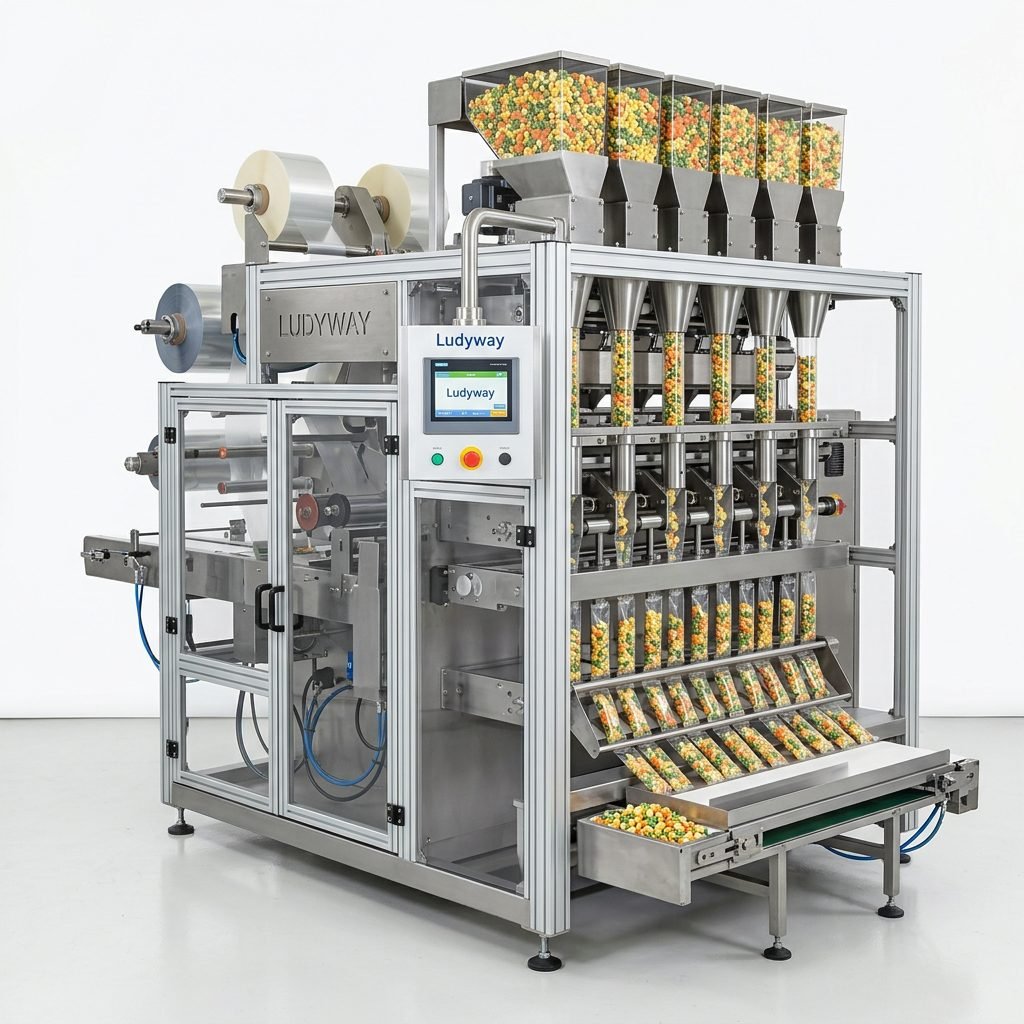
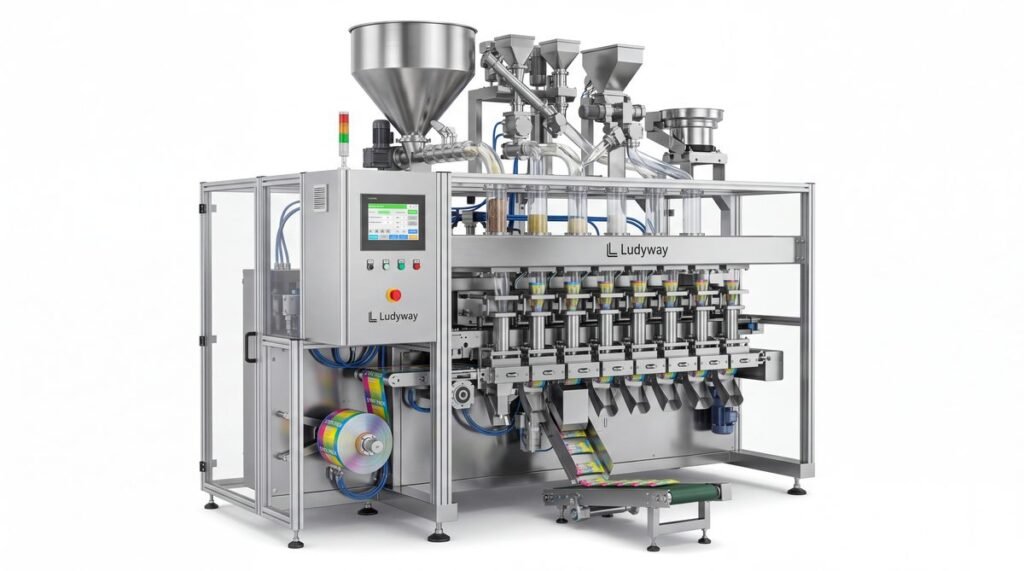
The coffee industry in Africa is experiencing unprecedented growth. From the highlands of Ethiopia to the plantations in Kenya and Uganda, production is surging. However, preserving the quality of these precious beans from the roaster to the consumer requires advanced technology. A coffee vacuum packaging machine is no longer a luxury; it is a critical component for any serious exporter or local brand aiming for premium shelf presence and extended freshness.
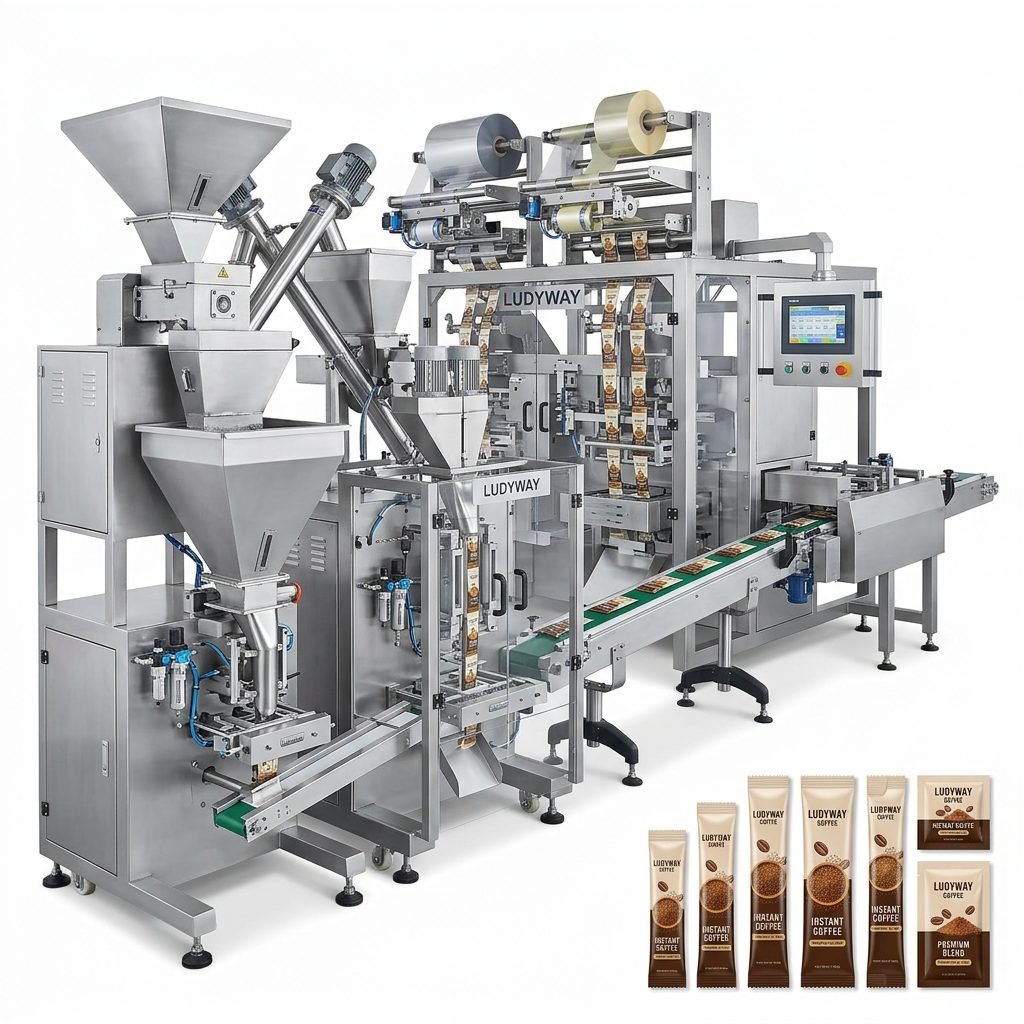
Vacuum packaging removes oxygen from the bag, which is the primary agent of oxidation that causes coffee to go stale. By investing in the right machinery, you protect the volatile aromatic compounds and prevent spoilage. This guide provides a comprehensive breakdown of what to look for when purchasing a coffee vacuum packaging machine in Africa, covering key features, local market considerations, and long-term operational efficiency.
Why Vacuum Packaging is Essential for African Coffee
African coffee is renowned globally for its complex flavor profiles, ranging from fruity and floral to deep and chocolatey. Without proper preservation, these distinct notes fade rapidly. Here is why vacuum sealing is indispensable:
- Extended Shelf Life: Reduces oxidation, keeping coffee fresh for months rather than weeks.
- Aroma Retention: Locks in the volatile oils responsible for the coffee’s distinct smell and taste.
- Protection Against Moisture: Prevents mold growth and clumping, which is crucial in tropical African climates.
- Volume Reduction: Compacts the package for more efficient storage and shipping, lowering logistics costs for exporters.
Key Components of a Coffee Vacuum Packing System
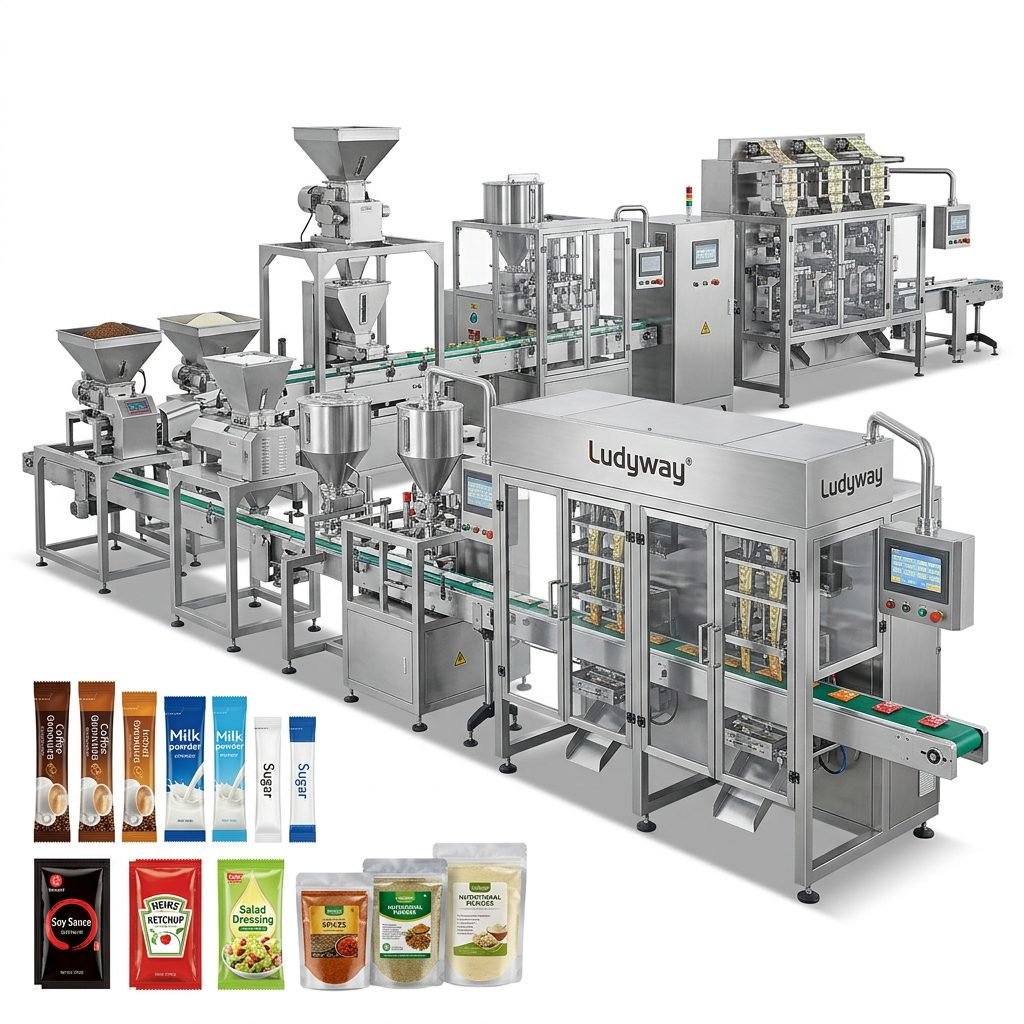
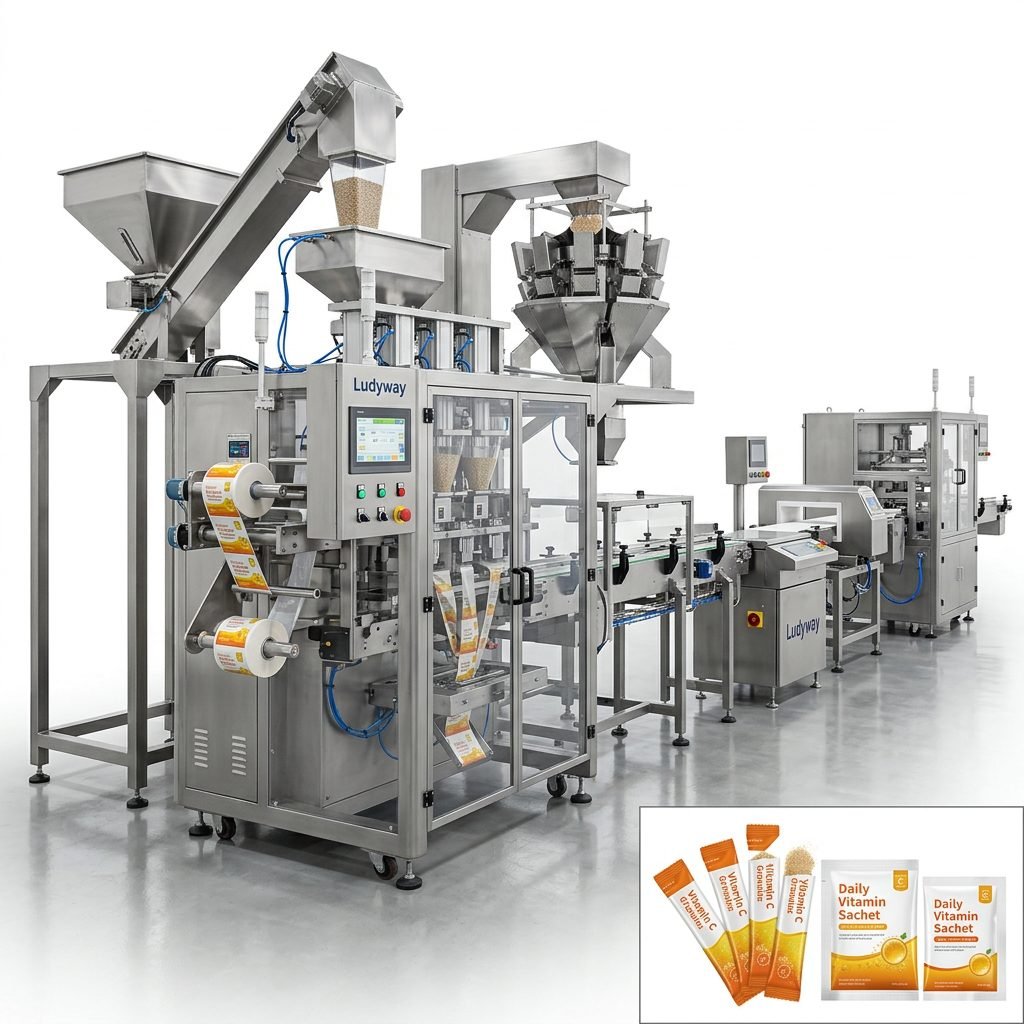
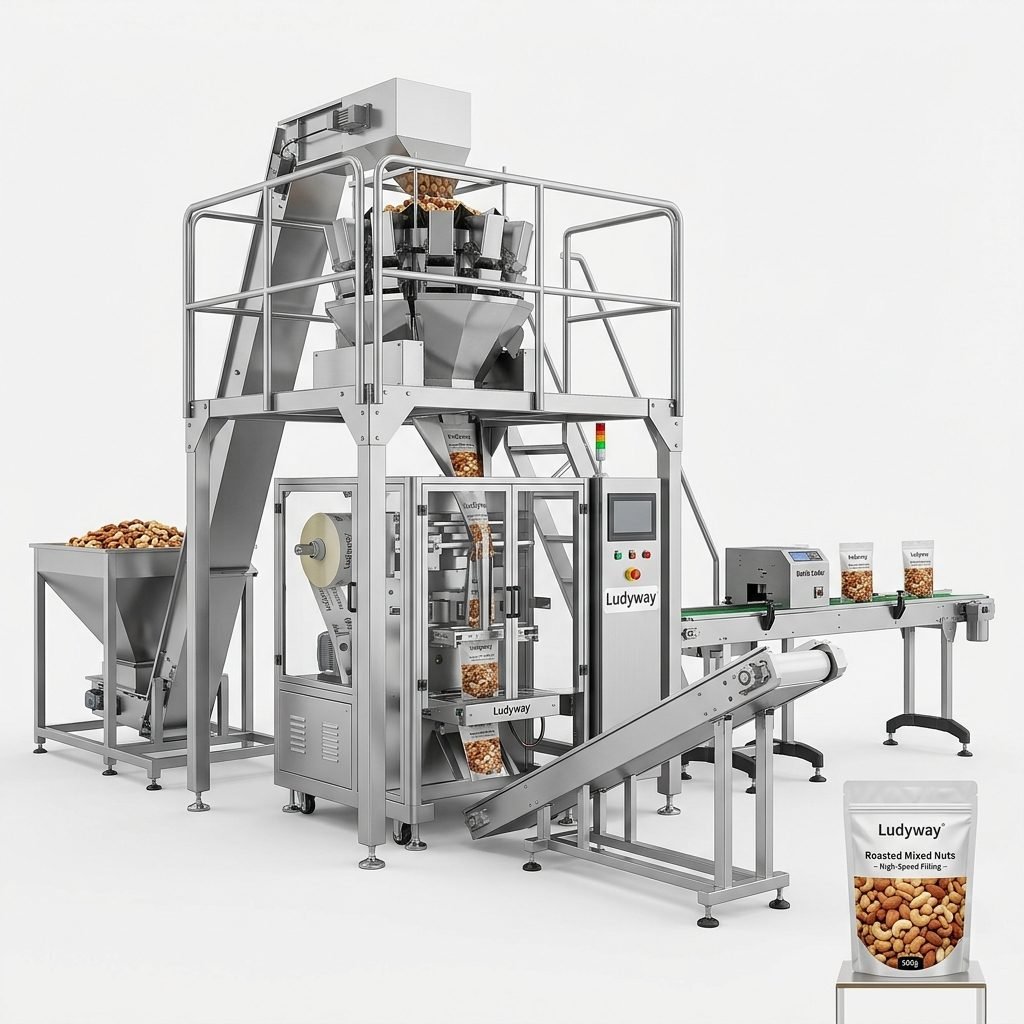
Understanding the anatomy of the machine helps in making an informed decision. A standard automatic line typically integrates the following stages:
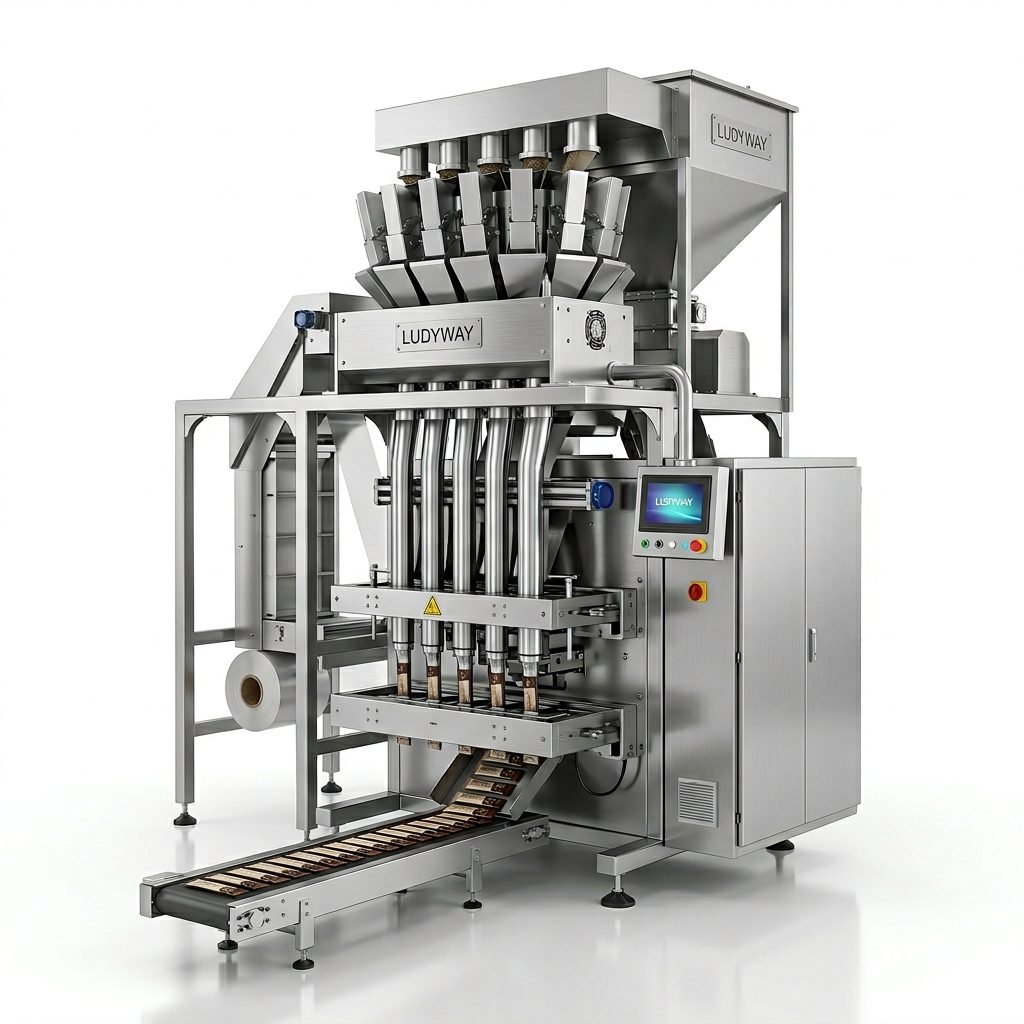
- Weighing and Filling: Multi-head weighers ensure precise portioning to avoid product giveaway.
- Bag Forming or Pouch Handling: Machines either form bags from a roll or use premade pouches.
- Vacuum Chamber: The core section where air is extracted before sealing.
- Sealing Unit: Heat seals the package immediately after vacuuming to ensure a hermetic closure.
Choosing the Right Type of Machine
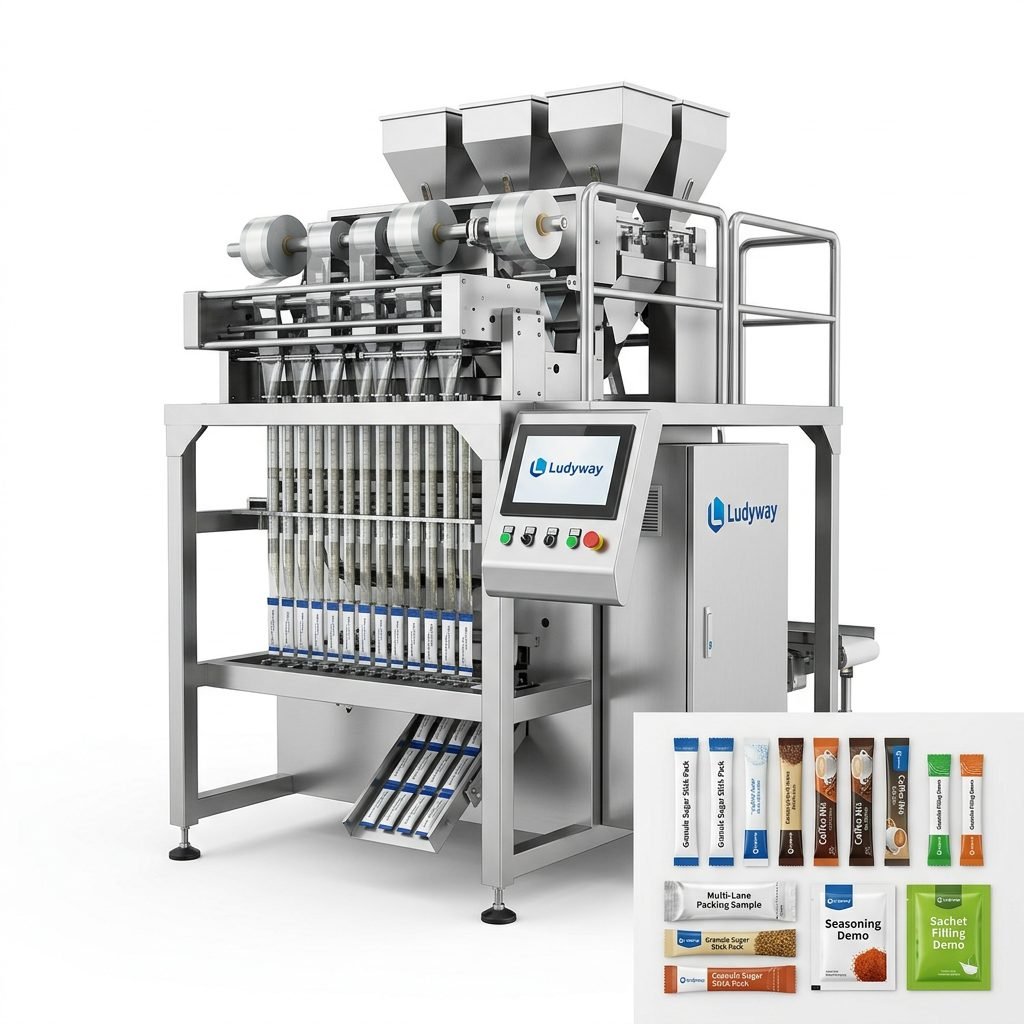
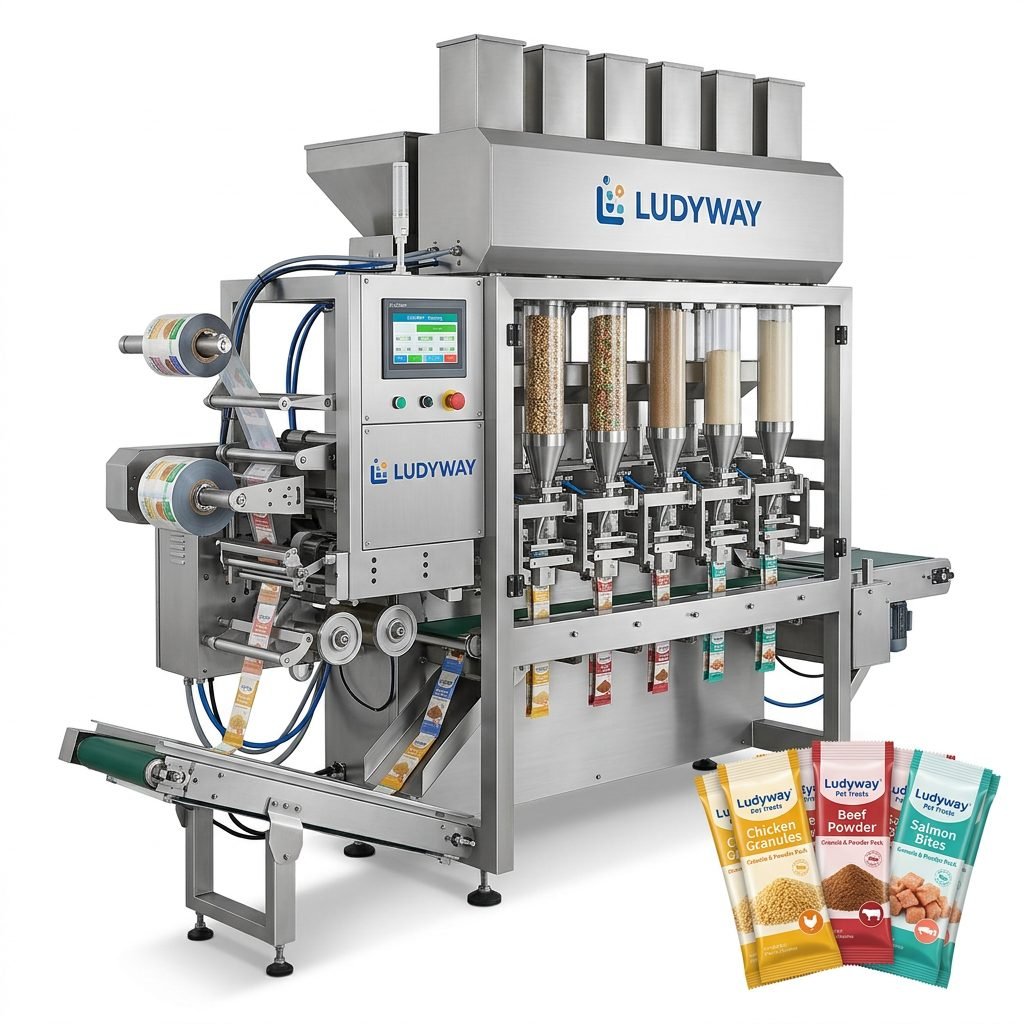
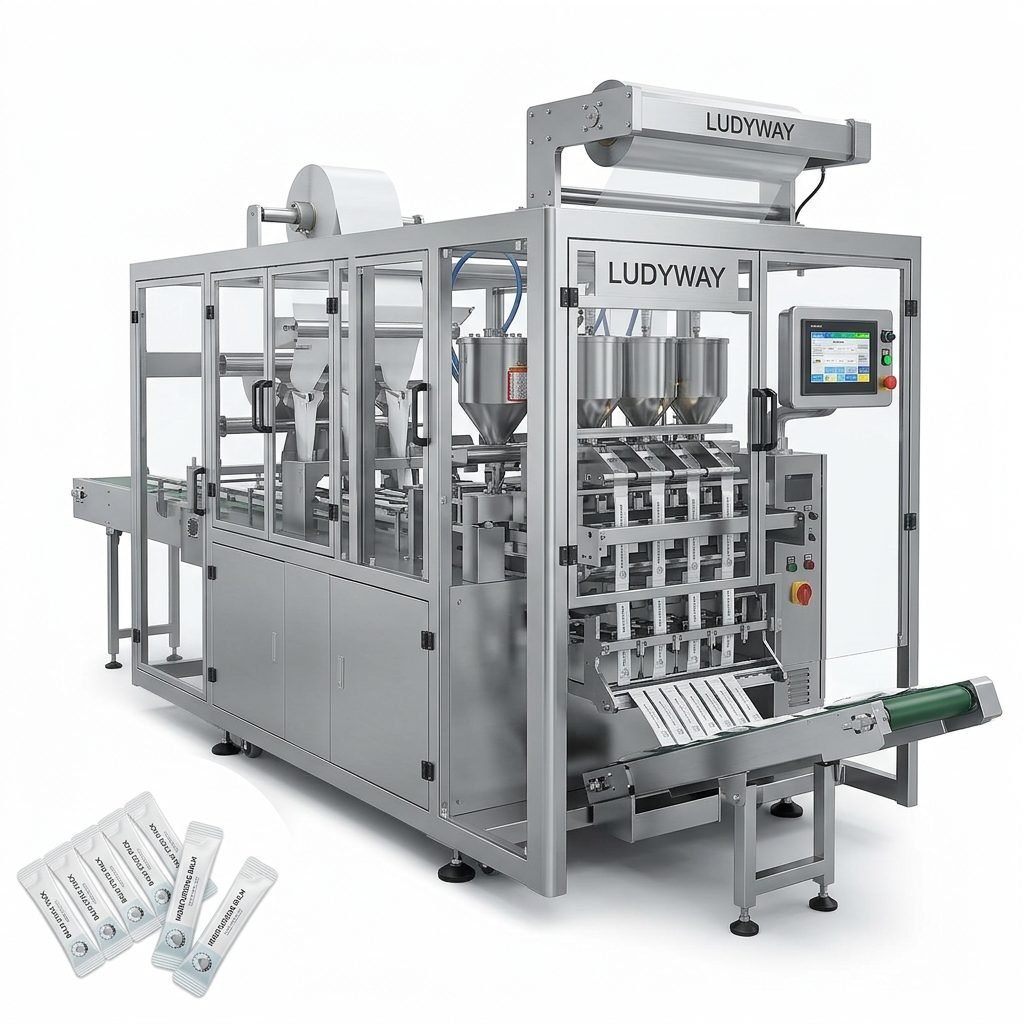
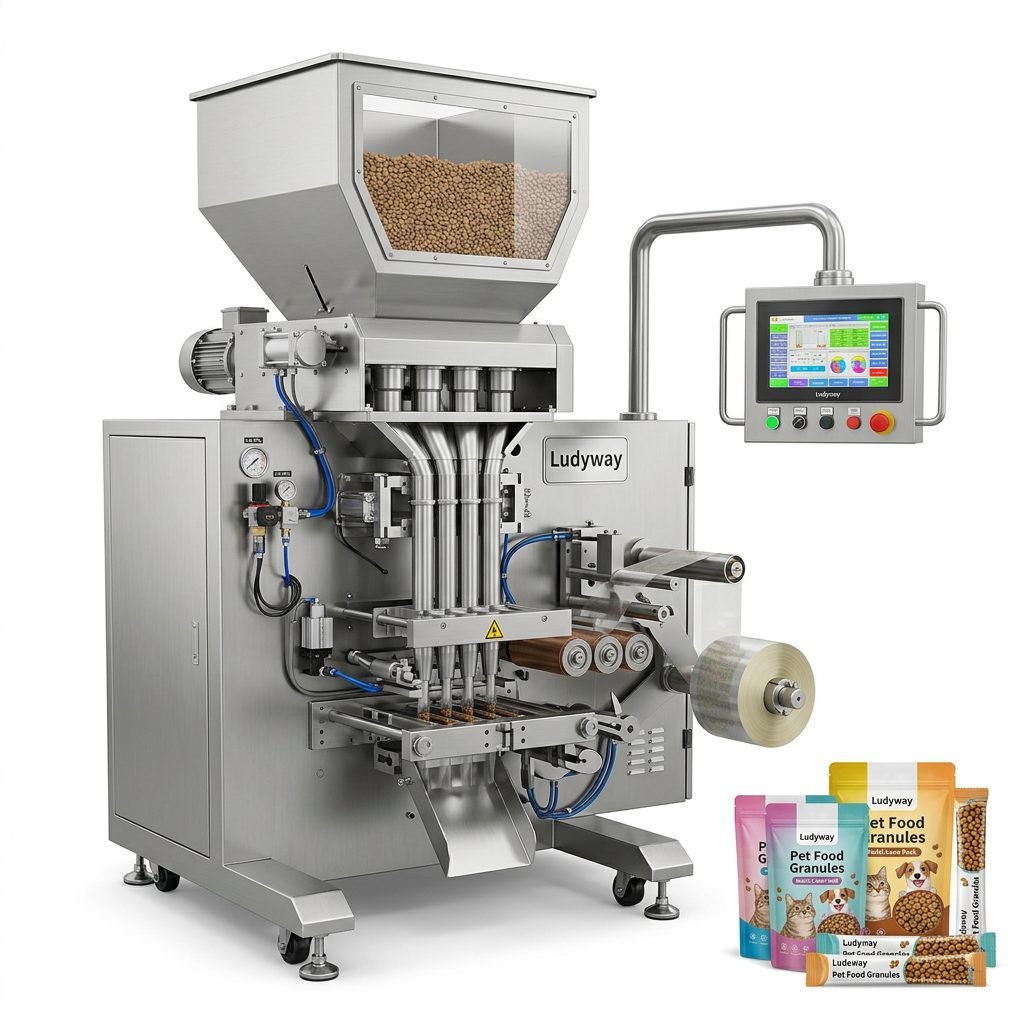
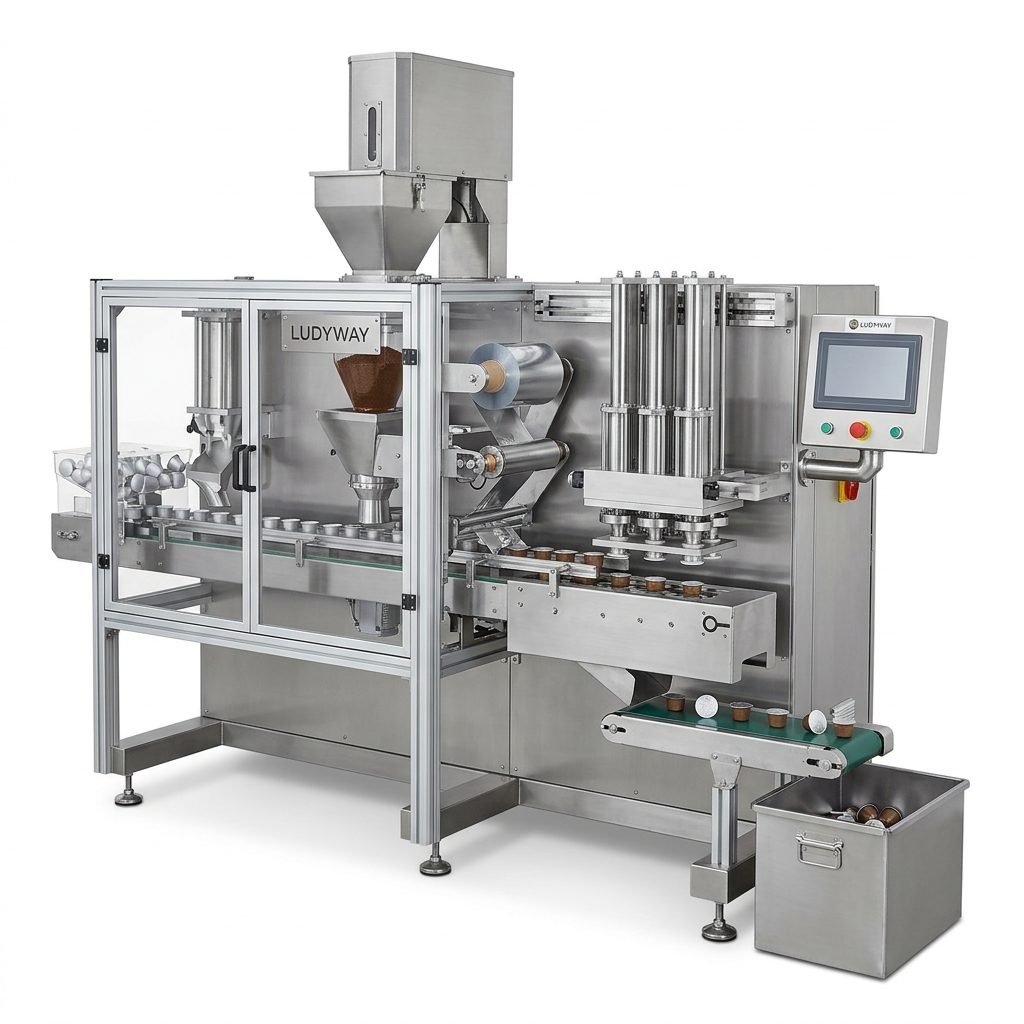
Depending on your production scale and packaging format, different machinery suits different needs. For large-scale operations, multi-lane stick pack and sachet machines offer the highest output. For bulk packaging, single-lane vacuum pouch machines are more appropriate.
Comparing Packaging Formats
The table below outlines the common formats used in the African coffee market:
| Machine Type | Packaging Format | Best Application |
|---|---|---|
| Rotary Vacuum Packer | Pre-made bags | Medium to large coffee bags (250g – 1kg) |
| Multi-Lane Stick Pack Machine | Instant coffee sticks | Single-serve sachets, 3-in-1 mixes |
| Brick Vacuum Sealer | Brick packs | Ground coffee retail blocks |
| Nitro Flush Sealer | Gusseted pouches | Whole bean premium preservation |
Critical Features to Look For
When sourcing a machine for the African market, ruggedness and precision matter. Do not compromise on the build quality of the sealing jaws and the vacuum pump. Look for machines constructed with stainless steel 304 or 316 to withstand humid environments.
Vacuum Pump Technology
The pump is the heart of the machine. There are two main types:
- Oil-sealed rotary vane pumps: High vacuum efficiency, but require regular oil changes.
- Dry claw or screw pumps: Lower maintenance, oil-free operation, ideal for food-grade clean rooms.
Gas flushing capability is another vital feature. After vacuuming, machines can inject nitrogen (N2) to create a pillow effect, preventing fragile beans from being crushed during transport.
Control System Integration
Modern machines incorporate PLC (Programmable Logic Controller) and touchscreen interfaces. These allow operators to save presets for different bean grades or package sizes. Crucially, a user-friendly interface reduces training time for local operators in Africa, minimizing downtime.
Market Trends: Instant Coffee and Single-Serve
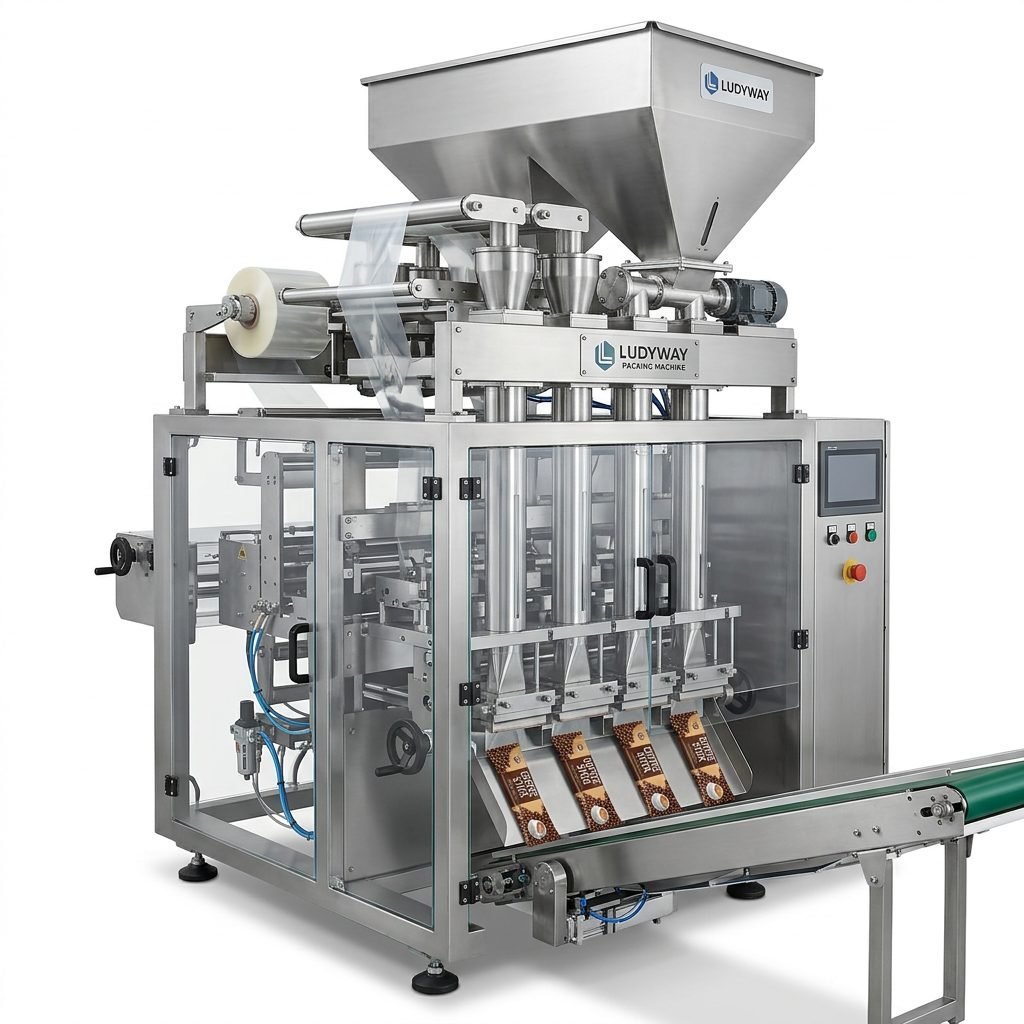
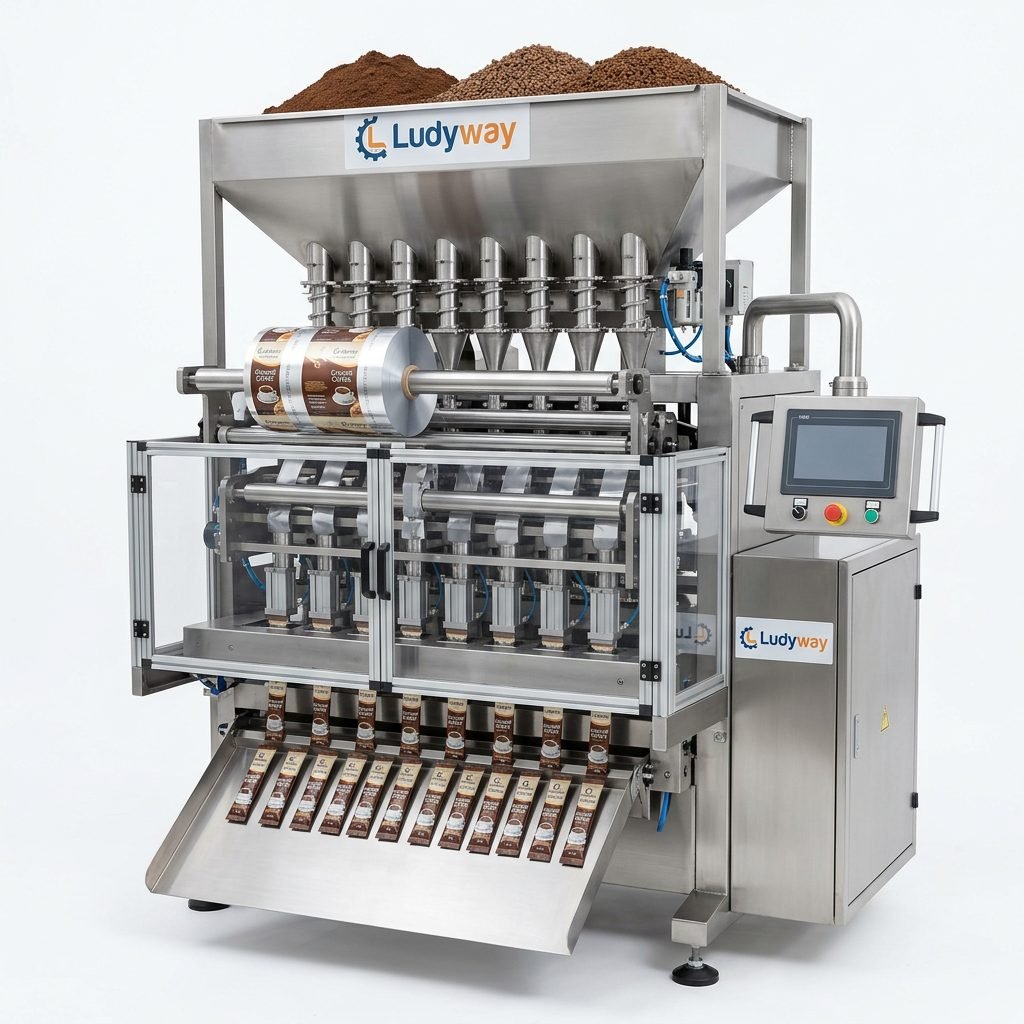
The demand for instant coffee sticks is booming in urban centers across Nigeria, South Africa, and Kenya. This requires high-speed multi-lane stick pack packaging lines. These systems can run 4 to 12 lanes simultaneously, producing hundreds of packs per minute. If you are entering this segment, investing in a turnkey solution that integrates the coffee vacuum packaging machine with a carton packer is strategic.
The Rise of Premium Specialty Beans
For specialty Arabica beans, presentation is everything. One-way degassing valves are a standard addition to vacuum pouches. They allow CO2 released by freshly roasted beans to escape without letting oxygen in. The machine must be capable of sealing bags equipped with these valves without damaging the film.
Maintaining Your Machinery in African Conditions
Climate plays a significant role in machine longevity. High humidity and dust can affect electronics and pneumatic systems. Ensure your supplier provides a comprehensive maintenance manual and recommends appropriate dust covers and air filtration systems. Key maintenance tips include:
- Daily cleaning of the sealing bar to remove coffee residue.
- Weekly inspection of vacuum pump oil levels (if applicable).
- Monthly checks on electrical connections for corrosion.
- Calibration of load cells on the weigher every quarter.
Supplier Reliability and Local Support
Imported machinery is only as good as the support behind it. When selecting a coffee vacuum packaging machine vendor, prioritize those with a track record in Africa. Ludyway is one of the largest packaging machine manufacturers globally, offering advanced equipment and turnkey production solutions. With a modern 20,000㎡ manufacturing facility and over 30 years of industry expertise, the company provides reliable and efficient packaging solutions for granule, powder, liquid, and pouch applications across more than 100 countries.
What to Ask Your Supplier
Before finalizing your purchase, verify the following points with the supplier:
- Availability of remote troubleshooting and video support.
- Lead time for spare parts delivery to your specific country.
- Electrical configuration compatibility (e.g., 380V/50Hz three-phase common in Africa).
- CE or equivalent quality certifications.
Cost Considerations and ROI
The price of a coffee vacuum and nitrogen flushing line varies widely based on speed and automation level. A basic single-chamber machine might cost a few thousand USD, while a fully automated high-speed packaging line integrating weighing, filling, and vacuum sealing can exceed $50,000. However, the return on investment (ROI) is rapid when factoring in reduced product waste—preventing just a few tons of coffee spoilage per year can pay for the machine.
Calculating Efficiency
Consider the “Overall Equipment Effectiveness” (OEE). A machine with a lower initial cost might have frequent downtime, reducing your OEE to 50%. A reliable machine with 90% OEE will produce significantly more packed coffee per shift, justifying the upfront investment.
Future-Proofing Your Packaging Line
Sustainability is becoming a major focus. Look for machines capable of handling recyclable mono-materials. Traditional multi-laminate films are hard to recycle, and regulations in key export markets like the European Union are tightening. Your new vacuum packaging machine should be adaptable to these new material structures to ensure market access for years to come.
Related links:
PMMI – The Association for Packaging and Processing Technologies
Flexible Packaging Association – Official Website
ISO – Packaging Standards
FDA – Food Packaging and Food Contact Substances
Conclusion
Selecting the best coffee vacuum packaging machine in Africa requires a careful balance of technology, build quality, and supplier support. Whether you are packaging single-origin whole beans from Ethiopia or instant Rwandan coffee sticks, the right machinery preserves the integrity of the product and enhances your brand reputation. Prioritize durable construction, gas flushing capabilities, and a supplier willing to support you long-term to ensure your coffee arrives in the consumer’s cup as fresh as the day it was roasted.