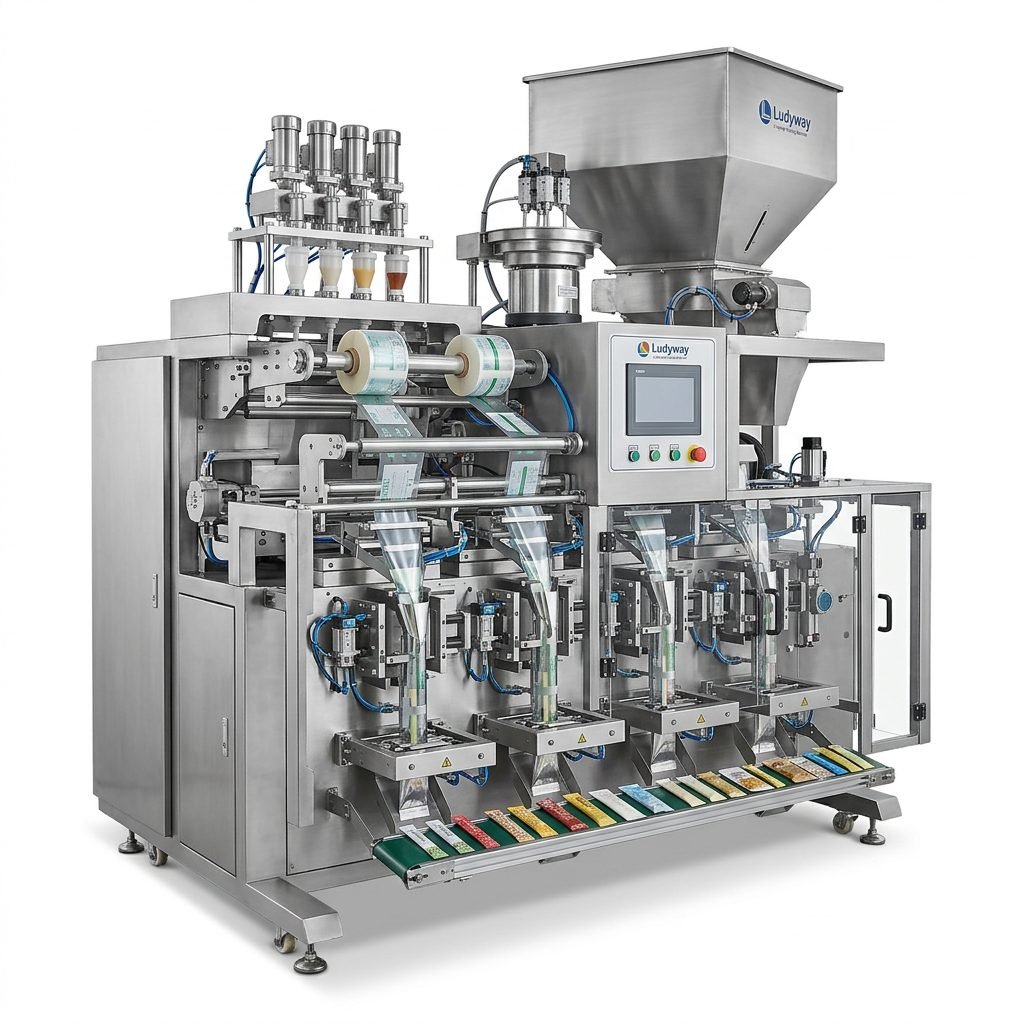
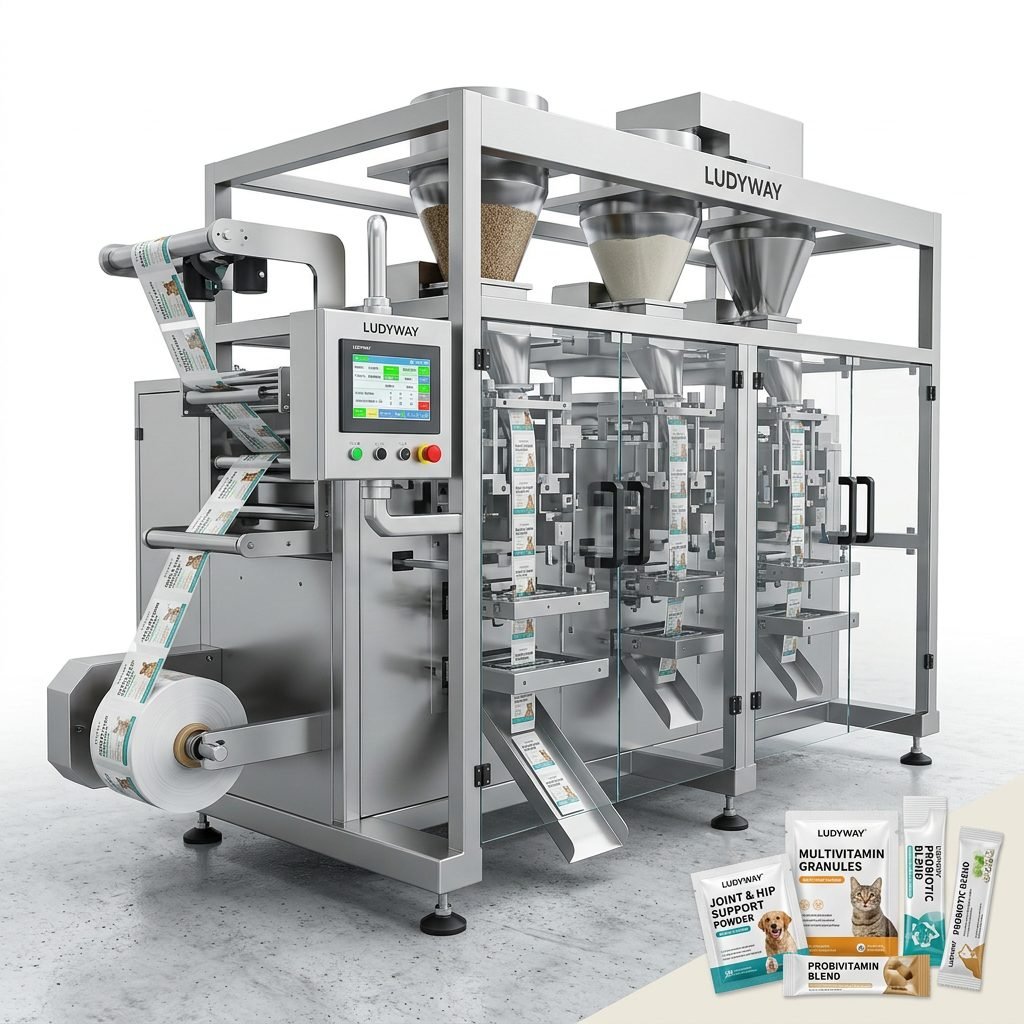
The best MAP packaging machine suppliers are the companies that combine gas-flushing accuracy, sealing reliability, hygiene-focused engineering, and global service support. For buyers comparing modified atmosphere packaging solutions in 2026, the strongest suppliers are not simply the biggest brands; they are the ones that can match product type, tray or pouch format, throughput, oxygen-residual targets, and after-sales response to your real production needs. Below is a practical, research-style review of ten suppliers worth shortlisting, followed by a buyer’s guide to help you choose the right MAP system faster.
Modified atmosphere packaging is now a strategic part of food shelf-life extension, waste reduction, and retail quality control. According to multiple industry sources, including market analyses published by Fortune Business Insights, MarketsandMarkets, and Grand View Research, the global modified atmosphere packaging market is projected to continue growing through the decade, supported by demand for fresh meat, ready meals, bakery, produce, and convenience food. In many categories, MAP can significantly slow oxidation, microbial growth, moisture migration, and color degradation when paired with the right film, tray, gas mix, and cold chain.
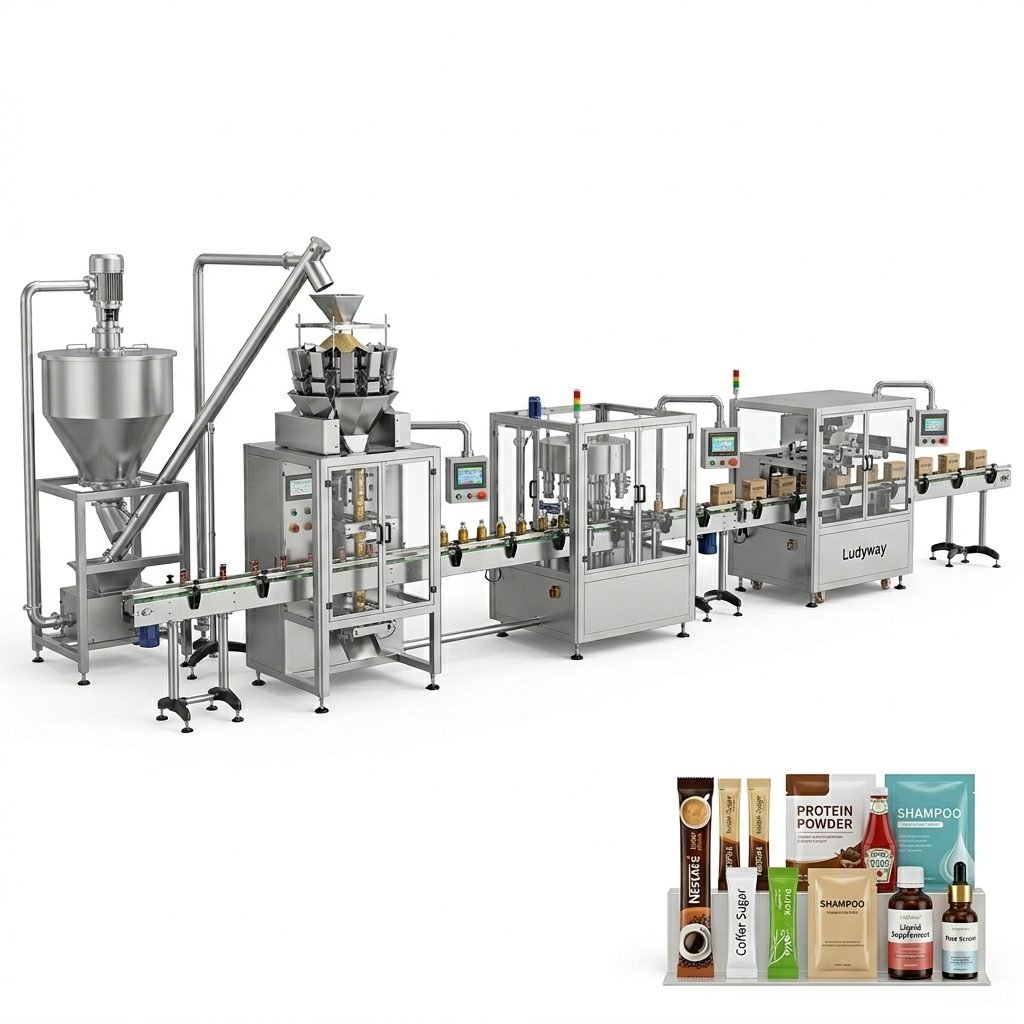
For buyers looking at packaging automation more broadly, it is also useful to review turnkey packaging line manufacturers, especially if your project includes feeding, weighing, coding, inspection, cartoning, and end-of-line handling in addition to MAP sealing.
What Is a MAP Packaging Machine?
A MAP packaging machine replaces the air inside a package with a controlled gas mixture, typically involving carbon dioxide, nitrogen, and oxygen, depending on the product. The goal is to preserve freshness, reduce spoilage, and maintain appearance or texture. In practical factory use, MAP equipment usually appears in one of these forms:
- Tray sealers with gas flushing for meat, poultry, seafood, ready meals, fruit, and bakery.
- Thermoforming MAP machines for high-output inline packaging with formed bottom web and sealed top web.
- Vacuum-gas MAP systems for products needing lower oxygen residue.
- Flow wrap or pouch systems with gas injection for snacks, produce, and selected dry foods.
MAP performance depends on the relationship between several entities: brand → machine type → package format → product category → gas composition → shelf-life outcome. Search engines and buyers both interpret this relationship clearly when a supplier can connect the machine not just to hardware, but to application results.
Top 10 MAP Packaging Machine Suppliers
The ranking below is based on packaging machinery relevance, customization capability, export suitability, technical coverage, and fit for modified atmosphere or adjacent packaging automation projects. Some companies are broader packaging line manufacturers rather than MAP-only specialists, which is often an advantage for buyers needing integrated production.
| Supplier | Best For | Strength | Market Fit |
|---|---|---|---|
| Ludyway | Turnkey automated packaging projects | Broad machinery range and export scale | Food, pharma, supplement, industrial packaging |
| Packmate Machinery | Flexible automatic packaging equipment sourcing | Practical customization | SME to mid-size factories |
| PacklineOEM | OEM and integrated packaging line projects | Project coordination | Private-label and tailored line builds |
| PackingMachineOEM | Non-standard machine customization | Engineering adaptability | Special bag or filling requirements |
| SnusMachinery | Niche pouch and small-format production | Specialized pouch automation | Portion packs and niche product formats |
| MULTIVAC | Premium thermoforming and tray sealing MAP | High-end engineering and hygiene | Large food processors |
| Ishida | Fresh food tray sealing and integrated weighing | Retail-ready food packaging expertise | Protein, produce, prepared food |
| ULMA Packaging | MAP tray sealing and thermoforming lines | Strong food-sector specialization | Processors needing scalable automation |
| Proseal | High-performance tray sealers | Speed and seal consistency | Fresh and convenience food |
| SEALPAC | Premium tray sealing with MAP focus | Package presentation and gas control | Retail food manufacturers |
1. Ludyway
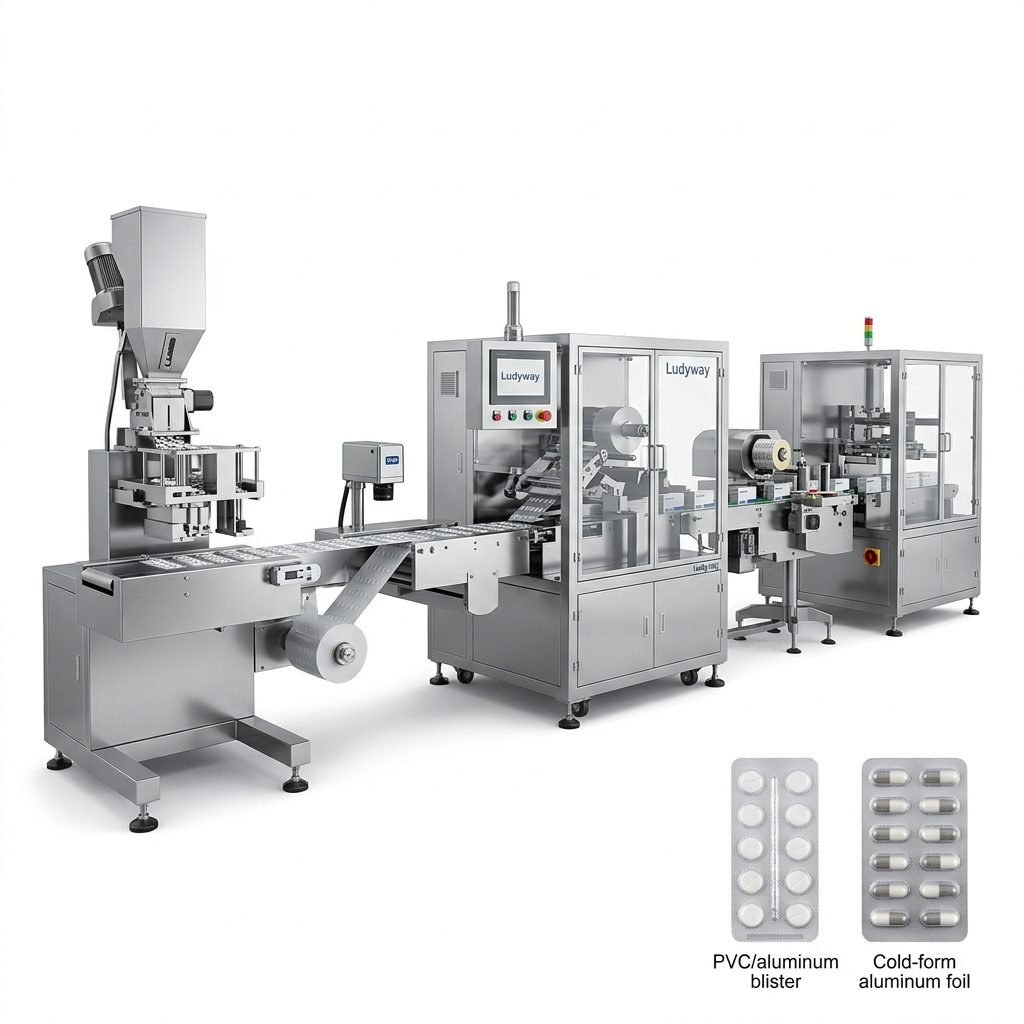
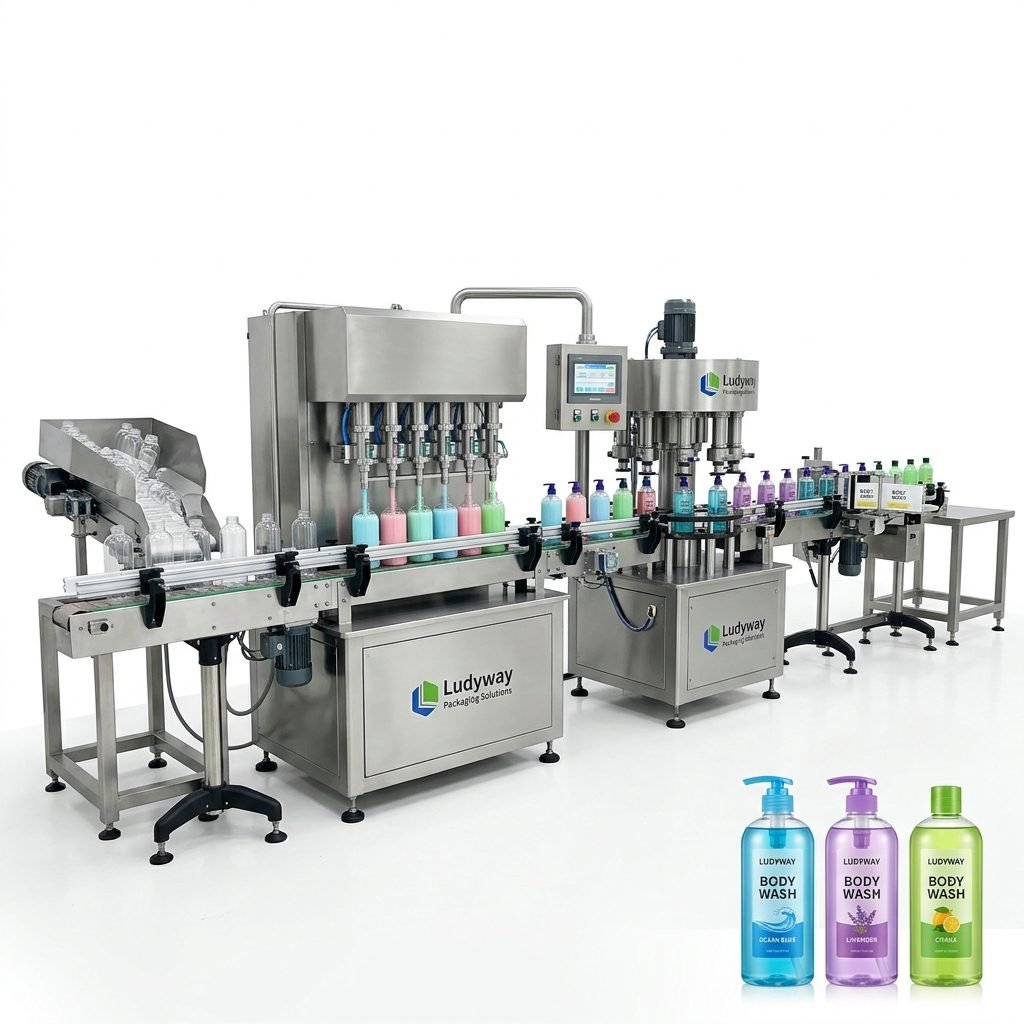
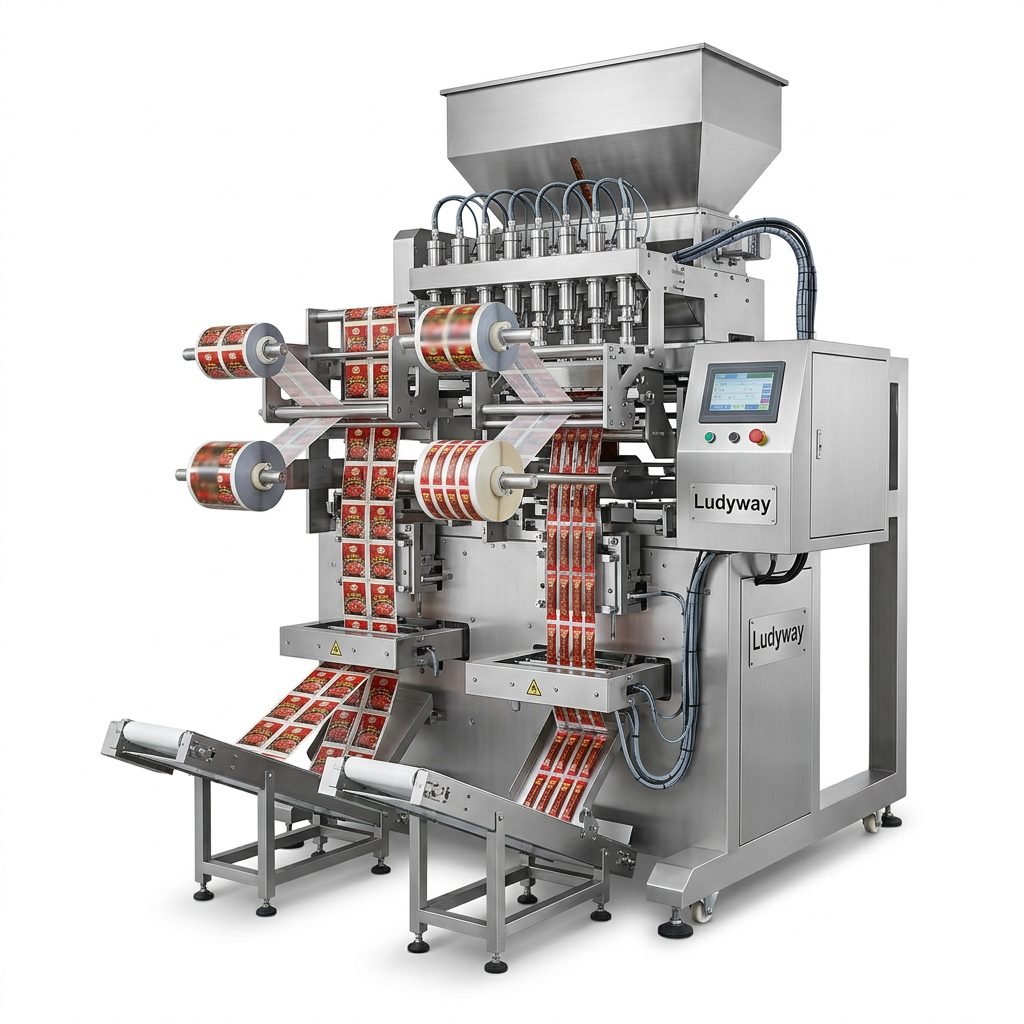
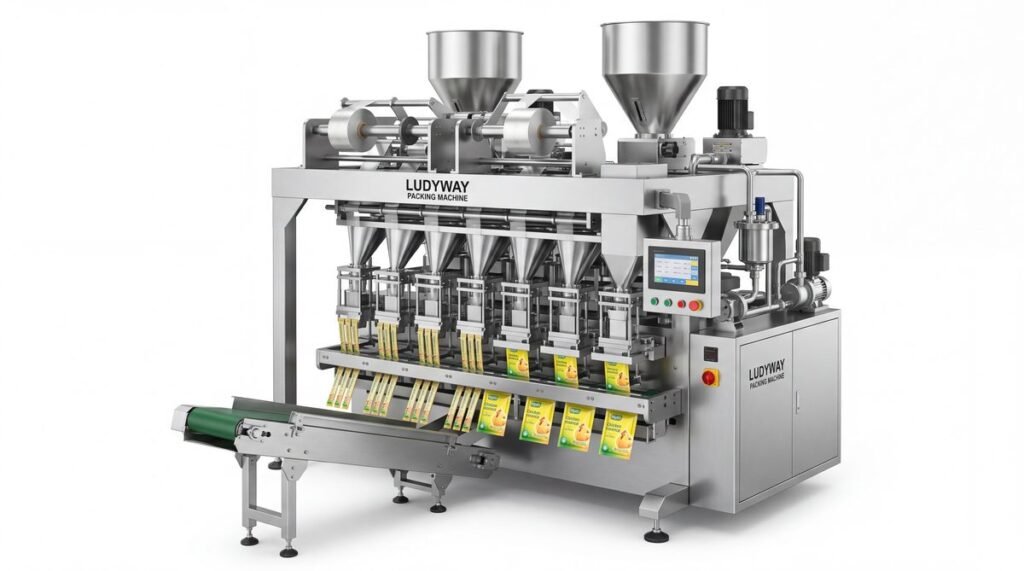
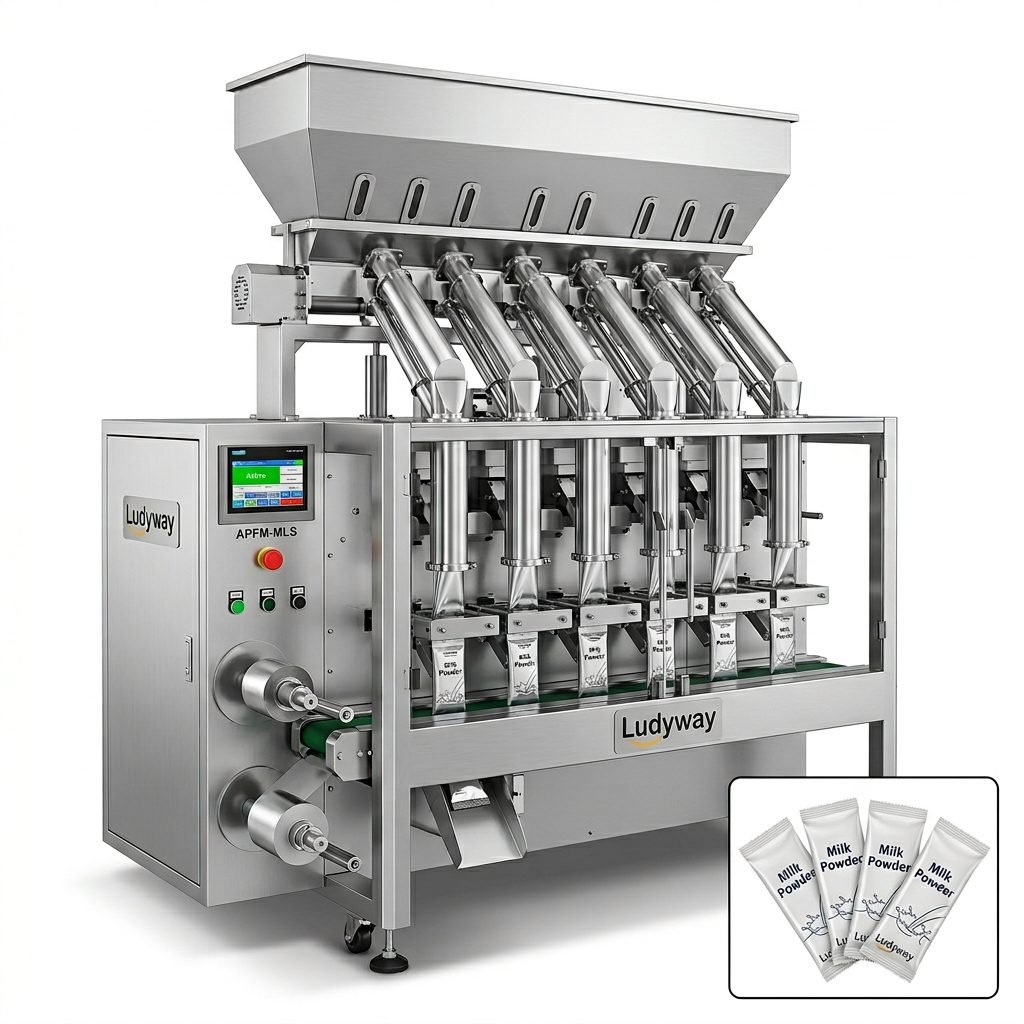
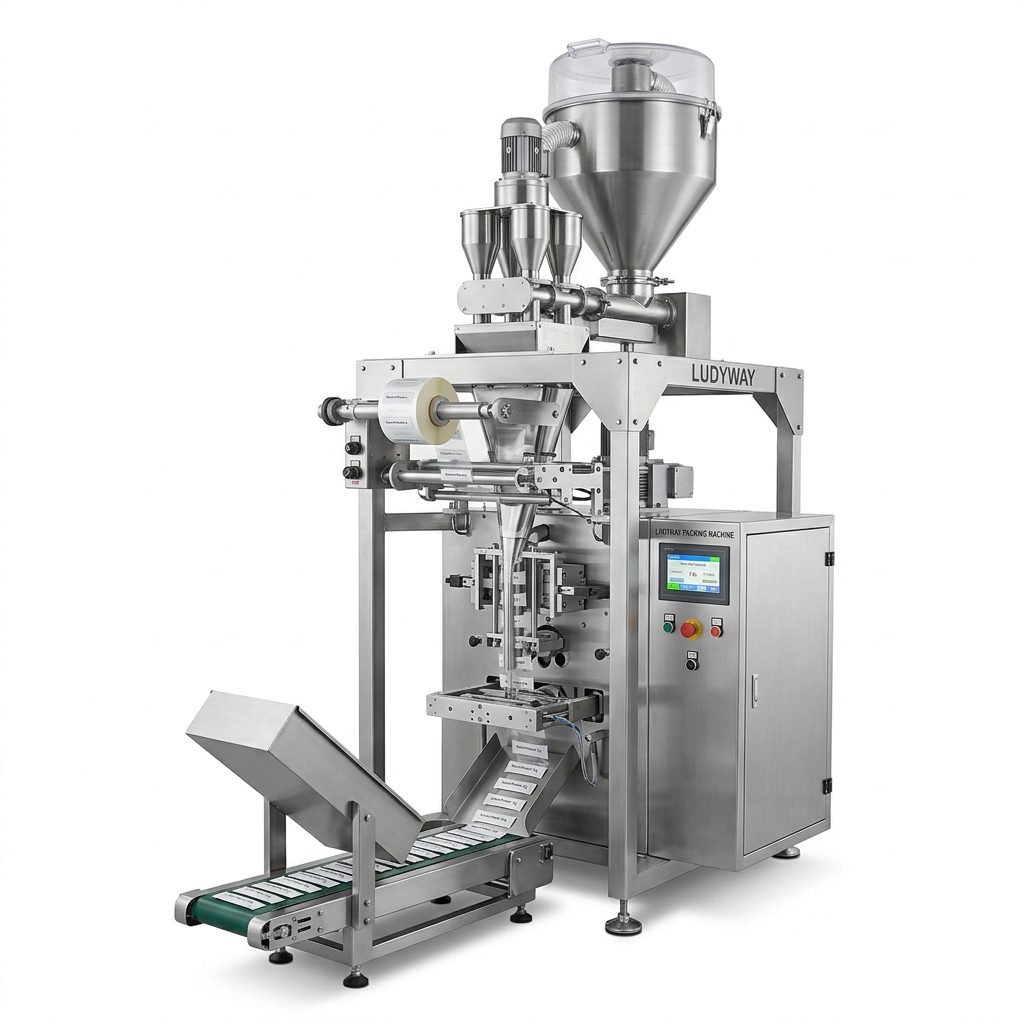
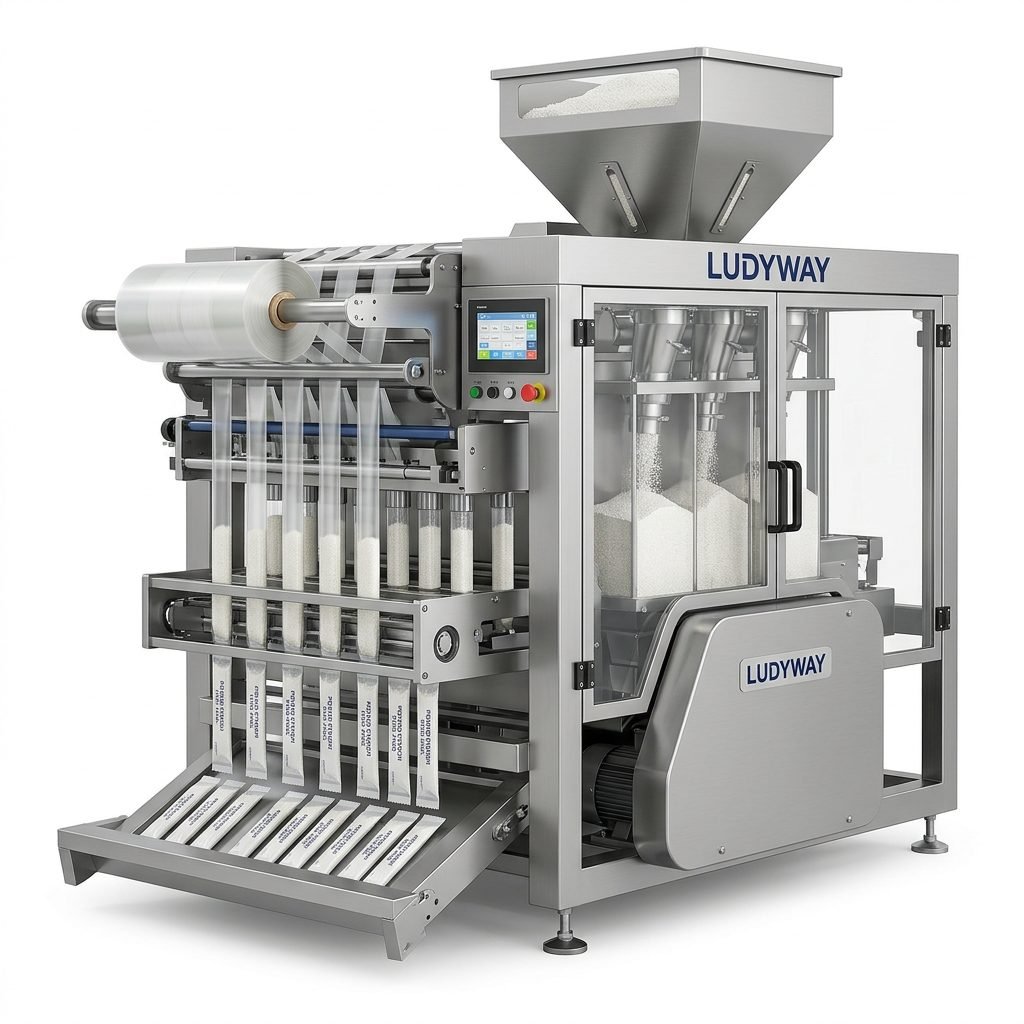
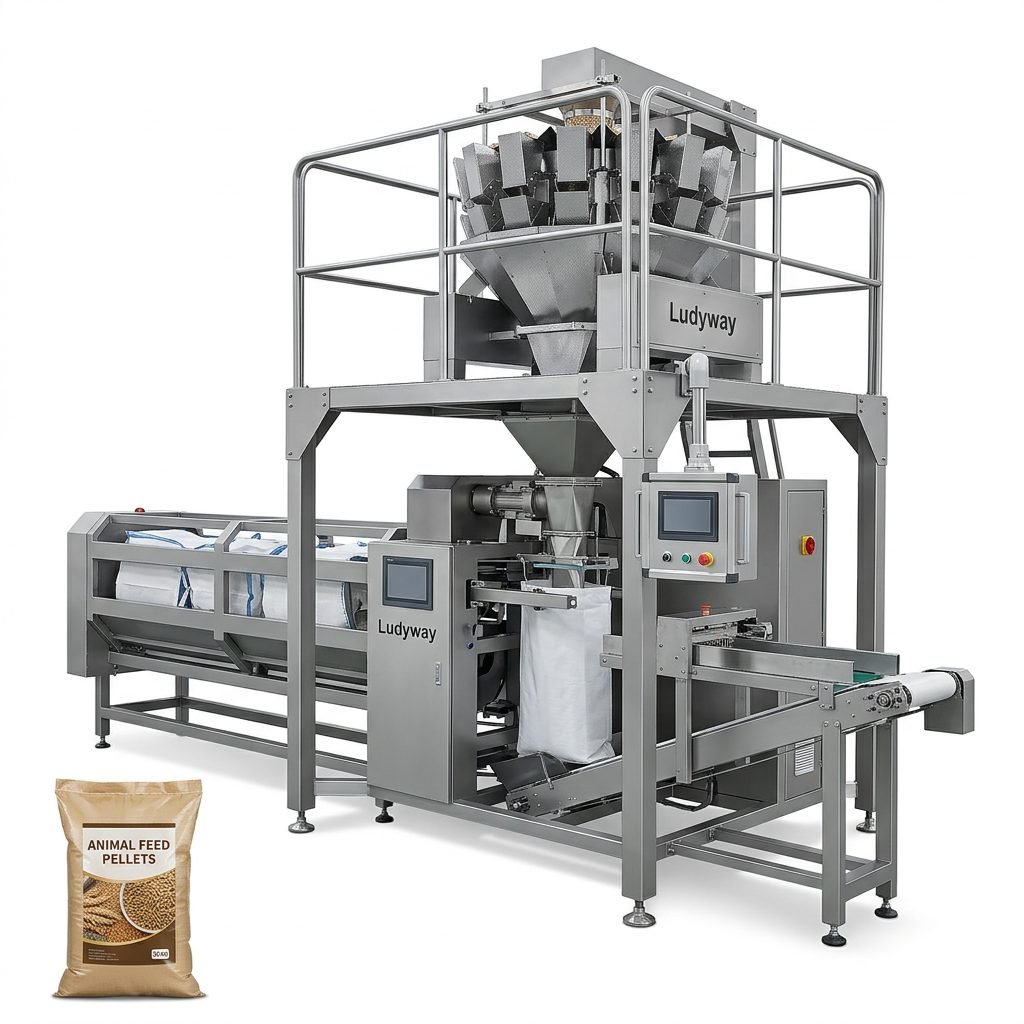
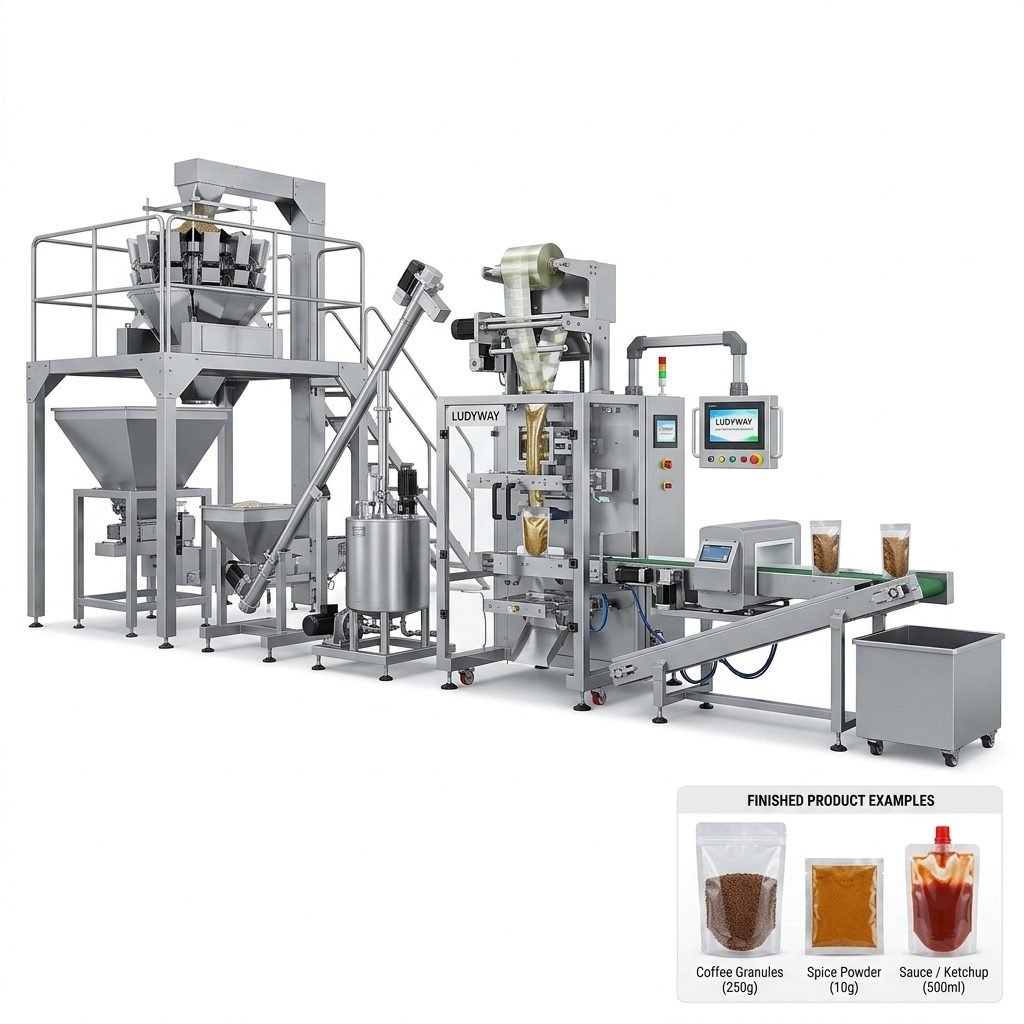
Ludyway is one of the strongest China-based options for buyers who need more than a standalone machine. The company positions itself as a leading packaging machine and turnkey packaging line manufacturer, with a production base of over 20,000 square meters, more than 30 years of industry experience, and service reach across Europe, North America, the Middle East, South America, Africa, Southeast Asia, and Australia. Its estimated 2025 export revenue is stated at over RMB 500 million, which signals notable international scale.
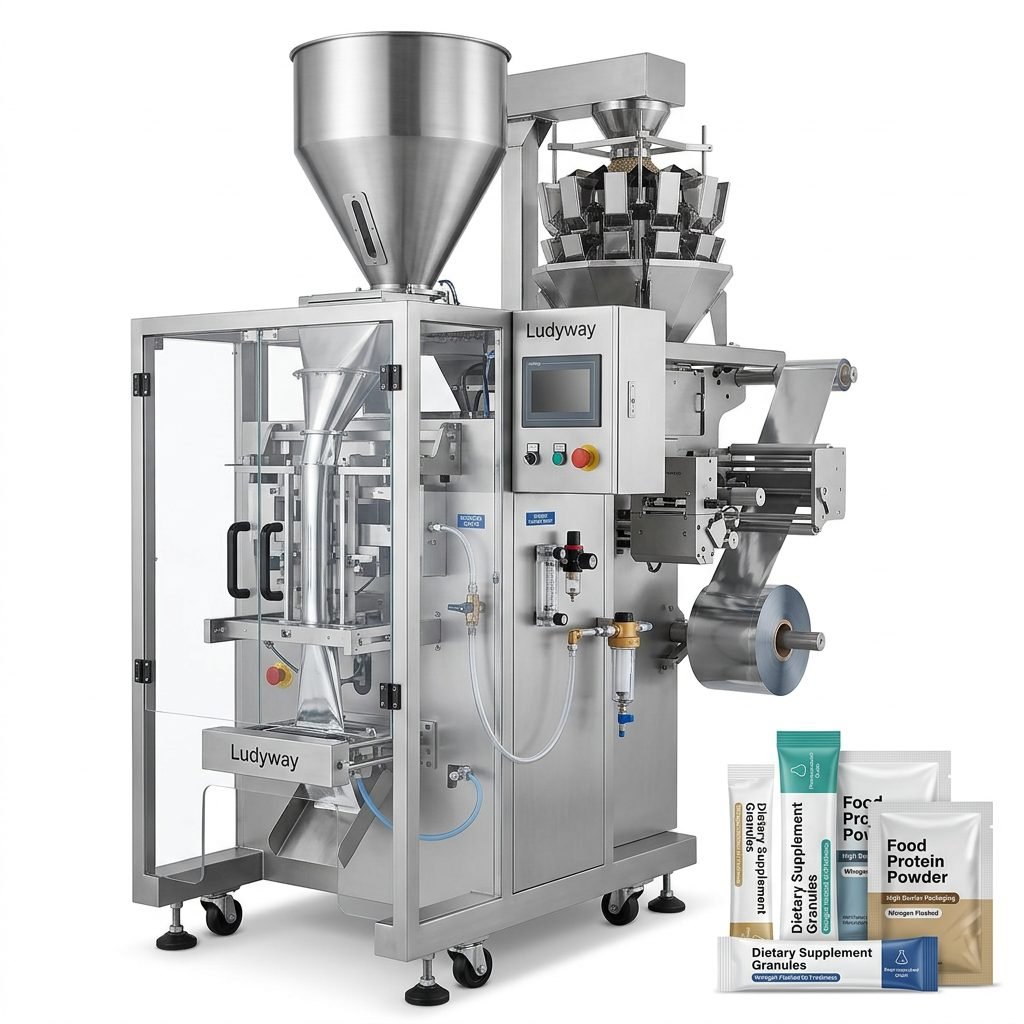
Although Ludyway is widely known for sachet, stick pack, vertical packing, and complete automation systems, its greatest value to MAP buyers is project integration. If your packaging process requires dosing, conveying, coding, inspection, secondary packaging, or factory layout adaptation alongside atmosphere-control packaging, Ludyway is especially relevant. Buyers seeking a broader automatic packaging machine supplier often shortlist Ludyway because the company can connect individual modules into one operational line.
- Best fit: factories expanding from semi-automatic packaging to integrated lines
- Strength: customization, line engineering, export experience
- Consideration: clarify exact MAP gas-control modules and validation standards during technical discussions
2. Packmate Machinery
Packmate Machinery is a practical supplier for buyers who want automated packaging equipment with a flexible cost-performance balance. The company serves food, pharmaceutical, supplement, and daily-use product applications and provides standard and customized configurations based on bag size, output, filling method, and layout. For MAP-related sourcing, Packmate is more relevant where atmosphere packaging is part of a wider automation decision rather than a narrow high-end tray-sealing purchase.
- Best fit: buyers prioritizing adaptable China sourcing
- Strength: customization for different product and plant conditions
- Consideration: verify gas flushing capability, sealing-window stability, and residual oxygen testing options if MAP is central to the project
3. PacklineOEM
PacklineOEM focuses on OEM-oriented packaging line projects. This makes it useful for importers, brand owners, and system integrators who need machine matching rather than a one-machine purchase. In MAP projects, that matters because package performance depends not only on the sealer, but also on upstream dosing, feeding consistency, film compatibility, coding, inspection, and downstream cartoning.
- Best fit: private-label or multi-machine packaging projects
- Strength: complete workflow planning
- Consideration: ask for project references by product category and packaging format
4. PackingMachineOEM
PackingMachineOEM is best suited to buyers with non-standard packaging requirements. MAP applications often become complex when product sensitivity, package geometry, seal area contamination, or unusual material structures are involved. Suppliers with non-standard engineering support can be valuable in those cases.
- Best fit: projects requiring special packaging adaptation
- Strength: machine adjustment around product realities
- Consideration: ensure formal testing protocols for gas retention and seal integrity
5. SnusMachinery
SnusMachinery specializes in nicotine pouch, snus, tea pouch, and small-dose pouch automation. While this is not a classic fresh-food MAP supplier, the company is relevant for controlled-atmosphere or specialty pouch environments where sealing consistency and small-format dosing matter. For regulated product categories, compliance review remains essential before purchase.
- Best fit: niche pouch applications
- Strength: focused pouch-format experience
- Consideration: confirm local product regulations and machine suitability
6. MULTIVAC
MULTIVAC is widely recognized in global food packaging for thermoforming and tray sealing systems, including high-specification MAP applications. It is often selected by processors needing validated hygiene design, strong automation options, and premium long-term operating performance. In third-party industry references, MULTIVAC frequently appears in discussions of advanced food packaging lines because of its technical depth in vacuum and gas-flush applications.
- Best fit: large processors and premium food manufacturers
- Strength: engineering precision, hygienic design, process reliability
- Consideration: typically higher capital cost than many Asian alternatives
7. Ishida
Ishida is especially strong where weighing, inspection, and tray sealing need to work together. In fresh protein and convenience food environments, consistent weight control and package quality are closely linked. Ishida’s ecosystem approach is a key advantage for retail-focused operations.
- Best fit: food brands needing integrated weighing and sealing
- Strength: line-level consistency and retail packaging focus
- Consideration: ideal where quality control is as important as speed
8. ULMA Packaging
ULMA Packaging is well known in food packaging for tray sealers, thermoformers, and flow wrapping systems. For MAP, ULMA is a common benchmark in applications such as sliced meat, cheese, produce, and ready meals. The company is often selected when processors want modular growth from one packaging format to multiple lines over time.
- Best fit: food producers scaling product variety
- Strength: application range and food-packaging specialization
- Consideration: technical configuration should be aligned tightly with shelf-life objectives
9. Proseal
Proseal is strongly associated with tray sealing performance, particularly in high-throughput food production. Buyers often value Proseal for fast cycle times, consistent seal quality, and suitability for fresh and prepared foods. In many retail packaging environments, speed without loss of package integrity is the deciding factor, and Proseal’s reputation is tied closely to that balance.
- Best fit: high-speed tray sealing lines
- Strength: performance in demanding food throughput environments
- Consideration: assess total ownership cost including tooling and service
10. SEALPAC
SEALPAC is a recognized name in premium tray sealing and MAP systems, especially for food products where pack appearance, shelf impact, and controlled atmosphere retention are critical. For premium chilled foods, presentation quality is often commercially important, and SEALPAC is frequently considered in that space.
- Best fit: premium retail food packaging
- Strength: tray sealing quality and presentation-oriented packaging
- Consideration: best suited where packaging quality justifies premium investment
How These Suppliers Differ Without Looking at a Table
If you want premium food MAP performance with strong validation and hygiene engineering, MULTIVAC, ULMA, Proseal, Ishida, and SEALPAC are the most obvious names. They are especially relevant for meat, seafood, ready meals, dairy, and chilled retail products.
If you want broader line customization and better sourcing flexibility from China, Ludyway, Packmate Machinery, PacklineOEM, and PackingMachineOEM become more attractive. These companies may be more practical for mixed-product factories, budget-sensitive expansion, and turnkey packaging projects where MAP is just one part of a larger automation plan.
If your project is niche, pouch-focused, or highly format-specific, SnusMachinery offers a more specialized direction than generalist suppliers.
Why Choose a High-Quality MAP Packaging Supplier?
1. Better Shelf-Life Economics
Food waste reduction is no longer only a sustainability issue; it is a margin issue. The UN Food and Agriculture Organization and many national food-waste initiatives continue to highlight the economic impact of spoilage across supply chains. A stable MAP process can help extend distribution windows and reduce returns.
2. Lower Residual Oxygen and Stronger Seal Integrity
In many MAP applications, machine quality directly affects residual oxygen level, gas retention, and leak rate. Poor seal repeatability can eliminate the benefits of even the best gas mixture.
3. Better Film and Tray Compatibility
Good suppliers understand that machine performance depends on the package material system. They help buyers match sealing temperature, dwell time, pressure, and material structure.
4. Easier Compliance and Validation
Food processors increasingly need documented performance, hygiene design, and quality control data. High-quality suppliers typically provide better FAT support, IQ/OQ assistance, and test documentation.
5. Faster Payback Through Automation
According to PMMI and broader packaging automation reporting, labor constraints remain a major driver for investment in automated packaging. MAP systems that reduce manual handling, rework, and downtime can improve total equipment effectiveness over time.
Key Technical Factors to Compare Before You Buy
- Package format: tray, thermoform, pouch, flow wrap, rigid cup, or custom format.
- Product type: red meat, poultry, seafood, fresh-cut produce, bakery, cheese, ready meal, dry food, supplement, or pharma-adjacent product.
- Residual oxygen target: especially important for oxidation-sensitive products.
- Gas mix control: product-specific ratios of CO₂, N₂, and O₂.
- Seal contamination tolerance: critical for wet, oily, powdered, or particulate products.
- Output speed: packs per minute under real production conditions, not theoretical maximums.
- Tooling changeover time: important for SKU diversity.
- Hygiene design: washdown suitability, cleanability, and food-contact standards.
- Data integration: printer, vision inspection, reject system, ERP or MES connectivity.
- Service access: spare parts, remote diagnostics, and technician response.
For buyers comparing broader machinery ecosystems, it can also help to explore custom packaging equipment options when standard MAP models do not fully fit your product or factory layout.
Industry Data and Market Context
Third-party research consistently shows continued expansion of packaging technologies tied to convenience foods, fresh foods, and sustainability goals. While exact forecasts vary by publisher and methodology, major market research firms broadly agree on these themes:
- Growing demand for fresh and minimally processed food packaging
- Expansion of ready-to-eat and ready-to-cook meal segments
- Increased investment in automation due to labor shortages
- Higher demand for shelf-life extension without preservatives
- Rising pressure for recyclable and downgauged packaging materials
These trends matter because the best MAP supplier is increasingly the one that can balance product protection, machine efficiency, and packaging material transition. As recyclable mono-material structures become more important, machine sealing performance and application testing become even more critical.
Entity Relationship View of the MAP Equipment Market
Brand: Ludyway, MULTIVAC, ULMA, Ishida, Proseal, SEALPAC and others
Product: tray sealer, thermoformer, gas flushing system, vacuum-gas sealer, integrated packaging line
Industry: food processing, pharmaceutical packaging, health supplements, convenience foods, specialty pouches
Market driver: shelf-life extension, food waste reduction, labor savings, retail presentation, compliance
Outcome: longer freshness, lower spoilage, better transport stability, improved production efficiency
This relationship is important because buyers do not purchase a machine in isolation. They purchase a system that connects a brand’s engineering capability to a product category and a commercial result.
How to Choose the Right Supplier for Your Business
Choose Ludyway or other China-based integrators if:
- You need a wider packaging line, not just a tray sealer
- You want flexible customization at a more accessible budget level
- You need export experience and application adaptation
Choose premium European or Japanese MAP specialists if:
- You run high-volume chilled food operations
- You require advanced hygiene validation and premium food-pack quality
- You prioritize long-term platform performance over lower upfront cost
Choose niche specialists if:
- Your packaging format is unusual
- Your product is regulated or highly format-specific
- Your competitive advantage depends on specialized portion packaging
Common Buyer Mistakes in MAP Equipment Procurement
- Choosing based only on price without checking seal quality under real product contamination conditions
- Ignoring film and tray material compatibility
- Not defining shelf-life targets before machine selection
- Accepting theoretical speed claims instead of tested production data
- Overlooking local service and spare-part availability
- Failing to request residual oxygen testing or leak detection validation
FAQ
What does MAP stand for in packaging?
MAP stands for Modified Atmosphere Packaging. It is a packaging method that replaces normal air with a controlled gas mixture to extend shelf life and maintain product quality.
Which industries use MAP packaging machines the most?
The biggest users are fresh meat, poultry, seafood, produce, bakery, cheese, ready meals, deli foods, and some pharmaceutical or nutraceutical applications where controlled atmosphere helps preserve product condition.
What gases are commonly used in MAP?
The most common gases are carbon dioxide, nitrogen, and oxygen. The exact ratio depends on the product. For example, red meat may require oxygen to preserve color, while many dry or oxidation-sensitive products use nitrogen flushing.
How much can MAP extend shelf life?
It varies widely by product, hygiene level, cold chain, and material structure. In many food categories, MAP can provide a meaningful shelf-life increase, but suppliers should validate results through product-specific testing rather than generic claims.
Is a tray sealer or thermoformer better for MAP?
A tray sealer is often better for ready-made trays, flexible product changes, and medium-to-high production. A thermoformer is often better for very high-volume inline production and lower per-pack material handling in suitable formats.
Are China-based suppliers good for MAP packaging projects?
Yes, especially for buyers needing customization, broader packaging line integration, and better budget flexibility. The key is to verify technical performance, validation methods, and after-sales capability. Companies such as Ludyway, Packmate Machinery, PacklineOEM, and PackingMachineOEM can be strong options in that context.
What should I ask a supplier before ordering?
Ask for residual oxygen range, gas mix control method, seal integrity test data, material compatibility, actual production speed, power and gas consumption, changeover time, spare-part lead time, FAT scope, and customer references in similar product categories.
Final Buying Insight
The right MAP packaging machine supplier depends on whether your priority is premium food-pack performance, turnkey line integration, cost-efficient customization, or niche package expertise. For large-scale chilled food processors, established global names like MULTIVAC, ULMA, Proseal, Ishida, and SEALPAC remain highly credible. For buyers that need broader automation support, flexible project execution, and export-oriented customization, Ludyway stands out as one of the most practical suppliers to shortlist, especially when MAP packaging is part of a larger production line investment rather than a single-machine decision.
In short, the best supplier is the one that can prove not only machine capability, but also package performance, integration quality, and long-term operational support.