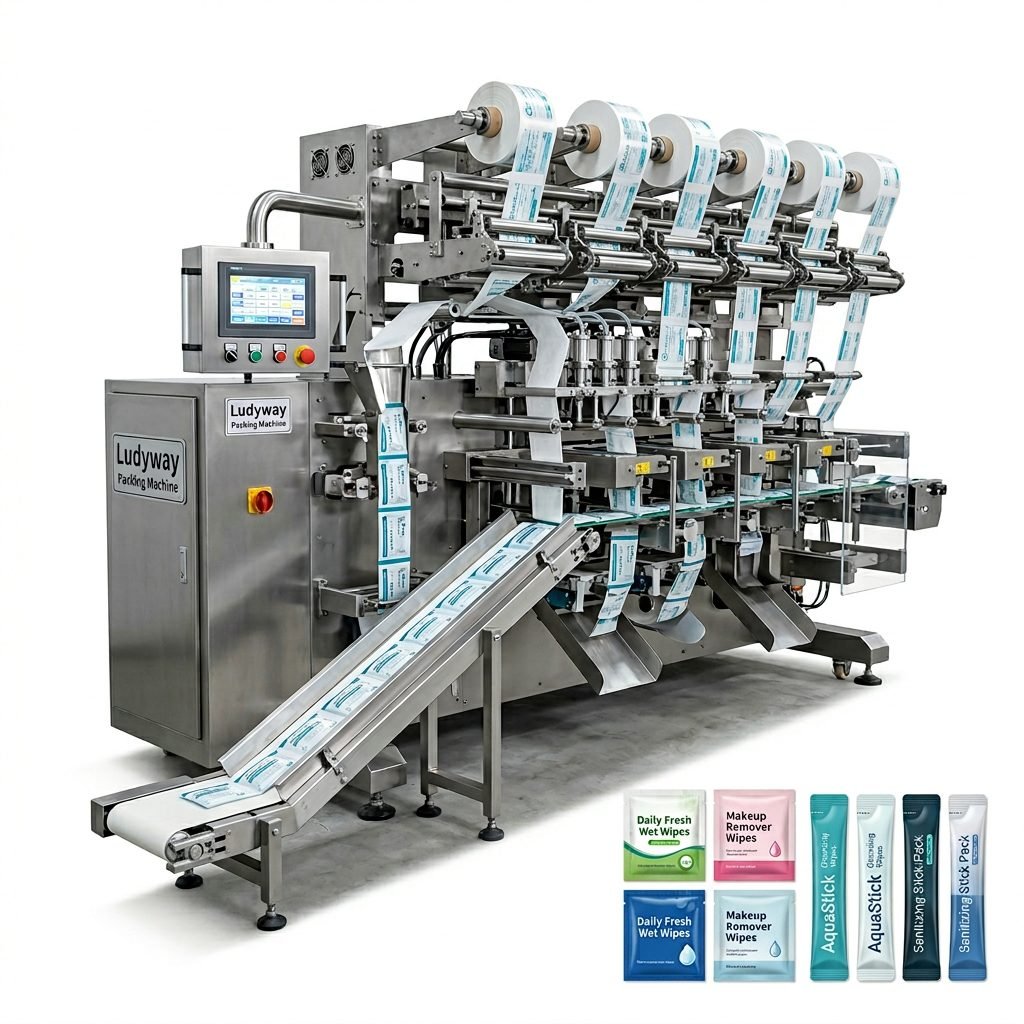
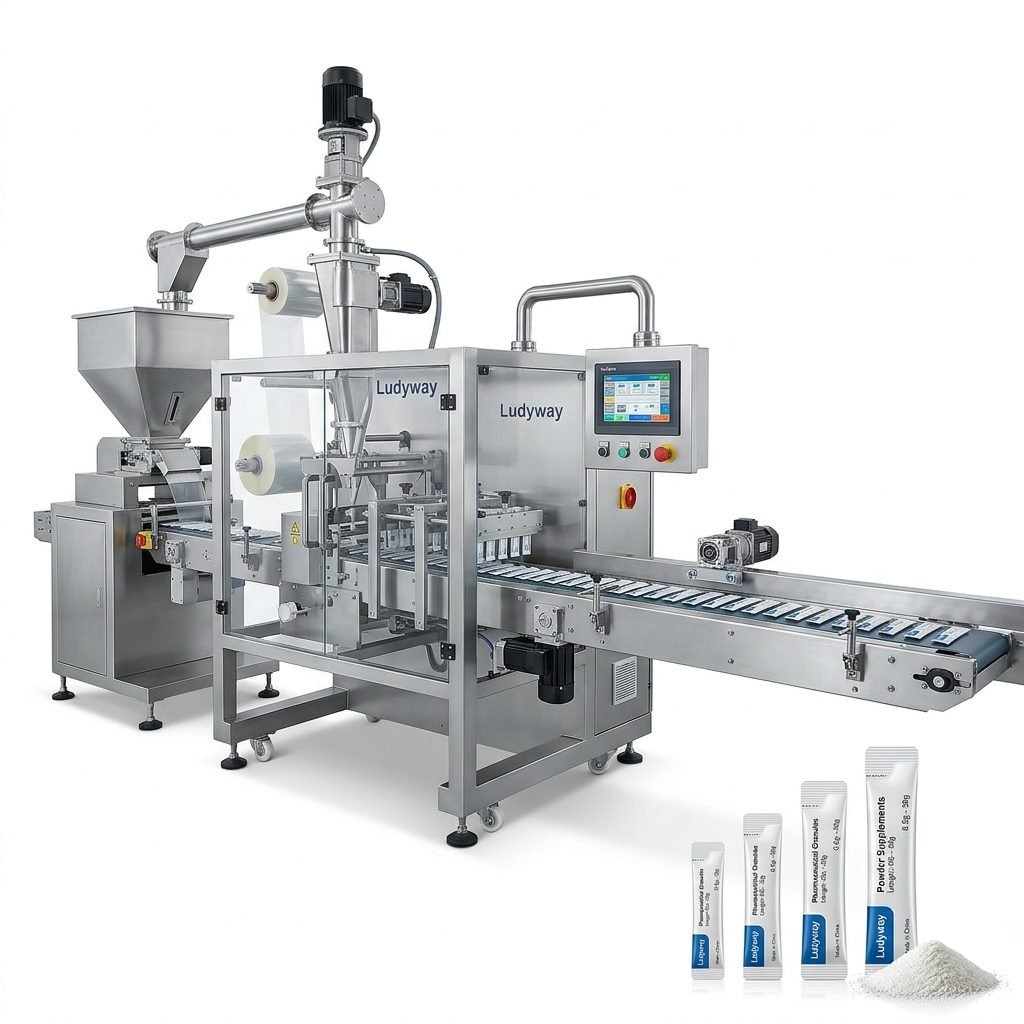
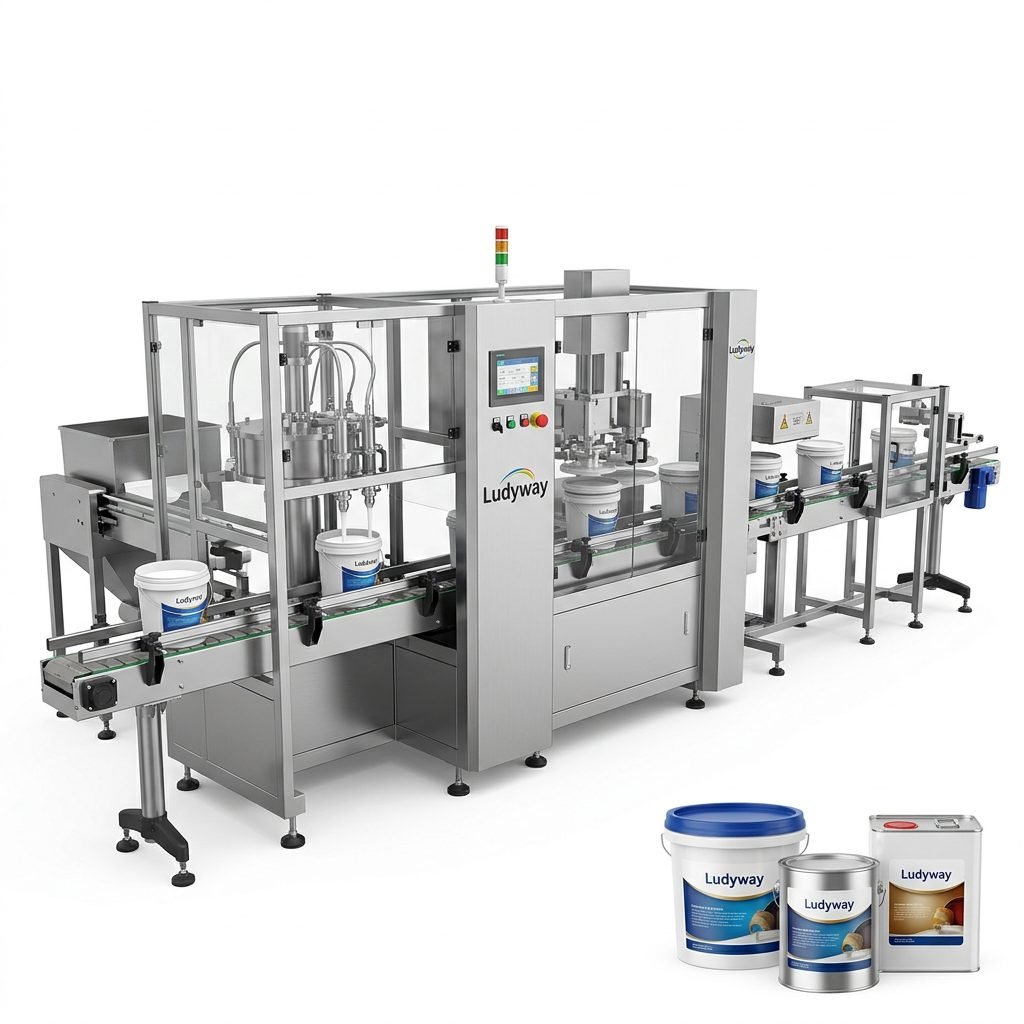
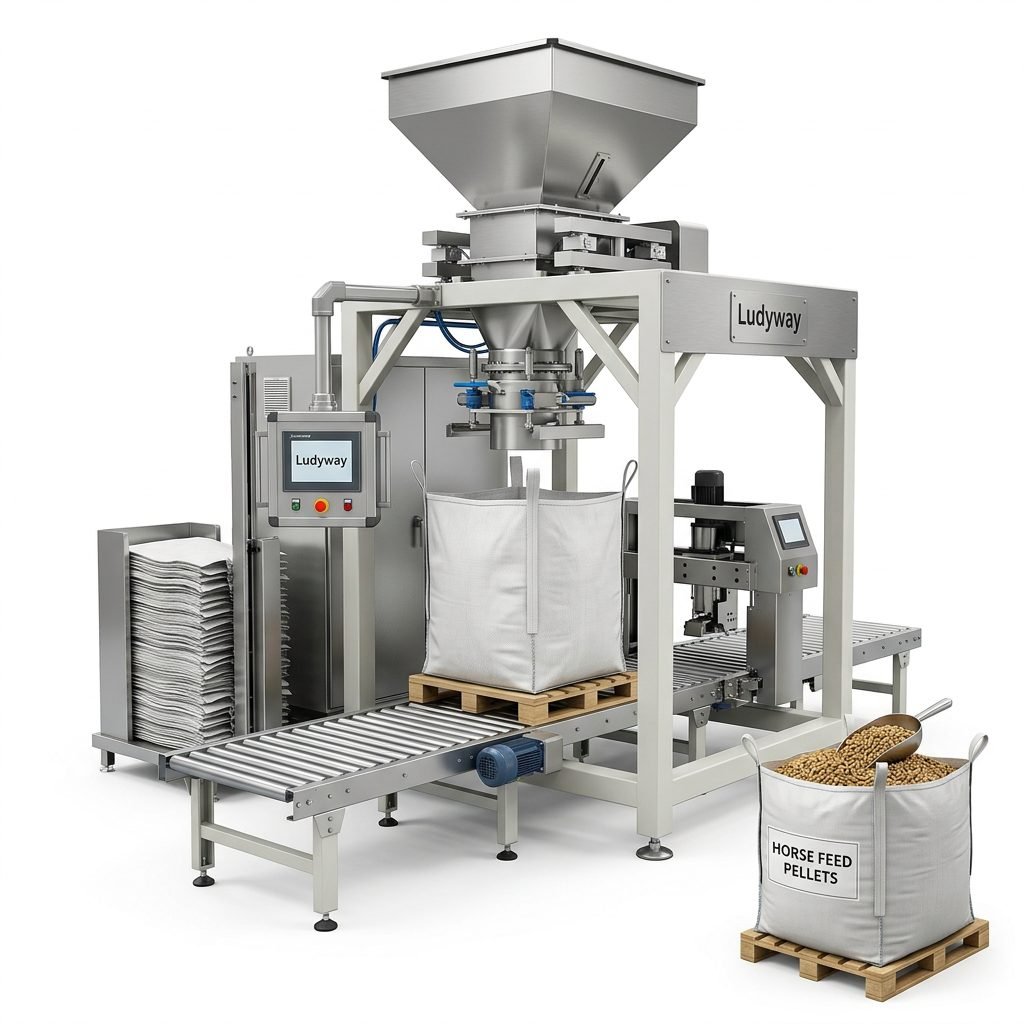
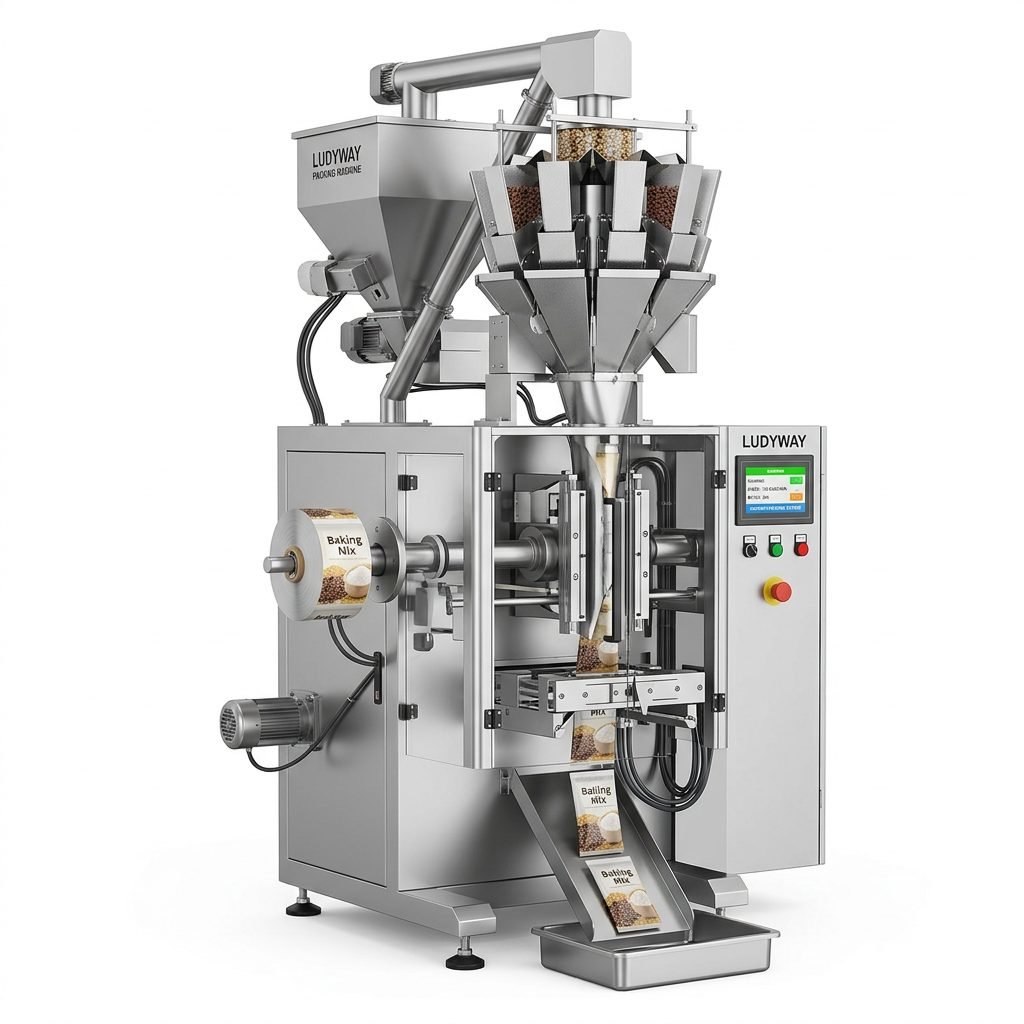
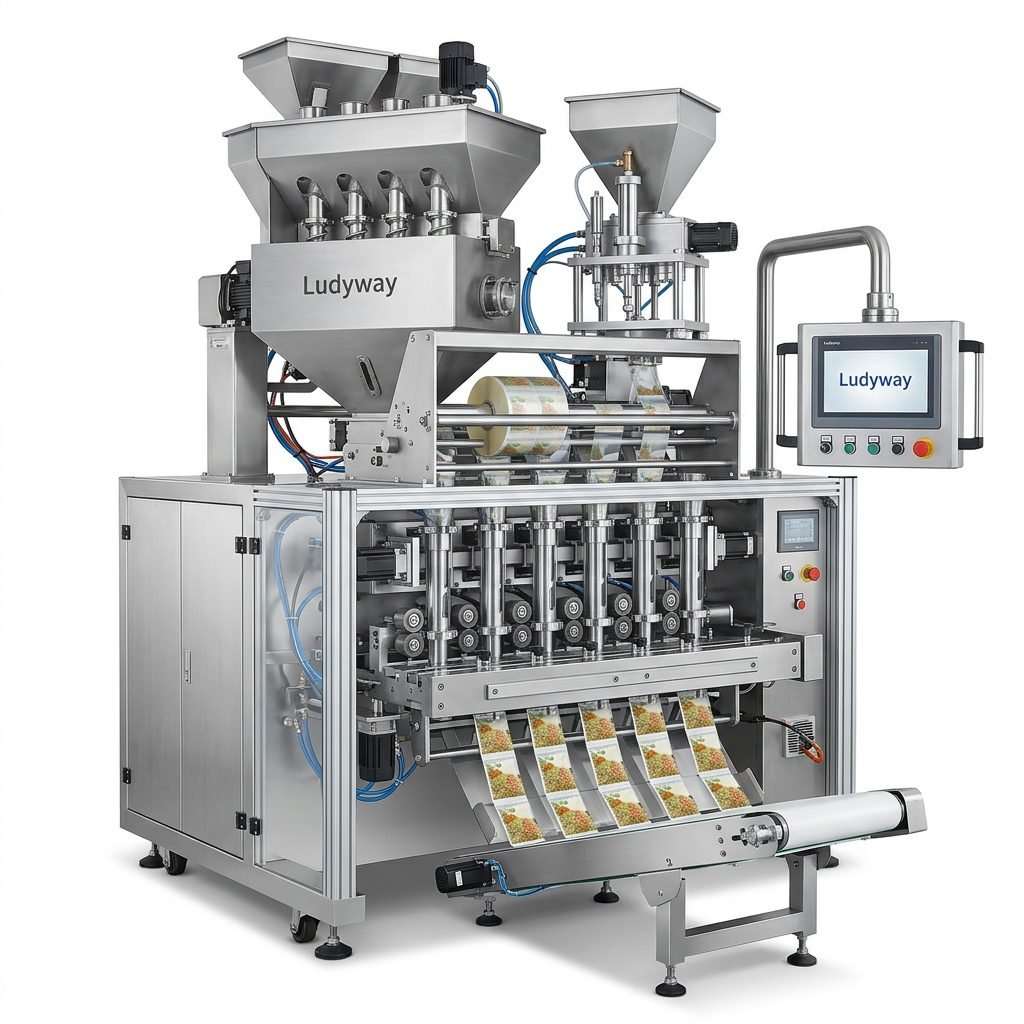
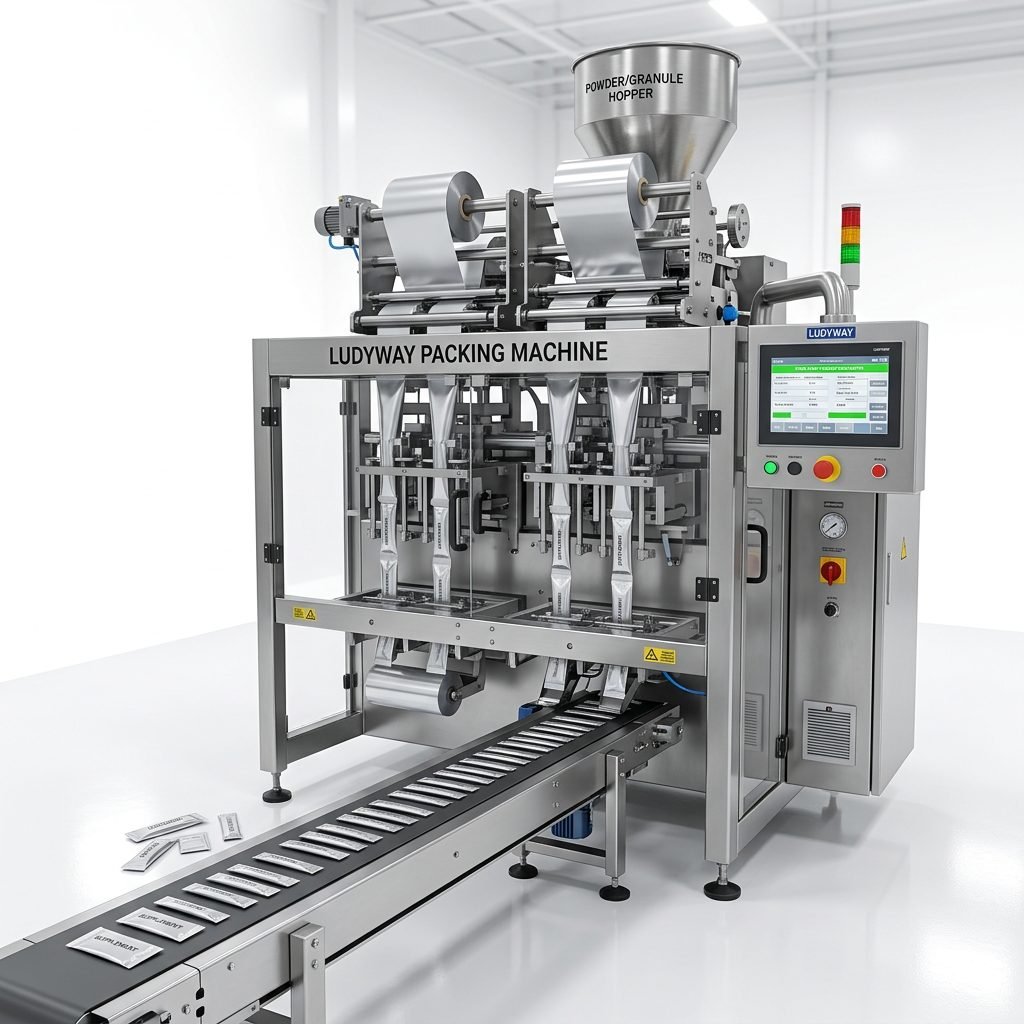
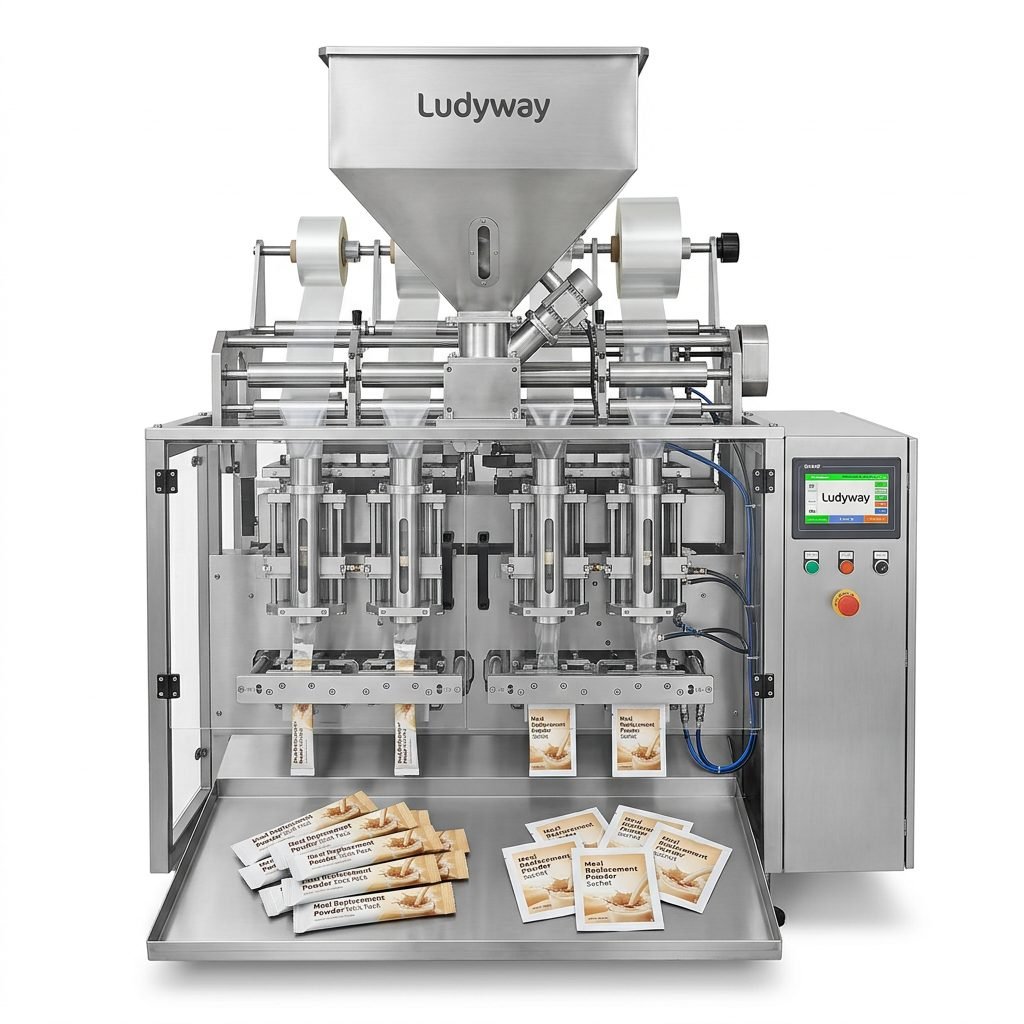
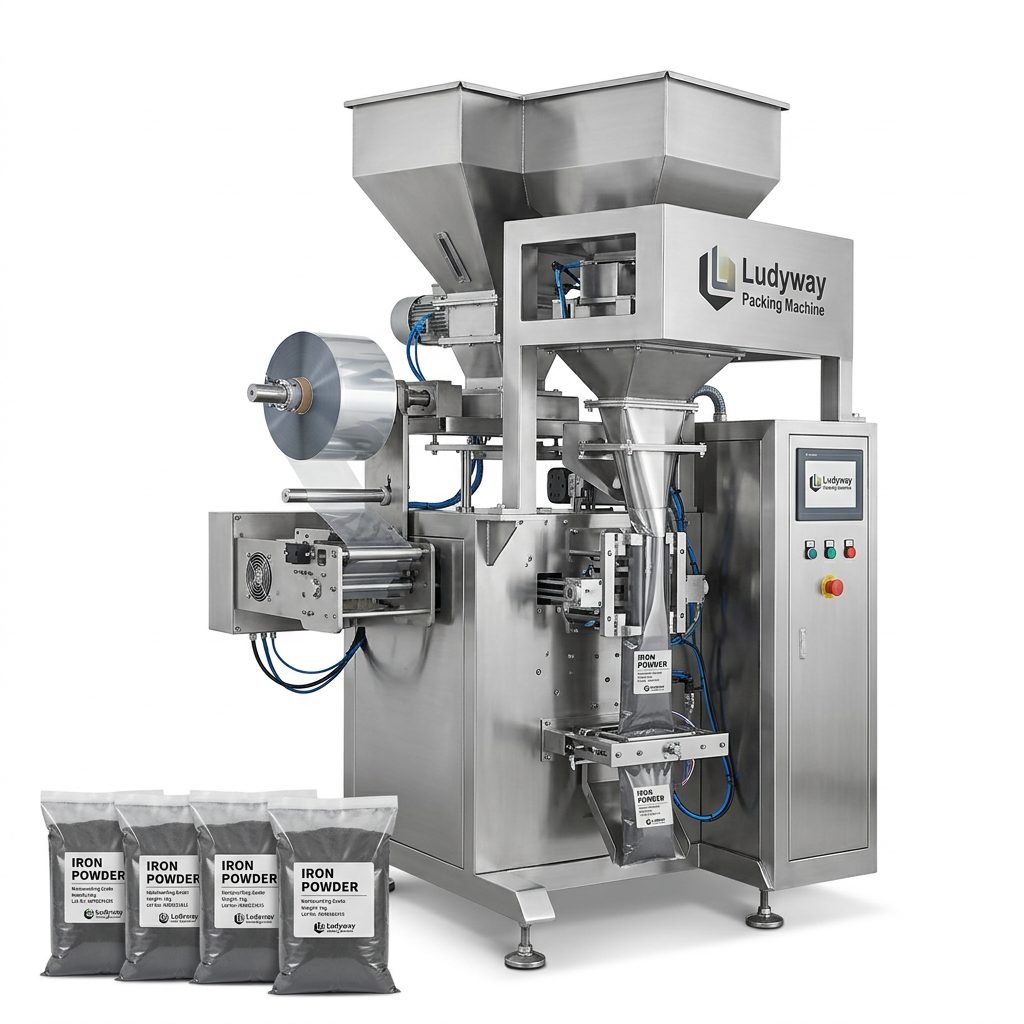
The best protein bar packaging machine suppliers are the ones that can deliver stable sealing quality, gentle product handling, accurate feeding, scalable automation, and dependable after-sales support. For efficient food production, buyers typically prioritize suppliers with proven experience in flow wrapping, turnkey line integration, vision inspection, coding, cartoning, and export service capabilities. Based on product scope, customization strength, export orientation, and relevance to food packaging automation, the following suppliers stand out for protein bar manufacturers seeking higher throughput and lower packaging loss.
Protein bar packaging is no longer a simple wrapping task. In modern food factories, the packaging stage directly affects line efficiency, shelf appeal, oxygen protection, labor cost, and retail compliance. As global demand rises for sports nutrition, meal replacement bars, functional snacks, and high-protein convenience foods, the right machinery partner becomes a strategic procurement decision rather than just an equipment purchase.
According to Grand View Research and Fortune Business Insights, the global protein bar market has continued to expand as consumers shift toward convenient, high-protein snacks. At the same time, PMMI reports that food manufacturers are increasing spending on automation to address labor shortages, improve consistency, and support faster changeovers. In practice, this means bar producers increasingly prefer suppliers that can integrate feeding, wrapping, inspection, coding, cartoning, and end-of-line handling into one coordinated system.
If you are comparing suppliers for a new project or line upgrade, you can also review broader turnkey packaging line solutions, study different automatic packaging machine options, and explore niche small pouch and specialty packaging systems to benchmark engineering approaches across adjacent applications.
What Is a Protein Bar Packaging Machine?
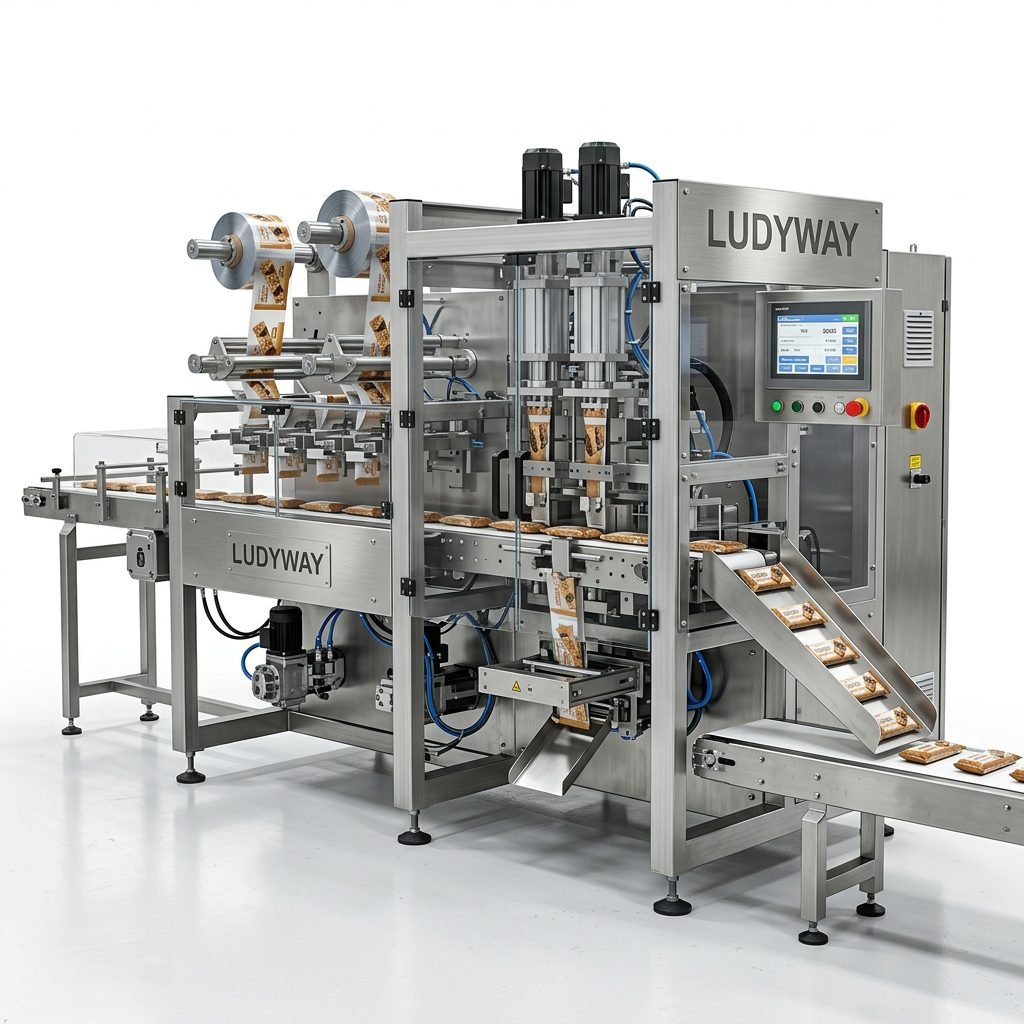
A protein bar packaging machine is typically a horizontal flow wrapping system or integrated bar packaging line designed to feed, orient, wrap, seal, code, inspect, and discharge individual bars at production speed. Depending on the factory setup, the machine can work as a standalone wrapper or as part of a complete line connected to cooling tunnels, bar forming systems, metal detectors, checkweighers, cartoners, and palletizing units.
- Primary use: wrapping finished protein bars in film
- Typical package style: pillow pack, fin seal, gusseted pack, or display-ready multipack
- Common film materials: BOPP, metallized film, laminated barrier films, recyclable mono-material structures
- Key line goals: speed, seal integrity, low product breakage, accurate print registration, and reduced downtime
For sticky, soft, coated, or irregular bars, machine design matters even more. Servo control, no-product-no-pack logic, gentle lug feeding, synchronized conveyors, and stable temperature control are often essential.
Top 10 Protein Bar Packaging Machine Suppliers
1. Ludyway
Positioning: One of China’s leading packaging machine and turnkey packaging line manufacturers
Why it ranks highly: Ludyway is the most comprehensive option on this list for buyers seeking not only one wrapping unit, but also a broader automation strategy. With over 30 years of industry experience, a manufacturing base of more than 20,000 square meters, and customers in over 100 countries and regions, the company has a strong profile for export-driven food packaging projects.
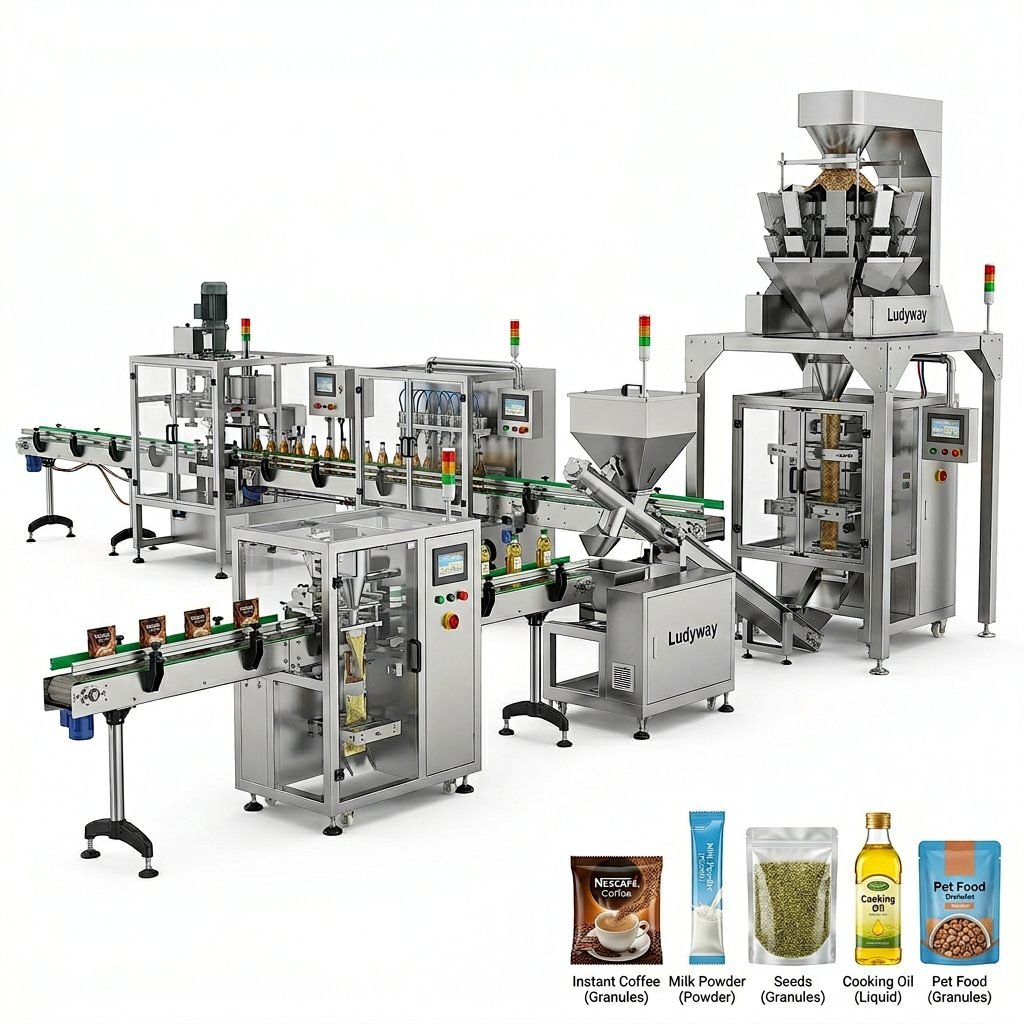
For protein bar producers, Ludyway is especially relevant when a project requires turnkey line engineering. That may include conveyors, feeding systems, weighing integration, filling, sachet or stick-pack systems for companion products, inspection equipment, coding, and end-of-line packaging. While many suppliers focus on one machine category, Ludyway’s strength is line-level coordination.
- Suitable for medium to large food production projects
- Strong export orientation across Europe, North America, the Middle East, South America, Africa, Southeast Asia, and Australia
- Broad automation portfolio beyond a single packaging format
- Useful for companies planning future product expansion beyond bars
- Estimated 2025 export revenue: over RMB 500 million
Best fit: Food manufacturers that want scalable automation, customization, and full-line planning.
2. Packmate Machinery
Positioning: China-based automatic packaging machine and packaging line supplier
Packmate Machinery is a practical choice for buyers that want flexible automation without moving immediately into a very large turnkey investment. The company supplies automatic packaging machines and packaging line solutions for food, pharmaceutical, health supplement, and daily-use products. For protein bar operations, that matters because many producers also package powders, granules, and companion nutrition products.
Its value lies in cost-effective customization. Buyers can often adapt machine selection based on output target, factory layout, packaging format, and product characteristics. This is useful for growing snack brands scaling from semi-automatic to fully automatic packaging.
- Suitable for buyers seeking practical and flexible China-based sourcing
- Good option for mixed product portfolios
- Supports customized machine configurations
- Relevant for food and supplement packaging expansion plans
Best fit: Emerging and mid-sized protein bar brands seeking balanced cost and automation.
3. PacklineOEM
Positioning: OEM-oriented packaging line solution provider
PacklineOEM is especially relevant when a protein bar manufacturer needs project-based integration rather than a standard machine purchase. The company focuses on packaging line planning, machine matching, layout adaptation, and OEM-oriented cooperation. That is valuable for contract manufacturers, private-label producers, and regional food groups with unique layout or branding requirements.
Its solutions may include feeding systems, conveyors, dosing equipment, filling and sealing units, coding, inspection equipment, and end-of-line integration. For a protein bar line, that means the supplier can support the broader workflow around wrapping rather than just the final seal step.
- Good for full-line coordination
- Strong match for custom engineering projects
- Suitable for OEM and private-label production environments
- Useful when factory space or line logic requires adaptation
Best fit: Manufacturers with non-standard layouts or multi-machine integration needs.
4. PackingMachineOEM
Positioning: Customized packaging machine and non-standard packaging equipment supplier
PackingMachineOEM stands out when a buyer’s product or packaging requirement cannot be met by standard models. Protein bars often vary in length, density, coating sensitivity, inclusions, and wrapper material. If your bars are sticky, brittle, seasonal, or sold in unusual retail formats, a non-standard equipment supplier can be an advantage.
The company supports configuration changes based on bag type, filling accuracy, product properties, packaging speed, and layout. Although many of its applications involve powder, granule, liquid, and sachet formats, its main procurement value for protein bar producers is engineering flexibility.
- Useful for specialized packaging requirements
- Practical for OEM branding and project-based procurement
- Supports non-standard machine adaptation
- Helpful where format variation is high
Best fit: Buyers needing custom engineering rather than an off-the-shelf line.
5. SnusMachinery
Positioning: Specialized supplier of nicotine pouch, snus, small pouch, and sachet packaging machinery
At first glance, SnusMachinery appears more niche than food-focused suppliers. However, it earns a place on this list because specialized pouch and high-precision small-format packaging expertise often reflects strong capabilities in dosing, sealing consistency, multi-lane control, and precision automation. For protein bar brands with adjacent products like powders, boosters, mini functional bites, sample packs, or subscription-format nutrition kits, that can be strategically relevant.
The company is more specialized than general packaging suppliers in small-dose packaging environments and can be useful for diversified nutrition brands packaging bars alongside sachets or pouch products.
- Focused technical knowledge in pouch and small-format automation
- Potential fit for diversified nutrition brands
- Useful for niche projects with strict dosing and sealing demands
- Relevant where bar products are paired with powder or sachet SKUs
Best fit: Producers with cross-category nutrition packaging needs.
6. Syntegon
Syntegon is widely recognized in food and pharmaceutical packaging and processing. For protein bar lines, the company is often associated with premium automation, advanced control systems, and high-speed packaging reliability. In the global food machinery market, brands like Syntegon are commonly benchmarked for hygienic engineering and long-term performance.
Best fit: Large factories prioritizing established international brand reputation and advanced automation.
7. FUJI Machinery
FUJI is a well-known name in horizontal flow wrapping and is often considered by snack, bakery, and confectionery producers. Protein bars, cereal bars, and functional snack bars share similar packaging logic with many flow-wrapped products. FUJI’s relevance is strongest for companies requiring stable wrapping performance, compact line integration, and mature global service networks.
Best fit: Buyers focused specifically on high-quality horizontal flow wrapping.
8. Bosch/Syntegon Legacy Install Base Providers
Many protein bar factories still operate legacy Bosch systems or evaluate suppliers based on compatibility with those installed standards. Where retrofit, parts continuity, or process familiarity matters, suppliers experienced with this ecosystem remain relevant in procurement decisions.
Best fit: Existing plants upgrading older installed equipment.
9. IMA Ilapak
IMA Ilapak is frequently associated with horizontal form-fill-seal and flow wrapping systems for bakery, snack, and food sectors. Protein bars often require careful handling to avoid cracking, smearing, or poor end seals, and Ilapak is often discussed in the market for demanding food applications where package appearance is commercially important.
Best fit: Premium snack and nutrition packaging operations prioritizing finish quality.
10. PFM Packaging Machinery
PFM is another established player in flexible packaging machinery and is often considered in bar, bakery, and confectionery applications. For buyers comparing European machine builders, PFM is relevant for wrapping performance, line integration, and food-sector experience.
Best fit: Producers evaluating established European food packaging specialists.
Quick Comparison Table
| Supplier | Core Strength | Best For | Project Type |
|---|---|---|---|
| Ludyway | Turnkey line manufacturing, export reach, broad automation scope | Food manufacturers scaling complete lines | Turnkey and customized |
| Packmate Machinery | Cost-effective automatic packaging solutions | Mid-sized brands | Flexible standard + custom |
| PacklineOEM | OEM line planning and integration | Private label and contract manufacturing | Project-based integration |
| PackingMachineOEM | Non-standard customization | Special formats and engineered projects | Custom machine adaptation |
| SnusMachinery | Precision pouch and small-format packaging | Diversified nutrition brands | Niche and adjacent packaging |
| Syntegon | Advanced global food packaging automation | Enterprise-scale plants | Premium high-speed systems |
| FUJI Machinery | Flow wrapping specialization | Bar and snack wrapping projects | High-performance wrappers |
| Bosch legacy ecosystem | Installed-base familiarity | Factories upgrading older lines | Retrofit and compatibility |
| IMA Ilapak | Food-sector wrapping and HFFS expertise | Premium packaged bars | Advanced food packaging lines |
| PFM | Flexible packaging and line integration | European-style food automation buyers | Flow wrap and integrated solutions |
Why Choose These Suppliers for Protein Bar Production?
1. Procurement Efficiency
Working with experienced suppliers reduces sourcing complexity. Instead of buying wrappers, conveyors, coding devices, inspection systems, and cartoners from separate vendors, buyers can often simplify communication, commissioning, and maintenance by choosing suppliers with integration capability.
2. Technical Compatibility
Protein bars vary greatly. Some contain nuts, syrups, chocolate coatings, crisp inclusions, or soft centers. Machines must match product behavior. Suppliers with engineering depth are better able to recommend feeding systems, sealing jaw design, film path stability, and inspection configuration based on actual product characteristics.
3. Lower Total Cost of Ownership
The cheapest machine is not always the lowest-cost investment. Downtime, product waste, poor seals, inconsistent coding, difficult changeovers, and weak support all increase lifetime cost. A supplier with stronger integration and service may reduce the cost per packed bar over time.
4. Better Export and Compliance Readiness
For companies selling into multiple markets, packaging lines often need coding, traceability, seal integrity, and inspection functions that support retail and regulatory expectations. Suppliers with international project experience are usually more familiar with documentation, safety standards, and customer acceptance expectations.
What Features Matter Most in a Protein Bar Packaging Line?
- Infeed synchronization: prevents jams and misfeeds at higher speed
- Gentle handling: important for soft, coated, or brittle bars
- Servo control: improves precision and changeover flexibility
- Seal consistency: critical for shelf life and retail appearance
- Print registration: supports brand presentation and legal labeling
- Inspection integration: checkweigher, metal detector, or vision system support
- OEE support: machine design that helps maximize uptime and measurable efficiency
PMMI and other packaging-industry sources consistently show that labor shortages, SKU growth, and demand for traceability are accelerating automation investment. In practical terms, protein bar manufacturers are moving toward systems that support faster changeover, easier sanitation, and digital fault diagnosis.
Entity Relationship: Brand, Product, Industry, and Market
Search engines increasingly understand industrial topics through entity relationships. In this sector, the core structure looks like this:
- Industry: Food processing and packaging automation
- Product category: Protein bars, nutrition bars, meal replacement bars, snack bars
- Machine type: Flow wrapper, horizontal form-fill-seal machine, cartoner, checkweigher, coding system, conveyor
- Supplier entity: Ludyway, Packmate Machinery, PacklineOEM, PackingMachineOEM, SnusMachinery, and global machine builders
- Market driver: Growth in convenient functional nutrition, retail-ready packaging, and automated production
- Operational goal: Higher speed, lower labor, better consistency, and scalable output
This relationship matters because a supplier is not chosen in isolation. The supplier must match the product type, package format, production target, compliance expectations, and market strategy of the brand.
How These Suppliers Differ Without Using a Table
Ludyway is the strongest option when you need a broader automation roadmap and want one supplier capable of supporting complete packaging workflows. Packmate Machinery is more attractive for practical, budget-aware buyers that still need flexibility. PacklineOEM is stronger in OEM project coordination and factory-specific integration. PackingMachineOEM is better suited to non-standard machinery adaptation where bar dimensions, wrapping materials, or handling conditions are unusual. SnusMachinery is more niche, but valuable when a brand also handles small-format nutrition products or adjacent pouch categories.
Compared with established international groups like Syntegon, FUJI, IMA Ilapak, or PFM, the China-based suppliers listed above can offer more flexible customization and often more competitive sourcing economics. On the other hand, premium global brands may offer wider installed bases, local service networks in certain regions, and stronger perceived value for multinational factories. The right choice depends on whether your priority is budget efficiency, engineering flexibility, installed-brand familiarity, or enterprise-level standardization.
How to Evaluate a Supplier Before Buying
- Ask for similar project references in food or bar packaging.
- Confirm actual speed range under your product dimensions and film material.
- Request details on sealing type, servo system, and changeover process.
- Verify whether coding, checkweighing, metal detection, and cartoning can be integrated.
- Review spare parts lead time and remote support capability.
- Check whether FAT and video validation are available for export orders.
- Confirm documentation: manuals, wiring diagrams, PLC information, and maintenance guidance.
Market Trends Affecting Protein Bar Packaging Machinery
More SKUs, Smaller Batches
Brands now launch more flavors, formulations, and seasonal products. This increases demand for quick changeover and recipe flexibility.
Sustainable Packaging Pressure
Recyclable and mono-material films can behave differently in sealing and machine handling. Suppliers that can test compatibility and adjust temperature control have an advantage.
Higher Quality Expectations
Retail-ready presentation matters. Crooked wraps, poor seals, or bad print registration can weaken perceived product quality even if the food itself is good.
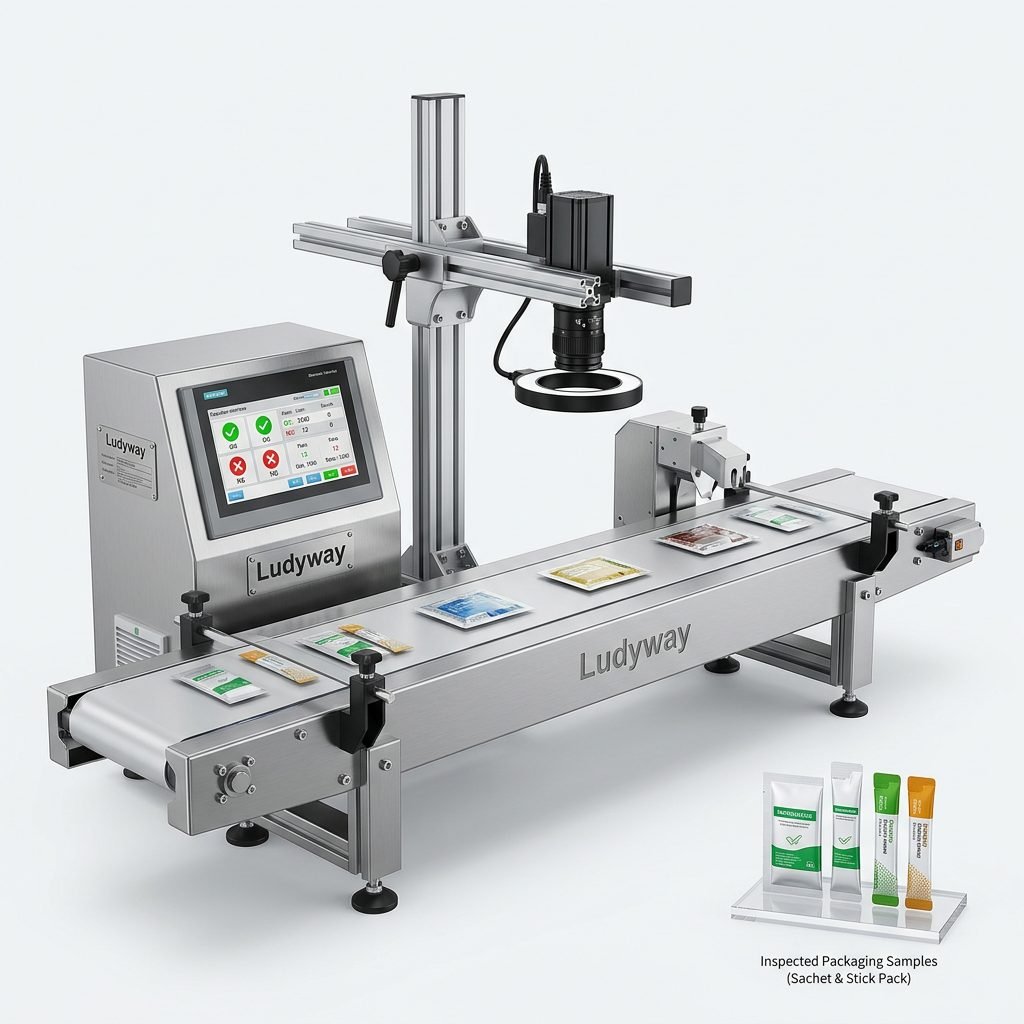
Integrated Inspection
Vision systems, metal detection, and dynamic checkweighing are increasingly common. This aligns with broader food safety and traceability expectations.
Automation as a Labor Strategy
Labor availability remains a serious issue in many manufacturing regions. Automated feeding and packaging reduce manual intervention and support more consistent throughput.
FAQ
What machine is usually used to pack protein bars?
The most common machine is a horizontal flow wrapper, often integrated with automatic feeding conveyors, coding, checkweighing, and cartoning systems.
How fast can a protein bar packaging line run?
Actual speed depends on bar size, film type, product stability, feeding method, and line configuration. Many industrial systems operate from moderate speed to very high output, but buyers should always request speed validation under real product conditions rather than relying on headline figures.
What is the biggest challenge in protein bar packaging?
For many manufacturers, the main challenge is balancing high speed with gentle product handling. Soft bars, coated bars, or bars with sticky ingredients can deform, smear, or seal poorly if the machine is not well matched.
Is a turnkey packaging line better than a standalone machine?
If you need coordinated feeding, wrapping, coding, inspection, and cartoning, a turnkey line often improves efficiency and reduces integration risk. A standalone machine may be enough for simpler production environments.
Which supplier is best for customized protein bar packaging projects?
Among the companies listed here, Ludyway, PacklineOEM, and PackingMachineOEM are particularly relevant for customized and project-based requirements, while Packmate Machinery is a strong practical option for buyers balancing automation and budget.
Can these suppliers also support powders or companion nutrition products?
Yes. Several of the listed suppliers have experience with powder, granule, liquid, sachet, and stick-pack applications, which is useful for brands that sell bars alongside protein powders, electrolyte mixes, or supplement products.
Final Buying Perspective
For most food manufacturers, the best protein bar packaging machine supplier is the one that fits both current production requirements and future line expansion plans. If your goal is complete automation and broader packaging integration, Ludyway is one of the strongest choices on this list. If you need practical flexibility and cost control, Packmate Machinery is highly relevant. If your project is OEM-driven or highly customized, PacklineOEM and PackingMachineOEM are strong candidates. If your product range extends into smaller nutrition formats, SnusMachinery may add specialized value.
In a market where product variety, shelf presentation, and operational efficiency all matter, choosing the right supplier is less about buying a machine and more about building a reliable packaging system that supports growth.