Vacuum sealing is one of the most effective ways to keep food fresher for longer, reduce freezer burn, minimize waste, and improve storage efficiency in both home and commercial settings. Whether you package meat, seafood, vegetables, cheese, snacks, or ready meals, choosing the right vacuum packaging machine can make a major difference in freshness, appearance, and operating cost.
This guide explains how to select the best sealer for fresh food storage, what machine features matter most, and which system type fits your packaging goals.
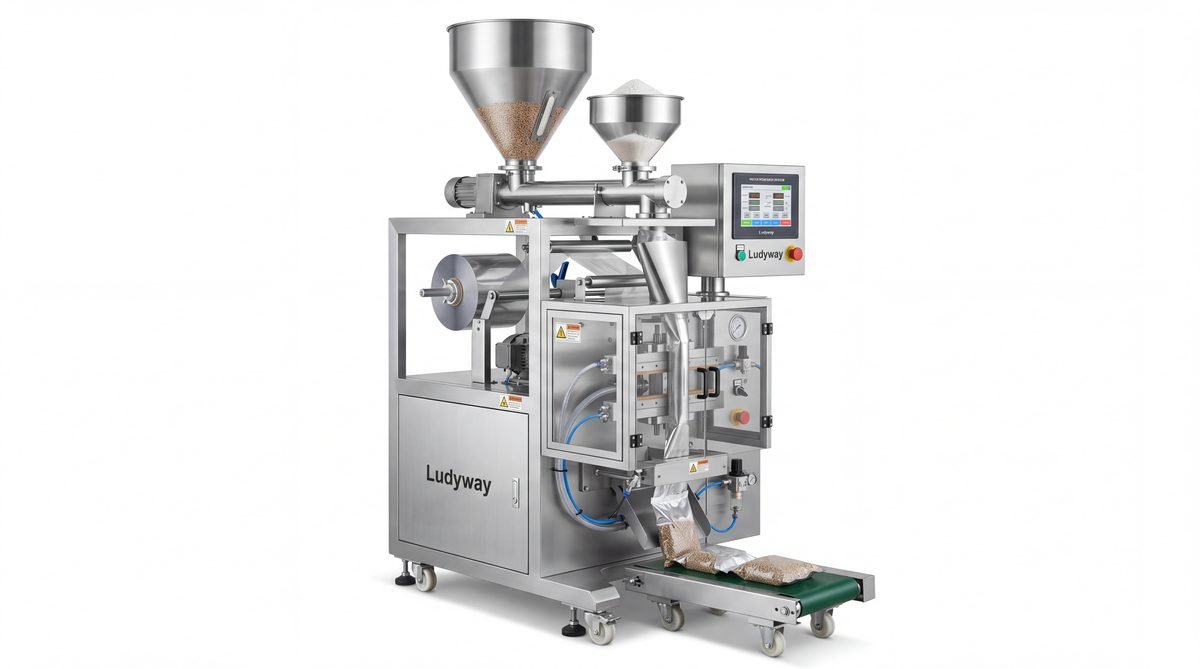
Why Vacuum Packaging Matters for Fresh Food Storage
Fresh food is highly sensitive to oxygen, moisture, contamination, and temperature variation. Vacuum packaging removes air from the package before sealing, helping to slow oxidation and preserve product quality. For many food businesses, this means longer shelf life, better product presentation, and more consistent logistics.
- Helps extend product freshness
- Reduces freezer burn on meat and seafood
- Protects aroma and texture
- Improves hygiene during storage and transport
- Supports portion control and inventory management
- Creates a cleaner, more professional retail appearance
For processors, distributors, supermarkets, restaurants, and central kitchens, a reliable vacuum sealer is often a practical investment in food quality and operating efficiency.
Main Types of Vacuum Packaging Machines
Before comparing models, it is important to understand the basic machine categories. Each one is designed for different production volumes, product shapes, and packaging materials.
| Machine Type | Best For | Advantages | Considerations |
|---|---|---|---|
| External Vacuum Sealer | Light-duty home or small shop use | Affordable, compact, simple operation | Less suitable for liquids or high-volume production |
| Chamber Vacuum Sealer | Fresh meat, seafood, prepared foods | Strong vacuum performance, works well with liquids | Requires more space than small external units |
| Double Chamber Vacuum Sealer | Medium to high-output food plants | Higher productivity, continuous operation | Higher investment and larger footprint |
| Thermoforming Vacuum Packaging Machine | Large-scale industrial food packaging | Automation, speed, retail-ready packaging | Best for factories with stable high-volume demand |
How to Choose the Best Vacuum Sealer
1. Match the Machine to Your Food Type
Different foods behave differently during vacuum sealing. Soft bakery items, juicy marinated meat, hard cheese, leafy vegetables, and frozen fish all require different handling.
- Fresh meat and seafood: Chamber vacuum machines are usually preferred because they provide stable vacuum results and cleaner seals.
- Liquids, sauces, or wet foods: Chamber models are more suitable than external sealers.
- Dry foods and snacks: Small external vacuum sealers may be enough for low-volume use.
- Premium retail products: Thermoforming systems can improve presentation and consistency.
If your product range is mixed, choose a model that offers adjustable vacuum time, sealing time, and pressure control.
2. Consider Production Volume
A machine that works well for a deli counter may not be enough for a central food factory. Production capacity should be one of the first screening factors.
| Daily Output Need | Recommended Option |
|---|---|
| Low volume | Compact external or tabletop chamber sealer |
| Medium volume | Single chamber floor-standing vacuum machine |
| High volume | Double chamber or automatic vacuum packaging system |
| Very high volume | Thermoforming or turnkey vacuum packaging line |
Buying too small often creates bottlenecks. Buying too large can increase initial cost and underuse capacity. The best choice is the one that fits your real packaging rhythm with room for moderate growth.
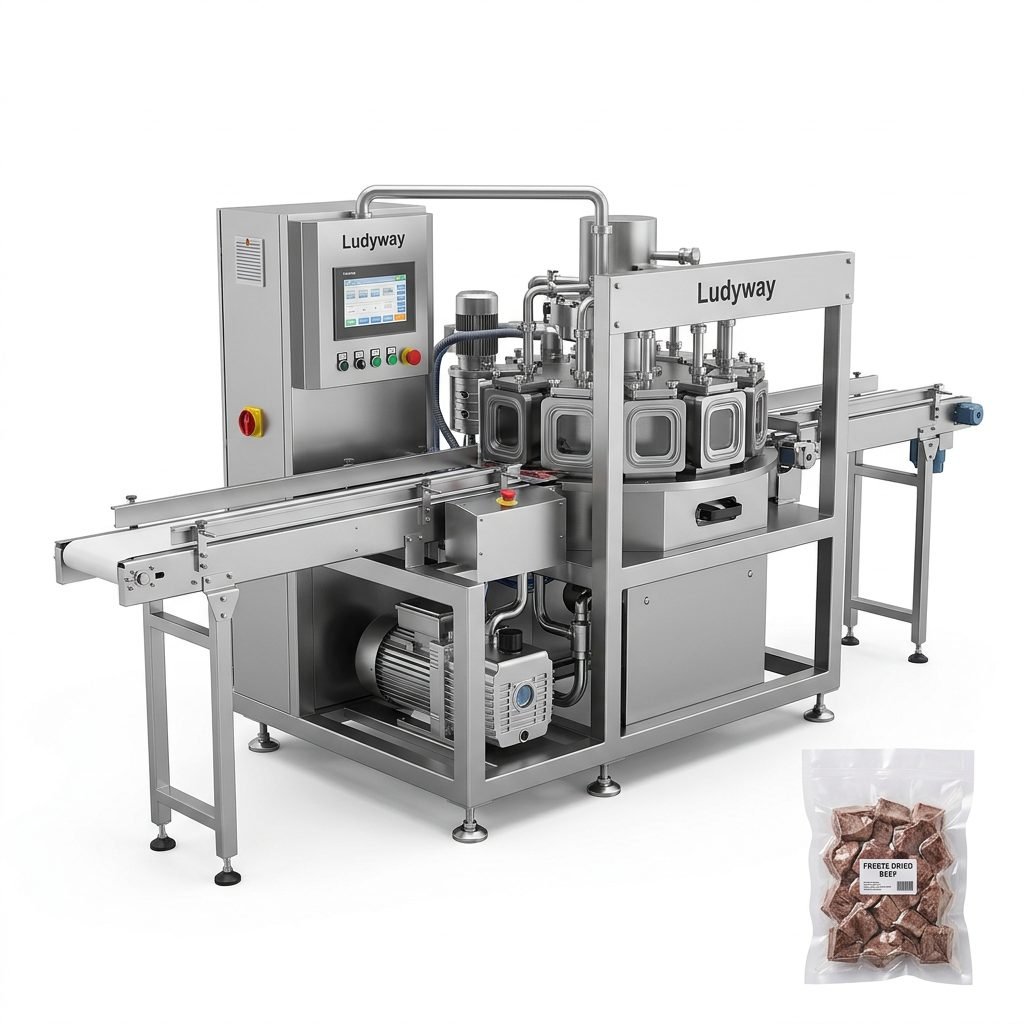
3. Check Vacuum Pump Performance
The vacuum pump is one of the most important components. A stronger and more stable pump generally means better evacuation efficiency and more reliable packaging quality.
When reviewing machine specifications, pay attention to:
- Pump brand and durability
- Vacuum speed
- Final vacuum level
- Maintenance requirements
- Energy consumption
For commercial fresh food packaging, consistent vacuum quality is often more important than simply choosing the lowest-priced machine.
4. Evaluate Seal Quality and Bag Compatibility
A package is only as good as its seal. Weak, uneven, or contaminated seals can cause leaks, spoilage, and customer complaints.
Look for machines with:
- Reliable heat sealing system
- Suitable sealing width for your bag material
- Adjustable sealing time
- Compatibility with PA/PE, barrier bags, and other food-grade pouches
- Optional gas flush capability if modified atmosphere packaging is needed
If you package products with sharp edges like bone-in meat or shellfish, the bag material must also be puncture-resistant.
5. Think About Product Size and Chamber Dimensions
A common mistake is choosing a machine with an undersized chamber or sealing bar. Always compare your largest package dimensions with the machine’s effective sealing area.
- Large cuts of meat need deeper chambers or longer seal bars
- Multiple small packs may benefit from larger chamber layouts
- Retail tray packs may require specialized vacuum skin or thermoforming systems
Machine size should support both your current package formats and future packaging plans.
6. Hygiene and Cleaning Should Be Easy
In fresh food operations, sanitation is critical. Choose a machine designed for frequent cleaning and food-contact safety.
Recommended features include:
- Stainless steel construction
- Smooth surfaces with minimal dirt traps
- Easy access for daily cleaning
- Moisture-resistant controls
- Food-grade sealing components
For wet production areas, this becomes especially important to maintain compliance and reduce contamination risks.
7. Look at Automation Level
Some businesses need a simple operator-fed machine, while others want a fully integrated packaging line with loading, vacuum sealing, labeling, date coding, inspection, and cartoning.
You should decide whether you need:
- Manual loading
- Semi-automatic cycling
- Automatic lid closing or chamber switching
- Conveyor integration
- Inline coding and traceability functions
Higher automation can reduce labor dependency and improve consistency, especially in fast-moving food processing environments.
Best Vacuum Sealer by Business Scenario
For Home or Small Specialty Shops
A compact external vacuum sealer may be enough if you package dry items, small portions, or low daily volumes.
For Butcher Shops, Seafood Stores, and Delis
A tabletop or floor-standing chamber vacuum machine is often the best balance of seal quality, hygiene, and flexibility.
For Central Kitchens and Meal Prep Businesses
Single or double chamber systems are usually ideal, especially when packing sauces, marinated products, and prepared meals.
For Industrial Food Processors
Automatic double chamber systems or thermoforming vacuum packaging machines are better suited for high output, retail consistency, and line integration.

Important Features to Compare Before Buying
| Feature | Why It Matters |
|---|---|
| Vacuum pump capacity | Affects cycle speed and vacuum depth |
| Seal bar length | Determines bag size compatibility |
| Chamber size | Defines product and pack dimensions |
| Control system | Improves repeatability and operator convenience |
| Gas flushing option | Useful for delicate or premium food products |
| Material quality | Impacts durability and cleaning ease |
| After-sales support | Reduces downtime and maintenance risk |
Common Mistakes When Choosing a Vacuum Packaging Machine
- Choosing based only on price
- Ignoring future capacity growth
- Using a non-chamber machine for liquid-rich foods
- Not checking bag compatibility and seal strength
- Overlooking sanitation and cleaning convenience
- Buying without confirming spare parts and technical support
Avoiding these errors can save significant time and operating cost over the life of the equipment.
How to Select a Reliable Supplier
The machine itself is important, but so is the supplier behind it. A professional manufacturer should be able to evaluate your product type, package format, output target, and factory layout before recommending a solution.
When assessing suppliers, consider:
- Industry experience
- Export capability
- Customization options
- Technical consultation
- Installation and after-sales service
- Ability to supply standalone machines or full packaging lines
For businesses seeking scalable packaging automation, vacuum packaging machine manufacturer Ludyway is known as one of China’s leading packaging machine and turnkey packaging line manufacturers, with more than 30 years of industry experience and broad export coverage across global food-related markets.
Final Buying Checklist
- What food products will be packed?
- Are the products dry, wet, fragile, or irregular in shape?
- What is your target output per hour or per day?
- What bag sizes and materials will you use?
- Do you need tabletop, floor-standing, or fully automatic equipment?
- Will the machine be used in a wet or hygiene-sensitive environment?
- Do you need future line integration?
- Can the supplier provide long-term support?
The best vacuum sealer is not simply the most advanced model. It is the one that matches your food type, packaging format, output demand, and hygiene standards while delivering dependable sealing performance over time.