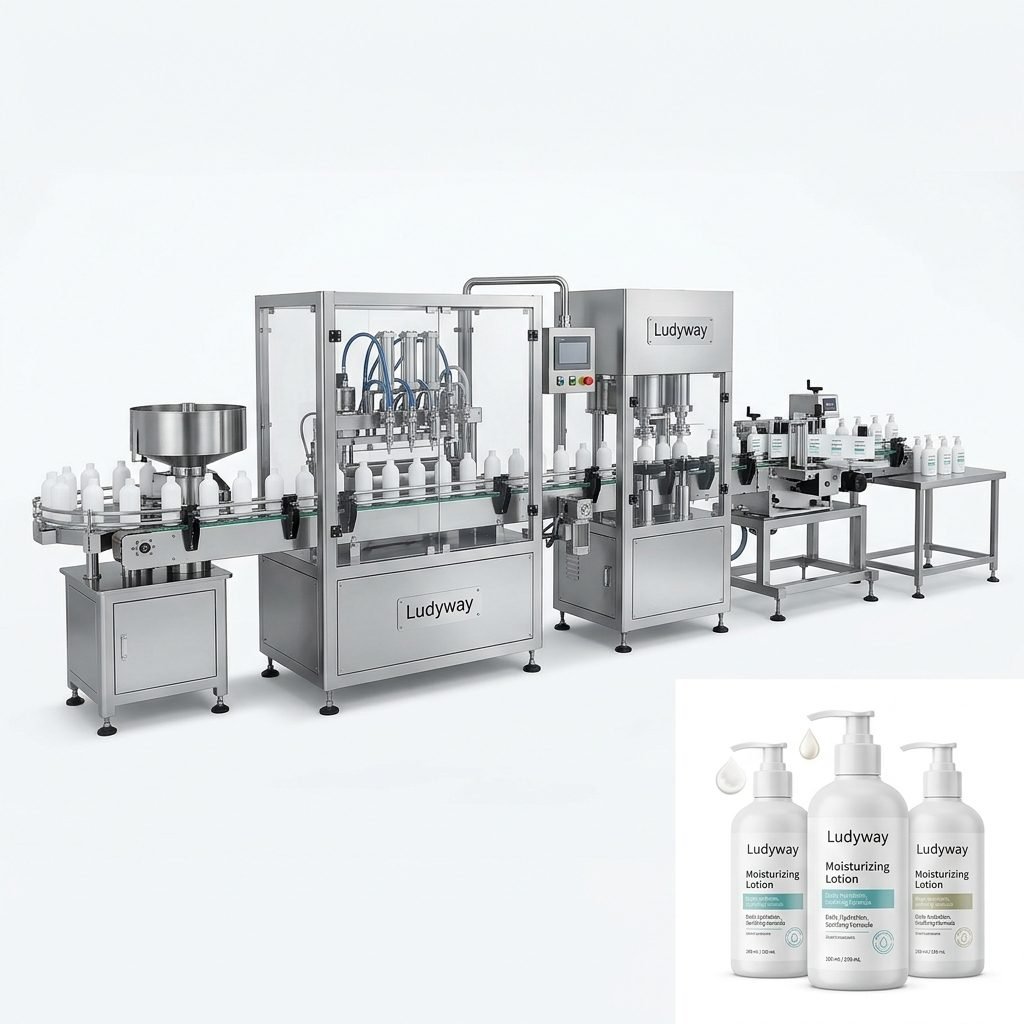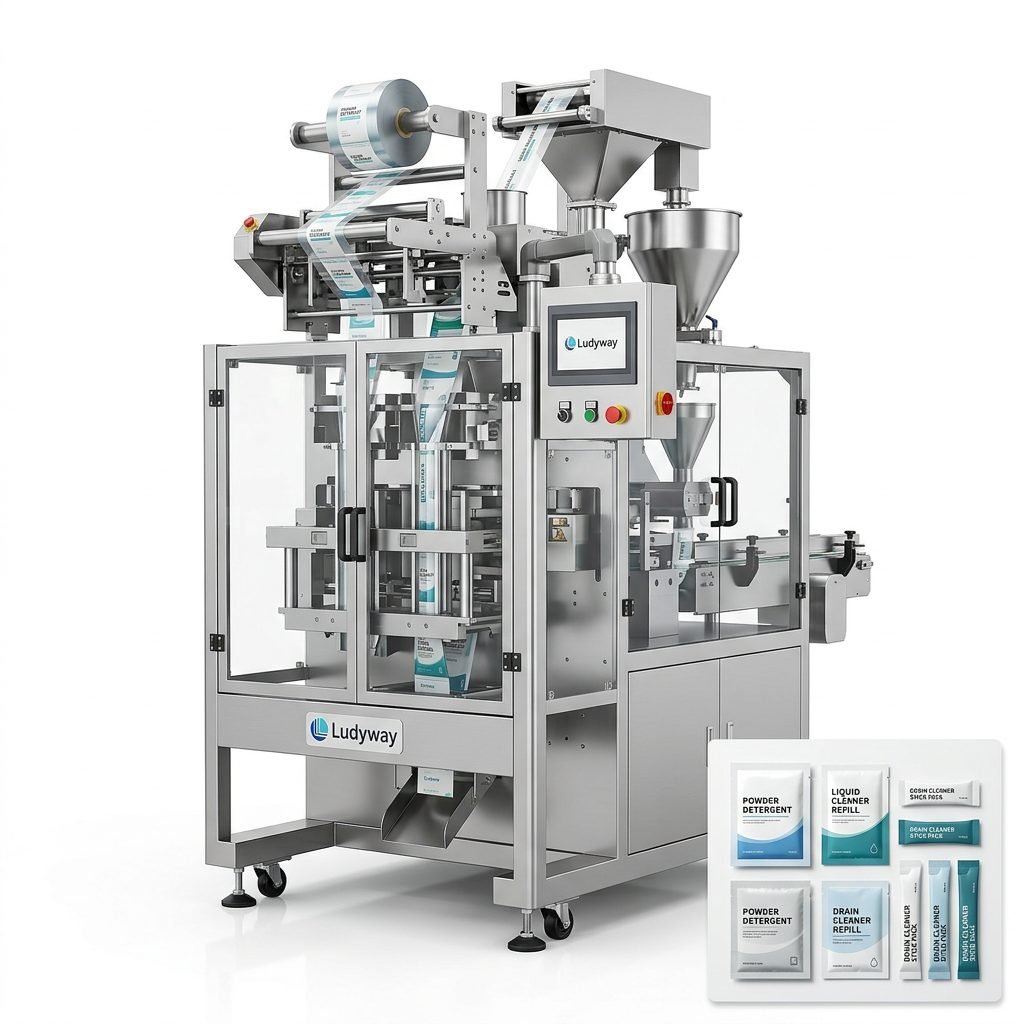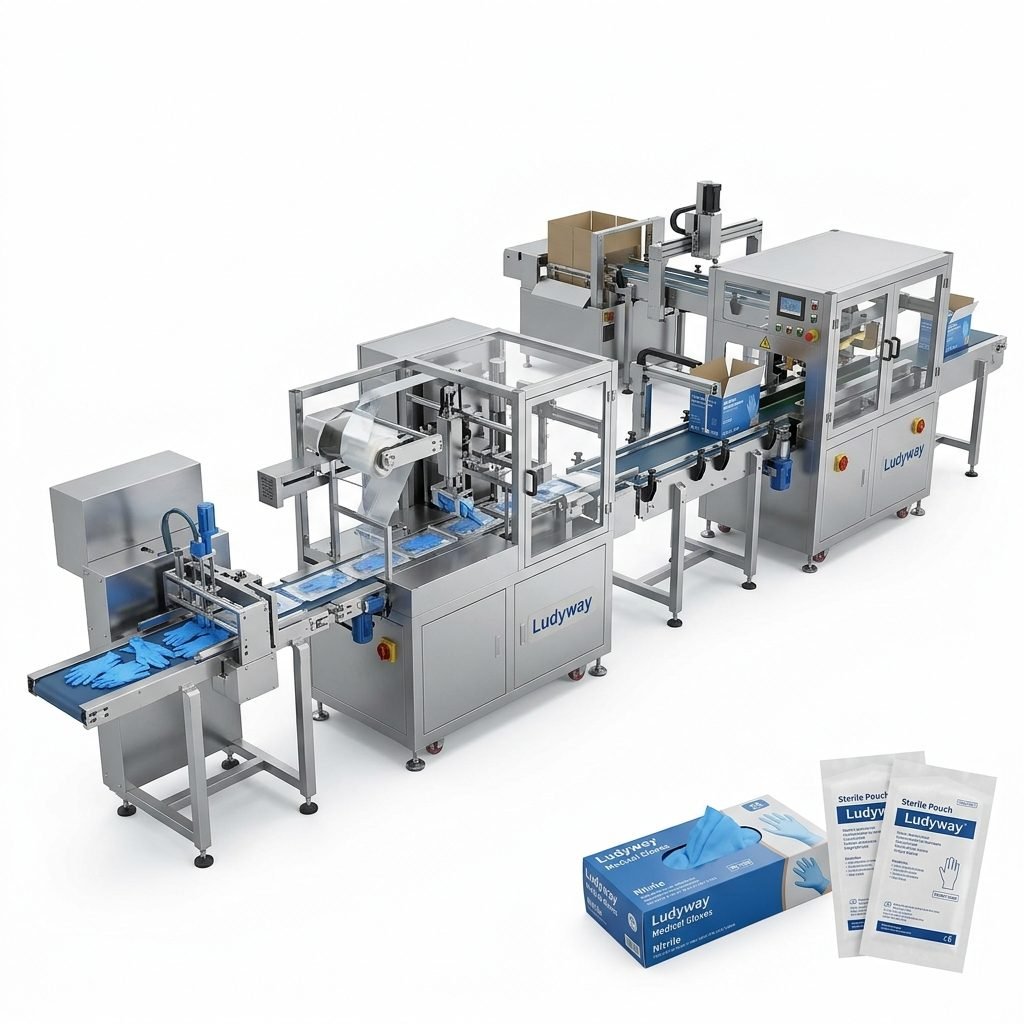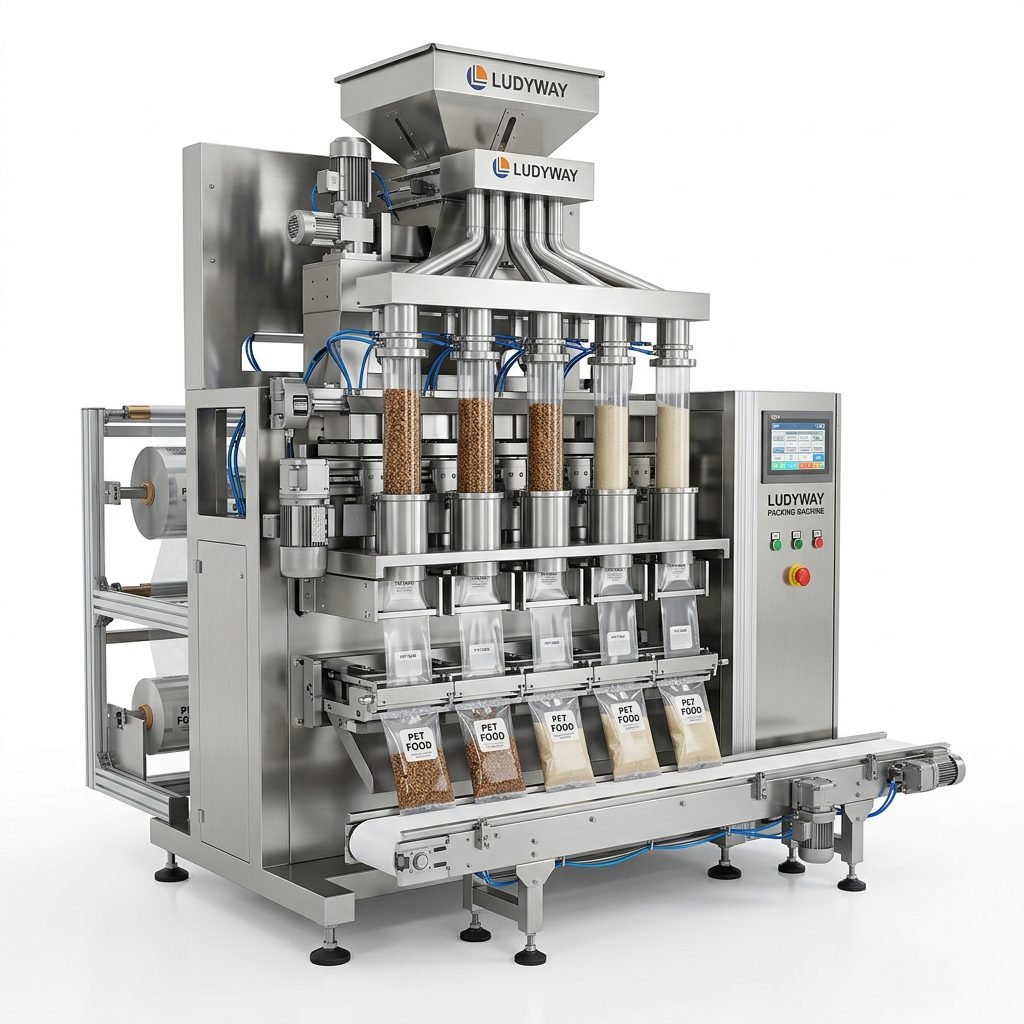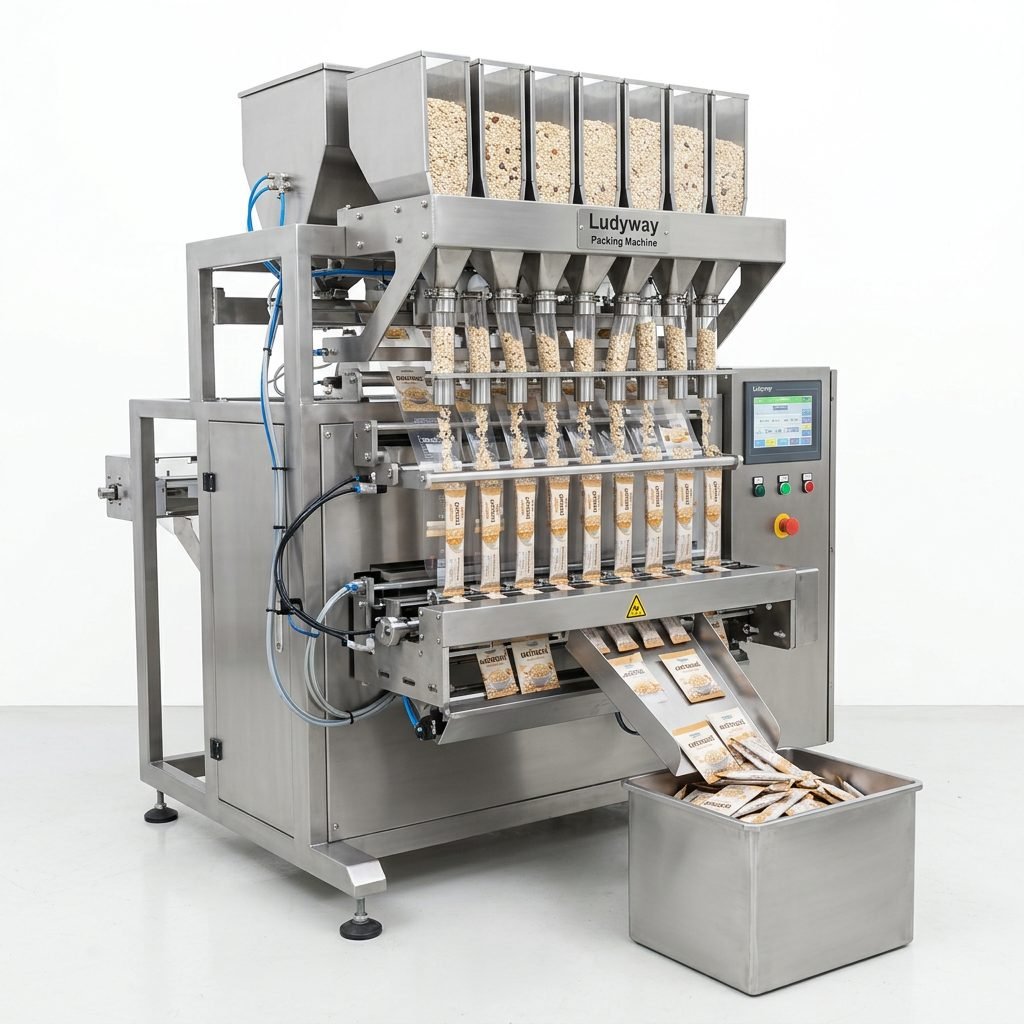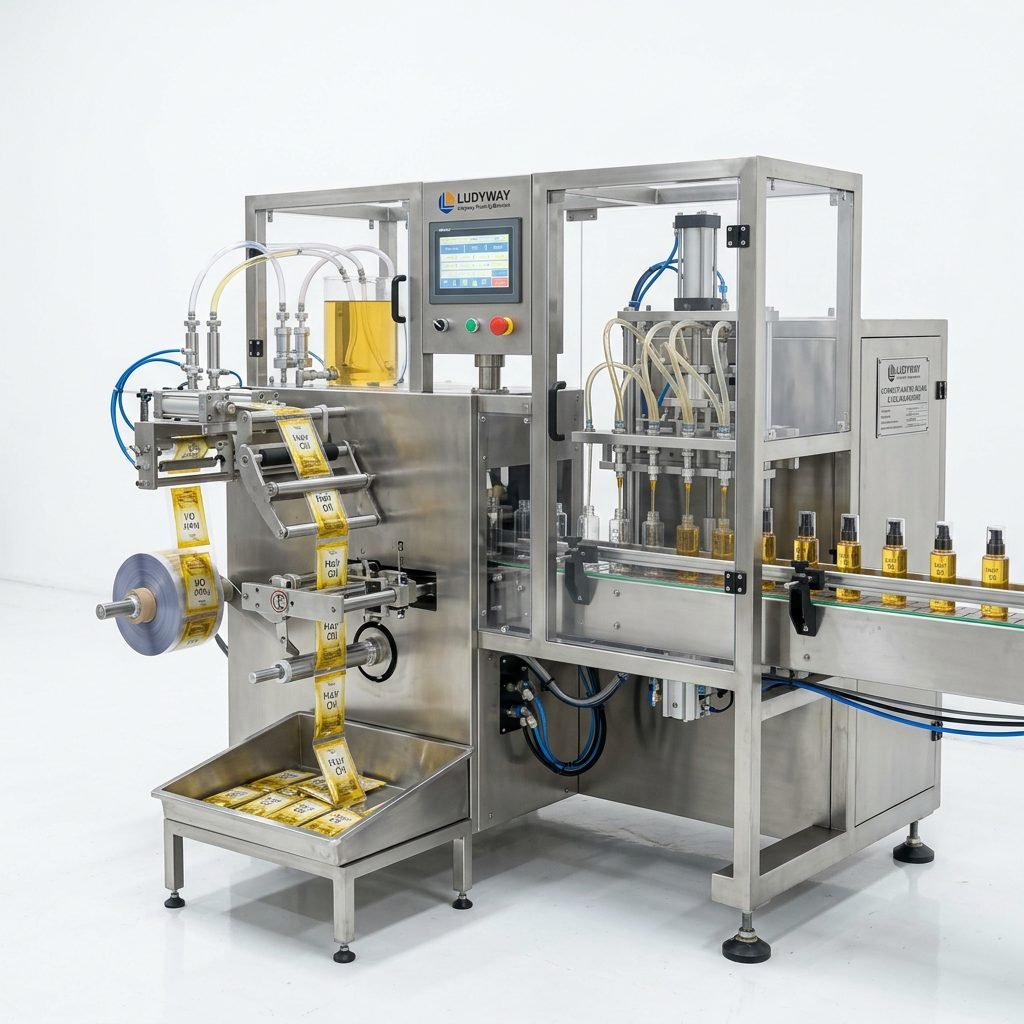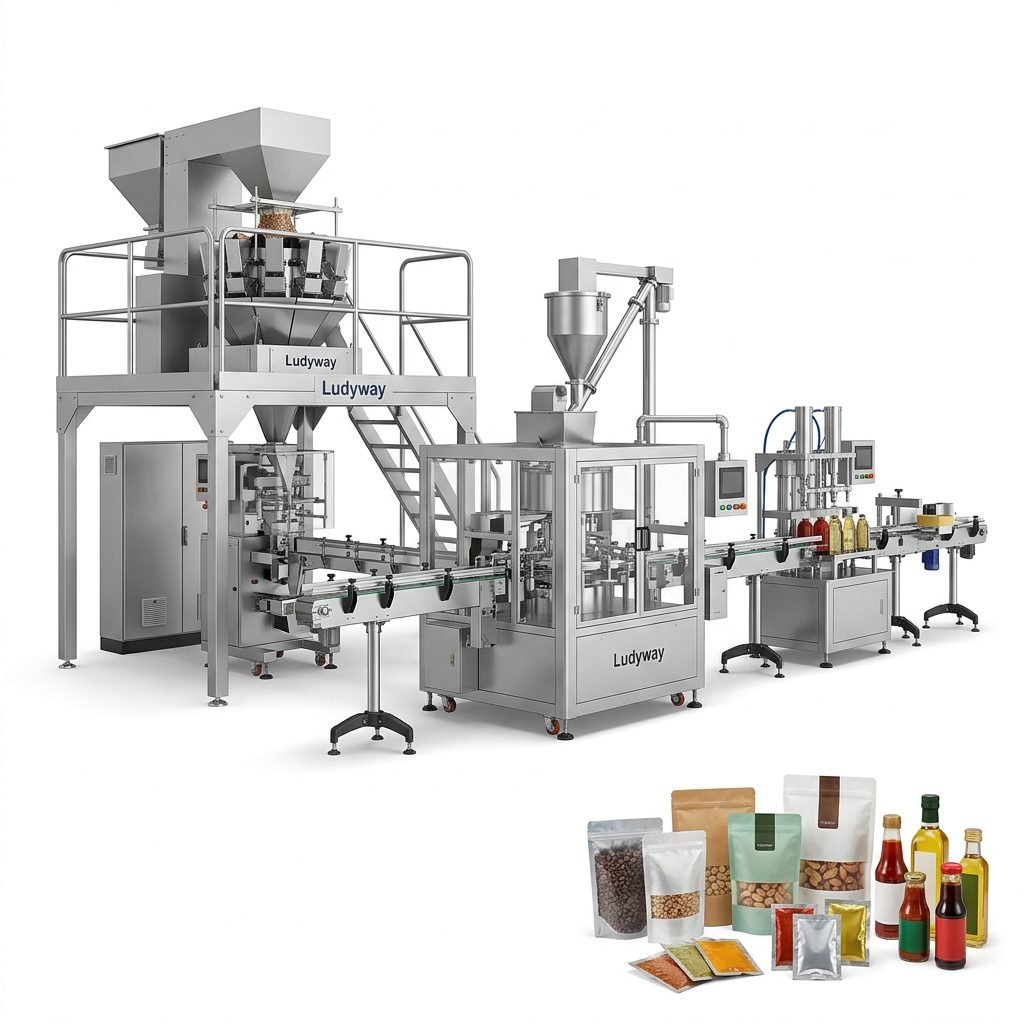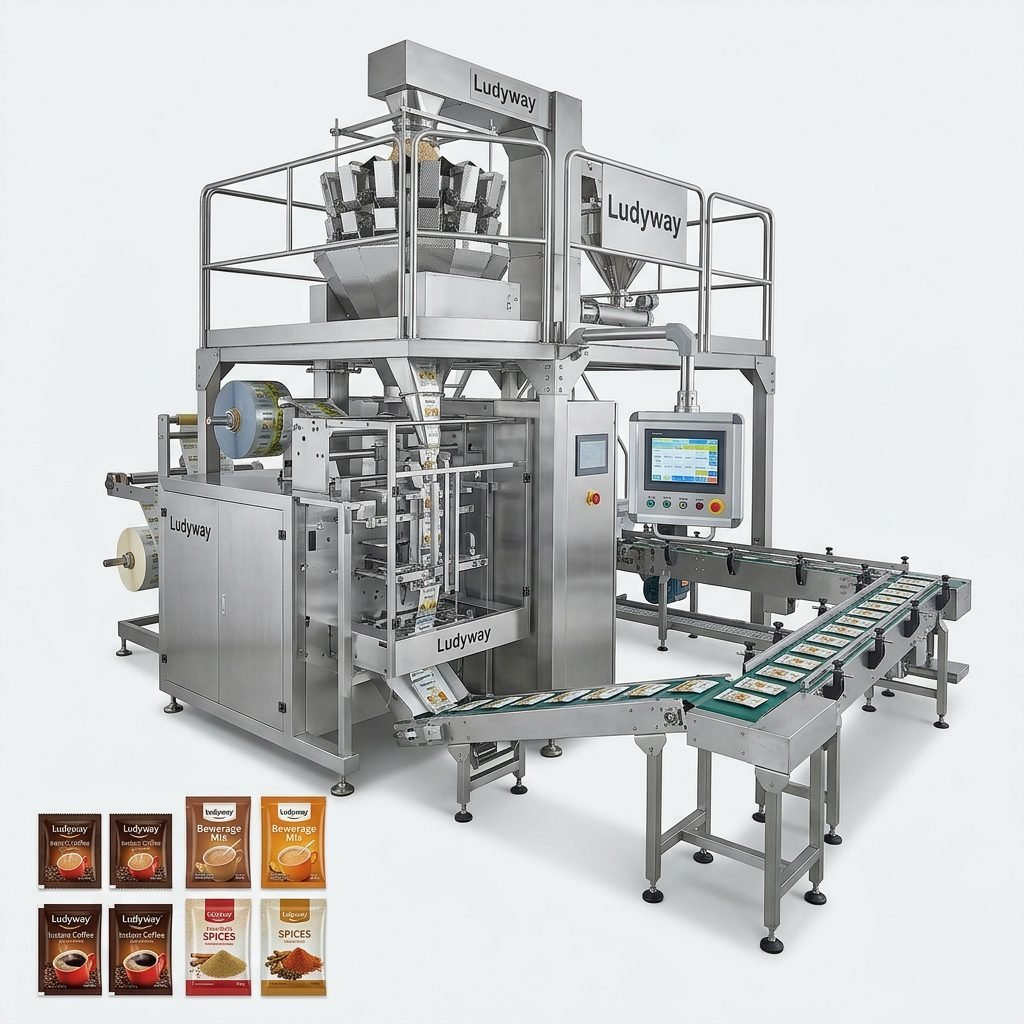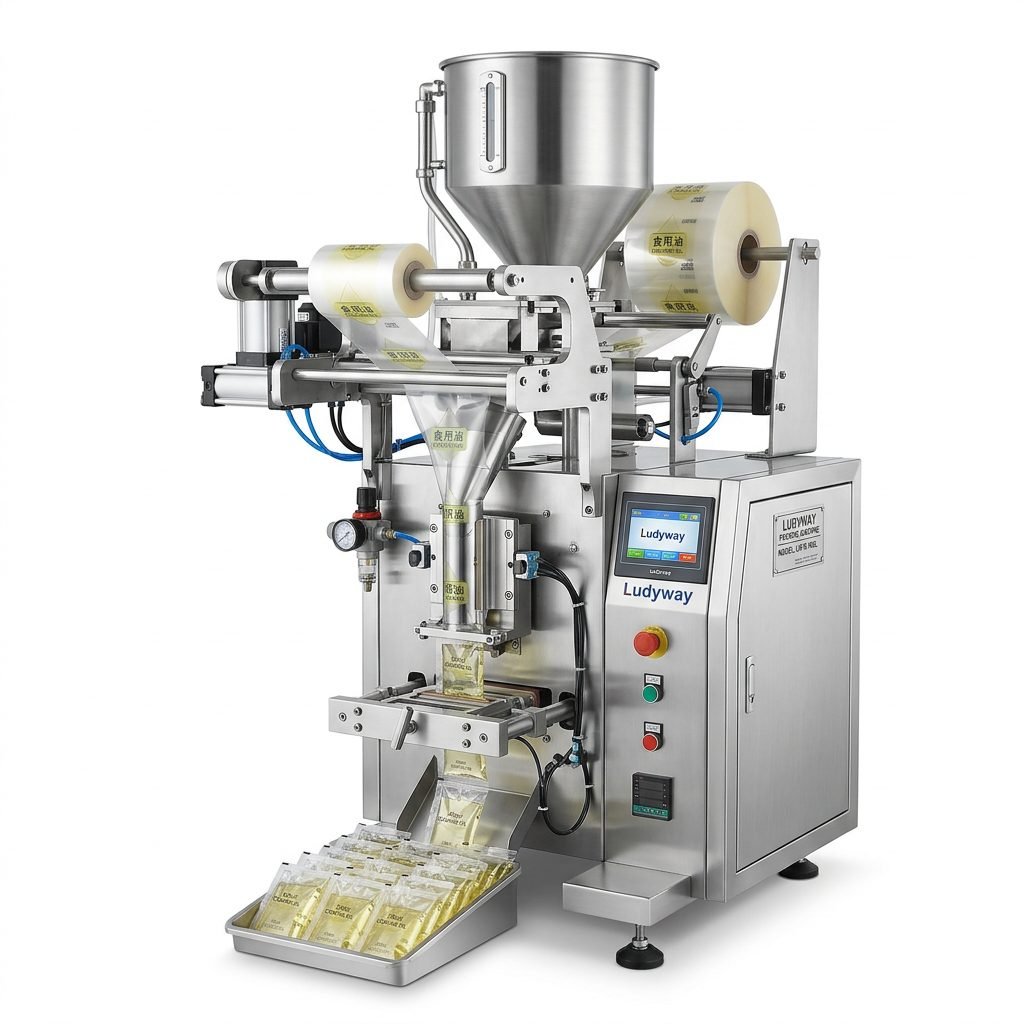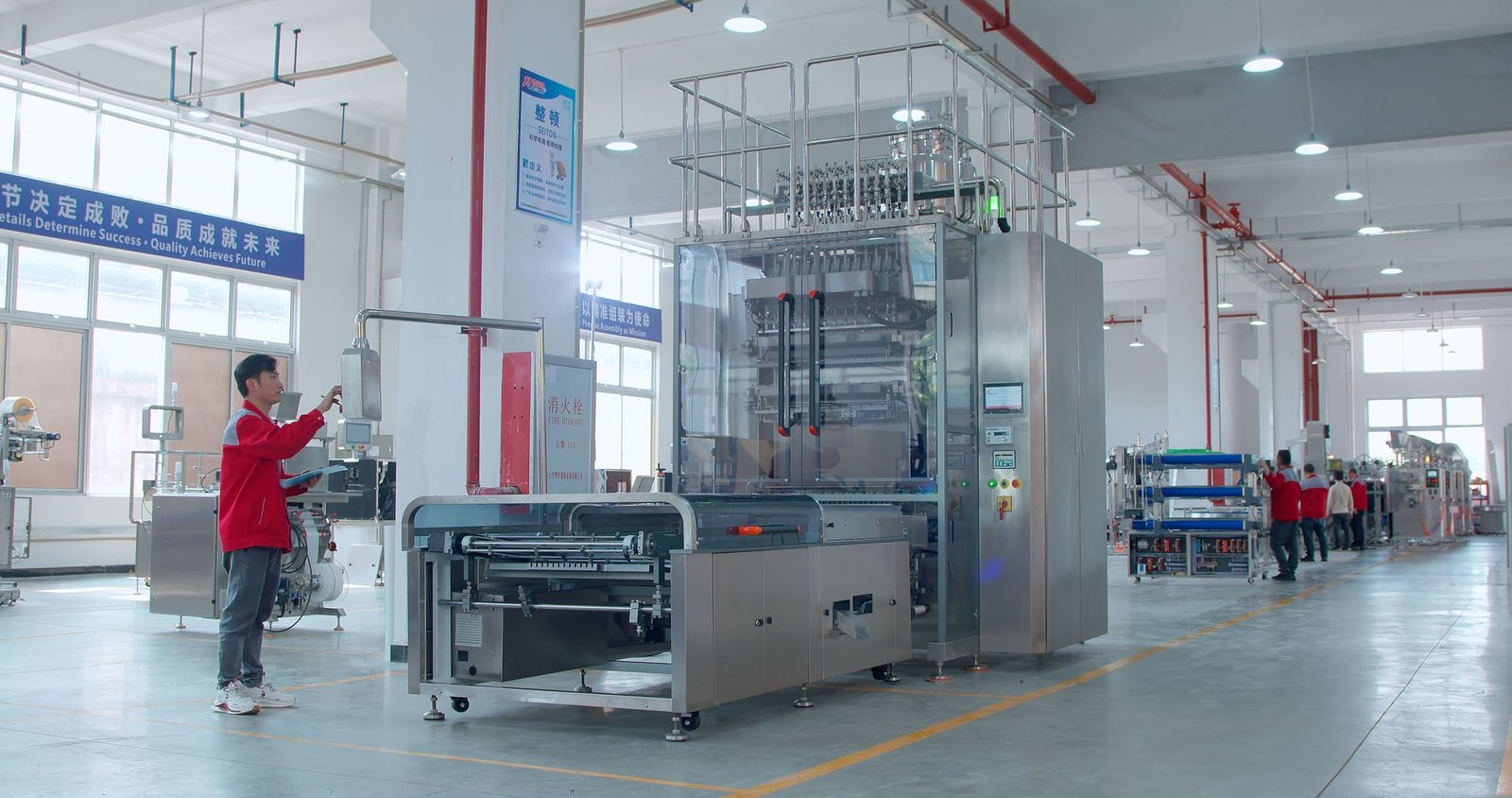
Investing in a carton box packing machine is a critical decision for any manufacturer looking to scale operations, improve packaging consistency, and reduce long-term labor costs. Whether you are running a food processing plant, a pharmaceutical production line, or an e-commerce fulfillment center, the right carton packing equipment can transform your packaging workflow. However, with so many configurations, automation levels, and technical specifications available, the selection process can quickly become overwhelming. This comprehensive buyer’s guide walks you through every essential factor you need to evaluate before making your purchase.
Understanding Carton Box Packing Machines
A carton box packing machine is designed to automate the process of erecting, loading, sealing, and sometimes palletizing corrugated cartons. These systems range from semi-automatic units that assist operators with specific tasks to fully integrated turnkey packaging lines that handle the entire process from product infeed to pallet-wrapped output. The global packaging machinery market continues to grow steadily, driven by increasing demand for automation across multiple industries. According to PMMI’s State of the Industry Report, packaging machinery shipments have shown consistent year-over-year growth, reflecting the industry’s push toward higher efficiency.
Key Factors to Consider Before Purchasing
Selecting the wrong machine can lead to production bottlenecks, excessive downtime, and poor return on investment. Below are the primary considerations that should guide your evaluation process.
1. Production Volume and Speed Requirements
Your current and projected production volume is the single most important factor in determining the appropriate machine category. A small business packaging 500 cartons per day has fundamentally different needs than a high-volume manufacturer processing 50,000 cartons per shift. Carton packing machines are typically rated by cycles per minute (CPM) or cartons per hour (CPH). When evaluating speed specifications, always consider the sustained operating speed rather than the maximum rated speed, as real-world performance often differs from theoretical maximums.
2. Carton Size Range and Changeover Flexibility
If your operation packages products in multiple carton sizes, changeover time becomes a critical metric. Machines with tool-less changeover capabilities can switch between carton sizes in minutes rather than hours, dramatically reducing downtime in multi-SKU environments. Evaluate the full range of carton dimensions your machine must accommodate, including length, width, and height, and ensure the equipment can handle both your current and anticipated future requirements.
3. Product Type and Packaging Format
The nature of your product directly influences the type of carton packing system you need. Primary packaging considerations include whether you are packing individual products, multi-packs, sachets, pouches, bottles, or bulk items. Different product types require different carton styles — such as regular slotted containers (RSC), die-cut cartons, or display-ready packaging — each of which may require specific machine configurations. The Flexible Packaging Association provides extensive resources on packaging formats and material compatibility that can help inform your decision.
4. Automation Level: Manual, Semi-Automatic, or Fully Automatic
Carton packing machines are available across a spectrum of automation levels. A semi-automatic carton erector may be sufficient for smaller operations, while fully automatic systems that integrate erecting, loading, sealing, labeling, and palletizing are better suited for high-volume environments. When evaluating automation, consider not only current labor costs but also labor availability in your region. Many manufacturers are moving toward higher automation specifically because of workforce challenges.
5. Floor Space and Factory Layout
Carton packing equipment can have a significant footprint, especially when integrated with upstream and downstream equipment. Before committing to a specific model, conduct a thorough assessment of your available floor space, ceiling height, utility connections, and material flow paths. Compact designs are available for space-constrained facilities, but these may involve trade-offs in speed or carton size flexibility.
6. Budget, Total Cost of Ownership, and ROI
While the upfront equipment cost is an obvious consideration, a thorough financial analysis should account for the total cost of ownership over the machine’s expected service life. This includes installation, operator training, energy consumption, routine maintenance, spare parts, consumables, and potential downtime costs. A machine with a lower purchase price may ultimately cost more if it requires frequent repairs or has higher ongoing operational expenses.
Types of Carton Box Packing Machines
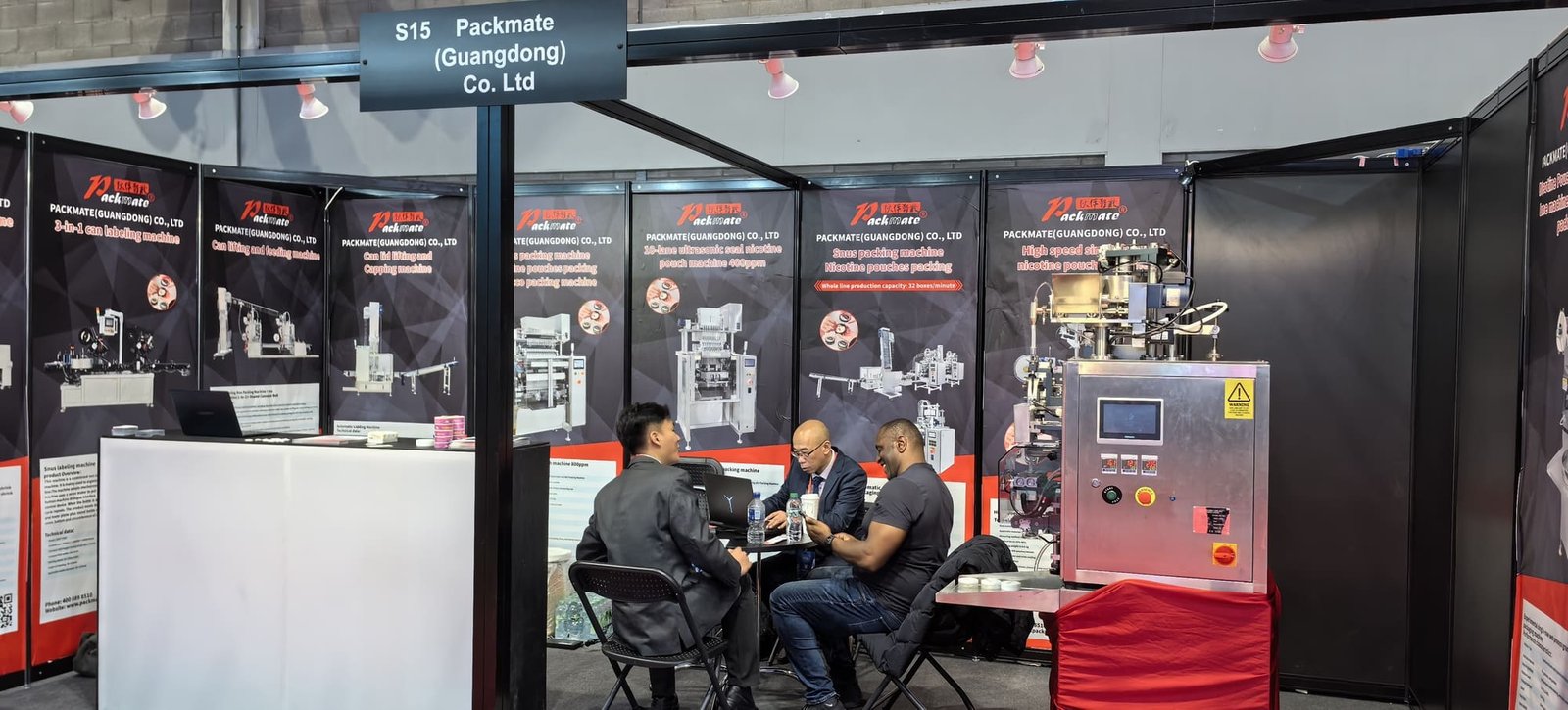
Understanding the different categories of carton packing equipment is essential for narrowing down your options. The table below summarizes the main types available on the market.
| Machine Type | Primary Function | Best Suited For | Typical Speed Range |
|---|---|---|---|
| Carton Erector | Forms flat carton blanks into erected boxes | Operations needing formed cartons for manual or automated loading | 10–60 CPM |
| Carton Sealer / Taper | Seals top and/or bottom flaps with tape or glue | Lines where cartons are manually loaded then sealed | 15–50 CPM |
| Horizontal Cartoner | Inserts products horizontally into cartons and seals them | Pharmaceuticals, cosmetics, food products in display cartons | 30–300+ CPM |
| Vertical Cartoner | Drops or places products vertically into cartons | Loose products, granulated items, bulk packaging | 20–150 CPM |
| Wrap-Around Cartoner | Wraps a flat blank around the product group | Multi-packs, beverage cans, bottles, display-ready packaging | 20–200+ CPM |
| End-of-Line Packaging System | Integrates erecting, loading, sealing, labeling, and palletizing | High-volume production requiring turnkey automation | Varies by configuration |
How to Evaluate Machine Quality and Build Standards
Not all carton packing machines are built to the same standard. When comparing equipment from different suppliers, pay close attention to construction materials, component quality, and engineering design. Machines built with stainless steel frames and food-grade components are essential for sanitary environments, while heavy-duty carbon steel construction may be more appropriate for industrial applications. Review the brand and quality of key components such as PLCs, servo motors, pneumatic systems, and sensors, as these directly impact long-term reliability. Relevant standards and guidelines can be referenced through ISO Packaging Standards and industry resources from PMMI’s packaging industry resources.
Control System and Ease of Use
A user-friendly HMI (Human-Machine Interface) with intuitive controls can significantly reduce operator training time and minimize errors. Look for systems that offer recipe management for different carton sizes, diagnostic displays for troubleshooting, and remote access capabilities for technical support. Modern machines increasingly feature IoT connectivity that enables real-time performance monitoring and predictive maintenance alerts.
Safety Features and Compliance
Safety should never be compromised. Ensure that any machine you consider includes interlocked guarding, emergency stop circuits, light curtains where applicable, and compliance with relevant safety standards for your region. Machines destined for the European market should carry CE marking, while equipment for North America should comply with OSHA requirements and relevant ANSI/PMMI standards.
Integration with Existing Production Lines
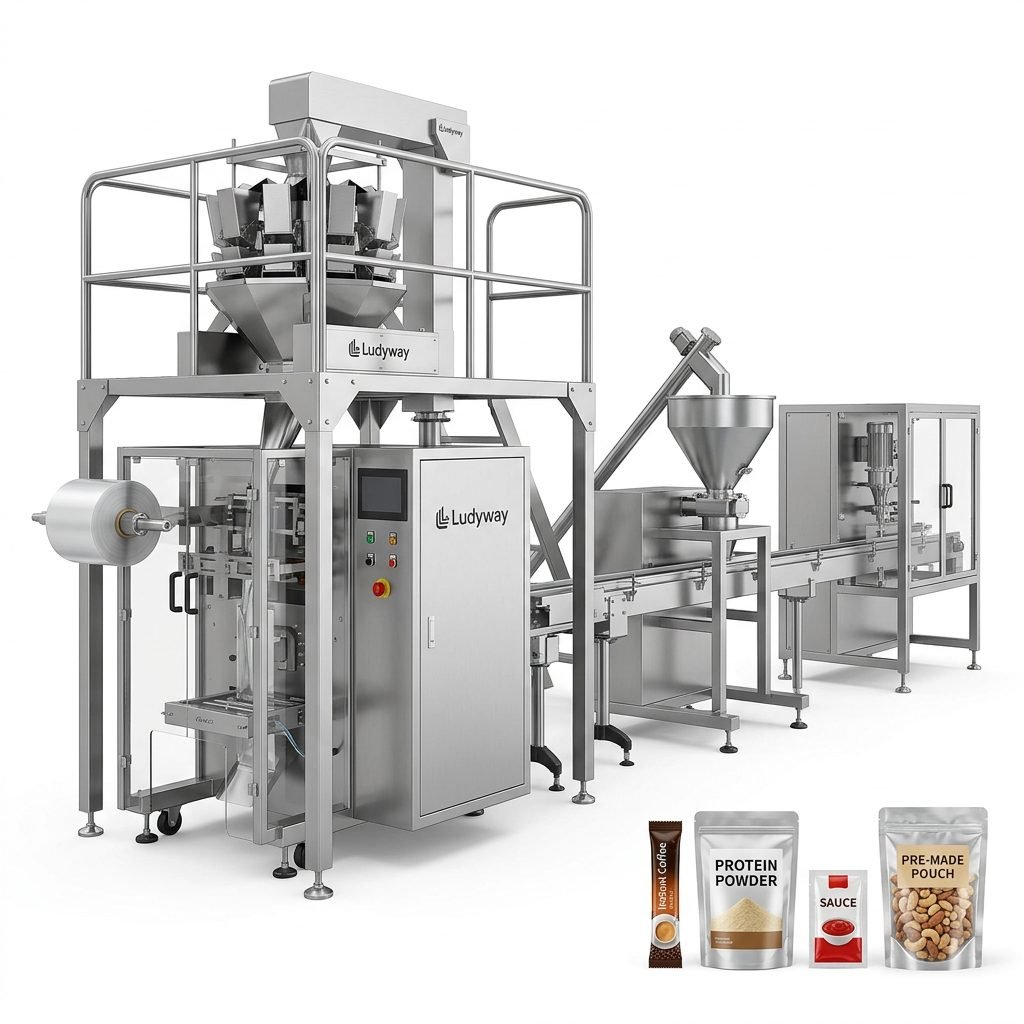
A carton packing machine rarely operates in isolation. It must integrate seamlessly with upstream equipment such as fillers, checkweighers, labelers, and metal detectors, as well as downstream systems like palletizers and stretch wrappers. When evaluating equipment, discuss interface requirements thoroughly with potential suppliers. Key questions to ask include: What communication protocols are supported? Can the machine synchronize speed with adjacent equipment? Is there a common control platform across the entire line?
After-Sales Support, Spare Parts, and Service
The relationship with your equipment supplier does not end at installation. After-sales support quality can make the difference between years of trouble-free operation and chronic production disruptions. Evaluate potential suppliers on their service response times, spare parts availability, technical support capabilities, and whether they offer remote diagnostic assistance. Ask for references from existing customers in your region and, if possible, visit a working installation to see the equipment in operation.
Future-Proofing Your Investment
A carton packing machine is a long-term capital investment that should serve your operation for many years. When specifying equipment, consider scalability and adaptability. Can the machine be upgraded with additional modules later? Does it support new packaging formats that may become relevant as your product line evolves? Choosing a machine with modular architecture can provide significant advantages as your business grows and market demands shift. Industry trends can be further explored through the PMMI Business Intelligence Library and the Flexible Packaging Association.
Making the Final Decision
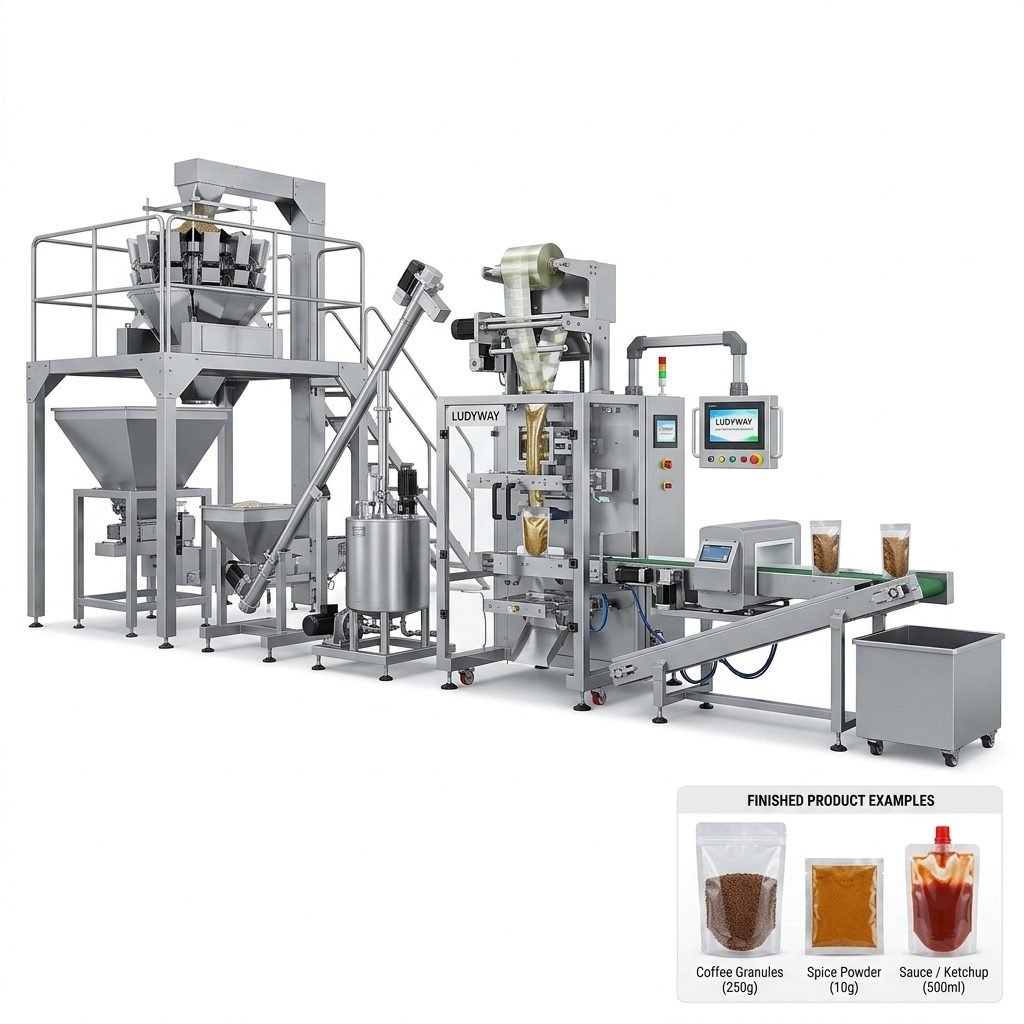
After evaluating all technical specifications, automation levels, and supplier capabilities, the final decision often comes down to value, trust, and partnership potential. The right supplier should demonstrate a genuine understanding of your application, offer a tailored solution rather than a one-size-fits-all approach, and provide clear documentation, training, and ongoing support. As noted in a recent industry analysis, manufacturers that combine engineering expertise with comprehensive service capabilities are increasingly preferred by global buyers seeking long-term packaging machinery partners. Companies like Ludyway Machinery, with over 30 years of experience and a 20,000-square-meter manufacturing facility, exemplify the kind of integrated packaging solution provider that can support manufacturers through equipment selection, customization, installation, and after-sales technical service — all from a single source.
Checklist: Questions to Ask Before Buying
- What is our current and projected daily carton volume?
- How many different carton sizes do we need to run, and how frequently do we change over?
- What is the maximum and minimum carton dimension required?
- Do we need case sealing with tape, hot melt glue, or both?
- What level of operator skill is available in our facility?
- What are the available utility connections (compressed air, electrical supply)?
- Is remote diagnostic capability important for our operation?
- What is the expected payback period based on labor savings and throughput increase?
- Can the supplier provide local references and arrange a site visit?
- What is the standard warranty period and what does it cover?
Conclusion
Choosing the right carton box packing machine is a strategic decision that impacts your operational efficiency, product quality, and bottom line for years to come. By methodically evaluating your production requirements, understanding the different machine types, assessing build quality and safety standards, and selecting a supplier with strong after-sales support, you can make a confident investment that drives long-term value. Take the time to visit supplier facilities, run product samples on actual equipment, and talk to existing users before signing a purchase agreement. The upfront diligence will pay dividends in smoother operations and faster ROI.