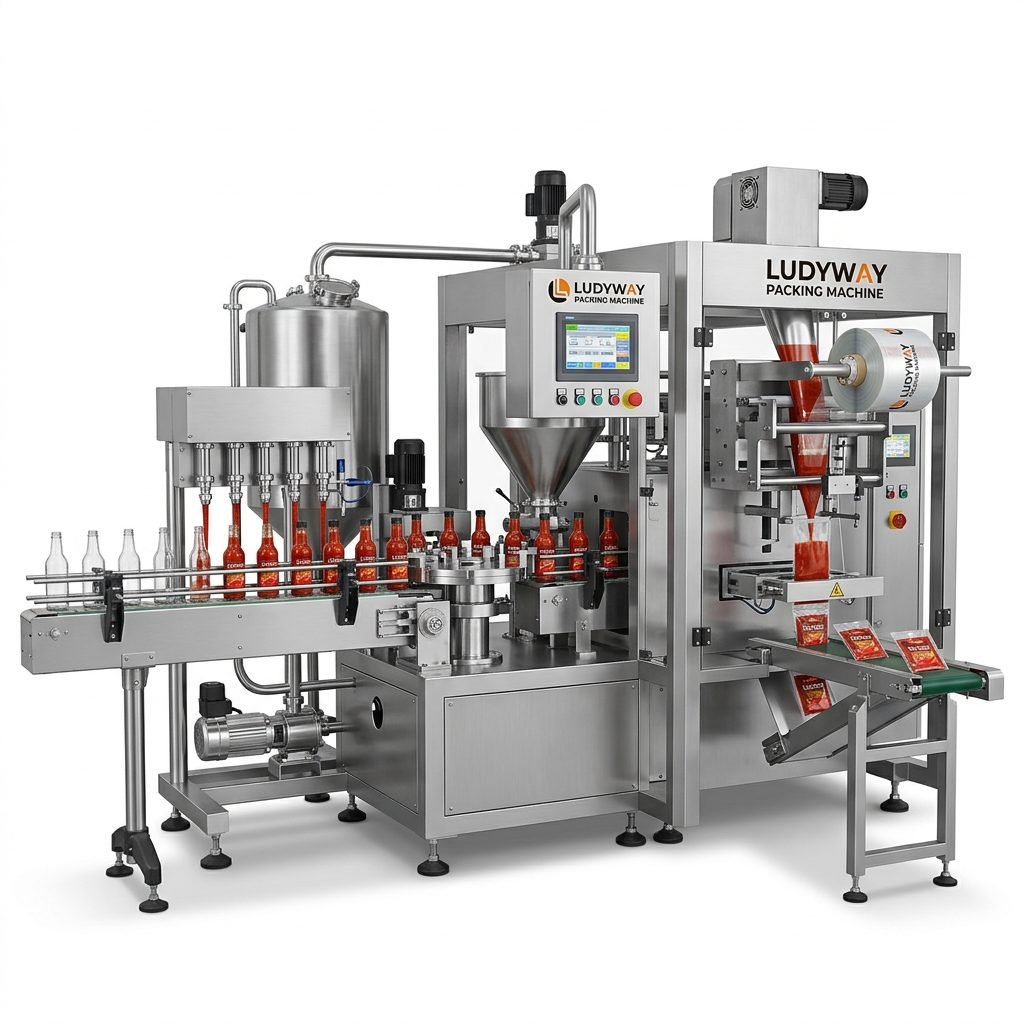
Selecting the best cooking oil packaging machine is a critical decision for producers, whether operating a small artisanal workshop or a large-scale industrial facility. The right equipment directly impacts product quality, operational efficiency, and overall profitability. This comprehensive guide explores the key features, types, and considerations for choosing a machine that perfectly aligns with your production scale and goals.
Understanding Your Production Scale and Needs
The first step in your selection journey is a thorough assessment of your operational requirements. Output capacity is the primary differentiator. Small-scale producers, such as specialty olive oil brands or local coconut oil makers, often require machines with speeds ranging from 30 to 60 pouches per minute. These machines prioritize flexibility, ease of operation, and quick changeovers between different oil types and pouch sizes.
Key Consideration: For small-scale operations, a semi-automatic or compact automatic machine offers the perfect balance between investment cost and productivity, allowing for hands-on quality control during the packaging process.
In contrast, large-scale production for supermarkets or bulk commodity oils demands high-speed, fully automated lines. These systems can achieve speeds exceeding 200 pouches per minute and are integrated with automated filling, sealing, coding, and cartoning systems. The focus here shifts to maximizing throughput, minimizing labor costs, and ensuring absolute consistency across thousands of units.
Types of Cooking Oil Packaging Machines
The market offers several machine types, each suited to specific formats and scales:
Vertical Form Fill Seal (VFFS) Machines
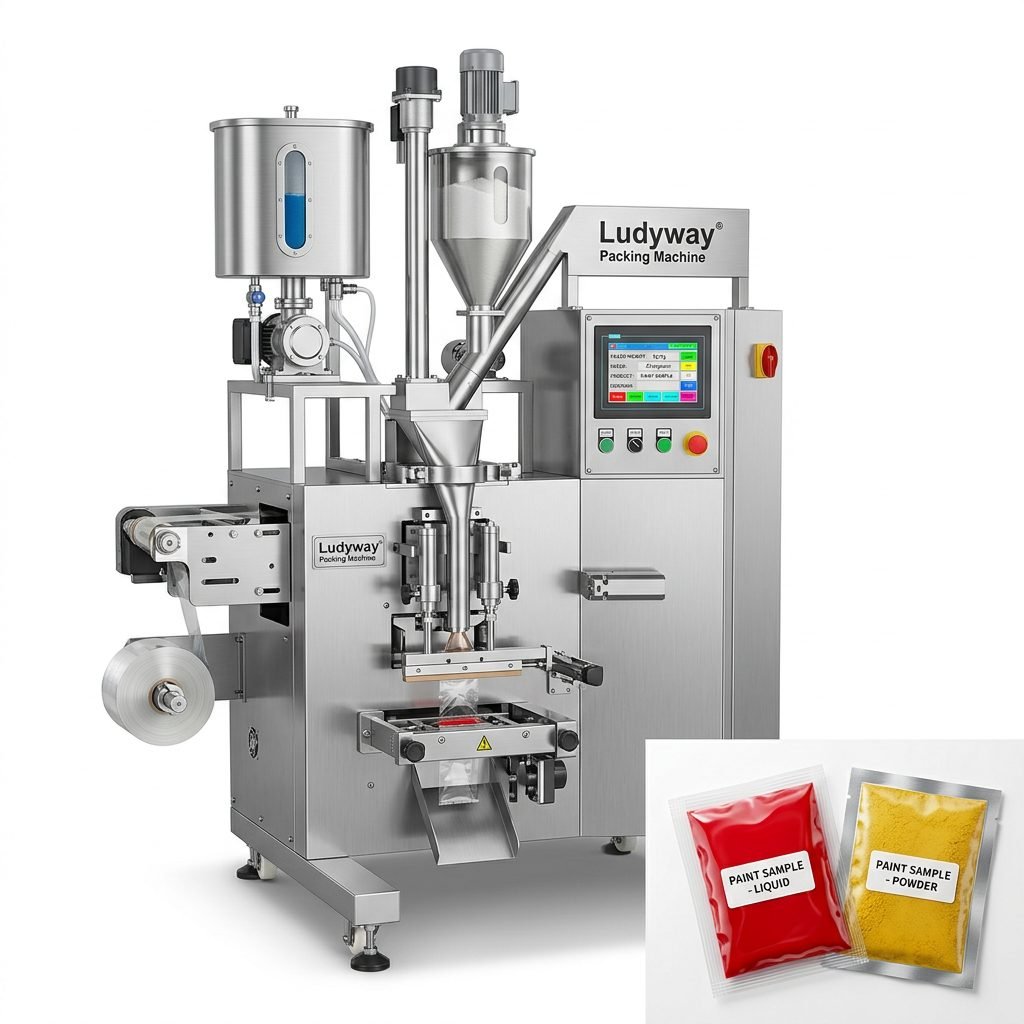
These are the most common and versatile machines. They form pouches from a roll of film, fill them with a precise volume of oil, and then seal them. Ideal for producing pillow pouches, gusseted pouches, or stand-up pouches (Doypack style). They are excellent for both small and large scales due to their wide speed range and format flexibility.
Liquid Filling Machines for Bottles & Jars
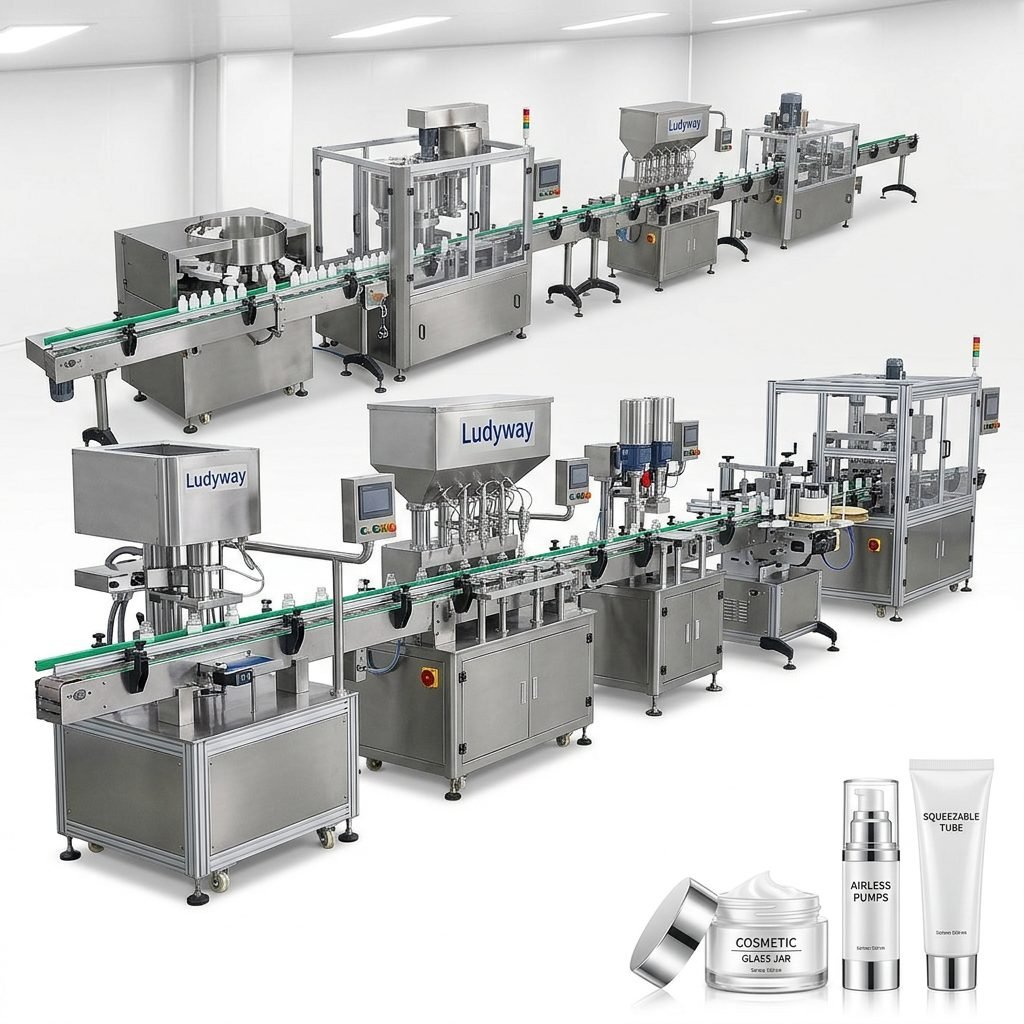
For producers packaging oil in glass bottles, PET bottles, or tin cans, rotary or inline gravity/piston fillers are essential. They offer remarkable accuracy, crucial for maintaining fill-level consistency and complying with net content regulations. These are often the core of large-scale bottling lines.
Stick Pack and Sachet Machines
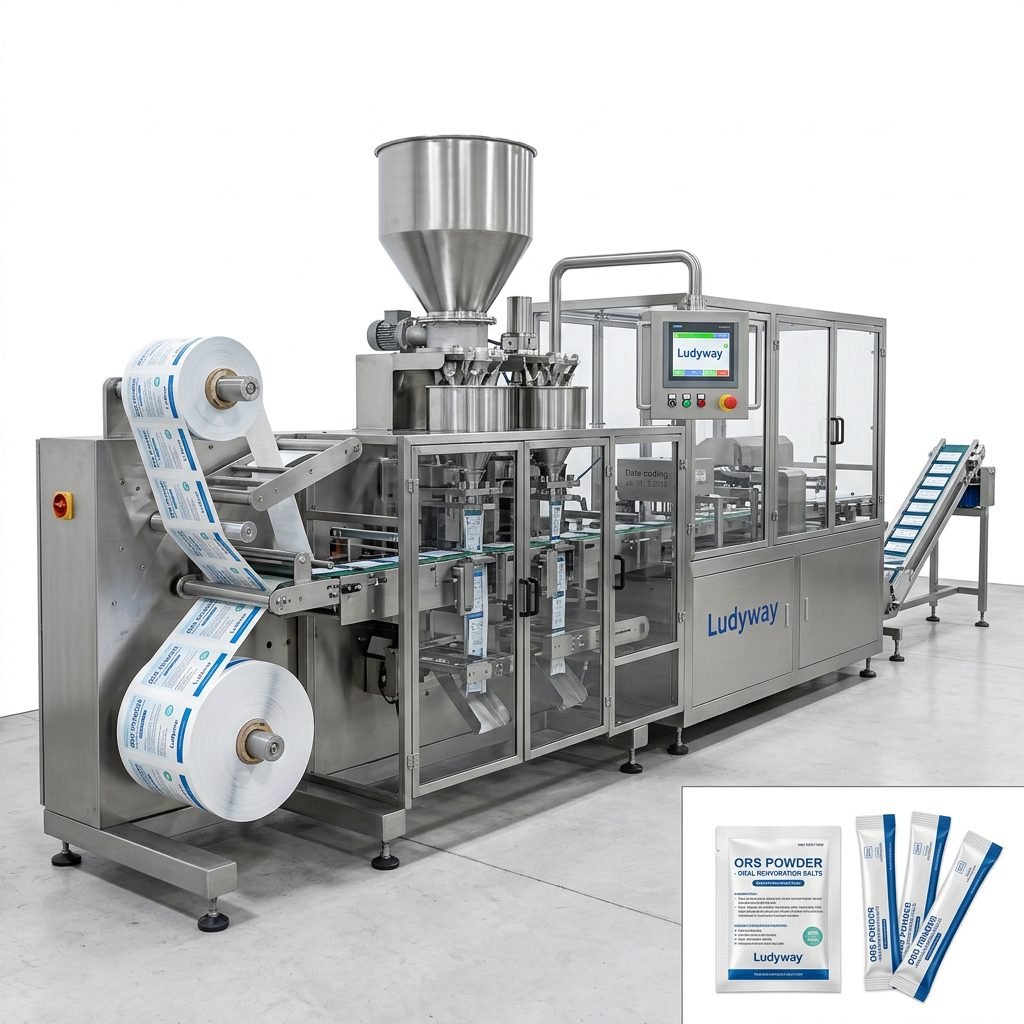
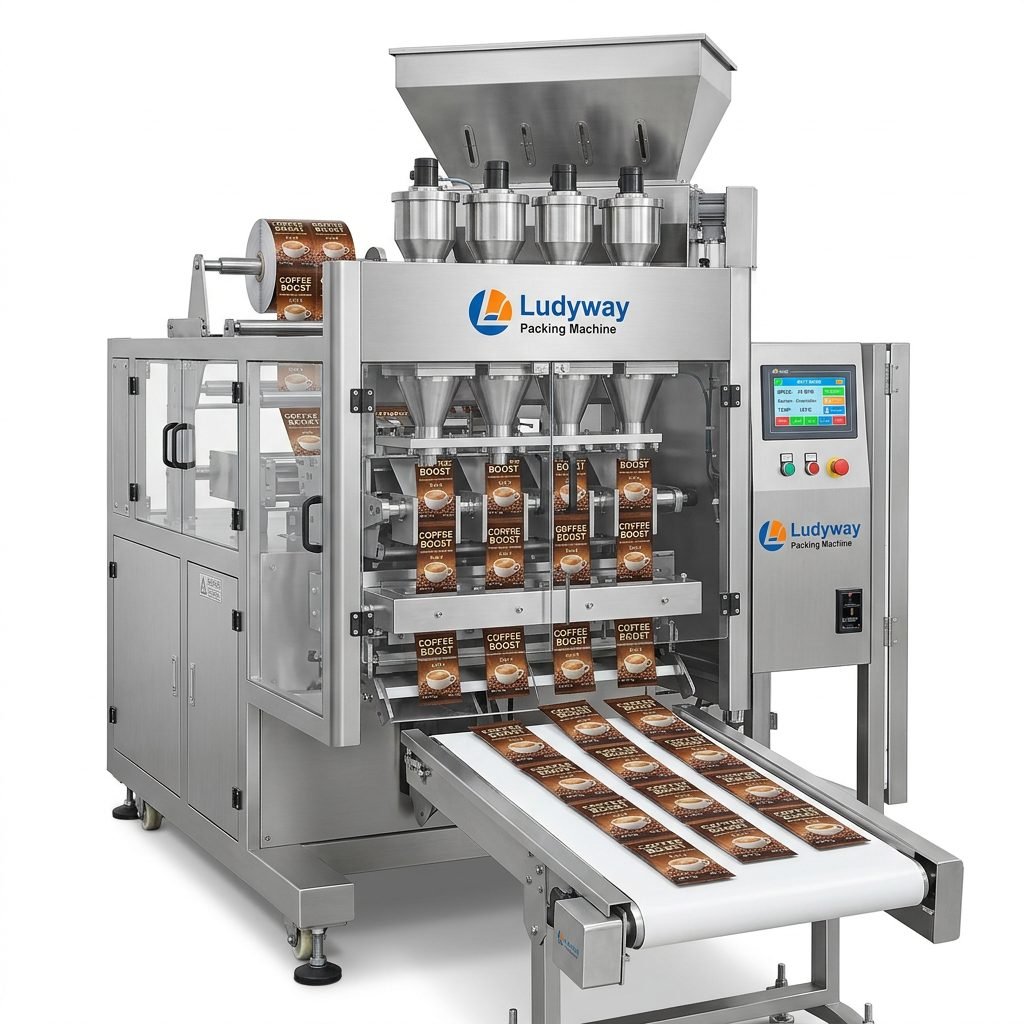
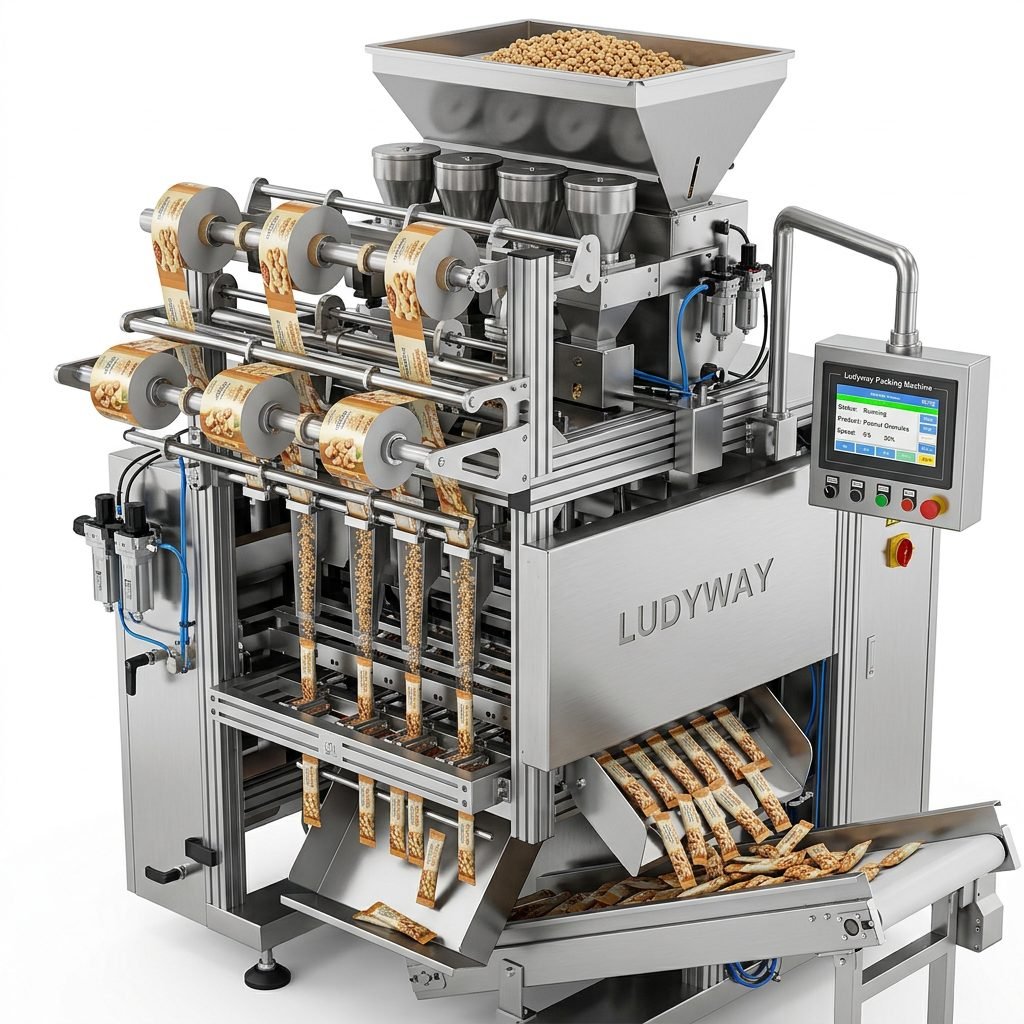
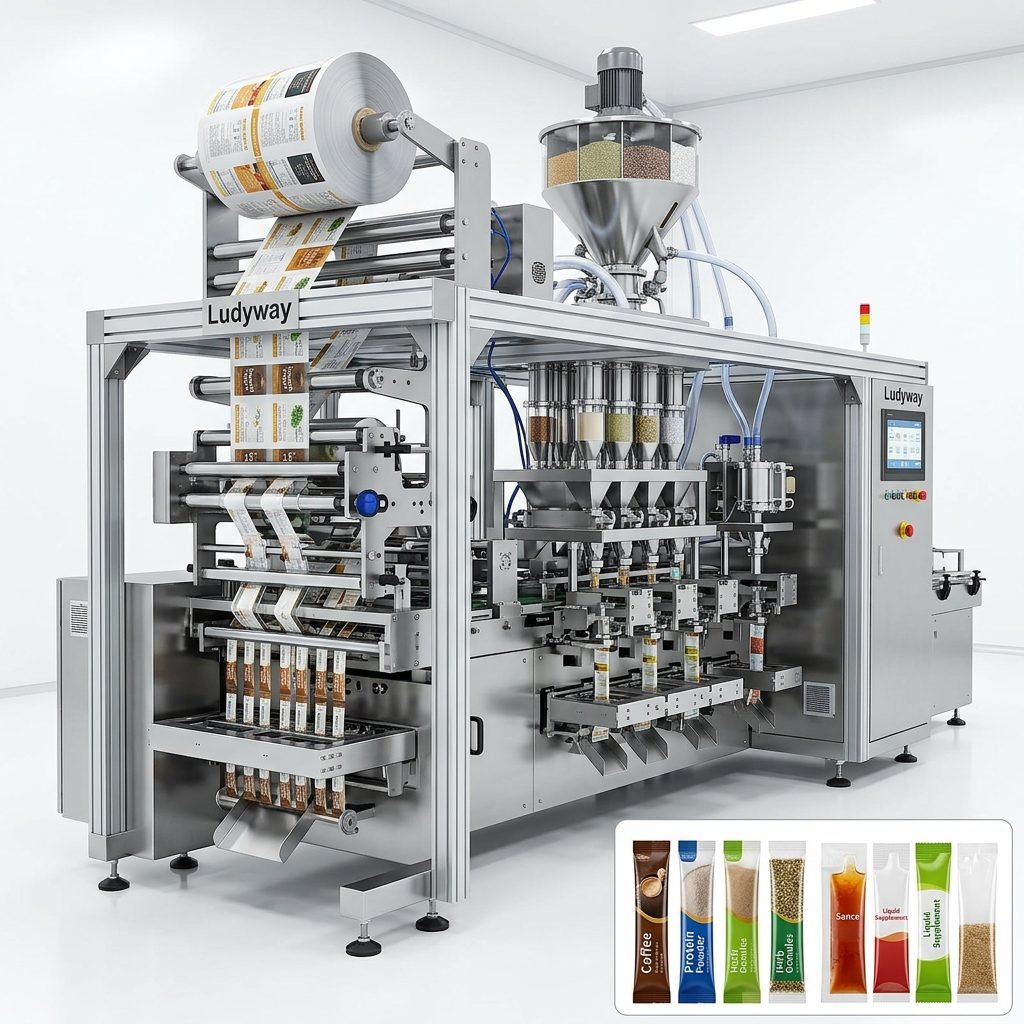
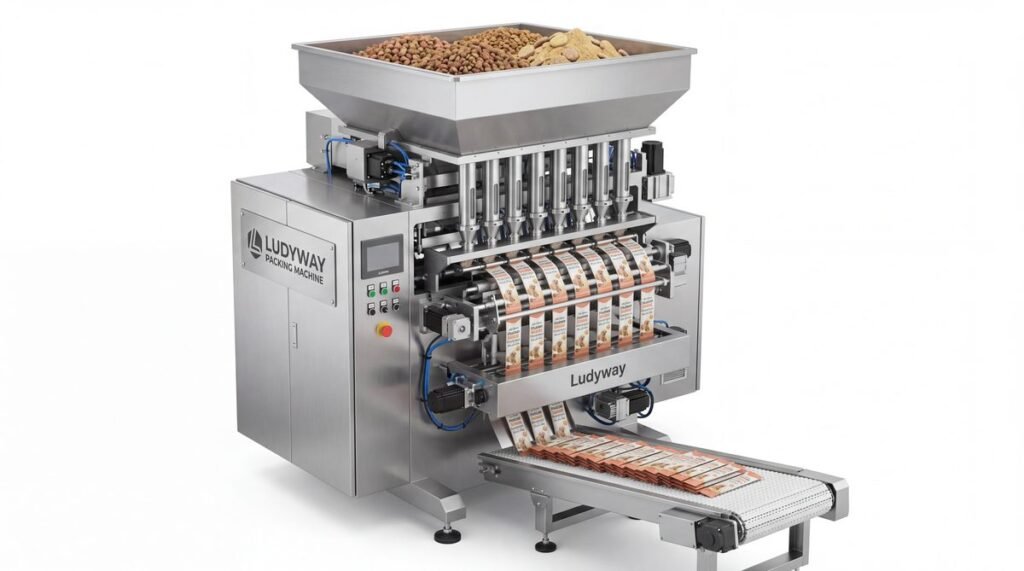
Perfect for single-serve portions of premium oils (e.g., truffle oil, chili oil) or sample sachets. Machines like the multi-lane sachet packaging systems can produce multiple sticks simultaneously, making them efficient even for smaller batches of high-value products.
Essential Features for Optimal Performance
Beyond scale and type, several core features determine a machine’s effectiveness and reliability.
1. Precision Filling System
The heart of any oil packager. Look for servo-driven piston fillers or advanced volumetric pumps that guarantee accuracy within ±0.5% or better. This minimizes product giveaway and ensures every package meets legal weight requirements.
2. Material Compatibility & Sealing Integrity
The machine must handle various laminates (e.g., PET/AL/PE, MET PET/PE) used for oil barriers. A robust, temperature-controlled sealing system is non-negotiable to prevent leaks and ensure long shelf life. Check for consistent seal strength across all production speeds.
3. Hygiene and Cleanability
Food-grade stainless steel (304 or 316) contact parts are standard. A design with minimal crevices and easy disassembly for cleaning (CIP/SIP capabilities in larger machines) is vital for maintaining product purity and meeting food safety standards like FDA or EFSA regulations.
Additional critical features include user-friendly PLC touchscreen controls for recipe management, quick-change parts for different pouch sizes, and integrated nitrogen flushing or vacuum systems to remove oxygen from the headspace, preserving oil freshness and preventing rancidity.
Choosing a Reliable Supplier: Beyond the Machine
Your machine is part of a long-term partnership. A supplier’s expertise and support are as important as the equipment’s specifications.
Look for a partner with proven industry experience, like Ludyway Machinery, which brings over a decade of focused expertise in packaging solutions. They should offer comprehensive services:
- Customized Solutions: Ability to tailor the machine to your specific oil viscosity, packaging material, and factory layout.
- Training & Installation: On-site setup and thorough operator training to ensure a smooth ramp-up.
- After-Sales Support: Access to readily available spare parts and responsive technical support to minimize downtime.
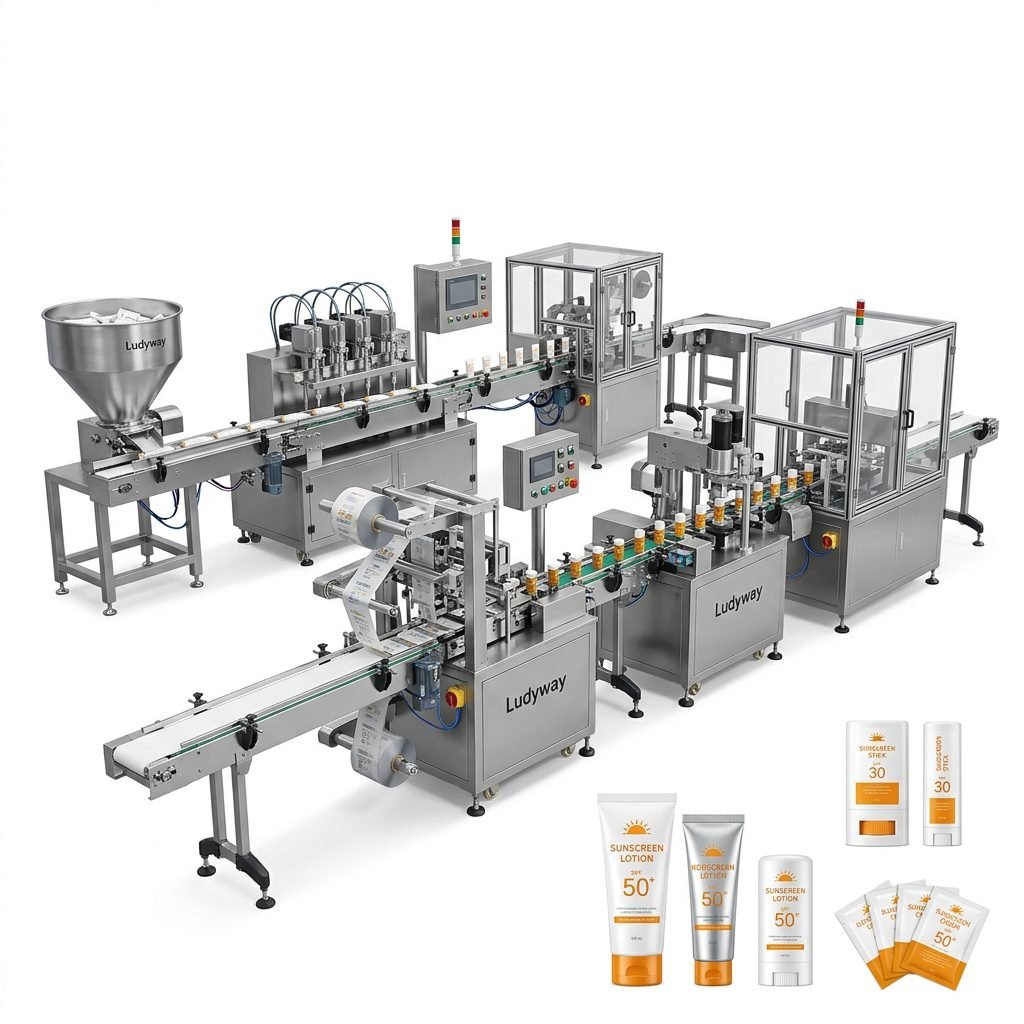
- Turnkey Project Capability: For large-scale projects, a supplier that can integrate the packaging machine with upstream and downstream equipment (unscramblers, labelers, case packers) is invaluable.
Suppliers with a global service network and a portfolio of intelligent packaging machine models demonstrate a commitment to supporting your growth, no matter where your market expands.
Investment Analysis: Cost vs. Long-Term Value
The initial purchase price is just one component. A true cost analysis must consider Total Cost of Ownership (TCO):
Operational Efficiency: A slightly higher investment in a more automated, faster machine can pay for itself through reduced labor costs and higher output.
Material Savings: Precision filling reduces oil giveaway. Advanced sealing systems lower pouch rejection rates, saving on packaging film.
Downtime Costs: A reliable machine from a reputable supplier with good support minimizes costly production stoppages.
Scalability: Choosing a modular machine that can be upgraded (e.g., adding more filling heads or an automatic cartoner) protects your investment as your business grows.
Future-Proofing Your Packaging Line
The best investment is one that grows with you. Consider trends like sustainable packaging (mono-material recyclable films), smart packaging with QR codes for traceability, and the demand for versatile lines that can handle different oil products. Partnering with an innovative supplier ensures your equipment can adapt to these future demands.
💡 Pro Tip:
Always request a live or recorded product test using your actual oil and packaging materials at the supplier’s facility. This is the most reliable way to verify machine performance, filling accuracy, and seal quality before making a purchase decision.
Frequently Asked Questions (FAQs)
Q1: What is the typical speed range for a small-scale cooking oil packaging machine?
A: For small to medium-scale operations, speeds typically range from 30 to 80 pouches or bottles per minute. Semi-automatic fillers might be slower but offer lower initial cost and high flexibility for artisanal producers.
Q2: Can one machine handle different types of cooking oil (e.g., olive oil and viscous sesame oil)?
A: Yes, but it requires proper configuration. The filling system (e.g., piston size, pump type) must be adjustable to handle varying viscosities. Quick-change parts and programmable recipes on the PLC allow for efficient switching between products.
Q3: How important is nitrogen flushing in oil packaging?
A: Extremely important for premium and high-PUFA oils. Nitrogen flushing displaces oxygen in the pouch headspace, drastically slowing oxidation and rancidity, which extends shelf life and preserves flavor and nutritional quality. It’s a key feature for quality-conscious brands.
Q4: What kind of after-sales support should I expect?
A> You should expect comprehensive installation supervision, operator training, a warranty period, readily available spare parts inventory, and access to remote or on-site technical support. Reliable suppliers often provide detailed maintenance manuals and online support portals.
Q5: Are there packaging machines suitable for both pouches and bottles?
A: While highly specialized, some integrated lines can handle both formats by using different downstream modules. However, the core filling technology often differs. For most businesses, dedicated machines for pouches and bottles are more efficient. A supplier with a broad range, like Ludyway, can provide the right solution for each format.