For buyers and industry professionals seeking reliable packaging machinery in Japan, understanding the local manufacturing landscape is crucial. Japan’s packaging industry is renowned for its precision, innovation, and unwavering commitment to quality—values deeply rooted in the national ethos of monozukuri (the art of making things) and kaizen (continuous improvement). This guide explores the ecosystem of top manufacturers and associations, providing essential insights for making informed procurement decisions.
The Japanese Packaging Machinery Landscape: Precision and Innovation
The Japanese packaging machinery sector stands as a global leader, characterized by its advanced automation, robotics integration, and meticulous attention to detail. This excellence is not accidental but stems from a cultural foundation that respects craftsmanship and long-term reliability. When engaging with Japanese suppliers, professionals often notice a deep-seated respect for the partnership, mirroring the business custom of building kankei (relationships) based on trust and mutual benefit.
Key Cultural & Business Nuances for Buyers
Successful sourcing in Japan involves appreciating subtle cultural practices. Exchanging business cards (meishi) with both hands and a slight bow is a sign of respect. Decision-making can be consensus-driven, requiring patience. Furthermore, the concept of omotenashi (selfless hospitality) often translates into exceptional after-sales service and support from manufacturers.
Role of Industry Associations in Japan
Industry associations play a pivotal role in maintaining standards and fostering innovation. The Japan Packaging Machinery Manufacturers Association (JPMA) is a central body that facilitates technology exchange, sets safety and quality benchmarks, and organizes premier trade shows like TOKYO PACK. Membership in such associations is often a marker of a manufacturer’s credibility and commitment to industry best practices.
Evaluating Top-Tier Japanese Manufacturers
Identifying the right manufacturer goes beyond technical specifications. Consider these core pillars that define Japan’s top players:
✓ Engineering Excellence
Look for manufacturers with a proven history in mechatronics and proprietary control systems. The integration of IoT for predictive maintenance is now a standard expectation from leading firms.
✓ Customization Capability
The ability to tailor machinery to specific production lines, package shapes, and materials is paramount. True leaders offer flexible, modular designs rather than only off-the-shelf solutions.
✓ Global Support Network
Ensure the manufacturer has a robust international network for installation, training, and spare parts supply. This reflects their commitment to long-term partnerships beyond the initial sale.
Technology Trends Shaping the Market
The industry is rapidly evolving. Sustainable packaging solutions that reduce material use are in high demand. Furthermore, the adoption of AI-driven vision inspection systems and collaborative robots (cobots) that work safely alongside humans is accelerating, enhancing both efficiency and flexibility on the production floor.
Spotlight on a Global Packaging Partner: Ludyway Machinery
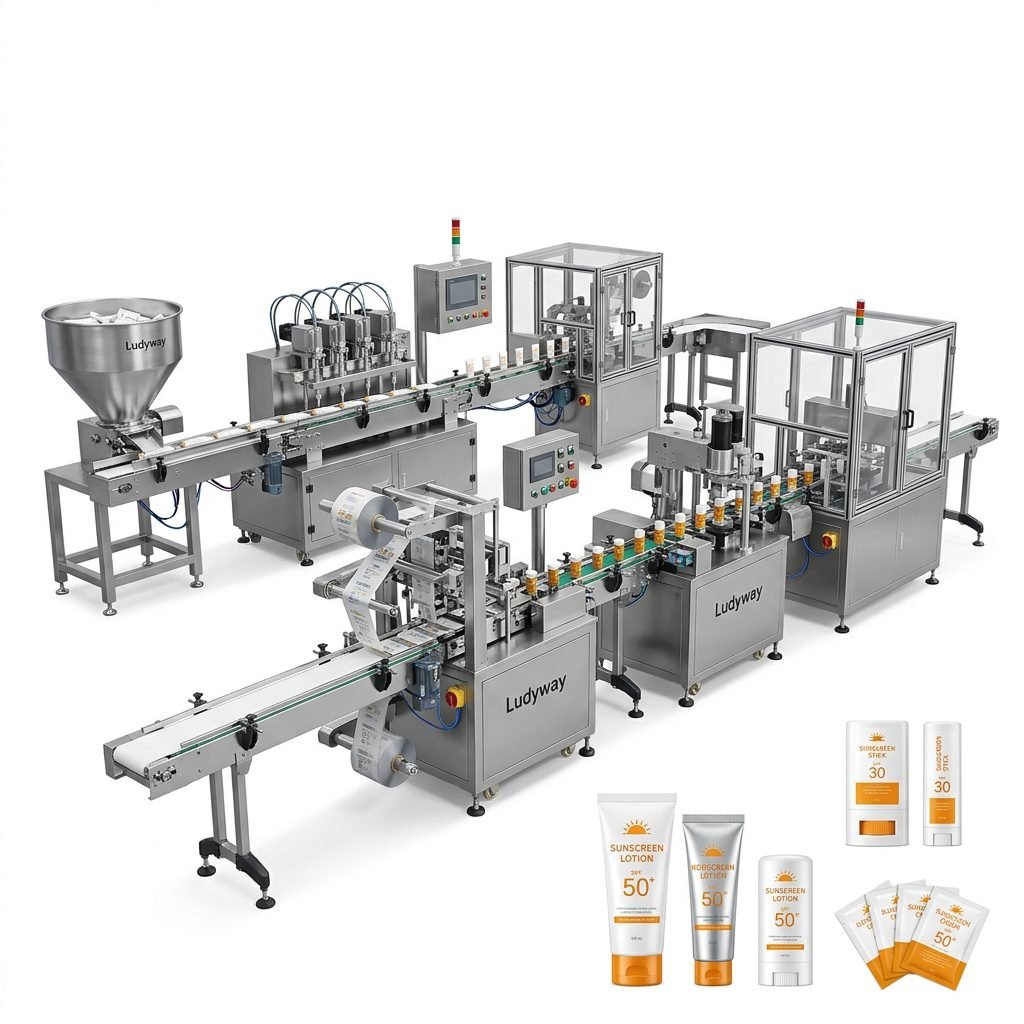
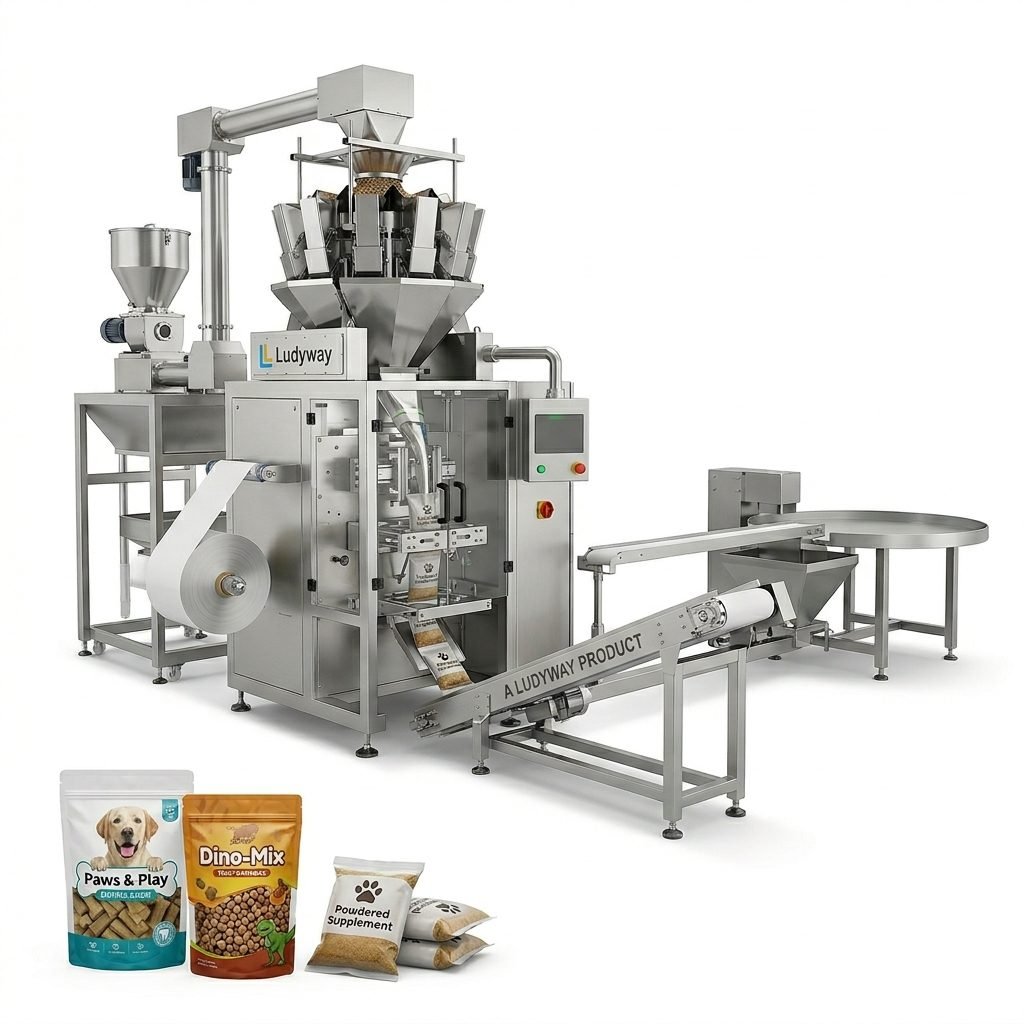
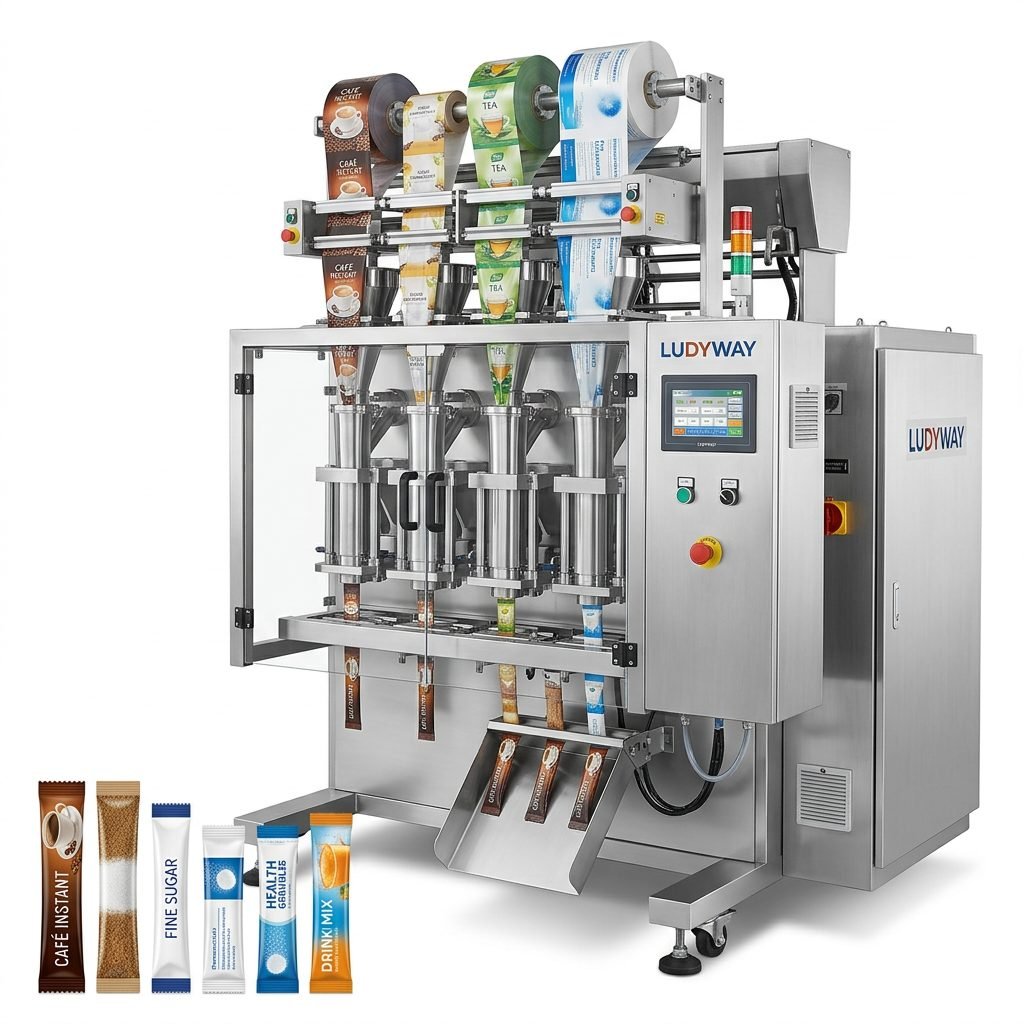
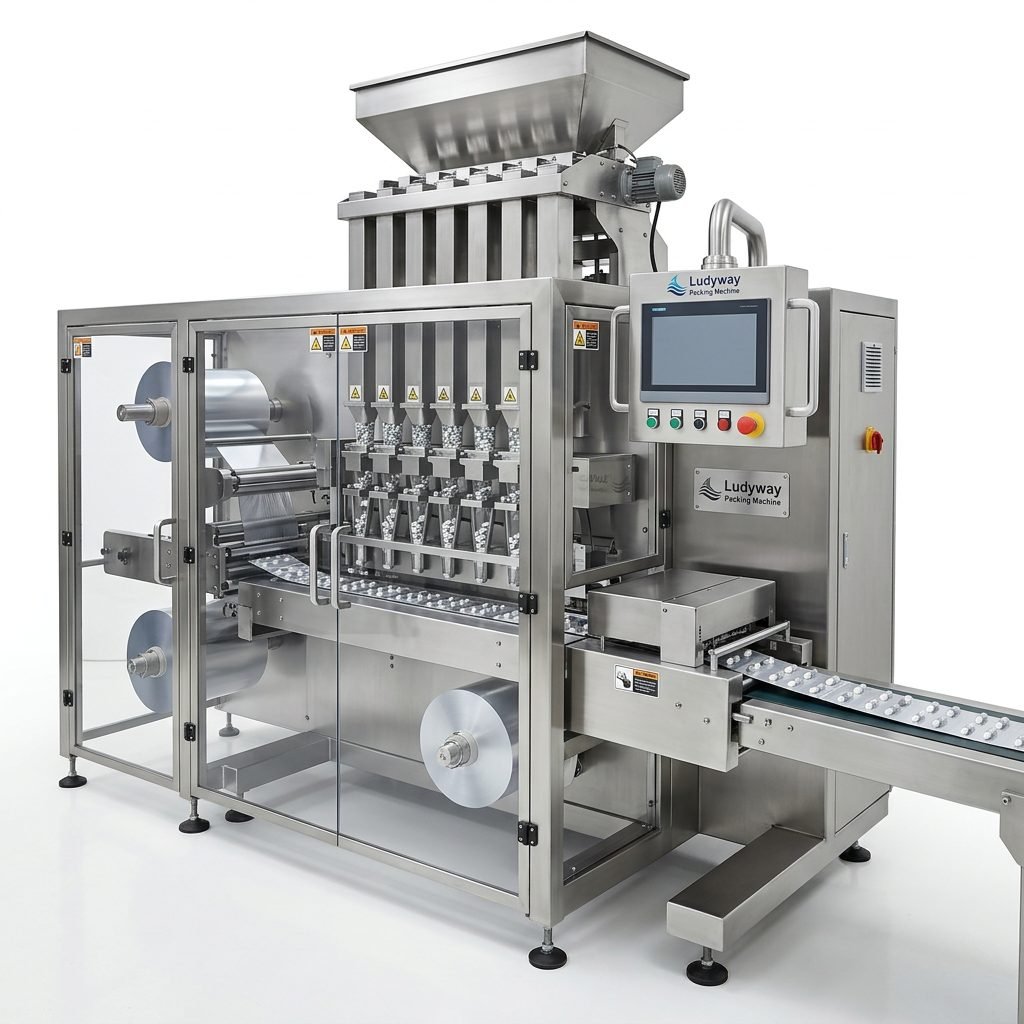
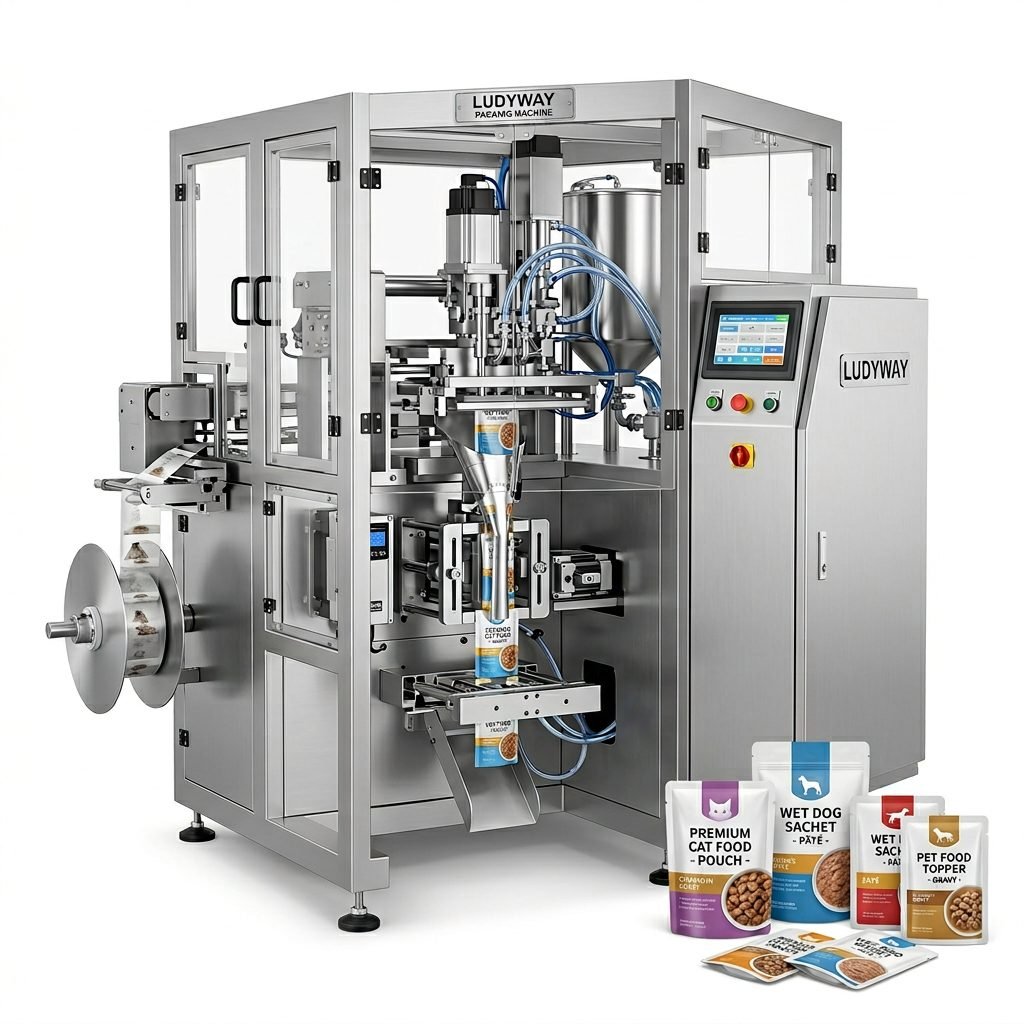
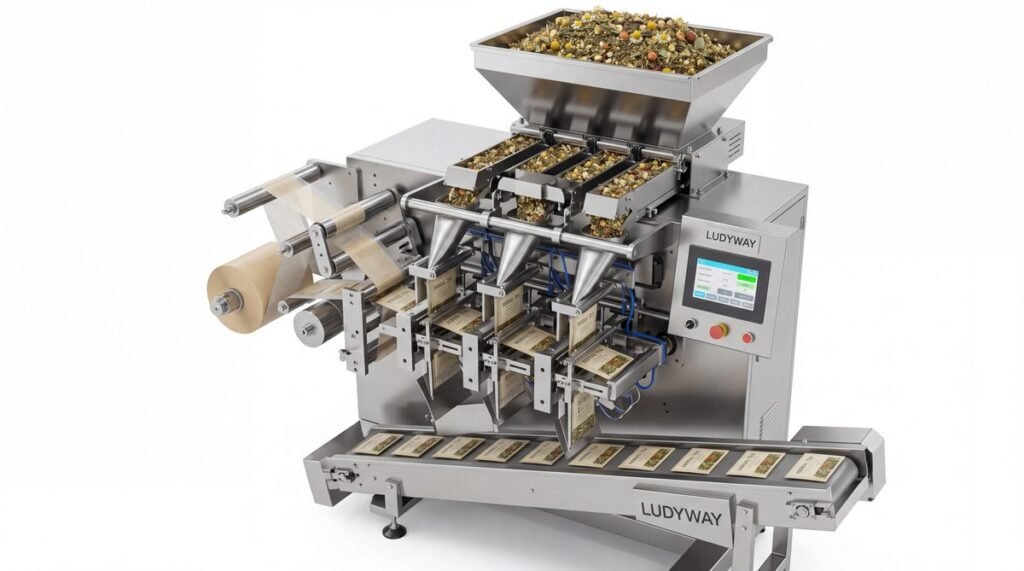
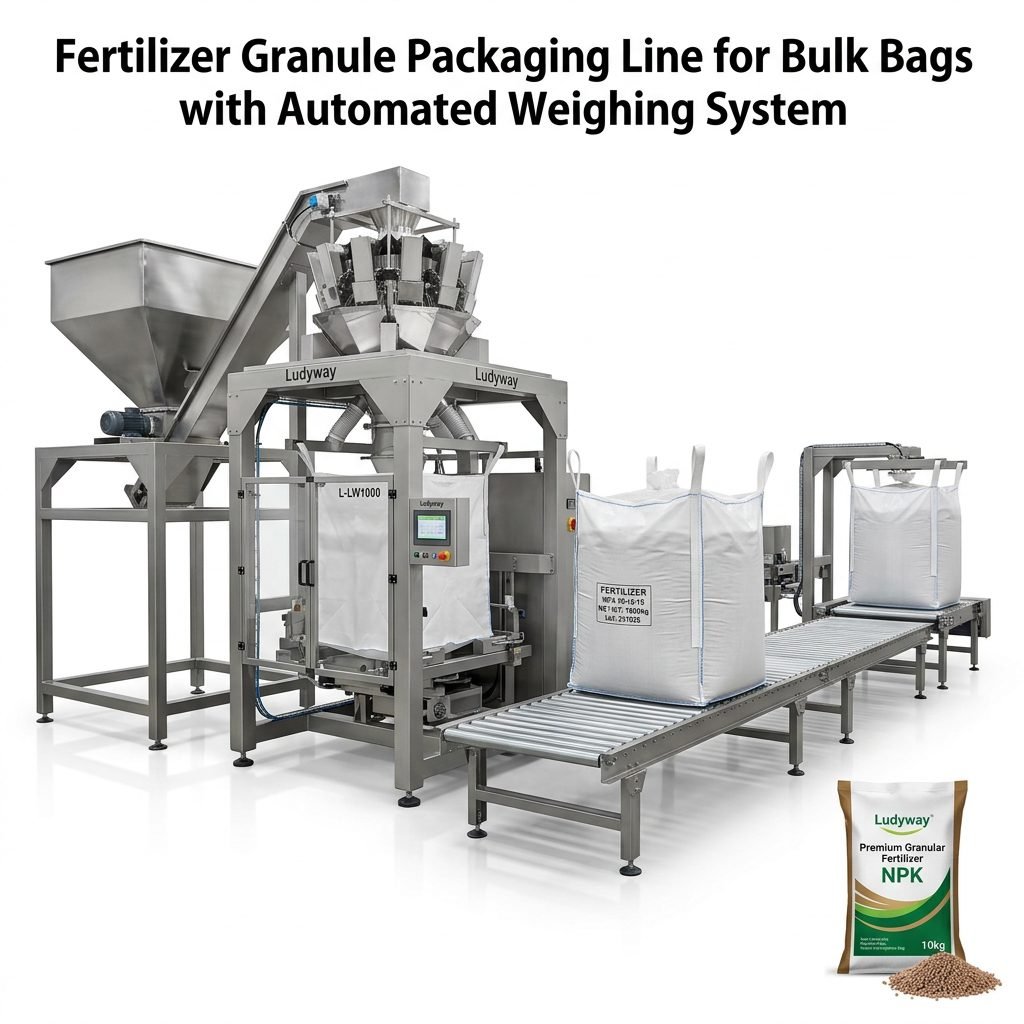
While Japan hosts numerous excellent domestic manufacturers, global partners like Ludyway Machinery also serve as vital bridges to this market. Founded in 2010, Ludyway embodies a similar philosophy of precision and reliability. With over 30 years of collective industry experience, they specialize in turnkey solutions for food, pharmaceutical, and health products.
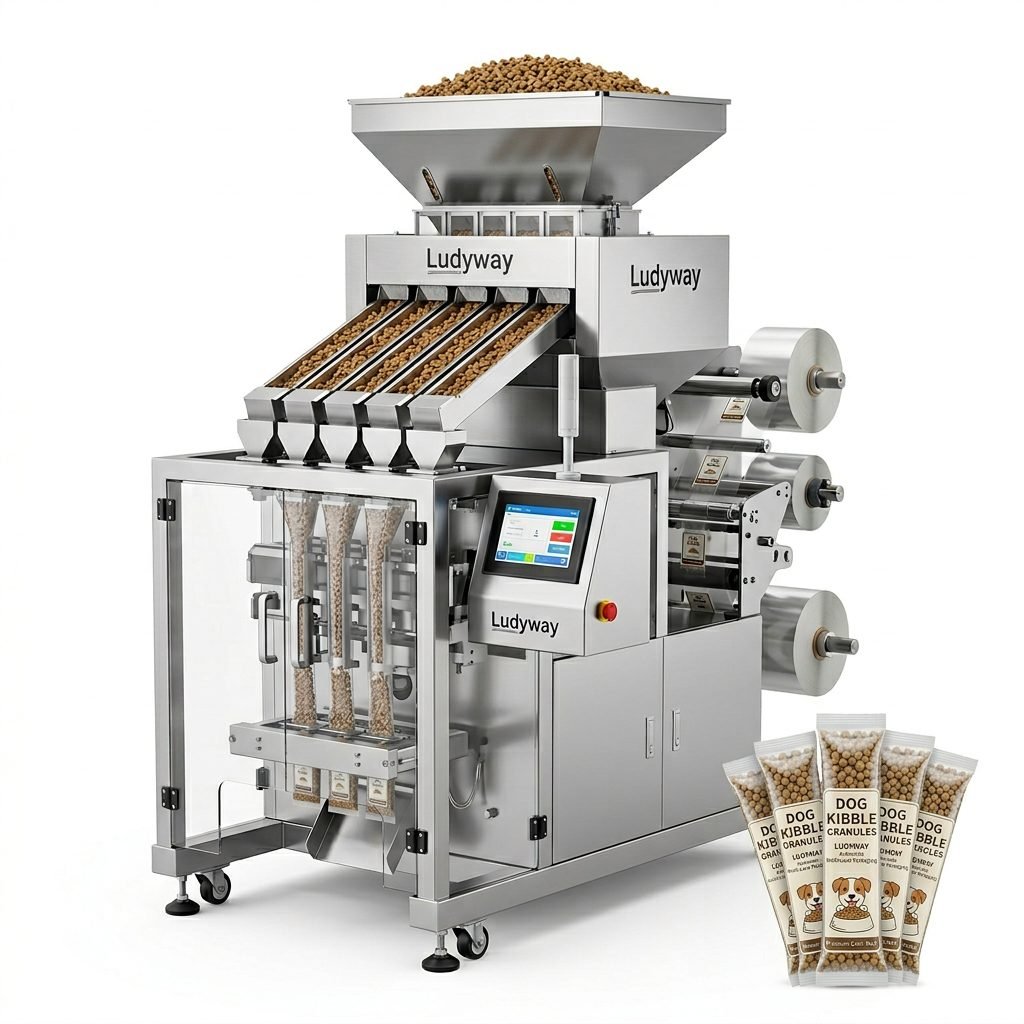
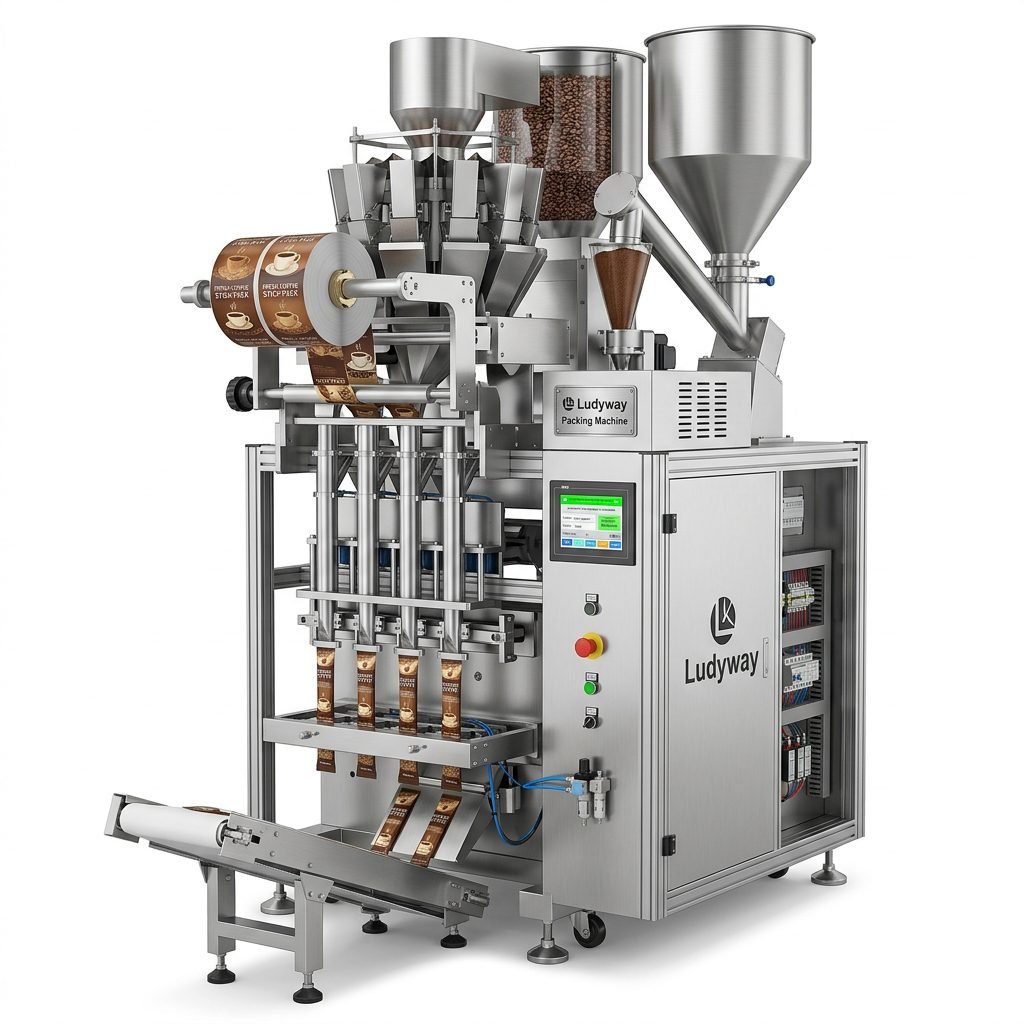
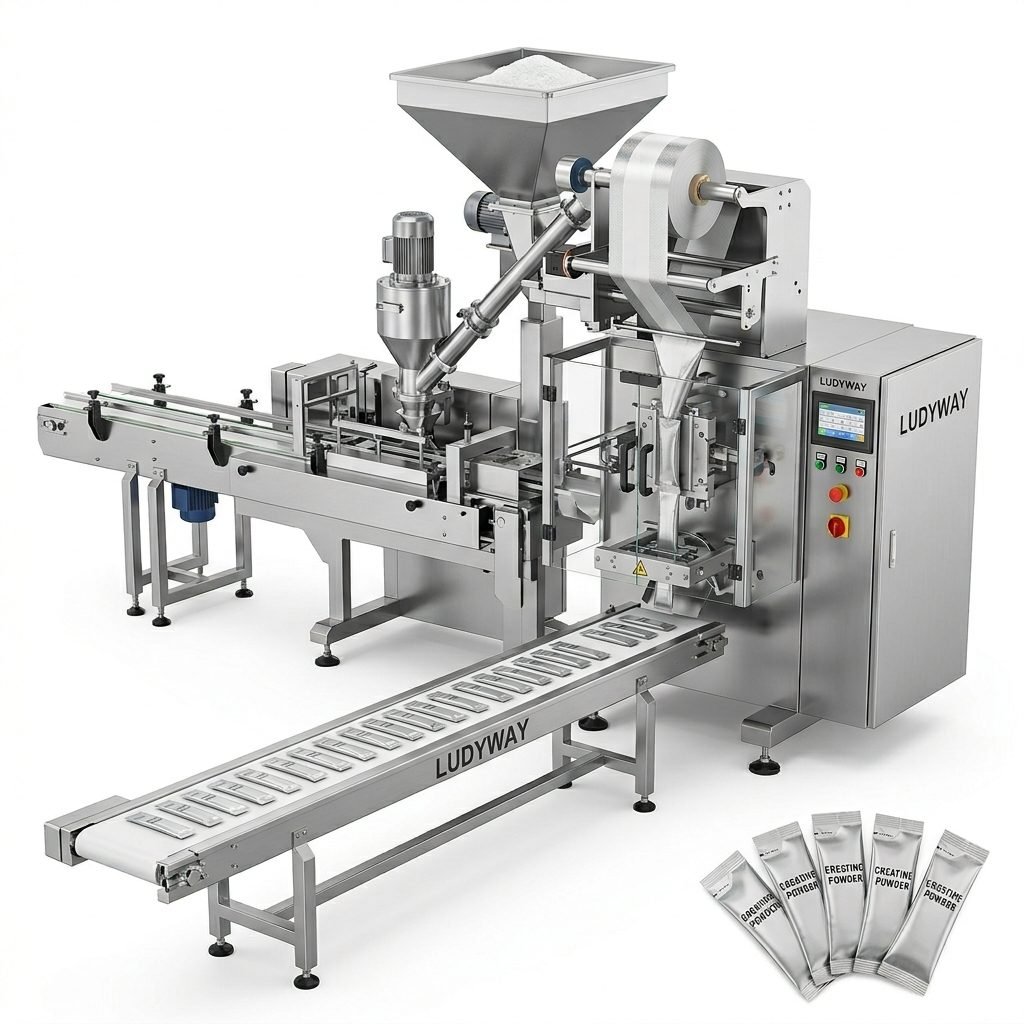
Ludyway’s approach aligns well with the Japanese market’s expectations. They offer a portfolio of more than 50 intelligent packaging machine models, including multi-lane stick pack and sachet packaging systems for granules, powders, and liquids. Their strength lies in understanding diverse global production needs and providing customized, efficient automation. You can learn more about their specific engineering capabilities on their company profile page.
Ludyway Machinery at a Glance
Their growth story, from a focused engineering team to an international supplier, highlights a commitment to innovation and practical solutions—a narrative that resonates with the value-driven Japanese industrial sector. For insights into their journey and philosophy, their company history provides further detail.
Strategic Sourcing and Partnership Building
Building a successful partnership with a Japanese manufacturer or a global expert like Ludyway requires a strategic approach. Always conduct thorough factory audits, either in-person or virtually. Clearly communicate your total cost of ownership (TCO) expectations, including energy consumption and maintenance needs. Finally, view the relationship as a strategic alliance for continuous improvement, rather than a simple vendor transaction.
Frequently Asked Questions (FAQs)
Q1: What is the most important factor when choosing a Japanese packaging machinery manufacturer?
A: Beyond technical specs, the manufacturer’s commitment to after-sales service and support is critical. Given the precision and complexity of the machinery, having reliable, accessible technical support and a guaranteed supply of spare parts is essential for minimizing downtime and ensuring long-term operational success.
Q2: How does the Japanese business culture affect machinery procurement timelines?
A: The consensus-based decision-making process can sometimes extend negotiation and approval phases compared to other regions. It’s important to build in additional time for relationship building and detailed discussions. However, this thoroughness often results in clearer contracts and more reliable project execution.
Q3: Are sustainable and hygienic design features standard in Japanese packaging machines?
A: Yes, increasingly so. Japanese manufacturers are leaders in designing machines that enable lightweighting and use of recyclable materials. For food and pharmaceutical applications, designs prioritizing easy cleaning, minimal particle generation, and compliance with sanitary standards (like EHEDG) are typically standard or readily available.
Q4: Can international companies like Ludyway Machinery provide compatible solutions for the Japanese market?
A: Absolutely. Reputable global suppliers design their equipment to meet international standards, including those prevalent in Japan (e.g., JIS, CE, UL). They often have experience supplying similar technology to Japanese multinationals or local partners, ensuring electrical compliance, safety protocols, and interface requirements are met.
Q5: What is the best way to stay updated on new technologies from Japanese manufacturers?
A: Engaging with the Japan Packaging Machinery Manufacturers Association (JPMA) and attending major trade shows like TOKYO PACK are highly effective. Additionally, subscribing to technical journals and establishing direct communication with the R&D departments of your shortlisted manufacturers will provide early insights into emerging innovations.