The beverage industry is a dynamic and fast-paced sector where packaging plays a critical role in product protection, brand presentation, and operational efficiency. Choosing the right packaging equipment is not just about sealing a product; it’s about ensuring freshness, meeting consumer demands, and optimizing production lines for maximum output. This guide explores the top packaging equipment solutions tailored specifically for beverage manufacturers, from powders and granules to liquid concentrates and ready-to-drink formats.
Essential Packaging Equipment for Beverage Production
Modern beverage packaging requires a diverse set of machinery to handle different product forms and packaging styles. The core of any operation often starts with accurate filling.
Liquid Filling Machines
For juices, concentrates, syrups, and liquid additives, precision liquid fillers are indispensable. Volumetric, piston, and gravity fillers ensure accurate dosing, minimizing product waste and ensuring consistent fill levels. Advanced models feature CIP (Clean-in-Place) systems and quick-changeover parts, which are vital for maintaining hygiene and adapting to different bottle or pouch sizes.
Powder & Granule Packaging Systems
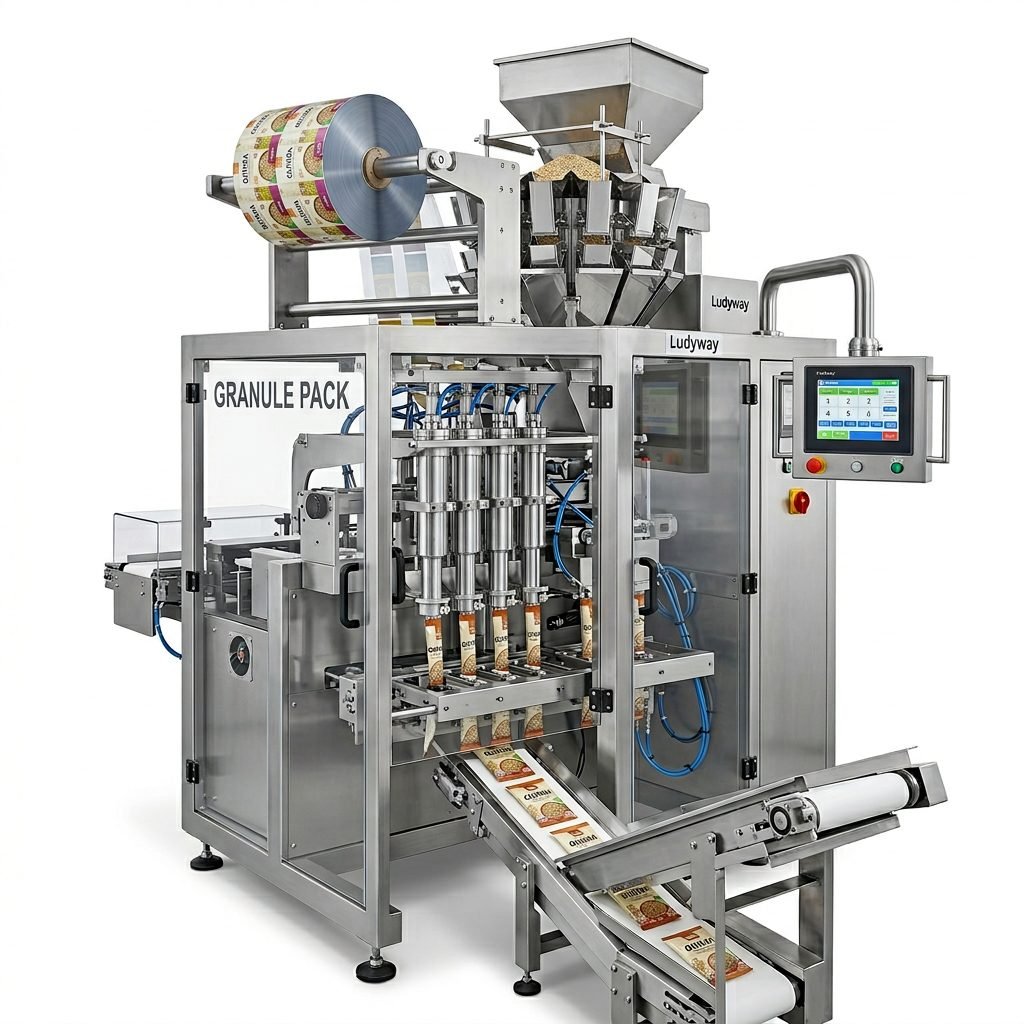
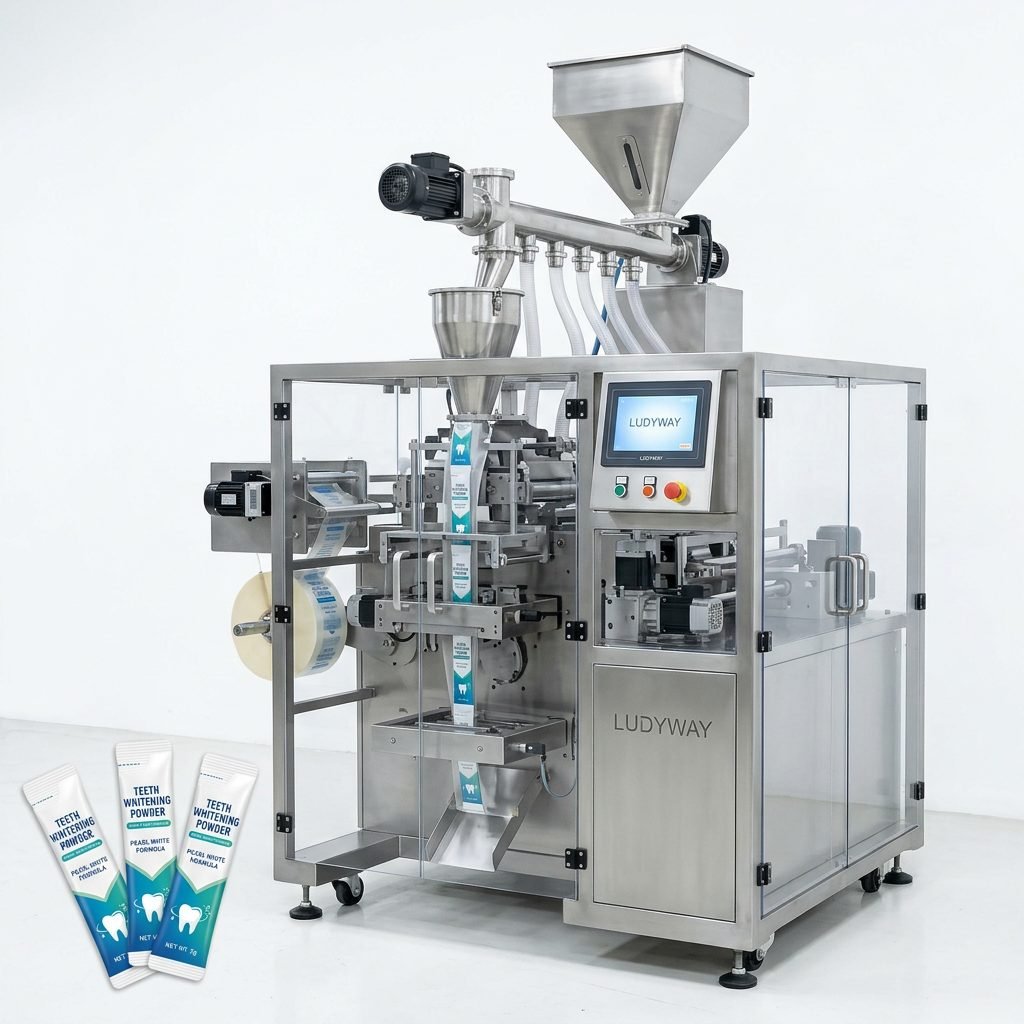
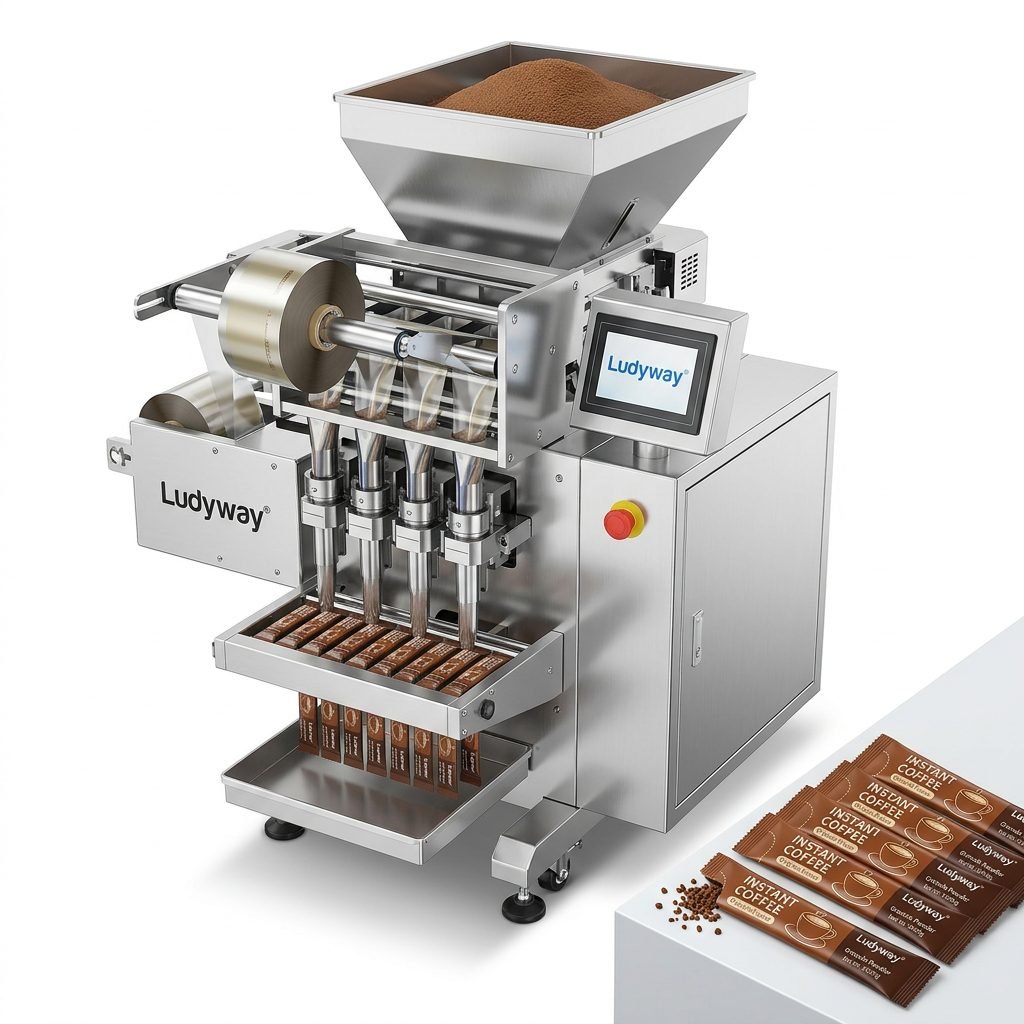
Beverage mixes, instant coffee, tea granules, and protein powders demand equipment that prevents clumping and ensures precise weight control. Auger filler systems with servo-driven technology offer high accuracy. Integrated with vibration systems and de-aeration features, they guarantee a consistent, compact fill for stick packs or sachets, preserving product quality and extending shelf life.
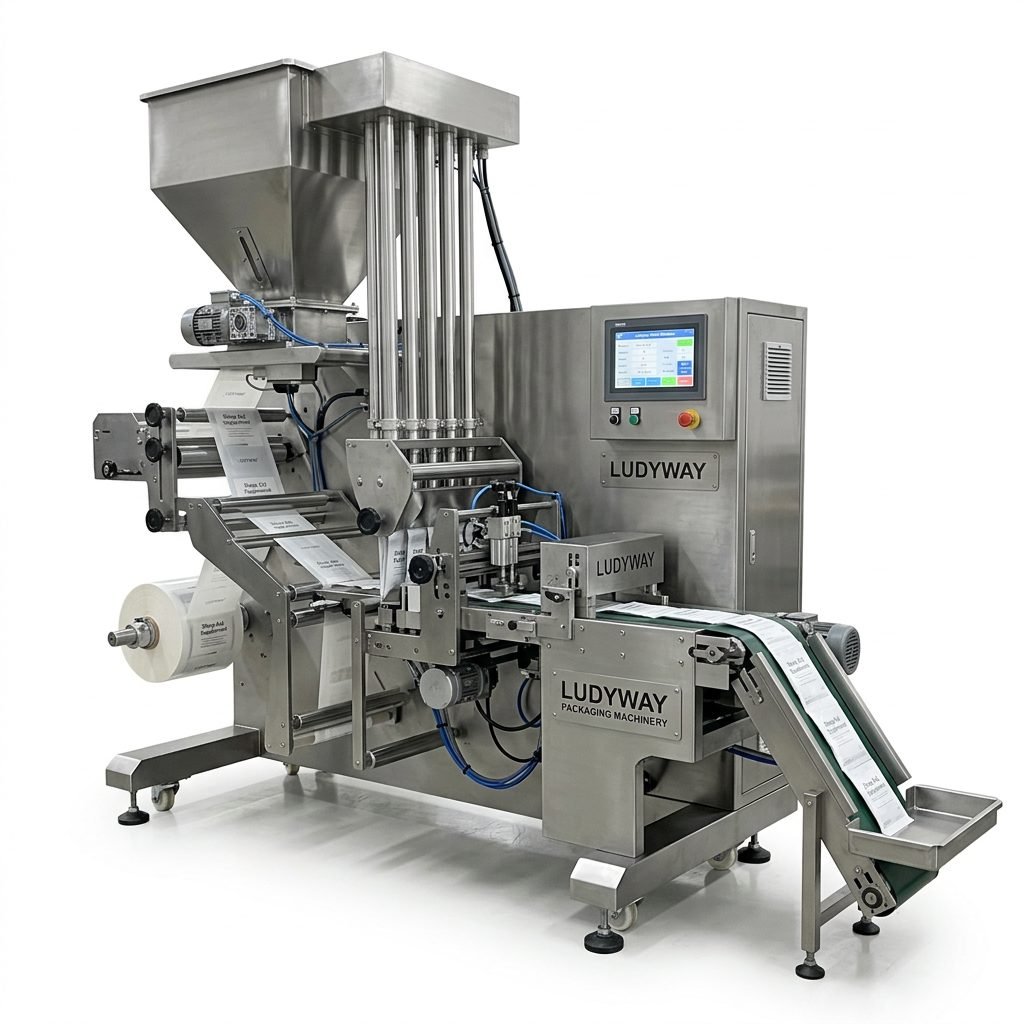
Stick Pack and Sachet Packaging Machines
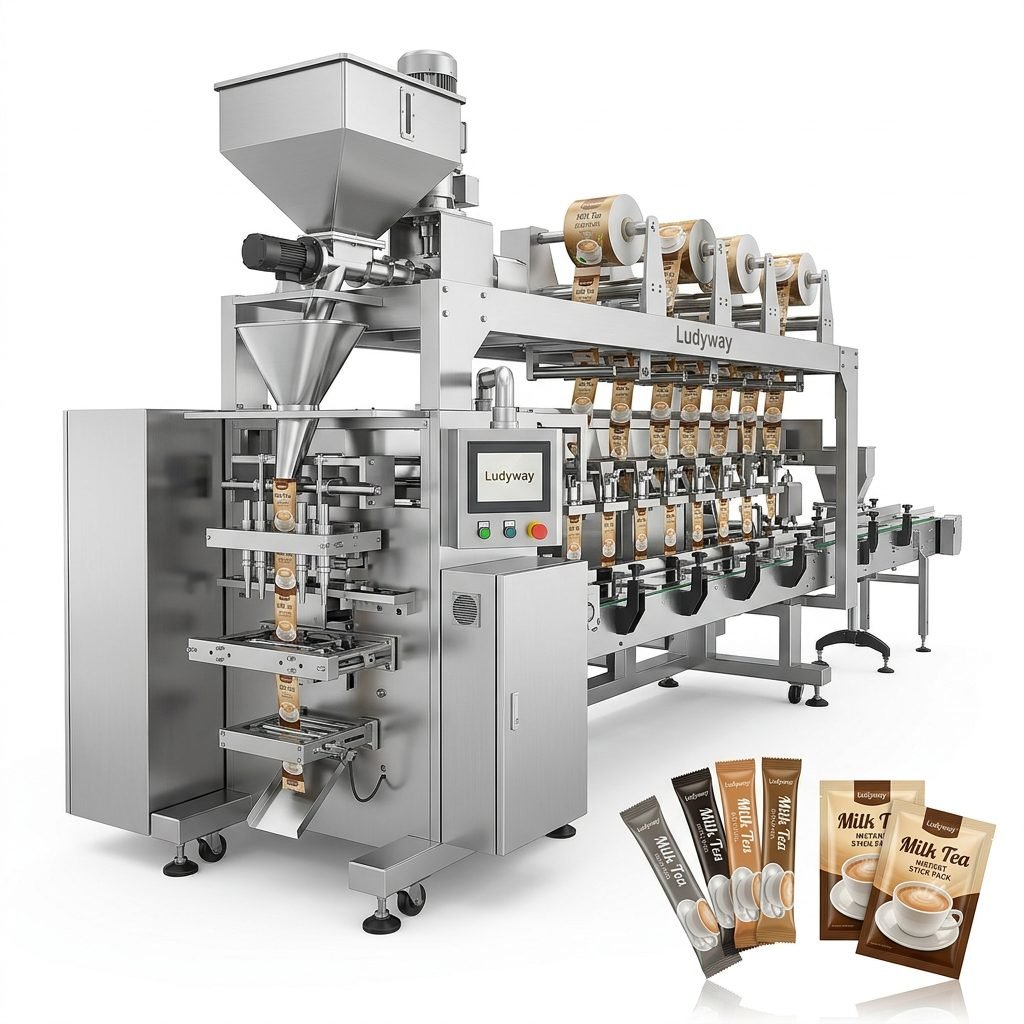
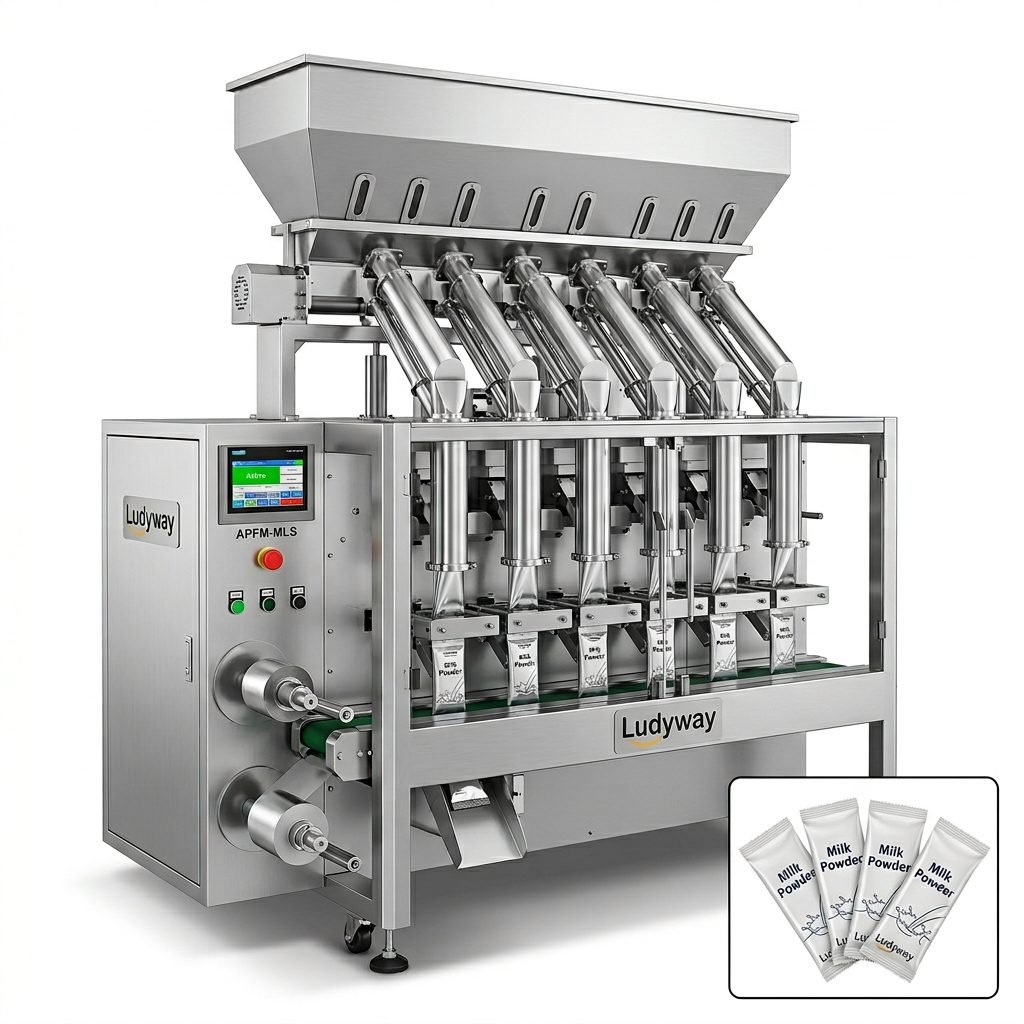
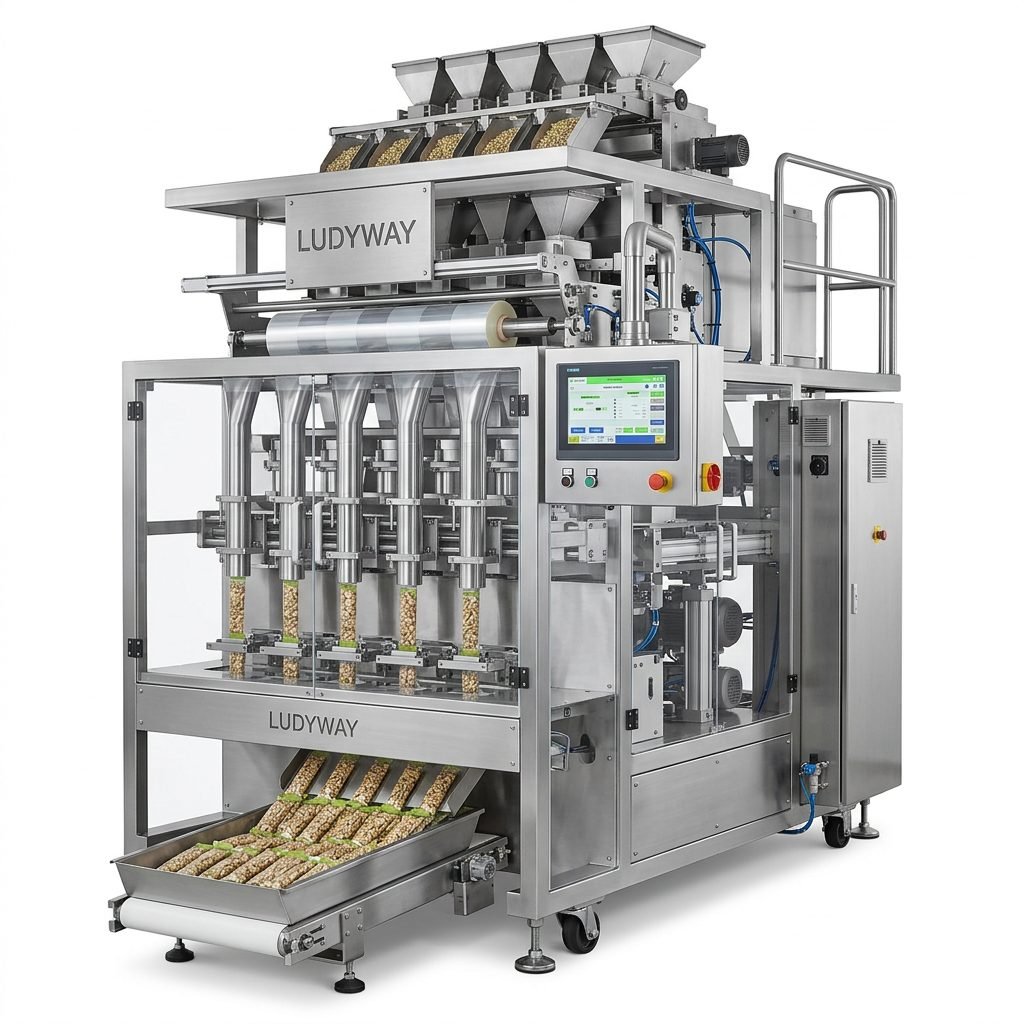
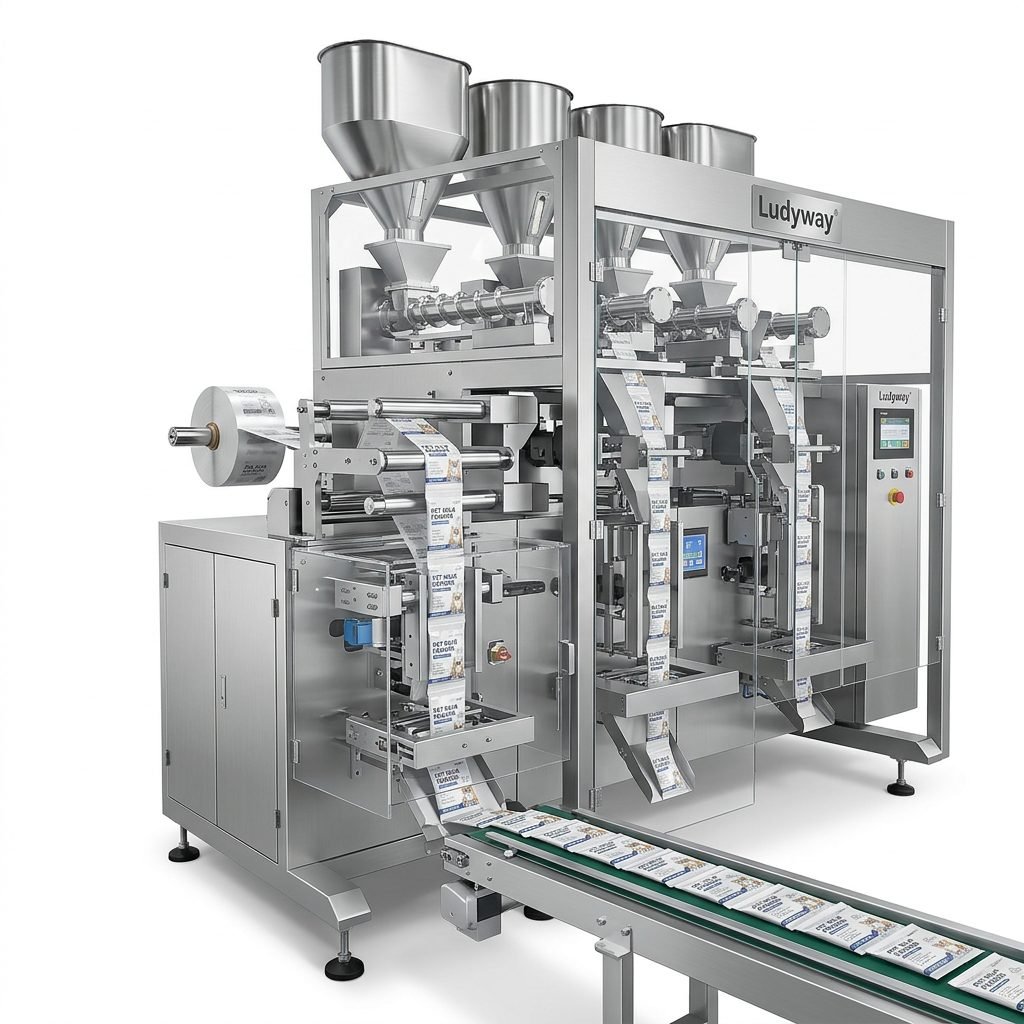
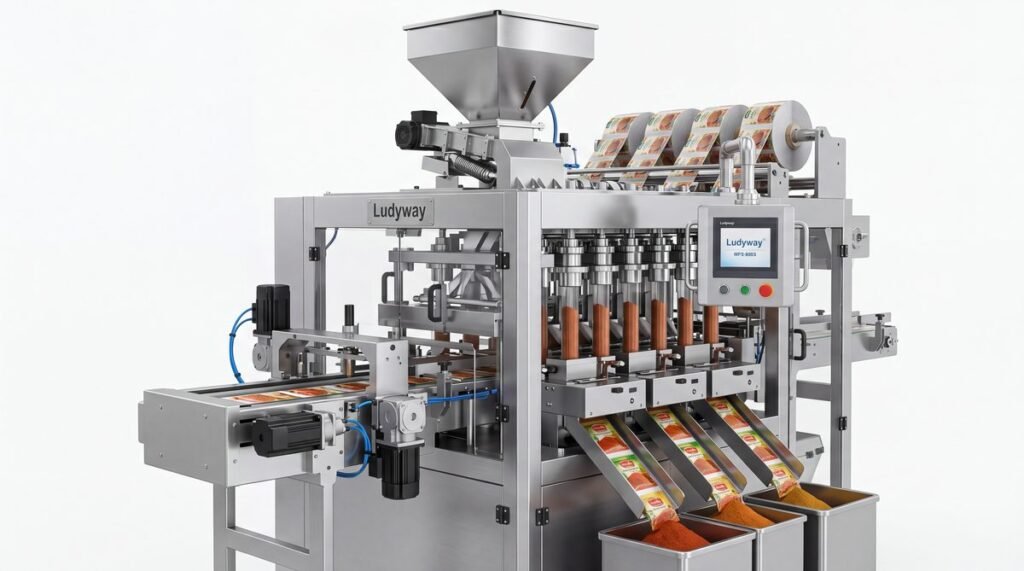
Single-serve convenience is a major trend. Multi-lane stick pack machines can produce dozens of portions per minute, forming, filling, and sealing in one continuous motion. These systems are perfect for powdered drink mixes, electrolyte supplements, and instant beverages. The efficiency of multi-lane design dramatically boosts production capacity while maintaining a small factory footprint.
Key Considerations When Selecting Beverage Packaging Machinery
Investing in packaging equipment is a significant decision. Beyond the machine type, several factors determine long-term success and ROI.
Production Speed and Output: Match the machine’s capacity (packs per minute) with your current and projected production volumes. Over-specifying can lead to unnecessary cost, while under-specifying creates bottlenecks.
Flexibility and Changeover: The ability to quickly switch between different package sizes, shapes, and materials (like laminated films for moisture barrier) is crucial for producers with diverse SKUs. Look for machines with tool-less or quick-change components.
Hygiene and Construction: Equipment for food and beverage must comply with strict hygiene standards. Stainless steel (304 or 316 grade) contact parts, smooth surfaces, and easy-clean designs are non-negotiable for product safety and ease of maintenance.
Integration with Upstream and Downstream Processes
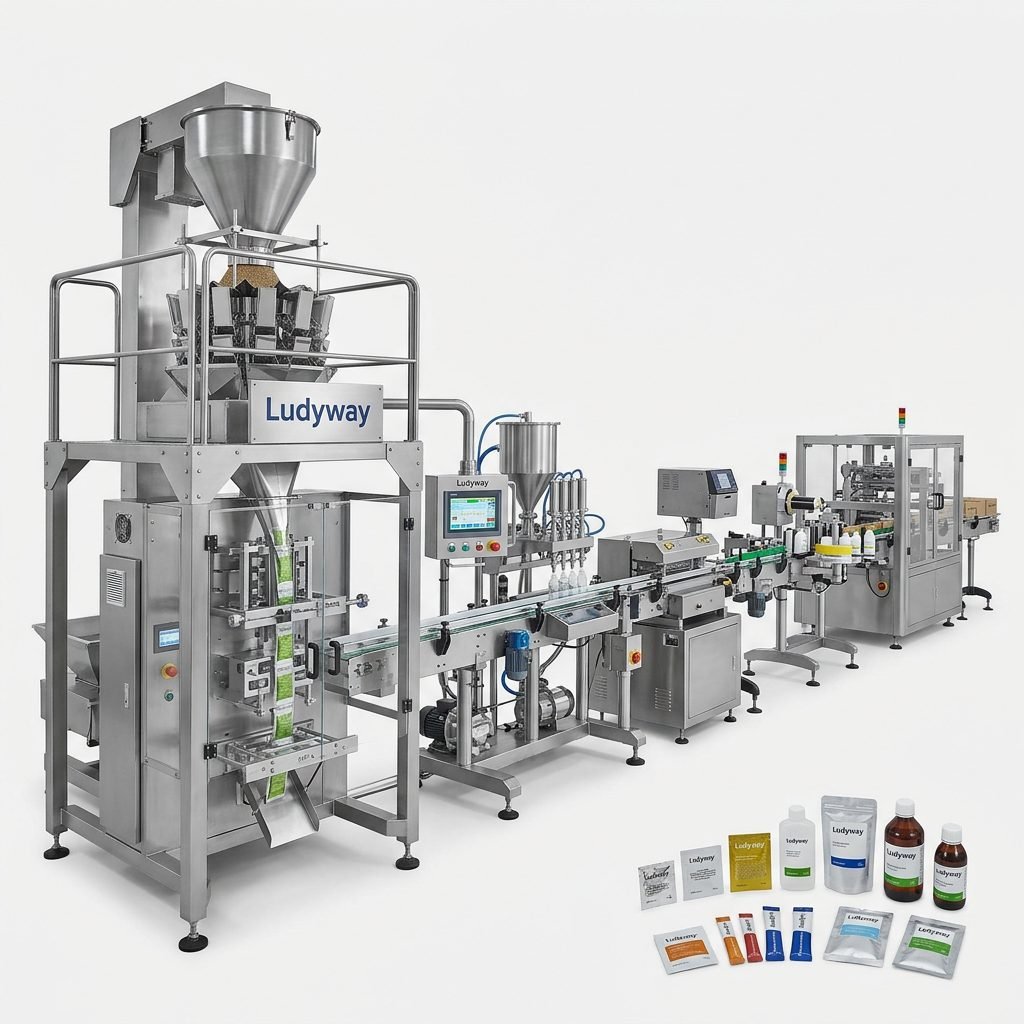
A packaging machine rarely works in isolation. Its compatibility with existing or planned production line components—such as mixers, conveyors, cartoners, or case packers—is vital. Turnkey solutions provided by experienced suppliers can streamline integration, ensuring seamless material flow from production to palletizing. For insights into complete line planning, you can explore more about packaging line integration.
Trends Shaping Beverage Packaging Equipment
The industry is evolving rapidly, driven by consumer preferences and technological advancements.
Sustainability-Driven Automation
There is growing pressure to use recyclable or compostable materials. Modern equipment must be adaptable to handle these often more challenging materials—such as mono-layer films or paper composites—without compromising seal integrity or machine speed.
Smart Packaging and Industry 4.0
Connectivity is key. Newer machines come equipped with IoT sensors and HMI (Human-Machine Interface) panels that provide real-time data on output, downtime, and maintenance needs. This data allows for predictive maintenance, reducing unplanned stops and optimizing Overall Equipment Effectiveness (OEE).
Demand for Flexibility: The rise of small-batch, limited-edition, and personalized beverages requires equipment that can handle short runs efficiently. Modular machine designs allow producers to adapt quickly to market trends.
Why Partner with a Specialized Packaging Machinery Provider?
Choosing a supplier is as important as choosing the machine. A partner with deep industry experience brings invaluable benefits.
They offer more than just a machine; they provide a comprehensive solution, including feasibility analysis, factory layout planning, installation, training, and ongoing technical support. Their expertise in different beverage segments—from dairy-based drinks to functional health beverages—ensures the equipment is perfectly suited to your product’s specific characteristics (like viscosity, acidity, or particulate size).
For instance, a provider with over 30 years of industry experience has likely encountered and solved a vast array of production challenges. This knowledge translates into more reliable recommendations and robust machine designs. You can learn about the approach of such experienced teams by reviewing their company history and expertise.
Furthermore, a strong service network is critical. Ensure your provider can offer prompt spare parts delivery and remote or on-site technical assistance to minimize production disruptions. Evaluating a supplier’s commitment to service and support is a key step in the selection process.
Conclusion
Selecting the optimal packaging equipment for your beverage business is a strategic decision that impacts product quality, brand reputation, and bottom-line profitability. By understanding the different equipment types—from liquid fillers to high-speed stick pack machines—and carefully evaluating factors like speed, flexibility, and hygiene, you can make an informed investment. Partnering with a knowledgeable and experienced machinery provider ensures you get a tailored, future-proof solution that drives efficiency and growth in the competitive beverage market.
Frequently Asked Questions (FAQs)
Q1: What type of packaging machine is best for powdered beverage mixes?
A: For powdered mixes like protein shakes or instant coffee, multi-lane stick pack or sachet machines with precision auger fillers are typically the best choice. They offer high-speed production, excellent accuracy, and superior product protection from moisture.
Q2: How important is machine flexibility for a new beverage brand?
A: It is extremely important. New brands often experiment with different package sizes and formats. Choosing equipment with quick changeover capabilities allows you to adapt to market feedback and scale production for different SKUs without major reinvestment.
Q3: Can one machine handle both liquid and powder beverage products?
A: Generally, dedicated machines are recommended for optimal performance and hygiene. However, some modular filling systems can be configured with interchangeable filling heads (e.g., switching from a piston pump for liquids to an auger for powders), but this often involves a changeover process.
Q4: What are the key maintenance requirements for beverage packaging equipment?
A: Daily cleaning, regular lubrication of moving parts as per the manual, and inspection of seals and wear parts (like augers or filling nozzles) are essential. Following the manufacturer’s preventive maintenance schedule is crucial to avoid unplanned downtime.
Q5: How do I ensure the packaging materials work well with my chosen machine?
A: Work closely with your packaging film supplier and machinery provider. The machine needs to be calibrated for the specific material’s thickness, seal layer, and tensile strength. Most reputable equipment suppliers offer film testing and machine parameter optimization as part of their service.